Connect with us
DAPA Banner

Sports

Blue Jays can make more history while celebrating 50th season

Published

on

Fifty years of big-league baseball in Toronto offer plenty of moments to remember from the earliest snowy days at Exhibition Stadium to the delirium of October in the early 1990s to the Bat Flip.

If you’ve followed the Toronto Blue Jays for long enough, you can remember these round-number anniversaries. There’s a commemorative patch on the sleeve, some fun events that encourage fans to remember beloved alumni and, for a moment, the past becomes more celebrated than the present.

But the club’s 50th season doesn’t quite feel like that kind of commemoration. It feels less like a look backward than a marker on the timeline of something still unfolding.

The obvious physical symbol of that shift is the ballpark itself. The renovation of the Rogers Centre transformed what had increasingly been something of a concrete monument to past glories into a legacy of how stadia used to look and operate.

Advertisement

But ask any fan who has entered the Rogers Centre over the past three seasons, and under that familiar roof and icon of the Toronto skyline is a ballpark that finally feels modern. Sightlines opened. Social spaces appeared. It’s a renovation that recognized that, beyond the annual roster churn, the franchise needed to fundamentally update the experience of watching the team itself.

You could argue the process started even earlier, at the club’s player-development complex in Florida. It was an investment that was, at the time, met with skepticism, especially given the state of the roster when shovels first turned sod on that project. But the upgrades to the PDC (and to TD Ballpark in Dunedin) weren’t merely cosmetic. These are the kind of infrastructural investment teams make when they’re thinking seriously about the next decade, not just the next season.

The construction of the PDC didn’t come with a pennant to hang in Toronto, but it was a sign of the cultural change within the franchise. And while the newest pennant to be unveiled at the home opener may not be directly attributable to the infrastructure, it’s part of this new chapter.

For all the statistical analysis that informs our understanding, baseball fandom is still significantly about vibes. Last year’s success — and let’s not be afraid to call it that — shifted the broad perspective about the Blue Jays, from the casuals to the die-hards.

Advertisement

For much of the previous two decades, the Blue Jays often seemed like a franchise reacting to the league rather than shaping its own destiny. They would assemble promising rosters, flirt with contention, and then watch as the gravitational pull of larger payrolls and deeper organizations dragged the standings back into a familiar alignment. It produced some very good teams, a few memorable ones, and an undercurrent of frustration that the club was always that close, yet so far, to fully realizing its potential.

What feels different now is the posture. The Blue Jays increasingly behave like an organization that believes the future is something you build rather than something you wait for.

That mindset shows up now in aggressive free-agent pursuits, and the willingness to shape the roster rather than merely maintain it. The team isn’t hoping the competitive cycle breaks in its favour. It’s trying to bend the cycle.

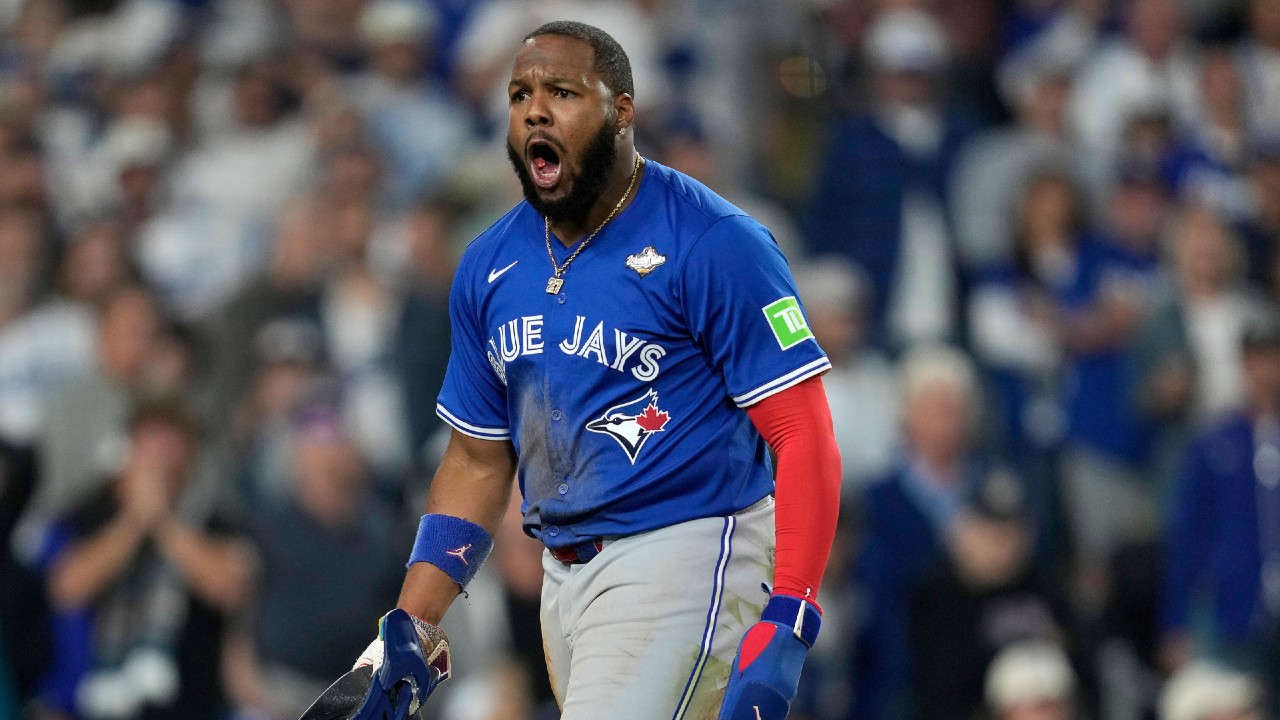
It means taking bold steps like locking down a charismatic and productive player like Vladimir Guerrero Jr. for the foreseeable future, and making this franchise his, rather than hoping to have him replaced in the aggregate.

Advertisement

There’s something fitting about all this coming to fruition in the 50th season of the franchise’s existence. Milestone seasons are supposed to remind you where you’ve been. But the best ones also tell you where you’re going.

For the Blue Jays, the 50th season arrives at a moment when the franchise has stopped treating its past as the high-water mark. The past glories of the franchise will always be part of the club’s lore, but marking this time is more meaningful as the team seems set to arrive just before something new.

That’s the undercurrent of this 50th season of Blue Jays baseball. It hits differently because they’re acting like a franchise that wants the coming decade to matter as much or more than the ones that came before.

This year isn’t just about celebrating history. It’s about making history.

Advertisement

Source link

Continue Reading
Click to comment

You must be logged in to post a comment Login

Leave a Reply

Sports

RCB, RR deals signal IPL’s shift from a cricket league to an asset class | Business

Published

on


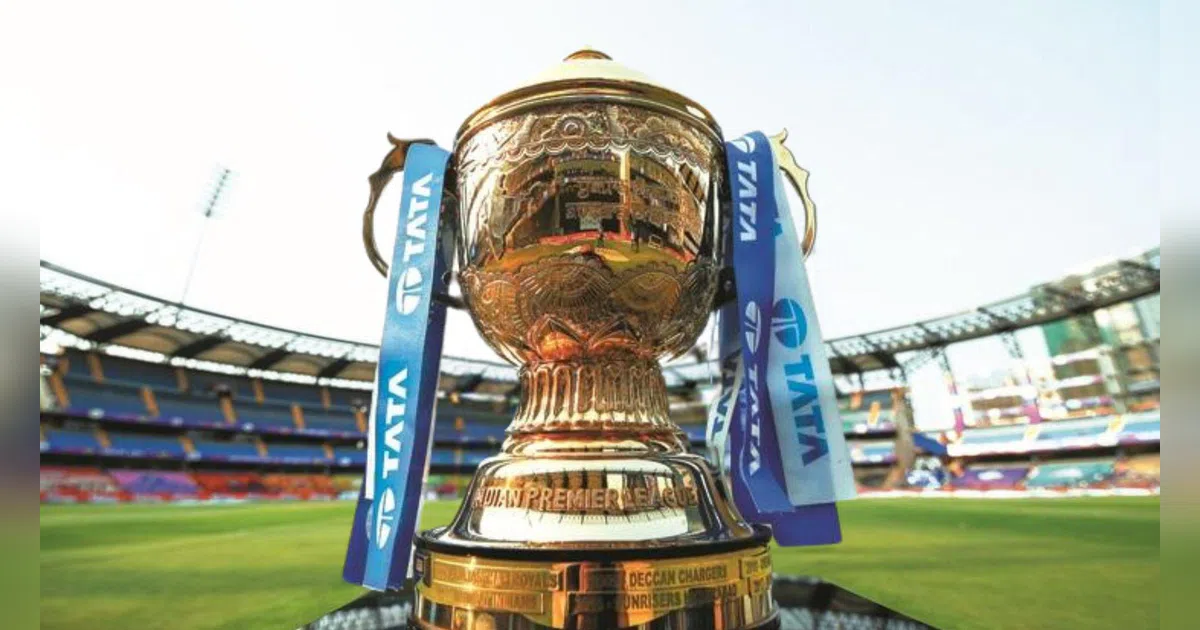
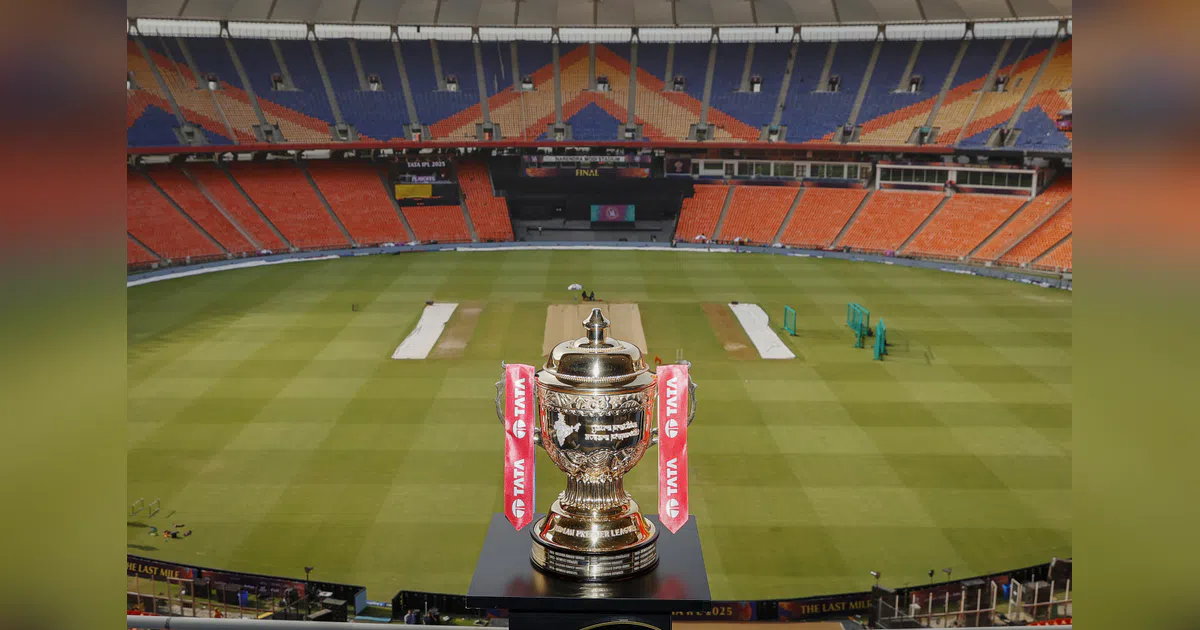
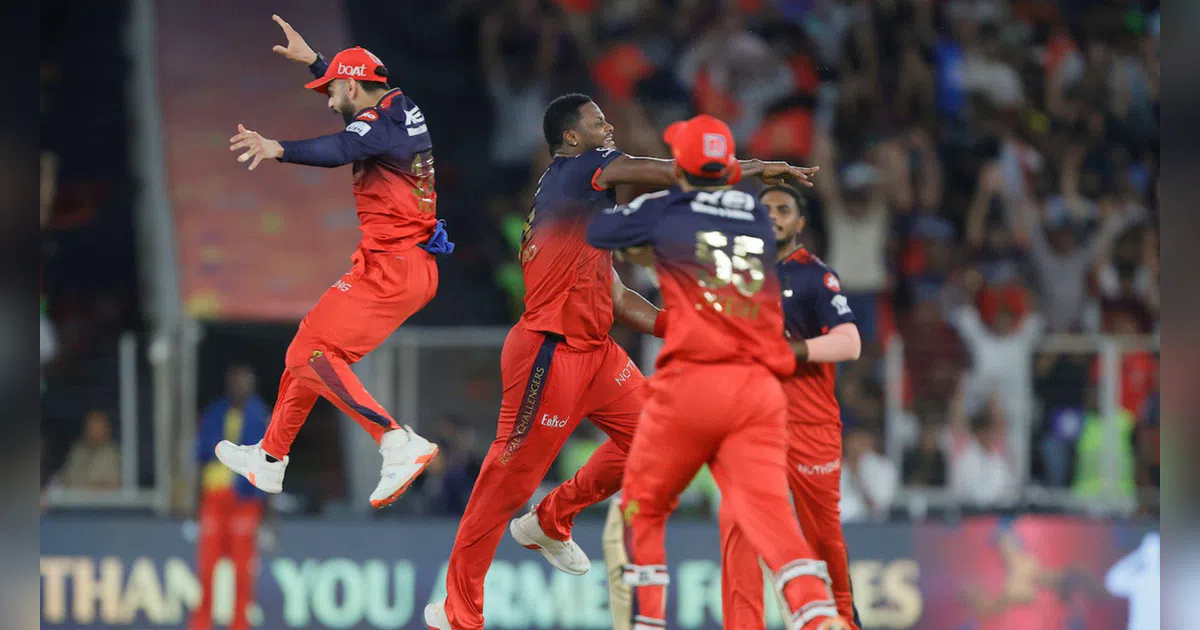
Just when a Bollywood blockbuster on “new India” almost stole the attention of a nation that lives and breathes cricket, the Indian Premier League (IPL) made headlines with numbers amounting to over $3 billion. Royal Challengers Bengaluru and Rajasthan Royals found new owners on Tuesday, who will pay $1.78 billion and $1.6 billion, respectively, for the teams, changing the perception around the league.


For years, IPL teams were seen mostly as high-profile sporting properties — glamorous, influential and culturally powerful, but still tied closely to the passion and prestige of their owners. That equation is now changing. 

Advertisement


But here’s the bigger picture. This isn’t just about two franchises surpassing a symbolic valuation milestone. It is about the IPL emerging as a sustainable business and not just a cricket league. The IPL has matured into a league with predictable revenues, premium branding and global investor appeal. The two deals indicate a fundamental shift in how cricket itself is being priced and owned. 


Why these deals are happening now


Advertisement
The timing of these valuations is worth noting. The IPL has achieved scale and visibility — something every serious investor craves. Its media rights for the 2023–27 cycle were sold for ₹48,390.32 crore, demonstrating the league’s ability to command enormous broadcast and digital value. Sponsorship demand remains strong, and franchise-level revenues have become easier to model. Moreover, the IPL now offers predictability to investors. Its central revenue pool, sponsorship ecosystem, ticketing upside, merchandising potential and digital fan engagement contribute to that predictability. The addition of the Women’s Premier League has expanded the league’s commercial horizon. Therefore, the IPL is a proven, scalable business. 


More than just a league


The billion-dollar valuations clearly indicate that these deals sit inside a system that combines central media revenues shared by the Board of Control for Cricket in India (BCCI), league-wide sponsorships, local commercial deals, fan communities and content distribution. That gives each team a platform effect that goes beyond wins and losses on the field.

Advertisement


A conventional team business depends heavily on matchday earnings and sporting performance. By contrast, an IPL team benefits from the power of the entire league infrastructure. The franchise is a gateway into cricket’s most commercially potent ecosystem, where value is created not only through performance but through attention, content, sponsors and reach.


From vanity ownership to financial asset

Advertisement


The character of IPL ownership is changing as well. In the initial years, teams were associated with their promoters, celebrities or business houses. Owning an IPL team had a strong vanity component. That has not disappeared, but the focus is shifting. Today, consortia, institutional investors and private capital increasingly view IPL stakes through the lens of returns.


This reflects the growing maturity of the league. A scarce asset with predictable income, long-term appreciation potential and strong brand visibility attracts investors who think in portfolio terms. An IPL team offers scarcity because there are only a limited number of franchises. It offers yield through revenue streams tied to the league and sponsors. And it offers appreciation because the broader cricket economy continues to expand. IPL ownership is moving from passion-driven to portfolio-driven.

Advertisement


What new money sees in IPL teams


For newer investors, the appeal of IPL franchises goes well beyond the cricket field. These are media-facing consumer brands with multiple monetisation levers. They sit at the intersection of sport, entertainment, digital distribution and community engagement. That makes them especially attractive in an era when attention itself is a valuable asset. 

Advertisement


The modern investor sees an IPL team as a content engine, a sponsorship platform and a digital consumer brand. The level of social media engagement around these franchises is a testament to that appeal.


The Women’s Premier League adds another layer of long-term possibility. This is why IPL teams are being viewed less as sporting curiosities and more as expandable commercial vehicles.  IPL is no longer only sport to investors. It is becoming an alternative asset class.

Advertisement


Why Royal Challengers Bengaluru and Rajasthan Royals commanded premium valuations


The two deals, though linked by the same larger trend, reflect slightly different strengths. Royal Challengers Bengaluru’s premium is easier to understand at first glance. It has one of the most engaged fan bases in the league, enormous digital traction, strong commercial appeal and a visibility level amplified by star power and years of relevance in public conversation.

Advertisement


“RCB commands a premium because of its unmatched fan engagement, commercial pull, and the legends of the game associated with it,” said Sunil Kalra, an independent cricket analyst.


Rajasthan Royals, however, represent something equally important. Their valuation underlines the strength of the IPL as a whole. Even a franchise that may not always dominate public chatter like the most high-decibel teams can still command a premium because it owns a scarce place in one of the world’s most valuable cricket leagues.

Advertisement


“However, Rajasthan Royals has focused on roping in cricketing royalty and creating its brand value. Shane Warne won the first season for the team, and Rahul Dravid has been associated with RR for over a decade now. That’s cricketing royalty for you,” Kalra added.


What this means for the IPL’s future

Advertisement


These deals are likely to do more than generate headlines. They may reset expectations across the league. Once billion-dollar franchise valuations are established in the market, they create a new benchmark for future stake sales, minority investments and structured capital raises. That can attract more institutional money and encourage existing owners to think more strategically about capital structure, governance and monetisation.


The longer-term impact could be profound. More professional ownership structures may lead to sharper financial discipline, stronger management practices and greater focus on long-term asset building. The IPL may now be entering a more mature, finance-led phase of growth.

Advertisement


The significance of the Royal Challengers Bengaluru and Rajasthan Royals valuations goes far beyond two transactions. They show that IPL teams are no longer being judged only as sporting brands or promoter trophies. They are being treated as premium media properties, investable assets and magnets for serious capital. That changes the conversation around cricket itself. The IPL’s next phase may be shaped as much by balance sheets as by scorecards.

Source link

Advertisement
Continue Reading

Sports

NBA’s eligibility rule comes under fire

Published

on

NEWYou can now listen to Fox News articles!

The National Basketball Players Association (NBPA) called on the league to make a change to its 65-game eligibility rule for players to be considered for awards.

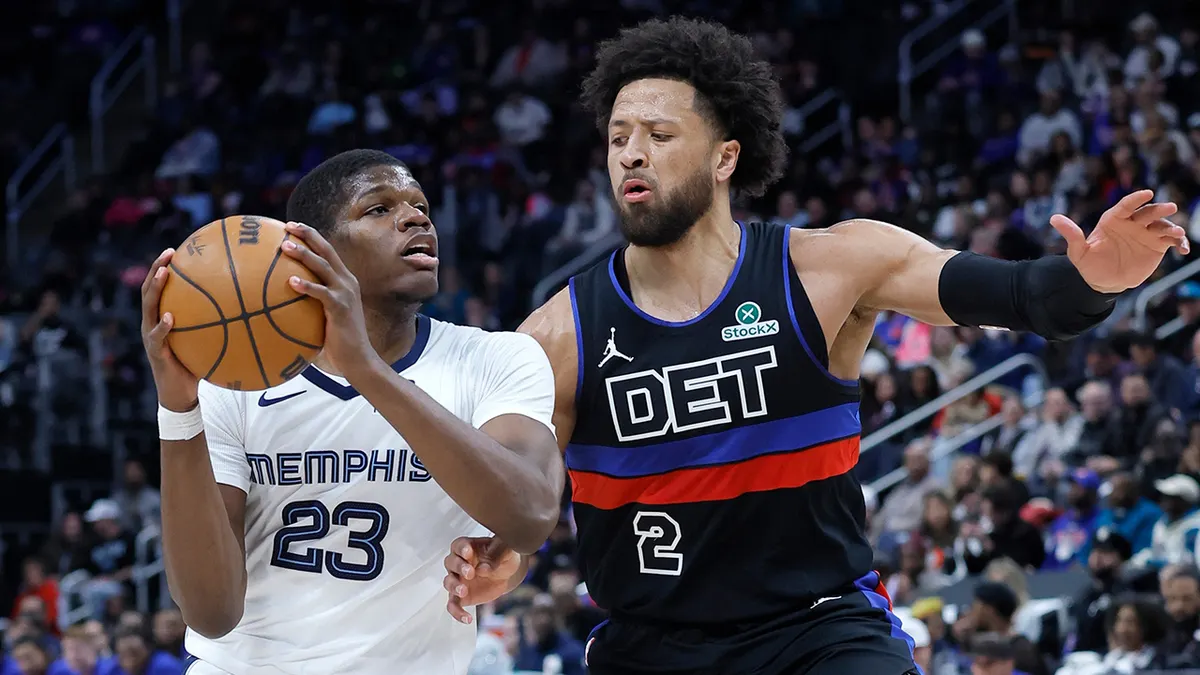
NBA players who fail to play 65 games are not considered for the league’s top honors, like NBA MVP. The union pointed to Detroit Pistons star Cade Cunningham, who emerged as an MVP candidate this season but may not be considered for the award if he misses more time. He’s currently sidelined with a collapsed lung.

CLICK HERE FOR MORE SPORTS COVERAGE ON FOXNEWS.COM

Advertisement
Cade Cunningham defends against a Grizzlies player

Memphis Grizzlies forward Cedric Coward (23) drives against Detroit Pistons guard Cade Cunningham (2) during the first half of an NBA basketball game Friday, March 13, 2026, in Detroit. (AP Photo/Duane Burleson)

“Cade Cunningham’s potential ineligibility for postseason awards after a career-defining season is a clear indictment of the 65-game rule and yet another example of why it must be abolished or reformed to create an exception for significant injuries,” the union said. “Since its implementation, far too many deserving players have been unfairly disqualified from end-of-season honors by this arbitrary and overly rigid quota.”

Los Angeles Lakers’ LeBron James, Milwaukee Bucks’ Giannis Antetokounmpo and Golden State Warriors’ Stephen Curry have missed too much time to be considered for the All-NBA teams.

Injuries have also plagued San Antonio Spurs’ Victor Wembanyama and Denver Nuggets’ Nikola Jokic this season. Each player is in line for the MVP but are nearing ineligibility.

Cleveland Cavaliers star Donovan Mitchell said he understood the rule but there were too many other factors at play.

Advertisement
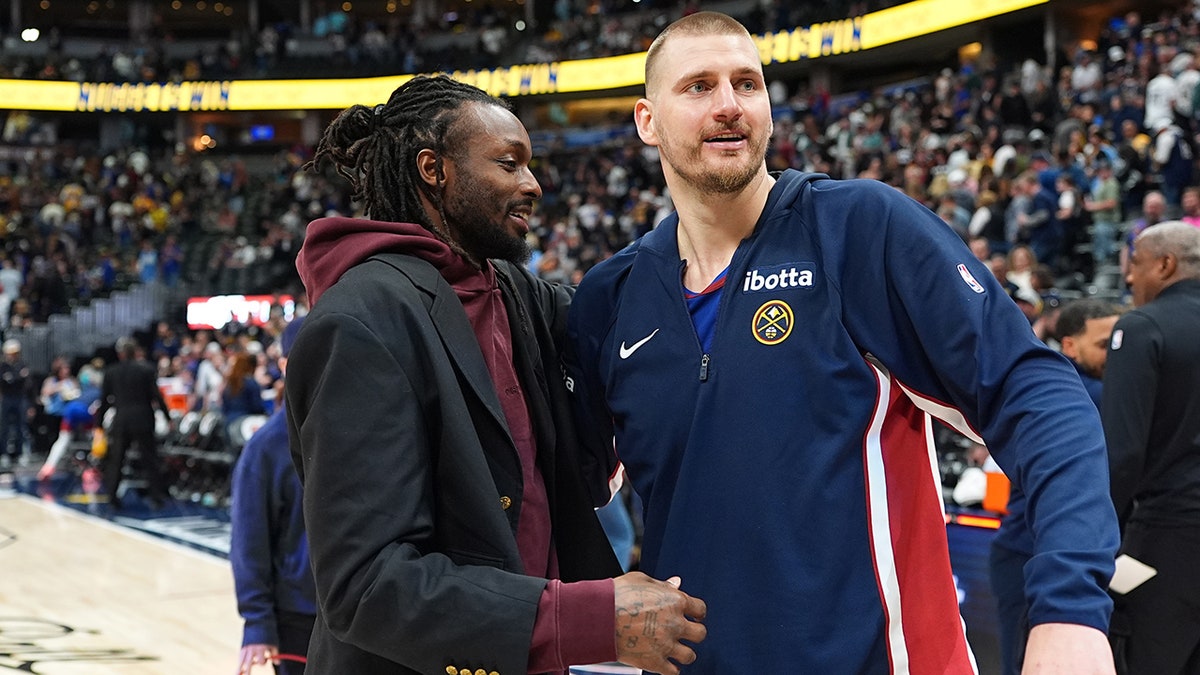
Nikola Jokic greets a player

Portland Trail Blazers forward Jerami Grant, left, greets Denver Nuggets center Nikola Jokic after an NBA basketball game Sunday, March 22, 2026, in Denver. (AP Photo/David Zalubowski)

VICTOR WEMBANYAMA BUILDS MVP CASE AS SPURS CLINCH DIVISION, END PLAYOFF DROUGHT

“It’s for the right reasons, but it’s tough,” Mitchell said over the weekend. “We get paid money to be out there, but there’s certain things you can’t control. It’s not like guys are resting and missing these games. These are legitimate injuries, so it’s something to look at for sure because there’s no way certain guys should be in this scenario.”

Kevin Durant suggested in 2024 he was indifferent about the rule.

“I just want guys healthy and on the court too. I guess that’s what the solution is try to get guys to stay on the court,” he said at the time. “It’s just something we’ve got to deal with. I won’t say I love it, or I hate it either, but it’s just something we’ve got to deal with.”

Advertisement
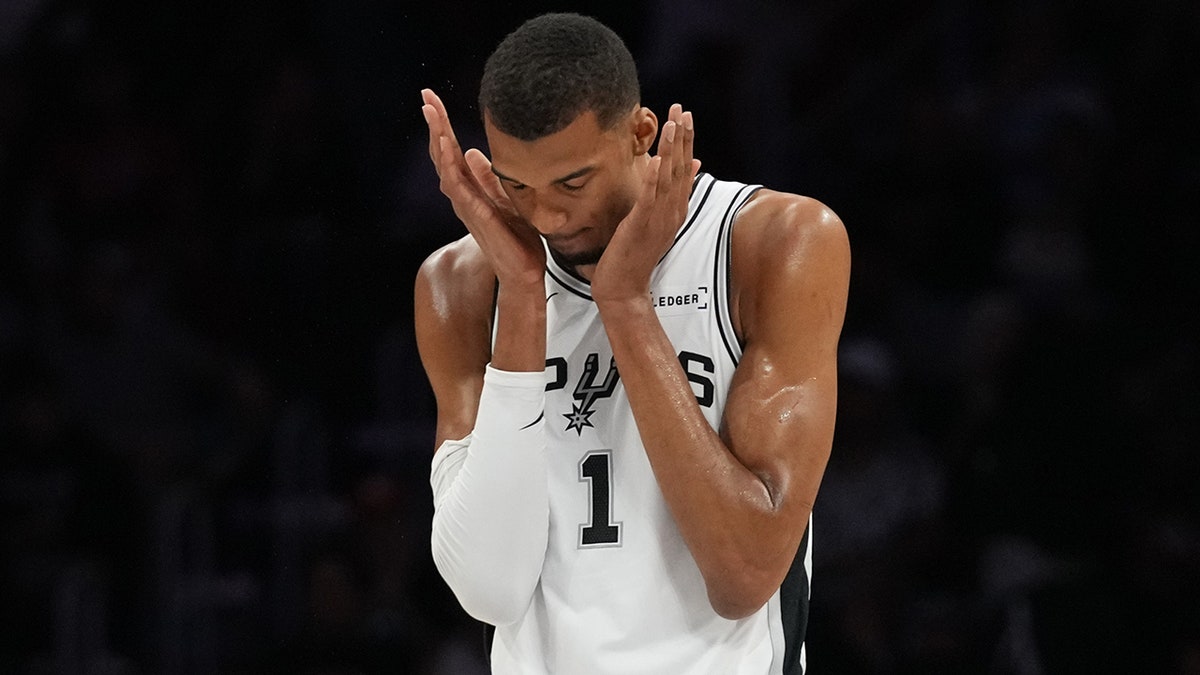
Victor Wembanyama on the court

San Antonio Spurs forward Victor Wembanyama (1) walks on the court during the first half of an NBA basketball game against the Miami Heat, Monday, March 23, 2026, in Miami. (AP Photo/Lynne Sladky)

CLICK HERE TO DOWNLOAD THE FOX NEWS APP

The rule was put in place in October in hopes of curbing load management and put an emphasis on the regular season. The rule may also impact whether players would receive a supermax contract in the future.

The Associated Press contributed to this report.

Follow Fox News Digital’s sports coverage on X and subscribe to the Fox News Sports Huddle newsletter.

Advertisement

Source link

Advertisement
Continue Reading

Sports

IPL vs NFL, NBA and EPL: How India’s T20 powerhouse stacks up globally | Business

Published

on

The recent surge in franchise valuations, with Royal Challengers Bengaluru (RCB) being sold to a global consortium led by Aryaman Vikram Birla of the Aditya Birla Group for $1.78 billion (about ₹16,600 crore) and Rajasthan Royals sold to a consortium led by US-based tech entrepreneur Kal Somani at around $1.63 billion (about ₹15,300 crore), has once again pushed the Indian Premier League (IPL) into the global spotlight. The RCB deal, involving investors such as the Aditya Birla Group, the Times of India Group and Blackstone, and the Rajasthan Royals deal, which includes investors linked to the Walmart and Ford families, highlight how IPL franchises are increasingly being treated as premium global sports assets, drawing strong private equity interest. 

  
What began in 2008 as a domestic T20 competition has evolved into one of the most commercially powerful sporting properties in the world. Backed by record-breaking media rights, strong advertiser demand and unmatched audience reach, the IPL is now frequently compared with global heavyweights such as the National Football League (NFL), the English Premier League (EPL) and the National Basketball Association (NBA).


But where does it stand when compared with the NFL, EPL or NBA?

Advertisement


Is IPL among the world’s biggest sports leagues by revenue?


In absolute terms, the IPL still trails the world’s biggest leagues by a significant margin. The NFL remains the undisputed leader, generating over $20 billion annually, according to Statista data. The EPL reported revenues of £6 billion ($7.5 billion) for the 2022–23 season, while the NBA generates between $10–12 billion annually.


“Revenue-wise, the IPL is the smallest. The NFL is around $18–20 billion, the NBA $10–12 billion, the EPL around $8 billion, and the IPL is roughly $3.5–4 billion,” said Prashant Joglekar, lead sports business analyst at SportsBiznet. “It is the youngest kid on the block.”


Advertisement


He added that direct comparisons can be misleading.


“We should not get into this trap right now. These properties have different legacies and were built for different purposes. The EPL operates within a football system that dates back to 1888. It is not fair to compare a 150-year-old legacy with the IPL,” Joglekar said.


Advertisement


But total revenue alone does not capture the IPL’s unique strength.


Why IPL punches above its weight in global sports


Unlike most global leagues that run for several months, the IPL operates within a tightly packed two-month window, yet delivers extraordinary audience numbers and commercial returns within this limited timeframe.


The 2023 IPL season recorded over 449 million TV viewers, while digital viewership on JioCinema hit record highs.

Advertisement


This compressed format creates a distinct economic dynamic.


“If you look at the number of matches, the NFL has over 270 games, the NBA more than 1,200, and the EPL 380. The IPL has just 74 matches squeezed into two months,” Joglekar said. “If per-match revenue intensity is considered, the IPL is at the top. It is more efficient and more intense.”

Advertisement


Few leagues compress as much economic value into such a short window as the IPL. 


Media rights and broadcast power drive IPL’s rise 


At the heart of the IPL’s economic engine lies its media rights deal. The 2023–27 cycle fetched ₹48,390 crore ($6.2 billion), making it one of the most valuable sports media deals globally.


Advertisement


This translates into a per-match value of roughly $13–15 million, placing the IPL among the top leagues globally in terms of match-level monetisation.


The IPL’s twin revenue streams, the broadcast on Star Sports and the digital streaming on JioCinema, have further broadened audience reach and improved monetisation efficiency.


Advertisement


The format itself plays a key role in this commercial strength.


“Cricket, especially T20, is designed for brands. After every over, there is a break where ads can be inserted. Strategic time-outs and innings breaks create multiple commercial slots,” Joglekar said. “This gives it a structural advantage over sports like football, which has continuous play.”

 

Advertisement


This is why IPL teams are increasingly viewed less as conventional cricket clubs and more as scarce media-linked assets.


But Joglekar also flagged a constraint. The broadcasting market has consolidated, mainly under JioHotstar, making it harder to assume a sharp rise in rights values in the next cycle. 


Franchise valuations: Catching up with global giants? 


Recent transactions suggest IPL franchises are rapidly closing the gap with global peers. Rajasthan Royals were valued at over $1.63 billion in a recent deal, while Royal Challengers Bengaluru is valued at $1.78 billion.

Advertisement


In comparison, the average NFL franchise is worth $5.1 billion, while top EPL clubs such as Manchester United exceed $6 billion.


Joglekar believes the valuations are backed by strong fundamentals.

Advertisement


“There is a 600–700 million strong cricket fan base in India, and it is increasingly middle-class and consumption-driven,” he said. “This creates strong monetisation opportunities across media rights, sponsorships and fan engagement.”


He also pointed to structural strengths.

Advertisement


“One key factor is India’s strong domestic cricket ecosystem, which continuously produces talent. That is something many other leagues struggle with,” he said.


At the same time, scarcity plays a role.

Advertisement


“Sport is one of the few live human experiences left. There is a scarcity premium, and investors, both domestic and global, are willing to pay for it,” he added. 


What makes IPL different from global leagues? 


The IPL’s structure sets it apart from traditional leagues. While the NFL, NBA and EPL are season-long competitions embedded in sporting calendars, the IPL operates more like a high-impact annual event.


Advertisement


“In terms of media and entertainment, the IPL closely follows global properties. Like the NFL has the Super Bowl halftime show, the IPL has high-impact opening ceremonies and finals entertainment,” Joglekar said.


Few countries have built a sports property of this scale in such a short time.


Advertisement


“In simple terms, if the NFL is a season and the EPL is a calendar, the IPL is an event, and that changes everything.” 


Can IPL become a top-tier global league?


The IPL’s growth trajectory remains strong, driven by India’s expanding digital economy and rising advertiser interest.


Its model is already being replicated globally, from Australia’s Big Bash League to South Africa’s SA20 and leagues in the United States and the Caribbean.

Advertisement


“The IPL model is already being replicated in multiple markets. Investors are building multi-league ownership structures across countries,” Joglekar said.


However, challenges remain.

Advertisement


“There is pressure to expand the number of teams. If the season extends from two months to four or five months, it could dilute brand value, sponsorship intensity and audience engagement,” he warned.


Still, the broader trajectory is clear.

Advertisement


“Today, the IPL is no longer just a domestic league. It is a global sports property, and we are already seeing global investors coming in,” Joglekar said.


The IPL may not yet be the world’s biggest league, but it is already one of its most powerful, and arguably its most efficient.

Advertisement

Source link

Continue Reading

Sports

“Get ready NFL” – Fans react as j-hope eyes Super Bowl stage; Kany Diabaté demands BTS 2027 invite

Published

on

On March 25, BTS’ j-hope featured in a gwang series interview uploaded on YouTube. During the segment, the host Kany Diabaté asked him about a dream stage. The K-pop idol, in reply, mentioned the Super Bowl. He wondered out loud what performing there would feel like. Diabaté, building on the answer, addressed the NFL directly.

“Super bowl people! NFL whatever, you have to call BTS call them for the next one 2027,” she stated.

In response, Hobi acknowledged it, saying it felt as if the host was speaking for him, which, in that moment, “feels nice.” Fans are reacting to this brief exchange.

Advertisement

“Get ready NFL,” an X user commented.

Fans are tagging the official NFL account on X, asking them to make it happen.

@NFL @JAYZclassicBars you hear this? make it real pls

Meanwhile, others believe it’s sooner than expected, with many saying it could be a “spoiler” as well.

bts at super bowl might be more closer than we think it is OMG

Advertisement

AND BANGTANBOWL IS HAPPENING

istg if this is a spoiler.


BTS Super Bowl talk linked to past NFL moments

In 2022, Min Yoongi addressed the idea of a Super Bowl stage on Weverse. He noted that performing there would be something to consider, yet the final call depends on an official invitation.

“Do I want to perform at the Super Bowl next year? I’d like to, but we’ll have to be invited… We can’t do it just because we want to,” yoongi stated.

At the same time, his sports involvement appears more defined elsewhere. He has attended several NBA games, and in 2023, he was introduced as an NBA ambassador. Alongside that, he has spoken about preferring underdog teams, including the Portland Trail Blazers, while also mentioning Damian Lillard as a player he follows.

Advertisement

Meanwhile, a separate moment connected BTS to an NFL setting earlier on. In October 2022, j-hope shared a birthday post for Park Jimin, which included a photo taken inside the locker room of the Las Vegas Raiders. The image, as a result, circulated widely across fan spaces, drawing attention to the group’s presence in a venue typically associated with professional football.

The photo, in turn, traced back to BTS’ Las Vegas stop during the Permission to Dance On Stage tour earlier that year. The group held four sold-out shows at Allegiant Stadium, which serves as the Raiders’ home ground. During those dates, the stadium shifted from a football venue to a concert setting, hosting large audiences each night. In the shared frame, Jimin was seated near a locker, with a Raiders jersey placed behind him.


BTS recently released ARIRANG and is currently promoting the album. A documentary will be released next, followed by their world tour starting in April.