Carlos Alcaraz is finally beginning to see the finish line.
After spending nearly four months away from competition with a wrist injury, the Spanish star is closing in on a return, with the Cincinnati Masters firmly in his sights.
According to reports from Spain, Alcaraz’s latest medical review has gone well, and his right wrist has fully healed. If everything continues as planned, he could receive medical clearance this week before increasing the intensity of his training.
Advertisement
The world No. 2 has already hinted that his comeback is getting closer. Sharing clips of himself training at his academy in Murcia, Alcaraz posted a simple message:
“On the right track.”
Although his name does not appear on the entry list for the Canadian Open, the decision is made as part of his recovery plan.
Advertisement
Instead of rushing back, Alcaraz and his team have targeted Cincinnati, believing it offers the perfect opportunity to regain match fitness before the US Open.
The injury has forced the Spaniard to miss several of the biggest tournaments of the season, including Madrid, Rome, Roland Garros, Queen’s Club and Wimbledon. Throughout his recovery, the focus has remained the same: return only when the wrist is fully ready.
After months of waiting, the countdown to his return may finally be entering its final weeks
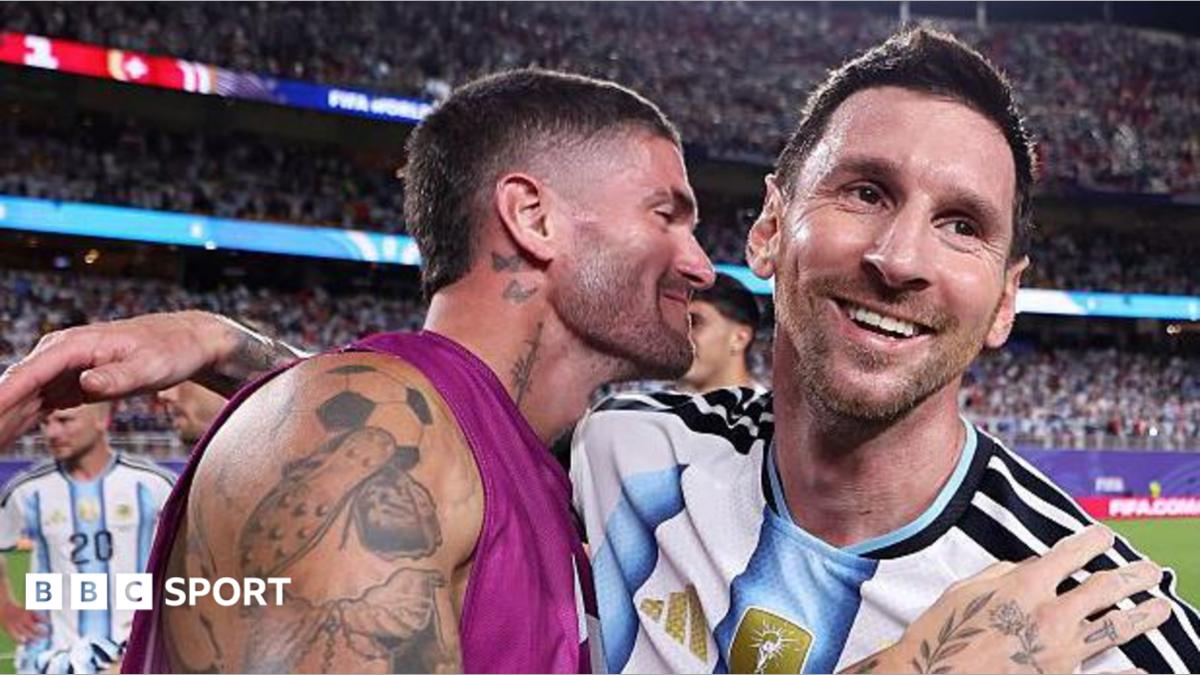
Rodrigo de Paul has become, in this Argentina squad, what Jose Manuel Pinto once was at Barcelona, or Luis Suarez later became: the team-mate with whom Messi instantly feels at home.
Their bond was forged on international duty. Until then, the midfielder’s only connection to Messi had been asking for a photo after a Valencia–Barcelona match, which he proudly posted on social media.
One afternoon, he noticed Messi leave training alone, looking subdued. Concerned, De Paul waited about 40 minutes before knocking on his door.
“Fancy a mate and a game of truco?”
Advertisement
A friendship began, with its own strict etiquette. Mate, the drink, together every morning in De Paul’s room. In order of arrival, Leo first, then other members of the squad. If they got up too early, they have to wait for the moment to get to De Paul’s room, nobody can jump the routine.
De Paul sometimes calls Messi ‘El Pequeno’ (the little one), even though he is the oldest in the room.
He needles him, treats him like a normal guy rather than a monument, because that is what Messi actually more often than not wants: to be Leo, not Messi. De Paul knows him well enough to sense when to leave him alone, too.
Walking out to the pitch, Messi leads, De Paul at his side, the rest of the squad fanning out behind almost in a wedge – like a street gang protecting its leader.
Advertisement
For many of this group Messi was never simply a team-mate first, he was the childhood idol on television, the reason some of them picked up a ball at all.
The whole squad wears the same boots, the Adidas Adistar Messi. For his birthday in June, the players wore a T-shirt printed with a photo of themselves alongside Leo from some point across his years with the national team.
FIFA World Cup: England vs Argentina semi-final clash in Atlanta on Thursday. (AP/ANI Photos)
LONDON: The FBI has labelled England’s semifinal with Argentina in Atlanta on Wednesday night as the highest risk match due to the fierce and enduring rivalry between the two sides.Forty years ago when Argentina beat England 2-1 in the Mexico’86 quarterfinal at the Azteca Stadium, the English were incensed. “He cheated,” England goalkeeper Peter Shilton said. “He didn’t show any remorse.”Argentina’s first goal, scored by Diego Maradona, came when he punched the ball past Shilton into the net with his fist. Despite England’s protestations, the referee claimed he didn’t see it and allowed it. Minutes later, Maradona scored the greatest World Cup goal of all time. Argentina would later go on to lift the World Cup, and Maradona would describe his first England goal as “ the hand of God”.Maradona later admitted in his autobiography that he indeed used his hand and said it was “some sort of symbolic revenge against the English” for the 1982 Falklands War, in which 649 Argentinians and 255 British troops died. Of the Argentinians killed, 323 were onboard the ARA Belgrano, the Argentine naval ship, when the then UK PM Margaret Thatcher authorised its sinking.“All I wanted to do was honour the memory of the dead,” Maradona said. “To wipe England off the world map – the world football map, that is.”On Wednesday, Maradona’s son, Diego Sinagara, urged fans to remember those who died, telling Spanish newspaper Marca: “For all Argentinians and Maradona fans, it will be a different kind of match, one that brings to mind everything about the Malvinas (Falklands War) and all our brothers who died there…”Last week the Argentina national football team released a video showing players celebrating in their dressing room with Argentina’s World Cup fan anthem La Cuarta Estrella, which includes the lyrics: “I am Argentine from cradle to grave, for the Malvinas, for Diego.”“Las Malvinas” is the Argentine name for the Falkland Islands. This week Argentina’s foreign minister Pablo Quirrno called Falklands Islanders an “artificially implanted” population in an essay in Argentinian newspaper La Nacion, demanding Britain enter talks to hand over the territory. He claimed the 2013 referendum was illegitimate.The UK Prime Minister’s official spokesman retorted: “The Falkland islanders are British with a right to determine their own future. The UK’s position is clear. The islanders have repeatedly expressed their wish to remain a British overseas territory.”This bitter rivalry, however, extends to even before the Falklands War. In 1966, when the two sides met in the World Cup quarterfinal at Wembley, Argentinian players used violent tackles, spitting, hair-pulling, and severe intimidation tactics. England manager Alf Ramsey famously branded them “animals” and Argentina captain Antonio Rattin, who died at the weekend, was sent off for dissent for arguing with the referee. The police had to be called to remove him from the pitch.The two sides met at France ’98 when David Beckham was given a red card kicking Argentina midfielder Diego Simeone. Simeone later admitted he had done everything possible to provoke the England midfielder. England lost on penalties. “English players are more naive. We look for ways to destroy him,” Roberto Perfumo, former Argentine captain, told the Guardian in 2002.Whilst Argentinian football culture appears to be all about whipping up anti-English sentiment, football was ironically introduced to Argentina in 1867 by the Hogg brothers who were Englishmen from Skelton, Yorkshire.Pubs across Britain are getting decked out for the biggest night of the year with flags ready. England fans are confident England can win. They also see the match as revenge for Maradona’s ‘Hand of God.’
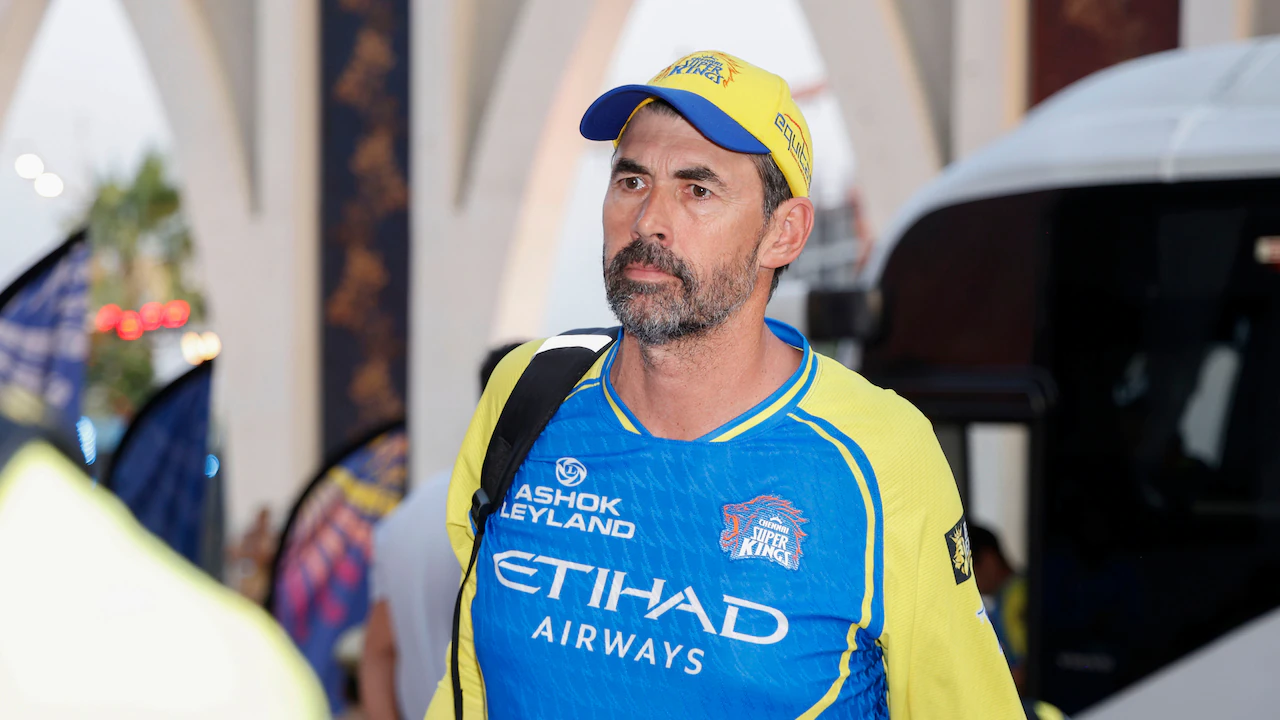
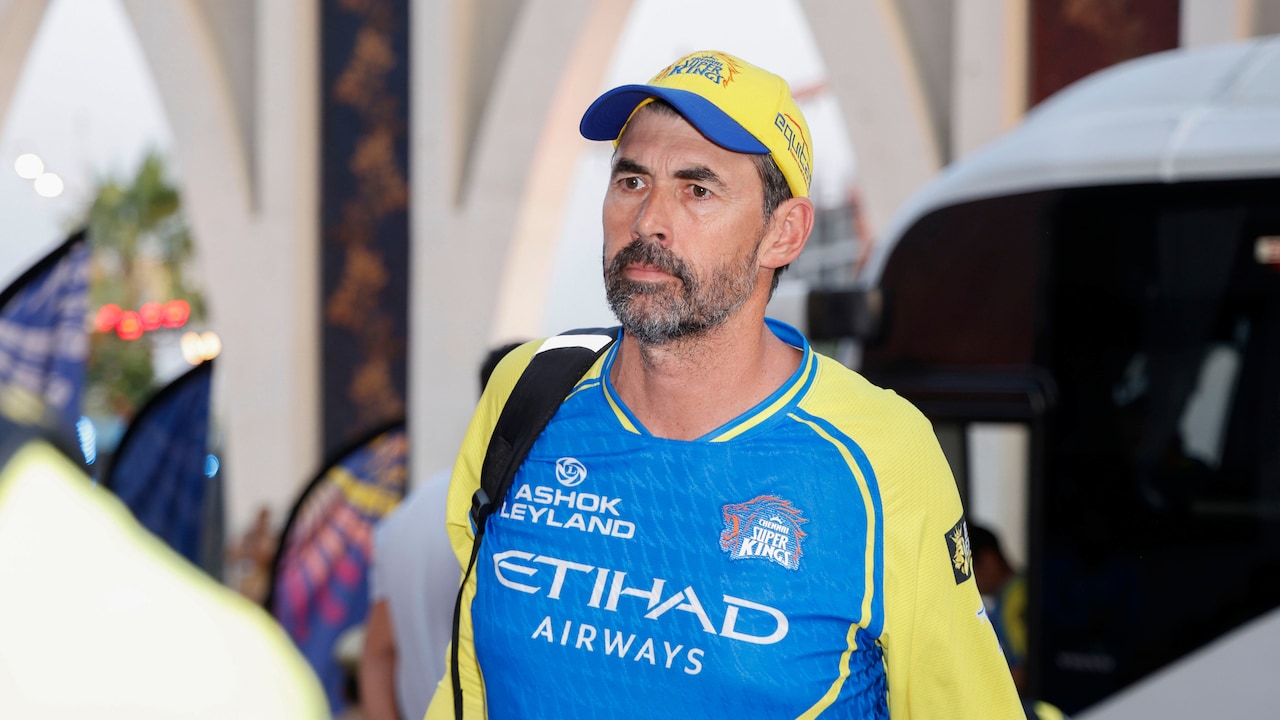
Chennai Super Kings have decided to part ways with head coach Stephen Fleming, but he may not be the only change in the team management ahead of IPL 2027, according to a report by Cricbuzz. The report claimed that bowling coach Eric Simons could also lose his job after CSK finished eighth with just 6 wins in IPL 2026. While there was no update on batting coach Mike Hussey’s situation, the report added that the franchise seems to be headed for a major shake-up. Even the decision over Fleming came as a slight surprise after reports that the former New Zealand captain may end up staying as head coach.
However, it all reportedly changed after Texas Super Kings finished at the bottom of the Major League Cricket (MLC) points table with 7 defeats in 10 matches. Fleming was the head coach of the MLC team as well, and the report claimed that while tensions had been rising over time in CSK, the poor show in the US proved to be the last straw for Fleming.
Announcing the decision, CSK owner Rupa Gurunath paid tribute to Fleming’s contribution to the franchise over nearly two decades. “Stephen Fleming has been the heartbeat of our coaching unit for almost the entire journey of this franchise. For nearly two decades, he has helped shape our identity, vision, and pursuit of excellence. On behalf of everyone at the Super Kings franchise, we extend our deepest gratitude for his unwavering commitment, passion, and leadership. While our journey together on the field comes to a close, he will always remain an integral part of the team’s legacy,” she said.
Advertisement
CSK Managing Director Kasi Viswanathan said Fleming’s influence extended well beyond on-field results, crediting him with establishing the culture that became synonymous with the franchise.
“From the earliest days of this journey, Fleming helped define not just how we played, but what we wanted to be as a franchise. He built a culture rooted in consistency, humility, and putting the team first. His ability to understand people and bring out the best from individuals across the team has been one of his greatest strengths. His influence extends far beyond the boundary, and we are proud to have shared this remarkable journey together,” Kasi stated.
Reflecting on his departure, Fleming described his time with CSK as the defining chapter of his coaching career and thanked the franchise for nearly two decades of shared success.
“Eighteen years is a lifetime in sport, and I leave with nothing but gratitude. My time with Chennai Super Kings has been the privilege of my coaching career. I am proud of everything we have achieved. Together, we celebrated unforgettable victories, overcame difficult moments, and built memories that will stay with me forever. CSK will always be close to my heart, and I will be cheering the team on for years to come,” Fleming said.
Advertisement
(With IANS inputs)
Featured Video Of The Day
UK & Norway PM Sport Football Jerseys Ahead Of England, Norway Quarterfinal Clash
This wasn’t a bill. Nor a brochure. Nor a book of coupons.
It was a letter. Hand-written. Delivered to him, now a winner of a major championship.
Sent by someone who has won 18 of those.
“Kind of surreal,” Aaron Rai said.
Advertisement
Then he put pen to paper himself.
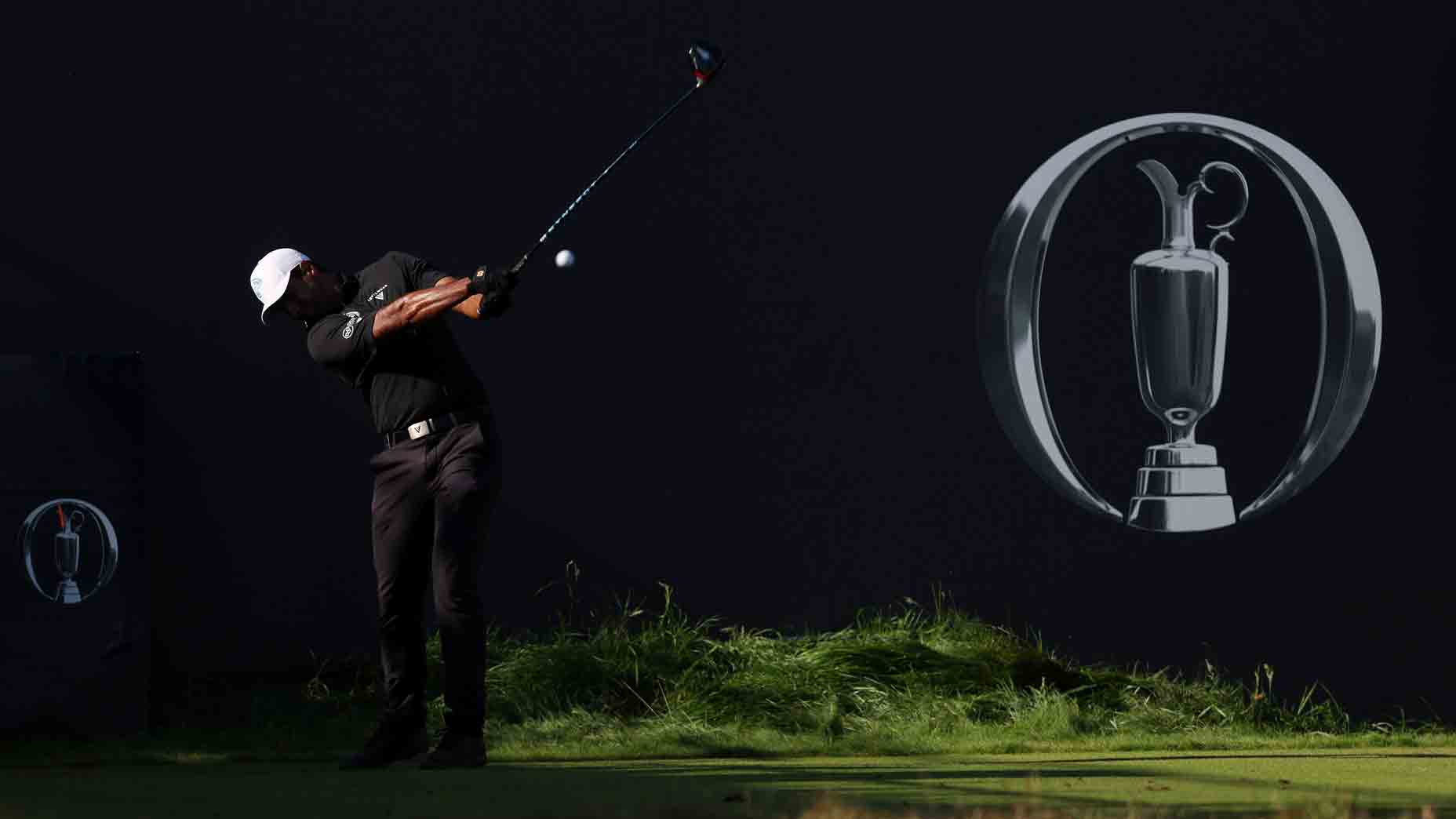
On Tuesday of the Open Championship, the group of assembled writers heard about writing in Rai’s press conference. A reporter had been curious about Rai’s note, which came to light last week in a story written by the DP World Tour at the Genesis Scottish Open. There, Rai said he bumped into old friend and fellow pro Pablo Larrazabal, who, after congratulating Rai on his win in May at the PGA Championship, said he’d been struggling. The thought stuck with Rai. A short while later, with the help of his brother-in-law, he left the following message in Larrazabal’s locker, along with a few photos of Larrazabal celebrating previous wins:
Pablo,
The guy in these pictures is who you are and he is much closer to the present you than you think. Keep fighting, keep working hard and most importantly keep believing — in each tournament, each round and each shot.
Advertisement
Best wishes,
Aaron Rai
Larrazabal told the DP World Tour that he was overwhelmed by the gesture. “It’s not all about winning,” he said, “and Aaron knows and his family teach him very very well. It’s not all about winning. It’s all about leaving a legacy. Aaron will be leaving a legacy around the world, not only because of his game, [but because of how] he behaves not only on the golf course but outside the golf course. A true gentleman.” Tuesday, Rai said he wanted to be supportive.
“It felt like just the right thing to do,” he said. “So that’s where it came from, really.”
Advertisement
But back to the letter Rai had been mailed.
From Jack Nicklaus. For over 40 years, the Golden Bear has written to major winners, and Rai said he was floored when his note came.
“After the PGA, I received a handwritten letter from Jack Nicklaus, which was kind of surreal when we opened the mail,” he said.
“Yeah, for someone like that to take the time to write to me after the PGA, it definitely shows the class of what Jack is about.”
Advertisement
Rai’s note furthered his reputation of being one of pro golf’s nicest players, which made a reporter wonder: How Rai could be both kind and “ruthless,” which he showed while winning the PGA?
“That’s a good question,” Rai said. “I think those two aspects are two pretty different things. I think for me personally it’s important that you try and conduct yourself in the best way you can and try and do as well as you can by yourself, by others as well. I think that’s just the right thing to do as a human.
“In terms of the golf, golf is a very challenging sport. There’s so much that goes into it on a weekly basis at tournaments. There’s so much that goes into it even away from tournaments and then the plans you have to make, which generally revolve around golf, even though you might be away from tournaments or outside of the season.
“So I think when you get those opportunities, when you find yourself in those positions, I think being true to your journey, being true to what the game requires, I think brings out certainly a different side of myself, a different side, I guess, of the competitiveness.
Advertisement
“For me it’s being true to the game, being true to the process, being true to the challenge, and the journey that gets you to this point, which I guess kind of reflects in maybe what you mentioned there at the PGA.”
Spain arrived at the Fifa World Cup 2026 semifinal with fewer goals and less noise surrounding them than France. They left Texas looking like the tournament’s most complete team.
A 2-0 victory over Didier Deschamps’ side sent La Roja into their first World Cup final since their title-winning campaign in 2010 and moved the European champions within one match of holding football’s two biggest international trophies simultaneously.
Advertisement
Mikel Oyarzabal converted a first-half penalty after Lamine Yamal drew a foul from Lucas Digne, before Pedro Porro completed a sharp combination with Dani Olmo early in the second half.
The scoreline, however, captured only part of Spain’s superiority.
Advertisement
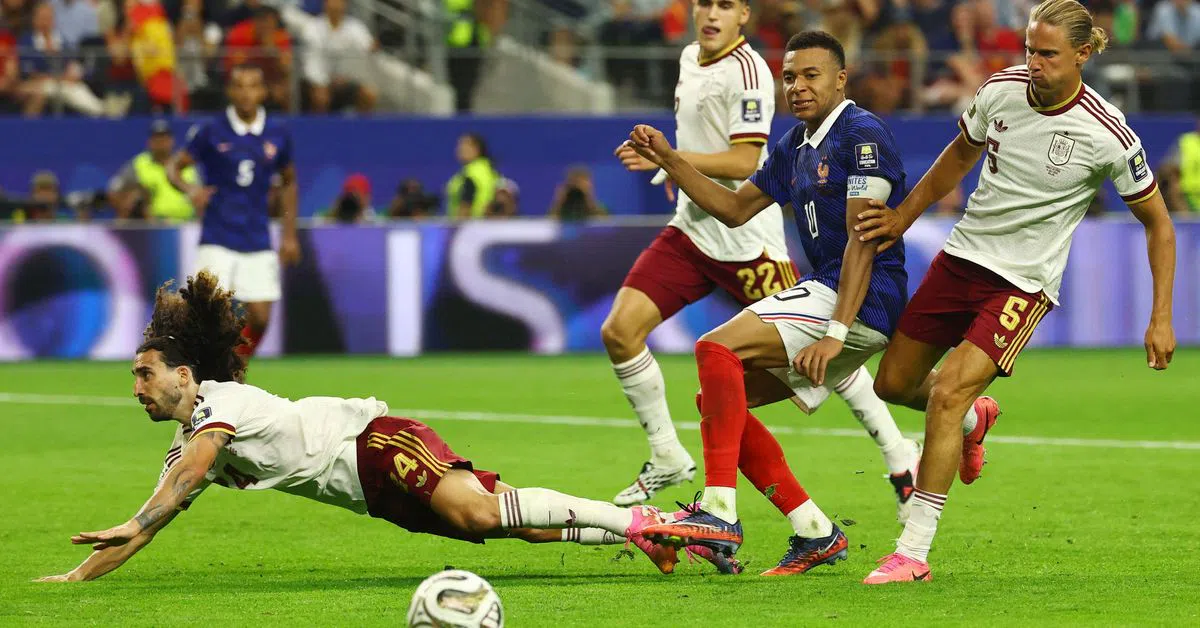
Les Blues entered the semifinal with the competition’s most feared attack and Kylian Mbappe leading the Golden Boot race. Yet they did not record a shot on target until the 81st minute and finished with only two as Spain denied their forwards possession, space and momentum.
Spain will face either England or Argentina in Sunday’s final at MetLife Stadium in New Jersey. France will meet the loser of that semifinal in the third-place match in Miami on Saturday.
Advertisement
Spain turn possession into a defensive weapon
Spain’s victory was built not merely on keeping the ball, but on controlling where France could receive it.
Advertisement
Their midfield circulated possession patiently, shifted the French block from side to side and accelerated whenever a passing lane appeared. When Spain lost the ball, their counter-press prevented France from releasing Mbappe, Bradley Barcola or Ousmane Dembele into open space.
France’s attackers thrive when matches become stretched. Spain refused to allow that.
Advertisement
Porro said keeping possession was one of the decisive factors behind the victory, describing the performance as the product of all 26 members of the squad rather than a handful of stars.
Spain’s Pedro Porro celebrates after the match as they advance to the World Cup final. Photo: Reuters
Advertisement
Spain frequently resembled a club side rather than a national team assembled for a short tournament. The positioning was coordinated, the passing options appeared almost automatic and players knew where to move before receiving the ball.
France, by contrast, spent long periods reacting rather than dictating.
Advertisement
The gap became especially pronounced in midfield. Rodri, Fabian Ruiz and Olmo repeatedly created passing triangles around France’s central players, drawing them forward and opening space behind them.
By the closing minutes, Spanish supporters were responding to extended passing sequences with chants of “ole” as France chased the ball without threatening to regain control.
Advertisement
How Spain forced the opening goal
The first decisive moment came in the 22nd minute.
Advertisement
Marc Cucurella delivered a deep cross into the France penalty area. Digne controlled the ball on his chest but, as he attempted to clear it, Yamal moved across him and absorbed the left-back’s follow-through.
Referee Ivan Barton immediately awarded the penalty.
Advertisement
Replays raised a question over whether the ball had struck Yamal’s arm shortly before the foul. However, the contact appeared close to the shoulder line, while the winger’s arm remained tucked within his natural body shape. The penalty decision was therefore allowed to stand.
Oyarzabal struck firmly beyond Mike Maignan for his fifth goal of the tournament.
Advertisement
France had not trailed previously at this World Cup. The goal confronted them with a situation their free-scoring run had largely allowed them to avoid: breaking down an organised opponent while chasing the match.
A hydration break soon afterwards gave Deschamps an opportunity to reorganise his players. It did little to alter the rhythm.
Advertisement
France’s attacking stars disappear from the contest
France briefly threatened through Barcola in the opening stages when he escaped Porro and advanced towards the Spanish penalty area. His cross was blocked, and the move proved to be France’s only meaningful attack during the first hour.
Advertisement
Thereafter, almost every promising French move broke down before reaching Mbappe.
Michael Olise had an early opportunity to release the captain but failed to execute the pass. That became a recurring problem. Olise, Barcola and Dembele often recognised the right option but overhit, delayed or misplaced the final ball.
Advertisement
Mbappe was increasingly isolated and repeatedly caught offside. With Spain keeping their defensive distances compact, he received few opportunities to turn and accelerate towards goal.
Olise moved towards the right wing in an attempt to escape Cucurella but found no greater freedom. His frustration showed in a late challenge on Rodri that could have produced a yellow card.
Advertisement
Spain’s Marc Cucurella in action with France’s Michael Olise. Photo: Reuters
Advertisement
Dembele changed positions without influencing the game, while Barcola was replaced by Desire Doue before the hour. Rayan Cherki later came on for Olise, but by then Spain had doubled their advantage.
France’s first effort on target arrived only in the 81st minute. Unai Simon raced from his goal to challenge Mbappe, and the loose ball fell to Doue. His attempted finish lacked power and was comfortably saved.
Advertisement
The chance reflected France’s performance: hurried, imprecise and well below the attacking standard they had established earlier in the tournament.
Deschamps accepted that Spain had been technically superior.
Advertisement
“The players are devastated, but we have to be clear-headed: technically, we were second best,” he said after the match.
Saliba injury deepens France’s problems
Advertisement
France’s difficult first half became worse when William Saliba was forced off with an injury.
The Arsenal defender had acknowledged earlier in the tournament that he had been managing physical discomfort for several months. He had continued playing through minor problems during Arsenal’s domestic and European campaigns before joining the national squad.
Advertisement
His departure disrupted France’s most established central-defensive partnership.
Maxence Lacroix replaced him and earned only his sixth international appearance in one of the biggest matches of his career. Although France avoided an immediate collapse, they lost some of Saliba’s composure, anticipation and ability to progress the ball under pressure.
Advertisement
The injury will also concern Arsenal. Saliba is central to their defensive structure, and the Premier League champions begin their title defence in just over a month.
William Saliba with teammates after sustaining an injury. Photo: Reuters
Advertisement
France fail to act on Spain’s warning
Spain had already come close to a second goal before half-time when Dayot Upamecano denied Ruiz with a last-ditch intervention.
Advertisement
The warning signs became clearer after the interval.
France’s midfield appeared increasingly fatigued and disorganised as Spain moved the ball around their pressure. Aymeric Laporte stepped forward from defence and found Olmo between the midfield and back line, an area France struggled to protect.
Advertisement
Olmo’s positioning was central to Spain’s control. He repeatedly drifted into pockets behind France’s midfield, forcing defenders to decide whether to step forward and leave space or remain deep and allow him to turn.
The second goal followed the same pattern.
Advertisement
Porro moved inside from the right and exchanged passes with Olmo before finishing past Maignan. The sequence was simple in appearance but was made possible by Spain’s movement and France’s inability to close the central spaces.
At 2-0, Spain no longer needed to chase another goal. They could control possession, manage the tempo and wait for France to take increasingly desperate risks.
Advertisement
France never found a route back.
Rodri controls another major match
Advertisement
At the centre of Spain’s performance was Rodri.
The Spain captain has endured an injury-disrupted period since helping his country win Euro 2024, but his display against France suggested he has returned close to his Ballon d’Or-winning level.
Advertisement
Rodri controlled Spain’s possession through short combinations and longer switches of play. More importantly, he repeatedly anticipated where France intended to attack.
Late in the first half, he stepped across Dembele to regain possession before the forward could advance. Soon afterwards, he moved towards the left to block a Digne cross.
Advertisement
Rodri also dominated the physical contests in midfield, allowing Ruiz and Olmo to operate higher up the pitch.
France’s nearest player, usually Olise, spent much of the match trying to close him down without succeeding. Each failed press created additional space for another Spanish midfielder.
Advertisement
The performance reinforced an enduring truth about knockout football: star forwards often decide isolated moments, but elite midfielders determine the conditions in which those moments can occur.
Rodri ensured France’s forwards rarely received such an opportunity.
Advertisement
Yamal finds his defining World Cup performance
Yamal had entered the World Cup carrying a hamstring problem that restricted his involvement during the opening phase of the tournament.
Advertisement
Spain coach Luis de la Fuente had predicted before the semifinal that the winger’s defining performance was still to come.
Against France, Yamal looked sharper, more aggressive and more willing to attack defenders directly. His run across Digne created the penalty, while his movement repeatedly pushed the French left-back towards his own goal.
Advertisement
Yamal did not score or register the final pass for either goal, but his influence changed how France defended. Digne could not advance freely, and additional cover was often required whenever the teenager received possession.
Spain’s progression without relying entirely on Yamal may prove equally significant.
Advertisement
They have reached the final through collective control rather than individual dependence. Yamal can decide matches, but the team’s structure does not collapse when he is contained or unavailable.
Spain’s Lamine Yamal in action. Photo: Reuters
Advertisement
Were Spain underestimated?
Advertisement
Spain’s route to the semifinal had attracted less attention than France’s.
Their opening draw against Cape Verde was viewed as a disappointment. Subsequent group victories over Saudi Arabia and Uruguay were not regarded as conclusive evidence that Spain could dominate the tournament’s strongest teams.
Advertisement
Yamal’s injury also removed some of the spectacle expected from one of football’s most marketable young players.
Yet Spain arrived against France having avoided defeat in regulation or extra time since March 2023. A penalty-shootout loss to Portugal in the Nations League final was their only setback during that period.
Advertisement
Their semifinal display brought their qualities together in one match: defensive organisation, midfield control, positional discipline, patient possession and the ability to press immediately after losing the ball.
France had scored freely throughout the tournament. Spain reduced them to hopeful passes, isolated runs and late frustration.
Advertisement
Mbappe’s booking for a challenge on Simon towards the end reflected how completely the contest had moved away from France.
Golden Boot race remains open
Advertisement
France’s elimination from the title race does not end Mbappe’s pursuit of the Golden Boot because he could still play in the third-place match.
The fixture is often regarded as an unwanted obligation, but it can influence individual scoring awards. Just Fontaine scored four times in the 1958 third-place match to finish that tournament with a record 13 goals.
Advertisement
Mbappe and Messi currently lead the 2026 race with eight goals each.
Fifa World Cup 2026 Golden Boot standings
Player
Team
Goals
Kylian Mbappe
France
8
Lionel Messi
Argentina
8
Erling Haaland
Norway
7
Jude Bellingham
England
6
Harry Kane
England
6
Ousmane Dembele
France
5
Mikel Oyarzabal
Spain
5
Mbappe’s prospects may depend on whether he starts in Miami and how seriously France approach the match. Messi or Kane, meanwhile, could be involved in Sunday’s final, where chances are likely to be harder to create.
Advertisement
Oyarzabal’s penalty moved him alongside Dembele on five goals and added another attacking option to a Spain team whose success has not depended on one scorer.
A minor refereeing oddity
Advertisement
Barton delivered a largely controlled performance, including the immediate penalty decision in the first half.
His most unusual moment came when he attempted to organise a free kick and realised he had entered the field without his vanishing spray. Play was briefly delayed while he collected a spare can from the fourth official.
Advertisement
It was a minor interruption in a match otherwise governed by Spain’s precision.
Referee Ivan Barton is handed his spray bottle before a free-kick. Photo: Reuters
Advertisement
Spain now stand one victory from another golden era
Advertisement
Spain’s 2010 World Cup triumph came at the height of an era defined by Xavi, Andres Iniesta, Sergio Busquets and a style of possession football that changed the international game.
The current side is different. It moves the ball with similar confidence but plays with greater vertical speed and presses more aggressively after losing possession.
Advertisement
Rodri provides the central authority. Olmo and Ruiz find space around him. Porro and Cucurella offer width and energy. Yamal gives Spain unpredictability, while Oyarzabal supplies composure in decisive moments.
Together, they have created a team that can dominate without becoming passive.
Advertisement
France possessed the more celebrated attack and the tournament’s leading scorer. Spain dictated almost every other element of the semifinal.
One side arrived with the competition’s most feared forwards. The other ensured they barely touched the ball in dangerous areas.
Advertisement
That distinction carried Spain back to the World Cup final after a 16-year wait.
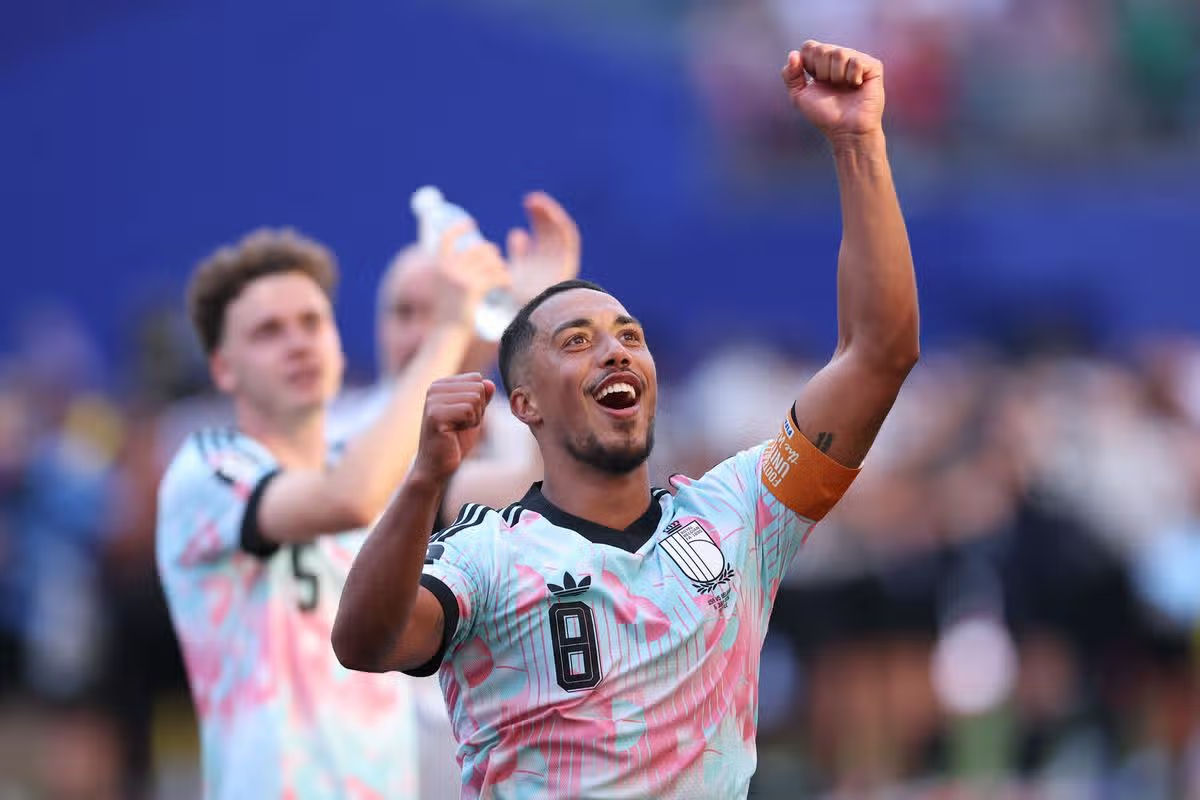
Man United moved quickly for Aston Villa midfielder Youri Tielemans following the conclusion of his World Cup campaign.
There are few real surprises in modern-day football. Take Manchester United’s move for Andrey Santos, for example. When he was announced as a United player on Monday afternoon, nobody was shocked to see him signing on the dotted line at Old Trafford. But just a couple of hours earlier, United fans had been left stunned.
It was revealed that United were in advanced talks to sign Youri Tielemans and that he was keen to move to Old Trafford. Just days after his World Cup campaign had ended, United were on the verge of adding the impressive midfielder to their ranks and confirmation of his move arrived on Tuesday evening.
Advertisement
Having starred for Leicester City and Villa in the Premier League, Tielemans’ abilities are well known. But he will bring far more to Old Trafford than his ability with the ball at his feet.
The midfielder was named Belgium’s captain by head coach Rudi Garcia in 2025. Being named captain of your country is, of course, a huge accomplishment, but it was made even more impressive given the competition Tielemans beat off to get the armband. “He has a good relationship with everyone in the group,” Garcia explained. “He enjoys unanimity within the group.
“Even though other guys remain important leaders, like Kevin De Bruyne, Thibaut Courtois, Romelu Lukaku… Youri gets the armband.” That show of confidence in Tielemans was rewarded at the World Cup. Against Senegal in the round of 32, Tielemans grabbed the game by the scruff of the neck. He scuffled with Leandro Trossard as he demanded higher standards, before delivering two goals to help turn the game on its head.
Advertisement
It was a statement performance from Tielemans and one that earned him praise from teammate and former Manchester City star De Bruyne. “Youri has been a great servant to Belgium,” the midfielder said. “He is now leading the team as captain and is someone everyone can look to, both on and off the pitch.
“I think he’s a fantastic guy and, thankfully, his two goals made the difference in getting us through today.”
These glowing recommendations from the Belgium camp will be music to the ears of United.
Casemiro’s exit saw the departure of a real leader, and while there are still plenty of leaders in the United squad, losing a voice like that from the dressing room was always bound to be a blow, particularly to the younger players in the group.
Advertisement
It’s understood Kobbie Mainoo loved playing alongside Casemiro, and with players like Mateus Fernandes (22) and Elliot Anderson (23) being targeted to play alongside Mainoo, you started to wonder how the academy graduate might suffer without an experienced pro alongside him.
The addition of Tielemans should hopefully mean that is no longer an issue.
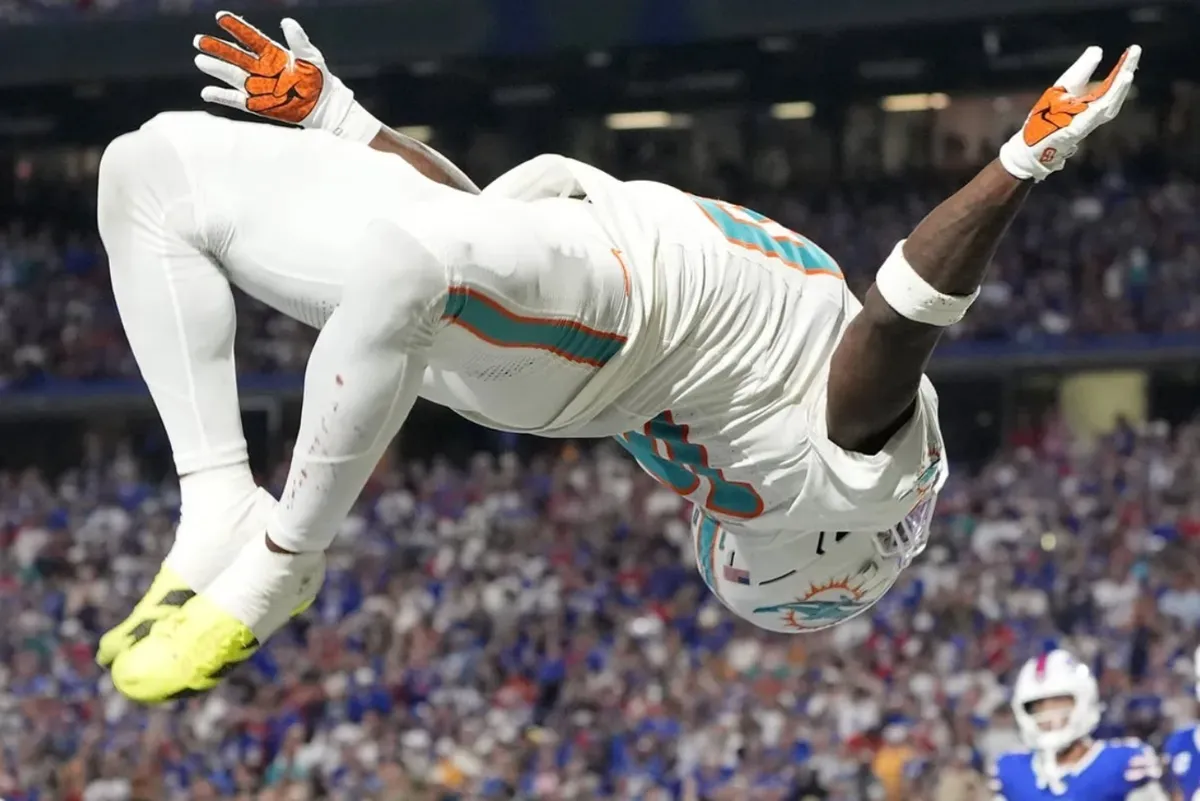
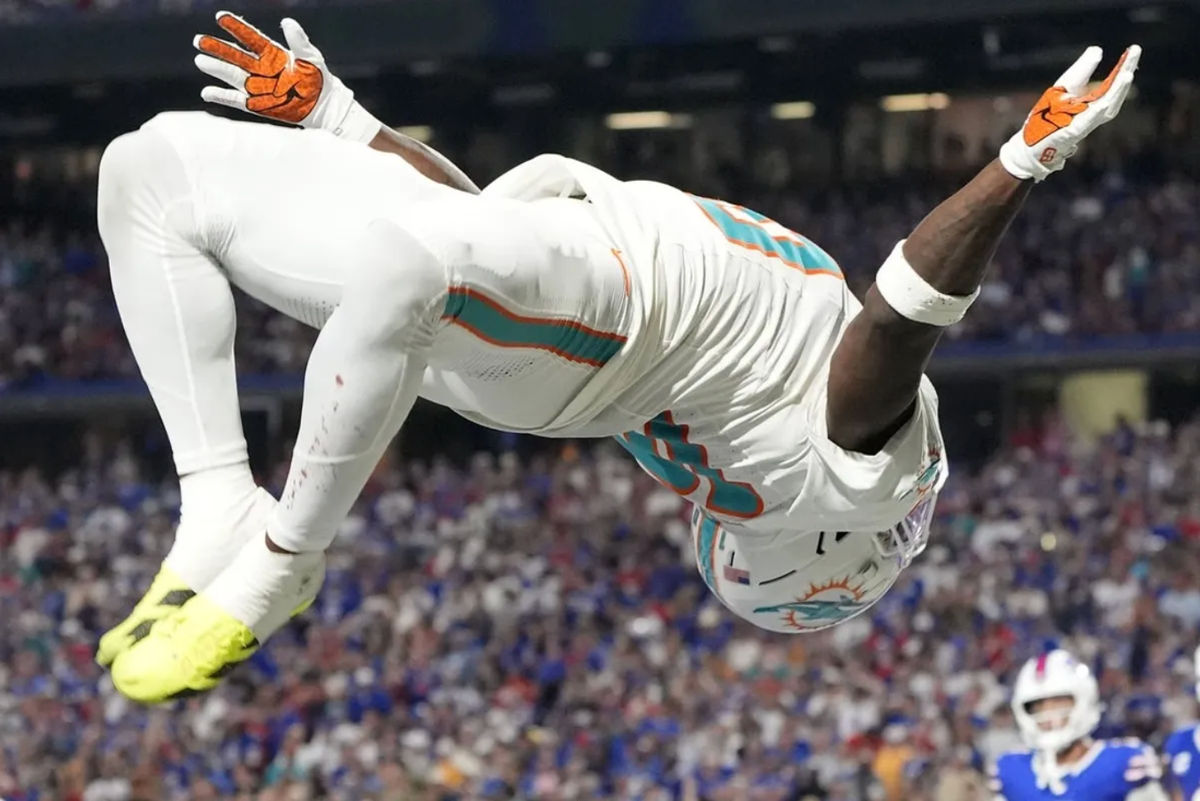
Sep 18, 2025; Orchard Park, New York, USA; Miami Dolphins wide receiver Tyreek Hill (10) celebrates after scoring a touchdown against the Buffalo Bills in the fourth quarter at Highmark Stadium. Mandatory Credit: Gregory Fisher-Imagn Images
There are a lot of high profile, big-named free agents in the NFL yet to be signed.
Sure, every season the NFL has several veterans that will wait it out to sign new contracts. It’s an easy excuse for long-tenured players who don’t necessarily want to or need to participate in voluntary OTAs or veteran minicamps. Just wait to sign the contract, and you don’t have to worry about anything other than enjoying your offseason.
For example, for years, Jadeveon Clowney waits until late into the summer to sign with a new team. He’s currently a free agent, but so are an unusual number of high-profile NFL players.
Maybe we get a super late free agency wave. It’s happened before. But it’ll be really interesting to see where these names eventually wind up.
Advertisement
Tyreek Hill, WR
The NFL is treating Tyreek Hill like his better days are behind him.
The 32-year-old suffered a devastating dislocated knee and multiple torn ligaments (including his ACL, MCL, PCL, and meniscus) during Week 4 of the 2025 season. There’s some doubt if he’ll even play this season.
Even though Hill has had his own share of off the field drama, he had 1,799 receiving yards just two seasons ago. In 2024, he was just 41 yards shy of eclipsing 1,000 receiving yards.
Stefon Diggs, WR
Even though he’s no longer a top-flight receiver, Diggs eclipsed 1,000 receiving yards and helped lead the New England Patriots to the Super Bowl last season.
Advertisement
In a recent video uploaded to his YouTube channel, Diggs claimed there isn’t a single No. 2 wide receiver better than him in the entire NFL. Even though that might be a reach, and he’s had some off the field headlines this offseason, he definitely deserves to be on a roster and has a bit of juice left.
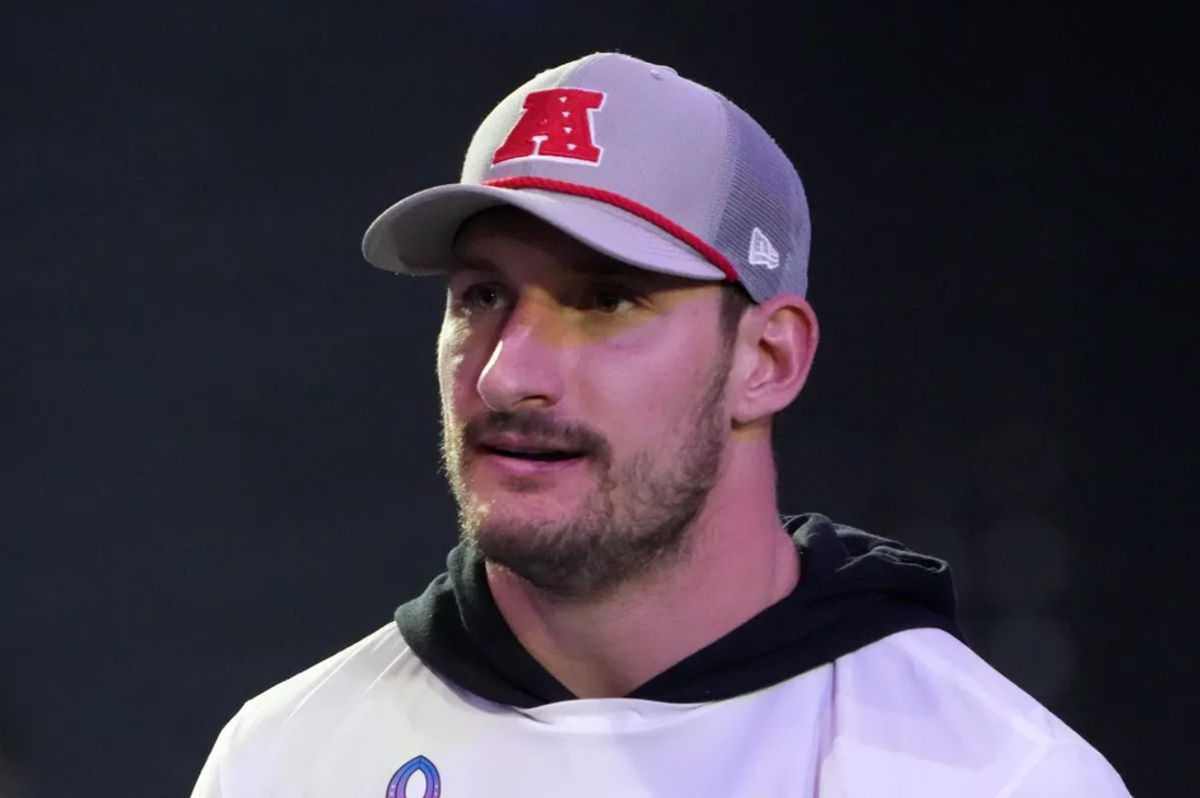
Joey Bosa, EDGE
Jan 30, 2025; Orlando, FL, USA; AFC linebacker Joey Bosa of the Los Angeles Chargers during the Pro Bowl Skills Challenge at Nicholson Fieldhouse. Mandatory Credit: Kirby Lee-Imagn Images
Once one of the most dominant pass rushers in football, Bosa is another player over 30 who is getting overlooked.
He’s not the player he once was, and is perhaps holding out to try and cash in on what once was, but he had 29 tackles and five sacks in 15 games last year with the Buffalo Bills and a career-high five forced fumbles.
Deebo Samuel, WR
Once one of the NFL’s best players, Samuel feels forgotten after moving on from Kyle Shanahan’s unique role for him with the San Francisco 49ers.
Advertisement
Last year with the Washington Commanders, Samuel caught 72 passes for 727 yards and five touchdowns. He rushed for 75 yards and a touchdown, also.
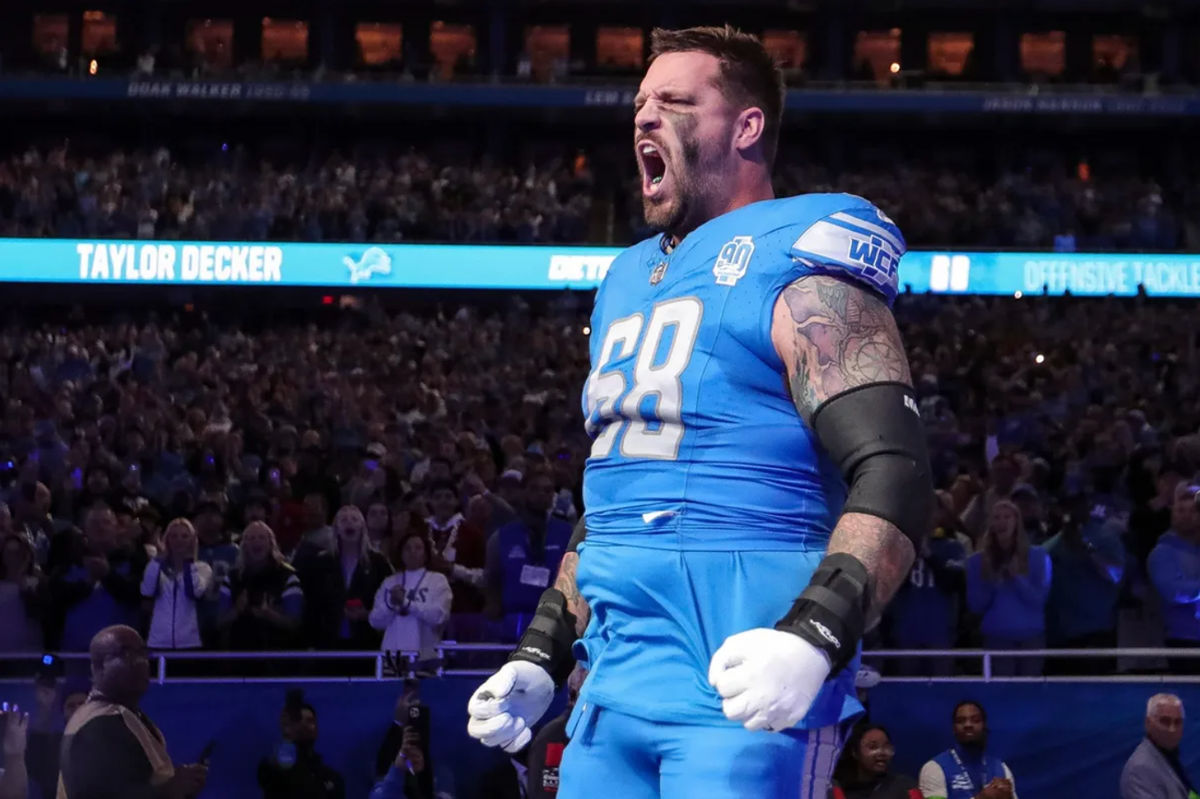
Taylor Decker, LT
Detroit Lions offensive tackle Taylor Decker (68) takes the field during introduction before the between Detroit Lions and Carolina Panthers at Ford Field in Detroit on Sunday, Oct. 8, 2023.
It was a big surprise when the Detroit Lions released their longtime left tackle in Decker. He spent 10 years with the Lions and made his first Pro Bowl appearance in 2024 – not too long ago.
At 32, it’s safe to say Decker’s better days are behind him, but he’d be a good veteran somewhere.
Mekhi Becton, iOL
This one is a bit strange, as Becton is still just 27 and was a former first-round draft pick.
After transitioning from tackle to guard, Becton was able to revive his career. He started 14 games for the Los Angeles Chargers last year and would be a viable depth option or spot starter elsewhere next season.
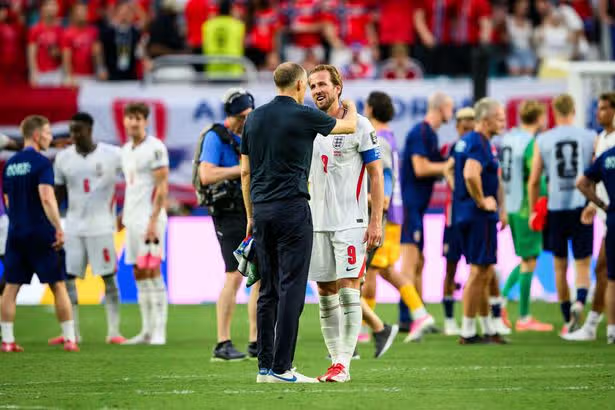
England face Argentina in the second semi-final of the 2026 FIFA World Cup in Atlanta on Wednesday night, with the Three Lions looking to reach their first final since 1966
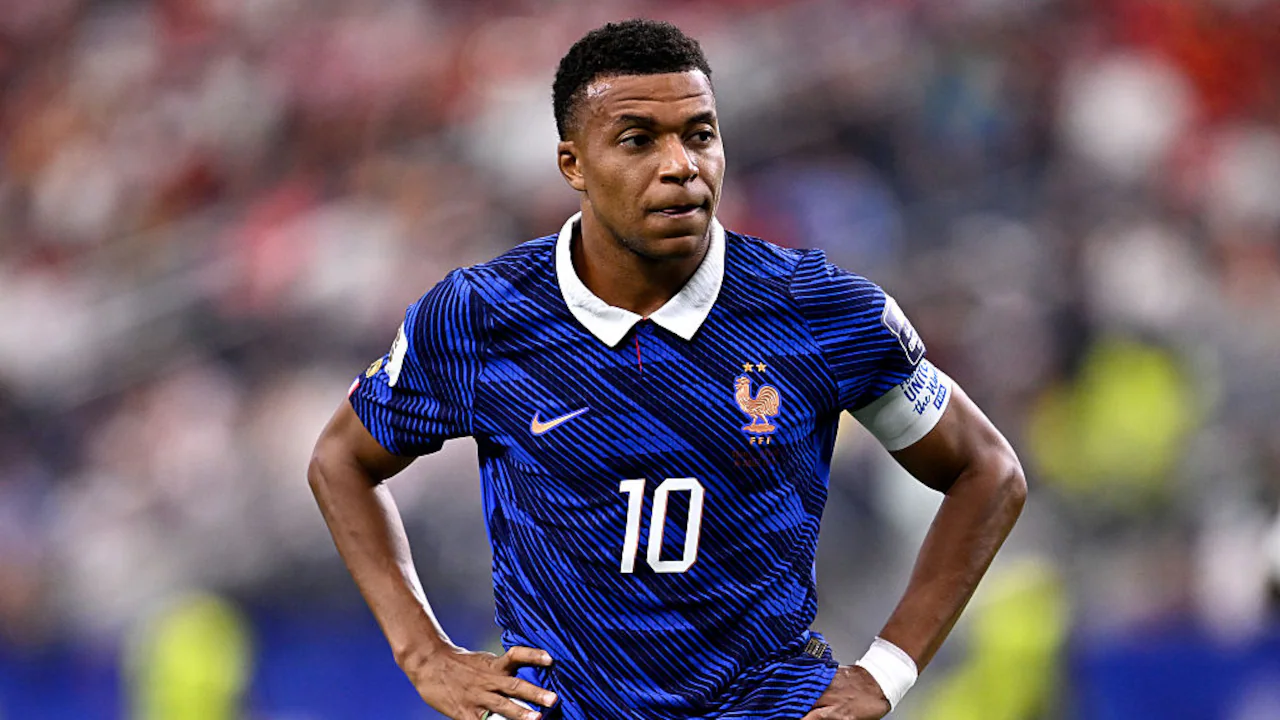
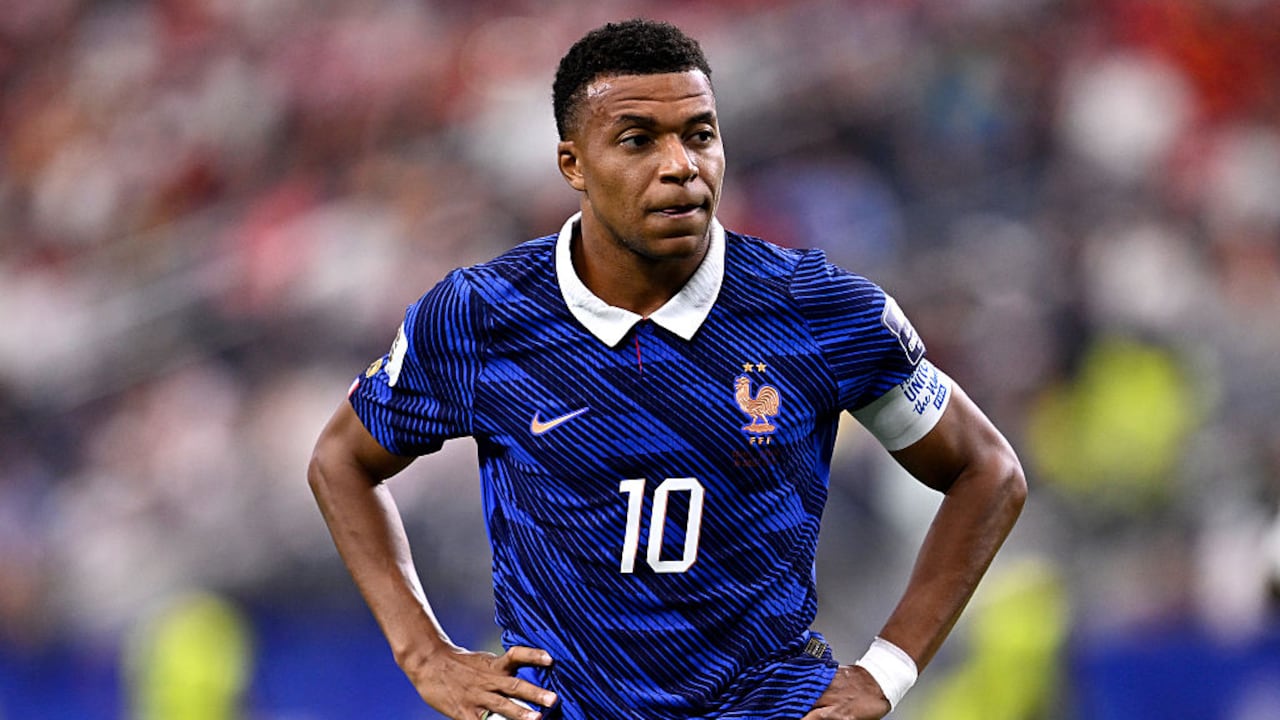
France captain Kylian Mbappe did not mince his words as Les Bleus were knocked out of the World Cup final race with a 0-2 defeat against Spain at the penultimate hurdle. Spain looked the better side right from the start of the game, producing the sort of technical football that nullified France’s biggest assets on the pitch and exposed their primary weaknesses. Mbappe, speaking to the media after the match, did not hesitate to admit that his teammates were not up to the task against the reigning European champions on the day.
“I don’t think we played the match we wanted to play — whether tactically, technically, or in terms of our overall performance level,” Mbappe said. “And when you don’t do what you are supposed to do in a World Cup semi-final, you don’t win.”
“Our goal was to press them high up the pitch to prevent them from settling into that slow, controlled rhythm — because when it comes to controlling the game, they are better than us. We failed to do that.”
Advertisement
Getting into the tactical details of the game, Mbappe said that France’s initial plan was to press high up the pitch, but Spain turned the tables by turning their press into a 3-on-2 situation in midfield. With the way France played, Mbappe had no qualms about admitting that the performance was not worthy of taking the team into the final.
“We kept finding ourselves outnumbered 3-on-2 in midfield,” Mbappe said. “And against Spain, that’s a real problem. When you put it all together, the result is a defeat. Our touches and movement were not worthy of a World Cup semi-final.”
“It was a dream for us to reach the final, to give our country the chance to keep dreaming and to make history,” he added.
The 27-year-old, who has scored 8 goals in this tournament, said that he now plans to go on holiday with his head held high before the club season with Real Madrid begins.
“Now, it is something we have to face with our heads held high. I believe that when you win, you win with your head held high; so when you lose, you have to lose with your head held high, too.”
“But right now, there is immense disappointment. I find it hard to put into words just how disappointed the squad and I are.”
“Yet even if it might seem a bit robotic at times, we have to pick ourselves up, go on holiday, and move on to the next chapter. Because football waits for no one. We have to start over, put this failure behind us, and learn from it.”
Advertisement
Featured Video Of The Day
France vs Morocco Highlights | Mbappé Inspires France to FIFA World Cup Semifinal Victory













































You must be logged in to post a comment Login