Cruise tourism has quietly become one of the more significant contributors to port city economies across the world.
Passengers tend to focus on the destinations they’re visiting or the experience of being on the ship itself, but the economic impact stretches far further than the vessel’s hull. Port infrastructure, local hospitality, logistics firms, tour operators – the ripple effects of a cruise arrival can touch an enormous range of sectors within any given port city.
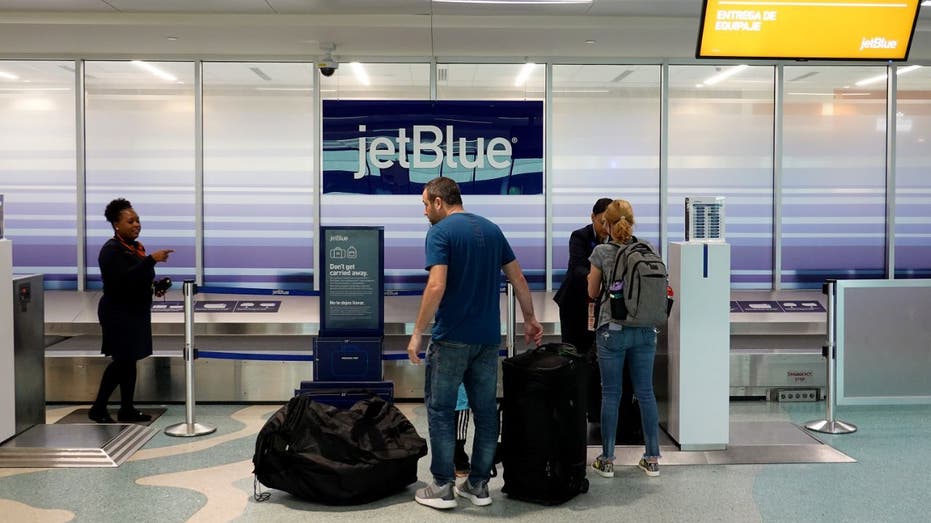
Many international cruise itineraries start from major travel hubs where airports and ports work in close coordination to shift large numbers of passengers efficiently. People researching cruises will often look for routes that pair flights with departures from well-connected ports. It’s fairly common, for instance, to stumble across fly cruise deals that let travellers fly straight to an embarkation port before their voyage begins. This kind of arrangement has quietly reinforced the importance of certain cities as genuine gateways within the global cruise network.
Ports as economic gateways
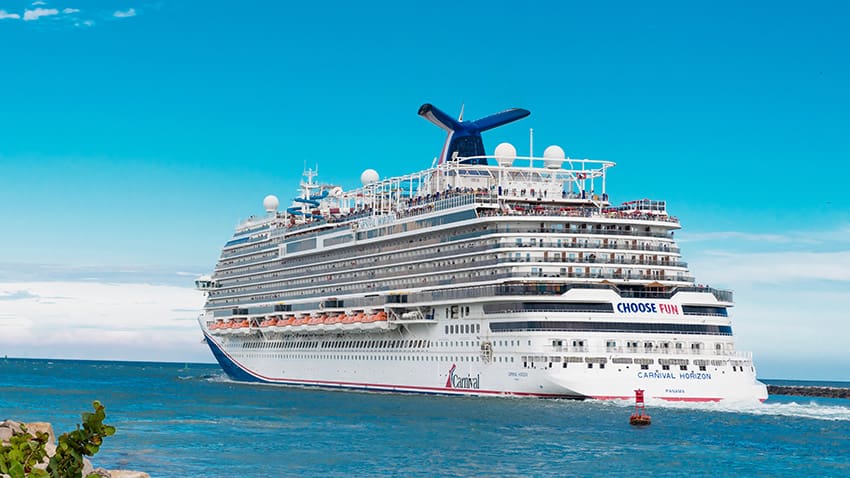
Cruise ports sit at the intersection of global travel and local economic life. When a ship arrives, it brings thousands of passengers alongside crew members, all of whom interact with the surrounding area during embarkation, disembarkation or day visits ashore. That movement of people keeps a wide range of businesses ticking over – hotels, restaurants, shops, taxis and more.
Cities like Barcelona, Miami, Singapore and Athens have built strong reputations as cruise hubs, largely because they handle large passenger volumes without too much friction. They tend to combine well-developed port facilities with solid air connections, which makes them natural starting points for international itineraries. For local economies, that translates into fairly consistent demand across multiple industries. Tour operators, cab drivers and hospitality businesses all benefit from the steady stream of visitors passing through before or after their voyages. Even a short port call can generate meaningful economic activity when passengers venture out to explore.
Investment in port infrastructure
As cruise tourism has grown, cities have poured considerable investment into modernising their port facilities. Terminals need to accommodate enormous vessels, process passengers efficiently and satisfy increasingly strict security and environmental standards. Getting that right typically requires collaboration between local authorities, port bodies and private investors.
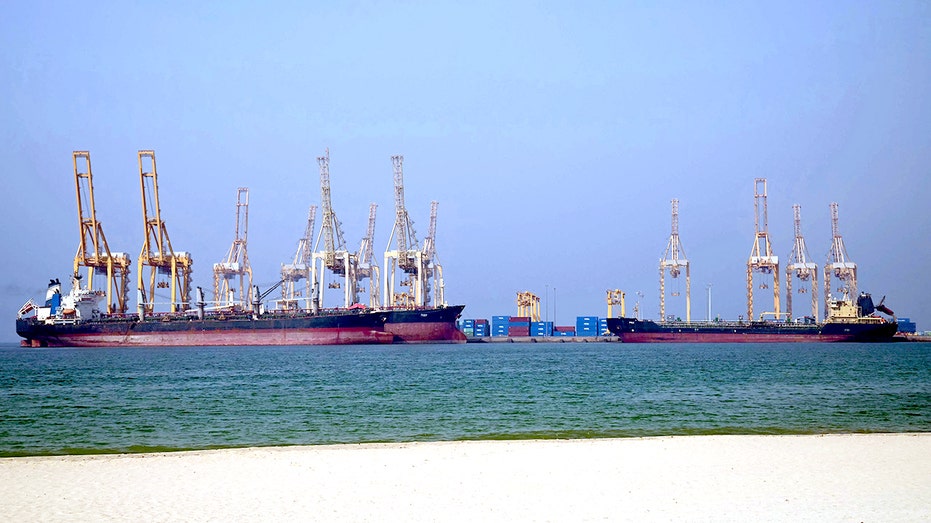
Modern cruise terminals are designed to handle thousands of passengers at once. That means baggage systems, customs areas and decent transport links between the port and the city centre. Smooth connections between flights, terminals and local transport are essential – nobody wants to spend half a day queuing.
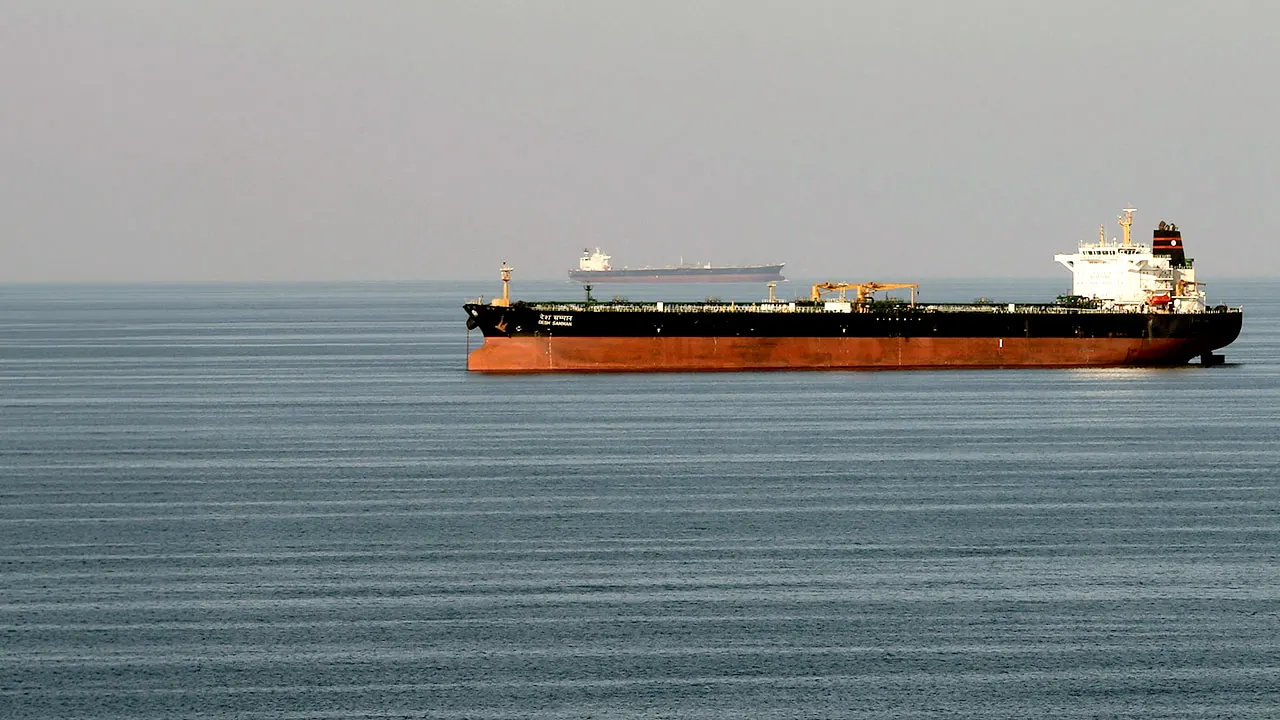
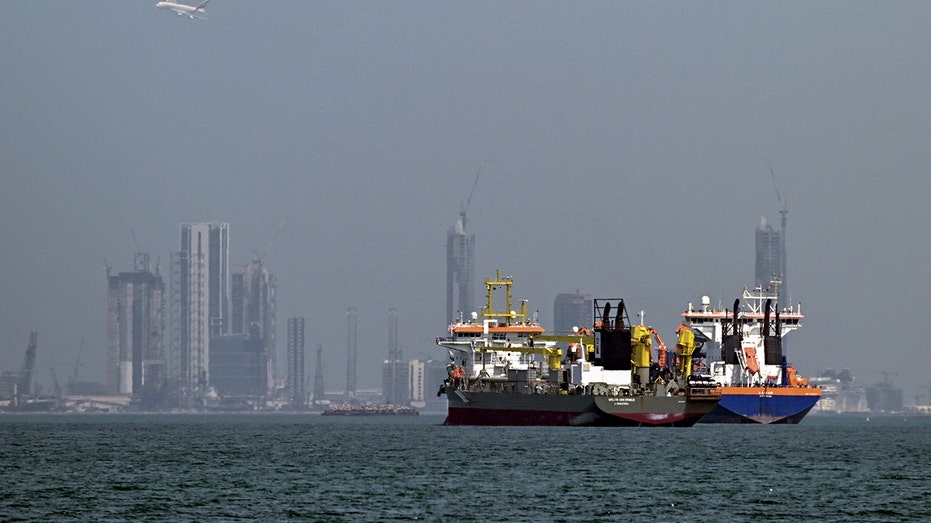
Interestingly, infrastructure built with cruise tourism in mind often benefits other maritime activities too. Better docking facilities, improved navigation systems and upgraded port services support cargo shipping and regional transport alongside the cruise trade. So investment driven by cruise growth tends to strengthen a port’s overall maritime capabilities rather than serving just one narrow purpose.
Supporting local tourism industries
The economic effects don’t stop at the port gates. Cruise passengers spread out across destinations through organised excursions, guided tours or simply wandering around independently. That creates real opportunities for local businesses offering cultural experiences, outdoor activities and transport services.
In historic cities, cruise visitors fill museums, landmarks and cultural sites that depend heavily on tourism income. Coastal towns and island destinations see passengers exploring beaches, markets and local attractions during their time ashore. Even a brief visit adds up when several thousand people arrive at once. Restaurants, cafés and shops near terminals often do brisk trade on ship arrival days. In some places, independent traders and local artisans rely quite heavily on cruise tourism to get through the busiest parts of the season.
Employment opportunities
The employment dimension is worth considering too. Ports need dock workers, security staff, logistics teams and maintenance crews just to keep things running. Terminals employ people in passenger services, customs coordination and transport management. It’s a sizable workforce before you even step outside the port gates.
Further afield, hospitality, transport and tour operations all tend to see increased demand. Hotels pick up additional bookings from passengers arriving early for departures or staying on after their voyage ends. Local transport providers – buses, taxis, shuttles – play a crucial role in moving people between airports, ports and accommodation, and that creates another layer of employment within the wider community.
The role of cruise hubs
Certain cities have emerged as major cruise hubs thanks to their location and the strength of their travel infrastructure. Because these places serve as starting or finishing points for itineraries, passengers often spend extra time in the area either side of their voyage.
Mediterranean ports like Barcelona and Rome are key departure points for cruises around southern Europe. In the Caribbean, cities such as Miami and Fort Lauderdale fulfil a similar function, handling large numbers of embarkations throughout the year. These hubs benefit not just from cruise passengers but from the entire travel ecosystem that surrounds them. Airlines, hotels and tourism providers all feed into the infrastructure needed to handle high volumes of international visitors, which reinforces the economic importance of these locations within global tourism.
Managing growth responsibly
That said, cruise tourism isn’t without its complications. Large numbers of visitors arriving simultaneously can put real strain on local infrastructure and historic sites. Several cities are now introducing measures to manage visitor numbers more carefully and spread tourism more evenly across the calendar year.
Port authorities and cruise operators are also looking seriously at environmental impact. Cleaner fuel technologies, shore power systems that allow ships to cut their engines whilst docked, and better waste management practices are all part of ongoing efforts to reduce the footprint of cruise operations. Balancing economic benefit against environmental and social pressures is increasingly central to long-term planning for port cities.
A connected global travel network
Cruise tourism sits within a much larger global travel network connecting airlines, ports, hotels and local economies. The relative ease with which travellers can move between flights and cruise departures has helped itineraries reach further and strengthened the role of international ports in the process.
For many cities, cruise tourism represents a meaningful and consistent source of economic activity – one that underpins infrastructure development, supports local employment and keeps smaller businesses viable. The ships don’t stay long, but the economic effects linger well beyond their departure.
As global travel continues to shift and evolve, cruise tourism will almost certainly remain tightly bound up with the development of international transport hubs. Ports that manage to weave together aviation, maritime operations and local tourism infrastructure look well placed to benefit as this interconnected industry keeps on growing.























































You must be logged in to post a comment Login