

Sports
No Real Madrid player in Spain’s FIFA World Cup squad; Lamine Yamal, Nico Williams included despite injuries | Football News



Injured forwards Lamine Yamal and Nico Williams were included in Spain’s FIFA World Cup squad announced on Monday, though for the first time the team will travel without any Real Madrid CF players.Both Yamal and Williams suffered muscle injuries towards the end of the season, but Spain coach Luis de la Fuente said he expects them to recover in time for the tournament.“We are not going to speed up any process, we are in coordination with the clubs,” De la Fuente said. “The information we have is that they will all be ready for the first or the second match. You always want to be careful, but if there’s a time when the players may want to take risks, it’s at the World Cup.”Spain begin their Group H campaign against Cape Verde on June 15 in Atlanta. They will then play Saudi Arabia national football team on June 21 in Atlanta before facing Uruguay national football team on June 26 in Guadalajara, Mexico.Defender Dean Huijsen, who was among the Madrid players competing for a place in the squad, was left out.“I don’t look at the clubs, these are national team players,” De la Fuente said. “The only thing I want is for them to be proud of representing the national team. I don’t look at it like maybe the fans may look at it.”Eight players in the squad are from FC Barcelona, which has won the Spanish league title for the last two seasons. Madrid, meanwhile, finished a second straight season without a major trophy.Madrid players will still feature at the World Cup for other countries, including Kylian Mbappé for France, Vinícius Júnior for Brazil and Jude Bellingham for England.Barcelona midfielder Fermín López was ruled out as expected after suffering a fracture in his right foot this month.Midfielder Mikel Merino returned to the squad after making only one appearance for Arsenal FC since injuring his foot in January. Fabián Ruiz of Paris Saint-Germain FC was also included despite a recent injury.Spain’s preparations begin on Saturday, with warm-up matches against Iraq national football team on June 4 and Peru national football team on June 9.Spain recovered from a round-of-16 exit against Morocco national football team at the 2022 World Cup by winning UEFA Euro 2024 in Germany. La Roja also won the 2023 Nations League and finished runners-up to Portugal national football team in the 2025 edition.Spain have not gone beyond the last 16 at the World Cup since winning their only title in 2010.Squad:Goalkeepers: Unai Simón (Athletic Bilbao), David Raya (Arsenal), Joan García (Barcelona)Defenders: Marc Cucurella (Chelsea), Alejandro Grimaldo (Bayer Leverkusen), Marcos Llorente (Atletico Madrid), Pau Cubarsí (Barcelona), Aymeric Laporte (Athletic Bilbao), Pedro Porro (Tottenham), Eric García (Barcelona), Marc Pubill (Atletico Madrid)Midfielders: Rodri (Manchester City), Martín Zubimendi (Arsenal), Pedri (Barcelona), Mikel Merino (Arsenal), Fabián Ruiz (Paris Saint-Germain), Gavi (Barcelona), Álex Baena (Atletico Madrid)Forwards: Lamine Yamal (Barcelona), Yéremi Pino (Crystal Palace), Mikel Oyarzabal (Real Sociedad), Víctor Muñoz (Osasuna), Borja Iglesias (Celta Vigo), Nico Williams (Athletic Bilbao), Dani Olmo (Barcelona), Ferran Torres (Barcelona)

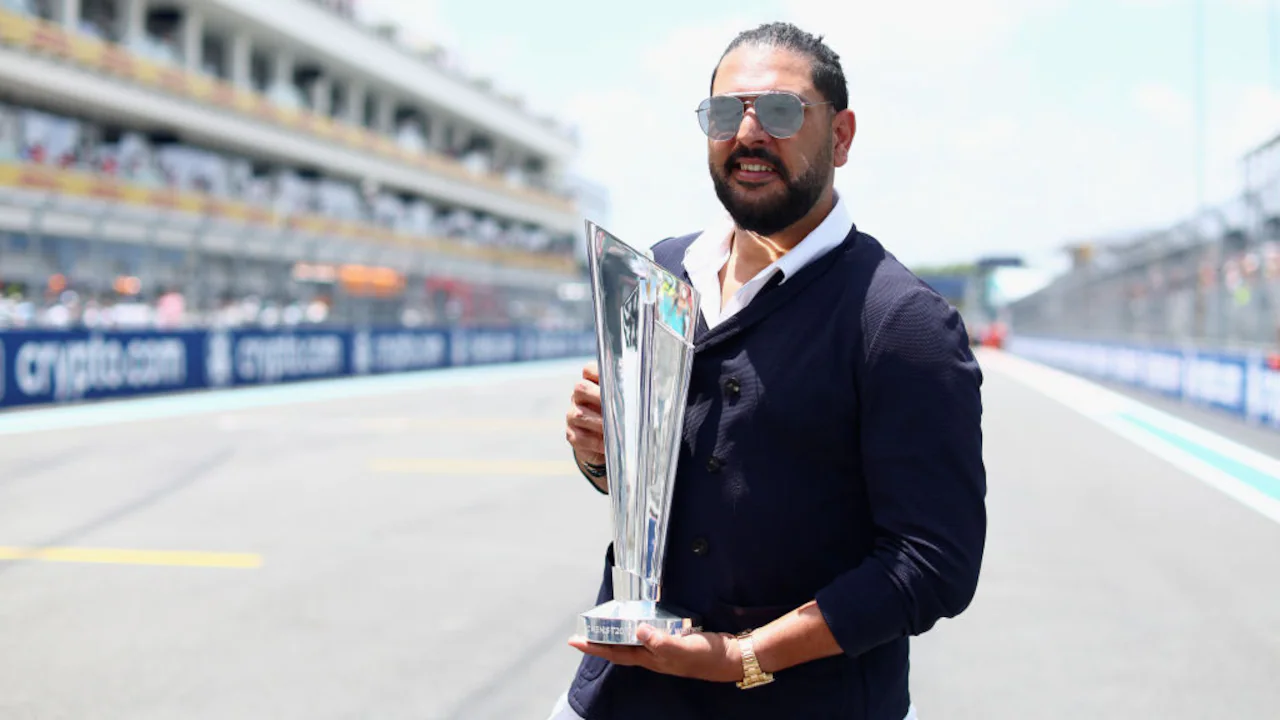
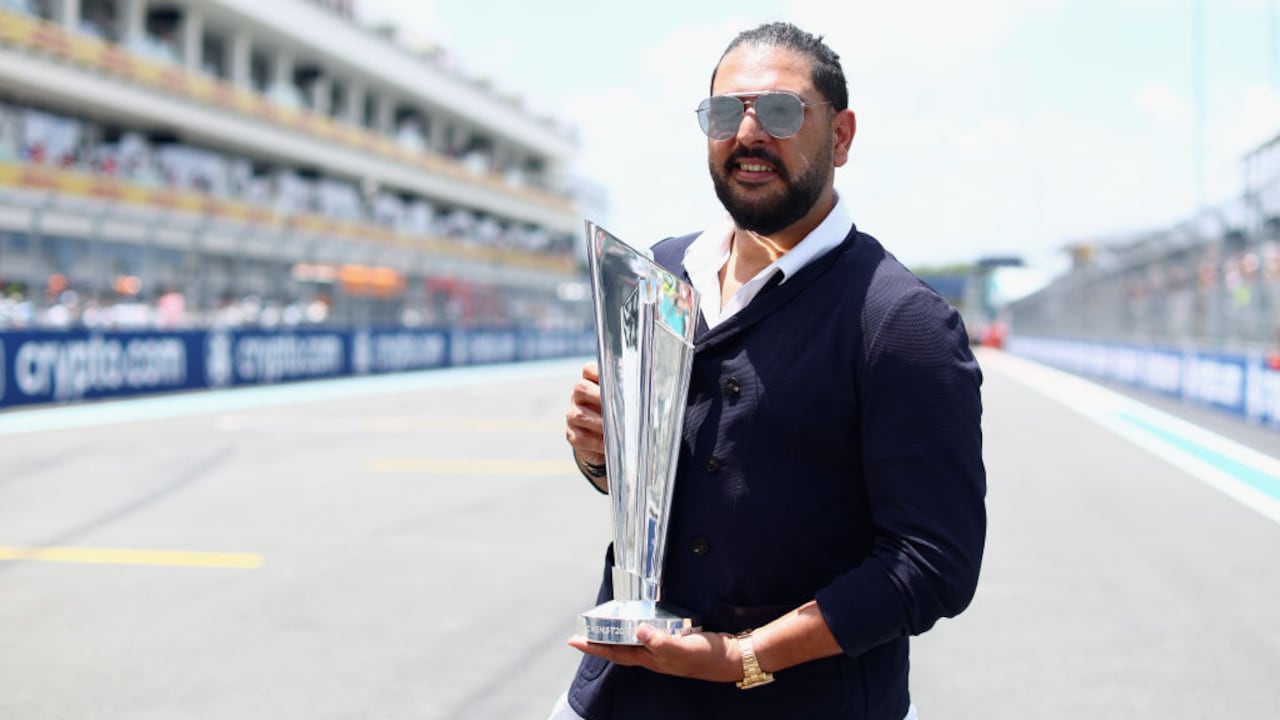
An Indian cricket legend could be gearing up for his first coaching stint in the Indian Premier League (IPL) come 2027. According to reports, former India all-rounder Yuvraj Singh is set to join the Delhi Capitals (DC) coaching staff ahead of IPL 2027. Former India captain Sourav Ganguly‘s return to the DC support staff is imminent, and he wants Yuvraj in the dugout too, as per a Times of India report. The wholesale changes are set to take place as JSW Group takes control of the franchise’s operations IPL 2027 onwards.
According to the report, a senior DC official confirmed that Yuvraj is all set to join the franchise.
For the uninitiated, Delhi Capitals is run in alternate two-year cycles by co-owners GMR Group and JSW Group. With GMR having run the team in 2025 and 2026, JSW is set to take over for the next two years.
Sourav Ganguly was a key figure in the franchise’s support staff during the previous JSW cycle, and is likely to return for 2027. Ganguly served as JSW’s Director of Cricket for Delhi Capitals for the last two seasons, during which Hemang Badani was appointed as the head coach.
However, Delhi Capitals could be set for a reshuffle after two underwhelming seasons in IPL 2025 and IPL 2026. Captained by Axar Patel, DC failed to reach the playoffs in both years, despite boasting star players like KL Rahul, Mitchell Starc and Kuldeep Yadav.
In IPL 2025, DC got off to an excellent start but their campaign faltered in the second half of the season, and they finished fifth.
In IPL 2026, DC’s season was much more inconsistent, and they finished sixth in the standings.
These results have put Badani’s position as head coach at risk, with Ganguly expected to return to the support staff helm in 2027. And it seems like Ganguly wants Yuvraj in the support staff as well.
According to PTI, Yuvraj is likely to join Delhi Capitals as the team’s batting coach for IPL 2027.
Ganguly was the head coach of the Capitals’ SA20 franchise, Pretoria Capitals, earlier this year, leading the team to the final of the tournament.
Featured Video Of The Day
IPL 2026 | Delhi Capitals Wins By 6 Wickets Against Mumbai Indians: Redemption For Sameer Rizvi
Topics mentioned in this article
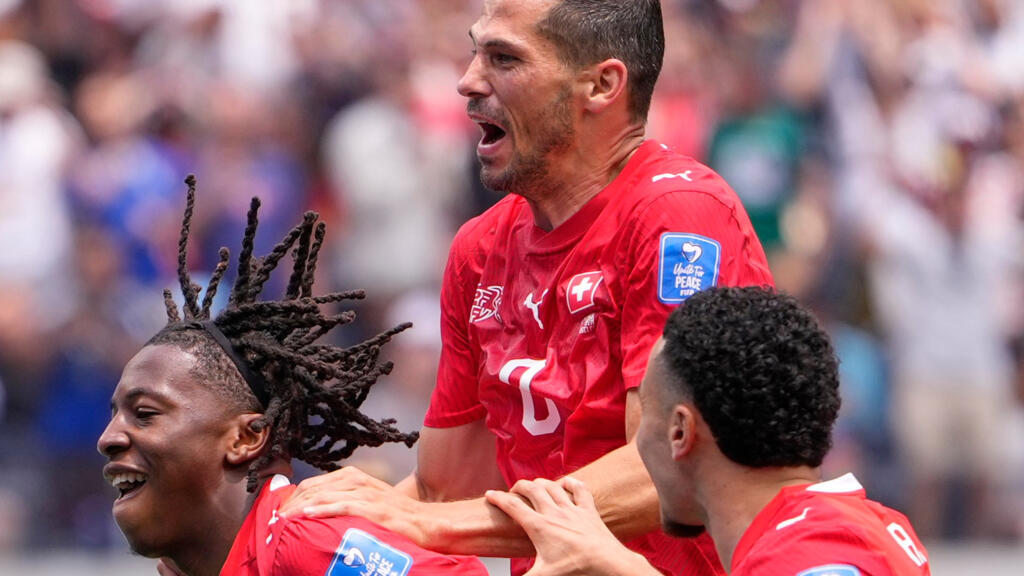

Switzerland cruised to a 4-1 win over Bosnia and Herzegovina to bounce back after their opening draw against Qatar. The Nati are now close to securing a place in the round of 16.
Also in this bulletin: Canada‘s dominant display, South Africa staying alive, Friday’s upcoming matches, Romain Grégoire’s victory at the Tour de Suisse, the unveiling of the 2030 Olympic and Paralympic Games logos, and the Knicks’ celebrations in New York.
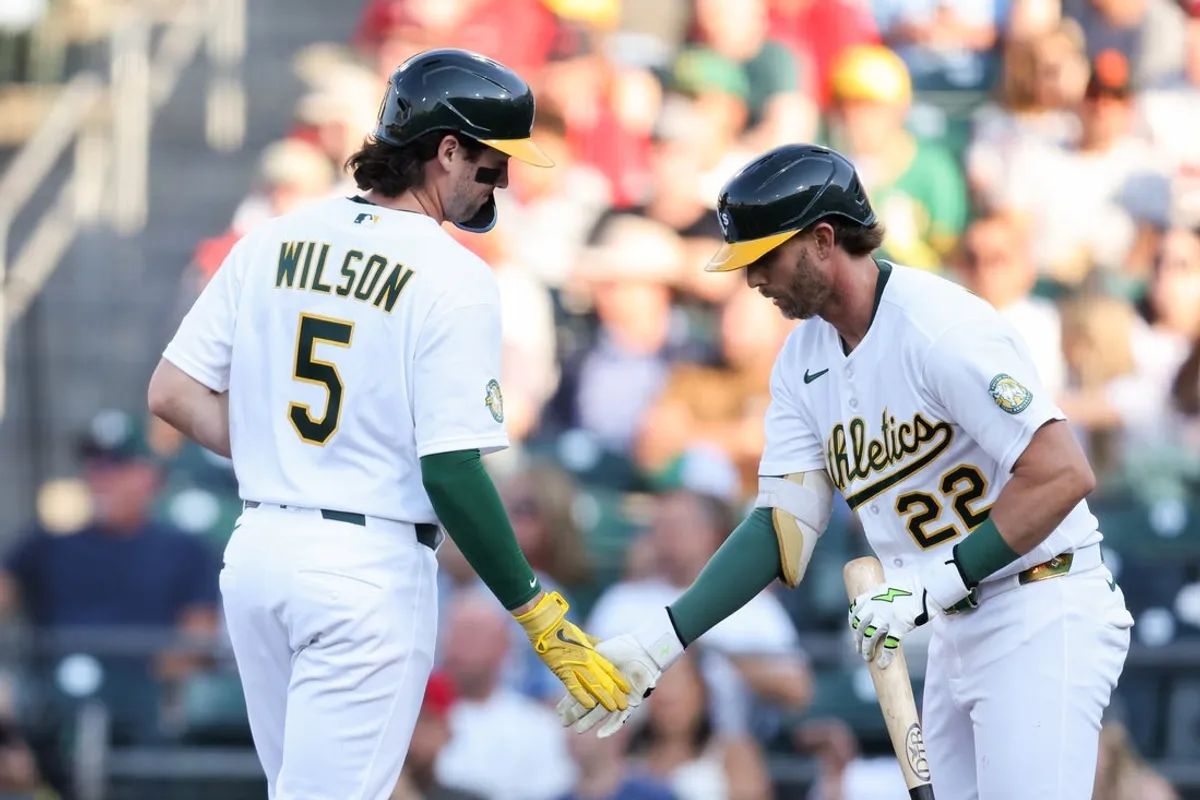
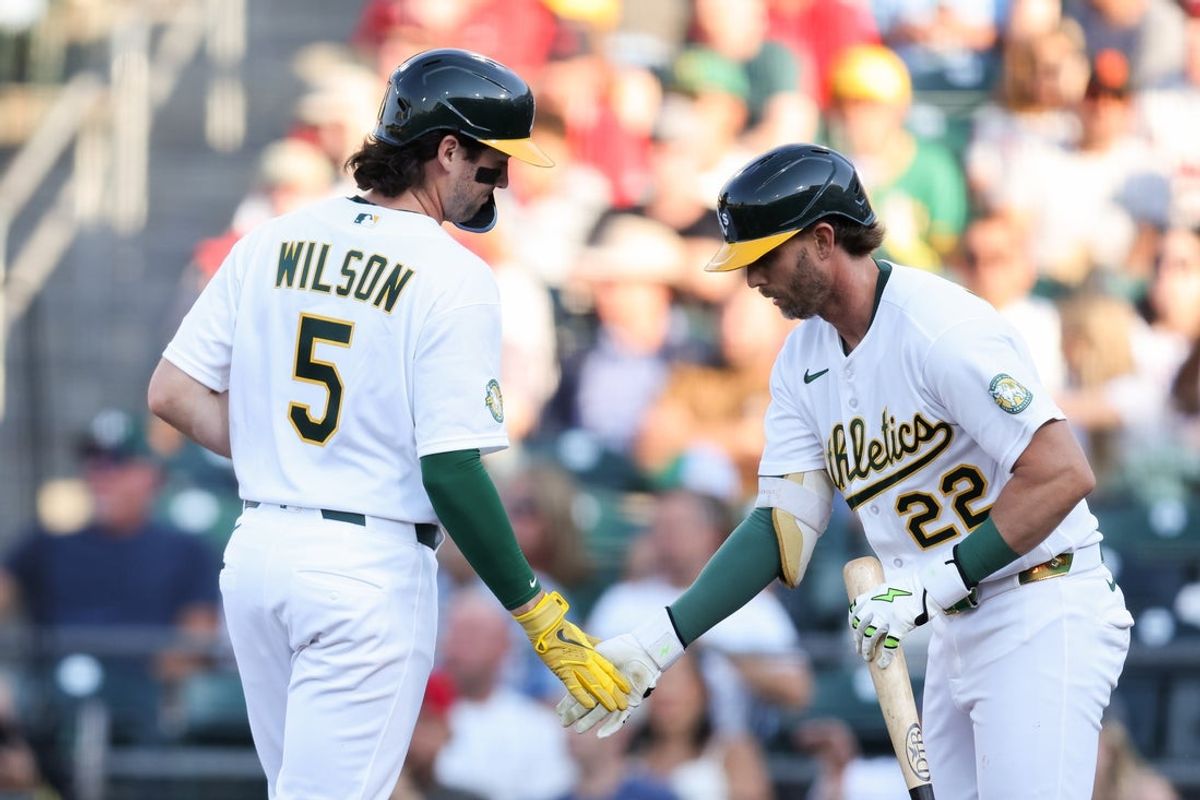 Jun 18, 2026; West Sacramento, California, USA; Athletics shortstop Jacob Wilson (5) celebrates with second baseman Jeff McNeil (22) after scoring during the first inning against the Los Angeles Angels at Sutter Health Park. Mandatory Credit: Sergio Estrada-Imagn Images
 The Athletics made quick work of the Los Angeles Angels in the series opener and will search for another early-inning knockout punch Friday night when the teams continue their four-game set at West Sacramento, Calif.
The A’s sent 11 batters to the plate in a five-run first inning and never relinquished control in a 5-0 victory that followed a stretch in which the team lost three of four games.
Shea Langeliers hit a three-run homer in the first inning Thursday and Tyler Soderstrom followed with a solo shot. The first six batters recorded hits, and the Athletics had seven of their eight overall hits in the opening frame.
“Really unusual game from the offensive standout,” A’s manager Mark Kotsay said. “We came out aggressive. Obviously, we put an inning together that is probably one of our better innings this season. Then to be held to one hit the next seven innings is pretty unique.”
Langeliers took over the club leadership with 19 homers, one ahead of Nick Kurtz. Zack Gelof of the A’s went 1-for-3 with a walk to extend his career-best hitting streak to 22 games, the longest active streak in the majors.
Los Angeles had just four hits while losing for the fourth time in five games.
The Angels received a blow prior to the contest when star center fielder Mike Trout went on the 10-day injured list after sustaining a right hamstring strain while running the bases one day earlier against the Arizona Diamondbacks.
Trout had played in 74 of 75 games before going on the IL as he displayed better durability than his recent injury-plagued seasons.
“He plays the game hard,” Angels manager Kurt Suzuki said. “He sets the example for everybody, and he’s a good role model for the youth out there.”
Trout certainly wasn’t pleased with the timing of the injury, but he downplayed any concern about it as the All-Star break nears. The All-Star Game will be July 14 in Philadelphia, located roughly 45 miles from his hometown of Millville, N.J.
“I really haven’t thought like that,” said Trout, an 11-time All-Star. “Obviously, I want to play if I get voted in, but no timeline. If I put a timeline on things, I’ve done that in the past, and it’s just frustration whether you do hit it or don’t hit it.”
Los Angeles will turn to ace right-hander Jose Soriano (8-4, 2.79 ERA) on Friday for the second contest of the four-game slate. Soriano, 27, received a no-decision against the Athletics on May 21 when he gave up two runs and six hits in 6 2/3 innings of the Angels’ 3-2 loss in 10 innings. He is 1-3 with a 7.82 ERA in nine career appearances (seven starts) against the A’s.
Langeliers (7-for-14) and Lawrence Butler (5-for-18) each have two homers off Soriano while Kurtz (3-for-12) has taken him deep once.
Soriano pitched five shutout innings of three-hit ball in an 8-0 win over the Tampa Bay Rays last Saturday. He said he was bothered by leg soreness during that outing.
Left-hander Jeffrey Springs (3-7, 5.13 ERA) will take the mound for the Athletics on Friday. Springs, 33, has lost seven straight decisions and is winless over 11 starts since last prevailing on April 14 against the Texas Rangers. He has served up 12 homers over his last six starts, including three in Sunday’s 23-9 loss to Colorado. Springs gave up eight runs (six earned) and seven hits over four innings against the Rockies.
Springs is 2-3 with a 5.23 ERA in 13 career appearances (four starts) against the Angels. Jo Adell is 3-for-9 with two homers and five strikeouts against him, while Nolan Schanuel is 3-for-5.
–Field Level Media
NEWYou can now listen to Fox News articles!
As the U.S. men’s national soccer team looks to build on its emphatic 4-1 victory over Paraguay when it faces Australia on Friday, the biggest question surrounding the Americans is whether “Captain America” will be on the pitch at Lumen Field in Seattle.
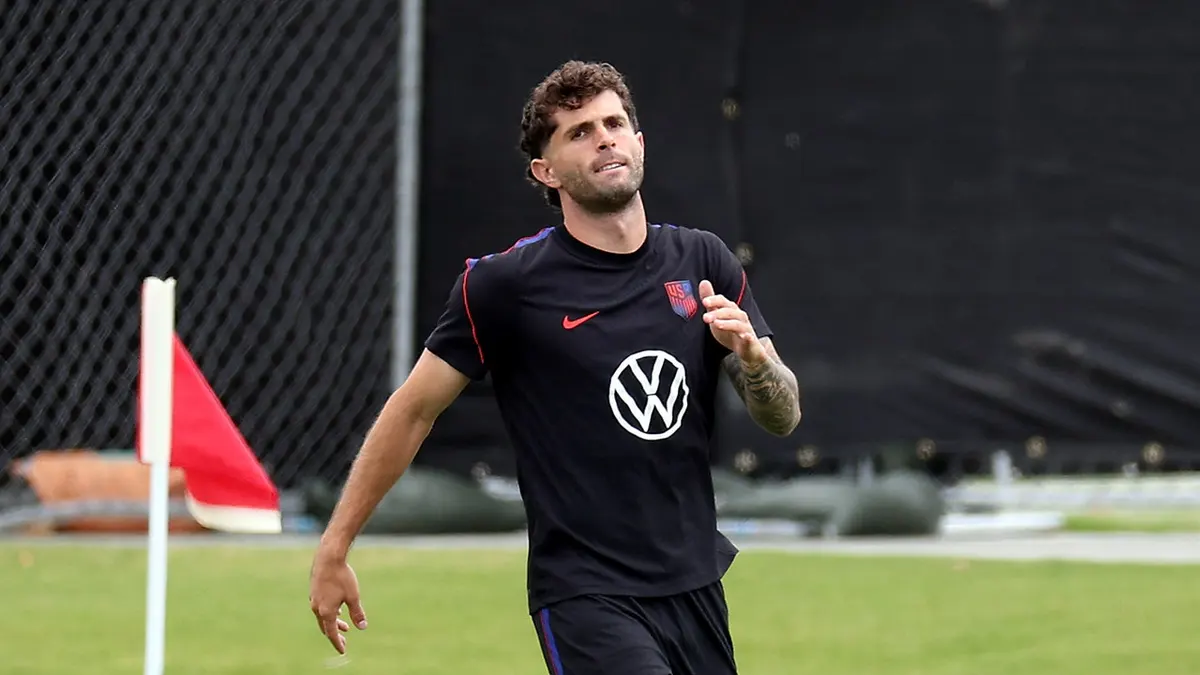
Christian Pulisic’s injury status has loomed large over this team despite their strong start on home soil for the tournament. Pulisic, who had an assist in the win over Paraguay, suffered a calf injury that led to him being subbed out after the first half last week.
USMNT manager Mauricio Pochettino was asked once again about Christian Pulisic’s status ahead of Friday’s match, but he offered little insight into the condition of the star’s left calf.
WATCH THE WORLD CUP FINAL ON FOX ONE
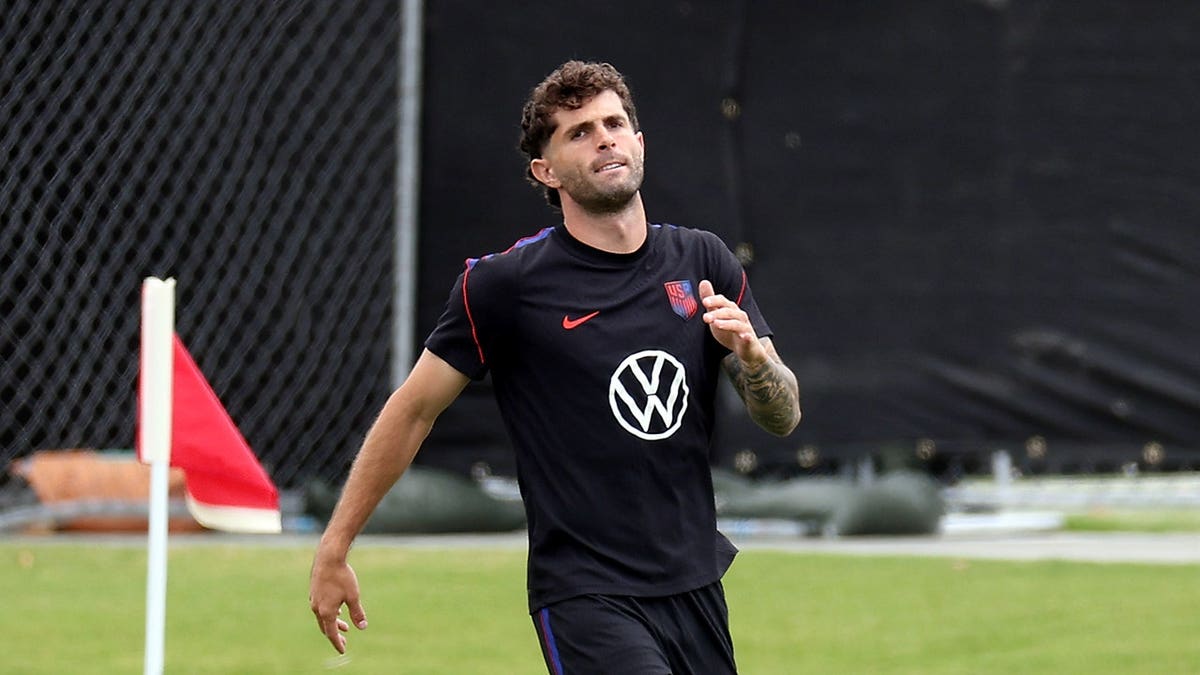
Christian Pulisic of the United States participates in a training session for the 2026 World Cup at Great Sports Park in Irvine, Calif., on June 17, 2026. (Jamie Squire/Getty Images)
“He’s evolving,” Pochettino responded, per the New York Post. “He’s much better from Friday. We’ll see.
“I think at the moment, we think if he’s not available for tomorrow, he’ll be available for the next game.”
Pochettino added that Pulisic was “doing a massive effort trying to be ready,” understanding that the U.S. star wants to be out on the pitch with the rest of his teammates. He will meet with the training staff on Thursday night to discuss Pulisic’s status.
“I think for every player that loves his country, it’s an amazing opportunity to enjoy and help the team win games,” he said. “When this type of thing happens, always it’s painful, but I think Christian is strong, with a great mentality, and doing a fantastic effort to try to be ready.”
FOX ONE’S NEW WORLD CUP VIEWING EXPERIENCE
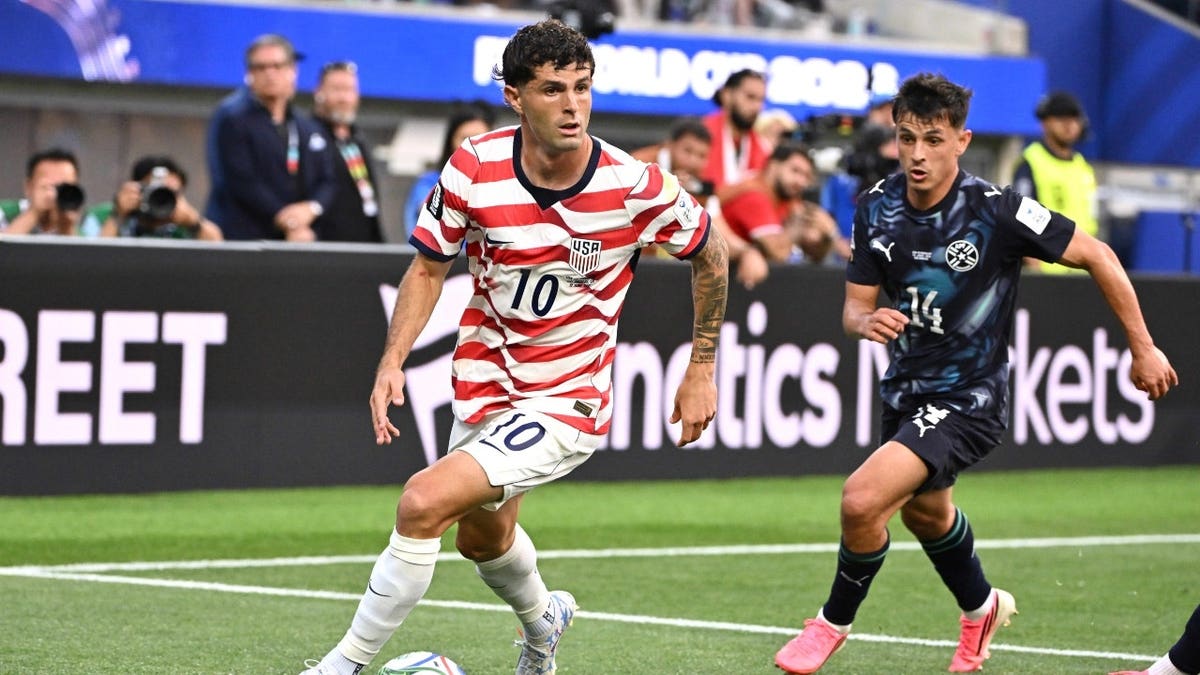
United States forward Christian Pulisic controls the ball past Paraguay midfielder Andrés Cubas in the first half of a FIFA World Cup 2026 match at SoFi Stadium in Los Angeles. (Keith Birmingham/MediaNews Group/Pasadena Star-News via Getty Images)
During the team’s practice on Thursday, Pulisic did much of what he’s been seen doing this week – performing a modified training session and not participating with the rest of the team during the media portion.
Pochettino wouldn’t say who would replace Pulisic if he’s unable to play against Australia on Friday, although Malik Tillman shifted to the left wing after Pulisic exited against Paraguay, while Sebastian Berhalter moved into the midfield role in the second half.
“I will tell tomorrow if that is the situation,” Pochettino said. “At the moment, we are evaluating all the possibilities just in case. And then we will decide when we have the confirmation in one or another direction tonight.”
There’s no doubt Pulisic playing would give the Americans their best chance of defeating Australia, but fellow star Weston McKennie gave a glimpse at the team’s thought process.
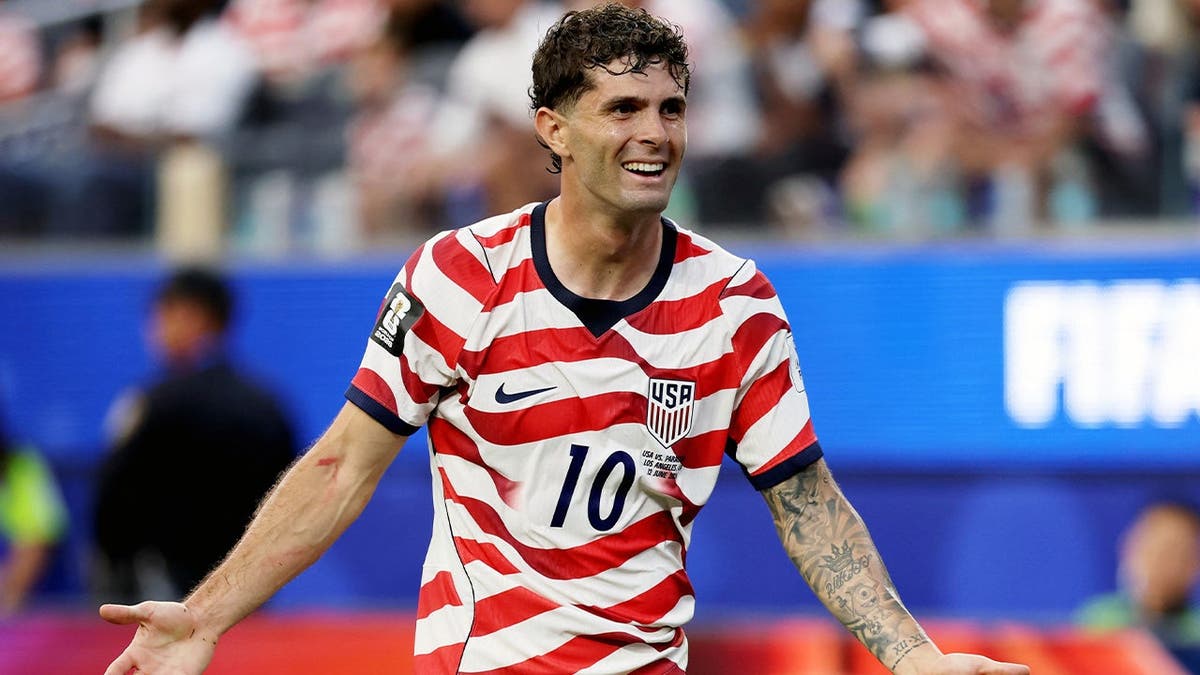
Christian Pulisic had an assist in the first half of the USMNT World Cup opener against Paraguay. (Kiyoshi Mio-Imagn Images)
CLICK HERE TO DOWNLOAD THE FOX NEWS APP
“Either way, just trying to give good spirits and hopefully he can be there tomorrow,” McKennie said. “I know he really wants to be, and he’s doing everything that he can, and the staff is doing everything that they can as well. But that’s also another question that’s better to ask him rather than me. I’m in my own la-la land.”
With Australia defeating Türkiye in its first World Cup match, this bout between these two teams will determine who takes sole possession of first place in Group D.
Follow Fox News Digital’s sports coverage on X and subscribe to the Fox News Sports Huddle newsletter.
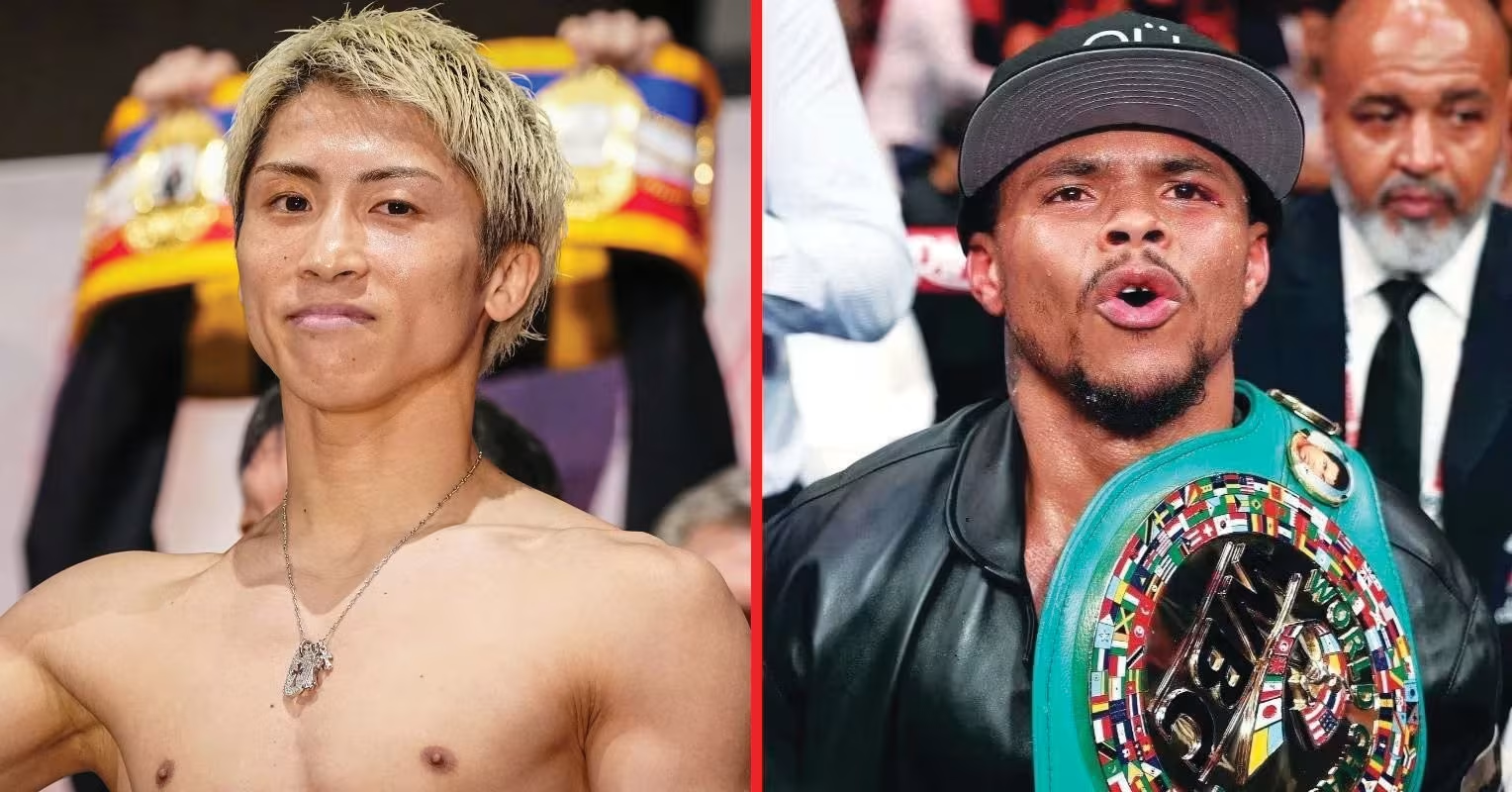
Shakur Stevenson has named the most likely fighter to defeat Naoya Inoue, who remains unbeaten after having become a two-division undisputed champion.
‘The Monster’ unified all four major belts at 118lbs before moving up to super-bantamweight, where he has made seven straight defences of his undisputed crown.
His most recent outing, against three-weight world champion Junto Nakatani, resulted in a unanimous decision victory at a sold-out Tokyo Dome last month.
Many would therefore regard Inoue as the sport’s No.1 pound-for-pound fighter, with the Japanese star having also won world titles at flyweight and super-flyweight.
At 33 years old, though, it is difficult to predict how much longer he will remain at the elite level, especially if his next assignment happens to be against Jesse ‘Bam’ Rodriguez.
The 26-year-old American became a three-division world champion last week, dethroning Antonio Vargas with a sixth-round stoppage at 118lbs.
As the newly-crowned WBA bantamweight champion, there is now talk of him either unifying the division – perhaps against WBO titlist Christian Medina – or moving up to 122lbs in preparation for the potential Inoue showdown next year.
Either way, Stevenson has told The Agnew Podcast that he believes Rodriguez stands the best chance at toppling Inoue.
“I think he’s the truth. If anybody can do it – with them type of skills, I think ‘Bam’ can do it.”
Stevenson went on to admit that, in the amateurs, he was introduced to the fight of his life against Rodriguez’s last opponent.
In the end, he edged a split decision against Vargas, who subsequently competed at the 2016 Olympics and showed, even against ‘Bam’, that he is capable of posing problems to elite fighters.
NEWYou can now listen to Fox News articles!
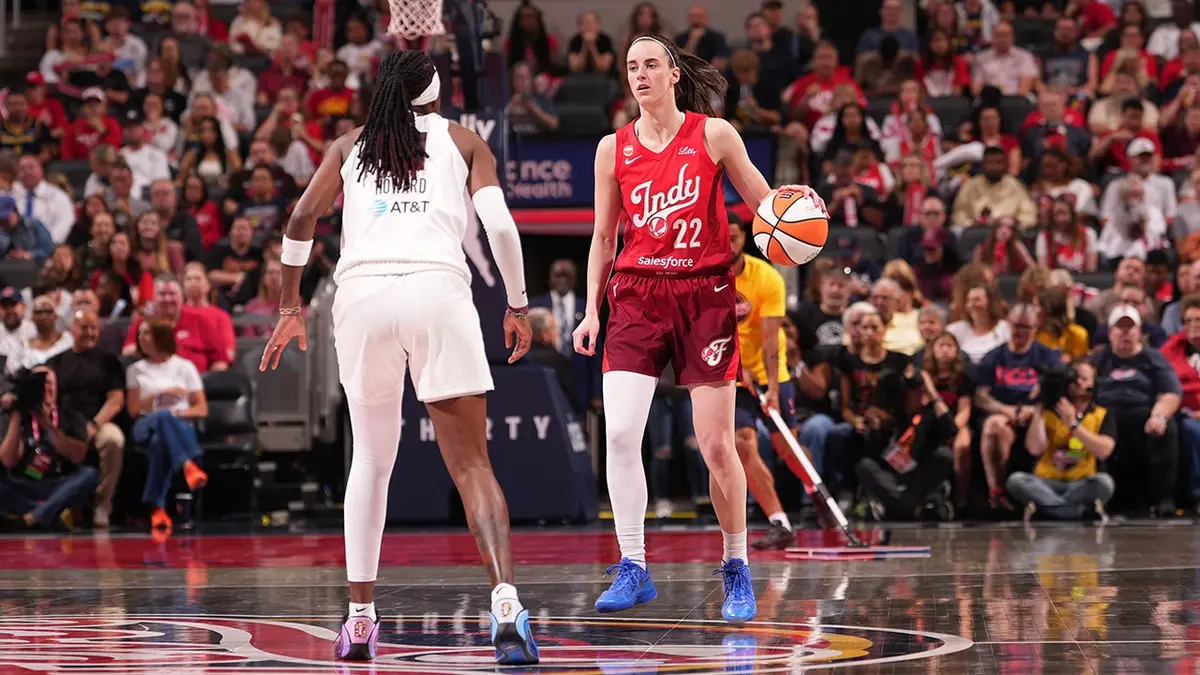
Indiana Fever star Caitlin Clark turned the pregame tunnel into a reveal moment Thursday, arriving at Gainbridge Fieldhouse all smiles while carrying her first signature shoe in her right hand. Her hoodie also featured the phrase “Shoot more threes.”
The Fever shared a photo and video from Clark’s tunnel walk on the team’s verified social media accounts ahead of tipoff against the Atlanta Dream. The post on X quickly drew tens of thousands of views Thursday.
Nike gave women’s basketball fans their first look at the Caitlin 1 sneakers Wednesday, ahead of their scheduled October release.
CLICK HERE FOR MORE SPORTS COVERAGE ON FOXNEWS.COM
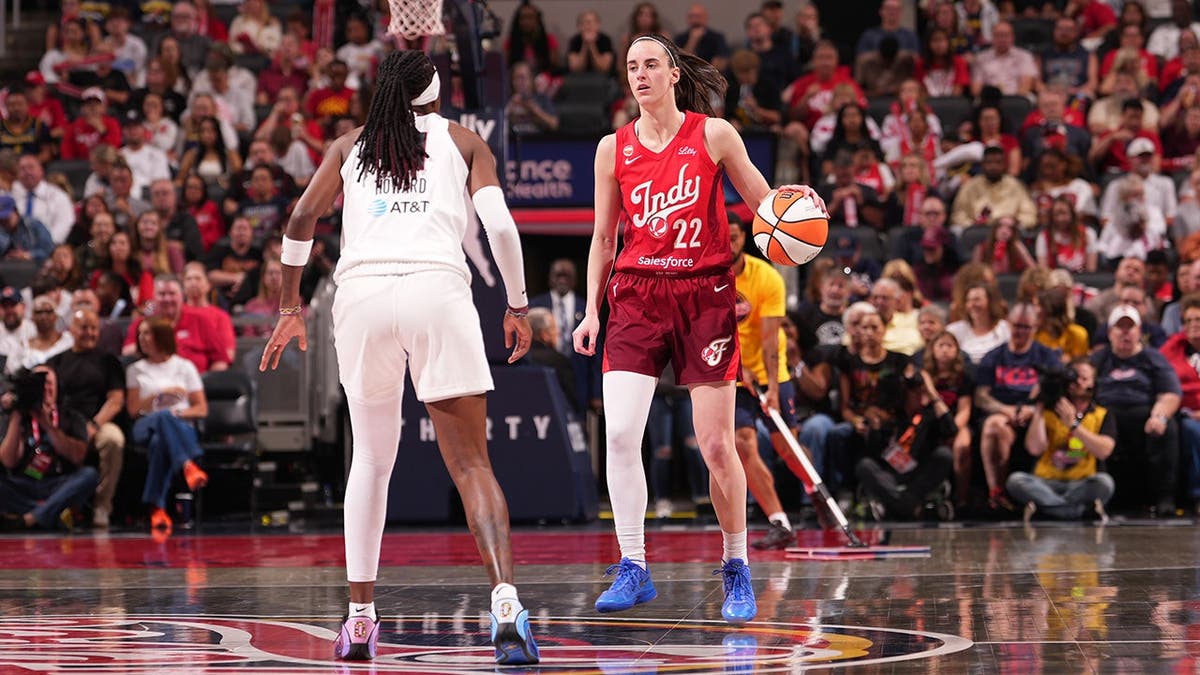
Indiana Fever guard Caitlin Clark dribbles the ball during a game against the Atlanta Dream at Gainbridge Fieldhouse in Indianapolis, Indiana, on June 18, 2026. (A.J. Mast/NBAE)
The first colorway will be available in an all-blue silhouette that also features Clark’s new signature logo. The Nike Caitlin 1s are scheduled to launch Oct. 1 through the Nike SNKRS app and select retailers.
The shoes will be priced at $140 in North America, while international customers should expect to pay the equivalent of $135.
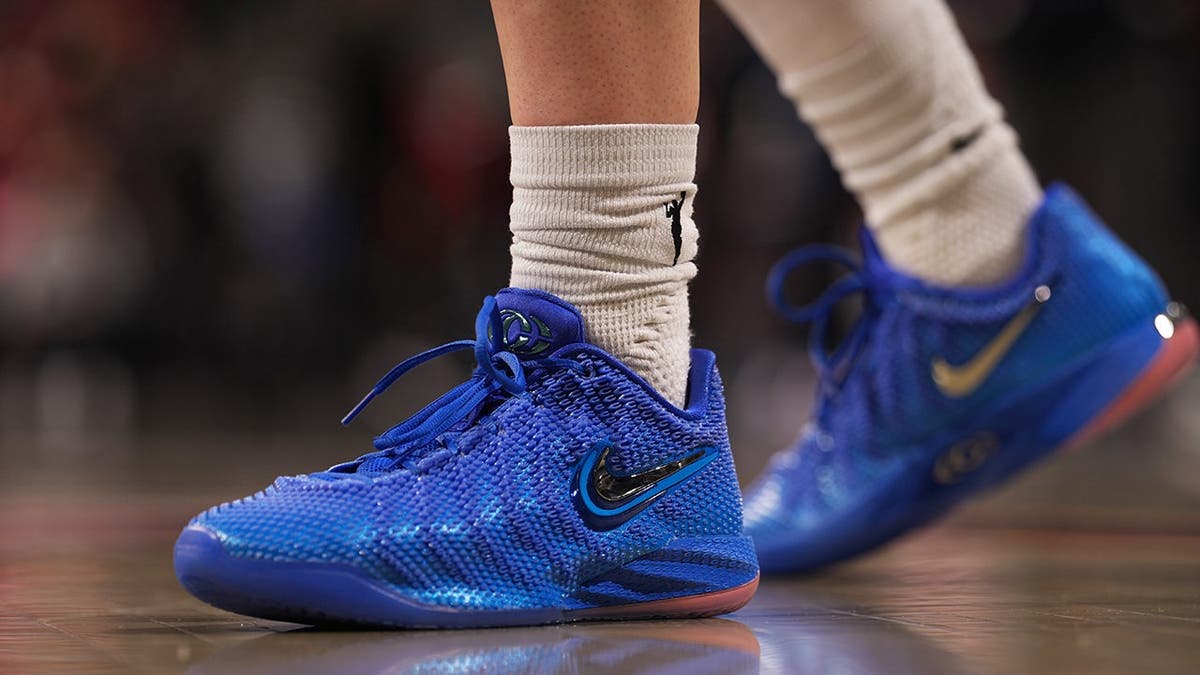
Caitlin Clark’s sneakers are shown before the Indiana Fever game against the Atlanta Dream at Gainbridge Fieldhouse in Indianapolis, Indiana, on June 18, 2026. (A.J. Mast/NBAE via Getty Images)
With the official Caitlin 1 reveal, Clark joins four other active WNBA players with signature shoes from major brands. Angel Reese with Reebok, Breanna Stewart with Puma, Sabrina Ionescu with Nike and A’ja Wilson with Nike are the other active WNBA stars with signature sneakers.
CLICK HERE TO DOWNLOAD THE FOX NEWS APP
Clark and Indiana entered Thursday’s contest riding a five-game winning streak, but the Dream ended it with a 108-101 win in Indianapolis. Clark posted a team-high 26 points and seven assists, while Reese led Atlanta with 21 points and 10 rebounds to secure a double-double.
Follow Fox News Digital’s sports coverage on X, and subscribe to the Fox News Sports Huddle newsletter.
Jesse Watters: Israel needs to chill
Jesse Watters discusses Trump’s negotiated Iran deal, highlighting immediate successes like lower oil prices and open trade through the Strait of Hormuz. Iran is crippled financially and militarily, facing renewed sanctions if it doesn’t comply.
NEWYou can now listen to Fox News articles!
As Americans remain divided on the memorandum of understanding to end the war in Iran, star athletes who represent two of the countries most impacted by the deal have shared their thoughts.
The memorandum establishes a 60-day negotiating period during which the United States and Iran will attempt to reach a more comprehensive deal.
The agreement also includes provisions aimed at restoring commercial shipping through the Strait of Hormuz and provides limited sanctions waivers tied to continued negotiations. Several of the most contentious issues, including the long-term future of Iran’s nuclear program, are expected to be addressed in subsequent talks.
CLICK HERE FOR MORE SPORTS COVERAGE ON FOXNEWS.COM
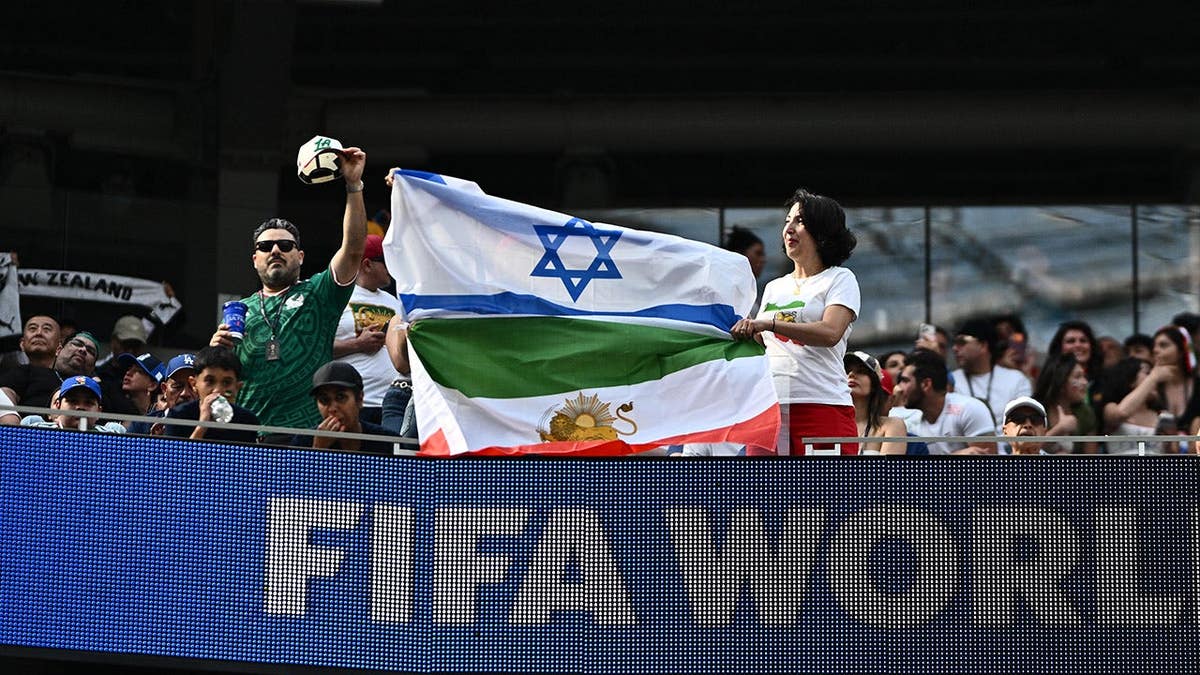
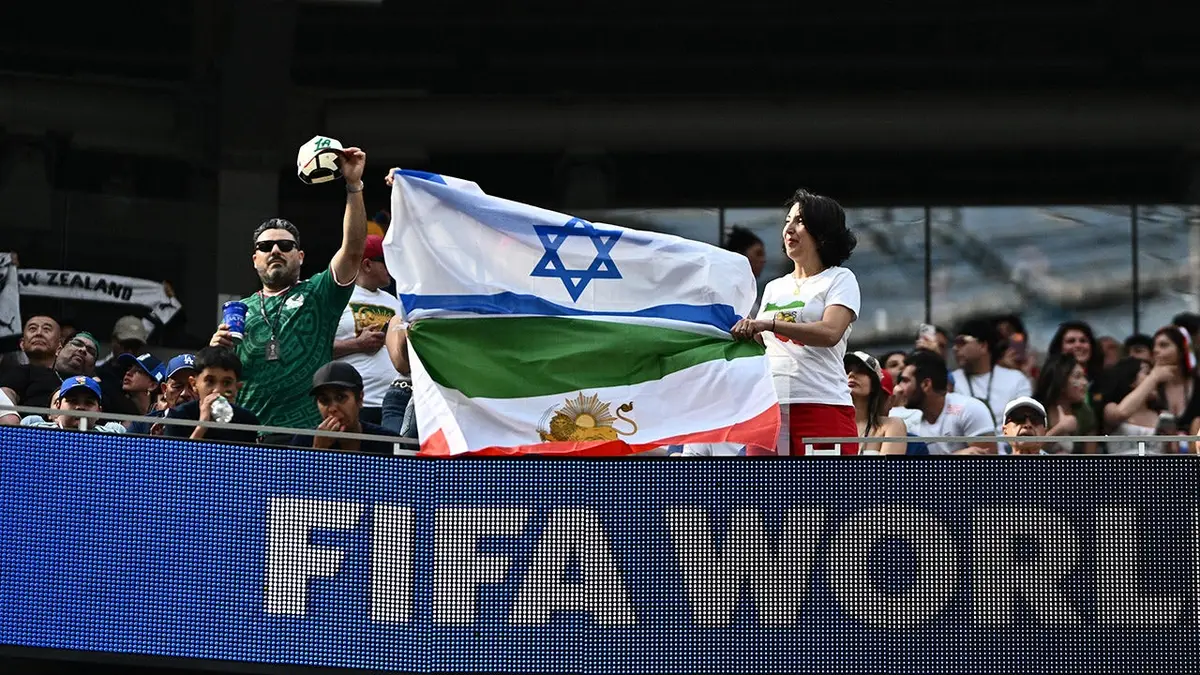
Fans of Iran pose with a pre-revolutionary Iranian flag joined with an Israel flag during the FIFA World Cup 2026 Group G match between Iran and New Zealand at Los Angeles Stadium on June 15, 2026. (Sebastian Frej/Getty Images)
But the current regime in Iran will remain in power, for the time being.
Former Iranian youth wrestling champion Sardar Pashei, who won the Asian Youth Wrestling Championship in 1998 for Iran, expressed disappointment with the current regime’s survival.
“Many believed that under President Trump, the Islamic Republic would become history. Instead, it was handed one of the greatest opportunities in its history to survive. The regime gained financial lifelines and political breathing room while millions of Iranians sank deeper into poverty, unemployment, and uncertainty,” Pashei told Fox News Digital.
“This agreement gives the regime room to rebuild its machinery of repression—new centers for arrest, torture, and intimidation. When an agreement offers nothing to the Iranian people, why would the regime hesitate to intensify its crackdown?
“Some claim that regime change has already occurred in Iran. What change? Has power been transferred to the people? Have executions ended? Have women been freed from the regime’s chains? Until then—not because commanders were killed or ships were sunk—we cannot speak of a new Iran. And what did this agreement bring the Iranian people?
IRANIAN REGIME CRITIC WARNS TRUMP DEAL COULD BE ‘LIFELINE’ FOR REGIME, CLAIMS PEOPLE ARE ‘NERVOUS’
“Despair, abandonment, and the feeling of being left alone with a regime that knows no moral limits. A regime not weakened, but emboldened—one that can now use billions to build more prisons, raise more gallows, and silence more voices.”
Meanwhile, Israelis have been among the harshest critics of the deal, warning the agreement does not do enough to safeguard Israel’s security.
Team Israel skeleton and bobsled Olympian AJ Edelman, who is American-born but represented Israel in the 2026 and 2022 Winter Olympics, called the deal “a disgrace.”
“We emboldened the regime,” Edelman told Fox News Digital.
“If Democrats needed to own Obama’s ‘red line,’ Republicans and Trump have to own ‘help is on the way.’ Arguably, the latter was far worse, because we actually engaged and all but won. It was the cost of gas and Summer AC bills that stranded the Iranian people.
“How did you lose the Iran War? Literally a Tomahawk missile at Kharg Island would have toppled the regime. Trump’s been talking tough on it for 40 years! Gas prices rose, summer was about to get brutal. Midterms. America. It’s hard to believe.
“It was an act of extraordinary political courage to engage. It is a shame and stain on the image of America First exceptionalism to pull defeat from the jaws of victory because of gas prices.”
Fox News Digital has reached out to the White House for comment.
President Donald Trump has described the arrangement as a means of avoiding a wider conflict while pursuing what he called a “great settlement” with Tehran.
CLICK HERE TO DOWNLOAD THE FOX NEWS APP
He has also argued that the agreement could help stabilize energy markets by reopening the Strait of Hormuz, a critical global shipping route, while creating an opportunity to negotiate additional restrictions on Iran’s nuclear activities.
The president added that he agreed to a settlement to avoid “economic catastrophe.”
“I didn’t want to see economic catastrophe. If you kept this going, that could have happened,” he told reporters at the G7 Summit in France.
Meanwhile, Vice President JD Vance scrapped plans to travel to Switzerland on Friday for the next round of U.S.-Iran talks, the White House confirmed Thursday night, highlighting ongoing uncertainty over the timing and logistics of the negotiations with Tehran.
“As the vice president said at his press conference, the plans for the upcoming technical talks have not been finalized, and the U.S. delegation has been prepared to depart at the first available opportunity,” the spokesperson said.
“But the logistics of these negotiations have never been simple or predictable. As of now, the vice president is not departing tonight,” they added.
“We will let you know as soon as we have a concrete update about next steps. We look forward to beginning technical talks as soon as possible.”
The remarks came in the wake of a newly signed memorandum of understanding, with negotiators originally planning to finalize a deal between the U.S. and Iran within 60 days.
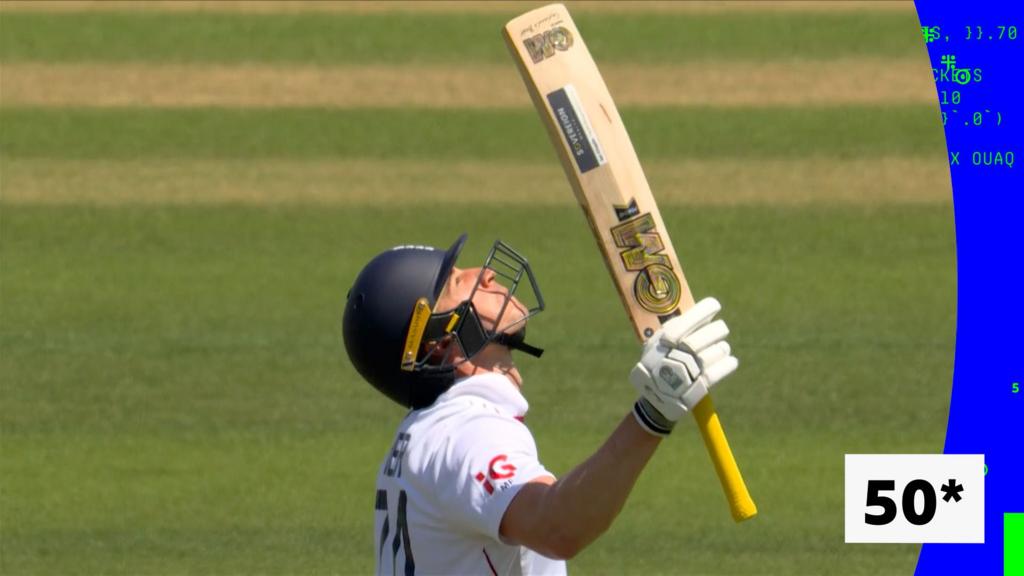
Watch the moment England bowler Matt Fisher scores a first Test half-century as he frustrates New Zealand on the third morning of the second Test at The Oval.
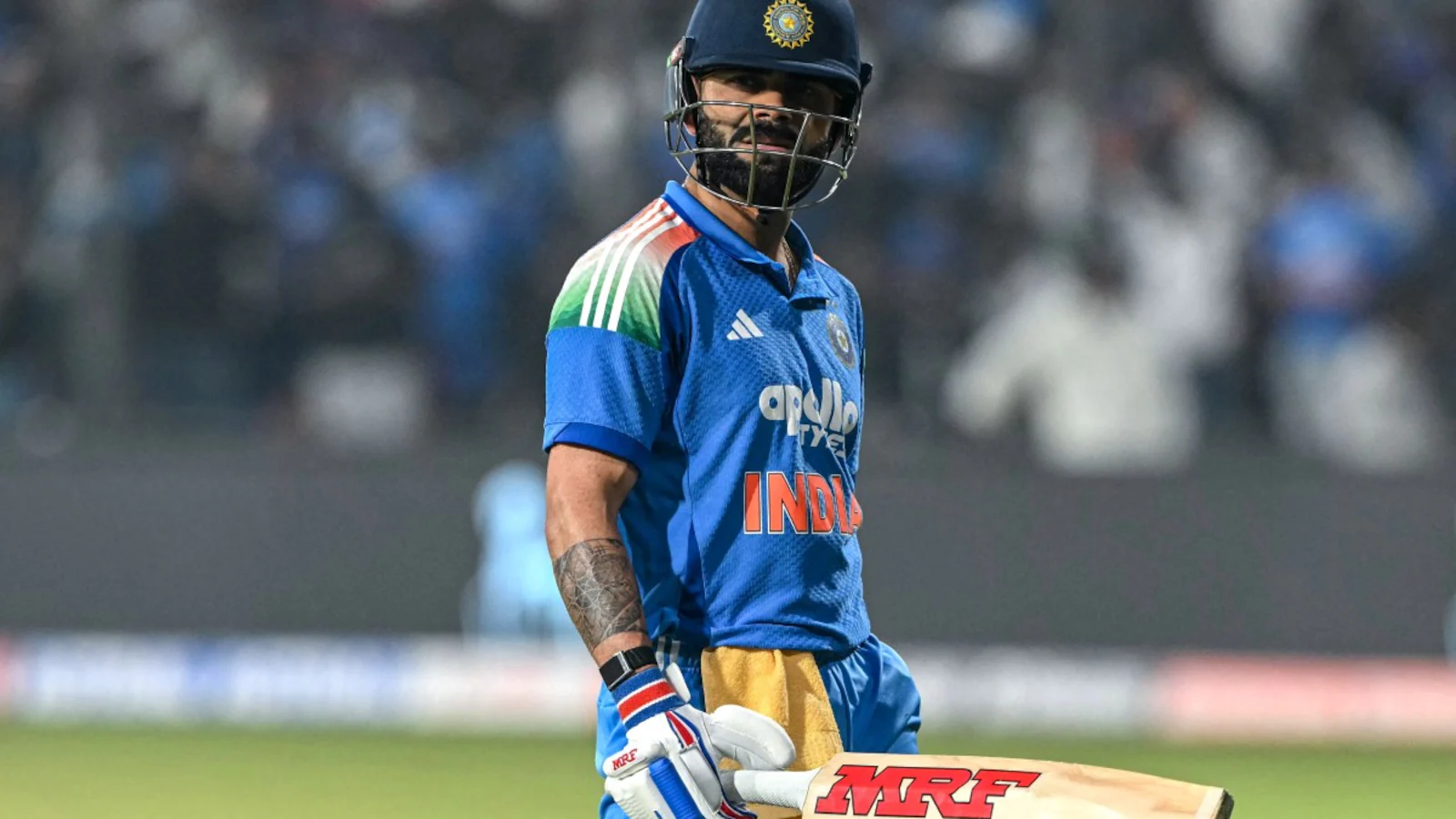
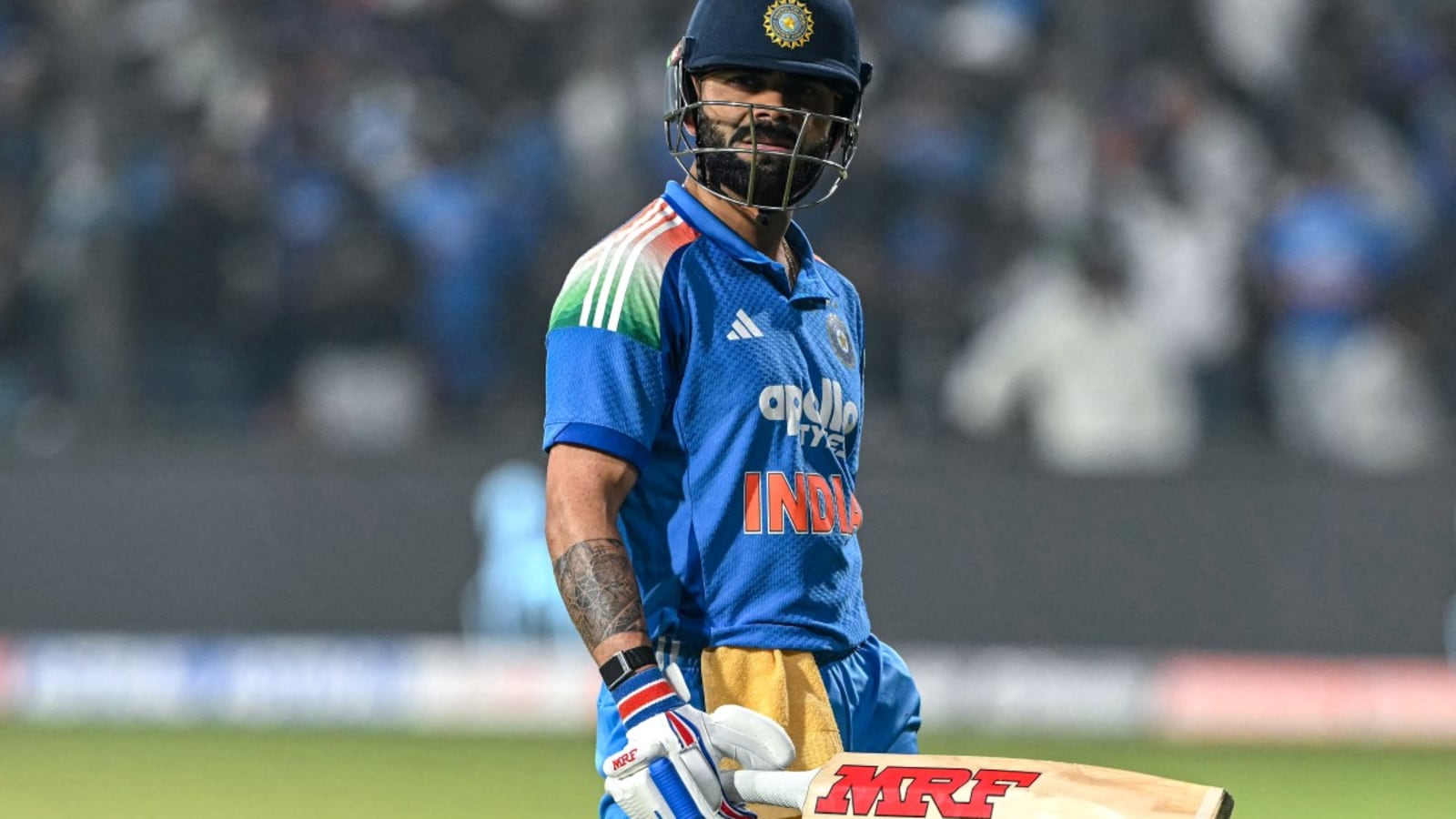
File photo of Virat Kohli© AFP
Indian cricket team star batter Virat Kohli has been making significant progress in his recovery from a hamstring injury and he can return to the team for the upcoming ODI series against England, according to a report by Times Of India. Kohli has started his rehabilitation, and his injury is healing quickly. He is expected to report to the BCCI’s Centre of Excellence for his fitness assessment and clearance soon.If his recovery goes as planned, Kohli is expected to make his comeback to the team in the upcoming England series,” a source told the publication. Kohli was ruled out of the ODI series against Afghanistan due to the hamstring injury and it was reported that he could end up missing the ODI series.
However, the report said that the BCCI selectors are expected to pick the squad later in the week and it is a possibility that Kohli can make his way back in time for the series.
“The selection committee meeting to pick India’s ODI team for the England tour will be held in the next three to four days,” BCCI secretary Devajit Saikia told TOI on Thursday.
The ODI series between India and England will be played from July 14 to 19.
Earlier, Harshit Rana has joined the India squad for the third and final ODI against Afghanistan after completing his rehabilitation from a knee injury, the BCCI announced on Friday.
Rana, who suffered a ligament strain in his right knee during India’s T20 World Cup warm-up match against South Africa and subsequently underwent surgery in February, has linked up with the squad ahead of Saturday’s series finale here.
India have already sealed the three-match series, taking an unassailable 2-0 lead.
“Mr Harshit Rana, who has completed his rehabilitation at the BCCI Centre of Excellence (COE), has linked up with the ODI squad in Chennai,” BCCI secretary Devajit Saikia said in a media release.
The injury had forced the 24-year-old fast bowler to miss both the T20 World Cup and the Indian Premier League.
(With PTI inputs)
Featured Video Of The Day
IPL 2026 | Delhi Capitals Wins By 6 Wickets Against Mumbai Indians: Redemption For Sameer Rizvi
Topics mentioned in this article


John Symons and Sheila Laxon, the training duo, are requiring a bit more patience as they monitor Nihancan’s development towards longer racing distances.
The ultimate objective for Nihancan is the Mahogany Challenge Series Final (2500m) at Flemington on July 4. However, Nihancan must first earn his spot in that race through the Ken Cox Handicap (2000m) at Flemington this Saturday.
Nihancan’s pedigree is well-suited for staying contests.
He is a son of the 2007 VRC Oaks winner, Arapaho Miss, a mare who has produced high-quality stayers including De Little Engine, the 2019 Oaks winner Miami Bound, Roaring Engine, and Kadavar.
Thus far, Nihancan has competed in five races, achieving a maiden win over 2040m at Seymour on May 21. He then finished sixth over 2000m at Flemington on June 6, behind Rockette.
However, Symons indicated that the colt is showing strong signs of being ready for the 2500m distance of the Mahogany Challenge Series Final.
“Hopefully we will pick up some points on the weekend to get to that race, as that’s what we’ve got him set for,” Symons said.
“I thought he ran really well the other day. He was jammed up behind other horses for quite a while and when he got some clean air, his last 100 (metres) was really good.”
“But the draw (barrier 16) makes it tricky.”
Nihancan commenced his racing career over 1600m, finishing last at Ballarat in March. He then contested a 2000m race at Kilmore in April, finishing seventh.
Following that, Symons stated that the stable decided to adopt a more assertive racing approach.
“Early on he wasn’t switched on and then we rode him forward at Pakenham,” he commented.
“Before that we had been teaching him to settle, and we saw improvement and then he really improved at Seymour.”
“The horse that he beat ran third in the Victoria Derby and I thought he took another huge step forward at Flemington the other day.”
“I know he only ran sixth, but I like the way he hit the line and he’s screaming out for the 2500 metres.”
“If he can get into the final of that series, I think he will be thereabouts.”
Having previously trained Knight’s Choice to victory in the Melbourne Cup, Symons hopes Nihancan might one day participate in Australia’s most prestigious race, following in the footsteps of his half-sister Miami Bound who ran in the race twice.
“We’ll look and see where he ends up this spring and how he develops,” Symons remarked.
“It will all depend on each run and where he’s at, but he is a nice horse.”
Consider the racing betting markets for the Ken Cox Handicap at Australian betting sites.

The Invisible Pressure of Money || Financial Confessions #moneyhacks ##finance #wealthbuilding #fyp

Amy Madigan Leaves ‘Weapons’ Behind for New R-Rated Drama Officially Coming This Summer [Exclusive]

The Black Swan at Burn Bridge, near Harrogate, is back open!

Blockchain.com files with SEC for U.S. IPO

No Jackpot Winner as $257 Million Prize Rolls Over to $269 Million Monday Draw

Israel says it has killed new Hamas military leader in Gaza City airstrikes
The Invisible Pressure of Money || Financial Confessions #moneyhacks ##finance #wealthbuilding #fyp

JAPAN JUST ANNOUNCED IT! RIPPLE & XRP ARE ABOUT TO WIN BIG!

Tamil Nadu Chief Minister C. Joseph Vijay met with Union Finance Minister Nirmala Sitharaman
-
 Business5 days ago
No Jackpot Winner as $257 Million Prize Rolls Over to $269 Million Monday Draw
-

 Fashion7 days ago
Weekend Open Thread: Tuckernuck – Corporette.com
-
 Crypto World5 days ago
Zimbabwe Requires Crypto Businesses to Register Annually Under New FIU Regulations
-

 Crypto World6 days ago
Bitget enters Argentina’s regulated crypto market through PSAV registration
-

 Tech7 days ago
NanoClaw integrates JFrog registries to secure AI agent downloads
-

 Tech7 days ago
This Week In Security: Microsoft On Microsoft, Register Your Domains, Linux On ARM, And FreeBSD Joins The File Cache Club
-

 NewsBeat7 days ago
FBI searches office of Ohio voter registration group
-
 Entertainment5 days ago
Matt Damon’s Viral Sci-Fi Thriller Has Taken Over HBO Max
-

 Business5 days ago
Anthropic staff to meet White House officials next week, Axios reports
-

 Tech5 days ago
As AI companies race to go public, who else is along for the ride?
-
 Crypto World5 days ago
Bitcoin could crash to $48,000, if this historical pattern is triggered
-

 Politics5 days ago
“Israel’s” ban on ICRC visits ruled illegal, but Knesset moves to stop them permanently
-
 NewsBeat5 days ago
Warning of disruption as Cardiff Crossrail works to start
-

 News Videos5 days ago
Financial Accounting | Last Day Revision Strategy and Booster | CMA Inter – June 2026
-
 NewsBeat5 days ago
Tributes to former deputy head teacher at Cambridge school among death and funeral notices
-
 NewsBeat5 days ago
what doctors are seeing in ebike crashes
-

 Crypto World5 days ago
XRP ETFs Outperform As Bitcoin And Ethereum Funds Extend Outflow Trend
-

 Entertainment6 days ago
Deion Sanders Shares Powerful Post After Viral Advice To Deiondra
-
 Crypto World5 days ago
Market Preview: SpaceX (SPCX) IPO Record, Federal Reserve Meeting, and Iran Nuclear Agreement
-
 Entertainment5 days ago
Kate Middleton Glare Goes Viral After Kids Booed At Royal Event
You must be logged in to post a comment Login