
Connect with us
DAPA Banner
DAPA Coin
DAPA
COIN PAYMENT ASSET
PRIVACY · BLOCKDAG · HOMOMORPHIC ENCRYPTION · RUST
ElGamal Encrypted MINE DAPA
🚫 GENESIS SOLD OUT
DAPAPAY COMING

Sports

The history of England vs Argentina: Football’s fiercest rivalry dates back to 1982

Published

on

“A football game – and that is all.”

These words were calmly uttered by Argentina coach Lionel Scaloni soon after the 3-1 win over Switzerland in the World Cup quarter-finals.

It set up a mouthwatering semi-final against England, who won through after defeating Norway 2-1 in their quarter-final.

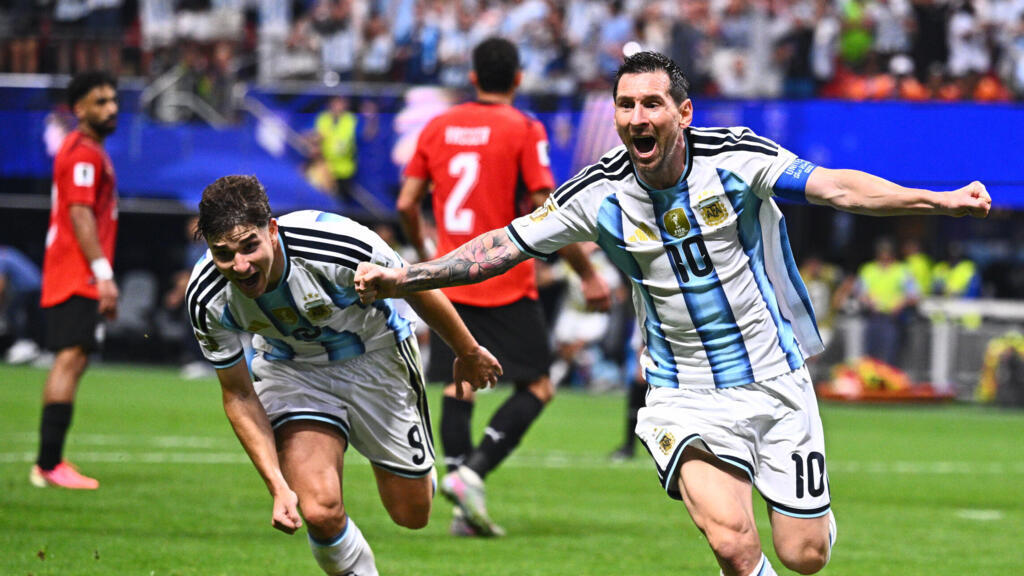
But images of violent confrontations – such as the ones that took place in Miami between Argentine and English supporters, alongside other videos capturing similar fights and Argentine players chanting “for Malvinas (the Falkland Islands) for Diego (Maradona), for Leo (Messi)’s last one!” – are telling a different story.

Scaloni’s statement was likely said to reduce the possibility of what should be a fair game between two talented teams ending up in an explosive display of masculine toxicity, which is the reason why security and policing in Atlanta has been enhanced ahead of the match.

Advertisement

The modern-day rivalry

Few rivalries in world sport carry as much weight off the pitch as Argentina vs England.

The upcoming semi-final between these two teams is a reminder of an open wound: the 1982 Falklands/Malvinas War.

This history transforms every match into something more than a game, and nowhere is this clearer than in the chants that fill the stands.

Advertisement

Take “El que no salta es un inglés” – “he who doesn’t jump is an Englishman”.

This famous Argentine chant suggests those who don’t support the team passionately aren’t real fans – and even worse, they are labelled English.

That same impulse shows up in the slang term “Ingla-perra”, a jab that fuses “Inglaterra” (England) with “perra” (bitch).

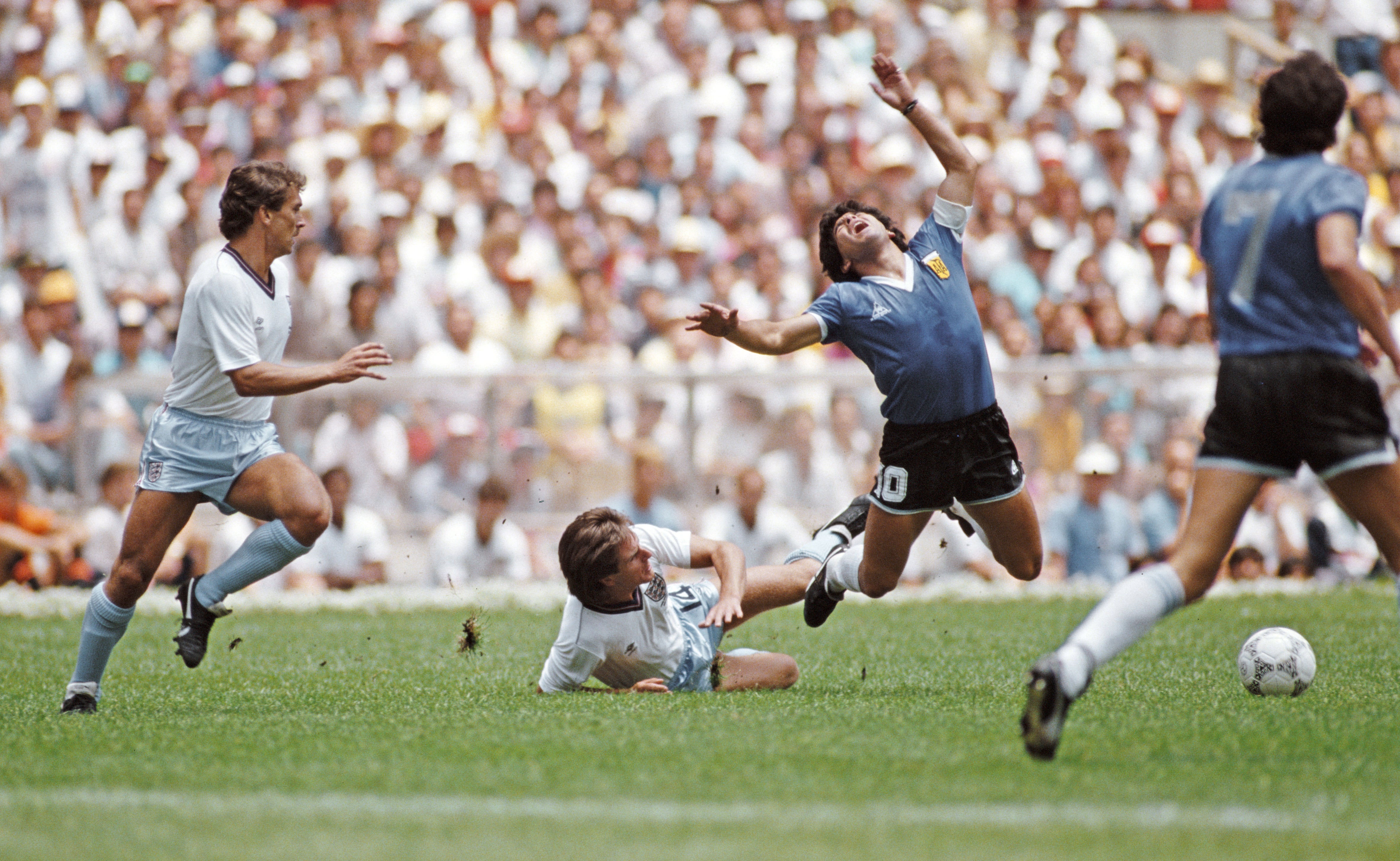
Argentina player Diego Maradona is challenged by England player Terry Fenwick during the FIFA 1986 World Cup quarter-finals
Argentina player Diego Maradona is challenged by England player Terry Fenwick during the FIFA 1986 World Cup quarter-finals (Getty)

Crude as it is, it is similar to the jumping chant in that both turn soccer language into a vessel for grievances that have little to do with the sport itself.

The chants surge especially around flashpoint matches – Diego Maradona’s “Hand of God” in 1986 chief among them – when sporting drama and national memory collided.

Advertisement

Maradona, the legandary Argentina player who became an iconic figure of patriotic heroism, later justified the illegal goal, stating: “For me, it was like stealing from a thief.”

Ironically, five Argentine players – including goalkeeper Emiliano Martínez, who said “it’s nice to play amongst mates” referring to members of the English team – play in England’s Premier League.

Since the 1986 clash, the teams have been involved in several other controversies, most notably when Argentina won a penalty shootout in the 1998 World Cup after David Beckham was controversially sent off for kicking Argentina’s Diego Simeone.

The rivalry began long ago

Advertisement

Even more complexity emerges when we look at the history of how soccer emerged in Argentina.

The roots of one Argentina’s greatest passions are to be found in the same country that is now their greatest rival: England.

Clubs in Argentina were founded by the British in the 19th century when railway engineers, investors, landowners and merchants established themselves in the country as a ruling elite. These settlers had such political and economic influence that historians view the Anglo-Argentine case as one example of what they call an “informal empire”.

Fernanda Peñaloza is a Senior Lecturer in Latin American Studies at the University of Sydney.

Advertisement

This article was first published by The Conversation and is republished under a Creative Commons licence. Read the original article.

The British invasions of the Río de la Plata (1806–07) and the Falkland Islands/Malvinas (1833) represent two contrasting episodes of the Anglo-Argentine relationship.

The former ended in military defeat and fuelled local independence movements, while the latter secured permanent British rule over the islands.

In this way, Argentina-England matches function as ritual as much as competition. The chants aren’t really about tactics or skill – they’re a language fans use to keep a historical conflict alive, one jump and one insult at a time.

Advertisement

When history, politics and sport collide

Sport and politics are always intertwined, especially at major events such as the World Cup.

External circumstances such as the United States bombing Iran (a participant in the World Cup), while hosting the event might not take away the joy this worldwide sport brings to billions of spectators, but such events create opportunities to reflect on why what happens off pitch cannot be ignored.

Advertisement

In his journal of his famous voyage aboard HMS Beagle, Charles Darwin lamented the fact Spain, and not the British empire, had colonised Argentina: “How different would have been the aspect of this river if the English colonists had by good fortune first sailed up the Plata! What noble towns would now have occupied its shores!”

Looking at a 1981 photograph of Maradona with Queen’s Freddy Mercury wearing a t-shirt with the British and Argentine flags respectively, one cannot help to recreate Darwin’s regret, reverting the terms in the context of the territorial dispute that has caused so much friction: “How different would have been the upcoming World Cup semi-final if the English hadn’t occupied the Falklands/Malvinas in 1833?”

Source link

Advertisement
Continue Reading
Click to comment

You must be logged in to post a comment Login

Leave a Reply

Sports

Where are England stars Trent Alexander-Arnold, Harry Maguire, Cole Palmer and Phil Foden?

Published

on

England play Argentina in the World Cup semi-finals on Wednesday and there are a lot of big names missing from the squad

Thomas Tuchel’s choices for his England squad certainly caused a stir this summer. The players have delivered on the pitch, getting into the World Cup semi-finals, though Tuchel’s decision to leave several high-profile names left at home prompted plenty of discussion.

From the surprise inclusions of Djed Spence and Ivan Toney to a reliance on stars with recent injury concerns, the noise around the Three Lions’ squad has brought debate both before and during the tournament. While there is no way to leave everyone happy, some omissions have attracted attention.

Advertisement

A spine-tingling semi-final clash with Argentina stands in the way of England reaching Sunday’s showpiece final in New York as Tuchel looks to etch his name in the history books by becoming the first foreign manager to lift the World Cup. Here is how the star-studded absentees have been spending their summer.

Get MEN Premium now for just £1 HERE – or get involved in our United WhatsApp group by clicking HERE. You can also join our United Facebook page by clicking HERE and don’t miss out on our brilliant selection of newsletters HERE.

Trent Alexander-Arnold

England’s right-back dilemma has been a major talking point, with Alexander-Arnold not the only man to miss out. Tino Livramento pulled out before the tournament in a major blow, with Ben White also unavailable and Tuchel choosing centre-back Trevoh Chalobah over Alexander-Arnold when the time came to replace Livramento.

England have also lost Reece James to injury and Jarell Quansah to suspension, though James returned from the bench against Norway. However, the situation only added to calls that Alexander-Arnold should be part of Tuchel’s squad.

Advertisement

Having been used in midfield in the last Euros under Gareth Southgate, the ex-Liverpool defender has only featured in one of Tuchel’s six major camps. The ex-Chelsea boss has stood by his decision to leave out the Real Madrid man, though, indicating it was a sporting decision.

The 27-year-old’s omission, coupled with a mixed start to life at Real Madrid, has prompted Alexander-Arnold to focus on recovering from an injury-hit campaign in a hot-weather training camp. He has been sharing updates on social media as he prepares to play under new Madrid boss Jose MOurinho.

Harry Maguire

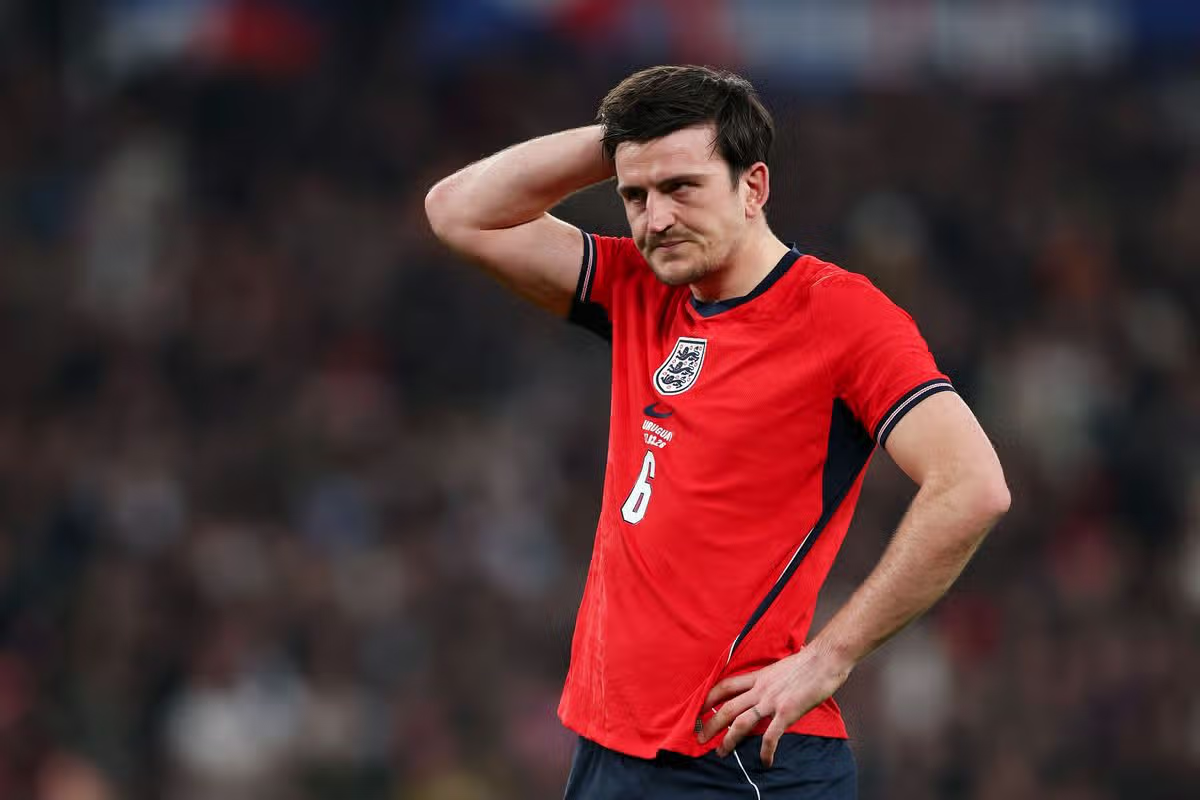
Perhaps the most surprising absentee from England’s North American tour, the reliable centre-back has turned to the limelight of the television scene this summer. The 33-year-old became a symbol of Southgate’s teams in tournaments gone by, having been named in the 2020 Euros Team of the Tournament, but missed the last edition two years ago after missing the end of the 2023/24 season through injury.

Advertisement

The arrival of Michael Carrick at Manchester United allowed Maguire to show his worth after an stop-start few months under Ruben Amorim. Maguire played a vital role in their mid-season turnaround to comfortably secure a third-place finish and reverse what looked to be a disastrous campaign.

He looked likely to take his place in Tuchel’s squad after returning for the March friendlies but ultimately missed out. The 33-year-old spoke to Gary Lineker on The Rest is Football show after being left “shocked and gutted” at not making the final 26.

Cole Palmer

One of the several attacking stars excluded by Tuchel, Palmer’s inconsistent campaign for Chelsea curtailed any chance of him playing a starring role this summer. However, questions were asked about his omission after England struggled to break down low blocks, especially in the group stage draw with Ghana.

Advertisement

His ability to deliver in crucial moments, most notably in the Euro 2024 final against Spain, meant it was hard to overlook his undeniable quality on the biggest stage. However, Tuchel’s emphasis on having a more balanced, specialised squad as opposed to relying on individual quality, as England have done in the past, resulted in Palmer missing out.

The 24-year-old will be hopeful of a much-improved campaign under new Chelsea manager Xabi Alonso. He has spent the off-season in Ibiza, while also launching premium ice brand COLE’D.

Phil Foden

In a situation similar to that of Palmer, Foden has struggled to register the incredible numbers of seasons gone by. Foden was key to Manchester City winning the Premier League title in 2024 when he won the PFA Players’ Player of the Year thanks to his 19 goals and eight assists in the league.

However, Foden failed to replicate that form in the Euros and his performances on the pitch since have been inconsistent. He only returned seven league goals in each of his last two campaigns and the January arrival of Antoine Semenyo saw his minutes limited further.

Advertisement

The brilliance Foden has displayed for his club has yet to translate to the England set-up and may have been another factor behind Tuchel leaving him out. While his compatriots have been in action in North America, the six-time Premier League champion has been seen enjoying some of the country’s major sporting events including the British Grand Prix and Wimbledon, as well as holidaying in Marbella.

England’s 2026 World Cup kits

This article contains affiliate links, we will receive a commission on any sales we generate from it. Learn more
Content Image

Various Prices

Kitbag

Buy Now on Kitbag

England and Nike have launched the new home, away and goalkeeper kits to be worn at this summer’s FIFA World Cup. You can get free delivery on all orders with the code DEAL.
Advertisement

Source link

Continue Reading

Sports

Expected release time, new DC skins, and sprites

Published

on

The Fortnite v41.20 update is all set to release on July 16, 2026, and will introduce a plethora of new content for players to experience. This will be the second big update for the ongoing Fortnite Runners season, and will add new skins and weapons, as well as more sprites. A special Fortnite collaboration (and its related skins) will also be unveiled in this update.

Read on to find out more about all the upcoming content in the Fortnite v41.20 update.


Fortnite Chapter 7 Season 3 v41.20 update: Release timing and details

Fortnite's summer update is dropping soon (Image via Epic Games)Fortnite's summer update is dropping soon (Image via Epic Games)
Fortnite’s summer update is dropping soon (Image via Epic Games)

As per standard schedule, downtime for the Fortnite v41.20 update will begin on July 16, 2026, at 4 am ET. Matchmaking is expected to be paused 30 minutes prior to the beginning of maintenance, and will be available once again after servers are back up.

Advertisement

While the exact downtime duration has not been announced by Epic Games yet, servers are expected to be back online after approximately two or three hours.

The following content will be added in Fortnite once the v41.20 update goes live:

  • DC Hot Bat Summer event
  • New sprites
  • Odyssey collab
  • Sprite events

Here are the details about these events:

1) DC Hot Bat Summer

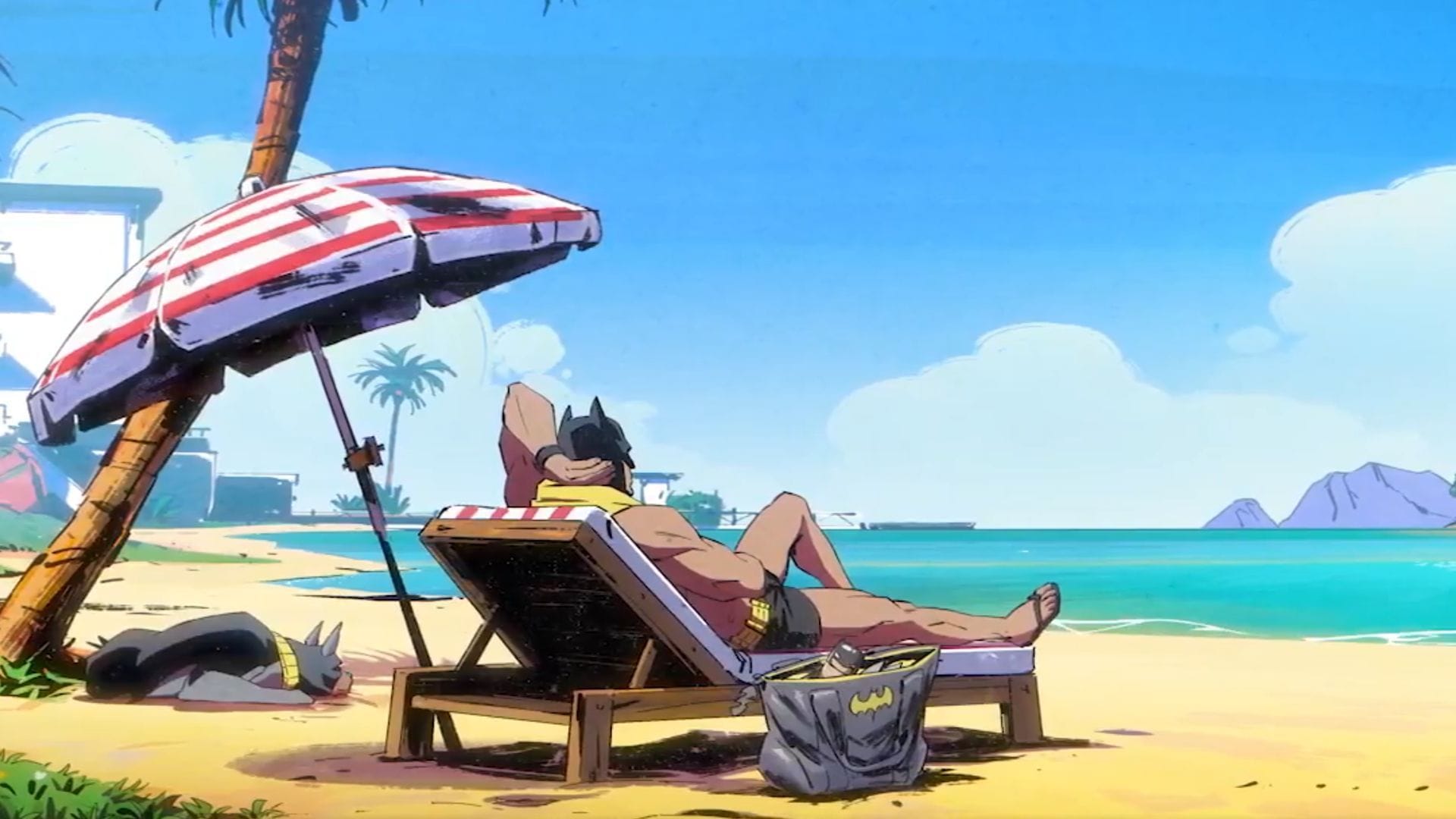
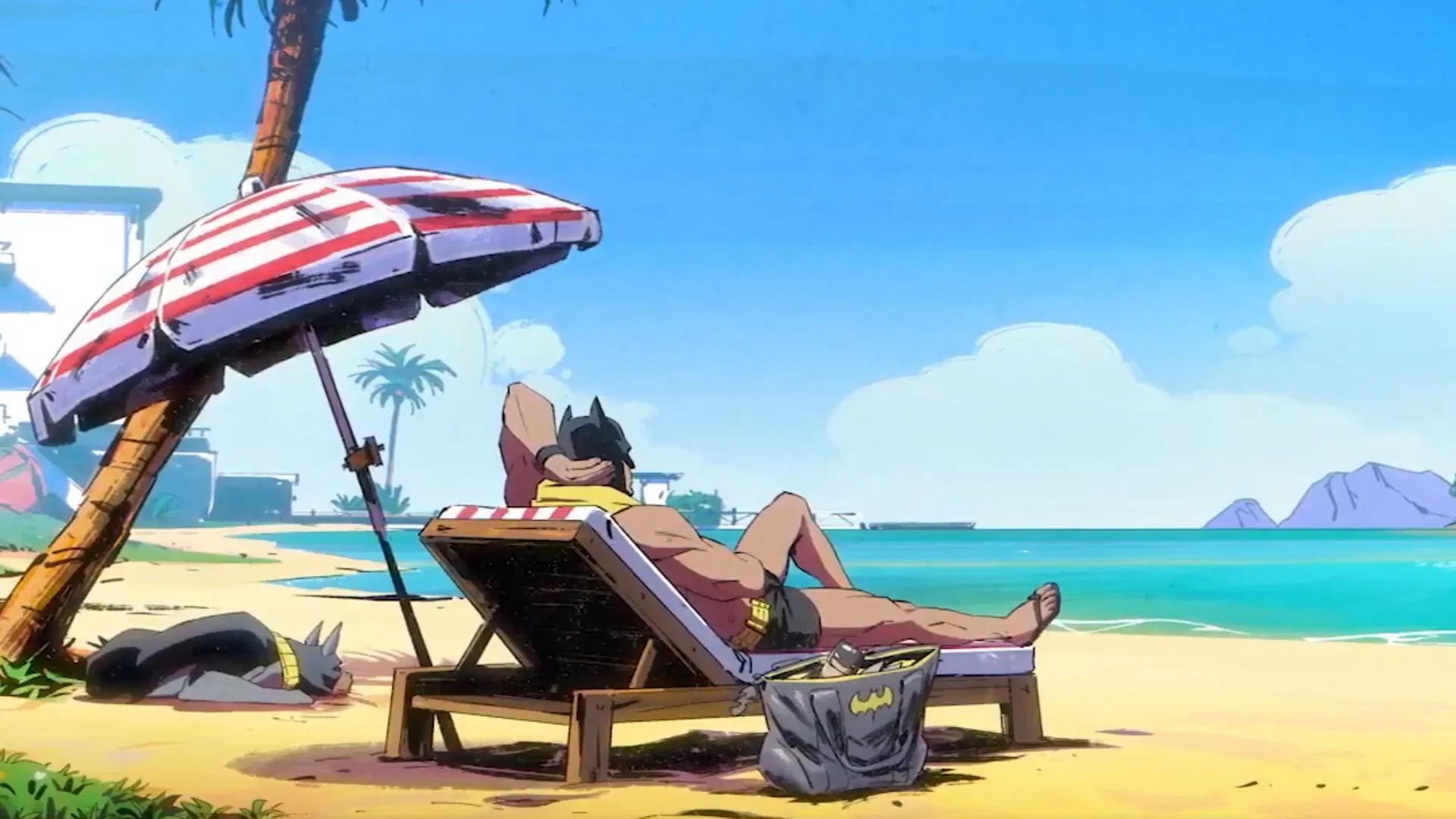
The Fortnite DC Hot Bat Summer event will be officially launching on July 16, 2026. It will feature new summer skins for a variety of DC characters such as Batman, Harley Quinn, Poison Ivy and Catwoman. Ace the Bat-Hound, Batman’s canine companion, is also expected to be added in the game as a sidekick.


2) New Sprites

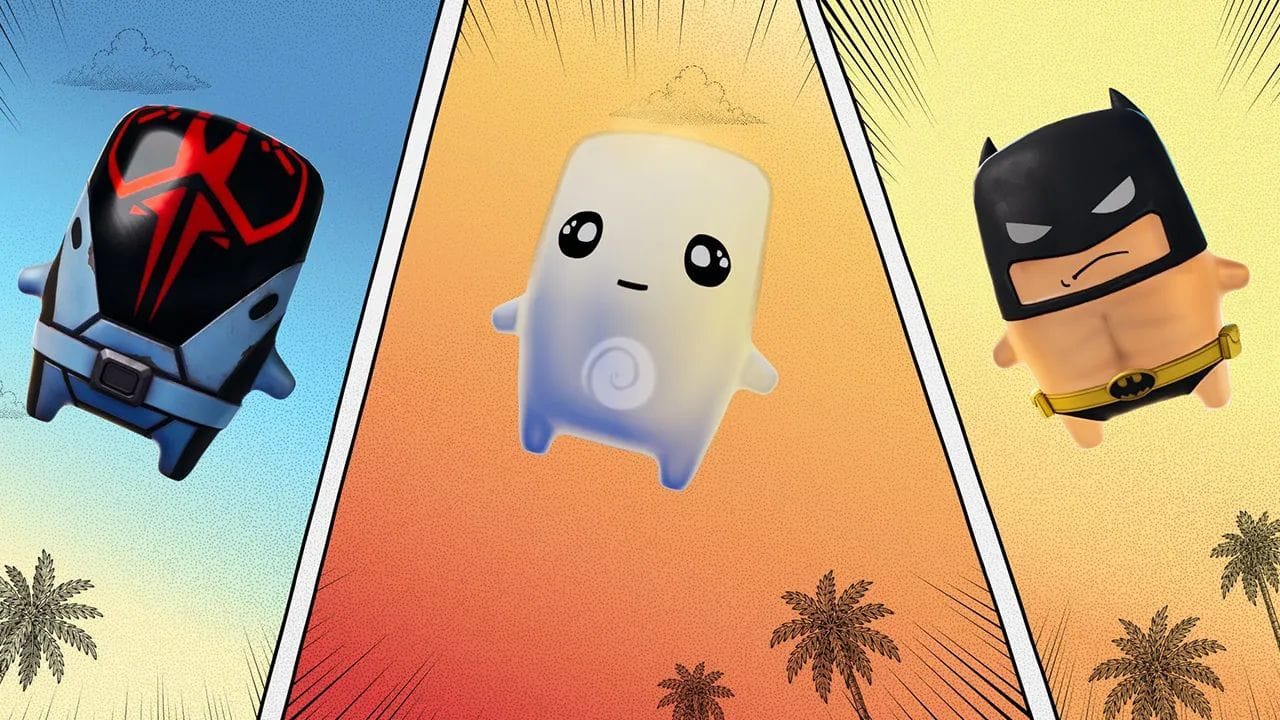
Three new Sprites will be added (Image via Epic Games)Three new Sprites will be added (Image via Epic Games)
Three new Sprites will be added (Image via Epic Games)

The following Sprites will be up for grabs along with the launch of the Fortnite v41.20 update:

  • Batman Sprite
  • Air Sprite
  • Seven Sprite

As with all the other Sprites that are currently in-game, different variants of these Sprites will also be available for players to collect.


3) Fortnite x Odyssey collab

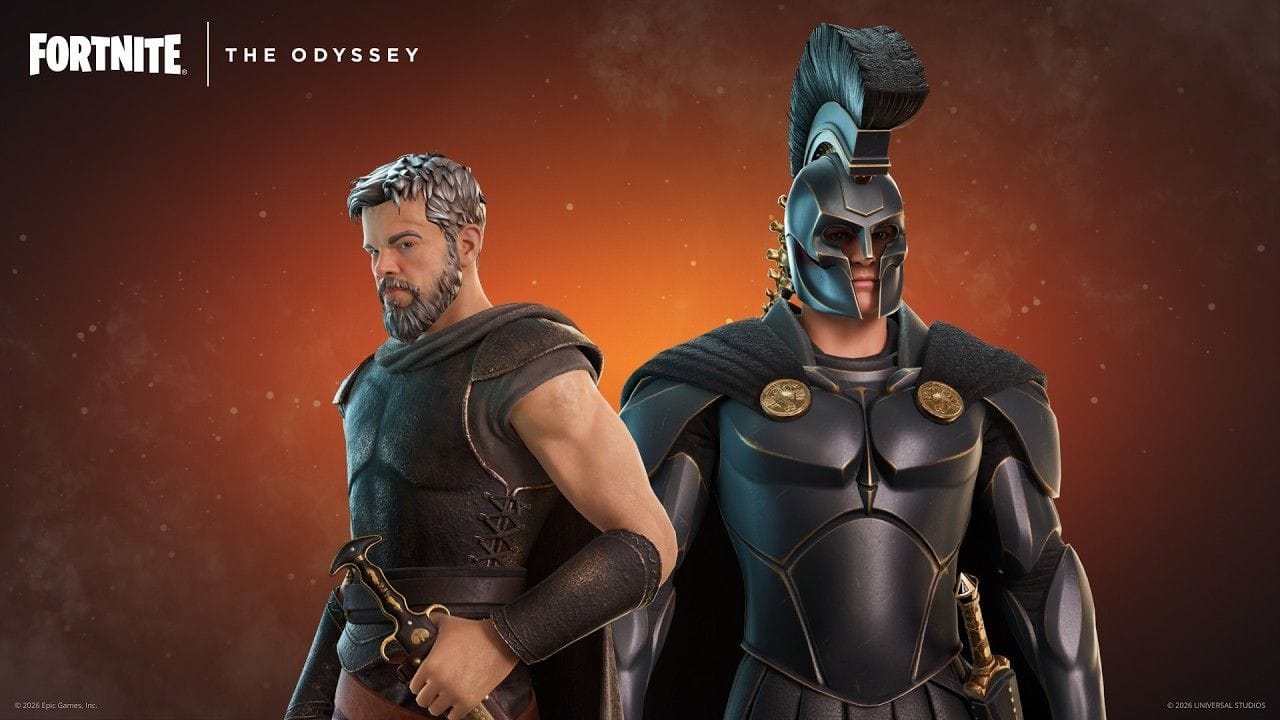
A special Fortnite x Odyssey collab is in the works (Image via Epic Games)A special Fortnite x Odyssey collab is in the works (Image via Epic Games)
A special Fortnite x Odyssey collab is in the works (Image via Epic Games)

A special Fortnite x Odyssey collaboration is scheduled for release once the new update rolls out. Details about this collab (and its skins) will be announcd by Epic Games before Fortnite v41.20 goes live.


4) Sprite events

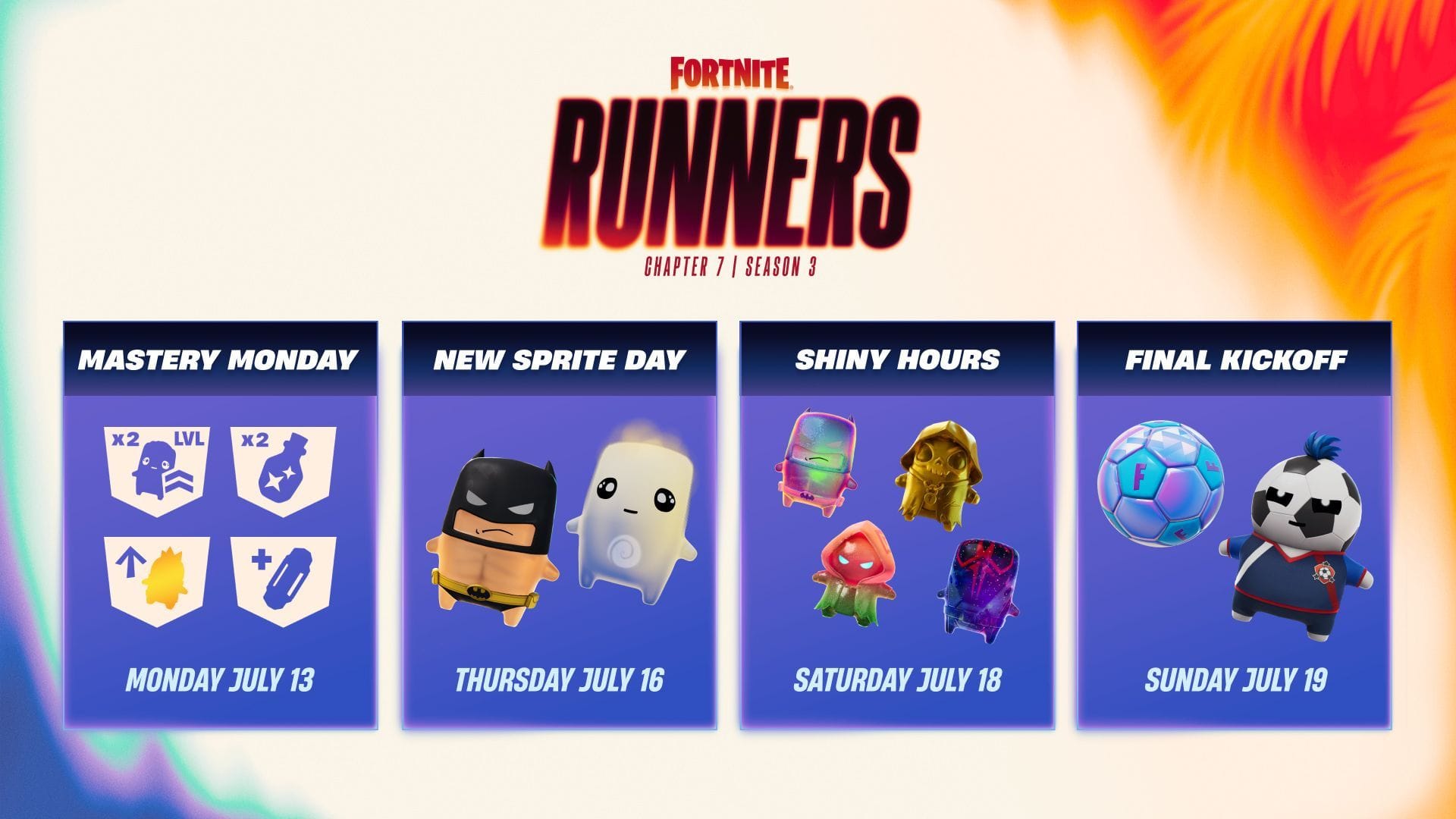
New Sprite events are coming this week (Image via Epic Games)New Sprite events are coming this week (Image via Epic Games)
New Sprite events are coming this week (Image via Epic Games)

Continuing the Sprite-based gameplay of the current season, new Sprite events have been scheduled for the upcoming week. This includes a brand-new Shiny Hours event which will take place on July 18, 2026, wherein the drop rates for certain special Sprites (to be announced later) will be boosted.

Also read: All Sprite Chest locations in Fortnite Chapter 7 Season 3

Advertisement

Follow Sportskeeda for more Fortnite news, updates and guides.