India became MLB’s sixth international office after Japan, Mexico, China, the UK and the Dominican Republic. (Special Arrangement)
NEW DELHI: When Major League Baseball (MLB) opened its office in India in 2019, it wasn’t the beginning of its journey in India. It was the culmination of a 15-year wait.For Ryo Takahashi, MLB’s Director of International Business and the man leading its operations in India, the timing wasn’t driven by a grand strategic moment or a blockbuster announcement. It was simply when years of conversations finally turned into an official commitment.“People think MLB suddenly discovered India in 2019,” Takahashi said in a free-wheeling chat with TimesofIndia.com. “The reality is we had been discussing India for almost 15 years before opening the office. There wasn’t a magical reason why it happened in 2019. That’s simply when we received the approvals and could make the commitment official,” he said.Seven years later, MLB’s ambitions in India still look very different from those of most global sports leagues. There are no plans for a professional franchise, no immediate push for a domestic league and no obsession with television ratings. Instead, the league is betting on a deceptively simple idea: if enough children pick up a baseball, everything else will eventually follow.
The NBA, La Liga, the Premier League — they’ve all spent years understanding Indian fans.
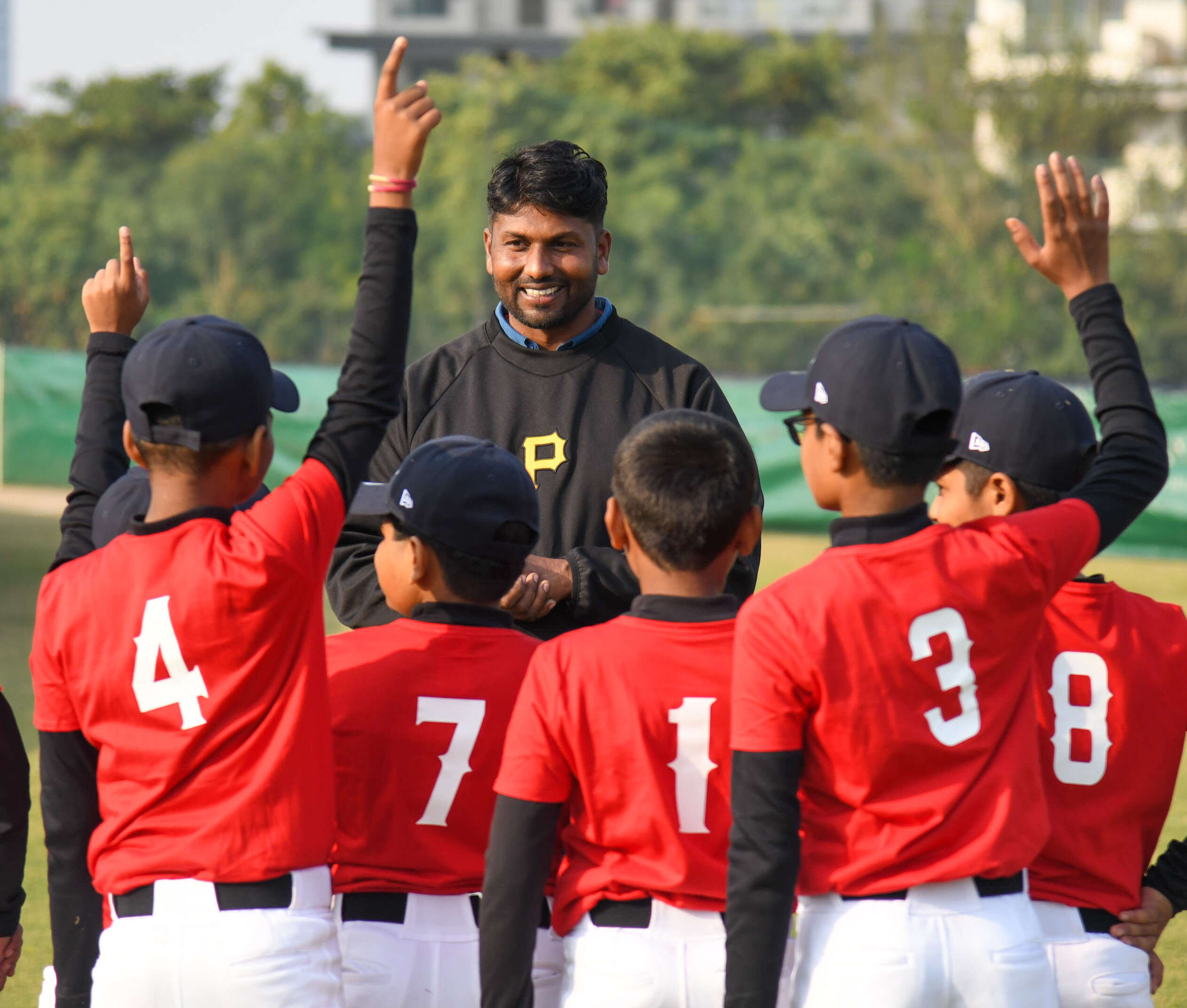
Ryo Takahashi | MLB’s Director of International Business
Learning before launching
India became MLB’s sixth international office after Japan, Mexico, China, the UK and the Dominican Republic. But unlike those markets, baseball arrived with almost no cultural footprint here. That forced the league to begin by listening rather than selling.“We don’t believe we have all the answers,” Takahashi says. “The NBA, La Liga, the Premier League — they’ve all spent years understanding Indian fans. I have friends and colleagues across those organisations, and we’ve learnt as much from their mistakes as their successes,” he added.Rather than copying another league’s blueprint, MLB chose to build its own Indian version: one centred on schools, grassroots coaching and local storytelling. Since 2019, it has introduced the First Pitch programme in schools across Delhi, Mumbai and Bengaluru, launched the MLB Cup youth tournament and produced India-focused documentaries to make baseball feel more relatable.
Advertisement
Since 2019, MLB India has introduced the First Pitch programme in schools across Delhi, Mumbai and Bengaluru, launched the MLB Cup youth tournament. (Special Arrangement)
Ask Takahashi when India will produce its first Major League player, and he gently rejects the premise.“People ask us when India will produce an MLB player. That’s the wrong starting point,” he says. “If one out of every hundred children who tries baseball decides to keep playing, that’s already a victory. In a country of India’s size, one per cent becomes a very big number.”For MLB, participation is the primary currency, not finding elite talent.“Our responsibility is to create opportunities. Whether that child eventually plays for an MLB club or simply falls in love with baseball, both outcomes help grow the sport,” he reasoned.
Cricket isn’t our competitor. It might actually be our biggest advantage
Ryo Takahashi
Advertisement
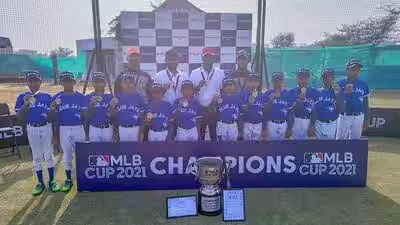
That thinking explains why MLB measures success through expanding coaching networks, more schools adopting baseball and the remarkable growth of the MLB Cup, which has evolved from just 12 teams in its inaugural edition into a nationwide youth competition involving thousands of participants.
Cricket isn’t the enemy
Conventional wisdom says cricket makes life impossible for another bat-and-ball sport. Takahashi argues the opposite.“Cricket isn’t our competitor. It might actually be our biggest advantage,” he says. “Indian kids already grow up throwing, catching and hitting a ball. Those athletic foundations are already there,” he explained.He has watched six-year-olds experience baseball for the first time and noticed how naturally many adapt.“We don’t have to teach them how to throw; we just have to show them a different game.”
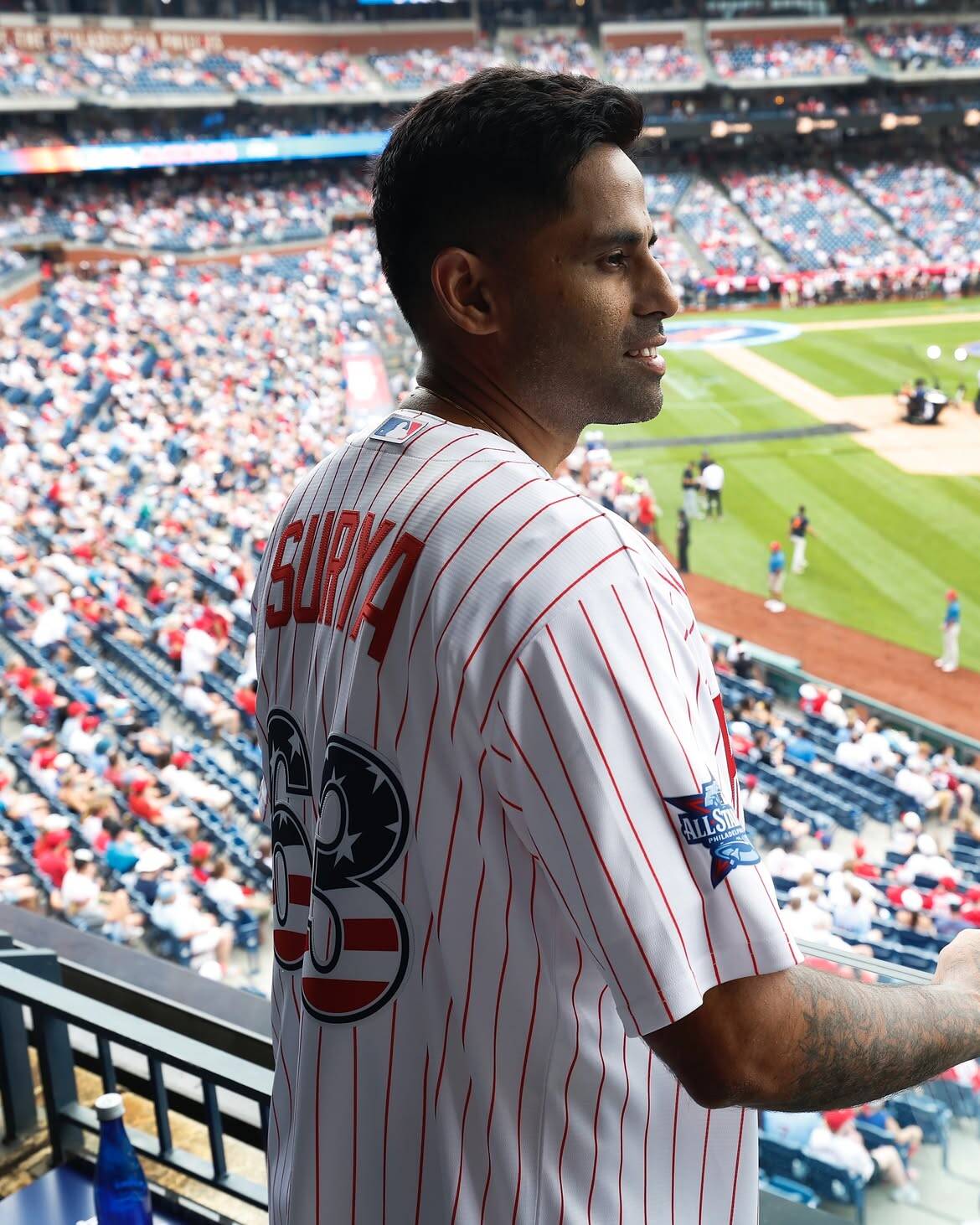
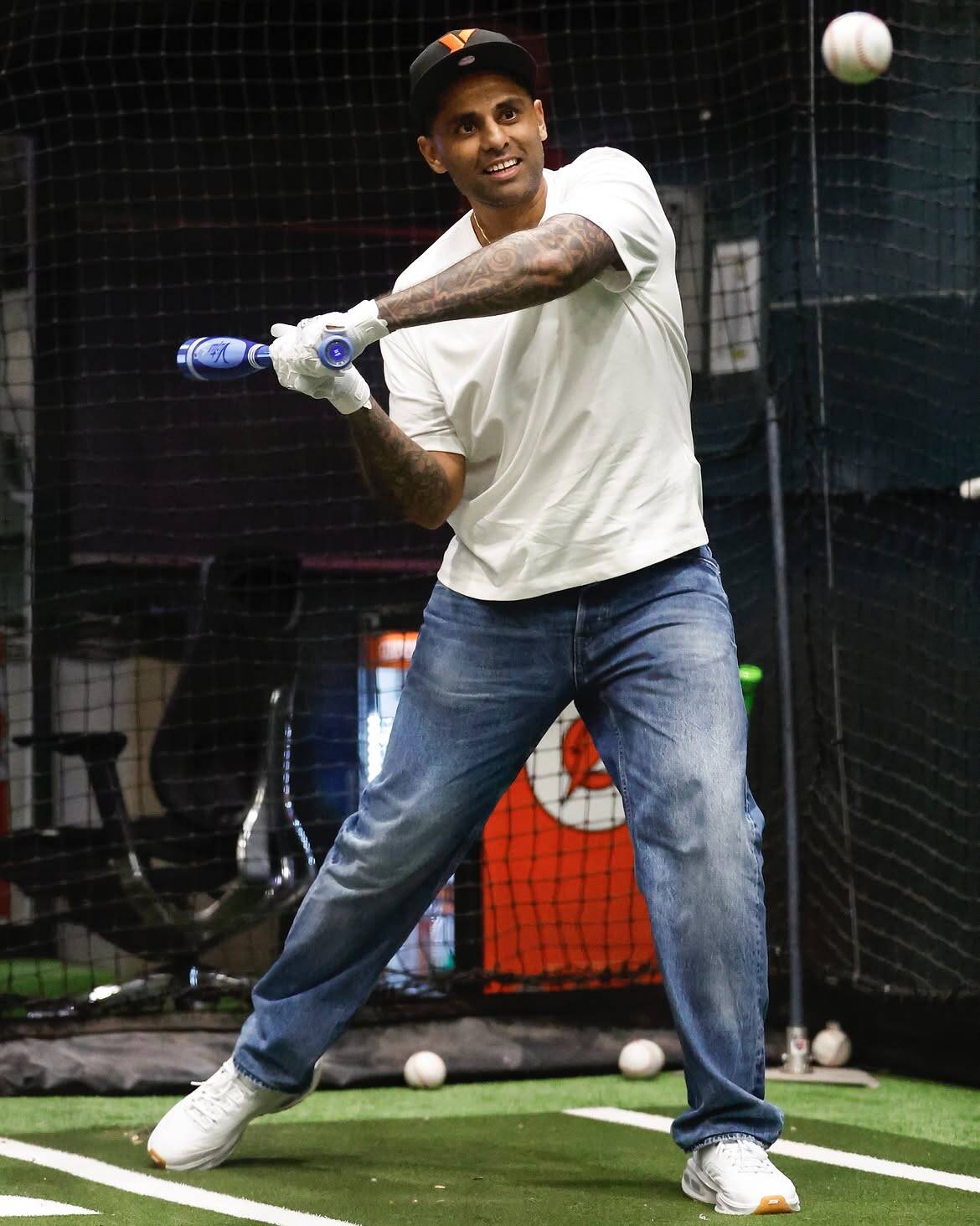
Former India T20I captain Suryakumar Yadav attended a MLB match in the USA recently. (Special Arrangement)
Advertisement
MLB’s objective isn’t replacing cricket but borrowing from its ecosystem. Familiar movements reduce the learning curve, making baseball feel less foreign than many assume.
The broadcaster paradox
Baseball’s biggest obstacle in India isn’t awareness alone. It’s the clock.Most MLB games unfold in the early hours of the morning for Indian audiences, creating what Takahashi calls a classic chicken-and-egg problem.Even with broadcast partnerships in place with JioStar, he knows the league’s target audience isn’t awake.
An eight-year-old probably isn’t holding the TV remote at that time. So maybe today’s player becomes tomorrow’s viewer. That’s the journey we’re trying to build.
Advertisement
Ryo Takahashi
“We want children to watch baseball, become curious and then play,” he says. “But our games often happen at two or three in the morning in India.”“An eight-year-old probably isn’t holding the TV remote at that time. So maybe today’s player becomes tomorrow’s viewer. That’s the journey we’re trying to build.”It’s why MLB sees broadcasting as supporting grassroots rather than replacing it. A child introduced to baseball in school today may become the adult streaming the World Series a decade later.
Suryakumar Yadav trying his hand in the baseball. (Special Arrangement)
Why MLB isn’t building stadiums
Advertisement
Perhaps Takahashi’s most counterintuitive belief concerns infrastructure. While many emerging sports demand facilities first, MLB believes demand must precede concrete.“People often say India needs baseball stadiums first,” he says. “We actually think it works the other way around. First you create players, then you create demand, and eventually the infrastructure follows.”He points to countless sporting cultures where children develop elite skills using improvised equipment and open spaces.“Kids don’t need a perfect baseball diamond to learn baseball. Skills come before stadiums.”India already has cricket grounds, football fields and school playgrounds. For now, those are enough.
If, by 2031, baseball has become part of everyday sporting conversations in India, we’ve done our job.
Ryo Takahashi
More than nine innings: Enter MLBX
Advertisement
That philosophy extends into MLB’s biggest fan-facing initiative yet. Scheduled for October 24 in Mumbai, MLBX isn’t designed as a traditional baseball tournament. It’s a festival. Headed to the Mumbai Football Arena, Andheri Sports Complex, for MLBX are legends of the New York Yankees, Boston Red Sox, two-time defending champions Los Angeles Dodgers and Chicago Cubs.“We asked ourselves: cricket evolved from Test matches to T20, football embraced futsal — what’s baseball’s version of that for India? MLBX is our answer,” says Takahashi.The format features shorter games, compact fields, home-run contests, music performances and food inspired by classic American ballparks with Indian flavours. Baseball remains the centrepiece, but culture is the hook.The format or the tournament in itself is not new. MLBX is a mixed 3-on-3 baseball competition that combines power hitting, athletic defensive plays and fast-paced gameplay. The competition made its appearance during MLB All-Star Week in Philadelphia. The event has previously taken place at 15 US venues over the past three years, as well as internationally in London, Seoul and Mexico City.“It’s not just about games,” Takahashi says. “It’s home-run contests, music, food, culture and entertainment. We want someone to leave Mumbai thinking, ‘That was fun… now let me find out more about baseball.’”He says the partnership with former India T20I captain and Mumbai Indians player Suryakumar Yadav has already generated a noticeable spike in enquiries, reinforcing MLB’s belief that collaborating with cricket opens doors rather than closes them.
A future where his job disappears
Takahashi smiles when asked where he wants baseball in India to be by 2031. “My dream is to do such a good job that I make myself unemployed,” he says almost with a grin.The answer is less about personal ambition than institutional success. He imagines an India with thousands more children playing baseball, a genuine national talent pathway, an active Indian national team and perhaps even baseball featuring if India hosts the 2036 Olympics.“If, by 2031, baseball has become part of everyday sporting conversations in India, we’ve done our job,” he says.For a league often associated with packed American ballparks and century-old rivalries, MLB’s Indian strategy is strikingly patient. Its biggest victory may not be selling out a stadium. It may simply be convincing one child in a school playground to swap a cricket bat for a baseball bat.
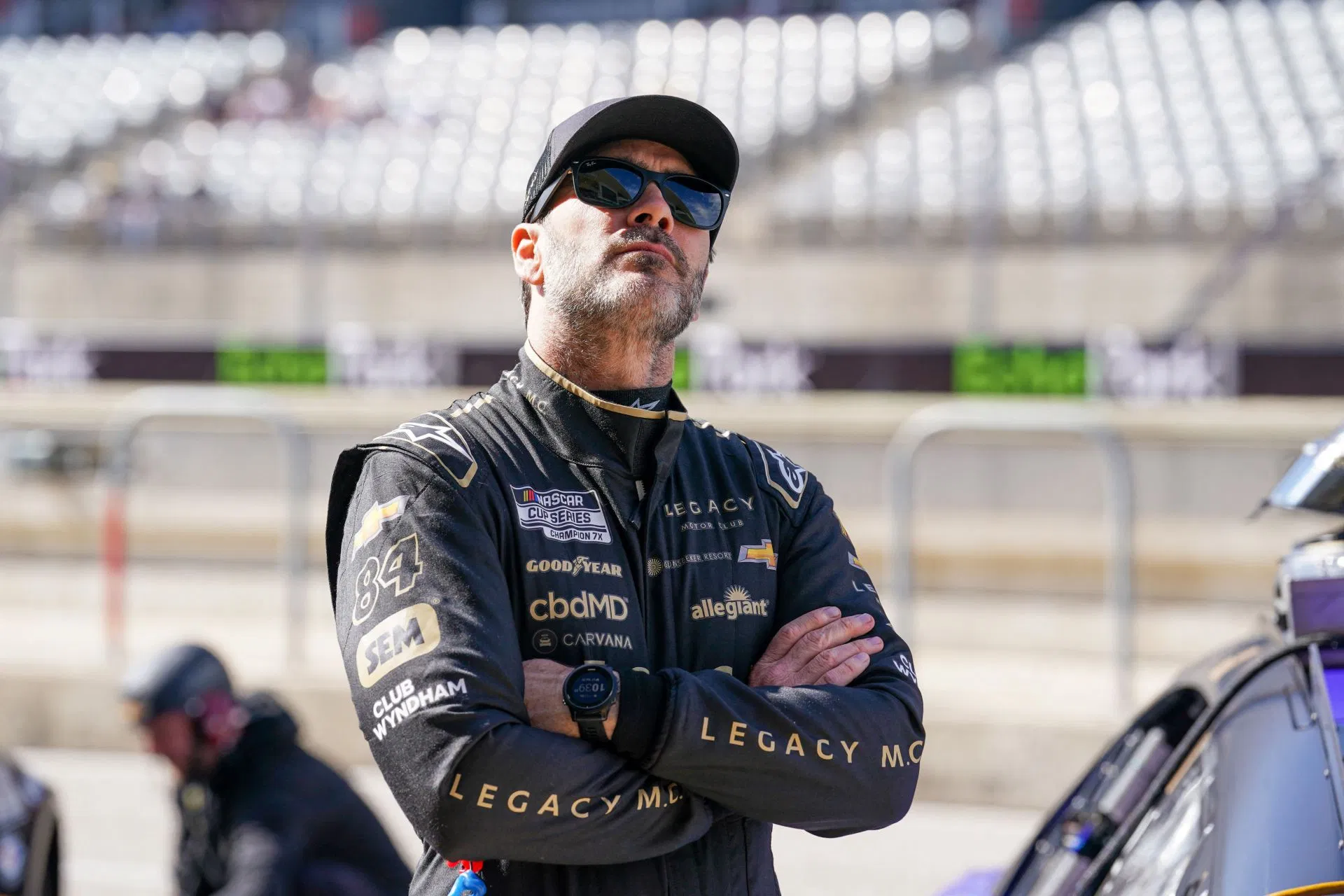
Riley Herbst has signed a multi-year deal with Jimmie Johnson’s co-owned Legacy Motor Club. Johnson has revealed the reason behind adding Herbst to LMC’s 2027 plans, making a striking comparison between the young NASCAR driver and himself.
LMC is taking major steps towards shaping its 2027 driver lineup after the organization announced that it will part ways with John Hunter Nemechek after the 2026 season and has now signed Herbst as the team continues building for the future. Herbst will drive the LMC’s newly minted third full-time charter, the No. 84 Toyota Camry XSE, starting with Daytona 500 on Sunday, February 21, 2027
Thanks for the submission!
Advertisement
Speaking to SiriusXM NASCAR Radio about the decision behind hiring Herbst, Jimmie Johnson revealed that he was impressed by the driver’s work ethic and commitment. NASCAR legend also believes that Herbst reminds him of himself when he was younger.
Advertisement
“Riley fits our needs, and I feel like with our mentorship and time at Legacy and where we’re taking things is the perfect fit for us. Got a long history with his family. So deep trust in, the support and understanding of his world in general. And then being able to be around Riley the last couple of years, a kid works his tail off. So I’m really impressed with his work ethic and commitment. And reminds me of myself in a lot of ways,” Johnson said.
“I was fighting to prove myself, but it would just work, work, work. And once it all clicked, you know, I owned it. And I think he’s on a very similar journey,” he added.
Riley Herbst, who currently competes full-time in the NASCAR Cup Series with 23XI Racing will move to Legacy Motor Club alongside long-time sponsor Monster Energy in 2027.
Jimmie Johnson is confident about Riley Herbst capabilities
NASCAR: Cup Qualifying – Source: Imagn
Seven-time NASCAR Cup Series champion Jimmie Johnson shares a natural connection with the Herbst family that extends beyond the racetrack.
In a team release, Johnson said:
“I have watched Riley grow as a driver, and I know what he is capable of. The connection our families share through off-road racing made this feel like a natural fit from the start. I am excited to give him a home where he can continue to develop and show what he can do in the Cup Series.”
Jimmie Johnson’s LMC is expanding to a three-car team with Herbst alongside Erik Jones. The replacement of Nemechek for 2027 remains unannounced following adjustments to the roster.
The current generation of Indian pickleball players is considered the golden generation because this set of players has worked extremely hard and given their all to pickleball without knowing if it would become a government-recognized sport in India one day.
These players have come from various backgrounds and developed their games in such an excellent way that they have been able to defeat some of the world’s best players.
When we talk about India’s top pickleball players, here are five names that every pickleball fan should keep tabs on.
1. Armaan Bhatia
Asia’s number one men’s player Armaan Bhatia grabbed the headlines when he became the first Indian player to get PPA Tour + Major League Pickleball contracts in the USA in August 2025.
Advertisement
He was a Triple Crown champion at the PWR DUPR India Masters 2024, winning the singles, men’s doubles and mixed doubles tournaments. It is pertinent to note that Armaan is a former tennis player who now boasts victories over the world’s top pickleball players.
2. Aditya Ruhela
Known as the Giant Killer in the pickleball circles, Aditya Ruhela has a habit of winning big matches. He is a former number one ranked pickleball men’s player in India, and he became the first Indian to win a medal outside Asia when he won a silver medal at the English Open 2023.
Advertisement
He is famous for his power game. The Lucknow Leopards signed Ruhela for the inaugural edition of the Indian Pickleball League.
3. Harsh Mehta
Harsh Mehta is the captain of India for the 2026 World Cup and a prominent player in the US Open. He also captained the Chennai Super Warriors in the first edition of the Indian Pickleball League.
Apart from his captaincy, Harsh is also known for his phenomenal performances in doubles matches. He is a doubles specialist player.
4. Arjun Singh
Teen sensation Arjun Singh has been quite impressive on the pickleball court. He has registered big wins in the mixed doubles category.
Advertisement
The rising star has become the talk of the town by performing so well at such a young age. He is also India’s skipper in the U-18 category.
5. Mihika Yadav
Indian women’s athletes have made the nation proud with their achievements in racket sports like tennis, table tennis and badminton. Now, it appears Mihika Yadav will continue this trend in women’s pickleball.
Mihika is the top-ranked Indian women’s pickleball player. She won the gold medal at the Dubai Open. Besides, Mihika has also won a bronze medal at the Pickleball World Cup 2025 Florida and the Pickleball Monsoon Championships.
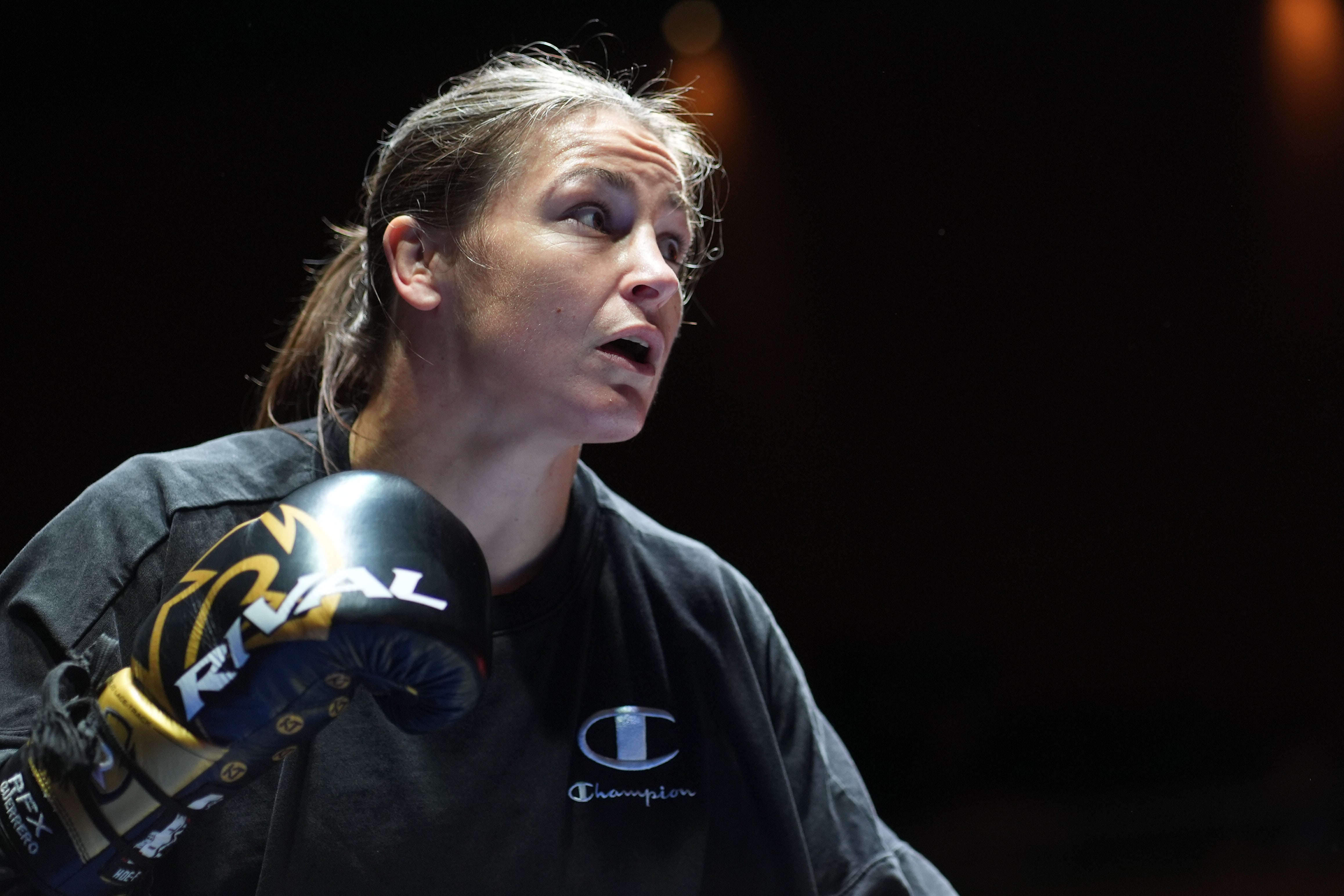
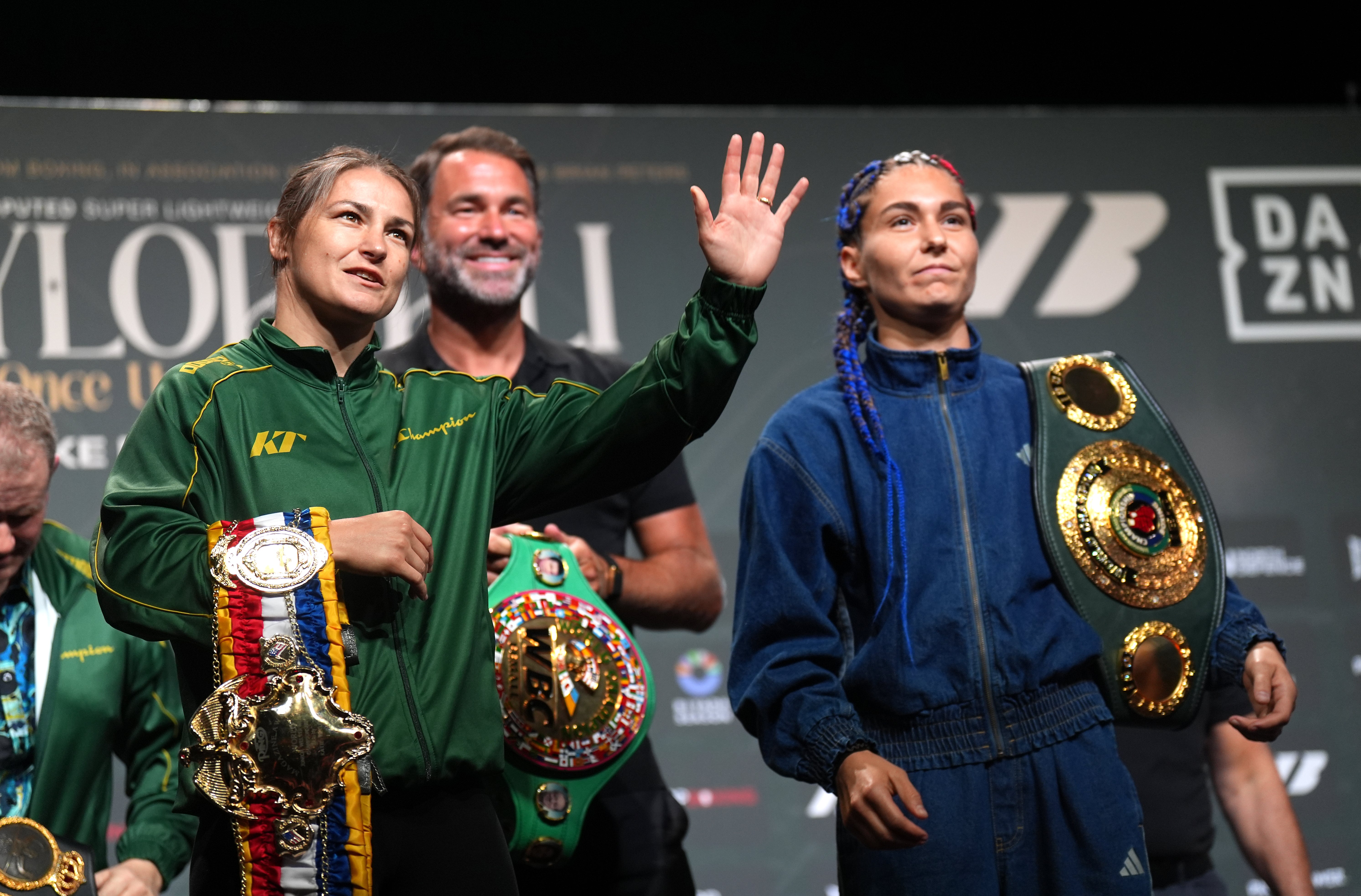
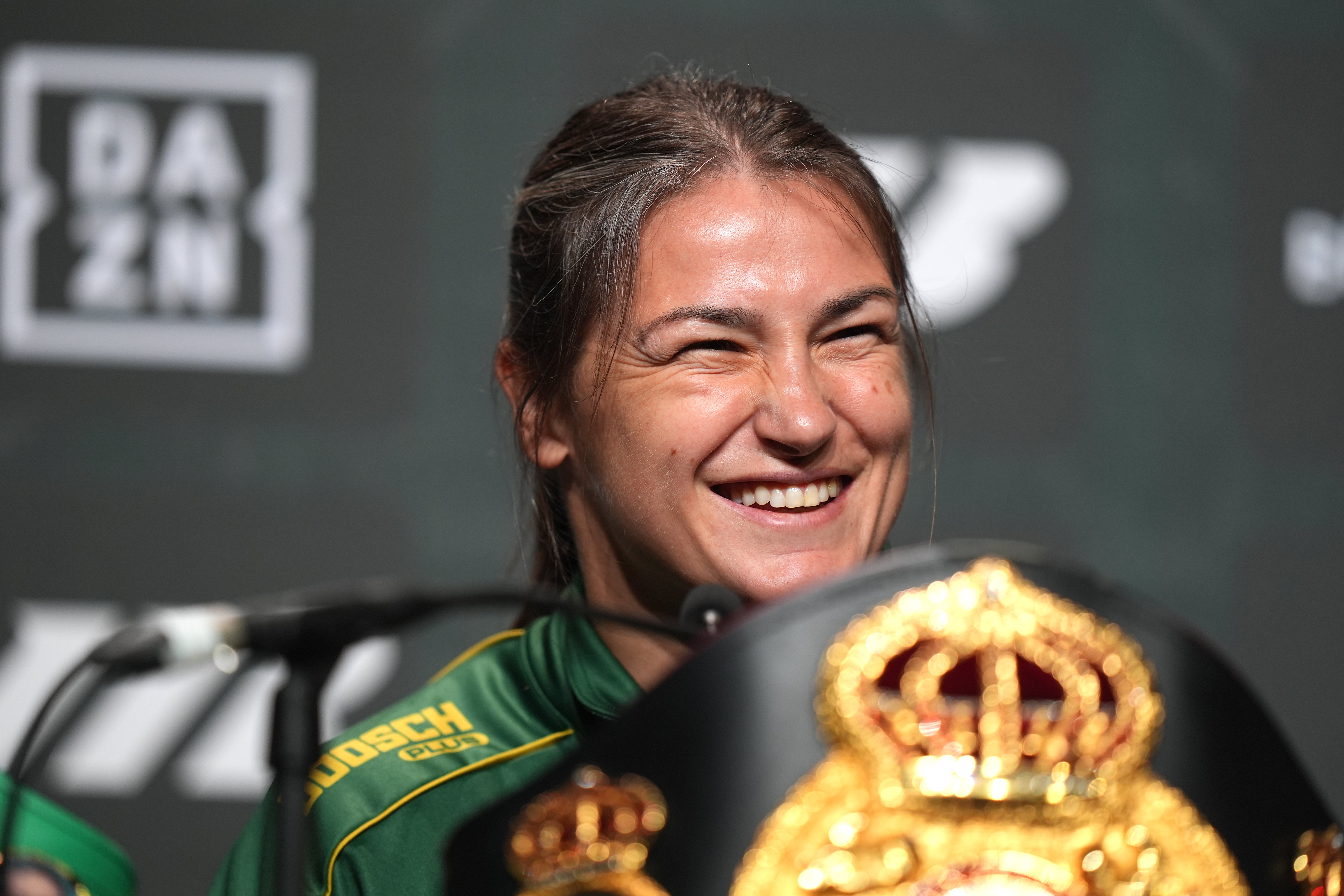
Katie Taylor has been credited with changing women’s boxing forever as Croke Park prepares to honour the Irish great in her final appearance before retirement.
Taylor signs off her storied career in front of 80,000 fans on Saturday night when when she bids to become a three-time undisputed world champion by defeating the unbeaten Flora Pili of France.
As a determined nine-year-old intent on boxing, the 2012 Olympic gold medallist had to disguise herself as a boy to get an amateur bout, yet Matchroom promoter Eddie Hearn says she is now paid “more than 99 per cent of male fighters”.
Hearn was initially sceptical about signing Taylor when she turned professional in 2016 but was won over by her passion and while she received only £6,000 for her debut against Karina Szmalenberg at Wembley Arena, the ‘Bray Bomber’ was soon demanding her true worth.
Taylor earned just £6,000 for her first fight (Brian Lawless/PA) (PA Wire)
“Katie still has a go at me for paying her six grand!” Hearn said. “It was for a four-rounder and that was a lot of money at the time in women’s boxing.
“We’ve had two heated conversations since I signed her. Number one, she fought against Cindy Serrano in Boston in 2018 and sold out most of the arena on her own.
Advertisement
“Tevin Farmer was on the card and she asked me over breakfast the next day how much he was paid. I told her that it was three times as much as she made.
“She said ‘do you think that’s fair?’. I told her no, but that’s the world and where we are right now. She wanted to know how she could sell more tickets and more people tune in to watch her fight, yet he’s making three times as much.
Eddie Hearn (centre) says Taylor has changed women’s boxing (Niall Carson/PA) (PA Wire)
“I said because he’s a man and that’s what you need to change and we’re on the way. Now she’s making more than 99 per cent of male fighters out there.
“The second heated discussion was over the second Amanda Serrano fight in 2024 when we got what I thought was an incredible offer from MVP (Jake Paul’s promotions company).
“She said ‘you think that’s fair, do you? Do you honestly think that’s fair after everything that I’ve done and after that first fight? (Makes scared sound) so I went back and got more money out of them. She was right.
Advertisement
“Katie’s been incredible to work with and we haven’t had a contract for years and years – and that’s in boxing where you never know who’s going to stab you in the back.”
Tickets for the fight sold out in rapid time (Niall Carson/PA) (PA Wire)
To ensure tickets sold out for the first fight staged at Croke Park since Muhammad Ali stopped Alvin Lewis in 1972, it was announced that well-known music acts would be added to the bill with Westlife confirmed on Thursday as one of the bands playing.
But with all 80,000 seats selling out in minutes, it was immediately clear that Taylor alone was enough of a draw to pack out the Dublin venue, even with RTE screening her swansong free-to-air.
“I still pinch myself that this is actually happening – I will be making my last ring walk at Croke Park,” the 40-year-old Taylor said. “This is an absolute dream.
“In front of 80,000 people, it’s going to be an amazing night for Irish sport, for Irish boxing and just for women’s sport in general. I’m blown away by the support.”
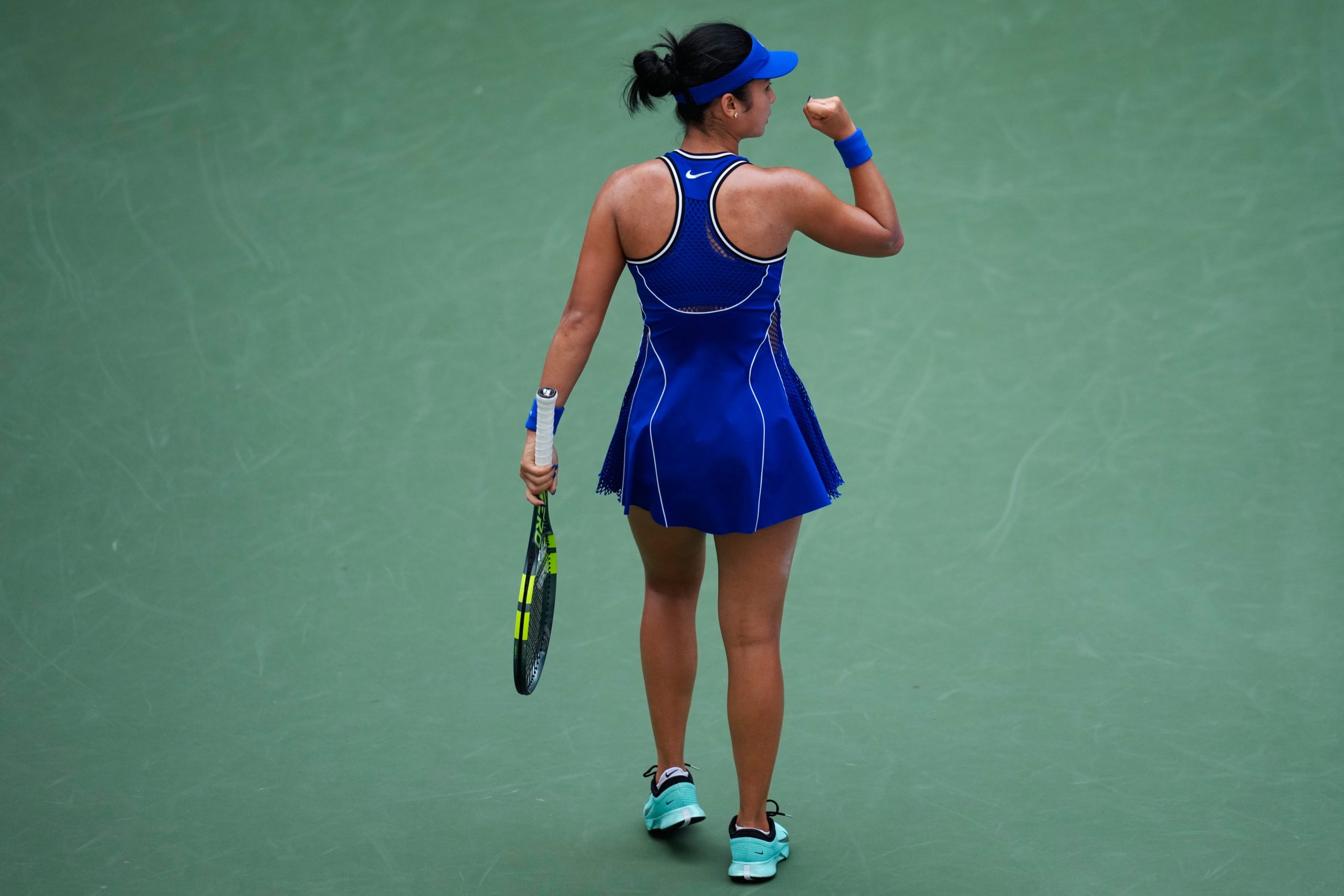
Alex Eala Alexandra Eala, of the Philippines, reacts during the second round of the U.S. Open tennis championships against Oleksandra Oliynykova, of Ukraine, Thursday, Sept. 3, 2026, in New York
MANILA, Philippines–Filipino tennis star Alex Eala continues to be the talk of the town as her meteoric rise draws attention from some of the United States’ biggest publications.
Eala landed on the front page of The New York Times for its September 3 print issue, highlighting her impact on the Filipino community at home and overseas, particularly in Queens, where the US Open is being held.
“But for Filipinos, she is not simply an ambassador for the sport. Her success is giving the country, a large, dispersed archipelago of more than 7,000 islands in Southeast Asia, as well as its diaspora, a reason to unite,” the article said.
Eala also landed an in-depth feature in Vogue, which highlighted the growing frenzy around the 21-year-old star and the Filipino fans who have followed her matches.
Fans of Alexandra Eala, of the Philippines, spell out “GO ALEX” with letters before her match against Mary Stoiana, of the United States, in the first round of the U.S. Open tennis championships Tuesday, Sept. 1, 2026, in New York. (AP Photo/Adam Hunger)
Forbes, meanwhile, noted Eala’s growing commercial value and projected that she could become one of the world’s highest-paid female athletes.
Advertisement
“I feel very confident that by 2027, she will be the second-highest-paid female athlete in the world, behind Coco [Gauff],” Max Eisenbud, head of client representation at WME Sports and its subsidiary IMG Tennis, was quoted as saying.
She also graced the digital cover of Sports Illustrated, which dubbed her “tennis’s next great superstar,” while The New Yorker published a story on how Eala “became a symbol of the Philippines.”
The stories have highlighted Eala’s rise to prominence and how it has helped Filipinos once again find someone to rally behind, much like during the heyday of Filipino boxing legend Manny Pacquiao.
Advertisement
Eala has been vocal about knowing what it means to carry the country wherever she goes, and fans have reciprocated that love by filling the stands during her tournaments.
“I think everybody represents something in their own way. I’m Filipino and I proudly represent that and a lot of the crowd here today is Filipino and I’m sure they share in that sentiment,” Eala said after her second-round victory at the US Open.
Eala continues her campaign in the last Grand Slam tournament of the season in the third round.
Your subscription could not be saved. Please try again.
Advertisement
Your subscription has been successful.
Advertisement
Read Next
Advertisement
Advertisement
Don’t miss out on the latest news and information.
Subscribe to INQUIRER PLUS to get access to The Philippine Daily Inquirer & other 70+ titles, share up to 5 gadgets, listen to the news, download as early as 4am & share articles on social media. Call 896 6000.
TAGS:
Advertisement
For feedback, complaints, or inquiries, contact us.
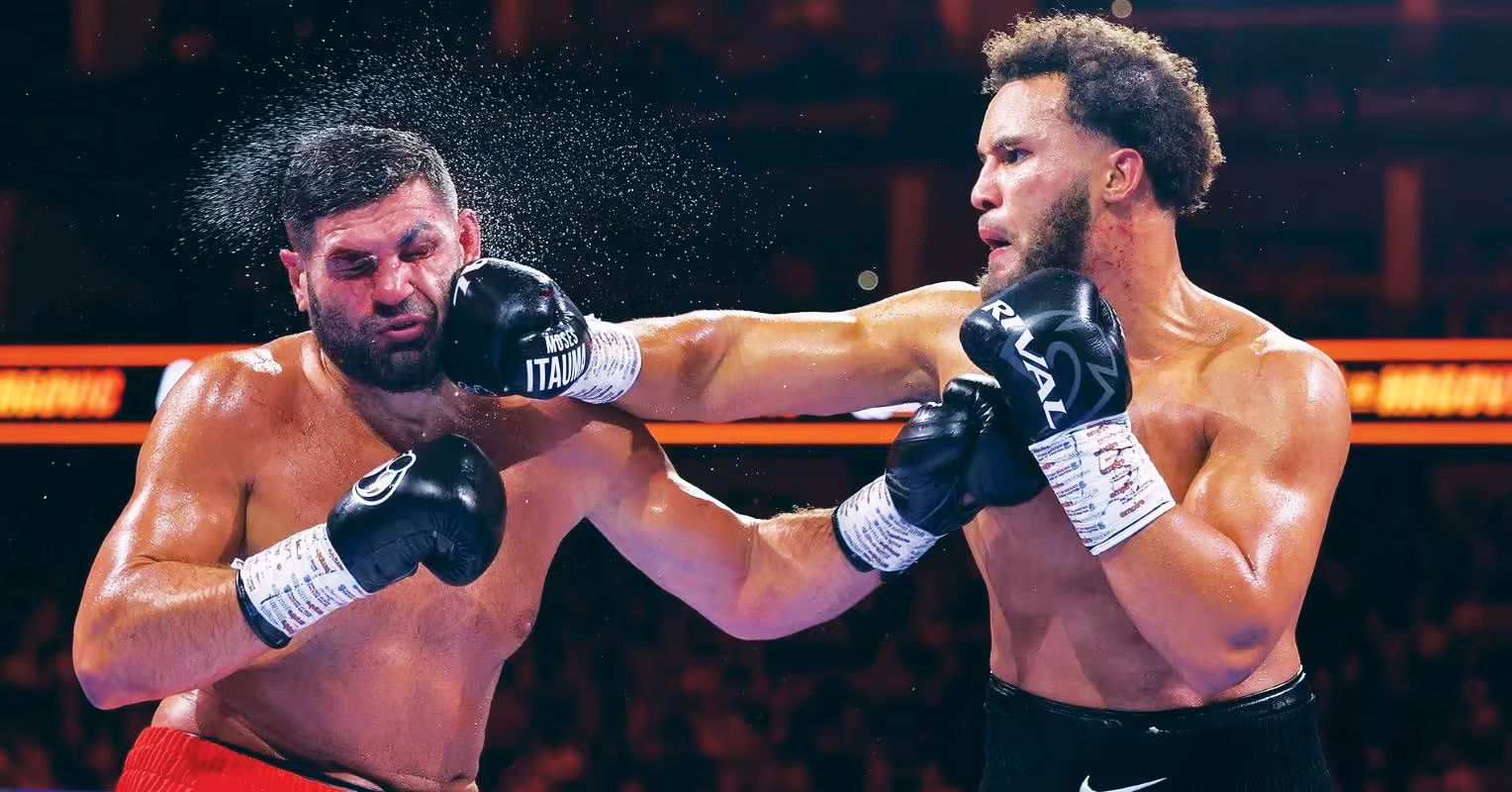
Filip Hrgovic rocked the heavyweight division by handing Moses Itauma a first career defeat last weekend to capture the IBF heavyweight title, and Hrgovic’s trainer Abel Sanchez has shared his assessment of Itauma’s power.
Itauma had never fought beyond the sixth round heading into last weekend’s ambitious world title bid, but the youngster was still expected to get the job done and knock Hrgovic out to become the second-youngest heavyweight ruler in boxing history.
Once the heavyweight duo reached the halfway point of the contest though, it became clear that, despite Itauma’s early dominance, it was Hrgovic in the ascendency due to his superior stamina, later stopping his rival in round nine of the bout in a major upset win.
Advertisement
Speaking to Fight Hub TV, Sanchez, who has now trained a total of 20 world champions, declared that ‘Itauma is not a big puncher’ and that he and his team picked the wrong opponent for the 21-year-old at this point in his career.
“Moses is not a big puncher, man. He is a big puncher against guys that he has faced that were not on the level of Filip.
“That night, because of his abilities, he could have beaten a lot of top 10 heavyweights. It’s just that they chose a guy who is tested against the elite and has never been really hurt. He went down against [Zhilei] Zhang but, like in this one, I think it was more of a flash knockdown.
“They picked the wrong guy at this level of Itauma’s career.”
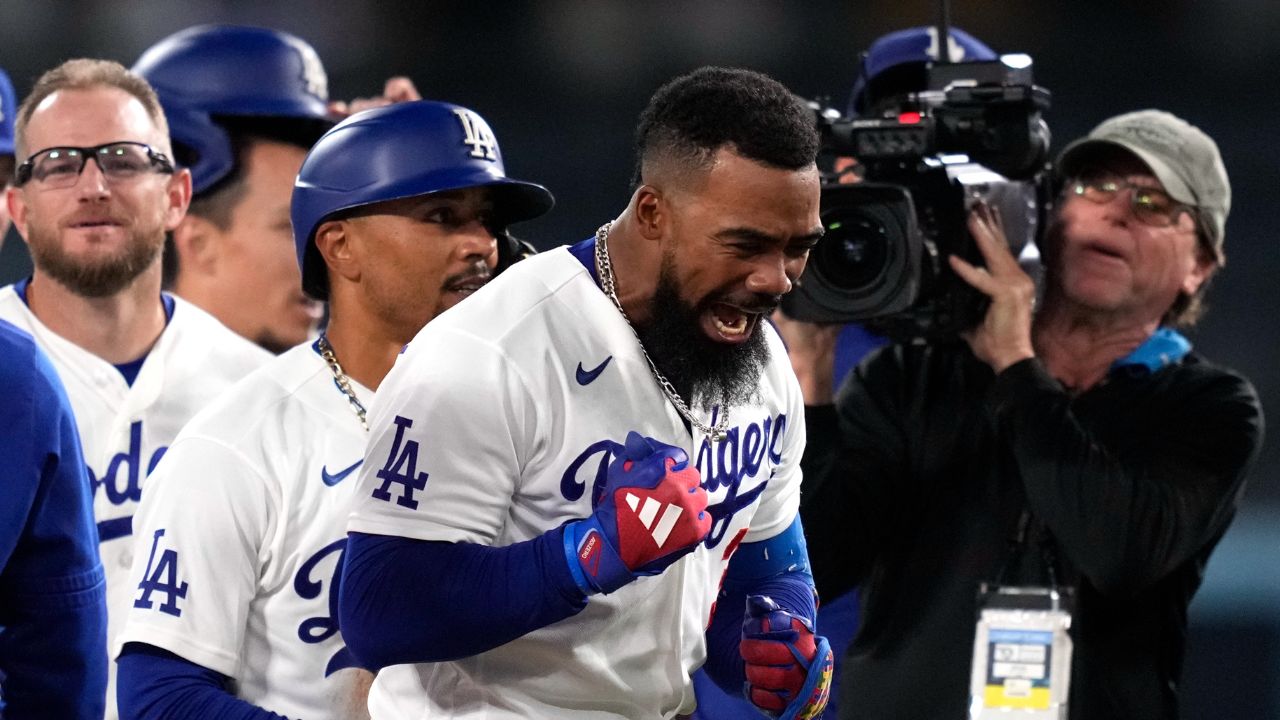
LOS ANGELES — Former Blue Jay Teoscar Hernández hit a go-ahead, two-run double in the ninth inning off Riley O’Brien, lifting the Los Angeles Dodgers over the St. Louis Cardinals 3-2 on Thursday night to avoid a sweep.
With one out, Tommy Edman singled to left and stole second and Mookie Betts walked, setting up Hernández who sent a 3-2 pitch into center for the Dodgers’ eighth walk-off win of the season.
O’Brien (3-7) blew his sixth save of the season.
The Dodgers were hitless with eight other runners in scoring position before Hernández’s hit. He and Edman, who went 4 for 5 batting leadoff in Shohei Ohtani’s place, were the only players with hits.
Advertisement
Ohtani got the night off to rest neck, biceps and knee issues.
Cardinals reliever George Soriano loaded the bases with a leadoff walk to Hernández and consecutive two-out walks to pinch-hitter Max Muncy and Kyle Tucker in the eighth before pinch-hitter Dalton Rushing went down swinging.
St. Louis led 2-0 on RBI singles from Joshua Báez in the first and Ramón Urías in the third off Dodgers starter Tarik Skubal.
Cardinals starter Quinn Mathews allowed four hits, struck out four and walked four.
Advertisement
Skubal gave up two runs and tied his career high with 10 hits while striking out six.
Cardinals: RHP Kyle Leahy (10-4, 3.13 ERA) starts Friday’s series opener at Colorado against RHP Ryan Feltner (5-9, 5.84).
Dodgers: LHP Blake Snell (2-1, 2.42) starts Friday’s series opener against Washington LHP Jackson Kent (1-2, 5.59).
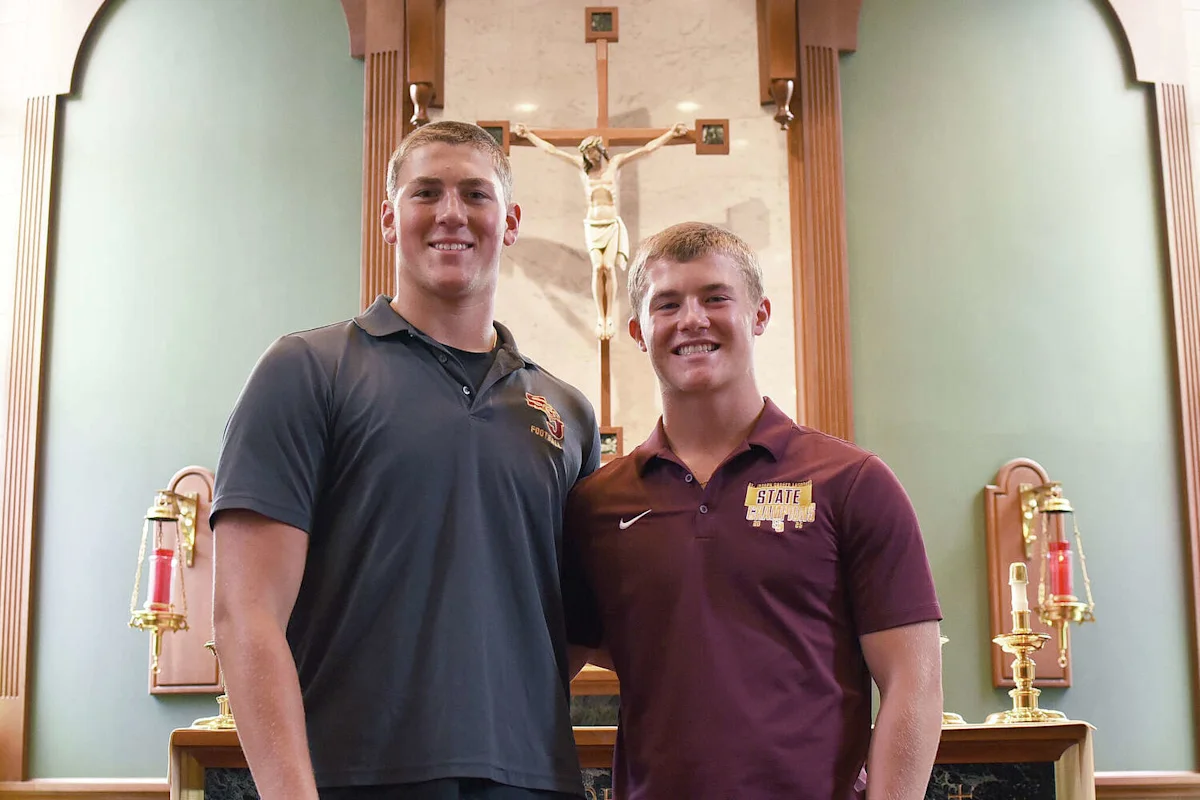
TRUMBULL – Finn Kilmartin and Will Zaccagnino were in the eighth grade when they found out they’d both be heading to St. Joseph for their high school years.
Since that time, they’ve become massive parts of the Hogs’ football team, Kilmartin as a linebacker and sometimes running back, and Zaccagnino as a disruptive lineman wreaking havoc on both sides of the ball.
Advertisement
When Kilmartin sees the 6-foot-5, 275-pound Zaccagnino make a big play, he’s not just celebrating with a friend or a teammate.
Advertisement
He’s celebrating with his godfather.
Kilmartin converted to Catholicism with guidance from Father Ferry Galbert, the school’s former chaplain, during his sophomore year and received the Sacraments all at once, with baptism, confirmation and communion at the Easter Vigil in 2025.
Throughout the process Zaccagnino was at his side, both in the gym and the church.
Advertisement
“We just kind of got after it,” Kilmartin said. “We would go to the field, go to the gym, and he became like my right hand man. As I started the process, he was one of the first people I told. He started telling me what he experienced and his knowledge about it. He was right alongside me the whole time.”
Advertisement
It’s an obviously unique relationship for high school football players, and one which sometimes is mentioned on the field.
“He’ll bust my chops a little bit and try to pull that card,” Kilmartin said with a smile. “I mean, he’s also 6-5, so it’s a little intimidating on both ends.”
Advertisement
When he heard of Kilmartin’s plans, Zaccagnino was excited.
“It’s my faith,” Zaccagnino said. “It’s what I believe in. It’s a lot of the character that I think I am, and what I try to value. To think that one of my best friends is going to be joining me and he’s taking that step in the right direction with us, and knowing what the faith did for me and what it can do for him is so exciting.”
Advertisement
Both Kilmartin and Zaccagnino are from Shelton, and have played huge roles in the Hogs’ success the past few seasons. St. Joseph is 19-6 the past two seasons, winning the Class M championship two years ago and reaching the semifinals last fall. Last season, both were named to the New Haven Register/GametimeCT All-State teams, with Zaccagnino on the first team and Kilmartin on the second, and they’re two of four St. Joseph seniors on the GametimeCT 50 Players to Watch list this year.
Advertisement
They’ll both be playing in college, with Zaccagnino having committed to Wisconsin and Kilmartin committing to Middlebury.
Kilmartin said he wasn’t very religious growing up, but during his freshman year, he became “more and more interested in developing a relationship like I felt in my heart with God and Jesus.”
During his sophomore year, he heard an announcement that Father Galbert was having “almost like a CCD class after school,” Kilmartin said.
Advertisement
Advertisement
Kilmartin decided to explore the opportunity. He began meeting with Father Galbert regularly and even visited him at St. Lawrence Church in Shelton.
“It just took off from there,” Kilmartin said. “(Father Galbert) taught me everything. I just loved it. I felt a big connection and I pursued it with him.
And my sophomore year, I was baptized at the Easter Vigil.”
Part of the process was finding a godfather and godmother.
Advertisement
“We were in the gym talking about it and he was like ‘I don’t really know what to do’,” Zaccagnino said. “I was like ‘you know, I’d be more than happy to do it for you’. For that to happen, to be my best friend’s godfather and to introduce him to the faith that I grew up with, there’s not a better opportunity.
Advertisement
“It just makes me feel good as a person.”
Kilmartin said he checked with Father Galbert, who responded that Zaccagnino would be a great fit.
Advertisement
And there’s an additional football connection. Kilmartin’s godmother is Dawn Wicker, the mother of linebacker Kyle Wicker, another longtime friend and teammate from Shelton.
“My dad couldn’t do it because he wasn’t fully in the church and Will wanted to do it,” Kilmartin said. “There were a bunch of people I was thinking of but I feel like he was the most responsible and actually into the church out of all my friends. I’m just super close with him and I trusted him.”
Advertisement
When everything was completed, Kilmartin was fully in the moment.
Advertisement
“The thing I remember was I couldn’t stop smiling for like 10 minutes,” he said. “I couldn’t even speak. Obviously, I went back into the mass process so I was sitting with other kids who got the sacraments, but I couldn’t stop smiling. All the schooling and all the time I put in with Father Galbert, to finally be converted was a big relief.”
The players are now on the doorstep of another football season, with opening night Thursday in Darien, and there are high hopes again for St. Joseph, which is now in Class MM and a clear contender.
“We’ve grown up together, a bunch of us playing Shelton youth and I haven’t really given much thought that this is the last time we’ll ever put pads on together as a group,” Zaccagnino said. “It’s just trying to make the most of this season, make the most memories. I just think of playing in that freshman field to now, we’re going to be seniors kicking everyone’s butt this year. It’s full circle.”
Advertisement
Advertisement
And when he sees Zaccagnino blow up a running play or sack a quarterback, Kilmartin can point out “that’s my godfather.”
“People love it,” Kilmartin said. “I’ve had lots of conversations about it. They’re like ‘wow, that’s great. You guys must be so close.’ It really means something. It’s a close connection and on the field that helps us play.”
United have named their 25-man Champions League squad as they prepare for their return to the competition. United kick off their European campaign next week with a home game against Sabah FK. The other seven sides the Reds will face in the league phase of the Champions League are Bayern Munich, Atletico Madrid, Roma, Sporting, RB Leipzig, Villarreal and Como.
Teams competing in this season’s Champions League had until Wednesday evening to submit their squads. There are a number of high-profile names not included on United’s 25-man list, including Kobbie Mainoo and Leny Yoro. However, both will still be eligible to play in the Champions League.
Northampton chairman Kelvin Thomas said: “This has been a detailed and rigorous process, involving significant scrutiny of the proposed investment, the ownership structure, financial sustainability, and the suitability and financial standing of those involved.
“The successful completion of both the IFR and EFL processes represents an important milestone for the club and should provide supporters and stakeholders with further confidence in the proposed investment and the foundations being put in place for the club’s future.
“We would like to thank both the EFL and the IFR for their professionalism, diligence and thoroughness throughout their respective processes.
“As supporters will see from their varied backgrounds, there is a genuine passion for football within the group. A number of the investors have already visited Northampton, spent time at the club and attended matches.
Advertisement
“They will bring a strong blend of football, corporate and financial expertise to the club and with significant Brazilian representation within the group we also hope they might bring a little Brazilian excitement and flair with them.
“Now the regulatory processes have been completed we move towards completing the remaining documentation and finalising the investment. Full details regarding the investment, structure and the principal investors involved will be announced upon completion.
“We thank the fans for their patience, but it is reassuring that these in-depth processes are in place for football.”
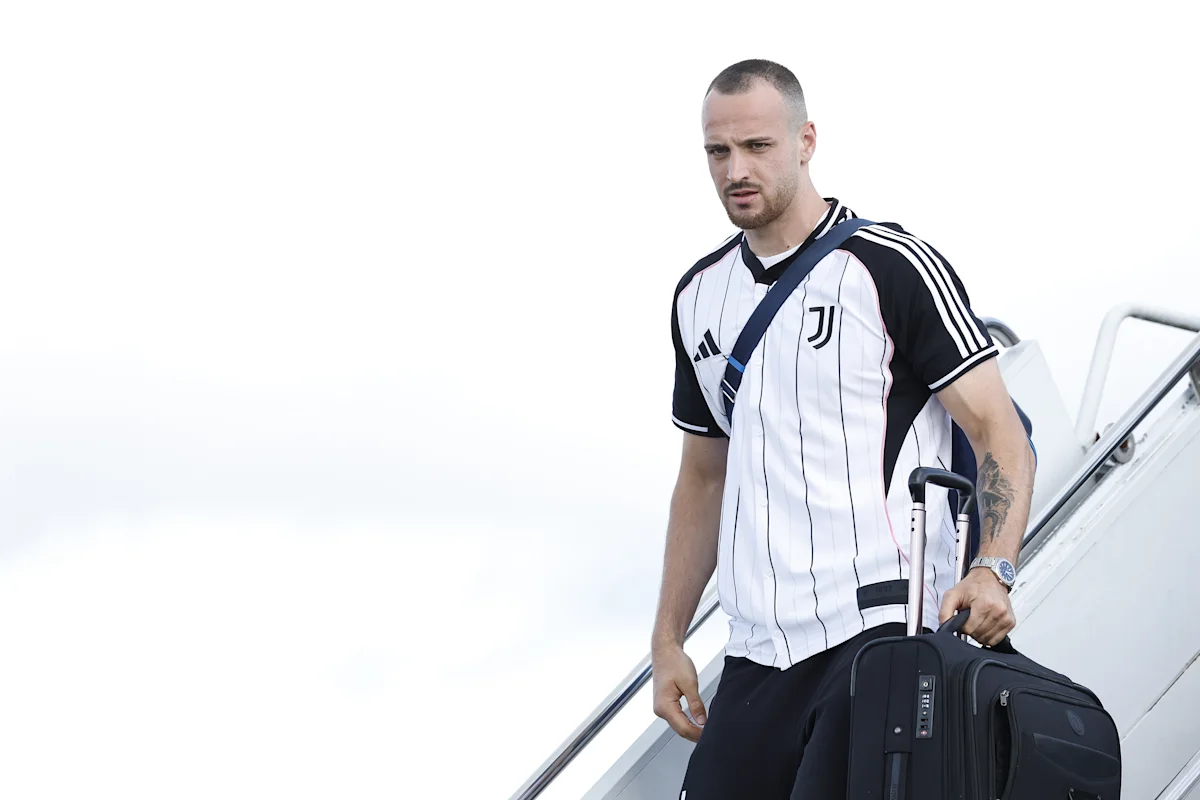
Federico Gatti has been in limbo throughout the summer, and his future continues to be uncertain, even though Juventus repelled a late attempt to lure him by Porto. The market is still open in such a country, but the deadline to submit the UEFA Champions League lists is the same and has lapsed.
According to Alfredo Pedullà, the Bianconeri had more issues with the formula and the figures rather than with the notion of parting ways with the defender altogether. The center-back is open to moving, as he has further tumbled down the pecking order following the acquisition of Jhon Lucumi.
Advertisement
Gatti could still leave Juventus to head to places where there’s still time to do business. He could even accept a transfer to the UAE to resume playing consistently.
Advertisement
One destination has likely fallen through, as Al-Sadd have finally been able to strike a deal with Lazio and Alessio Romagnoli. The Italian center-back has flown in with the medicals. They had been trying to sign him for a year. The Biancocelesti had already replaced him and Mario Gila with Danilho Doekhi and Josip Sutalo.
Our Take on Juventus and Gatti
While he’s not at the same level as their other contributors, perhaps he deserves a little more consideration, and they should manage Gleison Bremer more carefully, given his injury history. They have a better fullback, Zeki Celik, than in the past, so they could use Pierre Kalulu as a center-back more frequently if they wished to, but the offer would have to be really worthwhile to lose a piece without being able to substitute for it.













































You must be logged in to post a comment Login