Betting sign up offers and free bets are available from betting sites for signing up and betting online.
At The Independent, our experts have used their impartial and detailed analysis to find new and existing customers the best betting sign up offers and free bets on the market.
We have stringent criteria when it comes to picking our top betting offers available. Our experts focus on accessibility, flexibility, fairness, key terms and conditions and regularity when selecting the best options out there.
Every betting site that we recommend is licensed and regulated by United Kingdom Gambling Commission, ensuring that new and existing customers are using a reputable betting operator.
Advertisement
Free bets can be claimed from betting sites by new and existing customers, allowing bettors to bet without risking their own money.
Terms and conditions are attached to free bets and betting offers. Usually, bettors must deposit or stake a qualifying amount to claim a free bet, which can be used on selected sports and events.
Wagering requirements can be attached to free bet offers, which means winnings must be played through a set number of times before you can withdraw funds as cash, but this is more common on casino sites.
Types of free bets
Advertisement
Bet & Get: The most common betting sign-up offer, bet a minimum amount, meet the T&Cs and receive a free bet bonus.
Moneyback specials: Typically an ongoing free bet promo, whereby punters get their money back as a free bet if there’s an underwhelming outcome such as a 0-0 draw.
Free bet clubs: Loyalty reward schemes aimed at those who bet regularly with one bookmaker in particular.
Enhanced odds with free bet winnings: A bookmaker offers a wildly inflated price on a popular market, such as 40/1 on Man City to win, with winnings paid out as free bets.
No deposit free bets: These are rare, but can be obtained via free-to-play prediction games on several online bookmakers.
Free bets are straightforward to use for customers, although the way they can be deployed may differ depending on your chosen bookmaker.
Usually, betting sites will have a box or toggle on your bet slip that users can tick or move to confirm free bets on their bet.
An important note. If your bet wins, you only keep the profit, the free bet stake itself isn’t returned.
Bookmakers may require you to use free bets in precise portions, such as £5 or £10, while others will allow you to bet with amounts of your choosing until you’ve used up your balance.
Here are the latest betting sign up offers and free bets available for this week’s major sporting events.
Advertisement
William Hill: Wales World Cup Epic Boost
William Hill are offering an Epic Boost price for Wales to qualify for the World Cup play-off final on Thursday.
Customers can claim the Epic Boost price of evens boosted from 2/5 for Wales to advance from their World Cup play-off semi-final clash against Bosnia-Herzegovina.
Qualifying bets must be placed before kick-off and customers are limited to a maximum £10 stake.
Advertisement
Paddy Power: Free Bet Builder Czech Republic vs Republic of Ireland
Paddy Power are offering customers a free bet builder for users that place a qualifying bet builder on Czech Republic vs Republic of Ireland on Thursday.
To qualify, customers must opt-in on the free bet offer before placing a £2 bet builder on the World Cup play-off clash with three selections or more and odds of evens or greater.
Once the qualifying bet has settled, customers will receive a free bet builder worth £2 to use on football. Free bet builder expires within seven days.
Advertisement
Bet365: Bet Builder Boost 25% World Cup Playoffs
Bet365 are offering 25 per cent bet builder boosts on select games for tonight’s round of World Cup play-off matches.
Customers can claim the betting offer for matches including Italy vs Northern Ireland, Wales vs Bosnia-Herzegovina and Czech Republic vs Northern Ireland.
Qualifying bet builders must include three selections or more and odds of evens or greater, with users selecting the bet builder boost option in their bet slip.
Advertisement
Winning bet builders will be paid out with the 25 per cent boost.
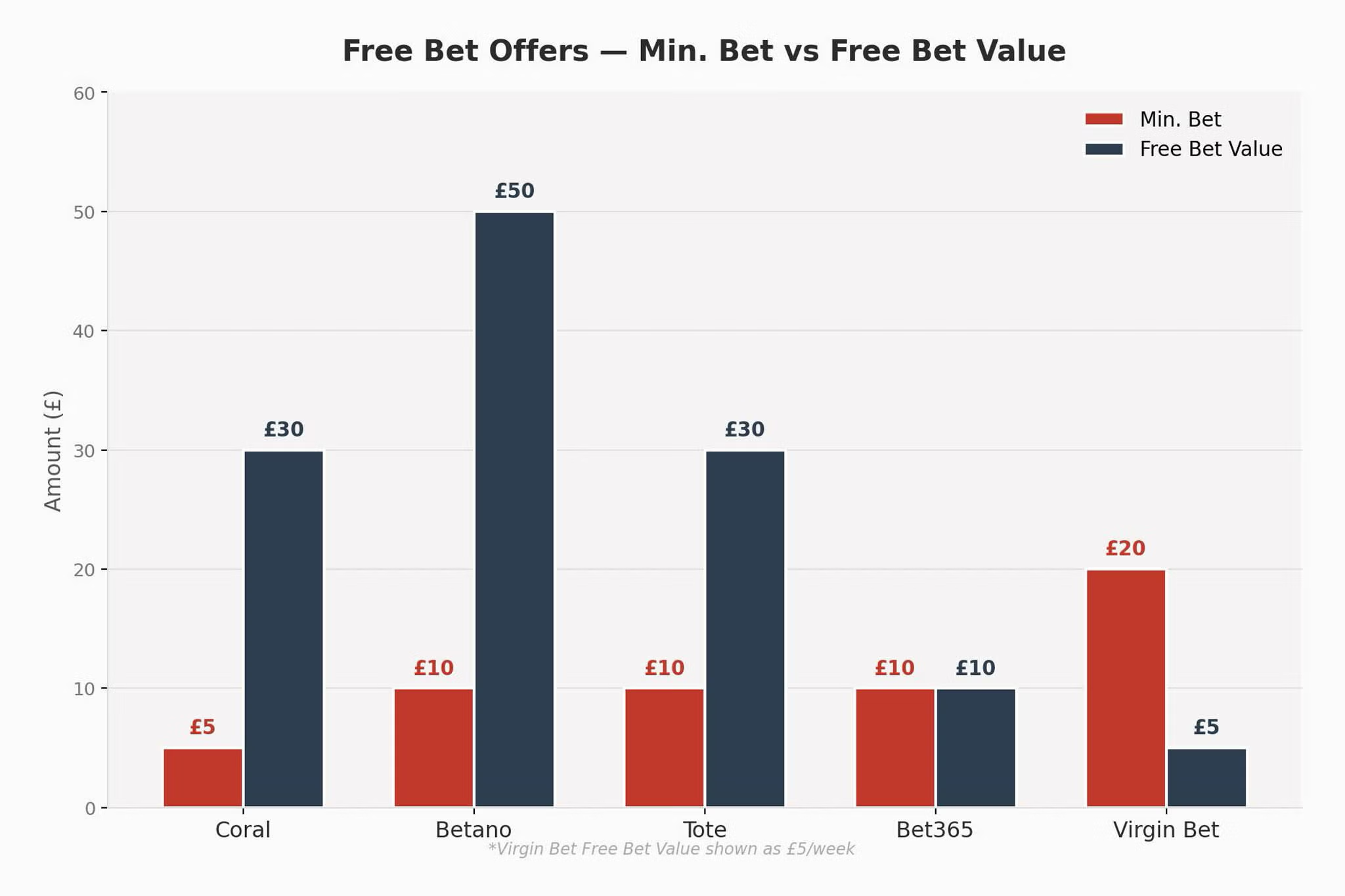
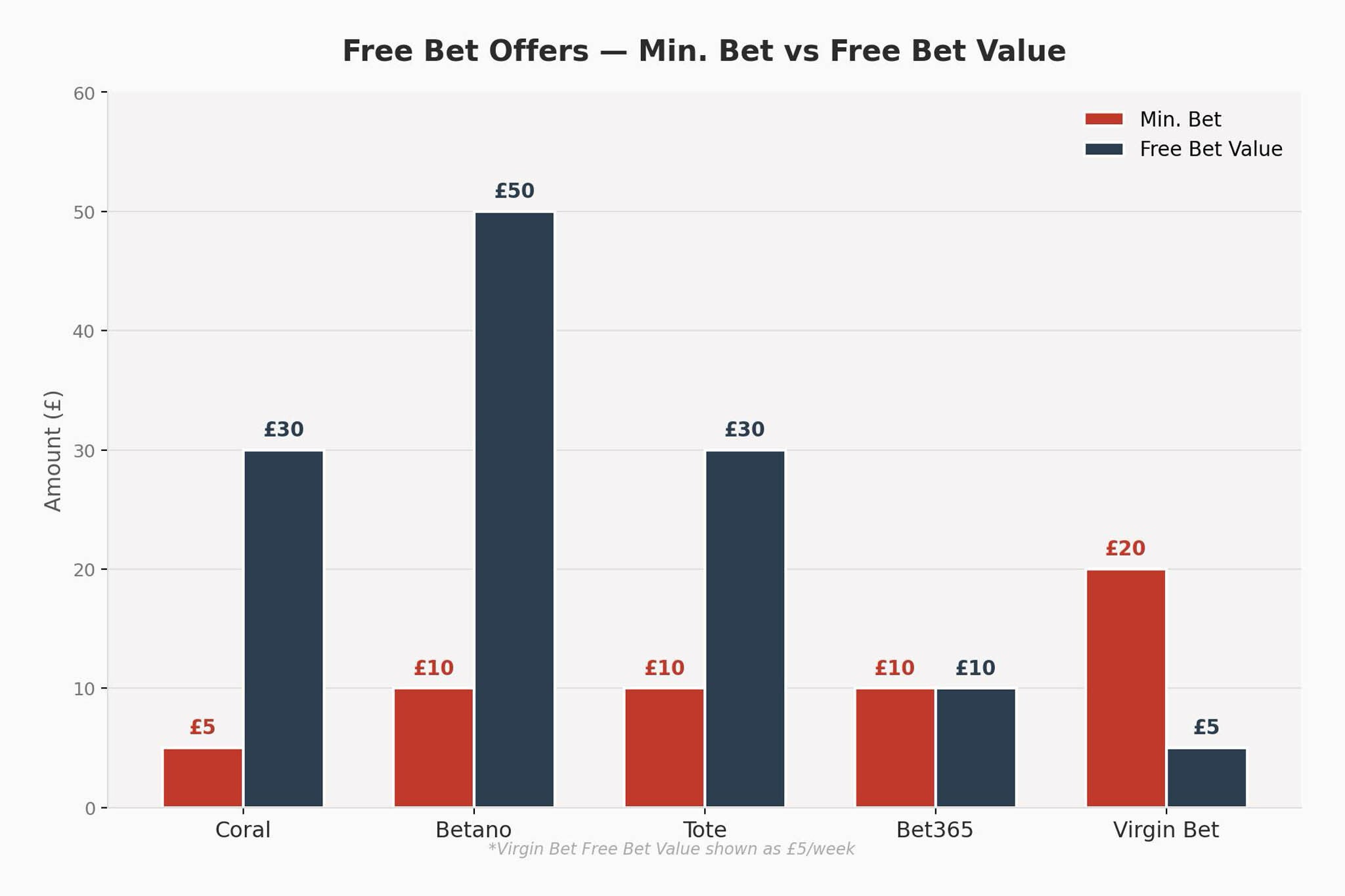
Betting Site
Offer Type
Min. Bet
Advertisement
Free Bet Value
Best For
Coral
Welcome bonus
Advertisement
£5
£30
Low-stake sign up value
Betano
Advertisement
Welcome bonus
£10
£50
Football free bets
Advertisement
Tote
Welcome bonus
£10
£30
Advertisement
Horse racing free bets
Bet365
Moneyback special
£10
Advertisement
£10
Ongoing money-back as free bet offers
Virgin Bet
Free Bet Club
Advertisement
£20
£5 weekly
Ongoing rewards for regular bettors
Free bets value for money (Independent)
Here are the standout betting offers on the market for users broken down into strength of category.
Coral – Best low-stake betting sign up offer
Advertisement
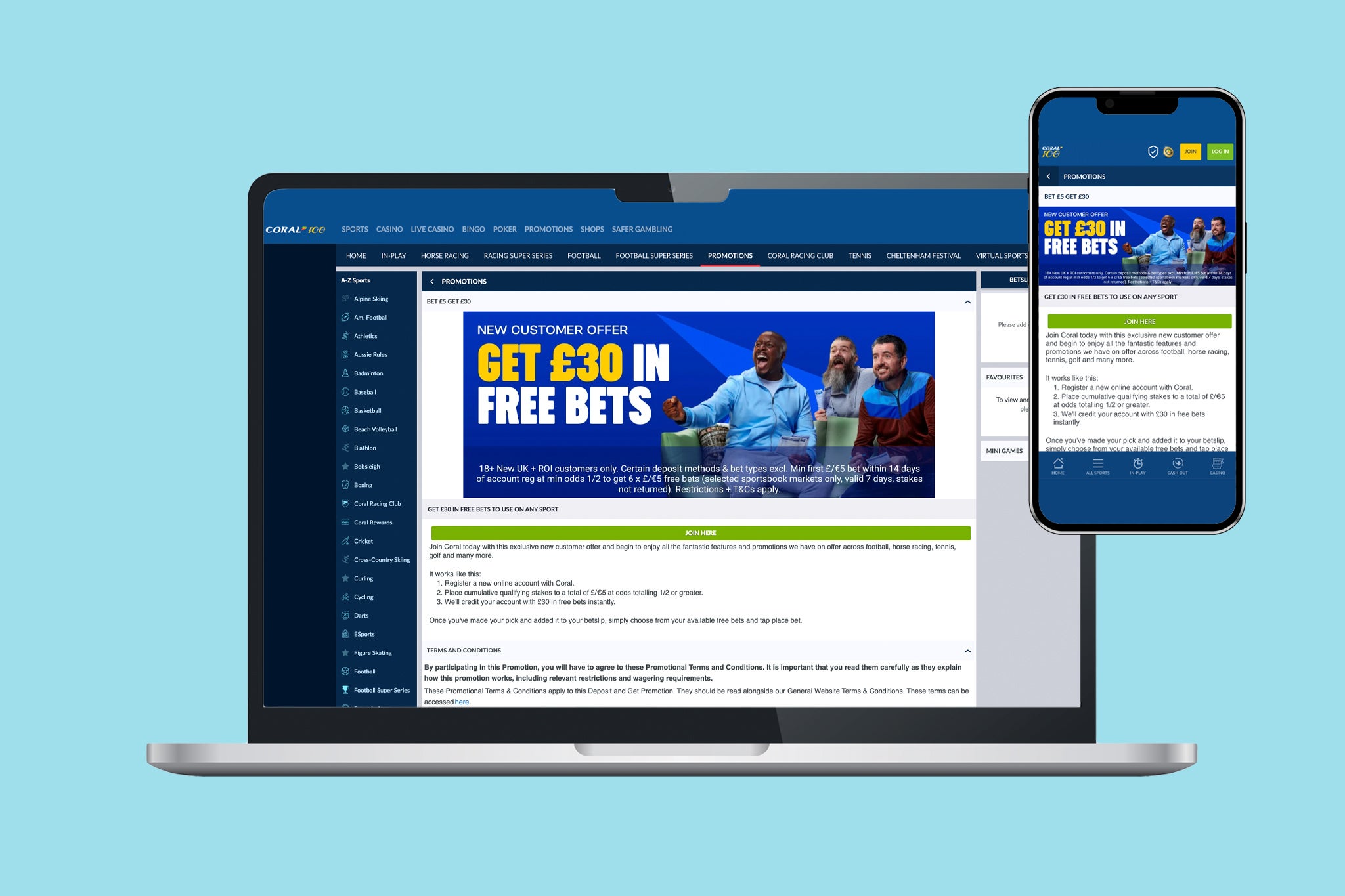
Coral offer the best low stake betting sign up offer allowing new customers to secure £30 in free bets after signing up and betting just £5 on any sports bet of their choice.
There’s plenty of flexibility over where users can place their qualifying bet. Customers can choose any sport with odds of 1/2 odds or greater, only Bet365 has a lower threshold among welcome offers, but their value is not as high as Coral’s.
Time is also on your side using Coral. Customers can take up to 14 days after sign up to make their first bet and still qualify for the betting sign up offer.
Coral rewards customers with £30 in free bets for betting just £5 online (The Independent)
Payout is also prompt as soon as your qualifying bet settles. Coral will credit your account with £30 in free bets within 24 hours. These free bets are paid out in 6 x £5 free bets, giving customers plenty of scope to use their funds.
These free bets are fairly flexible as 4 x £5 free bets available to use on any sport on Coral, while the remaining £10 free bet balance is reserved for 1 x £5 football bet builder and a 1x £5 horse racing bet builder.
Advertisement
It’s arguaaly the best £5 deposit betting site around as customers secure a 600% return from their first deposit and bet. For first-time bettors it’s a perfect betting sign up offer for value.
Betano – Best football betting sign up offer
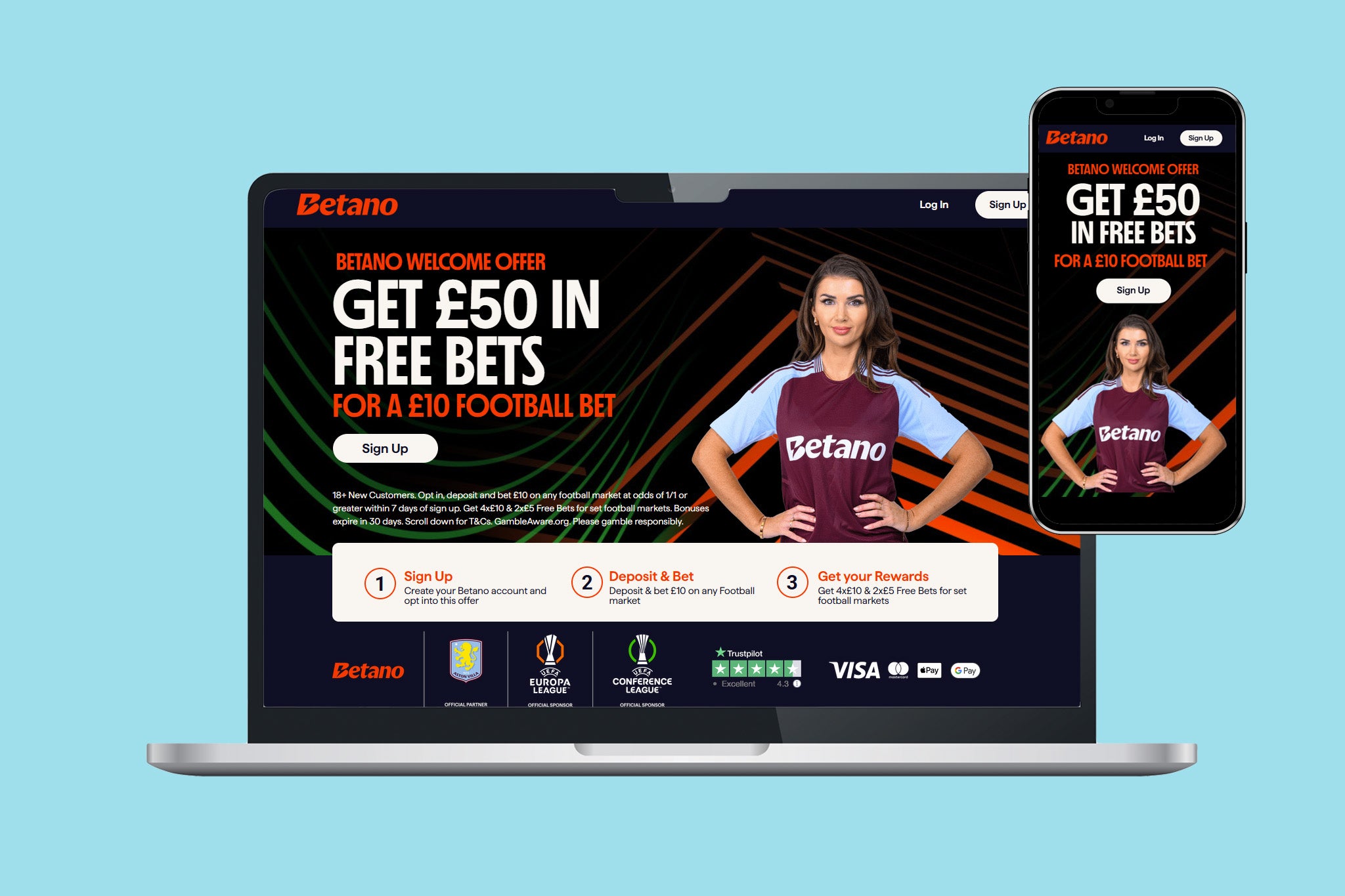
Betano is the best option for punters looking for free bets at leading football betting sites, with the Betano sign up offer providing £50 in free bets with an initial wager of just £10 (an excellent return for a low entry stake).
The offer includes a straightforward qualifying bet with minimum odds of evens and no accumulator required, while the 30-day expiry on free bets gives users flexibility, with plenty of time to use bonuses.
Advertisement
Newcomers can get £50 in free bets after an initial £10 bet (iStock/The Independent)
This new betting site provides great variety on its football markets – from match odds and BTTS to goalscorers, correct scores and much more – and users will also find regular offers and promotions once signed up to the site.
Tote – Best for horse racing free bets
The Tote betting sign up offer is an excellent choice for horse racing fans, with a £10 bet returning £30 in racing value – a strong 3x reward for such a low qualifying stake.
The offer provides £20 in Tote Credit for horse racing – which is ideal for pools, exotics, and Tote-only markets – as well as £10 in free bets to use on the sportsbook, offering plenty of flexibility for new customers.
The Tote website performs equally well on mobile and desktop (iStock/The Independent)
The qualifying bet simply need to be a £10 wager on any sport (with some exclusions, though win, place, or pool bets all count) at odds of evens or greater, and winnings are fully withdrawable, with Tote Credit profits available to be cashed out, keeping risk low.
Tote also guarantee boosts payouts paid at SP or better, adding an extra upside for horse racing bettors and making Tote the best choice among horse racing betting sites.
Advertisement
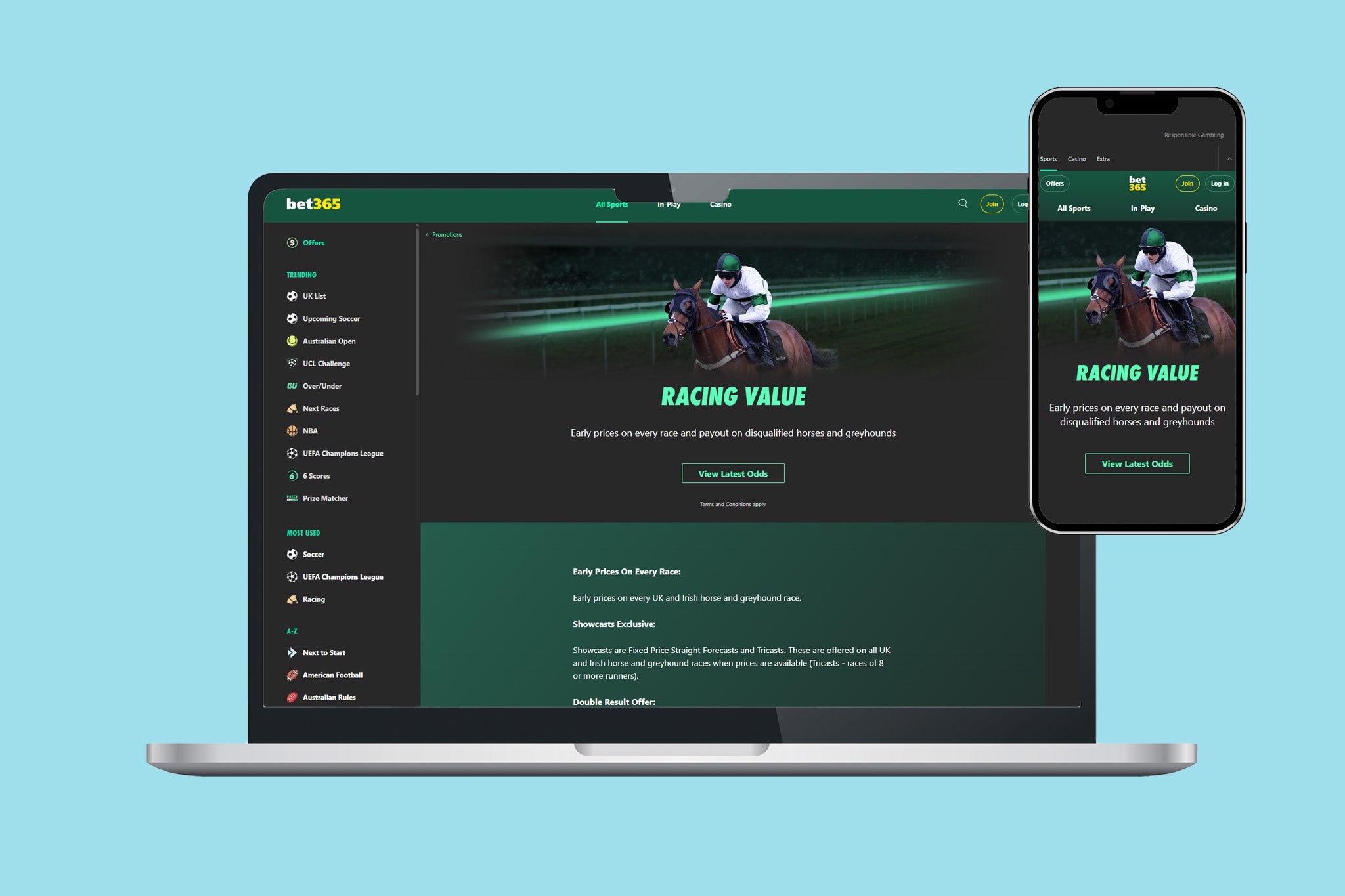
Bet365 – Best for moneyback as a free bet
Bet365 have recently launched its moneyback specials across a number of sports, including football and horse racing, as well as a range of major events.
Customers can wager up to £10 and will receive their stake back in free bets if their bet fails. The system is simple for claiming the betting offer, with users ticking the ‘Money Back As Free Bets’ box on their bet slip to qualify.
Free bets are usually credited within a matter of hours, but it can take up to 24 hours. Free bet credits can be used anywhere on one of the best betting sites in the business with no limit on where and how your credits can be spent.
Advertisement
Bet365 customers can get up to £10 back as a free bet on losing racing and football bets (iStock/The Independent)
Bet365 moneyback specials are most common on football, and notably the Premier League where the highlight games of the week are covered with a moneyback special notably on Saturday and Sunday evenings, although Champions League and Europa League midweek games have also featured this betting offer.
The nuts and bolts of the requirements are as follows. Customers must place a qualifying bet builder on the eligible game or event, with bet builders needing only evens (2.0) or higher odds.
Bet365 also attaches its Sub Play On feature on football bet builders in conjunction with the moneyback special, which keeps bets alive even if a player is subbed.
Virgin Bet – Best free bet club
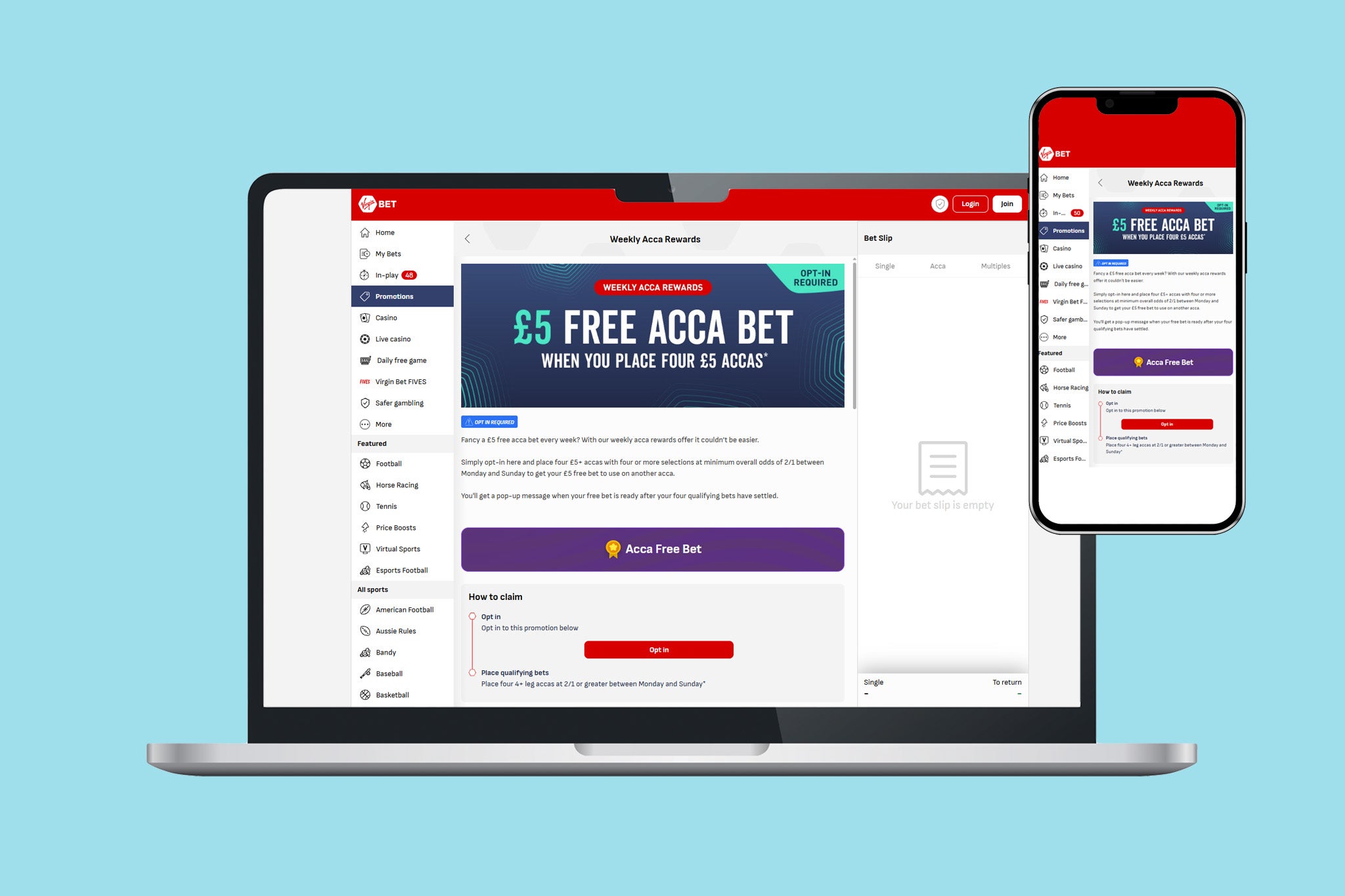
Existing customers can use the weekly Virgin Bet rewards club to claim £5 in free bets for placing qualifying accas.
Advertisement
Users only need to opt-in on the promotion before placing four £5 accas with odds of 2/1 or greater between Monday to Sunday, making these qualifying stakes smaller than most rival free bet clubs.
Virgin Bet have an extremely low minimum odds requirement to use your free bet at 1/100.
Claim £5 in free bets for placing qualifying accas on Virgin Bet (iStock/The Independent)
You’re spoiled for choice, and better yet, there are no restrictions where you can use your bonus.
In addition, the seven-day expiry gives plenty of time to use the bonus, meaning the free bet club offers huge flexibility.
After the qualifying bets have settled, Virgin Bet pays out the £5 free acca bet into your account and to activate the free bet offer, simply use the toggle on your bet slip to use up the credits.
Advertisement
Below, we’ve provided some detail on common traps that users can fall into when claiming free bets:
Stake not returned on free bets
Not all free bet offers return the original stake if your bet wins. For example, a £10 free bet at 3/1 pays £30 profit, not £40; always factor this in when comparing headline free bet amounts.
Short expiry windows
Advertisement
Free bets usually expire within 5-7 days of being credited, and occasionally less. Unused free bets are removed automatically once they expire, so casual or infrequent bettors can lose value this way.
Remember to always check the expiry date as soon as the free bet is added.
Bet builder or market restrictions
Some free bets are limited to certain types of use. For example, some are football bet builders only, accumulator bets or bets fixed to specific sports, leagues or events. These restrictions reduce flexibility and can increase risk.
Advertisement
Bet builder-only free bets often require multiple selections to win, meaning long odds, and it is the same with accas. Remember to check eligible markets before placing your qualifying bet.
Minimum odds requirements
Betting offers may require minimum odds on either the qualifying bet or the free bet itself, and sometimes both. Higher odds thresholds can push bettors toward riskier selections, while a smaller free bet with low odds requirements can offer better value.
Cash-Out and In-Play exclusions
Advertisement
Remember that cashing out a qualifying bet often voids eligibility for the offer. Some free bets also cannot be used on in-play markets.
These exclusions are commonly hidden in the T&Cs, so avoid cashing out unless you’re sure it won’t affect the promotion.
Wagering requirements and bonus conditions
Wagering is uncommon on free bets, but it is not unheard of. Some promotions attach extra conditions to winnings or follow-on bonuses instead.
Advertisement
Offers requiring winnings to be wagered multiple times reduce real value, while simpler “bet and get” free bets are usually the safest option.
Before a bookmaker makes our list of free bet offers, they must meet key criteria to ensure a high-quality betting experience.
1. Licensing
Only sites with a valid UK Gambling Commission (UKGC) licence are considered on our list of recommended operators.
Advertisement
The UKGC ensures fair play and consumer protection, working alongside independent testing agencies like eCOGRA. If a bookmaker isn’t regulated, it’s not safe – anyone can verify a licence via the UKGC register.
2. Security
Every bookmaker we recommend must implement high-quality security measures such as SSL encryption and two-factor authentication to protect customer data.
3. Reputation
Advertisement
Reputation also plays a role – established brands like Betfred, William Hill and Bet365 consistently rank highly with us, but we also highlight new, reputable operators such as BetMGM when their free bet offers meet our expectations.
4. Mobile
With most bets now placed on phones and tablets, mobile betting functionality is essential.
Bookmakers with dedicated betting apps that mirror the desktop experience are given preference, and we also consider user app reviews from the Apple and Google Play stores.
Advertisement
5. Experience
The customer experience is equally crucial – we rigorously test bookmaker support channels, favouring those that provide fast, effective resolutions.
Ultimately, our rankings focus on the quality of the free bet offers, but we also take into account matters including odds restrictions, timeframe to both unlock free bet offers and use your bonus funds, wagering requirements and available payment methods.
6. Value
Advertisement
Operators that provide valuable betting sign up offers, competitive terms, and ongoing free bet promotions for returning customers get the highest ratings.
Why trust us?
Chris Wilson is a betting content producer and sports reporter who has been working at The Independent since 2023.
He writes betting tips across a range of sporting events as well as reviewing dozens of betting sites and casino sites across the UK.
Chris has extensively tested and reviewed offers from established operators and new betting sites to find the best free bet offers for readers of The Independent.
Advertisement
Responsible gambling is always at the forefront of his research, ensuring customers have a fair and secure experience claiming and using betting offers online.
If you decide to engage with any of the online betting sites highlighted on this page, remember to gamble responsibly, even when using free bets and betting sign up offers.
When betting, always assume you’ll lose and therefore, only bet what you can afford to lose. Even free bets still involve a level of risk.
Make sure you use the responsible gambling tools offered by betting companies such as deposit limits, reality checks, loss limits and time outs. These can stop gambling from getting out of hand.
If you have gambling-related concerns, then seek independent help. There are several UK charities and institutions that offer support, advice and information, with a few listed below:
Are free bets withdrawable?
No, it is not possible to withdraw a free bet. It must be used according to the terms and conditions of the free bet offer or it will be forfeited.
Advertisement
Can you cash out free bets?
In most cases, bookmakers will not allow punters to cash out a free bet before the bet has run its course, so you will likely have to wait for your bet to settle before receiving any winnings.
What does money back in free bets mean?
This means you can get a refund on your stake, but not as withdrawable cash – only as a free bet, meaning you have to stake the same cash again on a different bet.
Advertisement
What is the best betting sign up offer available now?
In the Independent’s view, Coral provides the best betting sign up offer on the market at present. New customers need only sign up and deposit £5 before betting £5 on any sports market with odds of 1/2 or greater to unlock £30 in free bets.
What betting sites give free bets without a deposit?
Few bookmakers hand out free bets for nothing, but you can earn free bets by entering free-to-play prediction games on Bet365, BetVictor, NetBet, Betway, Betfred, Ladbrokes, Coral and BetMGM.
Advertisement
We may earn commission from some of the links in this article, but we never allow this to influence our content. This revenue helps to fund journalism across The Independent.
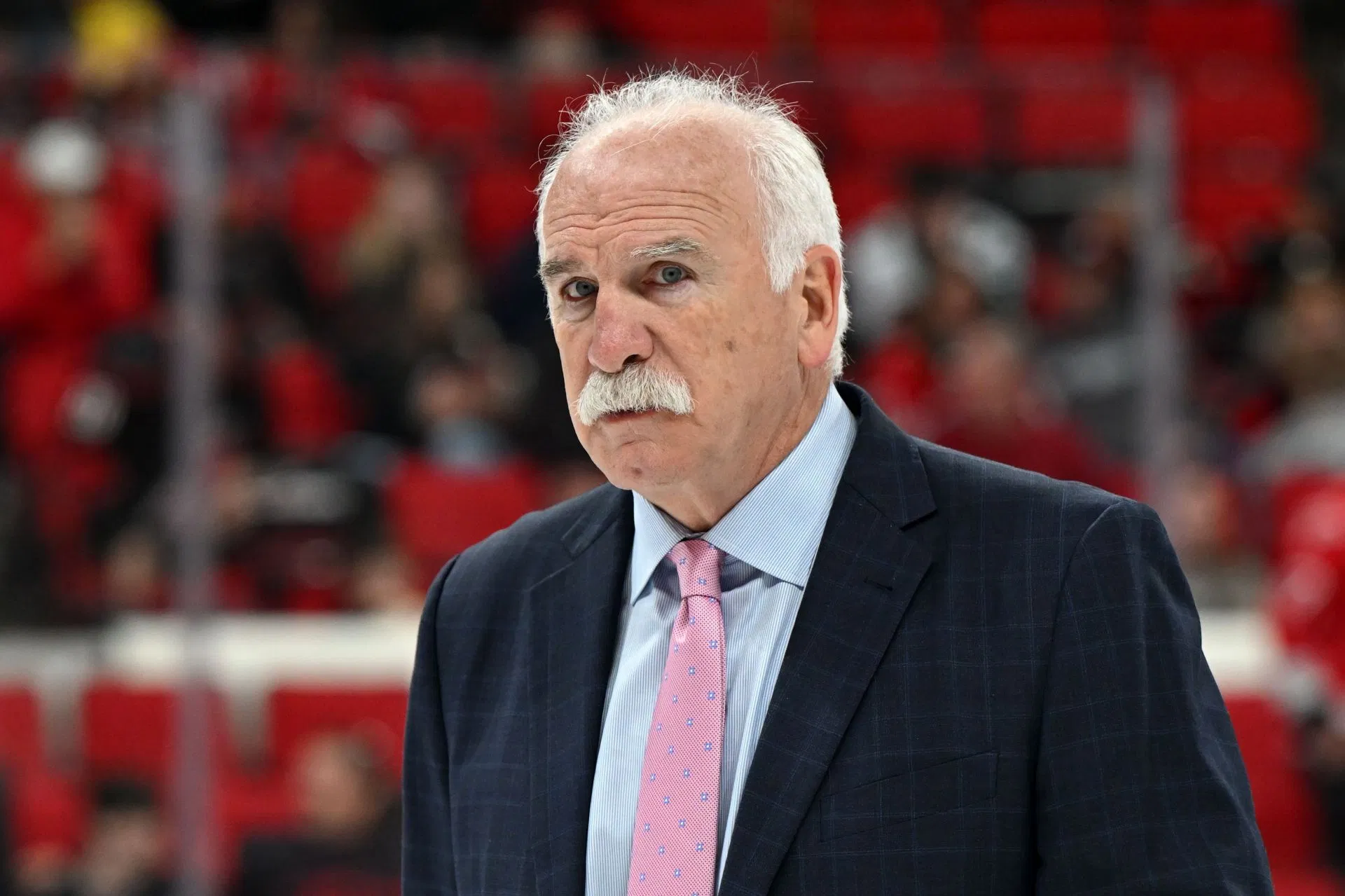
Anaheim Ducks coach Joel Quenneville was livid with the officials after they failed to call icing on the Vegas Golden Knights’ game-winning goal in Game 1.
The Ducks’ bench erupted in protest as Ivan Barbashev scored late in the third period following the controversial no-call. With the game tied 1-1 late in the third, Anaheim had pulled its goalie for an extra attacker.
On a play in the neutral zone, the puck was sent toward the Ducks’ end. Officials waved off icing, allowing Pavel Dorofeyev to make a nice pass to Ivan Barbashev, who scored the game-winner to take a 1-0 lead for Vegas in the series.
Advertisement
Quenneville didn’t hold back in the post-game presser, stating:
“Clearly, I disagreed with the call. Clearly, it was icing. But their guy stopped skating, which really made me annoyed.”
Anaheim Ducks fall to Vegas Golden Knights in Game 1
On Monday, the Anaheim Ducks suffered a 3-1 defeat to the Vegas Golden Knights at T-Mobile Arena. The Golden Knights take a 1-0 lead in the best-of-seven series.
After a goalless first period, Brett Howden opened the scoring for the Golden Knights after putting them ahead 1-0 at 3:14 of the first period. This was the lone goal scored in that period.
Advertisement
“I just tried to put the puck deep and I saw Jack on the far side going through,” Barbashev said via NHL.com. “I thought for a second he beat him, and that’s why they waved it off. Jack just put a little pressure on him. They turned it over, and (Dorofeyev) made a great play.”
Mikael Granlund tied it 1-1 for the Ducks at 13:57 in the third period. Ivan Barbashev increased the lead to 2-1 for the Golden Knights at 15:02 before Mitch Marner‘s empty-net sealed the win for them.
“It’s Game 1. It is (about) which team finds its game the quickest that has the advantage,” Golden Knights coach John Tortorella said. “We’re fortunate. Fortunate that we found a way to win. They played well. Some of it had to do with them. They played well, but we have some things to work on.”
Game 2 returns to T-Mobile Arena on Wednesday, with the puck dropping at 9:30 p.m. ET.
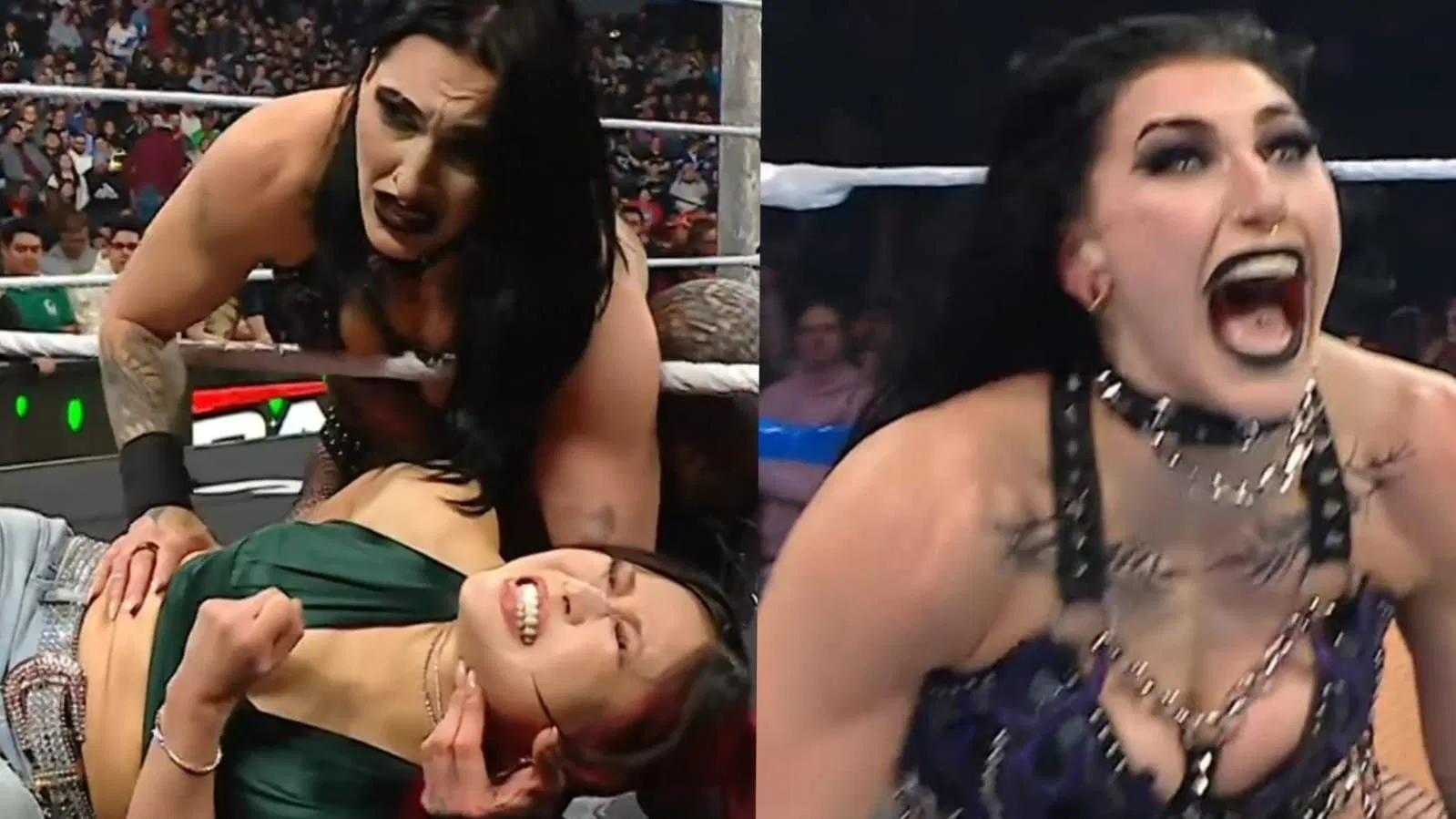
The latest edition of WWE RAW featured a sit-down involving IYO SKY and Asuka before their match at Backlash 2026. General manager Adam Pearce mediated the segment, but things eventually got out of hand.
During the segment, SKY said she was avoiding a fight with Asuka because she loved her. Meanwhile, The Empress of Tomorrow claimed that The Genius of the Sky was her biggest disappointment. In the end, the 44-year-old sprayed blue mist in her former Damage CTRL teammate’s face.
Thanks for the submission!
Advertisement
Following the exchange, IYO SKY posted a picture of herself covered in blue mist on X. The former Women’s World Champion seemed disgruntled after Asuka attacked her. Rhea Ripley reacted to the unfortunate development, asking her longtime ally to take out The Empress of Tomorrow at Backlash.
On the RAW after WrestleMania 42, Rhea Ripley and IYO SKY defeated Asuka and Kairi Sane. It was later announced that SKY and the face-painted star will lock horns at Backlash on May 9, 2026. Since Mami is now focused on her Women’s Title reign on SmackDown, will SKY receive help from an unlikely ally in Tampa, Florida?
Kairi Sane could return during IYO SKY vs. Asuka at Backlash 2026
Kairi Sane was shockingly released from WWE following WrestleMania 42 despite being involved in the IYO SKY-Asuka rivalry. She even picked up a win over SKY in a singles match on the Road to ‘Mania. The Empress of Tomorrow and The Genius of the Sky were rumored to lock horns at The Showcase of the Immortals. However, the creative team didn’t book the duo to compete at WrestleMania.
A different report recently indicated that Kairi Sane had returned to Japan following her departure. Fans must stay tuned to find out if Sane shows up to possibly help SKY against The Empress of Tomorrow at Backlash.
Emma Raducanu faces a potential rematch with Coco Gauff in the third round of the Rome Open, with the American responsible for her fourth-round exit at the tournament last year.
The British No 1 has not played since Indian Wells in March after struggling to shake off a viral illness, and has yet to play a clay-court match this season.
Her stop-start beginning to 2026 was complicated by an injury to her right hand, which she cited as her reason for pulling out of last week’s Madrid Open.
But she is slated to take part in Rome. She will begin her campaign in the second round – after receiving a first-round bye – against either world No 72 Solana Sierra or a qualifier.
All of the WTA top 20 are taking part in the final WTA 1000 event before the French Open, where Gauff is the reigning champion. The American will face either Kazakhstan’s Yulia Putintseva or Czech teenager Tereza Valentova in her opening match in Rome.
Advertisement
Should Raducanu replicate her strong run in Rome last year, her likeliest opponent in the quarter-finals would be world No 8 Mirra Andreeva, who has enjoyed a brilliant clay season so far, winning the Linz Open and finishing runner-up in Madrid.
World No 1 Aryna Sabalenka – who has been drawn in Raducanu’s half – willl play either 2021 French Open champion Barbora Krejcikova, who is returning from injury, or Elsa Jacquemot. Defending champion Jasmine Paolini has been drawn in the same quarter as Gauff, Raducanu and Andreeva.
Four-time Roland-Garros champion Iga Swiatek has yet to reach her usual heights this season and faces a tough draw in Rome, with Emma Navarro potentially awaiting in the third round and Naomi Osaka in the fourth.
British No 3 Katie Boulter will open against Eva Lys; should she win that encounter, she will play Osaka in the second round.
Advertisement
While the women’s Rome field looks highly competitive, Sinner is the overwhelming favourite on the men’s side (Getty)
In the men’s draw, British No 1 Cameron Norrie, who reached the Barcelona Open quarter-finals on clay, has a bye to the second round. Jack Draper is out for the remainder of the clay season as he continues to battle a series of injuries.
World No 1 Jannik Sinner is on a record run of five consecutive Masters 1000 titles and looking to make that six at his home Masters, while Novak Djokovic will be relieved he can only face the Italian in the final.
Sinner is aiming to replicate Djokovic’s achievement as the only man to complete the career Golden Masters – winning all nine titles at this level – with Rome the only one the 24-year-old has yet to claim.
Sinner is seeded to meet Jakub Mensik – one of the few players to beat him this year, in the Qatar Open quarter-finals – in the third round and rapidly rising Frenchman Arthur Fils, whom he defeated in the Madrid semi-finals, in the fourth.
Djokovic, who has been out of action since Indian Wells as he recovers from injury, will open against Marton Fucsovics or a qualifier.
It is a milestone, but it also has a bit of an aftertaste – due to Saudi Arabia‘s involvement.
Professional women’s tennis players are now eligible for paid maternity leave for up to 12 months. Those who have a child through surrogacy, adoption or the pregnancy of a partner is entitled to two months’ maternity leave. In addition, allowances for fertility treatment are possible. The program announced by the World Tennis Association (WTA) applies retroactively from January 1 to more than 320 female players.
It is “the first time in women’s sports history that comprehensive maternity benefits are available to independent, self-employed athletes,” the WTA announced.
The prerequisite is that they have played a certain number of WTA tournaments within a certain time window. The WTA did not provide exact details. It also remained open as to how much money the players are entitled to during maternity leave. It is to be a standardized amount that is paid regardless of the world ranking. The package is financed entirely by the Saudi state fund PIF.
Advertisement
Serena Williams is one of several mothers to return to professional tennis in recent yearsImage: John Angelillo/UPI Photo/imago images
As in other sports, such as football, golf or Formula 1, Saudi Arabia has been trying to get a foot in the door in tennis by investing heavily for some time. Critics see this as sportswashing, an effort by the rulers in Riyadh to use sport to distract attention from blatant human rights violations in the country.
In recent years, there has been an increasing number of female tennis players returning to the WTA tour after pregnancy and childbirth, including former Serena Williams, German Wimbledon winner Angelique Kerber, who has since retired, and former world No. 1 Naomi Osaka of Japan. However, as they were among the top earners in the industry, they were not dependent on paid maternity leave – unlike lower-ranked players. According to the WTA, around 25 mothers currently play on the ATP Tour.
Global initiatives for maternity leave in sport
The WTA’s announcement is one of several recent initiatives aimed at improving the situation of pregnant athletes and coaches and making it easier for mothers to return to competitive sport.
Since the end of 2020, footballers have been entitled to maternity leave for at least 14 weeks, with at least two-thirds of their contractually agreed salary. Pregnant players are protected from dismissal. In mid-2024, the world governing body FIFA extended the regulations to include several things – including the possibility of changing clubs outside of transfer periods. Former Germany goalkeeper Almuth Schult, a mother of three, was the first player in the world to benefit from this rule.
In October 2024, the Canadian government decided to financially support top female athletes during and after pregnancy as part of the Athletes Assistance Program (AAP). To receive funds from the program, athletes must redeem special cards. Previously, pregnant athletes were forced to use their cards in the event of an injury to receive money. Now there are separate cards for pregnant women and mothers. The government is spending a total of CDN$35 million (€22.5 million, $24 million) on the AAP program over a five-year period.
Almuth Schult made 66 appearances for GermanyImage: Carlotta Erler/picture alliance
There is a similar support program in the UK. There, top female athletes who are not professionals and who are expected to be successful in international competitions receive money during their pregnancy and afterwards – provided the athlete intends to compete again after a break.
Advertisement
Scholarship and health insurance for top female athletes
In the United States, the National Olympic and Paralympic Committee (USOPC) supports top female athletes who have become mothers and want to return to sport for a year after giving birth with a one-year scholarship and health insurance. In spring 2024, the US Athletics Federation (USATF) decided to extend this support for top female athletes who want to return to sport if they want to take more than one year off.
In the North American women’s professional basketball league WNBA, players are entitled to their full basic salary during pregnancy. If you have been playing in the league for at least eight years, you can also apply for a subsidy for artificial insemination if you want to have children.
US track and field star Allyson Felix made headlines around the world in 2019 when she revealed that her sponsor Nike wanted to cut her pay by 70% after she became pregnant. After other female athletes also confirmed this practice, bringing Nike further negative headlines, the sporting goods manufacturer relented. The contracts now contain a protective clause according to which expectant mothers must not incur any financial losses for one year.
Manchester City were on the end of a controversial decision in their 3-3 draw with Everton on Monday as the Premier League have since explained the VAR call
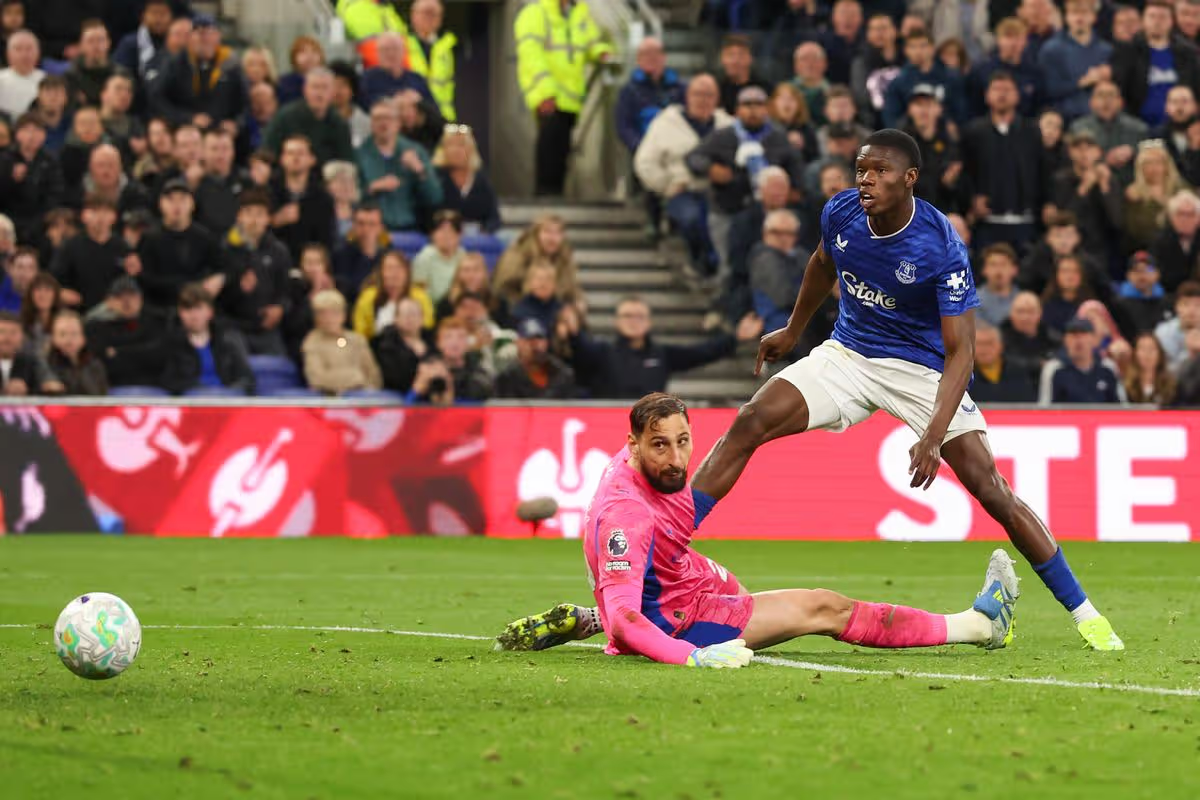
Manchester City have received clarification from the Premier League regarding why Everton’s opener was permitted to stand. A wayward back pass from Marc Guehi was intercepted and converted by Thierno Barry, though the linesman’s flag was swiftly raised as he had been offside when an attempted pass was played to him earlier in the move.
However, Guehi’s touch created a new phase of play, with Barry consequently deemed onside, and that ruling was reversed with the official explanation subsequently published.
Advertisement
The Premier League Match Centre post on X read: “#EVEMCI – 69′ The referee’s call of goal for Everton was checked and confirmed by VAR – with it deemed that there was no offside offence as Guehi deliberately played the ball.”
Get MEN Premium now for just £1 HERE – or get involved in our City WhatsApp group by clicking HERE. You can also join our City Facebook page by clicking HERE and don’t miss out on our brilliant selection of newsletters HERE.
Matters then deteriorated further for City when Jake O’Brien powered home a header from a corner to completely turn the contest on its head.
Barry then steered Merlin Rohl’s wayward effort into the net to make it 3-1, with the striker just about remaining onside.
Advertisement
Content cannot be displayed without consent
From City’s restart, Erling Haaland pulled one back immediately with a deft chip over Jordan Pickford, following an outstanding pass from Mateo Kovacic.
A defeat at the Hill Dickinson Stadium would have proved devastating for City in the wake of Arsenal’s victory over Fulham on Saturday.
Nevertheless, they managed to salvage something from their trip to Merseyside when Doku struck deep into stoppage time.
Advertisement
Despite the valiant effort to snatch a point, Arsenal’s advantage at the summit now stands at five points, firmly placing the Premier League title race in their hands.
The next significant encounter in the title race comes on Saturday, with City taking on Brentford. Arsenal then have the opportunity to respond just 24 hours later in their away fixture against West Ham.
The pivotal clash arrives in the following midweek as City’s match against Crystal Palace, which was initially scheduled for Carabao Cup final weekend, is set to take place.
Sky Sports, HBO Max, Netflix and Disney+ with Ultimate TV package
Advertisement
This article contains affiliate links, we will receive a commission on any sales we generate from it. Learn more
Sky has upgraded its Ultimate TV and Sky Sports bundle to now include HBO Max, Netflix, Disney+, discovery+ and Hayu, as well as 135 channels and full Sky coverage of the Premier League and EFL.
Sky broadcasts more than 1,400 live matches across the Premier League, EFL and more with at least 215 live from the top flight alongside Formula 1, darts and golf.
Mikel Arteta’s men then face Burnley while City travel to Bournemouth, before the season concludes at Selhurst Park for the Gunners and City host Aston Villa.
Both Palace and Unai Emery’s side could find themselves juggling European commitments around those decisive fixtures. For Palace, a Conference League final could fall just days after they welcome Arsenal.
Villa, meanwhile, could be mere days removed from a Europa League final, though they must first overturn a 1-0 deficit from their semi-final first leg against Nottingham Forest.
Fixture: Taylor Townsend vs Victoria Jimenez Kasintseva
Thanks for the submission!
Advertisement
Date:Tuesday, May 5, 2026
Tournament: Italian Open 2026
Round: Qualification Round 2
Advertisement
Category: WTA 1000
Surface: Outdoor clay
Venue: Foro Italico, Rome
Prize Money: $8,312,293 (approx.)
Advertisement
Live Telecast: USA – Tennis Channel | UK – Sky Sports | Canada – TSN
Taylor Townsend vs Victoria Jimenez Kasintseva preview
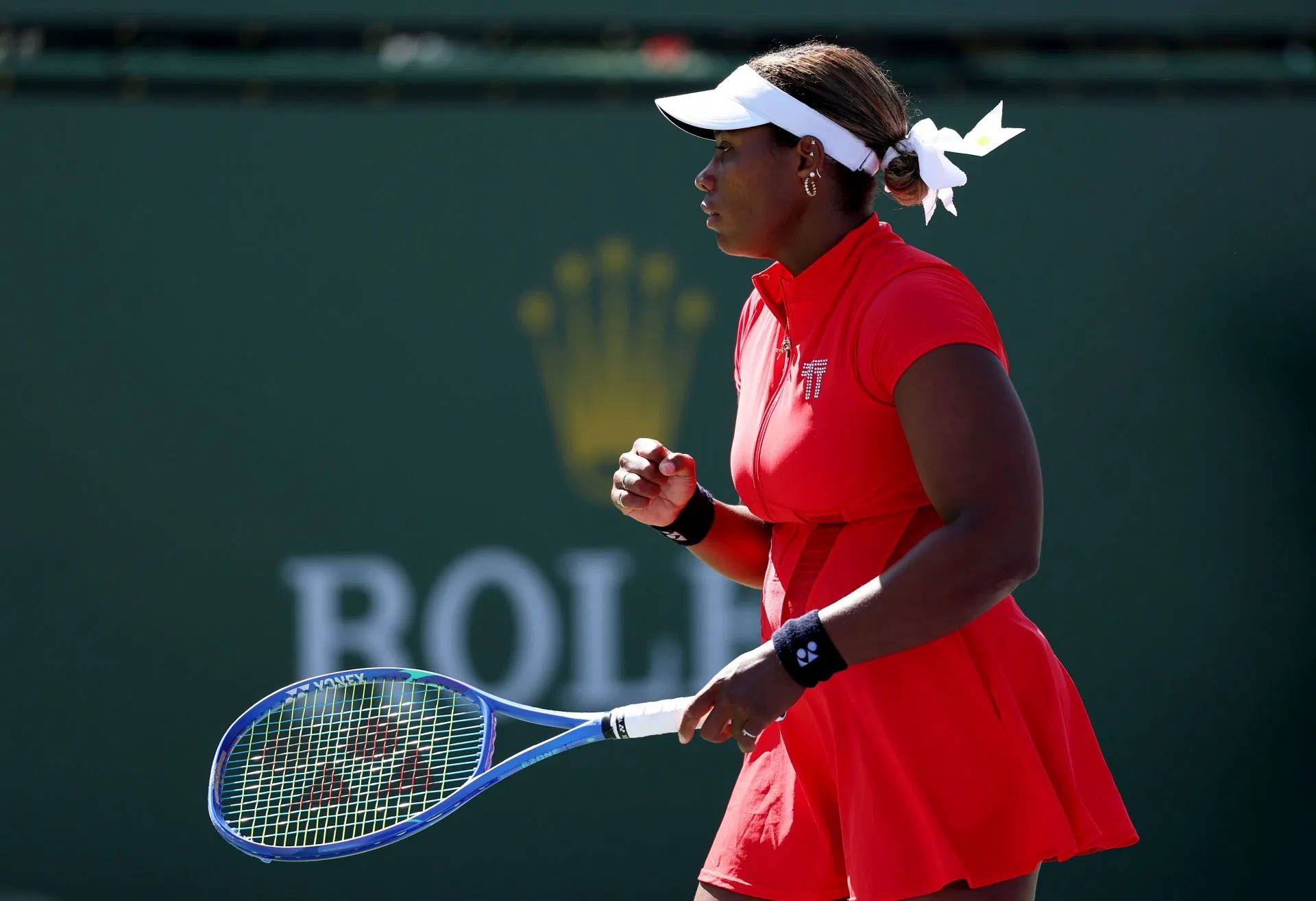
Townsend at the BNP Paribas Open 2026 – Day 2 – Source: Getty
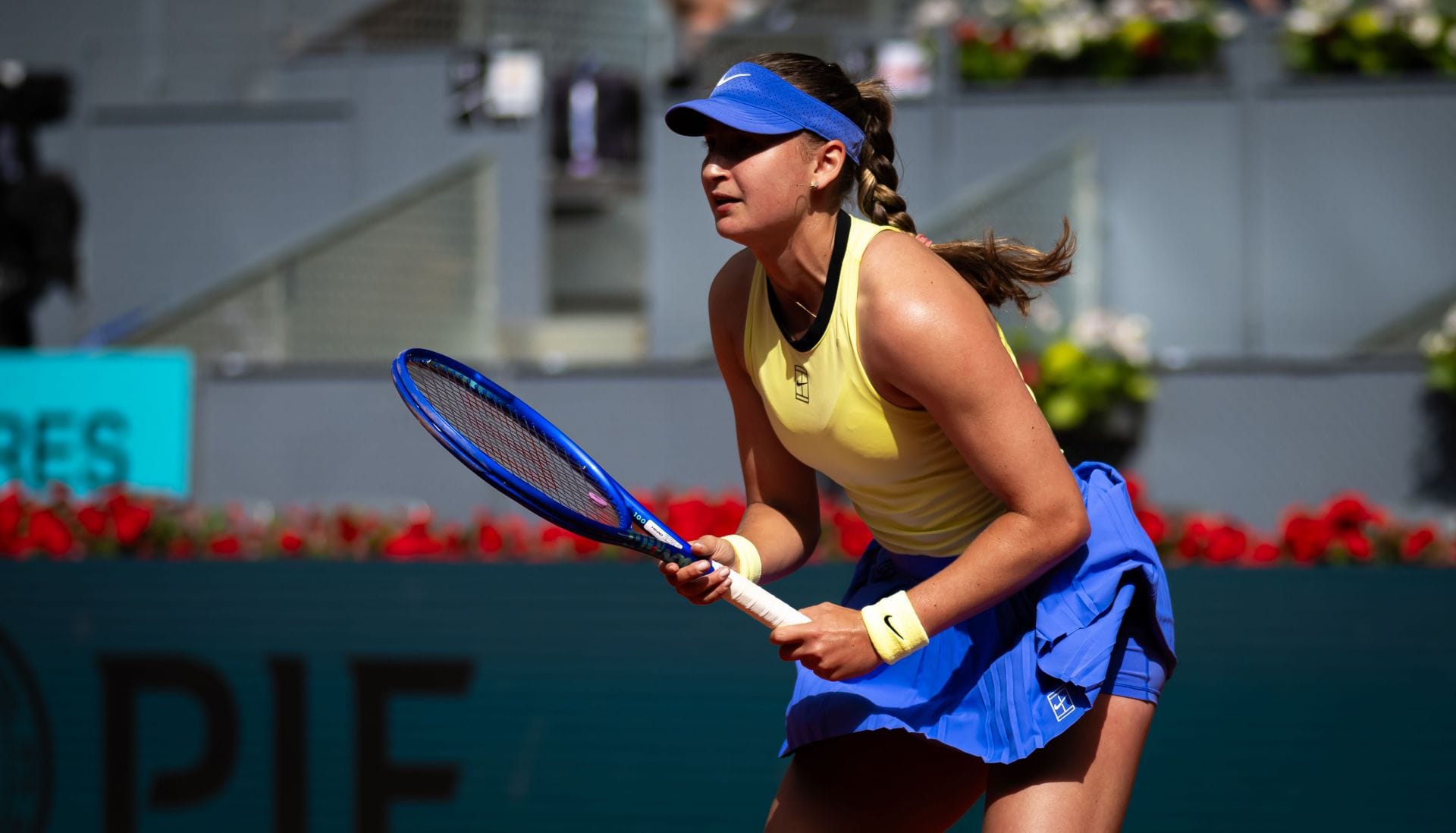
Taylor Townsend comes into Rome after a very strong clay swing, mainly in doubles but also with a solid singles rhythm. In the Madrid Open 2026, she lifted the doubles title alongside Katerina Siniakova, beating Mirra Andreeva and Diana Shnaider 7–6(7–2), 6–2 in the final. That run kept her match sharp on clay. In singles, she has been playing a mix of qualifiers and early-round matches across events.
Victoria Jimenez Kasintseva has spent most of her 2026 clay season at the ITF level, building consistency. She has picked up wins in smaller events and stayed active on the surface, which suits her baseline game.
Advertisement
Over the past year on clay, she reached finals like the W75 Lisboa event, where she beat Guiomar Maristany 6–4, 6–2 to win the title, and also pushed players deep in matches in events like Otočec, where she lost a tight three-set final 6–1, 4–6, 5–7.
Taylor Townsend vs Victoria Jimenez Kasintseva head-to-head
Victoria Jimenez Kasintseva at the Mutua Madrid Open – Day Two – Source: Getty
Townsend and Victoria Jimenez Kasintseva have never faced each other on tour before, so this will be their first career meeting.
Taylor Townsend vs Victoria Jimenez Kasintseva odds
Players
Moneyline
Handicap Bets
Total Games
Taylor Townsend
-275
-3.5 (-155)
Over 20.5 (-130)
Victoria Jimenez Kasintseva
+200
+3.5 (+105)
Under 20.5 (-110)
These odds are sourced via BetMGM.
Taylor Townsend vs Victoria Jimenez Kasintseva prediction
Townsend is coming into this match without much momentum in singles on clay. At the Madrid Open 2026, she lost in the first round to Katie Boulter 6–4, 6–2, where she struggled to control rallies and was broken multiple times. Earlier in the season at the Miami Open, she also went out in three sets to Jasmine Paolini, 6–3, 1–6, 6–2.
Her main success this year has come in doubles, including a title run in Madrid, but in singles, she has not put together back-to-back wins on clay.
Advertisement
Victoria Jimenez Kasintseva has had a more active run on clay and is getting more matches in. In Madrid, she lost to Petra Marcinko 6–0, 7–5. Earlier in the season, she also beat Katie Boulter in a three-set match 2–6, 7–5, 6–2 during qualifying, which is a useful comparison given Boulter beat Townsend comfortably in Madrid. On top of that, she had a deep run in Merida, where she beat Magda Linette 5–7, 7–6, 7–5 in a long match.
Taylor Townsend has the bigger serve and more experience, but her recent singles results on clay have not been convincing. Victoria Jimenez Kasintseva is getting more matches, looks more comfortable in long rallies, and has already come through tight three-set matches this season.
Prediction: Victoria Jimenez Kasintseva to win in three sets.
Taylor Townsend vs Victoria Jimenez Kasintseva tips
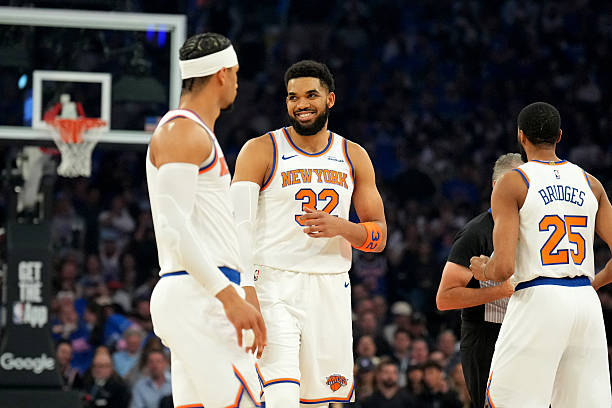
NEW YORK, NY – MAY 4: Karl-Anthony Towns #32 of the New York Knicks smiles during the game against the Philadelphia 76ers during Round Two Game One on May 4, 2026 at Madison Square Garden in New York City, New York. NOTE TO USER: User expressly acknowledges and agrees that, by downloading and or using this photograph, User is consenting to the terms and conditions of the Getty Images License Agreement. Mandatory Copyright Notice: Copyright 2026 NBAE (Photo by Jesse D. Garrabrant/NBAE via Getty Images)
The NBA Conference Semifinals tipped off Monday night with two Game 1 matchups between the New York Knicks and Philadelphia 76ers and in the West, the Minnesota Timberwolves and the San Antonio Spurs.
The New York Knicks opened their series with a commanding 137-98 win over the Philadelphia 76ers to take a 1-0 lead. New York controlled the game from start to finish, with Jalen Brunson leading the way with 35 points. Philadelphia struggled to keep up, with Paul George finishing with 17 points.
The Minnesota Timberwolves secured a 104-102 win over the San Antonio Spurs in a close Game 1. Anthony Edwards led Minnesota with 18 points, while Stephon Castle had 17 points, 5 rebounds, and 5 assists for San Antonio.
Advertisement
Both series are now underway. The Knicks and Timberwolves are now holding early 1-0 leads.
The European import Portland is yet to break his maiden in Australia, but handler Matthew Smith is certain a victory is approaching.
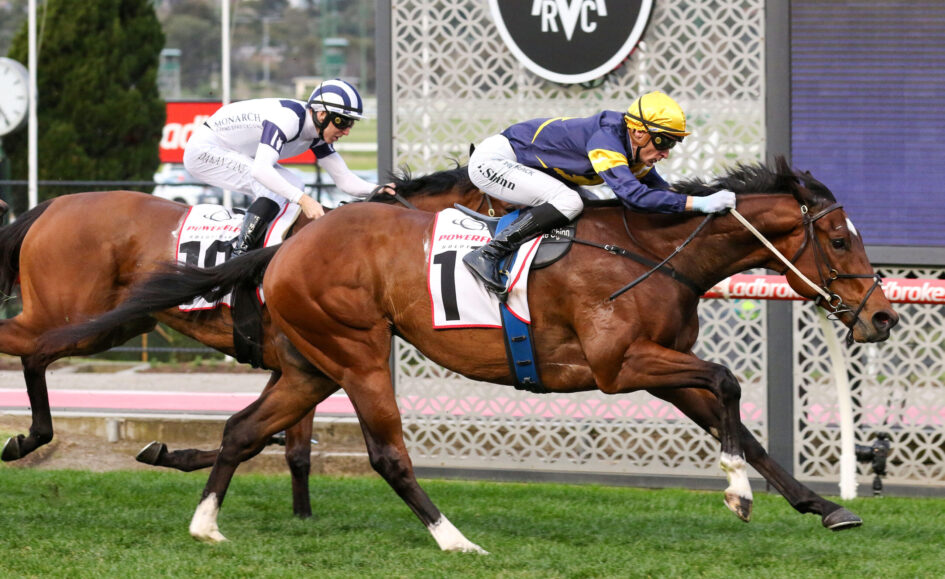
At his two most recent appearances, the horse has laid down markers, with a strong-finishing third to Wootton Verni in the Neville Sellwood Stakes (2000m) and a creditable effort trailing Asterix by little more than two lengths in the JRA Plate (2000m).
“I was looking at the sectionals, and he ran 33.89 (seconds) for his last 600 metres, and the winner of the sprint on that day ran 34.14. So he went quicker than the 1200 metre race for his last 600,” Smith said.
“He is going very well, he just needs to draw a gate. When he draws a gate, he’ll be winning.”
Advertisement
During his maiden Australian campaign, Portland is programmed for the Listed Gosford Gold Cup (2100m) on Saturday.
Smith foresees no issues with the sharp turns at the venue, booking Kerrin McEvoy to partner the import.
“He is banging on the door to win one of these,” Smith said.
“I do think he’ll go further, but I also think he can win a decent race over 2000, so the Gosford Cup will be perfect for him.
Advertisement
“He’s not a big horse so he’ll get around there like a greyhound.”
Portland joins 26 other horses in the nominations for the $300,000 Gosford Cup, including Asterix and elite Group 1 winners Bois D’argent, Land Legend, Maison Louis and You Wahng.
The trainer has the potential for up to six participants at the meeting, as four-time victor Lyles eyes a 1000m assignment post his Canterbury trial last Friday.
“He is going super. He will be ready first-up,” Smith said.
Advertisement
Separately, high-class sprinter Headwall has resumed training after a rear leg injury halted his autumn, with reports indicating strong movement and work, targeting a June trial.
“Where he’ll resume, I don’t know at this stage, but it will be early July,” Smith said.
With two Group 1 placings to his name, Headwall was last seen winning the Concorde Stakes (1000m) at Randwick during September.
Discover the best online bookmakers offering markets for the upcoming Gosford Gold Cup.
Eight days ago, brothers Matt Fitzpatrick and Alex Fitzpatrick won the Zurich Classic in New Orleans, although the big winner was Alex, the younger brother to the 2022 U.S. Open champion.
With the Zurich being a team event, both players on the winning squad received the valuable two-year membership on the PGA Tour, not to mention spots in Signature Events. So while the Zurich win was a minor step for Matt, now the No. 4 player in the world, it was a significant moment for Alex, who was 141st entering the week.
Alex Fitzpatrick was in the midst of a good season on the DP World Tour — having tied for sixth at the Joburg Open and winning the Hero Indian Open in March — but last week we got to see him for the first time as a PGA Tour member, and at a Signature Event alongside the likes of Scottie Scheffler, Cameron Young and Collin Morikawa. And how did he fare in just his 12th career PGA Tour start?
He tied for ninth and won half a million dollars.
Advertisement
“There’s still loads of expectations that I put on myself,” Alex said Friday at the Cadillac Championship, when he was asked if he plays freer now that he secured his Tour card. “It was unbelievable to win, but then you come out here and you’re expected to compete and you expect to play well and there’s always that you want to try and perform every week. For me everything’s a bonus at this stage, which does help, but I’m still a golfer at the end of the day and I’m sure I’ll hit bad shots and I’ll still get annoyed.”
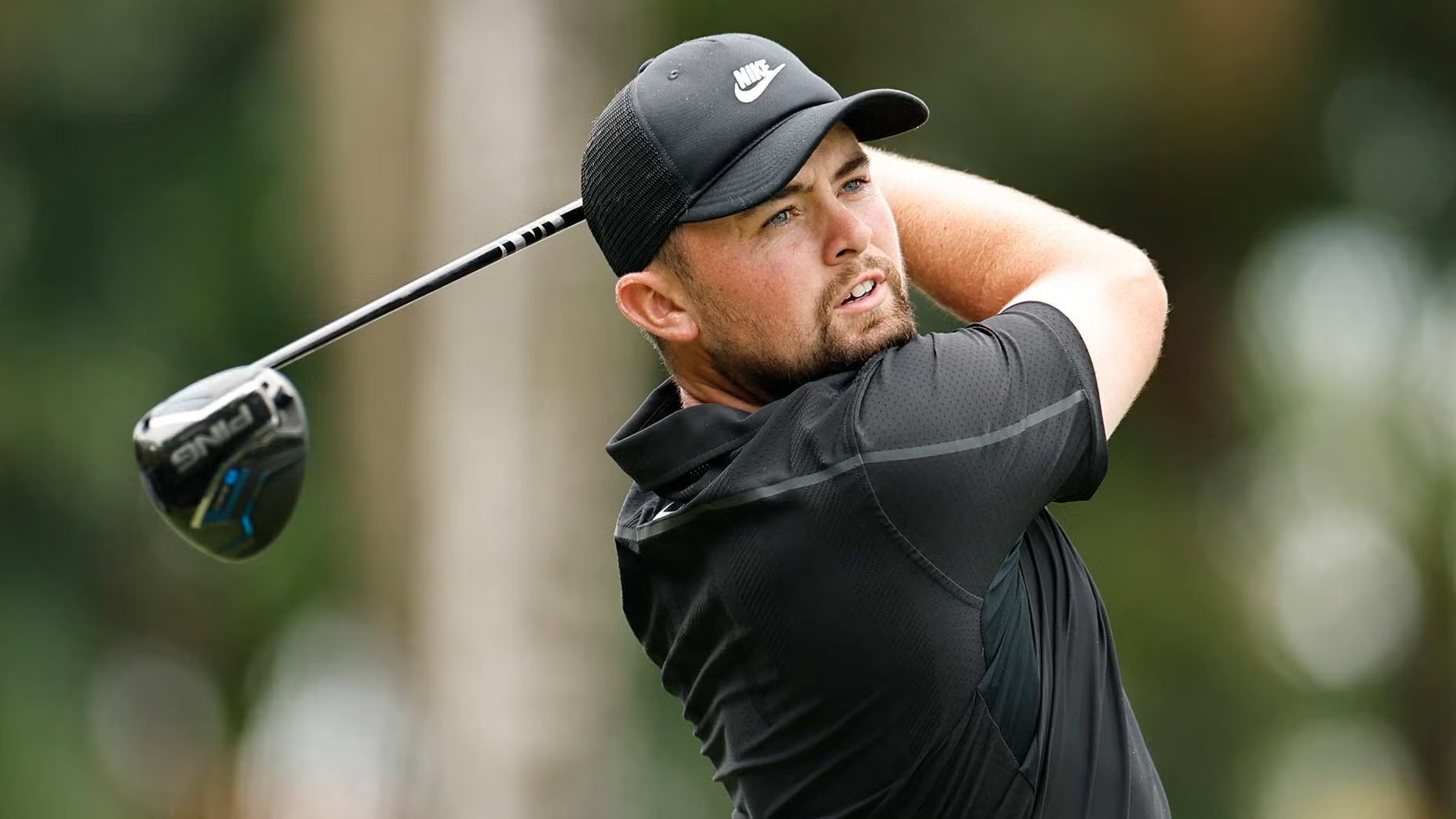
Alex, who at 27 is four years younger than his brother — who took last week off — fired rounds of 72-66-74-67 at Trump National Doral’s Blue Monster course. He finished at nine under, which was 10 behind runaway winner Young but only four back of Scheffler, who was solo second. He also led the field in Strokes Gained: Off the Tee (+4.15) and driving accuracy, finishing 63rd in putting.
“I’m doing the right things with my golf game,” he said Friday. “I’m working towards the right things. It’s exciting. I feel like my game has been good for a while now. I think for a few months it didn’t really translate on the golf course how I would have liked, but it’s really taken a turn the past two months. I feel in control of my ball, which is nice.”
Last Sunday, after winning the Zurich, Alex Fitzpatrick said he had a flight to catch to Turkey for the DP World Tour’s Turkish Airlines Open. He didn’t catch it because he no longer needed to. Mikael Lindberg won that tournament Sunday, earning $466,437. Fitzpatrick took home $500,000 for his T9. And that’s after winning $1.372 million in New Orleans.
Advertisement
He’s also finally catching up from all the text messages and congratulatory notes received from his victory. Some of those still arrived during the Cadillac Championship, where he was busy proving he fits in just fine.
“The overwhelming feeling of like joy and happiness is yet to go away, so I think for me this year it’s going to be a whirlwind and no matter what happens it will be a success,” he said. “I can’t believe how many people have come up to me and congratulated me and players and caddies and staff, it’s been incredible. So yeah they really made me feel welcome, and that was really nice.”
Trainers Mick Price and Michael Kent Jr patiently awaited the right Heavy track for La Fracas, and Warrnambool provides it now.
This mudlark is eager to extend his flawless record on the wettest surfaces in Wednesday’s $200,000 Listed Wangoom Handicap (1200m).
The imported speedster’s third and freshest Heavy run was Sandown on July 2 last year, prevailing by 2-3/4 lengths.
Price and Kent commenced the sprinter’s season in Sydney hunting wet conditions, managing only Soft 6 in the Group 3 Star Kingdom Stakes (1200m) where he was seventh.
Advertisement
“I try to have him fit and well for the right races on wet surfaces,” Price said.
“We even had him in Sydney trying to catch the wet tracks but they didn’t come, strangely enough.
“But I’m happy with him, his action is great and I think he’ll run very well.”
For the Wangoom, the track’s Heavy level at Warrnambool’s 3.20pm AEST post time remains the variable.
Advertisement
Heading into Tuesday’s Day 1, it was Heavy 8, little rain slated then, but 15mm potentially on Wednesday.
Thrilled as Price is for Night Of Thunder gelding’s Heavy return, he knows the Wangoom is the 18th carnival race.
“The difficulty with Warrnambool I’ve found over the years with my horses, albeit we’ve trained some winners there, is that you can have a wet tracker that doesn’t handle that choppy surface,” he said.
“But he’s going very well and I think he’ll be beautifully suited because it’s a tough 1200 there and he’s a tough 1200-metre horse.”
Advertisement
La Fracas meets 54.5kg in the Wangoom Handicap, Beau Mertens steering from draw three.
By Tuesday, he was $4.20 second elect behind sharp local three-year-old Oliveanotherday ($2.20).











































You must be logged in to post a comment Login