Defending champions Argentina are all set to take on Lamine Yamal-starrer Spain in the final of the FIFA World Cup 2026 at MetLife Stadium in New York shortly after Sunday midnight (12:30 AM IST).
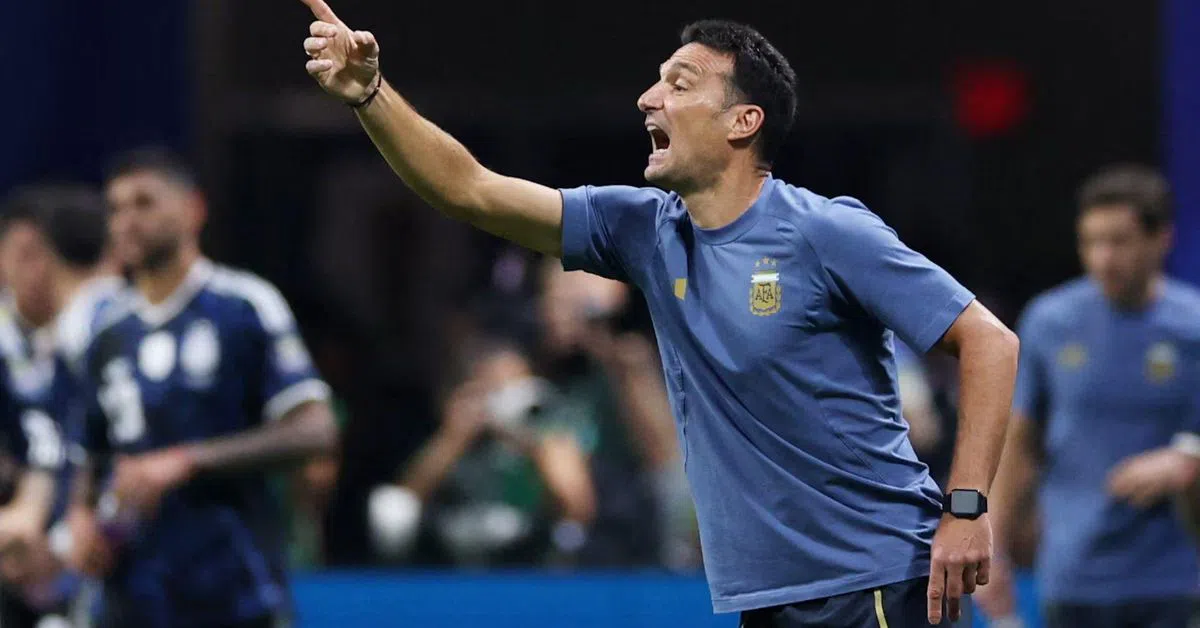
Behind their run to the championship face-off are the two Lionels that have crafted each meticulous victory. The first, of course, is the face of the team – Lionel Messi, who enjoys an cult-like fanbase worldwide. The other, behind the scenes and on the bench, is Lionel Scaloni, the head coach of the blue-and-white jerseyed 2022 world champions, and who has strategised the team’s way through the draw to the final.
And while Argentina’s journey to the final might look like a dominant run on the scoresheet, given that they remain the only team in the tournament with a 100 per cent win rate, their road to a second successive FIFA World Cup final has been anything but straightforward. From the Round of 32 clash against Cabo Verde to the semi-final victory over England, the defending champions have seemingly made a habit of striking when opponents least expect it.
Unlike their dominant title-winning campaign in Qatar four years ago, Scaloni’s men have repeatedly found themselves under pressure before producing stunning late turnarounds to keep their title defence alive.
While Messi has once again delivered defining moments, Argentina’s remarkable resilience has been driven by head coach Scaloni’s tactical flexibility, perfectly timed substitutions, and an unwavering belief that games are often won in the final quarter.
Slow starts, strong finishes
Argentina’s route to the FIFA World Cup final has followed an unusual pattern. Unlike Spain, who have often put games to bed early with their possession-heavy approach, Scaloni’s side has repeatedly needed time to settle before taking control.
The Round of 32 clash against Cabo Verde was the first sign of this come-from-behind revival. Argentina eventually prevailed 3-2, but the underdogs remained in the contest until the closing stages. The Round of 16 against Egypt was even more dramatic, with the defending champions staring at elimination after falling 2-0 behind before mounting a sensational comeback in the final 11 minutes of regulation time.
The quarter-final against Switzerland followed a similar trend. Argentina found themselves locked in a tense battle before eventually breaking through in extra time, while the semi-final against England once again saw Scaloni’s men recover from behind with two late goals to secure a place in the final.
Rather than forcing the issue from the opening whistle, Argentina have shown remarkable patience. They remain compact, continue recycling possession and wait for the right moments to increase the tempo.
As opponents begin to tire, the defending champions become more aggressive with their pressing, stretch the pitch through their wide players and commit greater numbers forward. It has become the defining feature of Argentina’s title defence.
Argentina’s scoring pattern:
Match period |
Goals |
Percentage |
First half |
6 |
31.6% |
Second half |
9 |
47.4% |
Extra time |
4 |
21.0% |
After the 75th minute |
12 |
63.2% |
Scaloni’s tactical masterstrokes
If Argentina have become comeback specialists, much of the credit belongs to Scaloni.
The 48-year-old has consistently shown an ability to recognise tactical problems before they become decisive. Rather than waiting for extra time or hoping individual brilliance changes the game, he has repeatedly altered Argentina’s shape in the final 30 minutes.
The semi-final against England offered perhaps the clearest example. With Argentina struggling to break through England’s defensive structure, Scaloni introduced Nico González shortly after the hour mark. The substitution immediately widened Argentina’s attack, forcing England’s backline to defend larger spaces and allowing Alexis Mac Allister greater freedom in the midfield.
England attempted to counter by assigning Anthony Gordon to track González, but Scaloni responded almost instantly. Messi drifted across the pitch, González tucked inside and Argentina began overloading England’s right flank.
The momentum shifted completely as Lautaro Martínez scored with a header in the 90+2nd minute to win the game for Argentina, handing them yet another comeback success.
Lautaro Martínez scoring the winning goal vs England (PIC: Reuters)
Against Switzerland, Scaloni’s introduction of Julián Álvarez added pace and directness against tiring defenders before he scored the second goal of the game in extra time to put Argentina ahead. They eventually triumphed 3-1.
These were not reactive substitutions. They were tactical interventions designed to change the flow of matches.
The bench has become Argentina’s biggest weapon, and few teams in the tournament have benefited from their substitutes as much as Argentina.
Scaloni has built a squad where every player understands his role, regardless of whether he starts or comes off the bench.
Álvarez brings relentless running behind opposition defences. Martínez offers physical presence inside the box. González stretches the pitch and forces defenders into uncomfortable positions.
Rather than simply replacing tired legs, each substitution changes the way Argentina attack.
That depth has become increasingly valuable as knockout matches have grown more physical. While opponents begin protecting narrow leads or preparing for extra time, Argentina continue introducing players capable of maintaining the same intensity. It is a luxury few managers possess.
Why Argentina become stronger after 75 minutes
The statistics reveal a clear trend, but the tactical reasons are equally significant. During the opening hour, Argentina are content controlling possession without taking unnecessary risks. They rarely abandon their shape even when trailing.
Once the final quarter begins, however, everything changes. The full-backs push higher. The midfield compresses space more aggressively. Messi begins drifting into central pockets rather than remaining fixed in attacking positions. Fresh forwards attack spaces created by tiring defenders.
The collective intensity rises at precisely the moment when opponents begin conserving energy. It is why Argentina have become one of the tournament’s most dangerous teams in the closing stages.
Argentina’s goals by minute:
Time |
Goals |
10′ |
1 |
17′ |
1 |
19′ |
1 |
29′ |
1 |
31′ |
1 |
38′ |
1 |
60′ |
1 |
76′ |
1 |
79′ |
1 |
80′ |
1 |
83′ |
1 |
85′ |
1 |
90+2′ |
2 |
90+5′ |
1 |
92′ |
1 |
111′ |
1 |
112′ |
1 |
120+1′ |
1 |
Spain’s biggest challenge
Spain have been the tournament’s most consistent side, controlling matches through possession and relentless pressing. But Argentina pose a very different test.
The defending champions have shown they do not need to dominate for 90 minutes to win football matches. Instead, they rely on reading the flow of the contest better than their opponents.
That responsibility has fallen largely on Scaloni. Whether it has been tweaking formations, introducing attacking substitutes, or changing Messi’s position between the lines, the Argentina coach has repeatedly found answers when his side have looked vulnerable.
Spain may enjoy more possession in Monday’s final, but recent results suggest that will not necessarily concern Argentina. If anything, Scaloni’s men have made a habit of waiting for the decisive moment before striking.
And that is precisely what has turned Argentina into the undisputed masters of comebacks at the FIFA World Cup 2026.
























































You must be logged in to post a comment Login