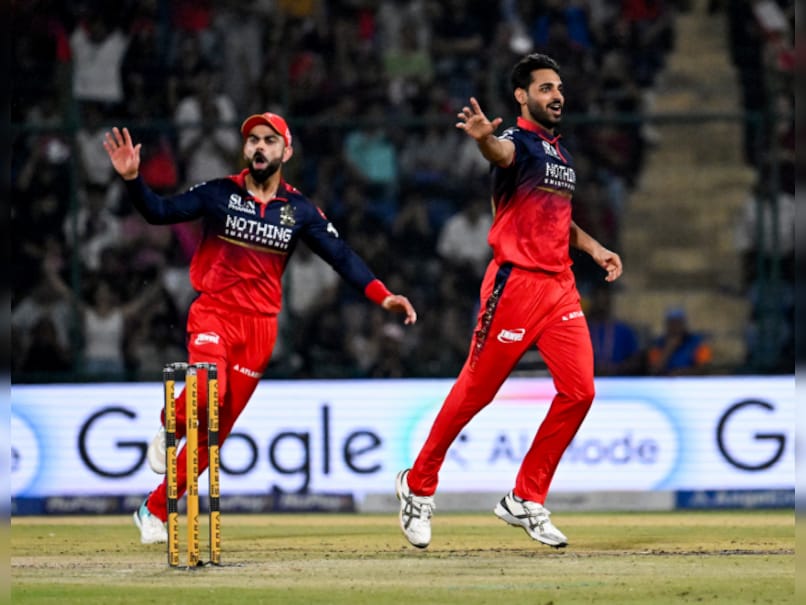
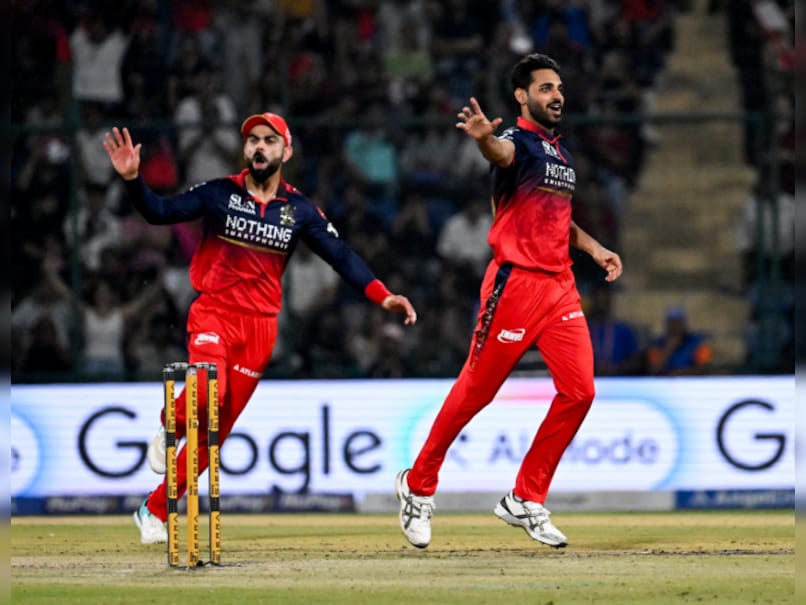
Royal Challengers Bengaluru sent shivers down Delhi Capitals’ spine in their IPL 2026 clash on Monday. In the worst Powerplay display ever, Delhi Capitals scored just 13/6. At one point, DC were reduced to 8/6. The first six wickets were shared between Bhuvneshwar Kumar and Josh Hazlewood. In the first two overs, DC lost three wickets. Bhuvneshwar Kumar scalped Sahil Parakh (0) on the second ball of the first over, which started the downfall. In the next over, bowled by Josh Hazlewood, KL Rahul (1) and Sameer Rizvi (0) departed. Then, in the third over, Bhuvneshwar came back to dismiss Tristan Stubbs (5) and Axar Patel (0). In the fourth over, Nitish Rana was picked off by Josh Hazlewood. The scorecard then read 8/6 in 3.5 overs. DC ultimately scored 13/6 in Powerplay, and were all out for 75 in 16.3 overs.
Scorching powerplay spells from Josh Hazlewood and Bhuvneshwar Kumar helped defending champions Royal Challengers Bengaluru (RCB) bundle out hosts Delhi Capitals (DC) for just 75 runs in 16.3 overs at Arun Jaitley Stadium on Monday.
Advertisement
DC was down and out at 8/6 within the first four overs. But it was a valuable knock from Abishek Porel (30 in 33 balls, with three fours) and brief cameos from David Miller (19) and Kyle Jamieson (12) that gave the score some respectability as DC managed to go past their opponent’s record of the lowest IPL total ever (49).
Putting DC to bat first, Bhuvneshwar Kumar got RCB off to a dream start, uprooting debutant Sahil Parakh’s middle-stump for a two-ball duck. DC was 0/1 in 0.2 overs.
In the next over, Josh Hazlewood started by getting the crucial wicket of KL Rahul, who top-edged a pull attempt into the hands of Jitesh Sharma for just one, while Sameer Rizvi also nicked one to Jitesh on first ball itself. DC was 2/3 in 1.2 overs.
Tristan Stubbs released some pressure with a four. However, in next over, he poked at a Bhuvneshwar outswinger, caught by Devdutt Padikkal at slips for a three-ball five. Skipper Axar Patel was also adjudged to be caught behind by Jitesh for a three-ball duck. DC had an absolute horror movie of a start, at 7/5 in 2.4 overs.
Advertisement
Hazlewood got his third in the third over, as Nitish Rana tried avoiding a bumper, but the ball got some glove on it and went into Padikkal’s hands at gully. DC was 9/6 in 3.5 overs, engulfed by a tsunami of wickets.
At the end of the power play, DC was 13/6, with David Miller and Abishek Porel at the crease. This was only the second instance of a team losing six wickets within the powerplay in IPL history, after Kochi Tuskers Kerala slumped to 29/6 against Deccan Chargers back in the 2011 edition, as per a stat from CricViz.
Miller and Porel started to build a partnership, getting four each against Rasikh Salam Dar in the seventh over. In the ninth over, Miller tried to dominate the young pacer with two fours, but Rasikh managed to have the last laugh, getting Miller’s toe-end of the bat and the ball landed safely in Jitesh’s hands again. Miller was gone for an 18-ball 19. DC was 43/7 in nine overs.
At the end of 10 overs, DC was 46/7, with Porel (18*) and Kyle Jamieson (1*) unbeaten.
Advertisement
A six sailing over deep square leg by Kyle Jamieson helped DC bring the 50-run mark in 10.2 overs and he scored a four too. However, he became Krunal’s victim for a 13-ball 12, trapped lbw, with DC at 62/8 in 12.3 overs.
Suyash Sharma bowled Kuldeep Yadav through the gates for 10-ball three, with DC down to 71/9 in 15.4 overs. Hazlewood ended Porel’s resistance at 33-ball 30, cleaning up DC for 75 in 16.3 overs.
Hazlewood’s 4/12 in 3.3 overs and Bhuvneshwar’s 3/5 in three overs were the highlights, while Krunal, Rasikh and Suyash also got a wicket each.
With ANI inputs
Advertisement
Featured Video Of The Day
IPL 2026 | Delhi Capitals Wins By 6 Wickets Against Mumbai Indians: Redemption For Sameer Rizvi
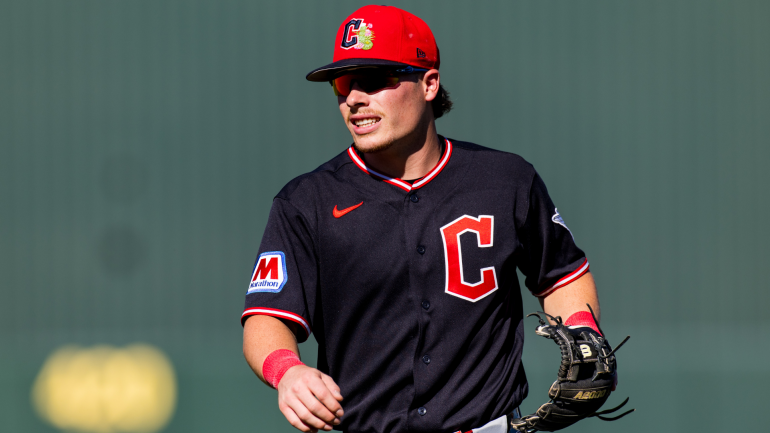
Bazzana, 23, was the No. 1 overall pick of the 2024 MLB Draft out of Oregon State. Coming into the 2026 season, CBS Sports ranked Bazzana as the No. 16 prospect in all of baseball. Here’s part of our write-up:
“The No. 1 pick in the 2024 Draft, Bazzana is now positioned to debut sometime in 2026. He split his first full professional season between Double- and Triple-A, hitting .245/.389/.424 with nine home runs and 12 stolen bases in 84 games. The book on him remains the same as when he was drafted: he combines a disciplined approach with above-average contact chops and power output. Indeed, Bazzana atones for pedestrian exit velocities by lifting and pulling the ball at high rates, a combination that ought to play well in Cleveland’s ballpark. His comfort with deep counts will ensure he strikes out a fair amount, and he’s not going to win a Gold Glove award anytime soon. Even so, Bazzana is a heady player who should justify the Guardians’ selection for years to come.”
This season, Bazzana has been at Triple-A Columbus, and in 24 games he’s slashed .287/.422/.511 with two home runs, 21 walks, and eight stolen bases. As well, Bazzana presently leads all the minor leagues in doubles with 11. For his minor-league career, the Oregon State product has an OPS of .826 across parts of three pro seasons with 14 home runs and 25 steals in 135 games.
Bazzana will join a Guardians team that’s 15-15 after losing three straight and four of their last five. Not surprisingly, Cleveland has again struggled offensively, as they rank 19th in MLB in both runs scored and OPS. As for Bazzana’s future position, a job-share at second base in Cleveland has yielded a .202/.312/.330 line from the position thus far in 2026.
Bazzana is not yet on the 40-player roster, but the Guardians have an open slot. They will, however, have to make a roster move in order to add him to the active roster.
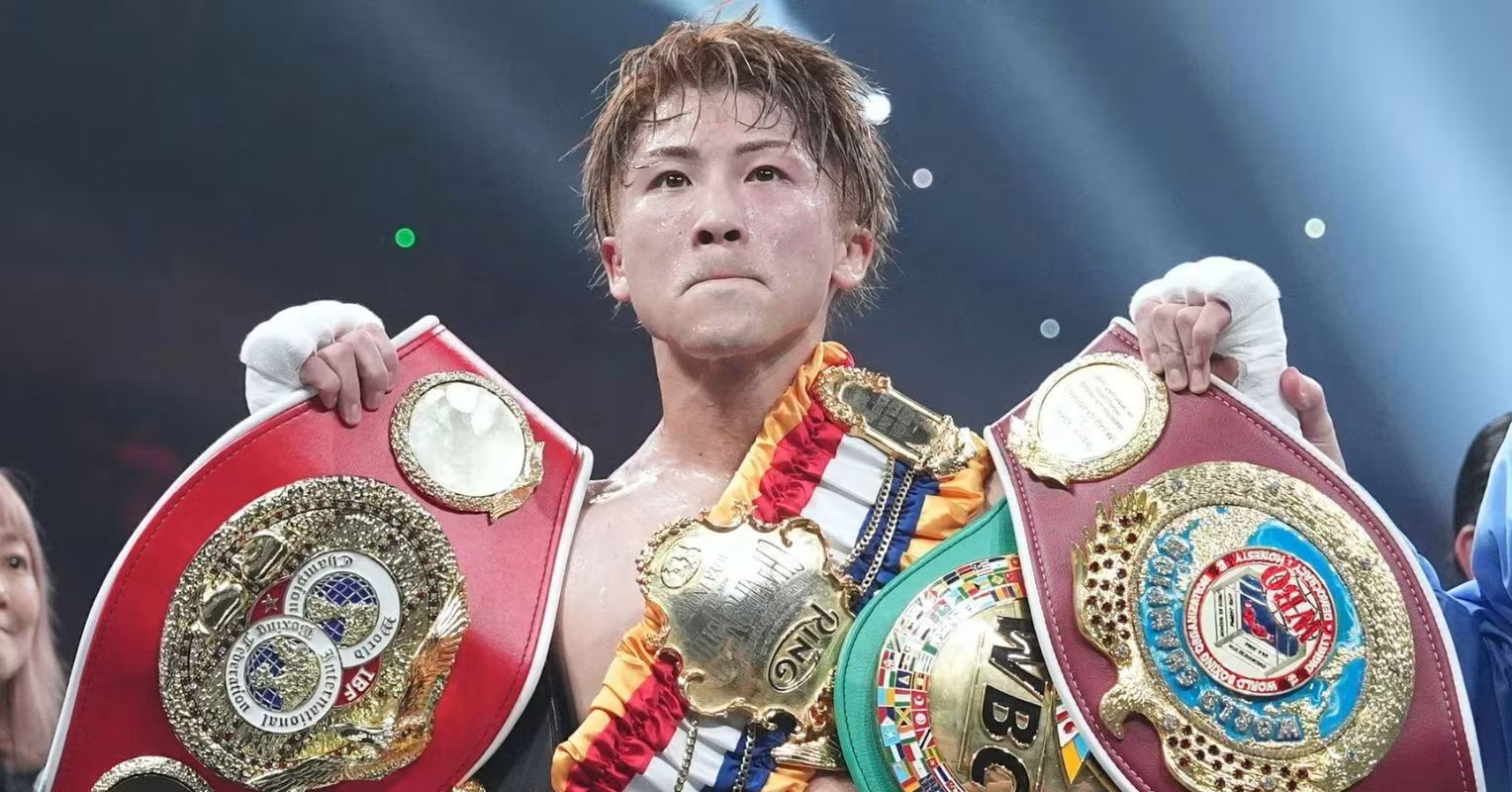
Naoya Inoue is set for an iconic battle with Junto Nakatani this weekend, in what will be the biggest fight in Japanese boxing history. Following that potentially legacy-defining bout, ‘The Monster’ wants another major match-up.
However, the 32-year-old has revealed that his clash with Nakatani will be his penultimate one at 122lbs, with plans to stick around for one more fight in the division despite appearing to have cleaned it out.
In a game of ‘yes or no’ with DAZN Boxing, Inoue confirmed his interest in a showdown with Rodriguez and confidently forecasted that he would come out on top against the undefeated 26-year-old southpaw.
“Yes, [I would love to fight Jesse Rodriguez].”
“[Would I beat him?] Yes.”
Rodriguez will become a three-division champion if able to trump Vargas on Saturday, June 13, but he would usurp Inoue as the pound-for-pound king if he were to hand the Japanese sensation a first career defeat – providing Nakatani doesn’t do it this coming Saturday at the Tokyo Dome.
Advertisement
‘Bam’ Rodriguez has also expressed his interest in the fight, saying he would take it without hesitation should it present itself. With boxing power broker Turki Alalshikh close to both men, it might just.
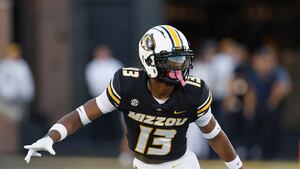
The Pittsburgh Steelers agreed to terms with undrafted free agent linebacker Daylan Carnell, the team announced on Monday.
Carnell, who stands at 6-foot-2, 233 pounds, recorded 175 career tackles, 19.5 tackles for loss, 22 passes defended, five interceptions, four forced fumbles and three sacks in his five seasons at Missouri. Carnell played a hybrid safety/linebacker role in Missouri’s defense the last three years. He also returned two interceptions for touchdowns in his career.
Advertisement
Advertisement
In 2025, Carnell made 12 starts and played in all 13 games. He posted 41 tackles (22 solo) with 6.5 for loss … Picked off one pass and batted four others down. The Indianapolis native was a three-year starter at Missouri.
Carnell’s best season came in 2023, when he registered 51 tackles, six tackles for loss, seven pass deflections, two forced fumbles, and a pick six.
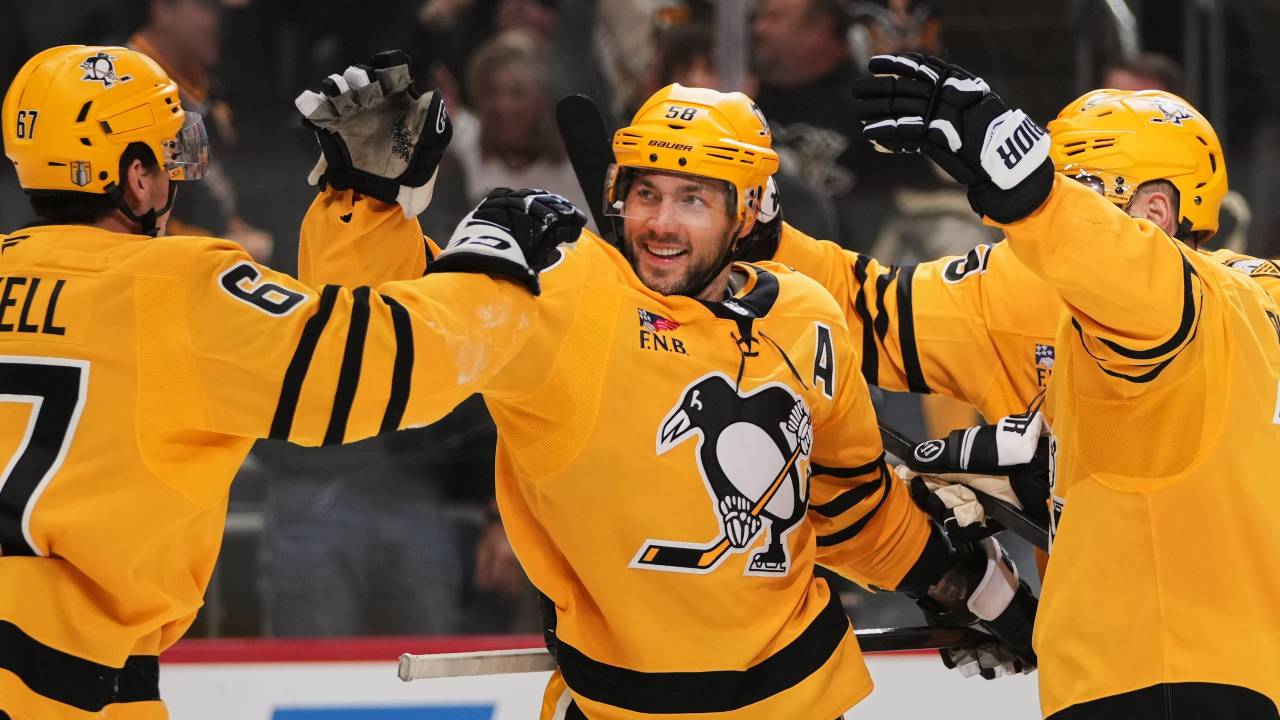
PITTSBURGH — Connor Dewar, Kris Letang and Elmer Soderblom scored and the Pittsburgh Penguins avoided elimination for the second time in 48 hours with a 3-2 win over Philadelphia in Game 5 of their first-round series on Monday night.
Sidney Crosby shook off a shot to his left knee to add two assists for the Penguins, who cut the Flyers lead in the best-of-seven series to 3-2.
Game 6 is Wednesday in Philadelphia, where the pressure will be on the Flyers to avoid putting themselves in danger of becoming just the fifth team in NHL history to blow a series after winning the first three games.
Alex Bump scored his first goal of the playoffs for Philadelphia, who rallied from a 2-0 deficit to tie it on Travis Sanheim’s second goal of the series 15:06 into the second.
Advertisement
Crosby, who limped to the bench and then to the training room for treatment minutes earlier after a blast from the point by teammate Ryan Shea appeared to hit the top of his left knee, helped put the Penguins back in front just over two minutes later when he fed the puck to Letang at the top of the Philadelphia zone.
Letang sent a shot toward Flyers goaltender Dan Vladar that sailed wide of the net before bouncing back toward Vladar. The puck smacked off Vladar’s left pad, then his right and across the goal line to give Pittsburgh the lead for good.
After four games of mostly low-event hockey, Game 5 started with a frantic pace, a style that favors the Penguins, who finished as the NHL’s third-highest-scoring team during the regular season.
That offense went largely missing while Pittsburgh fell into a 3-0 hole. Pushed to the brink, it has returned with a flourish, and this time it wasn’t just Crosby, Letang and Evgeni Malkin shouldering the burden.
Advertisement
Soderblom scored on Pittsburgh’s first shot, taking a pass from Anthony Mantha originally intended for Ben Kindel and banging it home from the slot to give the Penguins the lead just 2:45 into the game. Dewar doubled it 3:17 into the second when his shot from the left circle rifled over Vladar’s right shoulder.
Bump needed just 12 seconds to cut the deficit to one when he bore in on Arturs Silovs and jammed it by the goaltender. Sanheim’s shot from the left circle, one that deflected off Pittsburgh’s Erik Karlsson, drew the Flyers even, but only briefly.
There was little space in the third period, with the Penguins clogging up shooting lanes to send the series back to the eastern side of the state.
Pittsburgh will take the ice on Wednesday, having all the momentum after two games in which they looked like the resilient, resourceful group that was among the NHL’s biggest surprises.
Advertisement
The Flyers and their late playoff surge were one of the others, though Philadelphia and its young core will have the difficult task of finishing off a more experienced group with Hall of Famers scattered across the roster.
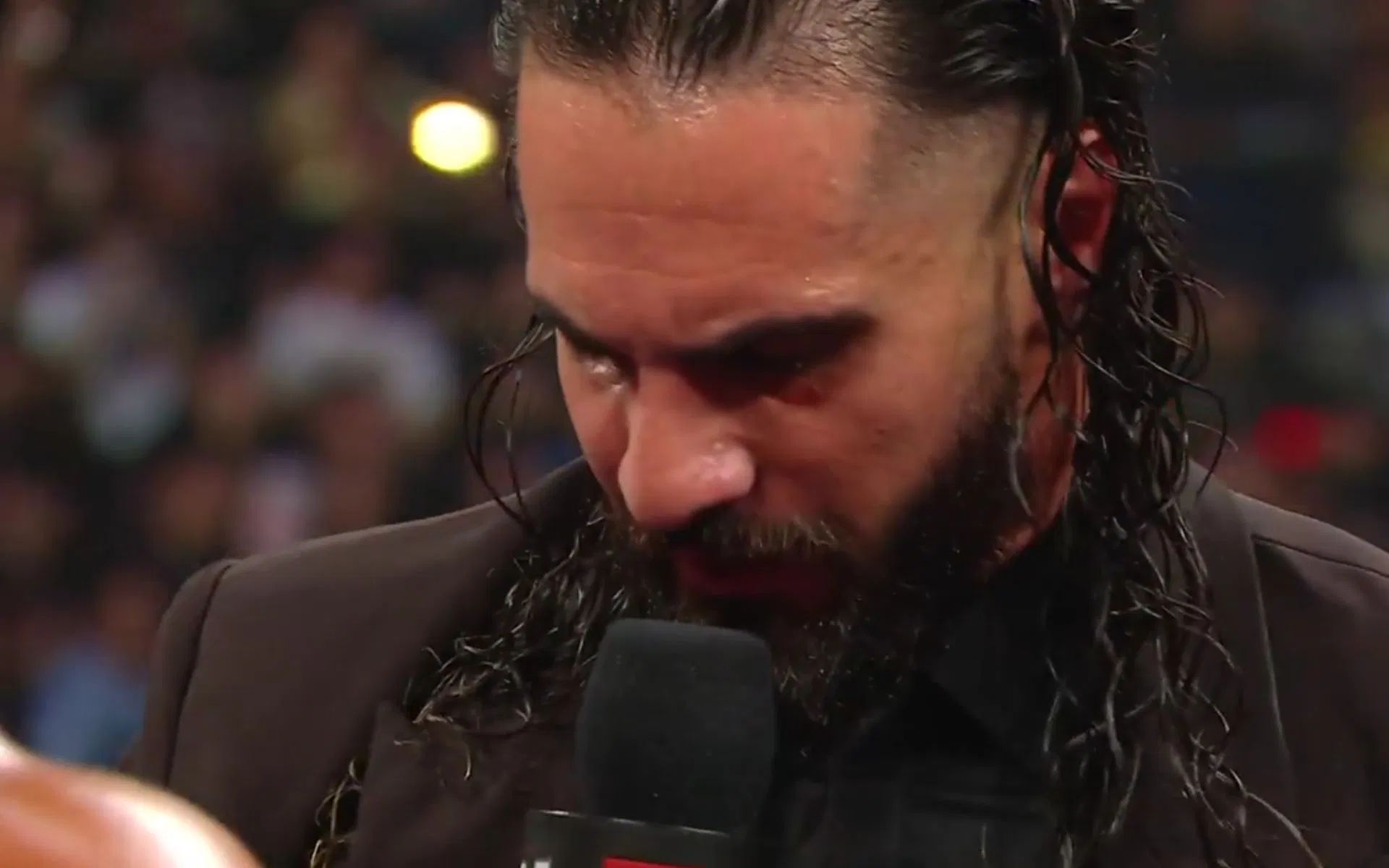
Seth Rollins came out in the opening segment of Monday Night RAW and had quite the intense segment, with a huge match finally being set (but not made official yet). He blamed a 28-year-old star for not headlining WrestleMania this year.
Technically speaking, Seth Rollins has headlined WrestleMania thrice. However, he has only had two proper WrestleMania main events – headlining the Saturday editions of WrestleMania 40 and 41. Last year, he was victorious in the main event of night one as he defeated both Roman Reigns and CM Punk, which is where the entire Vision storyline began. However, his alliance with Paul Heyman didn’t quite work out, and his World Heavyweight Championship reign ended with The Vision brutalizing him. And as it looked like he returned on time and would have been ready to face Bron Breakker, he ended up facing Gunther instead at WrestleMania 42. Las Vegas was where Bron Breakker made his comeback, and he cost Seth Rollins big time.
Advertisement
Thanks for the submission!
Seth Rollins told Bron Breakker that he was the reason he didn’t headline WrestleMania 42 this year.
Advertisement
The entire segment was made to set the stage for the clash between Rollins and Bron Breakker. Breakker didn’t exactly sit silently as well. He completely roasted Rollins, telling him that he was the best at being second-best.
That’s a huge shot because Rollins has infamously been in that #2 spot in the company for quite a long time, never quite reaching the level of Roman Reigns despite having a fantastic record against The OTC in head-to-head competition. It’s one of those paradoxes that will be looked back on because Rollins has almost always had Reigns’ number, especially in big matches where it has mattered the most, but he could never quite reach the same heights that his Shield brother did.
Why did you not like this content?
Advertisement
Was this article helpful?
Thank You for feedback
Get all the hottest wrestling news FIRST by clicking here
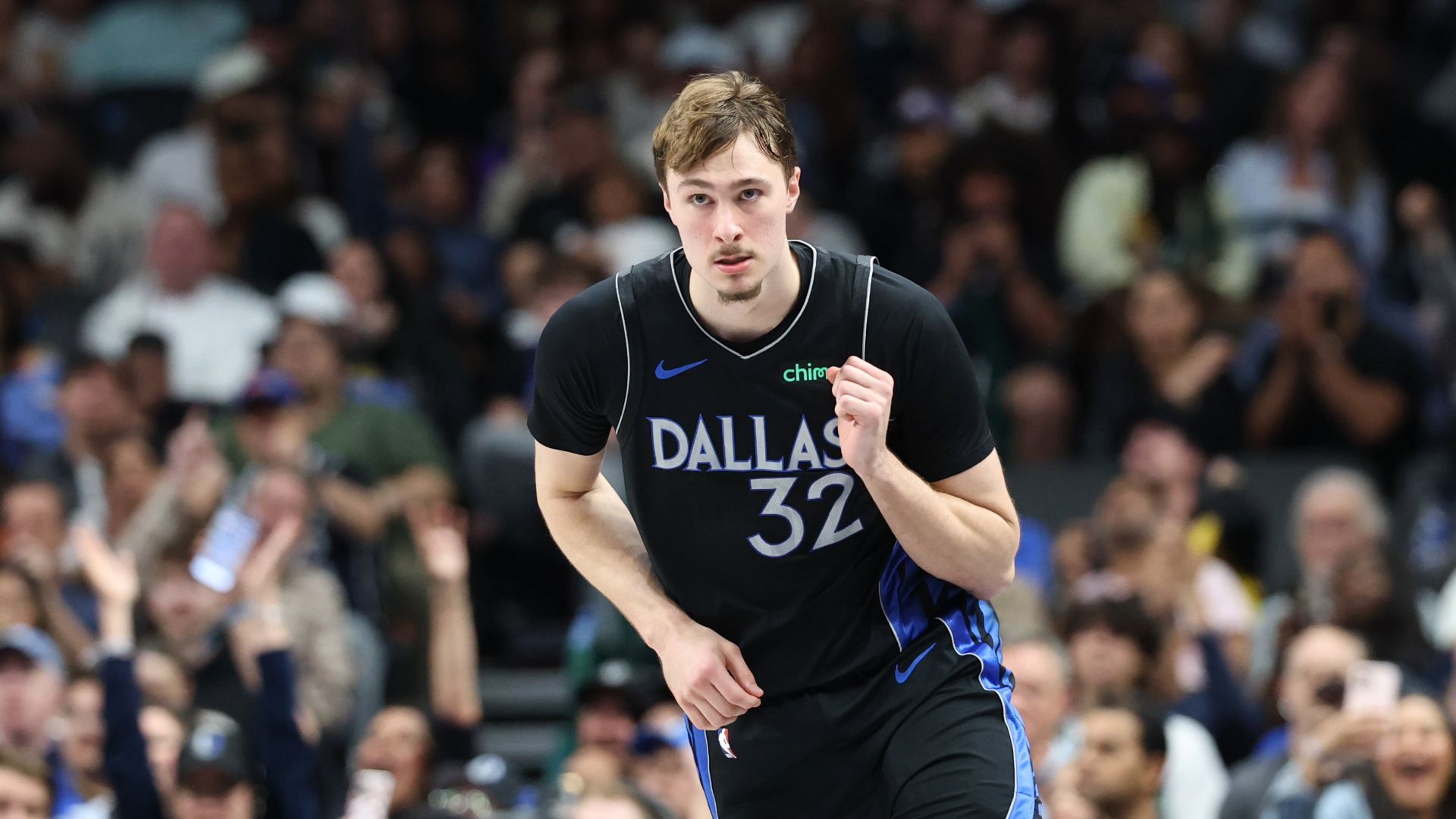
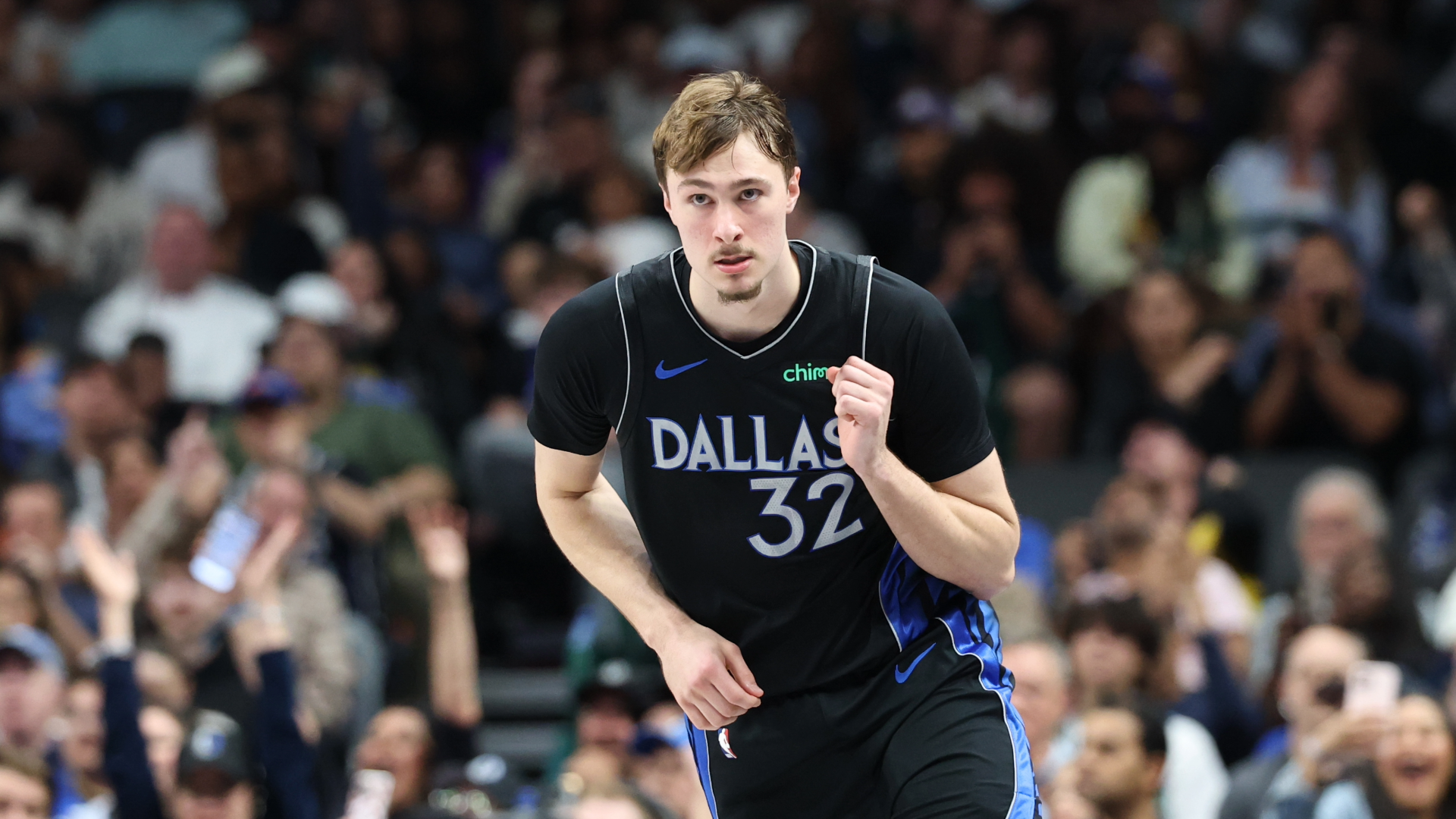
Cooper Flagg is the 2025-26 NBA Rookie of the Year, the league announced on Monday. Flagg’s victory marks the end of one of the most contentious Rookie of the Year debates in recent history, with Flagg beating out his former college teammate, No. 4 overall pick Kon Knueppel, to secure the trophy. Flagg won a close race, garnering 56 of the 100 first-place votes. Knueppel got the other 44.
Flagg, as the No. 1 overall pick who opened the season playing point guard for the Dallas Mavericks, was the initial favorite. However, a slow start and a poorly constructed roster hurt him in the season’s opening months.
Knueppel’s Hornets didn’t exactly explode out of the gates either, opening the season with a 4-14 record that even included some LaMelo Ball trade rumblings. But once the Hornets settled in, they emerged as one of the biggest surprises of the season. Following that initial 18-game slump, the Hornets went 40-24 with the No. 3 offense and No. 5 net rating in basketball. They rebuilt their entire organizational identity around their shooting, with the three-headed perimeter monster of Ball, Knueppel and Brandon Miller proving almost unguardable for overwhelmed opponents.
Flagg, on the other hand, improved slowly over the course of the year, but missed 11 games between the middle of January and early March. The Mavericks traded Anthony Davis and seemingly began to prioritize draft position. With Knueppel thriving on a team in the middle of the Eastern Conference playoff race, the odds suggested that he was a lock. But then Flagg took a major step down the stretch. He averaged over 25 points in his final 15 full games of the season while chipping in 6.8 rebounds and 5.5 assists. He scored 96 points in a historic two-game stand that reminded the entire basketball world just how special he’s going to become.
Advertisement
All of this together forced voters into a rare, philosophical debate about the nature of the award. Flagg had superior counting stats and was the sole engine for a weak Mavericks team. Knueppel was more efficient, had a historic shooting season that included leading the NBA in 3-pointers, and was a critical part of a winning team. Winning rarely factors into the debate, as most top rookies get drafted high in the lottery by teams coming off of poor seasons. Knueppel didn’t just join a good team; he helped build one.
76ers forward VJ Edgecombe finished a distant third in the voting. Flagg’s margin of victory over Knueppel was the second-smallest in a ROY race in the last 23 years. Here are the full results:
NBA Rookie of the Year voting results
Cooper Flagg
56
Advertisement
44
0
412
Kon Knueppel
43
Advertisement
55
1
386
VJ Edgecombe
0
1
93
96
The race took another turn when Knueppel struggled in the Play-In Tournament. Normally, this wouldn’t have mattered. However, as multiple players had applied for exceptions to the NBA’s 65-game awards minimum rule, ballots were not sent out until after those games had been played. That gave voters a chance to reconsider the two candidates. Even if the award is only supposed to reflect regular-season performance, voters are human.
In the end, Flagg edged out Knueppel for the award. He is the third Maverick to win the award, joining his coach, Jason Kidd, and the star he replaced as the face of the franchise, Luka Dončić. He finished his rookie season averaging 21 points, 6.7 rebounds and 4.5 assists per game. With Flagg in place, the Mavericks have rebounded nicely from the disastrous Dončić trade and now, their new franchise player earns a lifetime of bragging rights over his Duke teammate.
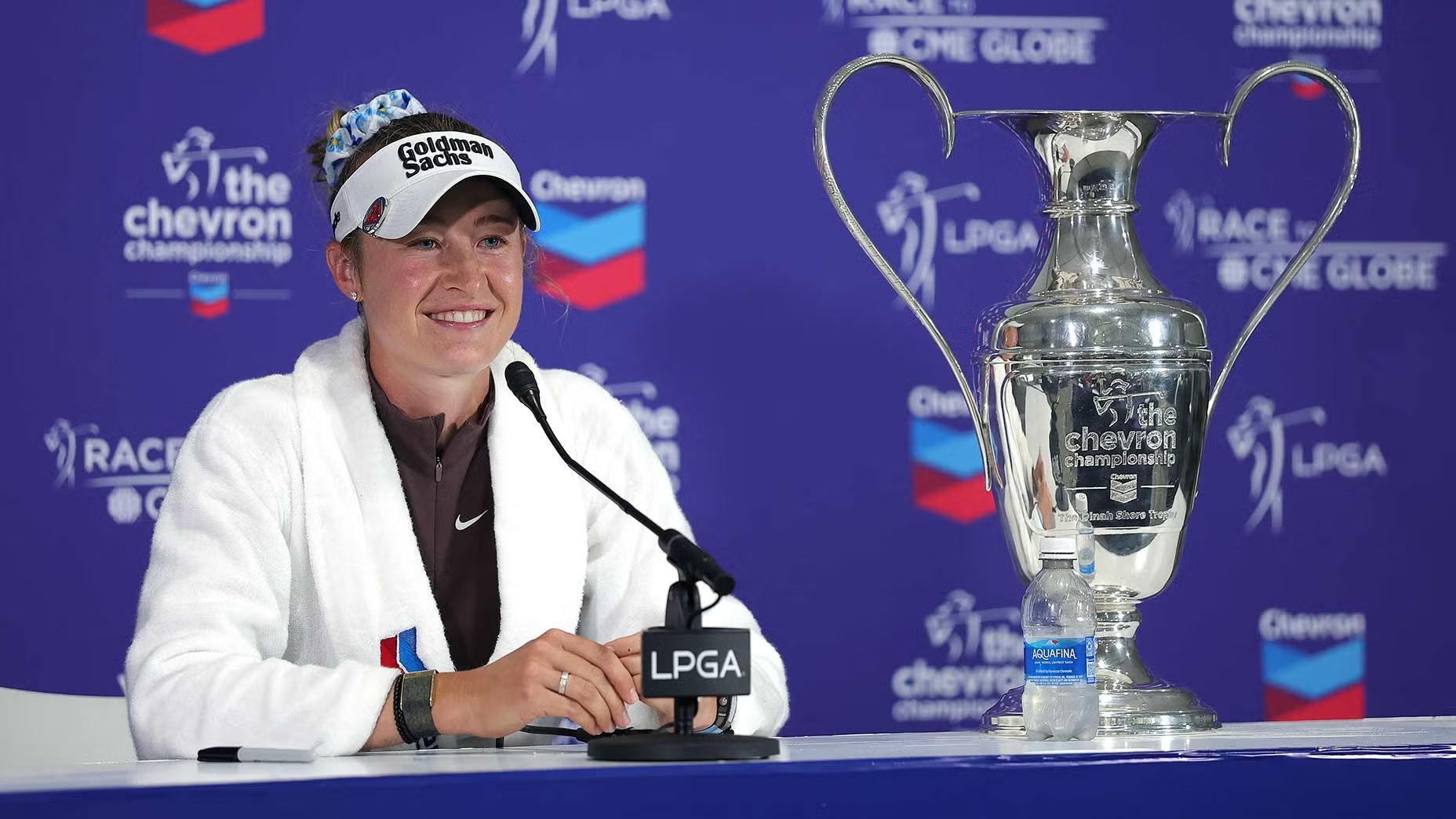
It’s official: Nelly Korda is back on top. Following her dominating victory at the Chevron Championship at Memorial Park in Houston on Sunday, Korda has regained the top spot in the Rolex Women’s World Golf Rankings.
Korda leap-frogged Thailand’s Jeeno Thitikul, who had been No. 1 since early August of last year. Thitikul then won twice in the fall of 2025, including the season-ending CME Group Tour Championship. She also added a victory at the Honda LPGA Thailand two months ago.
But Thitikul has failed to top 10 in the five events since her last win, which includes a rare missed cut at the Chevron.
Korda, 27, dominated the tour in 2024, winning seven times to cement her place as world No. 1. But after a surprising 2025 that saw her go winless, she relinquished the top spot to Thitikul last summer.
Advertisement
Korda never fell lower than No. 2 in the world, and she opened this season on a tear. After winning a weather-shortened season-opener at the Hilton Grand Vacations Tournament of Champions, she was the runner-up in her next three starts leading up to the Chevron, where she won the third major of her career.
“Honestly, if [last year] taught me anything, it’s to just focus on myself, not listen to the outside noise,” Korda said. “Every year will be so different. I love the game of golf and I feel like that really helps. I love competing. If you come out here and you’re just focusing on a paycheck, then I feel like the times when you’re not playing well and you get down on yourself.”
With her win Sunday, Korda becomes the first American player to win three majors since Meg Mallon in 2000.
“[Majors are] the reason why I started playing this game,” Korda said. “I walked on to the range at the U.S. Women’s Open in 2013 at Sebonack and that’s where I realized, like, this is what I want to do. You’re playing against the best players in the world, playing a challenging golf course that testing every part of your game, but it’s also testing you mentally. You get on to the back nine of a major on a Sunday and there is no bigger rush of emotions that you feel. Like right now the last thing I want to do is eat. I just feel sick to my stomach because there is a major rush of emotion.
Advertisement
“Even growing up watching my sister compete, the only time I watched her compete was in major championships,” she continued. “Then also like the people that you looked up to like Tiger — my sister refers to our generation being Tiger’s kids — and seeing the amazing shots and how much it means to every person that has come before us to win a major and then how much that has inspired other generations to keep wanting to come out and grind.”
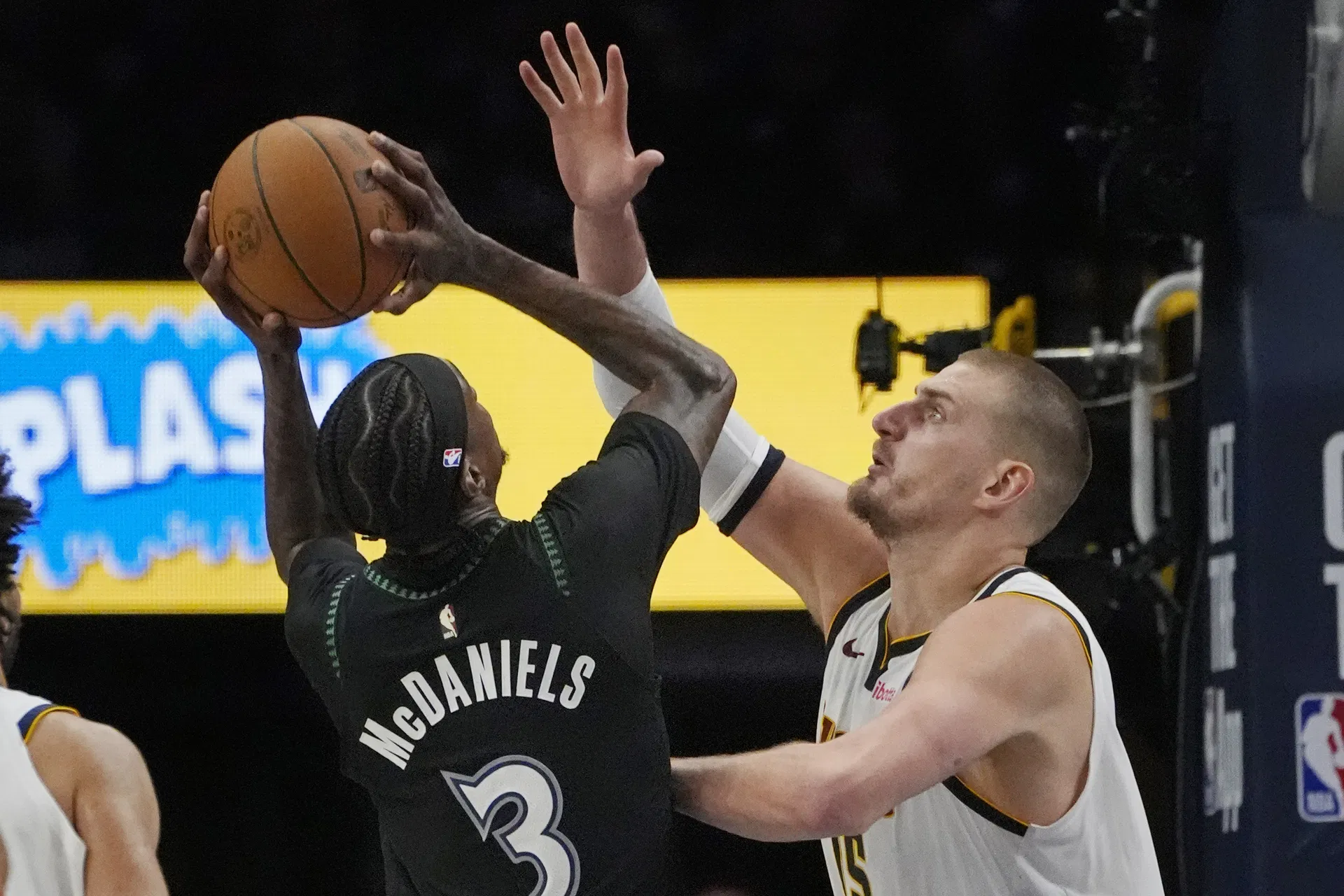
Denver Nuggets star Nikola Jokic had an altercation with Minnesota Timberwolves forward Jaden McDaniels at the end of Saturday’s Game 4 at Target Center in Minneapolis.
Minnesota Vikings wide receiver Tai Felton (13) fields the ball and turns upfield during first-quarter action against the Green Bay Packers, Jan. 4, 2026, at U.S. Bank Stadium in Minneapolis. Felton accelerates into space as Minnesota looks to generate early momentum in a key division matchup at home. Mandatory Credit: Jeffrey Becker-Imagn Images.
On Sunday, we posted the “losers” from the Minnesota Vikings’ draft, a list of 10 players and coaches deep because Minnesota had so many selections this go-round. Now, it’s time for the winners.
Minnesota’s latest draft class reshaped the depth chart and opened new doors for several returning players.
These players and coaches clearly had to be all smiles during and after the event.
Advertisement
Turner Gets the Biggest Post-Draft Green Light
Ranked in ascending order (No. 1 = main winner), here’s who won the draft for the Vikings.
Jordan Mason bursts through the line with the football secured, pushing into open space as the Minnesota Vikings face the Houston Texans during first-quarter action on Aug 9, 2025, at U.S. Bank Stadium in Minneapolis. The running back, wearing No. 27, shows power and vision while gaining yardage early in preseason play. Mandatory Credit: Brad Rempel-Imagn Images.
5. Jordan Mason (RB)
In theory, the Vikings could’ve found a way to draft Notre Dame’s Jadarian Price (Seahawks), Arkansas’s Mike Washington Jr. (Raiders), or Washington’s Jonah Coleman (Broncos) at running back, which would’ve put Mason’s trajectory as the long-term RB1 in jeopardy.
Instead, interim general manager Rob Brzezinski waited until Round 6 to pick Wake Forest’s Demond Claiborne. When a player is chosen that late, he is truly a lottery ticket. A scratch-off.
Advertisement
While Claiborne could become “the next De’Von Achane” with the tutelage of Frank Smith and Kevin O’Connell, Mason remains the somewhat youthful main option at tailback for the Vikings in 2026, with a splash of Aaron Jones, who could split the RB1 workload if he stays healthy.
4. Blake Brandel (C)
One month ago, O’Connell essentially nominated Brandel as his starting center in 2026 — and he wasn’t kidding.
He said to media members who asked about the center spot, “It is great that we feel that good about Blake’s versatility, but ultimately we want to do what’s best for Blake to ascend and reach his highest potential at one position or have the flexibility still to play multiple. What his offseason looks like, what his training camp looks like and what his work flow looks like leading into the season, we want to have him more than likely at that center spot and build on some things that he did last year.”
Advertisement
“It’s a position that’s got some really unique names in the draft, depending on where you may be looking to take one. There’s some guys with experience, there’s some guys with tremendous upside and then some guys that have that flex above the neck of really the smarts and the command that it takes to play center at the National Football League level. We’ll continue to work through it.”
The “tremendous upside” guys turned out to be a single human, named Gavin Gerhardt from the University of Cincinnati, a man extracted from Round 7. While Gerhardt could emerge in time, it’s probably Brandel’s job to lose at center this season.
3. Brian Flores (DC)
After the Vikings fired general manager Kwesi Adofo-Mensah at the end of January, fans assumed that Flores would have more say in the organization and the draft process.
Advertisement
Fans were right.
Zone Coverage‘sTom Schreier wrote over the weekend, “Ultimately, the issue with Adofo-Mensah is that he didn’t have a scouting background. The idea behind hiring him was that he would collaborate with the coaches and scouts to identify the best players, then use analytics to maximize draft picks and free-agent spending.”
“By replacing Rick Spielman with Adofo-Mensah, the Vikings were moving from a super scout as their general manager to a CEO.”
Brian Flores observes players moving through drills, tracking positioning and effort as the Minnesota Vikings conduct organized team activities on June 10, 2025, at the team’s training facility in Minneapolis. The defensive coordinator studies each rep closely, continuing to shape a unit that gained momentum during the previous season and enters a pivotal offseason stretch. Mandatory Credit: Matt Krohn-Imagn Images.
Minnesota scouted oodles of wide receivers in February, March, and April. How many did they draft? Zilch.
Brzezinski and O’Connell said “no thanks” to dozens of promising wideouts, basically allowing Flores to cook from the section above. And — that turned out to be good news for Felton, who remains the Vikings’ WR3 right after the draft.
Advertisement
In theory, Minnesota could sign Deebo Samuel, Jauan Jennings, Tyreek Hill, DeAndre Hopkins, Stefon Diggs, or Keenan Allen — or even trade for Brandon Aiyuk — but for now, Felton is the WR3 on paper. Most fans didn’t expect that outcome in the fallout from the draft.
1. Dallas Turner (OLB)
For two seasons, Flores struggled to find full-time playing time for Turner, the team’s 1st-Round draft pick in 2024. Those days are over.
Dallas Turner lines up on defense during postseason action, focused on the snap as the Minnesota Vikings face the Los Angeles Rams in an NFC wild card game on Jan 13, 2025, at State Farm Stadium in Glendale. Wearing No. 15, the linebacker prepares to engage, bringing energy to a high-stakes playoff matchup. Mandatory Credit: Mark J. Rebilas-Imagn Images.
Pro Bowl outside linebacker Jonathan Greenard was shipped to the Philadelphia Eagles for two 3rd-Round draft picks, completely paving the way for Turner to start in 2026. He received ample playing time down the stretch of 2025 when Greenard was hurt, but now Turner doesn’t have to sit around and wait for injuries to hear his name called.
In September and beyond, you will soon find out if the [very] expensive Turner trade, conducted by the aforementioned Adofo-Mensah, was worth it.
Golf instruction is ever-evolving, but the best advice stands the test of time. In GOLF.com’s series, Timeless Tips, we’re highlighting some of the greatest advice teachers and players have dispensed in the pages of GOLF Magazine. Today we look at 6 things you can copy from Rory McIlroy’s swing from our December 2012 issue.
Rory McIlroy‘s 2026 major season started about as well as he could’ve hoped. After racing out to the largest 36-hole lead in Masters history, he did just enough over the weekend to slip on the green jacket for the second straight year. In doing so, McIlroy became just the fourth man to win at Augusta National in back-to-back years and pushed his major total to six.
The Northern Irishman has evolved over the years from a straight bomber to a more complete and nuanced player. But while he may wedge and putt it better than ever before, his long game is still among the game’s best.
Back in 2012, the team at GOLF Magazine, with the help of Peter Kostis, highlighted some of the attributes that made McIlroy’s swing so elite at an early age; yes, that was a while ago but the takeaways still hold up! Read below for a breakdown on 6 things you should steal for your own swing.
Advertisement
Steal Rory’s key moves
Rory McIlroy’s swing is one of the most impressive the PGA Tour has ever seen, and to emulate his motion perfectly you’d need an incredible amount of flexibility, athleticism and balance. However, as unlikely as it seems, there are a number of things Rory does that you can use to improve your own technique.
If you crave more power and distance, copy the way he stores energy and “cracks the whip” as he delivers the clubhead through the impact zone. If you’re in need of better balance, then swinging in the proper sequence like he does will make a positive difference almost immediately. And if you’re a slicer, mimicking Rory’s closed shoulders/open hips position in the downswing, as well as his full release, will work wonders.
Take a close look at McIlroy’s various positions and techniques with an eye toward improving your weaknesses, and be sure to try the drills I’ve provided. With just a little bit of work, you can get your game an inch closer to that of the best player in the world.
1. Relaxed setup and strong grip
Rory’s setup position has several noteworthy characteristics, but the number-one thing to copy is his relaxed and tension-free stance. Tightening your arms, shoulders and hands at address makes it very difficult to swing in sequence and generate maximum clubhead speed. Feel relaxed-not tight-before and during your swing.
Advertisement
The second thing to take from Rory’s address is his relatively strong left-hand grip position. From a face-on view of his setup, the logo on his glove is clearly visible, meaning his left hand is rotated clockwise on the handle. This is critical for players like Rory who prefer to draw the ball from right to left with the driver. It’s also a good technique for those who struggle with slicing. If this is you, I suggest erring on the side of too strong with your left hand, rather than too weak.
2. Don’t fear the ‘cup’
Although modern teaching standards call for a flat left wrist at the top, Rory actually cups his wrist a bit, which allows him to maintain a square clubface despite his strong left-hand grip. He also exhibits a full wrist hinge, evidenced by the fact that the shaft is near parallel to the ground. This is impossible to do if you tense up at address. The secret is to make as full an upper body turn as possible while keeping your arms, wrists and hands loose and free to hinge the club up.
Rory McIlroy at the top of the backswing.
Getty Images
Moreover, allowing your left wrist to cup instead of forcing it perfectly flat makes it easier to keep your left arm relaxed and to hinge your wrists to their maximum capacity. A flat left wrist sounds nice, but it can potentially lead to undue tension in your lead arm.
Advertisement
3. Crack the whip
Did you know that the first man-made object to break the sound barrier was a bullwhip? Yes, that sound you hear when a whip is cracked is caused by the incredible speed of the whip’s end as it unleashes all of its built-up energy. This phenomenon is very similar to the way an extremely powerful player like McIlroy unleashes the power of his swing into the ball.
If you’ve noticed, Rory isn’t a huge guy, but he winds up his body on the way back and then swings in sequence on the way down with his hips rotating at full blast, and then — just like the handle of a bullwhip — stopping for a split second just before impact. This move unloads all of the power he has built up in his arms and hands to the clubhead and, ultimately, the ball.
4. Maintain balance
One of Rory’s hallmarks is an incredibly balanced swing and finish position. Unlike a lot of amateurs, you never see him fall over or to the side after he hits a shot, even when it’s a 350-yard smash to a tight fairway. The reason he can do this, in addition to his incredible flexibility and athleticism, is that he swings in the proper sequence and uses his body to properly support his dynamic movement.
If you try to create power by swinging the club from the top with nothing but your arms, or thrust excessively with your legs with the club trailing too far behind, you’ll always be off balance, and your delivery of power will be inefficient and weak.
You’ve probably heard the phrase, “swing within yourself,” and this is what I’m referring to. Rory may swing incredibly fast, but his near-perfect balance shows that he’s swinging comfortably within his capabilities and from the “ground up.” Regardless of how far you hit it now, if you improve your balance you’ll swing with much more power and control.
5. Swing the clubhead
Another thing that Rory does incredibly well that most amateurs don’t is control the clubhead. When he swings, you can clearly see how much awareness he has of the clubhead and the clubface, and because of this, he’s able to sling both of them past his body with natural speed and power. This is impossible to do if you grip the club so tightly that you can’t feel the clubhead when you swing. When he gets post-impact, he has completely let the clubhead go — there’s absolutely no steering or holding on. That’s a mistake that most amateurs make.
6. Keep the shoulders closed
Another signature Rory move is the way he keeps his shoulders closed for so long on his downswing. Although he starts rapidly turning his hips counterclockwise as soon as he reaches the top, he keeps his shoulders point- ing right of the target until he just about reaches impact. This is his key for getting the club swinging on the perfect plane and the clubhead moving on the desired inside path to the ball.
Advertisement
Important: The shoulders control the path of the club to impact while the hips control the path of the club past impact. If you want to hit the ball longer, straighter and with a slight draw, mimic Rory’s open hips and closed shoulders as you swing down and through the hitting zone. If you move your shoulders too early, you’ll hit the ball on an outside path.








;)
;)



































You must be logged in to post a comment Login