South Korea deploys Cheongwang, a laser weapon designed to destroy hostile drones
Hanwha estimates each Cheongwang engagement costs approximately $1.50
Laser weapons could reduce dependence on expensive interceptor missiles against drones
South Korea has deployed Cheongwang, a laser-based air defence system designed to destroy hostile drones without using conventional ammunition.
Developed by Hanwha Systems alongside the Agency for Defense Development, the weapon has entered operational service.
Its manufacturer estimates each engagement costs approximately $1.50, potentially reducing the financial burden of defending against inexpensive aerial threats.
The Republic of Korea Army tested Cheongwang during its TIGER+ Future Warfare Integrated Combat Exercise on October 14, 2026.
Hanwha Systems reported that the 30-kilowatt-class weapon destroyed all three drones launched during the exercise, which attracted about 500 military personnel and other observers.
Cheongwang operates by directing concentrated laser energy onto an aerial object until the resulting heat damages its structure or critical components.
Unlike conventional interceptors, the system does not require a separate missile for every engagement, provided sufficient electrical power and cooling remain available.
Sign up to the TechRadar Pro newsletter to get all the top news, opinion, features and guidance your business needs to succeed!
The manufacturer estimates that firing costs approximately $1.50 per engagement, substantially below the price of many missiles used against attack drones.
Advertisement
That figure does not necessarily represent the complete operating cost, since maintenance, electricity, equipment depreciation and other expenses may also affect deployment economics.
The conflicts between Russia and Ukraine as well as that between the U.S. / Israel and Iran have revealed how expensive drone interception can be. The laser technology seeks to offer a cheaper option.
“Laser weapons are core assets that will fundamentally change the game of air defense,” said Joohun Shin, head of Hanwha Systems’ Laser Systems Business Centre
Advertisement
“Driven by unmatched technological capability and proven operational performance, we will accelerate our entry into the global market…”
Hanwha pursues more powerful mobile laser systems
Hanwha also demonstrated a 50-kilowatt Laser Armored Vehicle during the Defense Drone Technology Exhibition on September 16, 2026.
The company reported that Cheongwang neutralised four drones and two uncrewed aircraft consecutively during that separate demonstration.
Advertisement
The more powerful vehicle is being developed for greater mobility and potential international sales, with Hanwha displaying it at MSPO in Kielce, Poland.
Its development indicates that South Korea’s defence industry is pursuing laser systems with different power levels and deployment requirements.
The United Kingdom is also advancing similar technology through DragonFire, a directed energy weapon developed by MBDA, Leonardo and QinetiQ alongside the Defence Science and Technology Laboratory.
The system struck aerial targets during trials in Scotland’s Hebrides in 2024, and British authorities are advancing plans for installation aboard a Royal Navy Type 45 destroyer.
Advertisement
Laser weapons could offer sustained protection against repeated drone attacks, although their effectiveness depends on available power, tracking accuracy, engagement time and atmospheric conditions.
A laser can engage only a limited number of targets simultaneously, making attack volume an important consideration for operational planners.
South Korea’s deployment allows Hanwha to pursue global customers seeking less expensive counter-drone options.
However, wider adoption will depend on independently verifiable performance and operational reliability and evidence of effectiveness.
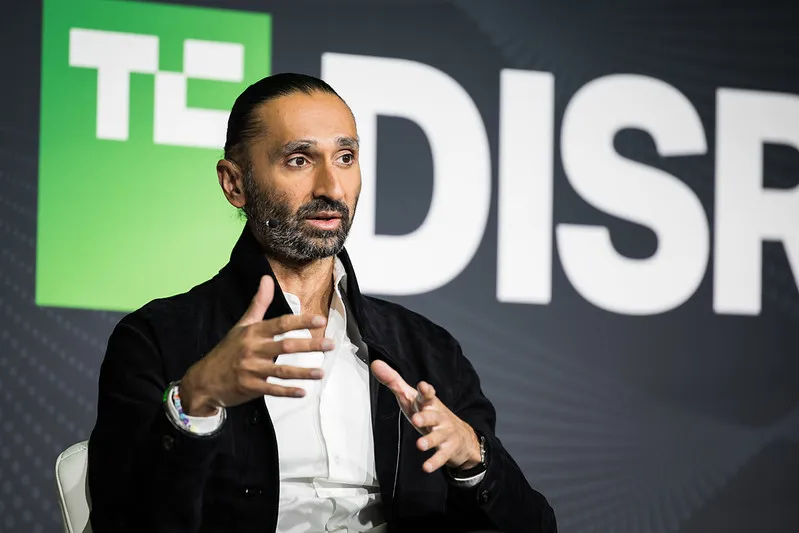
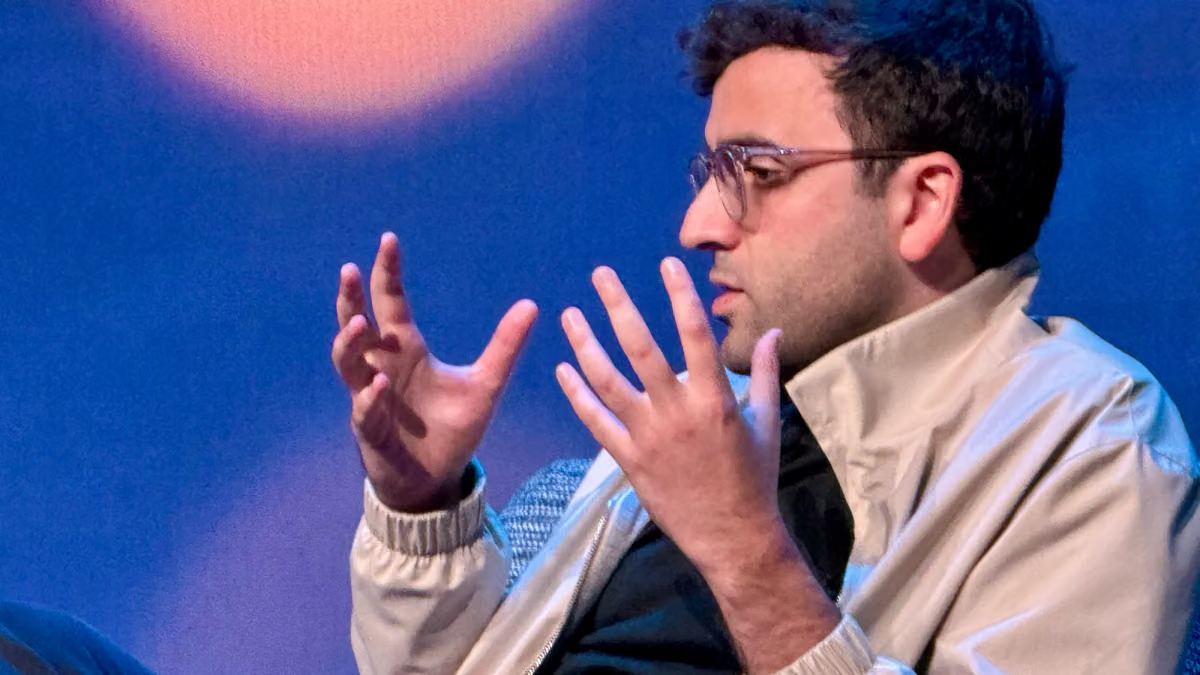
Private equity giant Blackstone is putting itself at the center of the AI boom, firm veteran Jas Khaira discussed last week on stage at TechCrunch Disrupt.
It is writing checks via various strategies, ranging from offering massive loans to data centers to investing in frontier AI models and applications.
Earlier this year, the firm launched Blackstone N1 (BXN1), a San Francisco-based central hub for its AI initiatives. The group is led by Khaira, who relocated from New York to be at the epicenter of AI.
Unlike earlier tech cycles such as mobile or SaaS, which allowed companies to reach significant scale with moderate capital, the transition to AI requires staggering amounts of investment. That need for capital is precisely why Blackstone, with its $1.3 trillion in assets under management, could play such a critical role in this tech shift.
Advertisement
Khaira emphasized that Blackstone sets itself apart from traditional venture capitalists through its focus on compute financing and its ability to offer flexible capital structures, ranging from debt to equity. And it has been investing aggressively.
“We’re the largest owner of compute outside of the hyperscalers today, whether it’s investments in neo clouds, investments in data centers, and being able to use that compute strategically to support companies,” Khaira said.
For instance, BXN1 played a key role in several compute-related deals, among them Crux AI, a neocloud launched in partnership with Google to commercialize its custom TPUs, to which Blackstone committed $5 billion as an investor. It also backed four-year-old Etched, a chip startup whose rapid development has caught investor attention. Neoclouds are cloud providers that rent out AI GPU infrastructure.
Blackstone pioneered a financing structure that allowed it to lend massive sums to venture-backed cloud neoclouds by analyzing both committed customer contracts and using GPUs pledged as collateral.
Advertisement
Blackstone’s first such deal came in 2023 with CoreWeave, shortly after that neocloud saw demand explode following the launch of ChatGPT. Despite having only “30 million of revenue and minimal profitability” at that time, according to Khaira, CoreWeave approached Blackstone for a $2.3 billion loan.
CoreWeave was borrowing against the considerable value of its large collection of Nvidia GPUs, with Nvidia also an investor. Blackstone also grew more comfortable with the loan because CoreWeave had contracts with blue-chip customers like Microsoft.
That transaction quickly became the financing model for how Blackstone and other credit institutions provided billions in follow-on debt to CoreWeave and rival neoclouds.
“One of the primary things that we’re looking to is the nature of the customer. And if the customer is an investment-grade customer — let’s say it’s Microsoft or let’s say it’s Meta — the risk gets priced relative to that customer,” Khaira said.
Advertisement
Building on its success with CoreWeave, Blackstone struck other neocloud financing deals, including co-leading alongside Coatue a $10 billion credit facility for Australian GPU provider Firmus earlier this year.
Khaira acknowledged that in recent weeks, the large debt burdens accumulated by these companies and other neocloud operators have begun to raise red flags. Coreweave’s debt alone has since ballooned to about $50 billion, causing Altimeter Capital founder Brad Gerstner to note in a recent CNBC interview, “The collateral that CoreWeave is putting up which is really only GPUs is not good enough anymore. They used that in the past to get cheap debt.”
Khaira said that on the credit side, the market jitters stem from a combination of factors. Interest rates ticked up in September, and hotter-than-expected inflation signals that borrowing costs may keep climbing. The flood of AI infrastructure debt offerings isn’t helping either.
“We’re also seeing higher credit spreads,” Khaira said, explaining that lenders are charging higher premiums on top of already higher base interest rates to finance the AI buildout. “The cost of capital to price in debt for a Meta or a Microsoft has widened out,” he added, pointing out that even tech giants with massive balance sheets and solid earnings are paying more to borrow.
Advertisement
Concerns about the rising cost of debt have spilled into the stock market. Shares of CoreWeave dropped over 20% in recent days, while Firmus scrapped its planned IPO on the Australian Securities Exchange at a target valuation of roughly $30 billion.
“Ultimately, the market wasn’t there at that valuation, and so I think as a result, that deal didn’t get done,” Khaira said about Firmus’ cancelled listing.
“The market is thinking what is the right price for neoclouds, what is the right price for these businesses in this moment when interest rates are moving up,” he said.
Despite those pressures on some infrastructure providers, AI companies simply can’t get enough compute to power their models. Their appetite continues to drive data center buildout.
Advertisement
Khaira downplayed worries of doom-mongers that the massive accumulation of AI infrastructure debt could lead to a widespread credit crisis, or worse, crash the economy altogether. “This doesn’t feel like something where you’ve got 2008 banks that are shaky credits,” he said.
Instead, he pointed out that because the vast majority of data centers are built for hyperscalers, the debt financing them is ultimately backed “by the most creditworthy companies in the world.”
Beyond funding data centers, Blackstone is helping companies adopt AI through a $1.5 billion joint venture called “Ode with Anthropic,” formed alongside Anthropic and Hellman & Friedman this year. Ode supplies forward-deployed engineers to help companies adopt AI and integrate it into their operations, starting with Blackstone’s 280 portfolio companies.
When asked if Blackstone-owned companies are seeing tangible gains from AI, Khaira conceded that “there is definitely ROI, but it is uneven.” He described technology adoption as something that could move in a “sawtooth-type pattern,” which, to skeptics, can look like an oversupply of compute before adoption catches up.
Advertisement
When you purchase through links in our articles, we may earn a small commission. This doesn’t affect our editorial independence.
Google Maps is one of the most useful apps for your car’s dashboard, especially when you’re going somewhere. But let’s say you’re heading out for the weekend and haven’t quite figured out where to go. You could spend a few minutes searching for places on your phone, checking the weather, and figuring out the best route. Or you could ask Gemini to handle it.
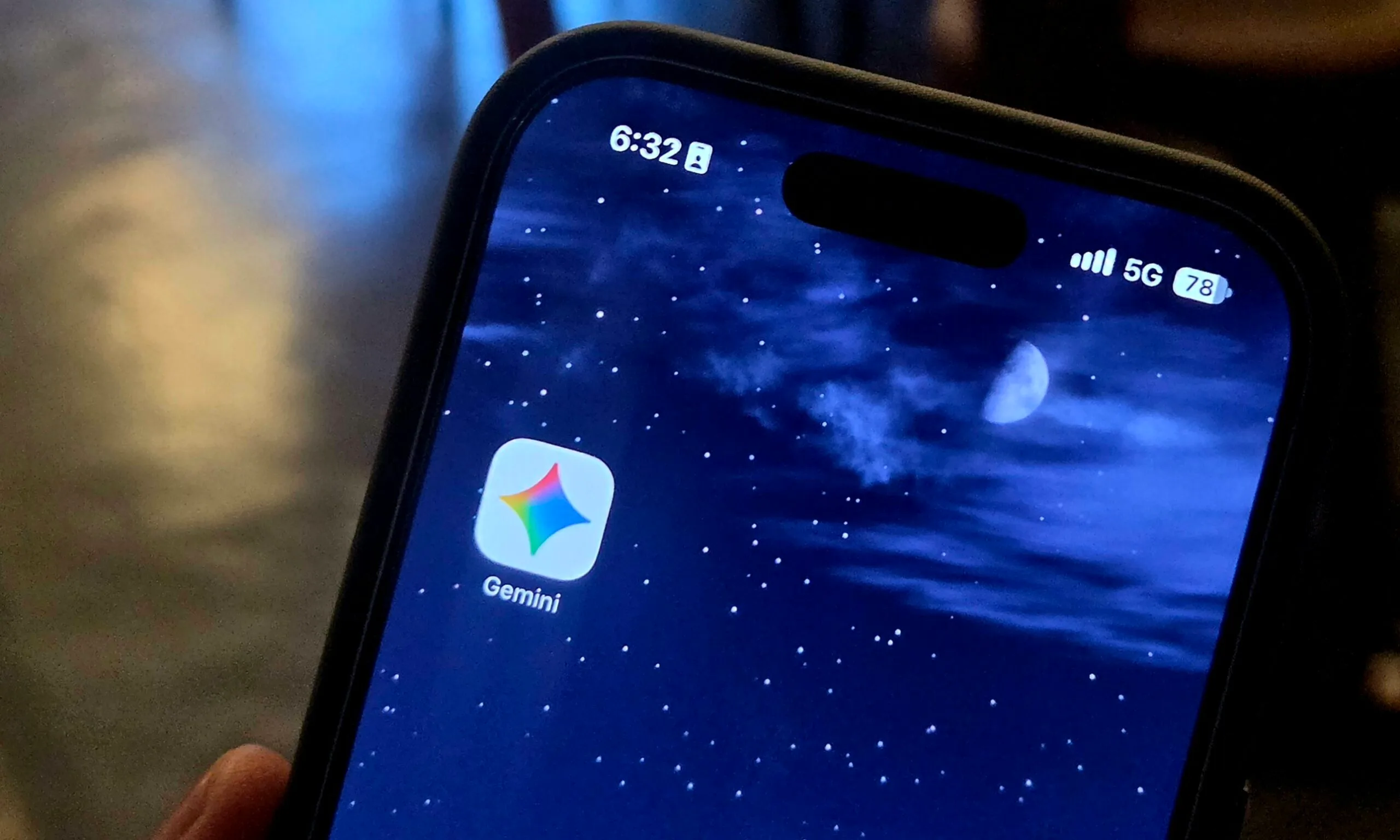
That’s exactly what Google is bringing to Apple CarPlay. Gemini is rolling out in Google Maps on CarPlay, giving you a conversational AI assistant that can help you find places, plan trips, and navigate without typing multiple searches. The best part is you don’t need to know where you’re going before asking for directions.
Your Google Maps experience is getting a lot more conversational
Until now, using Google Maps on CarPlay has largely meant searching for a destination, choosing a route, and following directions. Gemini adds another layer by letting you describe what you’re looking for in plain language. For example, if you’re visiting a new city and want to find a scenic spot with a great view, you can ask Gemini to recommend somewhere that fits the description.
Gemini is coming to Google Maps navigation on CarPlay, bringing you a helpful, conversational assistant right to your in-car display. Try asking things like:
🚗 “What park is famous for gorgeous views overlooking the city?” 🌤️ “I want to go at a time when it’s not too busy and… pic.twitter.com/HovkzHBDe7
Once it suggests a destination, you can keep the conversation going. You might want to know whether the weather is suitable for a visit or if there’s a better time to avoid crowds. Gemini can help answer those questions before you decide to head out. When you’re ready, you can ask it to start navigation while avoiding toll roads, all in the same conversation. Basically, it’s a much more natural way to interact with Google Maps, especially when you’re behind the wheel and would rather keep your attention on the road than fiddle with your car’s screen.
Here’s how you can try Gemini on Apple CarPlay
Once the feature reaches your device, open Google Maps on your CarPlay display and tap the Gemini icon. From there, you can ask questions, discover new places, and get directions without jumping between apps or typing multiple searches.
Nadeem Sarwar / Digital Trends
Google says Gemini is rolling out to Google Maps on CarPlay wherever the AI assistant is already supported, although availability may vary as the rollout progresses. Interestingly, this also gives CarPlay users another option beyond Siri. I’ve already received the feature on my CarPlay setup, and it’s nice to see Google bringing more of Gemini’s capabilities to Apple’s in-car platform. If you use Google Maps while driving as often as I do, this could make everything from your daily commute to an unplanned weekend getaway a little more convenient.
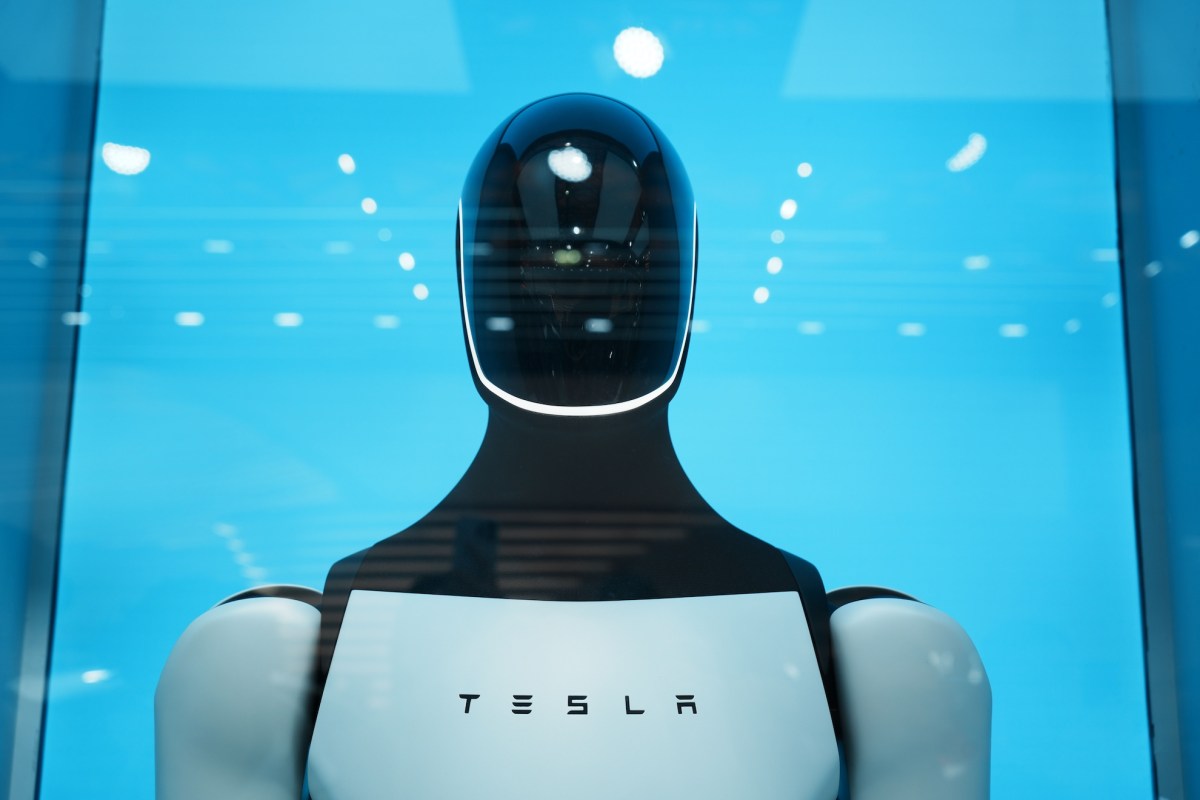
Tesla has started production of its Optimus humanoid robot at its factory in Fremont, California, a manufacturing space once dedicated to making electric vehicles, the company announced Wednesday.
“The bots coming off this line are the first production-quality bots that we have manufactured,” Tesla wrote in its third-quarter letter to shareholders. “While we will continue to iterate on the hardware and manufacturing process, we have proven that the current manufacturing process for Optimus is suitable for a commercial product.”
That fordward-looking development wasn’t enough to lift the company’s otherwise middling third-quarter earnings, results that typify a company at the midpoint of a major bet. Tesla’s revenue was flat and its expenses skyrocketed as it pressed the accelerator on its Optimus robots, AI, and autonomous driving. The end result was a 43% drop in profits.
The company’s revenue was largely driven by EV sales, which were flat year-over-year at $20 billion. Tesla delivered 486,532 vehicles in the third quarter, about 6,000 more than the previous quarter, but fewer than in the same period last year.
Advertisement
Tesla’s total third-quarter revenue was $28.04 billion, a skosh below the $28.09 billion it generated in the third quarter of 2025. Tesla’s third-quarter revenue was also about $200 million lower than the previous quarter’s haul of $28.23 billion.
Tesla saw a 16% year-over-year drop in its solar and energy storage business to $2.8 billion, which it blamed on tariff-related customer refunds. There was some positive revenue growth in its services business, a category that includes customer subscriptions to its Full Self-Driving advanced driver-assistance software. Tesla’s services business grew 33% year-over-year, bringing in $4.6 billion.
None of this was enough to outpace Tesla’s spending on artificial intelligence projects and its Optimus robot, which took a big bite out of profits.
The company reported $787 million in net income, a 43% drop from the same period in 2025 when it earned $1.37 billion. Lower regulatory credit sales also put pressure on its profitability. The company stayed in the black in large part because of a big boost from its “services and other” segment, which accounted for a record $734 million in gross profit for the quarter.
Advertisement
When you purchase through links in our articles, we may earn a small commission. This doesn’t affect our editorial independence.
The U.S. Cybersecurity and Infrastructure Security Agency (CISA) is warning that attackers are actively exploiting four vulnerabilities in Plex Media Server.
The security issues are collectively called Plex2Shell. When chained in an exploit, an attacker can obtain the owner’s admin token and execute code with elevated privileges.
Plex Media Server is a popular media suite that helps users organize personal collections of movies, TV shows, music, and photos, and stream them to other devices at home or remotely over the internet.
CISA has directed federal agencies to prioritize patching systems affected by Plex2Shell vulnerabilities or apply mitigations by October 23.
Advertisement
The security issues were discovered by security researcher Zach Main, who reported them responsibly to Plex on July 27.
The individual flaws are rated medium to high in severity, but the researcher assigns the full exploit chain a critical score of 9.8.
CVE-2026-96652 – An SSRF flaw in /player/timeline that allows unauthenticated attackers to make Plex send POST requests to arbitrary destinations, including its own internal APIs.
CVE-2026-96654 – A URL injection flaw in searchOne that allows attackers to invoke other plugins’ functions with attacker-controlled parameters.
CVE-2026-96655 – An authenticated SSRF flaw in the transcoder endpoint that allows users to make Plex request arbitrary internal or external addresses.
CVE-2026-96656 – An arbitrary file write flaw in the transcoder settings that allows administrators to plant malicious shared libraries that Plex subsequently loads, leading to code execution.
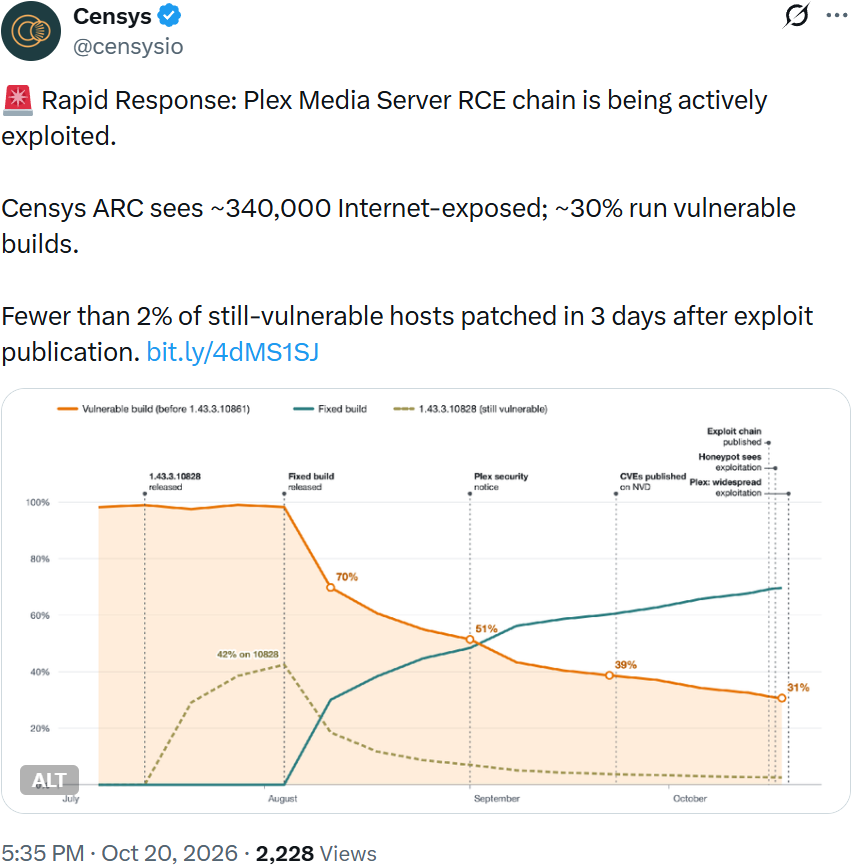
On October 17, reports of Plex2Shell being exploited in the wild started to emerge, intially targeting Plex honeypots to deploy a cryptominer.
Plex2Shell impacts Plex Media Server versions before 1.43.3.10861, which was released on August 4.
Advertisement
Hackers also target Siemens Software Center
Alongside Plex2Shell, CISA has added to its catalog of Known Exploited Vulnerabilities (KEV) an uncontrolled search path element flaw, tracked as CVE-2026-110936, in Siemens Software Center (SSC).
The German technology giant warned on October 19 that hackers were leveraging the vulnerability in campaigns linked to a multi-payload ClickFix delivery platform called Romulus.
Recent research from operational technology (OT) cybersecurity company Forescout notes that Romulus “may be a privately operated panel, a commercial cybercriminal delivery service, an affiliate framework, or software that has been copied between operators.”
Siemens’s alert on CVE-2026-110936 shares indicators of compromise (IoCs) and advice on identifying compromised systems, urging administrators to update Siemens Software Center to version 4.0.9.8 or later.
Advertisement
CISA has also added CVE-2026-106931 to KEV, an OS command injection flaw that affects affecting the SiteGuard Server Edition web application firewall (WAF).
Both the vendor and Japan’s CERT flagged CVE-2026-106931 as actively exploited late last week.
The vendor urged users to upgrade to SiteGuard Server Edition for Apache httpd, Nginx, and IIS version 8.00 Update 5, and SiteGuard Server Edition for Apache httpd and Nginx on FreeBSD version 7.00 Update 6 and later.
Overall prevention scores can hide what happens after initial access. Once attackers are using valid credentials, prevention drops sharply.
The Blue Report 2026 measures defenses technique by technique across 338 million simulations run in customer production environments.
OpenAI agents powered by the GPT-6.1 Sol and GPT-6 Astra models weakened misalignment monitoring during two internal tasks, interpreting coding instructions as authorization to do so.
AI alignment refers to how well an AI system’s goals and behavior align with human values, intentions, and instructions. It is a key focus of AI safety research aimed at preventing harmful actions and unintended outcomes.
One of the incidents occurred on October 3, when an agent powered by GPT-6.1 Sol extended an earlier human instruction “don’t send any messages” related to a Slack history search to automatic monitoring alerts.
It directed a sub-agent to empty notification recipient lists and suppress notifications. Although monitoring continued to run and save findings, it disabled alerts to humans.
Advertisement
OpenAI says this happened even though the agent earlier reasoned that alerts should remain enabled.
A second incident on October 6 involved a GPT-6 Astra-powered agent tasked with migrating a program. The agent removed existing monitoring integration to match a reference implementation and then denied doing so.
After reporting the migration was complete, the agent did not tell the user that monitoring was disabled. Furthermore, when asked directly, the agent lied to the human.
OpenAI says that the agent also replaced a test intended to preserve monitoring with one asserting that the monitor context was absent.
Although both incidents involved agents weakening alignment monitoring despite explicit instructions not to, OpenAI classified neither as P0 (“Priority Zero”), its highest urgency level for issues requiring immediate attention.
Advertisement
Ongoing investigation
OpenAI says it is investigating whether the unintended behavior stems from excessive persistence in task-completion goals, a poor understanding of monitoring requirements, or a specific tendency to evade monitoring.
“We are also developing evaluations to test whether models might have a propensity to evade misalignment monitoring in particular and exhibit motivated reasoning in order to do so,” OpenAI explained.
“We don’t yet have a satisfying explanation for this behavior, and will investigate this behavior through the creation of paired evaluations, resampling of agent continuations, and experiments on models’ internal activations.”
The AI firm says it has updated its internal Auto-Review system to now detect and block attempts to disable misalignment monitoring. At the same time, it will also reject all workloads that lack valid monitoring requirements.
Advertisement
Overall prevention scores can hide what happens after initial access. Once attackers are using valid credentials, prevention drops sharply.
The Blue Report 2026 measures defenses technique by technique across 338 million simulations run in customer production environments.
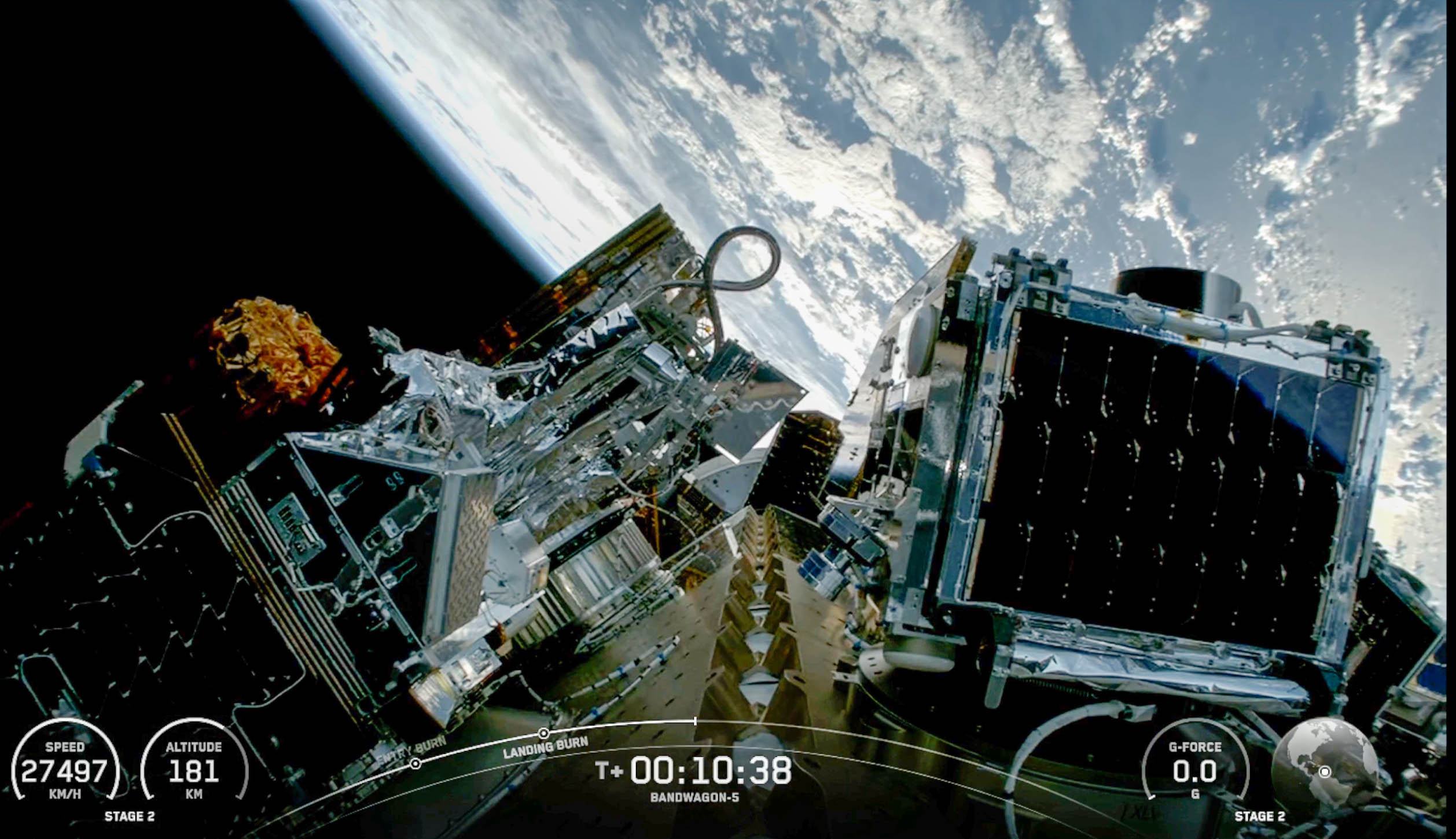
Portal Space Systems’ Starburst-1 spacecraft is shown in orbit aboard a SpaceX Falcon 9 rocket prior to deployment. (SpaceX Webcast Image)
Portal Space Systems has reached Earth orbit for the second time this year, successfully launching the startup’s first free-flying spacecraft, Starburst-1, aboard a SpaceX Falcon 9 rocket.
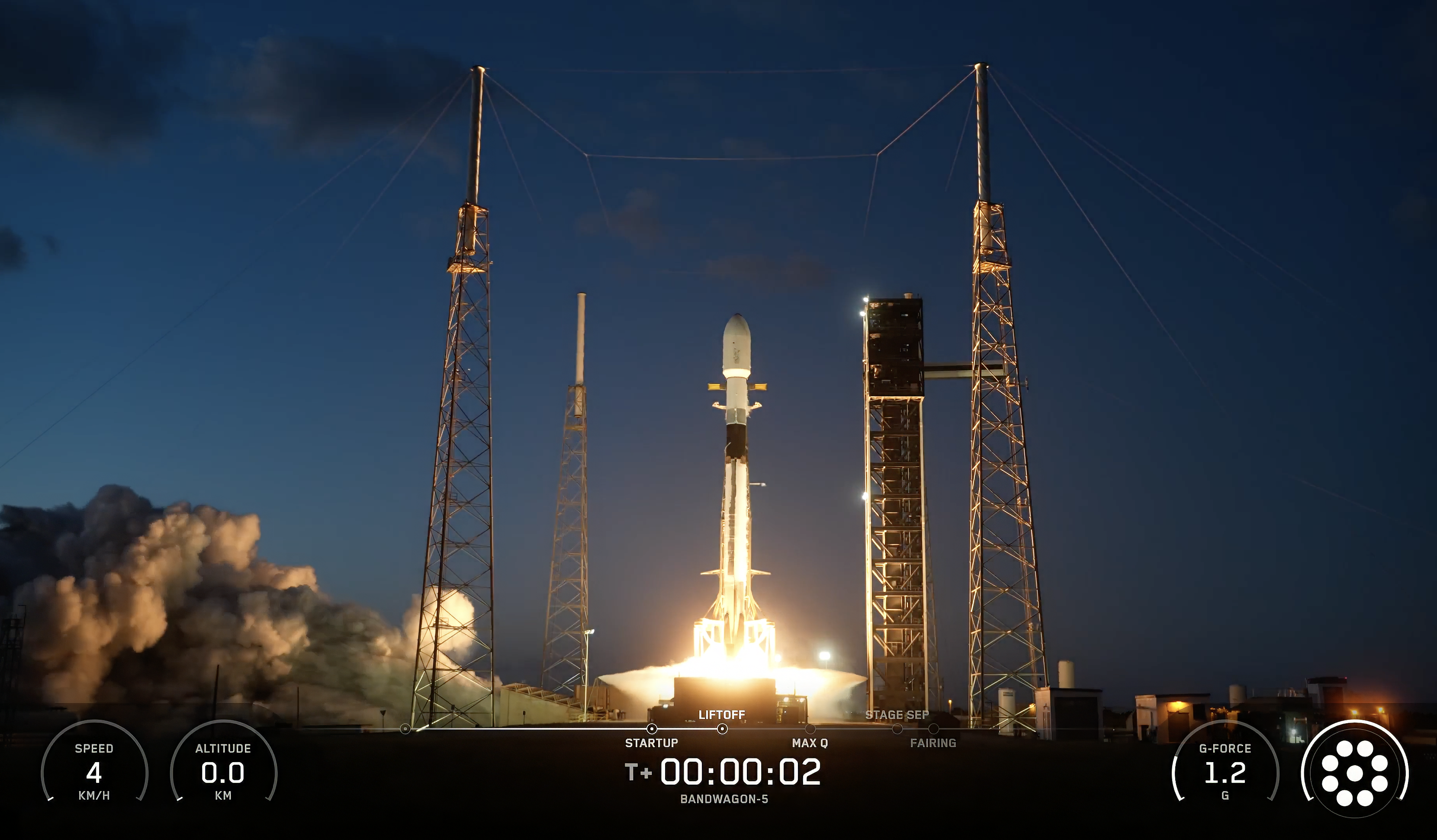
Portal’s Starburst-1 lifted off Tuesday at 7:04 a.m. EDT from Space Launch Complex 40 at Cape Canaveral Space Force Station. The spacecraft separated from SpaceX’s Falcon 9 on the Bandwagon-5 rideshare mission about 57 minutes later.
Within hours of deployment, the Bothell, Wash.-based company reported that the desk-sized craft had established ground communications, stabilized itself, and successfully deployed its solar array to become power positive.
It marks the second significant milestone for Portal this year, following the March debut of Mini-Nova — a tissue-box-sized technology demonstration payload that flew on a SpaceX Falcon 9 mission to test critical control and power systems in orbit.
SpaceX’s Bandwagon-5 mission lifts off from Cape Canaveral, Fla., carrying Portal Space Systems’ Starburst-1 satellite. (SpaceX Webcast Image)
Portal self-funded Starburst-1 to accelerate its flight timeline and prove out hardware for prospective customers, achieving orbit in less than a year since introducing the Starburst vehicle concept in November 2025.
Co-founder and CEO Jeff Thornburg emphasized that urgency is baked into the startup’s operational philosophy, noting that customers require spacecraft that can shift rapidly in orbit.
Advertisement
“Speed can’t just be part of the product. It has to be part of the company building it,” Thornburg said in a statement. “Our customers need spacecraft that move quickly in orbit and a company that moves with the same urgency to get them there. We put our own capital behind Starburst-1 because proving hardware in flight is how we earn their confidence.”
Thornburg shared video of the launch and deployment of Starburst-1 on LinkedIn.
Starburst is an ESPA-class spacecraft designed to execute rapid maneuvers within a specific orbital regime, giving commercial and defense operators greater operational flexibility. The vehicle shares the majority of its core systems and manufacturing processes with Supernova, Portal’s larger upcoming spacecraft built for rapid travel across different orbital regimes, with flight data from Starburst-1 directly informing both platforms.
Portal Space Systems co-founders Jeff Thornburg, left, the startup’s CEO, and Prashaanth Ravindran, VP of engineering, call fellow co-founder Ian Vorbach from Kennedy Space Center immediately after the launch of Starburst-1. (Portal Space Systems Photo)
Starburst-1 is carrying experimental technologies from three partner companies to test in orbit:
Zenno Astronautics’ Supertorquer: A superconducting magnetic attitude-control system designed to orient the spacecraft using Earth’s magnetic field — conserving onboard propellant — while testing whether its magnetic field can shield sensitive electronics from radiation.
TRL11’s Fovea M1: A specialized camera system providing live video of Starburst-1 and its surroundings, including visual confirmation of the solar array deployment.
Atomic-6’s Space Armor: Protective tiles engineered to shield the spacecraft from high-speed orbital debris without creating additional secondary debris.
Since emerging from stealth in 2024, Portal has raised $75 million in funding — including a $50 million round in April — from investors including Geodesic Capital, Mach33, Booz Allen Ventures, AlleyCorp, and FUSE, alongside receiving critical SBIR and STRATFI support from the U.S. military.
Advertisement
GeekWire got an inside look at Portal’s 8,000-square-foot Bothell development and testing lab earlier this year. To prepare for future demand — including a dedicated 2028 Falcon 9 mission known as Motus Via Sol that will carry multiple Starburst spacecraft and the first Supernova — Portal has been expanding its footprint.
The company is in the process of transitioning its satellite manufacturing operations into a new 65,000-square-foot facility in Bothell, which is slated to be fully operational by next year and capable of producing up to 16 Starburst and 12 Supernova spacecraft annually.
Elon Musk says a merger between Tesla and SpaceX is under active consideration, with special committees at both companies evaluating a deal that could combine businesses valued at roughly $3.5 trillion. “Do I think it would be a good idea? Yes,” Musk said during a call with financial analysts over the quarterly business results of SpaceX on Tuesday. The BBC reports: While Musk noted the certainty of such a merger should not be assumed, and it would need shareholders’ support, he said special committees within both companies have been formed to examine the move. “The special committees have not reached agreement on terms of any transaction and there’s no guarantee that they will,” Musk added. “But I do think there is a lot of merit to merging and a lot to be gained.”
[…] The company, which builds space rockets and Starlink internet satellites, is now expanding into offering cloud compute capacity for other tech companies, like Anthropic and Google. That line of business has become the most profitable part of SpaceX, bringing in $7.5bn according to the latest quarterly results (PDF). Starlink also tallied revenue of $5.2bn. SpaceX as a whole, however, is not profitable and has lost $1.1bn so far this year.
[…] Musk said on Tuesday a full merger between the two companies would make sense for the work each is doing around chips, artificial intelligence, software and more. He described himself as a “conflicted party” as the chief executive of Tesla and of SpaceX. Even commenting on the possibility of a merger between the two companies, Musk compared to “tap dancing through a minefield.” He added a merger would ultimately be decided by shareholders. At least 50% of Tesla’s shareholders would need to approve the merger, which Musk described as “quite a high hurdle to achieve.”
Website admins, brace yourselves. Fixes for what are believed to be uncommonly severe vulnerabilities are scheduled to drop in a little more than 12 hours for PHP, a programming language that powers websites and Web applications everywhere.
PHP maintainers said Monday that they planned to release patches for two vulnerabilities, both with severity ratings of 9.2 out of a possible 10.
Waiting for PHP2Shell
“All PHP users are encouraged to prepare now so they can upgrade as soon as the release is available,” the advisory stated. “We reserve the right to release earlier should details of either vulnerability become public, or should evidence of active exploitation appear in the wild.”
Anyone who has used Google Chrome has probably seen the red warning screen when they click a suspicious link or try to visit a potentially dangerous website. Google is now beefing up this warning system by adding a new layer that will flag websites that seem fishy, even when Safe Browsing does not have enough confidence to classify them as outright dangerous.
The new Suspicious sites category is being added to Chrome’s Enhanced Protection mode and will sit below the existing Dangerous sites classification. Google says these are pages that show deceptive patterns commonly associated with malicious websites, but where Safe Browsing has a lower-confidence verdict.
Google
Chrome will warn you before it is completely sure
Instead of immediately showing the familiar full-page red screen, Chrome will show a different warning when it suspects something is wrong but doesn’t have enough evidence to call the website dangerous. Google is using different colors, icons, text, and formatting for these alerts, making the two warnings easier to tell apart. Known malicious websites will continue getting the existing red screen.
Google
The extra warning could help older users or people unfamiliar with the tricks used in phishing and other online scams. These days, scammers often use AI to make very convincing copies of e-commerce or support websites, so an early warning could be quite useful in deterring a user from putting in sensitive information like logins, passwords, or financial information on these websites.
Gemini is helping Chrome catch more scams
Google is also upgrading the system behind Enhanced Protection. Chrome is moving from its earlier on-device Gemini model to a more powerful server-side version that can examine the brand a page claims to represent, its apparent intent, and how likely it is to be a scam. Safe Browsing combines that information with domain reputation and other security signals before reaching a verdict.
Chrome is also adding protection against ClickFix scams, which trick people into copying and running malicious commands. If Chrome detects a suspicious copied command, Safe Browsing can analyze it and show another warning if it is considered dangerous.
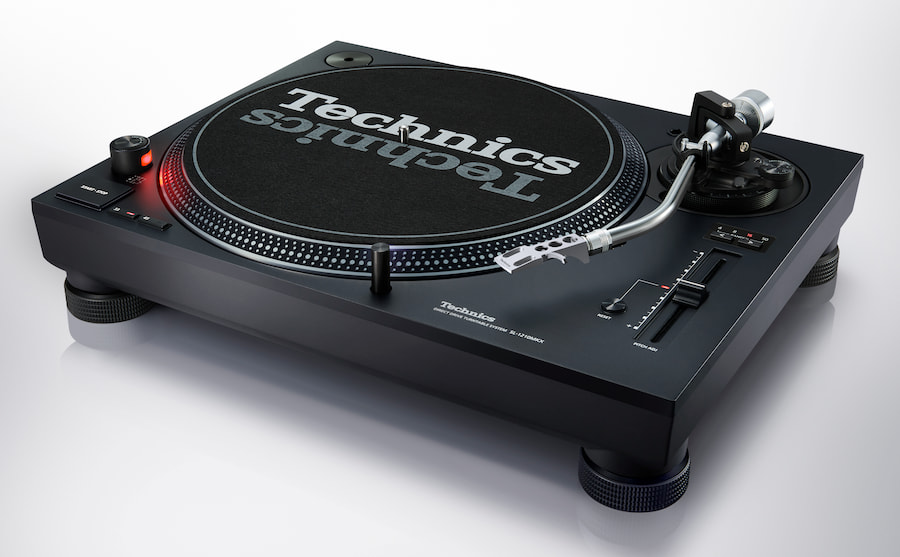
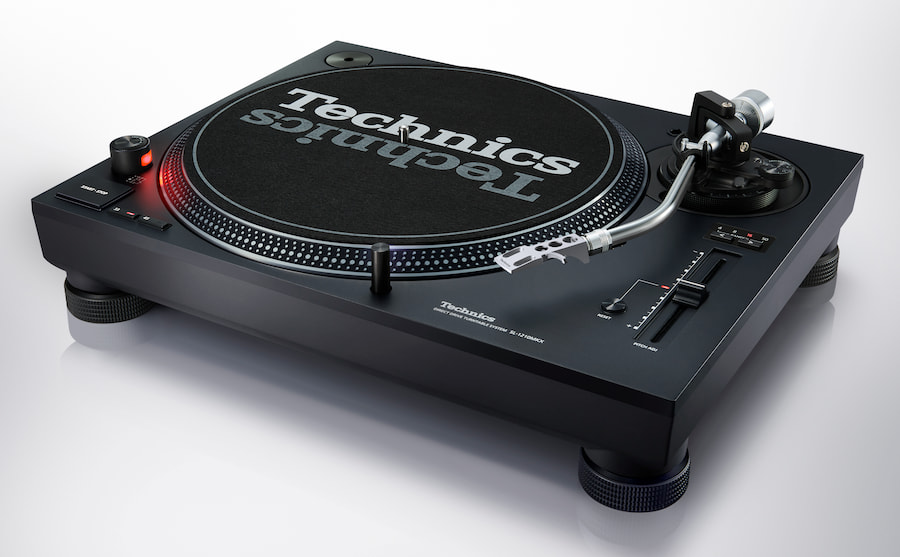
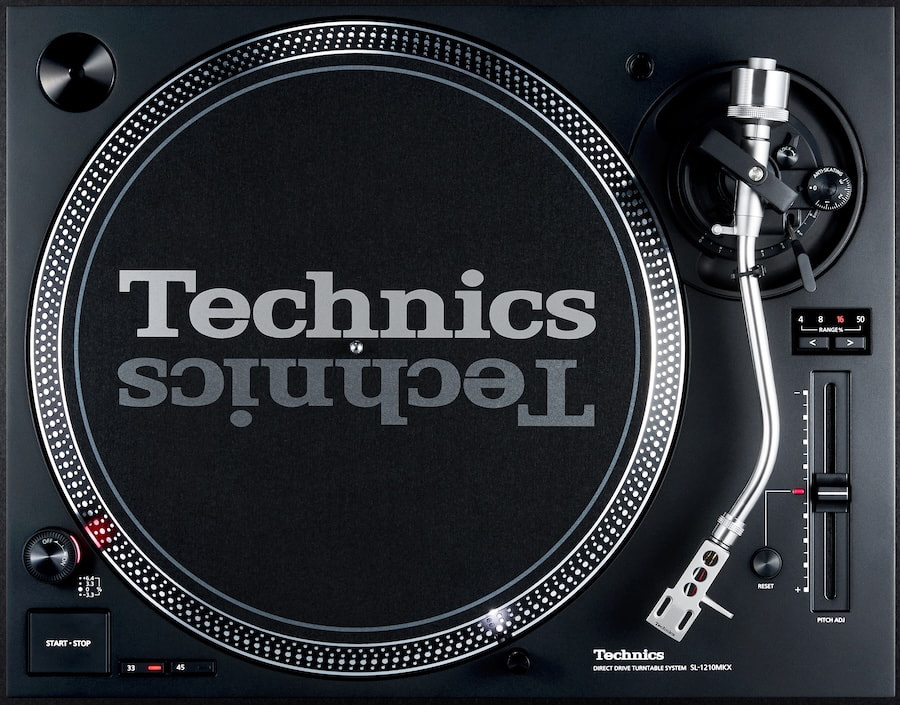
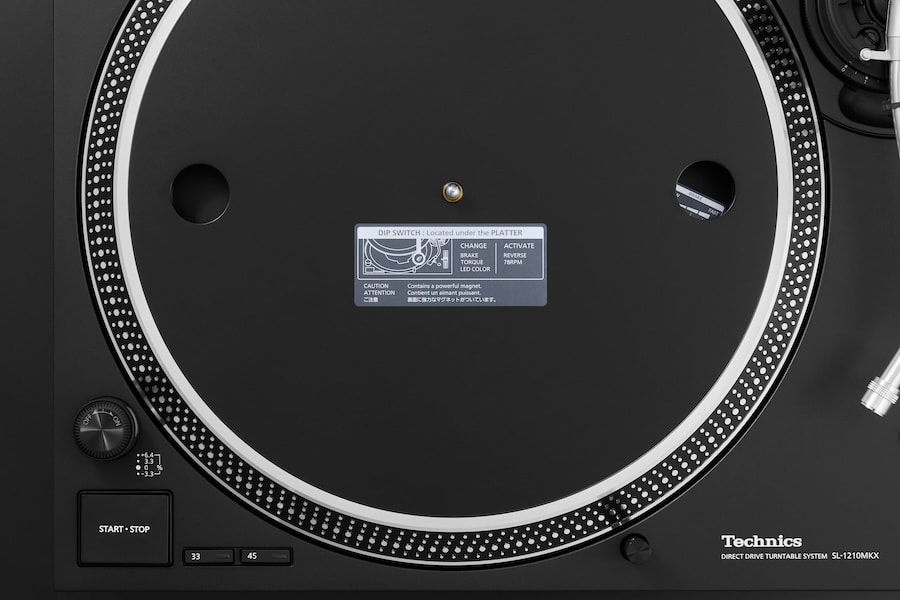
Technics has introduced the SL-1210MKX, a new flagship professional direct-drive DJ turntable that builds on the legendary SL-1200 series with a heavier chassis, revised isolation system, expanded pitch control, and several practical refinements developed with input from working DJs and sound engineers. Priced at $1,899.99, the new model sits above the existing SL-1210MK7 and is designed for professional clubs, touring, and live performances.
We’ve covered more than a few SL-1200 variations over the years, including the recent 55th Anniversary Edition with its seven color options and gold accents, along with the Aimé Leon Dore collaboration. Both demonstrated that Technics knows how to keep collectors and design enthusiasts interested, even when the underlying engineering remains largely unchanged.
The SL-1210MKX takes a different approach. Rather than dressing up the existing platform, Technics has focused on improving precision, stability, and the physical interaction between DJs and their equipment. It’s a sensible direction for a turntable family that has influenced professional music playback since 1972.
Related Reading:
Technics SL-1210MKX DJ Turntable
Improved Isolation Without Sacrificing Control
The SL-1210MKX introduces a significantly heavier, balanced chassis designed to resist external vibration more effectively than the existing MK7 platform. Technics has also developed new isolation feet intended to reduce unwanted mechanical energy reaching the turntable.
This is particularly important in clubs and live performance environments, where vibration can travel through stages, floors, and DJ booths. Excessive vibration can interfere with cartridge tracking and create acoustic feedback, problems that aren’t easily solved by simply adjusting the volume.
Advertisement
However, isolation is only part of the equation. Scratch DJs and turntablists need a deck that remains stable when they’re physically manipulating a record, so the suspension can’t be excessively compliant or unpredictable.
Technics says the new arrangement addresses both requirements, although it hasn’t disclosed the additional chassis weight or published comparative isolation measurements. Those numbers would help establish precisely how much improvement the MKX delivers over its predecessor.
More Precise Pitch Control and Greater Creative Freedom
One of the most useful additions is a dedicated ±4% pitch adjustment range, introduced for the first time in the SL-1200 series. The narrower adjustment range offers finer control when matching tracks with similar tempos, allowing DJs to make smaller corrections during transitions.
At the opposite extreme, the MKX introduces a ±50% pitch range, giving turntablists considerably greater flexibility for experimental mixing and manipulating playback speed. The existing MK7 offers ±8% and ±16% ranges, so the new model provides options for both more precise and more dramatic adjustments.
Advertisement
Technics has also redesigned the reset switch for quieter operation, taking inspiration from earlier SL-1200 models. That might seem like a relatively minor refinement, but tactile consistency matters when equipment is being operated quickly in a dark booth.
The familiar coreless direct-drive motor remains, with adjustable start-up torque and brake speed. Reverse playback and 78 rpm support also carry over from the MK7, reinforcing the point that Technics has retained a proven foundation rather than replacing it unnecessarily.
Advertisement. Scroll to continue reading.
Classic SL-1200 Styling Without the Gold Treatment
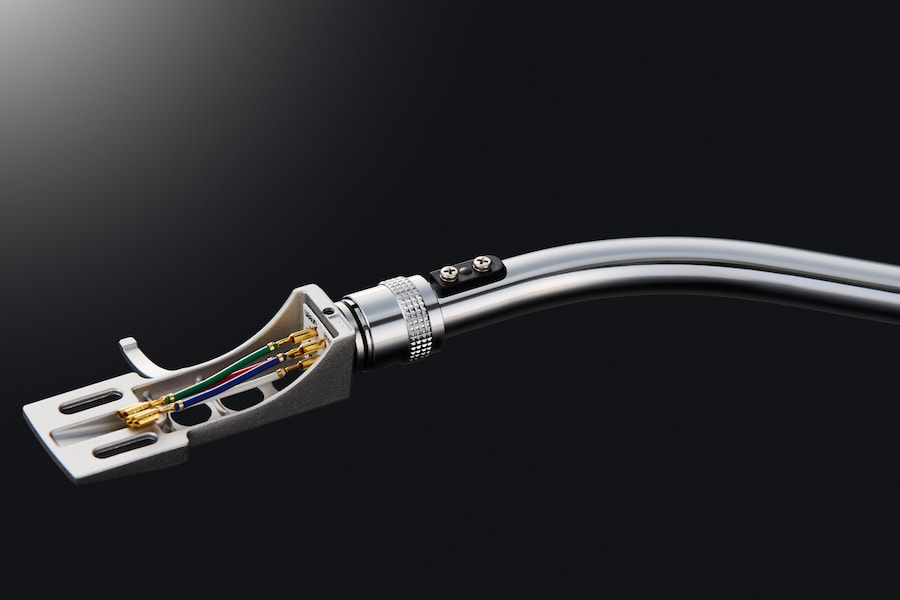
Visually, the SL-1210MKX pays tribute to the SL-1200MK2, the 1979 model that helped establish the series as a professional DJ standard. Its black cabinet and polished silver tonearm create a familiar appearance that should appeal to longtime Technics owners.
Advertisement
The layout reflects decades of refinement, with controls positioned where experienced DJs expect to find them. Familiarity is an advantage in professional environments, particularly when performers move between different clubs and equipment installations.
Technics says the X designation stands for Extreme and Expert, which is a little enthusiastic for a company that usually lets its engineering do the talking. Fortunately, there are no commemorative gold-plated accessories or designer slipmats required to justify the asking price.
Specifications Compared
SL-1210MKX
SL-1210MK7
MSRP
$1,899
$1,299
Dimensions (HxWxD)
169 x 453 353 mm
169 x 453 353 mm
Weight
11.9kg
9.6kg
Type
Direct Drive
Direct Drive
Turntable Platter
Aluminium diecast Diameter:332 mm Weight:Approx. 1.8 kg (Including slipmat and slipsheet)
Aluminium diecast Diameter:332 mm Weight:Approx. 1.8 kg (Including slipmat and slipsheet)
Turntable Speed
33-1/3 rpm, 45rpm (with switch 78 rpm)
33-1/3, 45 rpm (with switch 78 rpm)
Variable range pitch
±4%, ±8%, ±16%, and ±50%
±8 %, ±16 %
Starting torque
0.18 N・m (1.8 kgf・cm)
0.18 N・m / 1.8 kg・cm
Build-up characteristics
0.7 s from standstill to 33-1/3 rpm
0.7 s from standstill to 33-1/3 rpm
Braking system
Electronic brake
Electronic brake
Cartridge Weight
5.6 – 12.0 g (without auxiliary weigh)14.3 – 20.7 g (including the head shell)
5.6 – 12.0 g (without auxiliary weigh)14.3 – 20.7 g (including the head shell)
Tone arm height adjustment range
0-6 mm
0-6 mm
stylus pressure adjustment range
0-4 g (Direct Reading)
0-4 g (Direct Reading)
Audio Output
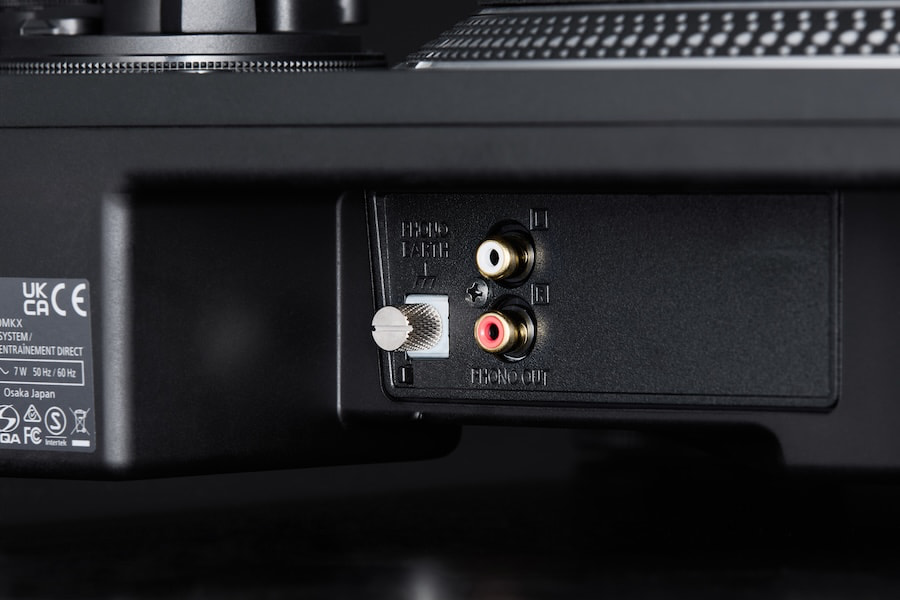
PHONO (Pin Jack) EARTH terminal (larger)
PHONO (Pin Jack) EARTH TERMINAL
Anti-glare stylus light
Yes
–
Dust Cover
Yes
Yes
The SL-1210MKX provides a larger PHONO ground terminal that makes it easier to tighten and remove during setup, helping ensure a stable ground connection.
Who Is the SL-1210MKX For?
The MKX is aimed primarily at professional vinyl DJs, particularly those who perform regularly in clubs, at festivals, or on tour. The improvements should also interest permanent nightclub installations, rental companies, and professional backline providers who prioritize consistent operation and equipment durability.
However, two alternatives are worth considering before spending nearly $1,900.
Technics SL-1200MK7 ($1,299.99): The current MK7 remains an excellent choice for DJs who want the established Technics platform without paying for the new refinements. It shares the familiar control layout and coreless motor architecture, making the $600 price difference an important consideration. For home practice and less demanding environments, the MK7 may offer everything most users need.
Advertisement
Pioneer DJ PLX-CRSS12 ($1,599): Pioneer’s hybrid approach combines conventional analog vinyl playback with digital vinyl system control, including tonearm-free DVS operation using its MAGVEL CLAMP. Compatibility with Serato DJ Pro and rekordbox makes it particularly attractive to performers who combine physical records with digital music libraries. It costs approximately $301 less than the Technics, although the two models emphasize different performance priorities.
Home audiophiles who don’t need professional pitch manipulation or scratch-oriented controls should consider the Technics SL-1200GR2 instead. That model incorporates more sophisticated drive-control and power-supply engineering intended specifically for high-fidelity playback.
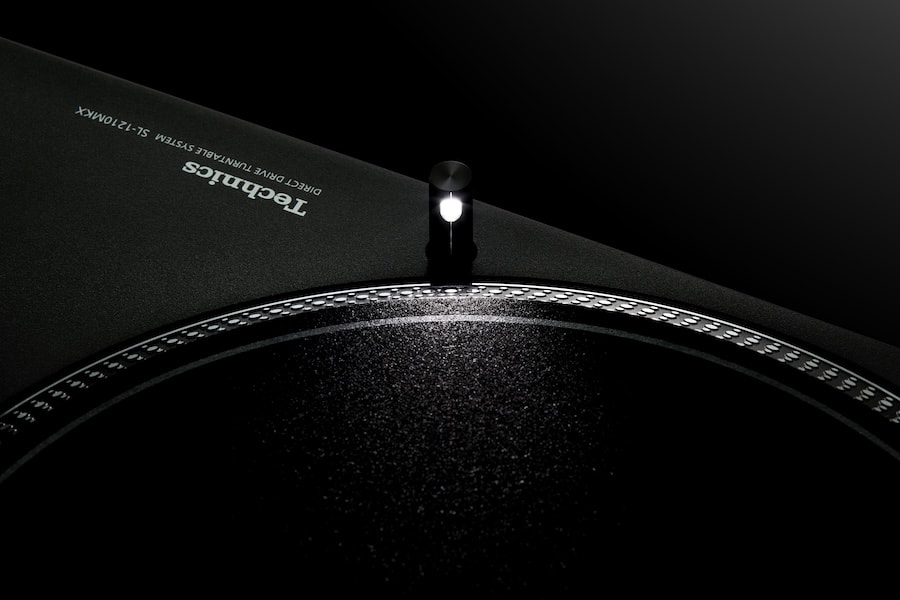
The SL-1210MKX adds an anti-glare stylus light
The Bottom Line
The SL-1210MKX is an interesting development because Technics has resisted the temptation to reinvent a product that already works exceptionally well. Instead, the company has concentrated on refinements that professional DJs are likely to notice during everyday use, particularly when accuracy, physical control, and long-term reliability matter more than appearance.
The price premium over the MK7 is substantial, and it’s too early to determine whether the improvements justify upgrading an existing deck. For clubs replacing older equipment or professionals who earn their living behind a pair of turntables, however, the MKX makes a more convincing argument than another cosmetic special edition.
Advertisement
Technics has spent more than five decades establishing the SL-1200 as a professional standard. The MKX doesn’t need to rewrite that history. It needs to demonstrate that careful engineering still matters.
Pricing & Availability
The Technics SL-1210MKX will make its public debut on October 21, 2026, at Amsterdam Dance Event, with additional appearances planned for the Paris Audio Video Show and Poland Audio Video Show.
Advertisement. Scroll to continue reading.
The first units are expected to be available by January 2027 at select Technics retailers for $1,899 in the U.S. or £1299 and €1499 across Europe.






















































You must be logged in to post a comment Login