Tech & AI
Michael MJD Revives Sony’s Forgotten 2011 Xperia Play Gaming Smartphone Hybrid

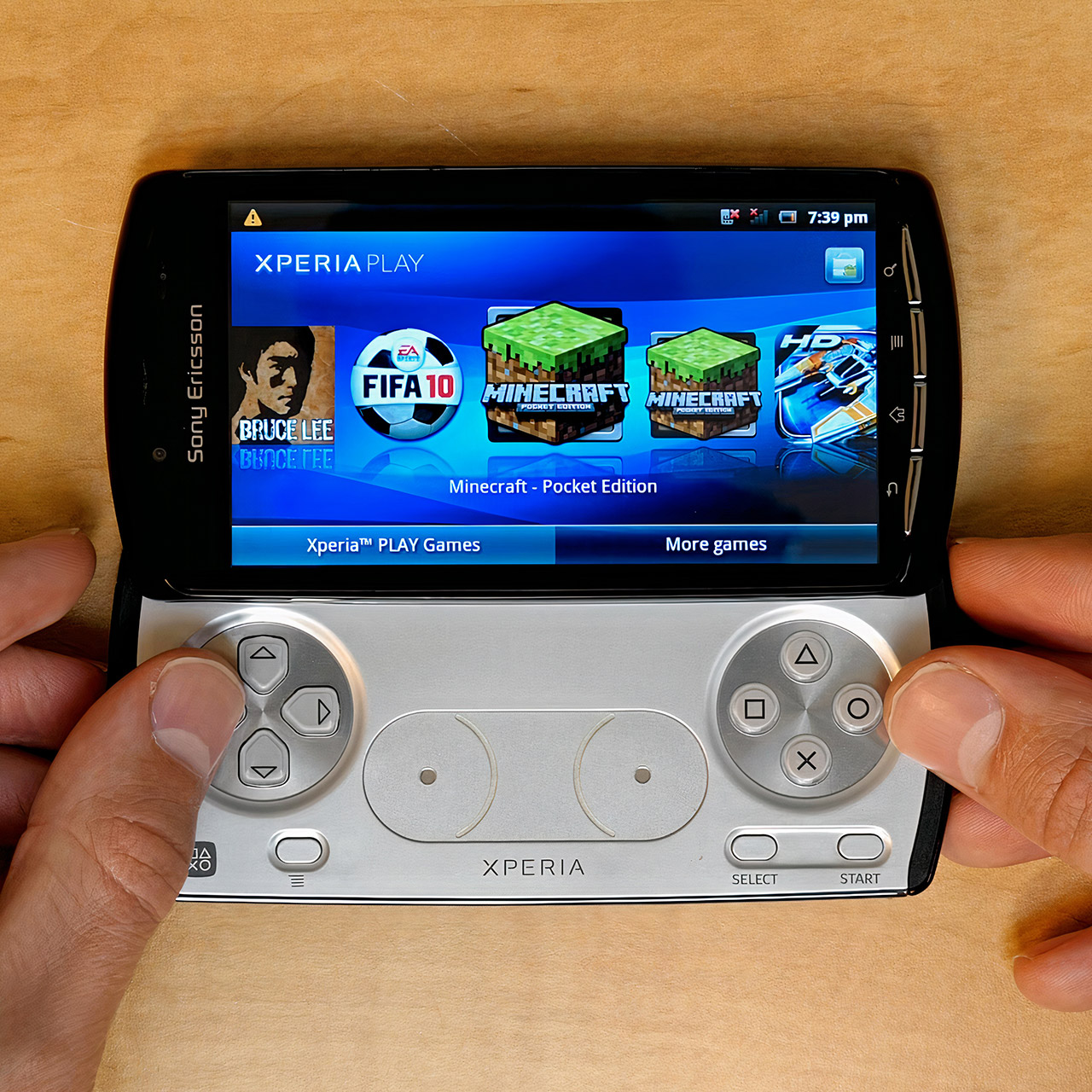
Michael MJD recently pulled a Sony Ericsson Xperia Play out of relative obscurity, the 2011 smartphone that tried to blend everyday mobile use with handheld gaming in one sliding package. Announced that February at Mobile World Congress and released in Europe the following spring, with a U.S. Verizon version arriving in May for about two hundred dollars on contract, the device carried the Xperia name rather than any PlayStation branding even though its box noted PlayStation certification.


For years before its release, rumors about a PlayStation phone circulated across the gaming world, as patents were leaked, executives gave hints, and a prototype dubbed Zeus was spotted in the public with a few scattered images. Toward the end, Sony Ericsson repositioned this device as an Android smartphone first and foremost, with a few added bells and whistles to distinguish it from the run-of-the-mill touchscreen phones that were popular at the time. People purchasing handsets in the early 2010s were faced with a choice: play some casual games on their existing phone or carry around a separate 3DS or PlayStation Portable, and the Xperia Play aimed to cut things in half by adding a little more gaming power to a standard Gingerbread Android phone.

PlayStation 5 Portal Remote Player – Midnight Black
- Play Your Game Collection with Remote Play – PlayStation Portal Remote Player can play compatible games you have installed on your PS5 console…
- Cloud Streaming from the Game Catalog and Classics Catalog – Discover an awesome library of PS5 games on the PlayStation Portal Remote Player with…
- Cloud Streaming for PS5 Games in Your Library – With PlayStation Plus Premium, stream select digital PS5 games in Your Library from PlayStation Store…

When you pull out the bottom half of the item in landscape mode, you’ll see a small gaming control surface that looks exactly like the one on the PlayStation. On the left is a directional pad, on the right are the traditional triangle, circle, cross, and square buttons, with two little touch pads acting as substitutes for the analog sticks in the middle, and L and R triggers sticking up along the top edge when the phone is in gaming mode. To keep everything feeling snappy and compact, there are start, select, and menu buttons squeezed in there without making the phone uncomfortable to hold, which measures 119 by 62 by 16 millimeters and weighs only 175 grams.

This small beast is powered by a 1 GHz Qualcomm Snapdragon S2 processor, an Adreno 205 graphics chip, 512 MB of RAM, and just 400 MB of built-in storage, which can be readily expanded with a microSD card (an 8 GB card is supplied in the package). The display is a 4 inch LED-backlit LCD with a resolution of 480 by 854 pixels, and the rear camera is 5.1 megapixels. There’s also a front VGA sensor for video calls. The detachable battery has a great 1500 milliamp-hours of energy to keep it all going, which is a little mid-range for 2011 Android handsets, but it proved more than capable of handling smooth menu navigation and 3D games once the slide-out controls were activated.
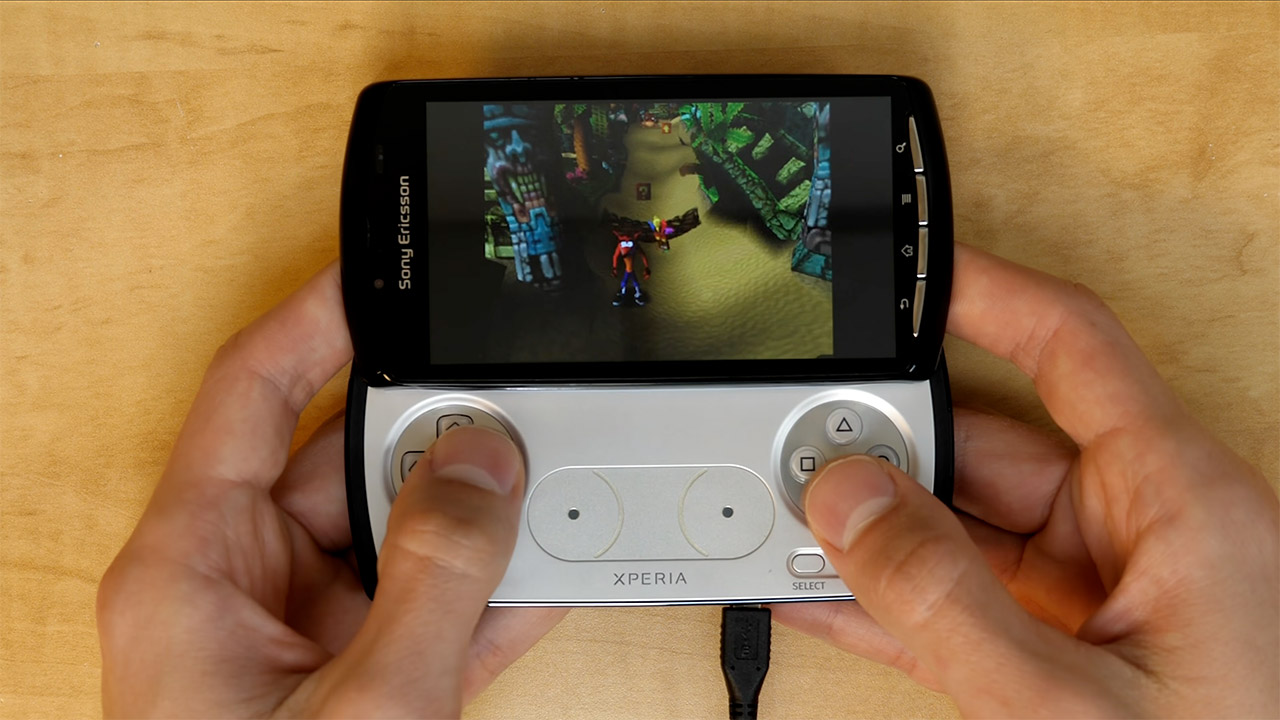
Sony Ericsson included a handy little program called PlayStation Pocket that allows you to turn the phone into a restricted PlayStation 1 emulator; simply load up any classic games from the Android Market and use the physical buttons for actual gaming input. They even included a free copy of Crash Bandicoot with the phone, which was a bit of a mystery because its file size took up all of the internal storage and required you to put it on a microSD card to load, and sadly, the servers that used to deliver the download have long since gone dark.

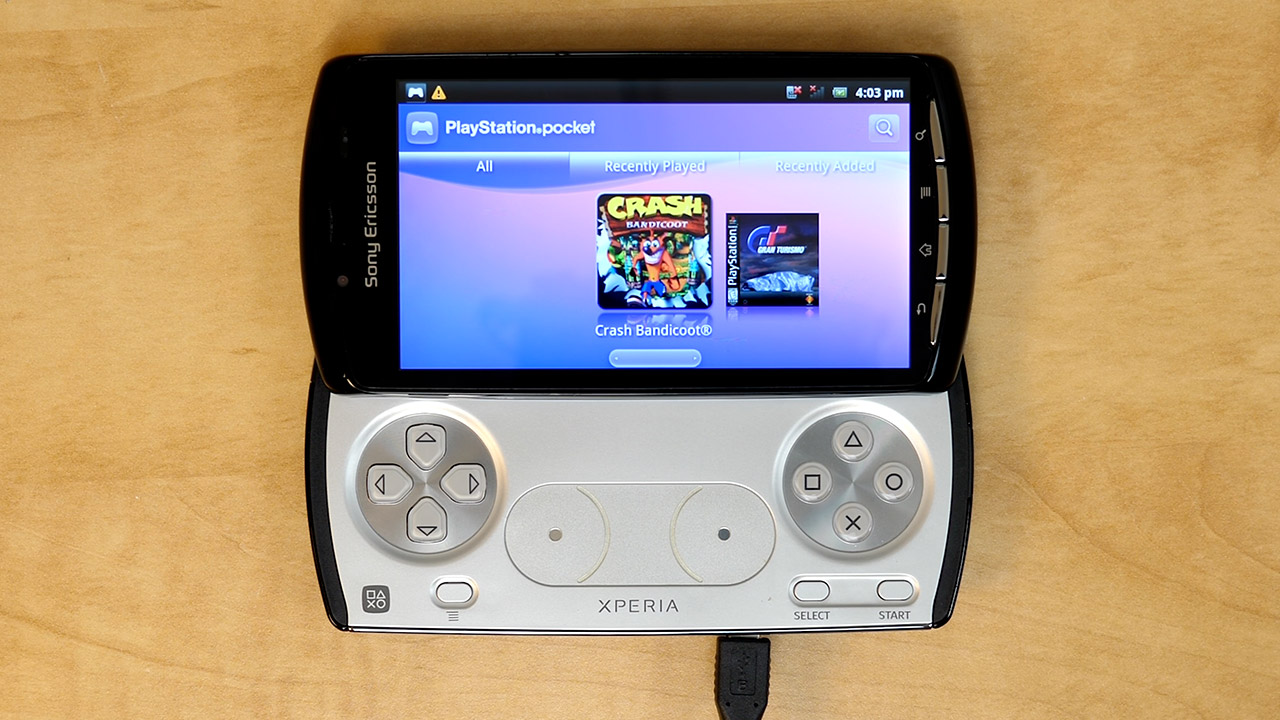
Titles like Wipeout and Jumping Flash gave us an early glimpse of how gaming could function on the thing, even if sales for those older games were quite low, with individual titles shifting in the hundreds rather than thousands. Meanwhile, other publishers such as Sega, Electronic Arts, and Gameloft were getting in on the action by optimizing some of their Android games to work with the Xperia Play’s controls, and the fact that the block-building game Minecraft received a timed exclusive deal, mapping its digging, building, and camera controls to the shoulder buttons, directional pad, and touchpad, was significant. It’s a credit to those dedicated inputs that it’s still running smoothly on the original hardware after 15 years, and that’s only because it was designed for precise movement when a simple tap wouldn’t enough.
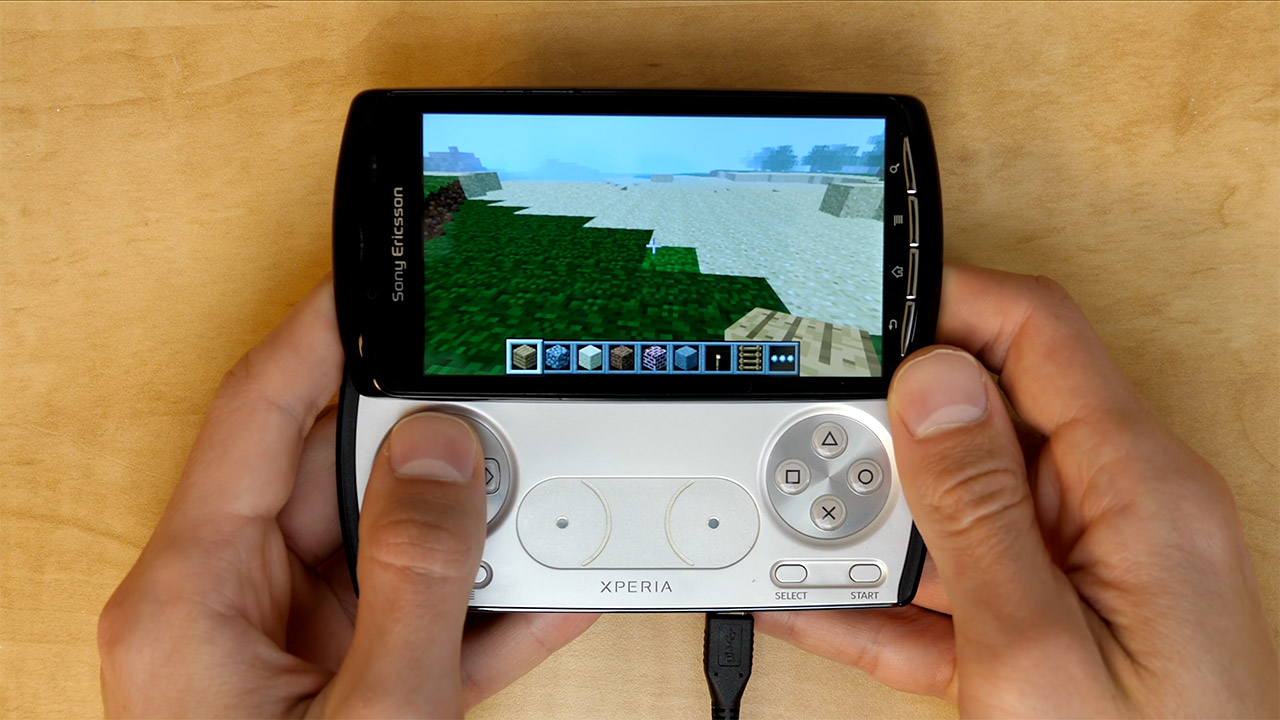
When gaming was going on, the battery life was claimed to be around 5 and a half hours, which was very typical for a 3G phone at the time. The spring-loaded slider would lock tight when open, providing a nice grasp on the device for longer gaming sessions, and despite being slightly larger than other phones, everything seemed rather robust. On top of the Gingerbread operating system, you’d receive a unique Android interface and a special software that allowed you to transition to a console-style home screen to play all those optimized games. Because Android was such an open platform, people began to do some really creative things with it, such as emulating earlier games other than the original PS1 titles that shipped with it. Once you’d figured out the controls, it was rather simple to obtain a variety of homebrew applications and transform that phone into a vintage machine.
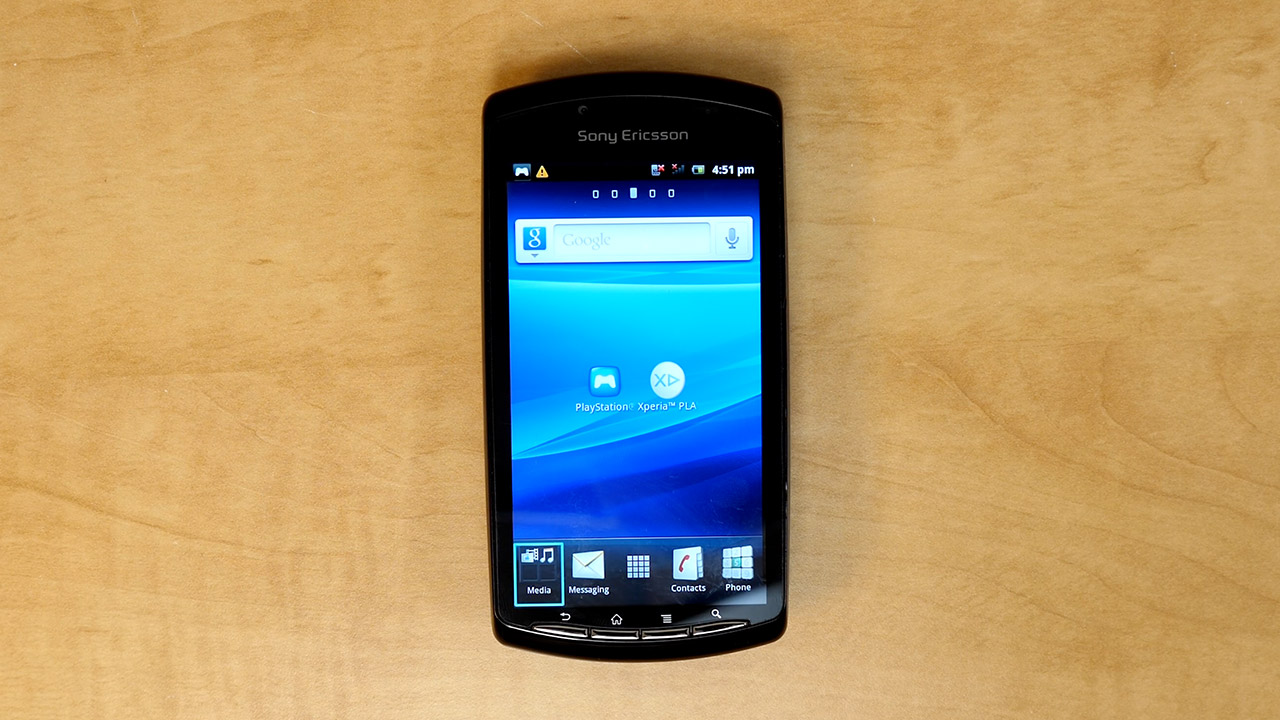
Despite all of this, the Xperia Play failed to make a significant impact in the market. People weren’t particularly like of the device’s weight, and handhelds like the PS Vita, which debuted around the same time, provided a better value, deeper game libraries, and full phone functions without the added bulk. Sony Ericsson made an effort with certified games and the Minecraft partnership, but it never received the long-term support that the phone required, and to make matters worse, the phone never received an official software update beyond Gingerbread, despite some clever custom software keeping some of them running.
You must be logged in to post a comment Login