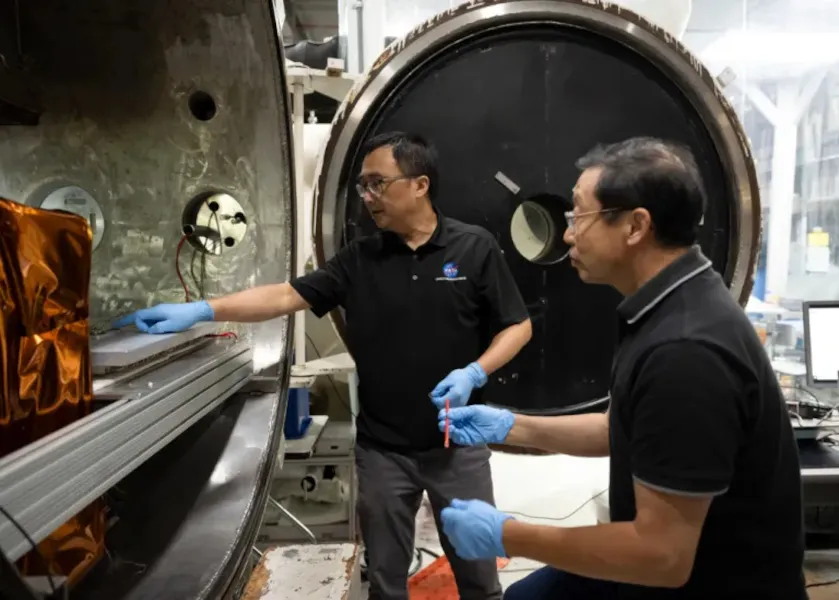
One of the major limits of mass-produced batteries is the electrolyte. From lead-acid to lithium ion, there’s some temperature where the electrolyte will freeze and cause all sorts of problems, from cracked casings to various non-favorable chemical changes in the battery itself. But if there’ a solid electrolyte available, many of the downsides of charging and discharging batteries in extreme cold disappear. These batteries developed by NASA, for example, can survive some wild temperature swings.
The electrolytes used for these batteries are either a ceramic or polymer electrolyte, both of which are solid. In testing, the batteries could meaningfully operate at temperatures of -60° C and up to 80° C on the high end. Further, the solid electrolyte helps protect them even outside of these temperature ranges. Bringing the battery temperature down to -170° C was not enough to damage the battery at all, and using a small heater to bring the temperature back up to its operating range showed no capacity losses or other issues.
These batteries are eventually intended for use in some of the coldest places outside of Earth still accessible to humans (in theory) such as the south pole of the Moon where the temperatures regularly get that cold and stay cold for long periods, especially in permanently-shadowed craters or places on the Moon we might want to put some telescopes eventually. There are other terrestrial situations where these batteries might be useful as well, since they don’t need as much thermal management as other battery types.
Pandemic relief money paid for a big expansion of high-impact tutoring in schools. That money is gone, and districts now face a hard question: how to keep a tool proven to help students. Some districts have already cut back. Others have found ways to keep tutoring in place, but the school day is not getting any longer, and every change to a program has a cost.
Is Tutoring Quietly Getting Weaker?
David Blazar, associate professor of education policy at the University of Maryland College of Education, studied tutoring programs in all 24 of Maryland’s school districts. He tells Ira Apfel that the more likely outcome is not canceled tutoring but weakened tutoring, with bigger groups and fewer sessions that stop helping students as much. He explains which features matter most, why Maryland districts described finding tutors as a major obstacle, and what his national look at tutoring found about how much students actually get.
How Do Schools Make Room for Tutoring?
Advertisement
Devon Wible, vice president of teaching and learning at Catapult Learning, which provides tutoring programs to schools, says conversations with districts have shifted from how fast tutoring can start to how it fits with classroom instruction. She walks through one third grader’;s day, explains why the tutor and the classroom teacher need to work from the same information, and shares the one move she would counsel teachers and principals to make this year.
Listen to the episode.
Links Mentioned in This Episode
This Week with EdSurge is a weekly podcast from EdSurge. Subscribe to the EdSurge newsletters for more news and analysis on education and technology.
For many F&B businesses, technology is often associated with digital ordering systems, delivery platforms, or point-of-sale software.
But for Yong Yi Sung, the next major shift is less about putting restaurants online and more about using technology to fundamentally change how they operate.
Sung is the co-founder and CEO of Grain, a Singapore F&B company that has been around for more than a decade. The business started out as an online restaurant and catering business, and has since grown into a business serving both individual and corporate customers.
Advertisement
Now, Sung is looking at how artificial intelligence (AI) can help make the day-to-day running of an F&B business easier—from cutting down repetitive work to saving employees time.
Looking at F&B challenges through a different lens
F&B is a demanding industry. Margins can be thin, manpower is a challenge, and keeping operations running smoothly becomes challenging as a business grows.
Having spent more than a decade running Grain, Sung and his team are familiar with these challenges.
But from the beginning, the company has taken a somewhat different approach to solving them.
Advertisement
Grain co-founder and CEO, Yong Yi Sung./ Image Credit: Vulcan Post
Grain’s founders themselves came from management consulting backgrounds rather than traditional F&B, which meant they entered the industry with a problem-solving mindset. They were less tied to the usual ways of doing things and more willing to ask whether there was a better way to solve a particular problem.
That approach also meant building many of Grain’s capabilities themselves. In its early days, the company developed its own logistics and technology to support its online restaurant and delivery business.
Over time, this became part of the company’s culture: when the team encountered a problem, they would look for ways to solve it, experiment with different approaches and learn along the way.
It was this same mindset that helped Grain embrace AI.
Making AI experimentation part of the routine
When AI first gained traction, the team was quick to explore its potential, and adoption soon gathered pace.
Advertisement
Grain took a two-way approach to AI adoption. Leaders set the direction for change, while employees were encouraged to explore using AI.
Image Credit: Vulcan Post
Through weekly learning sessions, team members could explore how AI tools can help improve their day-to-day work and share what they had learnt with the rest of the team. This created a cycle of experimentation: someone would discover a new use case, test it out, and then passed useful applications on to their colleagues.
One example came from Grain’s stewarding team, which handles the essential work of managing the company’s dishes and equipment.
A significant problem the company faced was predicting how much dirty ware is coming back. This, in turn, affected how much manpower was needed for each shift and which equipment required attention.
Grain’s end-to-end stewarding system./ Image Credit: Vulcan Post
With the help of AI, Grain’s stewarding team built a system that forecasts ware volumes and manpower needs, while also tracking maintenance and routine tasks.
The system now saves the team 15 to 20 hours each week, reduces missed tasks and repeat defects by 20%, and cuts issue resolution time by 50%.
Advertisement
AI doesn’t always have to solve a big problem
But not every use of AI at Grain involves building a new system or tackling a major operational problem.
Some of the changes are much smaller—and might not seem significant on their own. An employee might use AI to summarise information, organise data, draft something more quickly, or take a repetitive task off their plate.
Grain’s AI Autopilot responds to customers faster, automates work and helps the team close more deals./ Image Credit: GrainGrain’s Tasting dashboard uses AI to synthesise feedback and help improve menus./ Image Credit: GrainGrain utilises an AI-powered delivery and day-to-day operations tracker./ Image Credit: Grain
Individually, these may only save a few minutes here and there. But across a team, and repeated day after day, those minutes can add up.
For Sung, that is ultimately what AI adoption is about: not using AI for the sake of it, but constantly asking whether there is a better, faster or simpler way to do something.
This approach has also been supported by the technology foundations Grain built over the years. Through government support, Grain was able to strengthen its technology capabilities and build up its tech team from a few people to a team of 10.
Advertisement
Today, AI has become part of Grain’s day-to-day operations, with around 200 employees actively using or building AI-powered tools. More than 100 new tools and workflows have also been rolled out, with many more being created and used by employees at an individual level.
Taking the first step doesn’t have to be difficult
Image Credit: Grain
Looking back on his AI adoption journey, Sung emphasises that businesses do not need to make a large investment or have a team of technical experts to start using AI.
For small businesses especially, he believes the first step is simply being willing to learn and experiment. The tools are increasingly accessible, and many can be tested without significant upfront investment.
In Grain’s case, the technology may have changed over the years, but the approach has remained the same: find a problem, try something new, learn from it, and keep improving.
The key, says Sung, is not to wait until AI is perfect before getting started. The earlier businesses begin experimenting, the sooner they can understand what works for them—and where AI can genuinely make a difference.
Advertisement
For businesses that are unsure where to begin, there are also avenues available to help them take that first step.
Enterprise Singapore provides support and resources for businesses looking to build their digital capabilities and explore new technologies, giving small businesses a starting point for their own AI journey.
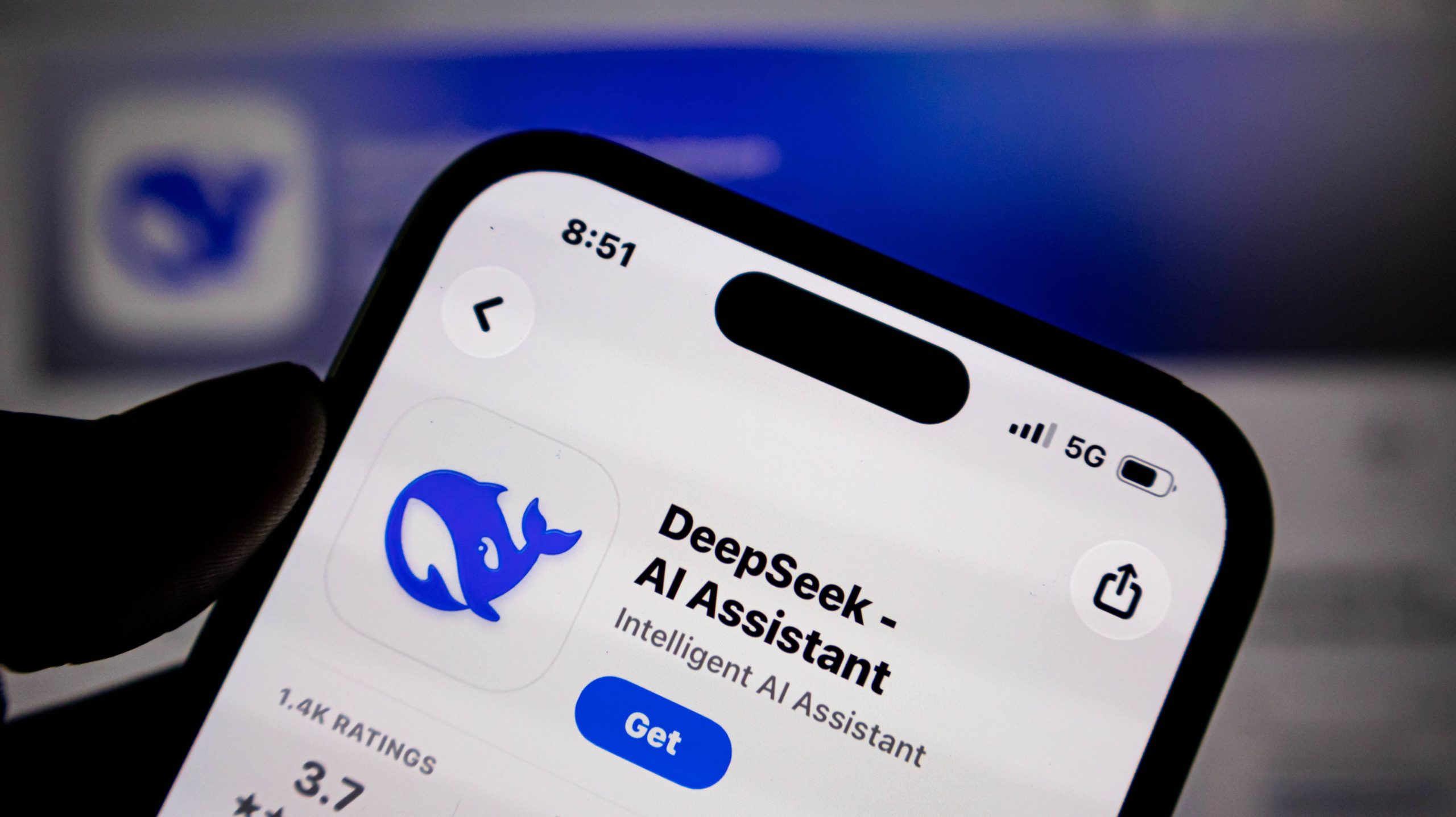
Federal civilian agency IT systems in the US were ordered to halt using DeepSeek on Monday over security concerns.
DeepSeek has raised around $15bn (100bn yuan) in one of China’s largest-ever private fundraising rounds, Bloomberg first reported early this morning (22 October).
Contemporary Amperex Technology and Tencent were among the biggest investors in the latest round, which comes as DeepSeek readies itself for a highly anticipated public listing.
Advertisement
The raise, albeit significantly lower compared to what its US contemporaries OpenAI and Anthropic wield, represents the Chinese AI juggernaut’s appetite to compete on a global scale.
The company burst onto the scene just last year with its model R1, a surprise hit whose cost-effectiveness and performance sent Silicon Valley leaders into a flurry.
DeepSeek was valued at about $71bn before this latest round, according to Financial Times reporting from September. At the end of May, it announced the closing of its first round which raised about $7bn at a post-money valuation of $52bn.
A second round was initially reported to be halted after comments associated with founder and CEO Liang Wenfeng talking to investors about the US-China AI rivalry went viral. According to Bloomberg, the Hangzhou-based company doubled its initial financing target for its latest raise.
According to Reuters, the DHS cited security concerns as a major consideration, stating that “multiple threat vectors” could potentially “result in the transfer of sensitive data to [China] if used by US government employees or vendors”.
Responding to the situation, Chinese Foreign Ministry spokesperson Mao Ning said that China “will resolutely safeguard the legitimate rights and interests” companies in the country. “China consistently opposes the overstretching of the concept of national security.”
Don’t miss out on the knowledge you need to succeed. Sign up for the Daily Brief, Silicon Republic’s digest of need-to-know sci-tech news.
Cummings Aerospace fired two 3D-printed Hellhound S3 jet drones from a buggy-mounted launcher, a first for the weapon
One operator sent both drones on separate autonomous missions using a single handheld fire control system
The new launcher holds up to eight drones, and Cummings plans to fire it next from unmanned ground and naval vehicles
A small American defense firm has just shown what mass-produced, 3D-printed air power could look like in the field, and it fits on the back of a utility vehicle.
Cummings Aerospace has fired two of its 3D-printed Hellhound S3 jet-powered drones from a launcher mounted on a Polaris buggy, with a single operator using one handheld controller to send both drones off on separate autonomous missions.
The company says the test met all its objectives and marks several firsts for the turbojet weapon.
Latest Videos FromTechRadar
Advertisement
Moving drones from a bagpack to a buggy?
The demonstration took place on August 25, 2026, at the Pendleton UAS Range in Oregon, where a firm engineer fired the two Hellhounds one after the other. Both carried inert payloads and flew different preplanned routes at different speeds; the results were announced on October 12 2026.
Until now, the Hellhound had flown only in its man-portable form in more than a dozen flight tests. This was the first time it had been fired from a vehicle, the first use of a new launcher that can hold up to eight drones, the first ripple-fire of the S3, and the first time a single operator controlled more than one Hellhound at once.
Before launch, the operator programmed each drone’s waypoints, altitudes, and flight path into the handheld fire control system. Once airborne, the drones flew those routes on their own while streaming data back, so the operator could watch both flights live and redirect or abort either mission.
The play here is about doing more with fewer people: CEO Sheila Cummings put it, instead of manually flying a single drone to a target, one soldier using one fire control system can simultaneously put multiple Hellhounds on multiple targets.
Sign up to the TechRadar Pro newsletter to get all the top news, opinion, features and guidance your business needs to succeed!
The Hellhound S3 is roughly the size of a baseball bat and weighs about 13 pounds. Its turbojet engine lets it fly more than 60 km (37 miles) at speeds up to 618 km/h (384 mph), putting it in a different class from the propeller-driven quadcopters and loitering munitions that have come to define the war in Ukraine.
Advertisement
It is also much easier to build, leveraging 3D-printed and commercial off-the-shelf components that allow for easy modifications, repairs, and mass production if needed. Cummings Aerospace frames the Hellhound as a multi-mission weapon rather than a single-trick munition. It can work as a loitering munition, a precision-guided munition, a one-way attack drone, or a counter-drone interceptor.
Operators can swap between four mission modules, covering armor-piercing, blast-fragmentation, electronic warfare, and decoy roles, in under two minutes without tools.
That counter-drone angle is arguably the most important here because the threat it is built to answer keeps getting smarter and cheaper; A recent report on a NATO-backed drone AI that picked its own target and struck it, and the US Army showing off its in-house “Dragoons” drone fitted with 3D-printed bombs are merely the tip of the iceberg. Cheap, printable airframes are becoming the common currency of modern conflict, on both the giving and receiving ends.
Much of the appeal of the Hellhound S3 as a viable counter lies in its manufacturing process. The Hellhound is built largely with commercially available 3D printers in-house, which is central to Cummings’ goal of producing at least 100 S3 airframes a month and her stated interest in licensing the design to US and international partners for distributed production.
In an era where drone tariffs and supply chains have become a strategic concern, a weapon you can print close to the front is as much a logistics argument as a battlefield one, and one can assume that the Hellhound S3 is but the first of many that will eventually make it to the modern battlefield in different shapes, sizes, and capabilities.
Roughly 60pc of the reductions will come from within support functions, impacting developers and other professionals.
Bank and financial services company Barclays has announced it expects to cut 5,000 jobs, representing around 5pc of the bank’s total headcount. The layoffs are part of Barclay’s wider plan to cut costs using artificial intelligence.
Reportedly, around 60pc of the reductions are coming from within Barclay’s support functions, with developers among those expected to be impacted. Of the 5,000 roles being eliminated, 1,000 were already cut in the first half of the year, with the remainder to go by the end of the year.
“The changes that we’re making in the third and fourth quarters of this year are sizable,” Barclays’ chief financial officer Anna Cross told analysts in a call according to Bloomberg. “They relate both to the simplification of the organisation and to some of the impacts that we’re starting to see from AI.”
Advertisement
Barclays is nearing the culmination of a three-year strategy designed to improve performance, ramp up its technology and significantly cut costs.
So far this year, the institution has spent around £600m as part of a wider plan to reduce future costs. Barclays has stated that it has a further £300m or so worth of savings planned for the final three months of the year.
Barclays Investment bank had a mixed third quarter in which revenue from fixed income and currency trading fell by nearly 20pc year-on-year to £1.01bn – less than what was expected by analysts. It was a better quarter in relation to equities revenue, which jumped 47pc.
It is a challenging landscape for jobseekers and professionals currently as there have been several high-profile job cuts announced so far in October, including, 1,000 people from eBay, 400 from EA and 1,000 employees from Netflix.
Advertisement
Don’t miss out on the knowledge you need to succeed. Sign up for the Daily Brief, Silicon Republic’s digest of need-to-know sci-tech news.
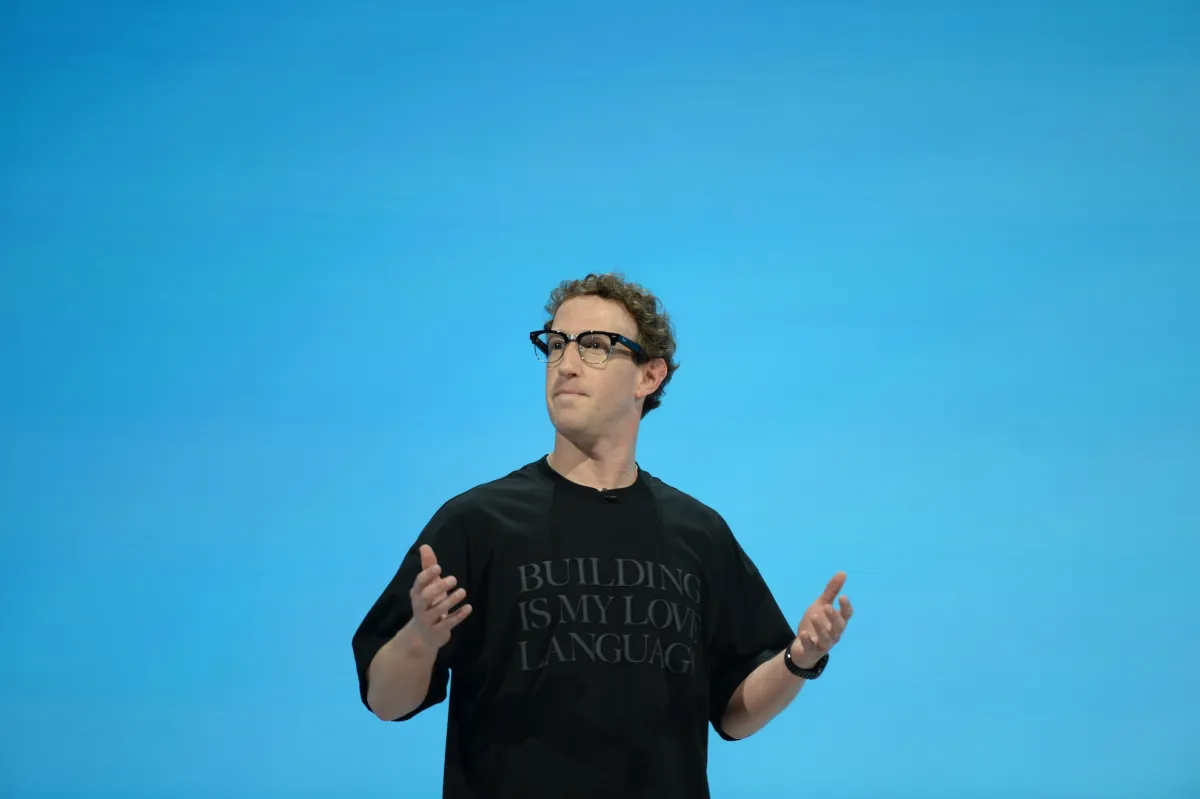
During Meta’s earnings call on Wednesday, the company revealed its board had approved a new class of non-voting stock, called Class C common stock. The shares give the holder an ownership stake but no vote on company decisions. This class takes effect in January. Meta says it will use the stock for capital raising, employee pay, and acquisitions — including its expensive push into AI — while maintaining the current voting structure that favors its founder and CEO, Mark Zuckerberg, who controls around 60% of the vote.
Now, however, the New York Times has reported there’s another reason for the new class: helping Zuckerberg pay for California’s proposed “billionaire tax,” if voters approve it. Because the new shares carry no votes, he could sell some of them to cover the tax without giving up voting control.
Proposition 40, which was drafted by Berkeley tax law professors and is being sponsored by California’s largest healthcare union (SEIU United Healthcare Workers West), would level a one-time 5% wealth tax on the net worth of several hundred California billionaires who primarily live in the state. Backers say the policy could generate as much as $100 billion over five years, the bulk of which would be used to pay for the state’s healthcare needs, with the rest for food assistance and education.
The Times also reports that Zuckerberg pressed Meta’s board to come up with a plan to protect him from the tax. According to the paper, he told board members in September that if they couldn’t reach an agreement, he’d list his Palo Alto property for sale, potentially kicking off a media firestorm. Not long afterward, the stock plan materialized, the newspaper writes.
Advertisement
The Times reporting is partially based on a recent SEC filing made by Meta, which documents the concern surrounding Proposition 40 and how it informed discussions that led to the new stock class.
The filing says that as far back as July, Zuckerberg was discussing the billionaire tax with board members. The topic came up again in additional meetings and communications throughout that month and August.
The filing also describes how the plan would work. Meta is creating a new class of non-voting shares, called Class C, and will give shareholders one of them for every Class A or Class B share they own. The company calls this a one-time stock dividend and says it should work out to a two-for-one stock split. The dividend “will not change the voting power of any shareholder,” Meta says.
That is where Prop 40 comes in. The filing says the dividend “will allow Mr. Zuckerberg to immediately sell or transfer up to 20% of the shares of Class C common stock that he receives in the Dividend, representing 10% of his overall economic stake in the Company, for any reason, including so that he may pay his potential tax liability under California Proposition 40, if enacted into law, without affecting his majority voting control.” Because the dividend is one-for-one, half of his post-dividend shares will be Class C, so the 20% cap equals 10% of his total economic stake.
Advertisement
When reached for comment by TechCrunch, Meta referred us to a quote included in its recent earnings press release that reiterates that part of the motivation for the creation of the stock was to keep Zuckerberg onboard: “The Special Committee affirmed its belief that it was important for Mr. Zuckerberg to continue to lead the Company from California, including because it was crucial that Mr. Zuckerberg remains in close coordination with the Company’s management and in close proximity to Meta Superintelligence Labs.”
It’s been estimated that Zuckerberg would have to pay as much as $11 billion as part of the tax.
Prop 40 has notably riled many of Silicon Valley’s most prominent businesspeople. Google co-founder Sergey Brin has aggressively campaigned against the measure, even spending a small fortune in an effort to defeat it. Other business leaders and critics of the proposal have criticized it online, with many claiming that it amounts to economic suicide for California, driving a capital flight from the state. However, as Meta’s new policy would appear to show, the state’s mega-companies and the people who run them have creative ways of dealing with the tax, should it materialize.
“Looks like billionaires will stay and figure out a way to pay the tax,” Democratic U.S. Representative Ro Khanna, a vocal proponent of the tax, wrote on X, after news of Meta’s strategy spread online. “If we pass Prop 40, poor California kids can have healthcare,” he added.
Advertisement
When you purchase through links in our articles, we may earn a small commission. This doesn’t affect our editorial independence.
Cloud hosting provider Railway published an urgent warning to users after detecting suspicious activity on its systems that store customer environment variables earlier this week.
The company says its investigation indicates that, in some cases, an unauthorized third party may have obtained decrypted variables and urges all users to proactively rotate secrets and credentials.
“Our investigation to date indicates that an unauthorized third party may have accessed encrypted environment variables and, for some of them, obtained the decrypted contents,” Railway says.
“Environment variables may contain secrets such as API keys or database and registry credentials,” the company clarifies.
Advertisement
Railway is a cloud platform for developers to deploy and run applications, APIs, databases, and various backend services. It has around 4.8 million users and hosts more than 16 million services.
The service stores deployment-related configuration settings and credentials in environment variables, which the incident exposed.
Railway says the incident was part of a series of attacks targeting AI inference providers, which were notified directly and advised to revoke all their keys as a precaution.
Although initial analysis suggests only a subset of users may be affected, Railway urges all users to immediately rotate environment variables and secrets stored on the platform, including private registry credentials, and check associated service logs for unusual activity.
Railway also said it has paused all deployments until the investigation completes, so users cannot roll out new versions during this time.
According to the latest status page update, as of October 22 at 08:44 UTC, Railway had restored builds for Pro and Enterprise workspaces, but deployments remained delayed, with many queued.
Builds had not yet resumed for Hobby, Free, and Trial workspaces, with restoration planned in that order.
Advertisement
Railway said it will directly notify users whose accounts are confirmed to be compromised and provide further details.
Overall prevention scores can hide what happens after initial access. Once attackers are using valid credentials, prevention drops sharply.
The Blue Report 2026 measures defenses technique by technique across 338 million simulations run in customer production environments.
While the United States Navy (USN) is known for its ships, it also boasts a massive air force. The Navy’s air wings include all manner of aircraft, from small helicopters and transport planes to fighters and attack aircraft, all centered around the USN’s 11 aircraft carriers. The USN entered aviation in 1911, when Lt. Theodore Gordon “Spuds” Ellyson became Naval Aviator No. 1.
Thousands of brave men and women followed, flying Navy aircraft in and out of combat. Over the years, the USN has flown many different fighter jets, beginning in 1949 with the Grumman F9F Panther. Since then, more fighters, fighter-bombers, and attack aircraft have taken to the skies, and like any military vehicle, some were simply better than others. Whether it was their design, overall capabilities, lethality in dogfights, or the pilots themselves, the Navy has flown several fighter jets considered better than the rest.
Advertisement
Modern fighter jets aren’t often classified as such, as they’re typically multirole aircraft that don’t engage in dogfights. That said, the consensus is that these aircraft can take the fight to the enemy on the ground, at sea, or in the air. Each of these USN jets has proven its worth in various combat operations over the years, and they are among the Navy’s best fighter jets.
Advertisement
McDonnell Douglas F-4 Phantom II
The USN began flying the McDonnell Douglas F-4 Phantom II in 1961 as the branch’s newest two-seat, twin-engine interceptor and fighter-bomber. Naval aviators quickly recognized the F-4 Phantom II as an excellent fighter. Two General Electric J-79-GE-15 engines powered the aircraft, providing a combined 34,000 lbs. of thrust. This gave the F-4 Phantom II a top speed of Mach 1.82 (1,400 mph). It had a service ceiling of 59,600 feet, which was high for the period, and it could carry a variety of ordnance into battle.
The USN flew around 1,200 F-4 Phantom IIs during its service life, and the aircraft saw heavy use during the Vietnam War. For air-to-ground operations, the aircraft carried twice what a World War II-era B-17 Flying Fortress could carry. Its typical loadout consisted of four AIM-7E Sparrow air-to-air missiles, four AIM-9B Sidewinder air-to-air missiles, and eight 750-lb. Mk. 117 bombs. It could also carry two external fuel tanks and an ALQ-87 electronic countermeasure pod.
During its service, F-4 Phantom II pilots achieved 150 air-to-air kills while losing 42. This gives the F-4 Phantom II a kill ratio of 3.6:1, which is quite high. It was particularly deadly against MiG-17s during the Vietnam War, and every American ace from the conflict achieved their five kills while flying F-4 Phantom IIs. The USN retired the F-4 Phantom II in 1992 after 31 years of operation.
Advertisement
LTV A-7 Corsair II
The USN replaced the Douglas A-4 Skyhawk with the LTV A-7 Corsair II in 1967 as its newest light attack aircraft, so it wasn’t a traditional fighter. Regardless, the A-7 Corsair II was an exceptional aircraft that featured an unusual design that earned it the moniker SLUF, or Short, Little, Ugly Fella.’ It was short and stubby, with a large single jet intake beneath the nose and a single engine. It was powered by an Allison TF41-A-2 engine that produced 14,250 lbs. of thrust, giving it a top speed of Mach 0.9 (693 mph).
The versatile turbofan aircraft dominated during the Vietnam War. It carried an M61A1 Vulcan 20mm rotary cannon and could carry up to 15,000 lbs. of additional ordnance. The USN used them during Operation Linebacker bombing raids on Hanoi and other notable targets in the region. It was also used to aerially mine North Vietnamese ports in 1972, so the A-7 Corsair II was versatile.
Advertisement
After the Vietnam War, the USN continued operating the A-7 Corsair II, packing them onto aircraft carriers, where they continued operations in the 1980s. They flew in support of combat operations in Grenada, Libya, Lebanon, and Panama. They continued flying in support of Operation Desert Storm, striking Baghdad, Iraq, during the opening days of the air war. In 1991, after 24 years, the USN finally retired its remaining A-7 Corsair IIs.
Advertisement
Grumman F-14 Tomcat
Among iconic USN fighter jets, the Grumman F-14 Tomcat is one of the most recognizable. Maverick (Tom Cruise) flew it in “Top Gun” and its sequel, “Top Gun: Maverick.” It’s one of the most advanced 4th-generation fighter jets the USN ever flew. The USN began flying the F-14 in 1974 as its premier carrier-capable supersonic, twin-engine, two-seat all-weather fighter. It featured a variable-sweep wing that could move forward or backward, depending on the pilot’s needs, and it outmaneuvered contemporary MiG fighters.
The F-14 served the USN primarily as a fleet-defense interceptor and air-superiority fighter, but it also performed numerous roles and carried a variety of ordnance. The USN retired the F-14 in 2006, replacing it with the technologically superior F/A-18 Hornet, but it served as one of the Navy’s most iconic aircraft for 32 years. Beyond starring in “Top Gun,” F-14s achieved five confirmed air-to-air kills with zero losses, giving them a 5:0 kill ratio that demonstrates their exceptional capabilities.
The F-14 Tomcat reached a top speed of Mach 2.34 (1,795 mph) with its two Pratt & Whitney TF-30 turbofans and afterburning, which produced a combined 40,000 lbs. of thrust. It could carry six AIM-54 Phoenix missiles or six AIM-7 Sparrow missiles and four AIM-9 Sidewinder missiles alongside its 20mm Vulcan cannon. Unfortunately, most F-14s were destroyed to prevent Iran from acquiring their parts after the Iranian Revolution in 1979.
Advertisement
Boeing F/A-18 Super Hornet
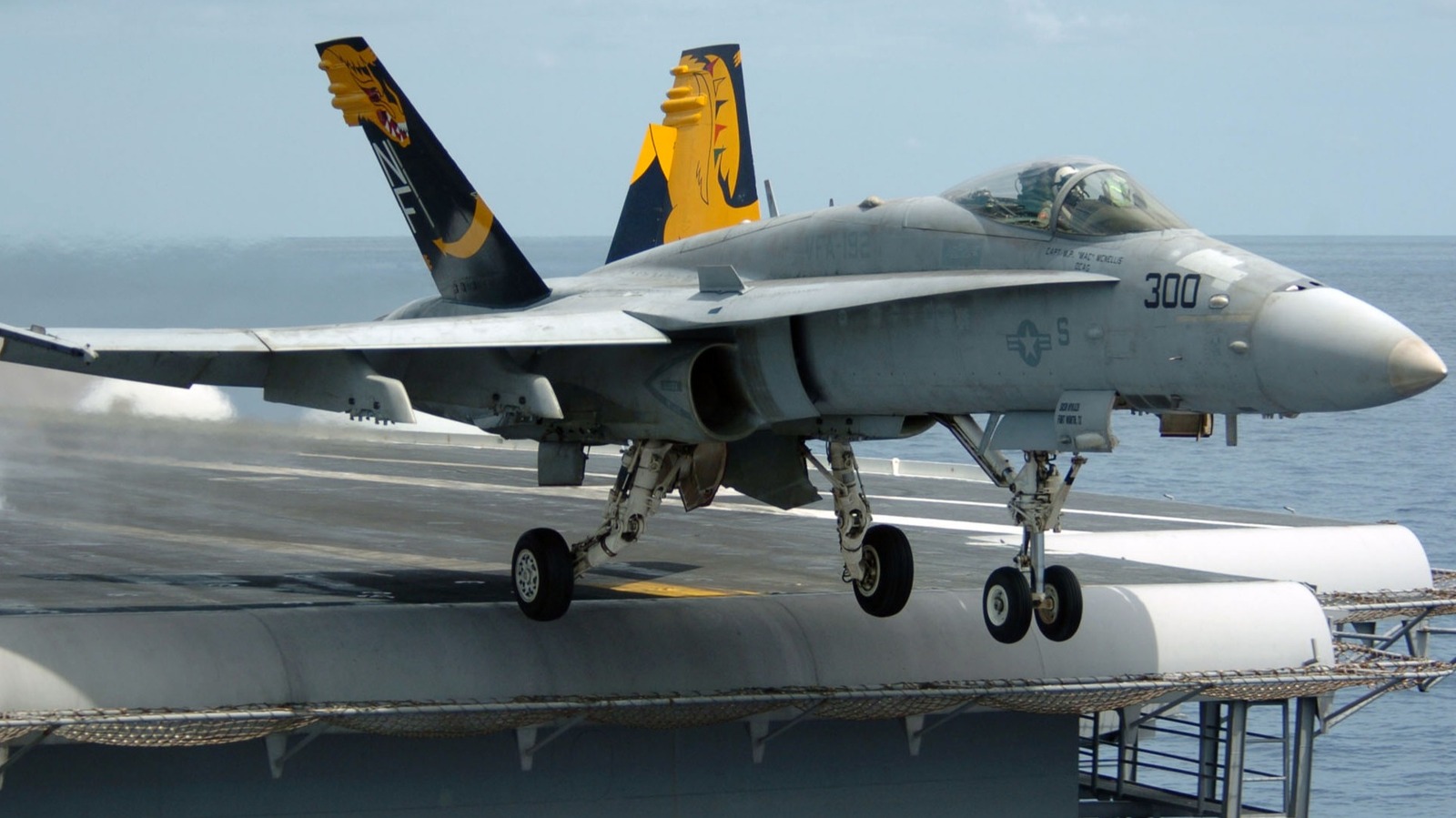
In 1984, the F/A-18 Hornet replaced the F-4 Phantom II and the A-7 Corsair II. Initially a 4th-generation fighter, the F/A-18 Hornet has undergone several upgrades and modernization enhancements, and the current F/A-18E/F Super Hornet is the USN’s primary multirole fighter and a 4.5th-generation aircraft. While the USN has several fighters at its disposal, the F/A-18 Super Hornet forms the backbone of its air wings.
The current variant began operating in 1999, and it’s one of the best fighters the Navy has ever flown. It replaced the F-14 Tomcat, and while that aircraft was exceptional, the F/A-18 Super Hornet outperforms it in every way, except top speed. It uses two F414-GE-400 turbofan engines that provide a combined 44,000 lbs. of thrust, giving the F/A-18 Super Hornet a top speed of Mach 1.8+ (1,381 mph). It has a ceiling of 50,000+ feet and a combat range of 1,467 miles.
Advertisement
In terms of armament, F/A-18 Super Hornets can carry a variety of munitions across over 400 loadouts, including air-to-air missiles, anti-ship missiles, bombs, mines, and rockets. It’s a highly capable fighter, and the new F/A-18 Block III Super Hornet is the Navy’s next-level fighter. While the USN is working to produce a 6th-generation replacement, currently dubbed the F/A-XX, the F/A-18 Super Hornet will remain operational throughout the 2030s.
Advertisement
Lockheed Martin F-35C Lightning II
The U.S.’ second 5th-generation fighter, the Lockheed Martin F-35 Lightning II, was designed with three variants. The USAF uses the F-35A, the USMC uses the F-35 B, which can take off and land vertically (VTOL), and the USN uses the F-35C. The Navy’s F-35 has a different configuration with foldable wings, which helps store it in aircraft carrier hangars without taking up too much space. The USN began flying them in 2019 and continues to expand their roles as more enter the inventory.
The F-35C was designed and built specifically for USN carrier operations, featuring enhanced stealth, a wide range of ordnance, and the ability to operate in contested environments worldwide. The aircraft has a top speed of Mach 1.5 (1,151 mph) and can pull up to 7.5G. The F-35C can carry 18,000 lbs. of mixed ordnance. It’s powered by a single Pratt & Whitney F135-PW-100 engine that produces 40,000 lbs. of thrust.
While the F-35C has been operating for the USN for several years, it only achieved operational testing aboard a Ford-class aircraft carrier in October 2026. It successfully completed an EMALS launch and cable-assisted recovery aboard the USS John F. Kennedy (CVN-79), marking a major milestone for future carrier operations. The F-35C represents several enhancements to USN fighter capabilities and is the branch’s most technologically advanced aircraft to date.
Advertisement
How we chose these five USN fighter jets
Selecting the best fighter jets the Navy has flown is subjective, but we aimed for objectivity, so we considered several factors. For example, the F-4 Phantom II is one of the most iconic aircraft the USN has flown, but the U.S. Air Force (USAF) and U.S. Marine Corps also flew it. One reason it’s iconic to the Navy is that the USN Blue Angels flew it, and it remains the only aircraft flown by that demonstration team, as well as the USAF Thunderbirds.
It represents Navy aviation and was an amazing fighter with an exceptional record. The same goes for the F-14 Tomcat, which quickly became one of the Navy’s most beloved fighters, thanks to “Top Gun” and its popularity. While it’s not as well known today, the LTV A-7 Corsair II was an exceptional USN fighter that flew during the Vietnam War, and it too became iconic in USN operations, appearing on carrier decks for many years after the conflict ended.
Advertisement
While the F-35C is one of three variants of the 5th-generation fighter, its carrier-specific configuration and the aircraft’s exceptional capabilities make it a preeminent Navy fighter. That said, the F/A-18 Super Hornet is arguably the most important of the USN’s jets, as it’s the service’s backbone of all aerial operations, and will remain so for years to come.
This article is crossposted from IEEE Spectrum’s careers newsletter. Sign up now to get insider tips, expert advice, and practical strategies, written in partnership with tech career development company Parsity and delivered to your inbox for free!
If you’re an engineer, you may feel like your skills aren’t commanding the premium they once did. Many engineers have faced layoffs or restructuring. But even for those of us who still have jobs, something corrosive is happening. You may have heard some version of this:
“ChatGPT answered that in five seconds. Why can’t you?”
Or, “I made this app in a weekend. Why is our team taking so long?”
Advertisement
I worked on a team where leadership said things like this directly to engineers. This was in 2024 and 2025, when the AI craze was in full swing and Claude and ChatGPTadoption was rising.
Demo-Driven Development
Generative AI (and the marketing behind it) gives people the illusion that the work is simpler than it is. A working demo hides complexity, and once someone has a website that works, they may decide they no longer need engineers, or start to distrust the ones they do have.
Some CEOs want to believe they can replace an engineering team with a few sexy prompts. Many companies also want them to believe this.
That website works great in the demo—under specific conditions and without users with thumbs for fingers. Then it has to plug into a system with millions of lines of old code, satisfy legal requirements, meet accessibility standards, and be delivered in a complex deployment process.
Advertisement
Thinking that writing code was the only bottleneck for deploying new software is like the Titanic seeing the tip of the iceberg and assuming there was nothing underneath it.
What you can do about it
Engineers have a unique position in the AI space, because you have the capacity to understand how these models work much better than the average person. Use this to your advantage.
Learn how AI models work. If you can’t already explain that LLMs are probabilistic, what tokens are, or why training data matters, spend a weekend fixing that. You don’t need to become a full-blown AI researcher. A few fundamentals will put you ahead of most people making the AI decisions.
Teach upward. Turn that knowledge into teaching moments for the people who lead you. Explain the limits of these tools, and why a demo and a production system are different animals. It keeps people from truly believing that a notebook full of prompts can replace an engineering team.
Advertisement
Consider the criticism of today’s processes. Some of what we do has been treated as ceremony for too long. Be willing to say, “you know what, maybe you’re right, this process is too slow for the speed we can work at now.” Conceding that earns you the credibility to defend the steps that matter.
I still believe that speed at the cost of everything else is harmful—but that’s a topic for another time.
Find your voice. Engineers at the forefront of AI adoption need to push back and explain why we do things the way we do. Nobody else in the room is going to do it for us.
Don’t chase (too many) shiny objects
Your goal, in my opinion, is to save your organization from buying into the hype so much that they chase the wrong thing. Our job, before and after AI, is building safe and useful products for human beings, and engineers are still best suited for that.
Advertisement
—Brian
The need to educate engineering students about ethics and social responsibility is widely recognized, but today’s curricula often miss the mark. Three professors propose a new approach: adding ethics training directly to core technical coursework.
Looking for a career in quantum computing hardware? An IBM spin-off called Anderon could receive up to $1 billion in funding from the U.S. CHIPS and Science Act for its quantum foundry, established earlier this year. Could Anderon do for quantum hardware what TSMC did for conventional chips?
When Gurmeet Saran joined Anthropic’s technical staff in 2025, he entered a role focused on a key question: How do you know whether you can trust a chatbot like Claude? Learn more about Saran’s path and his work at the AI company.
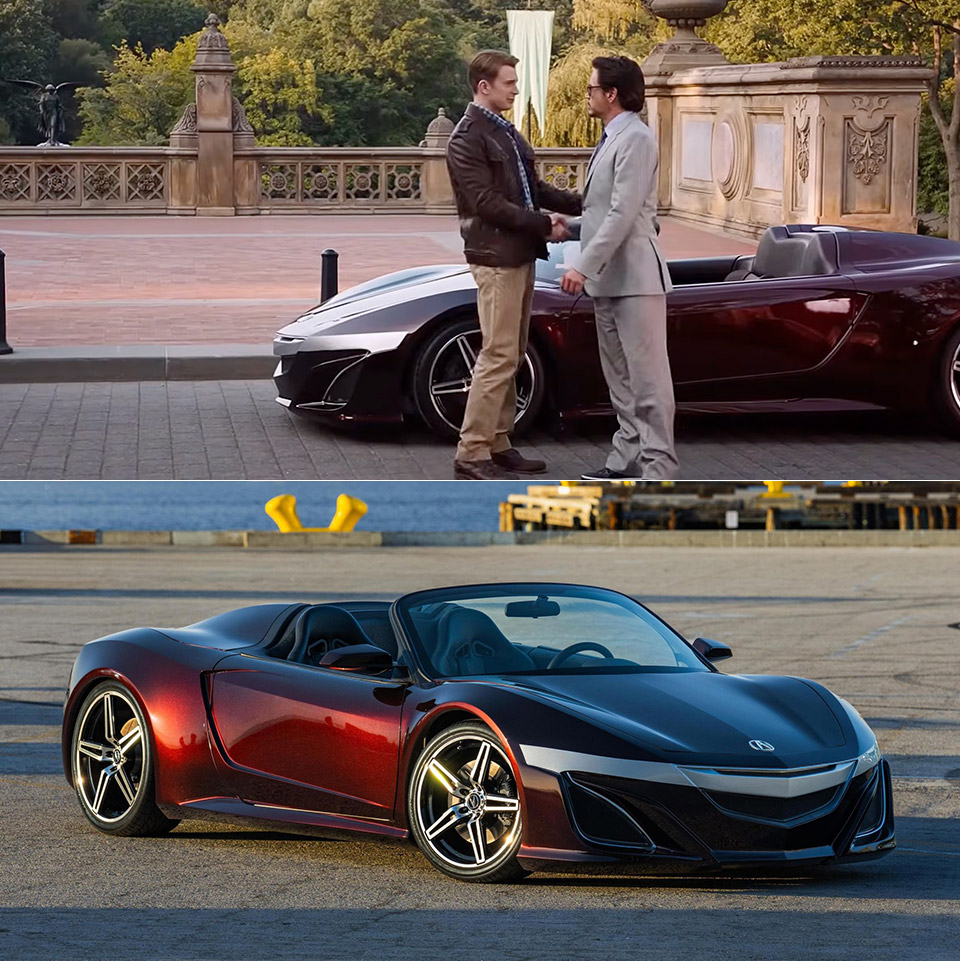
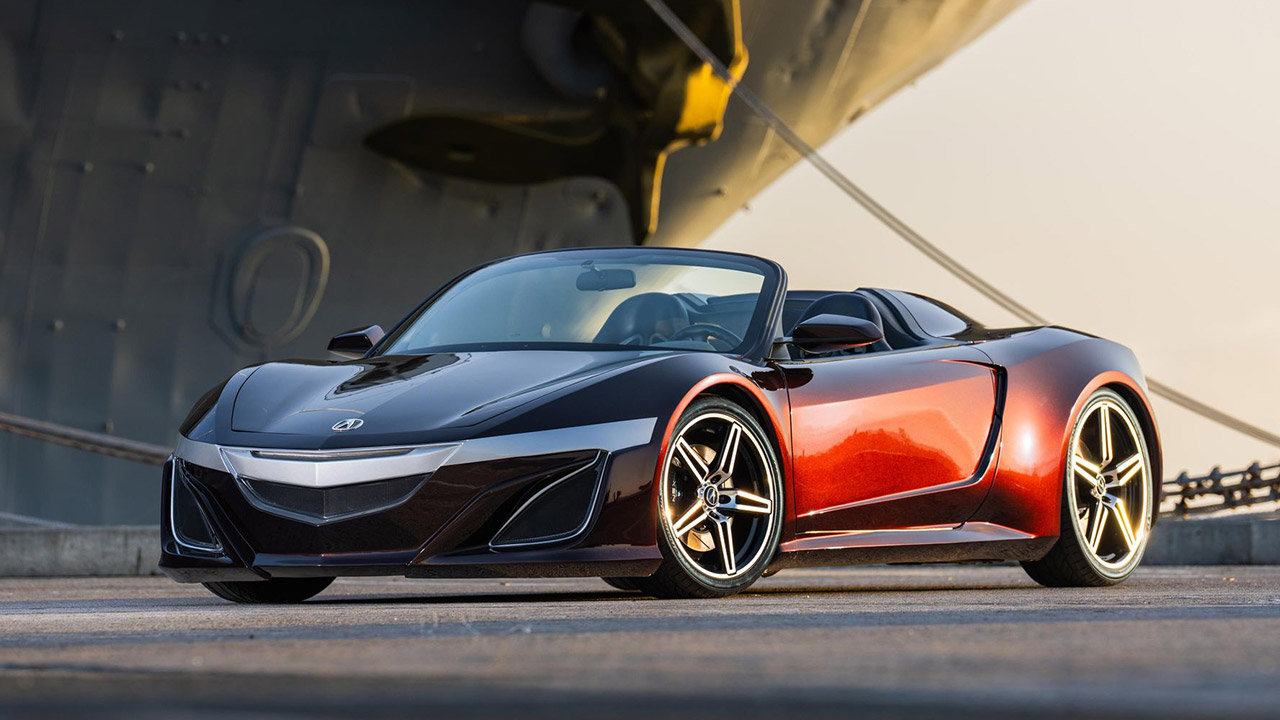
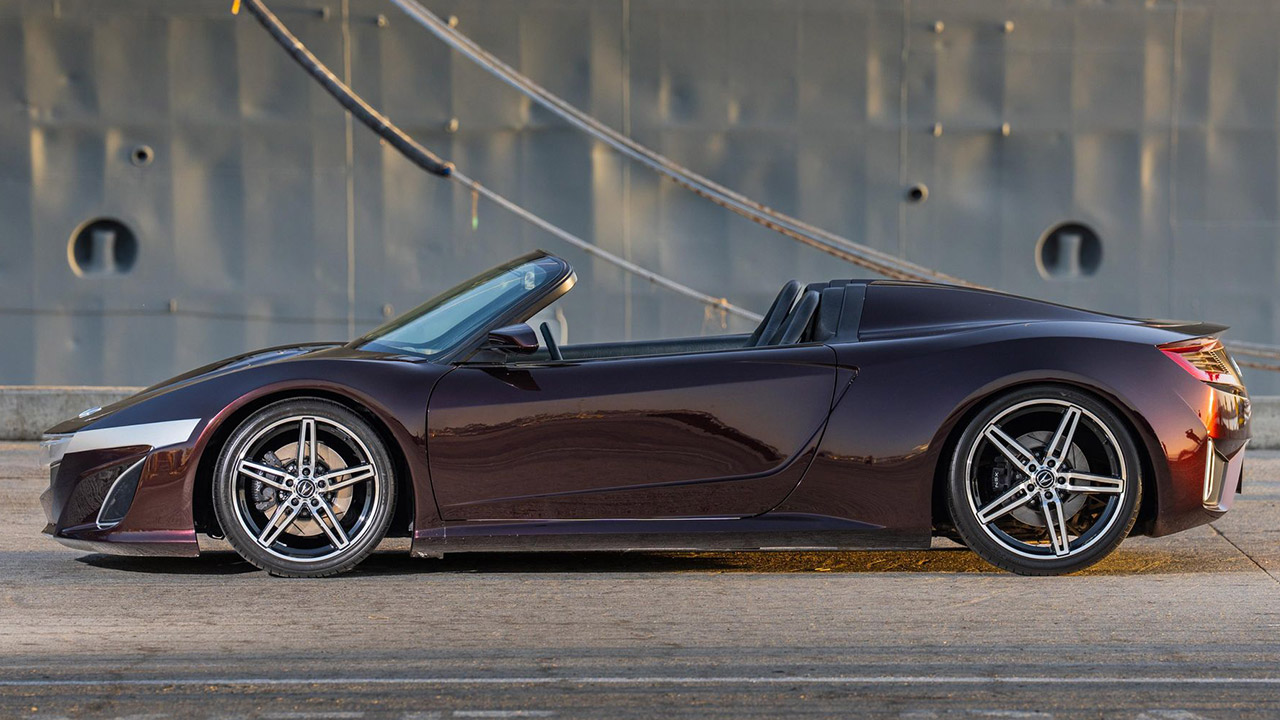
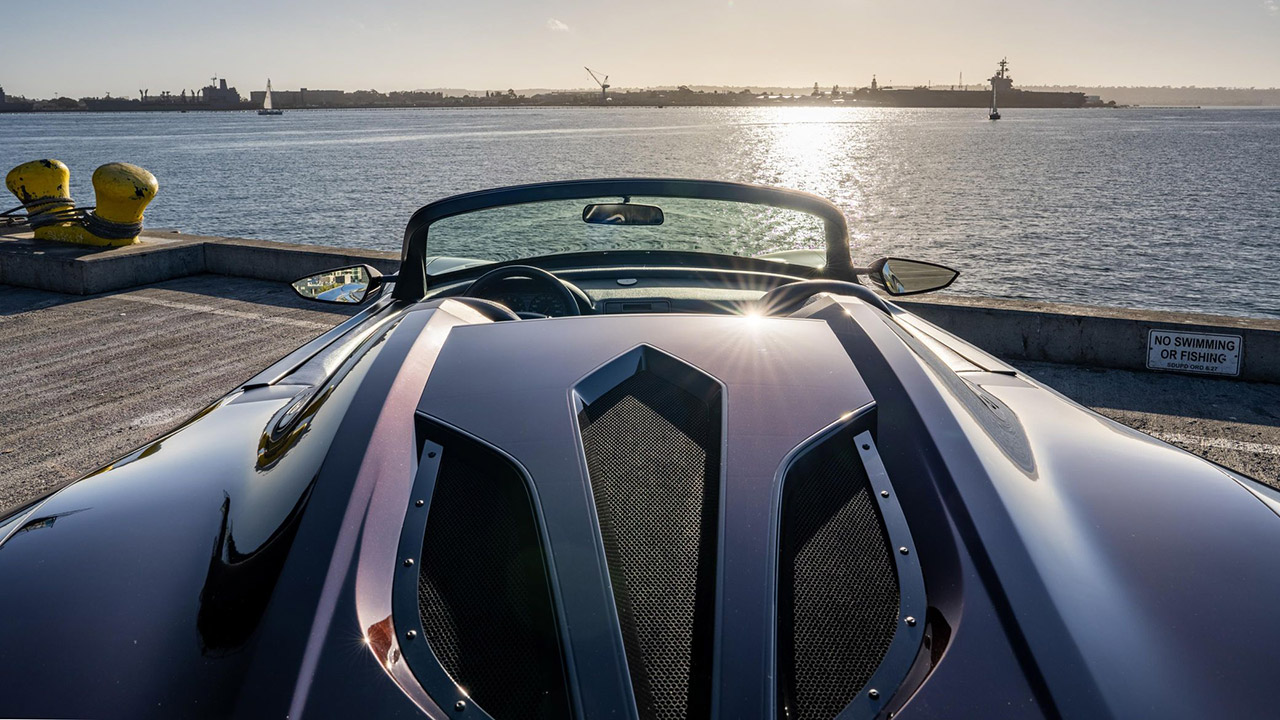
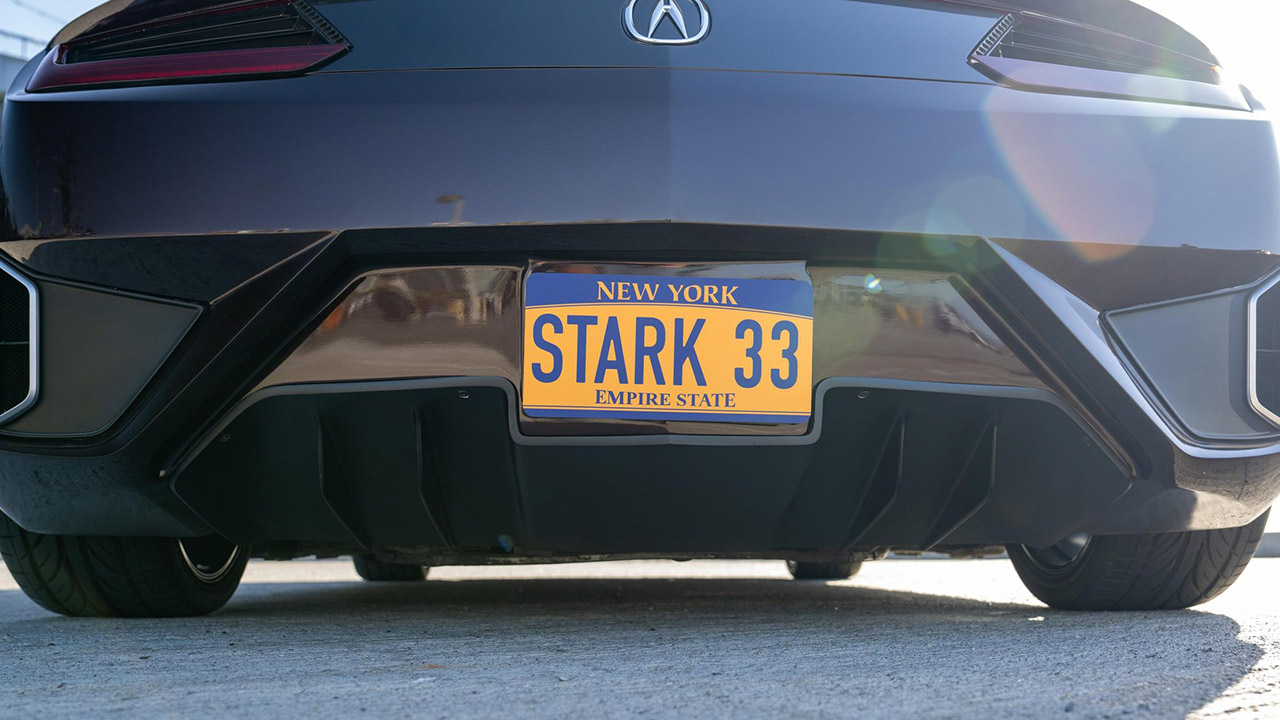
Robert Downey Jr. drove away from the final scene of 2012’s The Avengers in a low, open roadster finished in a deep red close to Iron Man’s armor, wearing a New York plate that read STARK 33. That exact car now sits on Cars & Bids with no reserve, and every dollar of the winning bid goes to a charity chosen with the buyer. American Honda will also cover the platform’s buyer’s fee once the sale closes on October 31.
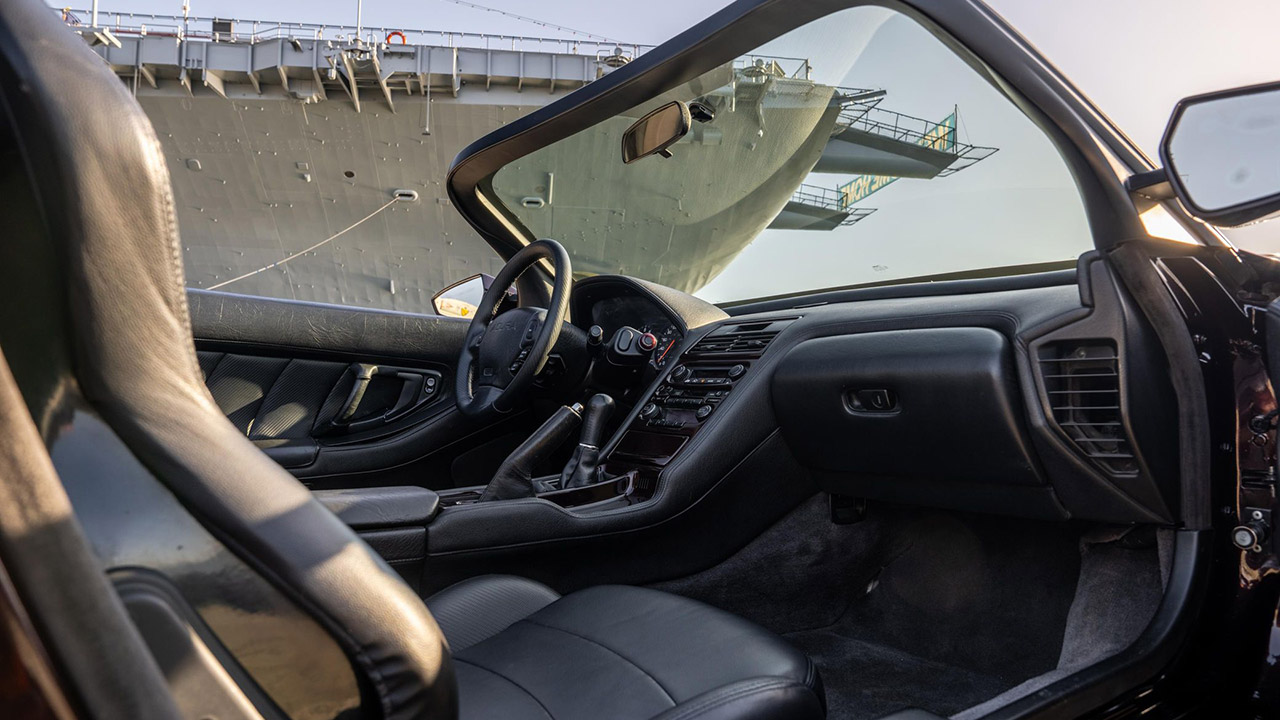
The Acura Los Angeles design office, then led by Dave Marek, took the second-generation NSX concept from the Detroit auto show and ran with it, practically putting those design cues into the car it was developing. Trans FX in Oxnard, California, then created a resin and fiberglass bodyshell over a first-generation chassis, beginning with a relatively worn 1991 NSX with 252,000 kilometers. Marek subsequently revealed that he chose this car for a film set because they needed something that would start every time the cameras rolled, and nothing was better suited to that aim than the original NSX.
SUPER HERO TOY BUILDING SET – Unleash large-scale Super Hero action with the LEGO Marvel Epic Battle: Avengers: Doomsday (76348) building toy for…
6 AVENGERS MINIFIGURES – Launch into epic Super Hero adventures with minifigures of Doctor Doom, Magneto, Thor, Nightcrawler, Mystique and Mister…
INSPIRE CREATIVE PLAY – Recreate the exciting showdown from the Marvel Studios Avengers: Doomsday movie with a buildable, fully articulated Sentinel…
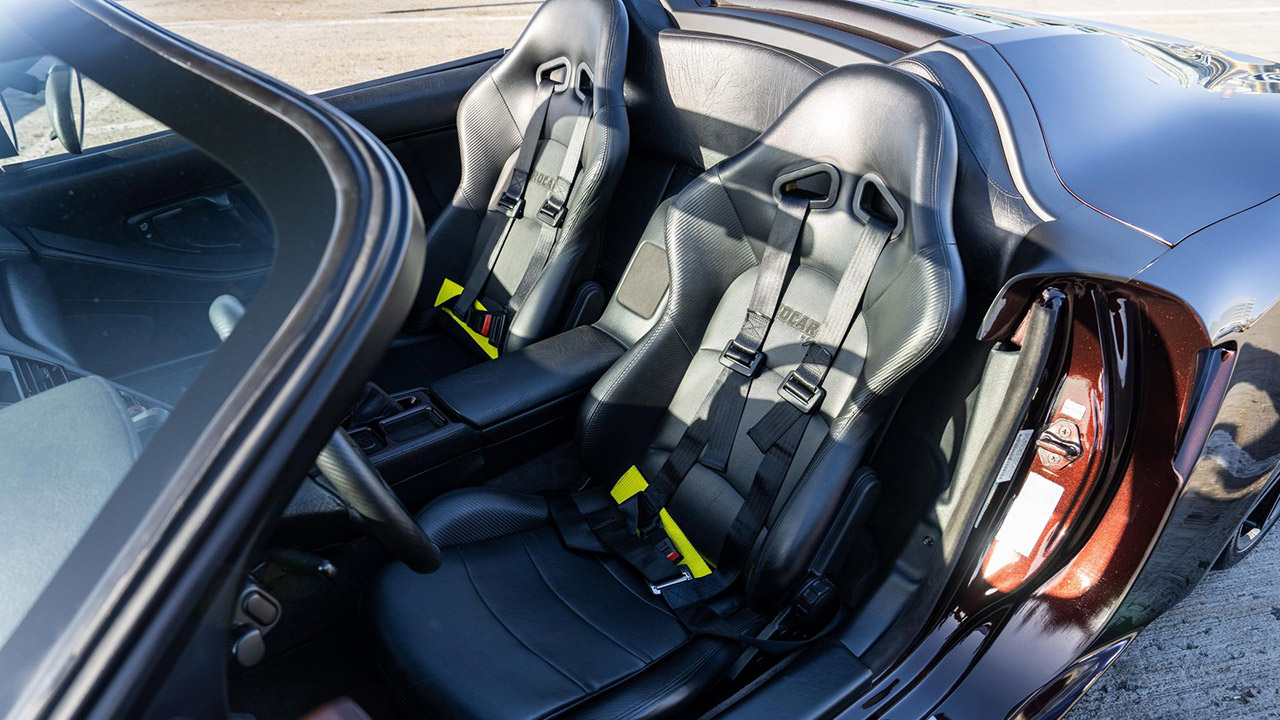
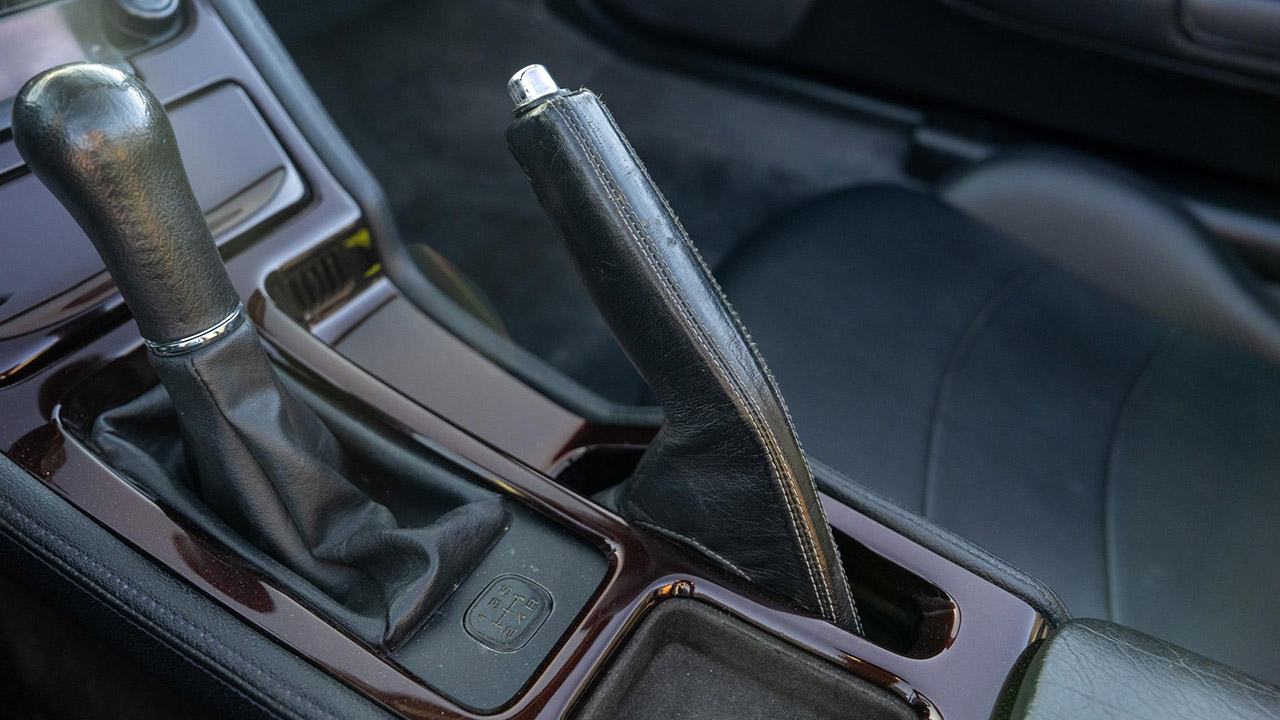
The suspension was lowered by two inches, and aftermarket sport seats were added. For good measure, the wheels were staggered, with 18 inches up front and 20 inches in the back. The power still comes from the factory 3.0-liter DOHC VTEC V6 engine, which produces roughly 270hp and 210lb-ft of torque when new, and it is still mated to a five-speed manual transmission that sends power to the rear wheels.
The finished car has no hardtop or side windows, leaving the cockpit totally exposed to the elements. They also left the screen-used plate and some unique LED taillights in place. After all of the filming, Acura decided to keep the car, bringing it out of storage for public viewing in 2025 at Monterey Car Week and then again at Sundance.
A certificate of authenticity, a signed photo of the creative director with the car, one key, and two key fobs travel with it.Ownership comes with hard limits. The listing calls the car a non-registerable manufacturer prototype that carries no usable VIN for street purposes. It sells on a bill of sale, cannot be titled or driven on public roads, and remains subject to an Acura usage agreement.
In terms of the car’s condition, let’s just say that it’s been well-loved and used for the last dozen years or so. There are micro-scratches on the bumpers, A pillars, and doors, paint cracks on the C pillars, scuffs on the interior trim, and a bent armrest. Plus, the exact mileage on this car is practically a mystery, as it was only test driven in brief bursts of about 20mph while they were creating it.
So it’s worth emphasizing that whoever wins this auction will most likely see it as a nicely kept film prop rather than a daily driver. Which is interesting given that Acura essentially chose this high-mileage donor car because it knew it only needed it to be dependable enough to complete the task on camera.



















































You must be logged in to post a comment Login