
Tech & AI
Nvidia CEO Search Reaches Arm: Board Reportedly Approached Rene Haas One Day After Jensen Huang Resigned

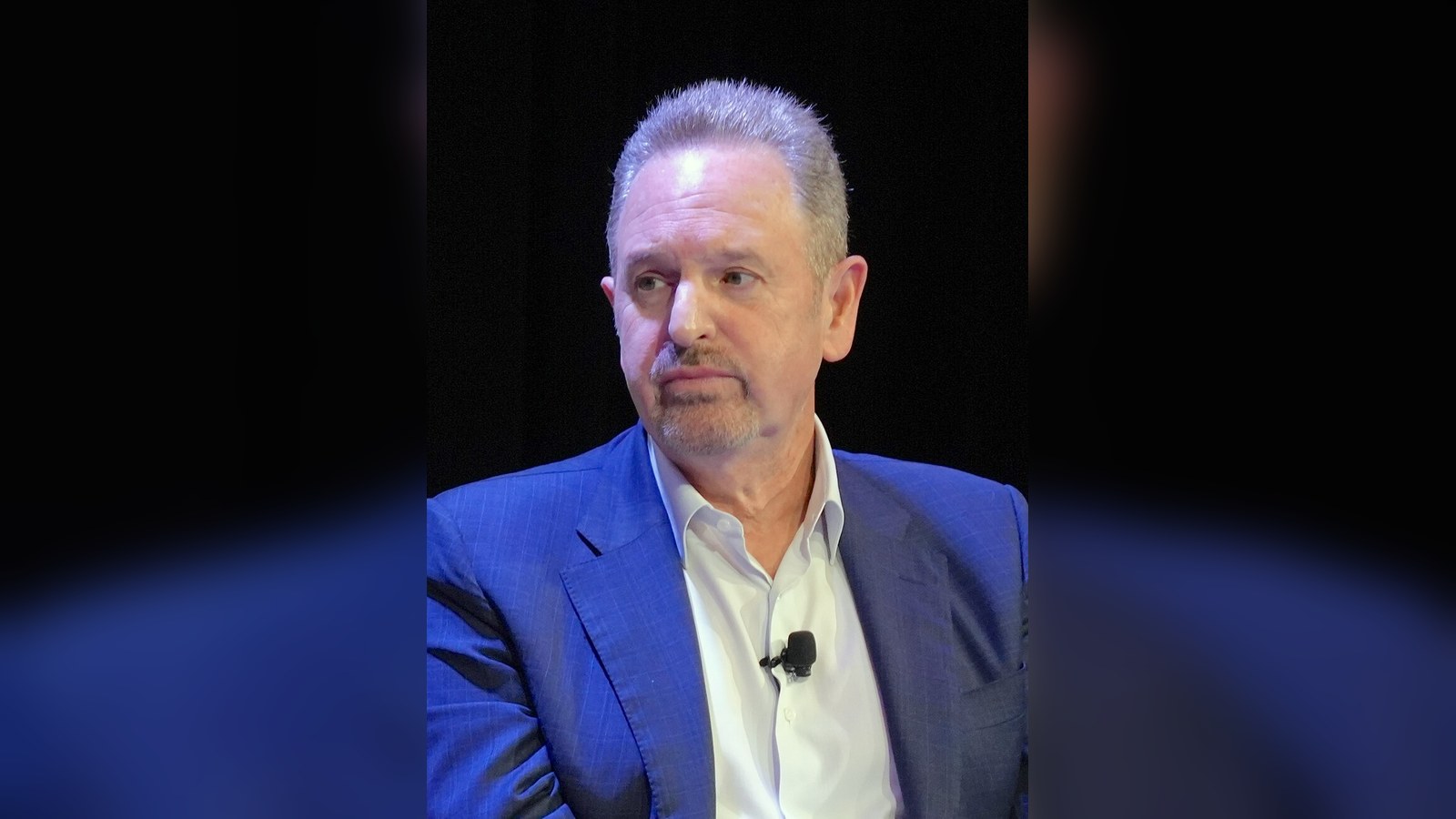
The Nvidia CEO search is already reaching beyond the company’s own walls. According to a Financial Times report cited by Fox Business, Nvidia’s board has approached Rene Haas, chief executive of British chip designer Arm, as it looks for a permanent successor to Jensen Huang. Huang resigned on Thursday, and the report surfaced on Friday, November 13.
Why Rene Haas is on the board’s radar
Haas has run Arm since 2022. Before that, he spent seven years at Nvidia more than a decade ago. The FT, as relayed by Fox Business, says he has a “strong relationship” with Huang and with some current board members. That mix of insider familiarity and outside perspective may explain why the board would consider him, though the sources do not say how far any conversation went or whether Haas is interested.
Arm declined to engage with the report. “It’s a no comment from us,” the company told Fox Business. Nvidia has not publicly confirmed any individual candidate. Its statement said only that the board will “consider internal and external candidates.”
What led to Huang’s exit
Fox Business reports that Huang stepped down after the board investigated his reported affair with a tech executive who is suspected of being a Chinese intelligence source. He is also alleged to have had extramarital relationships with two Nvidia employees. These are allegations as described in the reporting. The sources do not detail the investigation’s findings, and no court has made any determination about them. Nvidia’s own statement was gracious, thanking Huang for his “immeasurable contributions” to the company and the industry.
An interim chief and a divided internal mood
Nvidia has named Colette Kress, its executive vice president and chief financial officer, as interim CEO. Kress joined in September 2013 and has led the finance organization through the company’s period of rapid growth. A Fox Business segment cited an expert who called her “perfectly capable” of steering the company in the meantime.
Not everyone appears to want an outsider. Decrypt reports that some employees are pushing for Huang to return as CEO. That sets up an awkward contrast. The board is formally seeking a successor, while part of the workforce wants the man who just left. Decrypt’s account does not say how widespread that sentiment is.
Markets and politics add pressure
The leadership change is landing amid broader scrutiny. Fox Business coverage points to reports of Nvidia chips allegedly being funneled to China through a firm called Megaspeed, and to a U.S. senator’s plans to tighten limits on China’s access to AI chips. Fox’s market coverage also shows a mixed reaction, with one segment noting that stocks rallied despite the shake-up and another describing a losing streak for Nvidia shares. At the time of Fox’s snapshot, Arm shares were down 4.63% at $190.53. The sources do not say whether that move was tied to the report on Haas.
What to watch in the Nvidia CEO search
The board has set no timetable. Several questions are open: whether Haas is willing to leave Arm, whether the board prefers an insider such as Kress, and how seriously it weighs the employee push for Huang’s return. Because the Haas approach rests on a single FT report that neither company has confirmed, it is best read as a signal of how wide the net is cast, not as a sign that a deal is near.
Explore more on this topic with Vexel Search.
File photo: Rene Haas at SXSW 2025.jpg by Rosiestep, CC BY-SA 4.0, via Wikimedia Commons.
WordUp Morning
Ten stories, both sides of each, in five minutes. Free, every weekday at 7am, plus a Saturday weekend edition.
We'll email you a link to confirm. Unsubscribe any time.

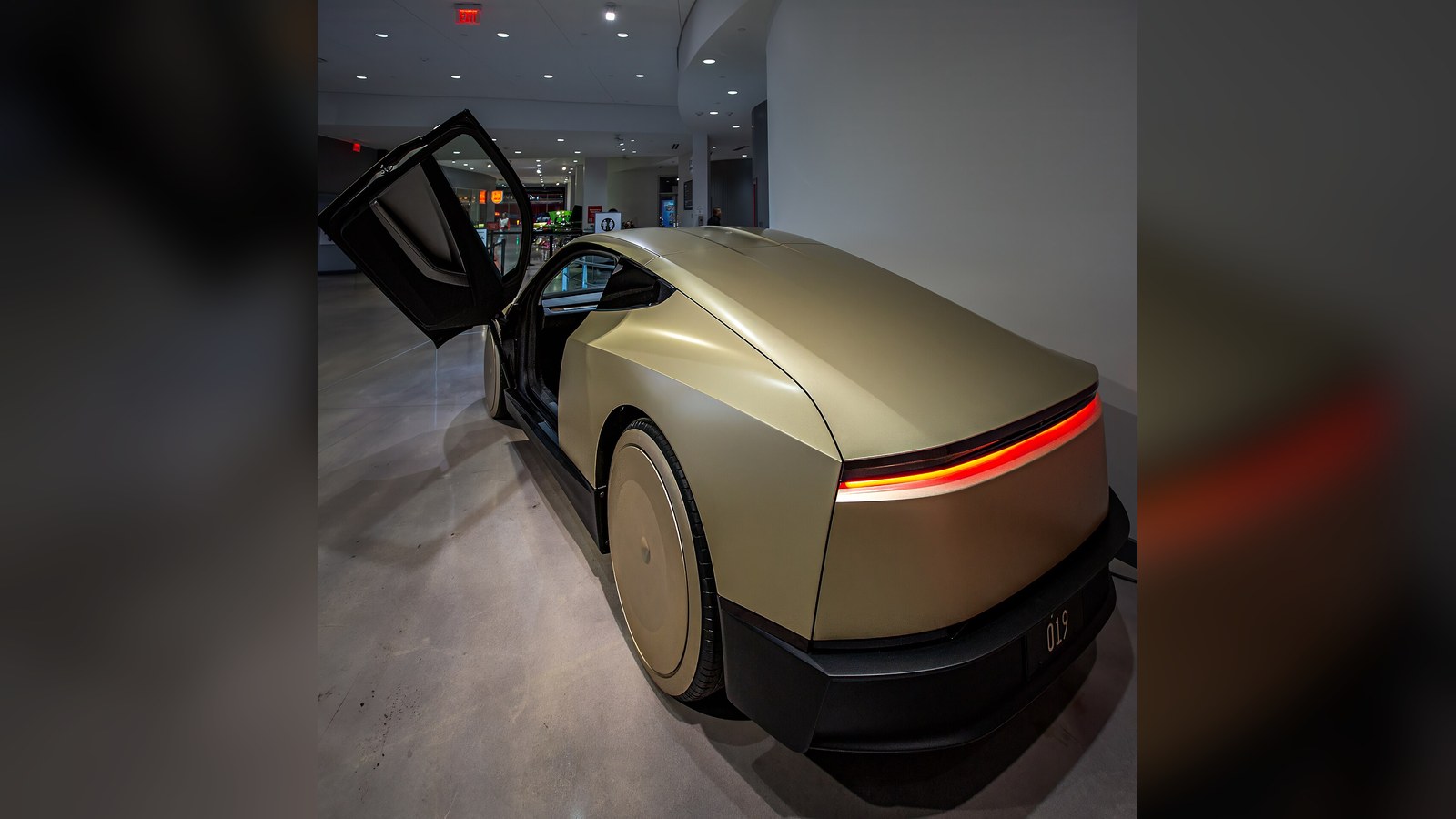
Tesla has begun inviting select customers to order a Cybercab for personal use, but the $29,990 headline price is only the start of what buyers would actually pay, and the restrictions attached to it are considerable.
The offer was announced on Tesla’s Robotaxi account on X, with screenshots of the order page and the invitation email. The steering-wheel-free two-seater was originally pitched as a roughly $30,000 driverless car. The new terms add a mandatory $299-a-month “Autonomy Subscription,” and the car cannot be driven without it.
What the subscription really costs
Tesla already charges $99 a month for its Full Self-Driving feature, so a software fee is not a total surprise. The difference is what happens when you stop paying. Cancel FSD on a regular Tesla and you still have a car you can drive yourself. The Cybercab has no steering wheel, pedals or mirrors, so cancelling the subscription would leave it unusable on public roads.
Over a five-year ownership period, the fee adds $17,940, which pushes the baseline cost toward $48,000 before taxes, charging and insurance. The Verge noted that this is more than a new Model 3 or Model Y, which can be driven anywhere in the country.
Limits on where and how it can be used
The conditions go well beyond price. The Cybercab will be sold only in “supported service areas,” which means the cities where Tesla already runs its Robotaxi service. Engadget lists those as parts of Miami, Orlando and Tampa in Florida, and Austin, Dallas, Fort Worth, Houston and San Antonio in Texas. Tesla AI chief Ashok Elluswamy said the cars will operate unsupervised within the same geographic zones as the Robotaxi fleet, “just serving the owners’ needs.”
Buyers must also put down a $1,000 non-refundable deposit to join the queue for a December delivery window that Tesla does not guarantee. The invitation itself warns that “initial availability is limited.”
Perhaps the biggest letdown involves income. The 2024 “We, Robot” pitch suggested owners could add their cars to Tesla’s network and earn money while they slept or worked. According to The Verge, the order terms explicitly prohibit commercial use, which rules out ride-hailing, delivery work and putting the car on Tesla’s own network to offset the monthly fee. Elluswamy has floated the second quarter of 2027 as a possible target for letting customer cars join the network, so early buyers would pay full price in the meantime.
Regulatory questions remain
Delivery is also not certain on the regulatory side. Engadget reports that shortly after the Cybercab entered commercial service, the National Highway Traffic Safety Administration opened an audit query into how Tesla self-certified the vehicle. The agency pointed to the lack of “permanently attached, conventional manual controls” and said it wants to examine “the process and technical data on which Tesla relied when certifying the Cybercab.”
The Cybercab is not a rarity on the road. Tesla began offering Cybercab rides in Austin in September, and the crowd-sourced Robotaxi Tracker counts 278 in operation, about 40 percent of the fleet. Even so, whether privately owned cars can reach customers on schedule remains unproven.
For now, the Cybercab personal use offer looks less like a mass-market breakthrough and more like a limited, tightly controlled pilot. Buyers would be paying for a car that works only in a few cities, only while they keep subscribing, and, for the time being, only for their own errands.
Explore more on this topic with Vexel Search.
File photo: 2024 Tesla Cybercab Prototype.jpg by RON RAFFETY, CC BY-SA 2.0, via Wikimedia Commons.
WordUp Morning
Ten stories, both sides of each, in five minutes. Free, every weekday at 7am, plus a Saturday weekend edition.
We'll email you a link to confirm. Unsubscribe any time.
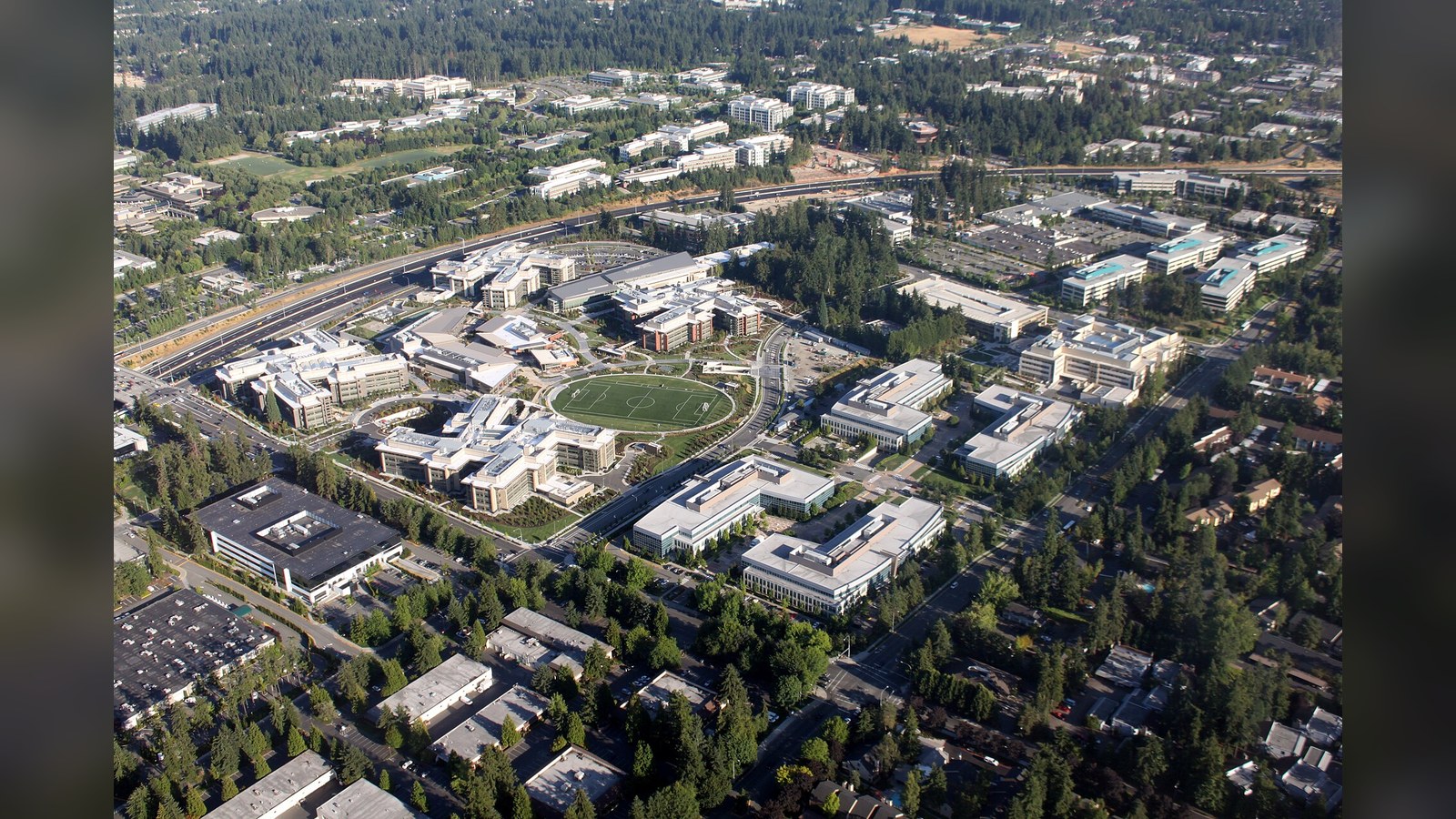
The Microsoft outage that disrupted governments, hospitals, courts and businesses across the world is over, according to the company. On Saturday morning Microsoft said it had restored service to all remaining affected customers and regions, ending one of the most serious IT failures in years.
The company’s Microsoft 365 status page said it had “completed our efforts to address the underlying issue of the incident and restored service to the remaining impacted customers and regions.” It pointed customers to an incident reference, MO1550821, in the Microsoft 365 admin center for further updates.
How the Microsoft outage unfolded
Problems began on Thursday, around midday in the US and about 6pm in the UK. Downdetector, the outage-tracking site, showed a spike in Teams complaints from UK users at roughly 6.15pm. At the peak on Thursday night, more than 130,000 US users reported trouble with Outlook. Overall, the tracker logged reports from users in more than 70 countries and territories.
Outlook, Teams and the Copilot AI assistant were among the affected services, and many customers could not send or receive email. Microsoft says about 430 million people use its 365 apps, so even a partial failure reaches a very large number of workplaces. Some other AI chat services, including ChatGPT and Claude, were also reported as disrupted. The sources do not say whether that was connected to Microsoft’s problem.
Public services forced onto paper and phones
The outage showed how far public institutions now depend on a single software provider. In the UK, NHS England said staff were “enacting long-standing measures” for IT failures, including paper records. One union reported a “serious impact” on ambulance services. The National Pharmacy Association warned of longer waits and delayed prescriptions because doctors might be unable to email them to pharmacies.
Police forces in England and Wales said they could not receive crime reports online. The already backlogged courts were hit too. Some juries were sent home early, some prisoners were not taken to court, and staff at Manchester’s Minshull Street crown court reportedly had to hunt for a fax machine.
The disruption was just as visible elsewhere:
- Japan: government email became unavailable and staff turned to text messaging. Shipping firm Sagawa Express could not accept some online reservations, and drugmaker Taisho took orders by phone.
- Australia: councils, courts and schools lost inbox access. The federal police and the domestic spy agency Asio were affected, though Asio’s chief, Mike Burgess, said its systems were hit “on one level, yes, but not completely.”
- Europe: agencies in the Netherlands, Belgium and France reported problems, and one French municipality told residents to phone rather than email.
- US: school districts asked parents to call or use apps, House of Representatives staffers told Politico they lost a day of work, and a Colorado detention facility could not take online bond payments, so people had to pay in person.
- Elsewhere in Asia: Indian airlines IndiGo and Akasa Air said email support was affected, and Taiwanese financial firms told Reuters that fund management services were disrupted.
What Microsoft and the UK government have said
On Friday Microsoft apologised and said the failure was a “technical issue not related to cyber or AI agents.” The sources do not give a more detailed root cause, so questions remain about what went wrong and why recovery took so long.
UK cyber minister Baroness Lloyd of Effra said the Microsoft outage mainly affected back-office functions and that contingency measures were in place. She acknowledged “limited reports of impact on frontline service delivery” and called the incident “inconvenient and disruptive.” She added that she had spoken to Darren Hardman, chief executive of Microsoft UK.
The wider lesson
Many of the stopgaps were old ones: phone calls, paper records, in-person payments and even a fax machine. They kept essential work going, but with delays and some loss of service. The NHS has a five-year deal to use Microsoft 365, and governments on several continents run on the same platform, so a single fault can disrupt many institutions at once. Microsoft’s all-clear ends this episode, but the detailed explanation customers and governments will probably want has yet to be published.
- Microsoft says services fully restored after global outage (The Guardian)
- Microsoft says service fully restored after major global outage (standard.co.uk)
- Microsoft confirms services fully restored after major global outage (The Independent)
Explore more on this topic with Vexel Search.
File photo: Aerial Microsoft West Campus August 2009.jpg by Jelson25, Public domain, via Wikimedia Commons.
WordUp Morning
Ten stories, both sides of each, in five minutes. Free, every weekday at 7am, plus a Saturday weekend edition.
We'll email you a link to confirm. Unsubscribe any time.
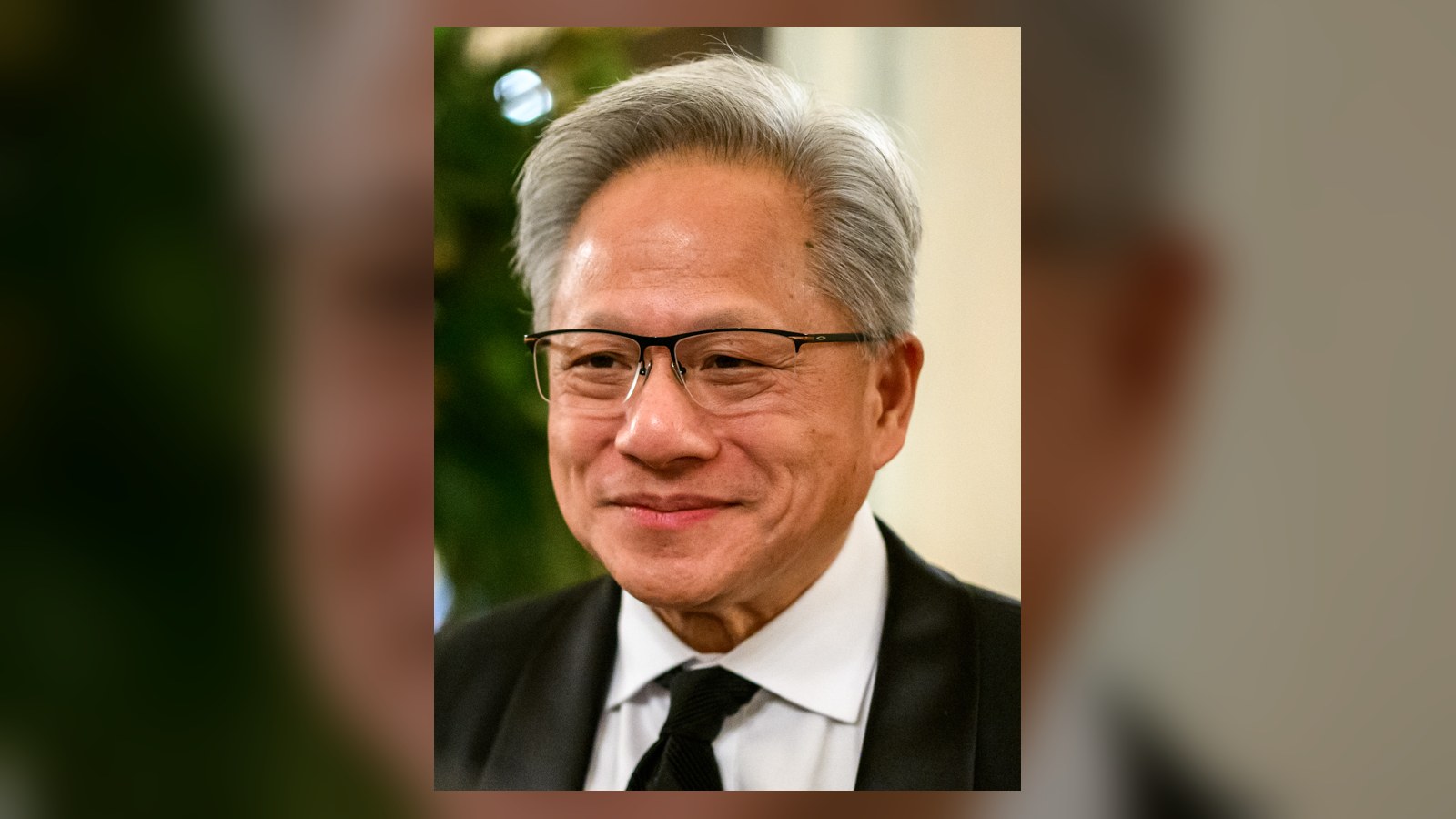
Senate testimony from Jensen Huang and Commerce Secretary Howard Lutnick is now being demanded for Dec. 3, as Congress moves to examine national security questions surrounding Nvidia. Huang resigned as the chipmaker’s chief executive on Thursday.
Senate Banking Committee Chairman Tim Scott, a South Carolina Republican, sent letters to both men Thursday evening asking them to appear at a public hearing. He made clear the request carries teeth. If either declines to come voluntarily, the committee could issue a subpoena, and Al Jazeera reported the pair could face legal action.
What triggered the demand for Senate testimony
The scandal centers on revelations that Huang had extramarital affairs. One was with a woman whom, according to The New York Times, US officials concluded had been recruited by China’s main spy agency. Beijing has denied allegations of spying on the US. The sources describe the claims as suspicions and reported findings, and no charges against anyone are mentioned.
Scott framed the stakes in a post on X: “Recent reports raise serious concerns about our national security and the protection of sensitive U.S. technology. The American people deserve answers.”
Pressure on the Commerce Department
Lutnick’s presence on the list shows the inquiry reaches beyond one executive. His department was required to review companies for national security risks before the Trump administration allowed Nvidia to sell advanced chips to China last year. Critics now allege Nvidia did not get proper scrutiny. Lawmakers have also accused Commerce of declining to add dozens of Chinese companies to a US trade blacklist.
Under Secretary of Commerce Jeffrey Kessler has been summoned for a Dec. 3 hearing as well. Two top Democrats on congressional committees wrote to Lutnick separately, saying they are investigating. Senator Richard Blumenthal told Al Jazeera he was troubled by allegations that Nvidia donated $25,000 to the Trump administration. Those allegations come from the sources’ accounts and are not established here.
A bipartisan push that reaches beyond the Senate
Resignation has not eased the pressure. Senate Democratic leader Chuck Schumer said Congress must “demand answers” from Huang. He also called on the administration to explain what it did once it learned of the relationship. Senator Elizabeth Warren, the Banking Committee’s top Democrat, said the resignation “does not absolve him, other executives or the company as a whole” of responsibility.
The Senate is not alone. Al Jazeera reported that three House committees have asked Huang and Nvidia General Counsel Tim Teter to appear on Dec. 1 and 2, or face subpoenas. The chairs of the Foreign Affairs, China Select and Intelligence committees wrote that “there are clear national security concerns that need to be addressed immediately.” The Times said House Republicans are in talks with Huang about testifying, and that Huang has hired lawyers who have represented executives in government investigations.
Markets, Beijing and Trump
The fallout is spreading. Nvidia’s market value has dropped below $4 trillion for the first time since July 2025. China’s foreign ministry warned that tighter US semiconductor export rules would threaten the stability of global industry and supply chains, and said Beijing opposes the “abuse of export control measures.” Meanwhile, US lawmakers have called for limits on chip equipment exports to China.
President Trump, who has called Huang “honourable,” is heading to China amid the controversy. Whether Huang and Lutnick will give Senate testimony voluntarily, or only under subpoena, is the next question for a hearing that could shape US policy on advanced chip exports.
- Nvidia’s Huang, Lutnick summoned to testify to US Senate (aljazeera.com)
- Huang and Lutnick Summoned to Testify Before Congress (nytimes.com)
Explore more on this topic with Vexel Search.
File photo: Jen-Hsun Huang 2025.jpg by The White House, Public domain, via Wikimedia Commons.
WordUp Morning
Ten stories, both sides of each, in five minutes. Free, every weekday at 7am, plus a Saturday weekend edition.
We'll email you a link to confirm. Unsubscribe any time.
Tech & AI
ChatGPT Wallet Lets OpenAI’s Dots Spend Your Money, but Only With a Face ID or Fingerprint Check

Header image: AI-generated illustration by WordUp News.
OpenAI has launched ChatGPT Wallet, a payment feature that allows its Dots personal AI agents to buy things on a user’s behalf. The rollout began November 13 and is deliberately narrow: it is limited to ChatGPT Pro subscribers in the United States, who must be 18 or older and hold a US-issued Visa, Mastercard, or American Express card.
How ChatGPT Wallet handles payments
The core design choice is that the agent never sees a real card. A user adds a card once. When a Dot helps with a purchase, the user reviews the items, the total, and the card selected, then approves with a security check such as Face ID or a fingerprint scan. After approval, the payment network issues a payment token that stands in for the card number, security code, and expiration date. The charge lands on the user’s chosen card, and neither the merchant nor the agent receives the underlying details. Each approval also produces a record of what the user authorized.
OpenAI describes the product as the first wallet that lets agents pay without access to actual card details while requiring a security check on every purchase. That is the company’s own claim, and the sources do not independently verify it. OpenAI also says existing card rewards are preserved and that protections for eligible disputes are unaffected, which addresses two obvious worries for anyone considering handing shopping tasks to software.
From approval at every step to full delegation
For now, the human stays in the loop on every transaction. OpenAI’s stated ambition goes further, though. The company says it expects users to eventually delegate purchases entirely, setting parameters such as spending limits, purchase categories, or time windows, and pre-approving buying within those bounds. It says those arrangements would build on current protections, including biometric checks and clear records of authorization.
That distinction matters. The current version of ChatGPT Wallet is closer to a smart checkout assistant than an autonomous shopper. The more consequential, and riskier, step is the one OpenAI describes as coming later.
A cautious launch with a retail obstacle
OpenAI says it is starting with limited availability so it can learn from real-world use and work with businesses, banks, and payment networks on compatibility and reliability. It also released a Commerce Partner Playbook, which it describes as tools and practical guidance for businesses that want to support customers using agents. One stated goal is ensuring agents can actually reach merchants’ sites.
That goal runs into a growing problem. ChatGPT Wallet will not work on websites that block agents, and more are doing so. Android Authority reports that Amazon moved to block Meta’s Muse from shopping on its site almost immediately, citing GeekWire, and that United Airlines this week announced a policy restricting agent access to its digital platforms, both directly and indirectly through travel agencies and aggregators. A wallet is only useful if merchants let the agent through the door.
The trust question
Merchants are not the only audience to win over. Android Authority notes that consumers hear regularly about AI systems that hallucinate, as well as OpenAI’s own admissions about its models being involved in cybersecurity breaches. Asking people to let an agent near their money is a bigger leap than asking it to draft an email. Requiring a biometric check on every purchase, and keeping real card numbers out of the agent’s reach, looks designed to lower that barrier.
Whether it is enough will depend on how reliably Dots complete purchases, how many retailers cooperate, and whether OpenAI can expand beyond a small group of paying US subscribers. For now, ChatGPT Wallet is an early test of whether shoppers and stores are ready for agents that spend.
- OpenAI rolls out ChatGPT Wallet to let Dots AI agents make purchases (androidauthority.com)
- OpenAI launches ChatGPT Wallet, enabling ‘dot’ agents to make purchases (9to5mac.com)
Explore more on this topic with Vexel Search.
WordUp Morning
Ten stories, both sides of each, in five minutes. Free, every weekday at 7am, plus a Saturday weekend edition.
We'll email you a link to confirm. Unsubscribe any time.
Tech & AI
Bessent Says Commerce “Has the Pen” on Megaspeed Entity List as Lutnick Faces December Senate Hearing

Header image: AI-generated illustration by WordUp News.
Treasury Secretary Scott Bessent has publicly pushed responsibility for the Megaspeed entity list decision onto Commerce Secretary Howard Lutnick, a rare open split inside the Trump administration as the Nvidia scandal moves from the boardroom to the cabinet table.
“Commerce has the pen,” Bessent told CNBC on Friday, adding that reporters would “have to ask them about their internal process.” He said several agencies had favored blacklisting the Singapore-based cloud computing company “for months,” and that he was frustrated by the delay and by reports of advanced AI chips leaking into China.
Why the Megaspeed entity list matters
The entity list is a trade blacklist that restricts US companies from doing business with named firms, and it is administered by Lutnick’s department. Megaspeed is not on it, even though, according to reports cited by the BBC, US agencies had examined whether it was smuggling Nvidia chips into China. The New York Times reported that Commerce itself investigated the company last year. The Financial Times separately reported that the department was slowing efforts to add it.
Business Insider, citing an Axios report, says Bessent confronted Lutnick in the Situation Room over why Megaspeed had not been added. Bessent declined to discuss what happens in that room but did not deny the account. Commerce did not immediately respond to Business Insider’s request for comment, and Megaspeed has also been approached for comment.
The scandal behind the standoff
The dispute follows the exit of Nvidia chief executive Jensen Huang. Nvidia’s board announced he had resigned, a departure the BBC describes as an ousting. The New York Times reported that he had an affair with Alice Huang, a senior Megaspeed executive whom US officials suspected of being a Chinese intelligence asset. Huang apologized to staff for the affair in a note but did not mention her or the espionage claims. China has repeatedly denied that she was a spy. The suspicions are reported allegations, and no sources describe any charges or findings.
Bessent tried to steer attention away from the personal drama. “The story has been thus far on Jensen Huang’s personal foibles,” he said. “The real story here should be, did Nvidia know their client?” He questioned whether the company made a robust effort to prevent leakage and whether it was selling to “obviously pass-through shell companies,” adding that anyone at the company should be held accountable. That makes clear Huang’s departure is unlikely to end scrutiny of Nvidia.
Congress closes in on Commerce
Pressure on Lutnick is coming from several directions. He has been summoned to appear before the Senate Banking Committee in December, and Huang has also been called to testify. Committee chairman Tim Scott, a Republican, said the reports “raise serious concerns about our national security and the protection of sensitive US technology.”
Democrats are asking for records. Ways and Means ranking member Richard Neal and Senate Finance ranking member Ron Wyden have asked Commerce to retain all communications about Nvidia and Huang, and they are opening their own investigations. They point to an arrangement under which Nvidia’s H200 chips could be sold to Chinese firms if first routed from Taiwan through the United States for inspection, with a 25% tariff applied. They argue the trade statute behind that tariff was meant to protect national security and that its use here “appears to have done the opposite.”
Bessent stressed that President Trump has said China should receive no Nvidia chips above the H100 level, and said Chinese firms are nonetheless reaching more capable hardware. “There is a lot of leakage in the system,” he said.
An old rivalry in public view
The BBC notes that tensions between Bessent and Lutnick are not new. The two reportedly competed for the Treasury post before Trump’s return to office and clashed last year over tariff policy. What is different now is that the disagreement is being aired on live television.
Lutnick’s December testimony will probably be the first chance for lawmakers to ask why the Megaspeed entity list question went unresolved for so long, and whether Commerce’s process, or Nvidia’s own checks, let restricted chips slip through.
Explore more on this topic with Vexel Search.
WordUp Morning
Ten stories, both sides of each, in five minutes. Free, every weekday at 7am, plus a Saturday weekend edition.
We'll email you a link to confirm. Unsubscribe any time.
Tech & AI
Nvidia Interim CEO Colette Kress Inherits a Company Whose Value Just Fell Below $4 Trillion

Colette Kress, the chipmaker’s finance chief for 13 years, is now the Nvidia interim CEO, taking over after Jensen Huang resigned amid revelations about extramarital affairs and a national security controversy. Her task is to steady a company that sits at the center of the artificial intelligence boom while it searches for a permanent leader.
What happened at Nvidia
According to the sources, Huang admitted over the weekend to an extramarital affair with a businesswoman whom U.S. intelligence officials have reportedly identified as a suspected Chinese intelligence asset. The New York Times separately reported a second relationship, with a vice president who reported directly to him. Nvidia confirmed Huang’s departure on Thursday, and the resignation took effect immediately. Fox Business described it as the board’s ouster of Huang, while other outlets describe a resignation.
The board named Harvey C. Jones its first-ever chairman and said it would consider both internal and external candidates for the top job. Kress keeps her finance duties while she runs the company. The FBI and U.S. lawmakers are examining the national security implications, including Nvidia’s ties to Megaspeed International. Nvidia says there is no evidence that company secrets or security were compromised. The spy allegations are reported claims, and the sources do not describe any finding of wrongdoing.
Who is the Nvidia interim CEO?
Kress, 59, joined Nvidia in 2013 after spending almost 25 years in finance roles at major technology companies. She has said her sons first pointed her to the company because of its reputation in video games, and she once called it the smallest company she had worked for. Revenue was $4.13 billion in the year she arrived and $215.9 billion in fiscal 2026, according to Fox Business. Forbes ranks her No. 32 among America’s richest self-made women, with an estimated net worth of $1.2 billion.
NPR’s John Ruwitch noted that while Huang was the public face of Nvidia, Kress has appeared on dozens of earnings calls beside him. That makes her familiar to investors and business partners. Analyst Dan Ives of Yorkville Ives said she has “built enormous credibility internally and externally.”
A to-do list with no easy items
The immediate agenda is crowded. An internal investigation into Huang’s conduct is under way, and Congress is preparing its own look at the spy allegations. Kress must also look after partner relationships and deals Huang personally handled. Among them are the so-called circular-financing arrangements, in which Nvidia invests in companies that then buy its chips for data centers. As CFO, she knows those arrangements well, which NPR called a plus.
Beyond that, Nvidia holds an estimated 80% to 90% of the market for the GPUs that run AI. Santa Clara University professor Tammy Madsen told NPR that Kress needs to give the market confidence that the company will turn things around and to keep a strong long-term vision in place.
Markets and politics weigh in
Reports on the share price differ by timeframe. Nvidia was down 4.8% at the London close on Thursday, and the Independent cited a drop of more than 4%. NPR said the stock is off more than 10% since last Friday, before the story broke. Nvidia’s market value also fell below $4 trillion for the first time since July 2025. Fox Business, citing Reuters, said the slide cut the value of Kress’s own Nvidia holdings to roughly $750 million.
The politics have been loud. President Donald Trump praised Huang’s work and said Tim Cook, who left Apple in September, should replace him. Congressional Democrats criticized the remark as an attempt to influence corporate governance. Ives called Cook a “dark horse” outside option. Morningstar’s Brian Colello pointed to prediction markets that favor Arm Holdings chief Rene Haas, and he named Nvidia AI head Ian Buck as another internal contender, alongside Kress.
Whether Kress is a placeholder or a front-runner is unresolved. Ruwitch said the key question is how much trust and leeway the board gives her. Demand for Nvidia’s products is not expected to fade soon, so the company’s fundamentals look sturdier than its week.
- Colette Kress becomes Nvidia's interim CEO after Jensen Huang resigns (npr.org)
- Five things we know after Jensen Huang resigns as Nvidia CEO (The Independent)
- Meet Nvidia’s new interim CEO: The fortune and rise of Colette Kress (foxbusiness.com)
- Volatile trade as Nvidia chief executive Jensen Huang resigns (standard.co.uk)
Explore more on this topic with Vexel Search.
File photo: Colette Kress (1).png by SiliconANGLE theCUBE, CC BY 4.0, via Wikimedia Commons.
WordUp Morning
Ten stories, both sides of each, in five minutes. Free, every weekday at 7am, plus a Saturday weekend edition.
We'll email you a link to confirm. Unsubscribe any time.
Tech & AI
Musk Says It ‘Would Be an Honor’ to Hire Jensen Huang as Nvidia Sheds $427 Billion in Two Days
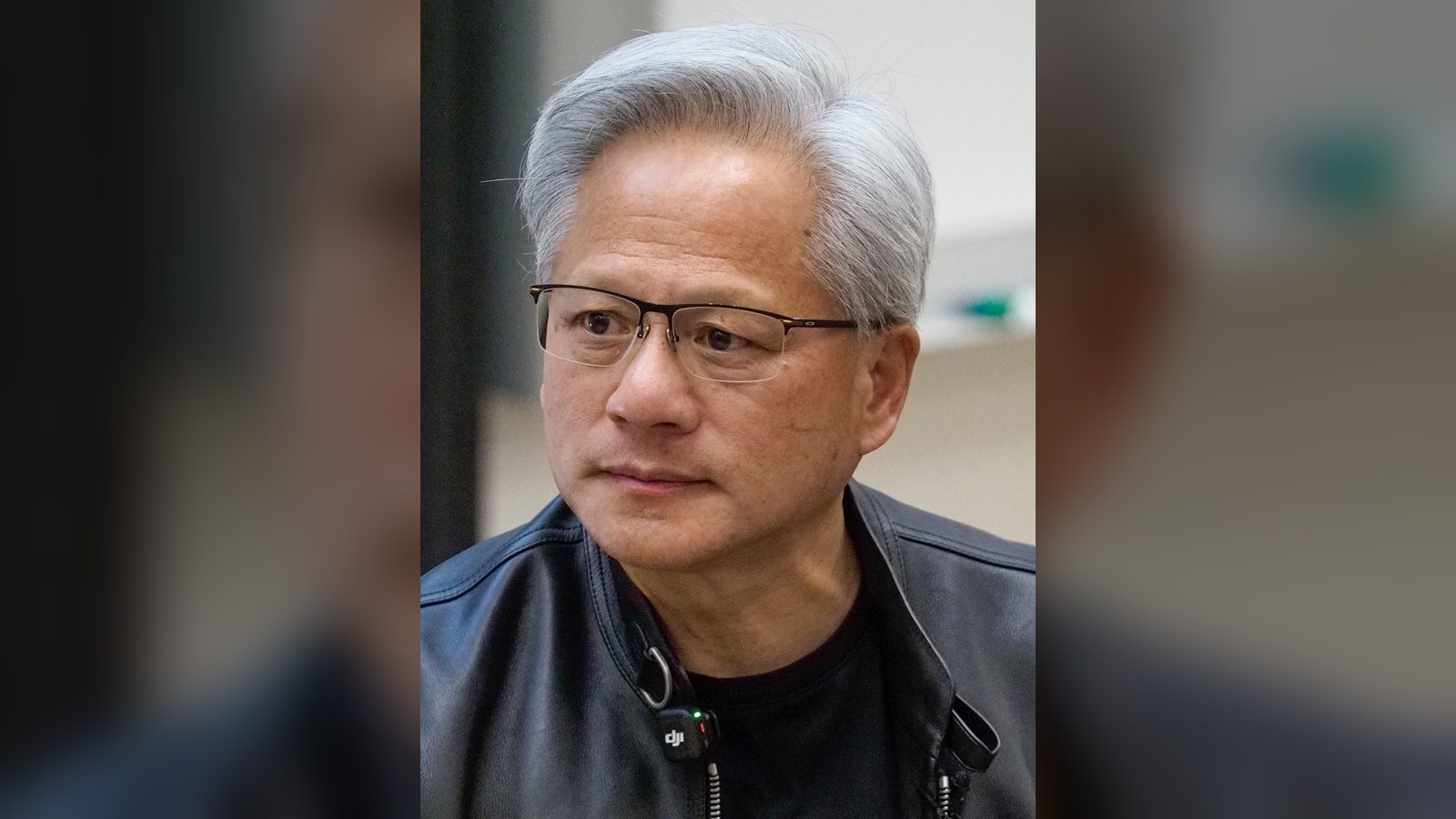
Elon Musk has said it would be “an honor” to hire Jensen Huang, a short reply on X that landed just as the future of Nvidia’s co-founder was being decided. Huang had been under pressure from his own board over an admitted affair and U.S. security concerns tied to it.
The exchange was brief. An X user wrote, “Elon please hire Jensen.” Fox Business identifies that account as the financial blog Zerohedge. Musk replied Wednesday: “That would be an honor.” Reports differ on what happened next. The Independent says Huang stepped down as CEO on Thursday morning, hours after a second affair was reported. IGN and Fox Business, published earlier in the news cycle, describe a board still weighing or preparing his removal.
How the Nvidia scandal unfolded
According to the sources, Huang acknowledged on Sunday that he had been unfaithful to his wife. The relationship was with a former executive at Singapore-based technology firm Megaspeed, whom U.S. authorities suspect of ties to Chinese intelligence. The Independent reports that U.S. intelligence warned she may have acted as a corporate espionage agent for China. Huang apologized in a memo to staff and pledged to cooperate with an independent investigation launched by Nvidia’s board. These are suspicions and allegations, not proven findings.
The story widened on Wednesday, when The New York Times reported a second relationship, with a married Nvidia executive who reports directly to Huang. That raised governance questions beyond the national security angle. The board had earlier said it had “confidence in Jensen and his leadership team” and no reason to believe company secrets or national security had been compromised.
Investors react to the Huang crisis
Markets reacted quickly. Fox Business reports Nvidia lost more than $427 billion in market value over the first two trading sessions after Huang’s disclosure and the board investigation were announced. Baird downgraded the stock to neutral, citing uncertainty over Huang’s tenure, possible softening demand and limited visibility into 2027 data center spending.
The stakes go beyond one company. Nvidia is described as the world’s second most valuable company, worth more than $4 trillion. It built that position by supplying chips that power AI data centers, having started in gaming graphics after Huang co-founded it in 1993. IGN reports that several U.S. lawmakers have called for him to resign, and that there is a reported move to tighten Nvidia’s exports to China. Beijing has warned Washington not to use the spying allegations as a pretext for new restrictions.
Why Musk would want to hire Jensen Huang
Musk’s reply was more than politeness. The two men are believed to have known each other for at least a decade. Nvidia chips have supplied Tesla vehicles and self-driving technology, and they power Musk’s xAI. The Independent also notes the pair have collaborated on space-based data centers.
Tom’s Hardware speculates on where Huang might fit in Musk’s orbit, pointing to SpaceX’s planned GPU manufacturing, a project called Terafab, and Tesla’s AI accelerators. That is the outlet’s conjecture. Nothing in the sources suggests Musk has made a formal offer or that Huang has considered one. IGN says Musk framed it as working with Huang at SpaceX, but the other sources describe the remark only as a general expression of interest.
Huang has also drawn public support from industry figures. Epic Games chief Tim Sweeney said firing him would be “an Apple firing Steve Jobs level of idiocy” and “a grievous harm to the United States of America.” IGN notes Sweeney is heavily invested in AI himself, which colors the view. Others are less forgiving: the board’s independent investigation continues, and one Republican lawmaker quoted by Fox said Huang’s resignation does not absolve Nvidia of conducting a full probe.
What to watch next
Musk’s willingness to hire Jensen Huang is a signal, not a job offer. If Huang has left Nvidia, the open questions are who succeeds him, what the investigation finds, and whether any non-compete or governance constraints affect where he goes. Any move to a rival of the company he built would be a major shift in the AI chip industry. For now, the sources document an unusual scandal, a steep loss in market value and a public vote of confidence from the world’s richest tech entrepreneur.
- Elon Musk says it ‘would be an honor’ to hire ousted Nvidia CEO Jensen Huang (Tom's Hardware)
- Elon Musk responds to calls for him to hire Nvidia CEO Jensen Huang (The Independent)
- Elon Musk Says It 'Would Be an Honor' to Hire Jensen Huang, as the Nvidia CEO's Future Hangs in the Balance (IGN)
- Musk says it would be 'an honor' to hire Nvidia's embattled Jensen Huang (foxbusiness.com)
Explore more on this topic with Vexel Search.
File photo: Jensen Huang Stanford 2026-04-30 010 (cropped).jpg by Anderseidesvik, CC BY-SA 4.0, via Wikimedia Commons.
WordUp Morning
Ten stories, both sides of each, in five minutes. Free, every weekday at 7am, plus a Saturday weekend edition.
We'll email you a link to confirm. Unsubscribe any time.
Tech & AI
Nvidia CEO Jensen Huang Resigns After 33 Years as CFO Colette Kress Takes Over as Interim Chief
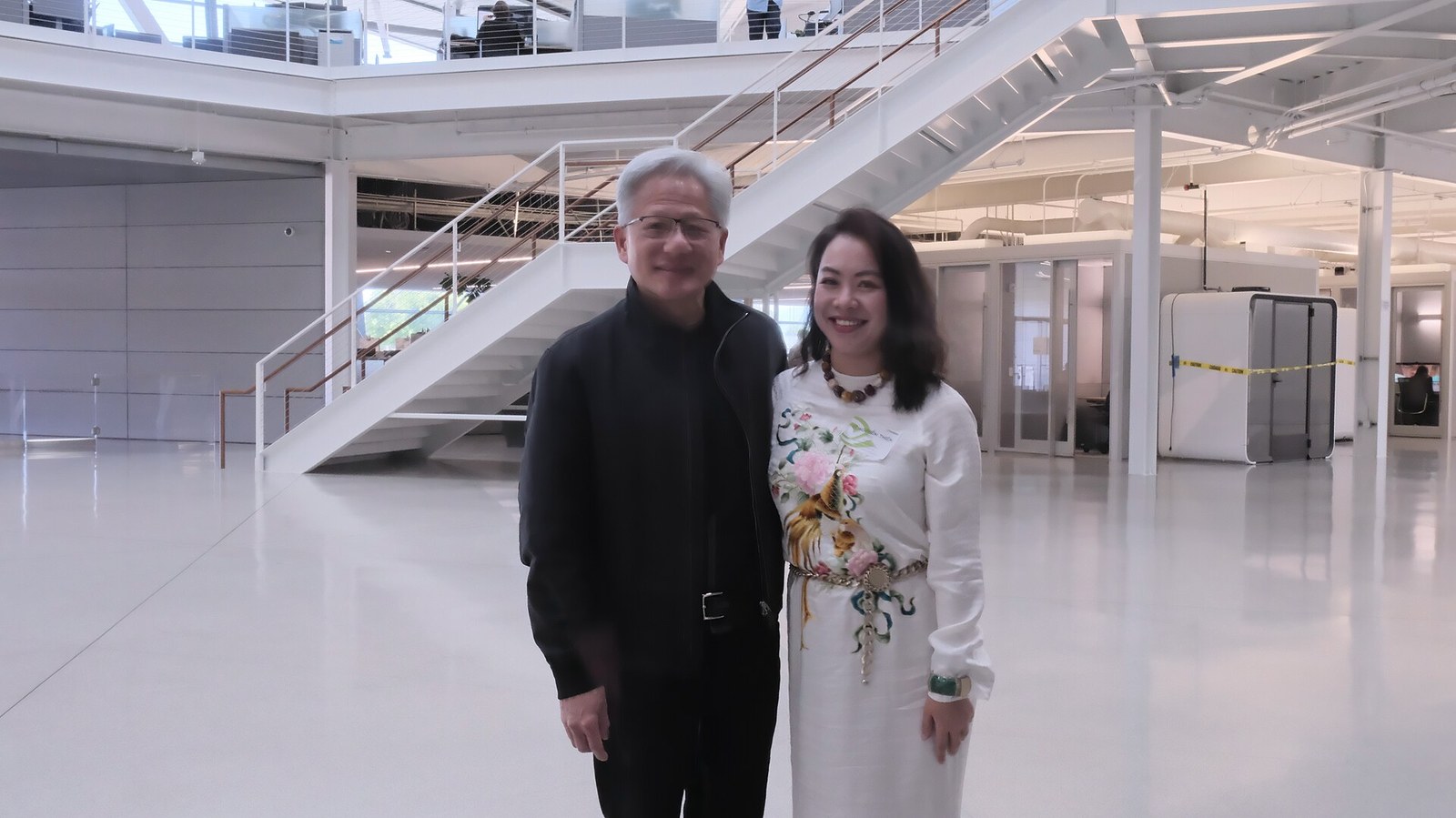
The Nvidia CEO job is open for the first time in the company’s history. Jensen Huang, who co-founded the chipmaker in 1993 and has led it ever since, has resigned, according to Fortune. The move came just days after reports that the board was preparing to push him out.
Earlier coverage from IGN, citing The Wall Street Journal, said the board would meet as soon as November 11 to discuss Huang’s future. A Tom’s Hardware headline said Nvidia’s stock had fallen about 20% since the scandals began. Fortune later reported that the company had announced Huang’s resignation and named Chief Financial Officer Colette Kress as interim CEO. The sources do not agree on every detail of the timeline. Fortune’s report calls it a Thursday announcement even though the article is dated November 11.
How the Nvidia CEO Crisis Unfolded
The trouble began with a New York Times report of an extramarital affair between Huang and a woman that U.S. intelligence officials reportedly judged to be a Chinese spy. On Sunday, Nvidia’s board announced an independent inquiry. It said it had “no reason to believe that either national security or NVIDIA secrets were compromised” but would examine “all available information.” Huang said he supported the review.
He also wrote to employees, in a letter obtained by the BBC, admitting he had been unfaithful and apologizing to his wife and children. The Times then reported a second relationship, with an executive who reported to him. The sources do not say the intelligence-related claims have been proven. Fortune attributes them to U.S. officials’ assessment, and the board’s own statement stressed that it had found no sign of a breach.
A Company Built Around One Man
The timing is awkward for Nvidia. Fortune reports first-half fiscal 2027 revenue of $96 billion, up 85% from a year earlier, and says Kress has forecast 70% growth for fiscal 2028. Shares initially dropped more than 6% on the resignation news. Huang still holds a roughly 3.6% stake, which Fortune values at about $150 billion.
The deeper worry is how the company is organized. Huang built a flat structure with about 60 direct reports and sat at the center of most decisions. Until now the board had no chair, there was no publicly stated succession plan, and the company has no chief operating officer. The board has named Harvey Jones, a managing partner at Square Wave Ventures who has been on the board since 1993, as its first chair. It says it will consider internal and external candidates for a permanent successor.
What Analysts Say Comes Next
Analysts quoted by Fortune say the question is not whether Nvidia’s engineers can keep designing chips. It is whether any one person or team can inherit Huang’s authority over what gets built and keep customers confident in the company’s next bet. Wharton management professor Michael Useem said that “if the board had been doing its job, it would already have a slate of possible successors.”
Competitors may see an opening. Bret Greenstein of West Monroe pointed to Anthropic’s recent move of inference workloads from Nvidia’s CUDA software to AMD in three days. He suggested that could “turn what has effectively been a monopoly into a horse race again.”
For now, Kress is expected to provide continuity for Wall Street and customers while the board searches. How quickly it names a permanent Nvidia CEO, and whether the intelligence-related questions are resolved, will shape how much confidence the company can win back.
- Nvidia’s Board reportedly preparing to oust CEO Jensen Huang as second extra-marital affair emerges (Tom's Hardware)
- Nvidia Board is Preparing to Potentially Oust CEO Jensen Huang (IGN)
- Report: Nvidia is preparing to oust CEO Jensen Huang after admission to affair with alleged Chinese spy (fortune.com)
Explore more on this topic with Vexel Search.
File photo: Director Lê Nguyễn Thiên Nga and NVIDIA Founder and CEO Jensen Huang.jpg by VQTCS, CC BY 4.0, via Wikimedia Commons.
WordUp Morning
Ten stories, both sides of each, in five minutes. Free, every weekday at 7am, plus a Saturday weekend edition.
We'll email you a link to confirm. Unsubscribe any time.
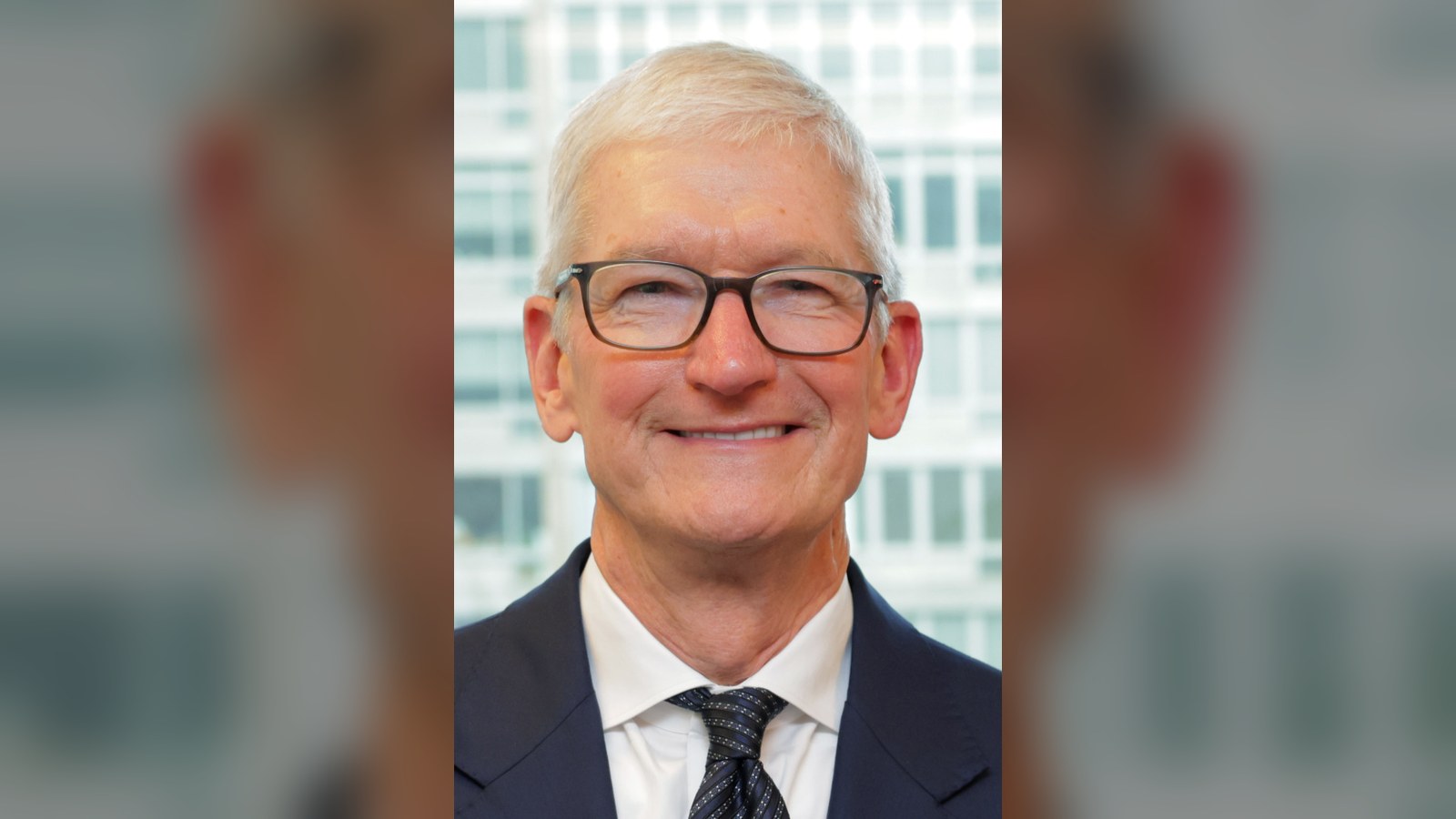
President Donald Trump has weighed in on who should be the next Nvidia CEO, and he says there is only one answer: Tim Cook. In a Truth Social post on Thursday, hours after Jensen Huang’s resignation was announced, Trump wrote that “there is only one man to take his place – TIM COOK of Apple. A Legend replaces a Legend!”
What Trump said about the next Nvidia CEO
Trump praised Huang as having “done a fantastic job” before pivoting to his preferred successor. None of the reports say whether Cook has any interest in the role, and Trump did not say he had spoken to him about it. Nvidia’s board has not publicly signaled that Cook is under consideration.
The endorsement fits a pattern. Trump has long praised Cook, calling him an “amazing manager and leader” and once crediting him for phoning the White House directly rather than hiring expensive consultants. When Apple announced Cook’s transition in April, Trump called him an “incredible guy” with an “almost incomparable” career. Cook has since stepped down after roughly 15 years as Apple’s chief executive and now serves as executive chairman of its board.
Why Huang’s departure is so unusual
Huang co-founded Nvidia in 1993 and led it for more than three decades. His exit came after a turbulent week. On Sunday, he told staff in a note that he had been “unfaithful” to his wife of more than 40 years. “There is no excuse for what I did. I am deeply sorry,” he wrote.
That admission followed a New York Times report last month about his close relationship with a former executive at Megaspeed, an Nvidia customer. The report said US intelligence officials believe she was recruited to gather information for the Chinese government. Nvidia’s board then opened an independent investigation, led by a prominent Wall Street law firm. During it, the Times reported a second affair, with a senior Nvidia executive who reported directly to Huang.
The national security angle is what raises the stakes beyond a personal scandal. Nvidia’s chips sit at the center of the AI industry and of US-China tension over advanced semiconductors. Fox Business noted that no evidence has been publicly established that Huang disclosed confidential information, or that the woman obtained Nvidia secrets. The claims about her come from reports citing US officials, and she has not been convicted of anything.
What happens next for Nvidia
Nvidia has named Chief Financial Officer Colette Kress interim CEO while the board searches for a permanent replacement. It is considering both internal and external candidates. Investors reacted with caution: Nvidia shares were down about 4.4 percent, to roughly $166, when Fox Business published its report.
For now, Trump’s post is best read as a public opinion, not a signal of what the board will do. Choosing a successor is the board’s job, and it is working through an investigation that has not yet concluded. Whether Cook, who has just handed Apple’s top job to someone else, would want to take on another, or whether Nvidia would want a leader from outside the chip world, is an open question. The next Nvidia CEO will inherit the company’s dominant position in AI hardware, along with the political and security scrutiny that now surrounds it.
- Trump says the only man who should replace ex-Nvidia CEO Jensen Huang is Tim Cook of Apple fame (PC Gamer)
- President Trump says Apple’s Tim Cook is the only man to replace Jensen Huang as Nvidia CEO (Tom's Hardware)
- Trump says 'there is only one man' to replace Jensen Huang as Nvidia CEO (foxbusiness.com)
- Trump says 'only one man' can replace Jensen Huang (businessinsider.com)
Explore more on this topic with Vexel Search.
File photo: Tim Cook in New York City – 2026 (cropped).jpg by Dati Bendo / European Union, CC BY 4.0, via Wikimedia Commons.
WordUp Morning
Ten stories, both sides of each, in five minutes. Free, every weekday at 7am, plus a Saturday weekend edition.
We'll email you a link to confirm. Unsubscribe any time.
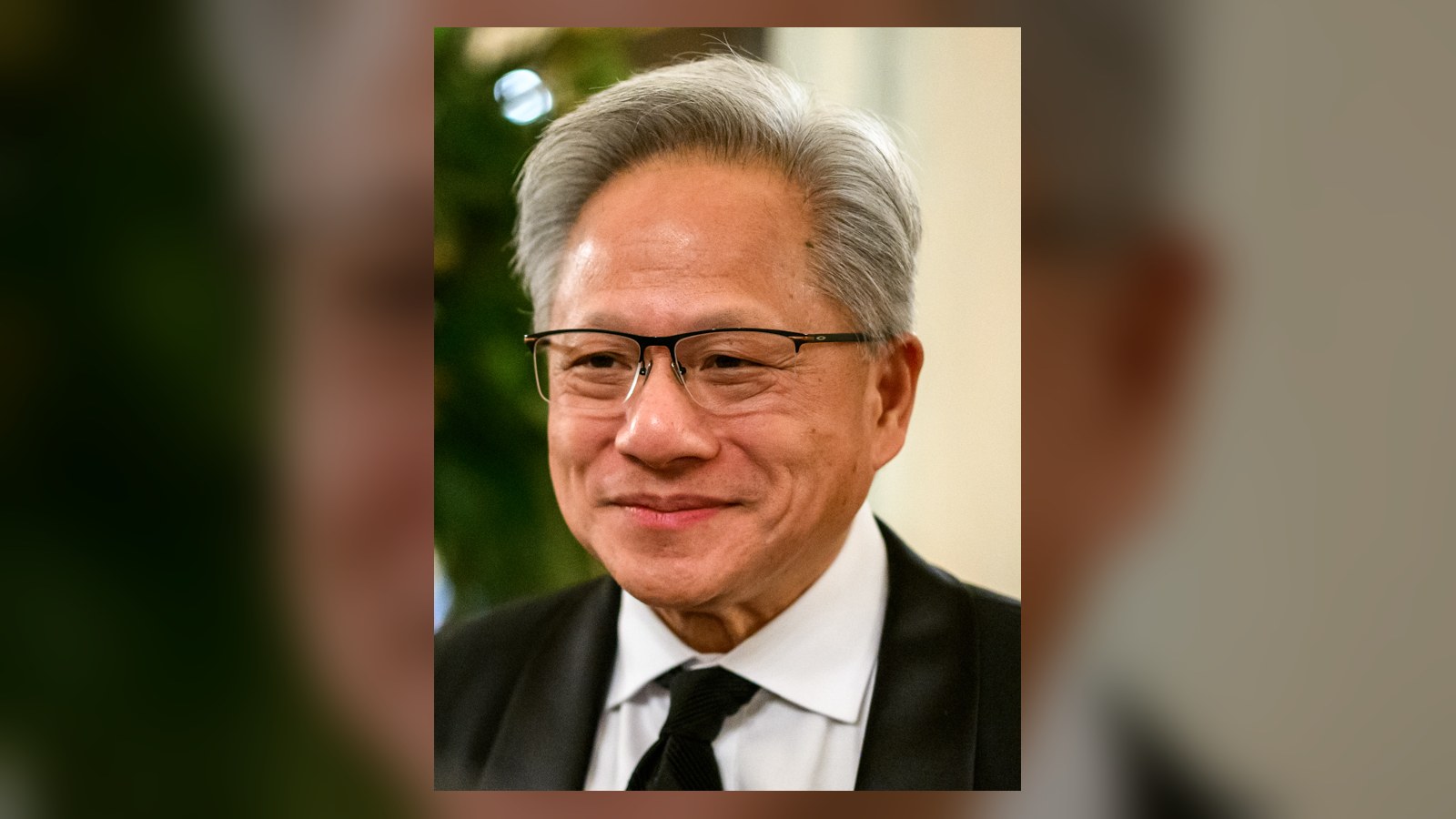
The Nvidia CEO resignation has jolted markets and left the world’s most closely watched chipmaker without the only chief executive it has ever had. Jensen Huang, who co-founded the company and steered it from a graphics-chip specialist to the centre of the AI boom, stepped down on Thursday after days of mounting pressure over his personal conduct and its possible national security implications.
At the London equity close, Nvidia shares were down 4.8%, though well above their earlier lows. The company’s market value slipped below $4 trillion for the first time since July 2025. Chief financial officer Colette Kress, in the job since September 2013, will keep her finance duties while serving as interim chief executive. The board has begun a search that will consider both internal and external candidates.
How the scandal unfolded
The sequence began about two weeks ago, when The New York Times reported that Huang had had an affair with a businesswoman from China who worked for Megaspeed, a Singapore-based Nvidia customer. US intelligence officials have reportedly identified her as a suspected Chinese intelligence asset. The reports said Megaspeed had been funnelling AI chips to China, which raised concerns about the security of sensitive information tied to US export restrictions on those chips.
On Sunday, Huang issued a statement admitting to the affair and apologising to his family, Nvidia’s employees and its shareholders. The board said the same day that it was hiring outside counsel to examine the espionage questions. It added that it had “no reason to believe that either national security or NVIDIA secrets were compromised.” Those questions are reported rather than established, and the sources do not describe any finding of wrongdoing.
On Wednesday night the Times reported a second extramarital relationship, this time with a senior Nvidia executive who reported directly to him. The board met overnight, and the resignation was announced the next morning. Board chair Harvey Jones said the directors had “full confidence” in Kress and the leadership team, and expected operations, customer commitments and the product roadmap to continue “without interruption”.
Who could replace Huang?
Speculation about a successor started almost immediately. Dan Ives of Yorkville Ives praised Kress’s credibility inside and outside the company. He said he had long expected her to run a major public tech company, though he thought she would have to leave Nvidia to do it. He also said there was a good chance the board would look outside, naming Apple’s Tim Cook, who left the iPhone maker in September, as a “dark horse”.
President Donald Trump, who had stood by Huang through the controversy, went further. He posted that “there is only one man to take his place – Tim Cook of Apple. A Legend replaces a Legend!”
Morningstar’s Brian Colello noted that prediction markets are also pointing to Rene Haas, a former Nvidia vice president who now runs Arm Holdings, as a possible external pick. The internal names he mentioned alongside Kress were Ian Buck, who leads Nvidia’s AI efforts.
Wider markets stay resilient
The Nvidia CEO resignation did not drag broader indices down. London’s FTSE 100 closed up 0.3% at 10,863.09 after drifting into the red in the early afternoon, though the FTSE 250 edged down by 8.20 points and the AIM all-share lost 1.1%. Paris and Frankfurt both rose, and the Dow, S&P 500 and Nasdaq were all higher around the London close.
The Nvidia news also competed with strong UK data. Monthly GDP rose 0.2% in September, against expectations of no growth, lifting growth in the three months to September to 0.7% from 0.5% in the second quarter. Deutsche Bank’s Sanjay Raja said that, excluding the pandemic years, the economy had not run this hot since 2017. He credited household spending, business investment, government spending and rapid growth in AI-related activity. Peel Hunt’s Kallum Pickering put annualised growth across the first three quarters of 2026 at about 2.4%, well above his 1.8% estimate of potential.
Elsewhere, sterling slipped to $1.3233 from $1.3284 a day earlier. The US 10-year Treasury yield rose to 5.08%, from 5.00% on Tuesday.
For now, the immediate market reaction to the Nvidia CEO resignation looks like a sharp but contained repricing of leadership risk. The harder questions are for the board: who can succeed the face of the AI boom, and what the outside counsel review will find. Nvidia’s central place in the AI industry means both answers will be watched well beyond its own share price.
- Volatile trade as Nvidia chief executive Jensen Huang resigns (The Independent)
- Volatile trade as Nvidia chief executive Jensen Huang resigns (standard.co.uk)
- Who is Colette Kress, Nvidia's new interim CEO? (PC Gamer)
- NVIDIA CEO Jensen Huang resigns amid mounting scandals (androidauthority.com)
Explore more on this topic with Vexel Search.
File photo: Jen-Hsun Huang 2025.jpg by The White House, Public domain, via Wikimedia Commons.
WordUp Morning
Ten stories, both sides of each, in five minutes. Free, every weekday at 7am, plus a Saturday weekend edition.
We'll email you a link to confirm. Unsubscribe any time.

Nvidia CEO Search Reaches Arm: Board Reportedly Approached Rene Haas One Day After Jensen Huang Resigned

Abu Dhabi Hotel Brawl: 10 Convicted, Eight Jailed for Six Months After MMA Stars’ Fight

Pearl Abyss AI Push Spreads “Throughout Our Entire Development Pipeline” as DokeV Slips to 2028


-
 Tech & AI6 days ago
Nvidia investigation into Jensen Huang: board probes alleged Chinese intelligence effort targeting its CEO
-

 Tech & AI5 days ago
Nvidia Shares Drop 8% at One Point, Erasing Over $300 Billion, as Board Probes Jensen Huang Scandal
-
 Tech & AI5 days ago
Nvidia investigation into CEO Jensen Huang: shares fall 6% as board weighs a $4.5 trillion question
-

 Business & Hustles5 days ago
Whitbread Board Seat Bid Fails With At Least 83% of Votes Against Activist Corvex
-

 Entertainment7 days ago
James Bond Screen Tests Reportedly Included Pattinson and Hoult, With a Decision Due by Year’s End
-

 Tech & AI7 days ago
New Apple Music Classical Icon Goes Black and White, Signaling Apple Is Sticking With the Look
-

 Fashion6 days ago
LACMA Gala Best Dressed: Kidman’s Degas-Inspired Chanel Leads 43 Standout Looks
-

 Business & Hustles6 days ago
Business Rates Relief Corrected: High Street Firms Get £33m More After Budget Guidance Error
-

 Tech & AI5 days ago
Meta takes AI age checks worldwide on Instagram, months after an up-to-$18bn settlement
-

 Crime7 days ago
Three arrested and a woman bailed after Gloucester sword attack near school
-

 Entertainment6 days ago
At Least 9 Advertisers Drop the I’ve Had It Podcast After a 39-Second Charlie Kirk Clip
-
 Tech & AI7 days ago
Tajani Data Leak: Hackers Are Seeking More Details on Italy’s Foreign Minister and His Family
-

 Entertainment6 days ago
Love Island Host Maya Jama Steps Down After Three Years, With ITV Reportedly Hunting a Successor
-

 Fashion4 days ago
Bronco Boot Low Lands Nov. 12 in 4 Colorways as Tyler, The Creator and Converse Expand the 1908 Line
-
 Sports6 days ago
Trump Offers Dana White the White House Press Secretary Job, With a Monday Meeting Set
-

 Tech & AI4 days ago
Paramount Skydance CEO Calls AI the “Biggest Creative Unlock” in Modern History as $6 Billion in Savings Loom
-

 Entertainment7 days ago
Jack Bayles Told to Step Back From Two BBC Sitcoms After Russell Brand Verdicts
-

 Sports7 days ago
Khawaja Says the Whole Squad Knew of Sandpaper Ball Tampering, Eight Years On
-
 Crime7 days ago
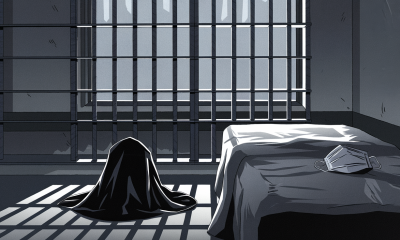
Prisoner Covid death: Sodexo and NHS Lothian admit charges in a UK first
-

 Crypto4 days ago
XRP Ledger’s Quantum-Proof Accounts Would Keep Base Fees Unchanged, With a 2028 Target
You must be logged in to post a comment Login