




Connect with us

Tech & AI

PlayStation 5 emulation is evolving rapidly, and a native PS5-to-PC compatibility layer is now in development

Published

on

What we know so far: Just a year ago, it seemed unthinkable that PC users would be able to emulate PlayStation 5 games in any meaningful capacity anytime soon. Recent shifts in Sony’s policies, however, appear to have spurred multiple projects to that end over the past few months. While only a handful of games are currently playable, and the larger 3D titles run at unstable framerates, the speed of development makes the trend worth watching.

In mere months, at least two PS5 emulators have gone from having no public releases to playing one of the console’s only true exclusives, the Demon’s Souls remake, at playable framerates. The GitHub pages for SharpEmu and KytyPS5 are spinning out new test releases rapidly, multiple times a day in the case of the latter, as videos showcasing their progress proliferate across YouTube.

While some recent clips show SharpEmu and KytyPS5 managing only single-digit frame rates in Demon’s Souls, others show the latter reaching 40 to 50 fps on an RTX 5090 and an Intel Core i9-14900K. One clip even shows the game hitting 120 fps with DLSS frame generation on top of a steady 30fps render.

Advertisement

Astro Bot is another PS5 exclusive that has reached playable, though still unstable, frame rates in recent days. Even Wolverine, released just two weeks ago, can now reach its main menu on PC, albeit at roughly 2fps.

The timing suggests that most, if not all, public development occurred after Sony moved to scale back PC ports and end physical discs. SharpEmu went public in July, months after the first reports that Sony would pull back on PC support. The first of KytyPS5’s more than 300 GitHub releases arrived that same month, about two weeks after the company announced it will stop manufacturing discs for new PlayStation games starting in 2028.

Although both projects accept AI-generated code, they have clear policies on its use, apparently to avoid accusations of “vibe coded slop” that have recently spread throughout the retro modding scene. Contributors must be able to describe what their code does and manually test it.

Advertisement

As the two projects strive to bring PS5 exclusives to PC through emulation, a third is taking a different approach: running the games natively. AnyPS5 converts executables designed for Sony’s console into formats that Windows or Linux can read, much like compatibility layers such as Wine or Proton.

The method is plausible because, like most Windows and Linux systems, the PS5 is x86-based. For now, AnyPS5 has publicly demonstrated only one game, the 2D platformer Dreaming Sarah, but it holds 60 fps on just a GTX 1050 Ti and an i5-7500, hardware that predates the PS5 by several years. Even an Intel HD Graphics 620 integrated GPU from 2016 can exceed 30 fps. The project has yet to release a public build, however.

Still, predicting future progress for emulators and compatibility layers is difficult. ShadPS4, a PlayStation 4 compatibility layer that heavily inspired AnyPS5, remains in early development several years after its debut.

Advertisement

Source link

Continue Reading
Click to comment

You must be logged in to post a comment Login

Leave a Reply

Tech & AI

Unveiling IC-STAR: Full-Flow Autonomy from Digital to Analog

Published

on

Learn how engineers can shift from manually managing tools and handoffs to defining objectives and supervising AI-driven execution across the silicon development lifecycle.

Key Takeaways

  • Explore four critical technologies enabling silicon design autonomy
  • Understand how autonomous AI accelerates complex engineering workflows
  • See real-world impact across semiconductor design and verification
  • Gain practical insights from Ambiq’s deployment of autonomous AI in production

Source link

Continue Reading

Tech & AI

BoyleSports South Africa: Is It Still Available?

Published

on

As of September 28, 2026, BoyleSports does not appear on the National Gambling Board’s current verified-operator list or the Western Cape Gambling and Racing Board’s current bookmaker list. A bookmaker is a company that accepts bets, and South African readers should not treat old BoyleSports signup pages as proof that they can currently open and fund a locally licensed BoyleSports account.

Quick Take

  • The National Gambling Board’s verified-operator list, last updated September 4, 2026, does not currently list BoyleSports.
  • The Western Cape Gambling and Racing Board’s current bookmaker list also does not include BoyleSports.
  • Historical South African BoyleSports licensing records help explain why old signup information still appears online, but an old application does not prove that a licence is current.
  • Before registering, uploading identification or depositing money with any betting site, verify the legal operator and current licence through the appropriate South African regulator.

Is BoyleSports Still Available in South Africa?

The clearest place to check is a South African regulator, not an old betting review or registration page. The National Gambling Board’s verified-operator portal says its information comes from Provincial Licensing Authorities and was last updated on September 4, 2026. BoyleSports does not currently appear on that list.

The Western Cape Gambling and Racing Board’s current licence-holder page also lists licensed bookmakers in that province. BoyleSports is not among the bookmakers shown there.

This does not mean BoyleSports has stopped operating everywhere. BoyleSports still maintains international services, and its current safer-gambling site identifies a Gibraltar-licensed BoyleSports operator. The narrower point is that the South African regulator records checked for this article do not currently establish BoyleSports as a locally licensed bookmaker for South African customers.

For someone in South Africa, that local licensing question matters more than whether an international BoyleSports page can still be opened in a browser.

Advertisement

Why Old BoyleSports Registration Pages Still Appear

A search result can remain online after a bookmaker changes the countries it serves. That means a page may still contain signup instructions, old promotions, payment details or account-opening advice even when those instructions are no longer current.

This is why a registration guide should not be treated as proof that an operator is available today. Current regulator records are stronger evidence than an undated or outdated commercial page.

The same caution applies to websites that copy a familiar betting brand. A cloned site can reproduce a company name, logo, licence number and legal wording. Before entering a password, identity document or payment details, check how to spot a cloned online casino website by comparing the exact site you are visiting with independently verified operator information.

How South African Betting Licensing Works

In simple terms, an international gambling licence does not automatically allow a company to take online bets from people in South Africa.

Advertisement

The National Gambling Board’s enforcement guidance says betting is a legal form of gambling when the operator is licensed through a provincial gambling board in South Africa. It also states that online gambling is prohibited except for online betting through bookmakers licensed in South Africa for online betting.

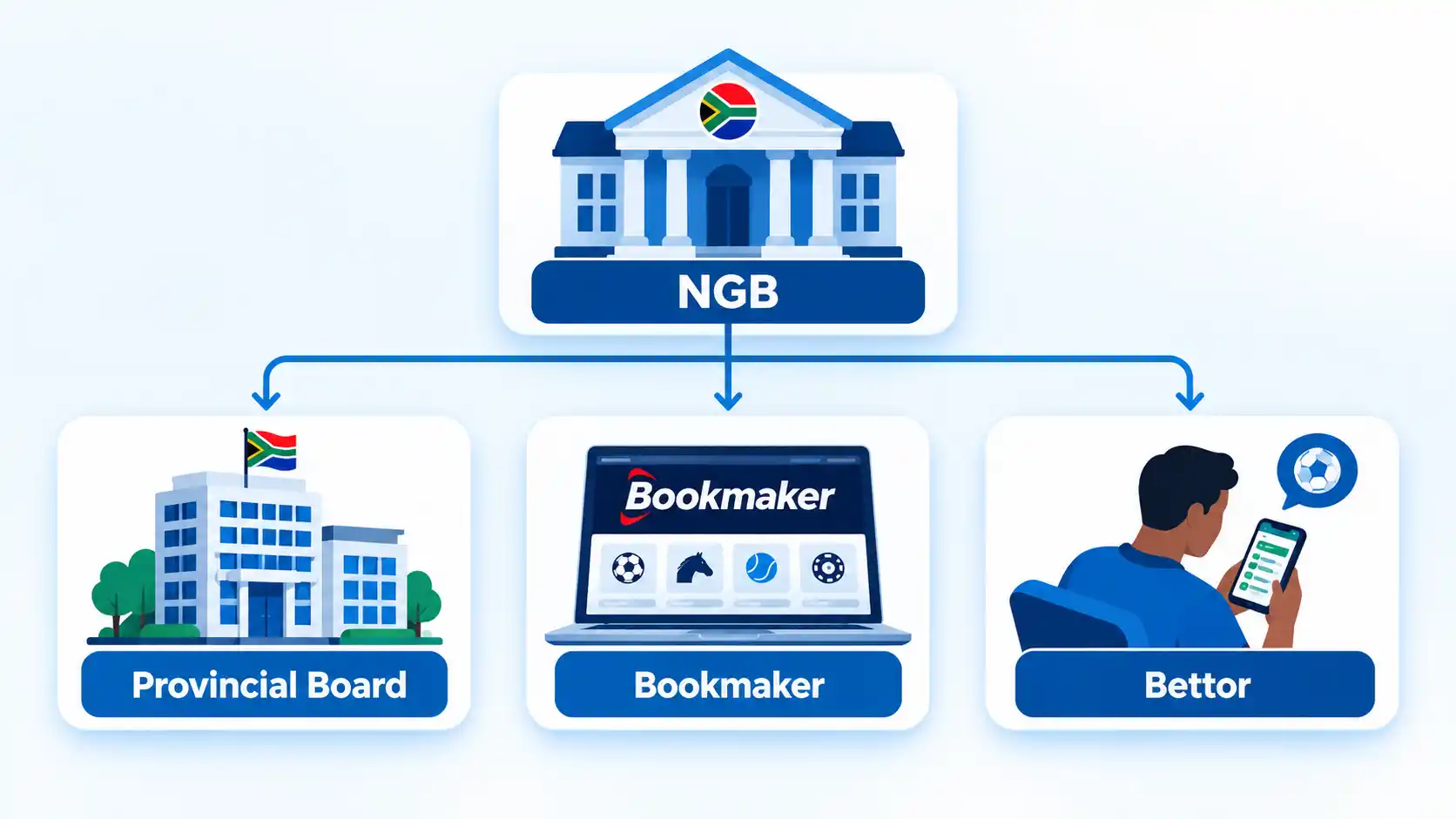
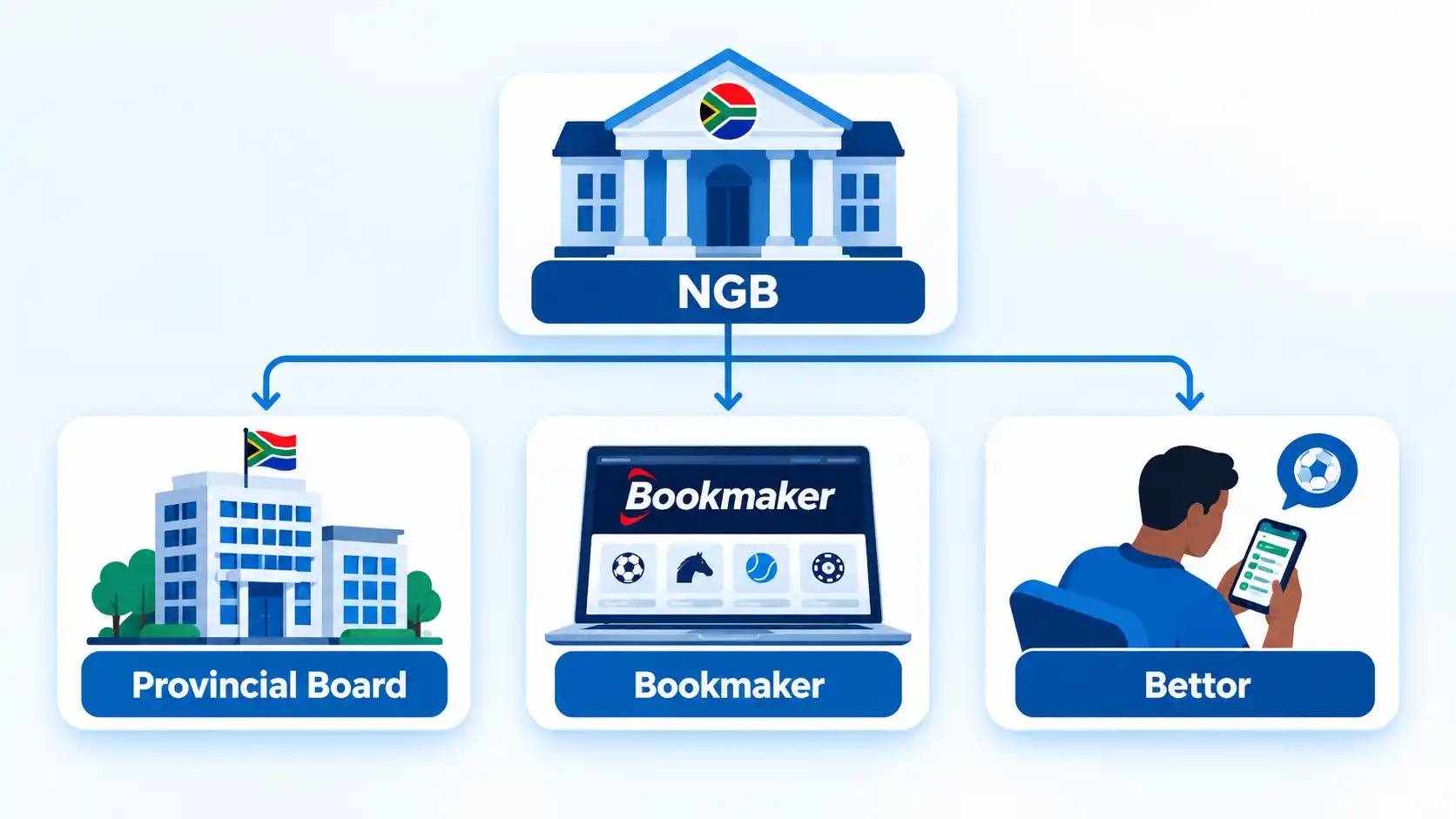
The National Gambling Board, or NGB, provides national oversight. A Provincial Licensing Authority is the provincial regulator that licenses and supervises gambling operators in its area. The NGB’s consumer guidance says gambling operators are licensed by these provincial authorities and that licensed online operators should display their licensing information on their digital platforms.

The term interactive gambling refers to forms of online gambling that South African law does not treat as licensed online betting. The NGB specifically distinguishes permitted online betting through licensed South African bookmakers from prohibited interactive gambling.

NGB oversight connected to Provincial Board, Bookmaker and Bettor cards in South Africa.

Warning
A foreign licence, an old South African licence application or a copied licence badge does not establish current South African authorization. Check the legal company, current licence status and permitted activity through an official regulator before registering or paying.

Advertisement

The key question is whether the exact operator holds a current South African bookmaker licence for the service it is offering.

It is also important not to treat every form of online gambling as legally equivalent. A comparison of licensed sports betting and interactive online casino gambling can clarify why the type of gambling activity matters as well as the name of the operator.

BoyleSports Previously Had a South African Licensing Presence

There is genuine historical evidence behind older South African BoyleSports material. A Western Cape Provincial Gazette notice dated December 10, 2021 records an application by BoyleSports (Pty) Ltd for a new bookmaker licence and a bookmaker-premises licence. The notice identifies the South African company’s registration number as 2021/878980/07.

That record shows that BoyleSports pursued South African bookmaker licensing at the time. It does not show that the licence is current in September 2026.

Advertisement

This distinction explains why historical registration information can look convincing. An old government record can be genuine without proving that the same service remains authorized today.

How to Check Whether BoyleSports Returns to South Africa

If a website, advertisement or search result later claims that BoyleSports has returned to South Africa, verify that claim before creating an account. Start with the national record, then check the specific licence and operator behind the website.

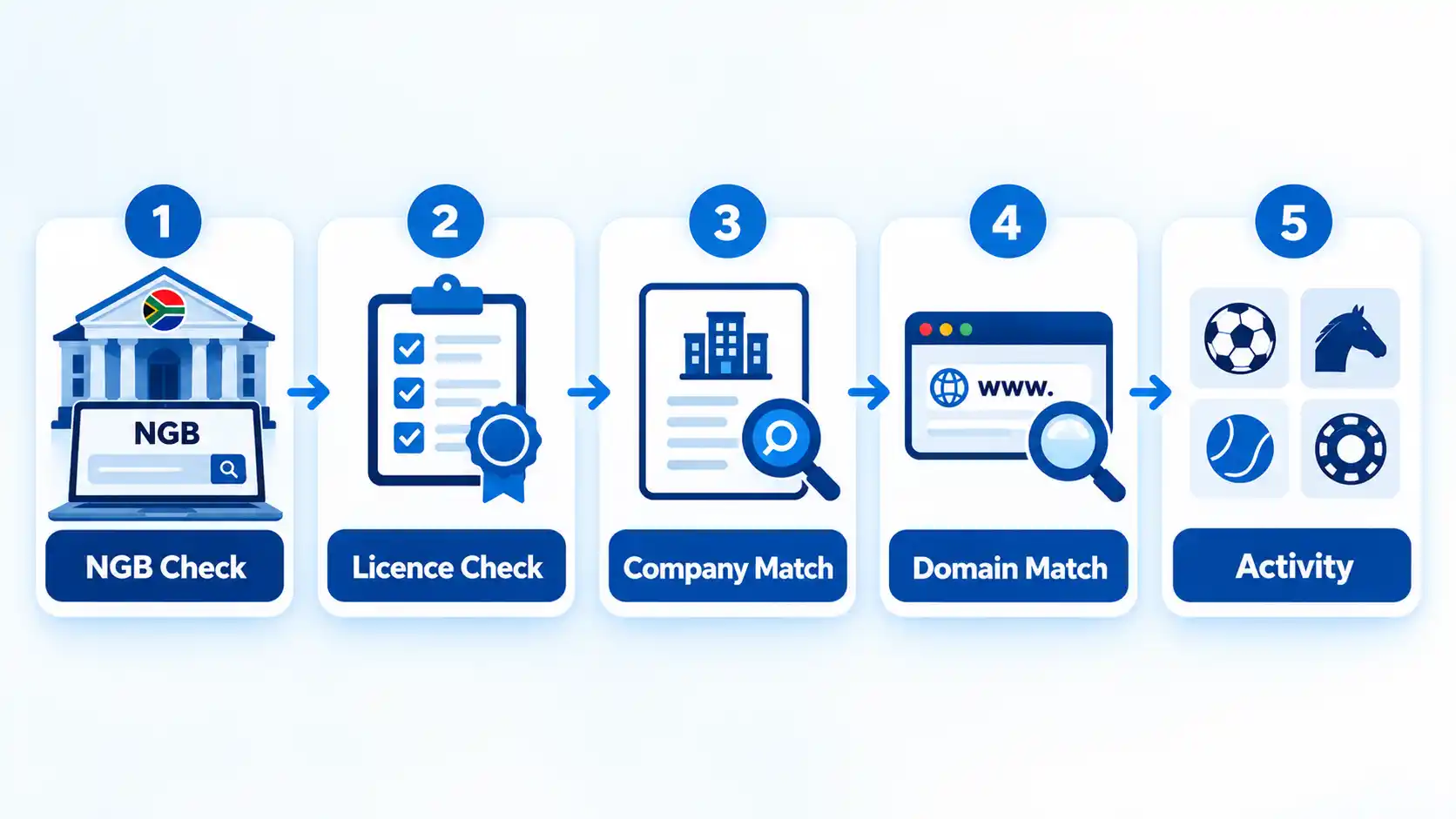
  1. Check the NGB verified-operator portal. Open the National Gambling Board’s verified-operator list and look for BoyleSports and the legal company behind the claimed South African service. Do not rely only on a search result, advertisement or brand logo.
  2. Check the relevant provincial regulator. Find the Provincial Licensing Authority connected with the claimed licence. If a service claims Western Cape licensing, for example, compare the claim with the WCGRB’s current licence-holder information.
  3. Match the legal operator to the website. Read the betting site’s footer, terms and licensing information and note the company responsible for the service. A copied company name or licence number is not enough. The process for verifying an online gambling licence is to compare the operator, licence status, permitted activity, location and exact domain where the regulator publishes domain information.
  4. Check what the licence permits. Confirm that the authorization covers the online betting service being offered. An old application, a licence belonging to another business activity or a licence from another country does not by itself establish permission to offer that service in South Africa.
  5. Stop if an important detail does not match. Do not register, upload identity documents or deposit money while the operator, licence or permitted activity remains unclear. Resolve the mismatch through an official regulator rather than relying on a promotional page or unofficial support account.

Five-step bookmaker check: NGB Check, Licence Check, Company Match, Domain Match and Activity.

Verify the result

  • The operator appears in a current official South African regulatory record.
  • The legal company shown by the betting site matches the licensed entity.
  • The claimed authorization is current rather than only an old application or historical record.
  • The permitted activity matches the online betting service being offered.
  • No important mismatch remains between the official information and the website asking for your personal data or money.

What If You Already Had a BoyleSports South Africa Account?

If you used BoyleSports in South Africa previously, recovering information from an old account is different from opening a new account. Do not assume that a newly discovered BoyleSports-branded website is the correct place to enter old login details.

If you need historical account information, use independently verified BoyleSports contact information. BoyleSports’ current safer-gambling page provides international customer-service contact options, but that page does not establish that a South African betting service is currently licensed or available.

Keep useful records such as account emails, deposit or withdrawal receipts, statements, support correspondence and any licensing information that appeared on the service when you used it. Those records can help identify which company and regulator were involved.

Advertisement

If a dispute concerns an older South African operation, first identify the provincial authority connected with that account. The NGB’s consumer guidance says complaints about licensed gambling businesses should normally begin with the Provincial Licensing Authority that issued the licence.

The steps involved when an online bookmaker leaves your country are different from signing up with a currently licensed operator.

Responsible Gambling and Support

If gambling is causing financial or personal problems, support is available independently of any bookmaker. The National Gambling Board’s verified-operator page lists the National Responsible Gambling Programme’s 24-hour toll-free helpline as 0800 006 008 and its WhatsApp service as 076 675 0710.

The same NGB page advises people not to gamble in environments that are absent from its verified-operator list. Checking current licensing is therefore useful both when choosing an operator and when an old brand appears to return.

Advertisement

Bottom Line

The current regulator evidence does not support publishing instructions for opening a BoyleSports account in South Africa. As of September 28, 2026, BoyleSports does not appear in either the NGB verified-operator list checked for this article or the Western Cape Gambling and Racing Board’s current bookmaker list.

Historical licensing records explain why older South African BoyleSports material exists, but those records do not replace a current licence check. If BoyleSports appears to return, verify the legal operator, provincial licence and permitted activity through official South African regulatory records before registering, providing identification or depositing money.

Source link

Advertisement
Continue Reading

Tech & AI

OPPO K14 Plus Launches in India With 8,000mAh Battery and 144Hz AMOLED Display

Published

on

OPPO’s K-series has delivered some of the best value phones. Take the K13 Turbo, for example. While the 2026 smartphone market isn’t that good, OPPO has just launched the K14 Plus in India. It comes with the MediaTek Dimensity 7360 MAX chipset, an 8,000mAh battery, a 1.5K 144Hz AMOLED display, and a 50MP OIS camera that can record 4K video. The K14 Plus also brings several durability-focused features, including IP69K, IP69, IP68, and IP66 ratings, along with what OPPO describes as a Damage-Proof 360° Armor Body. Here’s everything you need to know about it.

At the center of the K14 Plus is MediaTek’s Dimensity 7360 MAX, built on a 4nm process. The chipset uses four Cortex-A78 cores clocked at up to 2.5GHz and four Cortex-A55 cores running at up to 2.0GHz, paired with an Arm Mali-G615 GPU. OPPO says the K14 Plus crossed the 1 million mark on AnTuTu, with the result recorded on the 8GB + 256GB model using AnTuTu Benchmark V12. The phone uses LPDDR4X RAM and UFS 3.1 storage. The 8GB variants also support up to 16GB of RAM expansion for additional multitasking headroom. OPPO has paired the processor with a 5,000 mm² SuperCool VC vapor chamber.

Battery life is another major focus of the K14 Plus. The phone packs an 8,000mAh battery, 1,000mAh larger than the K14, and supports 45W SUPERVOOC charging. OPPO says its lab testing delivered up to 705.4 hours of standby time, 30.33 hours of WhatsApp voice calls, 20.97 hours of YouTube playback, 15.03 hours of Instagram Reels, 14.39 hours of Maps navigation, and 12.64 hours of BGMI at 60fps.

Cameras & Design

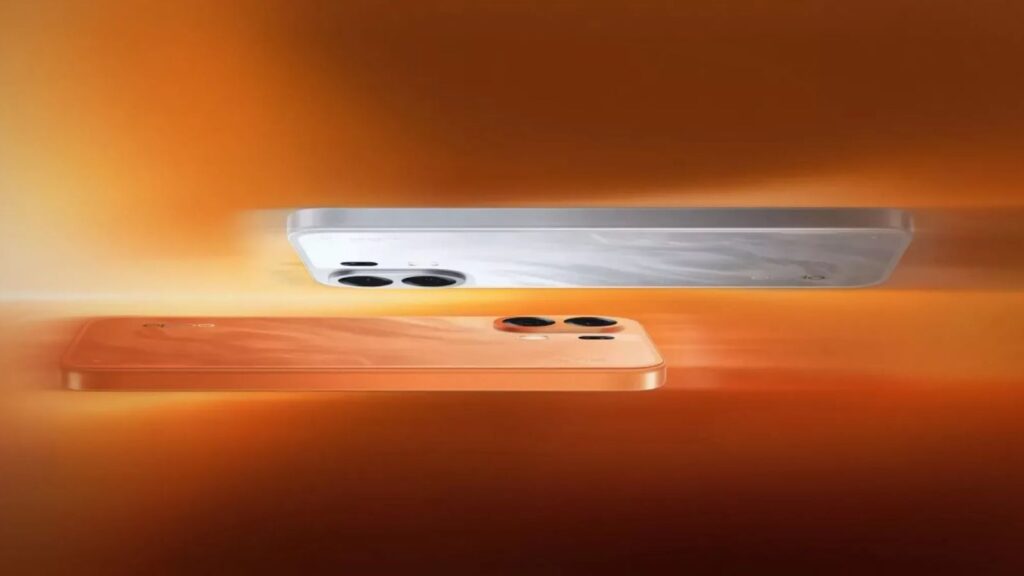
Closeup of the cameras

For photography, the K14 Plus features a 50MP main camera with OIS, a 1/2-inch sensor, f/1.8 aperture, and autofocus. The rear camera system can record video at up to 4K resolution, with 4K Ultra-Steady video available in supported scenarios. The phone also supports 1080p slow-motion recording at 120fps and 720p slow-motion recording at 240fps. OPPO has included several software-based imaging features, including Turbo RAW multi-frame processing, AI Night Mode, Dual-View recording, Motion Photos, and in-sensor zoom. The front features a 16MP Sony IMX480 camera.

The K14 Plus has a 17.22cm 1.5K AMOLED display with an adaptive refresh rate up to 144Hz. OPPO claims a peak brightness of 3,600 nits, while full-screen brightness can reach 1,800 nits. The display also supports 2,160Hz high-frequency PWM dimming at low brightness and touch sampling rates of up to 240Hz.

The K14 Plus is built around OPPO’s “Built to Last” approach, and that extends beyond its battery. The phone uses what OPPO calls a Damage-Proof 360° Armor Body, combining an aerospace-grade aluminum alloy frame with structural collision beams, cushioning, and reinforced construction. The device carries IP69K, IP69, IP68, and IP66 ratings, covering different levels of resistance against dust and water exposure. OPPO says the aluminum structure has also passed 1,000 bend cycles.

Advertisement

Source link

Continue Reading

Tech & AI

‘Get Ready’ to pre-order the iPhone Duo starting October 12

Published

on

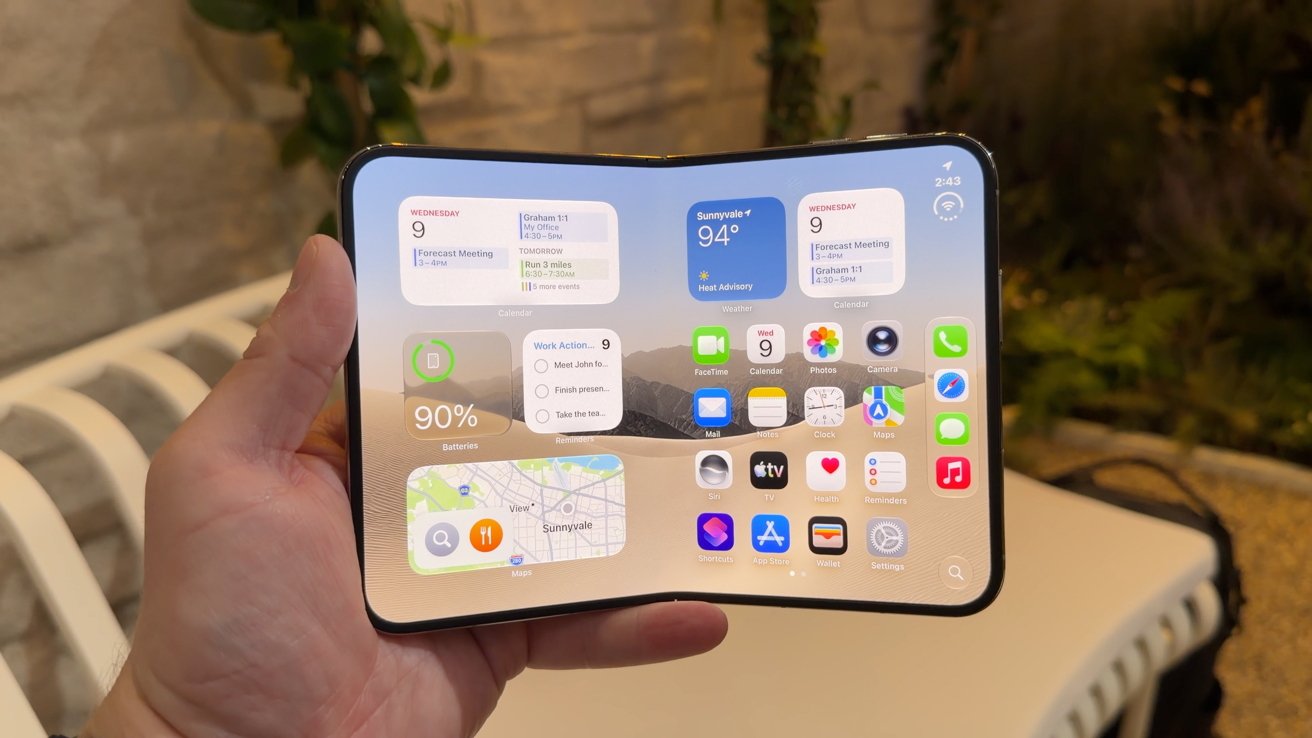
Apple will let customers set up their iPhone Duo pre-order starting October 12, four days before orders open on October 16.

Apple’s first foldable iPhone, known as the iPhone Duo, debuted on September 9, alongside the iPhone 18 Pro and iPhone 18 Pro Max. While the latter two are already available for purchase, those looking to get an iPhone Duo will have to wait until mid-October 2026.

Pre-orders for iPhone Duo start at 8 AM ET on Friday, October 16, but Apple says its customers can “get ready” for pre-orders starting October 12.

In essence, it will be possible to customize your iPhone Duo even before pre-orders officially open. From October 12 through October 15, you can select your desired accessories, color, carrier, storage option, shipping address, billing address, AppleCare+ plan, and payment method.

Advertisement

Preparing in advance will let you pre-order the iPhone Duo much more quickly, and it might help you acquire the device on its scheduled release day. Given the rumors around limited supply chain output, you’ll want every advantage you can get when ordering the iPhone Duo.

Apple says iPhone Duo availability begins on October 23.

Source link

Advertisement
Continue Reading

Tech & AI

The most repairable AirPods ever are still frustrating to access

Published

on

Apple’s AirPods 5 have replaceable batteries in the earbuds, but the charging case remains inaccessible even with the best tools available. Here’s how iFixit fared in its latest teardown.

The AirPods line has always been a thorn in Apple’s side, at least when it comes to environmental responsibility. These earbuds and charging case have always been irreparable hunks of plastic destined for a garbage dump at the end of their short life.

However, iFixit has discovered a small glimmer of hope in the AirPods 5. The long-running repairability score for AirPods has been zero, until the latest model received a slight bump to two.

The charging case is still impossible to access, so there’s no saving that no matter how skilled you are with a knife and heat gun. The improved score is owed entirely to a change in the earbuds.

Advertisement

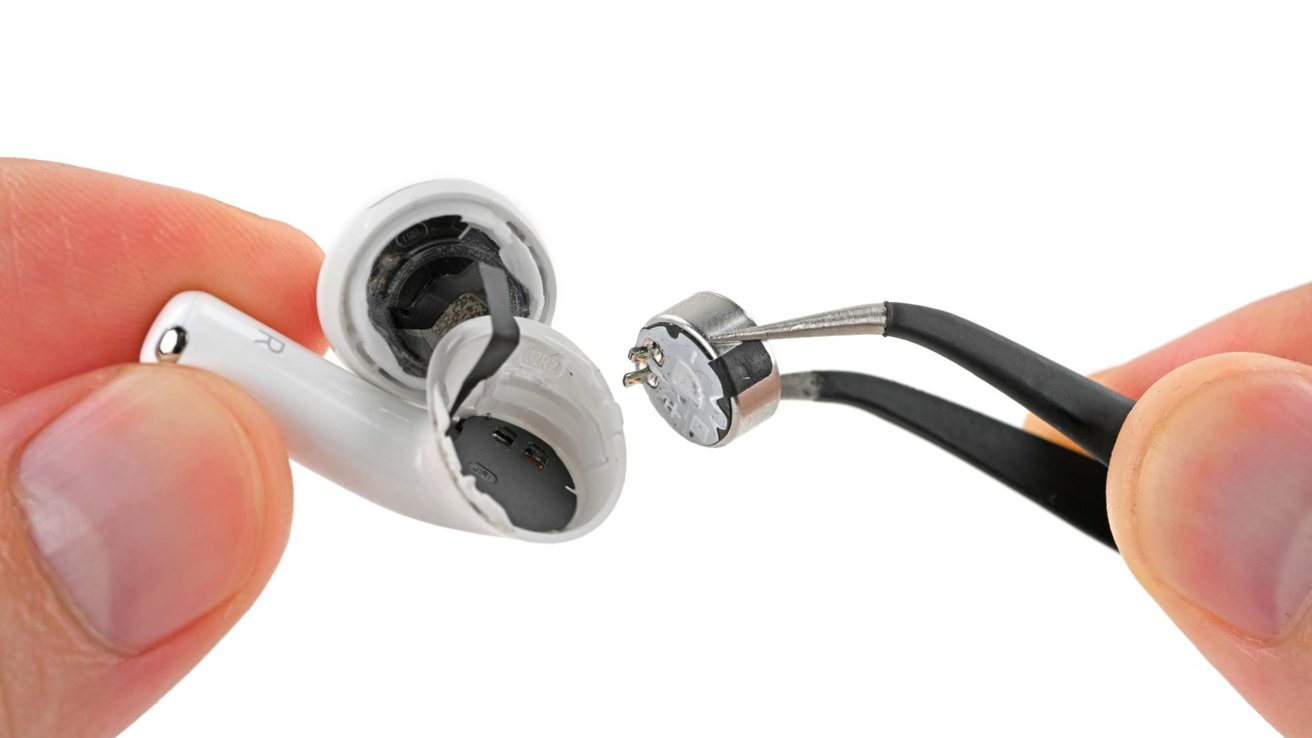
When properly clamped with a bit of heat, a technician can remove the earbud’s outer cover and expose the battery. That battery comes free from a bit of glue, and is attached via two prongs.

Each earbud has an opposite polarity battery, so the batteries aren’t interchangeable between the earbuds. At the least, it seems users can save their earbuds from the garbage with a battery swap.

The charging case has a larger battery, so it theoretically will take longer to reach end-of-life. However, when that happens, the owner has no choice but to buy a new charging case or a whole new set of AirPods.

Hand holding a sliced open AirPod earbud while tweezers hold a removed circular battery

An accessible battery goes a long way for repairability. Image source: iFixit

Advertisement

Out of all of Apple’s products, AirPods are the ones that are consistently the worst for repairability. If Apple wants to reach its goals for Apple 2030 and reduce waste, getting more repairable products to the consumer has to be a priority.

Perhaps Apple will learn how to introduce a more repairable charging case in AirPods Pro 4. Until then, expect to have to buy a whole new pair of AirPods every two to three years as the batteries age and die.

Source link

Advertisement
Continue Reading

Tech & AI

How Much Has The Luxury Sedan Depreciated?

Published

on


Lexus bucks the trend when it comes to depreciation. Luxury cars generally tend to depreciate steeply over their first few years on sale — in fact, virtually all of the worst depreciating cars on the market are made by luxury brands. Meanwhile, many Lexus vehicles depreciate at a rate that’s more typical of an economy car. In KBB’s 2026 Best Resale Value Awards, Lexus took the title for the best luxury brand. Perhaps even more impressively, its UX, RX, and NX SUVs all ranked among the very best SUVs on the market for resale value, beating every SUV from every non-luxury brand aside from Honda and Toyota.

With the brand’s SUVs being so exceptionally good at retaining their value, you might expect that its sedans, like the LS, are just as much of a safe bet. Unfortunately, the answer isn’t quite so clear-cut, with estimates varying considerably. Some are very positive: According to iSeeCars data, the LS depreciates close to the rate of the average sedan. After five years, the research platform reports that the LS loses just over 40 percent of its value.

Advertisement

Not everyone agrees, however. CarEdge reports a notably bigger drop in value over the same time period, but it still puts the LS ahead of the likes of the BMW 7-Series. The outlet says that the Lexus loses an average of 53 percent of its value after five years on the road. Meanwhile, KBB forecasts that a 2025 LS can be expected to lose a disappointing 67 percent of its original value over its first half decade.

Advertisement

Why do depreciation estimates for the LS vary so much?

There’s no foolproof way to predict depreciation, and different outlets using slightly different methodologies can sometimes lead to wildly different results. Part of the issue with forecasting rates for the LS is that there is only a very small number of nearly-new examples on the used market to begin with.

Sales for the LS in America have dropped pretty consistently since the latest generation was introduced in 2018, with Lexus only selling around 1,000 examples of the car in 2025, according to data from CarFigures. Many of the more recently purchased examples of the car are likely to still be with their first owners, which makes getting an accurate picture of their resale value more tricky than evaluating a best-selling car with plenty of used market supply.

At the time of writing, searching the car resale platform AutoTrader for a 2021 Lexus LS 500 brings up only a few dozen results nationwide. Available cars range in price from around $36,000 for a high-mileage example to around $65,000 for a low-mileage, dealer-approved model. With such limited data available, a data set that features only a few more listings of higher-priced examples or a few more lower-priced examples could result in a significantly different average depreciation rate.

Advertisement

Is it worth buying an LS in 2026?

Lexus is discontinuing the LS after the 2026 model year, and for buyers looking to snap up one of the last remaining examples, these varied depreciation estimates mean that the car is a riskier bet than one of the brand’s SUV models. Values for Lexus cars on average remain stronger than rival luxury brands, but SUVs are more popular with buyers than sedans by a significant margin, and there is very little to suggest that popularity will wane in the immediate future. In turn, the lower demand for sedans has the potential to weaken buyer appetite for the LS on the used market going forwards, which could push resale rates closer to the more negative estimates.

For buyers looking for a used LS, the low sales of recent model years are potentially both a good and bad thing. Depending on where you live, it might be trickier to find an attractively-priced example of the car in your area, but if you can find one, you can potentially negotiate a good deal on it. Just be sure to avoid making any of the common used car buying mistakes, especially since LS values can vary so much, and so a car in more messy condition could be worth significantly less when it’s time to sell it on.

Advertisement


Source link

Advertisement
Continue Reading

Tech & AI

GM will spend $1B making the first manganese-rich cells in mass production

Published

on

GM and LG Energy Solution will spend $1B turning their Spring Hill plant into the first factory to mass-produce prismatic lithium manganese-rich cells. Europe’s carmakers are spending comparable sums on lithium iron phosphate, the chemistry GM’s battery chief says may never earn its way into its cars.

General Motors and LG Energy Solution will spend $1B turning their Spring Hill plant in Tennessee into the first factory to mass-produce prismatic lithium manganese-rich cells, or LMR. Work starts later this year and finishes by 2028. It is the first time either has named a site for the chemistry.

The cells carry far less cobalt and nickel than GM’s current ones, and much more manganese. GM claims 33% more energy density than the best lithium iron phosphate cells at the same cost, as InsideEVs reported.

It wants that in full-size pickups and large sport utility vehicles, with over 400 miles of range. The first cars are due in 2028.

Advertisement

The money builds on $2.3B committed in 2021 and $275M more in 2022. The plant already makes lithium iron phosphate cells, but for energy storage rather than cars.

GM had already committed $900M to the chemistry, with a pilot line in Warren, Michigan making 2,500 cells a day. Spring Hill is where volume comes from.

Kurt Kelty, GM’s battery chief, went further in June. Lithium iron phosphate may never earn its way into GM’s portfolio at all, he told electrive.

Europe is moving the other way. Volkswagen just sold 49% of its Spanish battery venture to Gotion to make lithium iron phosphate at Valencia. Stellantis and CATL are building 50 GWh of it at Zaragoza.

Advertisement

Europe is betting that cheap cells matter more than dense ones, because the cars built here are small. GM is betting that dense cells can be made cheap.

The catch is the material. LG Energy Solution’s research showed the cells holding 92.2% of capacity after 883 cycles, which answers the durability objection. It does not answer where the manganese comes from.

The European Commission says the bloc is fully dependent on imports of battery-grade manganese. Reliance runs at 96% for extraction and 66% for processing, against demand forecast at 74,000 tonnes by 2030.

GM’s plans have not run smoothly. The Ohio cell plant restarted in August after seven idle months, closed when the US tax credit was withdrawn.

Advertisement

Manganese is a strategic raw material under the Critical Raw Materials Act. Swapping cobalt for manganese would cut one European dependency and deepen another.

Spring Hill finishes in 2028, the year the first cars should carry the cells. No European plant has been announced for the chemistry.

Source link

Advertisement
Continue Reading

Tech & AI

What Irish tech companies need to know about the EU’s CRA

Published

on

ServiceNow’s Anna Mazzone discusses obligations of the Cyber Resilience Act and why more Irish software firms may be in scope than most realise.

The EU Cyber Resilience Act’s first deadline on 11 September activated Article 14’s reporting obligations for any Irish company that develops software, or has them developed and markets it under its own name.

This includes downloadable clients, mobile apps, embedded firmware, freemium software and any product connected to a device or network. The Act’s definition of ‘manufacturer’ is legal rather than descriptive, and the products it covers run across hardware and software.

The Act requires products to be secure by design, secure by default and secure throughout their life cycle. Anything short of that cannot be placed on the EU market. The reporting duty arrived first, more than a year ahead of the full technical requirements due in December 2027.

Advertisement

Under EU law, a manufacturer is any person or company that develops products with digital elements, or has them developed, and markets them under its own name or trademark, whether paid, monetised or free.

The qualifier is commercial activity. Software supplied outside a commercial activity, including free and open-source software that its maker does not monetise, falls outside the regulation.

Freemium and open-source components monetised by their original maker are inside it. A product with digital elements is a software or hardware product, together with the remote data processing it needs to function.

Read that against what Irish technology companies actually ship. The National Cyber Security Centre (NCSC) lists operating systems and mobile apps alongside laptops and industrial IoT in its description of in-scope products.

Advertisement

Standalone cloud services sit under separate rules. But when a cloud feature is integral to how the product functions, it becomes part of the product for CRA purposes.

There is no production‑line test. If you write software and put your name on it, you are in scope.

What applies now

Two things start the clock: an actively exploited vulnerability in one of your products, or a severe incident affecting that product’s security.

From the moment you become aware, you have 24 hours to file an early warning and 72 hours to follow it with a severity assessment. Both periods run from awareness, not from each other. Then the two triggers part ways. A vulnerability needs a final report within 14 days of a fix being available, which may be months later or never. An incident needs a final report within a month of the 72-hour filing.

Advertisement

Reports route through ENISA’s Single Reporting Platform to the national Computer Security Incident Response Team (CSIRT), which, for companies that take their product cybersecurity decisions in Ireland, is CSIRT‑IE inside the NCSC. The NCSC published guidelines on Article 14 reporting on 31 August and runs a CRA helpdesk, though it states plainly that it will not advise on whether a given product is in scope.

There is more than reporting to meet. The essential cybersecurity requirements mean protecting the product against unauthorised access, supporting and updating it for its stated lifetime and carrying CE marking.

Each member state designates its own market surveillance authorities, and they can require a product to be corrected, withdrawn or recalled. Fines are tiered. Articles 13 and 14 sit in the highest band alongside those requirements, at the higher of 2.5pc of total worldwide annual turnover from the preceding financial year or €15m. December 2027 is when the fines begin.

The Act also arrives ahead of Ireland’s own cybersecurity legislation.

Advertisement

The National Cyber Security Bill, which will transpose the NIS2 Directive, has not yet been published. The Government expects to notify transposition by the end of 2026. The Cyber Resilience Act is a regulation rather than a directive, so it applies directly and does not wait on national law.

Six practices that put you in a position to comply

Embed compliance in product development

Bring security risk assessments into the design stage and define the controls from there. Retrofitting them after a product ships costs more every time.

Track security markings and vendor commitments

Make sure suppliers give you the same assurances that your customers expect, and store those responses where the incident team can easily find them.

Even if a vulnerability comes from a component you didn’t develop, you’re still responsible. The NCSC named supply chain security as one of three systemic risks in its 2025 National Cyber Risk Assessment and recommended strengthening procurement rules around security from the start.

Advertisement
Incorporate vulnerability management

Continuously check for vulnerabilities, share what you find with your customers and maintain a well‑defined, solid patching process. Article 14 tests this directly, because the 24‑hour clock starts regardless of whether or not a process is in place.

Govern access

Products need protection from unauthorised access through appropriate control mechanisms, including authentication, identity management and secure default configurations.

Test resilience regularly

Ongoing scenario, impact and tolerance testing validates secure life cycle management rather than leaving it on paper.

Maintain a software bill of materials (SBOM)

Document and provide a full inventory of components with each product you sell. The Open Source Security Foundation found in June that only 32pc of manufacturers produce an SBOM for every product they ship.

Advertisement

What you gain

The payoff shows up the first time a report lands. Knowing what is inside what you ship turns ‘is that component in a live product’ from a week of investigation into a few minutes.

A single incident record means the 72-hour notification builds on the 24-hour one rather than starting again. Supplier exposure you can already see is one fewer thing to chase on the day. And a named decision-maker with real authority means you never spend the clock waiting for a call to go up three levels and come back. This last one is what most often causes companies to miss the deadline.

That work pays back beyond the regulator. Customers now ask for an SBOM and a vulnerability disclosure policy during procurement and read the answer as a signal of whether you are a safe supplier.

The Act asks software companies to demonstrate something most already tell customers they do. Since 11 September, the claim is checkable.

Advertisement


By Anna Mazzone

Anna Mazzone is VP of EMEA Operational Resilience, Risk and Security at ServiceNow and non-executive director at the Global Legal Entity Identifier Foundation. In 2013, she founded the first managed KYC shared services for global capital markets at Thomson Reuters. In 2016, Anna was named on Innovate Finance’s ‘Women in Fintech Powerlist’.

Don’t miss out on the knowledge you need to succeed. Sign up for the Daily Brief, Silicon Republic’s digest of need-to-know sci-tech news.
Advertisement

Source link

Continue Reading

Tech & AI

Xbox Just Unveiled Mythic Achievements, Which Are Basically PlayStation Platinum Trophies

Published

on

They signal to the world that someone has fully completed a game.

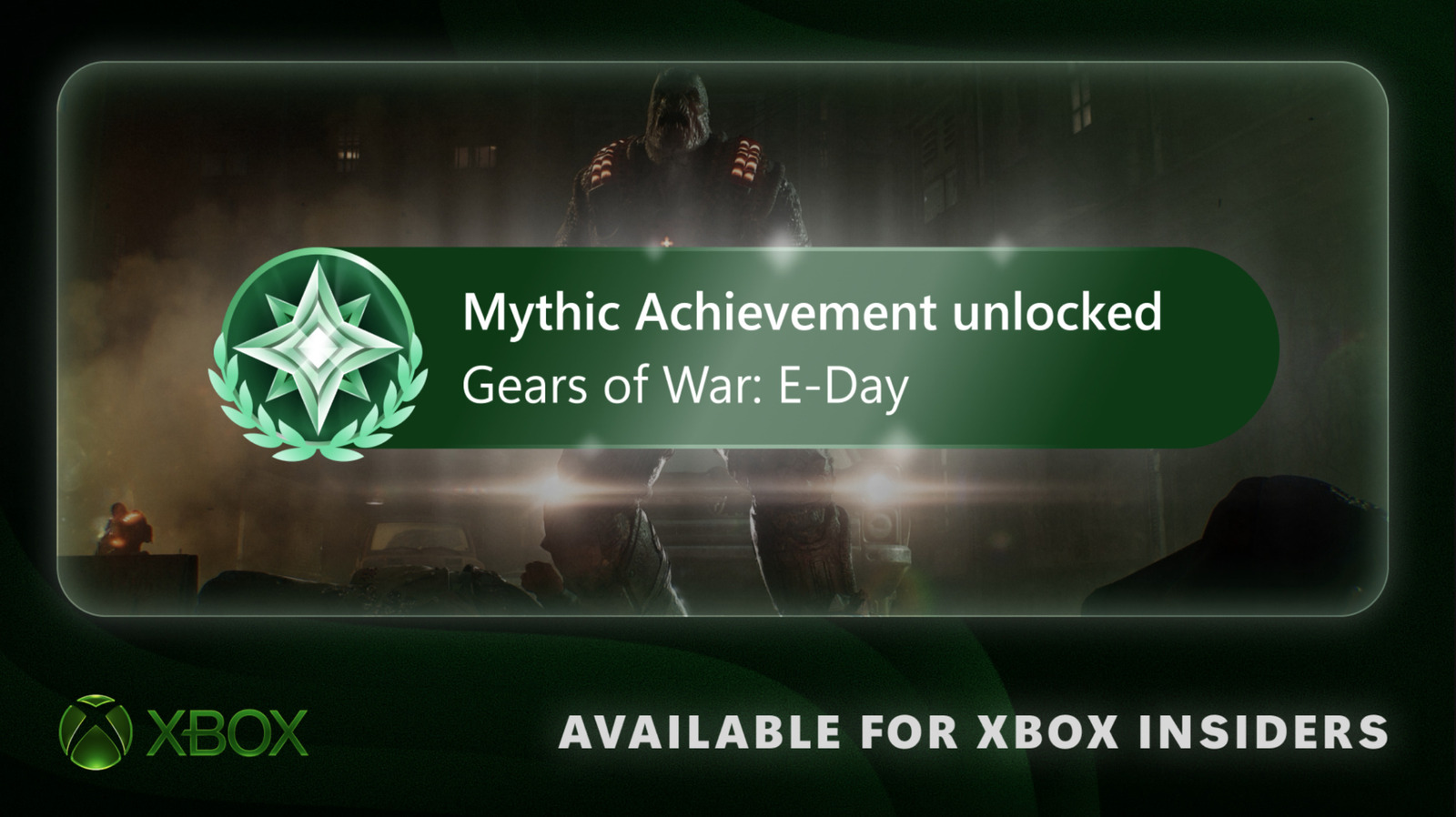
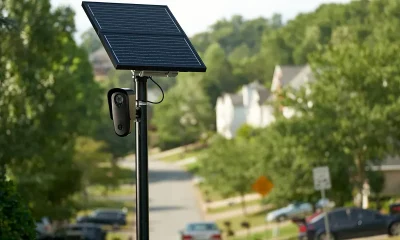
Xbox just announced something called Mythic Achievements, which is its answer to Sony’s long-standing platinum trophy program for PlayStation. These are earned when folks “complete all original achievements for a game.” Basically, they’re a badge of honor proving you put in the time to 100-percent a title.

Achievements added later via DLC or updates don’t impact Mythic status, with the company saying “it’s yours to keep.” They’re also retroactive, meaning that you’ll get a Mythic Achievement for games that have been fully completed in the past. “The next time you visit your profile, you may discover that some of your favorite games have already reached Mythic status,” senior product manager Alex Charters wrote in a blog post. Support extends all the way back to Xbox 360 titles.
Advertisement

This data is available to peruse via the new Gaming tab in profiles. The page provides various milestones and each Mythic Achievement features a “heroic frame.” There’s a social component here, as you could easily check out a friend’s Gaming tab to see if they fully completed Gears of War 2, for instance. There’s also a progress bar on top of each game’s achievement list that shows how close you are to the vaunted Mythic status.

Xbox CEO Asha Sharma teased this program earlier this year and now it’s here. Microsoft gaming consoles have long had an achievements system in place, but there wasn’t a tiered component like this until now.

The only caveat here is that this program is currently only available to Xbox Insiders. This platform lets people test unreleased system updates, apps, features and games before they roll out to the general public. On the plus side, it’s free to register.

Advertisement

This is just the latest fun little tool to arrive for Insiders. The company is beta-testing a service that creates digital versions of physical games, which is pretty convenient. It’s also experimenting with a free, ad-supported cloud gaming platform.

Advertisement

Source link

Continue Reading

Tech & AI

Nothing Headphone (1) Pro Uses Three Drivers Because Apparently One Wasn’t Enough

Published

on

The premium wireless headphone market has become crowded enough that another $400 active noise-cancelling model needs more than a new finish, longer battery life, and an app full of sliders to get anyone’s attention.

Nothing apparently got the memo.

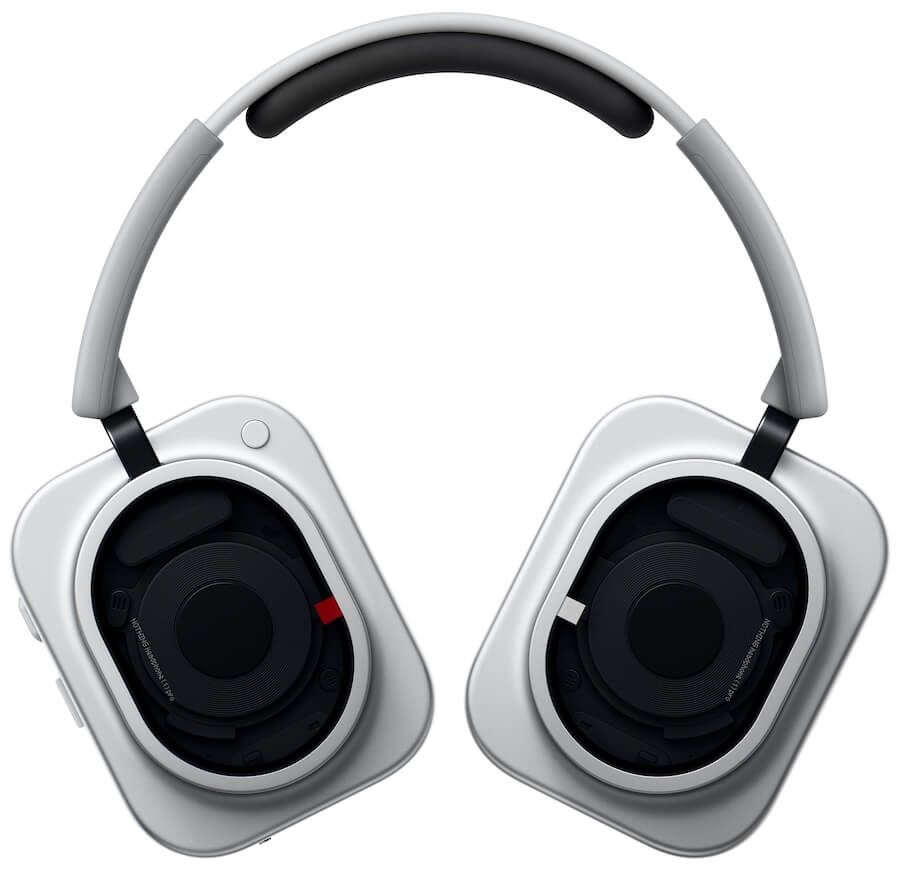
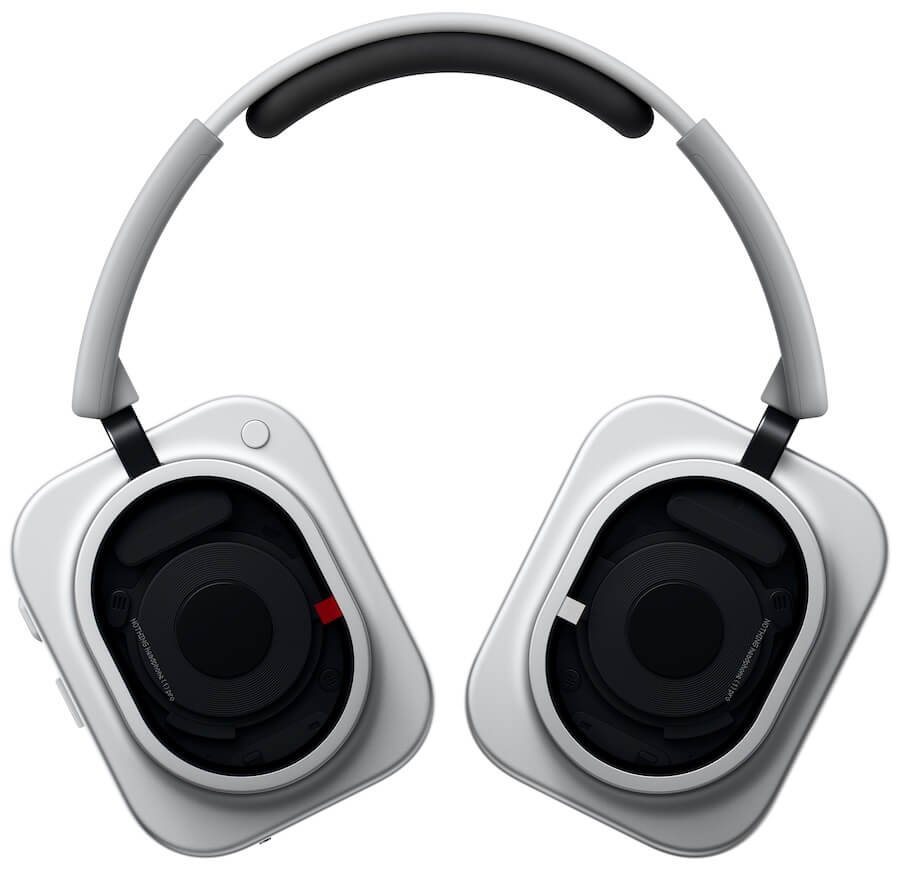
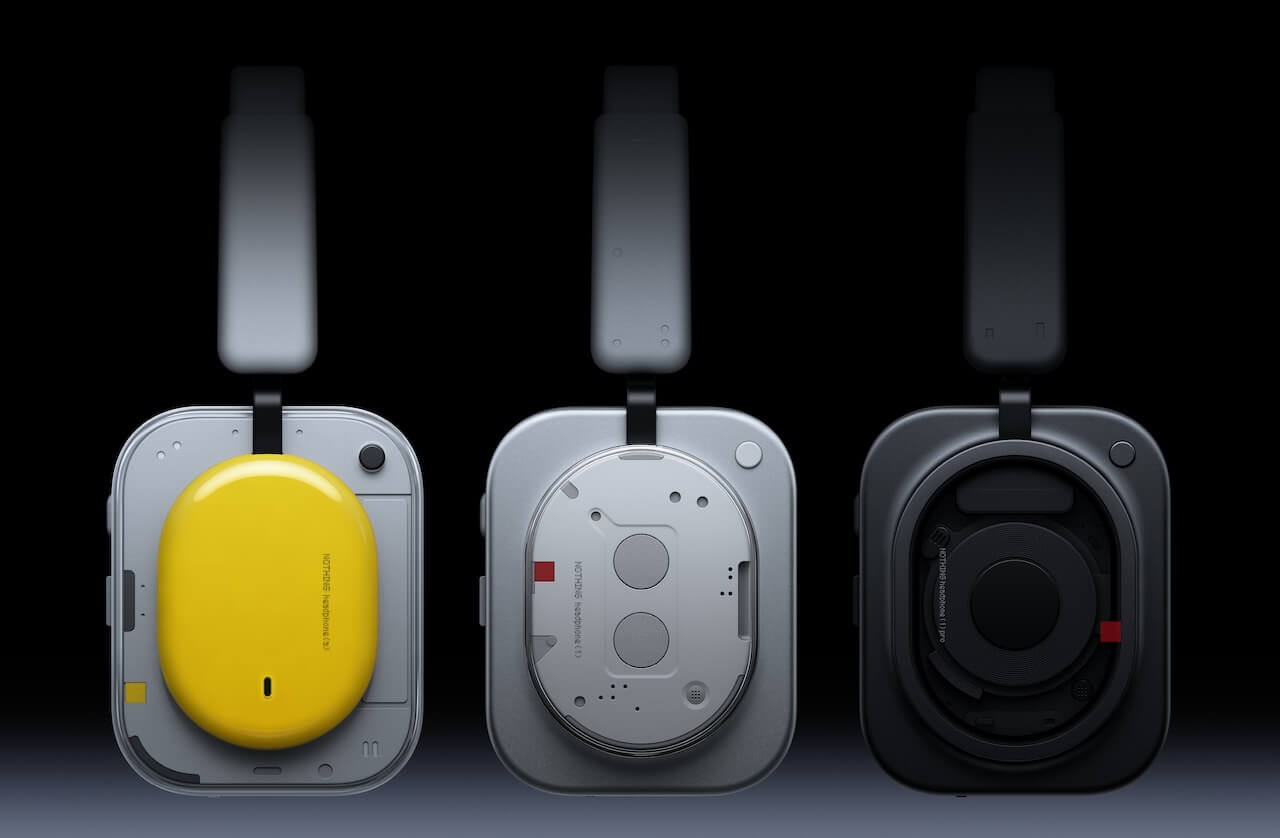
As the new flagship, the $399 Nothing Headphone (1) Pro sits above the $299 Headphone (1) and $199 Headphone (a), but the interesting part is what happened inside the earcups. Each side uses three separate drivers: a 40mm dynamic driver for bass, a 13 x 8mm dynamic driver for the midrange, and a solid-state xMEMS driver for treble. Nothing has also moved away from the original Headphone (1)’s KEF-branded tuning story and is emphasizing a new collaboration with London’s Metropolis Studios, including a physical switch that bypasses the regular EQ profile for a flatter studio-oriented setting.

That is considerably more ambitious than changing the ear pads and adding “Pro” to the box.

Advertisement
nothing-headphone-1-pro-exterior

Three Drivers, Three Jobs

Most wireless ANC headphones in this price range use one dynamic driver per earcup and rely heavily on DSP to shape the final presentation.

Nothing has chosen a more complicated route.

The 40mm bass driver uses a PET dome with an electroplated metal-ceramic coating and a dual-magnet motor. Nothing claims 15% greater bass impact and 26% higher sensitivity compared with the original Headphone (1). Those percentages are the company’s own laboratory figures, but they indicate that the low-frequency driver has been substantially reworked rather than simply carried over.

A separate 13 x 8mm midrange driver uses a PEN diaphragm and is tasked with vocals and the middle of the frequency range. The third element is considerably less conventional: a 3.2 x 6.0mm xMEMS solid-state treble driver using a silicon diaphragm. Nothing says the diaphragm is dramatically stiffer than conventional plastics, allowing faster transient response at higher frequencies.

Multi-driver IEMs are hardly exotic in 2026. Multi-driver mainstream wireless over-ear headphones using an xMEMS treble driver? That is a considerably shorter list.

Advertisement

Metropolis Studios Replaces the KEF Story

The original Headphone (1) arrived with considerable fanfare around Sound by KEF, giving Nothing instant credibility with listeners who knew the British loudspeaker company.

The Headphone (1) Pro takes a different approach.

Advertisement. Scroll to continue reading.

Nothing’s launch materials focus on tuning work performed with Metropolis Studios, the London facility that has hosted generations of recording and mastering engineers. The collaboration produced several EQ profiles inside the Nothing X app along with a dedicated Flat EQ intended for reviewing, producing, and mixing music.

Advertisement

The clever part is that Nothing gave Flat EQ its own physical switch on the headphones.

Flip it one way and you get the normal Nothing EQ setting. Flip it back and the headphone switches to the flatter Metropolis profile without opening the app, digging through menus, or remembering which EQ preset you saved three firmware updates ago. Whether anyone should actually mix a record on Bluetooth ANC headphones is another conversation.

At least Nothing gives you a button.

nothing-headphone-1-pro-interior

Hi-Res Wired and Wireless Audio

The Headphone (1) Pro supports SBC, AAC, and LDAC over Bluetooth 6.1, along with multipoint connection and Auracast broadcast reception using LC3. Nothing also provides both USB Type-C and 3.5mm wired connectivity.

Advertisement

USB Type-C supports lossless playback up to 24-bit/192kHz, while the analog AUX connection is rated for Hi-Res playback up to 24-bit/96kHz. The headphones are Hi-Res Audio certified for wired and wireless operation.

One omission is worth noting: there is no aptX Adaptive or aptX Lossless support. Android users with LDAC-compatible devices are covered, but buyers heavily invested in Qualcomm’s ecosystem will have to look elsewhere.

Nothing has also added Dynamic Spatial Audio with head tracking, along with a Metropolis-tuned spatial mode intended to reproduce the presentation of the studio’s Studio B.

More Serious ANC

Nothing rates the Headphone (1) Pro for up to 46dB of adaptive noise cancellation, up from 42dB on the original model.

Advertisement

The system uses 10 microphones, with three feed-forward and two feedback microphones on each side. A new 8mm silicone baffle wall and dual-layer cushions are also used to improve passive sealing before the electronics start doing their work.

Transparency Mode is included, while Clear Voice processing uses four microphones for calls and voice messages.

Forty-six decibels looks impressive on a product page, but ANC performance is one area where we would wait for a proper review before declaring Sony or Bose ready for retirement.

Advertisement. Scroll to continue reading.
Advertisement

Those two have been fighting this war for a very long time.

Design & Controls

nothing-headphone-1-pro-colors

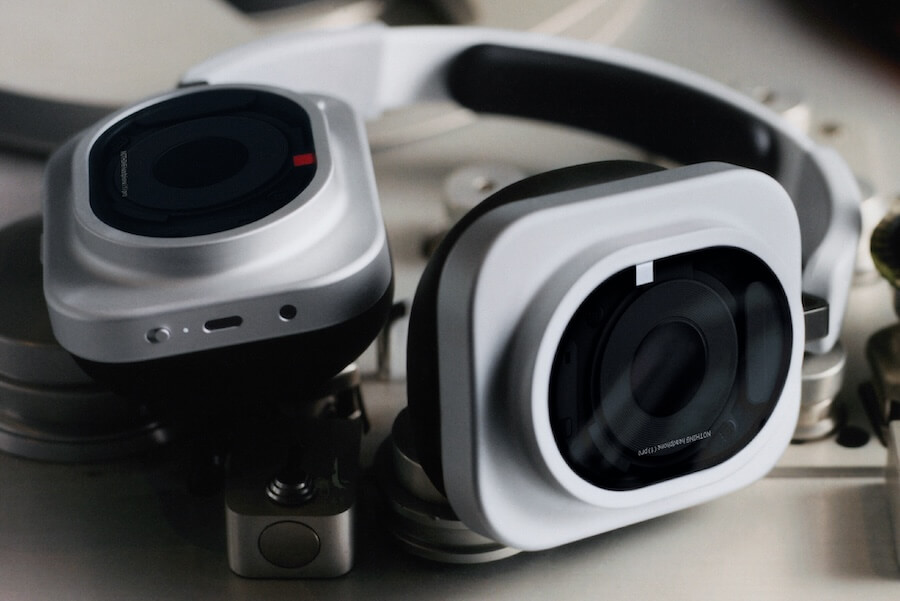
Nothing has retained the transparent industrial design that made Headphone (1 immediately recognizable, but the Pro receives more premium materials.

The earcups use machined aluminum, titanium-alloy arms, and upgraded 9H Panda Glass. Nothing says the titanium arms are 45% lighter than those used on Headphone (1), while the ear cushions are 50% softer and better suited to eyeglass wearers. The headband is 10% wider with 12% thicker padding.

Weight is 327 grams, almost unchanged from the 329-gram Headphone (1), so this is not Nothing’s attempt at building the lightest flagship ANC headphone on the train.

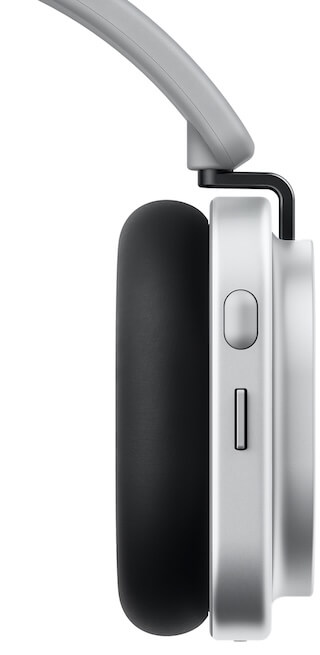
Physical controls remain one of the company’s better ideas. There is a roller for volume and playback, a paddle for track navigation, a customizable button, the new Flat EQ switch, and a separate Bluetooth pairing control.

Advertisement

The headphones also carry an IP52 rating for dust and water resistance and ship with a hardshell case, 3.5mm cable, and USB Type-C cable. They do not fold inward, so the case still occupies meaningful luggage space.

nothing-headphone-1-pro-side-buttons

Battery Life

Nothing rates battery life at up to 68 hours with ANC off using AAC and up to 30 hours with ANC enabled. Switch to LDAC and those figures drop to 53 and 28 hours respectively.

A five-minute charge provides up to four hours of playback with ANC disabled or two hours with ANC engaged. A complete charge takes approximately two hours.

The original Headphone (1) could manage as much as 80 hours without ANC, so the Pro actually moves backward in maximum battery endurance.

Nothing Headphone (1) Pro Specifications

  • Type: Wireless closed-back ANC over-ear headphone
  • Price: $399
  • Bass Driver: 40mm dynamic
  • Bass Diaphragm: PET with electroplated metal-ceramic coating
  • Midrange Driver: 13 x 8mm dynamic
  • Midrange Diaphragm: PEN
  • Treble Driver: 3.2 x 6.0 x 1.15mm xMEMS solid-state
  • Treble Diaphragm: Silicon
  • Frequency Response: 20Hz–40kHz
  • Tuning: Metropolis Studios
  • EQ: Standard, Flat EQ, Advanced EQ, Personal Sound
  • Spatial Audio: Dynamic Spatial Audio with head tracking
  • ANC: Real-time adaptive, up to 46dB
  • Microphones: 10 total
  • Transparency Mode: Yes
  • Bluetooth: 6.1
  • Codecs: SBC, AAC, LDAC; LC3 for broadcast audio
  • Auracast: Yes
  • Multipoint: Yes
  • USB Type-C Audio: Up to 24-bit/192kHz
  • 3.5mm Audio: Up to 24-bit/96kHz
  • Battery: 1,060mAh
  • AAC Battery Life: Up to 68 hours ANC off / 30 hours ANC on
  • LDAC Battery Life: Up to 53 hours ANC off / 28 hours ANC on
  • Fast Charge: 5 minutes for up to 4 hours ANC off / 2 hours ANC on
  • Full Charge: Approximately 2 hours
  • Water/Dust Resistance: IP52
  • Weight: 327g
  • Dimensions: 190.2 x 174.4 x 78mm
  • Included: Hardshell case, 3.5mm cable, USB Type-C cable
  • Colors: Black, White

What Makes Headphone (1) Pro Unique?

The obvious answer is the triple-driver architecture.

Sony’s WH-1000XM6, Bose QuietComfort Ultra Gen 2, and most other premium ANC headphones still rely on a single full-range dynamic driver per ear. Nothing has divided bass, midrange, and treble reproduction across three separate transducers, including an xMEMS solid-state driver handling the top end.

Advertisement

That alone does not guarantee better sound. Three mediocre drivers can still lose to one excellent one.

Advertisement. Scroll to continue reading.

The more compelling idea may be the physical Flat EQ switch. Nothing is acknowledging that some buyers want its normal consumer voicing while others may prefer a less processed presentation, and it lets them move between the two without reaching for a phone.

Combine that with 24-bit/192kHz USB playback, LDAC, extensive EQ, head-tracked spatial audio, Auracast, and tactile controls, and the Pro is clearly trying to bridge the gap between mainstream ANC headphones and more serious listening products.

Advertisement

That is a more interesting proposition than another titanium-colored travel headphone.

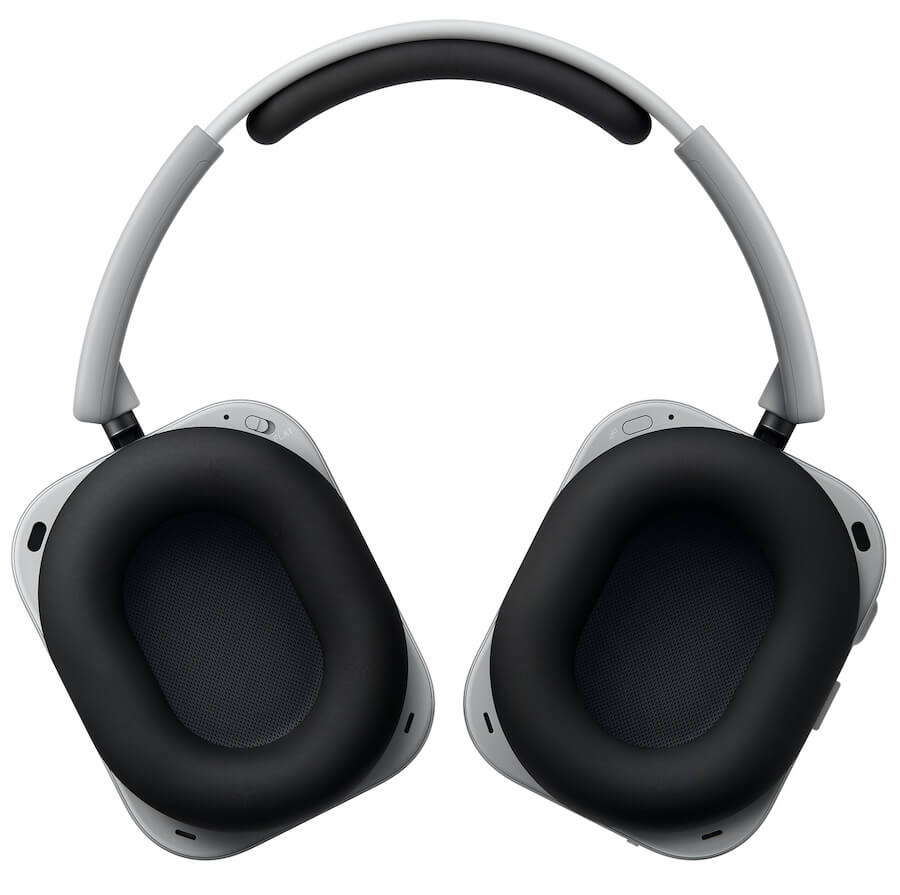
nothing-headphone-1-pro-bottom

What Is Missing?

Nothing has packed a lot into the Headphone (1) Pro, but a few omissions remain.

There is no aptX Adaptive or aptX Lossless, which gives products from Bowers & Wilkins and Sennheiser an advantage for users with compatible Qualcomm devices. Maximum battery life is also lower than Headphone (1), and at 327 grams the Pro is considerably heavier than some mainstream travel-focused ANC rivals.

The headphones also do not fold, which matters if you spend much of your life arguing with airline carry-on limits.

Advertisement

And despite all the studio language, Nothing has not replaced traditional professional monitoring headphones overnight. Flat EQ and Metropolis tuning are intriguing features, but durability, repeatability, long-session comfort, and actual tonal accuracy will need proper listening before anybody starts replacing studio standards with transparent Bluetooth headphones.

Competition?

At $458 Sony’s WH-1000XM6 combines excellent ANC, a lighter travel-friendly design, mature DSP, and Sony’s long experience in wireless headphones.

In our review, the XM6 delivered some of the best noise cancellation we have tested, particularly with difficult mid- and higher-frequency environmental noise. Nothing counters with its unusual driver architecture, wired USB-C lossless audio, and more extensive physical controls.

Sony has the track record.

Advertisement

Nothing has the weirder engineering department.

The $449 Bose QuietComfort Ultra Headphones 2nd Gen remains exceptionally strong on comfort and ANC, and the second-generation Ultra finally added wired USB-C lossless playback and listening while charging. Our recent review found the combination of noise cancellation, comfort, spatial processing, and everyday usability difficult to beat.

Advertisement. Scroll to continue reading.

Nothing is $50 less and offers LDAC, Auracast, the triple-driver configuration, more adventurous EQ controls, and significantly longer maximum battery life.

Advertisement

Bose will still be the safer recommendation for frequent flyers until we hear how Nothing’s new ANC performs in the real world.

The Headphone (1) Pro is the more interesting piece of engineering on paper.

Price & Availability

The Nothing Headphone (1) Pro is priced at $399 in the United States and is available beginning September 29, 2026 through Nothing, Amazon, and Best Buy in North America.

That places it exactly where Nothing needed another product: above the $299 Headphone (1) and $199 Headphone (a), but still below Sony and Bose’s current $449 flagships.

Advertisement

Where to Buy:

Source link

Continue Reading

Trending

Copyright © 2025