Anand Menon offers his take on the Liberal Democrat’s EU policy following their party conference.
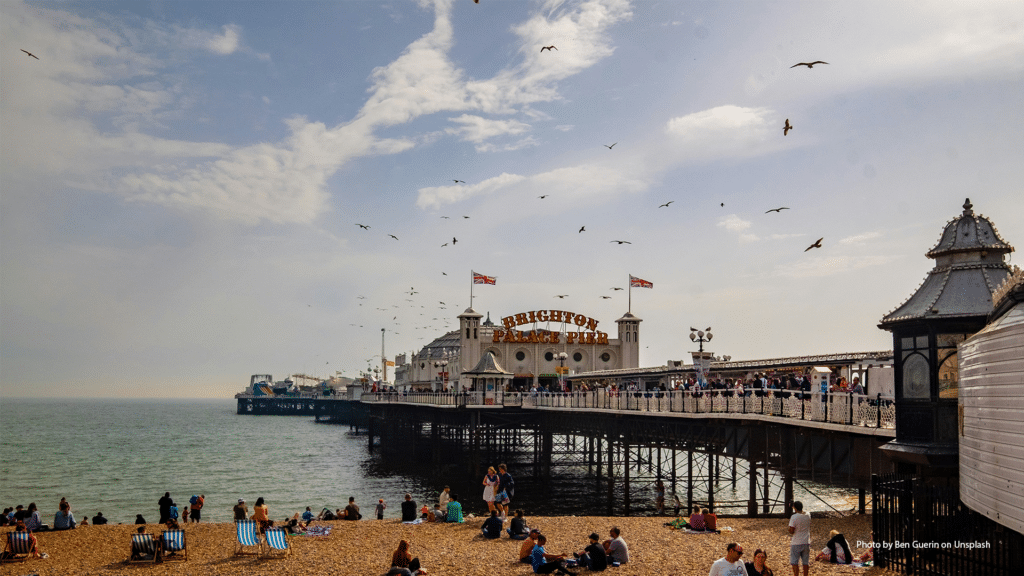
To rejoin or not to rejoin. That’s the question doing the rounds among many of the party faithful at the Liberal Democrat’s conference in Brighton. That along with whether Ed Davey should remain leader, of course.
To say the Lib Dems have tied themselves in knots over how to approach UK-EU relations would be charitable. The party has found itself caught between the fervent pro-Europeanism of its members and the more cautious approach adopted by MPs scarred by the impact of that ill-fated ‘bollocks to Brexit’ campaign of 2019.
By 2024, that had translated itself into a manifesto position proposing a gradual rapprochement with the EU and culminating over time with the UK joining the single market. It was not a policy that was promoted much during a campaign in which the party focused on local issues like sewage. I recall the party conference of that year, when two prominent MPs were (gently and politely of course) heckled by an audience of members frustrated by what they saw as a lack of ambition when it came to EU policy.
Now there are signs that the parliamentary party is starting to listen. Europe spokesperson Al Pinkerton was at pains to stress that the world is changing and that this implies the need for a closer relationship with the EU. As a former Associate Professor of geopolitics, he delights in reminding his audience (correctly) that ‘geography matters.’
The party is now calling for a ‘growth and defence partnership,’ which involves the UK joining the single market and a customs union and signing a new defence partnership with the EU. The ‘long-term goal’ is to rejoin the EU. All of which, if nothing else, speaks to the nervousness in the party about rejoin – it is hard to see why customs union and single market should appeal more than membership, and easy (as I’ll come to in a moment) to see the problems inherent in this idea.
Is this practical? In large part probably, though with some caveats. First, the party seems to be falling into the same trap that successive governments have been caught in – of assuming that the ‘EU needs and wants greater cooperation from the UK on defence’, which puts the UK ‘in a strong position to get a better deal for Britain on both trade and security’. The fate of the SAFE negotiations alone should serve to alert us that this logic is flawed.
Second, regular readers will be all too aware of my scepticism that single market membership is politically sustainable in this country. Let us be clear here. This means the EU passing laws that the UK must adopt – with no formal say over the content. The issue here is not just the inevitable outcry from Brexiters about ‘surrender’ but how powerful bodies such as the City will react the first time they are subject to EU laws of which they do not approve.
As for the argument that single market membership might serve as a gateway to membership, I’m far from convinced that the EU would be in any great hurry expedite such talks. Why, after all, would they hurry to change a situation in which the EU gets to set the rules for the UK economy to one in which London gets a seat at the decision-making table?
Under normal circumstances – and with all due respect – what the Liberal Democrats say about the EU would not matter beyond the ability of that message to attract or retain target voters. Under current conditions, however, it might have a broader relevance.
First, it might impact on what the other parties say. British politics, as we know, is now broadly divided into two blocs. Both parties in the Right/Leave bloc are proposing not only to unpick any advances made during the EU ‘reset’ undertaken by Keir Starmer, but also to take the UK out of the ECHR. This, as we’ve argued, will almost certainly lead to the EU suspending some or all of the TCA – a no deal Brexit in other words.
On the other side of the divide, the Greens, Labour, the nationalist parties and the Liberal Democrats all favour closer links with the EU. They differ, however, in terms of how ambitious they are willing to be.
Whether the more ambitious stance adopted by the Liberal Democrats and Greens is enough to convince Labour to shift in that direction will depend in part on the state of the polling. In the dog days of the Starmer administration, a number of Labour MPs were openly discussing the need for the party to be far more ambitious, not least to fight the political threat from their left flank. A lot will hinge on whether Andy Burnham’s favourability ratings remain where they are.
As importantly, the fragmented nature of politics means a hung parliament is a real possibility. It is far from inconceivable that a future Labour government will rely on other parties in the progressive bloc to sustain a majority in the Commons. This opens up the real prospect of the Liberal Democrats exercising material influence over policy.
This is all, of course, highly speculative. But it speaks to the point that what the Lib Dems were talking about in Brighton might matter far more than simply in terms of making party members happy.
By Anand Menon, Director, UK in a Changing Europe.

























































You must be logged in to post a comment Login