


Connect with us

Tech & AI

You only have a few hours left to get over 50% off the new Fire TV Stick 4K before it jumps in price

Published

on

Apple Airtags on a pastel background1

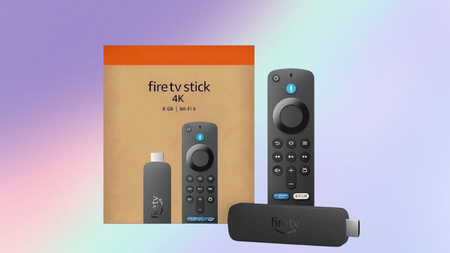
Tonight is the last chance to buy the newest Fire TV Stick 4K for £32.99 before it moves to its full £69.99 price.

Against a £69.99 RRP, the Fire TV Stick 4K is £32.99 until 23:59 tonight, a saving of £37 or 53% on the newest 4K streaming stick from Amazon, complete with Wi-Fi 6, Alexa+ and an all-new Fire TV Remote.

Firestick 4K on a pastel backgroundFirestick 4K on a pastel background

Amazon’s new Fire TV Stick 4K more than doubles in price tomorrow

Packing Wi-Fi 6, HDR10+ and Alexa+, Amazon’s newest Fire TV Stick 4K is £32.99 until 23:59 tonight before rising to £69.99, a 53% saving.

Advertisement

View Deal

The £32.99 price has been in place since launch at the end of September, so everyone who has bought one so far has paid the introductory rate. From tomorrow, the same stick costs more than double, and the offer can close even earlier should stock run out before midnight.

Advertisement

Paying the introductory rate gets you 4K picture with HDR10+ support, so your 4K TV shows off the rich colours, deep contrast and sharp detail it was built for, whether you are watching a nature documentary or a favourite rom-com.

Wi-Fi 6 keeps that picture streaming smoothly even when everyone in the house is online, and setup takes a single USB-C cable, because the Fire TV Stick 4K draws power from your TV and needs no wall adaptor.

Advertisement

From there, the all-new Fire TV Remote puts TV power and volume, a navigation ring and dedicated Live TV and shortcut buttons in a layout that sits comfortably in your hand, so play, pause, rewind and switching to live channels all happen from one place.

Advertisement

Press the voice button on that remote and Alexa+ lets you talk naturally to find your next favourite show by actor, plot or even an iconic quote, while also answering quick questions about whatever is already playing on screen.

The Whatsapp LogoThe Whatsapp Logo

Get Updates Straight to Your WhatsApp

Join Now

Advertisement

Whatever you settle on lives in a single home screen that brings together BBC iPlayer, Netflix, Prime Video, YouTube, ITVX, Disney+ and thousands more apps, with up to 20 favourites pinned on the Fire TV Stick 4K and plenty of free, ad-supported content too.

If your 4K TV is still waiting on a proper streaming upgrade, buying the Fire TV Stick 4K before 23:59 tonight saves you £37 on a streaming stick that goes up to £69.99 from tomorrow.

Advertisement

Advertisement

SQUIRREL_PLAYLIST_10148964

Source link

Continue Reading
Click to comment

You must be logged in to post a comment Login

Leave a Reply

Tech & AI

New Apple Home Collection includes smart cameras, door lock, and thermostats made by LG and Schneider Electric

Published

on

2026 10 13 ts3 thumbs 976

2026 10 13 ts3 thumbs 976
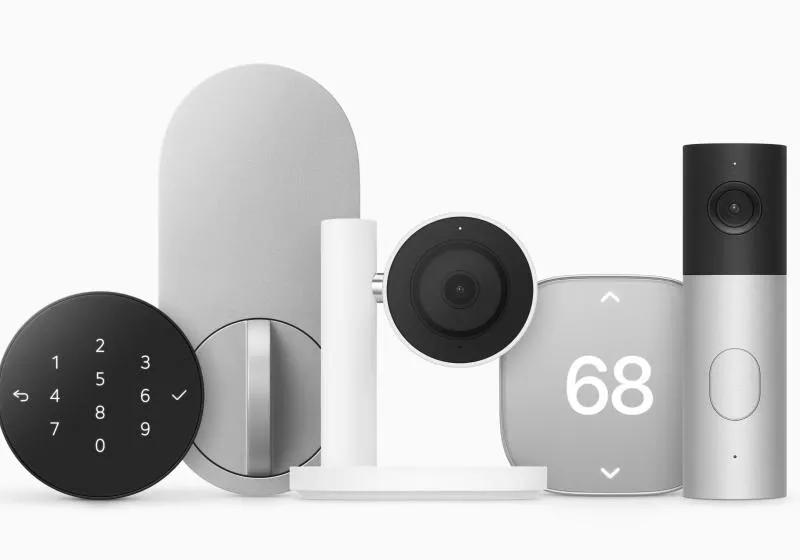
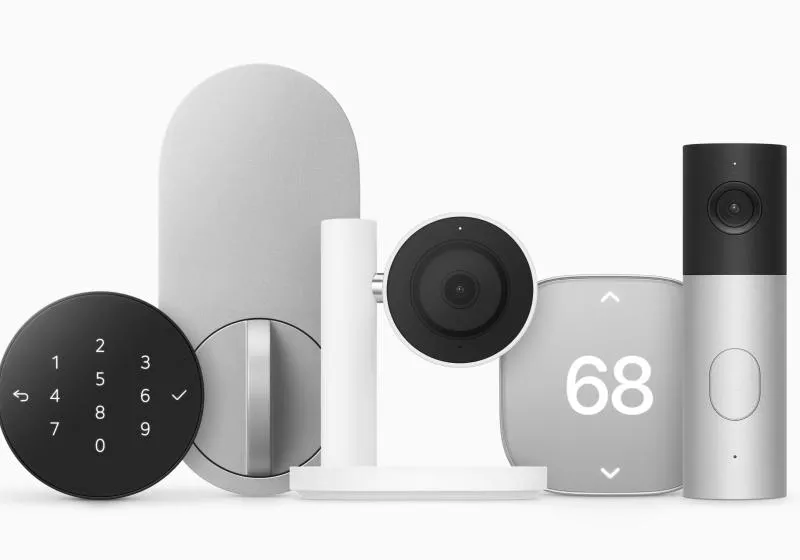
The Apple Home Collection is a lineup of smart-home devices built in collaboration with LG and Schneider Electric, including several cameras with full iCloud+ integration, as well as thermostats, a doorbell, and a door lock. Apple also introduced the second-generation HomePod mini, a new Apple TV 4K, and the HomeView…
Read Entire Article
Source link

Continue Reading

Tech & AI

Licensing costs driving 90 percent of VMware users to explore options: Survey

Published

on

GettyImages 1934095718

GettyImages 1934095718

“Many clients are looking … at this [as] a wake-up call to how dependent they had become on a single vendor and are looking for more diversity in their on-premises environments,” Tony Harvey, a senior director analyst at Gartner, previously told Ars, referring to Broadcom’s acquisition.

Rimini reported that 60 percent of the organizations it surveyed are considering a multi-hypervisor strategy, which is indicative of “growing interest in more flexible, mixed environments that support both operational and financial goals.”

“In addition, 47 percent are favoring a hybrid IT virtualization environment consisting of hypervisors and containers for ‘best of both worlds’ workload placement,” the announcement said.

Rimini noted that 48 percent of respondents aren’t planning to move any of their assets to VMware’s hybrid cloud platform, Cloud Foundation.

Advertisement

“The trend shows increasing diversification in enterprise virtualization strategies with a longer-term transition toward bespoke, multi-platform IT virtualization environments. As organizations reevaluate their paths to modernization, they are increasingly adopting approaches that combine on-premises infrastructure, private cloud, public cloud and alternative hypervisors to support workload flexibility, operational efficiency and better cost control,” the announcement says.

In its “Magic Quadrant for Distributed Hybrid Infrastructure” released last month, Gartner predicted that 55 percent of enterprises will make “proofs of concept for alternative distributed hybrid infrastructure products to replace their VMware-based deployments and embrace hybrid cloud infrastructure delivery” by 2029, which is an increase from 25 percent in 2026.

In a statement today, Joe McKendrick, lead analyst at Unisphere Research, pointed to interest among VMware users to do more than just replace their virtualization vendor.

“[The survey] reflects a broader effort by enterprises to reduce dependency on a single provider, maintain continuity for mission-critical systems and modernize at a pace that fits their own business requirements,” he said. “For many organizations, that means balancing support for existing environments with new investments designed to improve resilience, security and scalability over time.”

Advertisement

Source link

Continue Reading

Tech & AI

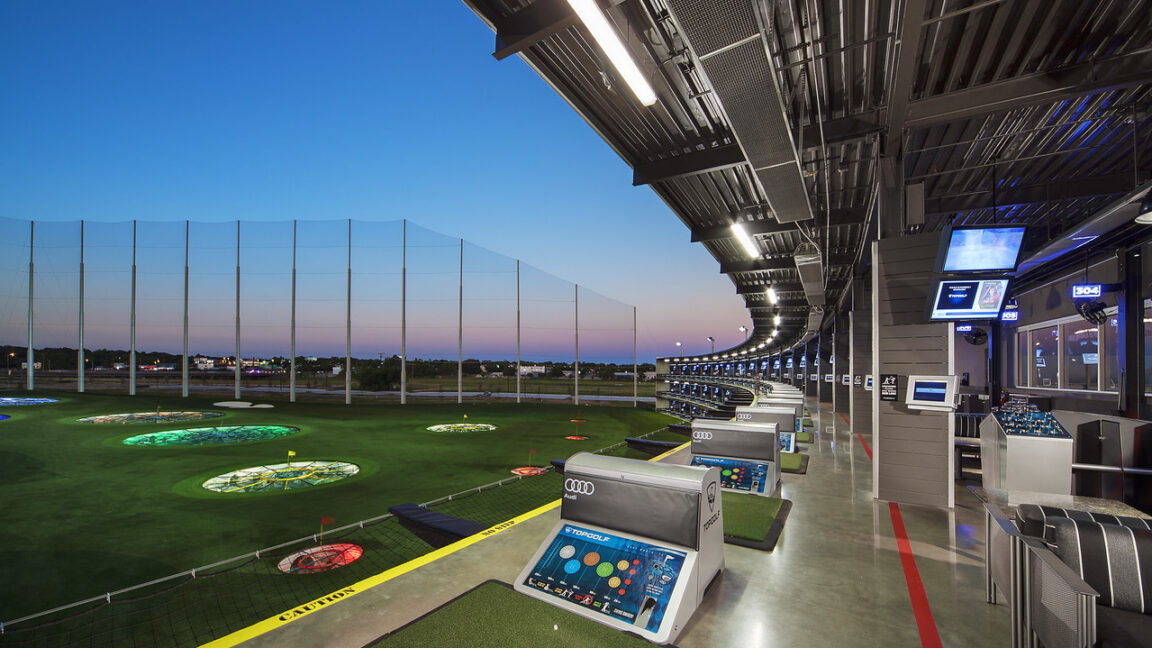
Topgolf saved over $11.3 million after leaving VMware

Published

on

11 TGFW Tee Line X2

11 TGFW Tee Line X2

“Toptracer … pushes about 40TB of network data from the cameras in a typical 102-bay venue per day. That’s a lot of bandwidth, and the VergeIO team helped us solve some latency and pathing issues with that traffic to spread the load more effectively across the nodes in the cluster,” he said.

VergeOS also appealed to Topgolf because its end-to-end automation didn’t require Topgolf to retool its infrastructure-as-code. VergeOS being “API-first” was key here, Forehand explained, and its employees helped Topgolf develop support for infrastructure-as-code tools Terraform and Ansible early in migration.

Topgolf’s biggest challenge in ditching VMware has been coordinating all the projects it had to do alongside the server stack replacement. Forehand explained:

On VxRail, Topgolf gaming was powered by the servers. With VergeIO, we simplified the gaming stack and moved everything to the edge game panels in the bay. That meant we had to replace all of the game panels, rewire the columns, replace the server stack, and swap to our new Kubernetes gaming architecture. We also piled a few other projects in there with all of that to eliminate even more technical debt.

As Topgolf reduced its use of VMware, it also encountered challenges trying to integrate its new virtualization platform with third-party software, like Rubrik and LogicMonitor, which Topgolf uses to monitor its overall infrastructure.

Advertisement

VMware has been a leader in virtualization for decades, resulting in a wide range of enterprise products. This differs from newer competitors, which may not yet offer the same level of compatibility.

“Overall, the challenges have been pretty minimal,” Forehand said. “The real challenge has been a hearts-and-minds campaign to educate leadership on the gaps that do exist. With Rubrik, we moved to the VergeIO snapshotting to fill the data protection gap that not being able to use Rubrik left us, but we didn’t have an immediate answer for some of the Rubrik security features, like threat hunting and ransomware protection, so we’ve pivoted to Veeam to fill those gaps for us.”

VergeIO’s strategy for addressing product integration challenges includes building the capabilities delivered through third-party offerings into VergeOS and partnering “on the ones that matter most,” Crump said.

“Integration is the most common friction point, and it shows up after the migration. … A customer wants to keep using a tool it has already paid for and trained staff on. If that vendor doesn’t support VergeOS yet, the customer has to switch tools or run a workaround,” he said.

Advertisement

Source link

Continue Reading

Tech & AI

NASA’s Perseverance Rover Sets New Record for Off-World Distance Driven Across Mars

Published

on

nasa perseverance mars rover off world record total distance driven

NASA Perseverance Mars Rover Off-World Record Total Distance Driven
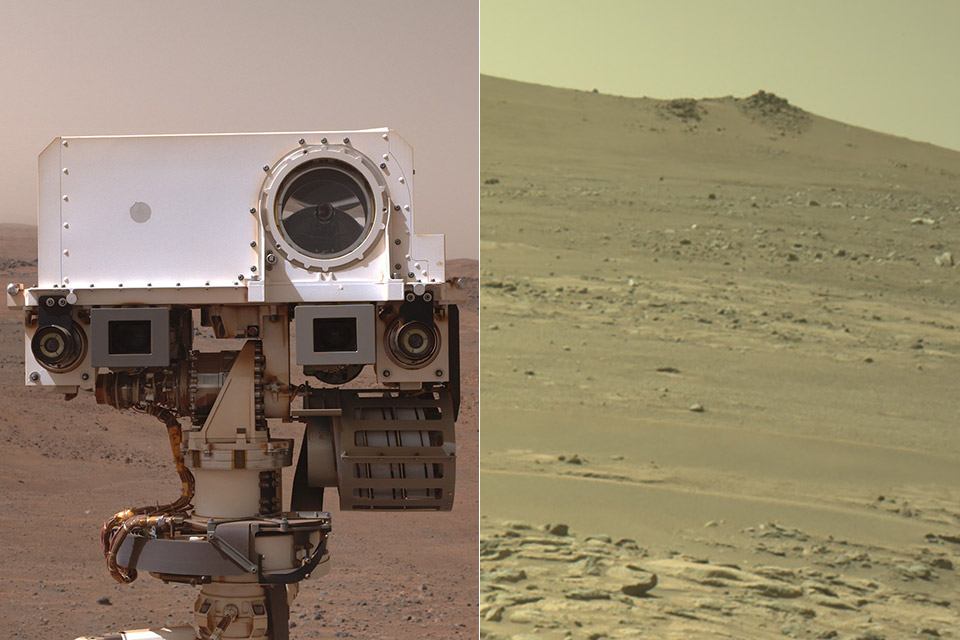
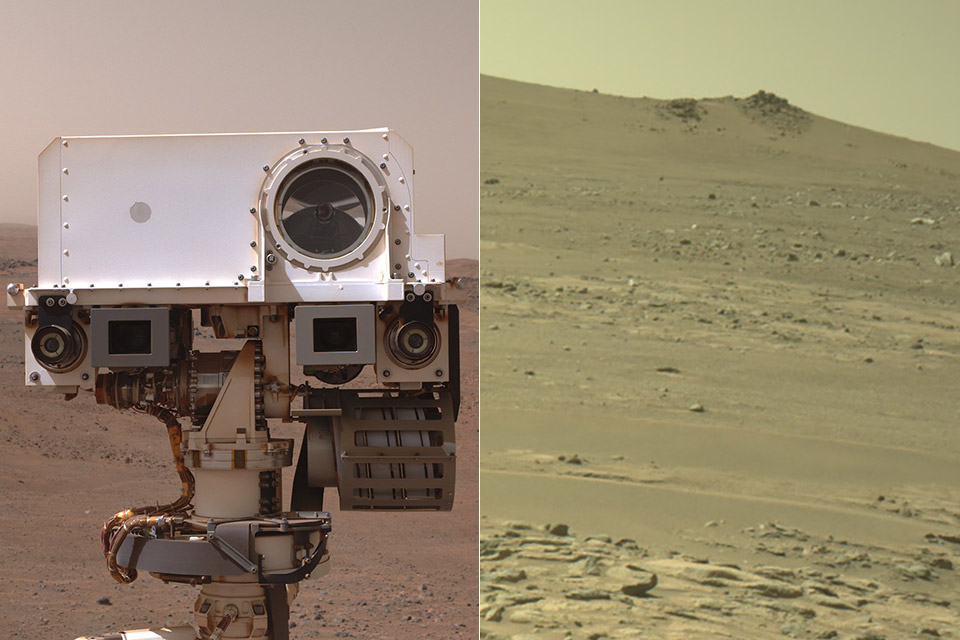
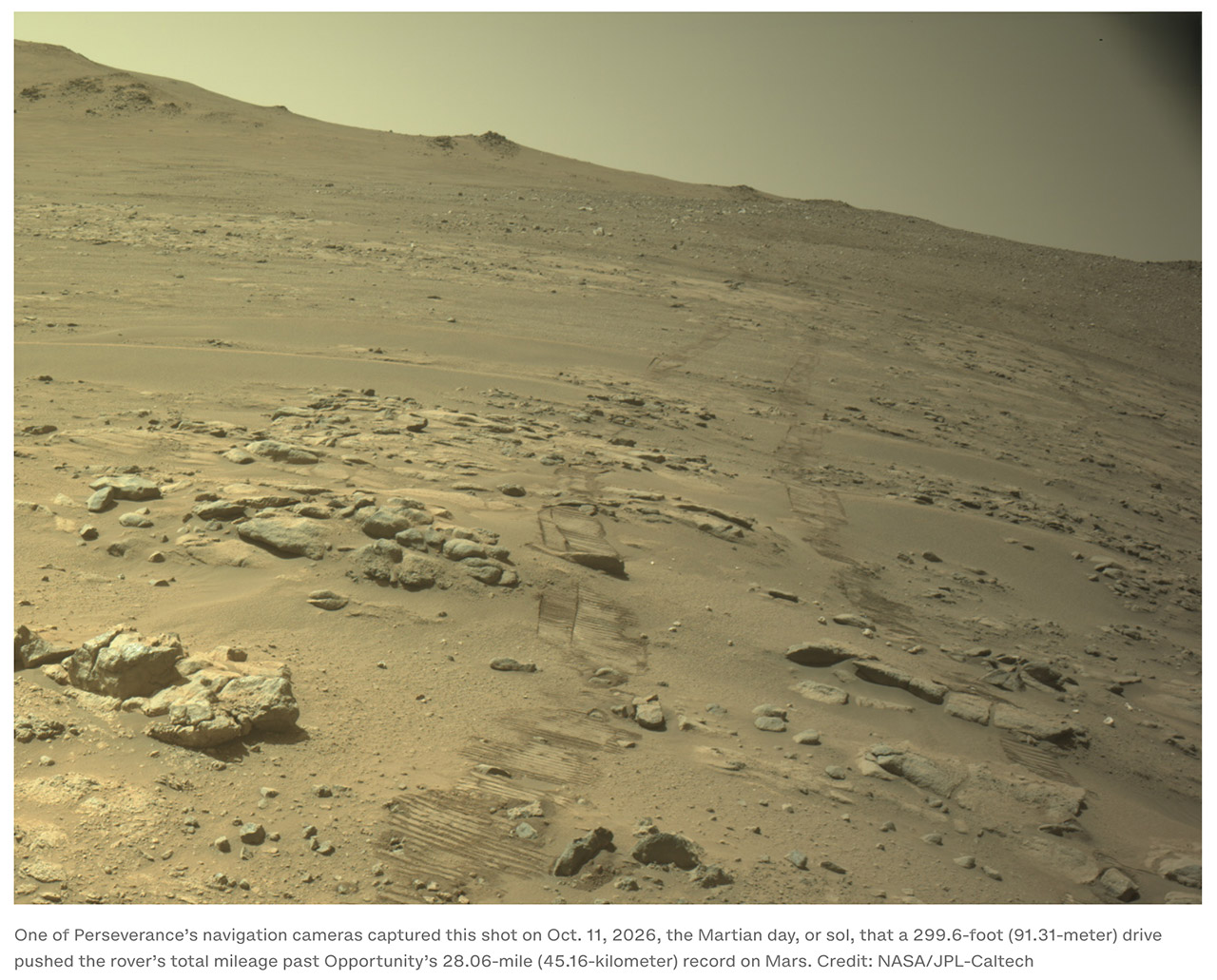
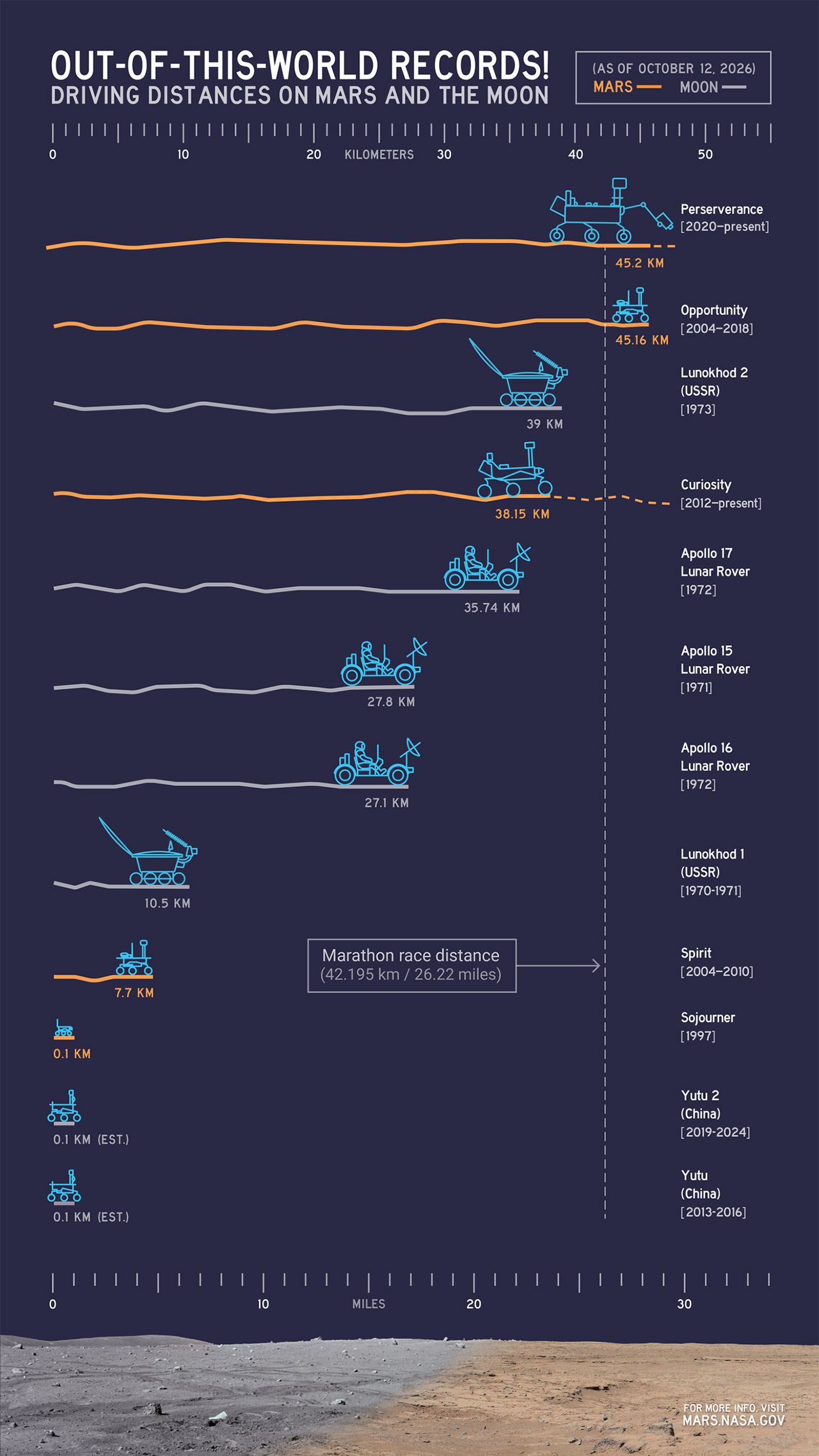
NASA’s Perseverance rover crossed 28.10 miles on the surface of Mars on October 11, 2026. That figure edged past the 28.06 miles logged by the Opportunity rover, which explored the planet from 2004 until 2018. Perseverance reached the mark on its 2,006th Martian day after roughly five and a half years of operations. Opportunity required nearly fifteen years to cover the same ground.


A single 299.6-foot drive pushed the odometer over the previous total. Perseverance is currently en route to Idubi, passing via the Lac de Charmes on the western rim of Jezero Crater. Scientists believe that the rocks there are among the oldest landscape ever observed by a satellite in our solar system. Back on Earth, we lose this stuff due to regular erosion and tectonic plate movement; on Mars, it remains exposed since there are no tectonic plates. The team hopes that this location has preserved evidence of ancient hydrothermal networks that once carried warm water through the crust.


LEGO Technic NASA Mars Rover Perseverance Building Toys – STEM Model Kit for Boys & Girls, Ages 10+ Years…
  • Feed a passion for science and technology – Kids can learn more about the challenges of space exploration with this LEGO Technic NASA Mars Rover…
  • Conduct a test flight – This advanced building kit for kids ages 10 and up includes a buildable toy version of NASA’s Ingenuity helicopter, which…
  • AR brings the mission to life – The accompanying augmented reality app experience lets kids dive into the details of the rover and its mission

Perseverance landed at Jezero Crater in February 2021, with initial mission plans indicating that it would not travel more than 12 and a half miles. But the good news is that all mobility systems are still in excellent condition, and ground testing of the hardware indicate that the rover will be able to continue operating for many years. According to project manager Steven Lee, the original limit has already been exceeded, and it is expected that Perseverance will continue to establish new marks. Newer software allows the rover to drive and check its position against those orbital maps with greater ease, and engineers have even explored the prospect of reaching 100 kilometers throughout the motors’ entire lifetime.

NASA Perseverance Mars Rover Off-World Record Total Distance Driven
Autonomous navigation accounts for more than 90 percent of the distance Perseverance has traveled. As it moves, the system develops a three-dimensional map of risks, which it then uses to plot a path between the waypoints set by the Earth team. Older rovers used to spend a lot of time waiting for an order to come through. Sojourner, the first to employ any type of auto guidance, would look at about twenty measurement points every now and again, whereas Perseverance handles 600,000 in the same amount of time. That allows it to cover up to 1351 feet in a single Martian day when conditions are favorable.

Earlier rovers had lower mileage, which Perseverance has now completely surpassed. In 1997, Sojourner managed roughly 330 feet. Spirit traveled a respectable 4.8 kilometers before stopping in 2010. Curiosity, which is still operating in Gale Crater, has traveled more than 23 and a half kilometers since its landing in 2012. Then there are the early Moon missions, with Apollo 17’s astronauts traveling 22.2 miles on the lunar rover and Lunokhod 2 reaching 24.2 miles. Perseverance has also surpassed both of the

Advertisement

NASA Perseverance Mars Rover Off-World Record Total Distance Driven
NASA has just approved an extension that will allow Perseverance to continue exploring the crater rim through the end of 2028. After Lac de Charmes, we’ll head to Rainbow Falls, a 328-foot-wide slab of old crust that was lifted when the collision that produced Jezero occurred. Along the way, it collected rock and soil samples from the crater floor, a river delta, and the rim. The distance record is simply one of several measurable milestones for a mission that is accomplishing far more than its original design objectives.
[Source]

Source link

Continue Reading

Tech & AI

16 cores, 5.2 GHz, and 55 TOPS: Minisforum’s newest AI workstation is mostly a massive upgrade to 192GB of memory – and that is not necessarily a bad thing

Published

on

diM9tpwF2Lz85R8q85CT78

  • Minisforum’s MS-S1 MAX-P495 is on pre-order at $7,399 with 192GB of unified memory and a 2TB SSD
  • CPU and NPU specs are similar to previous iterations: 16 cores, 32 threads with a boost in clock speeds of 100 MHz, in addition to increased NPU performance by 10% to 55 TOPS
  • The real upgrade is memory: 192GB total, 160GB for the GPU, and about 7% more bandwidth, enough to fit a 284B-parameter MoE model on one box

Minisforum has opened orders for the MS-S1 MAX-P495, a 3.5-liter workstation built around AMD‘s Ryzen AI Max+ PRO 495, and its launch announcement leads with the processor: 16 Zen 5 cores and 32 threads, clocks of up to 5.2 GHz, and an NPU rated at up to 55 TOPS within a platform total of 131 TOPS.

The single configuration pairs 192GB of unified memory with a 2TB SSD, sells for $7,399 on pre-order, and is expected to begin shipping in mid-October 2026.

Source link

Advertisement
Continue Reading

Tech & AI

Median S’pore tech salary rises to S$9,360. But where can jobs be found?

Published

on

image 6

Disclaimer: Unless otherwise stated, any opinions expressed below belong solely to the author. Data sourced from the Singapore Digital Economy Report published by IMDA last week.

Singapore’s Infocomm Media Development Authority released its annual Digital Economy Report last week, providing data on the developments in the local tech industry—both directly in the Information & Communications sector and all the tech jobs outside of it.

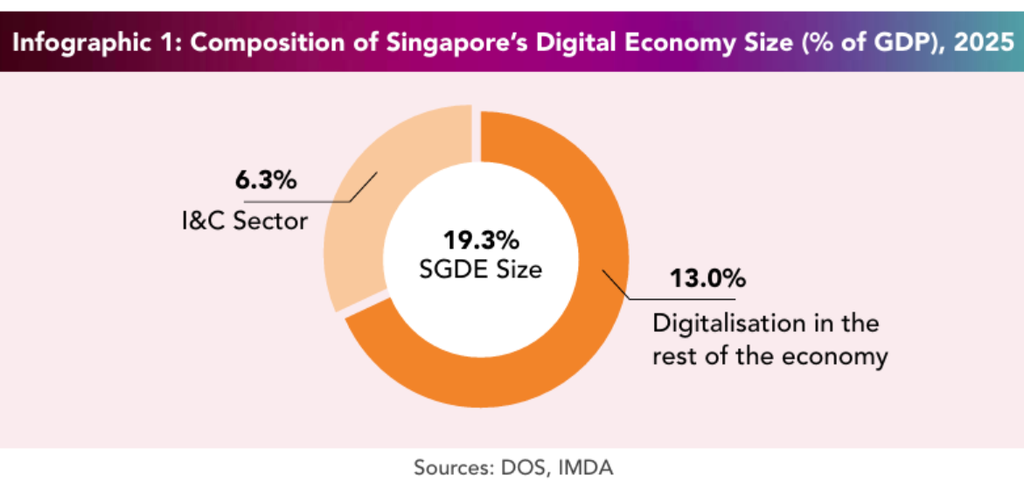
This is an important distinction because many workers or future graduates may think their IT qualifications are best used in major technology companies. But in reality, the demand for their skills may be far greater elsewhere, effectively tripling their employment opportunities.

As you can see below, two-thirds of Singapore’s digital economy (and, therefore, jobs) is actually outside of the tech business.

Advertisement
image 6

In absolute numbers, the value added of the entire digital sector has grown by over 45% since 2021, to S$144 billion, and constitutes nearly one-fifth of Singapore’s economy:

image 12

This, of course, was followed by an increase in employment of nearly 30,000 people, including 8,200 last year alone.

image 8

What about the money?

You might have already noticed that there’s a bit of a mismatch here. If the total economic contribution of the digital sector went up by 45%, while headcounts increased by only 15%, it would suggest there is tremendous value here that workers could or even should partake in.

Even if we consider the cumulative inflation of 15% for years 2021 to 2025, it still leaves billions on the table. Fortunately, there is evidence that tech employees have gotten their share, with salaries increasing by 14% since 2023, hitting over S$9,300 in gross salaries, inclusive of employer CPF:

image 14
Source: Ministry of Manpower./ Estimates based on own calculations derived from IMDA figures.

This means that more than half of Singapore’s 222,000 tech workers earn S$100,000 per year or more.

Please note that the figures for the general population include bonuses, while the IMDA data for the tech workforce omits them. This means that the gap between the two is likely even larger, close to a factor of 2x.

Where are those jobs?

As I already mentioned, most of the jobs in tech are actually outside of the tech sector itself. Including new ones. Out of 8,200 added in 2025, only 1,700 were in the I&C sector. The remaining 6,500 were created in other industries.

image 9

While IMDA doesn’t share how many were added in each of them, it does break down the share of the value of the digital sector by industry, showing where all the money is (which may be a good proxy for where to look for jobs as well).

There are billions made in Finance, of course, but where else?

Advertisement

Surprisingly, perhaps, the next on the list is Wholesale Trade, likely because of the ongoing AI boom, which has made Singapore a crucial manufacturing and transit hub for AI-related tech products, raising demand for all the services that make it work smoothly.

Manufacturing itself is a distant third, followed by all other sectors. While they have a much smaller contribution individually, they do offer considerable diversity of options for tech workers.

image 7

The Information & Communications sector in Singapore might no longer be booming, growing at a very modest pace, but it does not mean that the labour market for tech workers is bleak.

On the contrary, as digitalisation spreads across the economy, other sectors need qualified IT staff—and are clearly willing to pay for their knowledge—defying the gloomy predictions that AI would soon render them redundant instead.

  • Read other articles we’ve written on Singaporean businesses here.

Featured Image Credit: depositphotos/ man64

Advertisement

Source link

Continue Reading

Tech & AI

Nintendo confirms it has no plans to abandon physical Switch 2 games

Published

on

2026 10 13 ts3 thumbs ad8

2026 10 13 ts3 thumbs ad8
Asked about Nintendo’s stance on physical media, Zyll said that historically, the company goes off what the consumer prefers. They’re barely a year into the launch of the Switch 2, he continued, which supports both digital and physical media.
Read Entire Article
Source link

Continue Reading

Tech & AI

Fitbit Edge gives me more features, but my money’s still on the Fitbit Air

Published

on

Google Fitbit Edge 1

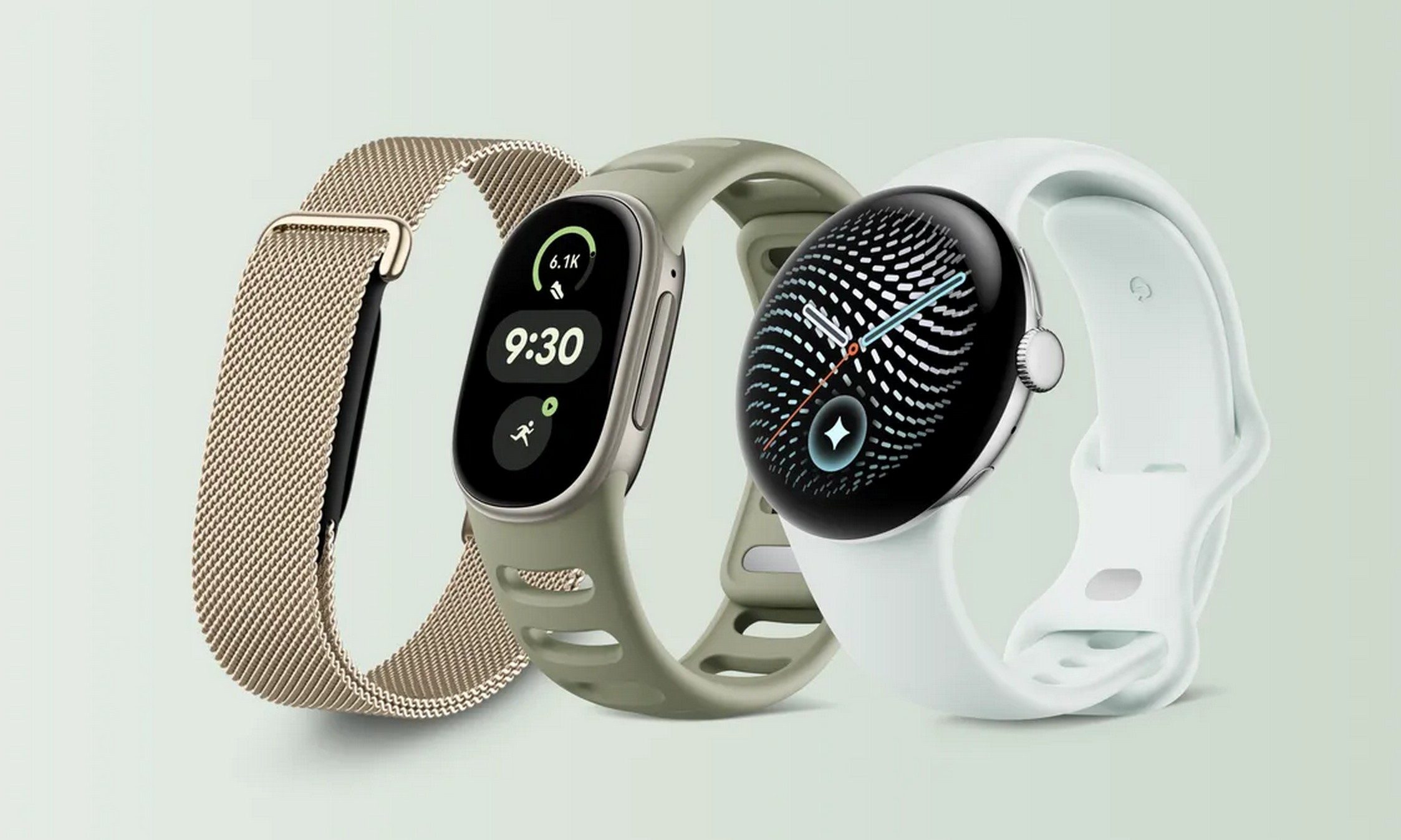
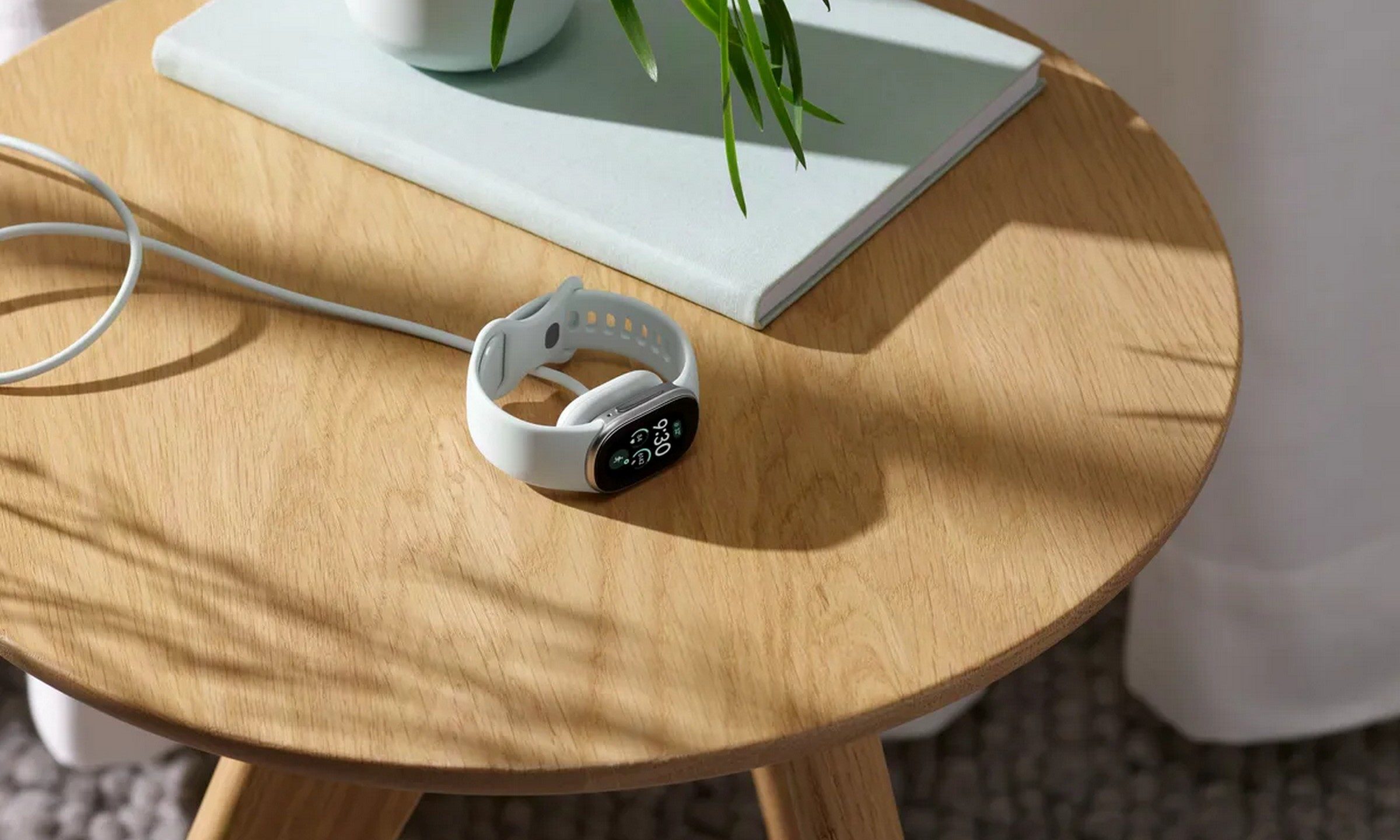
I’ll admit, Google’s new Fitbit Edge looks on par with some of the great fitness bands coming out of China. It takes everything I appreciate about traditional Fitbit trackers and wraps it in a sleek design and better polish. You get a 1.34-inch Hybrid OLED display, built-in GPS, ECG support, and a physical button. Google has even made the battery replaceable, something I genuinely appreciate in an era when most wearables become disposable once their batteries deteriorate.

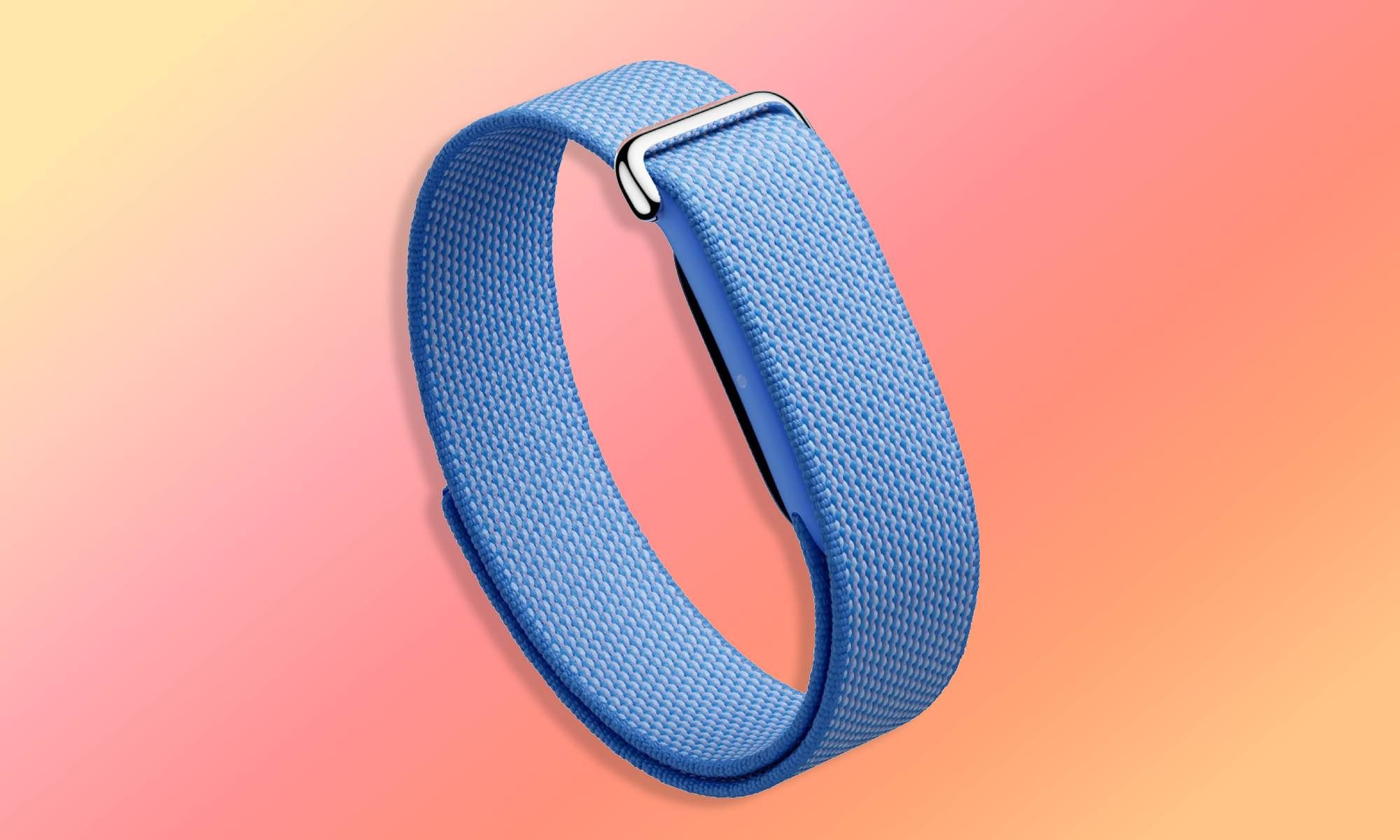
For $179.99, the Edge seems to be reasonably priced too. However, the more I think about what I’d actually want from a fitness tracker, the more I lean towards Google’s $99.99 Fitbit Air. Believe it or not, the lack of a display is also the Air’s biggest strength.

Why I’d give up the screen

In my line of work, I’m already spending way too much time looking at a screen. Between the phone or laptop I’m reviewing, the last thing I want is to look at another display, especially one on my wrist. This is one of the biggest reasons why the Fitbit Air had me intrigued. It was built for a precise reason, and it fulfils it without needing a tiny panel. There are zero distractions–no temptation to check notifications or fiddle with the watch’s UI.

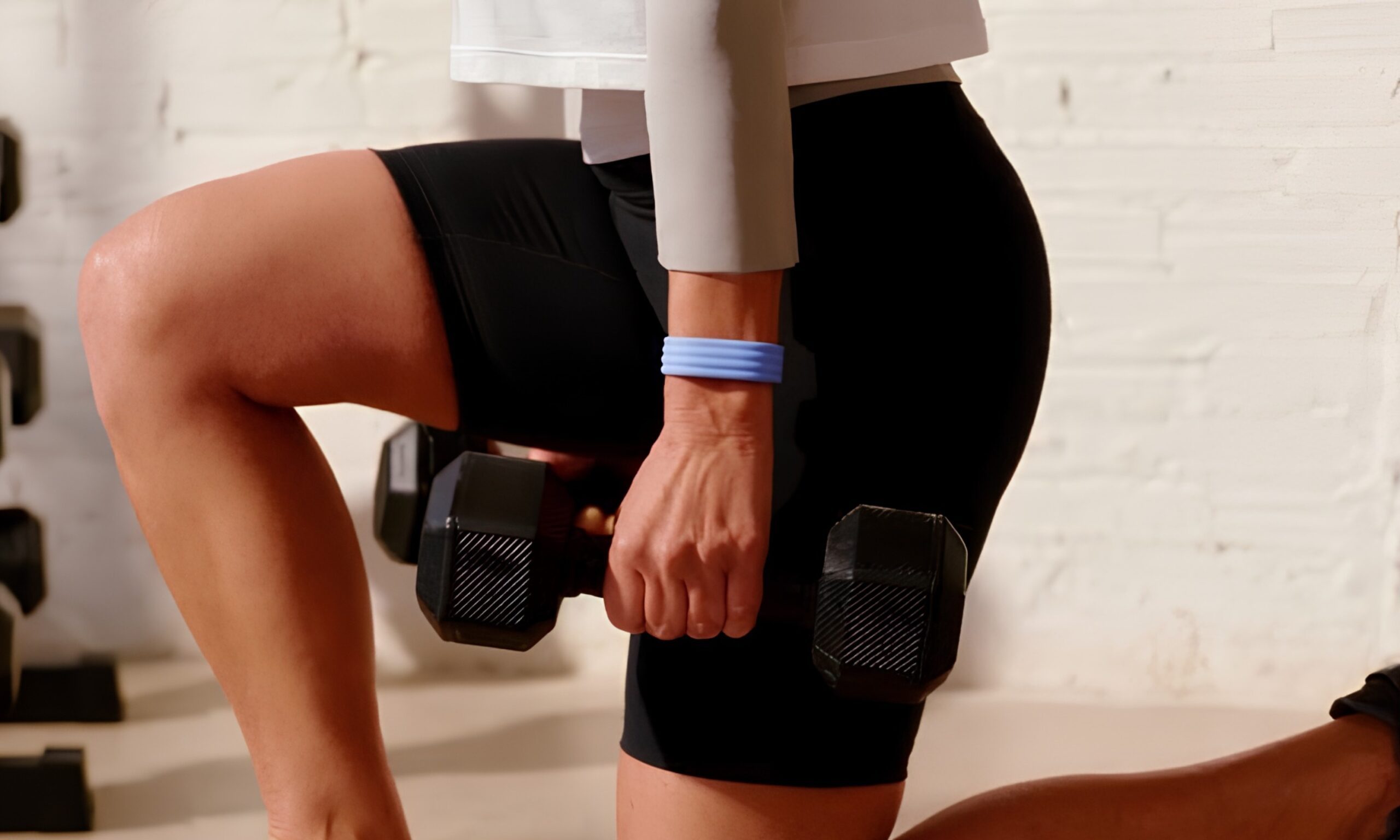
The Air is also considerably smaller. The tracker itself weighs just 5.2 grams without its band and measures 8.3mm thick, compared with the Edge’s 17.7 grams and 11.58mm thickness. So, just as its name suggests, it quite literally disappears on your wrist. Despite all of that, both wearables promise up to seven days of battery life. Though enabling the Edge’s always-on display cuts that endurance to just two days. The Air has no such compromise, and its five-minute quick charge provides enough power for another day.

Most of the health tracking I need is already there

Being minimalist is great and all, but I can’t deny the obvious advantages of the bigger Fitbit sibling. The Edge has its hardware advantages, with its onboard GPS offering more accurate route tracking without a phone, while its altimeter measures elevation changes. You also get on-demand ECG readings and real-time workout metrics directly on your wrist.

For dedicated fitness enthusiasts (like everyday runners), those kinds of additions are quite valuable. Even then, the Fitbit Air covers most of the health metrics I’d personally use every day. It continuously monitors heart rate, heart rate variability, blood oxygen, skin temperature changes, and sleep. The band also supports irregular heart rhythm notifications, including alerts for possible atrial fibrillation.

Advertisement

Additionally, Google is bringing its improved automatic workout detection to both trackers later this month, expanding recognition to more than 100 activities. Its upcoming Health Guardian features will also support both devices, introducing long-term insights into blood pressure and insulin resistance trends.

Both models also have access to the same Gemini-powered Google Health Coach through Google Health Premium. In other words, spending an additional $80 doesn’t necessarily improve the everyday wellness insights I’d be collecting.

The Fitbit Air is exactly what I want from a wearable

The Edge is undoubtedly the better choice for someone who runs without their phone, needs real-time workout guidance, or values ECG readings. Its replaceable battery also gives it a longevity advantage that the Air cannot match. But I find myself increasingly drawn to wearables that quietly do their jobs, serving a dedicated role, and not trying to be another do-it-all smartwatch.


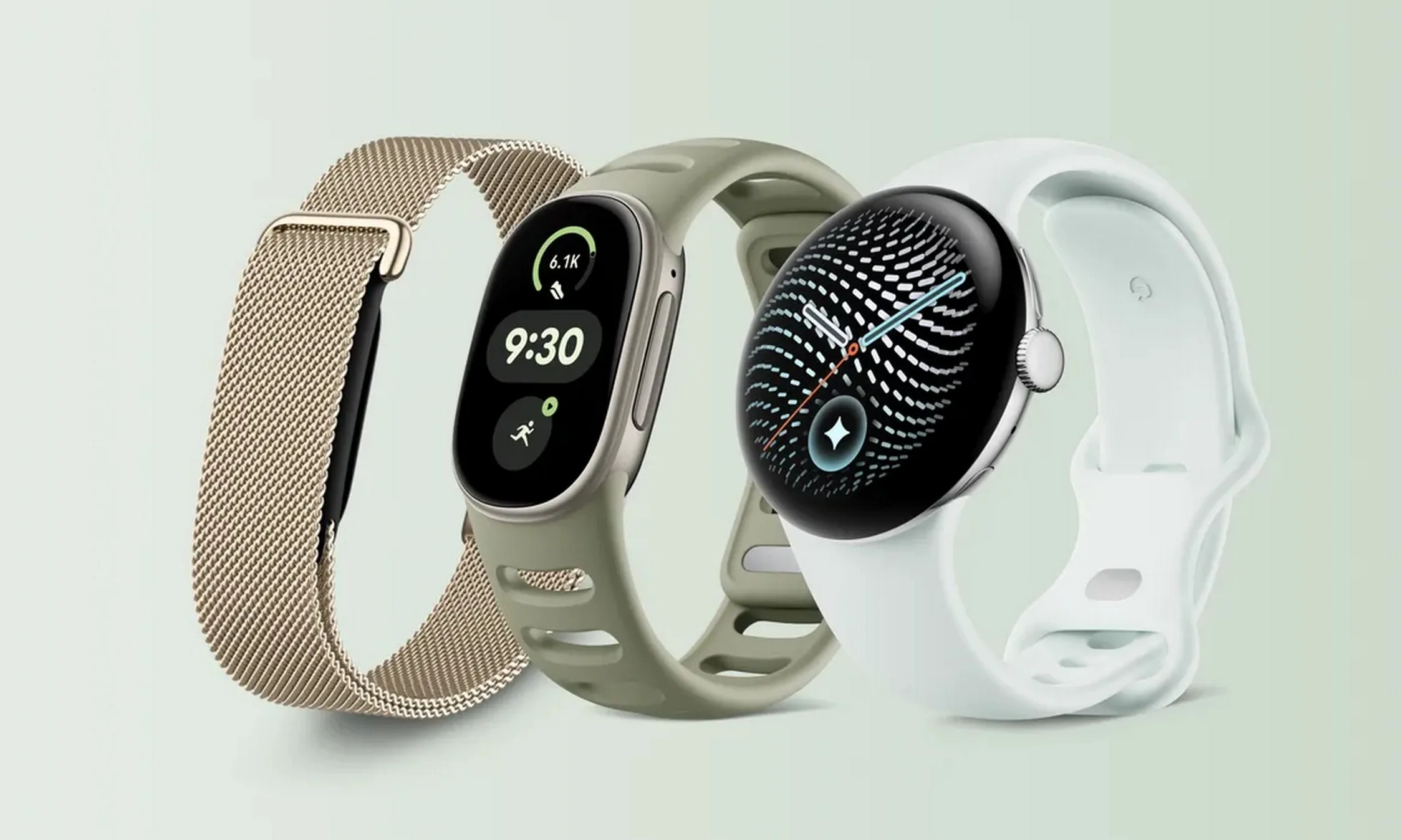
The Fitbit Air gives me the freedom to wear a traditional watch. So I can avoid unnecessary notifications and review my health data whenever I actually want to. Google has also made the Air considerably more stylish with its newly introduced stainless steel Metal Mesh bands. There’s even a $149.99 bundle that includes the tracker and Champagne Gold band, still $30 cheaper than the standard Edge.

Google has also made the Air considerably more stylish with its newly introduced stainless steel Metal Mesh bands. There’s even a $149.99 bundle that includes the tracker and Champagne Gold band, still $30 cheaper than the standard Edge.

Advertisement

Source link

Continue Reading

Tech & AI

GreenFutures initiative to bring AI and climate education to secondary schools

Published

on

green futures

green futures

The programme will apply to transition year students and aims to prepare young people for a more sustainable future.

The Research Ireland Adapt Centre, in partnership with UNESCO and supported by Huawei Ireland, has launched a new programme designed to give secondary school students in transition year an education in AI and the climate. 

According to the programme organisers, it is the first time that AI and climate literacy have been linked in a focused educational programme. The free, four-lesson initiative will explore how science education can prepare young people for a future increasingly shaped by artificial intelligence, climate change and rapid technological transformation.

Using classroom resources, real-world case studies and interactive activities, participating students will examine climate change through data; artificial intelligence, ethics and climate solutions; sustainable systems spanning energy, nature, food and cities; and climate justice, future thinking and green innovation.  

Advertisement

The aim is to give students the ability to think critically about the topics at hand. In time, they will be able to conceptualise better questions, evaluate evidence and consider how technology can be developed and used responsibly, according to the organisers.

Ireland and Europe’s future

GreenFutures is one of the five pilot initiatives selected under the Digital Futures for a Smart Europe project, which was implemented by UNESCO and funded by Huawei Technologies. 

The project was launched across Europe and aims to assess the current state of digital and green innovation ecosystems in five countries and evaluate the feasibility of a future regional initiative. 

Commenting on the initiative, Huawei Ireland CEO Calvin Lan said: “Technology has a vital role to play in supporting sustainable development, but it is equally important that future generations understand both its potential and its responsibilities. 

Advertisement

“Through our partnership with Adapt and UNESCO, GreenFutures will help students develop the knowledge and confidence to engage with climate action, digital transformation and responsible AI in meaningful and practical ways.”

The director of the Adapt Centre at Trinity College Dublin, Prof John Kelleher, added: “Artificial intelligence and climate change will be two of the defining forces shaping the lives and careers of today’s young people. 

“Digital skills and climate literacy can no longer be treated as separate conversations and GreenFutures responds to that by bringing them together in a way that encourages students to question new technologies, understand their impact and think creatively about how they can contribute to a more sustainable future. 

“As researchers we have a responsibility to bring these questions beyond the universities and into classrooms, giving young people an opportunity to engage with them as they begin to make choices about their own futures.”

Advertisement

Google recently announced it would be committing $5m to advance Ireland’s climate research and AI-powered weather forecasting abilities.

The funding, which comes from Google’s philanthropic arm Google.org, will go towards a new four-year research initiative combining satellite imagery and real-time local observations from a new network of weather stations based in schools across the country.

Don’t miss out on the knowledge you need to succeed. Sign up for the Daily Brief, Silicon Republic’s digest of need-to-know sci-tech news.

Advertisement

Source link

Continue Reading

Tech & AI

ASUS Partners With Raghav Juyal in India, Highlights Free Doorstep Replacement for Accessories

Published

on

Asus Raghav Large 1

ASUS has named actor and dancer Raghav Juyal as its brand ambassador in India. The company says the partnership will help it connect with younger consumers, with Juyal appearing in its upcoming brand and marketing campaigns.

The first campaign focuses on the company’s accessories lineup and its Free Doorstep Replacement Service for eligible products under warranty. ASUS released the campaign on October 12 across its social media platforms and Juyal’s accounts.

ASUS Highlights Accessories and Doorstep Replacement Service

The campaign showcases ASUS accessories designed for everyday work, entertainment, creativity, and gaming. The lineup includes wireless and Bluetooth mice, Marshmallow wireless keyboards, backpacks, adapters, GaN chargers, docks, and dongles.

The biggest highlight, however, is the Free Doorstep Replacement Service, which lets eligible customers have their accessories picked up and replaced or returned without visiting an ASUS service center. The service aims to make the replacement process more convenient, especially for customers who don’t live close to a service center.

Advertisement

A few conditions apply. The service applies only to eligible accessories covered under the applicable warranty and service criteria. ASUS will verify factors such as the product type, warranty status, serial number, and whether the customer’s PIN code is serviceable. Customers can check whether their accessories qualify and learn about the process through the dedicated ASUS Accessories Doorstep Replacement website.

According to Paramjeet Singh, Product and Marketing Head, Consumer PC and Gaming, Systems Group at ASUS India,

Raghav Juyal brings a distinctive energy and relatability that strongly resonates with today’s consumers, making him a natural fit for ASUS India.  To kick off this association, our first campaign focuses on ASUS Accessories and the Free Doorstep Replacement Service, highlighting not just the breadth of our portfolio but also the experience we want consumers to have after purchase. Our aim is to make technology ownership simpler, more convenient, and worry-free for our consumers

Source link

Advertisement
Continue Reading

Trending

Copyright © 2025