On a warm fall afternoon at Walt Disney Studios in Burbank, California, a gentle breeze blows through the meticulously landscaped trees lining the walkways. A ray of sunshine hits the famed Team Disney building, where 19-foot-tall stone carvings of the seven dwarfs of Snow White fame hold up the roof.
The renowned sculptural architecture is a nod to the film that helped build the Disney empire. And just across the lot, inside Disney’s Main Street Cinema, the entertainment giant is exploring ways to preserve that legacy with the help of technology, such as artificial intelligence. Four startups are gathered in the theater to present their technology to a crowd of executives and media attendees. One startup, Animaj, is demonstrating how it uses AI to accelerate the animating process.
Brightly colored, blobby figures prance and bound across a wide screen in front of me, characters from a children’s YouTube series called Pocoyo. Animaj — selected by Disney as one of its 2025 cohort of startups to finance, platform and mentor via the Disney Accelerator Program — is now using human artists and AI to produce these shorts, allowing it to bring the series to screens quickly.
Advertisement
“Thanks to this tool, it takes less than five weeks to produce a 5-minute-long episode, whereas it used to take five months,” Animaj CEO and co-founder Sixte de Vauplane tells me, speaking in front of the company’s demo space after the presentation.
CNET
That dramatic acceleration of a traditionally painstaking process flows directly from the rapid advances in generative AI in the past several years, and those advances aren’t just for professionals: AI-powered video-generating tools surged into the mainstream in 2025. Google’s Veo 3 and OpenAI’s Sora 2 now allow anyone to create a cartoon animation from the comfort of their phone, without any sketching experience or even artistic inclination required. The use of generative AI is something that Hollywood is fighting to keep at bay, lest it take jobs away from human artists.
But Animaj says that its technology doesn’t replace animators. It simply makes their jobs less tedious. An animator will still be sketching out each of the main poses, and then AI will be used to fill in all the in-between movements of the character that move them from A to Z. And even then, the company says, an animator is in control of tweaking those AI-generated movements.
It’s an interesting perspective when I think about the building right across from me, which houses hundreds of Disney animators. Will they see AI the same way? Disney confirmed it will soon introduce its partnership with Animaj, with the two companies in discussions around how to potentially use this AI system in animation across Disney Branded Television and Disney Television Studios.
Advertisement
“The plan is to announce something in the coming months,” says David Min, vice president of Disney Innovation.
Keeping artists centered with AI tools
Hand sketches become instant 3D animations.
Animaj
Animators will control the AI feature as another part of their digital toolkit, according to de Vauplane. The storyboarding process will remain the same as it is with more traditional computer-generated imagery, he says. The AI tool will just “bring the idea to life much faster.”
Advertisement
“The artist is in control. For us, it’s super important because we know that AI can be seen as a threat for the artist,” de Vauplane says. “We want to show that there is another way to use AI in a very ethical way.”
I reached out to the Animation Guild for comment and am still awaiting a response. But late last year, after four months of bargaining, the union representing animators was unable to include many AI safety provisions in its contract. They would not be able to avoid using AI tools if required by a job, for instance, or to opt out of having their work used to train those AI tools.
But artistic expression has a long history of evolving with technology.
Animators moved on from watercolor hand sketches — used to animate Snow White and the Seven Dwarfs and Sleeping Beauty in the 1930s and 1950s, respectively — to CGI for movies like The Little Mermaid and Aladdin in the 1980s and 1990s. It transitioned into 3D CGI with the release of Tangled and Frozen in the 2010s. Each technological innovation has sped up the animation process. So is AI simply another tool in the modern CGI toolkit, especially if it preserves the key elements of an animator’s workflow?
Advertisement
To maintain the “creator-first approach” that centers human artists — a hallmark of last century’s Walt and Roy Disney partnership — Min says that Disney looked into “pretty much all of the AI companies.”
“We looked at thousands of companies, all big and small, and what Animaj does well is that the artist is really driving the process,” he says, adding that you don’t really see this in video-generating AI apps like Sora and Veo, which read your text prompts and spit out (usually nonsensical) videos. “This is the artist drawing the key frames from A to Z, and then allowing things to be filled in in between. That’s why we selected Animaj.”
Expediting the animation process
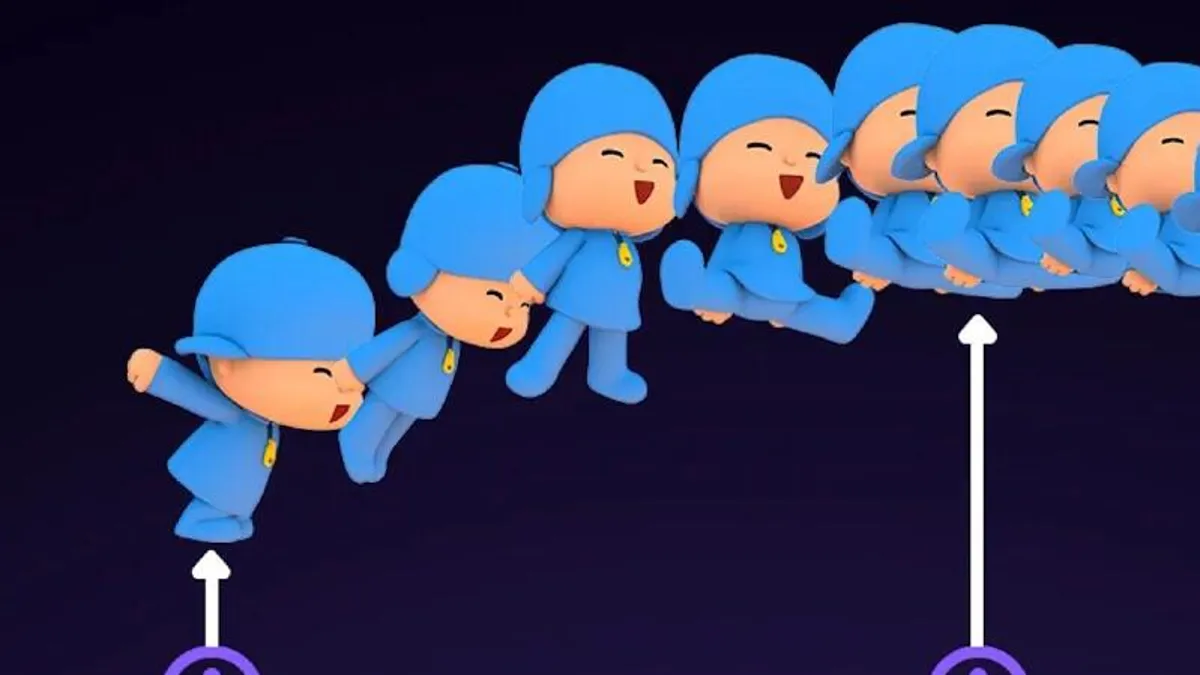
The “motion in-betweening” feature from Animaj lets artists input main character positions, with the AI model filling in the blanks of what gets the character from standing to sitting position.
Advertisement
Animaj
Animaj’s AI tool is used to expedite the animation process. Trained only on images from the show in question, and working within the parameters of an animator’s real-time sketches, the AI tool predicts the character’s next moves — and the animator corrects it when it goes awry. This can save a lot of time: hours, weeks, months, depending on the type of animation and show being worked on.
Min says it takes much longer to make an animated series than many people understand.
“It can be like a year before you can even get a pilot of something to test out. With Animaj, they can do it in 30% of the time,” Min says. We’re standing in front of Disney’s Stage 1 building, amid a throng of Disney cast members, startup reps and other tech execs and enthusiasts. “The future of animation is a big, broad statement, but definitely this is where the future of animation is going and trending.”
Like so many media companies in the age of streaming, Disney needs to produce high-quality content at a faster rate to keep up with audience demand. Animaj also uses AI to collect data to understand what themes are trending or resonating with online audiences, and then animate episodes quickly to meet those interests while they’re current and popular.
Advertisement
Because its animation process moves so rapidly, Min says, Animaj can also test new ideas much faster.
“Not only do they have the content production AI to actually help build the animated shorts faster,” Min says, “but then they’re using AI to also read the analytics on what’s going on with the viewing of the video that can then help inform the storytelling as well.”
How does AI animation work?
Outside, sitting under a tree in the California sunshine, a Pocoyo animator sketches a character on a screen with a 3D model popping up on a screen beside it. I watch as he uses a stylus to make slight adjustments to arm and leg movements generated by the AI.
Advertisement
An animator sketches Pocoyo characters while the AI model instantly generates the sketches into 3D versions.
Corinne Reichert/CNET
“Our proprietary animation tool allows the artist, Joe sitting here, to draw a sketch and to control the animation just based on the sketch,” says Antoine Lhermitte, Animaj’s chief technology officer, as we watch the artist work. It’s a big time-saver, he adds.
Blog posts by Animaj detail how it uses AI to bring sketches to animated life, while still retaining the unique art style of an animation. The company used four seasons of Pocoyo to build a database of more than 300,000 poses, using both sketches and their corresponding 3D poses for each character that the AI model could learn from. Artists were also asked to produce more sketches of the characters to be used in the next season.
Artists can input into a 3D pose-modeling program various positions of the character, for instance, standing and then sitting. The AI model would then fill in the blanks of what gets the character from standing to sitting position, something Animaj calls “motion in-betweening.”
Advertisement
Working with the AI model, the artist makes corrections to any of the AI-generated animations, like shifting an arm or a leg to where it should be. The time savings with not having to hand-draw every single pose that comes with a character’s actions means animators can “concentrate more on refining the style and flow of scenes rather than starting from scratch with each new pose,” Animaj says.
As a result, the artists are freed up from repetitive tasks to spend more time on the creative side. At the same time, it’s enabling those artists to use an AI tool that is matched up with their working style, and not one producing text prompt-based AI slop, like all those horrific animations invading YouTube or social media, where the characters’ features change in every frame or have three tails and 17 fingers.
“We know how frustrating it can be when you use third-party AI models and you prompt something, it creates something so different than what you have in mind,” de Vauplane says. “Here, it creates something, generates something you can easily tweak…something which is fully consistent with the brand DNA.”
Preserving that Disney DNA is critical as the entertainment giant seeks to uphold its 100-year legacy while keeping pace with modern technology. As the seven dwarfs sang in the 1937 classic Snow White, which established Disney as an animation powerhouse, “Heigh ho, heigh ho, it’s off to work we go.” For tomorrow’s animators, it’s off to work with the help of AI.
Stop Killing Games is backing a new bill from Chris Ward, a member of the California State Assembly since 2020. Introduced earlier this year, the Protect Our Games Act would require gaming companies to make clear commitments to long-term support for “server-connected” video games. The bill has undergone a significant… Read Entire Article Source link
“The new Linux kernel was released and it’s kind of a big deal,” writes longtime Slashdot reader rexx mainframe. “Here is what you can expect.” Linuxiac reports: A key update in Linux 7.0 is the removal of the experimental label from Rust support. That (of course) does not make Rust a dominant language in kernel development, but it is still an important step in its gradual integration into the project. Another notable security-related change is the addition of ML-DSA post-quantum signatures for kernel module authentication, while support for SHA-1-based module-signing schemes has been removed.
The kernel now includes BPF-based filtering for io_uring operations, providing administrators with improved control in restricted environments. Additionally, BTF type lookups are now faster due to binary search. At the same time, this release continues ongoing cleanup in the kernel’s lower layers. The removal of linuxrc initrd code advances the transition to initramfs as the sole early-userspace boot mechanism.
Linux 7.0 also introduces NULLFS, an immutable and empty root filesystem designed for systems that mount the real root later. Plus, preemption handling is now simpler on most architectures, with further improvements to restartable sequences, workqueues, RCU internals, slab allocation, and type-based hardening. Filesystems and storage receive several updates as well. Non-blocking timestamp updates now function correctly, and filesystems must explicitly opt in to leases rather than receiving them by default. Phoronix has compiled a list of the many exciting changes.
The Bose QuietComfort Headphones excel at noise-cancelation, but they’re far from a one-trick pony. With outstanding sound quality, a super-comfortable design, and an easy-to-use interface, they hit all the right notes across the board.
This limited-time deal sees the ANC masters drop back to the price we saw at Black Friday. Just note that this outstanding deal is only on the grey and pink colorways, although if you want the more traditional black alternative, then they’re only $19 more.
Advertisement
Today’s best Bose headphones deal
In our Bose QuietComfort Headphones review, we gave the popular audio product a very respectable four out of five stars. Our reviewer loved their “supreme comfort, fuss-free set-up and solid ANC”, so even though they’re not perfect, they’re still pretty impressive, especially at this reduced price.
If you’re often working in public places, then you’ll be pleased to hear that the ANC is second to none. There are also a couple of different audio modes, like ‘Quiet’ for improved noise cancelation and ‘Aware’ for more transparency. These can be toggled using the action button on the left earcup.
From a comfort point of view, Bose has opted for memory foam earcups wrapped in soft vegan leather and a well-padded headband. All of this equates to a seriously comfortable user experience.
Dozens of civil rights organizations have to warn of the dangers in to the company’s smart glasses. More than 70 groups have banded together to form a coalition to urge Zuckerberg to abandon plans to incorporate the tech, on the grounds that it would empower stalkers, sexual predators and other bad actors.
This coalition includes organizations like the ACLU, the Electronic Privacy Information Center, Fight for the Future, Access Now and many others. The letter isn’t asking for safeguards. These groups want the feature to be completely eliminated, stating the idea behind facial recognition of this type is so dangerous that it “cannot be resolved through product design changes, opt-out mechanisms or incremental safeguards.” This tracks, as there would be no real way for bystanders to know or consent to being identified.
“People should be able to move through their daily lives without fear that stalkers, scammers, abusers, federal agents and activists across the political spectrum are silently and invisibly verifying their identities and potentially matching their names to a wealth of readily available data about their habits, hobbies, relationships, health and behaviors,” the letter states.
The organizations have urged Meta to disclose any known instances of its wearables being used for stalking, harassment or domestic violence. They also want the company to disclose past or ongoing discussions with federal law enforcement agencies, including ICE, about the use of Meta smart glasses and other wearables, .
Advertisement
There is certainly some cause for worry here. Meta that suggested it would roll out this technology “during a dynamic political environment where many civil society groups that we would expect to attack us would have their resources focused on other concerns.” That’s corporate speak for “we’ll do it when nobody is watching.” The coalition has called this “vile behavior” that looks to take advantage of “rising authoritarianism.”
The technology in question is called Name Tag, for obvious reasons. It uses AI to pull up information about people in a field of view to smart glasses displays. That’s about as dystopian as it gets.
The company has reportedly been working on . There’s one that would only identify people that are currently connected to a Meta platform and another that would identify anyone with a public account on a service like Instagram. It doesn’t look like there’s any way, as of yet, to use this tech to identify strangers on the street who don’t have a Meta account of any kind. In other words, the company should expect a if this rolls out.
Name Tag is currently scheduled for release at some point this year, but it’s not set in stone just yet. Public outcry has gotten Meta to back off from facial recognition in the past. The company after pushback from civil liberties groups and years of costly litigation. Meta paid out billions of dollars to settle biometric privacy lawsuits in and and another for a separate privacy case partially tied to facial recognition software.
Australia’s world-first social media ban on users under the age of 16 isn’t keeping kids off the platforms as well as the government hoped. Read Entire Article Source link
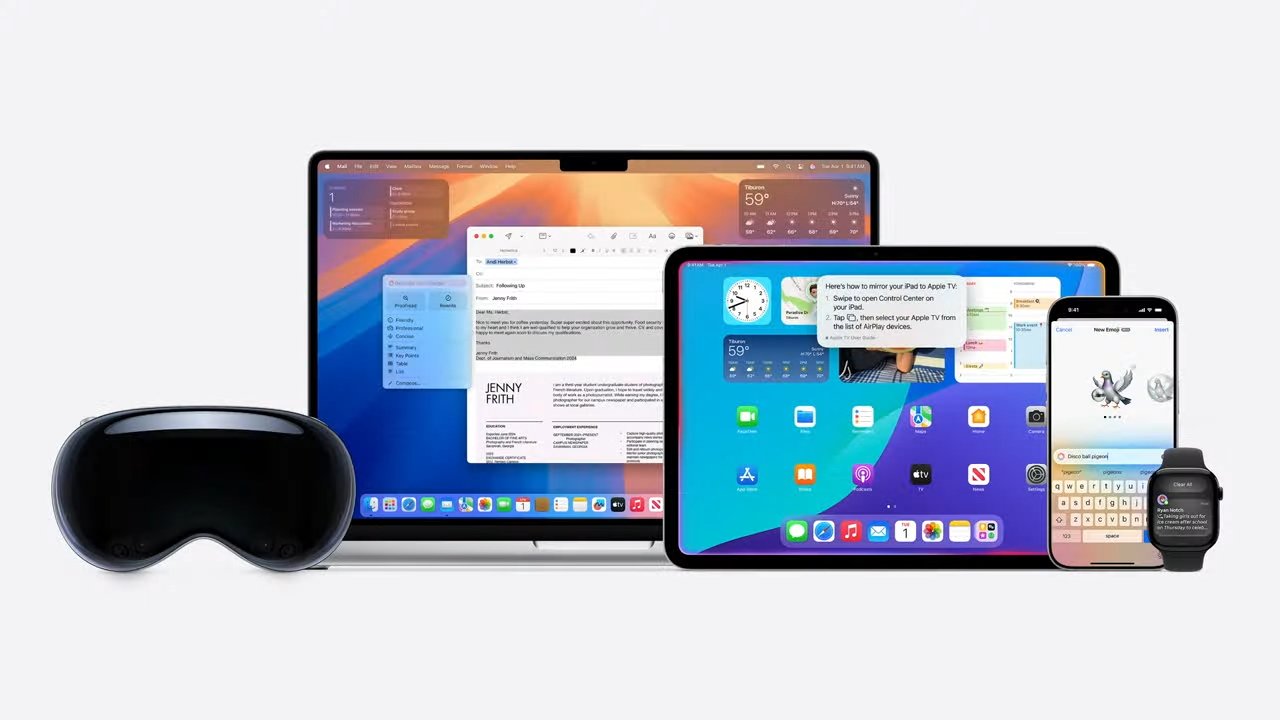
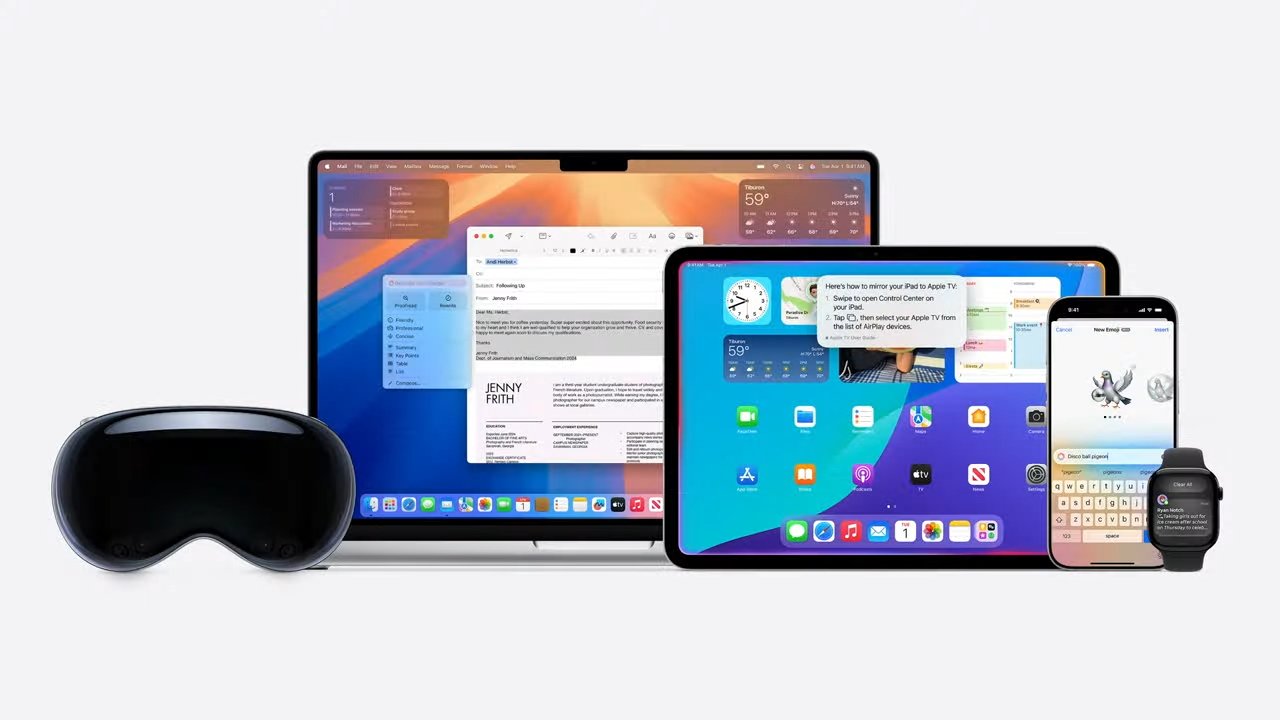
Apple is now on its second round of developer betas for iOS 26.5, iPadOS 26.5, watchOS 26.5, tvOS 26.5, visionOS 26.5, and macOS Tahoe 26.5.
Apple’s hardware that works with the 26-generation operating systems – Image Credit: Apple
The second developer betas for iOS 26.5, iPadOS 26.5, watchOS 26.5, tvOS 26.5, visionOS 26.5, and macOS Tahoe 26.5 replace the first, which arrived on March 30. However, Apple re-released the developer beta for iOS 26.5 on March 24, with a new build number.
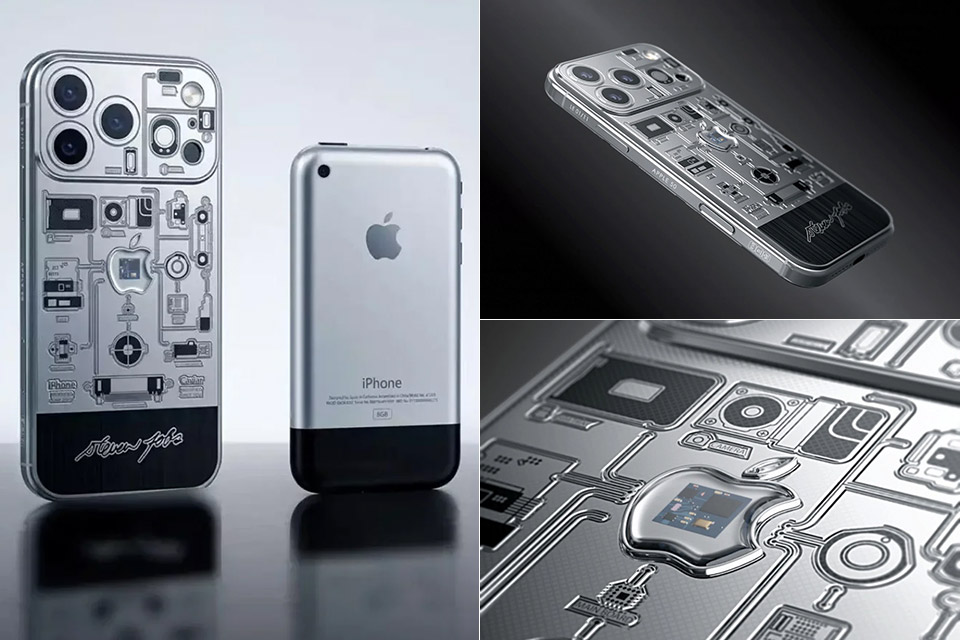
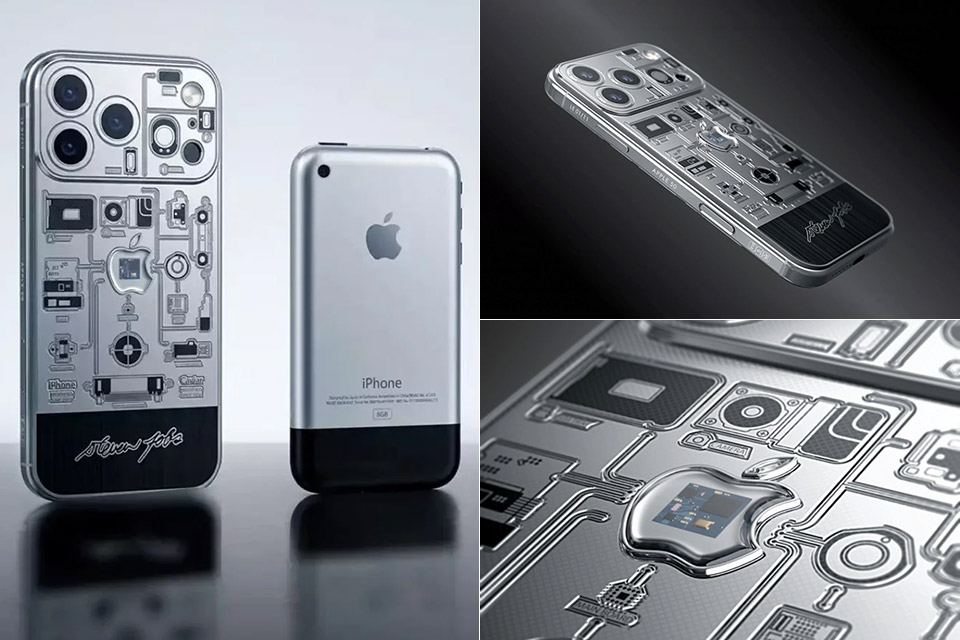
Caviar has packed over two decades’ worth of technology into a single smartphone, the iPhone 2007 Edition, which is an extravagant custom version of the iPhone 17 Pro. This ultra-limited edition of the flagship smartphone incorporates an actual piece of the 2007 iPhone 2G directly into its frame, a part literally pulled from Apple’s first handset.
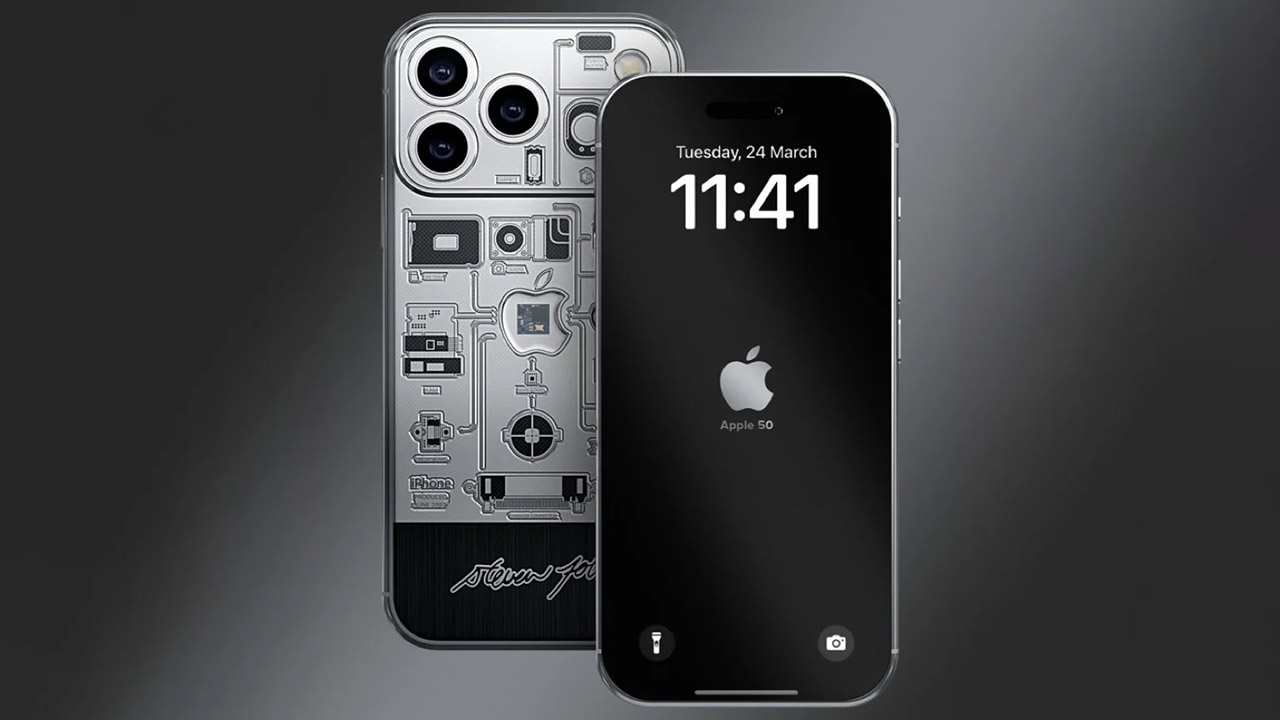
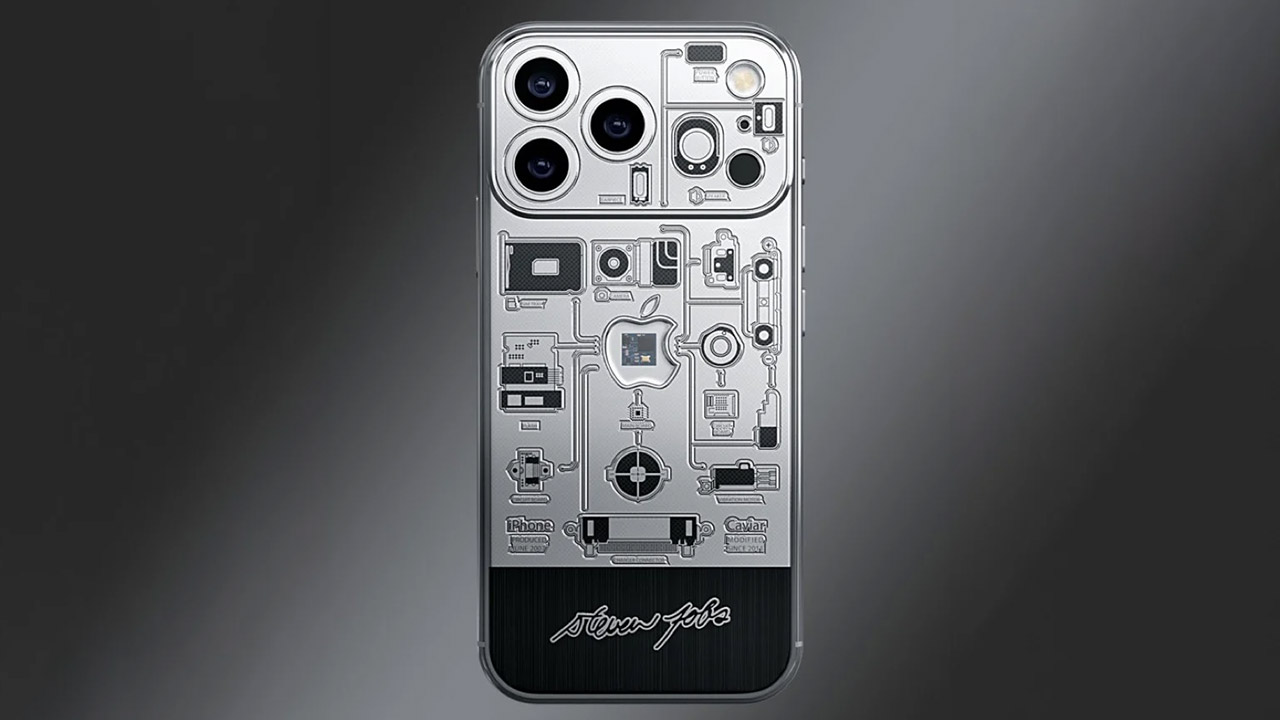
The chassis is composed of titanium, which is coated in a sleek PVD black that nods subtly to the colors of 2007. The silver bits cover the majority of the surface, while the lower part transitions to black, which provides visual interest. Delicate lines carved on the rear are a careful recreation of the original mainboard’s circuit designs, and they all appear to connect at a single central point.
【Ultra-Thin Yet 10,000 mAh Capacity】Are you still struggling to find a slim power bank that can meet your charging needs? Look no further! TORRAS…
【Portable Charger with Magnetic Function】The slim power bank is a portable charger with powerful magnetic attraction, allowing for easy attachment…
【Super Fast Charging】Tired of waiting for your power bank to charge? This power bank fast charging supports 22.5W wired fast charging and 15W…
A transparent capsule shaped like the Apple logo lies in the center of the rear panel. Inside this sealed capsule is a certified piece of the 2007 iPhone 2G motherboard, securely stored away and entirely undamaged. The fragment is packaged in what appears to be a hermetically sealed little chamber. To top it all off, each device includes Steve Jobs’ signature inscribed around the frame, as well as a unique serial number etched into the titanium up to number 11.
Every last detail ties in neatly to that historic hardware. The etchings that imitate the first smartphone’s technological schematics provide a nice visual connection to the capsule. Buyers of the iPhone 2007 Edition even receive a personalized screensaver. This one is custom-made for this collection and begins loading as soon as the phone is turned on. The phone comes in a luxury branded box with a characteristic Caviar key finished in 24-karat gold plating – the works. It comes with certified certificates that indicate the motherboard is a genuine 2007 iPhone 2G fragment, directly from the source.
Pricing starts at $10,770 for the 256GB iPhone 17 Pro and goes up to $12,700 for the two-terabyte iPhone 17 Pro Max. Production is intentionally limited to just 11 pieces globally, making each one extremely uncommon. Orders are now open, with worldwide shipping handled by trusted couriers. It will take at least a week to arrive after a 1-4 business day wait for final assembly and inspection. [Source]
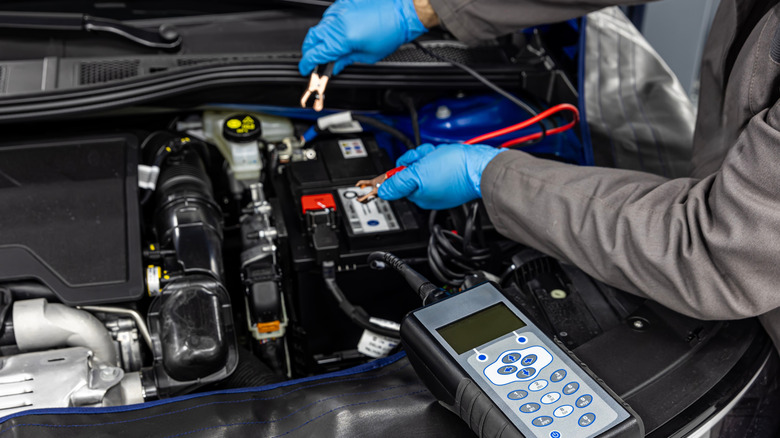
A dead car battery can take a perfectly good day and wreck it every time. The worst part is that it usually happens when you least expect it, and always when you’re in a hurry to go somewhere. While it’s easy to tell if your car battery is dead, how do you know that it’s good on a normal day, before you start it up? A healthy 12V car battery should read about 12.6 to 12.4 volts when your car is off, or resting.
These numbers mean your battery is fully charged, and you’ll likely get the performance you need. If your battery reads below 12 volts at rest, then you might have a problem, and you’ll eventually need to address it before it dies completely. The reason it’s important to check the battery at rest is that it gives you an accurate snapshot of its condition. Since your car isn’t turned on, no electronic systems are putting a load on the battery, and thus potentially skewing the results of a battery test.
The best way to check this yourself is to use a digital multimeter. This device works at your battery’s terminals, and you can use it when your engine is off to get the resting voltage. If you don’t have a multimeter, you can take your vehicle to a local garage or automotive retailer. For example, AutoZone can perform a more complete battery test, along with a full diagnostic check, typically at no cost to you.
Advertisement
Signs your car battery is losing power
Anastasija Vujic/Getty Images
A modern car battery is 12 volts, and if the resting voltage of yours is below that number, it may still start up. If your battery is putting out less than 12 volts as the vehicle is running, that’s a problem. Even if you can crank your car with less than 12 volts more than once, one of your systems is likely near the point of failure. It’s better to get it checked out by a technician before you end up getting stranded.
A car battery loses its voltage over time due to everyday use. It can also lose voltage due to its age, so even if your car is rarely driven, an older battery’s power can still decrease. Even though a battery doesn’t actually run out of voltage, its internal chemical composition changes every time it’s charged. Over the course of about three to five years, a battery’s total voltage drops, until its performance is eventually affected.
Advertisement
The good news is you usually have some warning signs that your battery’s voltage is dropping. Your headlights may start dimming or flickering. Your power windows might move slower than before. Even your car stereo can sound differently, but the most obvious sign is when your car doesn’t start as it normally would. A brief hesitation here and there usually means the end is near. If you experience any of these issues, get your battery checked out by a professional as soon as possible.
Huawei has officially shown off a wide-format foldable phone, and it is hard not to look at it and think about the iPhone Fold rumors all over again.
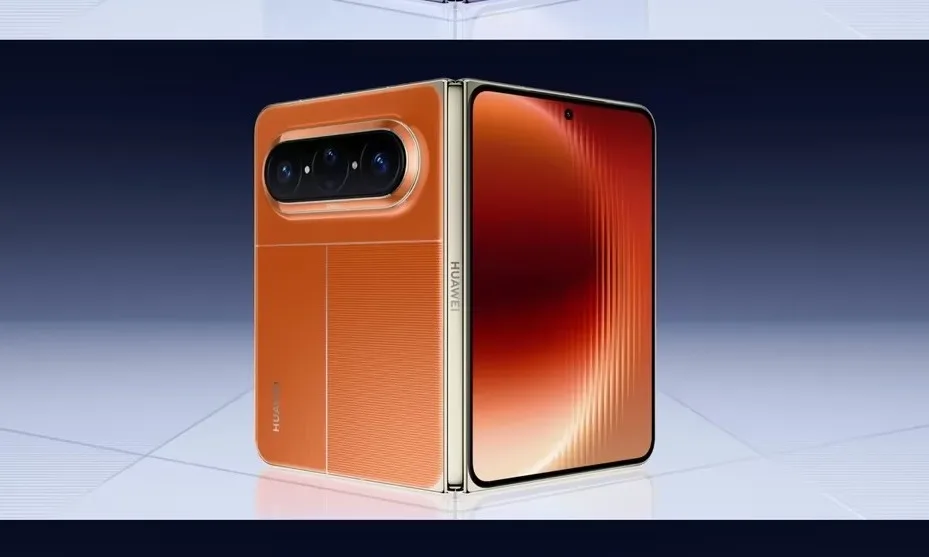
The unreleased foldable iPhone just got an unofficial rival with the Huawei Pura X Max. Huawei has already started teasing it through official materials ahead of its China launch on April 20. Image posters shared by the company show an unusually wide foldable layout that looks closer to a compact tablet when opened than the taller, narrower foldables we have gotten used to.
Huawei
Why the Pura X Max has everyone talking
The official images shared by Huawei show the Pura X Max in blue, white, black, and orange colors with a boxy, passport-like build and a triple rear camera setup. It looks like a super wide foldable, which is a format that has only been seen in rumors of future Apple and Samsung devices so far.
This is also where the iPhone Fold comparison really comes in. Recent CAD renders and rumors of the first-ever foldable iPhone shared a similar wide design language, rather than the conventional style seen in the Galaxy Z Flip or Z Fold models. But it looks like Huawei is taking the first step with a broader canvas, which should make reading, multitasking, video, and gaming feel more natural.
So no more awkward aspect ratios on the main screen. In practice, the wider main screen gives way to a compact tablet-like design when unfolded.
Advertisement
Huawei
Why it is stealing hype from the iPhone Fold
The answer is pretty simple: the Pura X Max is real.
The iPhone Fold is still making the rounds in online speculations and rumors. Many of these are likely made up, render speculation, and supply chain chatter. Meanwhile, Huawei has an actual product with official visuals, a launch date, and a design that appears to answer the same “what should the next big foldable shape be?” question before Apple ever got there.


















































You must be logged in to post a comment Login