







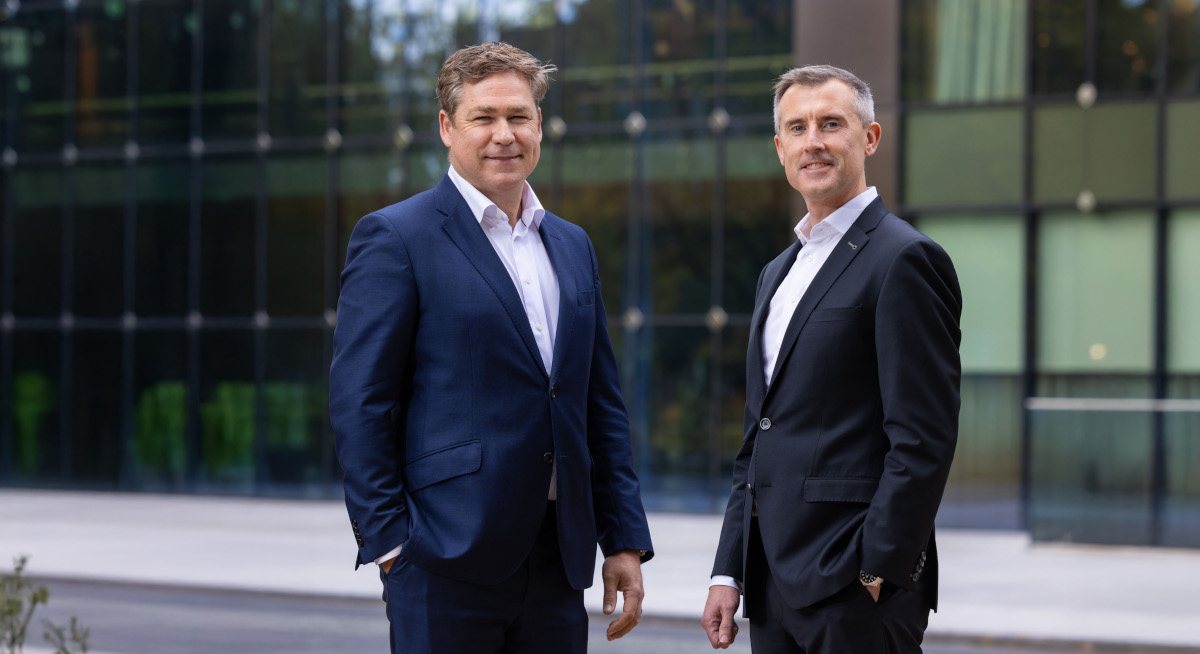

Saros Consulting’s research found that ‘scope creep’ is a significant cause of stress for IT and technical teams.
IT consultancy Saros Consulting has published the results of a new study that explores the issues of stress and mental health among IT employees, as well as the factors that drive them.
In partnership with Censuswide, Saros Consulting collected data from 200 IT decision-makers working out of large, Ireland-based organisations. What was discovered is that three out of every five participating organisations have noticed “stress or mental health issues among IT workers due to intensifying delivery pressures”.
Saros’s research suggests that as more organisations continue to embrace AI, the pressure to roll out new products and systems is creating a fraught working environment for IT and technical teams. Only 58pc of IT leaders admitted that their leadership team has realistic expectations of how AI can benefit them.
Great expectations
Legacy systems were found to be slowing down progress for IT workers, with 59pc of contributors noting that they are running too many, while 57pc explained legacy systems are holding back innovation in their company.
‘Scope creep’ – that is, the continuous or uncontrolled expansion of a person’s work – was also identified as a major issue. Six in 10 participating large organisations reported scope creep as a contributing factor to stress among IT and technical teams, while 61pc also admitted that these teams are working long hours because of talent shortages.
Saros’s research did find, however, that there may be a financial benefit to workers around talent shortages, in that almost 60pc of organisations taking part in the study said they gave an IT or technical team member a 50pc pay increase to discourage them from leaving. According to the report, this underlines the lengths large organisations are willing to go to if it means retaining skilled IT talent.
Fill the gap
A recent report published by the Employment and Recruitment Federation, and supported by Icon Accounting, found that temporary and contract roles are having an impact on the wider working landscape.
Their research found that while Ireland’s jobs market is holding steady, “employer confidence is becoming more measured, with temporary and contract roles now overtaking permanent recruitment in a clear sign of growing caution across the market”.
This change in workplace needs and expectations was also evident in Saros’s data, which found that in order to ease the burden, the outsourcing of IT work is being utilised. Almost one-quarter of IT decision-makers in large organisations said outsourced project management helps reduce stress among technical team members.
Commenting on the findings, Ray Armstrong, the co-founder and co-CEO of Saros Consulting, said, “Our research shows that organisations in Ireland are struggling to address the issue of mental health among IT teams and the leadership team themselves could even be compounding the issue.
“The source of the issue lies in organisations not having a proper IT strategy in place. This means not only coming up with a strategy that is doable, but also one that works in tandem with the business and its goals. Putting a proper plan in place can help to alleviate pressure, provide clarity and lead to happier, more fulfilled workers.”
Justin van der Spuy, also a co-founder and co-CEO of Saros, added, “The sharp rise in cyber threats, coupled with the AI boom and severe staff shortages, have meant that IT teams are under a lot of pressure, to a point where it is becoming too much.
“IT has become the backbone of every organisation; if it ceases to function healthily, then so does the rest of the organisation. IT leaders must look holistically at how they can support their teams. Pay rises alone can’t cure sleep deprivation.”
AI – and ensuring that organisations are fully prepared to embrace future skills and security needs – is an important topic for most organisations in 2026.
In response, the Irish Government recently launched AIReady.ie, a new national AI skilling platform designed to provide people across Ireland with the means to learn essential AI skills.
Developed by Solas, in partnership with the National Skills Council, the programme will aim to teach the fundamentals of AI, with a curriculum designed to support people as they work to develop the in‑demand skills needed for work, study and everyday life.
Don’t miss out on the knowledge you need to succeed. Sign up for the Daily Brief, Silicon Republic’s digest of need-to-know sci-tech news.











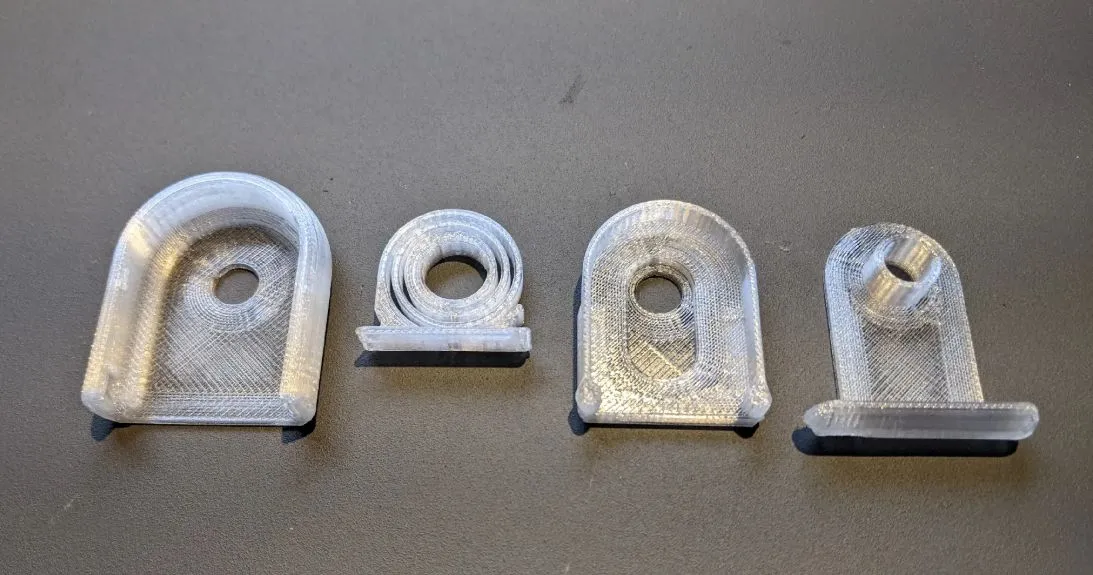
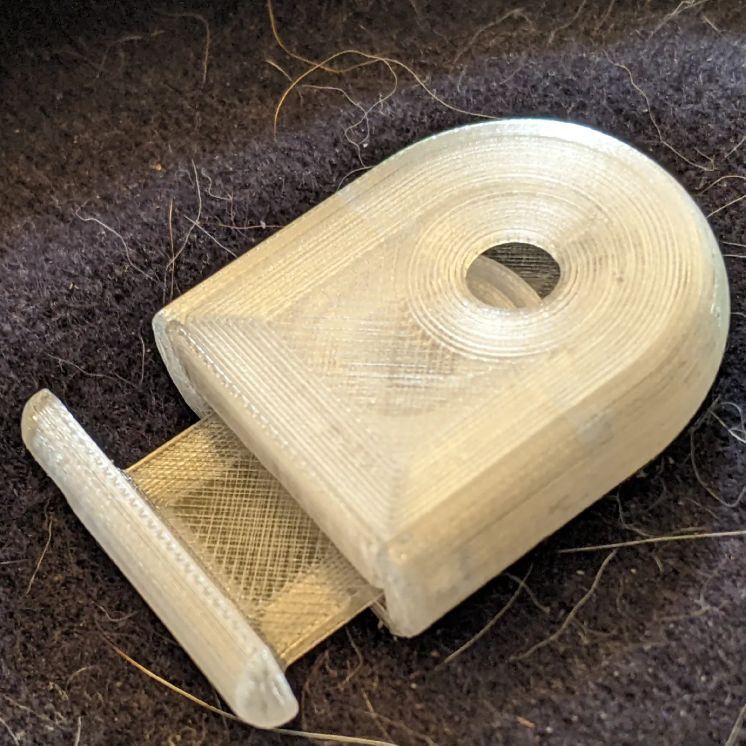 Springs are great, but making them out of plastic tends to come with some downsides, for fairly obvious reasons. Creating a compliant mechanism that can be 3D printed and yet which doesn’t permanently deform or wear out after a few uses is therefore a bit of a struggle. The complaint toggle mechanism that [neotoy] designed




































You must be logged in to post a comment Login