





Connect with us
DAPA Banner
DAPA Coin
DAPA
COIN PAYMENT ASSET
PRIVACY · BLOCKDAG · HOMOMORPHIC ENCRYPTION · RUST
ElGamal Encrypted MINE DAPA
🚫 GENESIS SOLD OUT
DAPAPAY COMING

Tech

5 SUVs With Better Ratings Than The Toyota Highlander

Published

on


Over the last couple of decades, the Highlander has quietly become one of Toyota’s most established models — and a stalwart choice in the mid-size crossover segment. The original Highlander first debuted more than 25 years ago, when it broke ground as one of the first three-row crossover SUVs — and though the Highlander has grown in size, Toyota has stuck with that formula ever since.

For 2027, the Highlander will be undergoing its biggest evolution yet as it moves to a fully electric powertrain – leaving the Grand Highlander to take over for consumers who still want internal combustion — but for the time being, the current combustion and hybrid versions of this crossover remain a popular choice in the segment. As one would expect, Toyota’s reputation for reliability is a big draw for Highlander buyers, and indeed, this model has generally received high scores for its reliability and many other aspects . In recent years, though, there have been some strong new mid-size SUV alternatives that have emerged.

Below, we’ve rounded up five SUVs that, according to trusted sources like Consumer Reports and J.D. Power, outperform the familiar, but aging Toyota Highlander in a number of categories. The selection includes some of the Highlander’s direct mid-size competitors, along with a couple of Toyota SUVs that can be found in the same showroom.

Advertisement

Toyota Crown Signia

Toyota’s SUV lineup has grown significantly in recent years, and one of the more recent additions that could serve as an alternative to the Highlander is the Crown Signia. Not to be confused with the slightly odd, high-riding Toyota Crown sedan, the Crown Signia is more of a traditional SUV — and to some eyes, about as close as you can get to a modern Toyota station wagon.

Our experience with the 2025 Crown Signia showed this crossover to be an intriguing choice, with its mix of Lexus-grade refinement and the impressive fuel economy from its standard hybrid powertrain. The Crown Signia gets high marks from Consumer Reports, where it comes in as the top-ranked Toyota SUV and the second-highest finisher among all mid-sized SUVs. It also earns a high overall rating from J.D. Power, with an especially high score in the all-important quality and reliability category.

Advertisement

How does the Crown Signia compare to the Highlander? With the Signia, you’ll be trading some of the Highlander’s size and practicality (along with its third-row of seating) for a sleeker, more luxury-like SUV experience that happens to deliver excellent fuel economy. Beyond interior space, the biggest difference between these two Toyota SUVs might be under the hood. While the Highlander can be had with either a 2.5-liter hybrid or a 2.4-liter gasoline turbocharged engine, the Crown Signia is hybrid-only. 

Advertisement

Hyundai Santa Fe

Like the Highlander, Hyundai’s Santa Fe is another SUV model that’s been around for a long time. In fact, both the Santa Fe and the Highlander debuted during the same 2001 model year. Both SUVs have grown in size since then, and the Santa Fe received an extensive redesign for the 2024 model year. The new Santa Fe got larger, boxier, and now includes a standard third row, which could help it win over Highlander buyers.

Like the Highlander, the Santa Fe is available with both gasoline and hybrid powertrains — and the hybrid model earns especially high marks. Consumer Reports rates the Santa Fe Hybrid as the third best mid-sized SUV with three rows of seats overall, one spot ahead of the Highlander Hybrid in that category.

As for comparing the Hyundai directly against the Toyota, the Highlander is the larger SUV on the outside, but the Santa Fe actually beats it in several interior space categories. Another thing that might draw buyers to the Hyundai is its price — according to Truecar, the base price of the Santa Fe is about $11,000 less than the Highlander. While some might be wary of picking a Hyundai over a Toyota if they’re looking for long-term reliability above all, the Santa Fe is an SUV that punches above its weight in many ways.

Advertisement

Subaru Outback

If you were comparing strictly on paper, the three-row Subaru Ascent would be that brand’s most direct competitor to the Highlander, but if three rows of seating aren’t a strict requirement, the new Subaru Outback could potentially be the strongest alternative to the Highlander. Although it started back in the 1990s as a simple Subaru Legacy station wagon with a lift kit, the Outback has since evolved more into a dedicated mid-sized SUV, and that became explicit with the Outback’s radical 2026 redesign

Larger and more squared off than it was before, the 2026 Outback has narrowed the gap between itself and more traditional mid-sized SUVs — even if some Subaru purists aren’t sold on the new look. Sentimentality aside, the new Outback is extremely competitive in its class, with U.S. News giving it a tie for second place in the midsize SUV category, well above the Highlander. 

One area where the Outback falls behind the Highlander is its lack of a hybrid option. Currently, the Outback’s only two engine options are a 2.5-liter naturally aspirated boxer engine or a 2.4-liter turbocharged boxer engine. However, given the recent additions of the Forester and Crosstrek Hybrids to the Subaru lineup, it’s likely that electrification will eventually make its way to the Outback as well. For now, even when optioned with its more upgraded 2.4 turbo engine, the Outback is still priced cheaper than a Highlander — and you get Subaru’s legendary AWD system too.

Advertisement

Honda Passport

Given Toyota’s excellent reputation for quality, you may expect that one of its SUVs would rank at the top of the Consumer Reports list of today’s best SUVs, but that honor actually goes to a mid-size SUV made by one of Toyota’s Japanese competitors — the Honda Passport. The three-row Honda Pilot would be the more direct competitor to the Highlander, but the Passport plays in the same mid-size segment, and has earned high marks across the board.

The Passport excels in its off-road capability, but even if you don’t plan on taking your SUV off of the pavement, there’s still a lot to like, with impressive space in both the second row and the cargo area. U.S News rates the Passport as the fourth-best midsize SUV on sale right now, and the Honda is also among its best picks for families. 

One area where the Passport diverges from the Highlander is under the hood. Distinctly old school in its approach, the Passport offers neither a turbocharged engine nor a hybrid option — all Passports are powered by Honda’s naturally aspirated 3.5-liter V6 engine. Depending on your needs, that can be either a good thing or a bad thing. Compared to turbos and hybrids, the V6 is outgunned in both low-end torque and fuel efficiency, but it also delivers mechanical simplicity and an engine character that’s increasingly rare in modern SUVs of any type.

Advertisement

Toyota Grand Highlander

If you take a look at sales figures, you’ll see that annual Toyota Highlander sales have fallen off quite dramatically over the last few years, and the biggest reason for that is likely the arrival of the larger Toyota Grand Highlander, which debuted for the 2024 model year. As its name implies, the Grand Highlander is larger than the Highlander both inside and out, with especially large bumps in cargo space and third-row legroom. Like the Highlander, the Grand Highlander is available in both hybrid and non-hybrid versions. 

Our experience with the 2025 Grand Highlander Hybrid showed a highly refined, comfortable crossover that has as much interior space as you can get before moving up to a full-size, truck-based SUV like the Toyota Sequoia. Consumer Reports rates the Grand Highlander Hybrid second among three-row mid-size SUVs, and also among the 10 best SUVs on sale today. It’s also tied for fifth in the U.S. News mid-size SUV rankings, more than ten spots ahead of the regular Highlander.

Advertisement

In 2025, the Grand Highlander outsold the regular Highlander by more than double, suggesting that it’s now taken over the Highlander’s old position in the Toyota lineup. This also helps to explain why Toyota is now repositioning the smaller Highlander as a new, all-electric, three-row crossover that carries a familiar and trusted name.

Advertisement

Methodology

When compiling this list, we limited our selections to mid-size crossover SUV models most likely to be cross-shopped against the Highlander. We considered reliability, quality, and performance rankings from third-party sources and media outlets like J.D. Power, Consumer Reports, and U.S. News and World Report, along with our own first-hand reviews and driving experiences at SlashGear.


Source link

Advertisement
Continue Reading
Click to comment

You must be logged in to post a comment Login

Leave a Reply

Tech

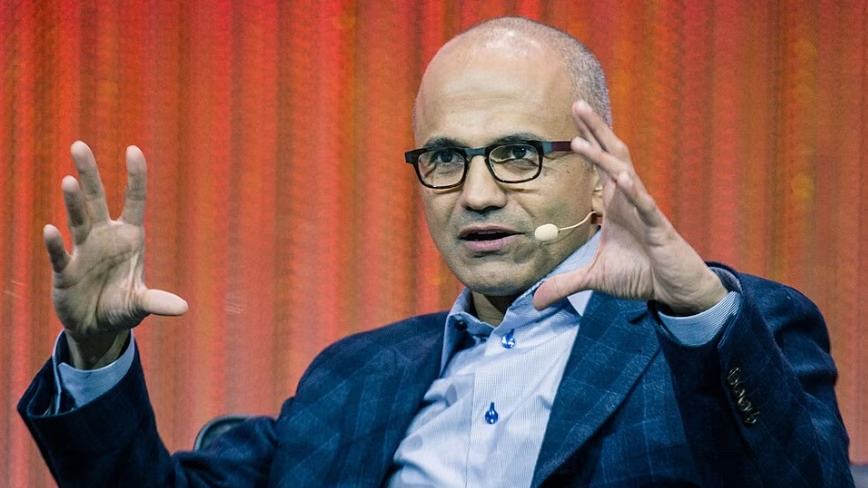
Nadella sets a condition for the AI boom on CNN

Published

on

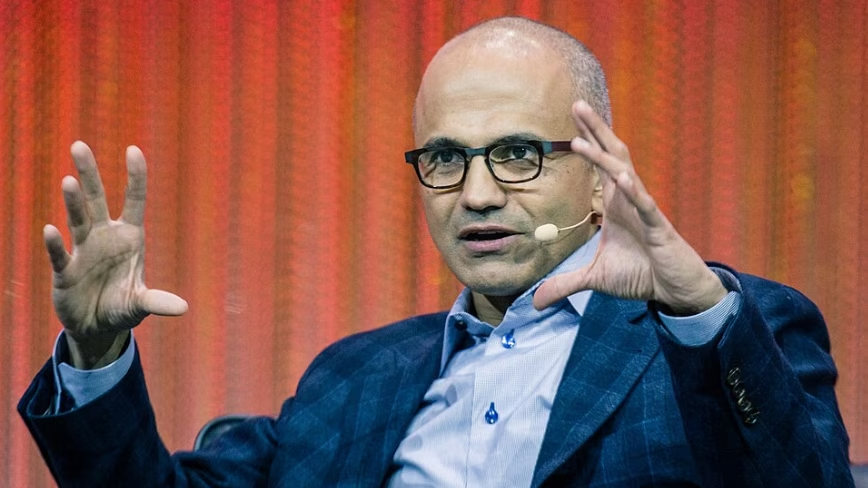
Fareed Zakaria opened with the question everyone is circling. Are we in an AI bubble, and has it begun to deflate? OpenAI has promised to spend hundreds of billions while making a fraction of that, he noted. The maths does not add up.

Nadella did not push back. He reframed the question as a test AI has to pass.

“This is a new general-purpose technology that is going to drive productivity,” he said on CNN’s GPS. “That productivity has to translate into very broad-based economic growth that is economy-wide in terms of GDP growth.”

Then the condition. “If we don’t see that, then we are going to have a problem. So unless we see that broad economic growth, we’re not going to have this movie end well.”

Advertisement

It is a striking thing for the man who spent $190bn this year to say two days before his earnings call.

Who gets the chips

The other Nadella showed up the same weekend, in his own executives’ account of the company. Microsoft cannot build capacity fast enough. The shortfall has forced it into triage, Business Insider’s Ashley Stewart reported. Its own AI products eat first. Azure customers get the remainder.

Chief financial officer Amy Hood said as much on January’s earnings call. Microsoft solves first for M365 Copilot and GitHub Copilot, then for research and development.

“Then what you end up with is the remainder going towards serving the Azure capacity that continues to grow in terms of demand,” she said. Had those chips gone to Azure instead, she added, growth would have topped 40% rather than 39%.

That admission is not new to readers here. A Michigan pension fund sued Microsoft in June over precisely this. The suit alleges the company hid the diversion before a January drop erased $357bn of market value.

Advertisement

What is new is that insiders say it has got worse. “All of the supply is gone once you solve for frontier labs and our internal businesses like M365 and Microsoft AI,” one executive told Business Insider.

Selling what you cannot deliver

Here is the part that reads oddly. Microsoft is raising quotas for its Azure salespeople despite the crunch. Some quotas rise by 30% this year, according to people familiar with the change.

Meanwhile it is buying capacity from its rivals. Amazon bailed Microsoft out after a run of GitHub outages. It explored leasing Oracle cloud infrastructure and walked away over security and compliance concerns. It is now evaluating Amazon and Google.

“We are shopping for capacity everywhere,” one person familiar with the talks said.

Advertisement

Inside the company, the logic is understood and the messaging is not. One executive framed the trade-off bluntly: why would Nadella prioritise growing Adobe, an Azure customer, over growing M365?

“I have no idea how we’re going to land that message with customers,” the person added.

The trap Microsoft is actually in

The dilemma is real, and Microsoft is not obviously handling it wrongly. Serving Azure customers lifts revenue now. Serving its own products is a bet that they eventually win.

Starve the first and Azure growth disappoints, which hits the share price immediately. Starve the second and Microsoft slips further behind in the race that justified the spending in the first place.

Advertisement

What makes the choice urgent is that customers have somewhere else to go. Google Cloud keeps posting large numbers. Meta and SpaceX are now selling compute too. Microsoft’s customers may not wait to find out what it decides.

The ecosystem argument

Zakaria’s second question was about China. Most firms are not using AI to solve Fermat’s theorem, he pointed out. They are rationalising inventory systems. So will the world simply take the cheaper Chinese open-weight models, like Moonshot’s Kimi?

Nadella’s answer was that provenance matters less than plumbing. “Even take the Chinese models. Guess where these models run? They run on a lot of the hyperscalers that are American, all over the world.”

Because the weights are open, he argued, American firms can monitor, test and post-train them. If a US lab post-trains a Chinese base model and ships it, he asked, whose model is that?

Advertisement

“As long as that remains, we will absolutely be competitive and we will win,” he said. China will have a role, he added, but this is not a zero-sum game.

He has been making a version of this case all week. His pinned post asks how to ensure “frontier benefits are diffused across the entire ecosystem” now that software has real marginal cost for the first time. Diffusion is the theory. Triage is the practice.

Three businesses in the blast radius

The strain is not only physical. Three core businesses now sit in AI’s path at once.

Microsoft 365 is the first. Knowledge workers used to open Word, Excel and PowerPoint to start the day. Increasingly they start inside an AI tool instead. Gartner predicted this year that AI would threaten to dethrone traditional productivity suites in a $58bn shakeup.

Advertisement

GitHub is the second. It had its best month ever, an executive told staff. It has also suffered dozens of major outages this year as AI usage surged. Cursor and Claude Code have taken millions of engineers in the meantime.

Azure is the third, and it is the one being asked to wait its turn.

The billy club

Nadella has pushed the pressure downwards. He has dismantled the senior leadership team structure and handed the commercial business to Judson Althoff. He also put a 33-year-old ex-Snap executive in charge of Copilot.

The churn continues. Rajesh Jha has retired, Yusuf Mehdi is preparing to leave, and Charlie Bell has moved to an individual contributor role. Hayete Gallot, recruited back from Google, is seen internally as Althoff’s long-term successor.

Advertisement

Microsoft also overhauled performance reviews this year, cutting ratings to five categories and sharpening the distinctions between them. Executives say it feels like a return to the stack ranking of the Ballmer era. Managers have been told to thin out the higher-level engineering ranks.

“It’s almost like the old era of Microsoft is back,” one former executive said. “The old Windows era where you lead with a lot of fear and a billy club in your hand.”

Wednesday’s test

Microsoft reports fourth-quarter results on Wednesday. Amazon follows on Thursday. Between them the two will spend roughly $400bn on data centres this year, Fortune reported, with Microsoft near $190bn.

Investors are already twitchy. Alphabet’s stock fell 7% last Thursday after it raised capital-expenditure guidance and posted negative free cash flow. Microsoft shares are down about 19% this year, and roughly 25% over twelve months. That is the worst of the Magnificent 7 by some distance. Meta is next, down almost 17%.

Advertisement

The underlying business is not weak. Microsoft disclosed nearly $627bn of remaining performance obligations, almost double a year earlier. It is funding roughly $35bn of building a quarter from operating cash flow rather than new debt. Azure and other cloud services are forecast to reach $148.9bn in fiscal 2027.

Nadella has heard doubts before. “I remember when I became CEO, everybody said, oh my God, isn’t it too late man?” he recalled at a Morgan Stanley conference in March. Microsoft built anyway, and the public cloud turned out to be multiplayer.

At that same conference he described the plan. “We have OpenAI book, we have Anthropic book, but we want to also have the long tail of enterprise IT,” he said. The long tail is the part now waiting at the back of the queue.

Advertisement

Source link

Continue Reading

Tech

Digital sovereignty is real in Europe. The UK? Not so much

Published

on

columnists

Trump’s unpredictability is pushing governments and businesses toward open source while Britain remains glued to US tech

OPINION Sick of relying on proprietary programs and American software giants and hyperclouds? Join the digital sovereignty revolution.

It really is the smart thing to do. Honestly, with Donald Trump calling the shots, who knows what he’ll do next? Demand that American companies stop providing services to European companies unless Denmark surrenders Greenland? Order Microsoft to disable Windows 11 unless the International Criminal Court is dismantled? Force Anthropic to lock down Claude Fable 5 and Mythos 5 models for international users? Oh, wait. They already did the last one.

Advertisement

Wake up, sheeple! You can’t trust American tech, and I speak as a US citizen whose ancestors first arrived in the States in the 1770s. Finnish MEP Aura Salla put it well at February’s Open Source Policy Summit: “The EU runs on Microsoft. The US could turn us off inside one hour.”

The same is true for the UK and pretty much every country in the world. If that doesn’t scare you, it should.

Some people get it. When I was at the United Nations Open Source Week recently, it wasn’t just European Union countries beating the drum for digital sovereignty. Speakers from Tanzania, Vietnam, Morocco, and elsewhere argued for greater control over their technology futures.

Many of them aren’t just talking a good game. They are actually doing something now. Finally!

Advertisement

For example, the German state of Mecklenburg-Vorpommern is dumping Microsoft SharePoint for Nextcloud and OpenProjectBavaria is also moving toward digital sovereignty. Neither state is jumping from Windows to desktop Linux yet, but, hey, baby steps.

Ireland was preparing to pull the trigger on a Microsoft procurement potentially worth €1 billion when the government called a halt. Opposition politicians then asked why open source alternatives had never made it onto the shopping list.

Ireland’s Minister for Public Expenditure, Infrastructure, Public Service Reform and Digitalization, Frankie Feighan, said the agreement for Microsoft software and services had been canceled after “matters of concern were raised by an interested party.”

At the UN Open Source Week, Ireland’s Government CIO, Louise McKeever, said that as far as she was concerned, digital sovereignty is “the ability of a government to maintain control over its digital infrastructure, data, and technologies” in a world of cross‑border data flows, AI, and geopolitical risk – and that makes it “a national security concern” as much as a tech one.

Advertisement

Cian O’Callaghan, deputy leader of Ireland’s opposition Social Democrats, would agree. He said that, for value-for-money reasons and to avoid US technology dependency, Ireland should at least consider alternatives including “LibreOffice, Linux, Thunderbird, and Open-Xchange.”

It’s not just governments getting into the sovereignty act. Airbus is migrating its most critical applications from AWS to French cloud provider Scaleway. Why? For much the same reason as governments. Scaleway made a competitive commercial offer, and, as Catherine Jestin, Airbus’s executive vice president of digital, said: “I need a sovereign cloud because part of the information is extremely sensitive from a national and European perspective. We want to ensure this information remains under European control.

Makes sense to me!

In the United Kingdom, however, it’s a different story. A House of Commons Library briefing published in March put it plainly: “The UK Government does not have an overarching policy on digital sovereignty. It has set out its approach to building ‘sovereign capability’ in key technologies.”

Advertisement

The closest thing Britain has is the UK Compute Roadmap. It states that the government wants “sovereign, secure, and sustainable capability,” and directs the UK Sovereign AI Unit to treat compute as a priority area. Back in 2025, which is prehistory by AI standards, Labour wanted to pour £2 billion into sovereign AI. Now? Who knows? Stay tuned.

I might add that, in AI business terms, £2 billion is less than the American companies throw at AI in a week. Believe it or not, the biggest US tech companies are projected to spend about $700 billion on capex this year – roughly $13.5 billion a week.

Yes, I agree. Those are insane numbers. Welcome to the wild, wonderful world of AI bubble spending.

Leaving aside the crazy AI numbers, some people in the UK get that digital sovereignty must be a priority. The Open Rights Group has a petition: Demand UK Digital Sovereignty. I suggest you sign.

Advertisement

As Trump has shown time and time again, “his” US has no “special relationship” with anyone. Just ask Israel or Canada. If the new PM, Andy Burnham, so much as sneezes at Trump, the President could take offense and apply pressure for the UK to lose its access to American tech resources.

To me, there’s no longer any question about it. Everyone, including companies and people in the States, must reduce their reliance on American software and services. Linux and open source alternatives that are not beholden to Washington offer the clearest way forward. ®

Source link

Advertisement
Continue Reading

Tech

AppleCare One Insurance For Multiple Devices Finally Expands Outside The US

Published

on

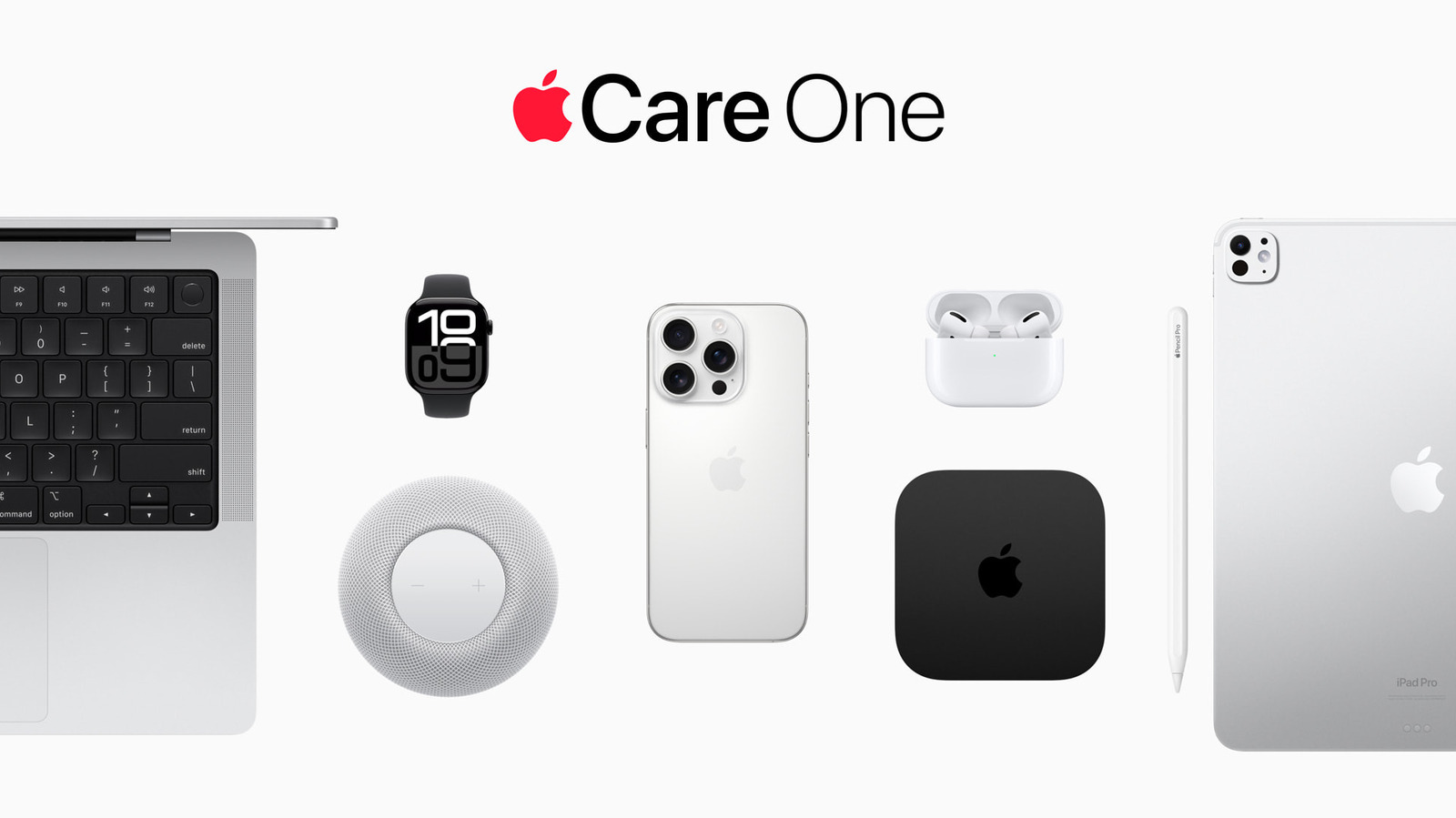
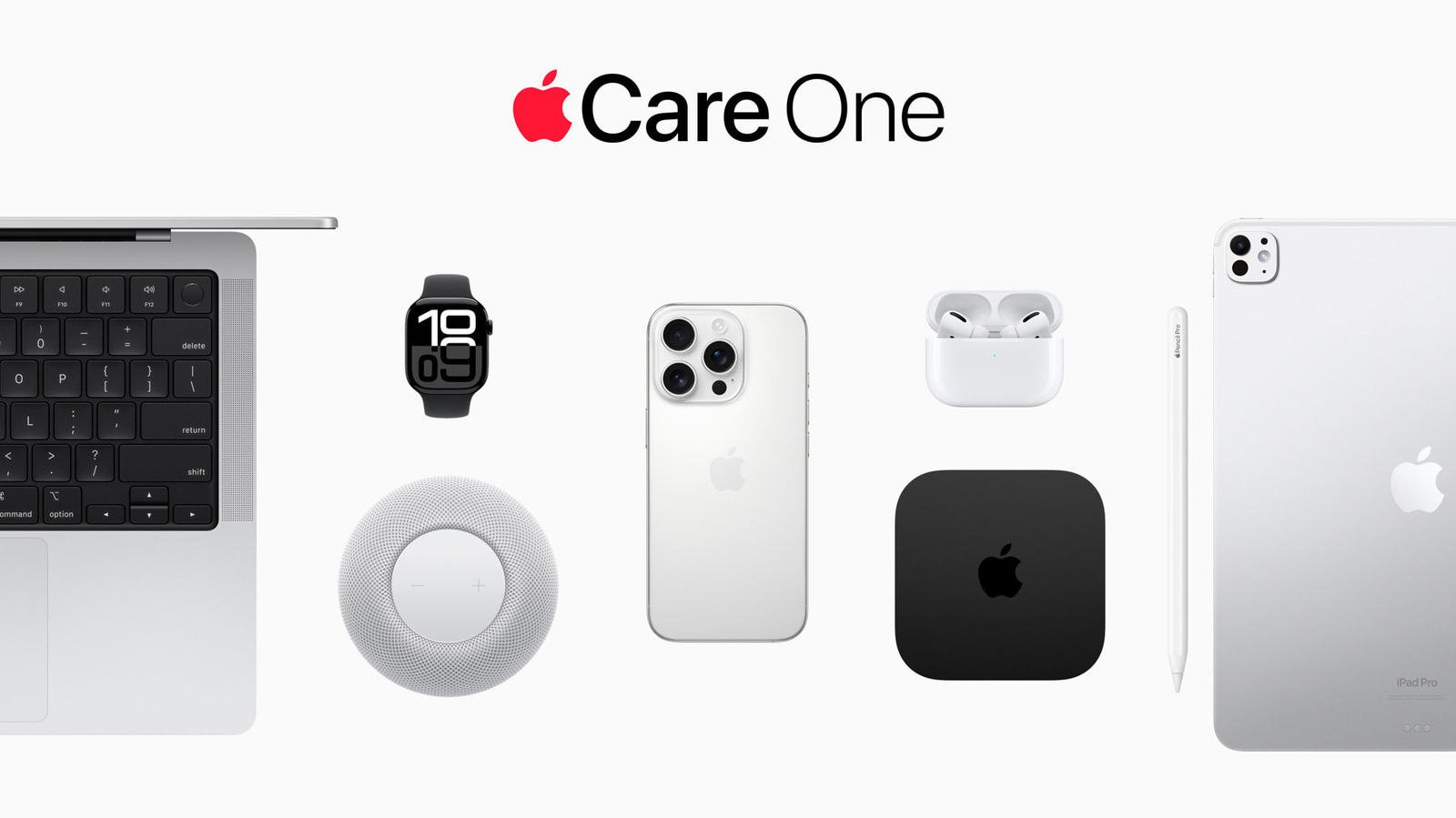
Apple’s insurance for multiple devices including iPhones, Watches and MacBooks, is finally expanding a year after launching in the US. AppleCare One is now available in four additional countries: the UK, France, Germany and Australia. The service is set to arrive in those regions on August 4th this year. 

“With AppleCare One, customers in the UK can now enjoy the trusted protection of AppleCare+ in a way that’s simpler and more flexible than ever before — one plan, one price, and the peace of mind that comes with knowing all their eligible products can be covered,” the company said in an article on its UK newsroom

In the UK, the service will cost £16.99 per month for three devices, with the ability to add more at any time at £4.99 per month per device. In France, it will cost €20.99 per month and €5.99 per month for the same coverage, respectively, according to 01net.com. That compares to $20 a month for three devices and $6 per month for additional devices in the US. 

AppleCare One provides the same coverage as AppleCare+ with theft and loss, “including fast and unlimited repairs for accidental damage, battery replacement service, and 24/7 priority access to Apple experts,” Apple UK wrote. It also includes theft and loss coverage for iPhone, iPad and Apple Watch. You can use AppleCare One to not only insure brand new devices, but also ones you already own — provided they’re no more than four years old and in “good condition.” 

Advertisement

Along with AppleCare One, Apple is also bringing theft and loss coverage for iPad and Apple Watch to AppleCare+ in the UK. Those devices join the iPhone, which already has the theft and loss option. The price for that for a base iPad model will start at £4.99 per month in the UK (£49.99 per year), compared to £3.49 for current AppleCare+ coverage without theft and loss. For the base iPhone 17, AppleCare+ with theft and loss is £9.49 per month, compared to £6.49 per month for regular AppleCare+. 

Whether or not you’ll save money on AppleCare One compared to AppleCare+ depends on your devices and coverage. Apple notes that “a customer protecting their iPhone, iPad, and Apple Watch together can save up to £11.48 per month compared to maintaining separate AppleCare+ with theft and loss plans for each device.” 

However, if you purchased the most basic versions of those devices with AppleCare+ but no theft and loss coverage (£6.49 + £3.49 + £2.49 = £12.47), individual coverage would be cheaper. AppleCare One is therefore best if you have higher-end devices or were planning to ensure them for theft and loss on top of accidental damage repairs. The benefits also accrue if you add a fourth or fifth device, particularly if it’s on the expensive side. 

In the US, AppleCare One looks like an even better deal since AppleCare+ prices just went up for Macs and iPads. The increase is due to higher prices for those devices ranging from $100 for a basic iPad to $500 for an M5 Max MacBook Pro. 

Advertisement

Source link

Continue Reading

Tech

Making sense of the panic over Chinese AI

Published

on

The launch of the latest AI model from a Chinese company — Moonshot AI’s Kimi — reignited debates around American competitiveness and open versus proprietary AI.

While there was plenty of conversation on social media, it seems the debate is also happening behind the scenes in Washington, D.C., where OpenAI and Anthropic have reportedly lobbied regulators with concern about open Chinese models.

On the latest episode of TechCrunch’s Equity podcast, Kirsten Korosec, Sean O’Kane, and I discussed why this seems to be such a hot button issue. Beyond suggesting that certain folks should “touch grass” rather than spending their weekends arguing on X, Sean noted that in many ways, this “feels like we’re seeing repeats of prior freakouts,” with everyone in Silicon Valley “expecting that something is going to arrive and blow everything else away.”

Advertisement

And Kirsten noted that putting heavy restrictions on Chinese AI models could primarily benefit a handful of companies: “Are we accelerating and ensuring that Americans win the AI race, or are we ensuring that certain frontier labs do better than others?

Keep reading for an excerpt of our conversation, edited for length and clarity.

Anthony Ha: For folks who have followed the discourse around Chinese AI, this will probably be very, very familiar from the launch of DeepSeek, where basically a Chinese model comes out; on some benchmarks, it does as well, or at least seems competitive with some of the frontier models; and a certain portion of the tech industry loses their mind. 

Some of this [debate] got extra scrutiny because one of the people posting about it was [an executive] at OpenAI. But in general, there [is] this recurring question of: Can Chinese companies beat US companies, at least in some aspects, and do it much more cheaply and in a much more open way?

Advertisement

Sean O’Kane: Yeah, there are many elements of this that feel like we’re seeing repeats of prior freakouts. I think one of my favorites is: Everybody is so ready [for] and so expecting that something is going to arrive and blow everything else away. And I think my favorite example of that this past week was people showing off that “My gosh, Kimi made in 30 minutes an entire replication of macOS.” And yeah, it made a pretty impressive graphical reproduction of what macOS looks like, but it’s not an OS.

We keep seeing these things happen over and over again, where everybody’s so jumpy in the tech industry. And I think in particular, with some of the Chinese models that come out, there’s this expectation, and I think this gets to the core of why people reacted the way they reacted last weekend. (Also, by the way: Go outside, touch grass, it’s the weekend. Everybody in the industry was trading barbs on Twitter all weekend.) But this jumpiness is really interesting to me because we’re now a week out and I don’t think anybody’s feeling like the end is nigh like they were a week ago.

Kirsten Korosec: We have a really great story by one of our reporters, Tim Fernholz, who tries to unpack the psychosis around this here in the United States. He points to a number of reasons. And concludes — and I don’t want to conclude it for him, but I think that there’s one that rises more to the top than others. 

There’s concerns that these Chinese open weight models might have an implicit bias towards China, there’s another worry about security risks and guardrails. But there’s also a pretty big idea here, which is protectionism, and who is going to quote-unquote “win the race”? Is it going to be the US or China? And that seems to be driving a lot of what the fear is. 

Advertisement

I don’t know, Anthony, if you agree with that?

Anthony: I completely agree. I think the China aspect always adds this certain level of hysteria. And that’s not to say that people shouldn’t be concerned about how the U.S. stacks up against China across different industries. But it gets so amped up.

The other thing this reminds me of is the discussion around TikTok a few years ago. And again, it wasn’t that I thought that the concerns around TikTok were totally made up, but that the level of how panicked people got — it seems as soon as you add the word China to any discussion, things just ramp up dramatically.  And then in this case, it’s linked to this discussion about open [weights] and this idea that AI is so powerful and so dangerous that the only way we can control it is with these proprietary models from these American frontier companies. 

Obviously, most people saying this [have] reasons why they want to say that. David Sacks, who was the AI czar for the Trump administration [and] now has a different role in the Trump administration, was shouting on X about how, “I can’t believe people are opposing data centers, we’re tying ourselves in knots, there’s too much regulation.” And so it’s a way to argue for the positions that they already had around AI. “My gosh, if China beats us, that’s unthinkable, so you have to do what I want to do anyway.”

Advertisement

Kirsten: Right, and if you were to put across-the-board bans on Chinese open weight models — I’m not saying that there aren’t real concerns here, but let’s just play that out. If we were to do that, it would benefit models created by OpenAI, for instance, and it would force enterprises to use those as opposed to using models like Kimi.

So you really have to ask the question: Are we accelerating and ensuring that Americans win the AI race, or are we ensuring that certain frontier labs do better than others?

Sean: At this point, we should say a lot of this discussion really got kicked off by the head of strategic futures at OpenAI, Dean Ball, who was the first one to come out with this really long post mentioning some of these concerns.

Part of me thinks the reaction to this was because people disagreed with what Dean wrote. Part of me also thinks the reaction was driven by the fact that he kind of just said the thing out loud. He basically said the US should create regulatory FUD — fear, uncertainty, and doubt — and muck up the ability for these open weight models to compete with the US. [Ball later backed away from this argument.]

Advertisement

And to me, I think you can read in some of the responses from folks, like, “You’re not supposed to say that out loud, Dean.”

When you purchase through links in our articles, we may earn a small commission. This doesn’t affect our editorial independence.

Source link

Advertisement
Continue Reading

Tech

Fed Up of Lettuce Recalls, I Started Growing Greens in This Smart Garden

Published

on

The cyclospora outbreak affecting produce from Taylor Farms de Mexico has sickened over 1,600 people across five states, including Indiana, Kentucky, Michigan, Ohio and West Virginia. It’s one in a long line of severe produce outbreaks, but this time, I’m reconsidering how I approach food safety, given that the greens meant to nourish us continue to pose contamination risks

Over the last year and a half, I’ve used my Gardyn Studio, a hydroponic growing system, to grow my own produce in my small NYC apartment. I’ve harvested arugula, kale, lettuce, peppers, cucumbers, cherry tomatoes, herbs and edible flowers, even throughout the winter — and, more importantly, I’ve had full control over the safety of my produce.

What to know about the 2026 cyclospora outbreak

Cyclospora is transmitted through food and water contaminated with the parasite, with symptoms typically manifesting approximately 1 week after exposure, though cases can range from two to 14 days or longer. The 2026 numbers represent a significant increase from the 249 cases reported in the US during the same period last year.

According to The Cleveland Clinic, symptoms of cyclospora infection often include sudden watery stools and even explosive diarrhea. Other common symptoms include:

Advertisement
  • Stomach cramps 
  • Bloating, increased gas and burping
  • Nausea
  • Unintentional weight loss
  • Loss of appetite
  • Extreme fatigue or weakness

While home-growing your produce doesn’t eliminate all food safety risks, it can eliminate the specific contamination risks present in mass industrial distribution systems and exposure to pesticides. Given these risks, many are looking for ways to bypass mass distribution entirely. This is why I started using the Gardyn Studio.

Gardyn Studio with plants and flowersNasha Addarich Martinez/CNET

Why I switched to the Gardyn Studio

The Gardyn Studio is a compact, 4.5-foot hydroponic tower with 16 growing slots, LED grow lights and a mobile app that manages your growing from start to finish. Having used it for over a year, I have a clear sense of its benefits and shortcomings.

I appreciate how self-sufficient the device is: You insert the pods, set the lighting schedule, add water and plant food, and refresh the tank every few weeks. Other than that, the plants pretty much grow on their own. Not every pod is a success, though. In every cycle, at least two pods fail to grow. While Gardyn will send replacement pods, you will need the Gardyn Nursery (a separate $80 device) to grow the sprouts before you can insert them into the Studio.

I’ve found the harvesting time to be quick. My arugula reaches maturity in about three to four weeks. The Kale takes about five weeks. In both cases, the taste and quality are unsurprisingly better than store-bought greens.

The Gardyn Studio costs $579 and is great for small spaces. If you have a larger home, you can also consider the Gardyn Home ($899), which fits 30 growing slots, compared to the 16 on the Studio.

There’s also an optional membership that costs between $25 and $39 a month or $259 a year, which includes monthly credits you can use to buy more plants and access to Kelby, the AI gardener that will automate watering cycles and lighting based on your specific plants’ life cycles and the local environment. It also sends push notifications to the Gardyn app to alert you when to add water, add plant food or harvest.

Advertisement

Last year, a CNET Survey found that US adults who shop for groceries waste an average of $125 a month on food that’s not cooked or eaten. That’s $1,500 a year. I rarely waste food grown in the Gardyn since I harvest it as needed, so I rarely end up with excess greens wilting away in the fridge.

Gardyn specs at a glance

Price $579 (hardware)
Height 4.5 feet tall
Floor Space 1.4 square feet
Growing Capacity 16 plant pods simultaneously
Technology LED grow lights, automated nutrient delivery via app
Pod Pricing $1.99 to $4.99 (member pricing); $4.99 (non-member)
Premium Pods Up to $9.98
Monthly Pod Credits 5, complimentary with membership (10 with Gardyn Home)
Operating Cost Minimal electricity (comparable to a smart bulb)
Warranty 2 years
Membership $25 to $39 a month
Trial 30 days

The pros and cons

While I use my Gardyn year-round, there are things to consider before committing to it. The upfront cost of $579 puts the Gardyn Studio in the same category as high-end kitchen appliances, but the benefits of growing my own produce at home and no longer having to buy it make it worth it to me.

Pros:

  • Eliminates contamination risks
  • Compact design that fits in small spaces
  • Minimal maintenance (no soil or gardening skills required)
  • Responsive customer service for pod replacements
  • Reduced pesticide exposure

Cons:

  • High upfront costs
  • Some pods fail to grow
  • Ongoing pod and nutrient costs
  • No ability to grow root vegetables

For those without access to hydroponic systems

Gardyn Studio sproutsNasha Addarich Martínez/CNET

Growing your produce at home is still valuable, even at a smaller scale. Windowsill herb gardens require minimal equipment and investment. My first home garden was in a 10-inch planter, where I grew cilantro, basil and parsley, which I put on my windowsill.

Buying from local farms and building relationships with local farmers’ markets establishes direct supply chains from the source, without the middlemen (distribution centers). Inquiring about produce sourcing at your local supermarket creates incentives for transparency and regional cultivation. These approaches won’t prevent every outbreak, but they reduce dependence on centralized supply chains and create accountability between producers and consumers.

Advertisement

Food safety doesn’t (and shouldn’t) have to be a luxury. It does, however, require deliberate choices about where food originates and who controls its cultivation. The Gardyn Studio is one option among many, and the one that works for my lifestyle and home. What matters most is recognizing that alternatives to mass food systems exist.

Source link

Continue Reading

Tech

Europe got its own TBPN-style live show, and everyone’s angling for a guest spot

Published

on

The European answer to TBPN is here and ready to go live five days a week, starting June 27. 

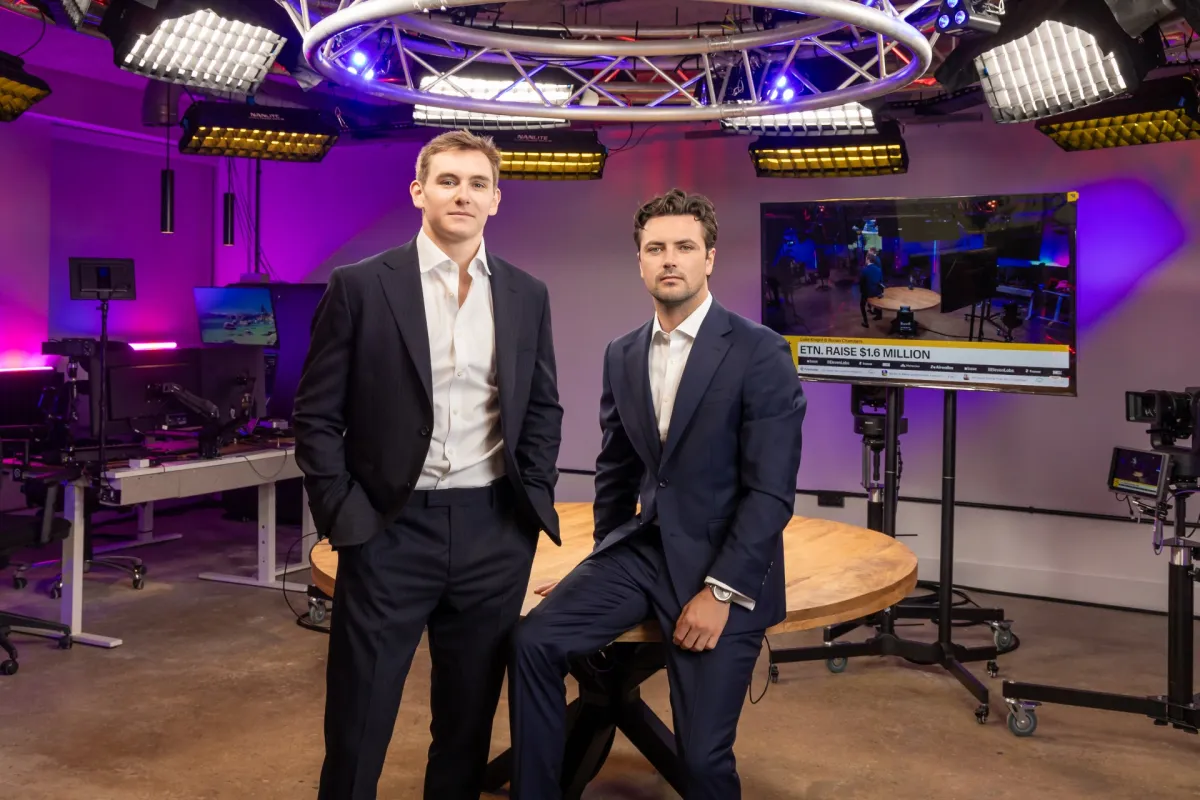
Luke Knight and Ronan Chambers first launched the London-based European Technology Network (ETN) last October, breaking down tech trends and news during a two-day-a-week live stream. Right now, the show is live-streamed on X and YouTube and has garnered more than 5 million views.

On Monday, the network announced a $1.6 million seed round from top players in the media ecosystem, including Powerhouse Capital, Axel Springer SE (which owns Business Insider and Politico), the popular media publication LadBible, and angel investors from OpenAI and DeepMind. With this fresh capital, the network is announcing its largest expansion yet. 

It’s now moving into a big studio in Kings Cross (where all the hot London AI startups are situated), expanding the team (right now of just eight), launching a newsletter, and is, starting today, moving into a five-day-a-week live show schedule, which will soon see Knight and Chambers interview the likes of George Robson (a partner at Sequoia) and Rishi Sunak (former UK Prime Minister and senior advisor to Anthropic and Microsoft). 

Advertisement

Speaking to TechCrunch, Knight and Chambers said ETN has already become a hot stop on the press tour for European startups — they’ve spoken to the founder of Syntheisa, the CFO of Legora, the founder of Granola, and Kanishka Narayan, the UK’s first AI Minister. They’ve even had American investors stop by the show when they are in town, including one from Andreessen Horowitz.

“ETN was born out of a gaping hole in the industry,” Chambers told TechCrunch. “It’s centered around pace.” He said the current media ecosystem in the UK cannot keep up with how fast the tech scene is moving. For example, so far this year, London startups have raised $14.7 billion according to Dealroom. Six companies have raised more than $500 million: Wayve, Superintelligence, ElevenLabs, Recursive, Ineffable Intelligence, and Isomorphic Labs, the latter three of which were founded by DeepMind alumni.

“These are things that have never happened in Europe before,” Chambers continued, referring to the speed at which capital is flowing through the ecosystem. As the show became more popular, Chambers said they were getting around 70 pitches a week from guests looking to come on the show. They would try and cram 12 interviews into two hours, twice a week, but eventually it got too much. “We needed an outlet that could move at the pace of that,” he said of both the interest in the show and how fast Europe’s tech ecosystem is moving, “which is the reason we’re going from two days a week to five days a week.” 

The five-day format will look quite similar to the two-day format. There will be a live show from 12 p.m. UK time to 3 p.m., breaking down trending stories, and then for two hours, they will have guests on the show talking about whatever they want. Chambers said they also want to start hosting debates, roundtables, and a Shark Tank-style pitching session on the show.

Advertisement

“We want to make it as useful as we can for the ecosystem,” Chambers said. “There needs to be more discourse around AI in Europe. There needs to be more discourse around venture capital and cash flowing into the ecosystem. There needs to be more discourse around the amazing things that are happening in the tech ecosystem, and our role is to be the stage in which people can shout about all the amazing things they’re doing.” 

The show makes its money from ad dollars, like most media publications, and big-name sponsors already include prediction market Polymarket, blockchain company Base, and the AI audio darling ElevenLabs. 

When asked about the influence TBPN has had on them, Knight and Chambers said they indeed do look at John Coogan and Jordi Hays, founders of TBPN (which recently sold to OpenAI for what some say was a nine-figure sum), as pioneers of this new tech media ecosystem. The show became a place for tech guests to appear and chat with friendly faces, announcing new product releases, hires, or funding news. “My thinking was, if we can have an ITV and a BBC, why wouldn’t we have a regional version of this?” Chambers continued. 

Europe is a big place, though, with more than 40 different countries and over 200 languages spoken (24 of which are recognized by the European Union). Chambers said that although ETN will report from London, he and Knight are making an effort to bring on guests from across the continent. Aside from bringing guests into the studio, they also travel to the hottest tech conferences around Europe. For example, they’ve broadcast from the Panathenaea Conference in Athens and from inside the Louvre in Paris for the RAISE AI Summit. 

Advertisement

“You have all these different cultures, these different minds coming together and creating different products,” Chambers said. “You get a taste of what makes [Europe] a superpower.” 

With all this, they said they would never turn an American founder away should they want to come on the show. “It’s a European technology network, but we think there’s massive [global] opportunities,” Chambers said. Knight added to that, noting how often conversations pit the European tech ecosystem against that of the U.S. 

“We are globally optimistic,” Knight said. “We are pushing global prosperity from Europe. Wherever you want to go and build your company, wherever is the best place to go and build that company, go and do that, and we will shout for you to go and do that.” 

He and Chambers also don’t necessarily see themselves as journalists; rather, they consider themselves tech insiders curious about what is going on and why. They also don’t see themselves as replacing traditional media and instead intend to work in tandem with those publications. “We rely on traditional media,” Chambers said, adding that is how they find much of the news that they to talk about on ETN. 

Advertisement

Overall, the duo hopes to help document the stories coming from the new wave of European success, from ElevenLabs in London to Lovable in Stockholm, to help the upcoming generation understand that technology is one way to drive a nation forward.

Discussing the impact of European success stories, Chambers said, “It riles up the next generation to the point where it’s no longer cool to finish university and go into banking or consulting. People want to leave university and go straight into building a startup, and I think that’s an amazing thing.”

When you purchase through links in our articles, we may earn a small commission. This doesn’t affect our editorial independence.

Source link

Advertisement
Continue Reading

Tech

The evolving role of network engineers in the age of AI

Published

on

As the worlds of networking and security increasingly collide, the role of network engineers is also evolving. IT teams are now on the frontlines of an organization’s cybersecurity, monitoring what’s happening across traffic, users, devices to spot issues and threats early, and act before they escalate.

Laura Lehman

Director of Digital Experience Product Management at GTT.

Advertisement

When network and security architectures are integrated well, complexity decreases while performance increases, security gets stronger and latency lowers; and overall, day-to-day operations become simpler.

Source link

Continue Reading

Tech

Multiverse Computing targets a $570m Series C at a $1.7bn valuation to cut AI costs

Published

on

Spanish deeptech company that shrinks large language models wants investors to bet that efficiency, rather than sheer scale, is where the next stretch of AI money gets made.

Multiverse Computing, based in San Sebastián in Spain’s Basque Country, has opened a Series C round targeting up to $570m (€500m), the company said on July 27.

The raise would value the startup at roughly $1.7bn (€1.5bn) before the new money arrives, which the company put at about five times its previous valuation.

The pitch rests on CompactifAI, a tool Multiverse says can compress a large language model by up to 95% with what it calls immaterial accuracy loss. It borrows tensor networks from quantum physics to strip redundancy out of a model, cutting the memory, cost, and energy each query burns.

Advertisement

The 💜 of EU tech

The latest rumblings from the EU tech scene, a story from our wise ol’ founder Boris, and some questionable AI art. It’s free, every week, in your inbox. Sign up now!

The technique sits inside a broader compression race that has pulled in far larger players.

In practice, the company sells slimmed-down versions of open models such as Meta’s Llama, packaged to run on cheaper hardware or on-premises rather than inside a hyperscaler’s data centre.

Advertisement

That edge-to-cloud framing is the heart of the Series C pitch. As inference, the cost of actually running a model, overtakes training as the dominant expense for many buyers, the argument goes, they will pay for the same output at a fraction of the compute and power.

It is not the only use Multiverse has found for the maths. The firm, which began in quantum software, has applied the same methods to other problems, including a system to predict floods. The through line is squeezing more out of less, whether the target is a neural network or a river.

The round is co-led by Forgepoint Capital International, the BNPP Solar Impulse Venture Fund, and Bullhound Capital, according to the company. If it closes at the top of the range, Multiverse’s total funding would reach about $800m across all rounds.

The company has not said when it expects to finish raising, nor disclosed the terms attached to the lead investors’ stakes. A round that is announced while still open can also close below its target.

Advertisement

In June 2025 the firm closed a Series B worth €189m, or about $215m, led by Bullhound with backing from HP Tech Ventures, Toshiba, Forgepoint, SETT, and Spain’s CDP Venture Capital. Bloomberg reported in February that Multiverse was in talks at a €1.5bn valuation, the same figure now attached to the Series C.

Multiverse was founded in 2019 by chief executive Enrique Lizaso, a former banker, and chief scientific officer Román Orús, a physicist whose work on tensor networks underpins the product. Both the compression business and its quantum tools sit inside a wider European quantum push that has drawn heavy public funding.

Its customer list, per the company, runs to Iberdrola, Bosch, Telefónica, Allianz, Bank of Canada, Indra, and PwC.

Multiverse also reported steep growth to match its ambitions, claiming a tenfold rise in annualised revenue since the last round and first-quarter sales up 96 times year on year. Those figures are self-reported and have not been independently audited.

Advertisement

The bet is a distinctly European one. As models grow more expensive to run, a cluster of the region’s startups is chasing the inference bill rather than the frontier.

Data-centre electricity demand has become one of the industry’s hardest constraints, and trimming the energy a model burns per query is one of the few levers a startup can pull without owning chips or power stations.

Multiverse is selling the opposite trade. If the future of AI is smaller, cheaper, and closer to the edge, a compression startup on the Basque coast would rather own that corner than chase the frontier it is quietly trying to cut down to size.

Advertisement

Source link

Continue Reading

Tech

Is Gen Z Actually Bringing Back Manual Transmissions?

Published

on


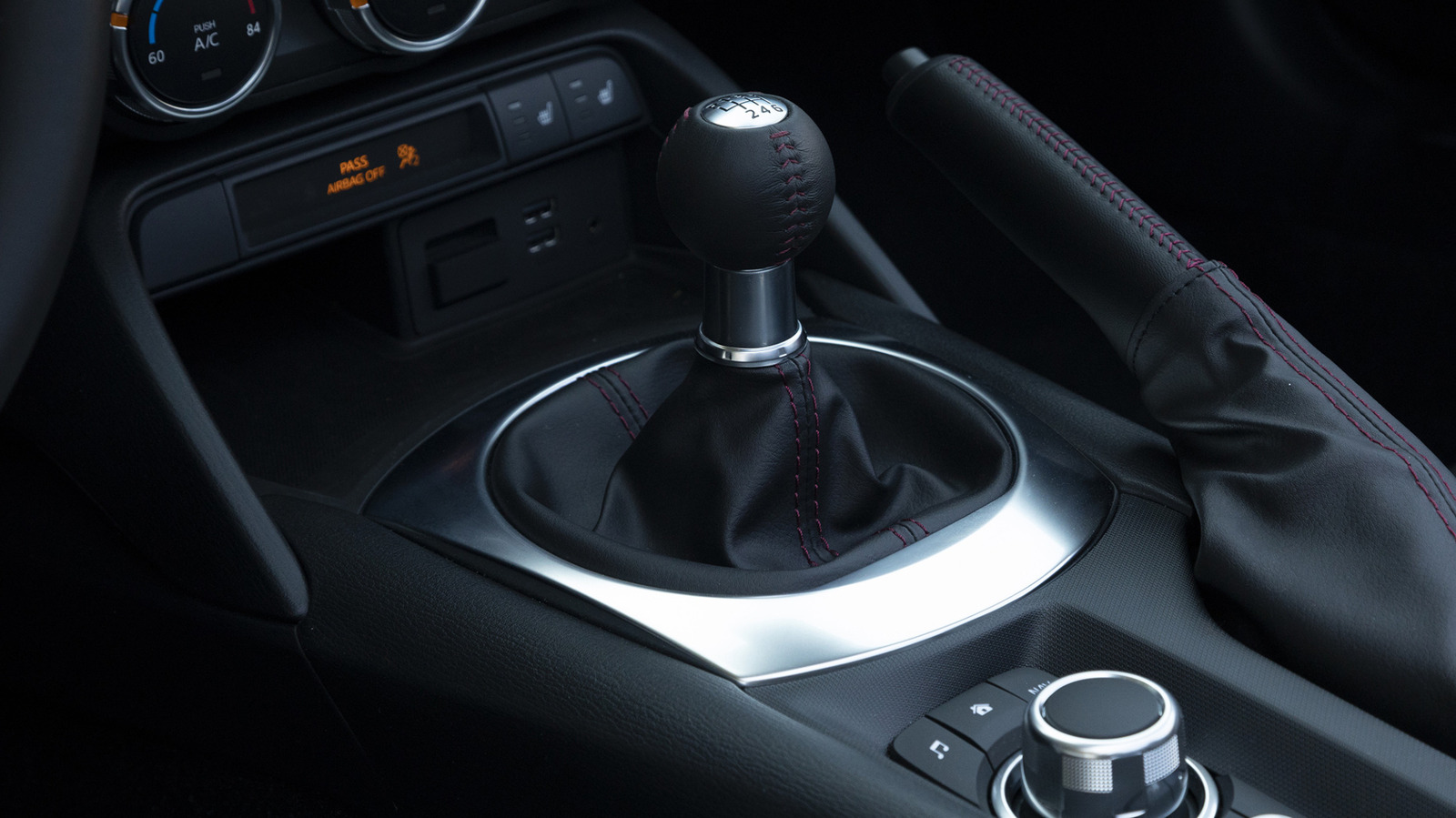
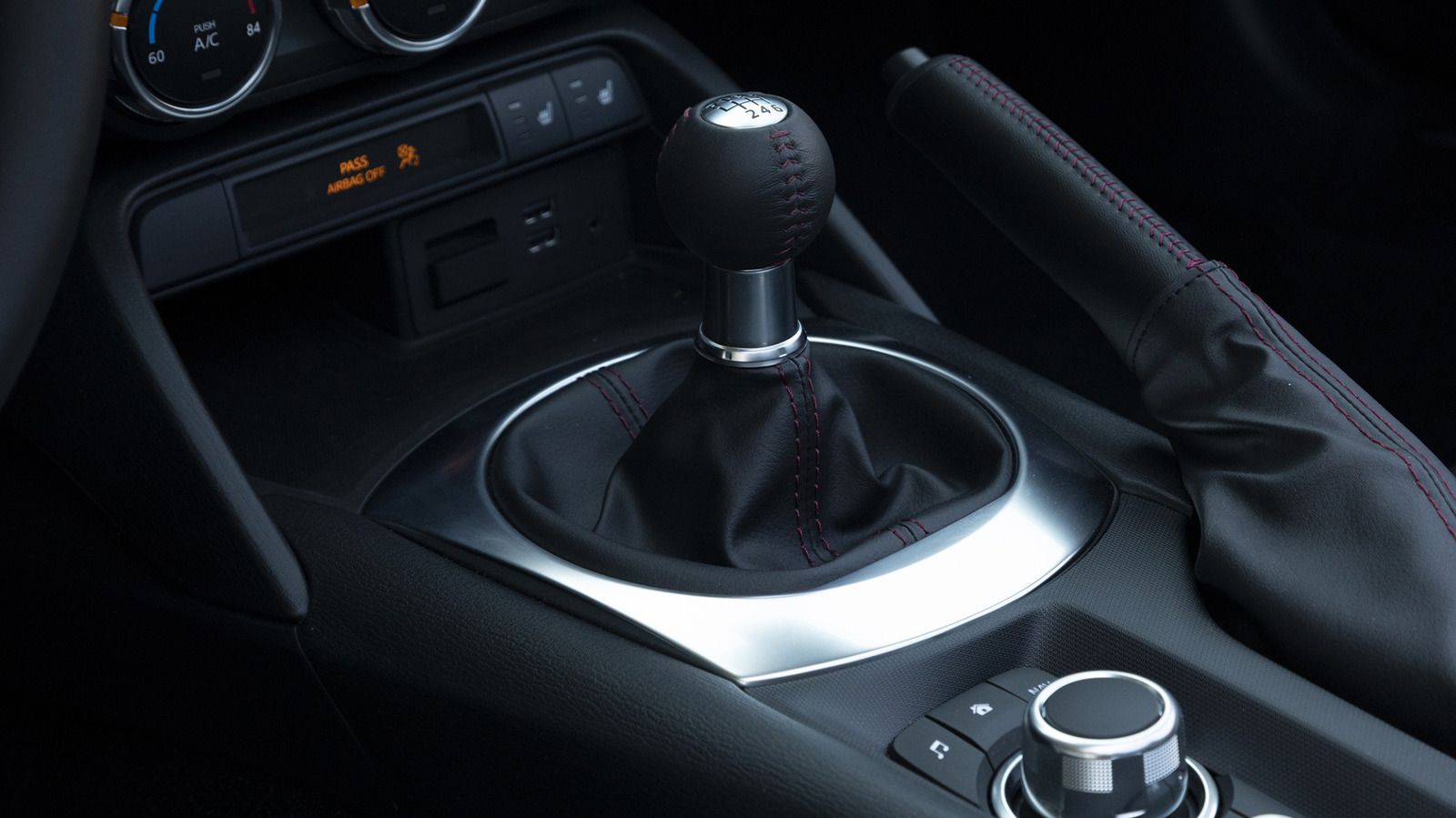
The manual transmission occupies a strange, almost contradictory position within modern car culture and the auto industry itself. On one hand, car enthusiasts adore the manual transmission for its fun factor and added engagement, so much so that there are entire communities dedicated to “saving the manual.” On the broader industry side, however, things are not so rosy for the manual gearbox, with a decreasing list of manual cars available each year and the vast majority of them coming in niche sports models.

There has, however, been some sense of the manual transmission making a comeback recently, with some attributing this to the increasing popularity of manuals among Gen Z drivers. Is this actually happening though? Are young drivers leading a surge in demand for new manual vehicles that’s causing automakers to rethink their product strategies? That part isn’t so clear. 

Advertisement

There may be strong interest in manuals from some Gen Z drivers, but the actual market size of this group, and the influence it has on the industry, might be a bit overstated. The trend highlights the importance of distinguishing between the vocal online commentariat and real-world car buyers. It also underscores the distinction, no matter the age group, between niche car enthusiasts and the mainstream auto market.

Advertisement

Why Gen Z Is Drawn to Manual Transmissions

For decades, a manual transmission with a clutch pedal was default equipment on a huge portion of cars, trucks, and SUVs sold in America. In fact, because of this,some people even called them “standard transmissions.” Many buyers would pay extra for the convenience of an automatic, but as recently as the mid-2000s, it was still fairly common to see manual transmissions on a lot of normal cars and trucks.  Gradually, though, the manuals became a niche option that had to be specifically sought out by drivers who wanted to row their own gears.

With the decline of mainstream manual-equipped vehicles, many younger drivers grew up without ever needing to learn how to drive one. Car enthusiasts, though, are different from your average driver, and for them, the decline in manual options has brought an increased reverence for the market’s stick shift models.

It makes sense that Gen Z might be driving recent interest in manual transmissions in ways that older generations didn’t when you consider they’ve grown up in a world full of automatic cars and EVs, the latter of which have single-speed transmissions rather than a multi-speed gearbox. There is, however, a difference between a group showing interest in manual cars and having the means to go out and buy brand-new ones in significant numbers.

Advertisement

Manual Enthusiasm Doesn’t Equal a Market Comeback

The exact degree to which the manual is or isn’t making a comeback is hard to discern, especially when you factor in new car sales. While there is strong demand at times for manuals among enthusiasts, that interest isn’t always enough to sustain mainstream offerings. For example, manual Volkswagen Golf GTI take rates in the U.S. surged to 41% of the hatchback’s orders in 2024. Still, these take rates weren’t enough to make Volkswagen change its mind about bringing back the manual Golf GTI after axing the stick option for the 2025 model year. On the other hand, you have Subaru planning to add three manual cars to its 2027 lineup. 

A 2023 article from the Wall Street Journal highlighted growing manual interest among younger drivers, but some of the enthusiasts profiled in the story were driving older ones. The article also brought up the manual share of the new car market rising from 0.9% to 1.7% from 2021 to 2023. However, according to The Washington Post, preliminary government data shows an all-time low of 0.6% of new vehicles manufactured for the U.S. featuring stick shifts. These numbers reinforce the idea of niche manual enthusiasm (especially among younger drivers) versus a broad market transformation. 

Advertisement

It’s unlikely we ever return to the days when Camrys, CR-Vs and F-150s came standard with manual gearboxes, but continued interest from young enthusiasts should help keep today’s dwindling number of manual cars from disappearing completely.


Advertisement

Source link

Continue Reading

Tech

Apple Planning to Launch a New Upgrade Leasing Program Next Week

Published

on

According to reports, Apple plans to introduce its new Apple Upgrade leasing plan in the United States next week. The program aims to spread the cost of eligible devices into monthly installments. It may also act as an alternative to the existing iPhone Upgrade Plan offered by Apple.

Apple is expected to launch the Apple Upgrade Program in partnership with Klarna. Customers will reportedly need to complete a soft credit check before enrolling. According to reports, the Apple Upgrade Program is expected to work just like a subscription. Customers have the option of paying for their device in full before the end of their lease period.

Customers can also retain the device after paying off the entire amount. If the customer is no longer interested in the device, they can give it back when the lease expires. The customer gets more freedom compared to a one-time purchase. Apple is likely to offer various lease deals depending on the device. iPhones and Apple Watch can be leased for 24 months. Macs and iPads will have a 36-month lease.

Eligible Devices, Exclusions, and Changes for Buyers

Image of an iPhone
Image: Onur Binay

The plan is said to cover eligible iPhones, iPads, Macs, and Apple Watches. But not all Apple products are set to be covered by the new lease plan. This is because some products will be excluded from the list, among them the iPhone 16, Apple Watch SE, budget iPad, and MacBook Neo. Apple also plans to exclude business and education purchases.

Unlike the current iPhone Upgrade Program, the new service is not expected to offer AppleCare coverage. Reports also suggest Apple will stop accepting new customers for the existing iPhone Upgrade Program after Apple Upgrade launches. The new leasing option may make premium Apple devices easier to afford. Customers can spread payments over several months instead of paying the full price upfront.

Advertisement

Source link

Continue Reading

Trending

Copyright © 2025