Do you know what a spudger is? I didn’t until I was already fingertips deep into performing open-heart surgery on the Google Pixel Watch 4 and realized that the implement — a plastic stick with one pointy end and one flat end — was already in my hand.
I was following iFixit’s instructions to try to do a full screen replacement on the watch from the comfort of my own home, and spudging, it turned out, was a key part of the process. The spudger is used for pressing, prying, pulling and coaxing the watch’s components in and out of place without damaging the metal elements.
But no sooner had I got to grips with it, when I suddenly had to swap it for a pair of tweezers with pincers sharper than scorpion tails. I wielded them clumsily while trying to peel off a sticker holding the screen connector together. The instructions warned me that in extracting this well-secured scrap of tape, I must be careful not to damage it.
I began to sweat as I tussled with both the sticker and my frustration. If you’ve ever tried to remove chewing gum from your hair, you’ll understand what I mean (though you can’t just fill a smartwatch with peanut butter and hope it still works).
Advertisement
It’s not exactly like I have experience in the field. Call me an ambitious amateur.
Once, for example, around the age of 10, I helped my dad repair our boxy television set with a soldering iron. On a couple of occasions in recent years, under close supervision from the iFixit team at tech shows, I’ve tinkered with laptops and phones. I never electrocuted myself in physics class while playing with circuits. I’m also pretty good at jigsaw puzzles. That’s basically it.
But I wanted to make a go of it because I fundamentally believe product repairability is important. Extending the lifecycle of products means less waste, less need to constantly mine the Earth for rare minerals and less impact on vulnerable communities around the world, including the use of child labor in dangerous conditions. It also means we can get our money’s worth out of our ever-more-expensive devices.
Increasingly, we have the right to repair our own electronics thanks to regulations that compel companies to design their products for easy repair and to make parts and instructions accessible. But it’s one thing to repair a laptop or even a phone. Wearables — from the laudably compact to the fiendishly tiny — are a whole other degree of difficulty, for both manufacturers and consumers.
Advertisement
By early 2025, every US state had introduced some form of right-to-repair legislation, with 10 laws currently in effect (you can check your own state here). Meanwhile, in Europe, the EU Right to Repair Directive is set to come into force at the end of July. Theoretically, we should be starting to see repairability and parts availability trickle down into the tech we buy. In reality, progress is painstakingly slow.
“We are kind of at the point where right to repair has passed legally,” says Kyle Wiens, CEO of iFixit, an advocacy group that offers repair guides for high-tech consumer gear and sells tools and replacement parts.
But compliance? It’s “uneven,” Wiens says.
Tiny tech, big problems
As I set out on my repair adventure, I felt pretty intimidated. Not because the stakes are particularly high, but because I’d like to be able to prove that even for me, an idiot with a screwdriver, this is possible. Because if I can do it, so can you.
Advertisement
The Pixel Watch 4, which came out last year, was an obvious candidate for me to tear down (and then rebuild), because Google has been proactive in making this wearable repairable in a way that no other smartwatch maker has yet attempted.
CNET/Andrew Lanxon
“They kind of swung for the fences early, and they’re out ahead,” says Wiens.
The company reengineered its watch from the ground up, without adhesives, so someone like me could disassemble and reassemble it without breaking it. Possible, that is, but not always straightforward.
Throughout history, watchmakers have been considered artisans as much as they are technicians. Working on watches of all stripes requires dexterity, patience, precision and a steady hand — none of which are qualities I innately possess, nor have I done much to cultivate.
Advertisement
I could’ve made this process easier for myself by choosing something larger and less fiddly to repair, but at this point in time, there’s a well-established repair ecosystem for phones, laptops and bigger electronics, whether that be local repair shops or cafes, company-led efforts such as Apple’s Genius Bar or support for self-service repair.
Examine the spectrum of iFixit scores, and it’s clear that many phones still pose a challenge — especially the newer foldable variety — but as a category, repairability has improved significantly over the past decade.
The same repair ecosystem and focus on repair from tech companies are not currently in place for wearables.
That’s an issue, because the number of wearables has been skyrocketing as we adorn ourselves with tech to track our sleep and our workouts, to provide the soundtrack to our lives and to observe and record the world around us. I’m talking not only about earbuds and smartwatches, but also newer gadgets, including smart rings, smart glasses and a whole slew of niche (for now, at least) AI peripherals. These items don’t come cheap and ideally will last at least us as long as, if not longer than, our phones. If we can’t repair them, they’ll quickly end up in the trash, adding to the growing mounds of e-waste piling up around the world.
Advertisement
A study published in Nature last December by researchers from Cornell University and the University of Chicago found that demand for health-focused wearables could approach 2 billion units by 2050. Cumulatively, they have the potential to generate 100 million tons of e-waste, increasing pollution risks to communities worldwide.
By far, the biggest contributor to these devices’ carbon footprint is the production of their printed circuit boards. The researchers concluded that if devices are designed to be modular and repairable, their circuit boards can be reused time and again, extending their lifecycles and reducing the need to constantly mine for new materials.
Here we have both a problem and a solution — so why aren’t tech companies doing more to implement it? For a long time, there’s been a perception that wearable tech is simply impossible to repair, which has led many companies to avoid trying. Instead, they tend to rely solely on recycling and trade-in programs to offset the environmental damage.
When it comes to repairability, wearables pose, without a doubt, “the most challenging frontier of consumer tech,” says Matt White, head of sustainable design at deep tech powerhouse Cambridge Consultants. But it’s a challenge that he has first-hand experience overcoming.
I first met White at CES 2026 in a dimly lit Las Vegas hotel suite with his colleagues. The show is famous for its endless stream of shiny consumer tech launches, but the team brought something very different — a proof-of-concept repairable smartwatch called Ouroboros.
The idea behind the project was to identify the roadblocks to repairability, whether engineering, cultural or legislative. What the team discovered, says White, is that building a truly repairable product requires not only a determination from its inception, but also a commitment to it as a north-star priority throughout the design process.
Advertisement
“It’s a business transformation, it’s not just a product design transformation,” he says. “That takes a lot of guts, it takes a bit of a leap of faith and a bit of a bet on innovation for companies to do that. I think that the reward is there, but it requires the right kind of mindset.”
CNET/Andrew Lanxon
How Google reinvented the Pixel Watch
Google is already seeing that reward, even though it released the Pixel Watch 4 only last summer.
“The reception after launch has been better than we could have hoped for,” says Francis Hoe, group product manager for Google Pixel Watch.
First up, there was the acknowledgment from iFixit, which awarded the device a 9/10 repairability score, that Google had created the most repairable smartwatch on the market (most watches, like the popular Apple Watch, score 3 or 4 out of 10 at most).
Advertisement
This was validating, Hoe says, but he also appreciates the way the community of Pixel Watch owners has responded. He says he loves to go on Reddit and see people promoting its serviceability, as well as discussing how easy they found the watch to repair.
“It’s a little surprising,” he says. “But it’s good to see that feedback.”
One such Reddit user who completed a successful repair said the iFixit guide was easy to follow, and it took them less than an hour (much better than my 90 minutes).
“I’m familiar with doing maker projects, soldering, etc, but I think anyone could do this pretty easily,” they said. “I do have small hands, so not sure if that helped.”
Advertisement
There were some nerves around how people would actually find the process of repairing the device, according to Hoe. And having taken it apart and put it back together again, I can understand why. On the iFixit website, it ranks replacing the screen on the Pixel Watch 4 as “moderate” on the difficulty scale, and says it should take between 30 minutes and one hour.
By the time I tightened the final screws in the Watch, I was about to hit the 90-minute mark. But ultimately, despite the fiddliness of the operation, I completed it.
The remarkable thing about the Pixel Watch 4 is that from the outside, it looks almost identical to the Pixel Watch 3, but the two products share almost no DNA. Even the screws that hold the watch together, one hidden under each watch band, are a new addition. Previously, there was just glue.
The assumption was that once the device was sealed, that would be it, says Hoe. Now that things have to go in and out, both the components and the order in which they’re assembled have been completely rearchitected. Many parts have been shrunk, the haptic engine was swapped for an alternative, and the connectors needed to be extra robust to survive being attached and detached. The battery was a particular challenge.
“If the battery gets smaller, battery life gets worse, and that’s obviously a huge selling point of wearable devices,” says Hoe. “It meant fundamentally changing our battery strategy.”
The last thing Google wanted to do was make any part of the Pixel Watch experience worse for the sake of repairability, whether that be reducing battery life, increasing the device’s size or making it less waterproof.
Advertisement
Tech companies often use the difficulty of waterproofing as an excuse for not prioritizing modularity and repairability, says Ben Hatton, connected devices analyst at CCS Insight. But the direction of travel is beginning to change.
“Seeing things like the Google Watch and smartphones becoming more repairable, but not sacrificing IP68 and 69 ratings for it, proves that actually that’s not really a compromise that has to be made,” he says. “That major argument against preventing water ingress is starting to be maybe debunked a little bit.”
Those IP ratings indicate resistance to dust and water infiltration. The 6 in the first position indicates the highest level of dust protection, while the 8 or 9 in the second position are high marks for water resistance.
With the Pixel Watch 4 being a sports and fitness device, making it waterproof was a nonnegotiable, says Hoe. Again, this was previously accomplished with adhesives, which aren’t compatible with self-repair, so they had to experiment with alternatives.
Advertisement
The Pixel Watch 4 does come with an IP68 rating, and I got to see first-hand how Google has used O-rings — donut-shaped rubber bands — to create a tight, leak-free seal on both the external screws and around the screen. Getting the tiny O-rings back on the 2mm screws was another tricky part of the reassembly process for me, like playing an ant-size game of Hoopla, but it will be essential if I’m ever to wear the watch in the shower.
Given the potentially dicey trade-offs, many companies would’ve thrown in the towel on repairability. White, who has worked on many different products over the years, says he’s seen multiple times when companies set out to make something repairable but abandon that design principle when it might hold up a project.
“Keeping it sacred is very, very hard when you know engineering teams are getting pressure that you know this has to be released next month in order to hit this milestone and that milestone,” he says. “Then, it’s the first thing in the firing line.”
For Google, repairability eventually won out in internal debates.
Advertisement
“Every time that there’s an inflection point of trade-offs that have to be made, I think we always try to come back to the user and what are we hoping to deliver with this product,” Hoe says. “The trend is usually people are using the devices longer and longer, so it wasn’t something that we wanted to walk away from.”
Fairphone
Fairbuds mount a challenge to the industry
When it comes to challenging the status quo, no one in consumer tech is doing it quite like Fairphone. The Dutch social enterprise is best known for its sustainable, repairable smartphones — the mere existence of which throws down the gauntlet to the entire industry, including giants such as Apple and Samsung.
Around 2021, the company decided to branch out into audio products and has since released a series of products, most notably the Fairbuds, which are earbuds, and the Fairbuds XL, which are over-ear headphones.
Perhaps because they’re so small, often relatively inexpensive and viewed as a peripheral rather than a device in their own right, people tend to treat headphones as disposable. You’ve probably had at least one pair of headphones break, but did you think to try to repair them?
Advertisement
If your answer is no, don’t feel ashamed. There’s been a long-held belief that headphones are impossible to repair. That’s just started changing.
It’s only in the past few years that iFixit has been handing out repairability scorecards to wireless earbuds, and only in May that it started marking headphones. In both categories, only one company has managed a perfect 10/10 score.
This Fairbuds XL, in particular, is the company’s “most fun” to repair, says Chandler Hatton, Fairphone’s CTO. “It’s a little bit chunkier, and you can feel a little bit more comfortable taking it apart.”
Earbuds, meanwhile, posed a trickier challenge. Our ears aren’t typically load-bearing body parts, so there’s a trade-off between weight and battery size. The small batteries inevitably burn out sooner than we’d like, so we end up chucking them and buying new ones.
Advertisement
“The way that we combat it is to make it super simple to upgrade it to the point that it would be quite silly to throw it away, because you realize: Hey, this thing that I have is valuable, and I can very easily purchase something for very little money and spend 5 minutes putting it into this device,” says Hatton.
Giving a device a second or even third life can prevent a piece of tech from ending up gathering dust in a drawer, he adds, noting the sense of confusion many people feel when they don’t want to admit they might never use something again.
Ultimately, to build repairable tech, you do need to start with repairability as a design principle, says Hatton. If every component needs to be soldered to a printed circuit board, you’re asking people to do too much to repair it. Instead, you need to take a modular approach and ensure the most commonly replaced components are actually accessible.
Another major benefit of making a device modular and repairable is that it can be backward compatible. When Fairphone launched the latest version of the Fairbuds XL, it made the new driver available so people with the earlier model could upgrade their headphones without buying a whole new pair.
Advertisement
It’s important to the company to make tech that’s also appealing and affordable, says Hatton. She doesn’t want to ask people to compromise on their design and comfort standards. Repairability can’t come at the cost of an avant-garde product that might alienate people and make them less willing to take a chance on a smaller brand.
“We want to build on the things that are already there and be part of the conversation, part of the ecosystem and part of the trends that are going on,” says Hatton.
CNET/Andrew Lanxon
When repairability becomes an obligation
For now, companies, including Fairphone and Google, are leading by example, but at some point that example might form the basis of a legal precedent.
Europe’s battery regulation, which will come into force in 2027, requires most portable consumer electronics to have easily user-replaceable batteries. Just as the EU regulation mandating USB-C charging made it the global charging standard, it’s expected that the new rules will affect the design and repairability of products worldwide.
Advertisement
There are exemptions for devices where battery access would compromise water resistance, or for ultra-compact designs where physical constraints make safe battery access impossible. But these exceptions exist for only as long as there’s nothing in the state of the art — or in the market — that proves it’s possible to make a battery accessible or waterproof after all, says White, the consultant.
Now that Google has shown it’s possible to make a smartwatch with an IP68 rating and a user-replaceable battery, that could shift what’s considered state-of-the-art.
“Whether it be for a ring or whether it be for smart glasses or whether it be for headphones, it’s a real opportunity for companies to go… this is now the state of the art, and everyone else has to follow,” says White. “You can use it as a tool to enact change across the entire sector, and also gain all of the benefit of being the first one to do it.”
With both regulation looming and product precedents being set, there is enormous potential for tech companies to force competitors to raise their own game by developing replaceable battery solutions first. If you hold a licensable patent for such a solution, it could even prove profitable.
Advertisement
European regulators might be slow, but their power shouldn’t be underestimated. Even Apple switched its proprietary Lightning port to USB-C on all the iPhones it sells globally.
Apple has made significant strides in repairability, says iFixit’s Wiens, who has publicly and successfully exerted pressure on the company over the years.
Advertisement
“They really, genuinely, I think, do believe in repair and making it last longer,” he says. “Broadly, the iPhone does last a long time, and it’s great resale value.”
He’s less impressed when it comes to the Apple Watch and AirPods. (Versions of the latter consistently receive a 0/10 iFixit score, and Wiens describes the lack of repairability as “egregious.”)
The Apple Watch, meanwhile, poses a “fixable design problem,” says Wiens. One of the main issues — prevalent across the industry, especially with games consoles — is the availability of parts and manuals, which Wiens sees as lacking when it comes to the watch.
He directs me to a letter sent by Apple to the Minnesota attorney general in February and posted on Reddit, in which the company points to its online Self Service Repair store as proof of its compliance with the state’s right-to-repair law regarding the Apple Watch. This resource contains documentation and opportunities to buy parts for many Apple products, but not the Apple Watch.
Advertisement
A spokesperson for Apple said the company meets the requirements of Minnesota’s right-to-repair law, and that it’s the first smartphone maker to support a push for federal right-to-repair regulation.
The miniature design of the Apple Watch presents challenges, but the company is rolling out same-unit battery repair service for a growing number of models over an expanding range of regions. Display repairs for certain models are also under development, as are further enhancements to overall Apple Watch repairability.
“We’ve seen big improvements from Apple and almost market-leading improvements in some respects,” says Ben Wood, chief analyst at market research firm CCS Insight, who cites an easily delaminated glue the company invented to simplify iPhone disassembly. It’s the kind of thing that could be rolled down to the Apple Watch and other small products to increase ease of repair.
Wood adds that he wouldn’t be surprised, especially given Apple’s progress in cutting emissions associated with the manufacture of recent Apple Watch models, to see a more easily repairable Apple Watch in the near future.
Advertisement
Quinten Klein
Emerging wearables: No repairability in sight
While the established players in established wearable product categories are taking active strides toward sustainability, the same can’t be said for the up-and-comers.
Quinten Klein, a 30-year-old business development and operations contractor, dangles a pair of first-generation Meta Ray-Ban smart glasses in front of his camera from his home in Los Angeles.
“If you can see in here, I’ve taken off one of the arms,” he says, as the inside edge of one of the glasses stems flaps open.
This is the fourth pair of Meta Ray-Bans Klein has tinkered with, he tells me. The speakers on his first pair of Ray-Bans broke out of warranty, prompting him to take matters into his own hands. Reddit is filled with complaints from people just like him, who have been left with a non-functioning pair of smart glasses relatively soon after buying them.
Advertisement
“They’re definitely fragile,” Klein says. “They’re not easy to repair — not because the job isn’t easy, [but] because things just don’t work once you repair it. Things don’t go back together right, and it’s packed tightly. It’s one of those things where they’ve obviously designed it never to be opened up again.”
On the Gen 1s he shows me over the video call, he’d replaced the battery with one from the Ray-Bans Gen 2. This time, he’s been extra careful not to cause any serious damage so that he can keep on using them rather than have them be another sacrifice to repairability science.
Advertisement
“You’re still going to end up damaging some little parts, like the bottoms here — the plastic is just so soft,” he says. “The glue, once you’ve broken it off, it’s really hard to get off of the little plastic edges. It’s definitely not something that I would recommend to any casual user.”
Once he was in, the battery on the Gen 1 glasses was actually pretty easy, says Klein. The front half of the glasses’ arm nearest to the lenses is very simply organized and connected (the back half, where the speakers reside, is more of a mystery).
“It’s the putting it back together part and the reliability once it’s together part that is not really there,” he says.
This is something I relate to from my tinkering with my Pixel Watch 4. The reassembly was by far the most fraught part of the process. “I’m not sure what kind of glue they used, but I’ve been trying to work with different industrial glues to copy it,” says Klein.
Advertisement
Smart glasses (especially those without screens) are currently experiencing explosive popularity, with research published by IDC this week showing 167% year-on-year growth in the first three months of 2026. Let’s hope those 2.25 million units stand the test of time.
“It could turn into an e-waste nightmare if there’s not due consideration designed into these things,” says White.
Perhaps unsurprisingly, Meta is the market leader in smart glasses, with over 69% market share, according to IDC. No other company currently boasts more than 3.5%, but several promising challengers are poised to enter the fray with competitive products.
Glasses from Google, Samsung, Gentle Monster, Warby Parker and Xreal are all on the verge of hitting the shelves. Meanwhile, the Alibaba Qwen smart glasses I tried at MWC in Barcelona in March had swappable batteries on the ends of the arms — the first hint of any repairability we’ve seen in this emerging product category.
Advertisement
Thanks to his intrepid approach to DIY repair, Klein has shown that if you can get inside the Meta Ray-Bans and close them up again, battery repair is not only possible but straightforward. But access to the device’s innards is so prohibitive that in an iFixit teardown, the team deemed the glasses “unrepairable.”
The generous way to think about this is to acknowledge that it is new technology and that Meta is still figuring it out.
“You’re packing a considerable amount of tech into a crazy, already predetermined form factor that you can’t deviate much from,” says Carsten Frauenheim, iFixit’s global head of design for repairability. “Their engineering challenge is high, and I think their priority is just tackling that right now.”
Wiens has a more take-no-prisoners attitude. “Glasses are hard — we’re at the bleeding edge of this,” he says. “But come on, you’ve got to find a way to make the battery swappable on these smart glasses, otherwise it’s a disposable product. … I’m going to continue to hold their feet to the fire until they get the battery repairable.”
Advertisement
A spokesperson for Meta said the company was always looking for ways to improve the overall lifecycle of its products, focusing on durability and longevity as key considerations during hardware development. The company follows circular economy principles, including “reusing hardware components, increasing the use of recycled materials and responsible supply chain practices,” they said.
“We have several programs in place to keep devices in use and out of landfill,” they added. “We also offer refurbished products where available, extending the lifecycle of existing hardware.” Lenses are fully replaceable and customers, having trouble with warrantees should reach out to Ray-Ban or Oakley customer support directly.
Compared with upcoming interlopers into the glasses game, such as Google, Samsung and potentially Apple, Meta has relatively little hardware manufacturing experience, which could put it at a disadvantage. It’s likely that they’ll include some of the learnings from making other products in their portfolios repairable, Hatton says. “Maybe that could steer Meta into a more sustainable outlook.”
Other makers of wearables, including smart rings and AI peripherals such as pendants and clips, don’t appear to be doing much better — though there are signs of hope.
Advertisement
Earlier this year, smart ring maker Oura filed for a patent in the US with a replaceable battery design. The company hasn’t commented further on this, and there was no such component in the Oura Ring 5, which debuted in May, but it still feels promising at a time when very few companies designing emerging wearable products seem to have repair on their agendas at all.
For those, such as Wiens, who are campaigning for the right to repair, the lack of care and attention being given to repairability by companies experimenting with new product categories is ultimately dispiriting.
“I get we’re excited with the shiny new, but you can’t go and mine a hole in the Earth every day of raw materials, get stuff made by children … then drag the supply chain all around the world to make something that we’re going to sell to you for $400, and then it stops working in 18 months,” he says. “This is not OK. It should not be ethically tolerated.”
In the face of unrepairable products, companies only have trade-in and recycling schemes to fall back on. Both Meta and Oura offer these, but in the long run, they won’t meet the requirements of right-to-repair legislation, and it’s hard to measure how thorough any recycling truly is.
Advertisement
CNET/Andrew Lanxon
Our role in repair
All of this brings me back to my own attempts to repair the Pixel Watch.
It’s all well and good for companies to invest in making their products easily repairable and recyclable, but the onus is also on us, as consumers of those products, to follow through by repairing or recycling. If we leave them in a drawer for years gathering dust — something I’ve been guilty of doing — or dispose of them irresponsibly, we’re not playing our part in keeping the circular economy a true circle.
In a survey last year by the University of Bradford in northern England, researchers found that 73% of people were willing to repair their electronics. The majority were motivated by cost savings and the fun of a DIY project.
Those who were reluctant to repair their tech cited lack of skills, tools, knowledge and time as major barriers. Lack of time is a personal issue and often a matter of priorities and perception. As for the other three, iFixit and other self-service repair stores, including Apple’s, have people covered.
Advertisement
Still, for many of us, a psychological shift might be required to add a repair chapter to the story of our ownership of any given item. If we can make this shift, we might be able to find the time after all. We’re out of practice right now — most of us don’t spend our evenings sitting in front of the TV darning our own socks.
Tech companies could also do more to hold our hands through this process, says White. “There’s an opportunity there in not just the raw engineering design, but in the messaging, in the [user experience] of the product, in little touch points within the product that kind of nudge or guide the consumer to understand either how to repair their products or what to do with it at the end of life.”
Our consumer culture is one of abundance, so the skills and inclination to fix and mend have been replaced by the ease of disposing of and replacing. But if we can get out of that habit, there may be untapped and unacknowledged benefits in repairing our broken things.
Consider the Ikea Effect, a term coined in 2011 by three academics from Harvard, Yale and Duke who published the results of three studies in the Journal of Consumer Psychology. Together, their findings showed that people tend to cherish items they’ve built themselves, placing much higher value on them than on items they’ve simply purchased.
Advertisement
Most of us are familiar with the feeling of satisfaction of completing a Lego set, for example, as well as the way we tend to value the finished product — often not wanting to tear it down, but instead displaying it somewhere we can admire it. Our effort creates attachment, and the same might well be true of items we successfully repair.
Tech companies can help make repairs more fun for us, too. At every step of the journey, the Pixel Watch team had to think about what people would experience if they went fishing around under the hood. That meant not just making it easy to take apart, but making it aesthetically pleasing.
“We’re not thinking about just the outside, but how do we drive the inner beauty of the device, so that when you’re taking it apart, it feels like something we considered,” says Hoe. He points to the printed Google branding on the battery’s metal, the way the components line up to create a smooth surface, and the lack of sharp edges. “It wasn’t an afterthought, essentially,” he says.
We could well start to see our technology not simply as utilitarian items destined sooner rather than later for the rubbish heap, but instead as something partially crafted by our own hand, into which we have poured time, labor and care. We might subsequently make more effort to keep our tech safe and give it a responsible send-off when it finally does take its last gasp.
Advertisement
Likewise, handholding us through our confusion over what to do with our broken products is a way for tech companies to establish goodwill among customers.
“It’s a really great opportunity for the brand to build loyalty and stickiness,” says White. “In my mind, it feels like a win-win.”
The legacy of the Pixel Watch, says Hoe, is that it’s already proven people do actually care about repairability.
I found my experience of replacing the Pixel Watch’s screen both deeply fun and satisfying. It also massively boosted confidence in my own capabilities. Having completed one repair, I now feel less intimidated at the thought of getting out my screwdriver, my tweezers and, yes, my spudger to crack open more of my damaged tech.
Advertisement
There’s one particularly pricey pair of headphones sitting in a drawer that is calling to me. I’ve been putting off dealing with them, but they’re already broken. It’s at this point that I have to ask myself, what’s the worst that could happen?
“The rise of TikTok, Instagram Reels and Amazon storefronts has created a new kind of white-collar exit strategy,” reports Bloomberg. Workers ditch office jobs not to become celebrities, necessarily, “but to piece together an income online through brand deals, affiliate links and highly personal videos documenting everyday life.”
In many cases, the followers necessary to sustain a living are smaller (and more attainable) than people might assume. A small but loyal audience can now generate enough income to rival a midlevel salary. Welcome to the middle-class creator economy. Last year, 25-year-old Abi Platock balanced a corporate marketing job in New York while posting online in her spare time. She built her audience by posting one or two videos a day, offering career advice, beauty tips and daily vlogs. “I signed my first brand deal in the four-figure range, and for me that was just such a big eye-opening moment,” Platock says of her partnership with deodorant brand Secret. She had 8,000 followers on TikTok at the time. “You can totally make it work without having hundreds of thousands of followers.” Platock, who now has roughly 25,000 followers across platforms, has signed about $25,000 in brand deals so far this year and expects her annual creator income to reach around $50,000 by yearend.
Her experience reflects a broader shift in advertising. Brands are increasingly moving money toward so-called microinfluencers — smaller online personalities who have less than 100,000 followers. “They are hiring a bunch of microcreators at scale instead of hiring a handful of macrocreators for what could potentially be the same cost,” says Ali Grant, co-chief executive officer of the Digital Department, a creator management company. And they perform where it matters most: engagement. An engagement rate of 3% is considered strong, and some microinfluencers exceed 10%, Grant says of the closely watched metric that tracks how often followers interact with content through likes, comments, shares and saves. Microinfluencers average a 3.2% engagement rate, almost triple the 1.1% rate for macroinfluencers (more than 1 million followers), according to growth marketing agency ATTN… A TikTok partnership with a creator who has around 50,000 followers can run a brand more than $3,500 for a single post, Grant says; with 10 times the followers, that fee might just triple, to around $10,000….
The influencer marketing economy ballooned to a projected $33 billion in 2025 up from $1.7 billion in 2015. The segment gained momentum after the COVID-19 pandemic, as dissatisfaction with traditional work pushed many to reconsider conventional career paths, says Brooke Duffy, a professor of communications at Cornell University. “They realized the trade-offs in terms of the investments of time, energy and human capital were not necessarily worth sacrificing so much of one’s personal self for,” she says. Success online can bring greater freedom — and even higher pay than many traditional office jobs, which have a median US salary of $69,000, according to Glassdoor. But the middle-class hustle still requires constant effort to maintain. The career has no promise of lifetime longevity. And unlike traditional workers, creators have no predictable paycheck or job protections, making career stability elusive. Roughly 57% of 3,000 surveyed full-time creators earn below a living wage from content creation, according to a report last year from Influencer Marketing Hub. Income from social media can fluctuate wildly from month to month, driven by shifts in algorithms, sponsorship cycles and platform trends.
Advertisement
“You could have a month where you make zero dollars, or you could have a month where you make $10,000,” Platock says. The article cites Gallup Poll data released last year that found employee engagement in the U.S. had fallen to its lowest level in a decade [with engagement defined as “the psychological attachment workers have to their work/team/employer]. “Among the hardest-hit groups were Generation Z and workers in finance and technology. Broader workplace challenges, including rapid organizational change, hybrid and remote work transitions, and rising employee expectations are considered drivers of the overall trend.”
“For many workers, influencing can seem like a better deal; flexible schedules and independence wrapped in a veneer of creativity and fun. Almost 60% of Gen Zers say they’d become an influencer if given the opportunity, according to a 2023 survey from Morning Consult.”
Previously exclusively in the US, AppleCare One is now launching in the UK, France, Germany, and Australia, with Apple’s best insurance deal for users with multiple devices — as long as you’re careful in selecting what’s covered.
A year after it launched in the US, AppleCare One is expanding outside of the US. It’s only going to four more countries, and they’re countries you’d expect it to launch in, but that’s a start.
“At Apple, we’re focused on creating and delivering exceptional experiences,” Bob Borchers, Apple’s vice president of Worldwide Product Marketing, said in a statement to AppleInsider. “With AppleCare One, customers in the UK can now enjoy the trusted protection of AppleCare+ in a way that’s simpler and more flexible than ever before — one plan, one price, and the peace of mind that comes with knowing all their eligible products can be covered.”
Full details of the terms, conditions and all pricing have yet to be published, but based on the details provided by Apple UK, the program will cost around the same as it does in the US. It will also offer the same befits, which are:
Advertisement
Up to three products covered
Theft and Loss Coverage (for iPhone, iPad, and Apple Watch)
Unlimited repairs for accidental damage
Free battery replacement
Priority access to Apple support
There are limits in that, for instance, AppleCare One users may only make up to three claims of theft or loss per year. But then there are also extra benefits in that iPad accidental damage from handling (ADH) coverage can include an associated Apple Pencil or Apple-branded iPad keyboard.
Who this does and does not work for
Users who have any single device, such as one iPhone or one iPad, should not take up the new AppleCare One option. They should use AppleCare+, which Apple has also improved.
That AppleCare+ plan used to only feature theft and loss coverage for the iPhone, but it now extends this to the iPad and Apple Watch. AppleCare+ prices vary depending on the model of device, but for example the monthly cost in the US at time of writing is:
iPhone: from $9.99 to $13.99
iPad: from $5.49 to $11.49
Mac: from $3.99 to $17.99
Apple Watch: from $2.99 to $5.99
Apple Vision Pro: $19.99
Each of these comes with an annual version which is roughly equivalent to 10 months at the monthly rate. Note that AppleCare+ only allows annual payment for insuring displays, Apple TV, HomePod, or AirPods.
Those items can, though, be paid for monthly via the new AppleCare One. Again, non-US details will not be fully available until AppleCare One launches on August 4, but the US version does allow adding headphones, for example.
Nonetheless, users who want to insure single devices get no financial benefit from the new AppleCare One. Users who have two devices will definitely benefit if those devices include the Apple Vision Pro.
Advertisement
Covering the Apple Vision Pro by itself with AppleCare+ is exactly the same price as covering it via AppleCare One. So that would be like getting coverage for a second and even third device for free.
Devil in the details
There are ways in which AppleCare One’s coverage of three devices is more than the price of insuring them each with a separate AppleCare+ plan. It depends on if the devices include a Mac, which on its own ranges from $3.99 per month for a Mac mini, to $17.99 per month for a Mac Pro.
Or with the iPhone, the separate monthly cost is $9.99 for an iPhone 17e, rising to $13.99 for an iPhone Air, iPhone 17 Pro, or iPhone 17 Pro Max.
It naturally gets more complicated if you have both an iPhone and a Mac in the equation. For example, if the three devices to be insured consist of an iPhone 17e, Mac mini, and an Apple Watch SE, the total individual cost is $16.97 where AppleCare One is $19.99 and you shouldn’t go near it.
Advertisement
But then if the devices are, say, an iPhone 17 Pro Max, an M5 13-inch iPad Pro, and a Mac Studio, you’d save a startling $12.48 per month by going to AppleCare One. In that case, that’s a hell of a deal.
That’s if you stick to just the basic AppleCare One and its coverage of three devices. It’s possible to add a fourth or any number of more devices, for $5.99 per month each.
Do that by adding, say, an Apple Vision Pro to the example with the iPhone 17 Pro max, 13-inch iPad Pro, Mac Studio and your monthly cost goes up to $25.99. The cost of doing these separately is more than double at $57.46.
One more huge benefit
Not long ago, all of this comparison of coverage costs would be moot because you were limited to which devices could get any AppleCare. It was typically a new device, or a device bought in the last 60 days.
Advertisement
Now with AppleCare One, the coverage is not only cheaper for most people in most circumstances, it is broader. Instead of solely being for new devices, AppleCare One can potentially be used for Apple devices that are up to four years old.
Those devices have to be in good condition, and during online registration users are prompted through questions regarding potential damage. It’s also possible that Apple will require the device to be brought to a store for a visual inspection.
If a user is starting with a new device, then instructions for signing up to AppleCare One will be displayed in Settings. Otherwise it can be done via the Apple website using the user’s Apple Account.
Those users who already have AppleCare plans will be able to switch to AppleCare One. Apple says that their existing plans will be cancelled and a new AppleCare One plan put in place.
Advertisement
Apple’s best deal
As long as you check out the pricing differences between AppleCare+ and AppleCare One, this new program can represent a very significant saving. So it’s unquestionably worth examining the details once Apple has published them for the UK, France, Germany, and Australia, on August 4, 2026.
Note, though, that the US service had some teething problems with eligible devices not always being displayed. If that happens again with the new countries, there are steps you can take to get the correct coverage.
So much for Microsoft and CrowdStrike’s plans for consistent names across the industry
Google has created a new taxonomy to describe cybercrime outfits, seemingly abandoning a Microsoft-led effort to create consistent names.
The Big G announced its new schema on Saturday in a post that notes its 2022 acquisition of Mandiant and its subsequent incorporation into a new team called the Google Threat Intelligence Group (CTIG).
Advertisement
Now that two have become one, Google reckons they need consistent naming conventions to describe cybercrime crews.
The result is a two-word schema in which the first word “is a unique and memorable term chosen to represent the specific actor.” If security folk have already applied a particular moniker Google will use it, otherwise it will randomly generate a word “to remove bias.”
Google says the second word “categorizes threat clusters by motivation, attribution, or activity type based on which category we consider to be most important for defense and response strategies.”
More on that later.
Advertisement
Google has decided on the following names:
CASTLE to describe crews from the People’s Republic of China
ION for threats from Iran
NEPTUNE for North Korean attackers
RELIC for Russians
COMET for cybercrims who aren’t backed by a state
Google’s post notes that other infosec industry players have developed their own schemas for describing threat actors and says the web giant is therefore “intentionally seeking to keep this system as simple as possible to streamline operations and facilitate mapping to other naming taxonomies.”
That’s an odd position, given that in 2025 Microsoft and CrowdStrike tried to spark an industry-wide effort to apply consistent names to threat actors. As we noted at the time, the existence of multiple naming schemas means that researchers often refer to the same group by ten different names. Researchers use the names Seashell Blizzard, IRIDIUM, VOODOO BEAR, BE2, UAC-0113, Blue Echidna, PHANTOM, BlackEnergy Lite, and APT44 to refer to the same entity – Russia’s Military Intelligence Unit 74455.
With most orgs using multiple security tools and therefore receiving threat intelligence security info from many vendors, users must try to understand which crews they’re trying to defend against.
Advertisement
At the time, sources told us Google and Mandiant were keen to adopt the Microsoft-led scheme.
Google’s new announcement suggest the relationship either wasn’t consummated or didn’t last.
Back to the issue of possible bias, as in 2024 China’s National Computer Virus Emergency Response Center (CVERC) complained that western companies choose names like “Typhoon,” “Panda,” or “Dragon” to describe Chinese cybercrime groups.
CVERC suggested names that reflect English language idioms, such as “Hurricane” or “Koala” are more appropriate.
Advertisement
For what it’s worth, “Koala” is a word from the language spoken by the Darug people, the indigenous tribe who lived around Sydney, Australia, prior to British colonization. Koalas are utterly supine creatures that sleep 18 to 22 hours a day, and a mention of the marsupials may therefore not spur defenders to action, even if the creatures’ habits do perhaps describe the behavior of some sleeper malware. ®
When you hear the word TV, you probably think of a big LED screen, maybe even the old CRT TVs, but in either case it’s something large and fairly complicated. However, thanks to the persistence of vision, it doesn’t have to be. In this handheld-sized project from [Ancient], the Scanwheel is born, a miniature mechanical TV that uses a spinning disk and some LEDs to produce an image.
The electronics of the Scanwheel are pretty straightforward. The smarts come from a Raspberry Pi Pico, an A4988 motor driver, a couple of LEDs, and a small 21-02485 stepper motor. The Raspberry Pi Pico is used to command the motor speed as well as coordinate the LEDs to turn on at the right time. The case is 3D printed; the base includes space for the various support electronics as well as some small light baffles to ensure the LEDs don’t bleed over outside their intended area. The top of the case is a disk that includes 20 small holes spaced evenly around the perimeter at varying heights, allowing light to only leave the disk when one of these holes is in front of the LEDs.
When you put all these pieces together, spin the motor up to roughly 900 RPM, and turn the LEDs on in a precise order, you end up with a really cool result: a miniature TV. And due to the five different LEDs in this build, you actually have a color 20×20 pixel display in the center and, on either side of that, two more 20×20 black-and-white displays capable of showing different images. Thanks [Ancient] for sharing this awesome build that takes advantage of the persistence of vision effect to create a unique display. Be sure to check out the video below as well as the instructions on how to build your own. And if you enjoy this sort of thing, check out some of our other persistence-of-vision projects as well.
Yeast spends its days chewing through sugar and splitting the leftovers into alcohol and carbon dioxide. Most people chasing homemade ethanol treat the second half of that reaction as pure waste and let the gas drift away. One maker decided the gas was too useful to ignore and set out to trap every molecule, dry it, chill it, and pack it into the same kind of high-pressure bottles that drive paintball markers and soda siphons.
The numbers appear almost too clean, since 4 kilograms of ordinary sugar dissolved in 14 liters of water already gives a solution that is nearly 22% sugar. If the yeast performs its job and converts everything, the process should result in little more than 2 kg of CO2. That’s enough liquid to fill nearly four 20-ounce paintball cylinders. The problem is that the gas comes out of the fermenter wet and diluted, making the first job (gathering it) difficult, as does maintaining the pressure up and preventing air from entering the system.
QUICK & ACCURATE: Built with the highest quality materials, Airmoto is a portable tire inflator for car, trucks, SUVs, motorcycles, and bicycles…
AUTO SHUT OFF: Use the “+” and “-” control buttons on the Airmoto to easily select your desired pressure, simply connect the air hose to your…
MAIN HIGHLIGHTS: Easily change between PSI, kPa, BAR, and KG/CM pressure units with a push of a button; Easy to read large LCD; Digital Tire Pressure…
A 5-gallon water jug serves as a fermentation tank. The carbon dioxide is routed out via an airlock tube and into a recycled water-filter canister. The works is stuffed with silica-gel beads, which reduces moisture slightly, but we later discovered that the dew point remains too high, causing ice to form inside the valves. The next step is to transfer the gas to a beach ball. It takes a few days, but the ball eventually fills up with hundreds of gallons of CO2. It serves the purpose of providing some extra room to keep the pressure near the proper level while the yeast is still active.
Advertisement
The major issue is turning the squishy substance into liquid. At room temperature, the CO2 must be compressed to roughly 64bar before it can condensate. The problem is that standard shop compressors can only reach a fraction of that capacity. The solution is to simply leave it in the air box. To cool a copper coil, a DIY system makes use of propylene as a refrigerant. This lowers the temperature to roughly -33 degrees Celsius and reduces the condensation pressure to about 13 bar absolute, which is well within the capabilities of a severely modified oil-less air compressor with its over-pressure cut-out switch disabled.
That copper coil is a 2-inch pipe, approximately 2 feet long, with a thinner copper coil within to convey the propylene. The CO2 from the beach ball enters at the top, meets the chilly surface, and condenses into a liquid that gathers at the bottom. A second coil (the same as the first) is housed in a 96% ethanol-lined thermos. A paintball tank sits in that bath, keeping the metal cool. Once some liquid has accumulated in the coil, a valve opens and the liquid flows into the chilled tank.
An typical oil-free compressor can move the gas, but only at a very sluggish rate; at 17 bar, it moves like a snail. Switching to a refrigerated compressor provides the necessary pressure, 400 psi or greater, and reduces fill time to 10 or 15 minutes. But now we have a new problem: oil separation. Any lubricant that gets into the tank degrades the purity. Then there’s water, which still freezes inside the tank valve while we pump it out, and this can jam the nozzle until the metal heats up again.
After filling the bottle to capacity, the scales read 1312 grams with the valve still connected. When the contents were drained, 974 grams remained, indicating that 338 grams of liquid carbon dioxide had been trapped inside. The container wasn’t even full to the brim, but that liquid was unmistakable, and when that valve was opened quickly, the temperature of the tank dropped to the point where it iced over. If you discharge it completely and quickly, you could bring it down to the temperature of dry ice.
That small charge of ours already has some substantial practical power behind it. By connecting it to a short-stroke pneumatic actuator, he was able to elevate the back end of a full-size pickup approximately 200 millimeters off the ground. The same gas, linked to a vane motor, was able to power a small generator for a few minutes, but you can probably predict where this is going: the intense chill that comes in as the liquid boils away causes the pressure to drop and the motor to turn off. [Source]
Every accelerator makes a version of the same offer: capital, mentorship, a network, three months of support, and materially better odds of survival. Evidence suggests that little of it actually works.
In April, Youn Baek and Deepak Hegde of NYU Stern published a working paper through the National Bureau of Economic Research examining nearly 750,000 American startups across 329 programs. Between 60 and 80 percent of accelerators, they found, leave the companies that join them worse off than if they had never applied. A smaller group does the opposite, raising funding, growth and exit rates by a wide margin. Among them, Y Combinator, Techstars and Endless Frontier Labs.
The study establishes which programs work, but it does not explain why. For that, we asked founder and product-market fit expert Yann Goarin.
Goarin spent a decade at Google and YouTube, where he launched more than twenty products in Europe and the United States, and has since led product and marketing at several venture-backed startups. He founded Zag Labs in 2023, an advisory firm that has helped more than a hundred early-stage companies go to market and accelerate their path to product-market fit. He developed the “PMF System”, a method that treats product-market fit as a problem-solving process rather than an event or a vibe. He is currently Founder in Residence at AAXIS, where he leads the enterprise technology firm’s venture-building work. He also mentors and judges at five accelerator programs across the US (Techstars, gener8tor, FoundersBoost, Expert Dojo, and USC’s Iovine and Young Academy), which gives him a unique perspective on how different programs support their founders.
Advertisement
The 💜 of EU tech
The latest rumblings from the EU tech scene, a story from our wise ol’ founder Boris, and some questionable AI art. It’s free, every week, in your inbox. Sign up now!
Most accelerators take equity in exchange for a check and three months of support, and their return depends on whether a few companies in each cohort raise at scale or exit. What they offer founders is leverage in several forms: capital, introductions to investors and customers, brand recognition, and knowledge.
Like top universities, the best accelerators attract and select the best founders. Even so, the odds of success are very low. Building a category-defining, venture-backed company is incredibly difficult, and luck and timing decide a great deal of it. But it is not magic. There is a method to the madness, and that method, Goarin claims, is either not taught or not taught well.
Advertisement
Research shows that knowledge is the form of leverage that appears to matter most. Susan Cohen, Benjamin Hallen and Christopher Bingham, who spent years studying the original American accelerator programs, found that where accelerators do improve their companies, the primary driver is what those companies learned inside them. But it is also the hardest to scale.
Goarin remembers one client engagement, a seed-stage AI startup that had built a video production platform. Its founders had come through one of the world’s most selective accelerators. It raised $4 million and within twelve months passed $1.2 million in annual recurring revenue. However, churn was running above 30 percent. The response was to sell harder and build faster, adding features as customers asked for them, and investors supported that on the view that revenue was the number that mattered most.
What the founders failed to realize was that the three segments they were selling to (small marketing agencies, independent video creators, and boutique production companies) were not a cohesive market. While they appeared to need faster and cheaper video production, they differed in how much video they produced, how polished it had to be, how it fit in their workflow, and where it was distributed. The product tried to stretch across all three, and served none of them well. Customers left faster than sales could replace them. After cutting half the team and pivoting, they failed to secure a bridge round and ran out of runway.
Goarin came in near the end, too late to change the outcome. “I assumed that founders coming out of a program like that would be better at testing their assumptions and diagnosing their issues. I was wrong. They were just as clueless as most of the others I advise.”
Advertisement
Around that time he started mentoring at Techstars. That’s where he saw an opportunity to address the problem at scale. From inside a program, it becomes clear how knowledge actually reaches founders, and what never does.
The programs that do teach tend to teach in fragments: a product expert teaches product, a sales executive covers sales, someone who has raised four rounds helps with fundraising. Founders are expected to assemble them into a working company. Most fail. There is something odd in that, viewed from outside. Accelerators and venture funds spend enormous effort on selection, screening thousands of applicants to find the few worth backing, and then just hope they figure it out.
What goes untaught is product-market fit itself, i.e., the correct assembly of these fragmented pieces that ultimately leads to widespread demand for something people badly need, delivered profitably every time. There are two reasons it does not appear on syllabuses. Product-market fit is not understood as a discipline in its own right, so there is no settled body of practice to teach from. And the mentorship model recruits subject matter experts by function, so PMF, which sits between and over the functions, isn’t owned by anybody. Until now.
What Goarin teaches in these programs runs end-to-end, and his objective is straightforward: avoid building something nobody wants.
Advertisement
“Accelerators give founders access and funding, and of course that matters,” says Goarin. “But where they can have an even bigger impact is teaching first-time founders to operate like second-time founders. That means going beyond the surface-level material and breaking down the mechanics of startups.”
User experience went through the same thing. Usability testing, information architecture and interaction design were practiced separately for years before the field recognized them as one discipline and created roles for people who worked across all of them. Naming it is what made it possible to teach.
The case for teaching product-market fit as its own subject is getting stronger. As technology levels the playing field on building and execution, what separates companies is judgment: Is this problem worth solving? Is this the right customer segment? Can I deliver my solution repeatably and profitably? Is it time to pivot? None of those questions can be answered well without knowing what to look at, and that is what Goarin focuses on.
“In the early days only three things matter,” Goarin claims. “Speed of learning, speed of decision-making, speed of execution. A startup is a learning machine before it is anything else, and learning is the part founders struggle with the most. Building is fast and cheap now, so the temptation is to ship something and see if it sticks. But that’s how you end up with a product in search of a problem. That’s how you end up in pivot hell.”
Advertisement
His work has been expanding. He was a Lead Mentor at Techstars for the Spring 2025 and Spring 2026 cohorts and a judge in Mentor Magic, the program’s week of back-to-back mentoring and evaluation sessions. He has advised two gener8tor cohorts and judged USC’s Venture Showcase. He is in discussions with other top programs in the United States and Europe.
Top accelerator entry requirements have been rising. Joshua Lu, who runs Speedrun, told TechCrunch this year that because AI has made building and testing so much faster, the program now expects market validation or early traction before it will admit a company. That created a new market of programs beneath the accelerators. The best of them are focusing on education, and have invested accordingly. FoundersBoost, one of the world’s best pre-accelerators, brought Goarin in to strengthen its programming and asked him to teach its last two cohorts.
The gap is about to matter more. AI is accelerating a trend already underway, in which smaller and smaller teams, working alongside swarms of agents, can perform like much larger companies. That does not reduce the value of knowing what to build. Rather, it concentrates it. Judgment, pattern recognition, knowing what to focus on and when, the confidence to make a decision and move: these have always been the unfair advantage, but are ever more critical in the AI age.
“Fundraising used to be something most founders didn’t understand,” says Goarin. “Now every program teaches it. Product-market fit is more complex, but it is a subject, and I expect it will be taught the same way before long.”
Advertisement
Baek and Hegde could not say what separates the accelerators that work from the ones that do not. If the answer is what they teach, the programs that work it out first will be the ones worth applying to.
We spend hours testing every product or service we review, so you can be sure you’re buying the best. Find out more about how we test.
TP-Link Tapo C660 Kit: One-minute review
The TP-Link Tapo C660 Kit is a feature-packed 4K outdoor security camera that delivers many of the perks usually reserved for pricier models, including solar charging, pan-and-tilt coverage, color night vision and local microSD storage.
That last feature means you won’t need to pay for a subscription for video playback and download, but there are still some great (but non-essential) features in the paid Tapocare subscription, especially if you plan to expand your home’s security with more than a single camera.
Advertisement
The Tapo app is also easy to use, and the C660 Kit will slot in alongside other Tapo smart home gear like lights, plugs and more to form its own smart home ecosystem. On the other hand, if you have other smart devices in the mix and would prefer a hub to control them all, Alexa has the strongest support, while Google Home only works with voice commands and video streaming to smart displays and TVs. There’s no native support for Apple HomeKit.
Latest Videos FromTechRadar
While it doesn’t necessarily stand out in a crowded market with its design, the white casing looks sleek and stylish, and the IP65 waterproof rating means the C660 Kit is dust-tight and can withstand low-pressure water jets from any direction (aka rain, splashes or hose spray).
Advertisement
(Image credit: Future | Nico Arboleda)
TP-Link Tapo C660 Kit review: Price and availability
Starts at $169.99 / £179.99 / AU$299 for a single camera unit
Available in multipacks of 2, 3 and 4-camera bundles
Optional Tapocare subscription plans start at $3.49 / £2.99 / AU$3.99 per month
The Tapo C660 Kit costs $169.99 / £179.99 / AU$299 for a single camera unit, although multipacks of 2-, 3- and 4-camera kits are available either as set bundles or as part of a build-your-own package option directly from Tapo as well as through third-party retailers like Amazon.
While you may not need a subscription package, especially if you use a single camera unit, Tapocare might well be worthwhile for some users. It offers cloud storage, extended video clip history for up to 30 days and enhanced notifications, with plans starting at $3.49 / £2.99 / AU$3.99 per month for one camera on the Basic Tapocare tier. Prices increase as you add more cameras.
You can also buy the camera on its own without the solar panel under the TP-Link Tapo C560WS name for $99.99 / £109.99 / AU$199.
Sign up for breaking news, reviews, opinion, top tech deals, and more.
Advertisement
TP-Link Tapo C660 Kit review: Specs
Swipe to scroll horizontally
Price
$169.99 / £179.99 / AU$299
Megapixels
Advertisement
8MP
Resolution
4K / 3840 x 2160 pixels
Field of view
Advertisement
105º
Pan/tilt
360º horizontal rotation, 90º vertical
Storage
Advertisement
microSD up to 512GB (not included)
Smart home
Alexa, Google Home, Siri Shortcuts; no HomeKit
Battery
Advertisement
10,000mAh
Connectivity
2.4GHz / 5GHz Wi-Fi 4
IP Rating
Advertisement
IP65
TP-Link Tapo C660 Kit review: Design and installation
Sleek black and white color scheme
Straightforward installation with easy-to-follow instructions
Recommended mounting height is between 2.5m and 3m (8-10 feet)
The Tapo C660 Kit has a sleek white plastic body with black accents around the lens, with IP65 rating for dust ingress protection and resistance to low-pressure water jets from any direction. This means water from rain, splashes or hose spray will be fine, but it won’t withstand immersion and pressure washing.
The solar panel is just the right size relative to the camera — it isn’t small and subtle by any means and it’s definitely noticeable once installed, but it isn’t too imposing either. As mentioned above, there is a rubber flap underneath the camera lens concealing the power button, a reset button and a microSD card slot.
Installing the Tapo C660 Kit is straightforward thanks to the easy-to-follow instructions included in the box. You start by drilling holes where you want to mount the base plate, then slot the camera in. The solar panel is screwed on top, then plugged into the camera’s USB-C port located on the bottom.
Advertisement
(Image credit: Future | Nico Arboleda)
It’s worth taking some time to think about where you want the camera placed before you install it, though. While the Tapo C660 Kit can pan and tilt the camera, getting the full view of an entire space isn’t guaranteed if it’s mounted too low since it doesn’t tilt upward. TP-Link recommends mounting it between 2.5m and 3m (8-10 feet) and in a location where the solar panel gets the most sunlight throughout the year.
TP-Link also recommends that the camera shouldn’t point at swaying trees and other moving objects like vehicles and pedestrians to prevent an avalanche of notifications, but if it’s unavoidable, the C660 lets you set motion detection zones via the app to reduce or minimize notifications of movement within those zones.
(Image credit: Future | Nico Arboleda)
One thing to note about the installation is that the camera has a manual power button tucked away beneath a flap under the lens. Unlike other security cameras that power up automatically when plugged into a power source (like the solar panel or a USB-C cable), this button needs to be switched on before mounting (especially when it’s in a hard-to-reach height) and pairing with the Tapo app.
Pairing the camera to the app is quick and straightforward, with only a few setup options at the beginning, like Wi-Fi connection type (2.4GHz for longer range or 5GHz for better video streaming quality, both using the Wi-Fi 4 standard), assigning the camera’s location and even the icon you want displayed in the Tapo app home screen.
Advertisement
TP-Link Tapo C660 Kit review: Software and smart home support
Tapo app is intuitive and easy to use
Alexa has full support, while Google Home is limited
Motion detection zones move with the camera instead of a fixed area
TP-Link’s Tapo C660 Kit natively integrates with the Tapo smart home app, allowing the camera to slot into any existing Tapo smart home ecosystem that might include lights, plugs, switches, robot vacuums, door locks and more.
If you have devices from other brands and use a smart assistant to consolidate them into one interface, the camera supports Amazon Alexa and Google Home. Alexa supports both live footage playback and voice commands, while Google Home only supports voice controls and video streaming on select devices. Apple HomeKit isn’t supported, but alerts and automations can still be done through Siri via iOS shortcuts enabled through the Tapo app.
(Image credit: Future | Nico Arboleda)
The app works well, with an intuitive interface using tiles to show all your Tapo devices, with dedicated tabs for the different gadget categories (like cameras, vacuums and ‘Smart’ for automations). You can play the live feed and adjust settings by tapping on the tile for the camera (or cameras if you have more).
Camera settings include two-way audio, a toggle for the built-in spotlight and adjustments for panning and tilting the camera. There’s also an option to ‘save’ a set camera position via ‘Viewpoints’ and easily access those positions without manually adjusting each time. Those views can be used for automations, too.
Advertisement
To try out the feature, I set the camera to monitor the rear of the house instead of the driveway and front stairs for just a few hours during the day, and it would activate as scheduled each time. Patrol Mode also lets you move the camera between those set positions, but the Tapo app warns that this mode may impact the camera motor’s longevity.
(Image credit: Future | Nico Arboleda)
One annoyance I found with the Viewpoints feature was that the motion detection zone that I set also moved with the camera and there’s no option to lock it to a specific spot. Thankfully, I didn’t have to move my camera too often for that to personally impact me, but I can see it being inconvenient for some users.
Adding to the motion tracking is a setting subject detection like person, pet or vehicle, and it can also be set for different motion detection zones as well.
Advertisement
TP-Link Tapo C660 Kit review: Performance
Crisp 4K image quality from 8MP lens
Built-in spotlight provides color at night
Solar panel keeps the unit running 24/7
The Tapo C660 Kit captures videos through its 8MP lens with 4K (3840 x 2160 pixels) resolution, with a frame rate of 15 or 20 frames per second. The recorded video clips were crisp and detailed when viewing live or when playing back previously recorded footage. It was clear enough for me to see details like faces, vehicle license plates and larger text from further away, while the 18x digital zoom provided more detail than lower-resolution cameras.
It managed to retain detail in brighter areas and the video wasn’t washed out, like when direct sunlight was hitting the driveway. There’s built-in wide dynamic range to prevent overexposure in bright sunlight or underexposure in dark shadows.
Motion tracking was responsive, and the C660 Kit could track me moving when I was walking quickly, running or cycling (although I wouldn’t necessarily call myself a fast runner or cyclist to try and avoid the tracking). I also liked that the camera automatically reverts to the original position after detecting movement, so I didn’t have to adjust it manually as some security cameras require you to do.
At night, the f/1.6 aperture takes in enough light to provide a clear image, and the built-in spotlight adds more low-light visibility. There’s also an infrared sensor as an alternative to color night vision. While I found both modes were able to detect movement almost instantly, the image quality isn’t as crisp as daytime mode, but it was still decent enough to be clear and fully visible.
The built-in microphone produced clear audio and was loud enough for a conversation even when I wasn’t at home.
Advertisement
(Image credit: Future | Nico Arboleda)
The solar panel kept the battery topped up, with the camera almost always running at 100% apart from some overcast days. It was only when I switched on 24/7 Capture (which frankly most people won’t need) that the solar panel struggled to keep the camera charged, and I eventually had to bring it indoors (it can be removed from its base plate easily) for a top-up via a USB-C cable.
In a different test, I tried running the camera without the solar panel plugged in, and the camera ran uninterrupted for just over 2 weeks before it needed charging.
(Image credit: Future | Nico Arboleda)
The Tapo C660 Kit isn’t necessarily the cheapest 4K security camera, but having local storage via a microSD card makes it a great value option compared to others that require a subscription to access cloud storage for recorded footage. It supports up to 512GB, though you’ll need to purchase the microSD card separately as it doesn’t come with one in the box.
TP-Link says that’s enough for around 16 complete days of recording, which is plenty for most people. Local storage means you can also back up those recordings to your home computer or another drive for redundancy. The Tapo app also lets you password-protect the microSD card for an extra layer of security.
Advertisement
Accessing footage from the card is easy through the app, and notifications reliably link to recordings with almost no delay after the camera detects motion. Video playback is also very smooth in the app. If you prefer cloud storage, you can opt for the aforementioned Tapocare subscription and choose a plan based on the number of connected cameras you plan to have.
Other features in Tapocare include 30 days of encrypted video storage for events, rich notifications and video summaries.
Should I buy the TP-Link Tapo C660 Kit?
Swipe to scroll horizontally
TP-Link Tapo C660 Kit report card
Attribute
Advertisement
Notes
Score
Value
You get some premium features like 4K resolution and 360º views for an affordable price, while on-device storage means you don’t have to pay for a subscription.
Advertisement
5/5
Design
It features a clean, sleek white design that’s relatively sturdy, and the solar panel that helps to extend its battery life is a proportionate fit.
5/5
Advertisement
Software
The Tapo app is clean and intuitive, with plenty of adjustments to fine-tune the settings. Alexa has the strongest support for smart home integrations, with Google Home at a distant second.
4/5
Performance
Advertisement
It captures crisp 4K footage well, and also performs reasonably well in low-light situations thanks to a built-in spotlight.
4/5
Buy it if
Advertisement
Don’t buy it if
How I tested the TP-Link Tapo C660 Kit
I installed the Tapo C660 Kit to a porch post on my property for a few months to get a sense of both its recording capabilities and whether its solar panel would keep the camera’s battery charged.
I tested all the settings, but had the alarm and spotlight mostly turned off to avoid disturbing neighbors, only doing one-off tests to see if they perform as advertized. I would also check captured footage whenever I got a push notification.
The smart home integrations were tested with smart displays (a 2nd-gen Google Nest Hub and an Amazon Echo Show 5) in addition to the Alexa and Google Home mobile apps.
An Illinois man was sentenced on Tuesday to 76 months in prison and three years of supervised release for hacking the Snapchat accounts of over 750 women to steal nude photos, which he later traded or sold online.
After being charged in December, 26-year-old defendant Kyle Svara admitted in February to having used various social engineering tactics to phish Snapchat access codes from over 750 women.
Between May 2020 and February 2021, he targeted more than 4,500 victims while posing as a representative of Snap Inc and using anonymized phone numbers.
After stealing the victims’ credentials, Svara accessed approximately 517 women’s Snapchat accounts without permission to download nude or semi-nude photos and activated two-factor authentication to lock them out of the compromised accounts.
The investigators also found that Svara distributed child sexual abuse material (CSAM), finding approximately 530 images and 600 videos depicting CSAM in his Mega account.
“When Svara was interviewed by investigators, he falsely stated that he did not know anything about hacking Snapchat,” the Justice Department said in February.
Advertisement
“Additionally, he falsely stated that had no interest in child pornography and had never actively sought out or accessed child sexual abuse material (CSAM). Contrary to these statements, the defendant collected, distributed and solicited CSAM.”
According to court documents, he also advertised his “services” online, trading the stolen images, offering to “get into girls snap accounts,” and asking potential clients to reach out through the Kik encrypted messaging app.
Svara offering to hack Snapchat accounts (Justice Department)
Steve Waithe, a former Northeastern University track and field coach and one of his clients, hired Svara to hack the Snapchat accounts of students at Northeastern and members of the women’s track and field and soccer teams.
After being found guilty of targeting at least 128 women and stealing thousands of explicit photos from more than 100 women, Waithe was sentenced in March 2024 to five years in prison for cyber fraud, cyberstalking, and sextortion.
Between paid hacking jobs, Svara also independently hacked into the accounts of many women in Plainfield, Illinois (including neighbors, family friends, classmates, his own personal friends), as well as students at Colby College in Waterville, Maine.
Advertisement
Security teams log 54% of successful attacks and alert on just 14%. The rest move through your environment unseen.
The Picus whitepaper shows how breach and attack simulation tests your SIEM and EDR rules so threats stop slipping by detection.
Forget cheating on homework and chatbot friends. Some kids are getting in on a new AI trend: thinking it sucks.
In the four years since chatbots went mainstream, and their marketing campaigns went into overdrive, young people have grown increasingly skeptical of the hype around LLMs. Yes, many of them still use the tech for school assignments and companionship, but according to market research firm YPulse, 37 percent of teens aged 13 to 17 cringe when they see AI content like music and videos, and more than half worry about misinformation and deepfakes.
The polling on youthful AI attitudes shows a great deal of contradiction. Adoption rates are high, with a majority of America’s teens reporting they use chatbots, but enthusiasm is mixed. A recent Pew Research report found that while many teens think AI will be good for them personally, over a fourth of their cohort believe AI will have a negative impact on society in the next 20 years, citing job loss, the decline of critical thinking skills, and environmental impacts as concerns.
Young people typically adopt new consumer technology eagerly, but Melanie Green, a communications professor at the University at Buffalo, says AI is different. This time, the moral panic isn’t coming from older generations—in fact, kids are turned off by the way AI is being pushed on them by adults and tech corporations. They’re also, Green says, “acutely aware that whatever disruption happens, their generation is going to be bearing the brunt of it.”
Advertisement
Ergo, the eye-rolls. On Bluesky, parents bond over their kids’ distrust of AI, with many claiming that their children come home saying “that’s AI” to mean “that’s BS.” On Reddit, educators share that students—even those who use AI—worry about its consequences and can’t stand the art it produces. WIRED spoke to young people, their parents, and their teachers to find out why some kids don’t want to be on the AI bandwagon.
Super Heavy booster had a super heavy landing, but other reusability tech did the trick
The 13th flight of SpaceX’s Starship made it off the launchpad on Friday and ticked off just about everything on the company’s to-do list.
After delays and engine replacements, Elon Musk’s colosso-launcher took to the skies at beer-o’clock on Friday evening – 5:51PM Texas time.
Advertisement
One hour, five minutes and 21 seconds later, Starship made a controlled splashdown in the Indian Ocean, where it floated after landing.
SpaceX says it was able to gather critical data on the performance of Starship’s heatshield, and that the craft made “a dynamic banking move to mimic the trajectory that future missions returning to Starbase will fly.”
Gathering data on Starship’s heatshield performance will help SpaceX ensure the craft is re-usable. Simulating missions that land at Starbase, SpaceX’s Texas home, builds toward future missions that launch and land at the same facility, speeding turnarounds for re-usable hardware.
The test flight also saw SpaceX test a new routine for de-orbiting the Super Heavy booster used to hoist Starship into space. “The booster successfully completed the high thrust portion of the boostback burn with all 33 engines, the first time with a Super Heavy V3, before ending the burn early,” SpaceX said. “It attempted to relight its engines for the landing burn, with a subset successfully igniting before experiencing a hard splashdown in the Gulf.”
Advertisement
That part of the mission didn’t go perfectly, as SpaceX hoped for a softer landing and more engines lighting to make it possible.
Once Super Heavy and Starship separated, the latter vehicle used its six Raptor engines to reach desired speed and orbit. It then deployed 20 Starlink V3 satellites. SpaceX crew verified the sats worked and half a dozen of them got a look at Starship’s heatshield. While the satellites were functional, SpaceX did not intend them to form part of the Starlink constellation and allowed them to re-enter Earth’s atmosphere. Or as the company’s mission report put it, the satellites “demised upon reentry approximately 20 minutes after deployment.”
Starship performed one more trick on its way back to Earth, by starting one of its Raptor engines while coasting through space. The success of that test again demonstrated tech that will be needed for future missions, in this case flights that push Starship into sustainable orbit – or allow it to reach a trajectory capable of reaching the Moon, as NASA envisages will be the case for future Artemis missions that land humans on Earth’s permanent natural satellite.
SpaceX boss Elon Musk said he hopes the next Starship test flight will see the Super Heavy booster caught by robot arms at Starbase, another step towards improved reusability and turnaround times between flights. ®



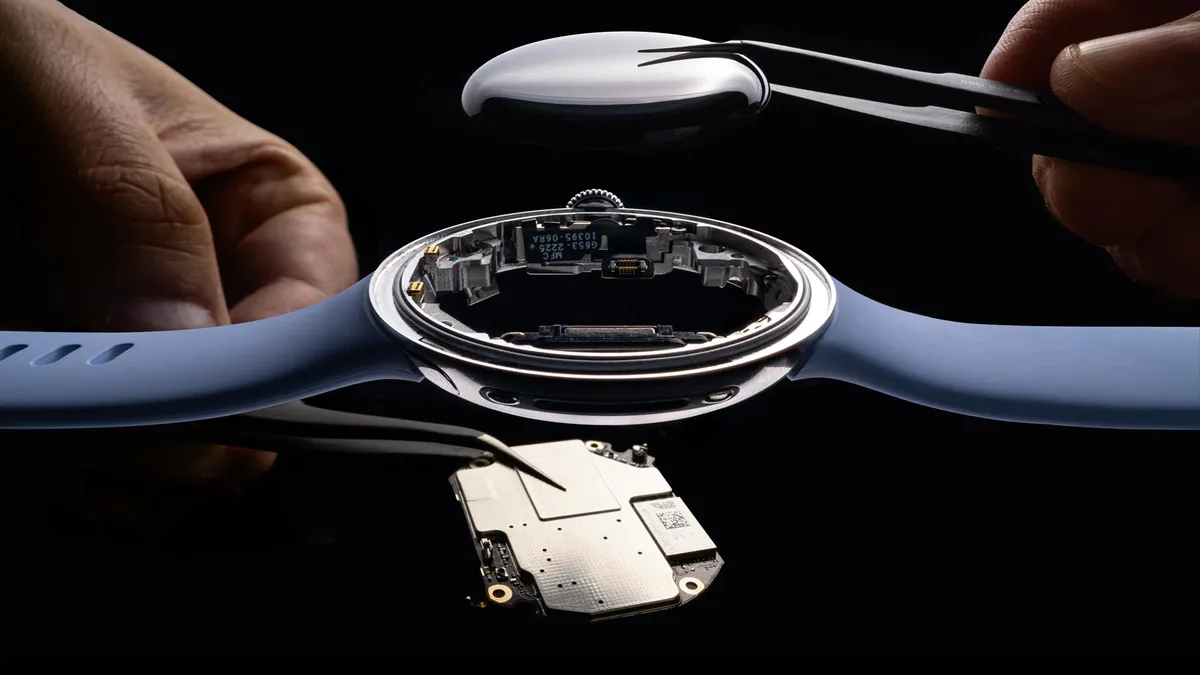





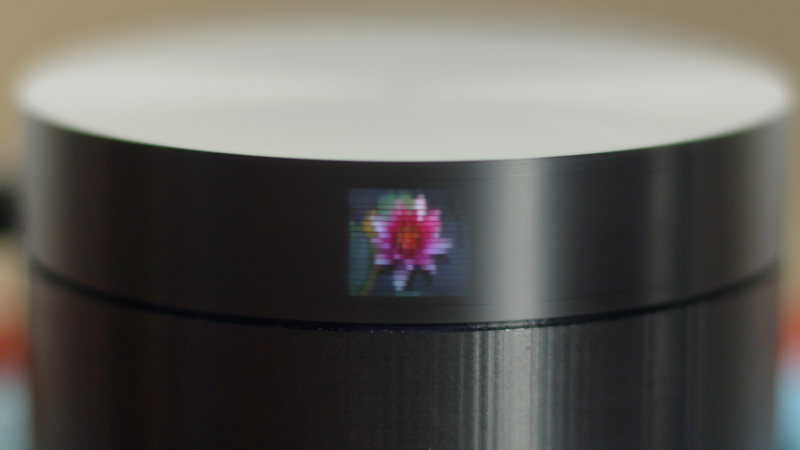
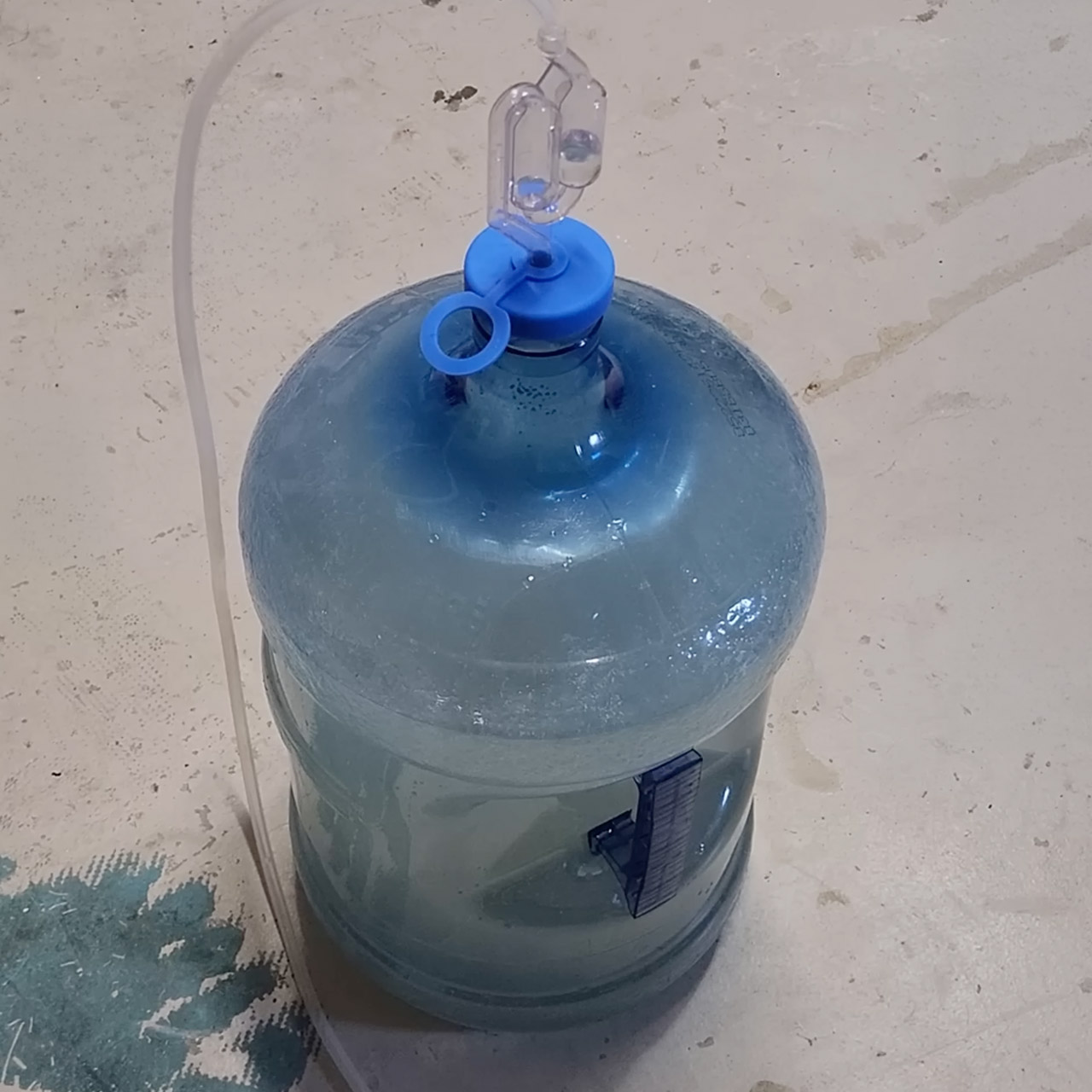


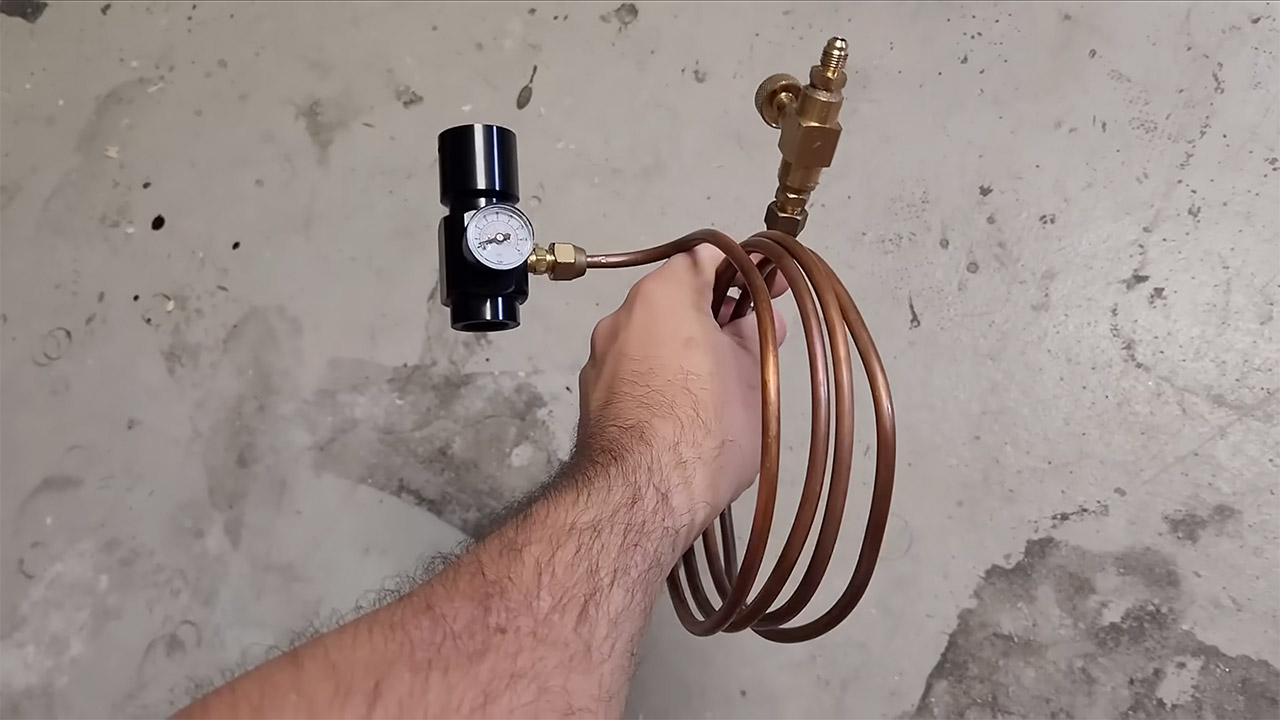
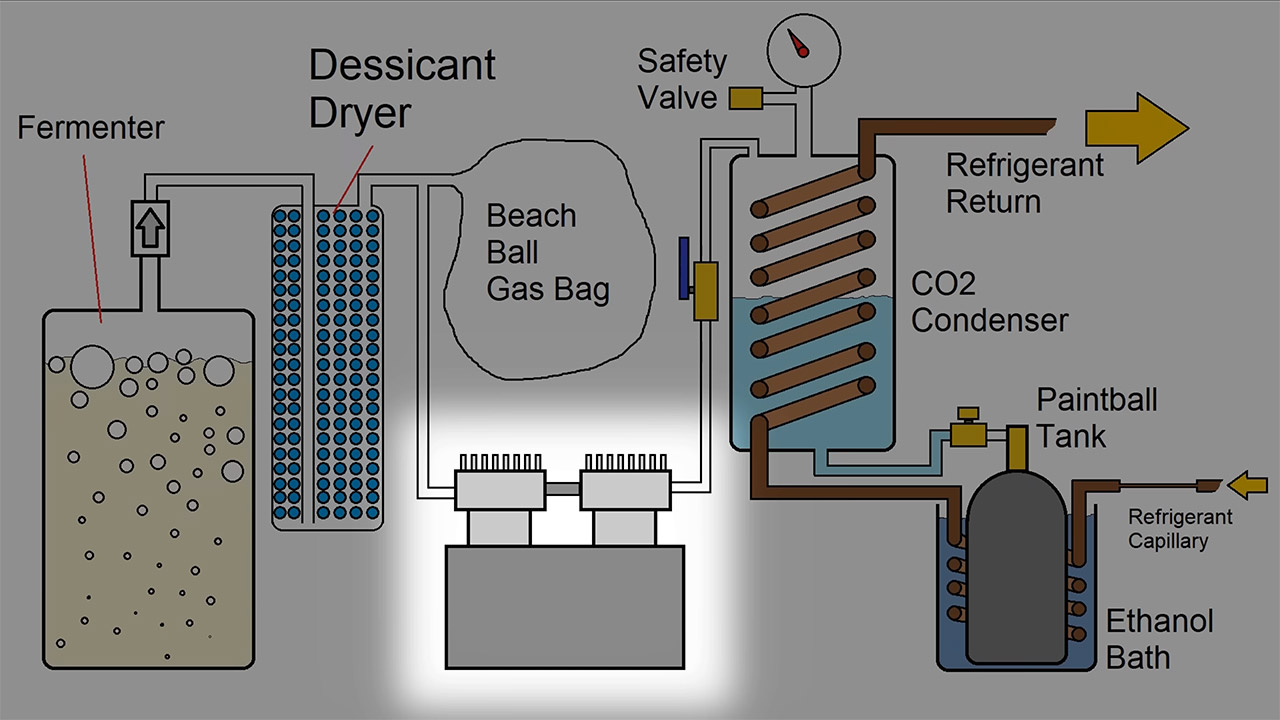
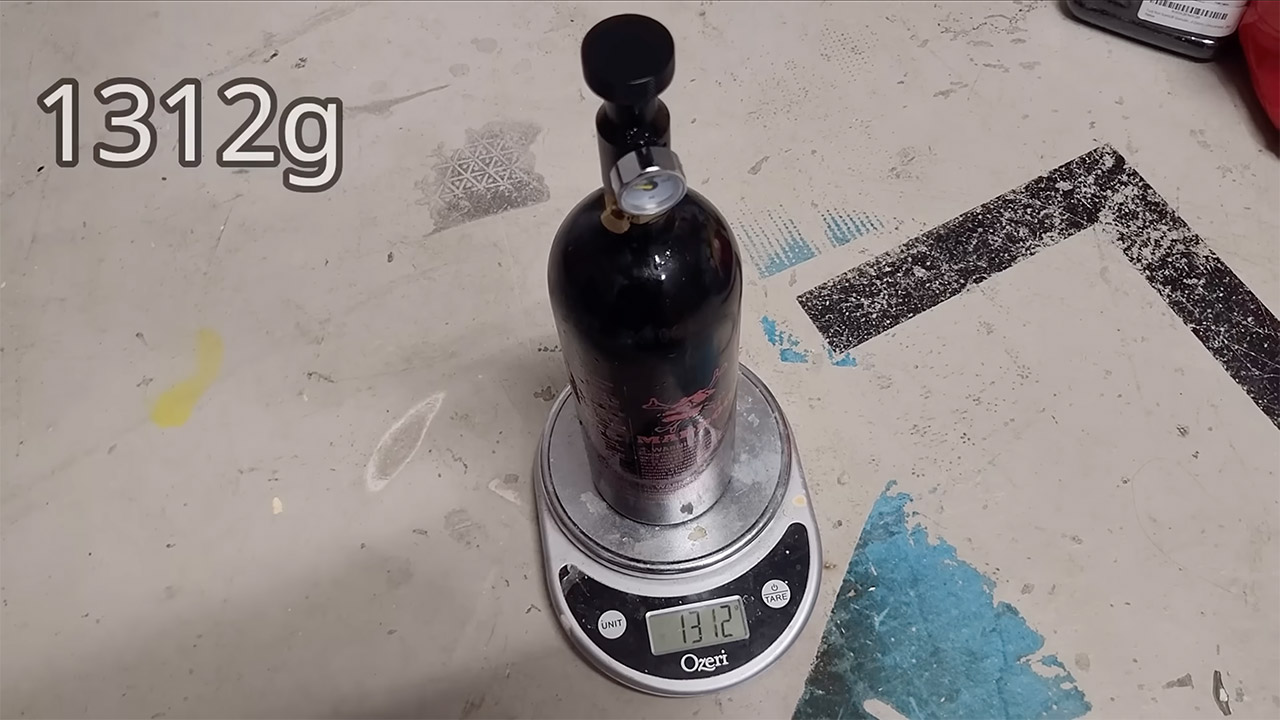
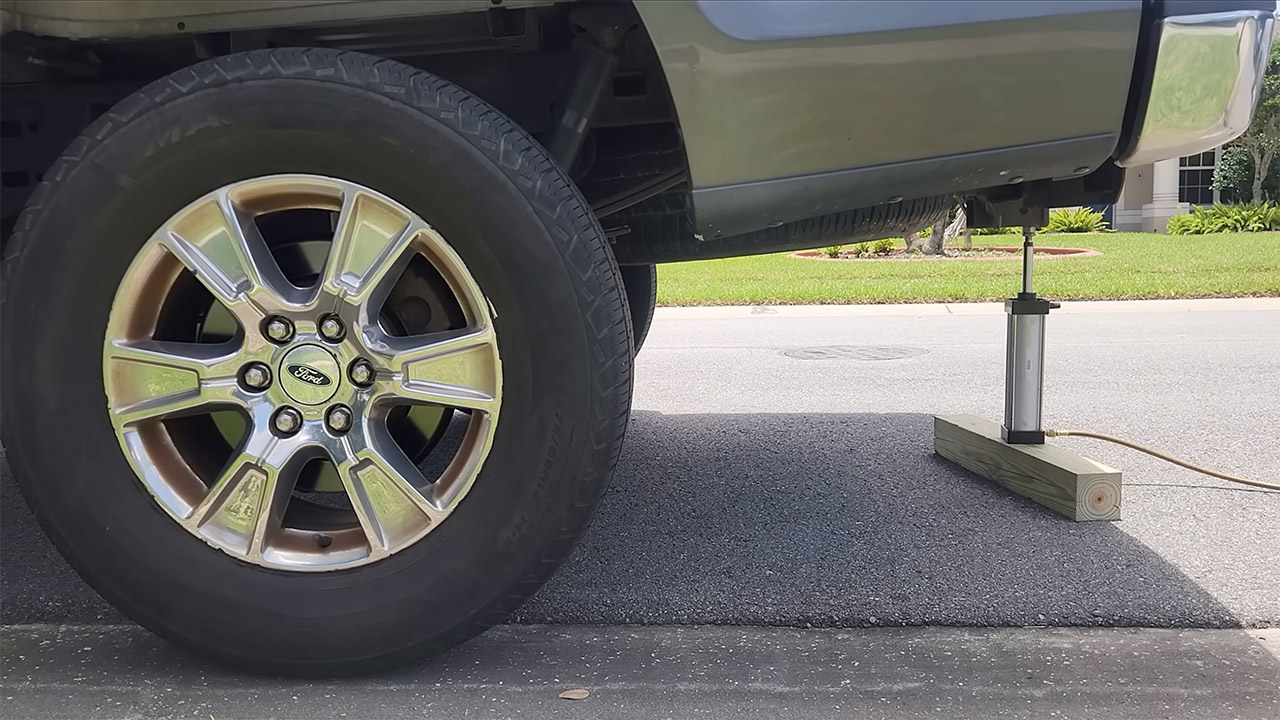


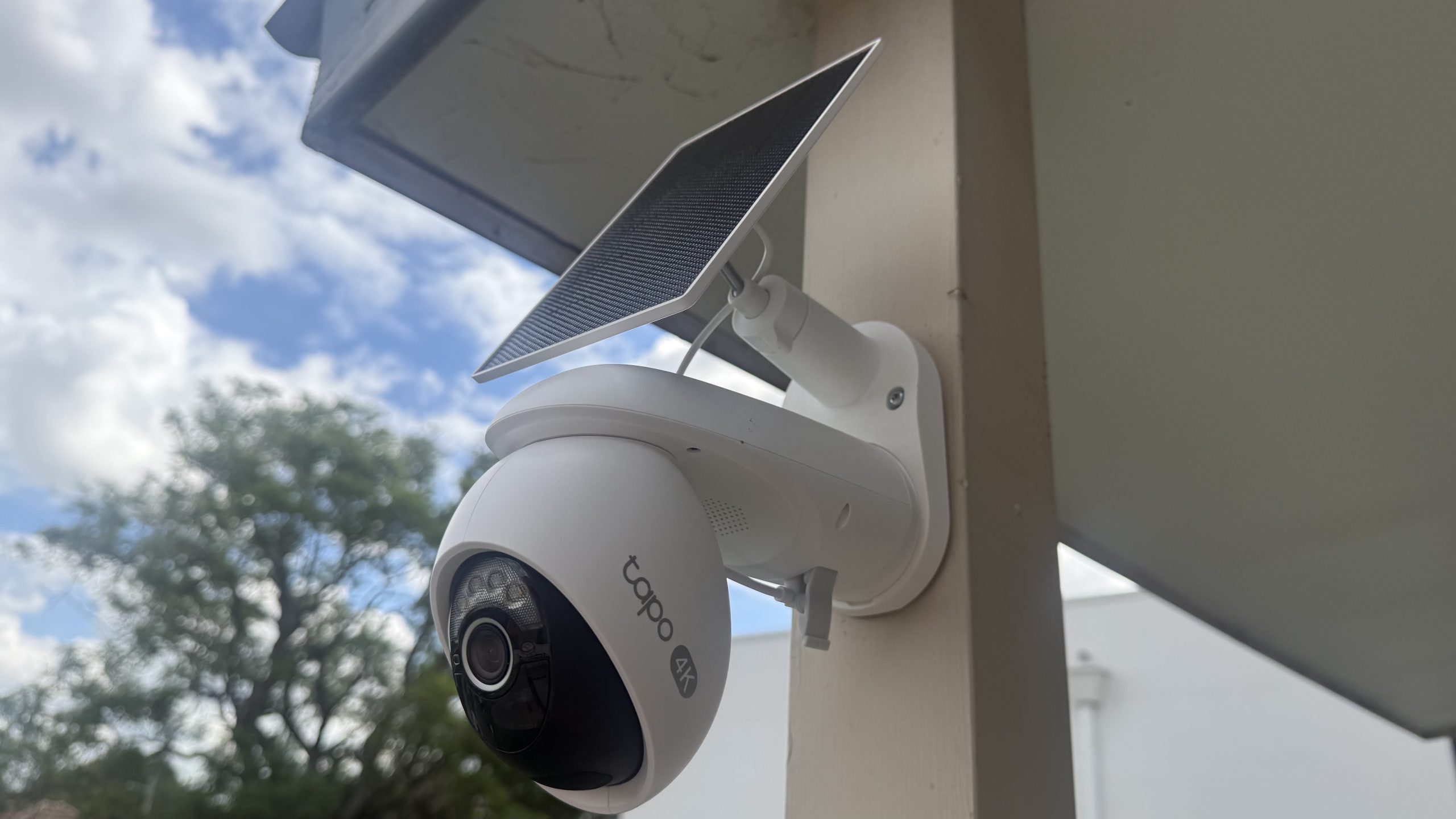



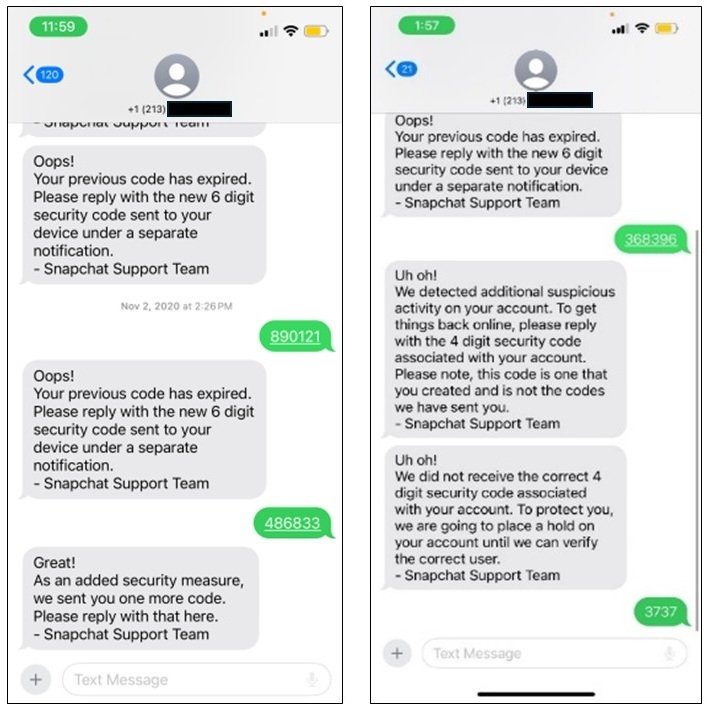










































You must be logged in to post a comment Login