

Tech
How to get the best deal on AppleCare One


Previously exclusively in the US, AppleCare One is now launching in the UK, France, Germany, and Australia, with Apple’s best insurance deal for users with multiple devices — as long as you’re careful in selecting what’s covered.
A year after it launched in the US, AppleCare One is expanding outside of the US. It’s only going to four more countries, and they’re countries you’d expect it to launch in, but that’s a start.
“At Apple, we’re focused on creating and delivering exceptional experiences,” Bob Borchers, Apple’s vice president of Worldwide Product Marketing, said in a statement to AppleInsider. “With AppleCare One, customers in the UK can now enjoy the trusted protection of AppleCare+ in a way that’s simpler and more flexible than ever before — one plan, one price, and the peace of mind that comes with knowing all their eligible products can be covered.”
Full details of the terms, conditions and all pricing have yet to be published, but based on the details provided by Apple UK, the program will cost around the same as it does in the US. It will also offer the same befits, which are:
- Up to three products covered
- Theft and Loss Coverage (for iPhone, iPad, and Apple Watch)
- Unlimited repairs for accidental damage
- Free battery replacement
- Priority access to Apple support
There are limits in that, for instance, AppleCare One users may only make up to three claims of theft or loss per year. But then there are also extra benefits in that iPad accidental damage from handling (ADH) coverage can include an associated Apple Pencil or Apple-branded iPad keyboard.
Who this does and does not work for
Users who have any single device, such as one iPhone or one iPad, should not take up the new AppleCare One option. They should use AppleCare+, which Apple has also improved.
That AppleCare+ plan used to only feature theft and loss coverage for the iPhone, but it now extends this to the iPad and Apple Watch. AppleCare+ prices vary depending on the model of device, but for example the monthly cost in the US at time of writing is:
- iPhone: from $9.99 to $13.99
- iPad: from $5.49 to $11.49
- Mac: from $3.99 to $17.99
- Apple Watch: from $2.99 to $5.99
- Apple Vision Pro: $19.99
Each of these comes with an annual version which is roughly equivalent to 10 months at the monthly rate. Note that AppleCare+ only allows annual payment for insuring displays, Apple TV, HomePod, or AirPods.
Those items can, though, be paid for monthly via the new AppleCare One. Again, non-US details will not be fully available until AppleCare One launches on August 4, but the US version does allow adding headphones, for example.
Nonetheless, users who want to insure single devices get no financial benefit from the new AppleCare One. Users who have two devices will definitely benefit if those devices include the Apple Vision Pro.
Covering the Apple Vision Pro by itself with AppleCare+ is exactly the same price as covering it via AppleCare One. So that would be like getting coverage for a second and even third device for free.
Devil in the details
There are ways in which AppleCare One’s coverage of three devices is more than the price of insuring them each with a separate AppleCare+ plan. It depends on if the devices include a Mac, which on its own ranges from $3.99 per month for a Mac mini, to $17.99 per month for a Mac Pro.
Or with the iPhone, the separate monthly cost is $9.99 for an iPhone 17e, rising to $13.99 for an iPhone Air, iPhone 17 Pro, or iPhone 17 Pro Max.
It naturally gets more complicated if you have both an iPhone and a Mac in the equation. For example, if the three devices to be insured consist of an iPhone 17e, Mac mini, and an Apple Watch SE, the total individual cost is $16.97 where AppleCare One is $19.99 and you shouldn’t go near it.
But then if the devices are, say, an iPhone 17 Pro Max, an M5 13-inch iPad Pro, and a Mac Studio, you’d save a startling $12.48 per month by going to AppleCare One. In that case, that’s a hell of a deal.
That’s if you stick to just the basic AppleCare One and its coverage of three devices. It’s possible to add a fourth or any number of more devices, for $5.99 per month each.
Do that by adding, say, an Apple Vision Pro to the example with the iPhone 17 Pro max, 13-inch iPad Pro, Mac Studio and your monthly cost goes up to $25.99. The cost of doing these separately is more than double at $57.46.
One more huge benefit
Not long ago, all of this comparison of coverage costs would be moot because you were limited to which devices could get any AppleCare. It was typically a new device, or a device bought in the last 60 days.
Now with AppleCare One, the coverage is not only cheaper for most people in most circumstances, it is broader. Instead of solely being for new devices, AppleCare One can potentially be used for Apple devices that are up to four years old.
Those devices have to be in good condition, and during online registration users are prompted through questions regarding potential damage. It’s also possible that Apple will require the device to be brought to a store for a visual inspection.
If a user is starting with a new device, then instructions for signing up to AppleCare One will be displayed in Settings. Otherwise it can be done via the Apple website using the user’s Apple Account.
Those users who already have AppleCare plans will be able to switch to AppleCare One. Apple says that their existing plans will be cancelled and a new AppleCare One plan put in place.
Apple’s best deal
As long as you check out the pricing differences between AppleCare+ and AppleCare One, this new program can represent a very significant saving. So it’s unquestionably worth examining the details once Apple has published them for the UK, France, Germany, and Australia, on August 4, 2026.
Note, though, that the US service had some teething problems with eligible devices not always being displayed. If that happens again with the new countries, there are steps you can take to get the correct coverage.


Arizona State University has launched a 120-credit bachelor’s degree in content creation that teaches video, podcasting, branding, analytics, media law, and social strategy. For their capstone, students are “expected to build a real social media account and demonstrate audience growth during the program,” reports Dexerto. From the report: The Content Creation BA is housed within ASU’s Walter Cronkite School of Journalism and Mass Communication and appears in the university’s 2026-2027 course catalog. The 120-credit-hour degree prepares students to become “an influencer and strategic storyteller” by teaching video production, podcasting, personal branding, audience analytics and social media strategy. The program was approved by the ASU University Senate in March 2026. Its proposal said graduates would be prepared to work independently as influencers and content creators across livestreaming, videography, writing, podcasting, graphics and emerging media.
[…] For the program’s final project, students will choose a social media platform, such as TikTok, create a content and growth strategy, and attempt to gain real followers throughout the semester. “They will have demonstrable audience growth,” [explained Jessica Pucci, senior associate dean at the Cronkite School]. “They will have a platform of their choice with real content and real followers and a real audience behind them.” The curriculum includes courses titled How to Become an Influencer, On-Camera Presence, Introduction to Editing, Videography, Podcasting and Audio Storytelling, Social Media Foundations and The Digital Audience.


You’ll almost never see a negative comment about the Mazda MX-5 Miata thanks to its go-kart-like handling, affordable price point, and adorable design. But there’s one problem, which was even highlighted in our own review of the latest Miata: the cabin and cargo room is lacking. Hey, nobody said the Miata was practical. However, a lot of people still wonder if they can fit golf clubs inside the Miata. I mean, cruising to the course with the top down sounds like a dream. But is it possible?
Whether you get the Sport, Club, or Grand Touring variant of the Miata, you’re getting the same cramped interior space. The headroom is 37.4 inches, the shoulder room is 52.2 inches, the hip room is 52 inches, the legroom is 43.1 inches, and the cargo volume is 4.59 cubic feet. And there are many small cars with larger trunks than the Miata.
Golf bags range in size from 34 to 38 inches for stand bags and 38 to 42 inches for cart and tour bags. Generally, a golf bag cannot lay flat inside of a Miata’s trunk since they are longer than the length of the trunk and it’s not deep enough to lay it diagonally. Even some individual clubs are too long. Alternatively, you can put the golf bag in the passenger seat if nobody is sitting there.
The delightful Miata falls short on cargo space when other sports cars don’t
For many car enthusiasts, the small cargo space of the Miata is a deal breaker despite all of its other positive features. The Miata makes for a comfortable and fun commuter, but not having room for hobby supplies and having no room for luggage does make the Miata fall short for some families. SlashGear’s Chris Davies noted in his review that “there are EVs with bigger frunks than the Mazda’s trunk” (although Ford will charge you for that now). He then added that there are is no traditional glovebox in the cabin either.
Sports cars, to be fair, are not known for their trunk space. However, there are a handful of options that can fit a golf bag if you want a weekend cruiser that gets you to the green. For example, the Honda Civic Type R has 24.8 cubic feet of cargo volume while the Volkswagen Golf GTI has 19.9 cubic feet — and both of these cars are cheaper than the Miata. If you want to splurge a bit, the BMW M3 has 16.9 cubic feet of cargo space.
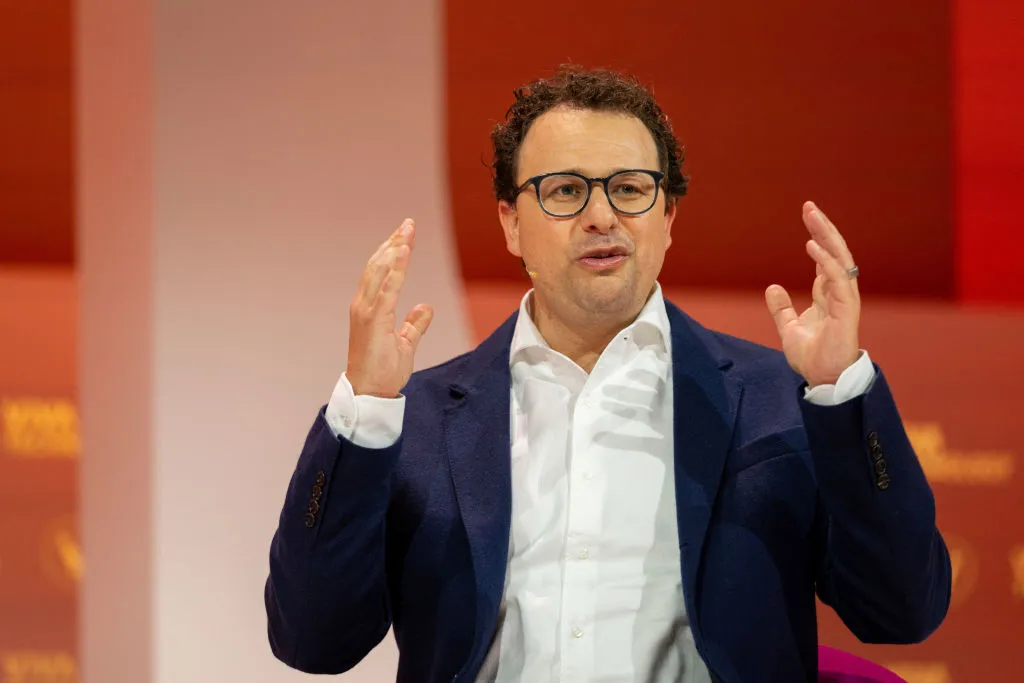
Anthropic founder and CEO Dario Amodei responded on Monday afternoon to murmuring in the industry that his company somehow supports efforts by the U.S. government to ban open-weight Chinese models, or possibly open-weight models generally.
“Anyone who has read my past writing should know that I don’t regard such bans as a useful measure, but let me state it clearly so that there is no doubt: Anthropic has never advocated for a ban on open-weights models,” he wrote, emphasis his own.
His response came after Nvidia founder and CEO Jensen Huang took to X (his first post on the platform) to share an open letter on Friday in which Nvidia and a long list of other AI companies including Hugging Face, Meta, Microsoft, Mistral, and Nvidia urged policymakers not to impose broad “premature restrictions” on open-weight AI models.
While that letter did not mention China specifically, the debate in the industry has centered on allegations that Chinese AI labs are growing in capability often by stealing intellectual property from their American counterparts. One method is distillation, where an AI bombards another model with prompts to learn how it works.
Amodei said in the blog post published Monday that he views open-weight models as falling into a different bucket than the threat China poses. “Open-weights models that don’t have dangerous capabilities are a public good: they don’t cost anything besides the compute needed to run them, and they provide value to businesses, developers, and researchers.”
Amodei said in his post that he has longstanding fears about AI, but businesses using open-weight models, even ones from China, are not among them.
His fear is that “authoritarian governments” will build models that are more powerful than those in the U.S. to achieve “permanent military superiority” and/or use AI to repress their own people. He said the Chinese Communist Party (CCP) isn’t the only authoritarian government he’s concerned about, but it is the “most capable.”
Amodei also said he fears AI will enable “biological attacks” not just cybersecurity ones. And, in his view, open-weight models are more dangerous in those scenarios because it’s difficult to apply guardrails to them or monitor their usage. He also noted, citing a UK AI Security Institute report, that once open-weights are released they cannot be withdrawn
This runs counter to what open source advocates argue: that access to powerful open models not controlled by a single entity helps defenders protect themselves.
Amodei listed actions he believes would thwart China, including restricting its access to powerful chips (which has been a longstanding U.S. policy) and calling for a formal crackdown on distillation. The U.S. has threatened sanctions against China if it determined there was IP theft involving U.S. models.
Interestingly, Amodei also said he supports growing efforts, some led by the U.S., to create a model safety testing organization, especially if the entire world, including China, agreed to submit to it.
“I think this idea is actually close to a consensus: I have been heartened both that the Trump administration has moved in this direction in recent months, and by recent industry proposals that would apply such testing to the most capable models regardless of their country of origin or whether they are open or closed (while exempting less capable models, such as those from startups and academia, entirely),” Amodei wrote.
“Note that to be effective,” he added, “testing would need to be global, which means even the CCP would need to be on board. I think this may actually be possible … limited cooperation around preventing AI biological weapons may be possible because it is in China’s interest too.”
When you purchase through links in our articles, we may earn a small commission. This doesn’t affect our editorial independence.
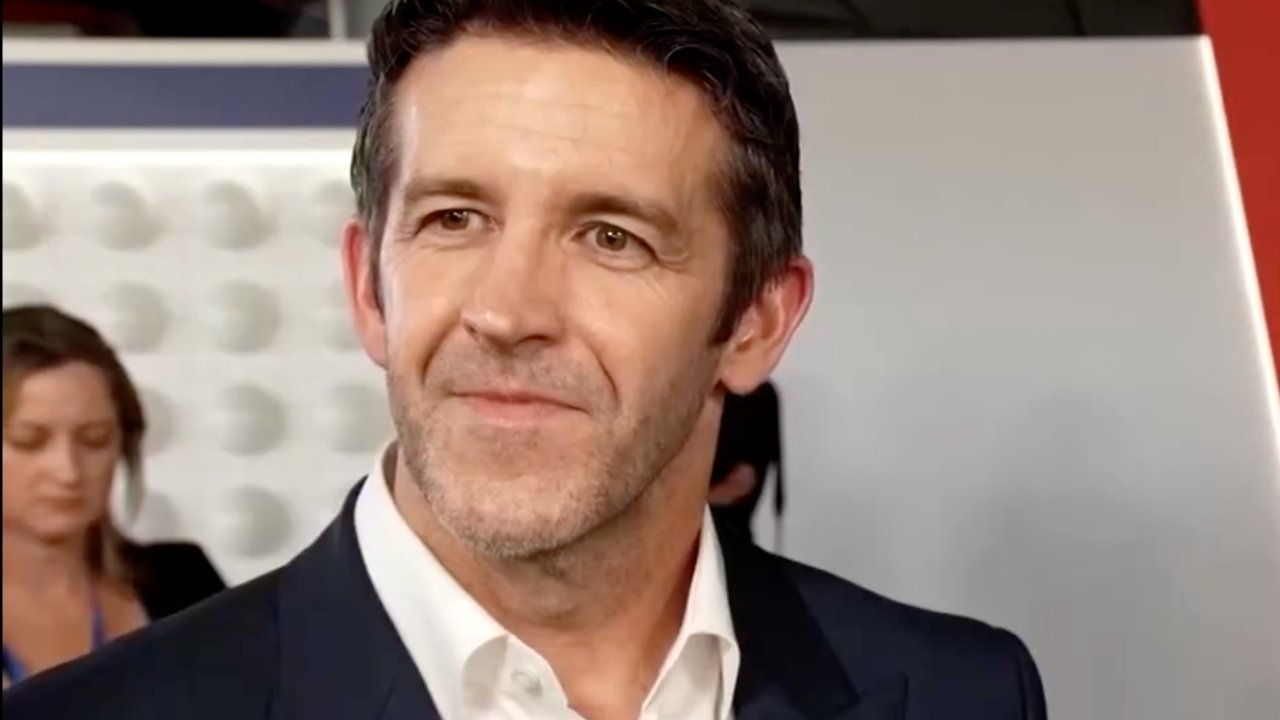
It’s not as if John Ternus was likely to shut down Apple TV, but he has now affirmed that it will continue to develop when he becomes Apple CEO.
If you subscribe to the argument that Apple should be making hardware devices instead of TV shows, you could have expected engineer John Ternus to agree. Or at least that his focus as CEO would be on devices instead of movies.
Speaking at the launch of the new fourth season of “Ted Lasso,” Ternus said all the right things to reassure Apple TV viewers and staff. According to Reuters, he described Apple TV as amazing.
“I think we have such tremendous momentum right now on Apple TV,” he said. “There’s so many amazing shows, so many amazing characters and stories, and so we’re just gonna keep building on that momentum.”
Tim Cook was also at the “Ted Lasso” launch and talked about the aims he has had since the start of the streaming service in 2019. “Our role is to be the best, that’s our lane,” he said.
“We’re not about the most, there are… other companies that do that,” he continued, “but we’re about the best, and I feel like we really hit our stride in providing that.”
Cook also said that the intention with Apple TV is to produce shows where the company thinks it can be unique. “Where we can innovate in a way that others might not be able to,” he said.
Season four of “Ted Lasso” was launched on July 27, 2026, at the Academy Museum in Los Angeles. It’s debut on Apple TV is on August 5, 2026.
Tech
Trump Officials Want To Use Human Rights Aid To Advocate For White South Africans And Right-Wing Causes In Europe

from the state-department-is-run-by-white-nationalists dept
This story was originally published by ProPublica. Republished under a CC BY-NC-ND 3.0 license.
For decades, the U.S. Department of State gave money to groups protecting free speech, human rights and persecuted minorities in poor and authoritarian countries.
To decide what to fund, staffers with deep expertise typically pored over reams of information on abuses under the most repressive regimes and held an open competition to fund groups to work in those countries.
This year, Trump administration officials presented State Department workers with their own list of organizations that should be funded. To the shock of many staffers and lawmakers, they proposed at least a dozen grants that would bypass the normal open bidding process. They also sought to give taxpayer dollars to groups aligned with conservative and anti-immigration movements in Europe as well as advocates for white South Africans, according to interviews and documents reviewed by ProPublica.
Among the organizations appointees have considered funding in recent months are a British free-speech organization that has fought against bans on “gay conversion therapy” and an Afrikaner group run by a controversial figure who has called for self-governance of the white ethnic minority within South Africa.
This type of giving would mark a stark departure from the traditional aid that helped torture victims and documented rapes, political violence and other abuses in some of the most oppressive countries in the world, according to more than a dozen former State Department employees. One new program with $4.9 million of competitive funding available to groups to develop “civilizational self-confidence in Europe” is slated for “research, conferences, cultural engagements, and support for civil society” in wealthy democracies. The call for proposals says recipients should “not attempt to reform the legislative processes,” but experts and lawmakers have expressed concern that the U.S. is seeking to influence politics in allied countries.
That emphasis on Western nations was evident in a grant the State Department has been working on for months to a fledgling British American think tank dedicated to “renewing our Judeo-Christian culture and civilisational mission.” After pushback from Congress, the State Department abandoned those plans in recent days.
“I’ve never before seen U.S. government funding for such groups,” said William Allchorn, a senior research fellow at Anglia Ruskin University and an expert on radical-right extremism in the United Kingdom. “It’s crossing the Rubicon, isn’t it?”
A review of proposed grants shows several are being directed to more traditional human rights purposes, but even some of those have raised concerns in and outside the State Department.
Strict agency rules have long required an open bidding process whenever possible to guard against waste, fraud and abuse. Generally, the State Department is allowed to offer awards directly to a single entity or to a small group of potential grantees in rare instances, such as when only one organization is capable of the work or an emergency necessitates providing money so quickly that open competition is impossible. It has also used such “sole-source” and “limited-source” awards, which are not publicly announced, in highly sensitive countries where openly working on human rights can be dangerous.
None of those justifications appear to apply here, according to contracting experts and former staffers consulted by ProPublica. The situation is all the more concerning, they said, because Trump officials handpicked the potential recipients, decisions previously made by a panel of government experts who evaluated applicants based on the organizations’ experience and qualifications.
“It’s not good governance to have political appointees give grants to individuals for unknown reasons,” one former bureau staffer said.
Directing awards to organizations in high-income countries further complicates the funding. The practice is so unusual that an internal waiver justifying the choice is typically required.
The State Department did not answer when asked whether it had sought waivers for the grants to high-income countries.
During private briefings this month, members of Congress expressed concern over both the list of potential recipients and the plan to award no-bid or limited-bid grants, according to officials familiar with the closed-door meetings who weren’t authorized to publicly discuss them.
In response to a detailed list of questions about this story, the State Department sent a short written response, noting that “programs are still in active deliberation and receipt of a grant is not guaranteed to any organization that does not meet all requirement and standards for federal grants.” A State Department official who declined to be named stressed that the process for awarding grants was ongoing and that multiple offices provide input. They also said the administration has serious concerns about the human rights situation in South Africa that need to be addressed.
Asked about the potential grants, Sen. Jeanne Shaheen, a Democrat from New Hampshire and the ranking member of the Senate Committee on Foreign Relations, said Congress expects the State Department “to invest resources to advance human rights, democratic institutions, civil society, freedom of expression and worker rights” and that the proposals are “an appalling departure from that practice and an affront to our democratic allies.”
“These awards suggest that the Department intends to select awardees for federal funding based on their political ideology,” Shaheen said, “not in the interest of American taxpayers or national security.”
Internal records and interviews show one of the key figures involved in the grants is Samuel Samson, a 27-year-old deputy assistant secretary of state who previously worked as a fundraiser for a group that aims to bring people with an “America first” worldview into government.
On the day of President Donald Trump’s second inauguration, Samson started work as a senior adviser to the Bureau of Democracy, Human Rights and Labor, also known as DRL, the State Department unit that selects and distributes the human rights grants.
Over the past 18 months, he has courted far-right leaders in Europe, an area with which he believes the U.S. shares a “common civilizational struggle.” In recent weeks, Samson has defended the agency’s grantmaking plans during private meetings with lawmakers.
One group expected to receive a no-bid grant is the Free Speech Union, a British organization founded in 2020 to counter “cancel culture.” The group often steps in to defend people accused of being transphobic and has created a petition opposing the U.K.’s proposed ban on discredited therapy practices that attempt to convert gay people to heterosexuality. It’s unclear if the grant would go to the British-based organization or its international offshoot. The $5 million grant is to be used to combat “digital overregulation,” provide support for individuals facing “deplatforming” and advocate against “restrictive online safety and hate speech laws,” according to a document reviewed by ProPublica. Trump officials met with the group during a European tour late last year, according to Politico.
Scholars said the U.S. government’s support for these groups could give them a layer of legitimacy they wouldn’t otherwise have.
“We see them as intellectualizing or sanitizing radical-right ideas that are then taken up by the parties in power,” said Allchorn, the U.K. extremism expert.
The Free Speech Union’s website says it is nonpartisan and does not take government funds. In response to questions from ProPublica about the potential grant, the organization’s founder, Toby Young, said, “We have neither applied for nor been awarded a grant from the US State Department or any other branch of the US Government.” He did not respond to criticisms about the award or his organization.
The largest award the bureau has put forward this year, $40 million, is for the Victims of Communism Memorial Foundation, which was created by Congress and signed into law by President Bill Clinton. The foundation’s goal is to memorialize those killed by communist regimes and pursue freedom for people still living under totalitarian rule.
The proposed sum is staggering to people familiar with the State Department’s allocation practices and would dwarf the organization’s budget. Victims of Communism has received a handful of government grants in the past, but for much smaller sums. Its most recent publicly available tax forms, from 2024, show its total assets come to about $12 million. Four sources familiar with the foundation’s previous U.S.-funded work questioned its ability to manage such a large award.
Samson has a personal connection to the organization. The foundation’s board chair, Elizabeth Spalding, is a visiting fellow at a graduate school branch of Hillsdale College in Washington, D.C.; Samson was enrolled in the same small graduate program of the Christian conservative college as recently as this year, according to his LinkedIn profile (which is no longer publicly available). Spalding’s husband, Matthew, is that graduate school’s dean, and Samson has taken classes with one or both of them, according to a State Department official.
The State Department official who declined to be named said Samson’s relationship with the Spaldings had nothing to do with the grant.
The foundation’s proposed award is to “amplify the voices of dissidents and political prisoners while educating global audiences about the dangers of communist and authoritarian regimes,” according to a document reviewed by ProPublica.
In response to questions from ProPublica about the award and concerns about its ability to manage it, the foundation said it was not aware of the proposed funding, but “if true, the 100 million victims murdered by communism in the past, and another 1.5 billion men, women, and children still enduring communism today will rejoice.”
The State Department declined to comment on awards in process but noted that Victims of Communism has long worked with the State Department. “As President Trump has said, communism is a mortal threat to American liberty — and as Secretary Rubio has repeatedly emphasized, America will not allow radical extremists to undermine our sovereignty and national security,” the agency said in a statement. “Our foreign assistance programming is aligned to support our strategic priorities.”
Trump officials are also planning to finance at least one organization to research crime and atrocities against minority populations in South Africa. This spring, DRL staff were initially told to begin the process of awarding funds to Lex Libertas, a South African organization founded by a prominent member of the nation’s white Afrikaner movement. The group, which claims that white South African farmers are victims of racial discrimination and violence, is fundraising to place 3,000 white crosses on the National Mall in remembrance of attacks on South African farmers.
The proposed award to fund the South African crime research was later widened to allow other invited groups to apply for a $1 million grant, according to people with knowledge of the process. The State Department declined to say whether Lex Libertas will be among those invited to compete, saying the grant is still under deliberation.
Extensive research shows white South African farmers are not victims of crime at higher rates than other groups. But Trump has argued there is a genocide of white South Africans and is using claims that white people are subjected to disproportionate violence to justify cutting off South Africa’s funding for HIV treatment and research.
Former diplomats told ProPublica that it makes little sense to focus on the victimization of white South Africans given the enormous suffering elsewhere in the region. “It’s laughable to suggest that on the African continent, the prime issue of human rights concern is whites in South Africa,” one former agency official told ProPublica.
Lex Libertas did not respond to questions.
One of the most controversial grants that officials singled out for funds was recently dropped, the State Department official told ProPublica. The decision came after Democratic lawmakers raised objections during briefings last week about the months-old organization and its agenda. That grant was to 878, a British American think tank created this year focused on “existential threats to Britain, to America, and to our shared Judeo-Christian civilisation,” according to its website. The sole-source $7 million grant aimed to advance “Anglo-American values” in the U.K., Europe and “allied partner countries,” according to a document ProPublica reviewed.
878 did not respond to questions.
Since creating a bureau to focus on human rights in 1977, the State Department has championed human rights and democracy in more than 100 countries. Its awards have sought to support documenting and investigating rapes committed during political violence in Burma; preventing torture in Tunisia and rehabilitating torture survivors in Syria; and combating pervasive sexual violence in Mauritania.
Since at least 2011, as anti-LGBTQ+ laws and violence spread globally, the bureau added a specific focus on people persecuted for their sexual orientation or gender identity.
Throughout most of its existence, DRL has enjoyed bipartisan support. Democrats applauded its championing of international labor standards and marginalized communities, while Republicans favored its defense of democratic freedoms in China, North Korea, Cuba and other communist countries. As a senator, Marco Rubio was a strong supporter of the bureau and human rights broadly, once arguing from the Senate floor that safeguarding the freedoms of gay men who were persecuted in Chechnya — and all people — was in the national interest. In 2018, he urged the president to appoint an assistant secretary to oversee DRL, a post Trump had left vacant for over a year.
But after Rubio became secretary of state in January 2025, the fate of DRL dramatically changed. Trump suspended all foreign aid in his first week in office. Within months, cuts by Trump’s newly installed Department of Government Efficiency decimated the bureau, and Rubio closed most of its offices. In April 2025, Rubio published a Substack post smearing the bureau he once championed as “a platform for left-wing activists to wage vendettas against ‘anti-woke’ leaders.”
Samson also sent shock waves through the bureau. In March, he traveled to the U.K., meeting an anti-abortion protester and the anti-immigration politician Nigel Farage. In his own essay on the State Department’s Substack, Samson lashed out at the U.K. for arresting anti-abortion protesters and at Germany for labeling its hard-right Alternative for Germany party “extremist,” likening the countries’ actions to the “censorship, demonization, and bureaucratic weaponization” used against Trump.
Meanwhile, DRL’s remaining skeleton crew was tasked with removing trigger words from documents. “We would try to talk about human rights defenders in talking points, only to have them struck,” said one former bureau employee, requesting anonymity for fear of retribution.
“We went from having a real, dynamic appreciation for individuals and their human rights and fundamental freedoms to erasing that, especially if individuals were part of an underrepresented group or marginalized community,” the former employee said.
The bureau is working with a severely reduced budget — about $190 million compared with over $500 million in 2024. Now the administration is preparing to put money behind its new priorities.
“We’re just implementing the agenda of the president as we’ve been directed through the national security strategy and the White House,” the State Department official told ProPublica.
Filed Under: bigotry, donald trump, europe, racism, samuel samson, south africa, state department, uk
Companies: free speech union, lex libertas
Washing machines can save us a lot of time and effort when it comes to keeping our clothes clean and fresh. But like many appliances in our home, they also require cleaning themselves to be able to operate properly. While Whirlpool washers are known to usually last around a decade, this number isn’t set in stone. In reality, how long your machine will last really depends on how well you’ve taken care of it.
While some signs that a washing machine is about to break can be quite obvious, others can take more time to spot. However, if you notice that your machine also isn’t draining properly before, during, or after a wash (or you’re getting drainage-specific error codes), there’s a big chance that you need to look at your drain filter. In that case, you’ll need to find it on the bottom of your washing machine — possibly from behind its storage drawer, depending on the model you have.
When washing our clothes, it’s normal for lint and debris to clump together. In some cases, things like coins, buttons, and other small items also end up where they shouldn’t be. Because of this, manufacturers included a drain filter to prevent foreign objects from damaging your washing machine. Once it gets packed, we need to clean the drain filter so it continues to do its job. First, it’s always a good idea to turn off and unplug it first to avoid electric shocks. Finding the filter from there is a simple matter, but accessing and cleaning it could be another story.
How to find amd remove your Whirlpool washing machine drain filters
On Whirlpool washing machines with storage drawers, the drain pump filter is located behind the dispenser drawer that is found at the bottom part of the machine. To remove the drawer, you’ll want to press the tabs located on both sides. On the right side, you’ll need to release the tab by pushing it down. On the left side, you’ll want to pull the tab upwards. But if you have a Whirlpool washing machine without a storage drawer, you won’t have to go through all of this since you can easily access it from the panel door.
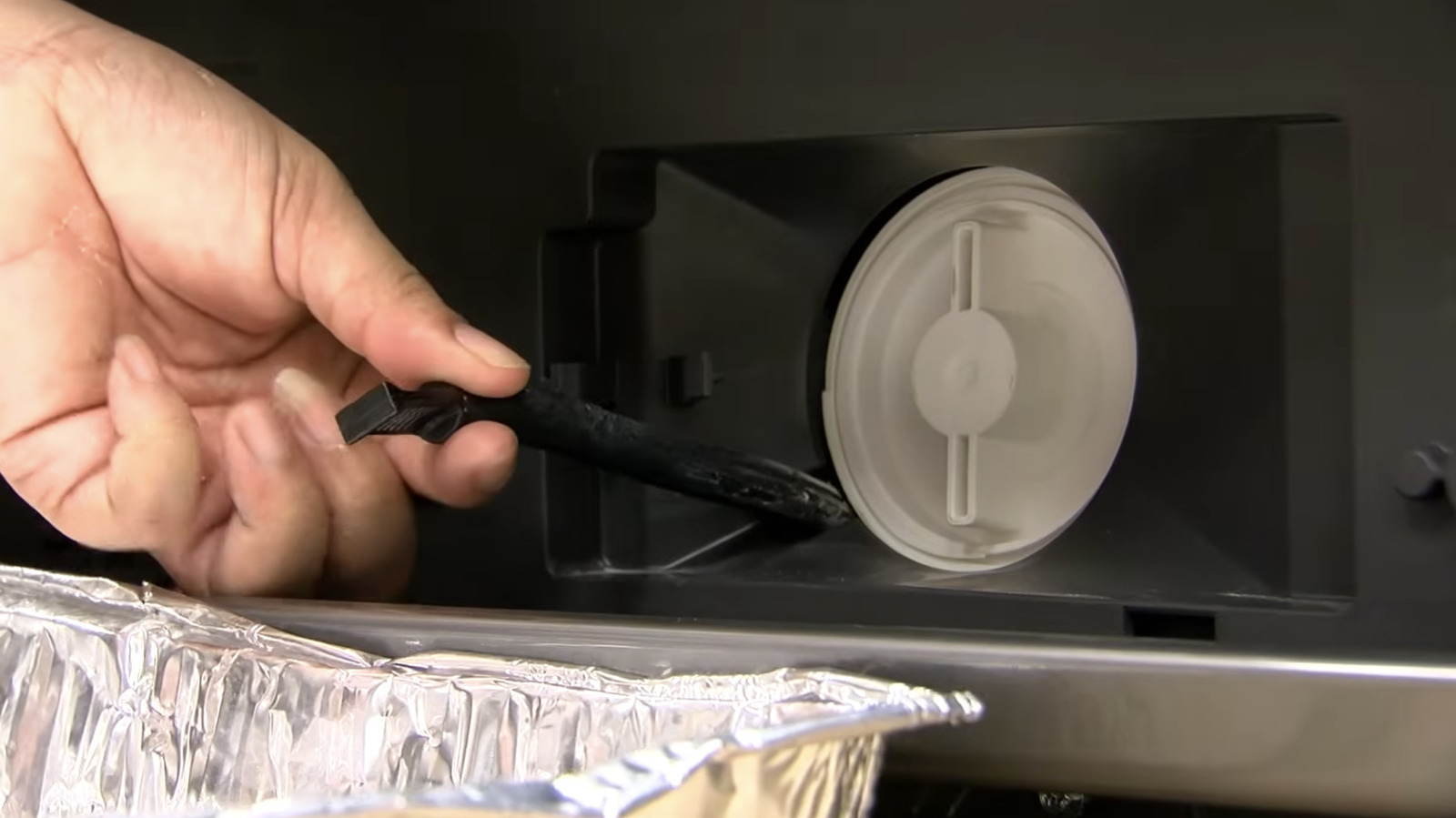
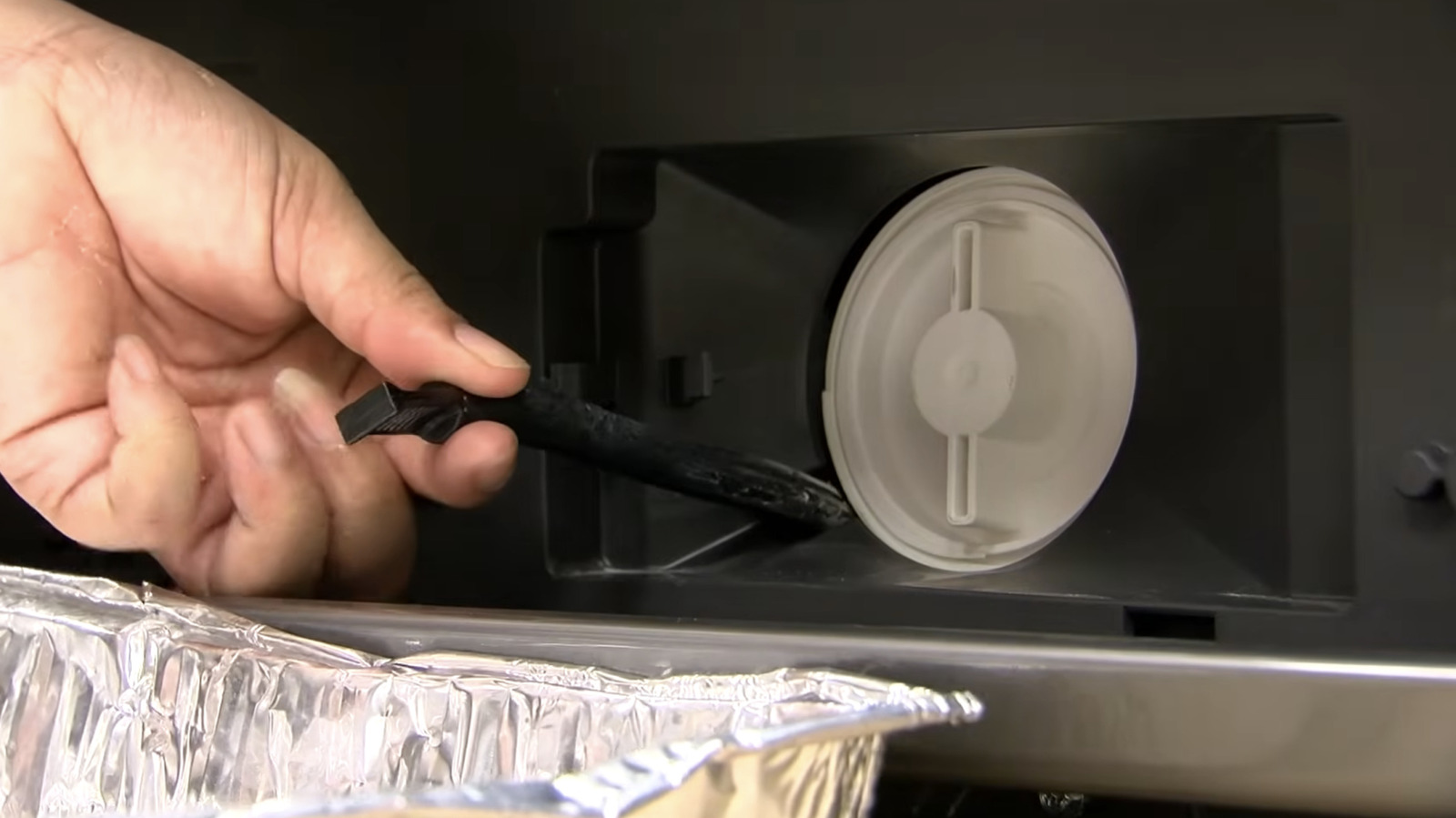
Once you’ve found your drain pump filter, the process for cleaning is the same. First, you’ll want to manage the possible spills by having either a shallow tray or broad flat container on-hand to catch both the water and the debris. Grab the black hose, remove its plug, and drain the water into a container. After you’ve drained it completely, put back the plug and return the black hose to its clip. Next, rotate the drain filter counterclockwise to remove it. You’ll be able to remove the clumps of hair, lint, and other debris with your hands. Once all the big clumps are gone, you can rinse the filter with water before putting it back. Then, either close their access panel door or re-insert the storage drawer until you hear the rails lock into place. Lastly, grab a towel to wipe down any accidental spills.
How often should you clean your washing machine drain pump filter?
Two of the most obvious ways that the drain filter needs cleaning is when the water doesn’t drain properly or you see a drain-related error code (such as F9 E1) on your washing machine. However, other signs that you should also look out for include weird sounds, clothes smelling bad, or the drum not spinning. If you don’t want to wait until your washing machine starts having problems, just know that Whirlpool doesn’t list an official recommended cleaning frequency. But professional cleaning service Home Alliance mentions that it should be done every two to four months. And, of course, you’ll want to consider doing it more often if you’ve been washing heavily soiled items or pet beds after a particularly bad shedding season.
Most people don’t really clean their washing machines often enough, so if you’re already working on your drain pump, you might as well do everything else too. To cover all your bases, you can check your specific washing machine’s care guide, since there are slightly different steps for front and top load models. But if you don’t have access to these anymore, Whirlpool has a great guide that you can follow which includes using affresh tablets inside the tub, machine cleaning wipes for the dispensers, around the doors, and the outside of the unit. You can also manage mold by leaving the door open every now and then run cleaning cycles.

realme has announced new milestones for its P Series in India. The company said the lineup continues to see strong demand on Flipkart. According to realme, the P Series became Flipkart’s best-selling smartphone series by sales volume from July 1, 2026. The achievement adds to the lineup’s strong performance during the first half of the year. It also comes at a time when India’s smartphone market is facing slower growth.
In the first half of 2026, Realme managed to occupy the second position in terms of its market share on the platform. However, the good performance was noted across various price ranges. Realme managed to lead in the ₹10,000 to ₹15,000 price range while securing top-three positions in the ₹15,000 to ₹20,000 and ₹20,000 to ₹25,000 price ranges. These achievements, according to the company, highlight the increasing popularity of the P Series.
Market Growth and Company Strategy

As reported by Counterpoint Research, the Indian market for smartphones experienced a 10% drop in the second quarter of 2026. However, despite the slowdown in the market, Realme still succeeded in becoming a stronger player. The company’s market share grew from 9.6% in Q2 2025 to 10% in Q2 2026.
The company is also preparing for the second half of 2026 by investing more than ₹10 crore in co-created marketing campaigns. Through these efforts, realme hopes to connect with more consumers, strengthen its position before Diwali, and continue growing its share in the Indian smartphone market.

Chinese tech giant Baidu has started testing autonomous vehicles in London as part of its partnership with Lyft and Freenow, the German taxi and multi-mobility app that Lyft now owns. Baidu is the latest in a string of companies to test self-driving technology in the UK ahead of commercial robotaxi deployments.
The testing, which began Tuesday with human safety operators, comes nearly a year after the two companies struck a strategic partnership to deploy Baidu’s purpose-built Apollo Go RT6 robotaxi across key European markets through the Lyft platform. The vehicles will eventually be available through Freenow, which Lyft acquired in 2025 for about $197 million.
That deal gave Lyft a foothold in Europe’s ride-hailing market, where a handful of well-funded companies are now jockeying to be first to market with robotaxis.
London is particular is shaping up to be a key battleground in the region. In April, Waymo began testing its autonomous vehicles with human safety operators in the city. Uber and its self-driving tech partner, Wayve, also announced plans to launch a robotaxi service in London this year. That initial service — which customers can now sign up for on an interest list — will have human safety operators behind the wheel before fully driverless operations begin later.
Baidu and Freenow by Lyft (as the latter service is now called) said they expect to invite the public to hail their robotaxis in 2027. The companies, which didn’t provide a more detailed timeline, noted that the launch will depend on regulatory approval.
For now, dozens of test vehicles will operate within London’s borough of Brent. Lyft and Freenow said they continue discussions with safety and city officials, including Transport for London (TfL) and the Centre for Connected and Autonomous Vehicles (CCAV). The UK government is in the process of creating autonomous vehicle regulations and opened applications in May for companies interested in an AV pilot program that lets companies test self-driving vehicles under government oversight.
When the service does launch, Freenow by Lyft said it will operate a hybrid network — employing the same language rival Uber has used — meaning human drivers operating taxis and private-hire vehicles will work alongside the robotaxis.
“As a platform with deep roots in the taxi industry, our priority is ensuring that autonomous technology supports the professional drivers who keep London moving,” Thomas Zimmermann, CEO of Freenow by Lyft, said in a statement.
When you purchase through links in our articles, we may earn a small commission. This doesn’t affect our editorial independence.

Baidu’s Apollo Go RT6 will start appearing in the UK capital, with test drivers aboard to start with.

As it promised last year, Baidu has started testing its robotaxis in London along with partners Lyft and Freenow, the companies said in a press release. Baidu’s Apollo Go RT6 will start appearing in the UK capital (with test drivers aboard to start with), while Lyft and and Freenow, the German taxi company Lyft now owns, will take care of booking passengers starting next year.
The trials are part of the partnership between Lyft and Baidu, with the aim of eventually deploying thousands of autonomous vehicles across Europe. To expedite that plan, Lyft acquired Freenow last year to take advantage of its large taxi network operating in the UK and Germany.
Lyft and Baidu are the latest companies to announce robotaxi testing plans in London. Earlier this year Waymo started testing its Jaguar I-Pace vehicles in the city with human safety operators aboard. Uber and its own self-driving partner, Wayve, are also preparing to launch trials this year and are now allowing customers to sign up on an interest list.
Dozens of Baidu’s Apollo Go RT6 vehicles will be operating as part of the tests in the Brent borough of London, the companies said. The network will eventually operate alongside Freenow’s established taxi and private hire network. The Baidu robotaxi service will be called Freenow by Lyft and expects to invite the public to reserve rides sometime in 2027.
The exact timeline will depend on regulatory approval, in coordination with Transport for London (TfL) and the UK government. The latter is in the midst of drafting autonomous vehicle rules and recently launched a robotaxi pilot program.
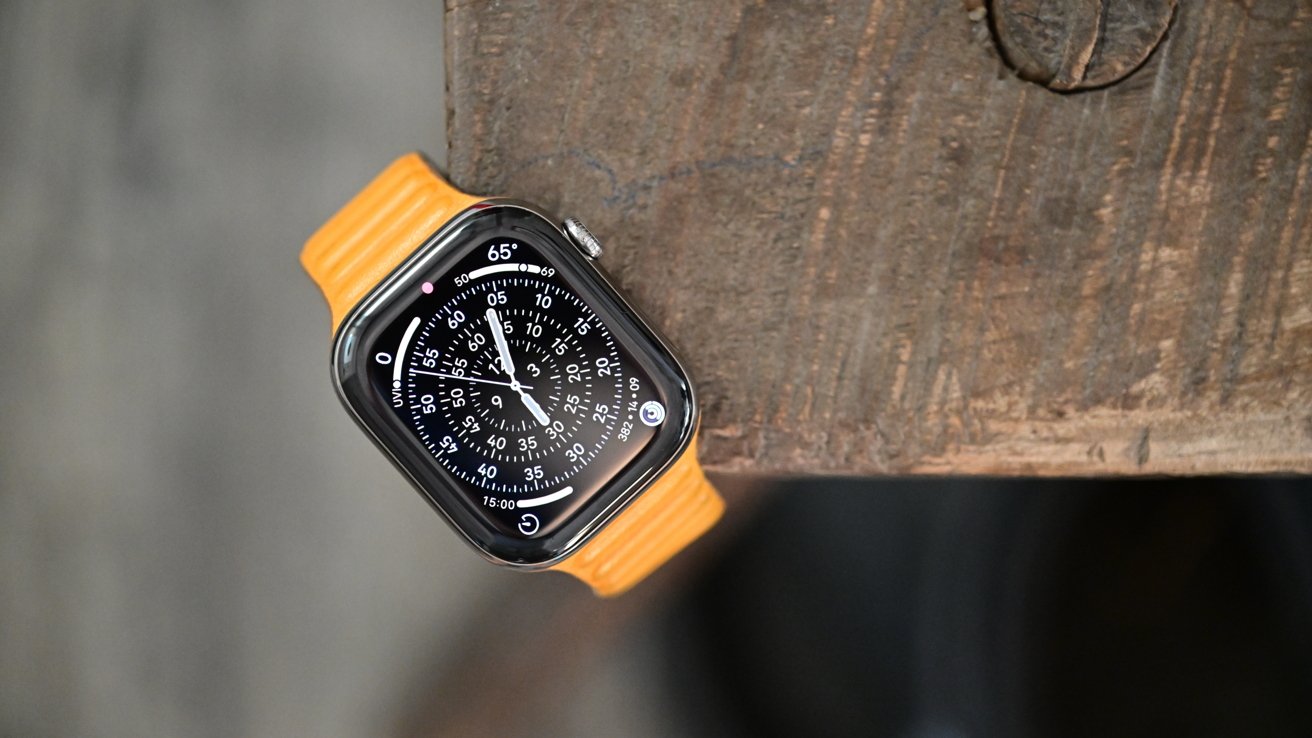
It’s time to update your Apple Watch, but don’t get too excited; watchOS 26.6 doesn’t appear to have any significant new features.
Apple has just released watchos 26.6, a relatively minor update. This time, watchOS 26.6 is build number 23U67.
Because there’s nothing mentioned within the software notes, it’s a safe bet that any updates are focused on stability improvements and bug fixes. This isn’t surprising, as Apple Watch receives relatively few updates between major cycle upgrades.
Even barring any exciting updates, it’s still a good idea to go ahead and update your Apple Watch. These minor updates are critical for keeping your Apple Watch running smoothly.
The Apple Watch will update on its own over the air. However, if you want to force the update, you can do so by following the steps below.
How to update to watchOS 26.6
- Ensure the Apple Watch is charged to at least 50% and connected to Wi-Fi
- On your Apple Watch, open the Settings app
- Tap General
- Tap Software Update
- Tap Install if a software update is available
- Follow the on-screen instructions
How to update to watchOS 26.6 via iPhone
- Ensure your watch is charged to 50% and connected to Wi-Fi
- On your iPhone, open the Apple Watch app
- Tap General
- Tap Software Update
- Download the update if it is available
- Follow the on-screen instructions

Sarah Michelle Gellar Flaunts Her Abs in Rare Bikini Photos

Tuesday’s Workwear Report: The Ara Jersey Midi Skirt

Lakers Fans Slam LeBron James’ Agent Rich Paul Over Comments Invoking Kobe Bryant’s Legacy

Renter of Home in Anne Heche Crash Denies Settlement With Son

No Jackpot Winner as $257 Million Prize Rolls Over to $269 Million Monday Draw

Weekend Open Thread: Staud – Corporette.com

DogeCoin, Shiba Inu, Sui Coin latest News Today | Meme coins latest News Today

How To Achieve Your Financial Goals With RD | Financial Goals | Savings | Masth Magaa | Amar

What to do if money gets stuck in the ATM machine?
-

 Fashion4 days ago
Weekend Open Thread: Brooks Brothers
-

 NewsBeat7 days ago
How a former Blue Peter presenter stunned America’s Got Talent judges
-

 Tech2 days ago
Intel is reversing course and bringing hyper-threading back to its server chips
-
 Business6 days ago
New Jersey voter registration controversy explained: How 6,600 noncitizens got on the rolls, and what happens next
-
 Entertainment7 days ago
Johnny Depp’s R-Rated Gothic Cult Classic Gets New Release Ahead of Sydney Sweeney Remake
-

 Crypto World6 days ago
Ethics, other provisions in crypto Clarity Act to be further discussed
-

 Politics1 day ago
Luke Littler dismantles Gerwyn Price to retain title in Blackpool
-
 Sports2 days ago
Commonwealth Games boxing: Jadumani Singh seals dominant 5-0 win over Pakistan’s Sumama Rehman to enter quarter-finals | Commonwealth Games News
-

 Sports4 days ago
2026 3M Open leaderboard: Scottie Scheffler finds putter in Round 1, sits three back
-

 Fashion4 days ago
16 Dresses for the High Summer Event
-

 News Videos5 days ago
The Peugeot Family: How 200 Years of an “Old Money” Dynasty Died in A Boardroom
-

 Politics4 hours ago
The Part of the Electric Transition Nobody Wants to Discuss
-

 Politics2 days ago
Spain sweeps the board at 2026 World Cup with individual awards
-

 News Videos2 days ago
BITCOIN JUST ENTERED THIS CRITICAL ZONE…
-
 Entertainment4 days ago
A New Post-Apocalyptic Gundam Anime Series Blasts Into SDCC
-

 Crypto World2 days ago
XRP Ledger adds $2.6B as RWA inflows rank second
-

 Crypto World3 days ago
Ripple bought a bank in pieces. The $4 billion audit
-

 Tech3 days ago
Anthropic launches Claude Opus 5, a cheaper AI model for coding, agents and enterprise workflows
-

 Crypto World5 days ago
Uniswap (UNI) pushes deeper into tokenized RWAs with permissioned trading pools
-

 Entertainment2 days ago
Sara Gilson Killed By Husband After Viral “Pedophile” TikTok Video
You must be logged in to post a comment Login