

Connect with us
DAPA Banner
DAPA Coin
DAPA
COIN PAYMENT ASSET
PRIVACY · BLOCKDAG · HOMOMORPHIC ENCRYPTION · RUST
ElGamal Encrypted MINE DAPA
🚫 GENESIS SOLD OUT
DAPAPAY COMING

Tech

Alphabet lifts capex guide to $205bn as Google Cloud jumps 82%

Published

on

Alphabet went into its second-quarter results on Wednesday carrying one question louder than the rest: whether the tens of billions it is funnelling into AI infrastructure has started to earn its keep. Judged by the after-hours share price, the answer was not yet.


The company reported revenue of $119.8bn for the three months to June, up 24% from $96.4bn a year earlier and comfortably ahead of forecasts.

Google Cloud did the heavy lifting, with revenue climbing 82% to $24.8bn, operating income more than tripling to $8.8bn, and its margin widening to about 36%. Group operating margin edged up to 34% from 32%.

That extends a streak that had Alphabet closing in on Nvidia as the world’s most valuable company, and it slots into a Big Tech capex cycle now running past $650bn a year. Cloud backlog, the contracted work Google has yet to book, rose to $514bn from $490bn.

Advertisement

Going in, the pressure was explicit. Bloomberg framed the quarter as a test of whether the spending pays off, and Alphabet was hardly alone in facing it, with investors weighing the same question at Tesla and across the rest of the Magnificent Seven the same week.

The 💜 of EU tech

The latest rumblings from the EU tech scene, a story from our wise ol’ founder Boris, and some questionable AI art. It’s free, every week, in your inbox. Sign up now!

The spending, not the growth, is what rattled them. Alphabet lifted its full-year capital-expenditure guidance to as much as $205bn, up from a prior range of $180bn to $190bn, and said quarterly capex had roughly doubled from a year earlier to $44.9bn.

Advertisement

Even $205bn does not cover it. Alphabet said it would keep expanding rented, third-party capacity as a bridge while its own data centres come online, a measure of how quickly demand is outrunning what it can build.

The bill pushed free cash flow to negative $5.9bn, the first quarterly outflow in nearly two decades.

Shares fell about 5% in extended trading despite the revenue beat, part of a now-familiar rhythm this earnings season of clean beats undone by capex lines that land heavier than expected.

The scale is the story. Alphabet is on course to spend more on capital investment in a single year than it books in net income over a comparable stretch, funding the build largely from a search and advertising business growing far more slowly. Analysts have started asking when, exactly, that gap closes.

Advertisement

The backlog is the counterargument the bulls reach for. A book of $514bn in contracted, not-yet-recognised revenue suggests the capacity being built already has buyers waiting; the bearish read is that it is a promise Alphabet still has to fund and deliver while the meter runs.

What both sides agree on is that the answer hinges on cloud becoming self-sustaining before the capex wave crests.

The headline profit figure did not settle the argument. Net income came in at $112.1bn, close to quadruple a year earlier, but roughly $98bn of that was an unrealised paper gain on Alphabet’s stake in SpaceX. Strip it out and the underlying number looks a good deal more ordinary.

The core ad engine held. Search revenue rose 17% to $63.3bn and YouTube advertising 13% to $11.1bn, while the Gemini app reached 950 million monthly active users and Alphabet’s first-party model APIs processed some 22 billion tokens a minute.

Advertisement

Sundar Pichai said AI features in Search were driving incremental queries while still sending billions of clicks to websites each week, and that AI Mode had passed 1 billion monthly users.

To pay for the build, Alphabet has already leaned on a record $85bn equity raise and a debut yen bond. CFO Anat Ashkenazi told investors no further equity offerings were planned beyond a $40bn at-the-market programme starting this quarter.

For all the noise, the results left open the one question they were meant to answer. The AI spending is clearly producing growth.

When it begins paying for itself, and how much more Alphabet is willing to spend while it waits to find out, is still unresolved.

Advertisement

Source link

Continue Reading
Click to comment

You must be logged in to post a comment Login

Leave a Reply

Tech

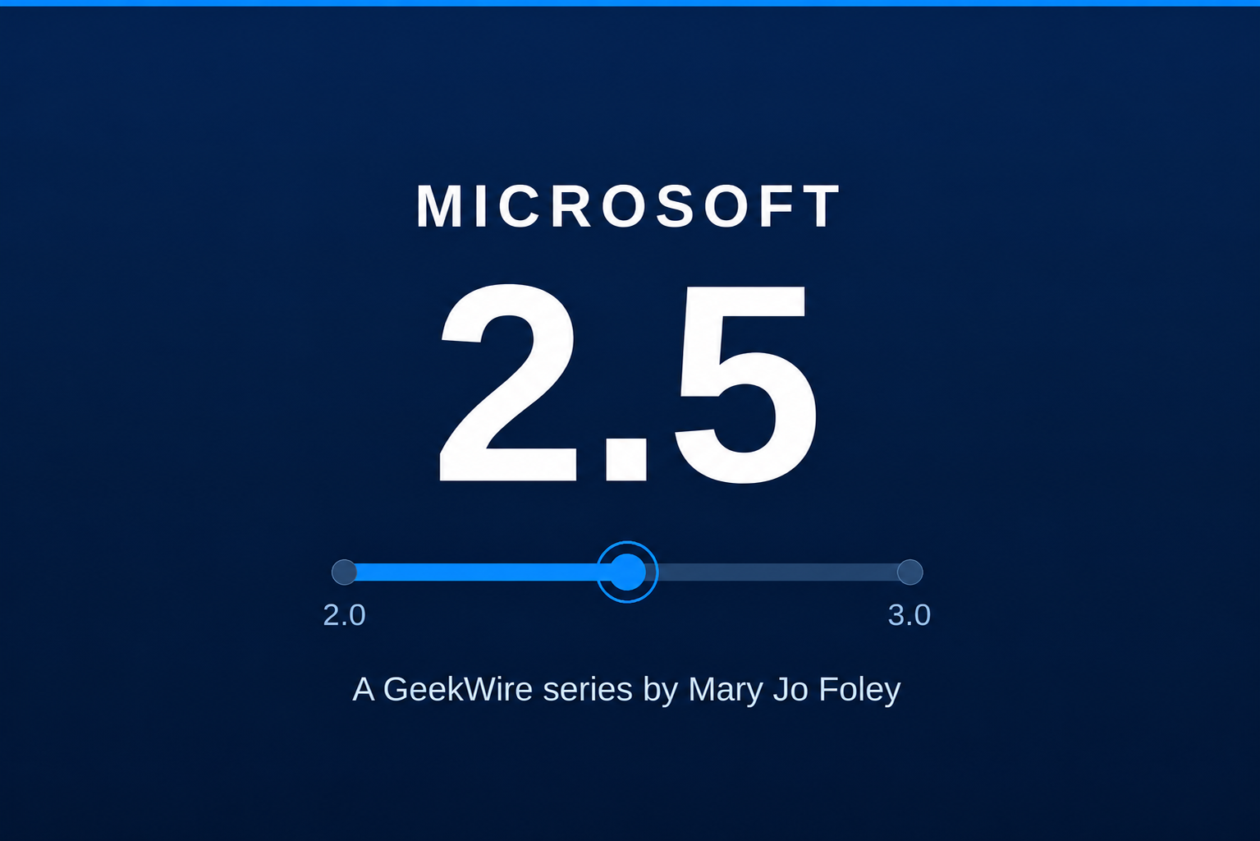
Microsoft 2.5: A new series on the people shaping the company’s future

Published

on

Nearly 20 years ago (!), in 2007, I published my first and only book: Microsoft 2.0. It focused on changes I expected at the company in the “Post-Gates” era. What would remain the same and what likely would be different once co-founder and CEO Bill Gates had left the building?

CEO Satya Nadella has not exited the company (yet). But there’s no question that Microsoft and its mission have morphed considerably in the past year or two. I’m not quite ready to christen this the Microsoft 3.0 era, even though Nadella handed the reins of Microsoft’s dominant commercial business to Judson Althoff nearly a year ago.

That decision resulted in Nadella moving into more of a “founder mode” role, allowing him to focus less on the day-to-day work of running the business. (Microsoft historians may recall that Gates made a somewhat similar move back in 2000 when he became Microsoft’s chief software architect.)

While it might not yet be time for Microsoft 3.0, we arguably could be in the “Microsoft 2.5” era. Windows and Office are still around and still play a big role. Microsoft still builds and sells developer tools and databases. But there’s no question that the cloud and all things AI are at the top of the pecking order now.

I’m embarking on a series here at GeekWire that will focus on what matters to Microsoft and, by extension, to its customers, partners, investors, and employees these days. Who are some of the people shaping and leading the company? What are their opportunities and challenges right now?

Advertisement

Over the next few weeks, I will be profiling various Microsoft execs working on plans for Microsoft’s ongoing evolution. Some are company veterans; some are newcomers. I’ll be talking with top execs from Microsoft’s Security, Copilot, Windows + Devices, Xbox, GitHub, and more.

I’m interested in their strategies for Microsoft’s key products and technologies and how they plan to try to turn Microsoft’s ambitious vision into reality. What are their teams building? What do they see as their biggest challenges and opportunities? And where do they see the technologies in their respective areas heading?

I feel like many of us who’ve been keeping track of the biggest tech companies (myself included) have fallen into the trap of blaming or attributing everything a company does to AI. Layoffs? AI is the culprit. Price increases? It’s all thanks to AI. Changing sales strategies? Chalk it up to AI …

But upon further reflection, I believe Microsoft’s strategy is more nuanced than “AI or bust.” There’s no question that Microsoft’s AI ambitions are shaping its goals and tactics. But Microsoft, as a heavily enterprise-focused entity, can’t simply stop supporting products that aren’t built from the ground up with AI (as much as it might like to do so). Nor can it just leave behind customers who aren’t 100% onboard with its AI moves.

Advertisement

Couple those enterprise hurdles with some not-so-popular consumer decisions, like axing 3,200 people in the gaming unit, and Microsoft’s approach to turning the ship looks a lot trickier.

Our Microsoft 2.5 series kicks off Thursday. Stay tuned.

Source link

Advertisement
Continue Reading

Tech

These College Towns Have the Best (and Worst) Drinking Water

Published

on

Before you ship your college kid back to campus, you might consider the quality of water coming out of their dorm or apartment taps. In partnership with ZeroWater, Culligan has released the first-ever ranking of US college towns based on tap water quality, grading the largest college towns in each state on a scale of A to F for lead and PFAS (“forever chemicals”). The timing is notable with back-to-school season approaching and water quality a growing concern for college-aged adults.

The Best Water Filter Pitchers, Tested by CNET

The Best Water Filter Pitchers, Tested by CNET

This year’s incoming class is shaping up to be the most health-conscious yet — nearly 30% of Gen Z and Millennials surveyed say wellness matters more to them now than it did a year ago.

Advertisement

Results suggest most college towns have work to do

PFAS concerns: Roughly one-third of towns scored a “C” or worse on PFAS contamination.

Widespread water contamination: Nearly all college towns evaluated by Culligan — 92% — showed at least one harmful contaminant in their water supply. New York City was the sole town to receive an “F” for lead levels.

Alarming lead levels: Just 8 of the 50 college towns had water quality meeting EPA lead standards.

New York City has a reputation for having good water but got a failing grade in Culligan’s recent test.

College towns with the best water (Overall)

  • Albuquerque, NM — University of New Mexico
  • Blacksburg, VA — Virginia Tech
  • Boise, ID — Boise State
  • Durham, NH — University of New Hampshire
  • Morgantown, WV — West Virginia University

College towns with the worst water (Overall)

  • Columbia, SC — University of South Carolina
  • Tempe, AZ — Arizona State
  • Newark, DE — University of Delaware
  • New York City, NY — NYU
  • New Brunswick, NJ — Rutgers

See the full list here.

Why it matters

Nearly 30% of Gen Z and millennials noted that wellness matters more to them this year than last, including water quality. The ranking gives incoming students a simple way to check what’s really coming out of the tap in their new college town and decide if some form of filtration is necessary.

Advertisement

Why testing is important

tapscore results page
A simple at-home testing kit from TapScore will illuminate exactly what’s lurking in your tap water.David Watsky/CNET

CNET spoke to a water-quality expert while testing countertop filters earlier this year. Dr. Eric Roy explained that the most harmful contaminants, including lead and PFAS, rarely affect the taste or smell of water, underscoring the importance of having your local water tested, especially if it comes from a well. TapScore is one of the leading at-home water quality services with lab testing for around $299.

Testing methodology

Culligan ZeroWater analyzed public water quality data for the largest university’s water system in each state (per 2024 IPEDS enrollment data), grading lead levels against the EPA’s 10 ppb action threshold and five PFAS chemicals (PFOS, PFOA, PFHxS, PFNA, GenX) against UCMR5 monitoring data collected from 2023 to 2025.

Source link

Continue Reading

Tech

Nvidia donates a DGX GB300 to the US military’s top science school

Published

on

Jensen Huang travelled to Monterey this week to give the US Navy a machine that most defence contractors would have had to sell it.

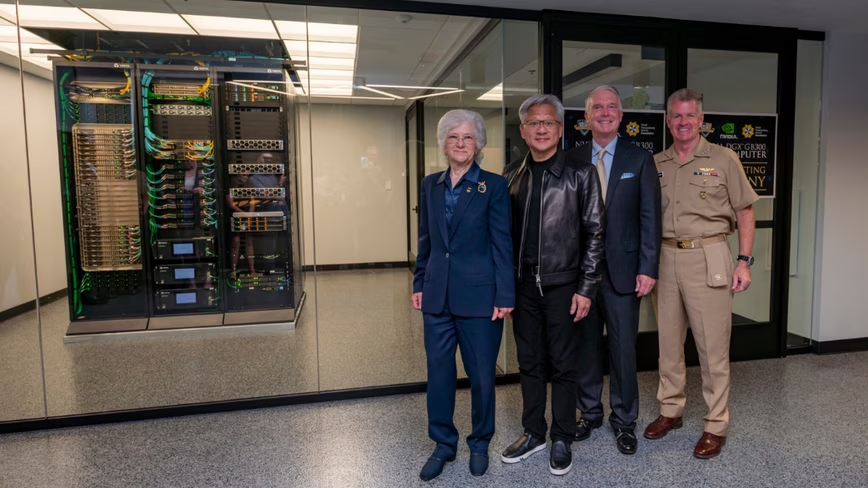
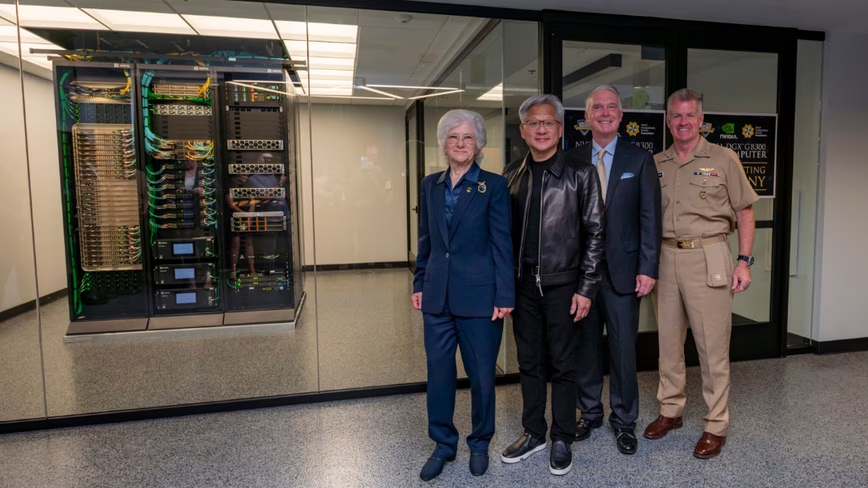
Nvidia’s founder helped commission a DGX GB300 AI supercomputer at the Naval Postgraduate School, the first system of its kind installed anywhere in the American military, and the company donated it rather than route it through a procurement contract.

The hardware is a single liquid-cooled rack that packs 72 Blackwell Ultra GPUs alongside 36 Grace CPUs, wired together as one memory domain and running Nvidia’s Mission Control orchestration software.

It is the rack-scale configuration Nvidia sells for inference and reasoning workloads, and by the standards of the DGX line it is the top of the range. NPS now runs what is, for the moment, the most powerful supercomputer the Pentagon has.
Advertisement

One estimate put the value of the system at roughly $15m, though neither Nvidia nor the school confirmed a figure publicly.

The donation went to the Naval Postgraduate School Foundation rather than through a defence procurement contract, a route that sidesteps the usual competitive-bid machinery.

DDN, VAST Data, and Vertiv supplied the storage, data infrastructure, and cooling wrapped around the rack.

NPS is the Navy’s graduate research university, and the machine is meant for teaching and research rather than live operations.

Advertisement

Faculty and students plan to point it at weather prediction, ocean modelling, cybersecurity, and disaster-response planning, and to build maritime digital twins through Nvidia’s Omniverse platform.

The school also wants to train its own foundation models, including an internal system it is reportedly calling NPS GPT for handling sensitive data.

The rack lands on a campus that stood up a dedicated AI research centre the previous year, so the compute arrives with somewhere to go.

The pull is partly in the resolution. Owen has described being able to forecast conditions for very localised operations rather than working from the coarse grids, roughly 50km across, that most models settle for.

Advertisement

For a Navy that plans amphibious landings and small-boat movements around weather it cannot control, tighter prediction is not an abstraction.

“The question is not whether these technologies will exist,” said Captain Michael Owen, the school’s vice provost for warfare studies.

“The question is whether future military leaders understand them well enough to evaluate their limitations, apply them ethically and employ them responsibly.”

That framing matters, because unlike the Department of Defense’s existing supercomputing centres, which run operational workloads, the NPS system is pitched at research and innovation.

Advertisement

The idea is to let the school refine the models that the wider joint force might one day depend on, rather than to fold the rack into day-to-day command.

Huang, who attended the commissioning alongside Admiral Samuel Paparo, the head of US Pacific Command, described AI as a coming “backbone of America’s defense.”

It is not an entirely neutral observation from the man whose company now supplies much of that backbone.

The event caps an arrangement that started quietly in December 2024, when NPS and Nvidia signed a cooperative research and development agreement.

Advertisement

The Pentagon’s appetite for Nvidia silicon has grown conspicuously over the past year, and the company has spent much of that time selling similar systems to national governments.

The Monterey donation lands the hardware inside a military institution for the first time, which is a different kind of foothold.

A school full of serving officers is also, in effect, a training ground for the customers who will one day write the requirements.

Paparo told the audience that officers would increasingly command in settings where response times compress and advantage goes to whoever can act faster than an adversary.

Advertisement

Vice Admiral Ann Rondeau, the school’s president, put the pitch more plainly. “Education remains our greatest strategic advantage,” she said.

Whether a rack of GPUs counts as education or as infrastructure is, for now, a question the Navy seems content to leave open.

Source link

Advertisement
Continue Reading

Tech

I’m Just Glad Samsung’s Price Hikes Weren’t Worse

Published

on

The arrival of Samsung’s latest crop of foldable flagship and ultra-flagship devices came with a $100 price increase across the board. My reaction, perversely, was relief that the figure wasn’t higher, given how badly the AI bubble has severed the link between component pricing and value. My relief isn’t just for the wallets of my fellow consumers, but the health of the industry overall.

If you’ve been keeping an eye on the rumor mill, you’re expecting to see every major handset maker follow Samsung’s lead. Google is thought to be adding at least $100 onto the price of the new Pixel handsets. That wouldn’t be ideal, but if you care enough about getting a brand new phone and can afford it, it won’t be the end of the world. Especially if it’s split across the length of your contract, burying the bad news across the next 12 or 24 months.

Meanwhile, Apple’s outgoing CEO Tim Cook has already laid the groundwork for iPhones to get more expensive, too. Not long after uncharacteristically saying the company couldn’t hold prices at their current level, it bumped up the prices on almost all of its product lines. It doesn’t take a genius to know that similar rises will be applied to the new iPhones when they launch this fall.

There’s a wild theory that Apple is going to split the launch of the iPhones 18 in two as part of this price strategy. It proposes that the (rumored) ultra-flagship iPhone Fold will debut alongside the more lucrative Pro models, with their higher price and higher markup, in the fall. Only after the holiday buying season would the regular iPhone 18 make its debut, perhaps alongside an even more “affordable” iPhone 18e.

Advertisement

The industry-wide price rises have certainly been tough to swallow, and it’s clear it’s made a lot of people reconsider purchases. It’s not as if this is limited to the technology industry, either, as the US Department of Labor says the price of energy has risen by 15.7 percent in the last 12 months.

As budgets get stretched, it’s clear people are hoping to make do with what they’ve got.

There’s already hints that the rises are having a chilling effect. In May 2026, Valve withdrew the entry-level Steam Deck, which was priced at $399. The mid-range and premium tier models, meanwhile, saw their prices rise from $549 and $649 to $789 and $949, respectively. A BoilingSteam report believes the price increases caused sales of the popular gaming handheld to drop by a whopping 82 percent.

Similarly, 9to5Mac polled its readers on how the price rises would affect their behavior, with 38 percent saying they would hold onto their hardware for longer. Industry analysts IDC believe the rises will cause a hefty drop in sales across the rest of the year and across 2027. Similarly, it says the smartphone industry should expect to see a “record low” as the memory crunch bites.

Advertisement

So while a $100 price increase certainly isn’t the gift we’d all like to see, it could have been a hell of a lot worse. It may just shake out that the monthly cost of all these phones, which was already more than some people would be willing to pay, is even more out of reach.

Source link

Advertisement
Continue Reading

Tech

Ultrahuman’s biggest update ever ditches charts for actual advice

Published

on

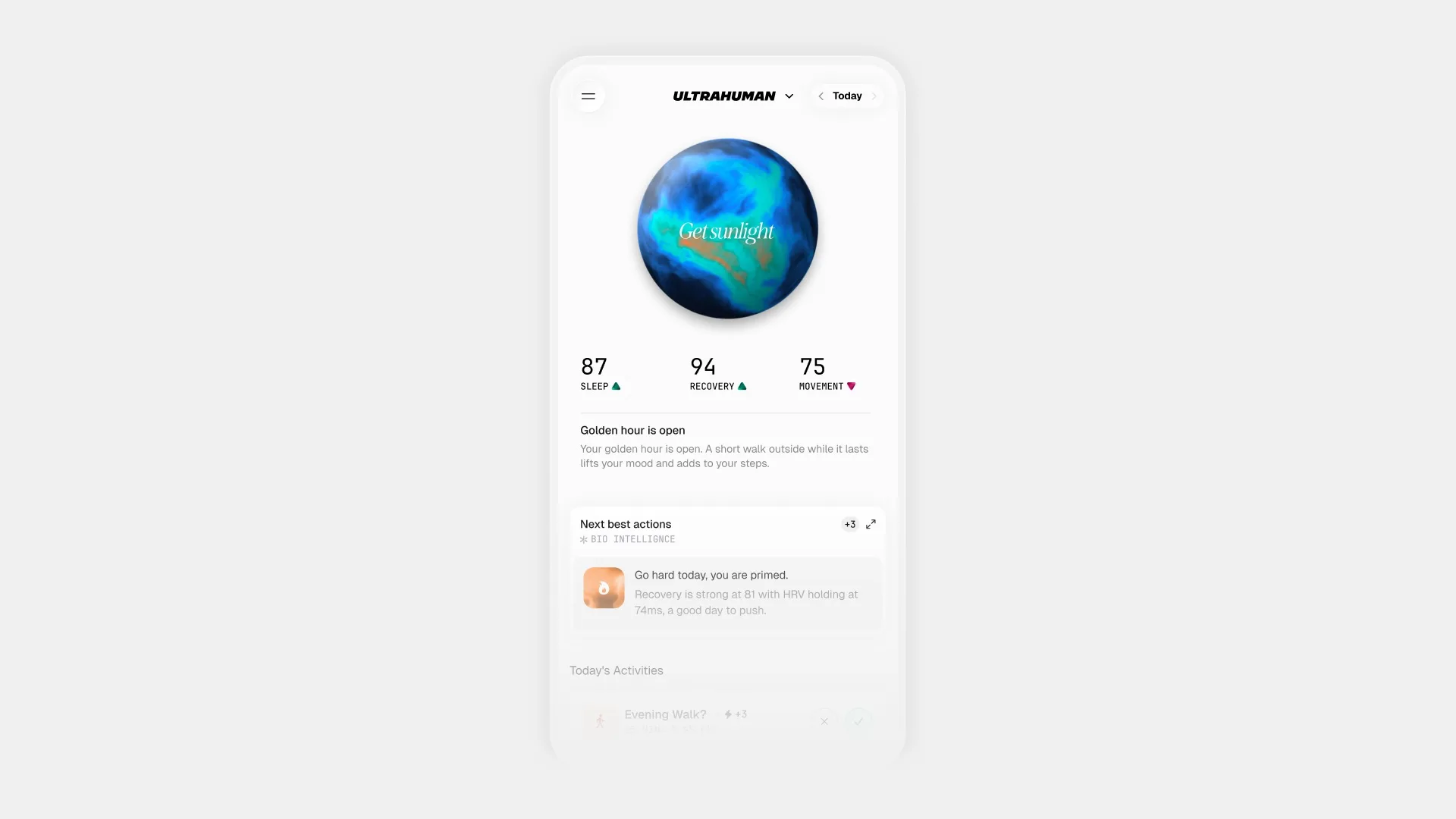
Ultrahuman is rolling out Emerald today, its biggest platform update in four years. If you own an Ultrahuman Ring Air, Ring Pro, or any of its other health devices, your app is about to look and feel very different.

What is UltraSphere, and why does it matter?

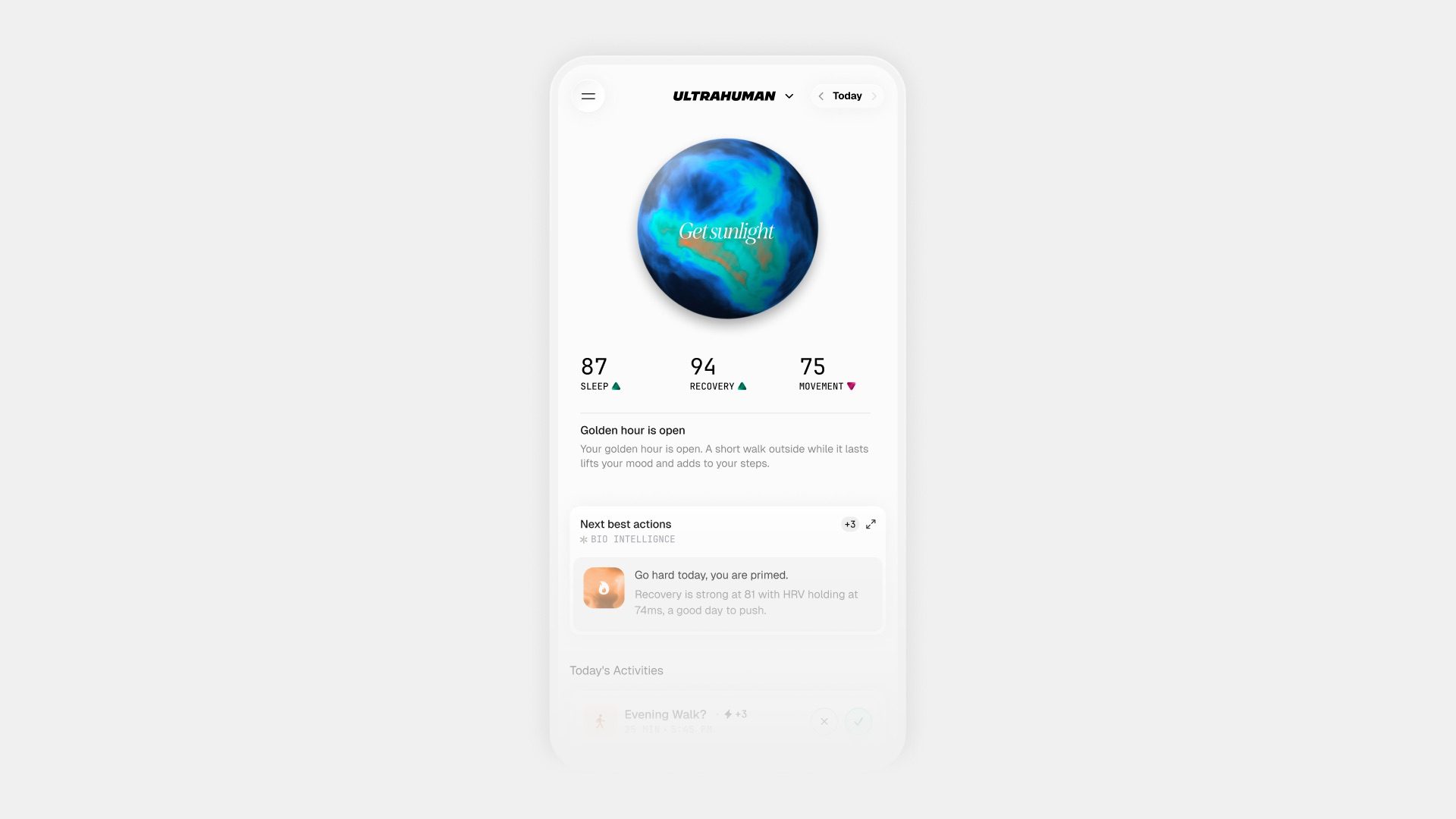
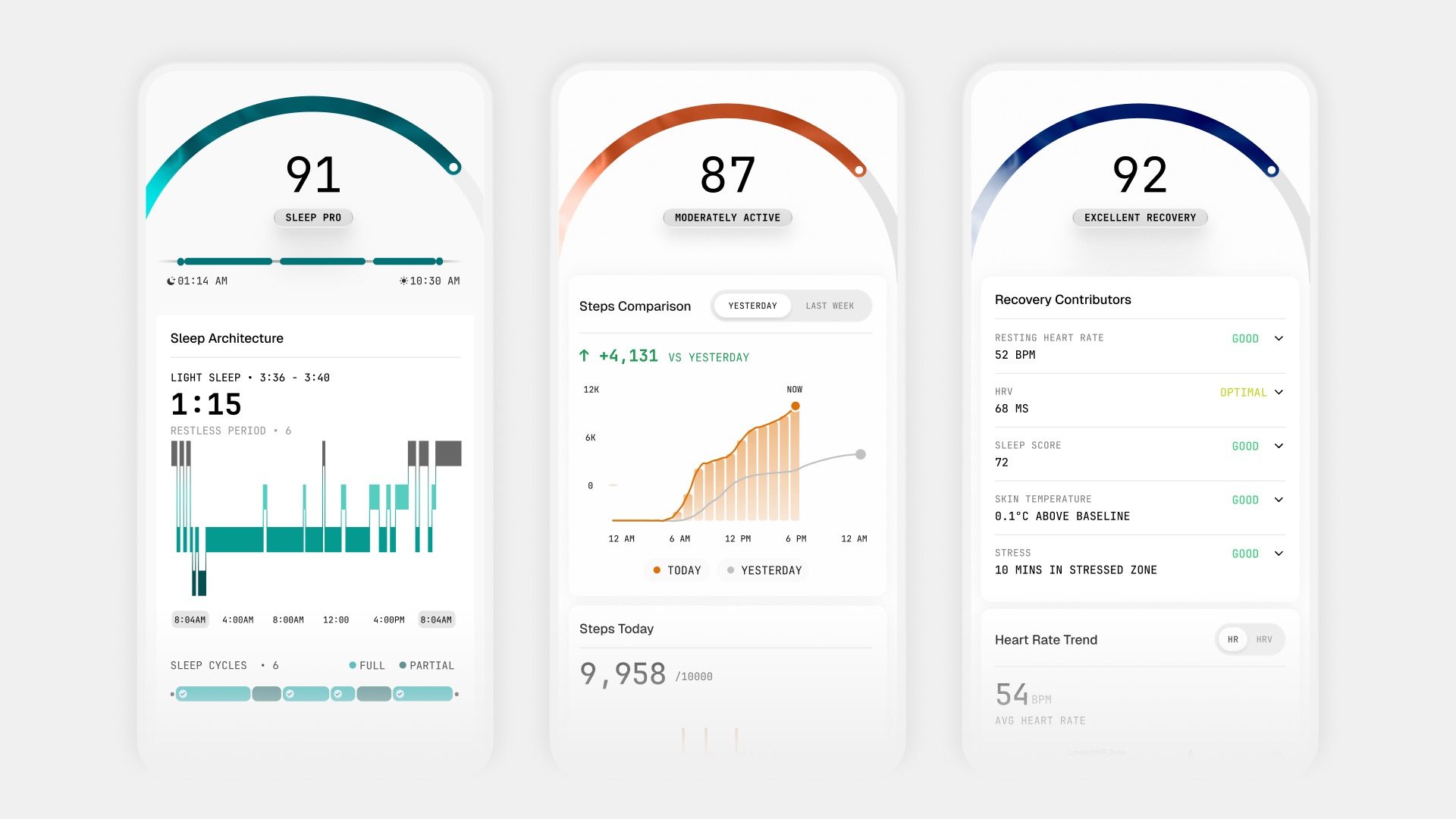
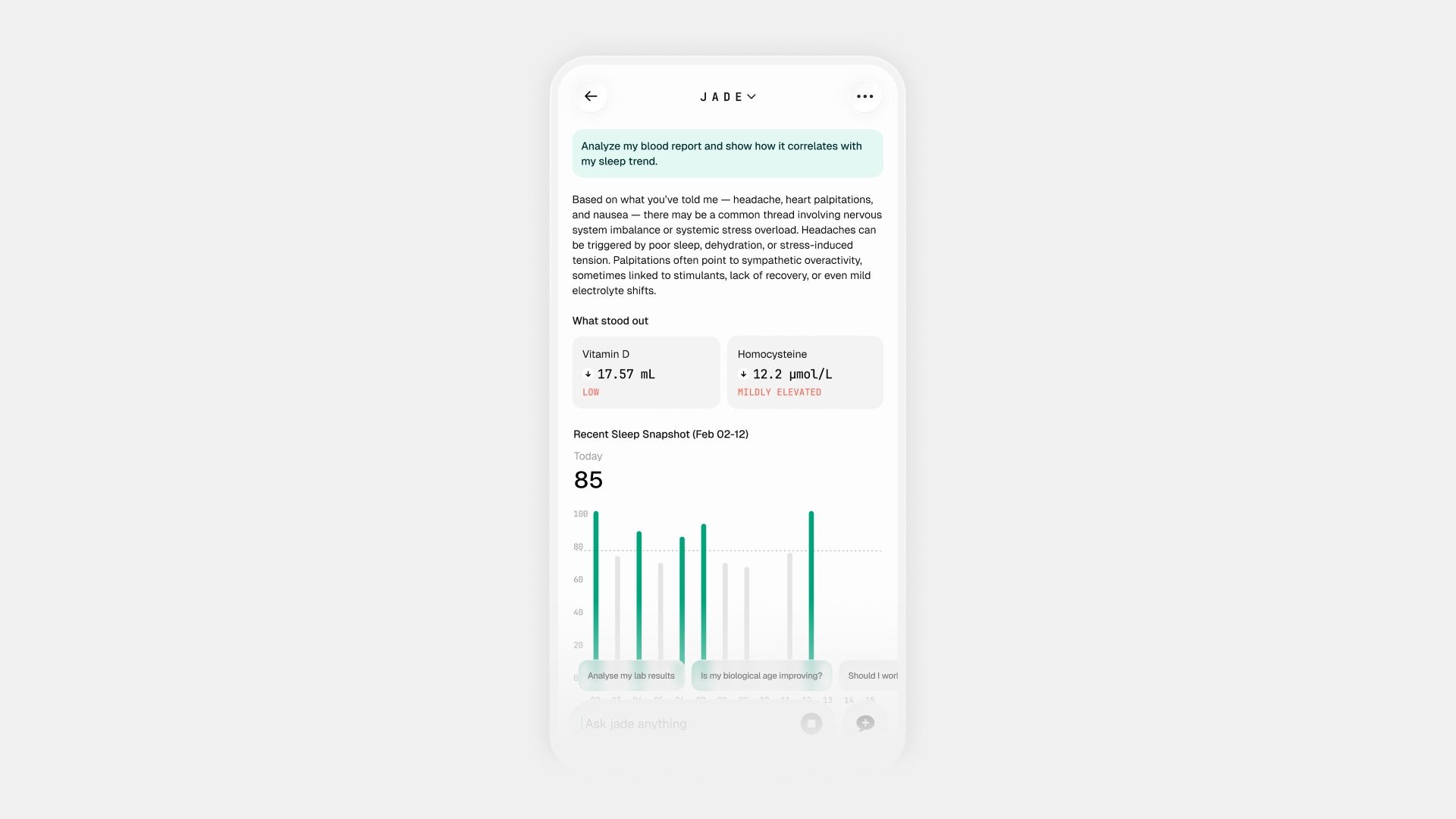
The big update is the UltraSphere, a decision engine Ultrahuman claims is a first for a smart ring. Instead of throwing another chart at you, it sits front and center on the home screen and hands out more than 60 Next Best Actions based on your sleep, recovery, HRV, stress, movement, and even glucose data if you use the M1 or M2 CGM.

These suggestions change depending on where you are, the weather, and your circadian rhythm, so a jet-lagged traveler and a new parent will not get the same advice. Examples Ultrahuman shared include a nudge to step outside soon after waking to reset your body clock, or a heads-up that caffeine past a certain point will mess with your sleep later.

Mohit Kumar, CEO of Ultrahuman, explained the thinking behind the shift. “All wearable trackers generate data. Data is empowering, but people need something more than a number, they want to know what to do. The Emerald Update is focused on making data actionable, adding layers of biointelligence that finally answer the question of so what with context and insight at every layer.”

What else changes with this update?

Ultrahuman is also adding an essential feature for frequent flyers and anyone stuck without signal. It can now process everything on the device, so your recovery score, stress rhythm, and Next Best Actions keep working with zero connectivity.

Workout tracking also gets an upgrade, with better automatic detection and heart rate accuracy validated against gold standard devices. If you prefer an Apple Watch, Garmin, WHOOP, or even AirPods Pro Gen 3 for workouts, you can now pair that data directly into the app instead of relying on the ring alone.

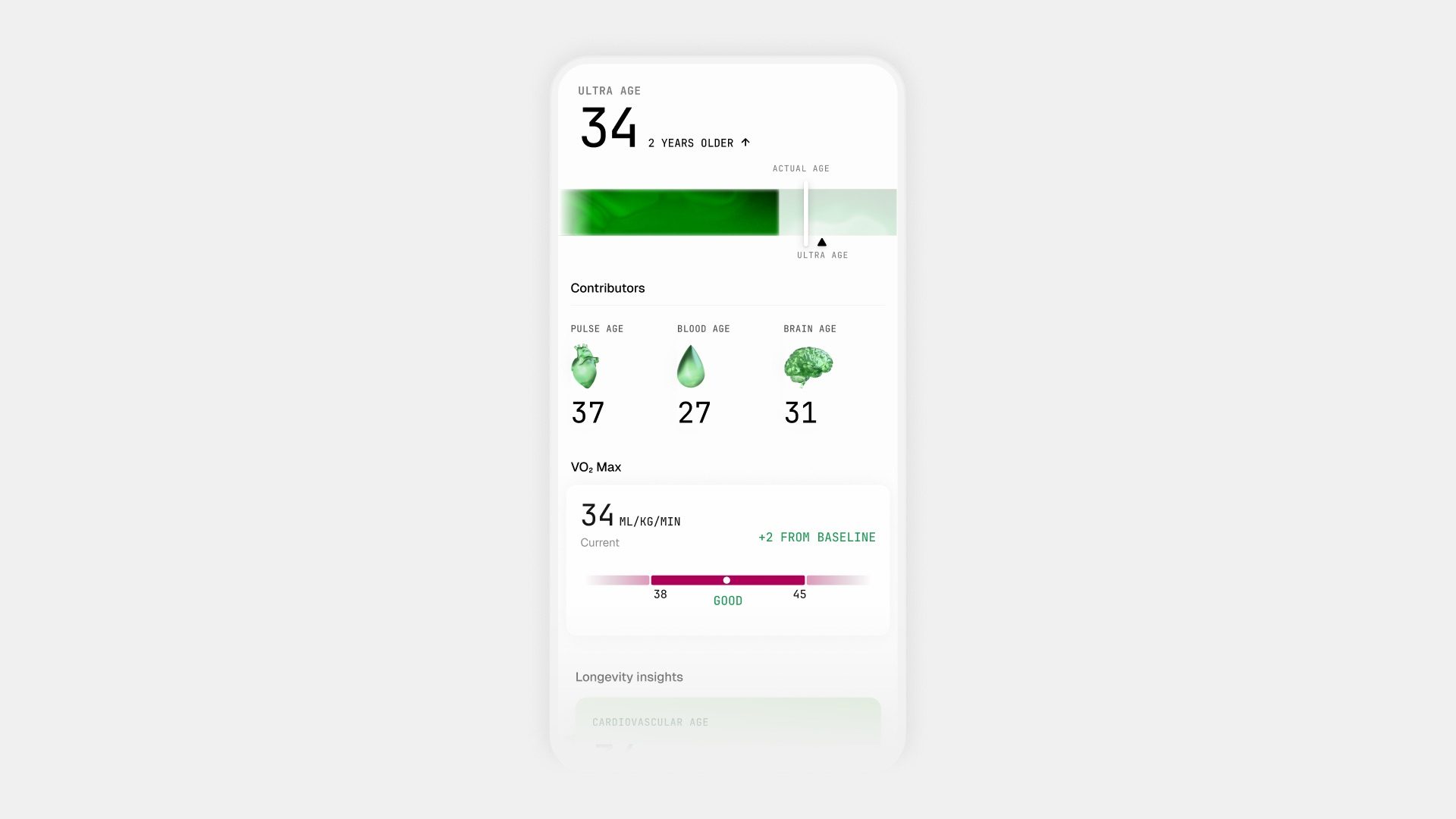
VO2 Max, one of the best predictors of long-term health, also got smarter. Ultrahuman says its updated algorithm lands within 5 mL per kg per min of real lab results, tested across more than 100 athletes.

Advertisement

There is plenty more packed in too, including a new Longevity tab for markers like UltraAge and Brain Age, a Sleep Screener that bundles your nightly signals into one report, and the option to finally share cycle and ovulation data with a partner.

Should you update?

The Emerald update is rolling out globally starting today, so there is really no reason to skip it. What I like most is that none of this costs extra. It’s a free update, and it genuinely makes the whole experience feel better.

Source link

Advertisement
Continue Reading

Tech

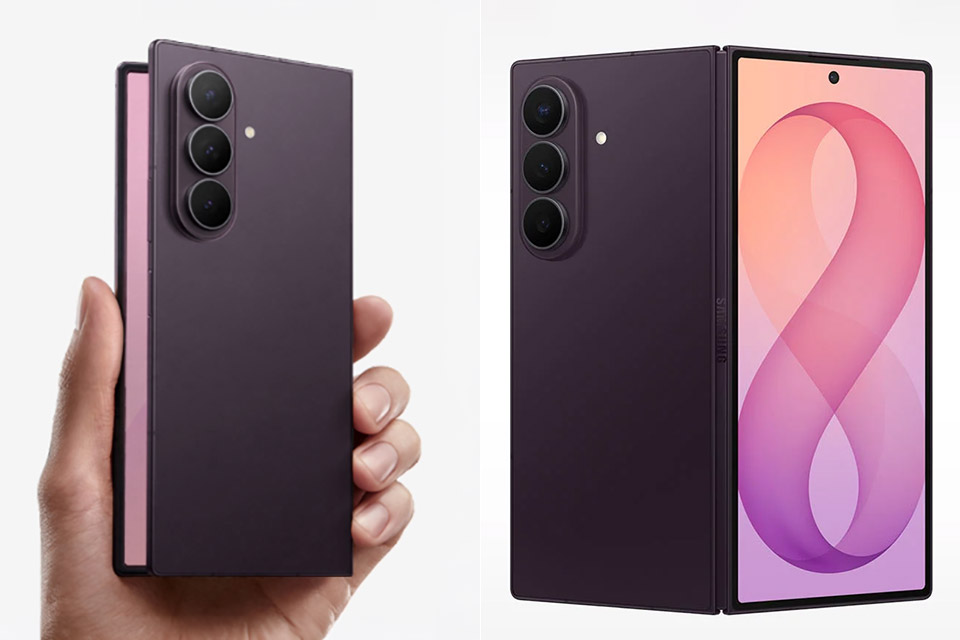
Samsung’s $2,100 Galaxy Z Fold8 Ultra Phone Asks for More Money, But the Bigger Screens and Cameras Make a Strong Case

Published

on

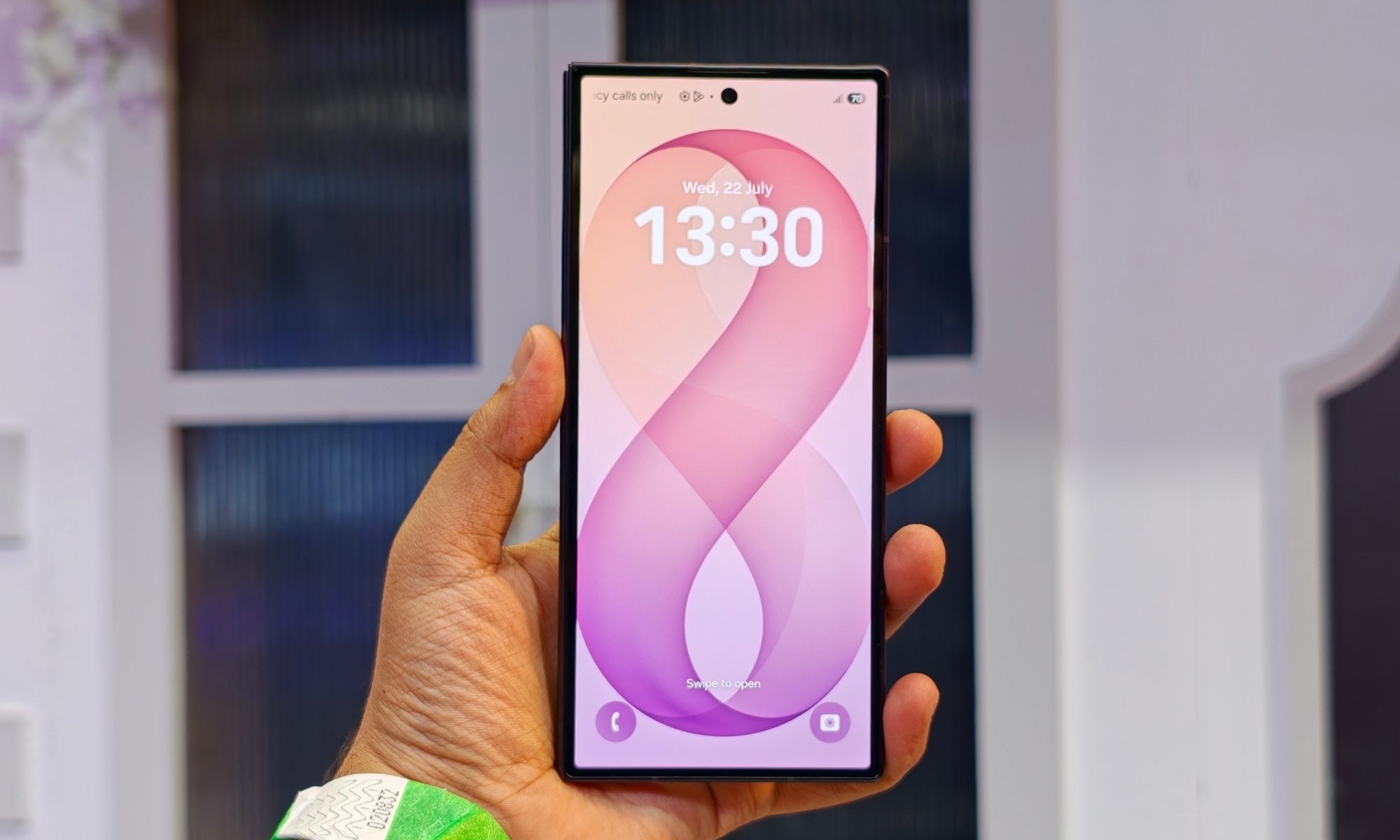
Samsung Galaxy Z Fold8 Ultra Launch
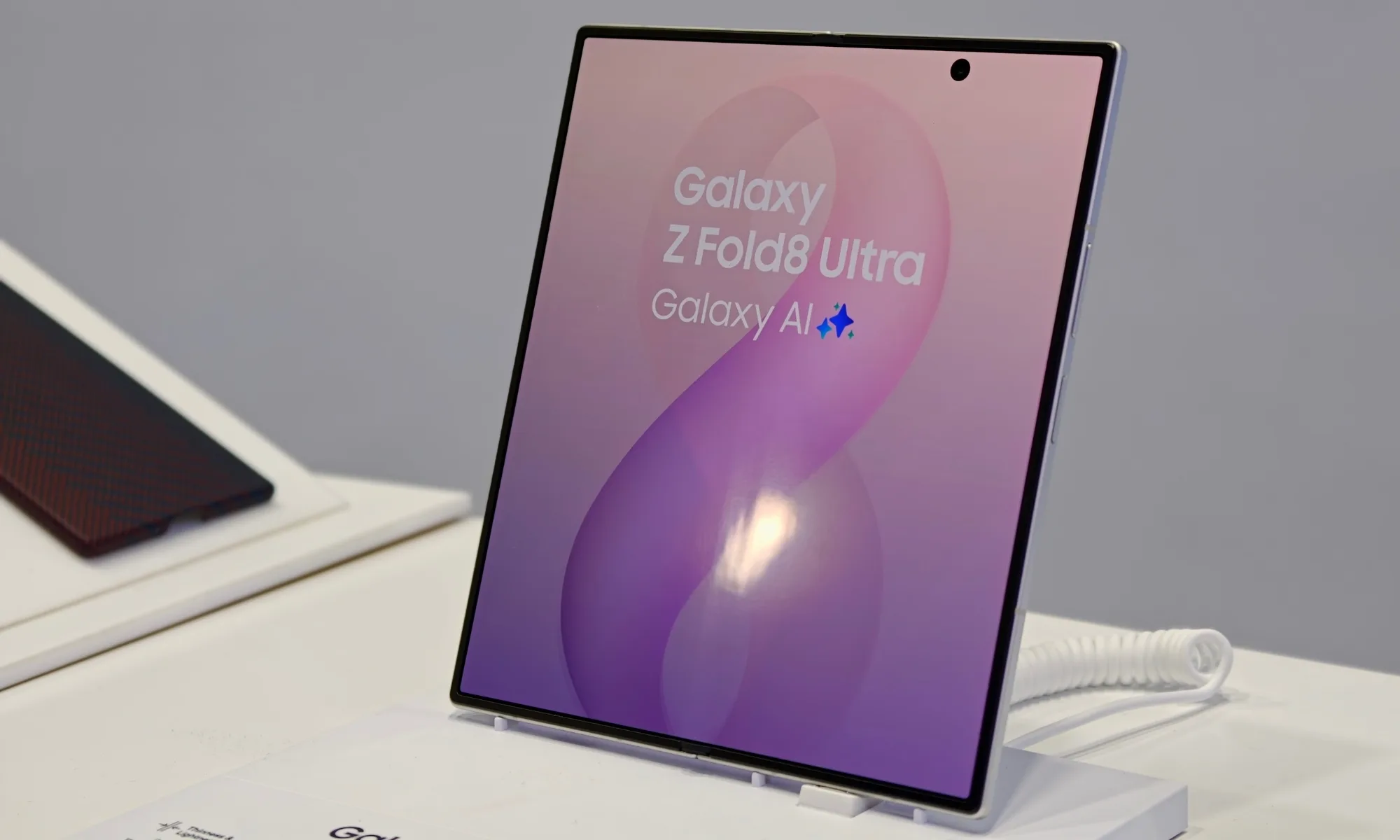
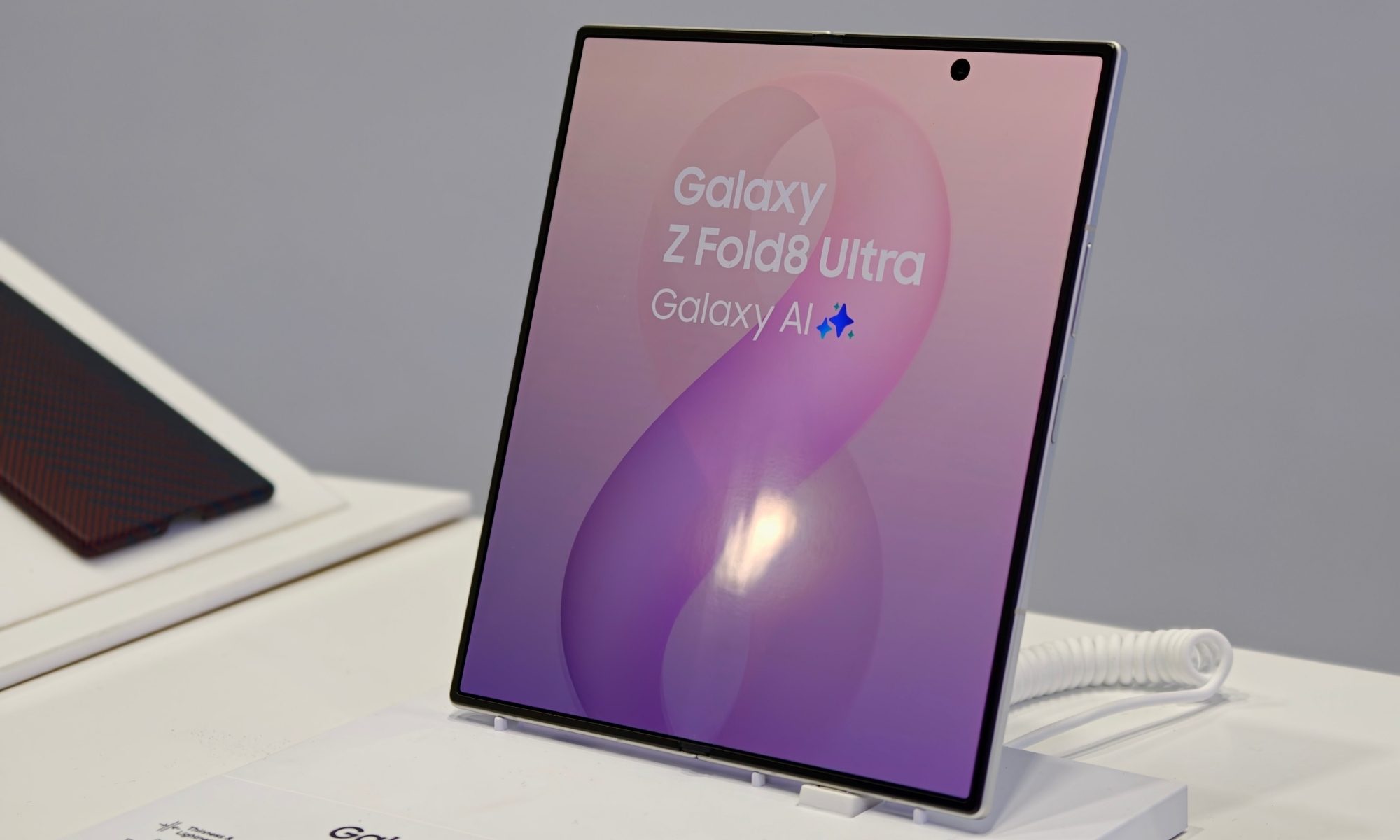
Samsung now sells two book-style foldables side by side. The regular Galaxy Z Fold8 starts at $1,899.99. The Z Fold8 Ultra opens at $2,099.99 for the 256GB model and climbs to $2,699.99 for 1TB. That $200 jump lands the Ultra in rare air for a phone that still has to fold in half. The question is simple: does the extra money buy enough to matter?


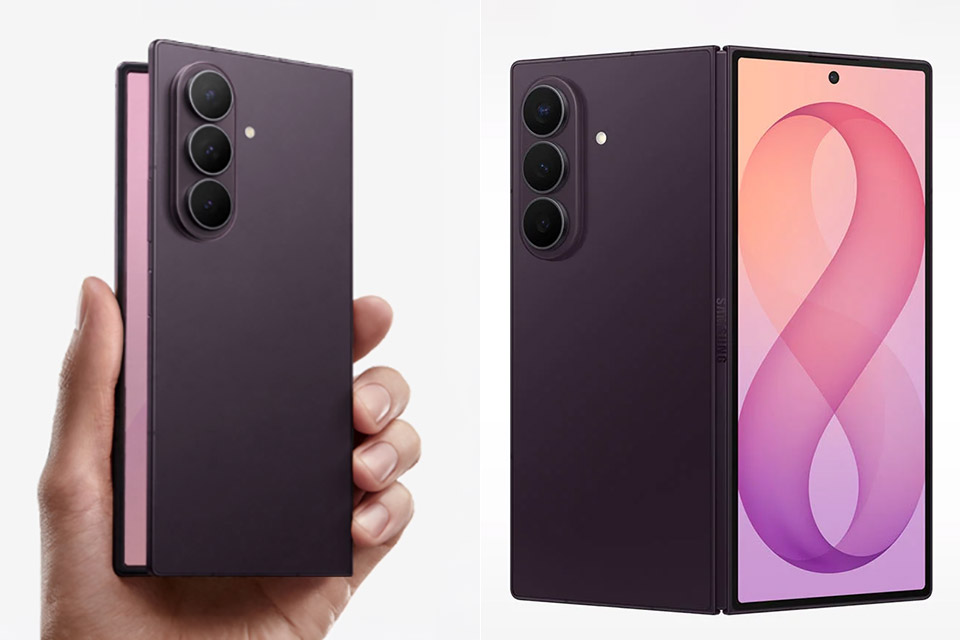
Unfolded, the Ultra is only 4.1 millimetres thick and weighs roughly 215 grams, making it one of the thinnest and lightest foldables Samsung has ever created for a pocket. Underneath the large display is a dual-layer titanium structure, and the hinge is also made of titanium alloy, as it’s surprisingly difficult to spot the crease nowadays. The whole thing has an IP48 rating, which should be good for being submerged in 1.5 meters of fresh water for half an hour. When folded, it’s somewhat taller and thinner than the standard Fold8, so it’s not as pocket-friendly, but it’s still a good fit.


Samsung Galaxy Z Fold8 Ultra Phone + $350 Gift Card, 512GB, Violet Shadow
  • PRE-ORDER NOW: Get an Amazon gift card when you pre-order Samsung Galaxy Z Fold8 Ultra. You will receive an email once your gift card is available…
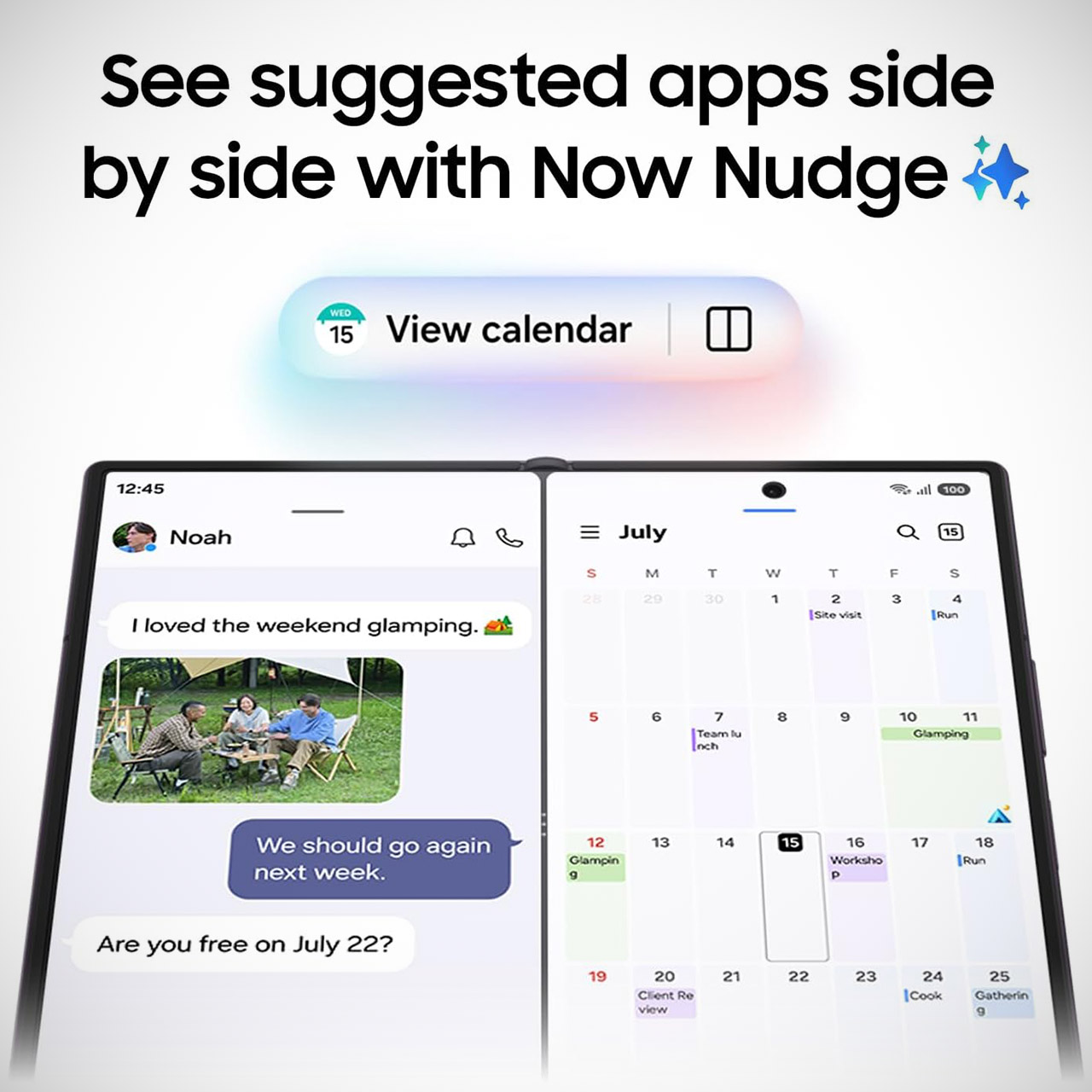
  • SPLIT THE VIEW. MULTITASK¹ TO THE MAX: Productivity never felt this powerful. Use up to three apps¹ at once on the expansive inner screen of Galaxy…
  • MULTITASKING MADE SMARTER WITH AI: Stay one step ahead with AI² that suggests which apps you might need next. Then view those multiple windows side…


The outside and inner screens have both expanded in size, with the cover display now measuring 6.5 inches of FHD+ Dynamic AMOLED 2X goodness, and the main panel expanding to a full 8 inches of QXGA+ when the phone is opened. Peak brightness is increased to 3,000 nits, and there’s an anti-reflection coating to keep things from becoming too shiny on the larger surface. There’s also an Adaptive 120Hz refresh rate, which helps keep things smooth whether you’re using the phone one-handed or treating it like a tiny tablet. The difference between viewing a video and running things side by side is rather noticeable.


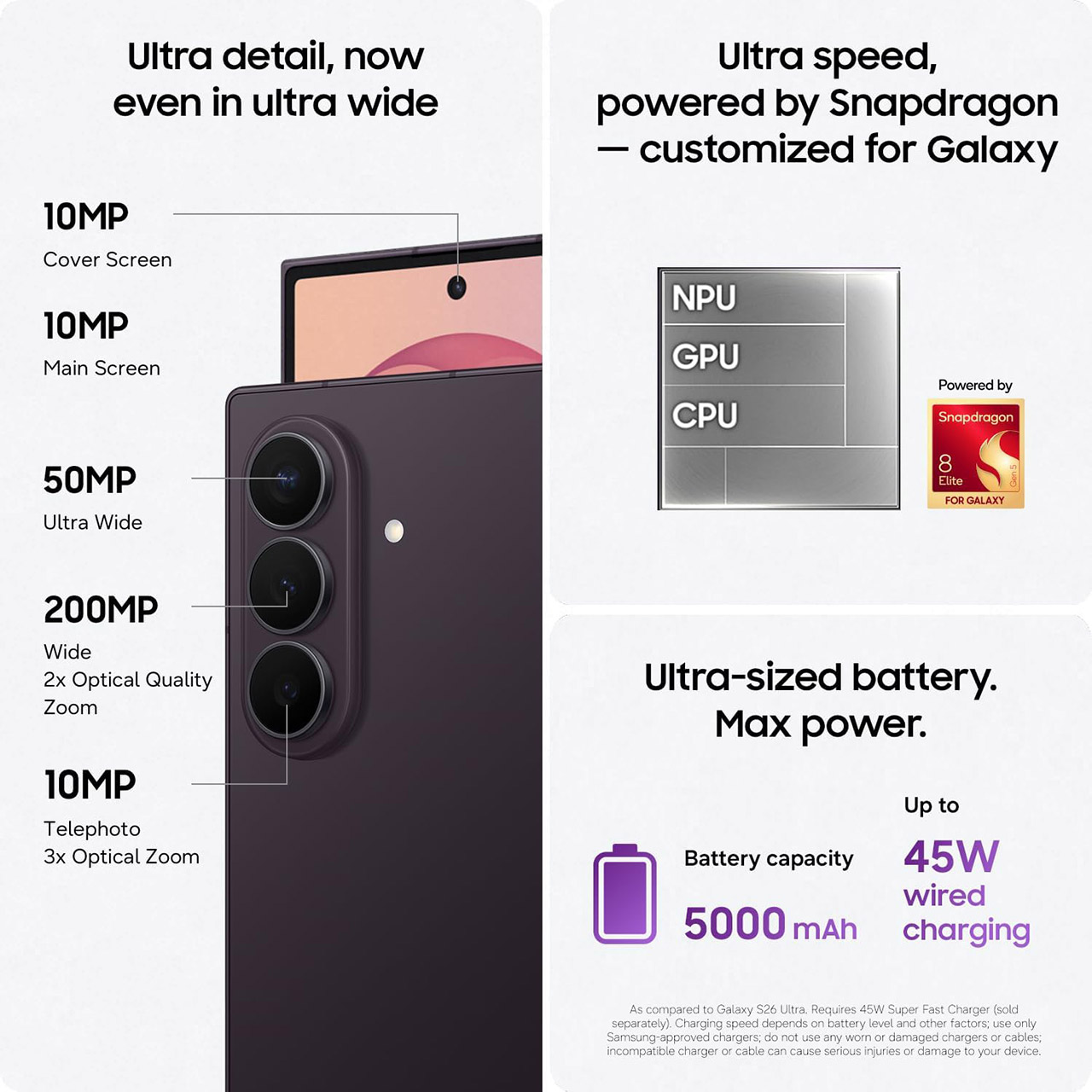
The Ultra has also received a significant camera upgrade. The main sensor is a 200-megapixel beast with an f/1.7 lens, and there’s Quad Pixel autofocus for extra sharpness. You can also achieve a nice 2x optical-quality cut that retains sharpness. But that’s not all; in addition to the primary sensor, there’s a 50-megapixel ultrawide with an enhanced f/1.9 aperture for capturing more light, as well as a separate 10-megapixel telephoto picture that finally provides genuine 3x optical zoom. To make things even more intriguing, the main and ultrawide cameras can also shoot 8K video. When you add Nightography and the ProVisual Engine to help with low-light shots, as well as Super Steady to keep your handheld videos from being too shaky, it’s evident that the Ultra is in a class by itself when it comes to camera performance. You can’t help but make comparisons to the S26 Ultra, and to be honest, the difference is now less than it has ever been on a foldable. The normal Fold8, on the other hand, only has two 50-megapixel cameras and no optical telephoto. Zoom and detail are obviously going to be more of an issue with that one.

Advertisement

Samsung Galaxy Z Fold8 Ultra Launch
Inside the Ultra, you’ll find the same dependable Snapdragon 8 Elite Gen 5 chip, which has been optimized to maximize Galaxy phone performance. You can get it with 256GB or 512GB of storage and 12GB of RAM, or if you want to go all out, 1TB of storage and 16GB of RAM. The battery has finally expanded to 5,000 mAh, making it the largest Samsung has ever put in a Fold, and it claims up to 27 hours of video playback. There’s also charging, 45W wired charging should charge your battery to two-thirds capacity in under an hour.

Samsung Galaxy Z Fold8 Ultra Launch
Software includes the whole new One UI 9, which puts a comprehensive set of Galaxy AI tools at your fingertips. The Nudge tool just observes what you’re doing and makes excellent ideas for using split screen in a way that suits you. My FanCam can lock onto a subject and reframe the video on the fly, all without you having to move a finger. With Photo Assist, you can simply type a text prompt and move, remove, or expand items; it’s that simple. Many of these capabilities are also available on the standard Fold8, but having more screen real estate on the larger version helps them feel more natural, especially when you have numerous windows open.
[Source]

Source link

Continue Reading

Tech

A malicious Chrome extension for Adobe Acrobat could let hackers access private WhatsApp chats

Published

on


  • Guardio Labs found CVE‑2026‑48294 in Adobe Acrobat Chrome extension, enabling cross‑site data disclosure
  • Attackers could steal WhatsApp Web chats if victims opened malicious landing pages with extension active
  • Adobe patched the flaw in version 26.7.2.0; update recommended for 314M extension users

If you have Adobe Acrobat’s extension for Chrome, and you like chatting through WhatsApp Web, there is a potential security vulnerability you might want to address.

Security researchers from Guardio Labs discovered a “universal cross-site scripting (UXSS)-class cross-origin data disclosure vulnerability”, which is another way of saying that a website could use the flaw to read the contents of a different website, loaded in a separate tab.

Source link

Advertisement
Continue Reading

Tech

An Audio Upgrade With Fixable Flaws

Published

on

Despite being a GoPro product, the Wireless Mic System isn’t limited to action cameras. The main selling point here, though, is its direct connectivity to GoPros. Since the Hero 12, you could connect a Bluetooth microphone directly. Ironically, that meant, up until now, DJI’s Mic Mini and Mic 3 were likely the best options for connecting directly to a GoPro as those both offer Bluetooth alongside a physical receiver.

Pairing the Wireless Mic System with the camera is simple: Turn on one of the microphones and tap the power button three times to switch to Bluetooth mode. Turn the mic off, then back on while keeping the power button held down to pair. The GoPro recognizes the mic and you’re all set. You can pair either microphone to the camera, but only one at a time. A single press of the mic button turns on noise reduction and a white LED confirms it’s activated.

Using either of the receivers is as simple as connecting to the camera or PC via USB or 3.5mm (depending which one you’re using) and then turning on the mic. Unless you last used it with a Bluetooth connection, in which case, three taps of the power button will put you back in receiver mode.

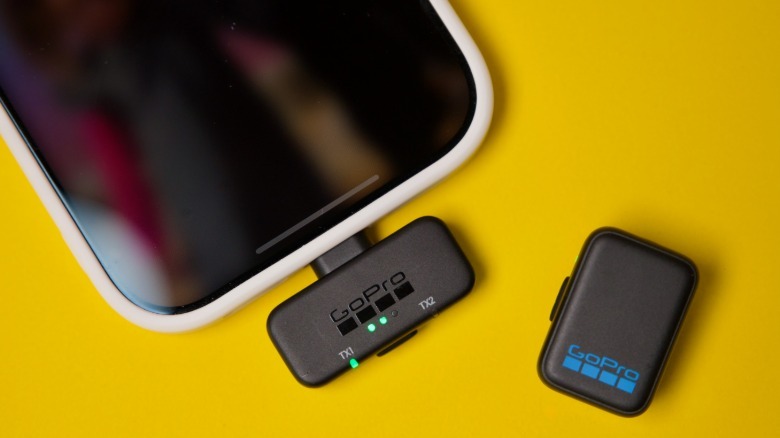
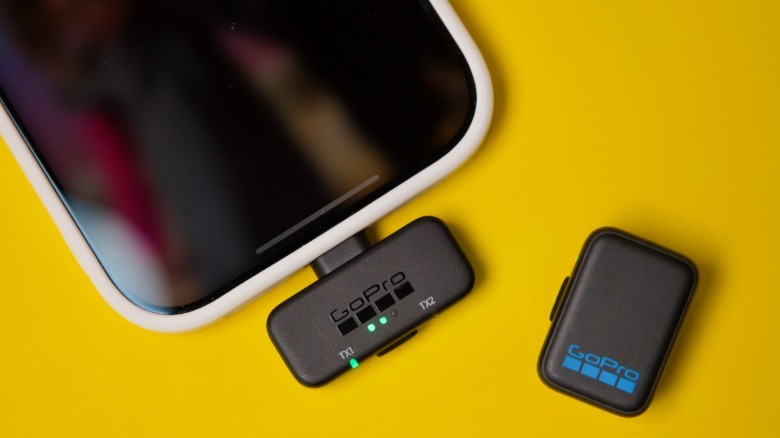
While it’s a major benefit to connect a mic to a GoPro without a receiver, the hardware receiver offers superior audio quality. What’s more, it means you can use both mics at the same time. The USB receiver is designed to fit neatly into a GoPro’s recessed USB port. You don’t need to fully remove the protective door from the camera, but you can if you want things to look a little neater. If you plan on using the kit with a phone, the dongle slightly extends from the base of your handset, but it’s snug and practical, and feels secure.

Advertisement

I noticed while using both microphones and the USB receiver, the GoPro only shows one VU meter on its display. At first, it looks like only one mic is connected, but watching back through the video, both are in fact recorded.

In this setup, the mics record in “split” mode, one mic on the left channel and the other on the right. This is jarring when listening back on headphones or a TV with connected speakers. The TRS receiver lets you change between mono or stereo, but right now there’s no apparent way to do this with the USB dongle. This means you need to convert the track to mono in editing software, which adds friction if you just want to share a clip directly from your phone or PC.

With your phone, you can side-step this issue with apps like Blackmagic camera that have the option to merge both channels, but most native camera apps don’t offer this. Combined with the UI issue mentioned above, it feels a little clumsy. The good news is, it should be easy to fix in a firmware update. GoPro itself has two apps — Quick and the Fluid camera — that could offer a way to update settings on the USB dongle, but right now you’re stuck with workarounds.

While we’re talking feature requests, there’s no way to start and stop recording on a GoPro with GoPro’s own mics, something DJI offers and a feature I use all the time with its Osmo cameras. It’s a small detail, but I feel it’s a missed opportunity.

Advertisement

Source link

Continue Reading

Tech

South Korea warns diplomats they could be at risk following hack on education system

Published

on


  • South Korean government discloses ten‑month cyberattack on the National Diplomatic Academy’s online education system
  • Data stolen included user IDs, names, emails, and encrypted passwords of at least 6,000 individuals
  • MFA shut down IT systems, deployed enhanced security, and delayed disclosure due to diplomatic sensitivity

Current and former employees of the South Korean Ministry of Foreign Affairs (MFA), as well as other government personnel, may have had their data siphoned out by cybercriminals in an attack that lasted for ten months.

The South Korean government has disclosed an attack against the online education system of its National Diplomatic Academy. The system, set up in 2022 by the country’s premier institution for educating and training diplomats, apparently contained a security vulnerability that unnamed threat actors managed to exploit.

Source link

Advertisement
Continue Reading

Tech

Your favorite Android apps could soon work better on foldables

Published

on

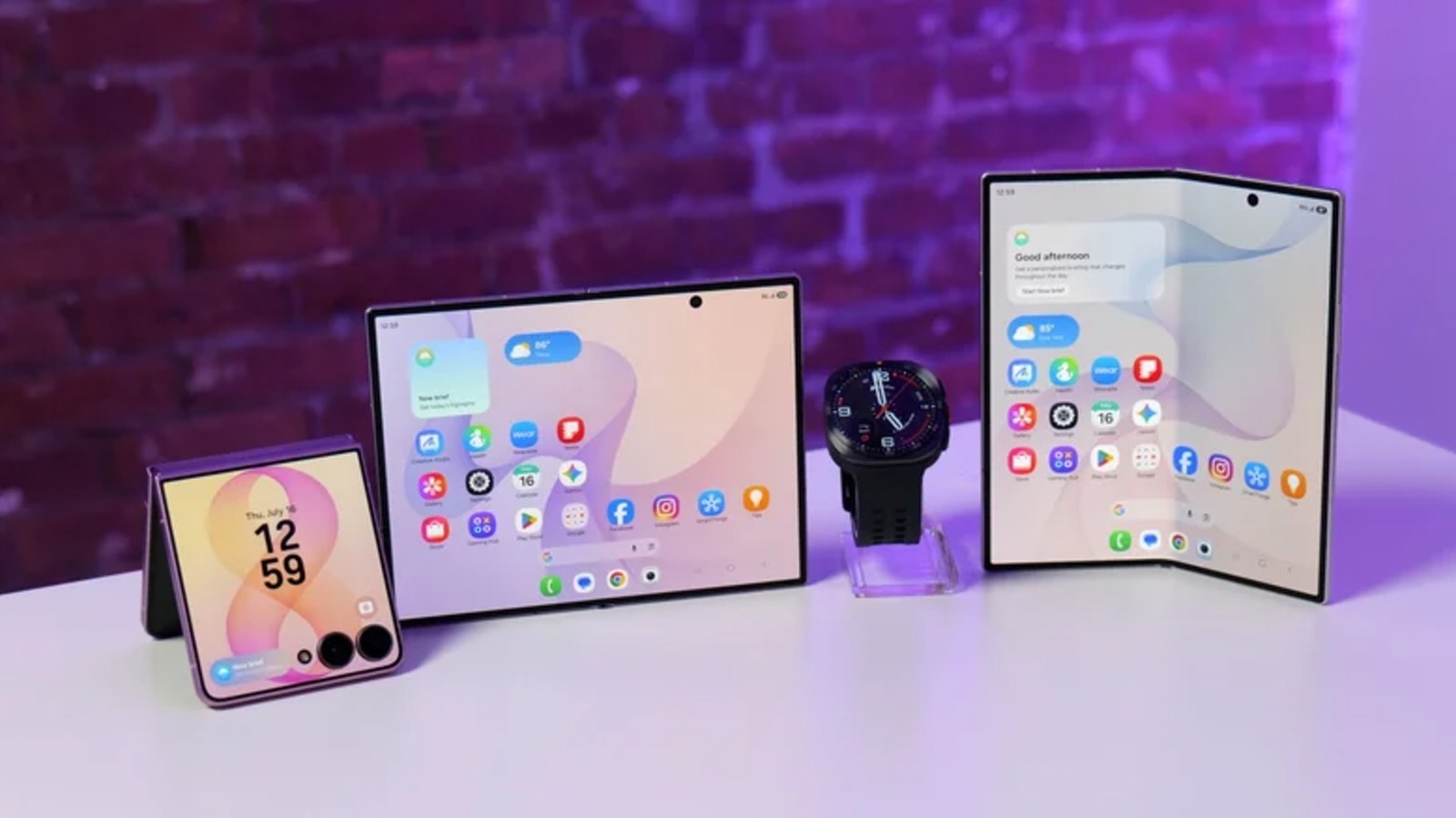
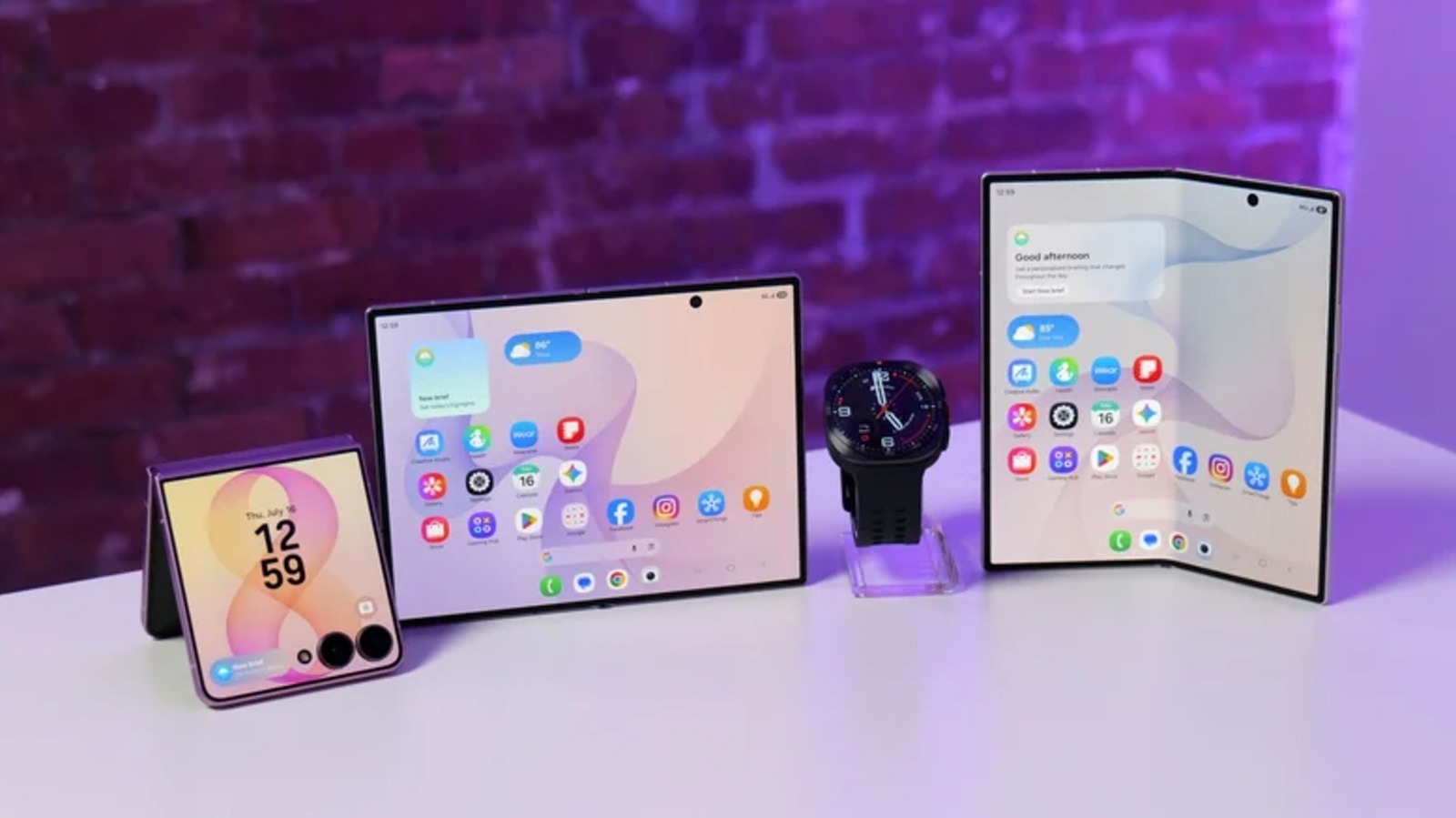
Samsung’s latest Galaxy Unpacked event wasn’t just about new hardware. Alongside the Galaxy Z Fold8, Galaxy Z Flip8 and new Galaxy Watch lineup, Google used the occasion to announce a series of updates aimed at Android developers, encouraging them to optimize apps for a growing range of foldable devices and wearable form factors.

The guidance focuses on one challenge that has become increasingly relevant as foldables evolve: building apps that work seamlessly across different screen sizes, aspect ratios and device postures. With the Galaxy Z Fold 8 adopting a wider, landscape-first display, Google says developers can no longer assume every Android phone follows the traditional portrait-first design philosophy.

The company has also introduced new tools for camera apps, adaptive layouts, AI-powered features and Wear OS 7 widgets, making this one of its broader developer updates around Android’s expanding device ecosystem.

Google expands adaptive app toolkit for foldables

The biggest change is Google’s renewed focus on adaptive app design. Instead of designing apps around fixed screen dimensions, Google is encouraging developers to build interfaces that automatically adjust based on the available window size. The company recommends using Window Size Classes through the Jetpack WindowManager library to detect how much screen space an app actually has, particularly when devices enter split-screen or multi-window modes.

Advertisement

Google is also highlighting the latest Jetpack Compose April 2026 release (Compose BOM version 2026.04.01), which introduces a new Grid API, FlexBox layout API, and MediaQuery API. Together, these tools allow developers to build layouts that can adapt to changing screen sizes, fold states, keyboard configurations, and device posture without relying on hardcoded interface rules.

The company is also asking developers to make apps “fold aware” by detecting hinges and fold lines through Jetpack WindowManager. That allows applications to avoid placing important controls across the fold while maintaining app state when users switch between folded and unfolded modes.

Camera apps are receiving attention as well. Google recommends migrating to CameraX, whose PreviewView automatically manages camera orientation, scaling, and display changes during folding transitions. Developers maintaining Camera2-based apps can instead use the CameraViewfinder library to simplify preview handling without rewriting their camera stack.

Wear OS 7 and Gemini Nano 4 open new opportunities

The updates extend beyond foldable phones. With Wear OS 7, Google is introducing Wear Widgets, allowing developers to build glanceable widgets using Jetpack Glance and RemoteCompose. These widgets can now appear inside multi-widget tiles, giving third-party developers access to functionality that was previously limited to Google’s own apps.

Google is also encouraging developers to build on-device AI experiences for Samsung’s latest devices. The new Galaxy foldables ship with Gemini Nano 4, which supports more than 140 languages and improved multimodal capabilities. Through ML Kit’s Prompt API, developers can integrate structured outputs and reasoning features into apps without relying entirely on cloud-based AI processing.

While these announcements don’t introduce new Android features for end users, they provide an early look at where Google’s software priorities are heading. As foldables become more diverse and wearables continue to evolve, Android developers are being encouraged to build apps that adapt to changing hardware rather than assuming every device looks and behaves like a conventional smartphone.

Advertisement

Source link

Continue Reading

Trending

Copyright © 2025