The iPad Pro M5 feels like one of Apple’s most luxurious products. It’s beautifully crafted, with a seriously thin and light design that just wants to be held and interacted with. All the tablet boxes are ticked: stunning screen, plenty of power, portable build. iPadOS remains somewhat limited, and of course, all these high-end features make for a very expensive slate – but I can’t help but want to use it constantly.
Upgraded base RAM
Wi-Fi 7 support
The best screen on any tablet
iPadOS is getting better and better
Give us some fun colours
A fairly minor update
Key Features
Advertisement
Review Price:
£999
High-end chip
Advertisement
The first iPad running the M5 chip, with either 12 or 16GB RAM
Two sizes
Advertisement
Pick between 11 and 13-inch display sizes
Fantastic Screen
Advertisement
The best screen on an iPad, thanks to the OLED panel
Introduction
Apple’s iPad range has never been better balanced. The base model is great for students, the iPad Air M4 is an easy recommendation for just about anyone, and the iPad Pro is for those who require the very best.
The iPad Pro M5 – available in both 11-inch and 13-inch sizes – sits very much at the top of Apple’s tablet range. Starting at £999/$999 and topping out at £2399/$2399, this is a pricey piece of kit.
Advertisement
I have been testing the iPad Pro M5 out to find out whether this is the best iPad (or even the best tablet) and whether it really does justify that high price.
Advertisement
SQUIRREL_PLAYLIST_10208594
Design
Thin and light
Two colours
Fantastic build
Apple doesn’t drastically change designs between generations anymore, and since we got a slimmed-down iPad with a fresh look for the M4 refresh, it was always going to be the case that we’d get the same look again here.
Sticking with the same look is no bad thing. This isn’t just the best-looking iPad, but the best-looking tablet you can buy. I don’t think anything even comes close. It’s ridiculously thin (5.3mm for the 11-inch, 5.1mm for the 13-inch) and slips easily into a bag. It’s perfectly weighted and feels great to hold even for longer periods. Even though the mid-range iPad is called ‘Air’, the Pro is much thinner and lighter.
Advertisement
Image Credit (Trusted Reviews)
Advertisement
There’s not much by way of design flourishes here, and this iPad is all about showcasing the gorgeous screen on the front.
There are a couple of buttons dotted around the sides, including power and volume up/down, and on the back, you’ve got an Apple logo in the middle and the Smart Connector towards the bottom for connecting keyboard accessories. One side is magnetic to attach the Apple Pencil Pro, and there’s a USB-C/Thunderbolt port on the bottom for charging and data transfer.
The front-facing FaceTime camera continues to sit on the long side of the tablet, making it much better to use when the tablet is docked in a keyboard case.
Image Credit (Trusted Reviews)
Even though Apple has started to add some fun colours to the iPhone Pro line, including the standout Cosmic Orange, the two hues the iPad Pro comes in are distinctly unimaginative. It would be nice to freshen up the options a little, as the grey and darker greys do little to stand out.
While it’s the 11-inch model I have in for review, I used the 13-inch M4 edition extensively, and all the dimensions are the same here. Considering how big the screen is, it remains a very portable tablet.
Advertisement
Advertisement
Screen
The OLED remains exceptional
Choice between 11 and 13-inch sizes
Still my favourite tablet display
I loved the screen on the previous-generation iPad Pro, and as this one is the same, I love this screen too. Even a year on, the tandem OLED Ultra Retina XDR display remains unmatched, even up against displays on the best tablets.
The specs for this display include brightness levels up to 1600 nits for certain content, excellent HDR support, a 200,000:1 contrast ratio and a 264ppi for the 11-inch version. Both sizes have the same basic specs too, something that wasn’t always the case with the Pro iPads.
Specs are one thing, and the panel here certainly ticks all the boxes on paper. But in actual use, it’s even better than it sounds. Colours are wonderfully rich and immersive, without being overbearing or unrealistic. Contrast is wonderful too, a big benefit of this dual OLED panel. It’s also available with the nano-textured glass option that Apple has used on numerous laptops and Macs recently. This adds some extra texture to the panel to better handle reflections.
I’ve spent countless hours during the review period watching everything from HDR-toting Dolby Vision content from iTunes and Netflix, to scrolling through my iCloud photo library and I’m continually impressed. It’s calibrated to perfection, and even does a good job at ensuring it’s visible in sunnier environments.
Advertisement
Image Credit (Trusted Reviews)
Advertisement
This is the best screen on iPad, and really the single reason I would recommend certain people plumping for the Pro rather than the Air.
With the two 11-inch iPads next to each other, playing Spider-Man: Into the Spider-Verse, the differences in quality are obvious. The OLED displays perfect blacks, so the bars at the top and bottom of the video blend seamlessly into the bezel, rather than looking like a dark shade of grey. The colours on the Pro are far punchier too, and the higher levels of brightness allow for much HDR playback. The whole experience is made even better by the fantastic stereo speakers, which are some of the best on any tablet I have reviewed.
It’s the smoothest iPad screen too, as it remains the only option with the same adaptive 120Hz ProMotion tech as the recent iPhones.
Performance and Software
The addition of the M5 is the only upgrade here
Wi-Fi 7 is added with the N1
12 or 16GB RAM, up from a base of 8GB
It’s inside the tablet where the upgrades are felt this time around. The switch to the M5 chip, and the N1 networking chip, are really all that’s new here. That N1 chip supports Wi-Fi 7, a welcome upgrade that’ll deliver noticeable speed boosts for anyone with a capable router.
The actual M5 chip that comes inside depends on the storage model. The 256GB and 512GB models have an M5 with a 9-core CPU (that includes three performance cores and six efficiency cores) and a 10-core GPU. This is then painted with 12GB RAM. Apple has upgraded the base RAM from 8- to 12GB with the M5 version, and that’s always a welcome bump.
Advertisement
Advertisement
The higher-spec 1 or 2TB models have an extra performance core in the CPU, taking it to 10 and 16GB RAM. All models have 153 GB/s of memory bandwidth, 16-core neural engines, and hardware-accelerated ray tracing.
Test Data
Apple iPad Pro M5
Apple iPad Air M4
Apple iPad Pro M4 2024
Geekbench 6 single core
4081
3726
3660
Geekbench 6 multi core
16441
13286
14555
Geekbench 6 GPU
74536
52607
–
A lot of the improvements this time around are for those with AI-focused workloads. Apple’s Creator Studio, a new subscription service bundling in a selection of Pro apps, is a showcase of the tablet’s power. In Pixelmator Pro, for example, the AI editing skills and image resolution bumps are performed more quickly than on the M4-equipped tablets.
Image Credit (Trusted Reviews)
The same goes for exporting 4K footage from Final Cut Pro. It’s not a day-and-night difference, but it does shave a few seconds off, which adds up over time.
I’ve been using the iPad Pro M5 for a few months now, and I can’t think of a single instance where it has slowed down. It can handle everything, and there’s so much more headroom for it to do more things in the future.
Advertisement
Advertisement
Apple has drastically improved iPadOS recently, with better multitasking support, a better file system and the aforementioned Pro-centric apps available in Creator Studio. For those who still want an iPad to run macOS, it doesn’t – but I can get serious work done on this machine now, and that’s great.
Alongside the iPad Pro M5, Apple sells two headline accessories. Both of which I would recommend for getting the most out of the tablet. The Magic Keyboard (from £299/$299) offers a fantastic typing experience, with keys that mirror the best MacBooks, a large, responsive trackpad, and protection for the iPad when it’s in a bag.
Then there’s the Apple Pencil Pro ($129/£129), a stylus that needs little introduction. It’s a great, responsive tool for notes and drawing.
Advertisement
Image Credit (Trusted Reviews)
There’s a single camera on the back as the ultra-wide was ditched with the M4 redesign, leaving just a 12MP main camera. It is excellent for taking pictures of documents and for utilising AR content. It shoots 4K video too, even in the ProRes format.
Battery Life
Quicker to charge with a 60W plug
No upgrade in endurance
USB-C charging
Advertisement
When Apple redesigned the iPad Pro, there were two routes it could have taken. Use the extra space for a bigger battery, or ensure the device is as thin as possible. While I probably would have plumped for option one, there’s no doubting that launching such a slim and light tablet made waves.
So, while there’s no huge advances in battery life here compared to previous models, there’s also been no dramatic sacrifices.
I can easily get the iPad Pro M5 11-inch to last me a full workday when I am using it as a laptop replacement, and all my testing points to the battery life being virtually the same as the M4 model.
On a 12-hour flight from London to Las Vegas, I watched films the entire way and had 15% left over at the end. That’s impressive going.
Advertisement
As has been the case with all M-series iPads I have tested, the battery life can drain quickly during intensive tasks. Zoom calls are a real drain – an hour call can eat through as much as 15%. It’s a similar situation with lots of importing and exporting of photos and videos into Lightroom and Final Cut. If you’re using the iPad for heavier tasks, keep a plug handy.
Buy the tablet in the UK, and there will be no charger in the box, just a USB-C to USB-C cable. This is now normal for all Apple tablets. In the US, you do get a charger in the box, but it remains a slow 20W plug that offers pretty slow speeds. Instead, you should go for a 60W plug, which can charge up to 50% in roughly 30 minutes and should come as standard on such an expensive device.
Advertisement
Should you buy it?
Advertisement
The screen is the deciding factor
The iPad Pro sets itself apart from the Air by having a superior display. The OLED panel, the 120Hz refresh rate, the far higher peak brightness are all winners in my book.
Advertisement
You just want an iPad to sit alongside your laptop
Apple has made the iPad Air M4 so good, that it should be most people’s first port of call when it comes to picking an iPad.
Advertisement
Final Thoughts
The iPad Pro M5 is a great tablet. It’s luxurious, beautifully made, fantastically capable and has the best screen you’ll find. It’s not going to appeal to anyone who upgraded to the redesigned M4 version, but if you’re someone who lives on an iPad and wants the very best, and are holding on to an older model, this is an excellent upgrade.
You do really need to know you’re going to get the best out of it, though. Not only is this an expensive tablet, but Apple’s cheaper slates are so good that for many, there will be no need to pay upwards of £1000/$1000. The iPad Air, in its M4 variant, is just as capable for even heavy tasks and matches many of the specs of the Pro at a much lower price.
How We Test
Unlike other sites, we thoroughly test every product we review. We use industry-standard tests in order to compare features properly. We’ll always tell you what we find. We never, ever accept money to review a product.
Although the basic principle of radio direction finding is easy to understand (measure the phase difference between different antennas, then calculate the angle of arrival from this difference), the radio hardware to actually implement this has historically been hard for hackers to access. The QuadRF project aims to change this by building a phase-coherent four-channel SDR which makes direction mapping easy (GitHub repository).
The QuadRF uses two boards: one to receive and pre-process radio waves, and a Raspberry Pi 5 for additional processing. The RF board has four patch antennas, each capable of either transmitting or receiving in the 4.9 GHz to 6.0 GHz range, with switchable right- or left-hand polarization. For on-device processing, it uses a Lattice ECP5 FPGA, which uses two MIPI cables to connect to the camera and display interfaces on the Raspberry Pi. These form a very high-speed data exchange, and after further processing, the Pi can pass data on over Ethernet or Wi-Fi. Individual QuadRF boards can connect together in a lattice grid to form larger phased arrays.
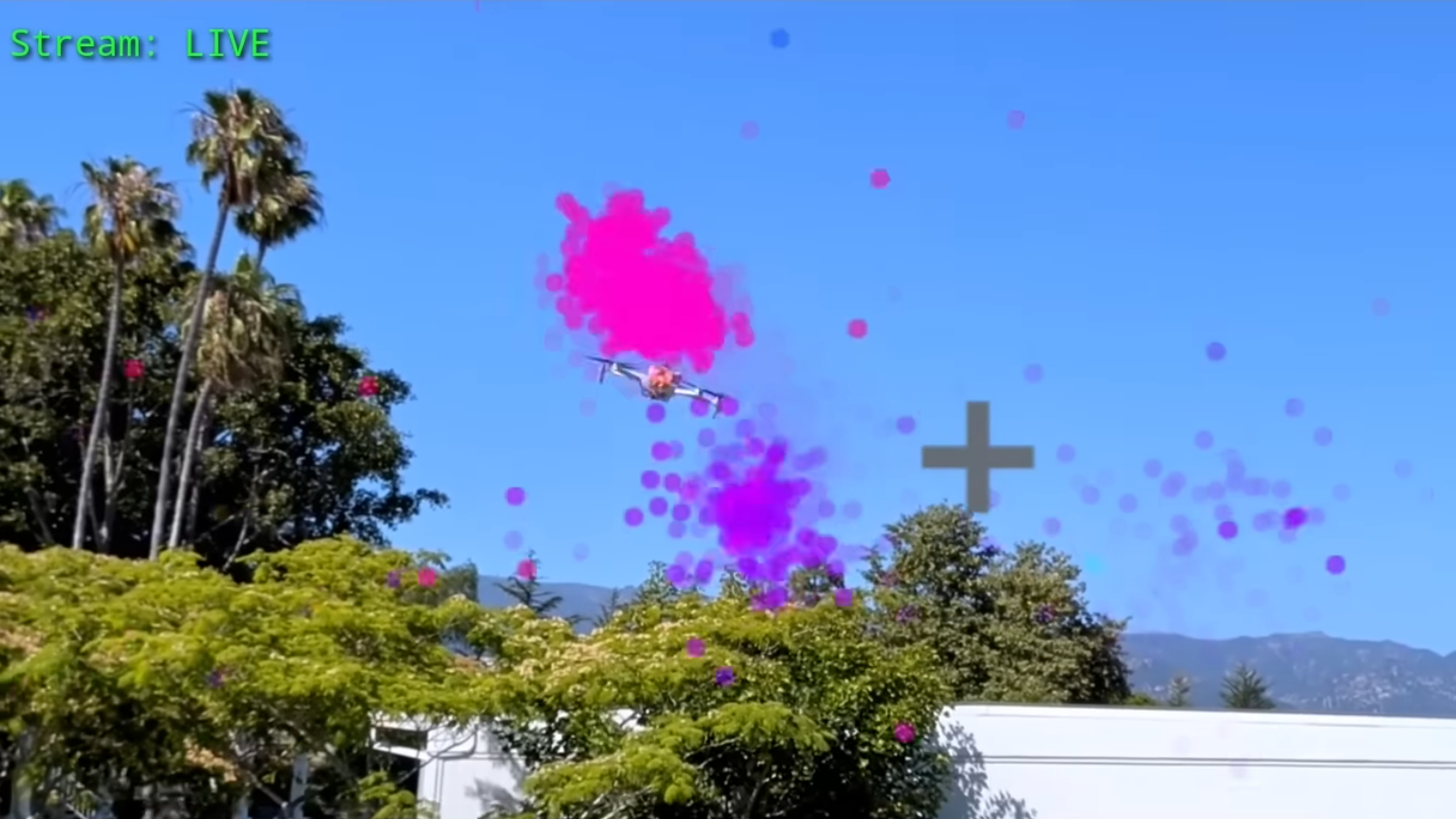
The QuadRF’s software shows off its real strength: it’s compatible with standard programs like GNU Radio, but it also hosts a few of its own programs. The most striking of these is an “RF camera” which scans its entire frequency range at 30 fps, tracking the direction of detected signals and visualizing them on a spatial plot. When overlaid on a camera feed, this plot lets one easily see the radio signals emitted from electronics; as an example, the creators tracked a drone in flight, even distinguishing the two radio transmitters on the drone.
Advertisement
This isn’t the first multi-antenna SDR we’ve seen, though this is the first that could transmit. It’s important to be careful, though: some applications of this kind of hardware run afoul of arms regulations.
Hunting and fishing license incident catches 3M residents
The Texas Parks and Wildlife Department (TPWD) says 3 million Texans had their data stolen following a breach at one of its suppliers.
People with state-issued hunting and fishing licenses are among those affected after attackers breached the vendor that handles license sales and copied customer data.
Advertisement
Details of victims’ driving license and passport numbers may be present in the leaked data. Basic personal information, such as email addresses, phone numbers, and residential addresses also leaked.
Social Security numbers (SSNs), financial data, or information relating to minors were not involved, according to the department’s disclosure.
According to a filing with the Office of the Attorney General, the attack on the unnamed vendor affected 3,087,721 Texans. The filing appears to contradict the department’s disclosure, noting that individuals’ names and SSNs were also involved.
Affected Texans were offered the usual one year of free credit monitoring services provided by Kroll, as long as they enroll by September 14.
Advertisement
A Kroll webpage dedicated to the incident reveals that an investigation has not determined when the breach took place. The department notified Texas Cyber Command on May 13, however.
“We recognize the seriousness of this issue and have identified and implemented additional security options to better protect customer information,” said TPWD. “Many of our staff are hunters and anglers and were affected by this incident. We are committed to continuing to work with the license system vendor to implement increased safeguards to prevent future incidents.”
TPWD said it is working with the affected vendor to introduce additional preventive measures, including enhanced monitoring and access controls.
The org went on to say that new license sales currently scheduled for August will go ahead as planned, although the website used to purchase licenses was unreachable at the time of writing. ®
THX Ltd. has spent more than four decades teaching moviegoers to expect the room to move before the film even begins. Founded by George Lucas in 1983 and developed out of Lucasfilm’s push to improve theatrical sound and presentation, THX became inseparable from Tomlinson Holman’s work, James A. Moorer’s thunderous Deep Note, and the kind of pre-movie trailer that made weak subwoofers beg for mercy.
The company’s latest Deep Note trailer, “Spark,” is not just another nostalgia play from one of cinema’s most recognizable audio brands. Now operating under Razer ownership after the 2016 acquisition, THX is using “Spark” to connect its Lucasfilm-era legacy with the next phase of immersive entertainment, including HDR10+ video and Eclipsa Audio. For a logo that once told audiences the theater was properly calibrated, this is THX trying to make the same argument in a very different format war.
Pro Tip: The first THX Deep Note trailer debuted in 1983.
Advertisement
THX Deep Note “Spark” Updates a Familiar Cinema Ritual
“Spark” blends the nostalgia of THX’s Lucasfilm-era origins with a more modern visual and sonic presentation. The trailer reflects the company’s long-standing mission to help audiences experience movies, music, games, and home theater content closer to the way creators intended.
It also acknowledges THX’s role in raising theatrical presentation standards during the Star Wars era, when George Lucas and Tomlinson Holman pushed for better sound and picture quality in cinemas. More than four decades later, “Spark” gives the Deep Note a fresh identity while preserving the familiar slow build and signature crescendo that made the THX trailer part of the moviegoing experience.
“As entertainment evolves, so does the role THX plays in bringing a creator’s full vision to audiences,” said Tuyen Pham, chief executive officer of THX Ltd. and veteran immersive audio innovator. “This trailer honors our legacy while embracing a future for open technology format standards for broader access for creators and deeper enjoyment by the audience. By releasing the Trailer in HDR10+ and Eclipsa Audio, we are empowering more storytellers, artists, and technologists to build extraordinary experiences that reach fans exactly as intended—faithfully, powerfully, and without compromise, with technology accessible to all via open standards of excellence and fidelity.”
The artistic approach for “Spark” is intended to symbolize imagination taking shape as an audiovisual journey, beginning with a “spark” from THX’s early innovations and media playback standards. It celebrates the creative possibilities of today’s entertainment landscape across concert venues, cinemas, home theaters, gaming rooms, and mobile devices enjoyed with headphones.
Advertisement
“THX was built on the idea that technical rigor and artistic ambition go hand in hand,” said Grace Qaqundah, senior vice president, THX Ltd. “Spark is a tribute to our history and a beacon for what lies ahead. We are thrilled to share it with audiences around the world as a spark of what’s possible when imagination meets high fidelity.”
The Spark also marks the first THX trailer released in the new open standards HDR10+ video and Eclipsa Audio. This is a strategic movie by THX that illustrates their commitment to open standard technology ecosystems that enable broad creator adoption and high-fidelity experiences across theaters, home entertainment, gaming platforms, and certified devices.
Who Supports HDR10+ and Eclipsa Audio?
Samsung has been one of the first major TV brands to support Eclipsa Audio, bringing the format to its 2026 TV and soundbar lineup. HDR10+ also has a much broader device footprint, with more than 22,000 certified products across categories including TVs, computer monitors, projectors, automotive displays, tablets, mobile phones, streaming devices, AVRs, and Blu-ray players. Supporting brands include Samsung, Panasonic, JVC, Xiaomi, TCL, Hisense, and Skyworth.
Advertisement
“Spark” is also expected to appear in THX Certified Cinemas in the second half of 2026, as well as on displays from THX brand partners and THX Certified devices.
Advertisement. Scroll to continue reading.
The inclusion of both HDR10+ and Eclipsa Audio follows THX’s recent expansion of its audio/video technology laboratories in Asia. The company’s Shenzhen lab has been named an Authorized Test Center for both HDR10+ and Eclipsa Audio certifications for consumer electronics and home theater devices.
The THX Deep Note has been part of the cinema experience since 1983, when it debuted ahead of Star Wars: Episode VI — Return of the Jedi. That history matters because THX helped establish the idea that going to the movies should come with a higher standard for sound, picture, and presentation, not just a bigger screen and a sticky floor.
Since then, theater chains and studios have pushed premium formats such as IMAX, Dolby Cinema, ScreenX, RPX, and others, but the THX Deep Note still carries a very specific meaning for moviegoers. It is a signal that the room, the sound system, and the presentation are supposed to matter. “Spark” updates that ritual for today’s immersive cinema landscape while keeping the familiar build that tells audiences the outside world can wait for the next two hours.
THX says “Spark” is expected to debut in THX Certified Cinemas in the second half of 2026, along with appearances on displays from THX brand partners and THX Certified devices.
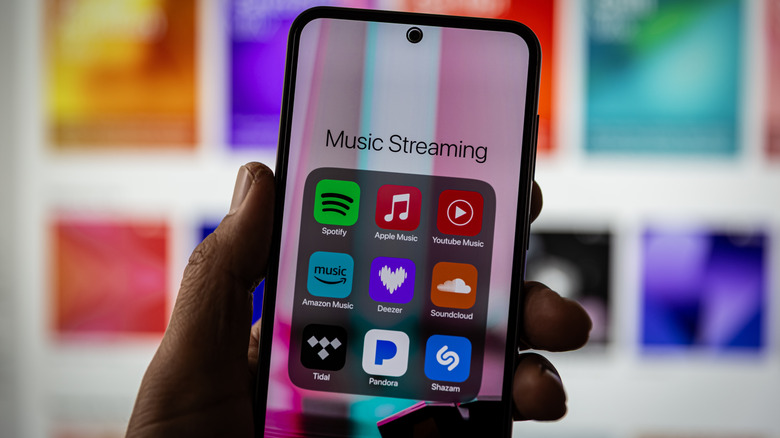
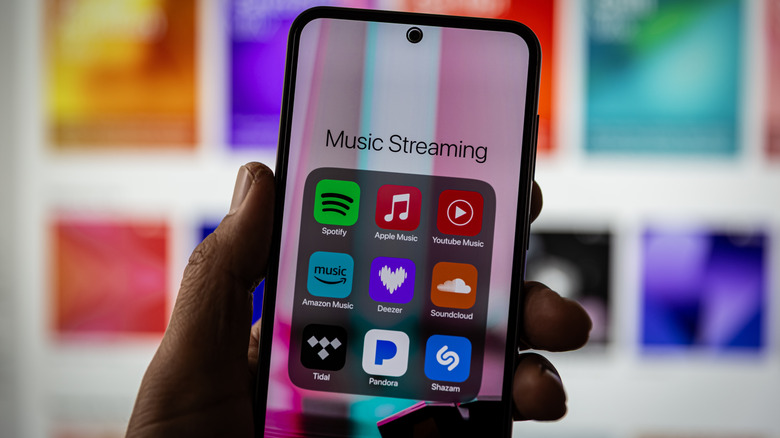
When you first think of music streaming services, Pandora probably doesn’t come to mind before other platforms, even though it was once a staple. But it’s definitely not one to forget about, especially if you’re keen to find a more affordable alternative to Spotify Premium. In case you need a refresher, or this is your first time hearing about it, Pandora is a music, podcast, and comedy streaming platform primarily based around customizable online radio stations.
You can use Pandora for free — or, if you want to unlock more functionality, you can subscribe to a paid tier. The cheapest paid tier, Pandora Plus, is $4.99 per month, making it a much more affordable option than the majority of other music streaming services. This tier gives you access to custom radio stations uninterrupted by ads, alongside unlimited skips and limited offline listening.
There is a small catch, though, and it’s an integral part of how Pandora Plus works. Since it revolves around personal radio stations and custom listening experiences, it doesn’t really prioritize searching for and picking out individual songs on demand — at least not without listening to an ad first. So, if you frequently find yourself reaching for your phone to hear one specific song, you might decide to opt for Pandora Premium for $10.99 instead. But if you don’t mind letting Pandora’s algorithm work its magic and listening to the occasional ad, then Pandora Plus could suit you just fine.
Advertisement
How does Pandora compare to other streaming platforms?
Tada Images/Shutterstock
Exactly how Pandora compares to its competitors like Apple Music, Spotify, or Tidal, depends on which tier of Pandora you’re using. For example, Pandora and Spotify’s respective free tiers aren’t all that different from one another, as they both set restrictions around your ability to select and play a specific song, and they both include ads. Similarly, Pandora Premium is roughly on par with other streaming services’ premium tiers in terms of functionality, offering ad-free access to its entire library, unlimited skips, offline listening, and playlists.
The real differences between Pandora and other streaming platforms arise with the mid-tier Pandora Plus, because of its focus on stations instead of purely listener-directed listening. With this tier, you’ll spend more time listening to algorithmically informed, never-ending playlists, rather than specific albums, artists, or songs. However, it’s not solely Pandora driving the music. You get plenty of say over what you’re listening to, since you can skip as many songs as you want, and there are several different stations to choose from. Plus, you influence the stations based on your tastes, and by giving any given track a thumbs up or thumbs down. You can also download stations to listen to offline.
Advertisement
Pandora Plus effectively creates a kind of bridge between free and premium subscriptions, which differs from how other platforms work. For that reason, it might not serve as a one-to-one replacement if you’re hoping to ditch your Spotify or Amazon Music subscription. That doesn’t mean that it couldn’t work as an alternative, particularly if you regularly find yourself flicking between Spotify mixes or artist radio stations on Tidal.
Advertisement
Pandora’s stations rely on the Music Genome Project
viewimage/Shutterstock
Pandora stations work a little differently from autogenerated mixes or playlists on some other streaming services, and that’s because it uses something called the Music Genome Project. According to Pandora’s official website, the Music Genome Project is the “most comprehensive analysis of music ever undertaken,” and it’s a bespoke musical database that has been compiled for more than 20 years. It keeps track of a massive amount of different details about every song logged on the service. That project is what provides the backbone of your listening experience when you tune in via Pandora’s stations.
When working on the Music Genome Project, Pandora’s researchers log information into the database on a song-by-song basis, rating each track based on hundreds of different parameters. This information is then used to create networks and relationships between different songs to find similarities. That’s a much more granular approach than just finding different artists that may be similar to one another, which makes the database much more detailed — and arguably, more accurate.
When you give a song a thumbs up or down on a station, it tells Pandora what you do or don’t like about it, such as its key, rhythm, or instrumentation. That makes it far more likely to find another song that sounds similar to the one you liked than if it were basing its algorithm on a rough idea that two artists generally belong to the same genres, or that their music came out around the same time.
Optical computing uses light instead of electricity to process complex data.
Digital twin eliminates long waits for shared optical hardware.
Virtual optical systems mirrored real hardware with remarkable accuracy.
Optical computing has emerged as a promising alternative to traditional electronic systems struggling with increasingly large-scale AI and deep learning workloads.
By harnessing the physical properties of light, including interference and diffraction, optical computing systems offer faster speeds, better energy efficiency, and stronger parallel processing capabilities.
Chinese researchers have now proposed a digital twin model that fundamentally changes how these complex systems are developed and tested.
Latest Videos From
Why physical hardware became a bottleneck for researchers
Traditional optical computing systems face a persistent challenge, since task development relies heavily on direct access to physical hardware platforms.
Advertisement
When multiple researchers need to work with the same system, they typically wait in line, then repeatedly tune parameters and perform error calibration before any genuine computation can begin.
Once one user finishes, the next often must readjust the entire system state, making parallel research nearly impossible across competing projects.
That cycle of waiting, tuning, and recalibrating drives up trial-and-error costs while severely limiting overall research efficiency.
Advertisement
Sign up to the TechRadar Pro newsletter to get all the top news, opinion, features and guidance your business needs to succeed!
To address that bottleneck, researchers developed what they call the Digital Twin Optical Computing System, or DT-OCS, published in Opto-Electronic Advances.
The framework constructs a digital model that reproduces the input-output responses of a physical optical computing system across different configuration parameters entirely within software.
If the physical system resembles an expensive, heavily occupied real machine, researchers describe DT-OCS as functioning like a high-fidelity simulator running alongside it.
Advertisement
Testing image classification inside a virtual twin before touching real hardware
Using a high-speed optical computing system paired with a silicon photonic feature-computing chip, the research team tested DT-OCS on image classification and sequential decision-making tasks.
The results showed that configuration parameters trained and optimized within the digital twin transferred directly to the physical system without requiring further adjustment.
Advertisement
Task performance on the physical hardware matched the digital model’s predictions closely, validating both the fidelity and transferability of the entire approach.
Because training and optimization happen primarily within the digital domain, researchers can now develop multiple distinct tasks simultaneously rather than queuing for shared hardware access.
The team has also made the DT-OCS framework and its associated datasets openly available.
This will allow other researchers to conduct training and validation without ever touching physical equipment themselves.
Advertisement
According to the researchers, they designed DT-OCS as “a reproducible, accessible, and scalable software resource for wider sharing and validation.”
The openness effectively transforms optical computing from a specialized resource constrained by device availability into something closer to a shareable, reproducible research platform.
The researchers argue that future optical computing systems should pair physical hardware with openly available digital models offering equivalent computational behaviour.
Drawing a comparison to how modern transportation depends on both physical roads and continuously updated digital maps, they suggest mature optical computing platforms need a similar dual structure going forward.
Anyone who’s Googled themselves recently knows that it doesn’t quite hit the way it used to. Sure, there’s everything going on with Google search itself, but there’s also an inescapable feeling that web search isn’t the canonical source of information that it used to be, with just as many people learning about you and me from chatbots.
Thomas Dimson and Joey Flynn had a similar feeling, leading them to create In the Weights. The “weights” in question are the numerical parameters that shape an AI model’s training and output, so the website purports to measure how well “a model is able to recall someone without using tools like web search.”
“Being in the weights means your existence was deemed important in the process of creating superhuman artificial intelligence,” the website says.
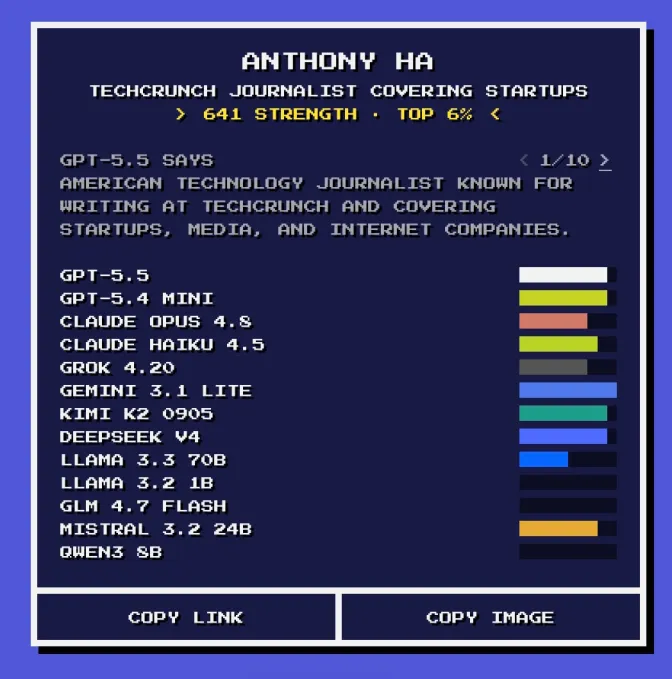
To achieve this, In the Weights supposedly queries different models (including Grok, Gemini, multiple versions of GPT, Claude, and Llama, plus lesser known models) with a question similar to, “Who is ? Give up to 10 results, each with a short description and confidence.” It then “cluster[s] similar descriptions together and assign[s] a strength score.”
Advertisement
Image Credits:In the Weights
For example, this humble tech blogger received a strength score of 641, placing me in the top 6% of names. I was feeling pretty good until I saw that multipleTechCrunchcolleagues scored even higher. And the leaderboard has been shifting as I write this post, with “Home Alone” star Macaulay Culkin currently in the top slot with a strength score of 988, followed by opera singer Luciano Pavarotti.
The results also show which models returned answers for a given name, and they highlight potential hallucinations — apparently GPT-5.4 Mini says that Anthony Ha is an “ambiguous name form that could refer to multiple people with the initials A.H.A.”
Asked why he built In the Weights, Dimson told TechCrunch via email that he and Flynn were looking to “get the creative juices flowing again” after leaving OpenAI (which they both joined through the acquisition of their design startup Global Illumination).
Dimson said he was thinking about how “Google vanity searches are the wrong objective in 2026 as more traffic moves to LLMs” and about the fact that “so many lives are encoded somehow in a bunch of floating point numbers inside the AI brain.” He also said the direction of the site was “sealed” by a tongue-in-cheek blog post riffing on AI weights and Terry Bisson’s classic short story “They’re Made Out of Meat.”
“Reception has been insane so far, we thought this would be a mild curiosity but it seems like it has struck a nerve of wanting to see if you live forever in the super intelligence (the comparison factor doesn’t hurt either!)” Dimson added.
Advertisement
Image Credits:In the Weights
While I’m not as convinced that being “remembered” by a chatbot is a guaranteed ticket to immortality, I can’t deny that I find the results both intriguing and jealousy-inducing, especially since they’re codified in an easy-to-compare score. (AI critic Anthony Moser scoffed that this is “literally the same as asking 13 chatbots to tell you about yourself.”) Also helping: The fact that the site features a cute, Nintendo-inspired retro design.
Dimson said he plans to dig in further into why different models in the same series return different results, which models are biased towards different types of people, and which people “should have a Wikipedia article but don’t.”
When you purchase through links in our articles, we may earn a small commission. This doesn’t affect our editorial independence.
Learning to drive might be less of a priority than it once was for American teenagers, but the majority still have their licence by the time they turn 19. Depending on where they live, some teens might need to wait a few years longer than others to get on the road. As shown by the Insurance Institute for Highway Safety, the lowest age for getting an unrestricted driver’s license varies from state to state, with some states requiring drivers to wait until they’re 18 to drive without curfews and passenger restrictions.
In contrast, the lowest minimum age for an unrestricted driving license is 16. Only a handful of states allow drivers who have just turned 16 to hold a regular license: They are Idaho, Montana, North Dakota, and South Dakota. In Montana, 16 year old drivers have to have held their license for 12 months or more in order to get nighttime and passenger restrictions lifted. A range of other states lift restrictions at 16 years and six months, including Arizona, Kansas, Mississippi, and New Mexico, among others.
The minimum entry age for learners similarly varies between states, with the lowest age across the country being 14 years old. Drivers in Alaska, Arkansas, Iowa, Kansas, North Dakota, and South Dakota can all get a learner’s permit at the age of 14.
Advertisement
Buying the right car can make it easier and safer to learn to drive
Scharfsinn/Shutterstock
Anyone looking to get their license will need a car to practise in, and if you’re a first timer looking to purchase your first car, it’s worth choosing your new ride carefully. Picking a car with modern safety features should give you extra reassurance in the case of an accident, even though it might not be the cheapest option on the market. When asked, Jay Leno suggested that cars from 2005 onwards are a good bet, but at a minimum, making sure you have something with airbags and modern seatbelts is advisable.
Plenty of car enthusiasts like the feeling of control and involvement that a manual transmission gives them, but learning to drive stick also comes with its own challenges. There are a few beginner tips worth keeping in mind when you start learning, like memorizing your car’s shift pattern, that should make it a little easier.
Advertisement
After you pass the learner stage, all states have an intermediate stage that imposes restrictions about the time of day you can drive and the passengers you can carry. The restrictions vary considerably between states, so be sure to check restriction rules before you head out on the road. To have those restrictions lifted, you’ll usually need to have held your license for a set period of months, or reach a specific age, but again, the time period and age requirements vary depending on where in the country you live.
The partnership does not affect Blacknight’s leadership, workforce or day-to-day functions, the company said.
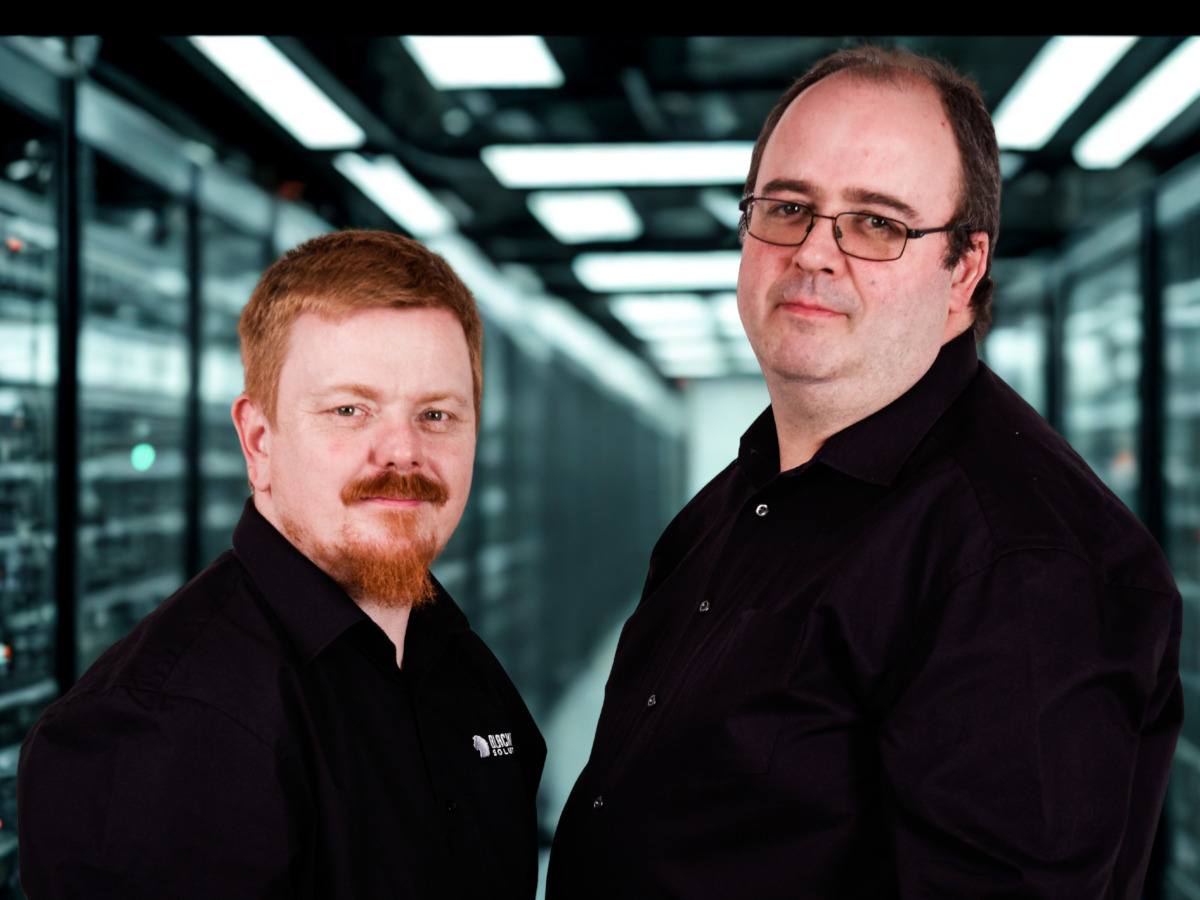
Carlow-based web hosting company Blacknight has been acquired by European digital services group Your.Online.
Blacknight has secured long-term investment from the Amsterdam-based company to position itself for the next phase of its growth, it said in a statement.
The company did not disclose details of the transaction, but CEO Michele Neylon told SiliconRepublic.com that Blacknight has “reinvested substantially” into the new entity.
Advertisement
Your.Online partners with entrepreneurs, providing promising digital brands with the funds and expertise needed to grow. Blacknight is its first portfolio company based in Ireland.
Founded in 2003 by Neylon and Paul Kelly, Blacknight began as a small hosting business operating from a house in Carlow town.
In the more than two decades since, the company has grown into one of Ireland’s leading domain registrars with more than 90,000 customers across Ireland and internationally.
The company employs nearly 60 people and operates its own infrastructure from multiple data centre locations across Ireland.
Advertisement
It provides domains, hosting, cloud infrastructure, email, co-location and online solutions to businesses, developers, organisations and entrepreneurs.
The partnership with Your.Online allows Blacknight to access additional resources and expertise to accelerate investment in infrastructure, cloud services, security and customer solutions, the company said.
Blacknight will continue to operate independently under its established brand, with Neylon and Kelly remaining in their leadership roles alongside the existing team. Day-to-day operations also remain unchanged. Neylon said that the company plans to hire and expand both in Ireland and overseas.
Advertisement
“This is not about changing who we are,” said Neylon. “It is about strengthening the foundations for the future.
“Blacknight has always believed that Ireland deserves world-class digital infrastructure delivered by people who understand the local market. Joining Your.Online ensures we can continue building for the long term while remaining true to the values that brought us here.”
Chief technology officer Kelly added: “We have always taken a long-term approach to technology, infrastructure, and customer relationships.
“Becoming part of Your.Online allows us to continue investing in innovation and resilience while staying true to the principles Blacknight was built on.”
Advertisement
Don’t miss out on the knowledge you need to succeed. Sign up for the Daily Brief, Silicon Republic’s digest of need-to-know sci-tech news.
Meta is testingface-recognition software built by the United States military and regional police department supplier Rank One, WIRED found in an investigation this week. Meta has been exploring the possibility of adding face recognition tech into its smart glasses, and WIRED previously reported that the app for the glasses contained code—now deleted—that would have enabled the company to activate face-recognition features on the devices.
Anthropic is still negotiating with the Trump administration, after apparent White House concerns about the safety of new public model Claude Fable 5 resulted in Anthropic pulling the product off the market entirely. But security experts point out that AI models with advanced capabilities for discovering and exploiting software vulnerabilities—in other words, creating potentially dangerous hacking tools—will be ubiquitous soon around the world.
The United Kingdom will soon begin scanning the faces of asylum-seekers as part of age checks in spite of evidence that such age evaluation and verification tools are deeply flawed and can make mistakes with life-altering consequences.
Advertisement
In more uplifting uses of surveillance tech, Knicks fans around the world had a chance to watch Thursday’s ticker tape parade in New York City on traffic surveillance cameras thanks to livestreams from the artist Morry Kolman.
And there’s more. Each week, we round up the security and privacy news we didn’t cover in depth ourselves. Click the headlines to read the full stories. And stay safe out there.
The hacking and extortion group ShinyHunters has been loudly proclaiming a slew of high-profile victims in recent months: including the education tech firm Instructure, causing disruption in thousands of schools in the process; the photography firm Kodak; and a key European human rights organization. This week, it also published data allegedly stolen from Madison Square Garden, according to reporting by 404 Media.
The published data, allegedly comprising millions of records across 45GB of files, includes potential personal information from customers and references players and coaches from the Knicks. The data was published not long after the Knicks won their first NBA championship since 1973. A sample of the data reviewed by 404 Media included one file purporting to include the names of “talent,” including Knicks members.
Advertisement
WIRED has recently reported on Madison Square Garden’s extensive use of surveillance technologies, including face recognition systems. Alleged emails in the stolen data viewed by 404 Media include one man complaining about face recognition technology. MSG did not respond to the publication’s request for comment and after the story broke, a federal class action lawsuit was filed over the alleged data breach.
At least three bars in San Francisco’s Castro district, the well-known LGBTQ region of the city, have been using face scanners at their entrances to collect detailed information on customers. The bars are using tech from Patronscan, an ID verification company, to collect facial images, names, genders, according to Gazetteer SF, which went to bars using the technology. As well as the data collection, if staff at the bars spot customers fighting, being involved in theft, or other negative behaviors, they can log this in the system. Face recognition can then identify the person the next time they are at the bar. The recorded information can be shared as part of a “safety network” between other firms using the tech, creating a widespread surveillance network.
For months, governments and companies in Europe have been ditching US technology, citing surveillance and security risks. This week France’s domestic spy agency, the Direction générale de la Sécurité intérieure (DGSI), announced it would stop using Palantir’s data and AI tools in the coming years, replacing them with software from French firm ChapsVision. “We must use our own AI models,” French prime minister Sébastien Lecornu said. “We cannot rely on tools developed by foreign powers. France must have its own tools.”
Apple’s ‘Hide My Email’ tool allows you to generate a random email address that you can use to privately sign-up to new websites and apps, avoiding you handing over personal info to even more websites. However, the company is set to change the way it creates these email addresses. At present, they all use the @icloud.com domain. Going forward, as TechCrunch reported this week, Apple plans to use the domain: @private.icloud.com. The not-so-subtle change could make it easier for firms to detect people are using the privacy-preserving service and demand sign-ups with an alternative email address.
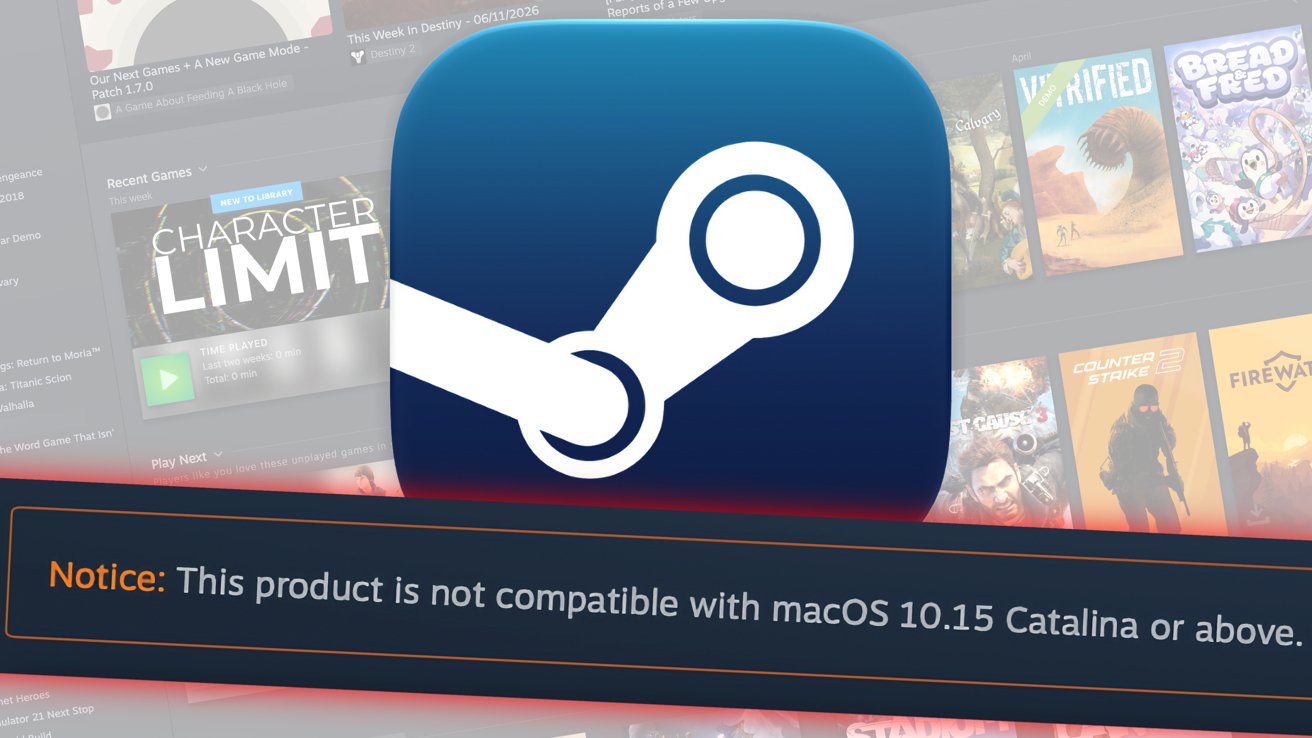
If Mac game developers miss these settings, their brand new game for Apple Silicon will be listed as unplayable on anything after macOS 10.15 Catalina. Here’s how to tell Steam that your game is compatible, and where the flags are.
Steam’s macOS Catalina warning
Valve Software’s gaming storefront, Steam, is the biggest of its kind when it comes to PC and Mac gaming. It is essential for any game developer targeting those platforms to put a build on Steam, due to the sheer size of its audience. However, while Steam is relatively simple for gamers to use, the back-end is considerably more complex. For a developer starting out, there are many things that can be missed when putting their game onto Steam for the first time. Continue Reading on AppleInsider | Discuss on our Forums






















































You must be logged in to post a comment Login