Tech
Apple Watch Ultra 4 vs Watch Ultra 3: Should you really spend another $799?

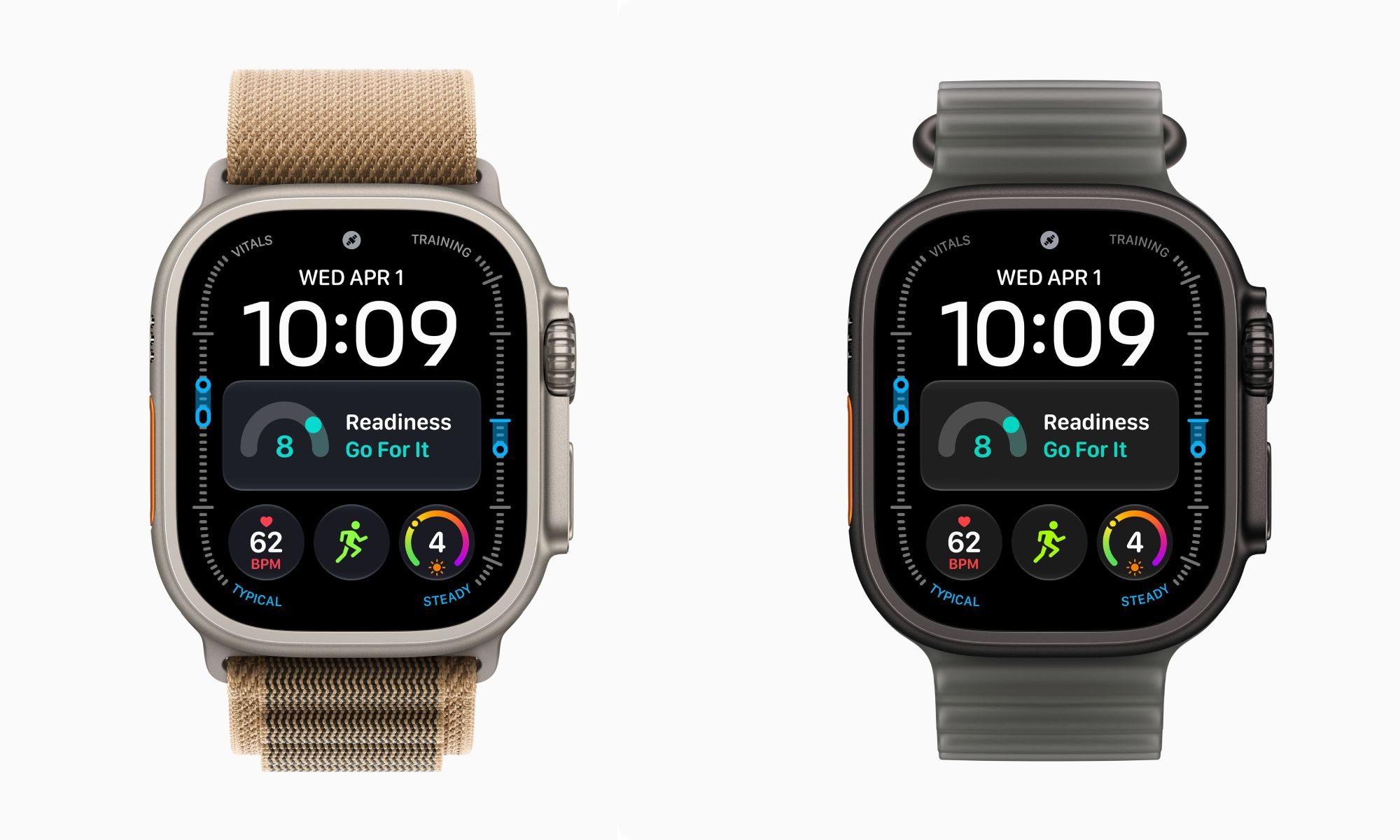
A quick glance at the spec sheet and it looks like the Apple Watch Ultra 4 is quite similar to last year’s Ultra 3. The same 49mm titanium case houses the same big 3,000-nit display, with the Action button on the side, satellite connectivity, 100-meter water resistance, and recreational diving support down to 40 meters. Apple hasn’t even changed the two case colors.
But that’s just the hardware side of the story. Look underneath the familiar casing, and things start looking a lot newer. The Ultra 4 introduces an entirely new Health Sensing System, higher-frequency heart-rate and HRV measurements, and so much more. It also starts at the same $799 price at which the Ultra 3 launched. So for someone buying their first Apple Watch Ultra, the decision might be obvious. Though the same doesn’t hold true for existing Watch Ultra 3 owners.

Apple Watch Ultra 4 vs Watch Ultra 3 Specs
| Features | Apple Watch Ultra 4 | Apple Watch Ultra 3 |
|---|---|---|
| Starting price | $799 | $799 at launch |
| Case | 49mm Grade 5 titanium | 49mm Grade 5 titanium |
| Dimensions | 49 x 44 x 12mm | 49 x 44 x 12mm |
| Weight | 63.0g natural / 63.1g black | 61.6g natural / 61.8g black |
| Colors | Natural, Black | Natural, Black |
| Display | LTPO3 wide-angle OLED, Always-On | LTPO3 wide-angle OLED, Always-On |
| Resolution/display area | 422 x 514, 1,245mm² | 422 x 514, 1,245mm² |
| Brightness | 1–3,000 nits | 1–3,000 nits |
| Processor | S11 | S10 |
| Storage | 64GB | 64GB |
| Heart sensing | New Health Sensing System | Electrical + third-gen optical sensors |
| Readiness score | Yes | No |
| Recovery HRV | Yes; much more frequent HRV sampling | No |
| Siri AI | Yes with watchOS 27 | Yes with watchOS 27 |
| Audio Intelligence | Yes | No |
| Gestures | Single tap, double tap, wrist flick | Double tap, wrist flick |
| GPS | Precision dual-frequency GPS | Precision dual-frequency GPS |
| 5G | Yes | Yes |
| Satellite communication | Yes | Yes |
| Normal battery life | Up to 50 hours | Up to 42 hours |
| Low Power Mode | Up to 84 hours | Up to 72 hours |
| Full GPS/HR outdoor workout | Up to 18 hours | Up to 14 hours |
| Extended full GPS/HR workout | Up to 25 hours | Up to 20 hours in Low Power Mode |
| Maximum extended workout | Up to 45 hours | Up to 35 hours with fewer GPS/HR readings |
| 15-minute charge | Up to 18 hours use | Up to 12 hours use |
| Water resistance | 100m | 100m |
| Scuba diving | Up to 40m | Up to 40m |
Apple’s technical specifications confirm that the physical aspects like dimensions, display resolution, peak brightness, water resistance, storage, and core connectivity remain almost unchanged.
Design and display: It’s basically a tie
If you were hoping Apple had shrunk the Ultra again, you’re going to be disappointed. Both generations measure 49mm tall, 44mm wide, and 12mm thick. The Ultra 4 has actually gained a tiny amount of weight, reaching 63 grams in natural titanium compared with 61.6 grams for the Ultra 3. While Apple can say the Ultra has gotten thinner, a 1.4-gram difference is not going to make a difference in real-world use.
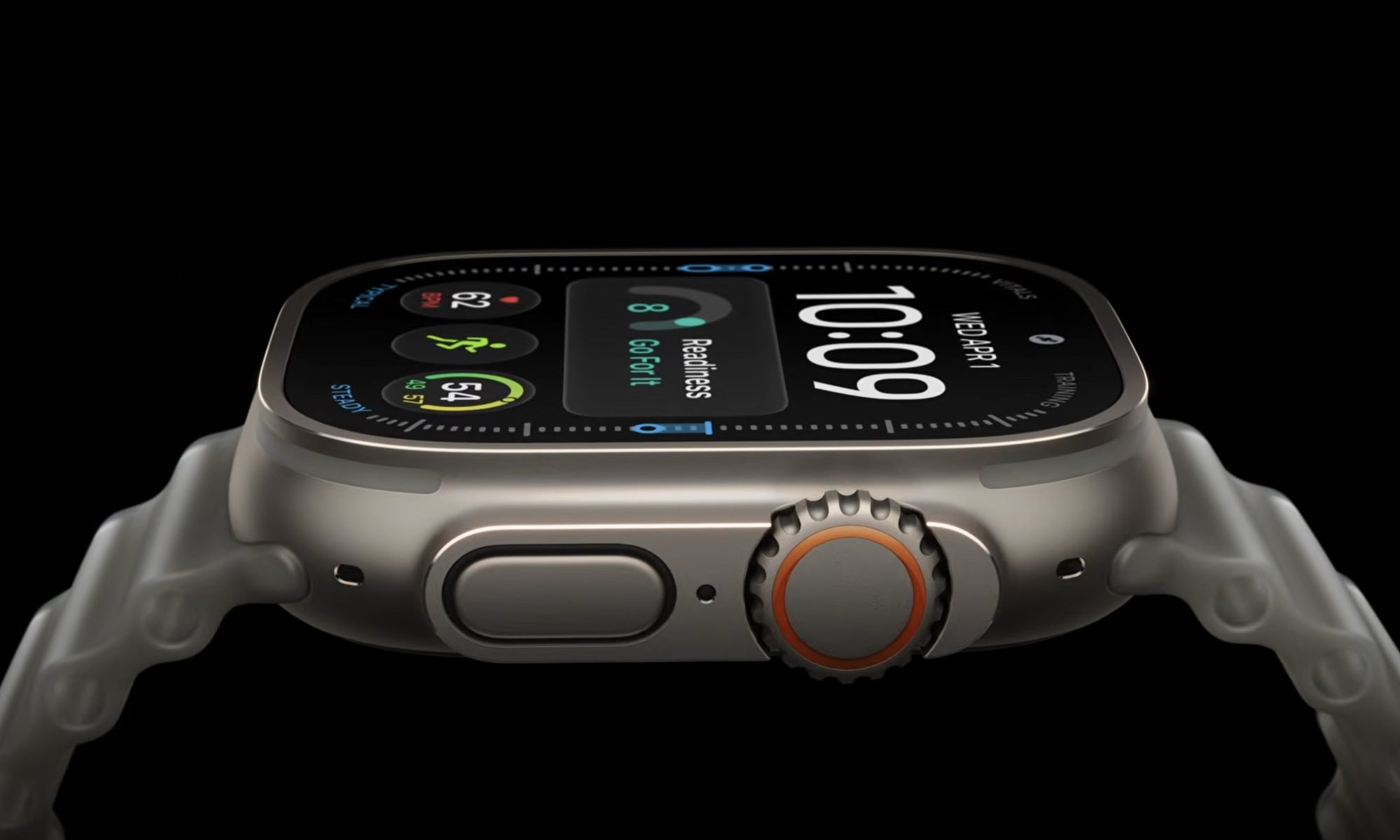
The display hasn’t materially changed either, with both models using a 422 x 514 LTPO3 wide-angle OLED panel with a 1,245mm² display area, 1Hz Always-On capability, and brightness ranging from 1 nit to 3,000 nits. In our review of the Apple Watch Ultra 3, we praised its thinner body and wide viewing angles as one of the biggest improvements Apple had made to the Ultra line. It finally made Apple’s enormous adventure watch considerably easier to live with every day.
Health tracking: Ultra 4 wins by a mile
This is where the generational gap finally opens up. The Ultra 4 has Apple’s new Health Sensing System, built around redesigned optical and electrical sensors and the S11 chip. Larger, more efficient green LEDs allow the watch to measure heart rate every five seconds throughout the day, while Apple says HRV can now be measured up to 24 times more frequently.
The additional data feeds several new features. The biggest of which is the new Readiness feature. It basically combines recent activity, training load, sleep score, vitals, and recovery information into a score from 0 to 10. Rather than simply handing over the number, Apple categorizes your condition as Recover, Pace Yourself, Ready, or Go For It. The score can also change throughout the day as new workout and health data arrives.
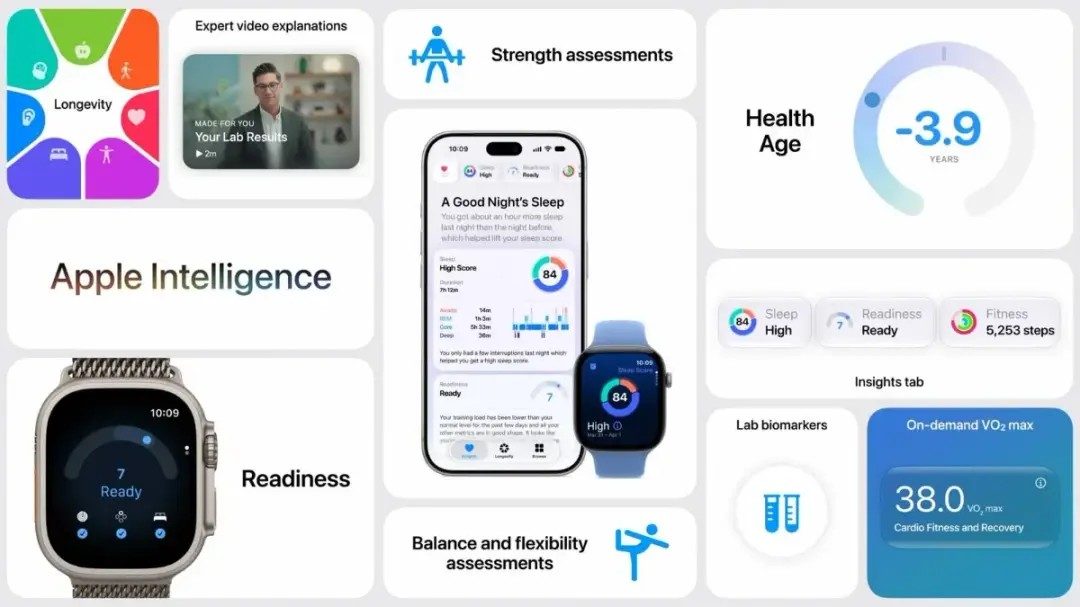

Apple is additionally separating Recovery HRV from broader HRV trends and adding HRV to Vitals. Daytime Vitals can flag changes before you go to sleep, which makes the Ultra 4 considerably more useful for athletes trying to judge recovery and training readiness. This addresses one of the more noticeable holes in Apple’s previous fitness offering by finally offering a unified daily recovery metric that competitors such as Garmin, Oura, and Whoop have emphasized.
Fitness and GPS: mostly familiar, with better endurance
Both watches remain extremely capable sports devices. You get precision dual-frequency GPS, customizable workouts, Heart Rate Zones, Race Route, Pacer, training load, automatic track detection, cycling power-meter support, offline hiking maps, swimming metrics, and recreational scuba diving.
Apple is once again claiming the Ultra 4 provides the most accurate on-device GPS in a sports watch, based on testing against leading dual-frequency sports watches in August 2026. Interestingly, Apple made a similar accuracy claim about the Ultra 3 last year, and both spec sheets still list precision dual-frequency GPS. I consequently wouldn’t describe this as a major new GPS hardware system without more testing.
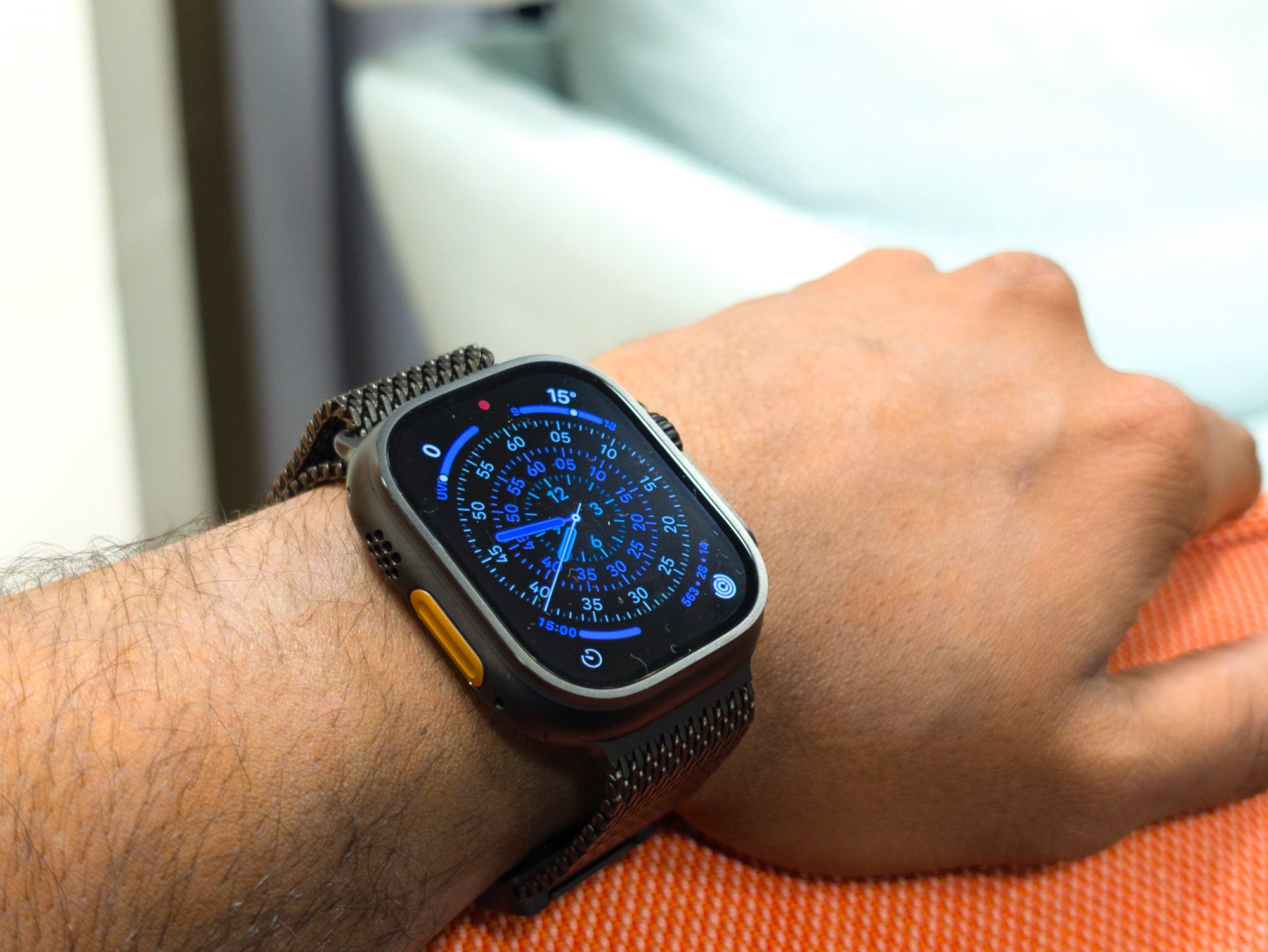

Though Apple claims that there is a clearer enhancement in step and indoor-distance tracking thanks to its redesigned pedometer algorithms around the S11 chip that improved all-day step counts and treadmill distance estimates. These changes won’t impact the average user, but athletes who specifically care about recovery data get a much larger upgrade thanks to Readiness and higher-frequency heart sensing.
S11 and software: Don’t upgrade just for Siri AI
The S11 chip sounds like an easy reason to favor the Ultra 4. Except there’s one minor detail to remember. Siri AI isn’t exclusive to the Watch Ultra 4. Apple says watchOS 27 supports Apple Watch Ultra 2 and newer, and Siri AI can run on those supported watches when paired with a compatible Apple Intelligence-enabled iPhone.
Meaning, your Ultra 3 still gets Apple’s much more conversational assistant, personal context awareness, the dedicated Siri app, dynamic app grid, smarter Smart Stack, and many of watchOS 27’s other improvements. What’s really new is the hardware-exclusive feature, Audio Intelligence. The S11 chip contains a Secure Enclave designed to process audio independently, allowing the Ultra 4 to support four new functions: Sound Recognition, faster automatic Shazam, Live Rewind, and Siri Recap.
Live Rewind can recover the previous 15 seconds of a conversation as text when you double-press the Digital Crown. Siri Recap goes further by generating a high-level summary of conversations for you to revisit later. Apple says neither feature stores the raw audio, and both arrive in beta later in 2026.
Battery life: this might be the upgrade people notice immediately
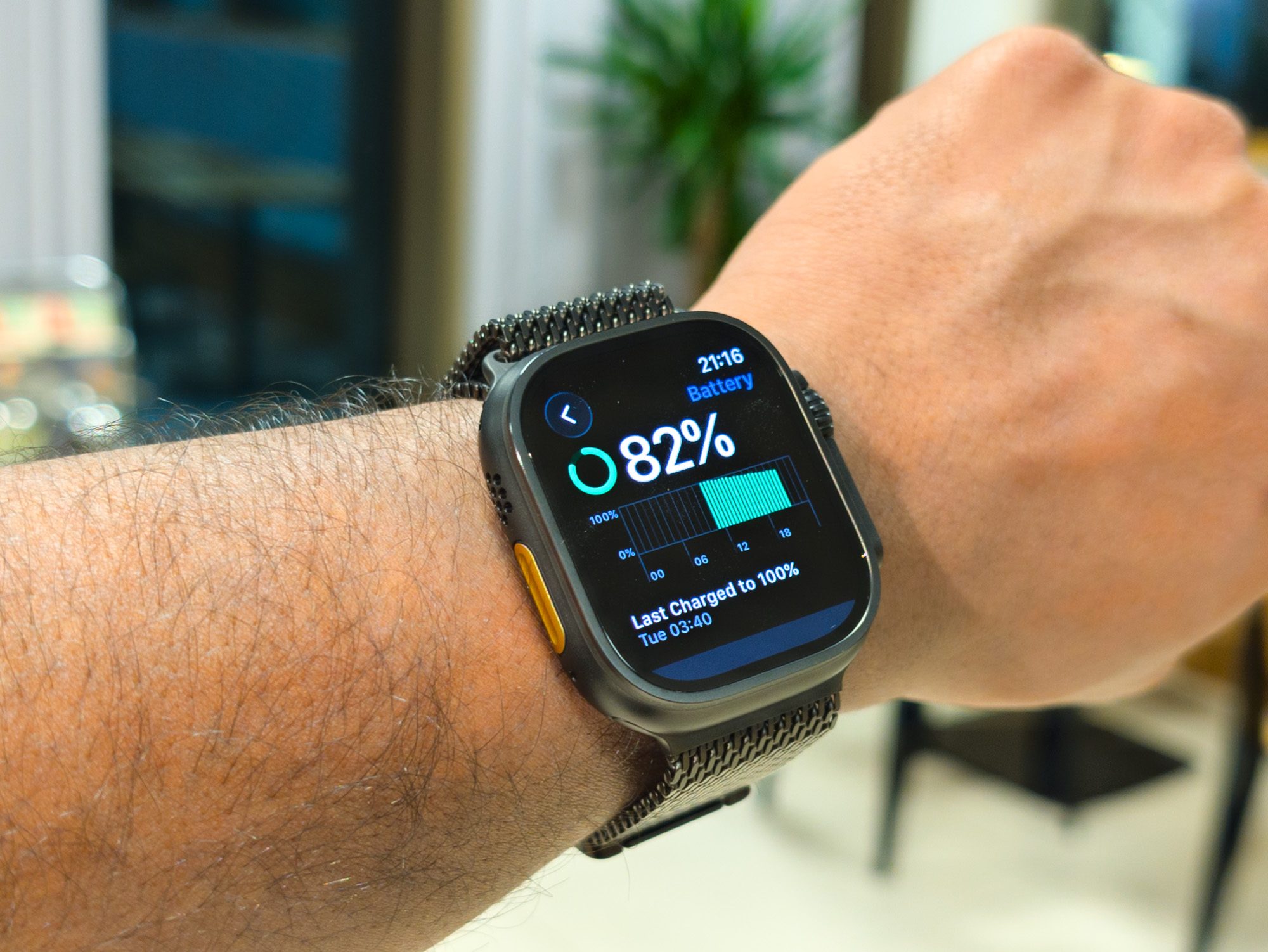
Battery life was already one of the Ultra 3’s greatest strengths. Apple rated it for up to 42 hours of ordinary use and 72 hours in Low Power Mode. During one of our tests, it had 31% charge remaining even after running for nearly 60 hours, demonstrating just how strong its endurance could be under mixed usage.
In the latest generation, normal use rises to 50 hours, while Low Power Mode reaches 84 hours. An ordinary outdoor workout with full GPS and heart-rate measurements increases from 14 to 18 hours. Apple’s new Extended Workout mode reaches 25 hours while retaining full GPS and heart-rate measurements.
There’s also Max Extended Workout mode, rated for up to 45 hours of outdoor running, walking, or hiking while still taking GPS readings every second. Apple specifically pitches that as enough for many 100-mile races. Both watches reach 80% in about 45 minutes, but 15 minutes on the charger now gives the Ultra 4 up to 18 hours of normal use, versus 12 hours on the Ultra 3. Five minutes provides up to 10 hours of sleep tracking instead of eight.
Apple Watch Ultra 4 vs. Ultra 3: Which should you buy?
For a new Apple Watch Ultra buyer, get the Ultra 4 if you’ve been waiting to buy one. Apple has kept the $799 starting price while improving the areas that actually make sense for this product. Readiness and higher-frequency HRV are quite big updates in the health tracking department. The Health Sensing System captures considerably more physiological data, and battery life is moving farther into dedicated sports-watch territory.
It’s an easy recommendation when the alternative costs the same (when not on discount). So if you’re already on the Watch 3 Ultra, it’s better to stick with it. The display and physical design are essentially identical. You already have 5G, satellite communication, precision dual-frequency GPS, excellent battery life, and almost the entire Ultra fitness toolkit. Most importantly, watchOS 27 means you aren’t being locked out of Siri AI or Apple’s larger software redesign after only one year.
You must be logged in to post a comment Login