Aaron from MacRumors shared the new findings in a post on X. If your hair happens to block the camera on your AirPods, you’ll get an error titled “Hair Detected.” The message reads, “To get the most accurate information about things in your environment, make sure AirPods are not covered.”
Some additional info about AirPods Pro 4 with cameras, found in macOS 26.7 RC:
If you have long hair that blocks the camera, there will be an error that is titled “Hair Detected” that says “to get the most accurate information about things in your environment, make sure AirPods… https://t.co/hUbWovpsyc
It’s a small detail, but it makes sense. Since the camera relies on a clear line of sight to feed information to Visual Intelligence, anything blocking it, including your own hair, would stop the feature from working properly. Apple seems to have thought this through so users aren’t left confused about why the camera suddenly isn’t picking anything up.
What is Secure Pairing all about?
The second detail is a feature called Secure Pairing. According to the string found in the build, it says, “Please put your AirPods in case to continue Secure Pairing.” While we don’t have the full picture of how this process works yet, it strongly suggests that setting up the camera feature will involve an added security step, likely to confirm you’re actually the owner before granting access to your surroundings.
Nadeem Sarwar / Digital Trends
Given that these AirPods will essentially be capturing and processing visual data from your environment, a dedicated secure pairing process makes a lot of sense from a privacy standpoint.
These two additions give us a clearer picture of how Apple is approaching both the usability and the security side of camera-equipped AirPods. With more details surfacing from the same macOS Tahoe 26.7 build, it looks like Apple is getting closer to making this feature official.
The big picture: Park-outside recalls are becoming a bigger issue for automakers and drivers as vehicles add more electrical systems, battery technology, and software-controlled components. For drivers, the warnings can mean months of inconvenient parking habits while manufacturers work to provide repairs.
In the first seven months of 2026, the NHTSA issued 17 park-outside recall campaigns affecting about 1.7 million vehicles. Eight of those recalls were announced in June and July, including a warning covering 1 million Jeep vehicles with an electrical connection issue involving power-steering pumps.
The notices tell drivers not to park in garages or near buildings because a vehicle could catch fire after it has been turned off. In some cases, owners are also told not to charge their vehicles until repairs are available.
The problem is not limited to electric vehicles. Fire risks can involve high-voltage batteries in plug-in hybrids, but they can also come from wiring, starter relays, seat motors and other components that still carry electrical current after the engine is shut down.
Advertisement
“The engine is off, but the circuits are still hot, and they stay hot all the time,” Frank Borris, a former NHTSA investigator who now works as a safety consultant, told the Washington Post.
“There is a lot more electronics in vehicles today,” he added, “and that means more stuff can go wrong.”
NHTSA created the park-outside designation in 2015 to draw attention to recalls involving fire risks in or near buildings. In 2022, it added a park-outside warning box to its online recall listings to make the notices easier for consumers to spot.
Advertisement
Carfax estimates that about 3.2 million vehicles nationwide currently have an unresolved park-outside recall. The notices can leave owners in a difficult position because repairs and replacement parts may not be immediately available.
“For consumers, there seems to be no easy choices,” said Sean Kane, president of Safety Research and Strategies, an auto-safety analysis firm. “Where are you going to park it?”
That issue is especially difficult for people who live in apartments, condos or other buildings with enclosed parking. “What if you live in a condo with a parking garage? What are you going to do?” Kane said.
The Jeep plug-in hybrid recall shows how serious the risk can be. More than 320,000 Jeep Wrangler and Grand Cherokee plug-in hybrid vehicles were recalled because of a high-voltage battery fire risk. Owners were told to park outside, away from structures, and not charge their vehicles until the fix was completed.
Sarah Lammersen received the recall notice for her 2022 Jeep Wrangler plug-in hybrid late last year. She texted her dealership, “I hope the car doesn’t catch on fire while we wait to schedule an appointment.” According to a lawsuit, the Jeep caught fire days later while her daughter was driving it. No one was hurt, but the vehicle was destroyed.
In another case, a man in Fargo, North Dakota, found his parked Hyundai Santa Fe on fire in his garage in December. He later learned that the vehicle had been subject to a park-outside recall. NHTSA has said it is aware of several injuries in recent years that appeared to be tied to similar vehicle fires.
“It can be a giant disaster when cars catch fire and no one is there to see it,” said Michael Brooks, executive director of the Center for Auto Safety.
Advertisement
Some owners face another problem: security. Millions of Hyundai vehicles have received park-outside recalls in recent years, including some models that lacked anti-theft technology and were widely targeted by thieves.
Kane said owners have described the choice as difficult. “I don’t want my house to burn down,” he recalled them telling him. “But I don’t want my car to get stolen. What am I supposed to do?”
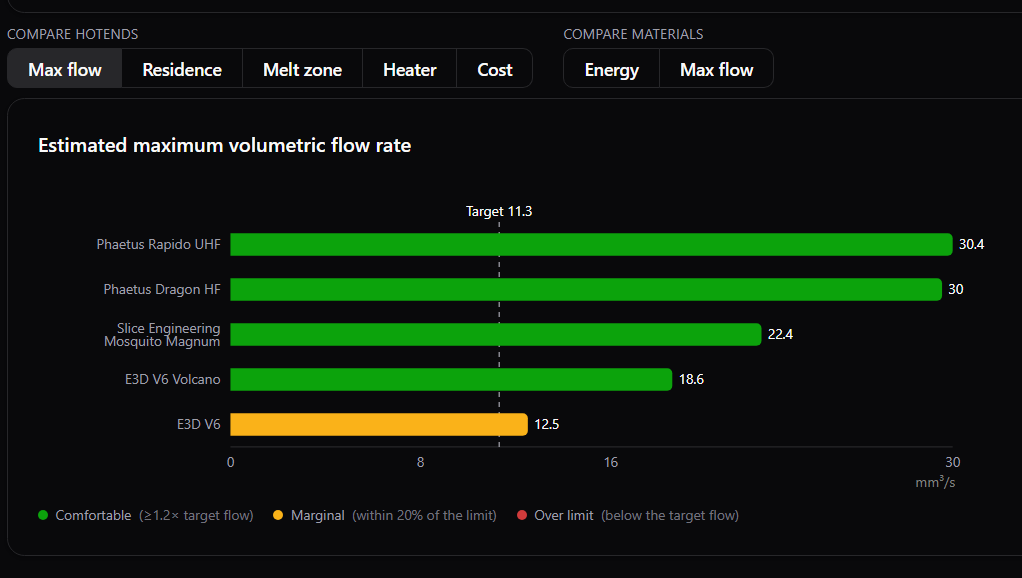
When it comes to 3D printing in the FDM world, you can go a long way just relying on standard settings that ship with your 3D printer and/or slicer. If you want to push the limits, though, it pays to better understand the hardware and materials you’re working with to know what you can get away with. To that end, [Robert Samples] put together the MeltCalc database to help.
The purpose of MeltCalc is simple—it collates data on hot ends and materials regarding factors like maximum flow rate, print speeds, and heater requirements. If you’re wondering whether a given hot end can flow a given filament at a given rate, for example, this tool is a great place to start. It features 64 different hot ends and 36 polymers typically used in the 3D printing world, and can spit out maximum flow rates and print speed estimations even accounting for fancy tech like Core Heating Technology (CHT) nozzles. It’s all based on thermodynamic modelling which [Robert] put together based on his experience as a chemist who works with polymers. His aim was to provide a tool with realistic flow rates for hot ends, so that end users don’t have to just rely on often-optimistic marketing numbers.
For those eager to dive deeper into the code and modelling, the project source is available on Github. We’ve featured all kinds of other useful hacks in this space lately, too, like our recent look at how to achieve wave overhangs. If you’ve got your own nifty 3D printing tools in the works, don’t hesitate to notify the tipsline.
A good gaming setup is usually built around what is directly in front of you, from the monitor and keyboard to the gaming PC or console powering everything. The chair underneath, however, matters just as much, especially when a quick gaming session somehow turns into several hours at your desk.
While basic comfort is essential, features like adjustable lumbar support, flexible armrests, dense cushioning, and tailored sizing set the top models apart. They go beyond flashy racing aesthetics to deliver genuine posture alignment during extended sessions.
With so many options available, choosing the right gaming chair can quickly become overwhelming. To ease your conundrum, the recommendations below cover a wide range of needs, helping gamers find a chair that fits both their setup and their budget, spanning from premium ergonomic models to wallet-friendly picks.
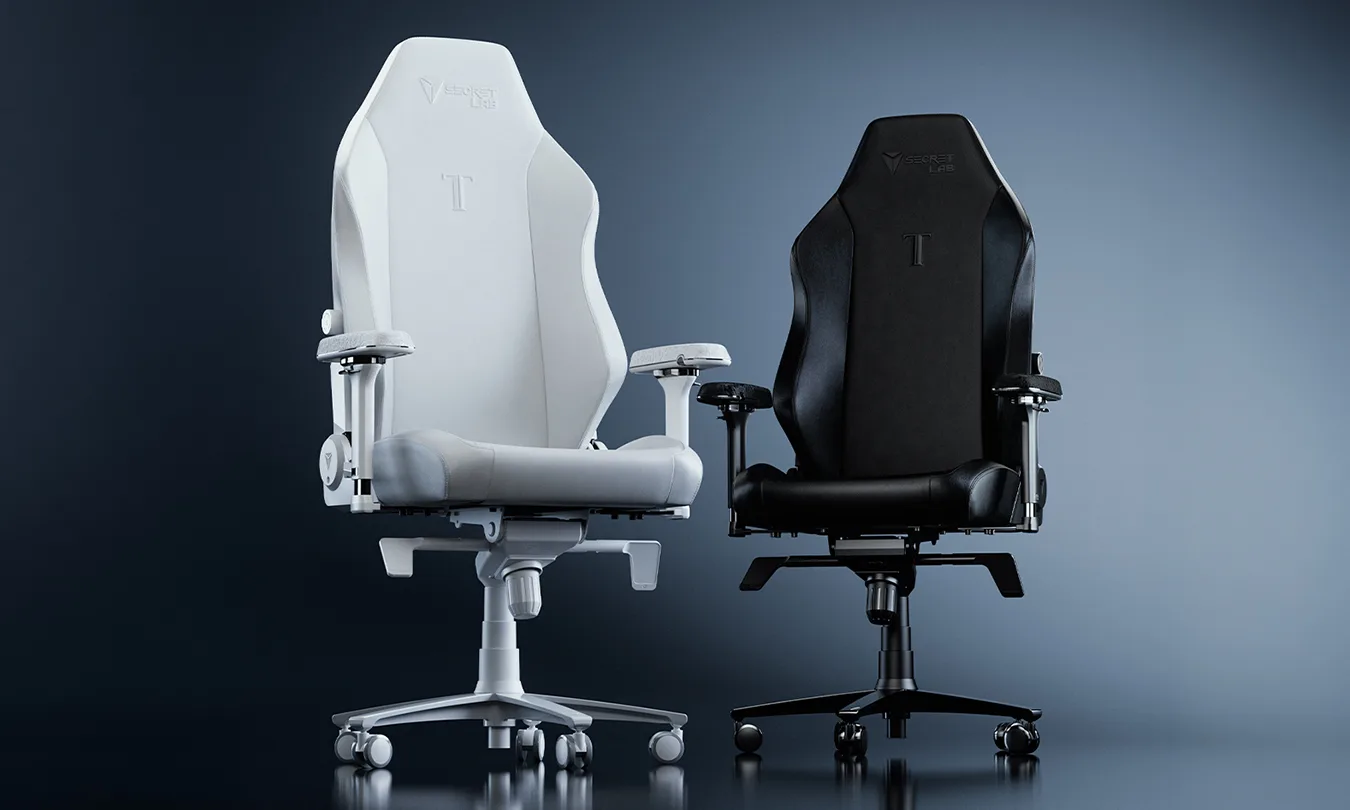
Secretlab TITAN Evo
Best all-around gaming chair
Advertisement
TITAN Evo NanoGen Edition / Secretlab
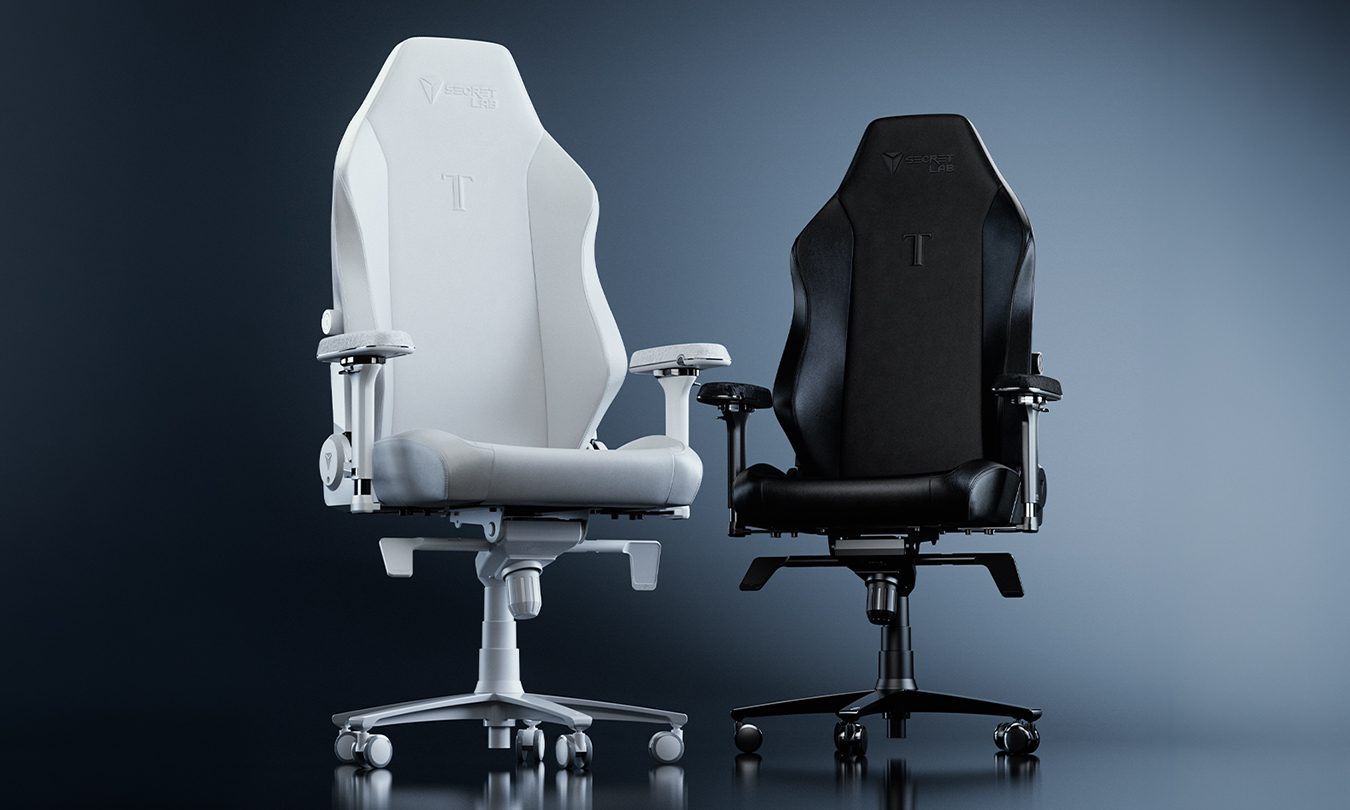
If you’ve ever finished a long gaming session feeling sore or constantly found yourself shifting around to get comfortable, the Secretlab TITAN Evo is built to solve those problems. United States Ergonomics Certified, it prioritizes ergonomics and adjustability, giving you more ways to tailor the chair to your body and sitting style.
That starts with its 4-way L-ADAPT lumbar support system, which lets you personalize both height and depth to find the right alignment for your lower back. Underneath, the sculpted Pebble Seat Base provides extra room to change sitting positions naturally, while Secretlab’s cold-cure foam evenly distributes pressure for balanced, responsive support.
Such thoughtful design extends to smaller details as well. A magnetic memory foam head pillow snaps into place without straps for quick repositioning, while full-metal 4D armrests adjust for height, width, depth, and angle to support your arms whether you’re using a controller or a keyboard and mouse. The backrest also reclines up to 165 degrees, giving you more freedom to lean back between sessions.
Starting at $529, the TITAN Evo is available in Small, Regular, and XL sizes, with the XL supporting up to 395 pounds. You can also choose between NEO Hybrid Leatherette and SoftWeave Plus Fabric upholstery. For those looking for an even higher-end feel, the TITAN Evo NanoGen Edition builds on the same ergonomic foundation with plush NanoGen Hybrid Leatherette and a dual-layer NanoFoam Composite seat.
Secretlab backs the TITAN Evo with a 3-year warranty, which can be extended to 5 years through its complimentary warranty extension program. It also comes with an up to 49-day return/refund policy, although return shipping fees apply.
Advertisement
Pros
Cons
Excellent ergonomic support
Assembly required
Extensive adjustment options
Some accessories sold separately
Available in three sizes
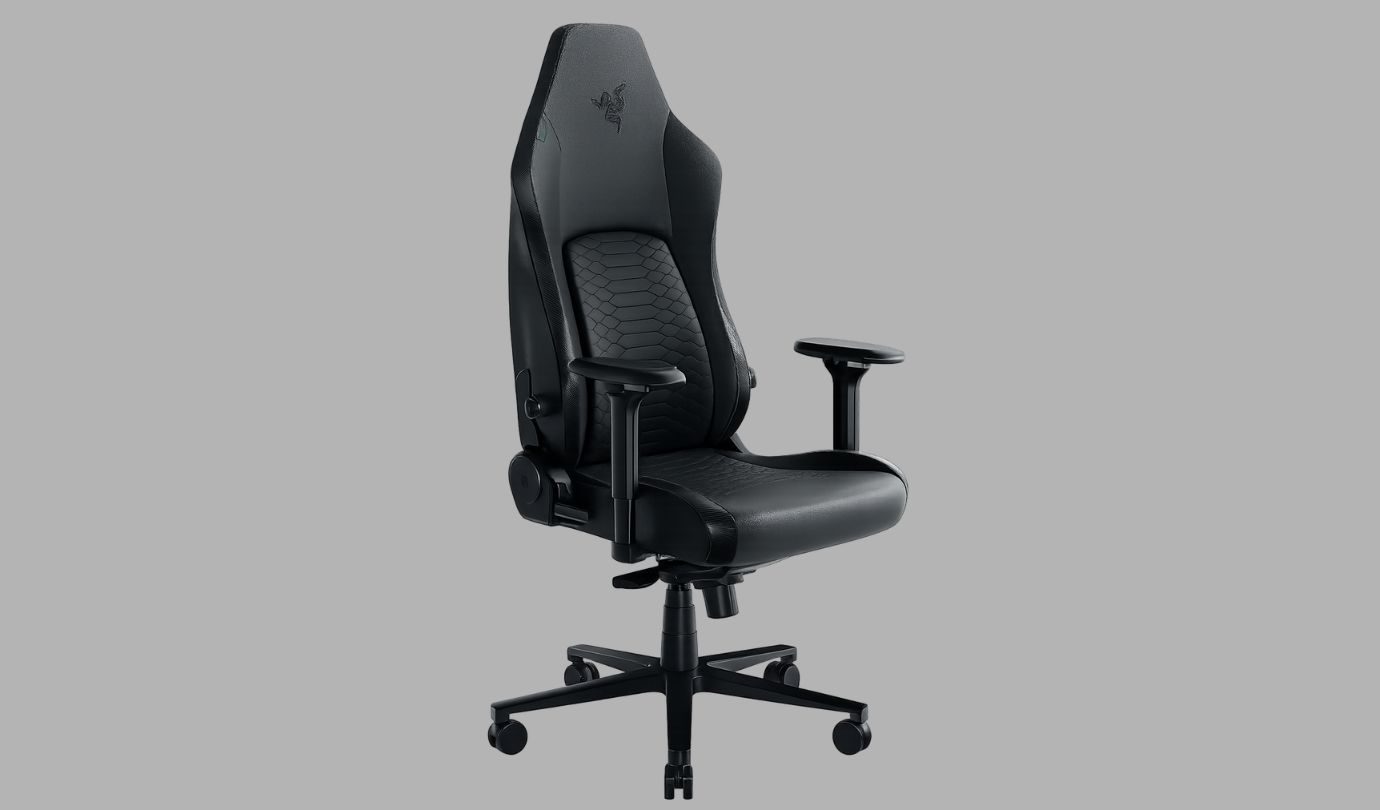
Razer Iskur V2
Best gaming chair for lumbar supportIskur V2 Gaming Chair / Razer
Moving past traditional static designs, the Razer Iskur V2 approaches ergonomics with an active mindset. It features an adaptive lumbar support, precisely engineered to move with you as you change positions, maintaining continuous alignment for your spine whether you’re leaning forward into a clutch play or leaning back during a cutscene.
Alongside automatic adjustments, you get manual control over height (60mm) and depth (40mm). High-density foam keeps things firmly cushioned, backed by a reactive tilt and 152-degree recline for extra flexibility.
For full-body comfort, the Iskur V2 includes 4D armrests that adjust to cushion your arms during gameplay, alongside a memory foam pillow to relieve neck strain. It’s wrapped in EPU-grade synthetic leather that’s designed to resist peeling and cracking, helping the chair maintain its appearance over time.
At $649.79, the Iskur V2 is certainly a premium investment. However, if personalized, fluid ergonomics is your top priority, its level of adjustability makes a strong case for the price.
Advertisement
Pros
Cons
Excellent adaptive lumbar support
Expensive
Plenty of adjustment options
Firm cushioning may not suit everyone
Up to 152-degree recline
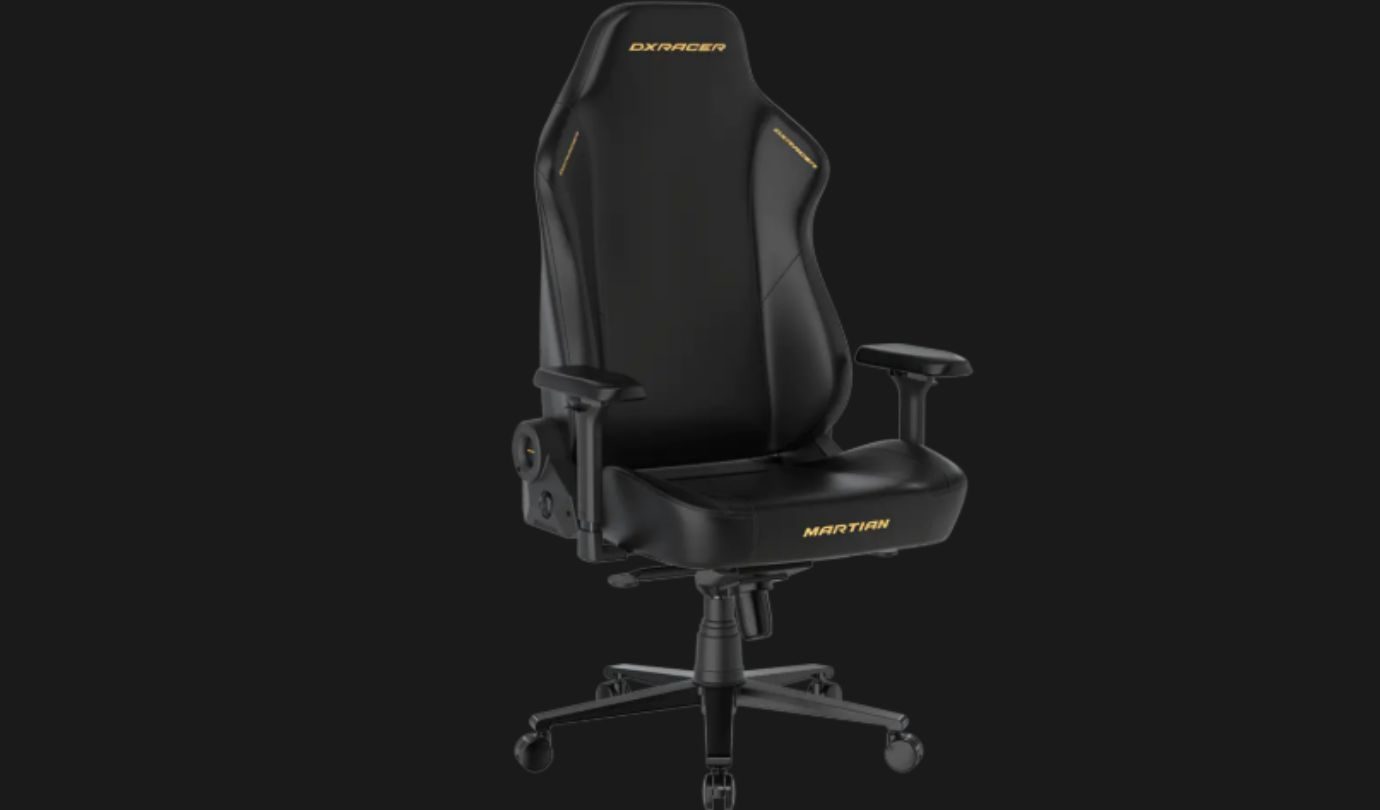
DXRacer Martian Series
Best high-end gaming chairMARTIAN Series Ergonomic Gaming Chair / DXRACER
Gaming chairs have become increasingly ergonomic, but they haven’t changed much beyond the basics. The DXRacer Martian Series takes a different approach by adding smart features that make it easier to relax and stay comfortable during long gaming sessions.
Instead of manually adjusting the backrest, the Martian Series lets you recline between 90 and 135 degrees with the press of a button. Its built-in airbag lumbar support adapts to the natural curve of your spine, letting you find a natural posture without manual hassle.
The technology doesn’t stop there. Three levels of seat heating help keep you warm in colder environments, while the built-in ventilation system circulates air through the seat to reduce heat buildup during longer sessions. When it’s time to take a break, the 8-point massage system offers six vibration modes to help you unwind before jumping back into the game.
A rechargeable 5,000mAh battery powers these features for more than 360 hours on a single charge. Alongside the smart technology, you still get the essentials, including 4D armrests, a magnetic memory foam head pillow, and a durable steel frame that holds up to 300 pounds.
Advertisement
The Martian Series isn’t for everyone, especially at its $699 starting price. But if you’re looking for a gaming chair that does more than provide a place to sit, it’s one of the most feature-packed options available.
Pros
Cons
Built-in heating, ventilation, and massage
Quite pricey
Electric reclining backrest
Many features may go unused
Adjustable airbag lumbar support
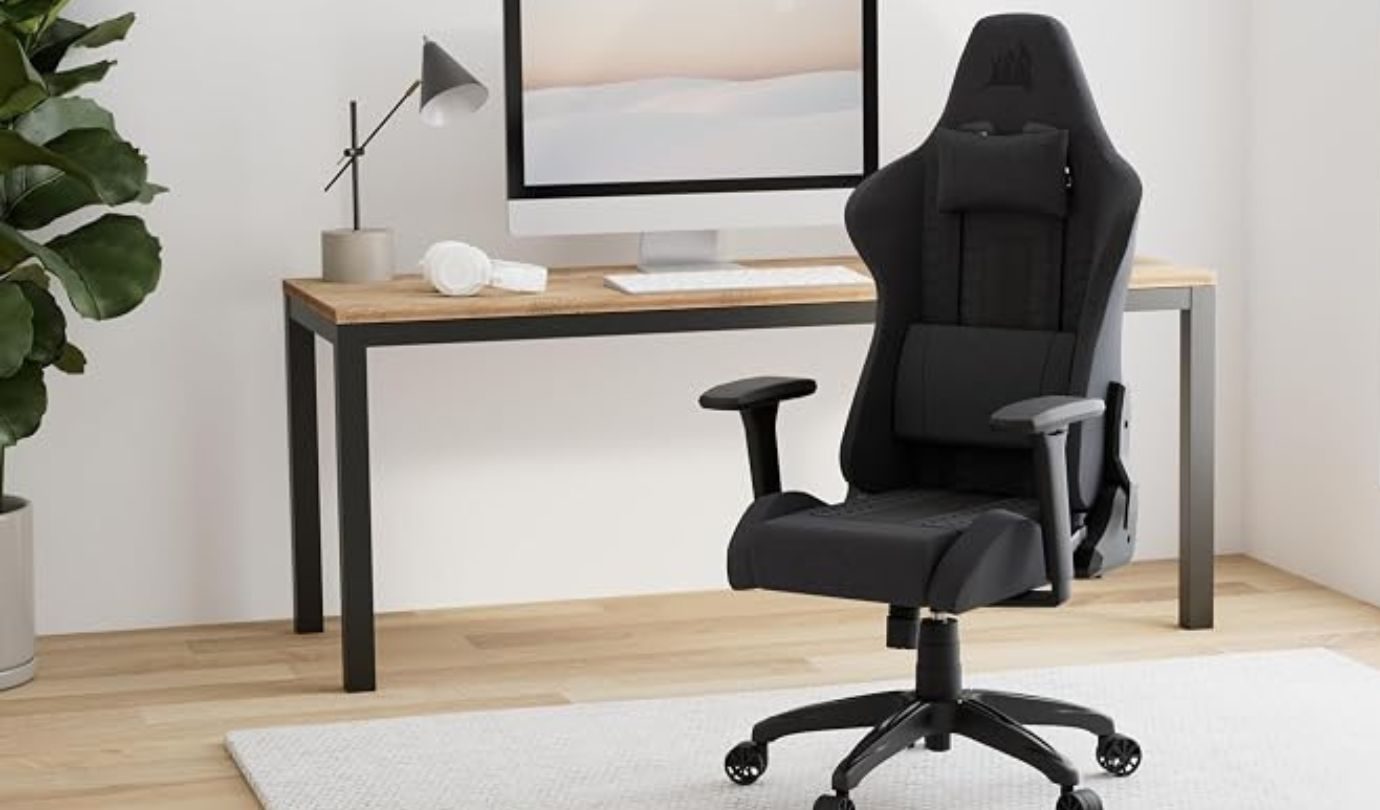
Corsair TC100 Relaxed
Best budget gaming chairTC100 Relaxed / Corsair
If you find most racing-style gaming chairs too narrow, the Corsair TC100 Relaxed offers a more spacious alternative. Its wider seat and subtle side bolstering give you more room to settle in, making it easier to stay comfortable without feeling squeezed into the chair.
The TC100 Relaxed features a 375mm seating area and reclines from 90 to 160 degrees, allowing you to switch between an upright gaming position and a more relaxed one whenever you need a break. Corsair also includes a high-density lumbar pillow and a detachable memory foam neck pillow, providing extra support without pushing the price into premium territory.
The 2D armrests can be fine-tuned for height and angle, helping you find an eased position while gaming. Buyers can also choose between Soft Fabric or Plush Leatherette upholstery, both designed with perforated sections to improve breathability. A durable steel frame, Class-4 gas lift, and sturdy nylon base complete a chair that’s built for everyday use.
Advertisement
The TC100 Relaxed may not include all the premium adjustments found on higher-end gaming chairs, but it delivers where it matters most. At just $219.99, it offers excellent value for gamers looking for a roomy, dependable gaming chair without sacrificing the essentials.
Pros
Cons
Spacious seat with relaxed bolstering
2D armrests instead of 4D
Reclines up to 160 degrees
Lumbar support relies on a cushion
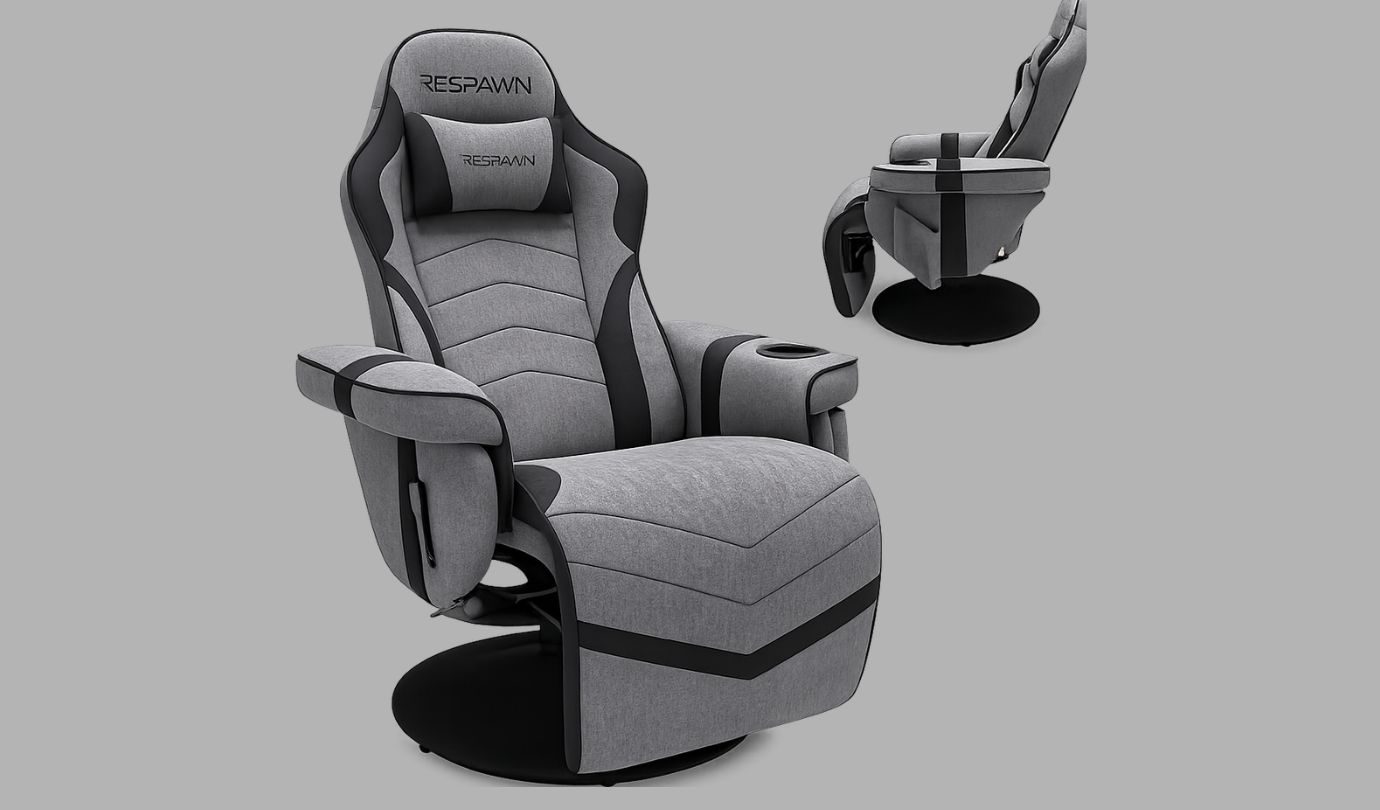
RESPAWN 900 Gaming Recliner
Best recliner gaming chairGaming Recliner Chair / RESPAWN
Some games are best enjoyed from the edge of your seat. Others are better when you can sit back, put your feet up, and settle in for the long haul. The RESPAWN 900 Gaming Recliner is built for the latter, bringing the laid-back relaxation of a traditional recliner to console gaming.
The plush padding, built-in headrest, and extendable footrest provide generous cushioning for extended play, while the 135-degree recline lets you lean back whenever it’s time to relax. A sturdy pedestal base also provides a full 360-degree swivel, giving you the freedom to move without sacrificing stability.
RESPAWN has also included a few thoughtful touches for everyday gaming. A built-in cup holder keeps your drink within easy reach, while a removable side pouch provides convenient storage for controllers, remotes, or other gaming accessories. The consistent seat and footrest design also helps prevent cables from getting caught while you play.
Advertisement
Supporting up to 275 pounds and backed by a 5-year limited warranty, the RESPAWN 900 is an excellent choice for console gamers who want to bring the coziness of a recliner into their gaming setup.
Pros
Cons
Built-in footrest for added comfort
Not ideal for desk setups
Convenient cup holder and storage pouch
No rolling casters or adjustable armrests
360-degree swivel with 135-degree recline
What to look for in a gaming chair
The best gaming chair isn’t always the most expensive one. It should rather match the way you play and how long you typically spend gaming. If you spend hours at a desk every day, focus on adjustable lumbar support, seat depth, and flexible armrests. In that case, having proper lower back protection will save you from a lot of unnecessary soreness over time.
Moreover, your setup matters too. A traditional gaming chair is ideal for desk setups, while a gaming recliner may be a better fit if you mostly play on a console in the living room. It’s also worth checking the chair’s size recommendations, weight capacity, and upholstery options to make sure it suits both your body type and personal preferences.
It is also a must to keep in mind that you do not need to stretch your wallet to get solid quality. Premium gaming chairs often offer more adjustment selections and higher-quality materials, but many mid-range models still offer commendable stability and daily comfort. Finally, focusing on the features you’ll use most can make it easier to find a gaming chair that’s just the right fit for your setup.
The Justice Department has launched a probe into Andreessen Horowitz regarding the firm’s partners serving on the boards of competing companies, Bloomberg reported.
The nearly year-long investigation focuses specifically on the firm’s board seats at Databricks, which is valued at $190 billion, and Fivetran, which combined with dbt Labs in June. The firm’s co-founder, Ben Horowitz, serves on the board of Databricks, while partner Martin Casado serves on the board of Fivetran.
Several VCs told TechCrunch they were surprised by news of the probe. Databricks and Fivetran are competitors now, but the two companies weren’t rivals when a16z invested in the startups, according to another Databricks investor who spoke on condition of anonymity. Databricks is largely known for its cloud storage products but, with its Lakeflow product, has expanded into AI data pipelines and application connectors. That’s Fivetran’s main business.
Given that Andreessen Horowitz has backed hundreds of companies, it’s almost inevitable that some startups will pivot or expand into the same markets, becoming competitors.
Advertisement
While backing direct rivals has become more acceptable recently, as evidenced by the many VCs that funded both Anthropic and OpenAI, holding a board seat on competing startups creates a far greater conflict of interest. Directors are generally privy to much more sensitive strategic information than non-board investors ever see.
Such conflicts can be resolved by having a partner step down from one of the boards. However, because Databricks and Fivetran have different individuals from the same VC firm on their boards, a16z can institute a so-called Chinese wall between Horowitz and Casado, which would prevent the two partners from sharing confidential information about the two companies with each other, one investor said.
The investigation invokes Section 8 of the Clayton Act, a 112-year-old law stating that an individual or entity is barred from serving on the boards of competing companies. Since regulators have rarely targeted venture capital with this rule, the industry is watching the DOJ’s probe closely. If a16z is forced to surrender a seat, founders may place less value on board commitments from top-tier VCs, given that those investors might be forced to step down if a portfolio overlap creates a future conflict.
Andreessen Horowitz did not immediately respond to our request for comment, nor did it respond to Bloomberg. Databricks and DOJ declined comment.
Advertisement
When you purchase through links in our articles, we may earn a small commission. This doesn’t affect our editorial independence.
Picture this. Meta flies parenting influencers to a waterfront venue overlooking Sydney Harbour, hands out personalized scout badges and gourmet s’mores, then asks them to tell their followers that blanket bans on teen social media use are a bad idea.
The pattern repeats itself almost identically everywhere, per TTP’s findings. Meta hosts polished branded events, often called Instagram Safety Camp or Screen Smart, then recruits actors, radio hosts, psychologists, and parenting influencers to promote its Teen Accounts as proof that bans are unnecessary.
In Indonesia, actor Darius Sinathrya told his 1.8 million followers to try the safety features. In India, actress Juhi Parmar reassured parents their teens were safer online, just months after Instagram was found approving child abuse advertisements in the country. In Brazil, actor Douglas Silva, with three million followers, did the same.
Many posts use vague hashtags like #instagrampartner rather than clear ad disclosures. Meta also funds youth safety nonprofits and think tanks that echo its anti-ban talking points without always disclosing that funding.
Speaking to The Guardian, Meta spokesperson Edward Patterson disputed that its influence efforts are misleading, saying blanket bans simply push teens toward less safe, unregulated corners of the internet. However, TTP director Katie Paul sees it differently, telling The Guardian that Meta’s reliance on paid messengers proves what the company itself knows, in her words, that “the brand has become a problem.”
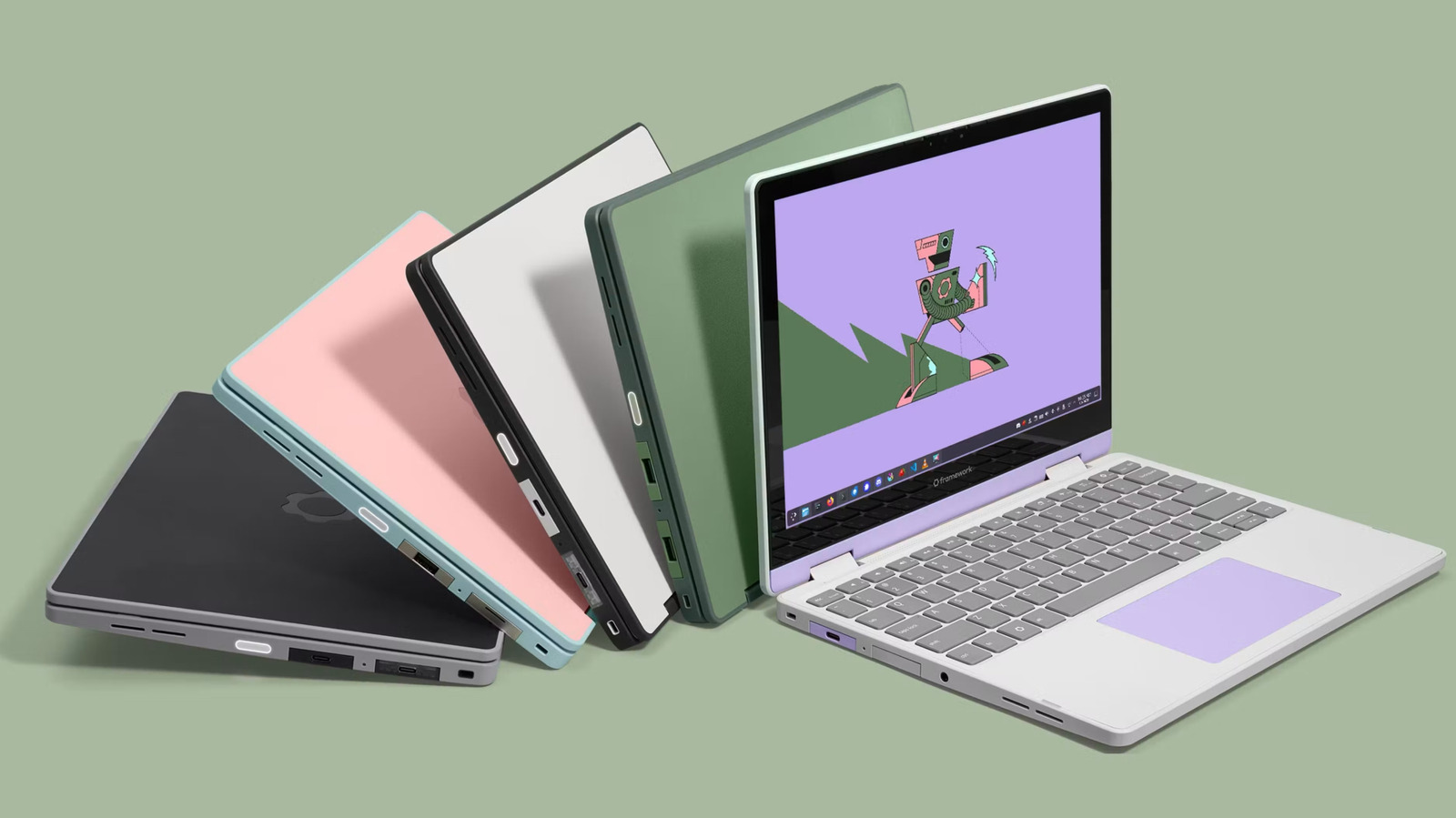
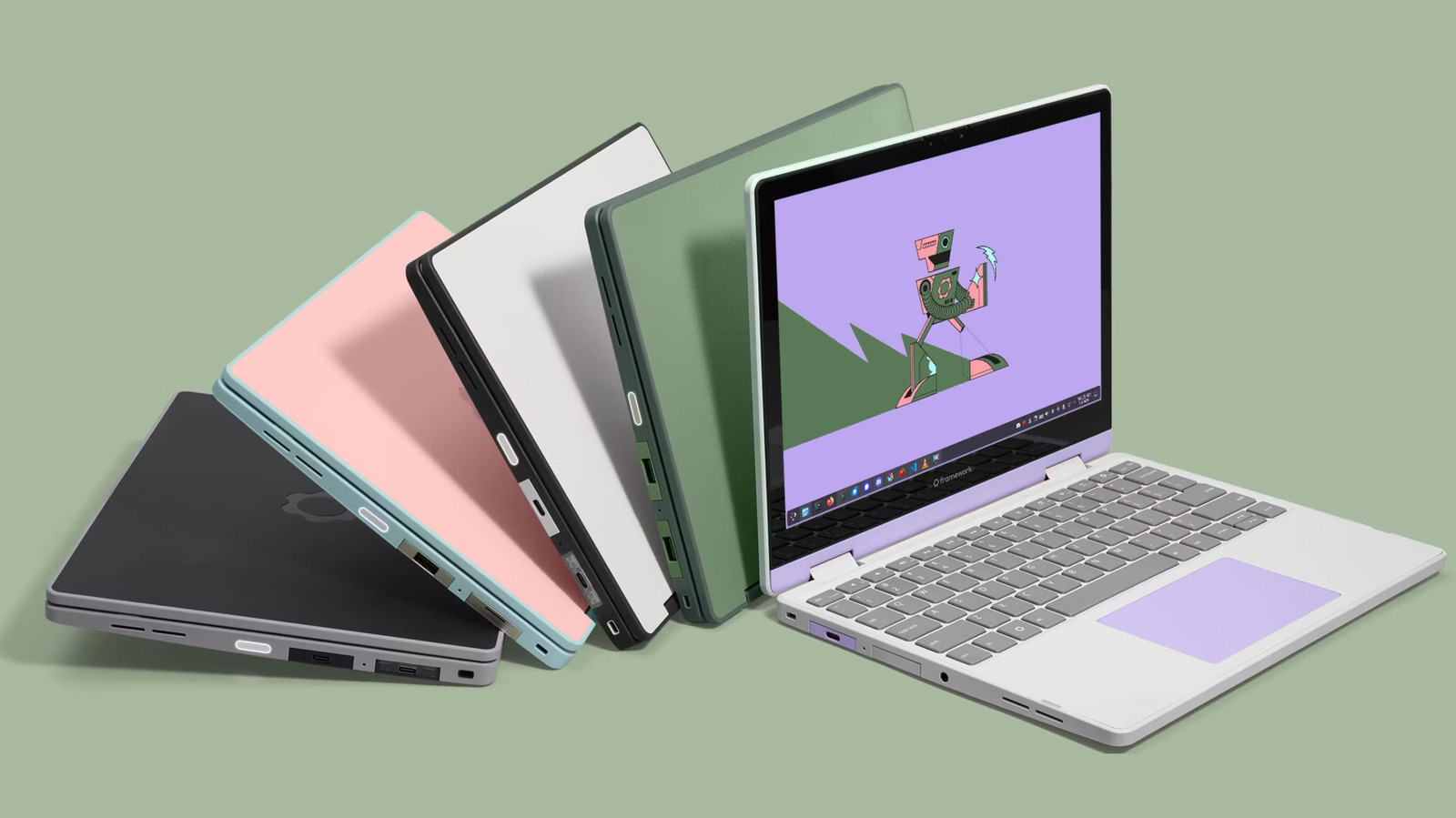
Framework leaned on efficiency improvements the Intel Core Ultra Series 3 brought to its Framework Laptop 13 Pro, and the company says the entry-level, non-Ultra chips bring similar benefits to the Framework Laptop 12. Pre-built versions of the new laptop features either a Core 3, Core 5 or Core 7 chip, with 8GB of RAM, 16GB of RAM or 32GB of RAM, respectively. Framework says the Laptop 12 has improved battery life as a result of its new chip, and specifically notes the Core 5 model demonstrated 70 percent better battery life while streaming Netflix when compared to the Core i5 version of the original Laptop 12. Starting at 8GB of memory isn’t ideal, but it’s possibly a reflection of the RAMaggedon issues all computer makers are dealing with. Speaking of, you can equip the Laptop 12 with up to 48GB of RAM if you’re happy paying $659 for that upgrade.
Advertisement
Using the latest Intel chip brings along other perks, too, like support for Thunderbolt 4 on two of the Laptop 12’s four hot-swappable Expansion Cards, and faster DDR5 RAM. The 12.2-inch display hasn’t been improved, but the Laptop 12 can be configured to include a backlit keyboard and a fingerprint reader. You’ll have the most flexibility via Framework’s DIY option, but the pre-built Core 5 and Core 7 models running Linux feature both upgrades by default.
Like the Laptop 13 Pro, the Laptop 12 is yet another of Framework’s computers that can come pre-installed with Linux. The company says over 80 percent of original Laptop 12 owners are running Linux, so it’s decided to offer the new model pre-installed with Fedora, with Windows 11 available as a $100 upgrade. Framework says the new Laptop 12 hardware has also been seeded to other Linux distros so support will be ready when the laptop ships.
The Framework Laptop 12 starts at $699 for a pre-built Linux configuration in green or $549 for a DIY version in black, gray, light purple, pink, or green. Framework is collecting pre-orders now and plans to start shipping the new laptop in October.
The big picture: Several major US automotive and heavy equipment manufacturers are reportedly modifying their business models to capitalize on the exploding demand for power equipment in AI data centers. Caterpillar, Cummins, Eaton, and Ford are among the major US industrial companies benefiting from the AI boom.
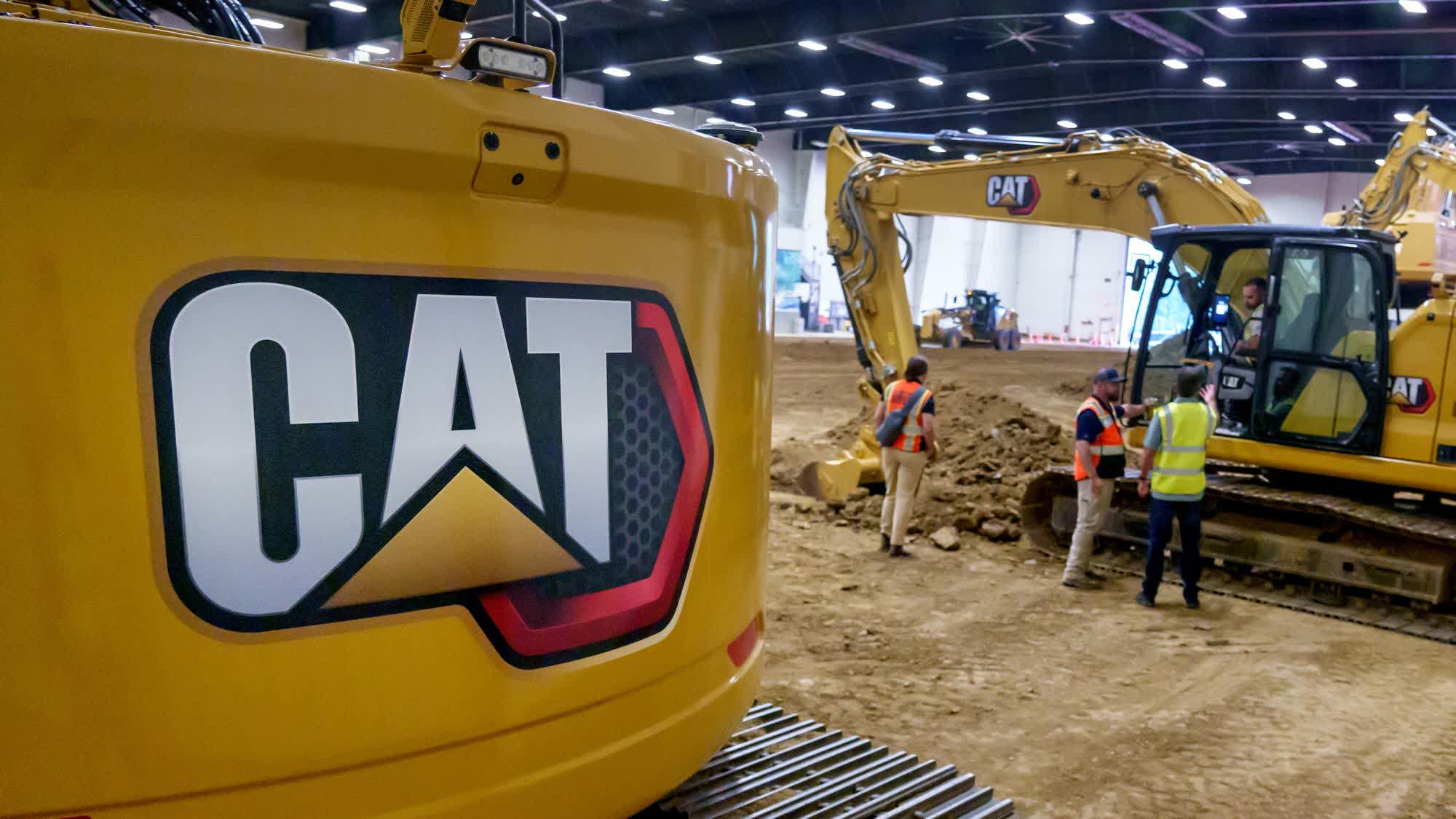
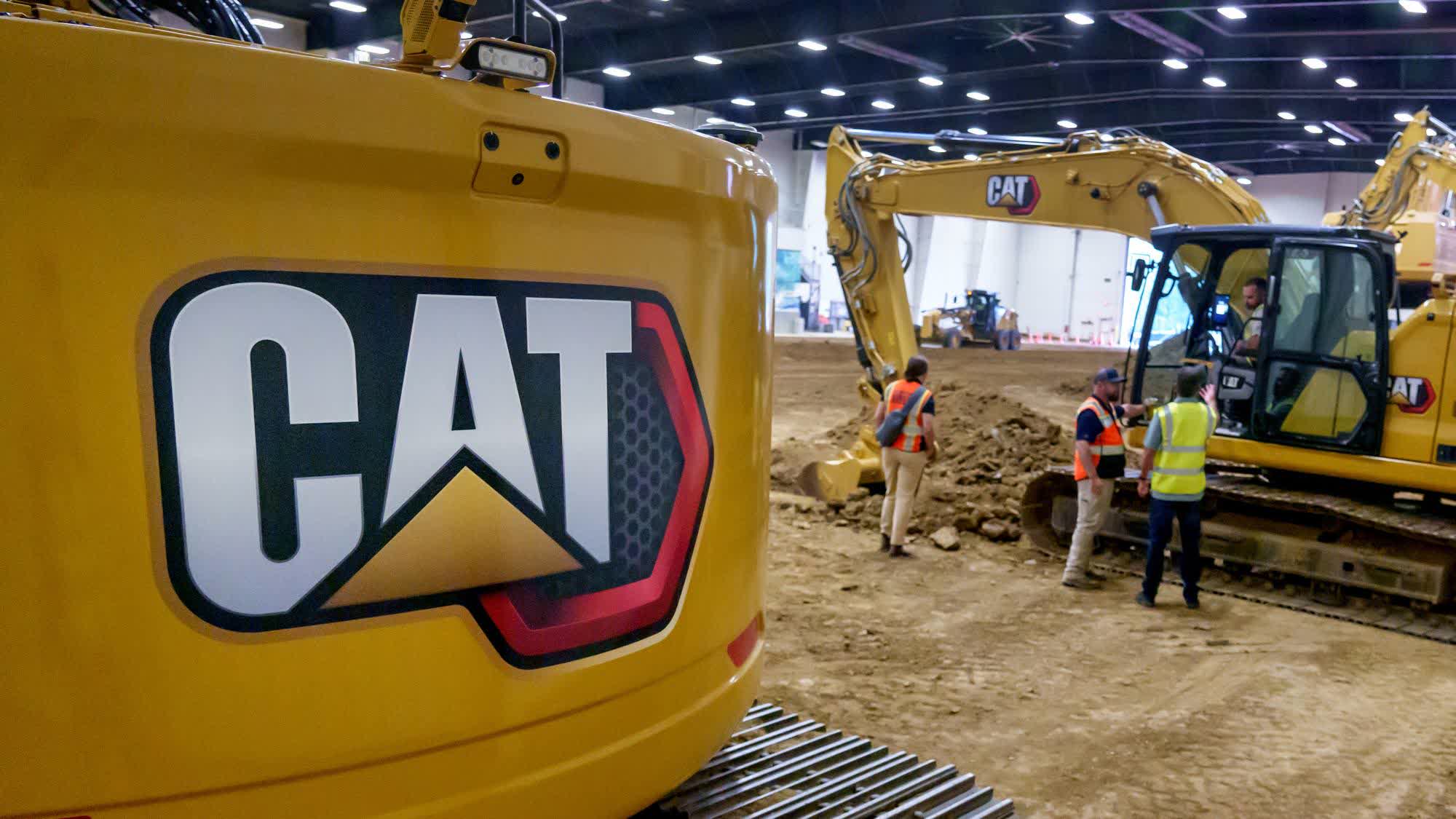
Caterpillar is the world’s largest construction equipment manufacturer, ahead of rivals Komatsu, Volvo CE, Hitachi, and JCB. However, its engine and turbine sales surpassed its construction equipment revenue for the first time last year, as AI data centers turn to jet engines and diesel generators for power.
According to CEO Joe Creed, the company began “modernizing and investing” last year to meet burgeoning demand from data centers. A major part of that investment went toward expanding capacity at its factory in Lafayette, Indiana. The expansion is expected to cost around $275 million and create 100 new jobs.
Earlier this year, Caterpillar won contracts from Nscale to supply G3516 natural gas generators for the proposed 2,250-acre Monarch Compute Campus in Mason County, West Virginia. The facility will provide 1.35GW of power for a Microsoft data center featuring a large-scale deployment of Nvidia’s Vera Rubin NVL72 GPUs.
Advertisement
The Mason County facility is expected to reach a total power capacity of up to 8GW by 2031, potentially becoming “one of the largest dedicated AI compute installations in the world.” The plant will be built in phases, with the first phase expected to come online by 2028 with a capacity of 2GW.
Cummins is also reaping the rewards of the AI boom, with demand for its diesel, natural gas, and hydrotreated vegetable oil generator sets reaching record highs. According to CEO Jennifer Rumsey, the company’s Power Systems segment earned record profits in Q1 2026, fueled by “continued strong demand for data center backup power.”
The company is now expanding its product portfolio to include larger generators that can be used as the primary power source for data centers. The new generators will use 130-liter engines powered by natural gas and produce 4MW of electricity.
Ford is also looking to data centers to supplement its automotive revenue. The company reportedly plans to supply its excess EV batteries to AI data centers and other large factories amid declining demand for electric cars.
Advertisement
Eaton, an Ohio-based manufacturer of circuit breakers, switchgear, and other electrical equipment, has also expanded its data center business. The segment accounted for 21% of the company’s revenue in the last fiscal year, up from 14% in 2023.
Rehlko, Johnson Controls, and a host of other major US heavy equipment manufacturers are also capitalizing on the AI data center boom. The trend has partly contributed to US manufacturing output rising in July to its highest monthly level since the Covid-fueled growth of 2021 – 22.
For as long as anyone can remember, Github has been the de facto code host preferred by a majority of developers. However, in recent times, the platform has struggled with widely reported outages and performance degradation and, as it drops the ball, Cursor is waiting to pick it up.
The AI startup, which is now officially a part of SpaceXAI, launched Origin this week — a new code hosting platform designed to do all of the things that developers typically use Github for: collaboratively work on codebases, browse and edit them, handle pull-requests (edits made by others asking to be added to the main codebase) and store them in repositories.
This seems like a natural next step for Cursor, whose primary focus up until this point has been selling automated web development services through its AI Code Editor. Cursor has also said that “agent native” features will soon be available for Origin, although hasn’t shared many details yet. The company also says it is building a wider “app ecosystem” to support broader coding efforts within Origin.
Interestingly enough, using Origin doesn’t require a user to stop using Github. Indeed, Origin is designed to allow developers to work alongside Github and pass code back and forth between the two in an interoperable manner.
Advertisement
“Your GitHub repos can sit alongside the ones Cursor hosts,” Cursor says in its blog. “Connect GitHub to Cursor, pick your org, and you’ll see the repos you can sync. Select one and Cursor pulls it in.”
The launch of Origin coincides with ongoing frustration over a perceived dip in Github’s services. Indeed, on the same day that Cursor launched its new platform, Github suffered a quite lengthy worldwide outage. For over six hours, the site’s functions were reportedly degraded, with a nearly 20 percent error rate worldwide.
This isn’t the first time in recent times when this has happened either. Earlier this year, after a rash of outages, Github announced new actions to sate unhappy coders as its availability problems seemed to escalate. More broadly, the platform has suffered 257 outages over the past year, a recent analysis by LeadDev states. Such persistent issues have led to “a visible exodus of high-profile users” writes LeadDev’s reporter Charles Humble.
Still, if Cursor wants to compete with Github, it will have its work cut out for it. According to Github’s own metrics, some 180 million developers use its platform as of last October. The platform, which was founded in 2007 and was acquired by Microsoft in 2012, continues to be the largest source code hosts in the world.
Advertisement
When you purchase through links in our articles, we may earn a small commission. This doesn’t affect our editorial independence.
Comcast is activating Wi-Fi motion sensing on millions of compatible Xfinity gateways, allowing the routers to detect movement by measuring disruptions in signals between the gateway and connected devices. The free feature, part of Xfinity Shield, can send activity alerts through the Xfinity app and offers Home, Away, and nighttime monitoring modes without requiring separate motion sensors. The Verge reports: Wi-Fi motion sensing is a technology that has been around for a while, but it’s only recently that it’s become accurate and reliable enough to catch on. Linksys launched a similar service in 2021, but discontinued it a few years later. Lighting company Wiz launched a line of Wi-Fi-sensing smart bulbs in 2023, and more recently Philips Hue deployed a similar radio-frequency sensing technology in its products (using Zigbee rather than Wi-Fi). Comcast’s motion sensing pairs with new modes in the Xfinity app — Home Watch, Away Watch, and Dark Watch (a night/sleep mode) — allowing you to turn sensing on or off based on your activities.
The first death came in July 2022, when Spotify stopped manufacturing its first hardware product only five months after putting it on general sale in the U.S. The second arrived on December 9, 2024, when Spotify remotely made the remaining devices non-operational and advised owners to recycle them. Refunds were eventually offered to eligible purchasers.
Apparently nobody informed the corpse.
A new free, open-source firmware called Mira 1.0 has brought Car Thing back to life without Spotify’s original Car Thing software or companion infrastructure. Flash Mira onto the device, tether it to a phone over Bluetooth or a computer over USB for internet access, sign into Spotify and the little dashboard screen becomes useful again.
Advertisement
There is something wonderfully awkward about volunteers accomplishing that after Spotify told customers to find an electronics recycling bin.
What Was Car Thing Again?
Spotify originally developed Car Thing for drivers whose vehicles lacked modern infotainment systems such as Apple CarPlay or Android Auto.
The four-inch touchscreen connected to a smartphone and offered Spotify playback using touch controls, a large physical dial, preset buttons and “Hey Spotify” voice commands. It still needed a phone for data and originally required Spotify Premium, so Car Thing was essentially a very attractive $89.99 Spotify remote for your dashboard.
And yes, Spotify actually sold them.
Advertisement
What Spotify has never publicly disclosed is how many. Reports at the time claimed roughly 2 million people had joined the waitlist, but that clearly did not translate into two million purchases. Spotify stopped production in July 2022 and recorded a €31 million charge associated with the decision.
Two million people apparently wanted to know what Car Thing was. Considerably fewer appear to have wanted one badly enough to hand Spotify $90.
What Does Mira 1.0 Actually Do?
Quite a lot.
Advertisement. Scroll to continue reading.
Advertisement
Mira restores playback controls and the physical volume knob, four preset buttons, album artwork and lyrics, podcast support with synchronized transcripts and device selection. It also adds its own “Hey Mira” voice control for playing music, changing volume, skipping tracks and managing queues. Multiple Bluetooth phones can be paired with the device.
Mira itself requires no companion app, additional account or paid subscription. It does, however, work only with Spotify, requires a Spotify sign-in and needs an internet connection supplied through Bluetooth or USB tethering.
This is not a one-click firmware update for your father-in-law. Installation requires a computer, USB-C cable and flashing the replacement firmware, which wipes the original software. The developers also acknowledge occasional problems waking from sleep and Bluetooth not always reconnecting automatically.
Why Is This Unique?
Because Mira changes the Car Thing story from failed gadget to an uncomfortable lesson about who controls hardware after you buy it.
Advertisement
Spotify did not merely stop making Car Thing or end technical support. It made functioning hardware stop functioning. Owners were initially told to reset the devices and dispose of them through appropriate e-waste channels. No refund of any kind was provided to customers who stupidly took the plunge.
Mira demonstrates that those screens, knobs, buttons and processors were still perfectly capable of doing something useful. What disappeared was Spotify’s willingness to support them. That should concern anyone buying hardware whose basic functionality depends on a manufacturer’s servers remaining interested in its continued existence.
Who Is This For?
Mira is primarily for existing Car Thing owners, tinkerers and anyone who kept one in a drawer rather than following Spotify’s recycling advice.
It also gives the device a reason to exist beyond the car. Car Thing can serve as a desktop Spotify controller with physical controls, album art, lyrics and voice commands without requiring the main Spotify application to dominate another screen.
Advertisement
What Mira does not do is turn Car Thing into CarPlay, Android Auto or a general-purpose infotainment system. There is no Apple Music or TIDAL support, navigation remains somebody else’s problem, and this still requires more fiddling than mounting your phone on the dashboard.
The Bottom Line
Spotify deserves exactly zero victory lap here. This is the company that announced lossless audio in 2021 and did not actually begin delivering it until September 2025, years after Apple Music, Amazon Music and others had moved on. More recently, its approach to AI and music has looked less like a philosophy than a moving target: stronger rules against impersonation and AI spam in 2025, AI-powered covers and remixes with Universal in 2026, and now new labels designed to keep AI personas out of recommendations. Spotify certainly knows how to change lanes; signaling first would be nice occasionally.
Car Thing belongs in the same conversation because Spotify sold customers a piece of hardware, lost interest in it, and ultimately rendered it useless through a software shutdown. The embarrassing part is that the hardware itself did not suddenly become obsolete. A group of software developers looked at the same discarded screen, knobs and buttons and saw something Spotify apparently did not: a perfectly usable product that did not need to become electronic waste just because the corporate strategy changed.
So the people worth celebrating here are the software geeks behind Mira, not Spotify. They have given Car Thing what amounts to a third life and, in the process, made Spotify’s decision to kill it look even worse. Companies love talking about sustainability, ownership and putting users first. Sometimes the most convincing rebuttal is a few developers with GitHub accounts refusing to accept that a working piece of hardware belongs in the trash.


















































You must be logged in to post a comment Login