Tech
Are Yokohama Tires Better Than Goodyear? What Consumer Reports Data Says


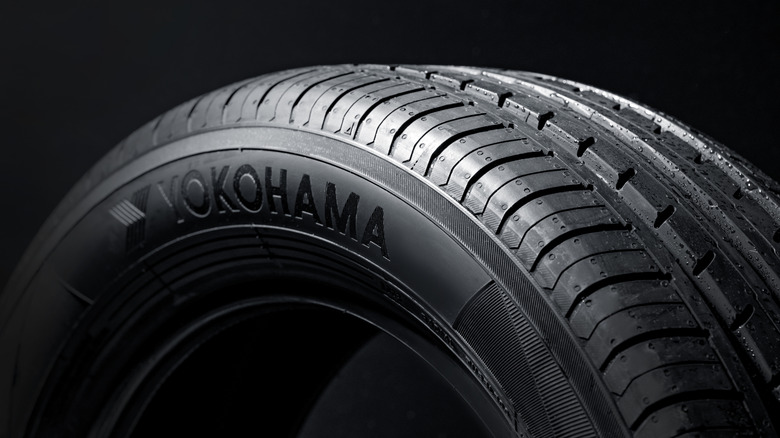
Nobody wants bad tires on their vehicle. They want them to be able to handle the terrain and climate conditions of their daily lives, perform well on wet roads, brake well, and last a significant number of miles before needing to be replaced. When it comes to choosing which tire is right for you, there are several brands that you might consider, like Michelin, Bridgestone, or other popular brands. Two tire brands you see quite often on the road are Yokohama and Goodyear.
Considering Japanese vehicle brands are consistently ranked among the most reliable in the world — particularly compared to American brands — one might assume this extends to tires as well, and that Yokohama would be more highly rated than Goodyear. However, according to Consumer Reports, that is most certainly not the case. Yokohama actually ranks very close to the bottom of Consumer Reports’ overall car brand ranking, whereas Goodyear places in the top half of that list. Tires from different brands were tested for factors like braking, traction, noise, hydroplaning, and more. Ultimately, 18 brands were given total overall scores, and Yokohama didn’t measure up to the competition.
The two areas where Yokohama consistently fell behind Goodyear were braking on wet surfaces and noise. Sometimes, the determined rating difference between them was small, depending on the particular tire, but there is clearly a noticeable trend that could be concerning to potential buyers. The gulf is even greater when you compare Yokohama to a brand like Michelin, which topped the Consumer Reports ranking.
Yokohama and Goodyear are not always competing head-to-head
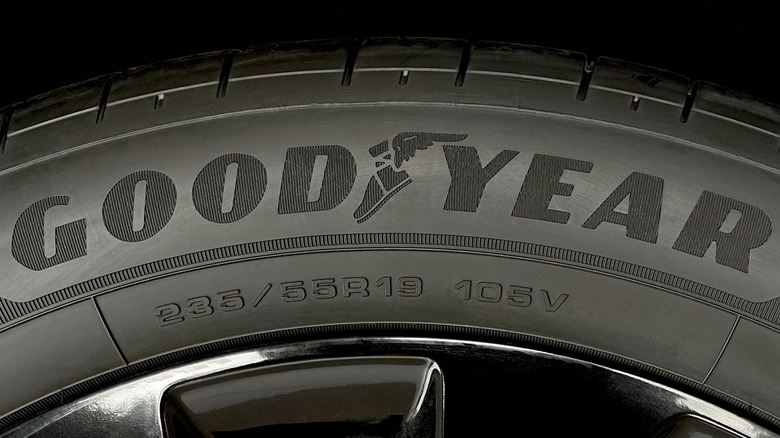
One important caveat in the Consumer Reports tire brand ranking is that it is a holistic assessment of the respective brands. Of the seven different tire types Consumer Reports tested, there are only three where Yokohama and Goodyear are in direct competition with one another: all-season SUV tires, all-season truck tires, and all-terrain truck tires. In all three, Goodyear does come out on top, but there are four other tire types to contend with. Only Yokohama is represented in all-season, EV, and ultra-high-performance all-season tires, and Goodyear has no Yokohama competition in ultra-high-performance summer tires. Of the three categories that only have Yokohama tires, the Yokohama Avid Ascend GT all-season tires are the only ones to receive a stamp of recommendation from Consumer Reports. While the overall recommendation percentage is small, it does show there are some Yokohama tires that don’t necessarily deserve to be bunched together with a generally poorly rated brand.
There is also one key place where Yokohama tires generally receive better ratings than Goodyear ones, and that is handling snow and ice. The scores for those consistently tie or outperform the overall superior brand. Notably, the overall highest-rated Goodyear tire, the Goodyear Eagle F1 Asymmetric 6, doesn’t even have snow and ice handling ratings because it’s a summer tire. Yokohama may not rank highly in Consumer Reports’ eyes and lands roughly in the middle of SlashGear’s own ranking of tire brands, but it does have its particular strengths. For some situations, Yokohama tires may be exactly what you need, which is good to know, considering that they are generally less expensive than Goodyear tires.