Astell&Kern doesn’t dabble at the shallow end of the pool. The Korean brand has spent years defining the upper tier of the digital audio player market, pushing prices into territory where performance, build quality, and long-term relevance actually matter. The PD10 lands squarely in the upper tier at $2,749 with the dock ($2,410 without it), placing it in direct competition with the most serious portable players available. At nearly three grand, sound quality and prestige are no longer enough. At this level, Astell&Kern isn’t competing on specs alone—it’s competing on purpose.
The high-end DAP market is brutally competitive right now, and Astell&Kern is leading the charge; but leadership alone isn’t enough when buyers have real alternatives and very high expectations. The real question isn’t whether the PD10 sounds good; that’s table stakes at this level. The question is whether this is just another ultra-luxury portable player for headphones and IEMs, or whether Astell&Kern has built something with a broader mission in mind—something that makes sense not only on the move, but also alongside a serious home two-channel system.
PD10 Technical Overview: Power, Connectivity, and Storage
The PD10’s specifications aren’t about box-checking or bragging rights. They exist to solve real-world use cases—driving sensitive IEMs, powering full-size headphones, and functioning as a legitimate digital source beyond portable duty.
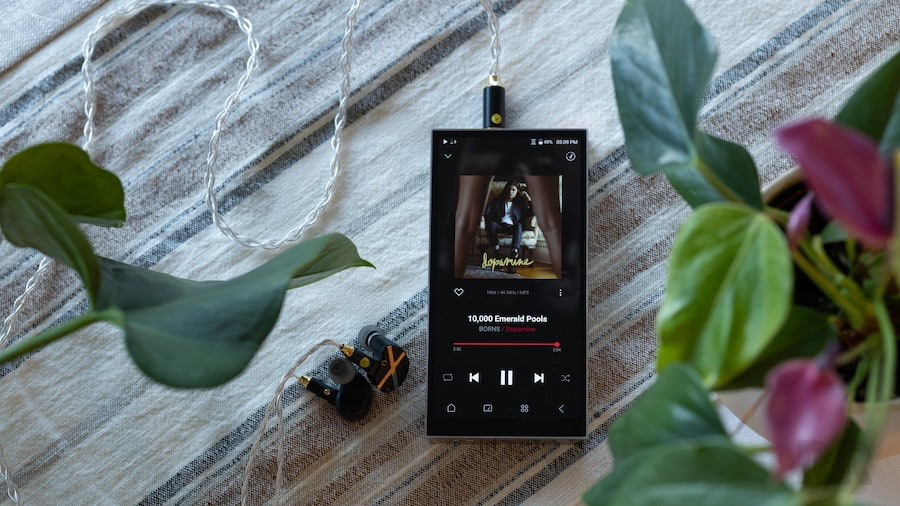
The 6-inch 1080×2160 IPS display gives the PD10 a modern, smartphone-like interface that’s responsive and easy to navigate, which matters when you’re dealing with large libraries and multiple playback modes. Output power is substantial: in low gain, the PD10 delivers 2.6Vrms from the unbalanced output and 5.6Vrms balanced, keeping noise under control for high-efficiency IEMs. Switch to high gain and those numbers jump to 4Vrms unbalanced and a very serious 8.3Vrms balanced—enough voltage to comfortably drive high-impedance and current-hungry headphones without external amplification.
Output impedance stays sensibly low at 1 ohm from the 3.5mm jack and 1.6 ohms from the 4.4mm balanced output, which means stable frequency response and predictable behavior with multi-driver IEMs. At the heart of the PD10 is a no-nonsense AKM DAC implementation, pairing dual AKM4191EQ modulators with four AKM4498EX DACs. This multi-chip approach isn’t about marketing—it allows Astell&Kern to separate digital and analog stages more effectively, reducing noise and preserving dynamic range in both portable and docked use.
Advertisement
Astell&Kern’s Advanced DAR (Digital Audio Remaster) is an optional two-stage processing system that upsamples audio before it reaches the DAC. It can be enabled or disabled at will, and whether it’s useful depends on the source material and listener preference.
The first stage uses A&K’s VSE (Virtual Sound Extender) processing to reconstruct missing harmonic information before upsampling. The second stage performs the actual conversion. PCM files in the 44.1kHz family are upsampled to 352.8kHz, while 48kHz-based files are converted to 384kHz. DSD files are left untouched in PCM mode.
When DSD conversion is selected, PCM files below 96kHz are converted to DSD128, higher-rate PCM files are converted to DSD256, and native DSD below DSD256 is also converted to DSD256. DAR never exceeds the PD10’s supported playback limits and avoids unnecessary processing.
DAR is strictly optional. Leave it off for native playback, or use it selectively if you prefer the presentation it brings to certain recordings.
Advertisement
Connectivity is current, but not exhaustive. Dual-band Wi-Fi (2.4 and 5GHz) ensures reliable high-resolution streaming, and Bluetooth 5.3 support includes aptX HD, LDAC, LHDC, AAC, and SBC. What’s notably absent, however, is aptX Lossless, a codec that’s starting to appear on competing high-end portable devices. For wired listeners, this omission won’t matter. For those expecting the latest Bluetooth standards at this price, it’s worth flagging.
Storage is generous out of the box at 256GB and expandable up to 1.5TB via microSD, which is essential for anyone sitting on a large hi-res or DSD library. Physically, the PD10 is unapologetically substantial. At just under 6 inches tall, nearly 3 inches wide, and weighing roughly 15.3 ounces, it’s clearly built for stability and performance rather than pocket-friendly minimalism. Powering all of this is a 5,770mAh battery, sized to support long listening sessions despite the high output stages and large display.
Advertisement. Scroll to continue reading.
Taken together, these specs point to a player that’s designed to do more than just sound good on the go. The PD10 has the power, connectivity, and architectural headroom to operate as a serious digital front end—whether it’s feeding headphones, IEMs, or a larger system through its dock.
Advertisement
File Support, Bit-Perfect Playback, and Output Choices
The PD10’s file support makes it clear who this player is designed for. It handles every major lossless and lossy format that actually matters—WAV, FLAC, AIFF, ALAC, APE, and AAC—alongside legacy formats like MP3 and WMA for anyone with older libraries. More importantly, native DSD support extends all the way up to DSD512, covering DSD64, 128, and 256 without conversion. That puts the PD10 squarely in “bring your entire archive” territory, not just high-res streaming playlists.
On the PCM side, support runs from 8kHz to a frankly excessive 768kHz at up to 32-bit depth. While very few real-world recordings exist at the top end of that range, the takeaway isn’t bragging rights—it’s headroom. The PD10 is capable of bit-perfect playback without resampling or truncation, which matters if you’re particular about preserving the integrity of your files from storage to output.
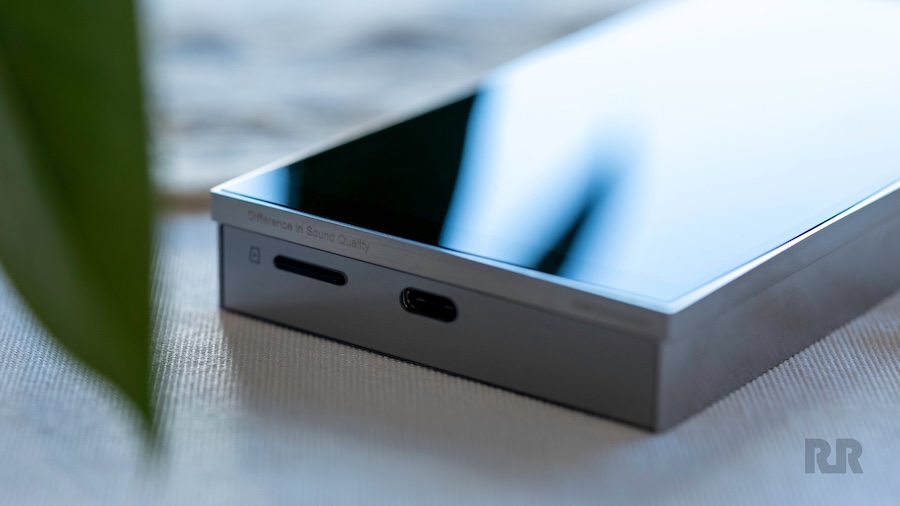
USB-C serves double duty here, handling charging as well as data for PC and Mac connections. Used this way, the PD10 can function as an external DAC, extending its usefulness well beyond portable playback and reinforcing its role as a flexible digital source.
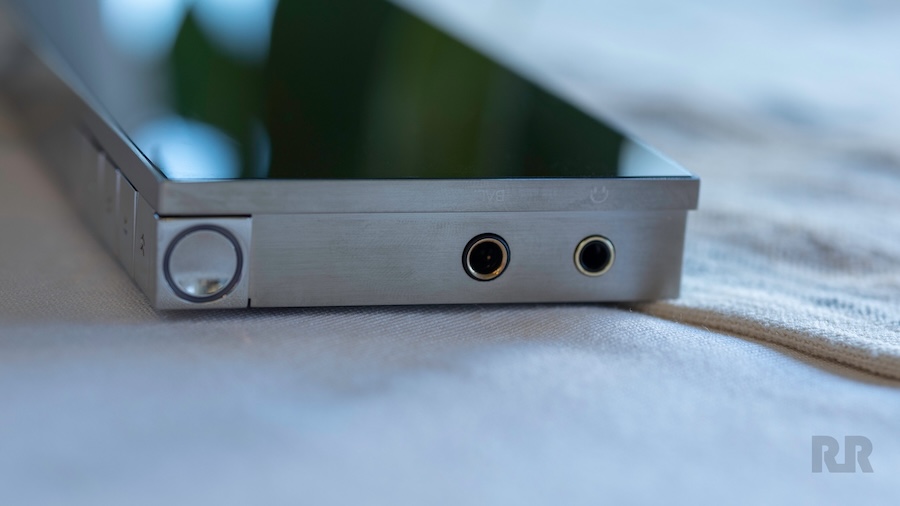
Output options are practical and well chosen. The 3.5mm jack covers both unbalanced headphone output and optical digital output, allowing the PD10 to feed an external DAC or integrated amplifier in a home system. Balanced output is handled via a 4.4mm five-pole connection, which has become the de facto standard at this level and avoids the fragility and channel-matching issues of older balanced formats.
Advertisement
Taken together, the PD10’s format support and output flexibility point to a player that isn’t just designed to sound good on headphones. It’s meant to sit comfortably at the center of a serious digital library and transition easily between portable listening and fixed-system use—without forcing compromises or workarounds.
Build Quality That Matches the Asking Price?
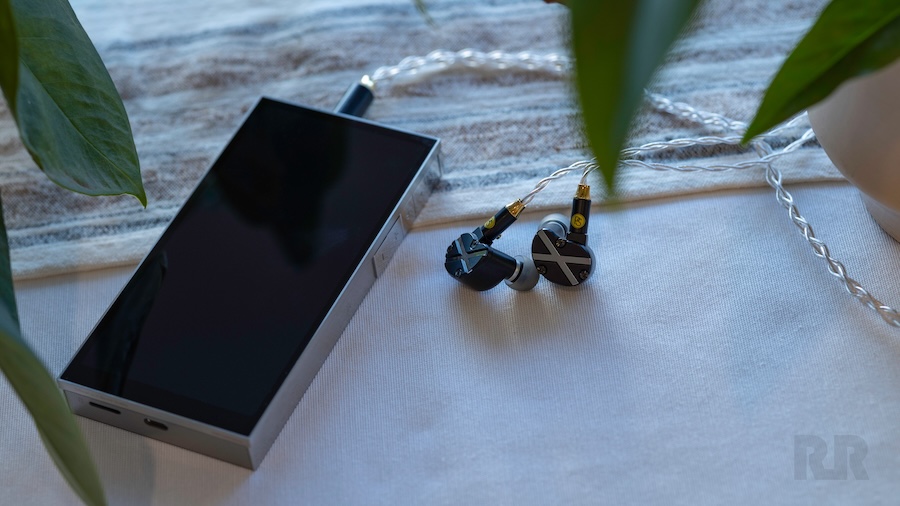
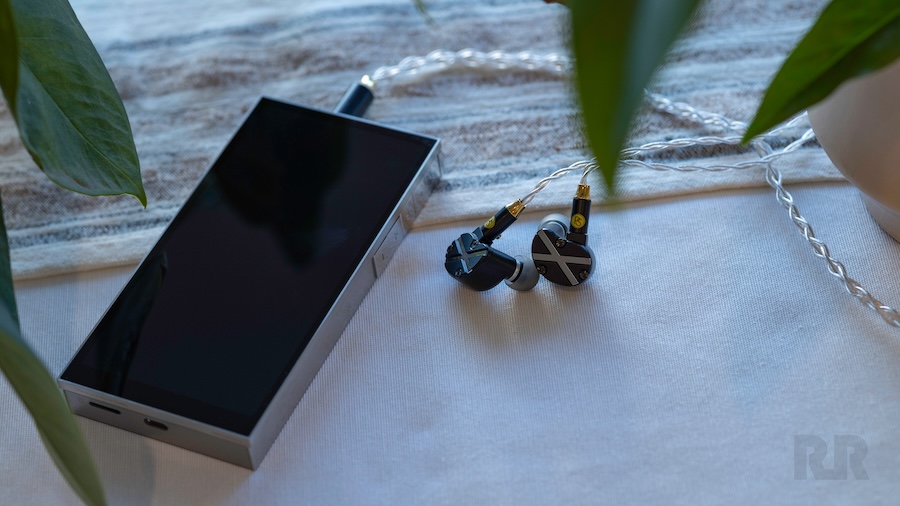
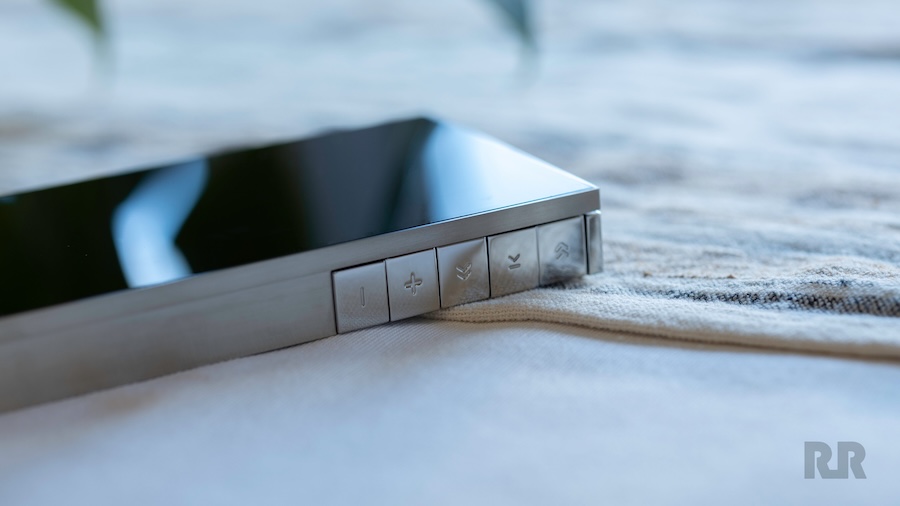
Astell&Kern’s biggest selling point has always been its command of industrial design and materials. One look at their players tells you they aren’t inexpensive—and the PD10 continues that tradition, even as it makes a few deliberate departures from past models. Longtime owners will immediately notice the absence of the scroll wheel found on many earlier A&K designs. It’s a controversial move for some, but in day-to-day use it doesn’t meaningfully impact usability. In its place is a set of stainless-steel buttons mounted along the right side of the chassis.
Visually, those polished buttons look the part. Tactilely, they fall just short. They have a slight amount of play and can rattle faintly, which is noticeable and disappointing on a device at this price. Small details matter when you’re spending several thousand dollars. Thankfully, that’s the extent of my criticism. The USB-C port is solid and secure, the microSD card slot inspires confidence, and the chassis itself feels dense and well assembled.
If the looseness of the side buttons bothers you, the included leather case effectively masks the issue. It’s precisely cut, comfortable in hand, and finished to a level that feels appropriate for the PD10. Astell&Kern even varies the texture around the button area, making it easy to locate controls by touch alone—an appreciated detail that shows the company is still thinking about real-world use, not just shelf appeal.
Advertisement
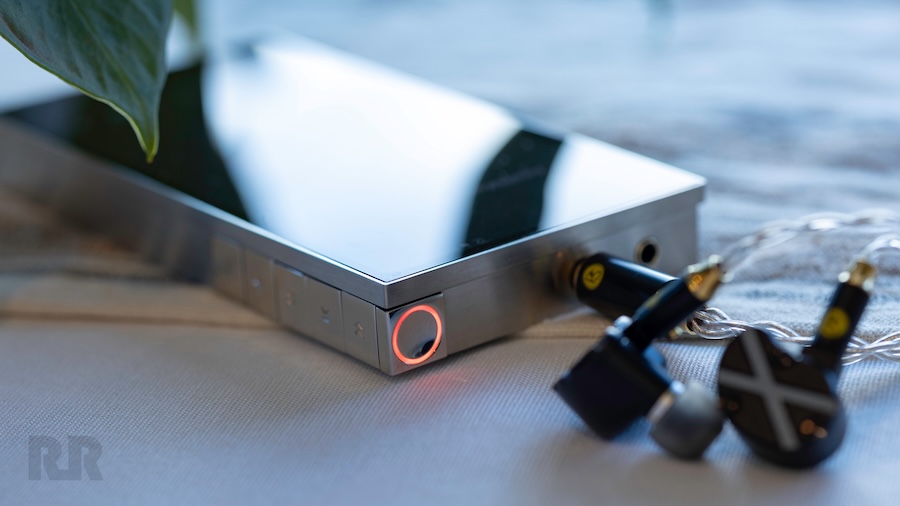
The PD10’s status-light power button is a thoughtful touch. It remains off when playback is stopped and changes color to reflect different operating states. In practice, however, the implementation could use refinement. There’s no quick way to dim or disable the light, which becomes an issue in low-light environments. As shipped, the LEDs are bright enough to be distracting—and in a dark room, potentially disruptive to anyone trying to sleep.
The Price Is Fixed. The Features Aren’t.
Digital audio sources hit the point of diminishing returns well before $2,700. In 2026, portable audio makes that especially clear, with capable DACs and premium dongles pushing that threshold closer to $200. The PD10 only makes sense if it goes beyond raw specifications—and that’s where Astell&Kern makes its case.
Rather than chasing numbers, the PD10 layers a broad feature set onto a solid technical foundation. Alongside its integrated 256GB of storage, it supports Roon, Qobuz Connect, LDAC, and aptX HD, with access to a wide range of streaming services via the Google Play Store. Wireless playback can be handled through AirPlay, while local file management is simplified through AK File Drop, allowing FTP transfers across a home network without plugging anything in.
Advertisement. Scroll to continue reading.
At this price, you’re not paying for incremental sonic gains alone. You’re paying for integration, flexibility, and the kind of polish that turns a capable digital player into a genuinely high-end experience—one that feels considered rather than cobbled together.
Advertisement
The Full-ish Android Experience
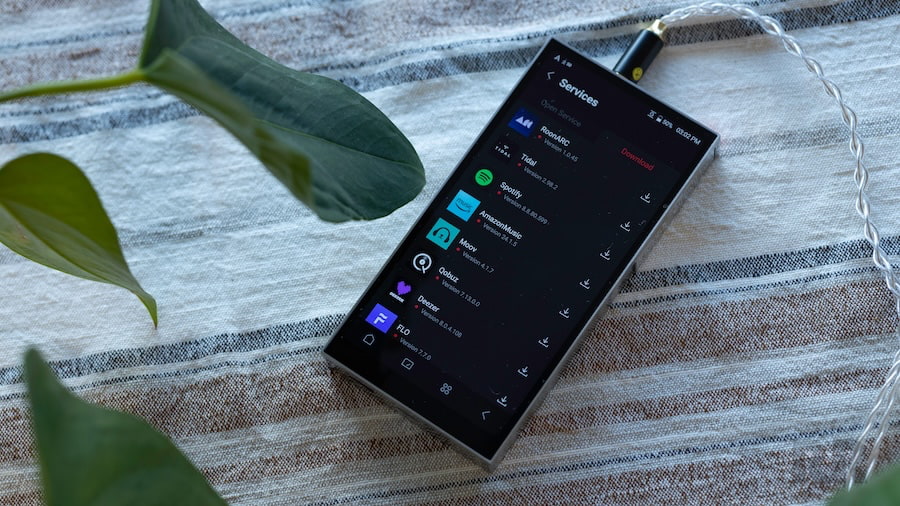
One of the PD10’s more compelling features is its access to the Google Play Store. Few high-end audio players offer this level of openness, and those that do often burden third-party apps with restrictions that make everyday use frustrating. On the PD10, Play Store access is handled cleanly and without ceremony. Sign in to a Google account, tap the shortcut, and you’re in—no workarounds required.
From there, installing a familiar set of Android apps is straightforward. I used Microsoft Word for note-taking and set up Syncthing to automate real-time synchronization of my music library with a home media server. Even with relatively heavy background processes running, the PD10 remained responsive and stable, with no audible impact on playback. It behaves like a mature Android device first—and a high-end audio player that just happens to run Android second, which is exactly how it should be.
The Death of a Streamer
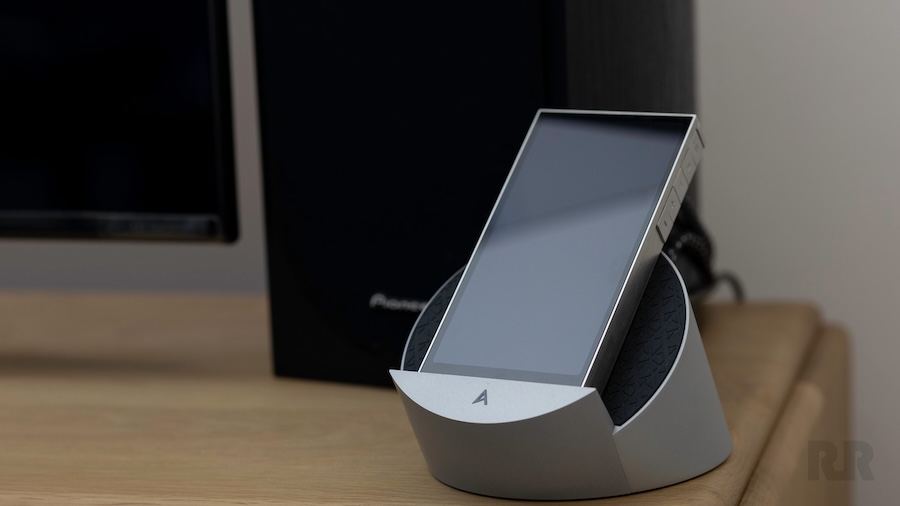
You can opt to purchase the PD10 with its all-metal cradle, and this is where the product stops behaving like a conventional DAP. The cradle allows the PD10 to dock much like a Nintendo Switch, routing audio directly to a speaker system or receiver. In practice, it turns the PD10 into a steel-clad, Android-enabled streamer—one that happens to detach and leave the room with you.
Docking is seamless and largely foolproof, provided you’re not using the leather case, and the PD10 automatically switches to XLR output mode without drama. Output from the dock measures a healthy 5.6Vrms, which is sufficient to drive most power amplifiers directly, eliminating the need for a separate preamp. That level of integration isn’t a gimmick—it’s the PD10’s strongest differentiator and a compelling reason to choose it over both cheaper and more expensive Astell&Kern alternatives.
By allowing the PD10 to function either as a premium handheld player or a fixed streamer in a speaker-based system, Astell&Kern has addressed a real-world use case. Audiophiles who split their time between headphones, speakers, and long car rides can maintain a consistent interface and sound signature across all of it without duplicating hardware or compromising convenience.
Advertisement
Listening
Docking and streaming aside, the core job of any DAP is straightforward: play locally stored audio files through IEMs and headphones without getting in the way. Most of my time with the PD10 was spent focused on exactly that. In practice, it powered nearly everything I threw at it without complaint. I took it to CES 2026, where it had no trouble with sensitive IEMs and handled planar headphones with ease. More demanding full-size models; particularly some from Dan Clark Audio, do ask for more current than the PD10 can comfortably deliver, which is worth noting if those are your daily drivers.
The PD10’s low and predictable output impedance makes it especially well suited to IEM use, including models with complex passive crossovers. Higher output impedances can interact with those crossovers and subtly alter frequency response. With the PD10, that simply didn’t happen. My most sensitive multi-driver IEM, the Campfire Audio Andromeda, sounded dynamic, smooth, and warm—exactly as intended. The player imposed no audible character of its own, which is precisely what you want from a high-end source.
I also stress-tested the PD10’s file handling by aggressively scrubbing through large local AIFF and WAV files. Skipping to random points in massive files was instant, with no buffering or hesitation. That kind of responsiveness suggests Astell&Kern didn’t cut corners on internal storage quality—a detail that matters more than it gets credit for in real-time playback scenarios. Cheap or slow storage has a way of revealing itself quickly here, and the PD10 never gave me a reason to question it.
This Is Not a Flagship Smartphone
Despite costing more than most flagship smartphones, the Astell&Kern PD10 is not built on cutting-edge mobile hardware. That distinction matters. While Astell&Kern clearly prioritizes audio components and does so successfully, the company relies on lower-tier system-on-chip and compute hardware to get there. The result is a device that sounds exceptional but behaves very differently from a modern phone.
Discerning mobile users will notice it immediately. The PD10’s display is sharp and vibrant, but touch responsiveness lags behind even relatively affordable smartphones. Compared to devices like the Asus Zenfone 9 or Google Pixel 10 Pro, the PD10 feels slower and less fluid. Part of that comes down to modern phones running 120Hz displays, but it’s also a consequence of conservative hardware choices under the hood.
Advertisement
None of this makes the PD10 unusable—far from it. Its interface is perfectly adequate for its primary job: selecting music and playing it reliably. But for users accustomed to high-end smartphones, the difference in responsiveness is noticeable and occasionally frustrating, especially when navigating with more complex touch gestures. It’s a reminder that the PD10 is an audio-first device that happens to run Android, not a luxury smartphone replacement—and expectations should be set accordingly.
Advertisement. Scroll to continue reading.
The Bottom Line
The PD10 isn’t perfect, and it isn’t priced to be forgiven for much. What it delivers—long battery life, a vanishingly low noise floor, and enough output power for the vast majority of real-world headphones and IEMs—it delivers with confidence. But the real differentiator isn’t sound quality alone. It’s the dock.
With its all-metal cradle, the PD10 stops being just another high-end DAP and becomes something closer to a modular digital source. Docked, it operates as a capable, Android-based streamer with XLR output and enough voltage to drive most power amplifiers directly, sidelining traditional streamers in the process. That single feature fundamentally separates it from alternatives in Astell&Kern’s own lineup and from competitors alike.
For buyers focused strictly on portable performance, there are clear options. Astell&Kern’s own SP4000 offers higher outright output and refinement as a pure DAP, while players like the iBasso DX340 deliver strong performance at a lower cost. Likewise, anyone already invested in a dedicated streamer may find little justification for replacing it.
Advertisement
Sound wise, the PD10 belongs exactly where Astell&Kern priced it. It delivers the refined, low noise, high resolution presentation expected from top tier DAPs, and in several cases it equals or exceeds the sound quality of dedicated streamers I have tested. That matters, because without that level of performance the rest of the PD10’s argument falls apart. It does not.
The PD10 only makes sense for a very specific audiophile, and Astell&Kern is not pretending otherwise. $2,750 is serious money, but Astell&Kern buyers already understand that reality. If you are strictly a portable listener or strictly a two channel listener, there are cheaper and in some cases better options available. But for listeners who genuinely split time between headphones on the move and a serious speaker system at home, the PD10 does something few products attempt. It replaces multiple components without compromising sound quality, usability, or overall polish. That combination of performance, Android flexibility, and cradle based system integration is what gives the PD10 its value and why for the right listener it stands alone.
Pros:
Excellent sound quality with an imperceptible noise floor
Plenty of output power for most IEMs and full-size headphones
Low, stable output impedance makes it ideal for sensitive multi-driver IEMs
Extensive format support, including native DSD up to DSD512 and high-rate PCM
Unrestricted Google Play Store access with stable performance
Smooth handling of large local files and high-quality internal storage
Roon Ready, Qobuz Connect, AirPlay, LDAC, aptX HD
Optional cradle transforms the PD10 into home hi-fi streamer
Can drive power amplifiers directly when docked, eliminating the need for a preamp
Premium materials and overall build quality appropriate for the price
Well-executed leather case included
Cons:
Very expensive, with limited value for price-to-performance focused buyers
Does not support aptX Lossless, Spotify Connect, TIDAL Connect
Android performance lags behind modern flagship smartphones
Touchscreen latency can be noticeable to experienced smartphone users
Side buttons exhibit slight looseness and rattle
Status-light power button is too bright with no easy way to dim or disable it
Flashpoint warns cybercriminals use emojis to evade detection
Emojis replace fraud and financial keywords to bypass filters
Symbols like 💳, 🔑, 🤖 signal cards, credentials, and malware
Just as everyone else these days, cybercriminals use emojis, too. But they’re not just using them to make their messages fun or exciting, they’re also using them to hide their communication in plain sight and evade security analysts’ scrutiny.
This is according to a new report from threat intelligence experts, Flashpoint. Published earlier this week, Flashpoint says threat actors may substitute emojis for keywords associated with fraud techniques, financial activity, as well as specific platforms or services.
“For example, replacing “credit card” with 💳 or “bank” with 🏦 can help bypass basic keyword filters or reduce visibility in automated moderation systems,” the report states. “When combined with slang, abbreviations, and multilingual phrasing, this creates a layered form of obfuscation that complicates large-scale monitoring efforts.”
Article continues below
Advertisement
In other words, security professionals scouring the dark web for news of breaches and new malware services need to start adding emojis to the list of monitored keywords, too.
Numerous categories
Flashpoint has split the emojis crooks use into a few categories, such as Financial Activity, Access Credentials and Compromise, Tools, Automations, and Services, Targets and Geography, and Urgency, Success, and Status.
Advertisement
Some emojis, such as 💰 and 💸 can signal profit, successful fraud, or payouts, while 🪙 can suggest cryptocurrency-related activity.
These emojis – 🔑, or 🔓, relate to credentials and account access, as well as successful breaches and unlocked accounts. For Tools, Automation, and Services, emojis like 🤖, ⚙️, or 🧰 describe malware, settings, toolkits and bundled services.
Sign up to the TechRadar Pro newsletter to get all the top news, opinion, features and guidance your business needs to succeed!
The full list of analyzed emojis can be found here.
Advertisement
Flashpoint also says that there is another practical side to using emojis and that is – being able to communicate properly across regions and languages. Not everyone in the cybercriminal community speaks (proper) English, and being able to inform everyone about certain activity – quickly – most definitely helps.
Intel CEO Lip-Bu Tan said Tuesday that the chipmaker will “work closely” with Elon Musk to support the billionaire entrepreneur’s Terafab project, a potentially massive chip development and fabrication operation that will be jointly developed by SpaceX and Tesla. A photo posted by Intel’s official X account shows the two executives shaking hands last weekend in front of a large Intel sign. Musk’s 1-terawatt, ultra-high performance chip fabrication facility, which may span multiple locations, could cost billions of dollars.
“Terafab represents a step change in how silicon logic, memory and packaging will get built in the future,” Tan said in a social media post. “Intel is proud to be a partner and work closely with Elon on this highly strategic project.”
Exactly how Tan and Musk plan to execute such an ambitious venture remains unclear. Musk has been talking about the need to develop a so-called Terafab for months, viewing the endeavor as a way to produce the vast number of chips his companies will need for cars, robots, and data centers. Some chip industry analysts are highly skeptical that Musk can pull off such a complex and capital-intensive venture.
Intel, meanwhile, has been attempting to make a mighty comeback after years of stagnation, and part of its efforts include pitching its capacity to manufacture advanced semiconductors to tech companies hungry for chips to power the AI boom. As WIRED recently reported, Intel’s ability to secure these outside customers is critical to its success. And Musk could be a huge whale of a customer.
Advertisement
Musk did not respond to WIRED’s questions about the partnership. A spokesperson for Intel referred WIRED to the company’s posts about the deal on social media and declined to comment further. For now, here are five outstanding questions about how Intel’s involvement could affect Terafab’s chances of success.
How Big Is The “Deal”?
Hard to say. Neither Intel nor Tesla has filed any paperwork with the US Securities and Exchange Commission, which is typically required if a new partnership or deal materially changes the capital investment or manufacturing capacity of a public company.
For example, when chipmaker AMD and Meta announced a “multi-year, multi-generation” partnership in February to deploy up to 6 gigawatts of AMD GPUs for Meta’s AI services, AMD disclosed the deal in an SEC filing. As of publishing, no such forms have been filed yet by Intel or Tesla. That indicates Tan and Musk’s agreement may be mostly handshakes and vibes at the moment. As one chip industry insider put it, “It makes quite a headline for a couple days, no?”
What Is Intel Actually Contributing?
Intel’s public statement about the mashup with Musk is almost comically vague. The company said that its “ability to design, fabricate, and package ultra-high-performance chips at scale” will help accelerate Terafab’s goal of producing 1 terawatt of computing power a year to support “future advances in AI and robotics.”
Advertisement
Pat Moorhead, a longtime chip industry analyst and founder of Moor Insights & Strategy, predicts that Musk will lean on Intel for its advanced packaging capabilities to start. He notes that Tesla “doesn’t need [chip] design engineering; they’re already very capable of that.” Moorhead adds that Musk may also want to license Intel’s chip architecture, which Terafab could build upon and customize.
Intel handling advanced packaging is a safe bet in the near term, because it gives all of the companies involved a chance to test their partnership without alienating TSMC, which runs the world’s biggest fabs, Moorhead says. “If you do packaging first, you’re not going to infuriate TSMC as much as you would if you used Intel for wafers,” he says. (Tesla has existing chip partnerships with TSMC and Samsung.)
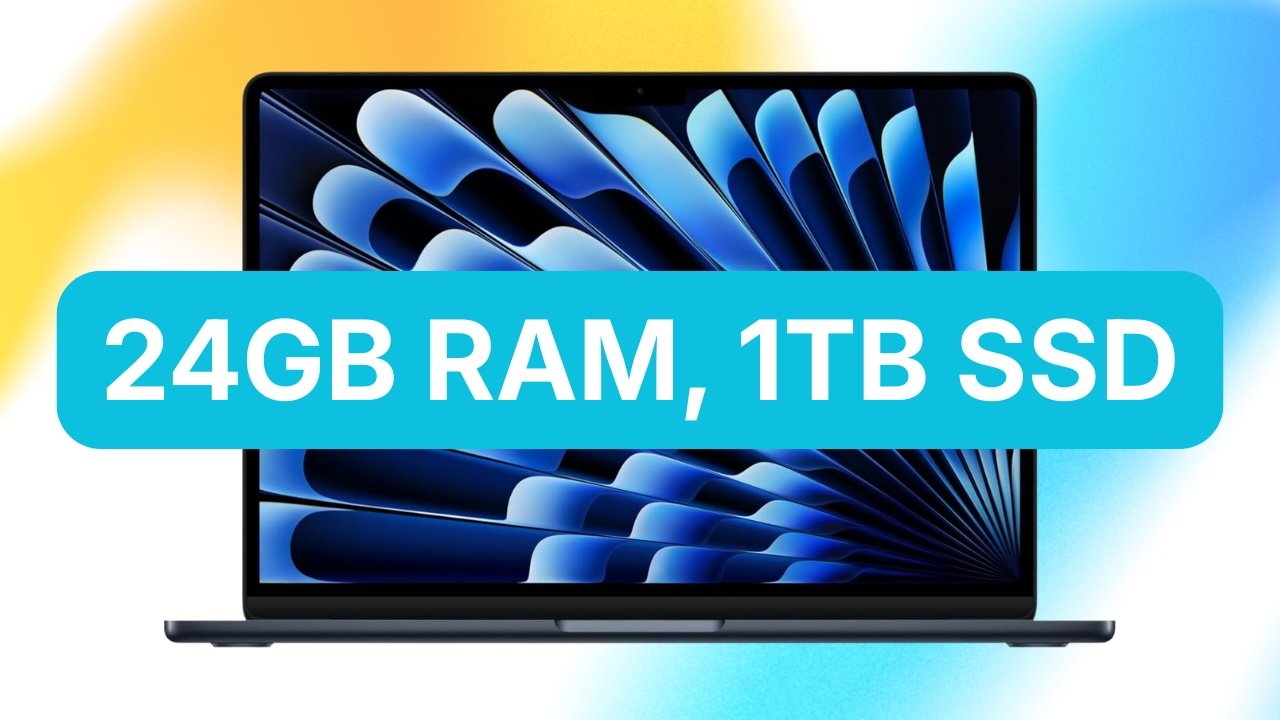
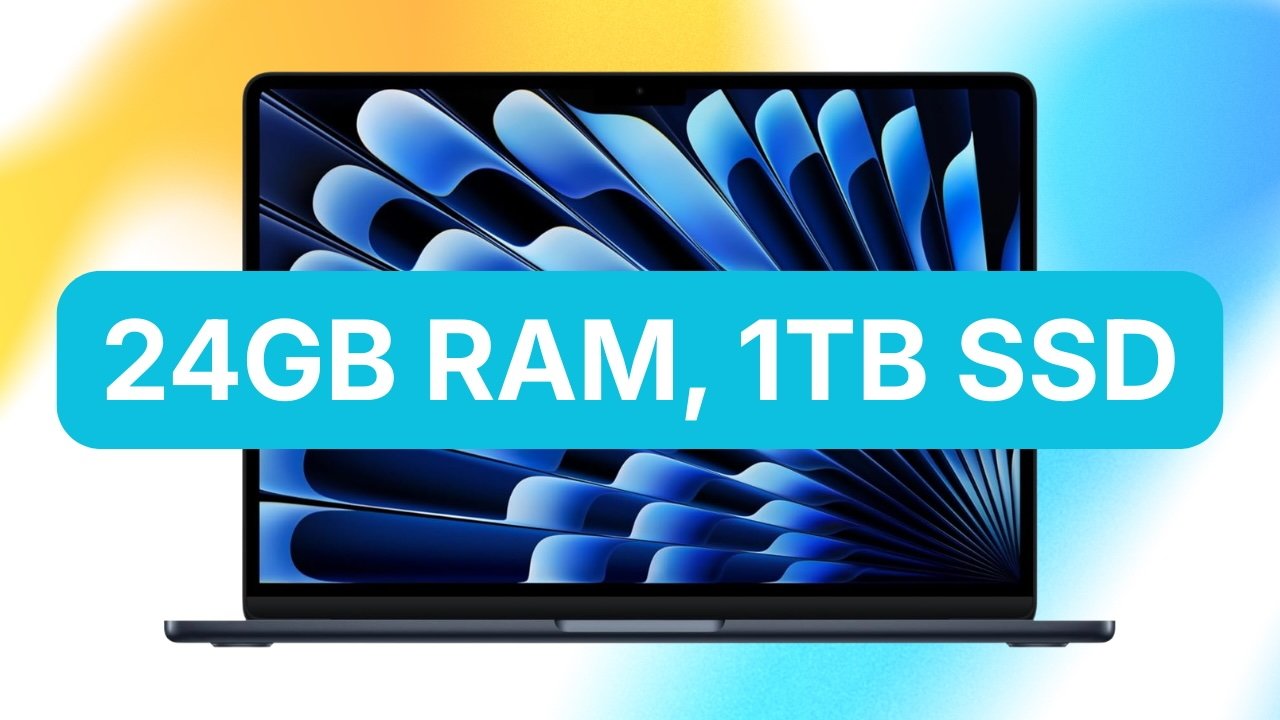
The lowest price on record is in effect on Apple’s 2026 15-inch MacBook Air at Amazon, with the loaded M5 spec featuring an upgrade to 24GB of RAM and a 1TB SSD now on sale for $1,549.
Grab the lowest price ever on Apple’s brand-new M5 MacBook Air 15-inch – Image credit: Apple
Deals on both the 2026 13-inch and 15-inch models are going on now during Amazon’s April MacBook Air sale, with retail configurations now $150 off. A top pick from the sale is the M5/24GB RAM/1TB spec that offers extra storage space and additional memory over the standard model. Discounted to $1,549 after a $150 discount, the deal is available in all four colorways. Continue Reading on AppleInsider | Discuss on our Forums
In Project Glasswing, announced Tuesday, the company is giving a select group of major tech and financial firms access to Claude Mythos Preview, a frontier model that has already uncovered thousands of previously unknown software vulnerabilities. Anthropic says the model is too dangerous to release to the general public. Read Entire Article Source link
Elon Musk’s X is continuing its push to bake AI deeper into the platform with two new Grok-powered features aimed at helping users reach a wider audience and edit images seamlessly.
What’s new on X?
The company has rolled out automatic translation for posts worldwide, allowing users to instantly read content in their preferred language without needing to tap on the translation option. The feature, powered by xAI’s Grok models, is designed to give posts a broader global reach while reducing friction for cross-language conversations. Users who prefer the original text can still toggle translations off on a per-language basis.
We’re rolling out auto-translate worldwide to give posts in any language global reach on X.
The translations are powered by Grok and have improved substantially over the last couple months.
If you prefer to read in the original language, you can always turn off auto-translate…
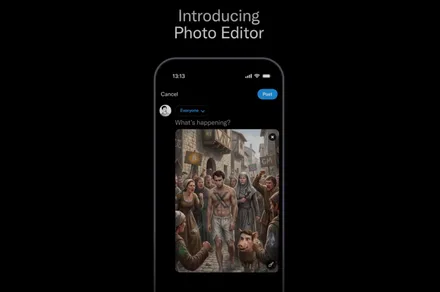
Alongside translation, X has also introduced a new in-app photo editor on iOS. The tool gives users access to basic editing options like drawing, text overlays, and blur controls for hiding sensitive information, such as faces or personal details.
Ladies and gentlemen, we’re launching a brand new Photo Editor in our post composer.
It has long-overdue features like drawing & text. But we also included special add-ons that are unique to X:
• Edit with words, powered by Grok • Add a blur to redact parts of the photo… pic.twitter.com/38Zaw8b5jl
The editor also utilizes AI to help users edit images with natural language prompts. According to X’s head of product, Nikita Bier, users can ask Grok to transform images in specific ways. For example, they can ask Grok to turn a regular photo into something styled like a painting. For now, the feature is limited to X’s iOS app, but Android support is coming soon.
What does this mean for users?
With these additions, X is trying to get users to spend more time inside its app instead of relying on third-party tools. Other social media platforms have released similar AI-driven translation features, and X is now joining the fray to make Grok a core part of how people create and engage on the platform.
Whether this push pays off will ultimately come down to execution. If these tools feel genuinely useful and intuitive, they could make posting and discovery smoother. If not, they risk blending into the background as features more users ignore, adding complexity without meaningfully improving the experience.
‘Agentic commerce’ is seen as a natural consequence of AI-powered search, which already makes up more than half of global search engine volume. McKinsey trend analysis finds this number could rise significantly over the coming years.
Advertisement
McKinsey found that by 2030, agentic commerce could orchestrate up to $5trn globally. But while Morgan Stanley earlier this year noted that only 1pc of shoppers currently choose the agentic route, newer research elsewhere finds that AI agents could make up a significant portion of customers a business receives in the coming years.
In the background, infrastructure works to make agentic commerce possible are underway at fintechs such as Revolut, Stripe, Visa, Mastercard and PayPal. More are expected to follow.
Did you mean to buy that?
A growing number of users say they would trust AI systems to place orders and execute payments on their behalf. But such a combination of trust and automation will end up creating a whole new category of purchase disputes that companies are yet to get ahead of, says Monica Eaton, the founder and CEO of Chargebacks 911.
“The infrastructure for agentic commerce is being built quickly, but the safeguards need to evolve at the same pace,” she says.
Advertisement
In the era of agentic commerce, both customers and businesses will find it hard to define intent – or a lack thereof – when purchases are made by AI agents. It is easier to determine intent when humans make a deliberate choice to press ‘buy’, but agentic commerce removes that moment in the transaction. And currently, there aren’t many ways to dispute an agentic AI-made purchase, Eaton notes.
“Most customers do not have access to detailed records of the instructions they gave, the permissions in place, or how the agent reached its decision. In many cases, the transaction is technically authorised, which makes it difficult to challenge,” she adds.
To solve this, platforms need to prioritise transparency before a transaction occurs. The AI agent in question must be able to show what it is about to do and why, and ensure it has customer authorisation before going forward with a transaction. An audit trail for agentic purchases will provide an added layer of protection, says Eaton.
Meanwhile, clear permission frameworks that define where and what agents can purchase, and how much they can spend, will further protect customers.
Advertisement
This may only work in the short term, says Eaton. Longer term protections would involve platforms providing transparency and access to activity logs, while dispute processes will need to evolve to recognise when an agent’s decision does not align with the customer’s intent.
Shift in responsibility
This new category of purchase dispute lies somewhere between fraud and ‘buyer’s remorse’, and current systems are not equipped to handle this anomaly, says Eaton.
“In an agentic environment, platforms need to take greater responsibility for how instructions are captured, interpreted and executed”, and merchants should not be expected to absorb this liability by default, she explains.
Moreover, if effective frameworks are not built ahead of time, customers could end up in a situation where they are arguing with an AI customer service bot about an unauthorised purchase made by a personal AI agent.
Advertisement
There is still time to get ahead of this eventuality, but the window is narrowing, Eaton says. “Businesses need to treat agentic commerce as a fundamentally different transaction environment, not just a faster version of existing e-commerce.”
It is important not to wait for regulation to catch up, Eaton warns. “Businesses that build trust into agentic commerce early will be in a much stronger position than those that react later.
“As for the future of customer service, it does not have to become AI versus AI. The key is to keep the human at the centre of the process. Agentic commerce should reflect and support human intent. If that principle is lost, trust will follow.”
Don’t miss out on the knowledge you need to succeed. Sign up for the Daily Brief, Silicon Republic’s digest of need-to-know sci-tech news.
Valve has released a native Steam Link beta for Apple Vision Pro, letting users stream their existing Steam games onto a large virtual screen in visionOS. It supports up to 4K resolution and will let you dynamically adjust the curve of the display. The Mac Observer reports: Steam Link does not support VR titles in this beta, and Valve clearly states that the app is limited to 2D game streaming, but this still opens up a large library of games that users can play on a massive virtual screen inside Vision Pro.
At the same time, Vision Pro already handles 2D media very well, and this update builds on that strength by turning the headset into a portable gaming display that connects directly to your existing setup without needing extra hardware.
You can join the Steam Link beta through TestFlight right now, and this early release shows how Apple Vision Pro continues to expand beyond media into more practical and everyday use cases like gaming.
The new OPPO F33 series is just around the corner, and the Chinese smartphone maker has shared a lot more about the upcoming phones ahead of its India launch on April 15, 2026. The headline features are the all-new ultrawide selfie camera and a more polished design. Here’s everything we know so far.
New Cameras
Like the new iPhone 17, the highlight of the OPPO F33 Pro is its 50MP ultra-wide front camera with a 100° field of view. That’s significantly wider than what most phones in this segment offer, and OPPO says it can capture up to 30% more area in group selfies. To make that useful in real-world scenarios, the phone also includes an “AI Groupfie Expert” system. It can automatically switch to a wider 0.6x view when more people enter the frame and correct facial distortion for up to six faces at once.
On the back, the F33 series uses a 50MP main sensor paired with a 2MP depth sensor. While that setup isn’t groundbreaking on paper, one of the new features is AI Portrait Glow, which adjusts lighting in real time depending on the scene. It offers multiple lighting styles, including Natural, Rim, and Studio modes, to improve portraits in tricky lighting conditions. Another interesting addition is the Colorful Front Fill Light, which replaces the usual harsh white flash with softer, adjustable tones to make selfies look more natural, especially at night. The phone also introduces creative features like Popout, which lets users create layered photos with a sense of depth directly from the camera, and Dual-View Video
Redesigned Build
Beyond cameras, OPPO is also making noticeable changes to the design. The F33 Pro introduces a new “Starry Sea” camera module with a cleaner layout and a more prominent lens design. The phone uses a one-piece back panel made from a thicker composite material, which OPPO claims improves durability without adding the fragility of glass. It’s also using a CNC carving process to create a mix of glossy and matte finishes on the same surface.
The F33 Pro will be available in three finishes: Misty Forest, Starry Blue, and Passion Red, each with a slightly different texture and visual style. The device features a 6.57-inch flat display and weighs 194 grams, keeping things relatively slim and manageable.
Demand for Apple’s Mac Mini has skyrocketed, particularly in China, as the small computer has become an ideal platform for experimenting with autonomous AI agents like OpenClaw and others. Now, a company called Astropad is building out a remote desktop solution specifically for this use case.
On Tuesday, Astropad CEO Matt Ronge introduced Astropad Workbench, a remote desktop solution for Apple devices that he pitches as made “for the AI era.”
While an AI agent running on a Mac Mini may not need a screen, its operator (the human) will want to log in at times to see what’s happening in order to check logs, monitor outputs, or restart stuck tasks, he says.
Image Credits:Astropad
The new remote desktop solution offers a variety of features, including high-fidelity streaming; the ability to dictate prompts and commands with your voice; plus support for other input methods like the keyboard, Apple Pencil, or touch; and clients for both the iPad and iPhone — the latter essentially putting the remote desktop solution into your pocket for on-the-go access.
If you’re running AI agents across multiple Macs, Workbench offers a device chooser so you can move between them.
Advertisement
Image Credits:Astropad
The idea came about because it was something the team at Astropad had wanted for themselves, as had their friends.
“We have heavily adopted AI at Astropad, and we’ve been using agents. And sometimes, you have an agent running on a long task, and you want to check on it,” says Ronge. “There’s not a great way to do this…there were existing remote desktop tools, but nothing built specifically for this,” he continues. “There have also been ways where you can use a terminal, or there are things like Telegram chats, but they’re limited. I mean, there are times you’ve got to see what’s happening on your Mac. You’ve got to approve a dialog or save something, or just visually see what’s happening.”
Workbench also leverages the company’s proprietary, low-latency display protocol, which it calls LIQUID, which supports the workflows creative professionals use. It retains full fidelity, even at Retina resolutions, Astropad claims, and doesn’t blur lines or pixelate data. The protocol already powers Astropad’s other products, like Luna Display, which turns your iPad into a second display, and Astropad Studio, which lets you use an iPad as a professional drawing tablet.
While monitoring an AI agent may not always need a high-fidelity solution, Ronge points out that it’s something that’s nice to have — especially if you’re approving designs or mock-ups your AI agent made.
Image Credits:Astropad
Of course, remote desktop software has existed for some time, meaning Astropad has well-established rivals like Jump Desktop, RustDesk, AnyDesk, Parsec, VNC-based solutions, and many more.
But Ronge suggests that those weren’t designed for the specific needs of using remote desktop software to keep tabs on AI agents. With Workbench, it’s easy to check on the status of logs to see your AI agents’ progress in order to spot issues, restart stalled jobs, and make other changes, but what’s more, you can do this from your iPhone or iPad.
Advertisement
“We’ve been doing iPad stuff for years — it’s been, like, our whole company for the past 10 years. So we have a lot of experience in making good iPad apps,” Ronge says. “We know how to make good iOS apps…so we did that, and then we also added a voice model.”
Image Credits:Astropad
The tech uses Apple’s voice model so you can talk to your phone and direct your AI agent to do something with a press of the microphone button.
“It’s a very natural way to work with agents. That’s the kind of feature that existing remote desktop [apps] just don’t have — they’re built for more traditional, enterprise-style remote desktop.”
As a new release, there will still be some bugs and polishing needed, but the team is continuing to work on the product. Next up, they plan to launch Windows and Linux support and refine the iPhone app.
The new software runs on macOS 15 and up and iOS 26, and is available as a free download offering 20 minutes of access per day. For unlimited access, the cost is $10 per month, or $50 per year.
Advertisement
Astropad, a bootstrapped and profitable small tech business, has over 100,000 customers, including those who have bought its iPad hardware accessories and its software. With Workbench, Ronge believes the company has the potential to reach both AI enthusiasts and businesses as remote support for AI agents becomes more common.
“I totally think businesses are gonna buy it. I mean, just the productivity gains I’m seeing from it myself — this is totally headed to businesses. It’s just too powerful,” he notes.
Kyle McGinley graduated from high school in 2018 and, like many teenagers, he was unsure what career he wanted to pursue. Recuperating from a sports injury led him to consider becoming a physical therapist for athletes. But he was skilled at repairing cars and fixing things around the house, so he thought about becoming an engineer, like his father.
McGinley, who lives in Sellersville, Pa., took some classes at Montgomery County Community College in Blue Bell, while also working. During his years at the college, he took a variety of courses and was drawn to electrical engineering and computing, he says. He left to pursue a bachelor’s degree in electrical and computer engineering in Philadelphia at Temple University, where he is currently a junior.
Kyle McGinley
MEMBER GRADE
Student member
Advertisement
UNIVERSITY
Temple, in Philadelphia
MAJOR
Electrical and computer engineering
Advertisement
The 26-year-old is also a teaching assistant and a research assistant at Temple. His research focuses on applying artificial intelligence to electrical hardware and robotics. He helped build an AI-integrated android companion to assist in-home caregivers.
Temple recognized McGinley’s efforts last year with its Butz scholarship, which is awarded annually to an electrical and computer engineering undergraduate with an interest in software development, AI development systems, health education software, or a similar field.
An IEEE student member, he is active within the university’s student branch.
“My career ambition after I graduate is to gain real-world experience in the engineering industry to learn skills outside of academia,” he says. “Long term, I want to do project management or work in a technical lead role, with the primary goal of creating impactful projects that I can be proud of.”
Advertisement
Building a robot aide
McGinley is a teaching assistant for his digital circuit design course. In a class of 35 students, it can be a struggle for some to digest the professor’s words, he says.
“My job is to answer students’ questions if they are having problems following the professor’s lecture or are confused about any of the topics,” he says. “In the lab, I help students debug code or with hardware issues they have on the FPGA [field-programmable gate array] boards.”
He also conducts research for the university’s Computer Fusion Lab under the supervision of IEEE Senior Member Li Bai, a professor of electrical and computer engineering. McGinley writes software programs at the lab.
“In school, they don’t teach you how to communicate with people. They only teach you how to remember stuff. Working well with people is one of the most underrated skills that a lot of students don’t understand is important.”
“I realized the need for this with my grandmother, when she was taking care of my grandfather,” he says. “It was a lot for her, trying to remember everything.”
Using the latest software and hardware, he and three classmates rebuilt an older lab robot. They installed an operating system and used Python and C++ for its control, perception, and behavior, he says. The students also incorporated Google’s Gemini AI to help with routine tasks such as scheduling medication reminders and setting alarms for upcoming doctor visits.
The AI-integrated android was intended to assist, not replace, the caregivers by handling the mental load of remembering tasks, he says.
Advertisement
“This was one of the cool things that drew me to working in the robotics field,” he says. “Something where AI could be used to help caregivers do simple tasks.”
The benefits of a student branch
McGinley joined Temple’s IEEE student branch last year after one of his professors offered extra credit to students who did so. After attending meetings and participating in a few workshops, he found he really liked the club, he says, adding that he made new friends and enjoyed the camaraderie with other engineering students.
After the student branch’s board members got to know McGinley better, they asked him to become the club’s historian and manage its social media account. He also helps with event planning, creating and posting fliers, taking pictures, and shooting videos of the gatherings.
The branch has benefited from McGinley’s involvement, but he says it’s a two-way street.
Advertisement
“The biggest things I’ve learned are being held accountable and being reliable,” he says. “I am responsible for other people knowing what’s going on.”
Being an active volunteer has improved his communication skills, he says.
“Learning to clearly communicate with other people to make sure everyone is on the same page is important,” he says. “In school, they don’t teach you how to communicate with people. They only teach you how to remember stuff. Working well with people is one of the most underrated skills that a lot of students don’t understand is important.”
“I know it can be scary because you might not know anyone, but it honestly can’t hurt you; it could actually benefit you,” he says. “Being active is going to help you with a lot of skills that you need.
“You’ll definitely get opportunities that you would have never known about, like a scholarship or working in the research lab. I would have never gotten these opportunities if I hadn’t shown up. Joining IEEE and being active is the best thing you can do for your career.”



















 Kyle McGinley helped build an AI-integrated



































You must be logged in to post a comment Login