Threat actors have adopted the ASCII smuggling technique in phishing campaigns, using invisible Unicode characters to evade email security filters.
ASCII smuggling has been used in AI prompt injection attacks to conceal malicious instructions from users by encoding them with Unicode characters from the Tags block (U+E0000–U+E007F).
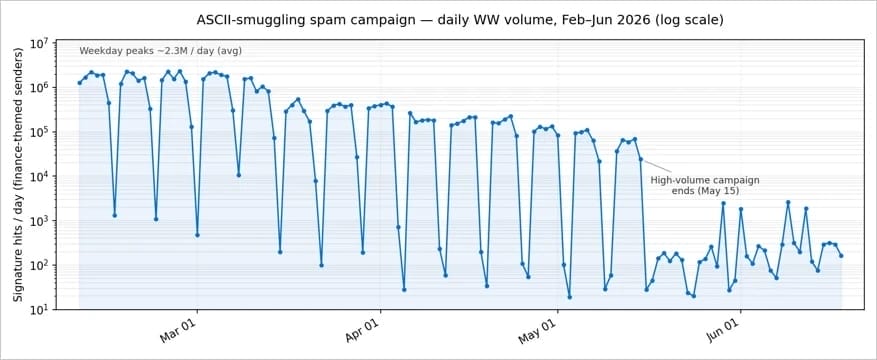
Microsoft threat researchers discovered a large-scale phishing campaign using this technique, which peaked at up to 2.37 million daily messages in late February. Although the volume has dropped gradually in May, the operation is still active.
“The high-volume phase persisted for roughly three months after February 9 and dropped sharply after May 15, 2026,” explains Microsoft.
Advertisement
“These dates bound the observed use of the specific technique in our telemetry, not the broader campaign, which started earlier without it and continued without it.”
Phishing email delivery volumes Source: Microsoft
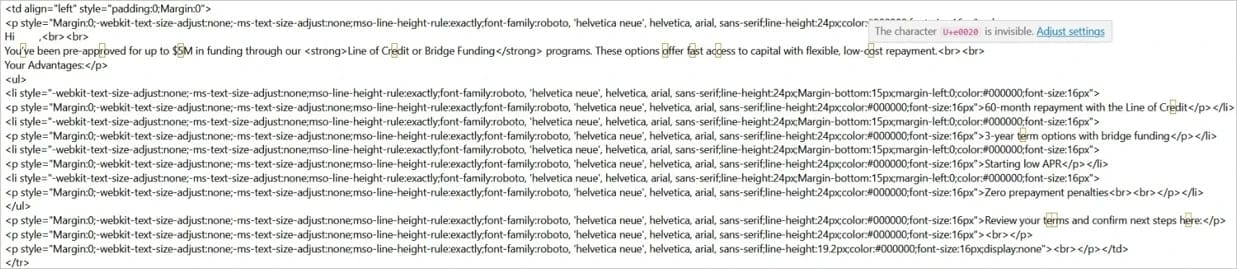
In this campaign, the attacker inserts an invisible Unicode character inside finance-related lure words to split them.
In doing so, a keyword like ‘funding’ becomes something like ‘fun[invisible character]ding’ and evades email filters that rely on word lists to detect suspicious or malicious messages.
Sample of a phishing message Source: Microsoft
Microsoft says the method has been used in millions of finance-themed phishing messages and works as intended, although Defender still caught over 99% of the messages based on other signals (sender, IP, domain, reputation checks).
On February 9, Microsoft identified a cluster of 148 finance-themed sender domains powering this campaign, accounting for about 96% of all messages its new Defender for Office 365 hunting logic flagged for Unicode-tag signatures.
Advertisement
Unicode characters in the email Source: Microsoft
The domains used words such as “funding,” “capital,” “loan,” “advance,” and “credit,” and the messages promoted business funding, loans, and credit services.
The messages were delivered through infrastructure associated with the legitimate ActiveCampaign email-marketing platform.
After receiving Microsoft’s report of service abuse, ActiveCampaign said its moderation systems detect invisible Unicode characters the same way they detect unobfuscated text and treat heavy use as suspicious.
Microsoft recommends that defenders strip or normalize Unicode tag characters and other invisible code points before applying keyword, regex, or signature-based detection, and treat unexpected tag-block characters as a strong anomaly.
Applying the same normalization before passing email content to AI assistants should mitigate the risk of prompt-injection attacks.
Advertisement
Overall prevention scores can hide what happens after initial access. Once attackers are using valid credentials, prevention drops sharply.
The Blue Report 2026 measures defenses technique by technique across 338 million simulations run in customer production environments.
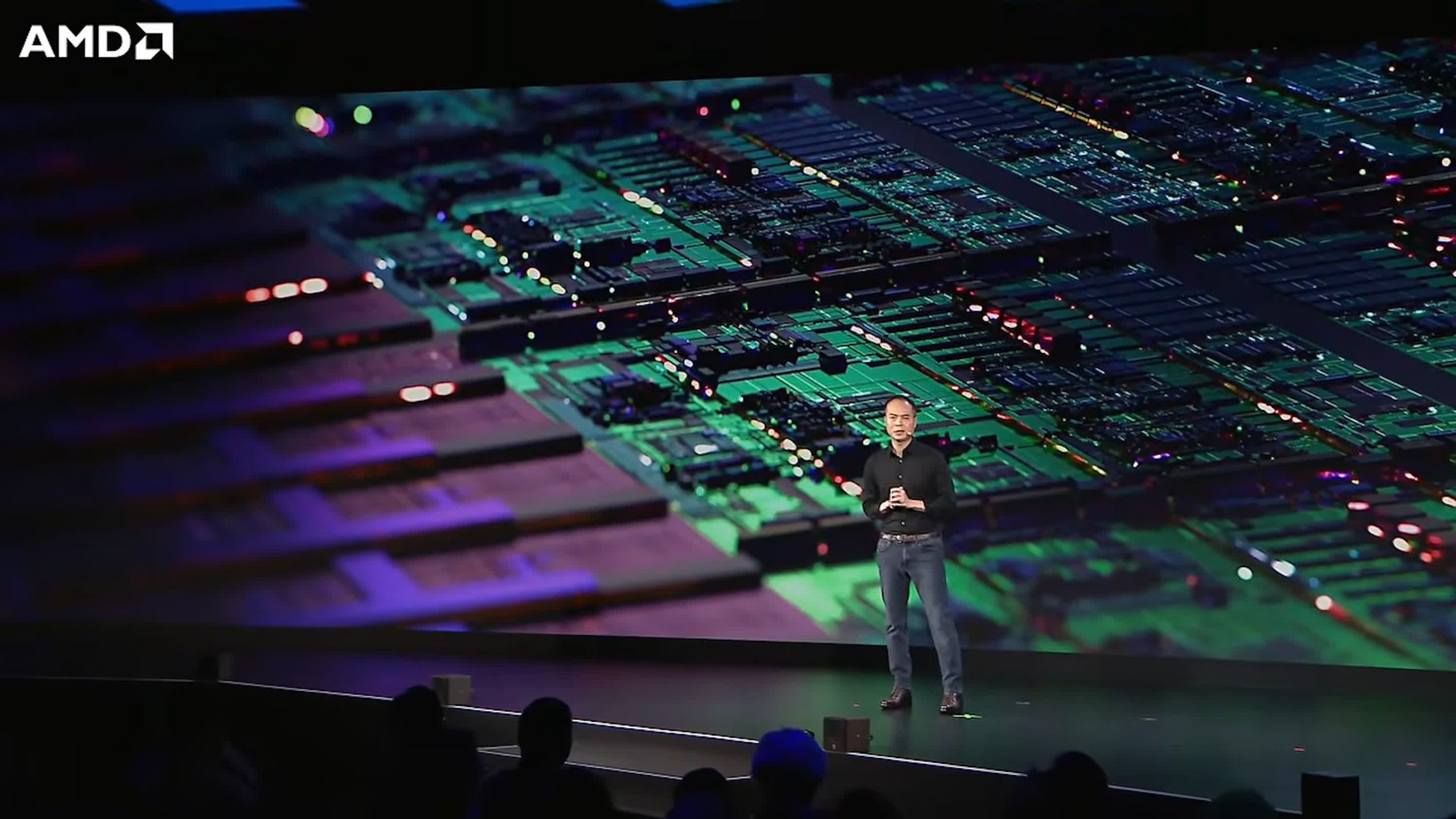
First look: AMD used its IFA 2026 keynote to introduce the Threadripper Halo Station, a liquid-cooled workstation designed for running AI models with more than one trillion parameters locally rather than through a cloud service. AMD has not said when the Halo Station will be available. But the system points to a growing market for workstation-class AI hardware that gives developers more direct control over large-model workloads, including where data is processed and how models are deployed.
The system pairs the 96-core Ryzen Threadripper PRO 9995WX processor with up to four Instinct MI350P accelerators. AMD demonstrated a two-card version at IFA, while a fully configured model with four accelerators would provide 576 GB of HBM3E memory – enough, the company said, to hold a trillion-parameter model on the machine itself.
AMD has not announced pricing, availability, or full system specifications. It also did not detail the Halo Station’s storage, networking, or chassis options, or whether it plans to sell the system directly or through workstation manufacturers and system integrators.
Each Instinct MI350P card includes 144 GB of HBM3E memory and delivers 4 TB/s of memory bandwidth. The two-card system demonstrated at IFA had 288 GB of HBM3E memory. A four-card version would provide 576 GB.
Advertisement
That memory capacity is central to the Halo Station’s purpose. Large models require substantial high-bandwidth memory to store weights and process data efficiently. AMD said the MI350P’s 4 TB/s of bandwidth is 14 times higher than that of any LPDDR5X variant.
The system also has significant power and cooling needs. Each MI350P accelerator can draw up to 600 watts of total board power. AMD said the cards are independently liquid-cooled, and the Threadripper processor has its own liquid-cooling setup.
The Threadripper PRO 9995WX, code-named Shimada Peak, is based on AMD’s Zen 5 architecture. It has 96 cores, 192 threads and a boost clock of up to 5.4 GHz. The processor supports up to 2 TB of DDR5 system memory.
Advertisement
Jack Huynh, AMD’s senior vice president and general manager of Computing and Graphics, described the product as a new workstation category intended to bring “supercomputer-class compute” to individual users and developers.
Gamescom has been a fever dream. Following a strong opening night, everything from gaming gear to cosplay and demos has kept us running around for hours. So after hitting 20,000 steps every day, it’s time for the Publisher Awards. Video games are definitely still the highlight, but there’s a lot more that deserves your attention here.
So here are our picks for the best of what we saw during Gamescom 2026, including everything that was worth waiting for in those hour-long queues.
Nvidia DLSS 5: Best graphics technology
Can’t have the gaming awards without mentioning one of the biggest supporting technologies behind it. The initial reveal of DLSS 5 might have been less than ideal, causing gamers to take up arms against the company for fear of AI slop ruining games — worse yet, ruining the artistic integrity of the original work from the developers and artists.
Nvidia
Even my first impressions weren’t great, and Nvidia definitely had an uphill battle ahead. During our time at Gamescom, we finally got to see the tech in action. It showed a lot more promise this time around and, more importantly, reaffirmed that control remains in the hands of the studio. So unless you or the developers actively want the image to be AI-yassified, you’re good on that front.
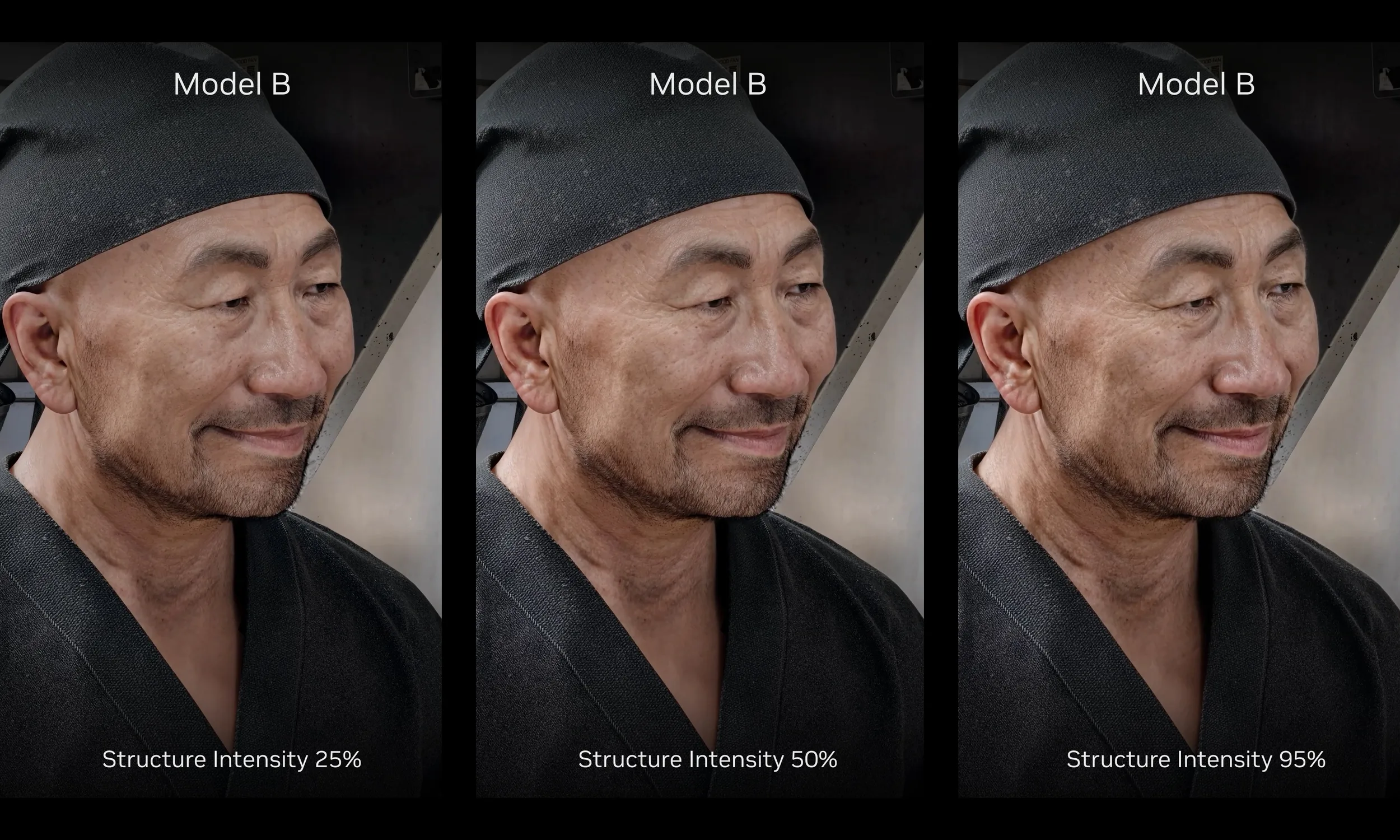
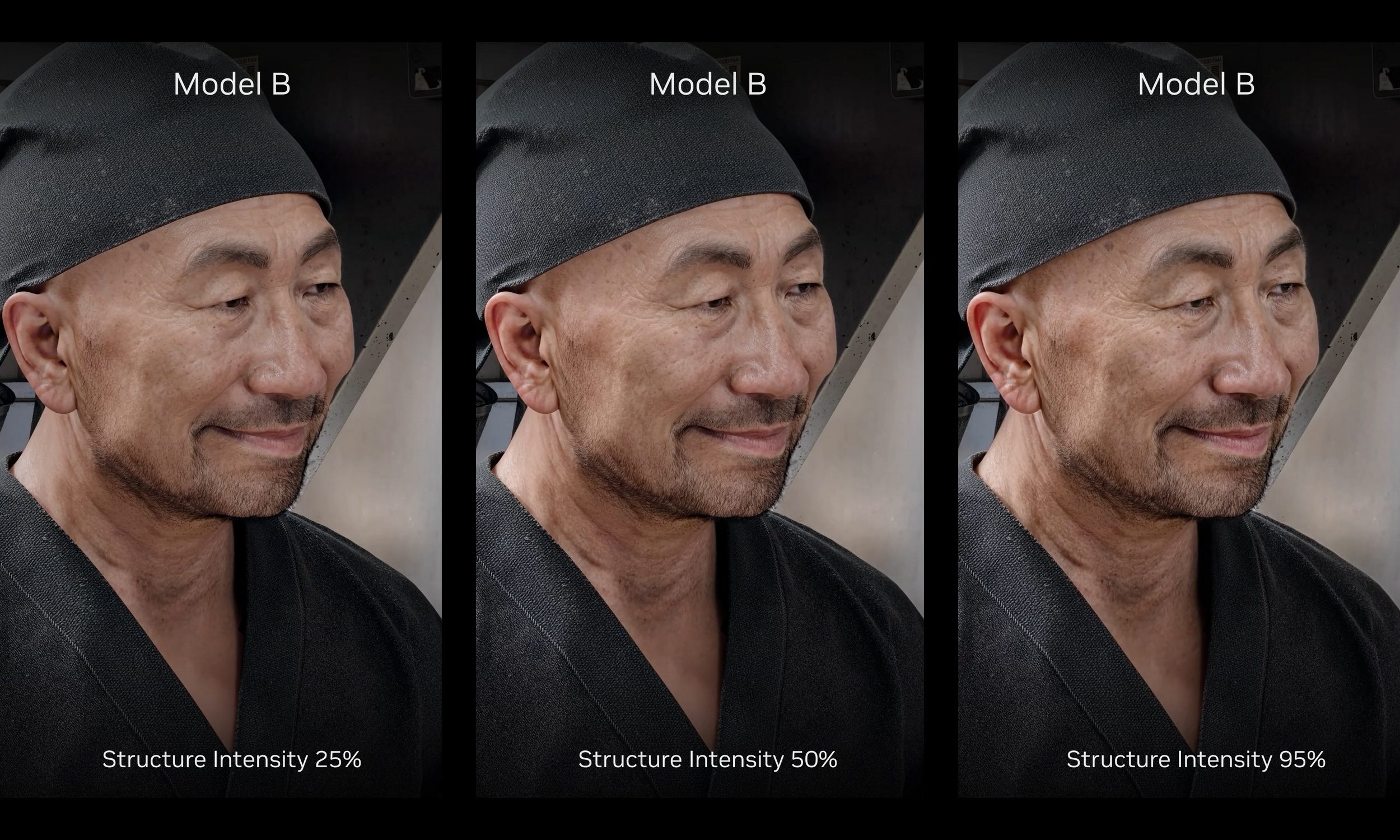
The technology can use geometry, textures, motion information, and other game-engine data while letting developers control things such as structure, tone, and semantic masks. Seeing those tools demonstrated helped address one of my biggest concerns from the original reveal.
Advertisement
DLSS 5 has since debuted with NBA 2K27 on RTX 50-series GPUs, and I can’t help thinking about its potential across the rest of the industry. It is still far too early to sing its praises, but after Gamescom, I’m considerably more interested in seeing where developers take it.
JBL Quantum 520X and QuantumENGINE: Best gaming audio
“Whether we are making a $400 headset or a $45 headset, we use the exact same driver — a 50mm carbon dynamic driver,” Gordon Tong, Senior Director of Product Strategy and Planning, Gaming at JBL, told us during a recent interaction. The point he wanted to establish was simple: getting into JBL’s gaming ecosystem shouldn’t mean accepting significantly weaker audio hardware.
Varun Mirchandani / Digital Trends
JBL is committed to its gaming lineup, and the new Quantum 520 Wireless, Quantum 520X Wireless, and Quantum 120 carry that idea forward. Even the $49.95 Quantum 120 gets the same 50mm carbon dynamic-driver concept found farther up the range, alongside JBL Quantum Spatial Sound, Hi-Res support, QuantumENGINE customization, and a detachable 6mm cardioid microphone. The $129.95 Quantum 520X adds wireless connectivity, including 2.4GHz and Bluetooth, with up to 37 hours of battery life.
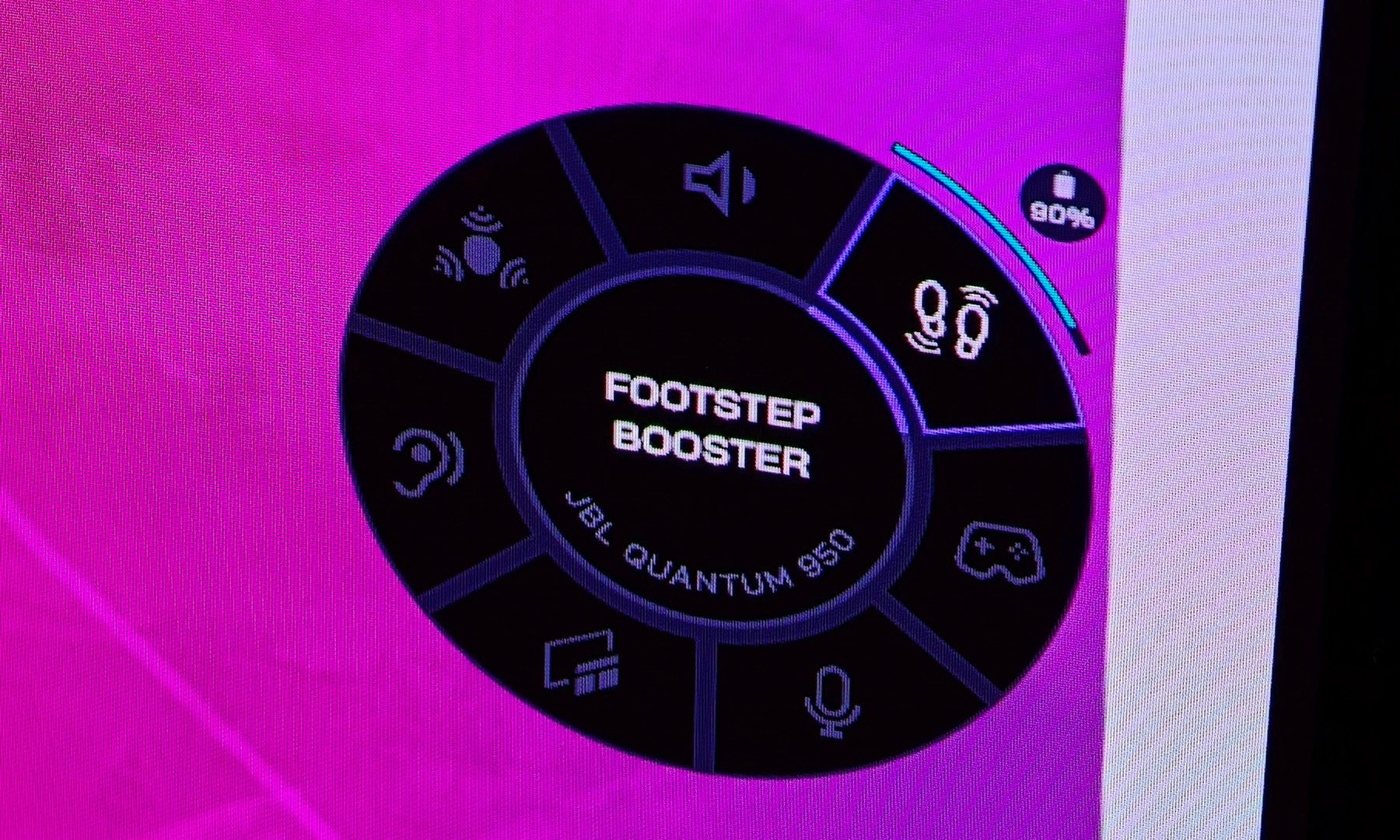
What makes them even cooler is the new QuantumENGINE technology and upcoming AI Footstep Booster. The feature continuously analyzes game audio to identify important sounds, including footsteps, voices, gunfire, and explosions, then works to make directional footstep information clearer. It arrives in Q4 2026.
Advertisement
Varun Mirchandani / Digital Trends
If you’ve played a fair amount of competitive shooters like Rainbow Six Siege, as I have, you already know sound can decide a round before you ever see the person shooting at you. QuantumENGINE can also be controlled from a phone on the same network, meaning you can change EQ, spatial sound, microphone levels, and game/chat balance without tabbing out of whatever you’re playing.
Tripo AI: Best AI creator tool
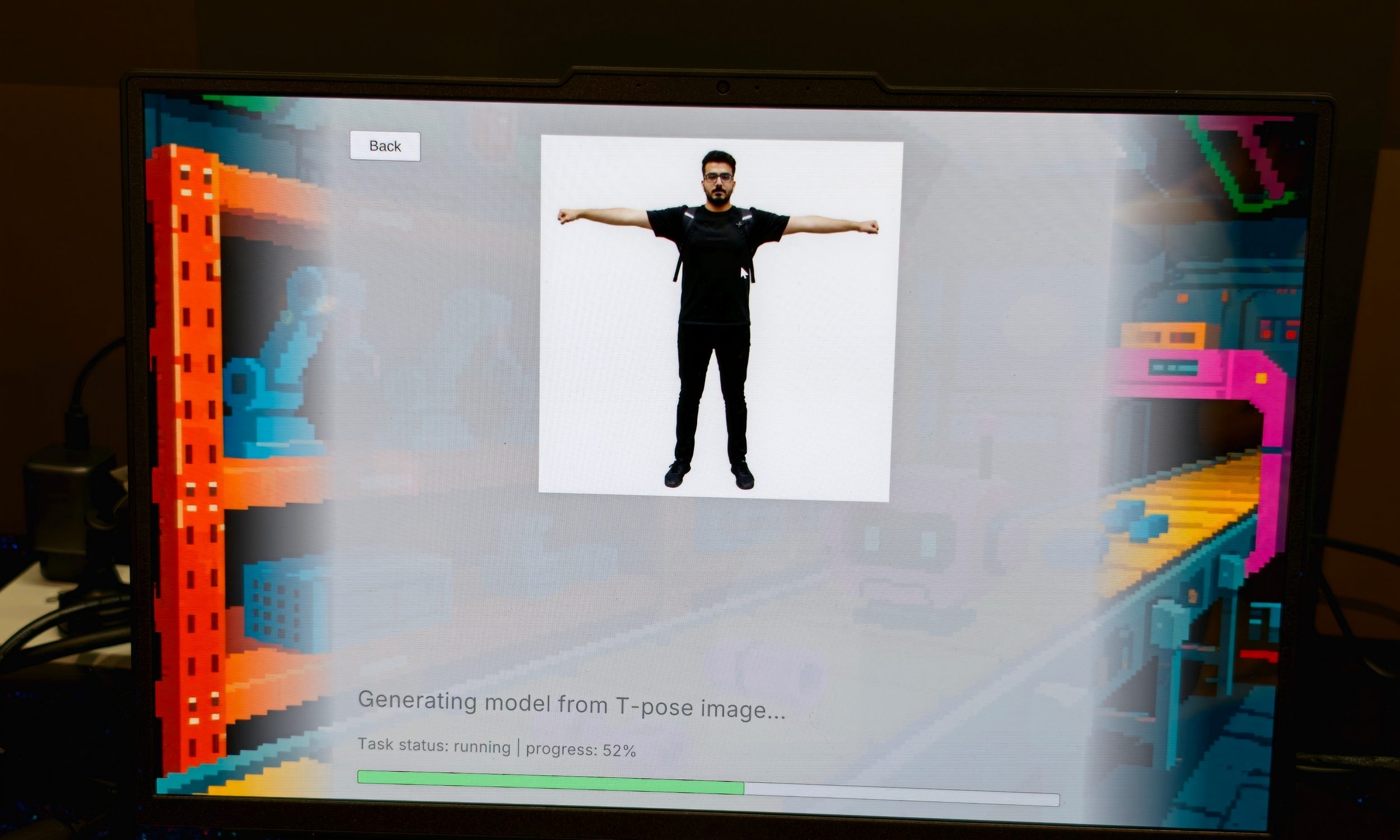
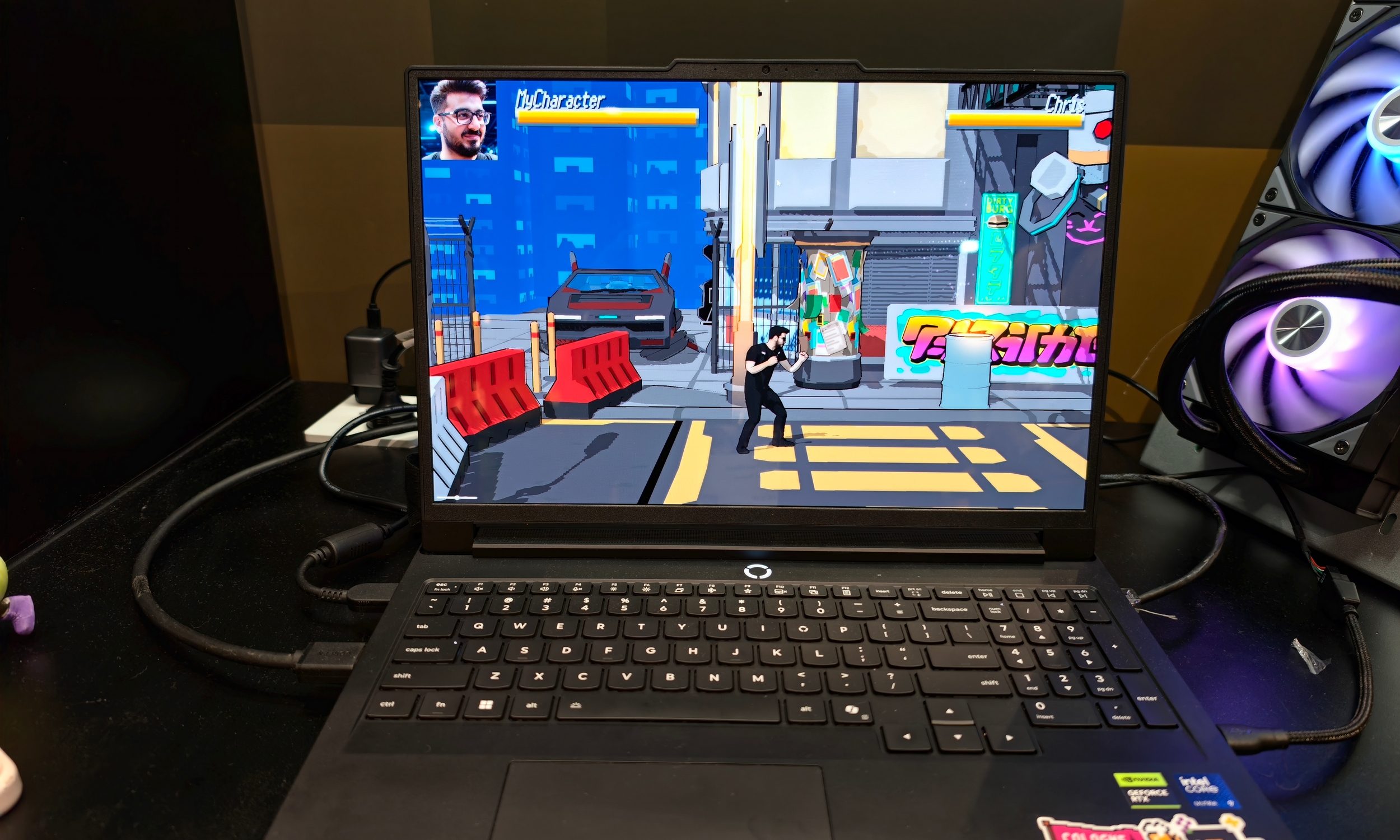
AI demos can become very vague very quickly. Tripo AI was the complete opposite because I could immediately understand where someone would actually use it. The basic workflow lets you take a text prompt or a flat 2D image and turn it into a 3D model. From there, the model can be edited and exported into workflows involving tools such as Unity, Unreal Engine, or Godot, while Tripo also offers different mesh options depending on whether you’re making game assets or something with much denser geometry.
Varun Mirchandani / Digital Trends
Its image-generation pipeline can also call models from Google and OpenAI before that image becomes the basis for the 3D stage. So a rough idea can become concept art and eventually a usable 3D object without requiring you to manually model every surface from scratch.
I’m sure you’re already seeing the obvious value it gives small game teams, prototyping, and 3D printing. If you ask me, it isn’t replacing real skilled artists anytime soon. Though the thing that impresses me is how it can shorten the distance between having an idea and visualizing it to build the groundwork.
Varun Mirchandani / Digital Trends
Epomaker HE75 V2 TMR: Best keyboard
I’ve been enjoying’s products for a while now. The GX1 gaming headset is genuinely one of the best sub-$50 gaming audio gear that I’ve used. But that’s not the only thing the company has going for it. Outside of the headsets, there are also gaming mice and keyboards, and one of the new keyboards is what I’m looking forward to the most.
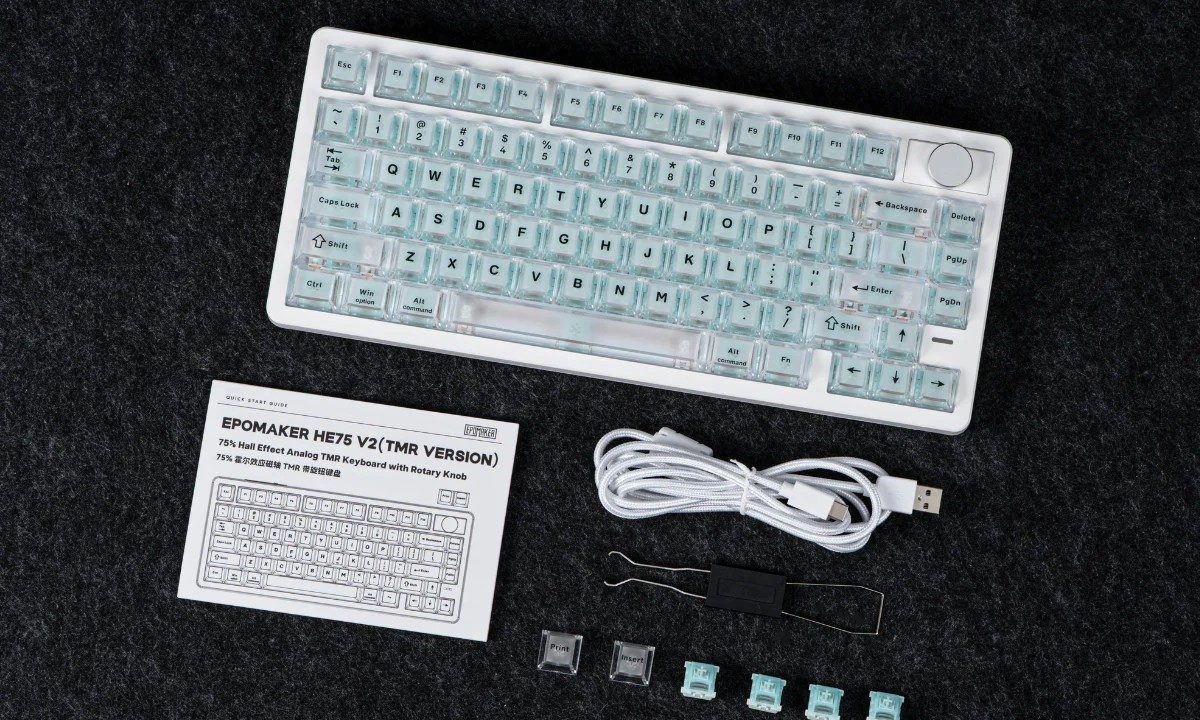
Epomaker’s HE75 V2 TMR was the highlight. The 75% board uses TMR magnetic sensing with adjustable actuation and Rapid Trigger precision down to 0.01mm, plus an 8,000Hz polling rate over wired or 2.4GHz connections. It also has a huge 8,000mAh battery and a gasket-mounted construction with multiple layers of acoustic dampening.
Epomaker
With a hybrid hot-swappable PCB and support for magnetic switches and regular 3- or 5-pin mechanical switches, it’s the dream nerdy keyboard, without locking you into one keyboard style.
Samsung Odyssey G6: Best monitor
I don’t know who asked for 1,100Hz, but Samsung decided more is good, and a lot more is what we got. The new 27-inch Odyssey G6 can hit 1,100Hz at HD resolution, while Dual Mode also lets it run QHD at up to 600Hz. Samsung had originally shown a 1,040Hz version earlier in the year, so apparently it found another 60Hz lying behind the sofa before Gamescom.
Advertisement
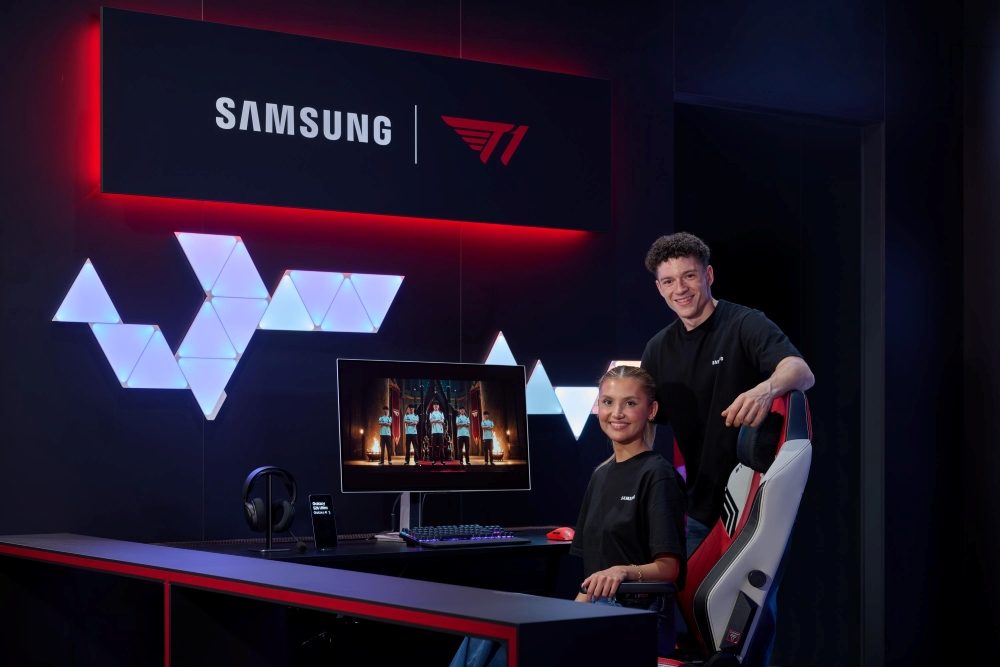
Samsung at Gamescom 2026Samsung
While it might look like overkill, there is an argument for its existence. Competitive shooters keep pushing farther into extremely high frame rates, and the ability to swap between sharper QHD and fast HD gives esports-focused players an actual choice depending on what they’re playing. At Gamescom, where practically everything is trying to get your attention, a four-digit refresh rate still managed it.
1001 Threads of Mizan: Best co-op fantasy
I saw plenty of fantasy games at Gamescom, and yet, 1001 Threads of Mizan immediately looked different. Its world draws from Arabic folklore and One Thousand and One Nights, and the setting gives it an identity you don’t often see in a large action RPG. The trailers show giant supernatural creatures, sprawling deserts, ornate cities, and magical carpets that aren’t simply there to get you from point A to point B.
The game is designed for one to three players, and those flying carpets can become part of combat as you move around larger enemies and attack from the air. The scale and a Middle Eastern fantasy world gave me shades of Prince of Persia without looking like a generic “inspiration”. Gamescom had no shortage of medieval castles and gloomy forests. Mizan was a very welcome change of scenery.
CONTROL Resonant: Best hands-on demo
Varun Mirchandani / Digital Trends
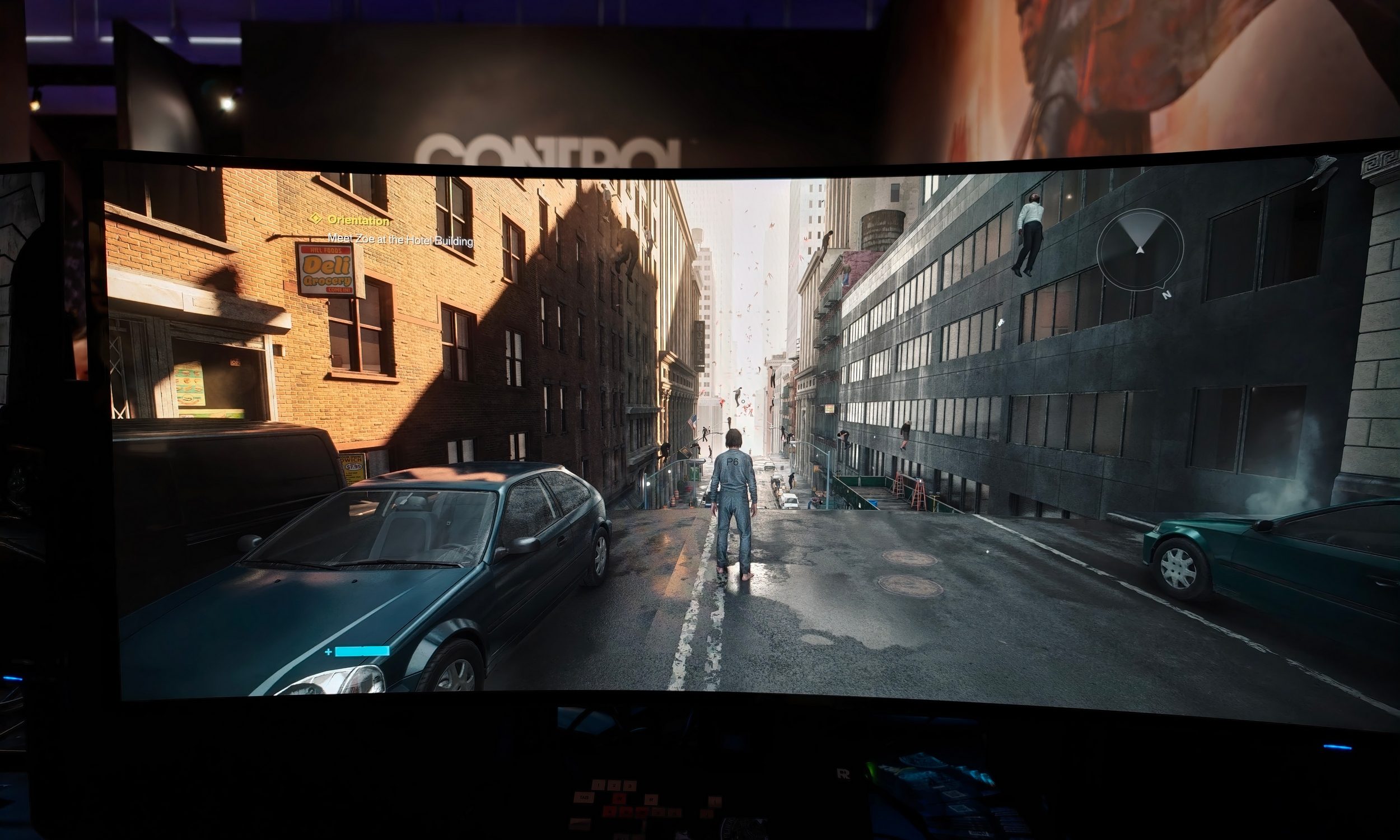
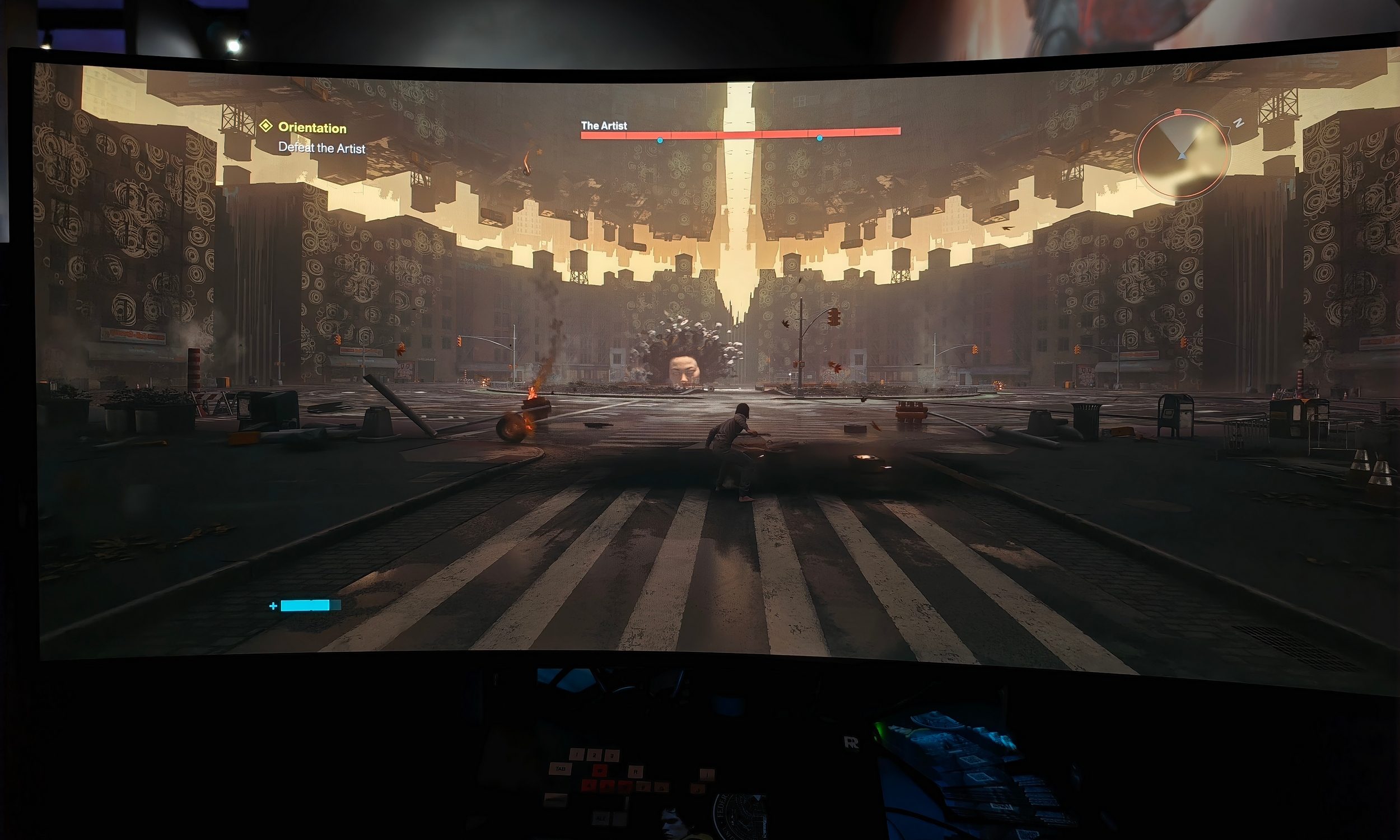
We spent roughly an hour with CONTROL Resonant, and that was just not enough. Remedy is putting Dylan Faden in the lead this time, moving the supernatural mess out into Manhattan while Jesse is missing and a new resonance begins warping reality. The change in protagonist also comes with a more aggressive style of combat, and controlling Dylan immediately made this feel different from simply replaying the first Control with prettier graphics.
The gameplay flows differently now, and that’s to be expected from what Remedy is calling its most expansive title yet. Launch is set for September 24, and the visual spectacle has me waiting impatiently for that date. Lighting remains a massive part of Remedy’s atmosphere, and the ray-traced reflections and effects looked impressive once the environments started getting stranger.
Advertisement
Varun Mirchandani / Digital Trends
Rainbow Six Tactics: Best tactical spin-off
I’ve played Rainbow Six Siege for around nine years, so Ubisoft announcing a turn-based Rainbow Six game wasn’t exactly what I had in mind for the series. Still, Rainbow Six Tactics basically takes the planning mentality behind Siege and gives you as much time as you need to think through it. You’re playing as Six, managing missions from HQ before deploying squads of up to four Operators into turn-based encounters. Ubisoft has confirmed 15 Operators, more than 45 locations, and familiar objectives including Hostage Rescue, Bomb Disposal, and Target Elimination.
The immediate comparison with XCOM is pretty easy to draw, but the foundation of this title already has some solid tactical roots. Combining destructible environments with unique operator gadgets (and their interactions) and the big focus on info gathering makes this feel like a refreshing take of the same game I’ve played and loved for nearly a decade.
ANANTA: Best open-world wildcard
I’ve called ANANTA “anime GTA” before, but that’s dumbing it down a little too much. Sure, it has driving, web-busy cities and side activities, but you’re also web-swinging in a world that has a completely different tone from the get-go. The game is scheduled to hit the shelves early next year, and during Gamescom, the freedom given to players in-game is what helped it stand out.
Advertisement
Grand Theft Auto titles might have played quite linearly with their overarching plot, but the freedom in expression during gameplay was always top-notch. This seems to be a new take on the same formula. The big question is whether all these ideas can coexist once we’re actually playing for dozens of hours. That’s exactly why ANANTA deserves the wildcard award. I still don’t completely understand how NetEase is going to pull this off, and I really want to find out.
PUBG: DED.NET: Best new chaotic multiplayer
PUBG in a title painted a pretty distinct picture in my head about what DED.NET was going to be. But 10 seconds into the trailer, I saw more of XDefiant, and then even more of roguelites as the video went on. It’s a multiplayer FPS with roguelite progression set in a very strange version of 1990s Cascadia, with persistent progression encouraging different builds across runs. PUBG Studios describes it as a place to experiment, adapt, and build your own approach. So you’re not just dropping everyone into another battle royale.
Where the depth really starts playing a part is with the characters and their abilities. Recent details point to more than 70 abilities and a smaller, denser map designed to encourage aggressive fights. While gamers are getting tired of the constant influx of live-service games, PUBG has some experience in making games that have broken the charts before. So we might be in for a surprise with this one.
Advertisement
The Witcher 3 Remastered and Songs of the Past: Best comeback
I can’t believe that it would be possible, but an 11-year-old remastered game was somehow one of the more fun things revealed at Gamescom. CD Projekt Red is bringing The Witcher 3: Wild Hunt — Remastered out on September 29 with improvements across visuals, performance, and gameplay, and existing owners on qualifying platforms get the upgrade free.
And the part that really has gamers excited is that Geralt’s journey still has one more tale to tell. Songs of the Past brings him to Letten in 2027 for a new paid expansion filled with new characters, quests, monsters, and an entirely new region. CD Projekt describes it as Geralt’s final adventure, while all existing Witcher 3 owners have also been given Hearts of Stone and Blood and Wine for free.
SPINE: Best action showcase
When I first saw SIFU, I couldn’t believe that such a game took so long to be realized. It made perfect sense right from the start. A few years later, and I’m having that same feeling with SPINE. Gun fu is a term that has existed in media for decades, but only now am I seeing it used to its full potential in video games.
Advertisement
You play as Redline, a street artist with a sentient combat implant called Spine, fighting through a cyberpunk city controlled by an authoritarian AI regime (so basically just our immediate future). Camera work is doing a lot of heavy lifting here. Every dodge, gunshot, takedown, and hand-to-hand exchange is framed to make combat look choreographed rather than like two separate systems pulled together.
The Gamescom footage leaned hard into that spectacle, and it’s difficult to watch without immediately thinking about John Wick. There are plenty of cyberpunk games and plenty of third-person action games. SPINE has figured out a visual language that makes it instantly recognizable, and that’s worth an award by itself.
Get caught up on the latest technology and startup news from the past week. Here are the most popular stories on GeekWire for the week of Aug. 30, 2026.
Stuart Reges was disciplined by the University of Washington after including a parody land acknowledgment in a course syllabus. The U.S. Court of Appeals for the Ninth Circuit found university officials violated Reges’ academic freedom rights. Read More… Read More
Nestled among a newly revealed co-owner lineup were a couple familiar names for the Pacific Northwest tech community: former Apptio CEO and longtime Seattle entrepreneur Sunny Gupta, and Nader Naini, managing partner at Seattle-based healthcare private equity firm Frazier Healthcare Partners. Read More… Read More
The 17,459-square-foot space at the north end of Lake Union is situated at the epicenter of the city’s bike culture along the busy Burke-Gilman Trail. Chief Commercial Officer Ben Steele is heading up the office. Read More… Read More
“I would have never considered investing or being in ownership in sports other than the Seahawks,” Sunny Gupta told GeekWire. “This is a dream come true of something I love so much. The city I love so much, fan base, the team.” Read More… Read More
The largest single concentration of cuts is at the SEA106 building in Bellevue, where 49 employees — ranging from entry-level software development engineers and applied scientists to a vice president of legal and senior software managers — were notified. Read More… Read More
A new Redfin report reveals a sharp divide between the West Coast’s top tech hubs: as OpenAI and Anthropic fuel a housing resurgence in San Francisco, Seattle real estate stalls amid widespread job cuts across the regional tech ecosystem. Read More… Read More
From pedal-by-wire mechanics to regenerative braking, the micromobility startup’s TM-B treats hardware like software — and flattens Seattle’s steepest hills. Read More… Read More
Microsoft is shuffling leadership, naming Aneesh Raman chief economic opportunity officer and promoting Jenny Lay-Flurrie to CVP of the Trusted Technology Group. Zillow has a new policy lead while Oracle, Hiya and DAT Freight & Analytics see departures. Read More… Read More
Today, plush toys aren’t just stuffed — they’re stuffed with artificial intelligence, and new research from the University of Washington reveals that when these “smart” toys start chatting, kids quickly go from curious to frustrated to outright hostile. Read More… Read More
Resect AI, an artificial intelligence startup led by a team of scientists and engineers in Washougal, Wash., launched out of stealth Thursday. Read More… Read More
More than half of employers in Singapore do not plan to increase headcount and intend to freeze or moderate wages in 2027 despite a slight improvement in their business outlook for the year, according to a survey by the Singapore National Employers Federation (SNEF).
The survey was conducted between Jun and Aug 2026. It gathered responses from over 300 companies employing close to 160,000 workers across 20 industries, representing a diverse mix of small, medium-sized and large enterprises.
The proportion of employers expecting uncertain business prospects in 2027 fell to 63% from 72% in 2026, and slightly more companies expect to perform well in 2026 (65%) than in 2025 (63%).
This year’s survey also found that a slightly higher number of companies anticipate performing well in 2026 (65%), compared with 2025’s 63%.
Advertisement
“Nonetheless, the business outlook remains highly uneven,” SNEF added.
While some outward-oriented sectors benefit from stronger external and technology-driven demand, many domestically oriented sectors such as Retail Trade and Food and Beverage Services are grappling with weaker consumer demand and rising operating costs.
“This divergence underscores the increasingly K-shaped nature of Singapore’s economy, where sectors employing a larger share of lower-wage workers and relying more heavily on local demand face greater business and manpower cost pressures, despite improvements in the overall economy,” said SNEF.
“Small and medium-sized employers were more likely to report uncertain business prospects and poorer business performance, and were also more likely to implement wage moderation or wage freezes in 2027.”
Advertisement
Companies are proceeding with caution
SNEF highlighted the “measured approach” taken by companies to hiring and wages.
More than half (54%) of employers surveyed said that they do not plan to increase their headcount next year, down from 58% in the 2025 survey.
Nonetheless, 40% of companies plan to hire in 2027, up from the 33% that had a similar agenda for 2026. The percentage of respondents in this year’s survey planning to reduce headcount (6%) was also lower than last year’s (8%).
As for wages, 51% of employers surveyed said that they plan to carry out wage moderation or wage freezes in 2027, up from 48% in 2026.
Advertisement
The remaining 49% are planning to implement wage increases, down by 2% from the year before.
“This indicates continued caution in the wage outlook among employers, particularly among small and medium-sized employers,” noted SNEF.
For companies that employ lower-wage workers, the majority (86%) remain committed to giving built-in wage increases in 2027, down from nearly all (96%) in 2026.
The remaining 14% of respondents this year are planning a wage freeze for lower-wage workers, while none intend to cut wages for this group in 2027.
Advertisement
Rising manpower cost remains the biggest obstacle
Rising manpower cost remains the top manpower challenge for businesses in Singapore, with 83% in 2026 flagging this concern, compared to 79% in 2025.
More companies (30%), also reported worries over the rising cost of upskilling and reskilling their workforce as they prepare for evolving business and technology, up from 23% the year before.
However, labour-market tightness has eased from a year ago, SNEF added.
Over the 12 months to May 2027, fewer companies reported difficulties attracting and retaining professionals, managers, executives and technicians (41%, down from 47%), as well as a shortage of local high-skilled talent (35%, down from 42%).
Advertisement
Attracting suitable talent remains the top human resource priority for 59% of employers, lower than 61% in the previous period.
Employers are also prioritising the exploration, adoption and enhancement of artificial intelligence (48%), as well as upskilling and reskilling their workforce (46%).
SNEF Council vice-president Kuah Boon Wee said: “The survey findings suggest that while labour-market pressures have eased somewhat, most employers continue to face significant cost pressures and uncertainties in business outlook.”
Still, he noted it was “encouraging” that employers continue investing in workforce capabilities, job redesign and AI adoption to boost productivity and competitiveness, adding that it was also “heartening” that most remain committed to supporting lower-wage workers.
Advertisement
“To ensure that this is sustainable in the long term, we need to continue helping employers, especially SMEs, access practical support to transform their operations and workforce for greater productivity uplift.”
Read other articles we’ve written on Singapore’s current affairs here.
Read other articles we’ve written on Singaporean businesses here.
Featured Image Credit: Shadow_of_light/ depositphotos
Fully backward-compatible upgrade promises zero-friction speedup for monorepo wranglers.
The popular JavaScript package manager pnpm, already known for its speedy downloads, has further cut installation times by up to 90 percent thanks to a complete rewrite in Rust.
Advertisement
Yet the freshly released version 12 of pnpm should not cause consternation while upgrading, its maintainer says.
“Upgrading should not feel like a migration. The commands, flags, settings, and lockfile format of pnpm 11 all carry over, and the documentation covers both versions,” wroteZoltan Kochan, the current lead maintainer of pnpm.
In the project’s own benchmarks, pnpm 12 installed a sample uncached package in 5.19 seconds, compared to the 8.22 seconds pnpm 11 required and the 47.7 seconds npm itself required.
The project team also built a registry server in Rust, called pnpr, which improves performance even further. In the above test, the installation took only 3.37 seconds with pnpr on the backend.
Advertisement
A new Rust core binary, on which work started in April, eliminates a lot of the overhead that comes from routing filesystem work through Node.js. This new version is 65.9 percent Rust and 33.5 percent TypeScript, according to the GitHub stats.
“Package installation is dominated by fetching metadata and tarballs, unpacking files, resolving dependency graphs, and linking packages into node_modules, making it a natural target for native code and parallelism,” wrote Sarah Gooding, vice president of communications for security provider Socket, in a blog post.
Gooding also noted that the project benchmarked pnpm against Bun and Yarn, but the results were removed due to testing SNAFUs. Nonetheless, she noted the software cut install times by up to 90 percent in some cases.
A faster npm
Developer Rico Sta. Cruz originally created pnpm in 2016 as a faster alternative to npm (Node Package Manager), JavaScript’s de facto package manager, which devs used to find and download libraries and tools. GitHub acquired the open source npm software and repository in 2020.
Advertisement
Npm garnered a reputation for being both sluggish and hungry for disk space, thanks to its generous practice of downloading all needed dependencies onto users’ machines, regardless of whether they were duplicates.
Pnpm’s secret sauce is content-addressable storage. If you need a single library for 100 different applications, pnpm downloads it only once, and downloads another copy only if the developer specifies a different version.
Like npm, pnpm still draws from the official npm repository, but arguably works better than npm for many. Many devs also like that the lockfile describing the package’s dependency tree was more readable thanks to its use of YAML.
The 2025 State of JavaScript surveyshowed that pnpm was by far the most popular package manager for JavaScript monorepos, a party that also included Nx, Lerna,Yalc, Turborepo and even npm’s built-in Workspaces. About 38 percent (3,840) of 10,251 surveyed developers used the package manager.
Advertisement
Rust for JavaScript
Rewriting applications in Rust seems to be a favorite activity these days, as the language is known for speedy performance unhampered by garbage collection.
“It is a bit of [an] indictment on Node for having poor dx” (developer experience), wrote Darcy Clarke, CEO of JavaScript package management platform provider vlt, in an X message, about the Rust rewrite of pnpm.
“It was faster to rewrite pnpm in rust than to migrate to esm” (ECMAScript modules), replied pnpm’s Kochan, agreeing with Clarke’s sentiment.
Advertisement
The software’s GitHub page still points at the last major release, pnpm 11.25, so existing users will have to update to the v12 branch specifically (“pnpm self-update next-12” will get you there). ®
The Asahi Linux project now officially supports Macs with an M3, M3 Pro, or M3 Max chip, bringing the operating system to more Apple Silicon desktops.
In late August, a blog post for the Asahi Linux project, which intends to bring Linux to Apple Silicon and run natively on Apple’s ARM chips, said M3 support was on the way. While it said that it was a matter of weeks, it seems to have arrived in a much quicker timeframe.
A blog post on September 6 declares support for Macs using an M3-series SoC. This now extends support beyond the previous M1 and M2 generations of Apple Silicon.
It’s not full support for M3, however. It’s warned that M3 Ultra is not yet supported by the operating system, leaving out some Mac Studio users from the Linux party.
Advertisement
Almost complete
Almost everything supported in the M1 and M2 releases now “just works” on M3, the developers claim. That includes webcam support, the internal microphones, USB up to the USB 3 10Gb/s limit, Wi-Fi, Bluetooth, and hardware-accelerated video decoding support.
When it comes to major exceptions, the short list includes full DCP support and the GPU. That said, updates to those are expected to arrive within the next few months.
Sleep is also not functional in the release, due to limitations with the firmware-provided framebuffer. This should be addressed once full DCP support is enabled.
DCP support will also help with video. Currently, the HDMI port on equipped MacBooks is disabled until that support arrives.
Advertisement
While M3 support is now here, the project still has more work to undertake. Development is ongoing to support M4 and M5 chips.
Earlier this summer, Travis Kalanick’s Atoms announced a $1.7 billion funding round led by Andreessen Horowitz. But even after raising that mega round, the Uber founder remained a bit cagey about what he was actually aiming to do.
Now a story in the Financial Times offers more details about Atoms’ goals. The startup is reportedly preparing for a hiring spree, as well as acquisitions, that could make it a major player in the autonomous vehicle industry.
While sources emphasized that robotaxis don’t represent the entirety of Atoms’ plans, this direction seems consistent with Kalanick’s description of the round as “unfinished business.”
Advertisement
It also fits with Atoms’ acquisition of Pronto, an autonomous mining startup led by Uber’s former self-driving chief Anthony Levandowski. (Levandowski was convicted of stealing trade secrets and sentenced to 18 months in prison, but was then pardoned by President Donald Trump.)
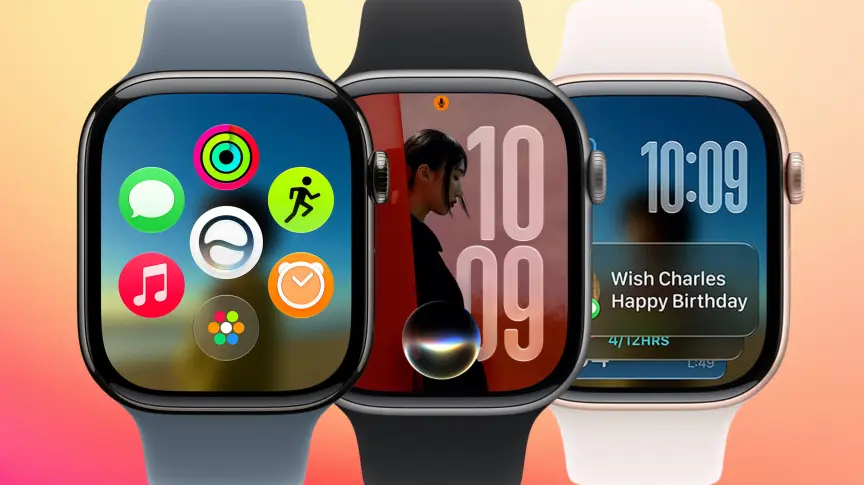
Apple appears to be bracing for a double-Apple Watch debut at its Sept. 9 event, with rumors pointing to a new Ultra 4 launching alongside the flagship Series 12. According to Bloomberg’s Mark Gurman, Apple is preparing both watches with faster chips along with new health and fitness features.
The original Ultra arrived in 2022 with a more rugged titanium build, sapphire crystal display and features aimed at outdoor adventurers and athletes. Since then, it’s added support for recreational scuba diving and emergency satellite connectivity, but it hasn’t followed the predictable yearly release cycle of the flagship Series. There was a two-year gap between the Ultra 2 and last year’s Ultra 3.
A major processor upgrade this year could make a back-to-back refresh easier to justify. All three Apple Watches released last year still run on the S10 chip, and it’s unlikely Apple would leave its most expensive watch behind with an aging processor while upgrading the flagship model. Gurman reports Apple is preparing a faster S11 or possibly an S12 to match the flagship’s naming for both the Series 12 and Ultra 4.
But a bump in processing power could also come with a bump in price. The Ultra 3 already starts at $799, twice the Series 11’s starting price, and while there’s no solid price rumor yet for its successor, Apple has raised prices across parts of its hardware lineup this year. Google and Samsung have also raised prices on their flagship smartwatches in 2026, and I wouldn’t count on Apple holding the line at $799.
Advertisement
More processing power for the new Siri AI
The Apple Watch with Siri AI floats your top five apps to the top of your grid.
Apple
One place that extra processing power could come in handy is WatchOS 27, which brings the new Siri AI to the Apple Watch. I’ve already been testing Siri AI in beta on the Ultra 3, and it’s miles ahead of traditional Siri. It can answer more complex and contextual questions, reference information in Apple’s native apps and generally avoid the frustrating “Here’s what I found on the web” response that made traditional Siri feel especially frustrating on the wrist.
I’ve been impressed by what it can do, but I’ve also noticed some lag. Part of that could be because the software is still in beta, but a faster processor could help speed up those interactions.
Battery gains welcome
The Apple Watch’s battery life is short compared to competitors.Vanessa Hand Orellana/CNET
Battery life is another area where a more efficient processor could help. The Ultra 3 is already Apple’s longest-lasting watch, giving me about two days of consistent day-and-night use in my real-world testing. That’s still well behind traditional sports-watch brands like Garmin and Coros, which can measure battery life in weeks rather than days, with some models even going beyond the 30-day threshold with solar power.
Apple is unlikely to close that gap in a single generation, but any gain will help. Battery life remains one of the biggest pain points for Apple Watch owners and people considering making the jump. Even without a larger battery, efficiency gains from a new processor could help the Ultra stretch its runtime even further.
No design changes expected for the Ultra 4
Gurman has said no major design changes are expected for this year’s Apple Watch lineup, beyond the materials and accessories, which would leave the Ultra 4 with the same general look as last year’s model. The Series 12 is expected to bring back the ceramic cases, but it’s less likely that Apple will swap ceramic for titanium on the Ultra.
Advertisement
New health features
WatchOS 26 brings an Apple Intelligence-powered Workout Buddy to the Apple Watch, but it needs the iPhone to work.
Vanessa Hand Orellana/CNET
Some of the Ultra 4’s new tricks won’t require new hardware at all. WatchOS 27 brings expanded one-handed gesture controls, workout updates and new perimenopause insights to the Apple Watch. Workout Buddy, Apple’s hype-person in your ear, will also work in Spanish and without an iPhone nearby.
The new watches may also bring expanded blood pressure features. Apple’s current hypertension notifications can flag patterns associated with high blood pressure, but they stop short of giving you an on-the-spot blood pressure reading. According to Gurman, Apple has tested blood pressure measurement internally but encountered accuracy problems, so there’s no guarantee the feature will be ready this year.
Wild card: TouchID on an Apple Watch
Another potential new addition (albeit using old technology) is Touch ID. MacWorld recently spotted internal Apple code suggesting the company has experimented with biometric authentication on the Apple Watch for either 2026 or 2027. It’s unclear whether Apple would put a fingerprint sensor beneath the display, in the Digital Crown or somewhere else entirely, but the Ultra could be a logical model to debut the new functionality, given its larger case and additional physical Action button.
Of course, all of this remains speculation until Apple makes it official. Check back for our coverage of Apple’s Sept. 9 event for all the details on the new Apple Watch(es).
Advertisement
Vanessa Hand Orellana
Principal Writer
Vanessa is a lead writer at CNET, reviewing and writing about the latest smartwatches and fitness trackers. She joined the brand first as an on-camera reporter for CNET’s Spanish-language site, then moved on to the English side to host and produce some of CNET’s videos and YouTube series. When she’s not testing out the latest health tech, you can catch her on a hike or trail run with her family.
See full bio
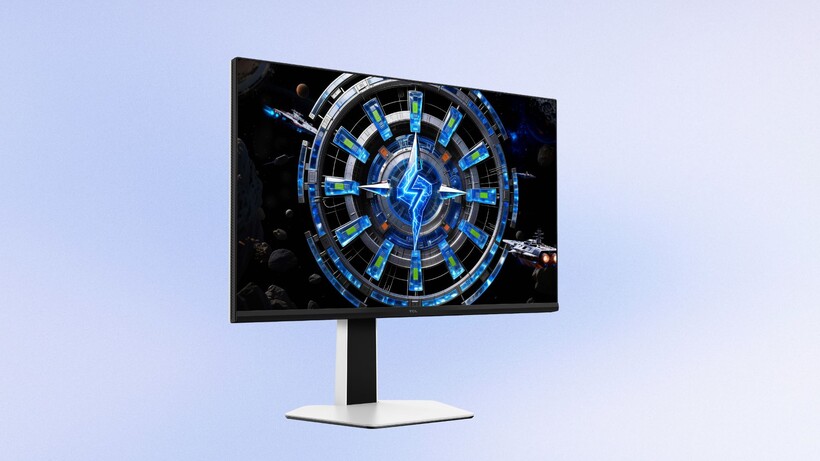
TCL’s OLED+ 32X3A monitor sits at the head of three new efforts built around dual-mode 4K/240Hz and Full HD/480Hz refresh switching.
TCL is showing the range at IFA 2026 inside its Inspiration Habitat, alongside the 32X3A’s new 27-inch sibling, the 27C2A gaming display and the performance-led 27P2A Pro gaming monitor for competitive play.
“Modern screens need to move effortlessly between work and play, and users shouldn’t have to choose between eye comfort, rapid speed, sleek design or immersive audio,” said Stefan Streit, chief marketing officer at TCL Europe.
The flagship
The flagship 32X3A pairs a self-lit OLED+ panel with TCL’s Matrix-Pure Pixel arrangement, which reduces colour fringing that can appear around small text and fine edges. A low-reflection treatment keeps the picture visible in brighter rooms.
Advertisement
Users can switch between 4K at up to 240Hz for detailed work and entertainment or Full HD at up to 480Hz when faster motion takes priority, with a 0.03ms GtG response time keeping rapid action immediate.
Advertisement
Sound processing tuned with Bang & Olufsen powers the monitor’s integrated front-firing speakers, while a 6.4mm-thin panel and four-sided frameless Stargate design earned it a 2026 iF Design Award and a Red Dot Design Award. The range now also spans a new 27-inch model, the 27X3B.
QD-Mini LED and gaming-focused monitors
Image Credit (TCL)
The 27-inch 27C2A brings QD-Mini LED technology with 1,196 precise dimming zones and up to 1200 nits of peak brightness, a combination that delivers the bright, vivid contrast QLED panels are known for across games, films and everyday content.
Gamers can choose 4K UHD at up to 160Hz for cinematic detail or switch to Full HD at up to 320Hz for competitive speed, while TCL’s Motion Clarity Technology combines backlight and response-time adjustments to keep fast movement sharp and easy to follow.
Advertisement
Image Credit (TCL)
Advertisement
The 27P2A Pro takes a similar approach for competitive players, with a QHD display, refresh rates up to 320Hz, a 1ms GtG response time and 180 individually controlled dimming zones through its Mini LED backlight for more precise highlights (the brightest parts of the image) and shadows.
Comfort features such as hardware low blue light, DC dimming and flicker-free control support longer gaming sessions, and a height- and rotation-adjustable stand now sits alongside a new 25-inch model, the 25P2A Pro, aimed at reducing neck and eye strain.
Availability, pricing and retail partners will vary by market, with no confirmed exact release dates for yet.
Speaking to The Register, Alastair Turner, PostgreSQL evangelist at open source consultancy Percona, said the property graph query support in PostgreSQL 19 – due later this month or early October – resulted from collaboration among several of the database’s largest contributors.
Graph databases store data as nodes, relationships, and properties rather than tables or documents. They have advantages for certain workloads, but adopting one can mean adding another DBMS to the technology stack.
The relational database has been acquiring graph query capabilities for some time, but PostgreSQL 19 is set to go further, Turner explained. “All the rest of it has sort of been done through Object Relational Mapping over the top. This is actually baked-in graph syntax. It comes from the SQL 2023 standard.”
Advertisement
Turner said the implementation was “very heavily influenced” by some of the engineers behind OpenCypher, the open source query language for graph databases. The work also involved PostgreSQL committers who sit on the SQL standards committee.
“This is one of the most interesting developments because it’s one of the big multi-vendor collaborations. There was lots of coding and review work across quite a few of the big contributors,” he said.
“It’s on the right path,” Turner said. “The SQL community and the PostgreSQL community are going to try to optimize everything.”
Advertisement
However, he added that the implementation “still needs one or two additional syntax features” before it can displace dedicated graph databases for a significant number of workloads.
Turner said: “The current implementation creates queries across node-edge graphs to satisfy those requests. So some of them perform very well. What’s going to have to happen in the next iteration or two is that indexing add-ons catch up to improve the performance.” ®


.jpg)

































































You must be logged in to post a comment Login