TL;DR
Berlin’s Peec AI hit $10M ARR six months after a $21M Series A at $4M. It helps brands optimise for AI search results.



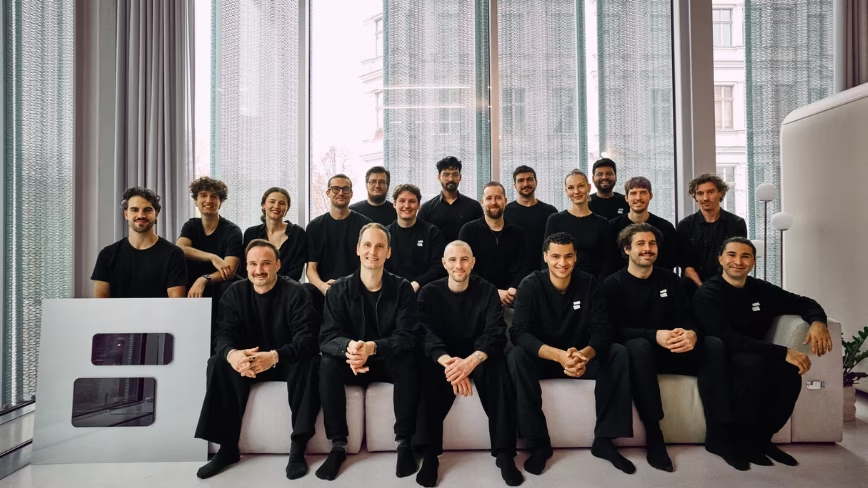
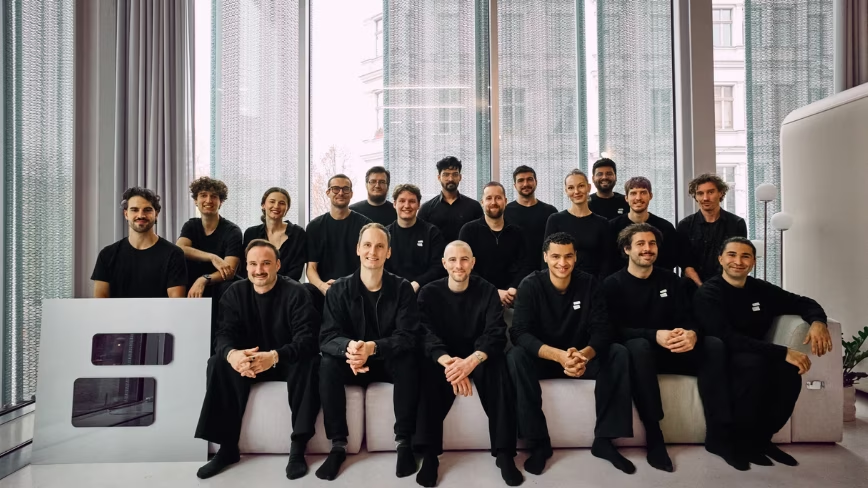
Berlin’s Peec AI hit $10M ARR six months after a $21M Series A at $4M. It helps brands optimise for AI search results.
Peec AI, a Berlin-based startup that helps brands track and improve their visibility in AI-generated search results, has crossed $10 million in annualised revenue, according to internal dashboard data seen and verified by TechCrunch. The milestone comes six months after the company raised a $21 million Series A at a valuation above $100 million, when it was running at just over $4 million ARR. Revenue has more than doubled, and the pace of growth has accelerated.
The product occupies a category that barely existed 18 months ago: generative engine optimisation, or GEO. Where traditional SEO dashboards track a brand’s ranking on Google, Peec’s platform visualises whether a brand appears when users type a given set of prompts into ChatGPT, Claude, Gemini, Perplexity, or any other AI chatbot that is increasingly replacing the search bar. As consumers shift from clicking links to asking questions, the brands that show up in conversational AI responses capture attention that search engine results pages once monopolised. Peec gives marketers a dashboard to monitor, measure, and influence that visibility.
CEO Marius Meiners, a former professional esports athlete who once ranked among the top 100 League of Legends players globally, has built the company’s internal culture around competitive transparency. Peec’s revenue tracker is visible to all employees, a practice Meiners attributes to his background in competitive gaming: everyone on the team sees the score, in real time, at all times.
Antler partner Christoph Klink, whose portfolio includes both Peec and vibe-coding platform Lovable, described the company as one of the most successful investments in his fund. Speaking to TechCrunch at an event in Berlin, Klink framed Peec’s trajectory as evidence of a structural shift in the European startup ecosystem. “Founders these days track revenue much more closely,” he said. After the 2021 valuation bubble and its painful correction, success in European venture is now defined by growth, not valuation. Revenue cannot be an afterthought, and startups that treat ARR as a live metric rather than a quarterly reporting exercise are outperforming those that do not.
Peec has taken an unusual approach to talent acquisition for a European startup. Like Bay Area companies but very few Berlin firms, it invested in physical billboards to recruit engineers and sell to prospects simultaneously. The billboards were, according to Klink, “more often than not strategically placed in front of other tech companies across the city.” The tactic is part of a broader positioning effort to make Peec feel like a company worth leaving a comfortable job for, a signalling strategy that matters particularly in the current AI cycle, where the window to build a category-defining product is narrow and the competition for engineers is intense.
The GEO category is growing in parallel with the shift in consumer behaviour it serves. Canva’s State of Marketing and AI Report, published this week, found that 97% of marketing leaders now use AI daily. Google’s own data shows that AI Overviews now appear on roughly 60% of US search queries, fundamentally changing which brands get seen and which disappear. For any company whose customer acquisition depends on being found online, the transition from SEO to GEO is not optional. Peec is building the measurement layer for that transition.
The competitive landscape includes HubSpot’s recently launched AI search analytics tools, Semrush’s GEO features, and a growing number of point solutions from startups in the US and Israel. Peec’s advantage, according to Meiners, is that it was built for GEO from the ground up rather than bolted onto an existing SEO platform. The company recently opened an office in New York to serve US enterprise clients, a move that reflects where the largest marketing budgets are and where the GEO adoption curve is steepest.
The revenue trajectory places Peec in a small cohort of European AI startups that are growing at a pace previously associated only with US companies. Lovable, also in Klink’s portfolio, added $100 million in revenue in a single month in March with just 146 employees. Mistral, the Paris-based foundation model company, reached $300 million ARR earlier this year. The pattern suggests that the gap between European and American AI startups, long defined by slower growth and smaller rounds, is narrowing for the companies that are building products in categories where demand is genuinely new rather than incremental.
Klink’s explanation for why companies like Peec and Lovable publicly disclose revenue milestones despite having no obligation to do so is simple: “That’s a way to show it’s working. It also shows a focus on growth that sets the culture.” In a market where investors have been burned by companies that optimised for valuation over substance, a $10 million ARR number verified by a journalist carries more weight than a press release about a funding round. As AI chatbots begin monetising through advertising, the question of who controls brand visibility inside those conversations will only become more commercially significant. Peec is betting that the answer is: whoever can measure it.
Looking for the most recent Strands answer? Click here for our daily Strands hints, as well as our daily answers and hints for The New York Times Mini Crossword, Wordle, Connections and Connections: Sports Edition puzzles.
Today’s NYT Strands puzzle was a bit challenging, but the words make sense once you figure out the theme. Some of the answers are difficult to unscramble, so if you need hints and answers, read on.
I go into depth about the rules for Strands in this story.
If you’re looking for today’s Wordle, Connections and Mini Crossword answers, you can visit CNET’s NYT puzzle hints page.
Read more: NYT Connections Turns 1: These Are the 5 Toughest Puzzles So Far
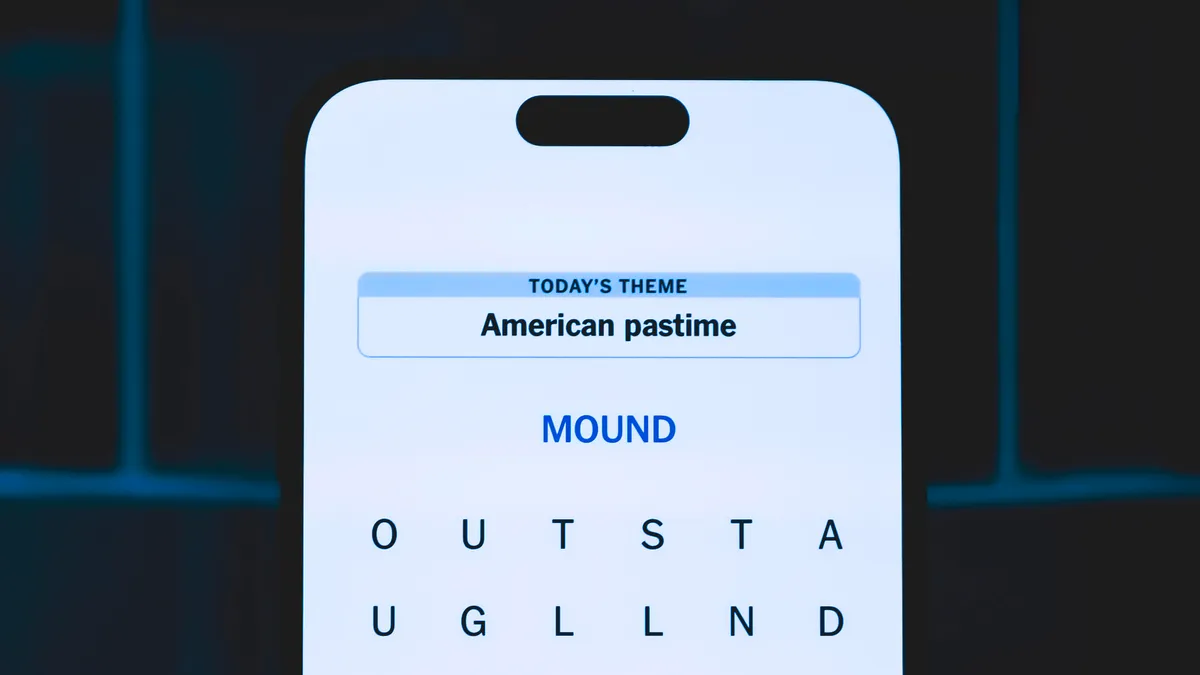
Today’s Strands theme is: That’s included!
If that doesn’t help you, here’s a clue: More than just a bed.
Your goal is to find hidden words that fit the puzzle’s theme. If you’re stuck, find any words you can. Every time you find three words of four letters or more, Strands will reveal one of the theme words. These are the words I used to get those hints but any words of four or more letters that you find will work:
These are the answers that tie into the theme. The goal of the puzzle is to find them all, including the spangram, a theme word that reaches from one side of the puzzle to the other. When you have all of them (I originally thought there were always eight but learned that the number can vary), every letter on the board will be used. Here are the nonspangram answers:
The completed NYT Strands puzzle for June 21, 2026.
Today’s Strands spangram is HOTELAMENITIES. To find it, start with the H that’s three letters down on the far-left vertical row, and wind down and over.
Here are some of the Strands topics I’ve found to be the toughest.
#1: Dated slang. Maybe you didn’t even use this lingo when it was cool. Toughest word: PHAT.
#2: Thar she blows! I guess marine biologists might ace this one. Toughest word: BALEEN or RIGHT.
#3: Off the hook. Again, it helps to know a lot about sea creatures. Sorry, Charlie. Toughest word: BIGEYE or SKIPJACK.
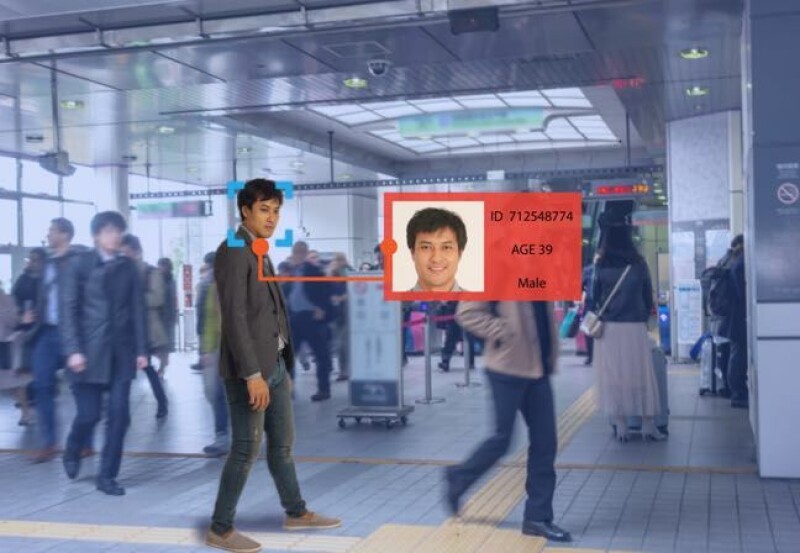
security
Campaigners say tech is unable to reliably distinguish between kids and adults at the boundary where use is planned
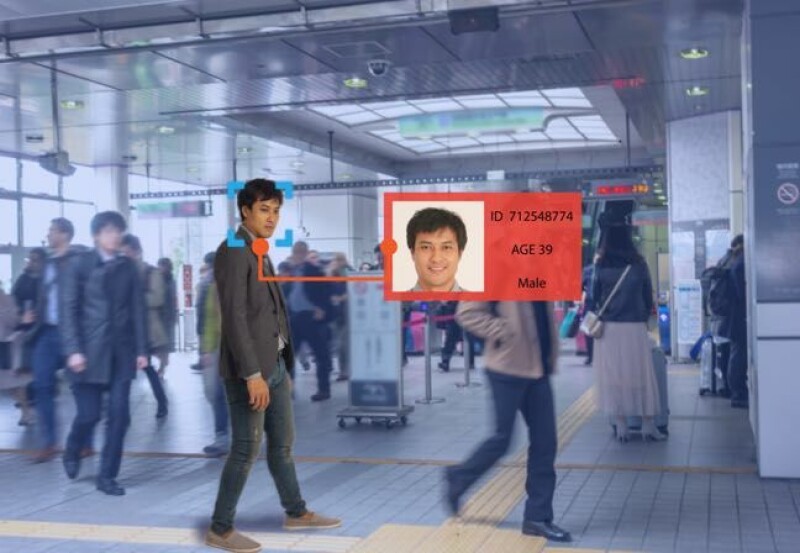
More than 60 rights groups have told the UK government to scrap plans to use AI-powered facial age estimation on asylum-seeking children, warning the technology is biased, inaccurate, and potentially unlawful.
In an open letter sent to border security and asylum minister Alex Norris, 62 organizations, including Amnesty International, Human Rights Watch, Liberty, the Electronic Frontier Foundation, Foxglove, and the Open Rights Group, called on the Home Office to halt deployment of facial age estimation (FAE) technology, currently slated for rollout from 2027.
The intervention comes after the Home Office unveiled plans to use AI-powered facial age estimation to help immigration officers decide whether someone claiming to be a child is likely to be over or under 18. Ministers insist the technology will support, rather than replace, human decision-making.
But the coalition behind the letter is unconvinced.
“There are substantial and well-founded concerns about the bias of FAE,” the groups wrote, arguing that the technology has “baked-in failures and discrimination,” particularly affecting women and people of color.
The groups also highlighted an uncomfortable detail in the Home Office’s own guidance: the technology’s performance varies by ethnicity and skin tone. That makes it difficult to see why officials believe it will be reliable for assessing asylum-seeking children, who are predominantly people of color, they argued.
The organizations also took aim at what may be the technology’s biggest practical problem: age estimation systems are least precise around the exact boundary the Home Office wants them to assess.
“The Home Office admits FAE systems are imprecise at the crucial 16-to-18-year-old boundary,” the letter notes, citing government figures showing even the best-performing systems have an error margin of roughly 2.5 years in that range.
The groups argue that the technology may fare even worse on asylum-seeking children. Their letter says trauma, violence, malnutrition, dehydration, sleep deprivation, and long journeys can leave children looking older than they are, potentially skewing the results.
“As such… we can see no basis upon which the Home Office has concluded this technology will increase the accuracy of its decision making,” the groups wrote.
The coalition also raised questions about the data used to develop and test the systems and demanded details about the images and datasets used for training, arguing it is unclear how consent could lawfully have been obtained if asylum-seeking children were included.
The Register asked the Home Office to comment.
The Home Office has so far released only limited details about its testing program. The groups noted that officials have yet to publish detailed results, methodologies, or impact assessments that would allow independent scrutiny of the technology’s performance. The letter also noted that no Equality Impact Assessment or Data Protection Impact Assessment has been made public.
The groups have given the department 21 days to respond to a series of questions covering testing methods, training data, safeguards, appeal mechanisms, and how facial age estimates would ultimately influence asylum decisions.
The row also exposes a broader disagreement over age assessments. While the Home Office has emphasized cases involving adults claiming to be children, campaigners argue the greater risk is that vulnerable children end up being treated as adults.
Until then, the government’s AI age guesser remains a technology it says works, but has yet to fully show its workings. ®
The clock is ticking for Windows and Linux users to update cryptographic keys that protect their systems against firmware-based UEFI infections, a pernicious form of malware that loads before operating system and antimalware protections start.
Beginning June 24, three certificates that cryptographically verify that each piece of firmware and software that loads during system boot will expire. The Microsoft-signed certificates are the linchpins of Secure Boot, a Microsoft-designed chain of trust. Secure Boot checks the digital signatures of all firmware that loads during system startup to ensure it originates from a trusted provider, such as the manufacturer of the motherboard the system runs on.
Secure Boot is designed to thwart UEFI bootkits, a form of malware that alters the Unified Extensible Firmware Interface, the successor to the BIOS, both of which begin the initial boot sequence. Because these bootkits load before the OS and most other code, they can be difficult to detect. Once installed, they typically load malware onto the OS that steals credentials, backdoors the system, or performs other malicious actions. Even when the OS is disinfected, the bootkit can reinfect the system. Bootkits survive OS reinstallations as well.
The genesis of bootkits dates back to the early 1980s with the creation of several pieces of malware that targeted Apple II machines during the boot process. They spread in the wild through floppy disks that ostensibly contained pirated games.
Windows bootkits gained notice in the early 2000s as proofs of concept developed by researchers of offensive security. BootRoot, a bootkit demonstrated at the 2005 Black Hat security conference, is likely the first such instance. The malware infected the Network Driver Interface, which streamlined communications between network protocol drivers enabling service such as TCP/IP network adapter drivers. In the years following, similar PoCs included Vbootkit, the Stoned Bootkit, and Mebroot. There were many more.
In 2012, a new form of bootkit was demonstrated. Instead of targeting machines through the BIOS or master boot record, one such bootkit attacked Mac OS X systems by infecting the EFI, a package of firmware that started the boot process. A second very primitive bootkit targeted Windows 8 machines by infecting the UEFI bootkit, the predecessor to the UEFI. Around 2013, a researcher demonstrated a more advanced UEFI bootkit for Windows named Dreamboat.
The first known case of a real-world attack targeting the UEFI came in 2018 with the discovery of malware dubbed LoJax. A repurposed version of legitimate anti-theft software known as LoJack, it was created by the Kremlin-backed hacking group tracked under names including Sednit, Fancy Bear, and APT 28. The malware was installed remotely using malware tools that can read and overwrite parts of the UEFI firmware’s flash memory.
In 2020, researchers unearthed the second known instance of real-world malware attacking the UEFI. Each time an infected device rebooted, its UEFI checked whether a malicious file was present in the Windows startup folder and, if not, installed it. Researchers from Kaspersky, the security provider that discovered the malware, named it “MosaicRegressor.” Researchers have yet to determine how the compromised UEFIs became infected. Since then, a handful of new UEFI bootkits have come to light. They are tracked under names including ESpecter, FinSpy, and MoonBounce.
In response to the more menacing threat of UEFI bootkits, Microsoft worked with device makers to develop Secure Boot, an industry-wide standard that uses cryptographic signatures to ensure that each piece of firmware loaded during startup is trusted by a computer’s manufacturer. Secure Boot is designed to create a chain of trust that prevents attackers from replacing the intended bootup firmware with malicious firmware. If a single link in the startup chain isn’t recognized, Secure Boot will prevent the device from starting.
Then in 2023, researchers discovered LogoFail, a series of critical vulnerabilities found UEFIs booting up just about every Windows and Linux system in the world. An image-parsing bug in the software that presented hardware manufacturers’ logos during bootup allowed attackers to bypass Secure Boot and infect the UEFI with malicious firmware.

CNET Labs found AirPods Pro 3 averaged 1.67% heart rate error vs a Polar H10 chest strap, second only to Apple Watch at 0.98%.
Apple’s AirPods Pro 3 heart rate sensor averaged 1.67% error compared to a medical-grade Polar H10 chest strap in testing by CNET Labs, making the earbuds the second most accurate consumer heart rate device the publication has measured. Only the Apple Watch Series 11 performed better, averaging 0.98% error in the same test protocol.
The results, published by CNET this week, place AirPods Pro 3 ahead of every smartwatch and fitness tracker the lab has tested except Apple’s own watch. CNET’s methodology used a four-lap track protocol with the Polar H10 as the gold standard reference, a setup consistent with how exercise physiology labs validate optical heart rate sensors.
The AirPods Pro 3 use a photoplethysmography (PPG) sensor that fires infrared light at 256 times per second to detect blood volume changes in the ear canal. Apple says the sensor was trained on more than 50 million hours of data from the Apple Health Study, and the company describes it as the smallest heart rate sensor it has ever built.

The 💜 of EU tech
The latest rumblings from the EU tech scene, a story from our wise ol’ founder Boris, and some questionable AI art. It’s free, every week, in your inbox. Sign up now!
A peer-reviewed study published in PLOS Digital Health in April 2026 independently corroborates the accuracy claims. Researchers tested 40 adults across 16,735 paired heart rate measurements and found the AirPods Pro 3 averaged 2.02% deviation from a reference device. The study noted that the ear canal offers a more stable optical reading environment than the wrist because there is less ambient light interference and less motion artifact during exercise.
The PLOS study did flag wider epoch-to-epoch variability at higher exercise intensities, meaning individual readings became less consistent even as the overall average remained close to the reference. This is a known limitation of all optical heart rate sensors, including wrist-worn devices, and it means the AirPods are more reliable for steady-state activities than for interval training with rapid heart rate swings.
CNET’s testing has important caveats. The publication completed only two full AirPods runs in its protocol, a smaller sample than it typically uses for smartwatch reviews. CNET is also the primary source for the comparative ranking that places AirPods Pro 3 above other smartwatches, as no other lab has published equivalent side-by-side testing across this many devices using the same methodology.
The ear as a location for biometric sensing is not new in research, but Apple is the first company to ship it at mass-market scale in a consumer audio product. The ear canal’s vasculature sits closer to the skin surface than the wrist, which is why PPG sensors placed there can achieve comparable or better accuracy with a smaller sensor footprint. The trade-off is that health tracking is expanding beyond the wrist into ears, fingers, and other body locations, each with distinct physiological advantages.
At $250, the AirPods Pro 3 are $150 cheaper than the $400 Apple Watch Series 11, and they serve a primary function as earbuds. For users who want heart rate data during workouts but do not want a smartwatch, the accuracy gap between the two devices is small enough that the AirPods represent a credible alternative.
Apple does not position the AirPods as a medical device and the heart rate feature is not FDA-cleared for clinical use. The Apple Watch, by contrast, has FDA clearance for its ECG and irregular rhythm notification features, capabilities the AirPods lack entirely. The AirPods measure heart rate only, they do not detect arrhythmias, blood oxygen levels, or other clinical markers.
The broader trend is that health wearables are shrinking and diversifying in form factor. Oura’s Ring 5 measures heart rate, temperature, and respiratory rate from a finger. Whoop tracks recovery from a screenless wrist band, and Google’s Fitbit Air launched at $99 with AI health coaching.
Apple now has accurate heart rate sensing in both a watch and a pair of earbuds, giving it two data collection points on the same user.
The dual-device approach matters because heart rate data from two locations can improve accuracy through cross-referencing. Apple has not announced plans to fuse data from AirPods and Apple Watch in real time, but the infrastructure exists. The Apple Health app already aggregates heart rate data from multiple sources, and the company’s machine learning teams have published research on multi-sensor fusion.
For competitors, the AirPods result raises the bar. Samsung, Google, and Xiaomi all sell earbuds, and none currently offer heart rate monitoring that approaches the accuracy Apple has demonstrated. The PPG technology underlying all optical heart rate sensors is well understood, but Apple’s advantage appears to come from the training data volume and the sensor’s sampling rate rather than a fundamentally different approach.
Whether earbuds can eventually replace a smartwatch for health tracking depends on what users actually need. Heart rate is one metric. The Apple Watch also measures blood oxygen, skin temperature, and takes electrocardiograms.
AirPods cannot do any of those things today. But for the single most requested health metric, heart rate during exercise, the AirPods Pro 3 deliver results that are close enough to the Apple Watch to matter.


PERSONAL TECH
File deletion dialog swaps recognizable names for internal gibberish
Microsoft’s latest Windows update has introduced a cosmetic bug that exposes the Recycle Bin’s internal file-naming scheme when users permanently delete a file.
When permanently deleting a single item from the Recycle Bin, Windows now displays its internal name – such as $Rxxxxx.ext – in the confirmation dialog rather than the file’s original name.
The name is correct in the Recycle Bin itself and also correct if restored. It’s only in the deletion confirmation dialog that Windows exposes its innards.
There is a workaround, but Microsoft isn’t sharing it unless an organization contacts Microsoft Support for business. Otherwise, the company stated: “A resolution is in progress and will be included in a future Windows update.”
Unlike other problems reported by users, including OneDrive woes and Blue Screens, this is relatively minor. However, it is an example of ongoing quality issues, coming after Windows boss Pavan Davuluri said Microsoft is working to improve the reliability of its software.
It has been ten days since the June 9 update was released, and a few weeks remain until the next Patch Tuesday release. So far, there are two known issues with the update, compared to one for May’s update (although that could make the update fail – quite a bit more severe than an annoying text error).
The glitch affects desktop versions of Windows from Windows 10 Enterprise LTSB 2016 through Windows 11 26H1, as well as Windows Server 2012 through 2025.
The bug is little more than a cosmetic irritation but at a time Microsoft when has acknowledged it needs to make Windows more reliable, even small failures like this do little to inspire confidence. ®
Looking for the most recent Mini Crossword answer? Click here for today’s Mini Crossword hints, as well as our daily answers and hints for The New York Times Wordle, Strands, Connections and Connections: Sports Edition puzzles.
Need some help with today’s Mini Crossword? There’s a fitting Father’s Day mention. Read on for all the answers. And if you could use some hints and guidance for daily solving, check out our Mini Crossword tips.
If you’re looking for today’s Wordle, Connections, Connections: Sports Edition and Strands answers, you can visit CNET’s NYT puzzle hints page.
Read more: Tips and Tricks for Solving The New York Times Mini Crossword
Let’s get to those Mini Crossword clues and answers.
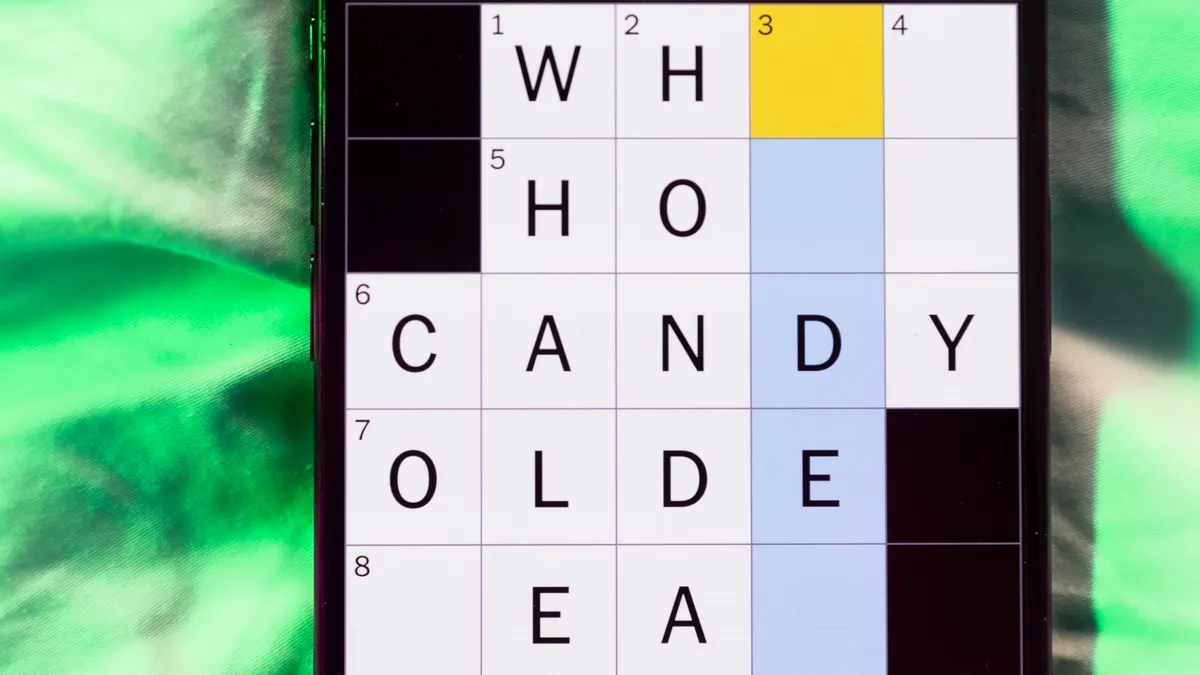
The completed NYT Mini Crossword puzzle for June 21, 2026.
1A clue: “Black” or “Yellow” dog, familiarly
Answer: LAB
4A clue: No-no for the lactose intolerant
Answer: DAIRY
6A clue: On the ocean
Answer: ATSEA
7A clue: Subway commuter’s annoyance
Answer: DELAY
8A clue: Like the logos of Marvel and Netflix
Answer: RED
1D clue: “See ya!”
Answer: LATER
2D clue: Pathway for an airplane beverage cart
Answer: AISLE
3D clue: No-no for the gluten-free
Answer: BREAD
4D clue: Apt palindrome for Father’s Day
Answer: DAD
5D clue: Apt palindrome for Father’s Day
Answer: YAY
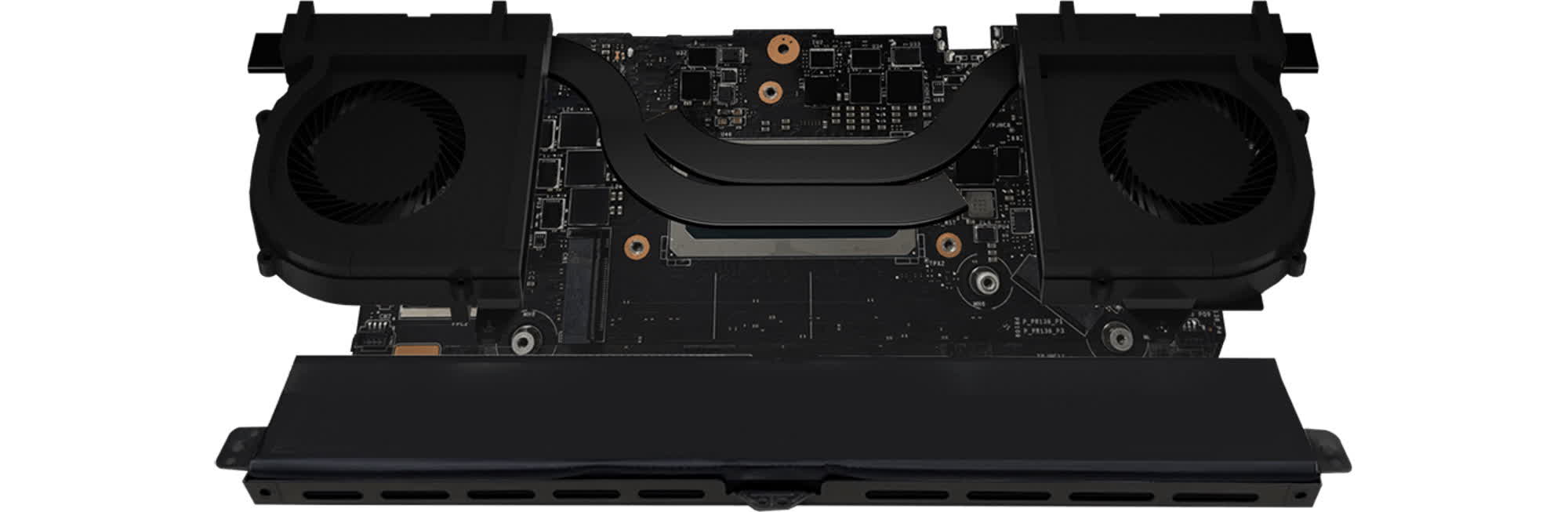
Facepalm: MSI is expected to launch its latest gaming handheld very soon, but people will have to pay a high price if they want one. The Taiwanese corporation tried its best to improve the cost situation, but the supply chain issue in the memory market is not going to disappear anytime soon – and things could become even worse in the not-so-distant future.
MSI should start shipping the Claw 8 EX AI+ on June 23, 2026, slapping a massive $1,800 price tag on the device. The OEM recently explained that the cost is a result of the current state of the memory market, and that more price hikes could arrive over the next few months if the supply chain doesn’t improve soon.
The MSI Claw 8 EX AI+ is based on the Intel Arc G3 processor, a powerful APU design that should provide plenty of computing and graphics power in a 65W envelope. Unlike Valve’s Steam Deck, the new handheld focuses on powerful hardware components to offer a “no-compromise” approach to PC-based portable gaming.
According to MSI product marketing manager Andy Chu, the corporation still has “privileged” access to hardware parts compared to a company like Valve. However, this benefit didn’t result in a much different situation in terms of silicon costs or the final price for customers.
All in all, Chu confirmed in a recent interview that 2026 will be a difficult year for both chipmakers such as Intel and OEM manufacturers such as MSI. Device makers are now unable to fully absorb the cost hikes impacting crucial components such as memory chips or storage, which is why consumers are going to pay more for everything no matter the brand.

“All I can say is we have tried every approach to get the memory and also storage at a lower cost,” Chu said in the interview, “like, deepen the relationship between us and also those suppliers, like to have some deals.” In the end, MSI executives “have done everything we can do to make our system as affordable as possible.”
Despite the high-profile effort, the Claw 8 EX AI+ will still carry its $1,800 price tag. MSI is now trying to change the narrative, highlighting how the new handheld is a high-end gaming device targeting enthusiasts who can spend that kind of money to get a luxury x86 machine. Even the “affordable” Steam Deck is now carrying a significant price premium, which is why MSI hopes customers will take a closer look at a device’s potential in terms of performance and capabilities before placing their order.
Chu is also warning that market conditions could even worsen compared to where they are today. According to his assessment, there is room for yet another price increase related to the supply chain crisis caused by the AI industry. Still, MSI expects sales of its handheld products to remain relatively stable even when factoring in a pricey offering such as the Claw 8 EX AI+.
Microsoft found a USB worm active since February that hijacks clipboards to swap crypto wallet addresses and routes stolen data through a portable Tor client.
Microsoft Threat Intelligence has identified a new strain of self-propagating malware that spreads through USB drives, monitors the Windows clipboard for cryptocurrency wallet addresses and seed phrases, and routes all stolen data through a portable Tor client to avoid detection. The campaign has been active since at least February 2026, according to Microsoft’s analysis published this week.
The malware, which Microsoft detects as Trojan:Win32/CryptoBandits.A, works as a classic USB worm with a modern payload. When a user plugs in an infected drive, they see what appear to be their usual document files. The originals have been hidden, replaced by Windows shortcut (.lnk) files bearing the same names that silently execute the malware when opened.
The .lnk files scan the drive for documents with .doc, .xlsx, and .pdf extensions, hide the originals, and create matching shortcut files in their place. The worm component also writes itself to any new USB drive connected to an infected machine, allowing it to spread further without user action beyond opening what looks like a normal file.
The 💜 of EU tech
The latest rumblings from the EU tech scene, a story from our wise ol’ founder Boris, and some questionable AI art. It’s free, every week, in your inbox. Sign up now!
Once running on a system, the malware deploys a portable Tor client renamed ugate.exe and configures a SOCKS5 proxy on localhost port 9050. All command-and-control traffic then routes through Tor’s .onion network, making it significantly harder for corporate firewalls and security tools to intercept or trace the communications. The C2 infrastructure uses three endpoint paths: /route.php for check-ins, /recvf.php for uploading stolen files, and /stub.php for downloading additional payloads.
The clipboard monitoring is the malware’s primary theft mechanism. It checks the Windows clipboard approximately every 500 milliseconds, looking for patterns that match cryptocurrency wallet addresses or recovery phrases. When it detects a match, it silently replaces the copied address with one controlled by the attacker, so the victim unknowingly sends funds to the wrong wallet.
The malware targets six cryptocurrencies across multiple address formats. For Bitcoin, it recognises legacy addresses starting with “1,” Pay-to-Script-Hash addresses starting with “3,” native SegWit addresses starting with “bc1q,” and Taproot addresses starting with “bc1p.” It also targets Tron addresses beginning with “T” and Monero addresses beginning with “4” or “8.” Clipboard hijacking for cryptocurrency theft is not limited to Windows, with Android trojans like Rokarolla using the same technique to redirect crypto payments on mobile devices.
Beyond wallet addresses, the malware scans clipboard content for BIP39 seed phrases, the 12- or 24-word recovery keys that grant full access to a cryptocurrency wallet. It also extracts Ethereum private keys and Bitcoin Wallet Import Format (WIF) keys. Capturing a seed phrase or private key gives attackers complete control over the associated wallet, not just the ability to redirect a single transaction.
The malware includes a surveillance module that captures five screenshots over a ten-second interval, packaging them for upload to the C2 server. This gives the operators a visual record of what the victim was doing at the time of infection, potentially revealing additional credentials, open browser tabs, or financial dashboards.
A command called EVAL allows the C2 operators to push and execute arbitrary code on infected machines, turning the cryptocurrency stealer into a general-purpose remote access tool. Microsoft notes this capability means the threat actors can adapt the malware’s behaviour after deployment without needing to reinfect the target.
The malware employs multiple layers of evasion. The initial installer is a Python-based executable obfuscated with PyArmor and packaged with PyInstaller, making static analysis difficult. The JavaScript payloads dropped to C:\Users\Public\Documents use a separate dual-layer obfuscation scheme.
As an anti-analysis measure, the malware checks whether Task Manager is running and exits if it detects the process, a basic but effective way to frustrate casual investigation.
The use of Tor for C2 communications reflects a broader shift in malware infrastructure toward anonymisation networks that resist takedown efforts. Traditional malware that relies on fixed domains or IP addresses can be disrupted when defenders seize those assets. Tor-based C2 channels are substantially harder to shut down because the .onion addresses are not tied to any registrar or hosting provider that can be compelled to act.
Microsoft recommends several mitigations, starting with disabling AutoRun and AutoPlay to prevent automatic execution when USB drives are connected. Group Policy can be configured to block .lnk files from running on removable media, and restricting wscript.exe and cscript.exe through application control policies prevents the JavaScript-based payloads from executing.
Network monitoring for connections to localhost port 9050 can flag machines where the portable Tor client has been installed.
USB-borne malware had largely fallen out of the security spotlight as cloud storage and collaboration tools reduced reliance on physical drives. But supply chain and trust-exploitation attacks remain effective precisely because they target behaviours users consider routine, whether that is plugging in a USB drive or installing a package from a familiar repository.
Microsoft published SHA-256 indicators of compromise, MITRE ATT&CK technique mappings, and KQL hunting queries in its blog post to help security teams detect existing infections. The company says Microsoft Defender detects the malware family, and its Defender Experts team assisted in the investigation. Microsoft did not attribute the campaign to a specific threat actor or estimate the number of infections.

Deductive AI, a startup that uses AI to catch and resolve bugs in software, has agreed to be sold to enterprise software company Elastic for up to $85 million, according to a person with knowledge of the deal.
Deductive, which was founded in 2023, came out stealth last November when it announced a $7.5 million seed round led by CRV with participation from Databricks Ventures, Thomvest Ventures, and PrimeSet. The investment valued the startup at $33 million, according to PitchBook.
Elastic and Deductive did not respond to multiple requests for comment. TechCrunch will update this article if either company responds.
The sale marks a speedy exit for Deductive, which is operating in a fast-growing sector known as AI site reliability engineering (AI SRE). Building AI-powered SRE tools has become an important area, driven by the massive influx of AI-written code. Replacing manual debugging with AI enables human SREs to shift focus from constantly fixing outages and other problems to spending more time on helping with product development.
The acquisition reflects a broader trend in which established tech incumbents are looking to buy AI-native startups to integrate agentic technologies into their existing product suites, the source told TechCrunch.
Elastic, which went public in 2018, is best known for Elasticsearch, the search and analytics engine that helps organizations store, search, analyze, and monitor large amounts of data in near real time.
The company’s observability software — essentially tools that let engineers monitor software systems and detect security threats — could benefit from Deductive’s tech. According to the source, integrating Deductive’s AI technology into Elastic will enhance its observability platform by giving customers tools to automatically monitor performance and resolve system failures in real time.
Deductive was co-founded by Rakesh Kothari, who was previously VP of engineering at Lightspeed-backed business analytics startup ThoughtSpot, and Sameer Agarwal, who formerly worked at Apache Software Foundation and Meta. Agrawal was one of the founding engineers at Databricks.
While Deductive reached roughly $1 million in annual recurring revenue (ARR,) according to the source, the startup’s growth lagged behind Resolve AI, one of the sectors’ perceived early winners. The two-year-old Resolve was co-founded by former Splunk executive Spiros Xanthos and Mayank Agarwal. The Greylock and Lightspeed-backed startup was last valued at $1.5 billion when it raised a $40 million Series A extension in April.
When you purchase through links in our articles, we may earn a small commission. This doesn’t affect our editorial independence.

Apple TV will stream an entire Formula 1 race weekend free to U.S. viewers for the first time, opening every Austrian Grand Prix session to fans without a subscription.
Viewers in the United States will be able to watch all Formula 1 Austrian Grand Prix sessions live through Apple TV at no cost. The free access runs from June 26 through June 28 and includes every on-track session, from practice and qualifying to Sunday’s Grand Prix.
The schedule begins with Practice 1 at 7:30 a.m. Eastern on June 26, followed by Practice 2 at 11 a.m. Practice 3 starts at 6:30 a.m. on June 27, with qualifying at 10 a.m. The Austrian Grand Prix is scheduled to begin at 9 a.m. Eastern on June 28.
Apple said the Austrian Grand Prix marks the first time it has made an entire Formula 1 race weekend available free to viewers in the United States. The company has offered free sports programming before, but this promotion includes every Formula 1 session across a race weekend rather than a single event.
Opening every Formula 1 session to non-subscribers gives fans a chance to follow the entire race weekend, not just Sunday’s Grand Prix. Practice sessions shape car setups and race strategy, while qualifying determines the starting grid.
The promotion arrives as Formula 1 continues to draw a larger audience in the United States. Following a full race weekend typically requires access to paid television or streaming services.
The Austrian Grand Prix gives casual viewers a chance to watch every session without paying for access.
The free weekend also gives Apple a chance to put Apple TV in front of viewers who may not regularly use the platform. Fans can follow the weekend from practice through qualifying and the Grand Prix itself.
Apple hasn’t said whether similar free Formula 1 weekends will follow. For now, the Austrian Grand Prix is Apple’s first effort to make an entire Formula 1 race weekend available free to U.S. viewers.




No Jackpot Winner as $257 Million Prize Rolls Over to $269 Million Monday Draw


Weekend Open Thread: Miami – Corporette.com

Zimbabwe Requires Crypto Businesses to Register Annually Under New FIU Regulations

Wall Street Week Ahead: Investors see Micron earnings as pulse check of AI rally momentum

Matt Damon’s Viral Sci-Fi Thriller Has Taken Over HBO Max


As AI companies race to go public, who else is along for the ride?


Anthropic staff to meet White House officials next week, Axios reports


HIVE shares jump as $220M AI deal speeds Bitcoin mining pivot

Bitcoin could crash to $48,000, if this historical pattern is triggered

what doctors are seeing in ebike crashes

Warning of disruption as Cardiff Crossrail works to start

Tributes to former deputy head teacher at Cambridge school among death and funeral notices

Kate Middleton Glare Goes Viral After Kids Booed At Royal Event


“Israel’s” ban on ICRC visits ruled illegal, but Knesset moves to stop them permanently


Financial Accounting | Last Day Revision Strategy and Booster | CMA Inter – June 2026


XRP ETFs Outperform As Bitcoin And Ethereum Funds Extend Outflow Trend


Over 400 Arch Linux packages compromised to push rootkit, infostealer


Invesco Quality Income Fund Q1 2026 Commentary


Singer Oliver Tree dies aged 32 in helicopter crash in Brazil

Market Preview: SpaceX (SPCX) IPO Record, Federal Reserve Meeting, and Iran Nuclear Agreement



You must be logged in to post a comment Login