

Tech
Best Samsung Phone of 2026

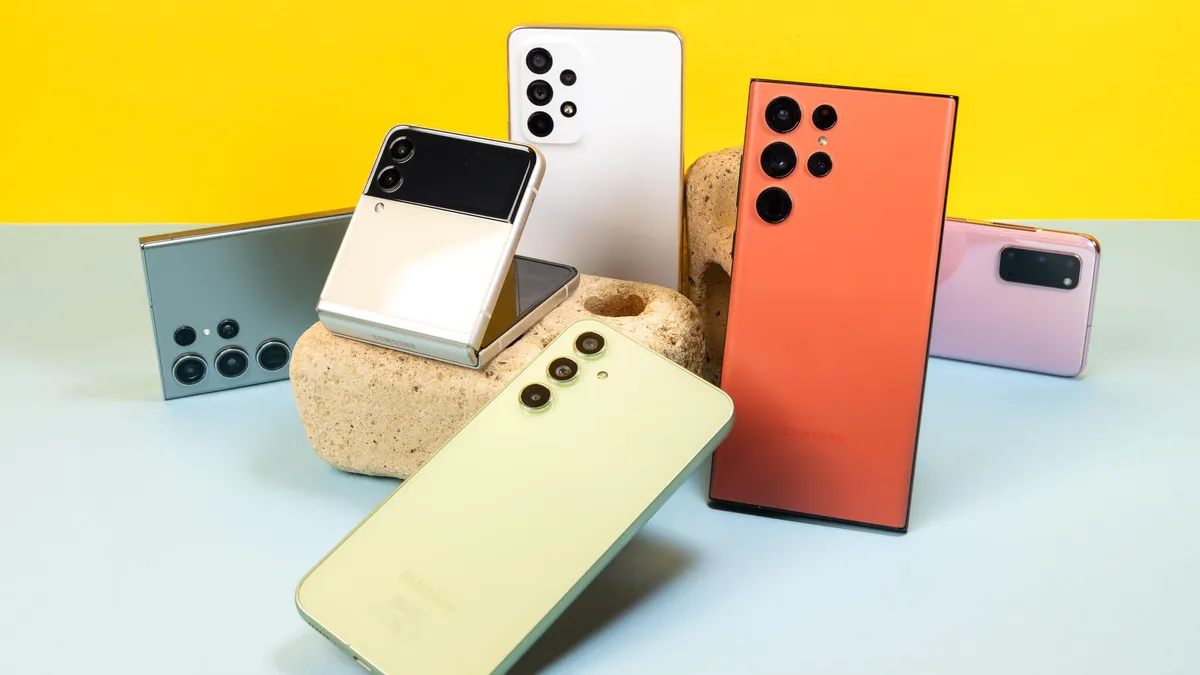
No matter your lifestyle or budget, Samsung has a range of phones to fit what you’re looking for. From baseline options such as the Galaxy S25 and S25 Plus (or the newer S26 and S26 Plus) to more premium picks like the Galaxy S26 Ultra, you can get solid performance, good cameras and long-lasting batteries regardless of how much you spend. Recently, the Galaxy S26 Ultra received a CNET Lab Award for having the fastest wired charging of 33 phones we tested. For a novel design, you can choose Samsung’s pricier Galaxy Z Flip 7 or Z Fold 7, or even the super-slim Galaxy S25 Edge. And for a more affordable option, Samsung’s A26, A36 or A56 might be a good fit. Our roundup can help you find the phone that best fits your needs.
The Samsung Galaxy S26 Ultra isn’t a radical upgrade from the S25 Ultra, but there are improvements where it counts. It’s the thinnest and lightest Ultra, at 7.9mm thick and 214 grams — an admittedly minor slim-down that’s still noticeable. The $900 Samsung Galaxy S26 is a leading flagship with a price hike, and while it’s extremely likely that Samsung is just the first phonemaker in 2026 to give its phone a price hike, it still stings to have to pay $100 above last year’s Galaxy S25. Still, there are some notable software and AI upgrades, including the impressive Horizontal Lock feature that super-stabilizes recorded footage, no matter how you twist the phone around while shooting video.
With the Galaxy Z Fold 7, Samsung has finally addressed some of the key issues with its previous book-style foldables. The impressively thin build and wider, 6.5-inch cover screen makes this feel like a standard phone when closed, and that wider 8-inch inside display is great for multitasking, with the ability to run up to three apps simultaneously. Perhaps most notably, the camera gets a major upgrade with the addition of a 200-megapixel main camera, which takes shots on par with the top-of-the-line S25 Ultra.
When I first got my hands on Samsung’s new Galaxy Z Flip 7, I was delighted to discover that it has a smaller crease, larger cover screen, thinner design and bigger battery compared to last year’s Galaxy Z Flip 6. But as I tested the new clamshell phone, I became enthralled by its inner screen. At 6.9 inches, this is the biggest screen on any Samsung phone aside from the Galaxy Z Fold 7, which has an 8-inch foldable display.
The Galaxy S25 Edge is a unique offering — one that doesn’t necessarily cater to most people’s top priorities like longer battery life and an affordable price tag, yet it still presents an alluring option with its slim frame and lightweight body. Thankfully, it doesn’t scale back too much in the way of features and capabilities; it has a powerful Snapdragon 8 Elite processor and the same 200-megapixel main camera you’ll find on the top-of-the-line S25 Ultra (although there’s no telephoto lens).
Jump to details
Pros
Cons
Jump to details
Pros
Cons
Jump to details
Pros
Cons
Jump to details
Pros
Cons
Jump to details
Pros
Cons
MOBILE DEALS OF THE WEEK
Deals are selected by the CNET Group commerce team, and may be unrelated to this article.
What is the best Samsung phone?
The Samsung Galaxy S26 Ultra — priced at $1,300 — comes packed with maximum features that, for most people, is more than necessary. For the rest of us, last year’s $800 Galaxy S25 is a standout among its Galaxy counterparts. Even with the release of the S26, the S25 remains a solid pick because it has much of the same hardware, software and AI capabilities as it pricier (and newer) peers.
The Galaxy S25 has a very capable triple rear camera setup that is versatile in capturing bright outdoor scenes and candid moments inside under mixed lighting. Overall, the Galaxy S26 Ultra is ideal for Android fans who prioritize fast performance, versatile cameras and a spacious screen.
How to pick the right Samsung phone for you
Deciding which Samsung phone is right for you comes down to what you want in a phone and how much you’re willing to spend. If you want the largest screen available on a standard Samsung phone, enjoy note-taking with a stylus and need a camera with a significantly closer zoom, the Galaxy S26 Ultra is the right choice. You’ll also have to spend $1,300 unless you score a trade-in deal.
Those who don’t need the stylus, prefer a more compact phone and still want a good camera should consider the Galaxy S25 or Galaxy S25 Plus. If you just want the basics, like a spacious screen, 5G and a decent camera, consider the Galaxy S25 FE. Those looking for the flashiest tech around — and who also have deep pockets — should consider the Galaxy Z Fold 7, Z Flip 7 or even the slightly cheaper Z Fold 7 FE.
Finding the best Samsung phone will ultimately come down to preference. Choosing among so many options can get complicated, so here’s how to decide which Samsung phone is best for you. Refer to our phone buying guide for more tips on how to choose the right device.
Best Samsung phones in 2026
Pros
- Innovative Privacy Display
- Long-lasting battery
- Intuitive AI features
- Consistently great cameras
Cons
- Some inconsistent AI features
- No magnetic wireless charging
- Many of the same specs as the S25 Ultra
The Samsung Galaxy S26 Ultra isn’t a radical upgrade from the S25 Ultra, but there are improvements where it counts. It’s the thinnest and lightest Ultra, at 7.9mm thick and 214 grams — an admittedly minor slim-down that’s still noticeable.
The hardware advancement that steals the spotlight is the Privacy Display, which prevents others from seeing what’s on your screen. Unlike a $10 screen protector you can buy from Amazon, you can toggle Privacy Display on for certain apps, like a banking app or your email, as well as your lock screen so no one sees your password or PIN. You can also enable it just for incoming notifications, so only part of your screen gets blacked out.
The S26 Ultra carries over the same camera specs as last year, but it consistently delivers high-quality images. Plus, a neat new Horizontal Lock feature when recording videos keeps the horizon level even as you rotate your phone 360 degrees, leading to astonishingly stable footage.
Why we like it
The S26 Ultra prioritizes hardware and software. Along with a thinner design and the Privacy Display, there’s also a handful of new intuitive AI features. For instance, Now Nudge surfaces real-time suggestions based on what’s on your screen, so if someone asks for photos from your trip, it’ll automatically point you toward those images in your Gallery so you don’t have to dig for them. And Document Scan will automatically appear when you’re snapping a photo of a document to remove shadows and creases, then let you export the final product as a PDF. Plus, the S26 Ultra’s battery can last well over a day and a half, which is a major perk.
Who’s it best for
If you’re a power user who likes having a larger display, a bigger battery and top-notch cameras — as well as the signature S Pen — the S26 Ultra is the way to go. It’s a great choice for anyone who doesn’t want to worry about charging their phone at the end of each day, as the battery can last well over a day and a half.
Who shouldn’t get it
The S26 Ultra keeps its $1,300 price, even amid a RAM shortage that threatens to raise phone prices. But that’s still not pocket change. If you don’t need the most high-end cameras and prefer a smaller device, the baseline S26 shares many of the same features as the Ultra, including the Snapdragon 8 Elite Gen 5 processor, plus all those AI features.
Pros
- Good cameras
- Clean, modern phone design
- Fun, even useful AI perks
Cons
- $100 price hike not worth extra storage
- 25W wired charging is comparatively slow
- Nearly all upgrades are to software, not hardware
The $900 Samsung Galaxy S26 is a leading flagship with a price hike, and while it’s extremely likely that Samsung is just the first phonemaker in 2026 to give its phone a price hike, it still stings to have to pay $100 above last year’s Galaxy S25. Still, there are some notable software and AI upgrades, including the impressive Horizontal Lock feature that super-stabilizes recorded footage, no matter how you twist the phone around while shooting video.
Why we like it
The Galaxy S26 is a leading smartphone, a jack-of-all-trades that is blisteringly fast, takes good photos, shoots great videos, runs games well and has a decent battery. It’s not the absolute best at any of these among today’s top phones, but makes the podium for most of them, so it’s an easy all-around choice. The new AI features are fun if situational, and aside from Horizontal Lock, there aren’t any standouts. If one has to pay more for the phone, at least it starts at 256GB of storage.
Who it’s best for
The Galaxy S26 is a reliable pick for anyone who just wants a great phone that can do anything. While it won’t win any battery longevity awards (especially compared to the OnePlus 15), its cameras remain stellar, and its Snapdragon 8 Elite Gen 5 chip with 12GB of RAM result in smooth operations. It still gets seven years of software and security updates, so buyers will be able to keep it around for years and expect some AI features from newer Galaxy phones to trickle down, too.
Who shouldn’t get it
The Galaxy S26 doesn’t quite excel in anything — not battery life (OnePlus 15), photo AI features (Google Pixel 10 Pro) or display tech (its Galaxy S26 Ultra sibling). And the $100 price hike is more a reflection of the state of the industry than a result of upgrades, so if you’re looking for a cheaper but still powerful option, look for the Galaxy S25 or other Android phones from last year.
Pros
- Thin 4.2mm design
- 200-megapixel main camera
- Powerful Snapdragon 8 Elite processor
- Durable build
Cons
- Steep $2,000 price tag
- Same 4,400-mAh battery as last year’s Fold
- 25-watt wired charging
With the Galaxy Z Fold 7, Samsung has finally addressed some of the key issues with its previous book-style foldables. The impressively thin build and wider, 6.5-inch cover screen makes this feel like a standard phone when closed, and that wider 8-inch inside display is great for multitasking, with the ability to run up to three apps simultaneously. Perhaps most notably, the camera gets a major upgrade with the addition of a 200-megapixel main camera, which takes shots on par with the top-of-the-line S25 Ultra.
Altogether, it’s a great choice if you want a bigger, tablet-like display without the bulk or a compromise on camera quality.
Why we like it
The Z Fold 7 does a solid job combining what’s great about standard slate phones and what’s great about foldables. It feels wonderfully normal to hold when closed, thanks to its sleek design and lightweight build. It also packs great cameras and has an expansive main display that’s 11 percent bigger than last year’s Z Fold 6.
Thankfully, a slimmer build doesn’t force the battery to take a hit; the Z Fold 7 maintains that same 4,400-mAh battery as last year’s foldable. That pales in comparison to batteries from Chinese competitors, but at least it’s not a downgrade. The Z Fold 7 also packs a Snapdragon 8 Elite processor to power the many AI features you’ll get onboard, from Galaxy AI photo and audio editing tools to Google’s Gemini Live and Circle to Search. The phone also supports seven years of software and security updates.
Who it’s best for
If you’re bored of standard slate phones and want something that feels a little more exciting, the Galaxy Z Fold 7 is a great choice. The slim design and wider cover screen helps it to feel as normal as possible when closed, with the added perk of an expansive main display that’s great for multitasking and watching videos. The cameras are also impressive for a foldable that’s so thin.
Who shouldn’t get it
The Z Fold 7’s $2,000 price tag is perhaps its biggest caveat. Also, if you don’t need a bigger display, it may not be worth the splurge. Ironically, the cover screen is so practical that you’ll rarely need to open the phone — unless you’re watching movies or multitasking, in which case a phone like the Galaxy S25 Ultra might be a better fit.
Pros
- The 6.9-inch screen is immersive, with lovely colors and contrast
- The 4.1-inch screen looks incredible
- It’s durable and survived a drop onto concrete
- One UI 8 (Android 16) runs wonderfully
- $1,100 is still a lot, but Samsung gives the phone more value than the Flip 6
Cons
- Gets warm when recording videos and playing games
- Battery life is the same as the Flip 6 despite a bigger battery
- Cover screen software has room to grow
When I first got my hands on Samsung’s new Galaxy Z Flip 7, I was delighted to discover that it has a smaller crease, larger cover screen, thinner design and bigger battery compared to last year’s Galaxy Z Flip 6. But as I tested the new clamshell phone, I became enthralled by its inner screen. At 6.9 inches, this is the biggest screen on any Samsung phone aside from the Galaxy Z Fold 7, which has an 8-inch foldable display.
The Z Flip 7’s large screen size makes content feel more immersive and colors look lovely and vivid. This led to epic TikTok and Instagram sessions, watching widescreen films such as A Working Man and Back to the Future, as well as jumping between two apps stacked vertically on the screen thanks to One UI 8’s 90:10 split tool.
Every time I open the Flip 7, I’m consistently dumbfounded by how such a large display can unfurl from something about the size of a makeup compact. And when it’s closed, there’s a 4.1-inch cover screen that’s fantastic in its own ways, with new clever animations for when you’re recording a video, charging the phone or taking a selfie, all efficiently using the extra display real estate. In terms of functionality, though, the cover screen’s software is about the same as the 3.4-inch one on the Flip 6.
The Flip 7 impressed me in nearly every way but one: its battery life. It has a larger battery than the Flip 6, but it doesn’t last any longer in daily use. It did consistently get me through a day on a single charge, often having 15% to 20% left, but there were also a few days where it needed an early evening top-off.
Why we like it
The Galaxy Z Flip 7 is the most fully realized version of Samsung’s ideal of a flip phone since the launch of the original Galaxy Z Flip in 2020. The Flip 7’s appeal is simple: It’s a thin phone with a big, bold screen that folds in half into a coaster-sized square. The larger cover screen and inner screen make content more immersive. It’s design is thin (for a clamshell foldable) and comfortable to hold. Plus you get twice the storage this year compared to last.
Who is it best for
If you’ve been tempted by a clamshell-style foldable, you should definitely consider the Flip 7. If you have a Galaxy Z Flip 4 or older, the Flip 7 will be an upgrade in every way. It’s harder to make that same recommendation for Flip 5 owners unless your phone is showing its age. And if you have a Galaxy Z Flip 6, you can sit this one out unless you really want those larger screens.
Who shouldn’t get it
If you spend a ton of time around dirt or sand, this phone isn’t for you.
Pros
- Lightweight design
- 200-megapixel main camera
- Durable titanium frame and Gorilla Glass front and back
- Powerful Snapdragon 8 Elite processor
- 12GB of RAM
Cons
- Mediocre battery life
- Only 25-watt wired charging
- Steep price tag
- Just two rear cameras
The Galaxy S25 Edge is a unique offering — one that doesn’t necessarily cater to most people’s top priorities like longer battery life and an affordable price tag, yet it still presents an alluring option with its slim frame and lightweight body. Thankfully, it doesn’t scale back too much in the way of features and capabilities; it has a powerful Snapdragon 8 Elite processor and the same 200-megapixel main camera you’ll find on the top-of-the-line S25 Ultra (although there’s no telephoto lens).
The main sacrifice is battery life, as the S25 Edge has a 3,900-mAh battery, the lowest amount across the S25 series. It also only supports 25-watt wired charging. But it still offers enough juice to get you through the day, even if you’re a notoriously heavy phone user. Plus, using something so remarkably feather-light feels like such a breath of fresh air, you may not mind making some compromises. Read our full Galaxy S25 Edge review.
Why we like it
The S25 Edge is surprisingly enjoyable to use and hold, given its lightweight design (it weighs 163 grams) and generous 6.7-inch screen. And despite its thinner frame, it feels surprisingly sturdy, thanks to its Gorilla Glass Ceramic 2 display and Victus 2 backing. That means it doesn’t feel like it’s going to snap in your pocket — and you’ll hardly even feel it in there.
Who it’s best for
If you want a phone that feels light and can slip easily into your pocket, without compromising too much on functionality, the S25 Edge is a great option. Plus, if you’re looking for a fresh form factor but aren’t interested in venturing into foldables territory, this unique phone is a solid — and more familiar-feeling — choice.
Who shouldn’t get it
If you’re looking for something more budget-friendly, the S25 Edge might not appeal to you. Also, if battery life is your top priority, the S25 Edge leaves something to be desired, as it only lasts about 24 hours before needing a recharge.
Best Samsung phones compared
| Samsung Galaxy S26 Ultra | Samsung Galaxy S26 | Samsung Galaxy Z Fold 7 | Samsung Galaxy Z Flip 7 | Samsung Galaxy S25 Edge | |
|---|---|---|---|---|---|
| Display size, tech, resolution, refresh rate | 6.9-inch AMOLED; 3,120×1,440 pixels; 1-120Hz adaptive refresh rate | 6.3-inch AMOLED; 2,340×1,080 pixels; 1-120Hz adaptive refresh rate | 6.5-inch AMOLED, 2,520×1,080p, 1 to 120Hz refresh rate; 8-inch AMOLED, 2,184×1,968p, 1 to 120Hz refresh rate | 4.1-inch AMOLED; 1,048×948 pixels; 120Hz refresh rate; 6.9-inch AMOLED; 2,520×1,080 pixels; 1 to 120Hz refresh rate | 6.7-inch QHD+ AMOLED display; 120Hz refresh rate |
| Pixel density | 500 ppi | 411 ppi | Cover: 422 ppi; Internal: 368 ppi | Cover: 342ppi; Internal: 397ppi | 513 ppi |
| Dimensions (inches) | 6.44×3.07×0.31 | 5.89×2.82×0.28 | Open: 5.63 x 6.24 x 0.17 in; Closed: 2.87 x 6.24 x 0.35 in | Open: 2.96 x 6.56 x 0.26 in; Closed: 2.96 x 3.37 x 0.26 in | 2.98 x 6.23 x 0.23 inches |
| Dimensions (millimeters) | 163.6×78.1×7.9 | 149.6×71.7×7.2 | Open: 143.2 x 158.4 x 4.2mm; Closed: 72.8 x 158.4 x 8.9mm | Open: 75.2 x 166.7 x 6.5mm; Closed: 75.2 x 85.5 x 13.7mm | 75.6 X 158.2 X 5.8mm |
| Weight (grams, ounces) | 214 g (7.55 oz.) | 167g (5.89 oz.) | 215g (7.58 oz.) | 188g (6.63 oz.) | 163g (5.75 oz) |
| Mobile software | Android 16 | Android 16 | Android 16 | Android 16 | Android 15 |
| Camera | 200-megapixel (wide), 50-megapixel (ultrawide), 10-megapixel (3x telephoto), 50-megapixel (5x telephoto) | 50-megapixel (wide), 12-megapixel (ultrawide), 10-megapixel (3x telephoto) | 200-megapixel (wide), 12-megapixel (ultrawide), 10-megapixel (telephoto) | 50-megapixel (wide), 12-megapixel (ultrawide) | 200-megapixel (wide), 12-megapixel (ultrawide) |
| Front-facing camera | 12-megapixel | 12-megapixel | 10-megapixel (inner screen); 10-megapixel (outer screen) | 10-megapixel | 12-megapixel |
| Video capture | 8K | 8K | 8K | 4K | 8K |
| Processor | Qualcomm Snapdragon 8 Elite Gen 5 for Galaxy | Qualcomm Snapdragon 8 Elite Gen 5 for Galaxy | Qualcomm Snapdragon 8 Elite for Galaxy | Samsung Exynos 2500 | Snapdragon 8 Elite |
| RAM + storage | 12GB RAM + 256GB; 16GB RAM + 512GB, 1TB | 12GB RAM + 256GB, 512GB | 12GB + 256GB, 12GB + 512GB, 16GB + 1TB | 12GB + 256GB, 12GB + 512GB | 12GB RAM + 256GB, 512GB |
| Expandable storage | None | None | None | None | No |
| Battery | 5,000 mAh | 4,300 mAh | 4,400 mAh | 4,300 mAh | 3,900 mAh |
| Fingerprint sensor | Under display | Under display | Yes | Yes | Under display |
| Connector | USB-C | USB-C | USB-C | USB-C | USB-C |
| Headphone jack | None | None | None | None | None |
| Special features | Aluminum frame; 7 years of OS and security updates; IP68 water and dust resistance; wireless PowerShare to charge other devices; integrated S Pen; UWB for finding other devices; 60W wired charging (charger not included); 25W wireless charging; no magnets for accessories; Galaxy AI; Gorilla Glass Armor 2 cover glass; privacy display | 2,600-nit peak brightness; 7 years of OS and security updates; IP68 water and dust resistance; wireless PowerShare to charge other devices; 25W wired charging (charger not included); 15W wireless charging; lacks built-in magnets; Gorilla Glass Victus 2 cover screen; Galaxy AI | One UI 8, 25W wired charging speed, Qi wireless charging, 2,600-nit peak brightness, Galaxy AI, NFC, Wi-Fi 7, Bluetooth 5.4, IP48 water resistance | One UI 8, IP48 water resistance, 25W wired charging, Qi wireless charging, Wi-Fi 7, Bluetooth 5.4, Galaxy AI | IP88 rating, 5G, One UI 7, 25-watt wired charging, 15-watt wireless charging, Galaxy AI, Gemini, Circle to Search, Wi-Fi 7. |
| US price starts at | $1,300 (256GB) | $900 (256GB) | $2,000 (256GB) | $1,100 (256GB) | $1,100 |
In March 2026, we added the Samsung Galaxy S26 Ultra to our list.
Get more for less with cheap phones: For a fraction of the cost, you can get a solid phone that does almost everything a pricier flagship phone can do. The Galaxy S25 FE packs a good camera and costs only $650 before discounts or trade-in offers.
Test your phone: It’s worth going to a store and trying out a phone before you shell out hundreds of dollars for it.
Find peace of mind with a case: You spent all this time picking a phone, now protect it from damage with a case.
We test the battery, screen, performance, cameras and more on every phone we review.
We test every phone in real-world scenarios focusing on its features, design, performance, cameras, battery life and overall value. We document our findings in an initial review that is periodically updated when there are new software updates or to compare against new phones from competitors like Apple, Google, OnePlus and Samsung.
Photography
Photography is a major focus for most phones these days, so we take pictures and videos of various subjects in a variety of settings and lighting levels. We try out any new camera modes such as 4K 120fps slow motion video that debuted with the iPhone 16 Pro and 16 Pro Max or AI reframe and focus on the Motorola Razr Plus (2024).
Battery life
Battery testing is conducted in a variety of ways. We assess how long a phone lasts during a typical day of use, and note how it performs during more focused sessions of video calls, media streaming and gaming. We also conduct a video playback test, which isn’t always included in the initial review and is added later in an update.
Performance
We perform processor-heavy tasks like editing photos, exporting videos and playing games. We evaluate whether a newer version of a particular phone includes enough features to make it worth upgrading from older models.
We use benchmarking apps to measure the performance, alongside our own anecdotal experiences using the phone for our review. Of particular note are how graphics and animations look. Are they smooth? Or do they lag or stutter? We also look at how quickly the phone switches between horizontal and vertical orientations and how fast the camera app opens and is ready to take a photo.
Read more: How We Test Phones
Why buy a Samsung phone instead of other Android phones?
Which Samsung phone series is best, Galaxy A, S or Z?

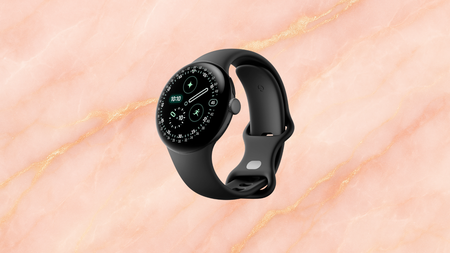
We’ve been waiting for the Pixel Watch 4 to hit a price that’s friendly on the wallet, and Prime Day has finally made that happen.
The Google Pixel Watch 4 is now £239 this Prime Day, £110 off the usual £349, making it 32% cheaper and the lowest our deals expert can remember this dropping to.
Google’s Pixel Watch 4 has fallen to an all‑time‑low Prime Day price, slicing 32% off — making it well worth your time, pun included
Google’s Pixel Watch 4 has fallen to an all‑time‑low Prime Day price, shaving 32% off and making it well worth your time.
That price drop opens up a watch built around a display that earns its place, with the Actua 360 running to 3,000 nits of peak brightness and wrapping the full face rather than stopping short at a flat edge.
Battery runs to 40 hours on a single charge with Google’s fastest charging yet, which means wearing it through the night for sleep tracking and through the next day without it becoming a daily charging ritual.
Heart rate accuracy sits at the core of what the Pixel Watch 4 does differently, feeding into sleep insights, recovery data, and workout guidance in a way that builds a picture of your health over time rather than just logging individual sessions.

Gemini sits on the wrist and responds to natural questions about your health data, training load, or whatever else you’d normally pull your phone out to check, which removes one of the small frictions that adds up across a day.
Loss of Pulse Detection can identify a cardiac event and prompt a call to emergency services automatically, and SOS satellite connectivity means it can reach help even without a mobile signal, which shifts it from useful to genuinely reassuring.
Six months of Fitbit Premium is included, unlocking deeper workout analysis and personalised suggestions for anyone who wants more than the default tracking out of the box.
If the Pixel Watch 4 isn’t quite what you’re after, we’ve tested and ranked the best smartwatches you can buy right now in our guide to the 12 Best Smartwatches, or if budget is the priority, our Best Cheap Smartwatch 2026 roundup has plenty of alternatives worth considering.
The Pixel Watch 4 is undoubtedly the best Google wearable to date; it perfects the sleek, dome-shaped design, offers a unique take on Wear OS 6 with Material 3 Expressive, Fitbit-powered fitness tracking and excellent battery life. It’s not quite as long-lasting as the OnePlus Watch 3, and Fitbit Premium gripes remain, but overall, it’s a package that most people will enjoy.
-
Charming take on Wear OS 6
-
Excellent Fitbit-powered health tracking
-
LTE and satellite connectivity
-
Multi-day battery life and rapid charging
-
Fitbit Premium locks some health data behind a paywall
-
Exposed screen could make it more prone to damage
-
Some AI features not available outside the US
SQUIRREL_PLAYLIST_10148964
Tech
Spain’s Internet Blocks Have A Flimsy Legal Basis, While Lacking Both Oversight & Accountability

from the stop-believing-the-copyright-industry’s-lies dept
Afew weeks ago, Walled Culture wrote about Hadopi, France’s infamous copyright enforcement mechanism. The so-called “graduated response” – aka “three strikes and you are out” – has been around for over 15 years now, has cost French taxpayers a fortune, and has never achieved any of its aims. As the Walled Culture post suggested, the latest court ruling might finally put the benighted scheme out of its misery.
But even if it does, there is already another disproportionately heavy-handed attempt to enforce copyright up and running in the shape of Italy’s Piracy Shield. It works by blocking access to unauthorized material using court orders against Internet Service Providers (ISPs). That would clearly be problematic, even if it were implemented properly, and well run. It is neither, as academic research from the end of last year underlined. Since the massive extension of its powers a year ago, things have gone relatively quiet on the Piracy Shield front in terms of new developments, and there are no signs that the Italian government has taken the many criticisms to heart.
That’s depressing enough, but even more worrying is that alongside France’s Hadopi fiasco, and Italy’s troubling Piracy Shield, Spain too seems intent on letting the copyright industry attack the Internet’s basic plumbing and thereby disrupt other sites, as well as downgrading the experience of thousands of innocent users. It’s increasingly clear that what’s happening in Spain is now a serious a threat to the operation of the online world there, but one that is still little-known. That makes a post from the Disruptive Competition Project (DisCo), which comes from the Computer & Communications Industry Association (CCIA), particularly useful. Its title picks up on the similarities with Italy’s approach: “Repeating Failure: How Spanish Overblocking Ignores the Lessons of Italy’s Broken Piracy Shield”. Here’s what has been happening in Spain for over a year now:
Since early 2025, LaLiga (Spain’s top-tier football league) has been operating an aggressive and largely unchecked IP-address blocking regime in an attempt to tackle sports piracy. In 2024, LaLiga and several Spanish internet service providers (ISPs), some of whom have direct commercial interests in LaLiga broadcasting, sought a court order authorising the blocking of specific domain names.
They succeeded in this particular endeavour. However, LaLiga has thereafter continued to interpret this order as a green light to unilaterally select Internet Protocol (IP) addresses and domains to block, without ongoing court oversight or accountability.
It turns out that the legal basis of the current action is flimsy in the extreme:
The legal foundation of LaLiga’s anti-piracy enforcement model rests on a single, seven-page judgment issued by a Commercial Court in Barcelona on 18 December 2024. This ruling should have never been treated as setting a strong precedent, as it was not the result of a rigorous legal battle and didn’t seriously examine whether the blocking approach is lawful or proportionate under EU law.
As has happened so often in the world of copyright, the companies involved have taken a very narrow, and possibly flawed legal judgment and applied it as widely and broadly as possible, without asking further permission from the courts:
LaLiga now compiles and updates lists of IP addresses and domain names that it wants to see blocked. This process is completely opaque: these lists are not publicly disclosed, there is no independent technical or judicial validation before new addresses are added, and the court does not appear to continuously review any additions.
Once someone gets blocked, there is no redress mechanism to remove addresses from the list, even when they are no longer associated with infringing content, nor any appeal process for mistakenly blocked services.
It will come as no surprise to readers of this blog that this cavalier approach has already led to the overblocking of sites, just as has happened in Italy because of Piracy Shield’s poor implementation:
LaLiga’s approach has caused widespread disruption, preventing access to tens of thousands of legitimate websites in recent years – including critical services such as payment providers and a national health operator. This disproportionate cost is borne by innocent third parties and small businesses, reflecting a mistaken belief that the commercial interests of one dominant party should trump Spanish consumers’ rights to a functioning internet.
The second of those overblocking incidents is particularly serious, since it involves a healthcare provider, which potentially puts people’s lives at risk. According to an article on La Razón (via Google Translate):
During the weekend of December 13-14, access to the Madrid Health website was blocked. While the duration of the access interruption and the message displayed upon entering the website varied depending on the internet service provider blocking access at LaLiga’s request.
Despite the serious nature of this overblocking, which effectively places the enforcement of copyright above protecting people’s health, the Spanish government is trying to wash its hands of the problem:
The situation has become so severe that members of the Spanish Parliament have sought explanations from the government. While acknowledging that the blocks have significantly impacted legitimate websites, the Spanish Government maintains that this is a judicial matter falling under the jurisdiction of the courts.
However, the courts seem to be entirely on the side of LaLiga, since they didn’t even give Internet companies a chance to present their side of the story earlier this year.
In February 2026, the Commercial Court of Córdoba even granted [LaLiga] an ex-parte preliminary injunction against NordVPN and ProtonVPN. This means the court issued a binding order, based solely on LaLiga’s arguments, without notifying those virtual private networks (VPNs) or allowing them to present a defence beforehand. The VPNs only discovered the judgment through the media and are now obliged to implement the blocks enforced by LaLiga.
It’s true that the same court has just rejected LaLiga’s request for coercive fines, and accepted that there was a technical dispute over whether the blocking could be implemented. But the refusal to allow the VPN companies to present a defense remains a deeply troubling precedent, and runs contrary to basic principles of justice. Moreover, as TorrentFreak reports, this latest ruling may be only a temporary reprieve for the VPN providers:
The league confirms that the decision merely sets aside the coercive fines while the proceedings continue, stressing that it does not exempt NordVPN from implementing IP blocks where LaLiga can prove piracy is taking place.
It is the usual one-sided justice that is typical when copyright is involved. It seems that LaLiga is being given carte blanche to do whatever it likes here, and never mind the consequences for Internet companies and their users. As Hadopi fades, and Italy’s Piracy Shield carries on as before, the fear has to be that Spain’s unconstrained approach to copyright enforcement could end up being worse than both.
There is currently a rare opportunity to comment on the issue of EU copyright enforcement in the realm of sports and other live events. There is an open Call for Evidence from the European Commission, which:
aims to collect the information necessary to support the review of the 2019 Copyright in the Digital Single Market Directive, and to seek feedback on the challenges linked in particular to the exercise of copyright and related rights in the context of technological developments and potential ways to address them.
As well as that general review of the main EU Copyright Directive, discussed at length in Walled Culture the book (free digital versions available), and the issue of live streaming, the Commission is seeking people’s views on an important upcoming legislative proposal aimed at strengthening copyright (yet again) in the light of AI, which is planned for the first quarter of 2027. The Call for Evidence closes on 25 June, so you have a couple of weeks to hone your thoughts and submit them. Based on previous experience, we can probably expect the European Commission to ignore what anyone except the copyright industry thinks, but it’s worth a try.
Follow me @glynmoody on Mastodon and on Bluesky. Republished from WalledCulture.
Filed Under: copyright, france, hadopi, ip blocks, italy, piracy shield, spain
Companies: laliga, nordvpn, proton

Alibaba has taken the US Department of Defense to court over a label the company insists it does not deserve. In a complaint filed on Tuesday in the federal court in San Jose, California, the Hangzhou group asked a judge to strike its name from the Pentagon’s list of “Chinese military companies” and declared the designation, in its own words, to have “no basis in fact or law.”
The list in question is the one maintained under Section 1260H of the 2021 National Defense Authorization Act, which requires the Pentagon to name Chinese firms it judges to have direct or indirect ties to the People’s Liberation Army.
Alibaba was added on June 8, alongside Baidu, BYD, the robotics maker Unitree, and others, in an update that pushed the roster to 188 entities, up from 134 the year before.
In its filing, Alibaba argued that it is governed by an independent board, none of whom has any military affiliation, and that its products and services are built “for retail, logistics, and enterprise information technology, not weapons, defense, or intelligence.”

The 💜 of EU tech
The latest rumblings from the EU tech scene, a story from our wise ol’ founder Boris, and some questionable AI art. It’s free, every week, in your inbox. Sign up now!
The Pentagon’s justification, set out in a June statement, was that the company is “a military-civil fusion contributor to the Chinese defense industrial base” through its affiliation with China’s Ministry of Industry and Information Technology, with an indirect link to the state asset regulator known as SASAC.
The designation does not, by itself, ban anyone from doing business with Alibaba. What it does is layer on consequences.
Under the relevant law, the Defense Department cannot enter into or renew contracts directly with listed entities from June 30, and from 2027 it cannot buy their goods or services through third parties either.
Government contracts are prized by technology firms, and the company told the court that the listing creates barriers to financing, sourcing, and partnerships with American counterparties, reducing its access to capital and raising its risk profile. It also claimed the move violates its constitutional rights to due process and free speech.
Alibaba had signalled it would fight. When the June update appeared, a company spokesperson said it was “not a Chinese military company nor part of any military-civil fusion strategy” and promised to “take all available legal action.” China’s embassy in Washington called the designations “discriminatory.”
It is not the only listed firm to reach for a lawyer. WuXi AppTec, the biotech contract research group added in the same round, filed a similar suit on June 11.
Earlier rounds drew the same complaint without the litigation: when Tencent was added in January 2025, it called its inclusion “a mistake.” The Pentagon is not required to publish evidence. The criteria turn on military-civil fusion, broad enough to sweep in companies whose main business is consumer technology.
That breadth is part of why the list has become a recurring headache for the Chinese tech sector. It sits alongside export controls on chipmaking equipment, tariffs, and the Entity List run by the Commerce Department’s Bureau of Industry and Security, the same bureau now at the centre of a separate fight over access to advanced AI models.
For Alibaba, whose cloud division underpins much of China’s AI infrastructure and whose US footprint spans cloud, advertising, and research, the designation turns every American business relationship into a compliance calculation.
The timing did Beijing no favours. The June update landed during a fragile trade truce, and a day before Alibaba sued, China added 10 US firms to its own export control list. The two governments keep escalating in parallel while insisting they are talking.
What happens next is a matter for the court in San Jose, where Alibaba and WuXi will press their cases. The Defense Department has not commented.
The contracting bans take effect at the end of the month regardless, which means the practical clock and the legal one are running at different speeds. Alibaba is asking a judge to stop both.
The Google-owned platform has thousands of similar lawsuits pending.
Following a similar lawsuit earlier this year, Google has settled with a minor known as “R.K.C.” who claimed that social media platforms harmed them, Reuters reported. Terms of the settlement were confidential, the lawyers said yesterday. The same plaintiff also sued Meta, Snap and TikTok, with those trials set to proceed next month. YouTube has thousands of similar lawsuits pending, so this second case represents a test run for the many to follow.
“Our focus remains on building age-appropriate products and parental controls that deliver on that promise,” a Google spokesperson told Reuters in a statement, adding that the case was amicably resolved.
The first trial was brought by a 20-year-old woman known as “K.G.M.,” who also claimed harm due to the addictive nature of social media. That person won their trial and received $6 million in damages, with $3 million coming from Meta and YouTube taking on the other $3 million. YouTube vowed to launch an appeal for that case, saying it “responsibly built a streaming platform, not a social media site.”
More than 3,300 lawsuits involving social media addiction are pending in California state courts, and another 2,600 were brought by people, school districts, municipalities and states in California federal court. That’s just one state (albeit the biggest one), but it’s easy to see the size of the problem for YouTube and other platforms if each plaintiff receives a multi-million-dollar award. Social media platforms have recently settled (or are facing) lawsuits in Kentucky, New York City and numerous other US jurisdictions.
Meta and other platforms have disputed the idea that their platforms are addictive. However, a lawyer in the first case involving K.G.M. said the companies’ own communications refute those claims. “This is the first time in history a jury has heard testimony by executives and seen internal documents that we believe prove these companies chose profits over children,” Joseph VanZandt said back in March.
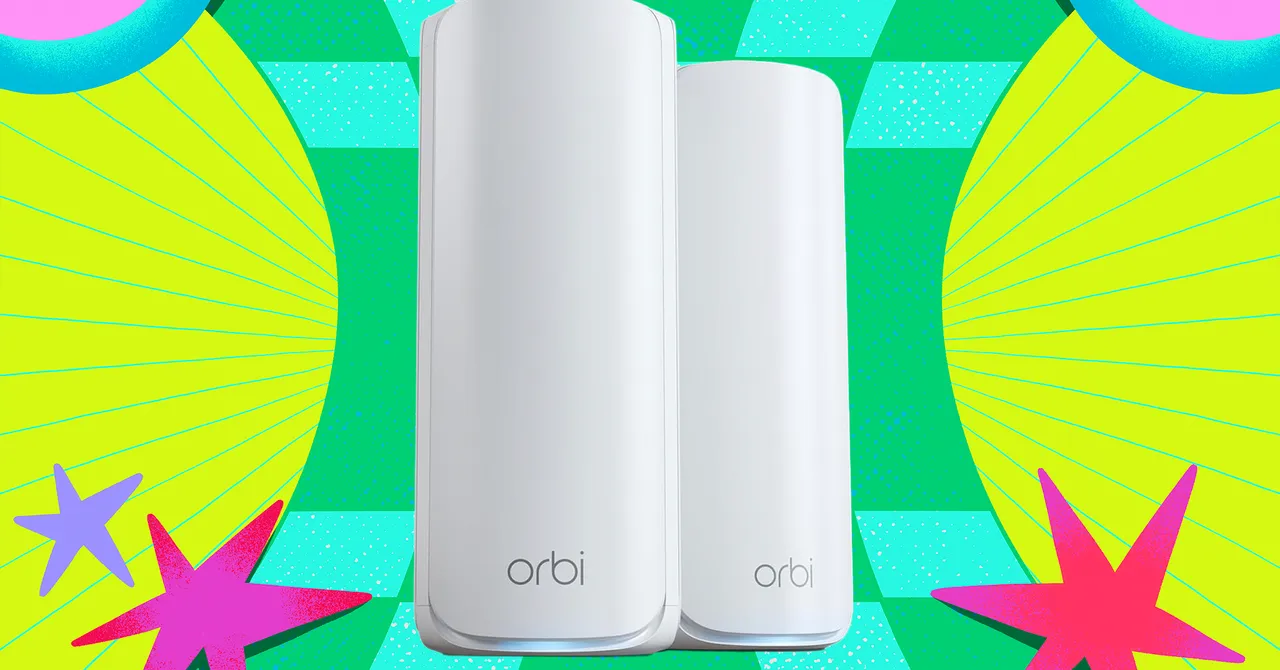
The Eero Pro 6E mesh system is an older Wi-Fi 6E mesh, but it’s every bit as easy to use and stable as the rest of Amazon’s Eero lineup. Eero makes some of my favorite mesh systems, ideal for busy families seeking a set-and-forget mesh. The Pro 6E is a tri-band system with a 6-GHz band for fast Wi-Fi at close range. But you need an Eero Plus subscription at $10 per month or $100 per year to unlock some features, including parental controls, advanced security, and ad blocking.
The most effective way to get Wi-Fi in your backyard is to snag an outdoor router like this one. Anyone with a TP-Link Deco system can add this to their existing mesh network and extend Wi-Fi into the their outdoor space. It’s waterproof and dustproof, with an IP65 rating, and can cover up to 2,800 square feet.
Best Prime Day Router Deals
This Wi-Fi 7 router offers 2.4-GHz, 5-GHz, and 6-GHz bands in a basic affordable package. There are six adjustable antennas, and TP-Link has been very generous with the ports (one 10 Gbps, four 2.5 Gbps, and a USB 3.0), though it’s a little annoying that the USB is on the side. This model also offers excellent close-range speeds on the 6-GHz band, though it was a little disappointing on both the 5-GHz and 2.4-GHz bands.
The latest Apple Invites update brings some long-requested features, like co-hosting an event. There are also some other great quality-of-life changes to the party planning app.
Back in February 2025, the Apple Invites app made its way to the App Store. With it, iOS users can create party or event invitations, manage RSVPs, share links, and more.
On Tuesday, Apple released version 1.9 of its event invitation app, which includes a new co-hosting capability. This lets two or more Apple Invites users plan and organize an event within the app.
Previously, with version 1.2, Apple Invites gained support for link sharing, letting event hosts send web links to all attendees. Apple is always improving the app even if it isn’t its most popular.
With the new-and-improved Apple Invites, hosts can now also choose to make guest lists visible to all attendees. Bug fixes and quality-of-life improvements are also included with the 1.9 update of the Apple Invites app.
Additionally, the app has received new event backgrounds. Its release notes say these new backgrounds will “help set the mood for your next coffee catch-up, boba run, ice cream social, and more.”
Even so, none of the requirements for Apple Invites have changed. Hosts will still need an iCloud+ subscription to organize events and send invitations via the application. Guests, meanwhile, don’t even need an iPhone or iPad to RSVP to an event.
Apple Invites can come in handy if you already have an iCloud+ subscription and you want to put together a party. The app itself is quite easy to use once you get the hang of it.

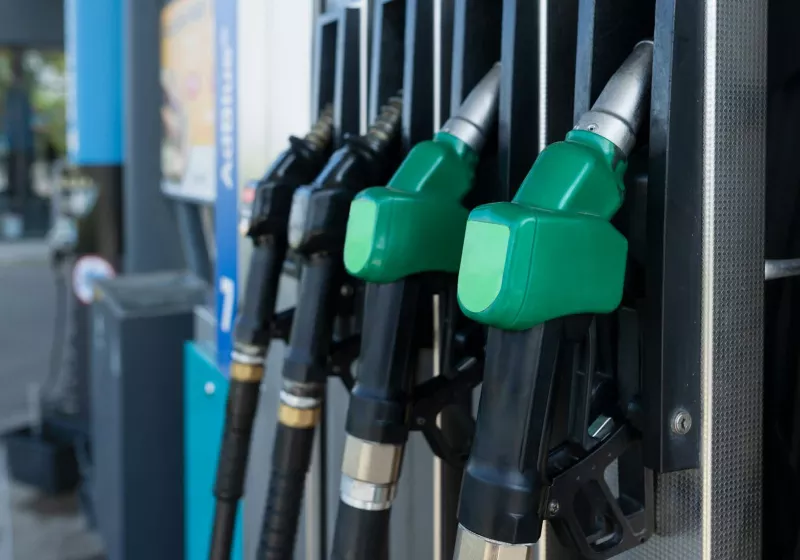
The class action claims the defendants, which include BP, Circle K, Marathon Petroleum, 7-Eleven, Walmart, and Albertsons, violated California’s main antitrust law, the Cartwright Act, writes Reuters.
Read Entire Article
Source link
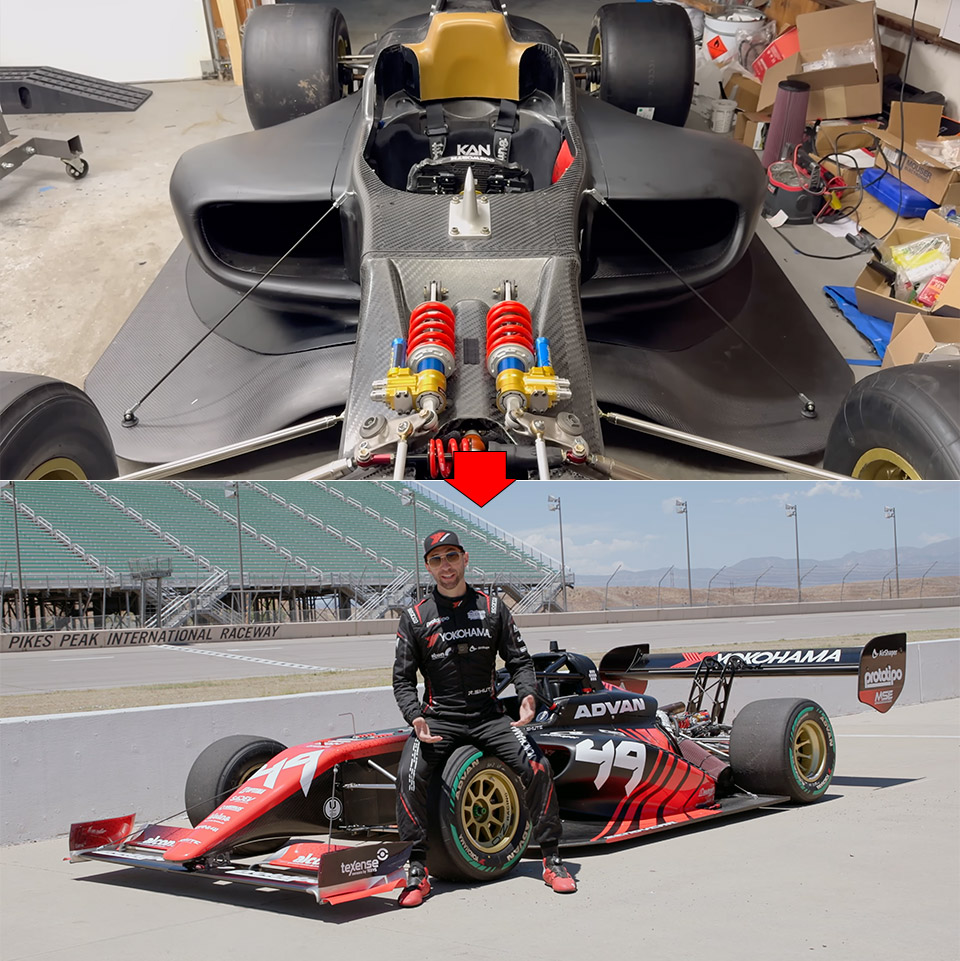
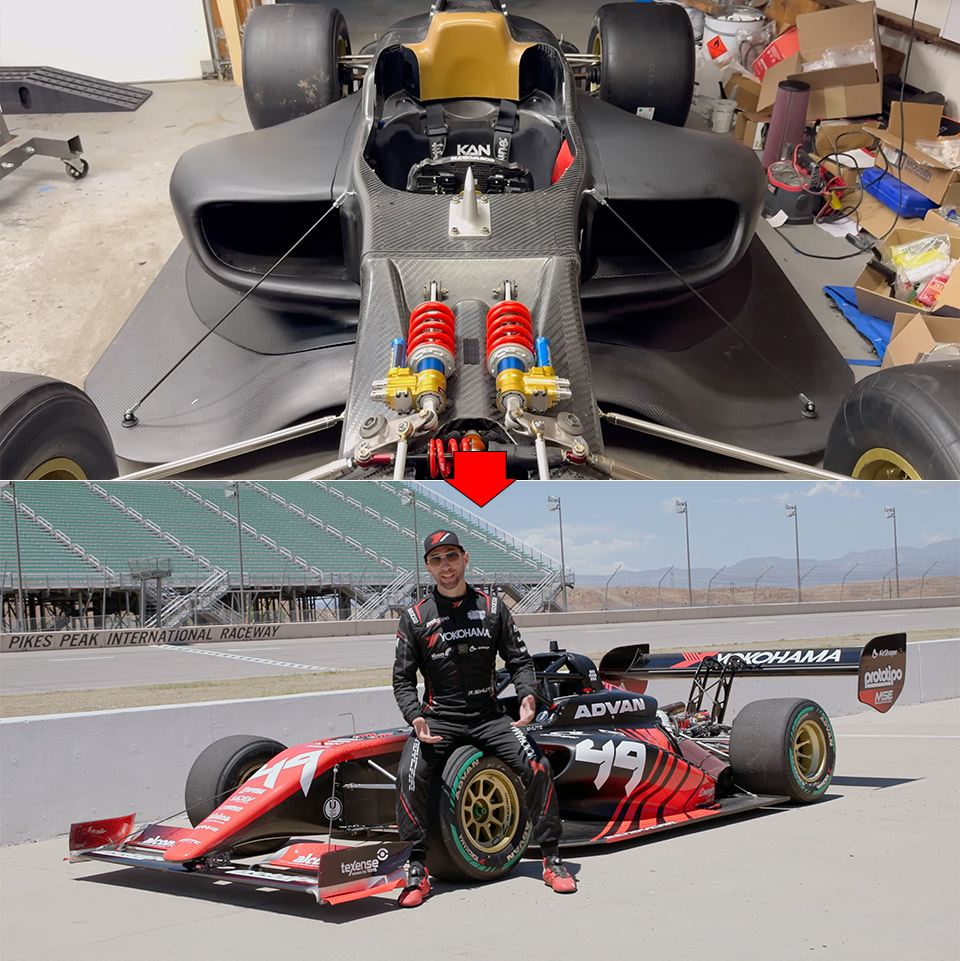
Robin Shute already owns four Pikes Peak International Hill Climb wins. His latest machine, the SendyCar, started life as a ground-up project meant to push even harder. A central tub from a Formula 4 car forms the safety cell. A motorcycle-derived V8 with turbos sits behind the driver and should deliver around 850 horsepower while the whole car stays near 1,300 pounds. The layout mixes exposed front wheels with more enclosed rear sections, a deliberate choice for the unique demands of the mountain course.
Professional shops had offered the crew a rough estimate of roughly $200,000 for a standard composite body…and, honestly, they didn’t have quite that much time to devote to it. So, when two large-format Bambu printers arrived, the solution was already in place: break the entire upper body into 34 individual pieces. They chose high-temperature nylon because it contains carbon fiber, making it heat resistant, which is exactly what we needed near the turbo piping and exhaust, without sacrificing toughness, as it can withstand the rare rock strike. What he really needed was a design that could be broken down into manageable bits and fit into a 12 inch build area. That is why the side pods, engine cover sections, and nose were separated into tiny enough pieces to print without the need for large support systems.
Sale

Bambu Lab A1 mini 3D Printer + LED Lamp Kit, Set Up in 20 Mins, High Speed & Precision, Full-Auto…
- A1 mini + LED Lamp Kit for Creative Light Projects: Bring your ideas to life with the included LED Lamp Kit. Simply print compatible lamp models and…
- The Perfect 3D Printer for Beginners: A1 mini 3D Printer is designed to make 3D printing easy from day one with automatic calibration, simple setup…
- Experience the Bambu Lab Ecosystem: Access MakerWorld’s huge library of ready-to-print models, manage prints through the Bambu Handy app, and enjoy…
The printers were put through their paces, with two machines working nonstop for two weeks. Print time per panel was roughly 12 hours, and they used 10 full rolls of filament, totaling nearly 2 miles of material. The prints were going well, with one or two outliers. The trouble was that the tall, slender portions warped as they cooled, a classic problem. To address this, they went to a true engineering build plate, slapped on some glue for a good first layer grip, and inserted some tiny blocks at the base of those vulnerable sections. The success rate was relatively high, with most parts completed on the first or second try. They had plenty of spares on standby in case anything went wrong.
Once the plastic had cooled, they could try to put the pieces onto the real chassis, which isn’t as simple as slapping them together like a giant 3D jigsaw puzzle. First, they had to align all of the dowel pins correctly. Once they were satisfied with the fit, the team used structural adhesive to secure them all together. Now, nylon is infamous for being difficult to glue, so they had to make sure we sanded the parts down perfectly and used the proper adhesive. That wasn’t the only problem; printing always causes some shrinkage, which created a few headaches, as some of the pins needed some tweaking to get them to sit straight, and one of the portions was left out entirely, necessitating a hasty reprint on the spot. Then there were some holes that required a little glue to cover.
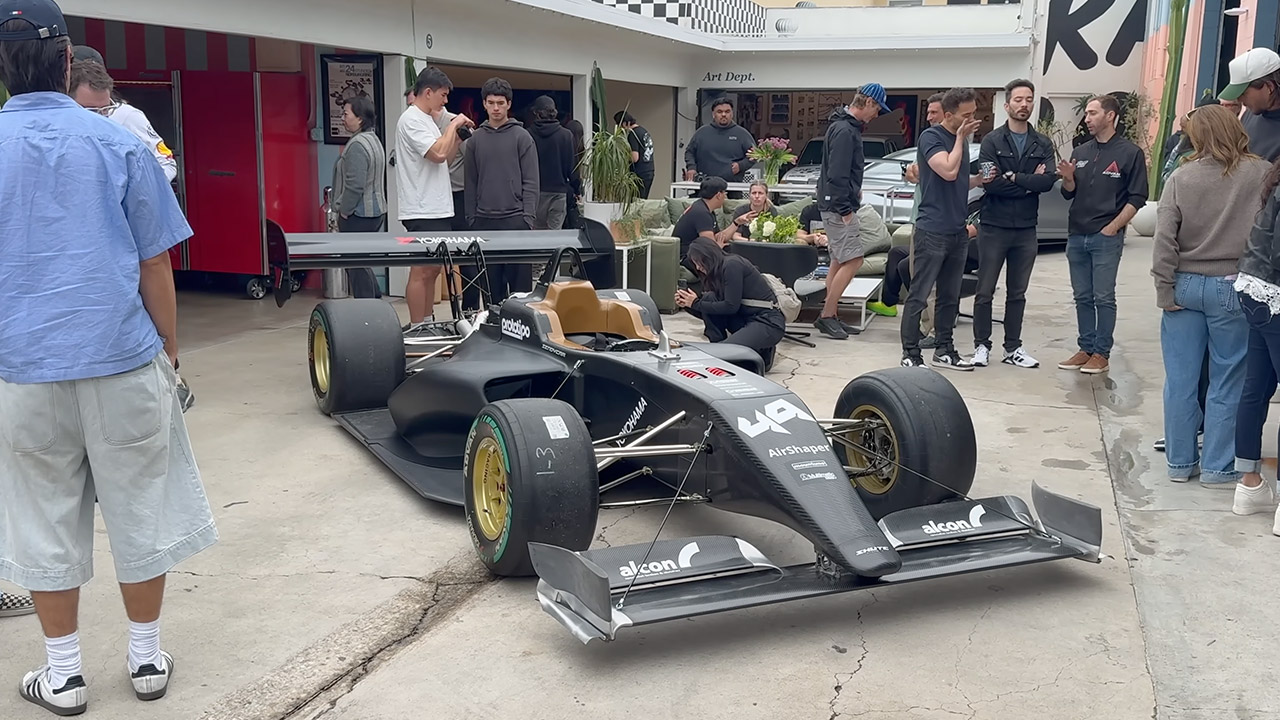

The printed plastic would never leave the garage on its own, that was for sure. So the group went ahead and improved the design with some good old-fashioned carbon fiber wrapping. Before immersing the item in epoxy, they applied a layer of dry fabric to both the inside and the outside. There is no need for pricey vacuforming or tooling; all you need is some elbow grease and common sense.A layer of peel-ply fabric helped to remove the extra resin, leaving them with a lovely usable surface; but, the end result was a reinforced 3D print rather than a properly moulded composite. After applying fairing compound and sanding, she looked fairly decent. The team was under pressure to finish her before the first public presentation, so they applied a final vinyl wrap to add color and graphics.
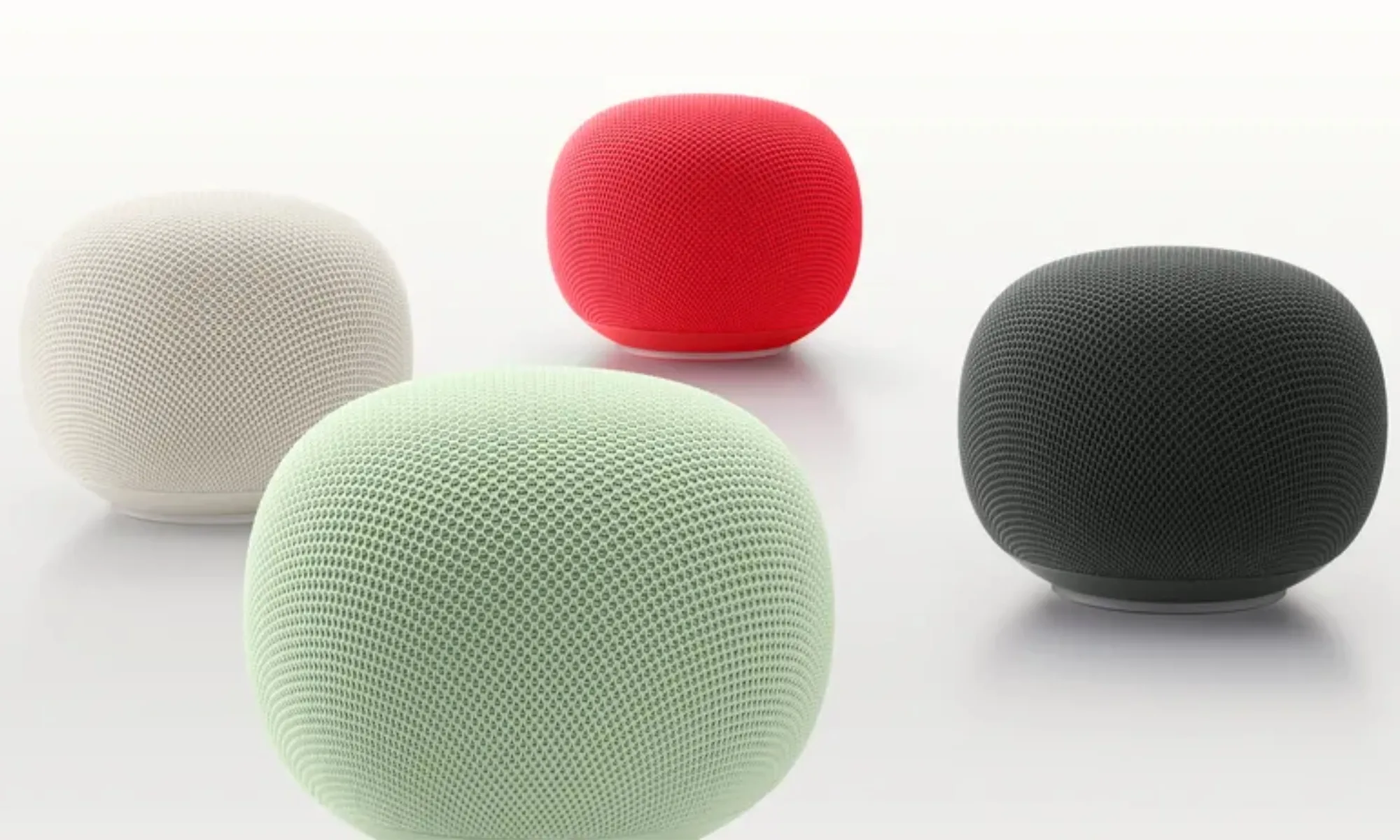
The Google Home Speaker hasn’t even started shipping yet, but one lucky buyer managed to grab one early and share their first impressions. While most of the news is positive, there’s one detail that won’t sit well with anyone who cares about repairability.
For the unaware, Google announced the speaker back in October 2025, and pre-orders went live last week. Priced at $99, it’s the company’s first new speaker in six years, so people have plenty of questions.
A Reddit user spotted one sitting on the shelves at Walmart and bought it before the official release.
What’s the big catch?
The power cable is permanently attached to the speaker, and it’s pretty short at just under 5 feet. This is a big departure from Google’s older speakers, which let you remove and swap the cable. The buyer called this the biggest downside, and I have to agree. A fixed cable is a nightmare if you ever need to replace it down the line.
To be fair, Google didn’t hide this. As reported by 9to5Google, the Google Store lists a 30W USB-C adapter in the box and even mentions the “captive cable” in the specs. It just slipped under the radar for most of us.
Is the speaker any good?
The Reddit user said the sound quality is good, with decent volume and handling of mid and low frequencies well for a speaker of this size. They even admitted they were judging it fresh off an expensive sound system, so it had a tough act to follow, yet it still came out swinging.

The interface sounds neat, too. It uses hidden lights on the top mesh to display volume controls, and you tap the speaker to control it, much like other Home speakers. Setup was a breeze and took under 10 minutes on a hotspot with an existing Home account.
For $99, this speaker is shaping up to be a solid little package, captive cable aside, and is a welcome HomePod mini alternative for non-Apple users.
If you’ve ever submitted a support ticket to LastPass, that exchange may now be in the hands of hackers. According to TechCrunch, the password manager has confirmed that customer names, contact details, and support case records were exposed in a recent breach at one of its third-party vendors.
What the hackers got, and what they didn’t
LastPass said its own systems were not compromised and that users’ password vaults remain secure. The exposed data was instead accessed through Klue, a market research company LastPass works with.
While no passwords were stolen, the hackers used their access to Klue’s network to pull customer records, including phone numbers, email addresses, physical addresses, and contents of support tickets.
In a blog post about the incident, the company stressed that the breach did not affect encrypted password vaults, master passwords, or any credentials stored within LastPass itself. Even so, the exposed information could still prove useful to attackers, who could leverage it for phishing or social engineering campaigns.
A years-old credential opened the door
The LastPass exposure stems from a wider security breach at Klue, which revealed that attackers gained access using a credential linked to a pilot project dating back to 2022. TechCrunch reports that the credential remained active and provided a way into the company’s systems.
Klue said the attackers were able to access customer data connected to its services, affecting multiple organizations that relied on the platform. Along with LastPass, Gong, Jamf, HackerOne, Insurity, OneTrust, Recorded Future, Snyk, Huntress, Sprout Social, and Tanium were affected.
For LastPass, this marks the second time its users have had data caught up in a breach. A 2022 breach exposed encrypted password vaults that were later linked to cryptocurrency theft. This latest exposure did not involve vault data or passwords, but it highlights how a security lapse at a third-party vendor can still affect customers who never interacted with the vendor directly.

WSJ: $1.9M in Fake Bets Propped Up Polymarket Creator Videos

The Beach Boys’ Most Beautiful Song Secretly Destroyed Their Sunny California Image

financial excel more the father


-

 Fashion5 days ago
Weekend Open Thread: Miami – Corporette.com
-

 Entertainment4 days ago
Renter of Home in Anne Heche Crash Denies Settlement With Son
-

 Tech2 days ago
Microsoft accidentally kills epic Outlook email threads
-
 Sports16 hours ago
Two goals and an assist by sheer aura: Cristiano Ronaldo just entered the World Cup chat
-

 Business4 days ago
Soccer-U.S. defends Iran World Cup travel restrictions, says discussions ongoing
-
Crypto World8 hours ago
Bitcoin (BTC) Dips Below $62K, Ethereum (ETH) Plunges 6% Daily: Market Watch
-

 Crypto World5 hours ago
Securitize Wraps Roubini's SEC-Registered ETF as Dubai VARA Digital Security
-

 Politics6 days ago
BBC Reporter Discusses Cross Party Criticism Of Trumps Iran Deal
-
Business11 hours ago
Entergy settles forward sale agreements, raises $672 million in cash proceeds
-
 Business4 days ago
Wall Street Week Ahead: Investors see Micron earnings as pulse check of AI rally momentum
-

 Politics4 days ago
Andy Burnham and the meaning of Makerfield
-

 Tech6 days ago
AWS enters the context layer race with a graph that learns from agents, not manual curation
-
 Crypto World4 days ago
Can Charles Hoskinson Really Rescue Cardano?
-

 Crypto World4 days ago
HIVE shares jump as $220M AI deal speeds Bitcoin mining pivot
-

 NewsBeat5 days ago
Keir Starmer Allies Question His Chances For No 10
-

 Crypto World4 days ago
Jake Chervinsky accuses CME of protecting derivatives monopoly
-
 Tech2 days ago
Nearly 7,000 fake Amazon domains registered ahead of Prime Day 2026, researchers warn
-
 Tech3 days ago
Signal’s Meredith Whittaker says AI chatbots ‘are not your friends’ and calls Copilot agents a backdoor
-

 Business5 days ago
Brexit cost 6% of UK economy, Bank of England company data suggests
-

 Sports5 days ago
FIFA World Cup 2026: Canada beat 9-men Qatar 6-0 to register first ever win | FIFA World Cup 2026
You must be logged in to post a comment Login