Tech
Beyerdynamic DT 30 IE Review: A $149 Professional IEM Built for the Stage

Beyerdynamic has built its reputation making headphones and in-ear monitors for working professionals, spending decades refining products for studio and stage use. It should therefore come as little surprise that the company has introduced a new entry-level model for aspiring sound professionals, the DT 30 IE.
Priced at $149.99, the DT 30 IE brings some of the thinking behind Beyerdynamic’s more expensive DT 70-73 IE series stage monitors to a price point that students, musicians, engineers, and other working users can more realistically afford.
That matters because the professional market has very different priorities from the broader headphone category. While much of the industry continues to push wireless connectivity, ANC, apps, and spatial audio, Beyerdynamic is addressing a more practical problem: professionals still need durable, low-latency wired monitors that can survive daily use and deliver consistent sound without depending on batteries, codecs, or software.
For musicians and engineers, an in-ear monitor is a tool first. Sound quality matters, but so do isolation, fit, durability, and the ability to trust what you are hearing every time you plug in. Expectations are high, even at the entry level, because unreliable monitoring can become a much bigger problem than simply having a bad listening experience.
Related Reading:

Design, Fit & Durability
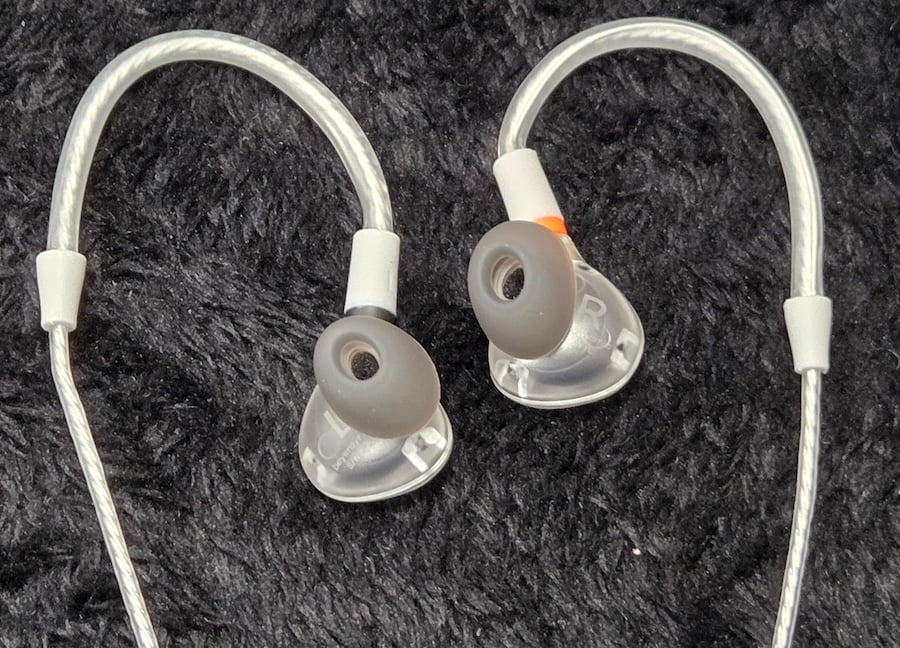
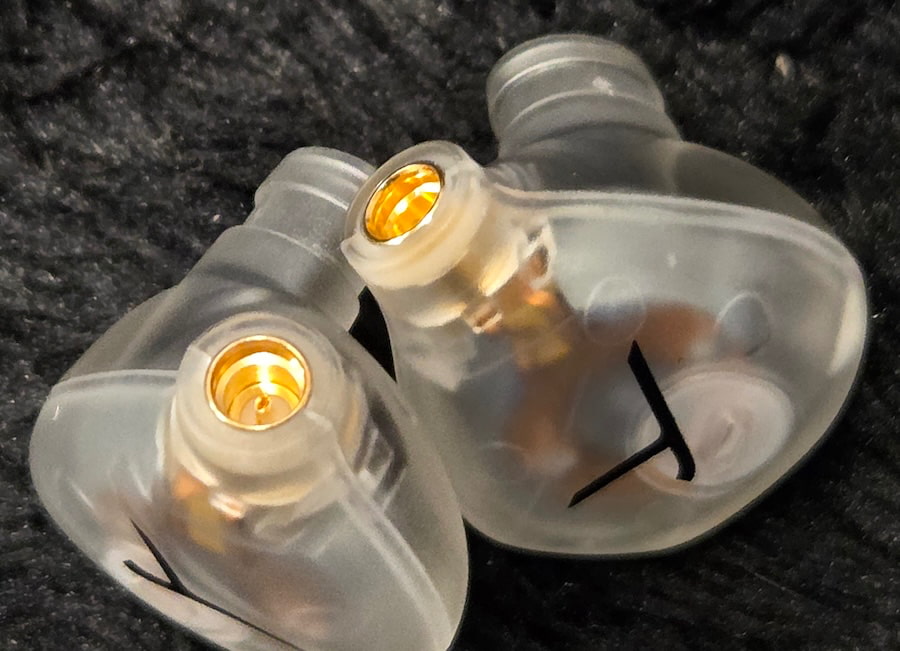
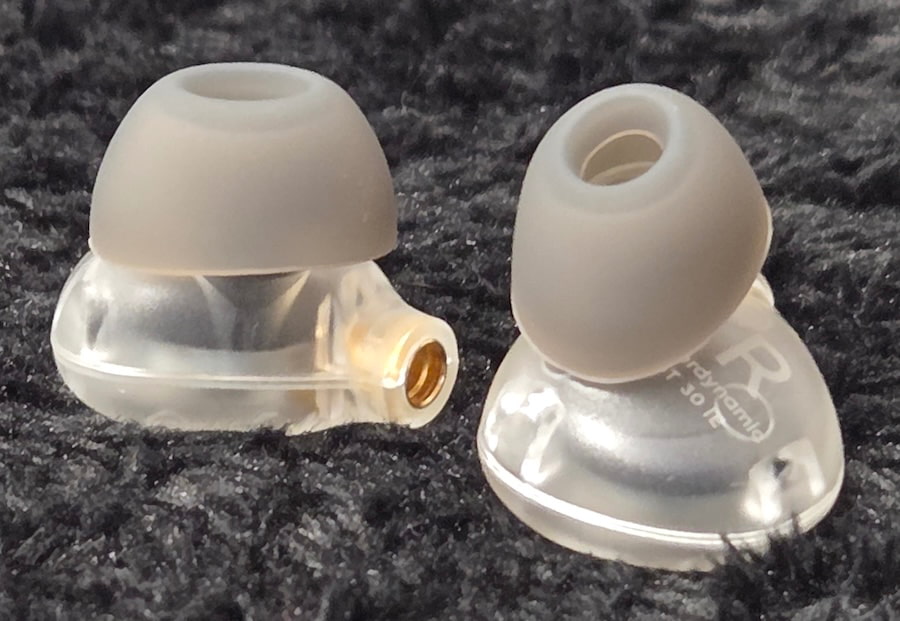
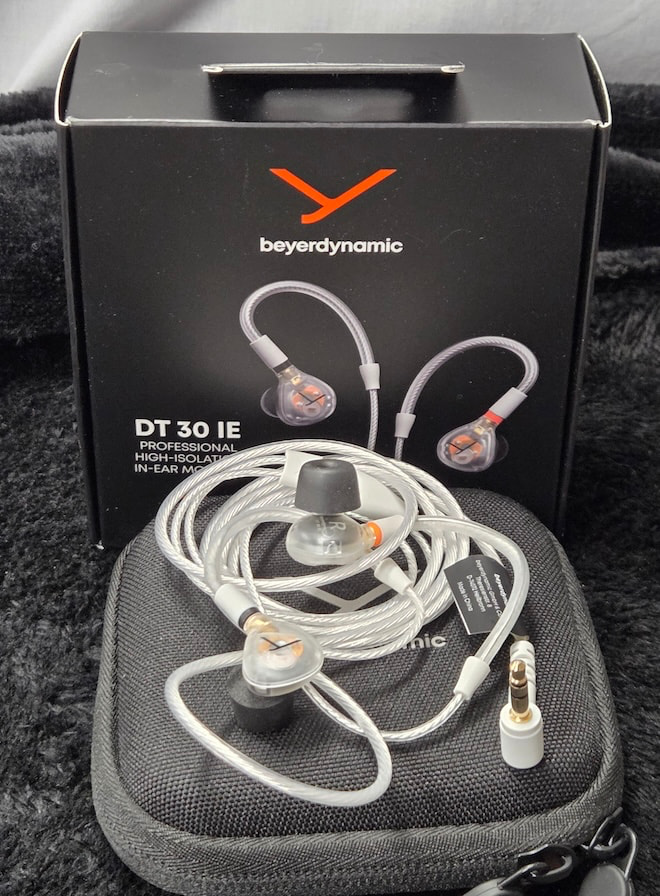
The DT 30 IE retains the basic shape and appearance of the earlier DT 70-series in-ears, but the earpieces are made from clear polymer rather than the black material used for their higher-end siblings. The cable is also similar in design to the DT 70-series version, with MMCX connectors, memory wires, a chin slider, and a 3.5 mm plug. Once again, color distinguishes the two, with the DT 30 IE sporting a white cable.
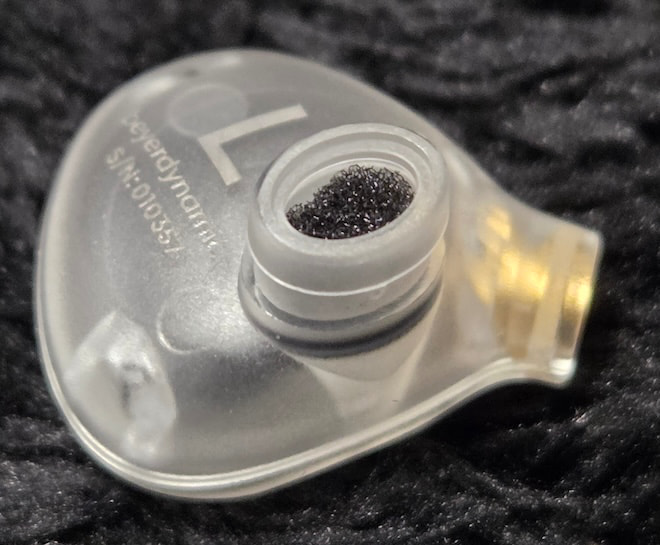
The case and accessories are also extremely similar to those supplied with the DT 70 series. A small square clamshell case holds the cable and earpieces separately, along with several sizes of both foam and silicone ear tips.
The overall construction feels purposeful rather than luxurious. This is an earphone meant to be used, packed away, and used again, not displayed. The clear polymer is deceptively tough. I had some initial concerns because I’ve encountered other products with what appeared to be similar construction that broke the first time they were knocked off a desk.
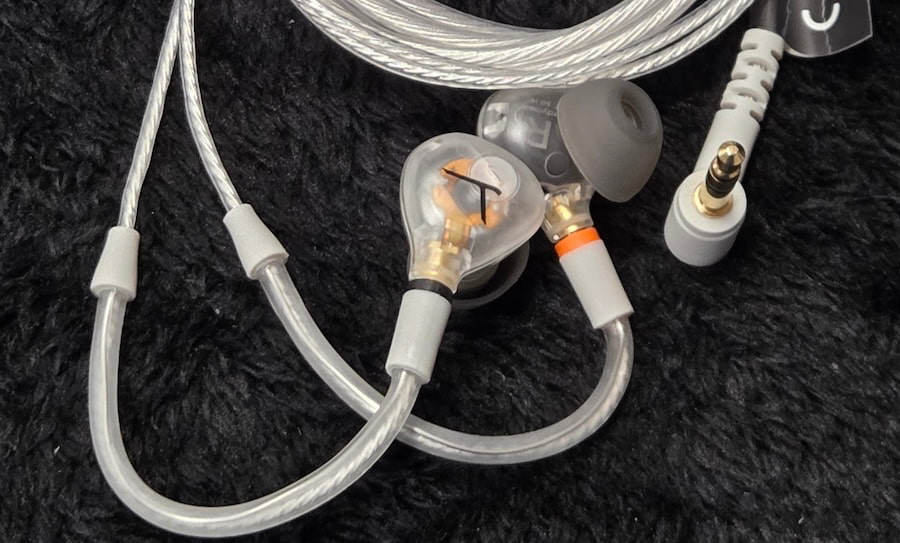

I put the DT 30 IE through a workout, some of it intentional and some accidental, and I can assure readers that the earpieces will survive a drop from table or even ear height. The cable is sturdy as well and should hold up to repeated gigs with reasonable care. Everything about the DT 30 IE suggests that this is an entry-level professional product rather than one designed primarily for consumers.
I selected the largest silicone tips, attached the cable, and prepared to begin my listening sessions, only to run into an issue. The DT 30 IE sits fairly shallowly in the ear, and while I could achieve a good seal when inserting the earpieces, the moment I wrapped the memory wire over my ear, that seal would break.
I tried repeatedly, both with and without my glasses, and never achieved an acceptable seal using the silicone tips. With glasses, it was a complete no-go. Without them, the earpiece would seal initially but pop loose as soon as I moved my head.
Back to the kit I went for the largest pair of foam tips. Those solved the problem, providing a good seal even with my glasses pressing against the memory wires. I also tried an Estron cable and found that it did not create the same issue, allowing me to use the large silicone tips without having to fight with the fit.
Fit is crucial with any in-ear monitor, and the DT 30 IE sounds very thin when the seal is compromised. Because of its relatively shallow insertion depth, some listeners may need to use a larger tip than they normally would to maintain a proper seal. The foam tips also retain more low-end energy than the silicone alternatives, so anyone auditioning the DT 30 IE should spend some time with both before deciding which works best.

Internals & Drive Requirements
The DT 30 IE uses a single 11 mm dynamic driver rather than one of Beyerdynamic’s Tesla designs. Specific details about the diaphragm materials are difficult to come by, with Beyerdynamic describing it simply as a German-designed 11 mm driver.
Nominal impedance is rated at 18 ohms, with a frequency response of 5 Hz to 20 kHz and a sensitivity of 111 dB/mW. Those specifications place the DT 30 IE firmly in the extremely easy-to-drive category, making it suitable for everything from portable recorders and interfaces to phones and dongle DACs.
That high sensitivity does come with a potential downside. Pair the DT 30 IE with an amplifier or source with a higher noise floor, and some background hiss may become audible. There is also very little need for aggressive volume settings here; the DT 30 IE reaches useful listening levels with minimal power.

Specifications:
- Type: Wired in-ear monitor
- Driver: Single 11 mm dynamic driver
- Driver Design: Non-Tesla
- Frequency Response: 5 Hz – 20 kHz
- Impedance: 18 ohms
- Sensitivity: 111 dB/mW
- Earpiece Material: Clear polymer
- Cable Connection: MMCX
- Cable: Detachable white cable with memory wire and chin slider
- Source Connector: 3.5 mm
- Ear Tips: Multiple sizes of silicone and foam tips
- Included Case: Square clamshell carrying case

Listening
The first thing that stands out about the DT 30 IE is its sense of balance. It does not push the bass forward merely to create instant excitement, nor does it chase the exaggerated upper-treble brightness that is sometimes mistaken for detail.
Sub-bass extension is good, but you have to look for it. Tracks that do not emphasize the lowest frequencies can make the DT 30 IE sound somewhat deficient in this region, but recordings with meaningful sub-bass content reveal that it is more capable than first impressions might suggest.
Bass is tight and reasonably deep, with enough weight to give kick drums and electric bass a proper foundation. It is not especially tactile or punchy, but presence and control are both good, which fits the DT 30 IE’s professional focus.
The midrange is its strongest area. Vocals have excellent intelligibility, acoustic guitars retain their texture, and electric guitars have enough edge without becoming abrasive. Strings have good energy without turning harsh, while piano is reproduced with convincing body and clarity.
Treble is clean, moderately detailed, and reasonably extended. Cymbals have definition without sounding tinny, and smaller recording details are generally easy to locate. The tuning is slightly polite in this region, which helps reduce fatigue during long listening sessions or extended set lists.
That does not mean the DT 30 IE glosses over poor recordings. Nasal vocal tones and sibilance are still easy enough to hear when they are present, so the softer treble balance should not be mistaken for an overly forgiving presentation.
The soundstage is fairly intimate, with slightly more width than depth. Imaging benefits from solid instrument separation, and placing individual performers within an orchestral recording is relatively straightforward. Stereo separation is also good, and layered arrangements remain coherent at moderate volume, although some congestion begins to appear as volume increases with particularly dense material.
Overall, the DT 30 IE is especially well suited to vocal-heavy music, small jazz ensembles, acoustic recordings, and live performances. That balance between clarity, separation, and long-term listenability feels very much in line with what Beyerdynamic intended for an entry-level professional monitor.
The Bottom Line
The Beyerdynamic DT 30 IE is aimed squarely at musicians, students, engineers, and working professionals who need an affordable, durable in-ear monitor with balanced tuning and low listening fatigue. Its controlled bass, articulate midrange, and restrained treble make it better suited to monitoring vocals, instruments, and live performances than chasing oversized bass or exaggerated detail.
Fit is the main caveat. Eyeglass wearers may struggle with the supplied memory-wire cable, and some listeners may need foam tips or an alternative cable to maintain a proper seal.

At $149.99, the DT 30 IE is an easy recommendation as a reliable backup for performers already using custom IEMs or Beyerdynamic’s more expensive DT 70-series models. For the gig bag, that kind of inexpensive insurance makes a lot of sense.
Pros:
- Balanced, professional-focused tuning
- Excellent midrange clarity and vocal intelligibility
- Tight, controlled bass
- Non-fatiguing treble
- Good imaging and instrument separation
- Very easy to drive
- Durable construction
- Detachable MMCX cable
- Foam and silicone tips included
- Strong value as a primary or backup stage monitor
Cons:
- Sub-bass can sound restrained
- Limited punch and physical bass impact
- Soundstage is fairly intimate
- Some congestion at higher volumes with dense recordings
- Stock memory-wire cable can create fit issues
- Eyeglass wearers may need foam tips or a different cable
- High sensitivity may expose hiss from noisier sources
Our Ratings:
★★★★★★★★★★ Sound Quality
★★★★★★★★★★ Build Quality
★★★★★★★★★★ Comfort (cable/tip issues)
★★★★★★★★★★ Value
You must be logged in to post a comment Login