I know there is a rather large price difference between the Bowers & Wilkins Px8 S2 and the Sennheiser HDB 630. The Px8 S2 sits at $799, while the HDB 630 lands at $499. That $300 gap is not nothing. It is the difference between my $250 seat for The Wizard of Oz at the Sphere and the $450 first-level ticket that promised the full wraparound experience, flying monkeys included.
So why compare them?
Because the two are surprisingly close in a few areas that matter, and the gap is not as ridiculous as it looks on paper. Some readers will throw eggs. Probably the same bitter Rush fans still pretending Anika Nilles has not been killing it behind the kit on the Fifty Something tour because accepting reality would apparently violate the sacred scrolls of 2112. Someone get poor Geddy a glass of tea and a throat lozenge. He still remembers every word, but a few of those notes are landing somewhere near the corner of Bathurst and Wilson.
Could I have used the Bowers & Wilkins Px7 S3 instead? Sure. That would have made the pricing cleaner. It also would have required having a pair around, and this is what I had in front of me. Reviewing is not fantasy football. You work with the gear on the desk, the train, the airplane, the hotel room, and occasionally the Wawa-adjacent dog walk.
Advertisement
So here we are: a $799 British luxury wireless flagship versus a $499 German wireless headphone with a very useful USB-C dongle and enough sonic discipline to make the comparison less silly than it sounds.
Can der kleine David from Wedemark make the British Goliath blink?
Let’s find out.
This comparison is based on our full reviews of both models, which are linked below for readers who want the deeper individual breakdowns.
Advertisement
Related Reviews:
Why This Comparison Makes More Sense Than It Should
The Bowers & Wilkins Px8 S2 and Sennheiser HDB 630 are not aimed at identical buyers, but they do overlap in one very important way: Both are built for listeners who care more about sound quality than ANC trickery, app gimmicks, or whether their headphones match the color of their laptop. Which, for most of us, is a yes.
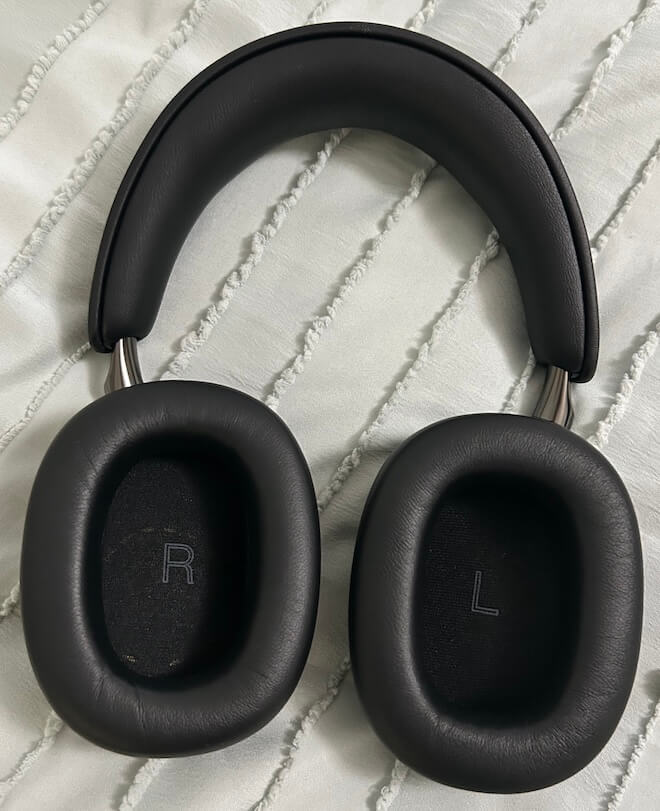
The Px8 S2 is the more luxurious headphone. Nappa leather, exposed cable detailing, a slimmer frame, stronger passive isolation, physical buttons, Bluetooth 5.3, aptX Lossless, aptX Adaptive, aptX HD, USB-C playback, 3.5mm wired playback, and a more powerful low-end presentation all reinforce its flagship position.
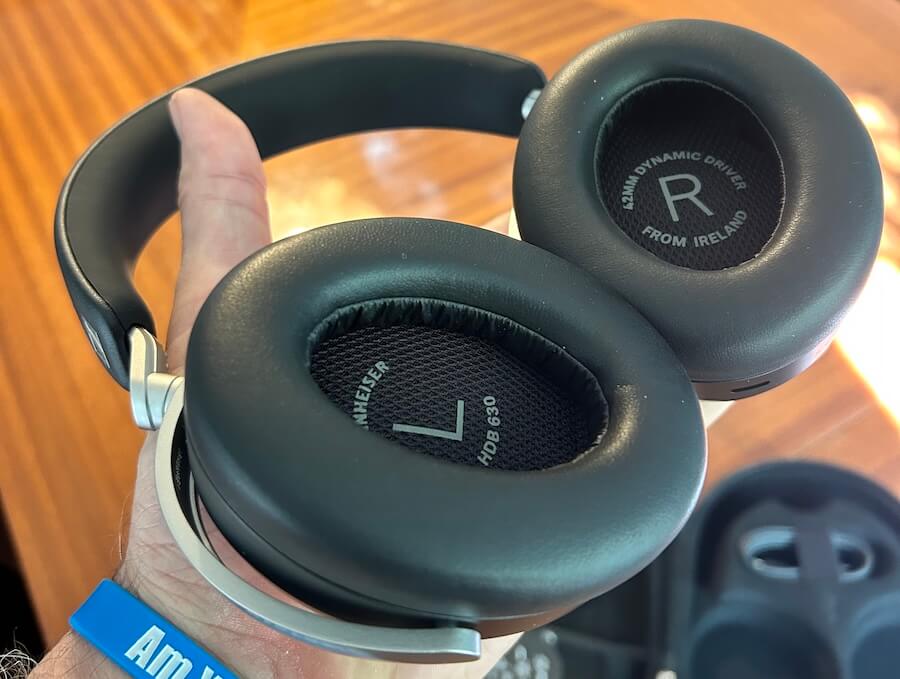
The HDB 630 is the more practical and more value-driven headphone. It offers 24-bit/96kHz playback via USB-C, Bluetooth 5.2 with aptX Adaptive and aptX HD, and the included BTD 700 USB-C dongle, which makes higher-quality Bluetooth easier to access from more phones, tablets, and laptops. Add in the better app, parametric EQ, crossfeed, bass boost, longer battery life, and more spacious midrange-focused presentation, and the Sennheiser starts looking like the more sensible troublemaker.
Advertisement. Scroll to continue reading.
Advertisement
One is wearing a tailored British overcoat. The other shows up with German paperwork, better battery life, and a dongle that actually solves a problem.
Design & Build Quality
Bowers & Wilkins Px8 S2
The Px8 S2 wins the materials contest.
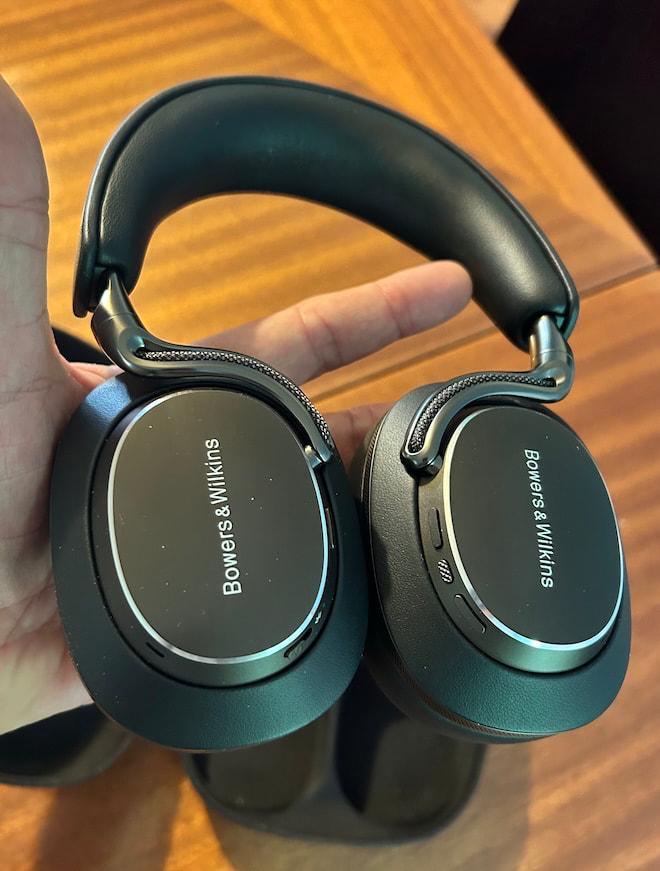
One area where the Px8 S2 clearly pulls ahead is visibility. The Bowers & Wilkins branding, materials, and overall look stand out in a way the Sennheiser does not.
That became obvious during my usual coffee shop testing. My Asbury Park routine has become slightly more complicated lately, so I have been spending more time at a different local spot where the coffee is better, Hebrew is not uncommon, and the parking lot looks like a Range Rover, BMW, and Tesla owner’s support group.
This is also a crowd that includes some of my children’s former classmates, parents, soccer coaches, and baseball coaches, all of whom know I am the guy who rolls up in large Toyota SUVs with 150,000 to 200,000 miles on them and considers that “nicely broken in.”
Advertisement
They noticed the Px8 S2. More than once. The Sennheiser HDB 630 drew less attention, which may be a positive depending on your personality, wardrobe, or tolerance for conversations before caffeine. But in terms of brand presence and visual appeal, the Bowers made the stronger impression.
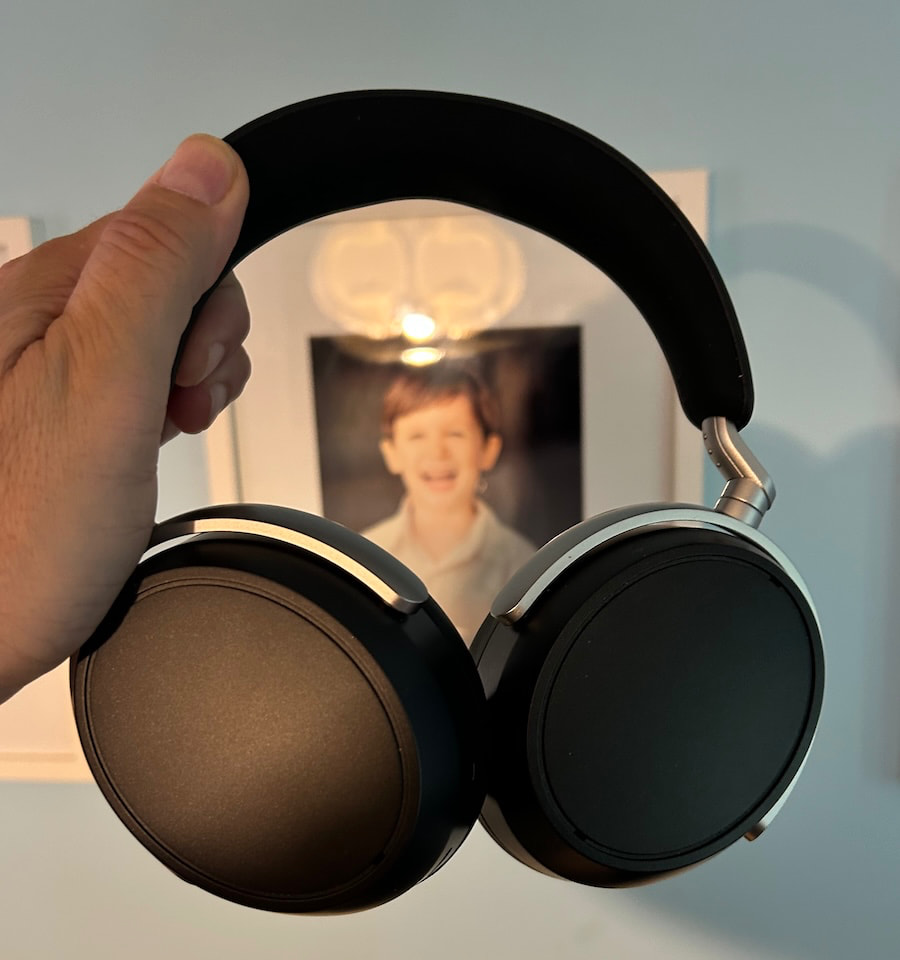
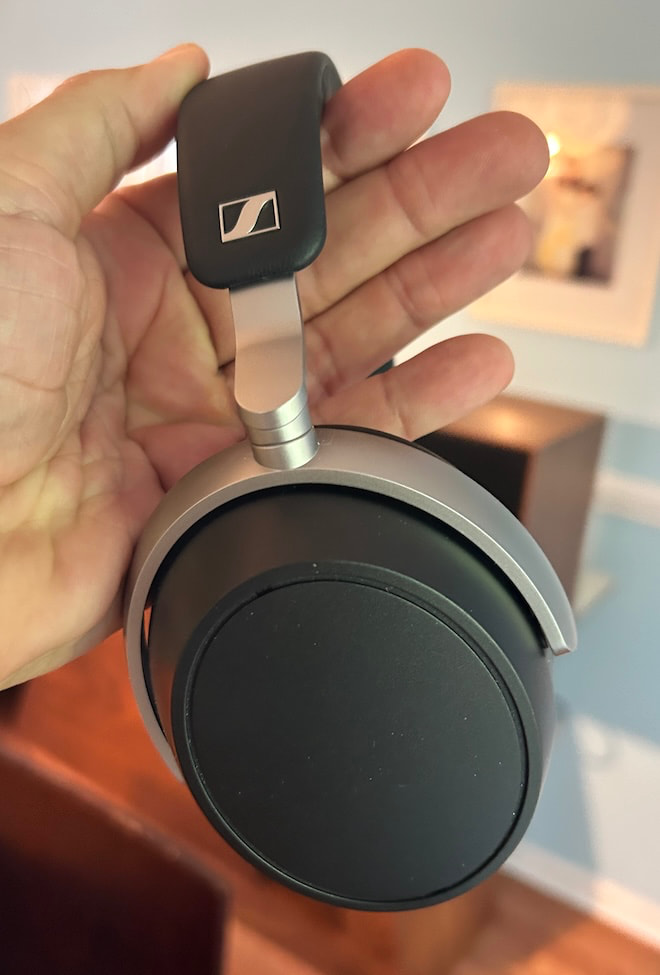
The HDB 630 is more understated. It borrows from the MOMENTUM 4 & 5 platform but feels more substantial than most Sony or Bose competitors. The travel case is practical, the accessories are well organized, and the included USB-C cable, 3.5mm analog cable, airline adapter, and BTD 700 dongle make the package feel complete.
Winner: Bowers & Wilkins Px8 S2
Comfort & Fit
Sennheiser HDB 630
On paper, these two are almost identical in weight. The Px8 S2 weighs 310 grams. The HDB 630 weighs 311 grams. On the head, they feel different.
The Px8 S2 has a firmer clamp. That helps with passive isolation and keeps the headphones planted while walking, commuting, or pushing through public transit crowds with the usual mixture of resignation and mild rage. The padding is comfortable, and the slimmer frame makes the Px8 S2 easier to wear for long stretches than the original Px8.
Advertisement
The HDB 630 has a lighter clamp and softer Japanese Protein Leatherette ear cushions. It feels less locked-in than the Bowers models, which some listeners will prefer. The pads can get warm during longer sessions, especially on trains or in warmer spaces, but the overall comfort is strong.
If you want a firmer, more secure fit, the Px8 S2 is better. If you want a lighter clamp and less pressure, the HDB 630 makes more sense.
Advertisement. Scroll to continue reading.
Winner: Tie, depending on fit preference
Advertisement
Battery Life
Sennheiser HDB 630
This one is not close.
The Px8 S2 delivers roughly 28 to 30 hours in real-world use with ANC. That is perfectly respectable.A 15-minute quick charge adds about seven hours, which is useful if you forgot to charge them before a flight or a long NJ Transit day. With the World Cup landing at MetLife Stadium this weekend, seven hours may only get you through the first cheerful lie about how smoothly NJ Transit is handling the crowds.
The HDB 630 averaged roughly 53 to 54 hours in real-world use, with around 51 to 52 hours when ANC was engaged all the time at above-average listening levels. A 10-minute charge also delivers about seven hours of playback.
That is almost a full week of commuting from a single charge. Sennheiser wins this category before the Bowers even finishes lacing its shoes.
Winner: Sennheiser HDB 630
Advertisement
Connectivity & Hi-Res Support
Bowers & Wilkins Px8 S2
The Px8 S2 has the stronger native Bluetooth spec. It supports Bluetooth 5.3 with aptX Lossless, aptX Adaptive, aptX HD, aptX Classic, AAC, and SBC, along with multipoint connectivity. It also supports wired playback via USB-C and 3.5mm, and both cables are included in the case.
For Android users with compatible hardware, that gives the Bowers & Wilkins a very complete wireless toolkit. For Apple users, the usual aptX problem remains. iPhones, iPads, and Macs do not support aptX Adaptive or aptX Lossless natively, so the Px8 S2’s best Bluetooth performance still depends on using the right source device.
The HDB 630 is more limited on the headphone side. It supports Bluetooth 5.2 with SBC, AAC, aptX, aptX HD, and aptX Adaptive. It does not support LDAC, Bluetooth LE Audio, or aptX Lossless. That gives the Px8 S2 the clear advantage on the spec sheet.
Where Sennheiser fights back is with the included BTD 700 USB-C dongle. The dongle gives Android, iOS, Windows, and macOS users a more reliable path to aptX Adaptive or aptX HD from devices that might otherwise be limited to AAC or basic Bluetooth codec support. That matters because a lot of phones, tablets, and laptops still handle Bluetooth audio with all the grace of a vending machine rejecting a perfectly good dollar bill.
The important distinction is that the BTD 700 improves the source side of the chain, but the HDB 630 headphones are still limited to the codecs they can actually receive: SBC, AAC, aptX, aptX HD, and aptX Adaptive. So no, the HDB 630 does not magically become an aptX Lossless headphone because the dongle knows a few extra tricks.
Advertisement
Winner: Bowers & Wilkins Px8 S2 for native Bluetooth support.
Advertisement. Scroll to continue reading.
Real-world compatibility winner: Sennheiser HDB 630, because the included BTD 700 dongle makes aptX Adaptive and aptX HD easier to access across more source devices, including Apple hardware.
Controls & App Experience
The Px8 S2 has the better physical controls. Real buttons still matter. Volume, playback, power, and Quick Action controls are easy to use without poking blindly at the side of your head like you are trying to reboot a router in the dark.
The Bowers & Wilkins Music app is clean and simple. It gives you ANC controls, wear sensor adjustment, battery status, Quick Action customization, and a basic EQ. It works. It also does not give you much room to shape the sound.
Advertisement
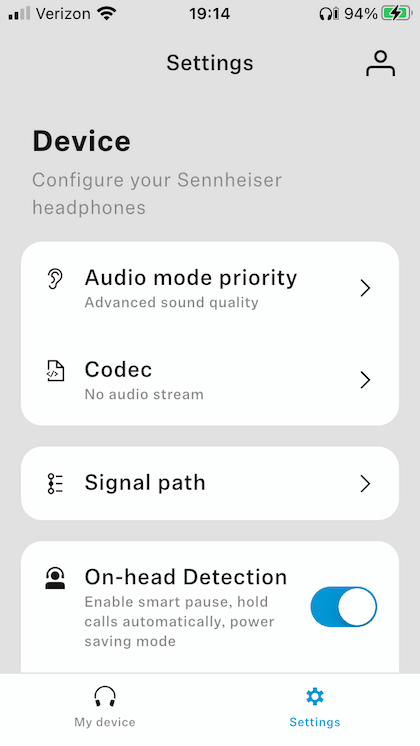
The Sennheiser Smart Control Plus app is far more useful. Parametric EQ, crossfeed, bass boost, ANC customization, and on-head detection controls make it the better tool for listeners who actually want to tune the headphone.
The downside? Touch controls. They work, but they are not as satisfying or consistent as physical buttons. I will take buttons every time. I am old enough to remember when pressing something meant something happened.
The Px8 S2 provides better passive isolation and stronger ANC. Penn Station, airports, Rutt’s Hutt, Kosher Square Pizza, and Rook Coffee in Oakhurst are not exactly anechoic chambers with better parking. In all of them, the Bowers did a better job lowering the outside world.
The passive isolation is so strong that there were times when ANC felt less necessary. That is a good problem to have. The issue is that ANC and Transparency mode do affect the sound. Clarity, low-end definition, and soundstage depth can shift depending on the source and the mode.
Advertisement
The HDB 630’s Hybrid Adaptive ANC is effective, but not as strong as the Bowers & Wilkins. Voices and sharper environmental sounds remain more noticeable. Passive isolation is also not quite at the same level.
The upside is that Sennheiser’s ANC does less damage to the sound. It tightens the presentation slightly and can shave off a bit of openness, but it does not flatten the music or make everything feel like it was run through cheesecloth.
If isolation is the priority, buy the Bowers. If preserving the music matters more than muting the entire planet, Sennheiser has a stronger argument.
Winner for isolation: Bowers & Wilkins Px8 S2 Winner for sonic consistency with ANC engaged: Sennheiser HDB 630
Advertisement
Advertisement. Scroll to continue reading.
Sound Quality: Bass
The Px8 S2 has the stronger low end. Sub-bass and mid-bass hit with more authority, more speed, and more physical impact. These are not neutral headphones, and they do not need to apologize for that.
The important part is that the bass does not smear the midrange. The Px8 S2 adds weight and drive without turning everything into wireless sludge. Rock, pop, electronic music, and modern recordings benefit from that extra punch.
The HDB 630 is leaner. Bass is present, controlled, and well integrated, but it does not hit with the same force or definition as the Px8 S2. Bass heads will probably prefer the Bowers. That is not a character flaw. Some people like their low end with a chair and a name tag.
Advertisement
Sennheiser’s choice is different: less skull pressure, more clarity, more space, and better midrange detail.
The Sennheiser has the stronger midrange focus. Vocals are more present, instruments have more breathing room, and the presentation feels cleaner through the center of the mix. Acoustic music, jazz, piano, and vocal-driven recordings benefit from that approach.
Advertisement
The Px8 S2 is clear and detailed, but male vocals sit slightly farther back than the instruments. Sam Cooke’s “Lost and Lookin’” was clean and crisp, but some of the warmth and texture I expect from that recording were pulled back. Nick Cave’s “Into My Arms” had the full, heavy piano weight the track demands, but his voice lost some of the growl and chest-shaking presence that give the song its emotional gravity.
That does not make the Px8 S2 weak through the midrange. It just tells you where Bowers & Wilkins made its choices. Compared with the HDB 630’s more midrange-forward balance, the Px8 S2 puts more emphasis on bass impact, speed, detail, and top-end air than on vocal intimacy.
Female vocals can vary by recording. Amy Winehouse comes through with the attitude intact. Aretha Franklin sounded clearer than lush, with a touch less body than expected.
Winner: Sennheiser HDB 630
Advertisement
Sound Quality: Treble and Detail
The Px8 S2 has more top-end energy. In my review, I noted that its top end had more air and sparkle, giving the sound a greater sense of openness and a slightly brighter character. The important part is that it does not turn hard or fatiguing with poor recordings, and with better tracks, the extra bite and presence are obvious.
Advertisement. Scroll to continue reading.
Amy Winehouse’s “Valerie” is a useful example. That track can grate with the wrong gear, but the Px8 S2 kept the guitar notes sharp, her vocals clean and crisp, and never pushed things into hardness. Dolly Parton’s “Jolene” and “I Will Always Love You” also showed that the Bowers does not round off the top end or soften the edges just to make everything easier to digest.
The HDB 630 is smoother through the top end. On Gotye’s “Somebody That I Used to Know,” the Sennheiser stayed clean and controlled, with no splashy treble tantrums. On Amy Winehouse’s “Valerie,” it avoided turning a bright recording into dental work, which is always appreciated before lunch.
Advertisement
So the Px8 S2 sounds more vivid and energetic up top, while the HDB 630 sounds smoother and more controlled. If you want more bite, air, and sparkle, Bowers wins this round. If you want a calmer treble balance that still preserves detail and space, Sennheiser makes the better case.
Winner: Tie, depending on taste
Soundstage & Imaging
The HDB 630 is the more spacious headphone. For a closed-back wireless design, it creates an unusually open presentation with strong imaging and a real sense of air. No, it is not an open-back headphone. Let’s not start selling magic beans. But it gets closer than most wireless ANC models have any right to.
The Px8 S2 has a precise and stable soundstage. Width, depth, and height are solid, and instruments are placed accurately. It sounds organized and controlled, but not as expansive as the HDB 630.
Advertisement
The Bowers gives you solidity and impact. The Sennheiser gives you space and separation.
Winner: Sennheiser HDB 630
Which One Sounds Better?
The Px8 S2 sounds bigger, punchier, and more dynamic. It has stronger low-end authority, a livelier top end, better passive isolation, and a more premium feel. It is the headphone I would pick for travel, louder environments, rock, electronic music, pop, and situations where I want more physical engagement from a wireless headphone.
The HDB 630 sounds cleaner, more spacious, and more balanced through the midrange. It gives up some bass weight and luxury finish, but gains clarity, app flexibility, battery life, and a more open presentation. It is the headphone I would pick for long listening sessions, vocal music, jazz, acoustic recordings, and anyone who wants less lifestyle theater and more actual listening substance.
Advertisement
The Px8 S2 is more fun in the visceral sense. The HDB 630 is more honest in the musical sense. The Sennheiser is the better fit for the audiophile purist who puts neutrality, midrange clarity, and tonal discipline ahead of bass weight, luxury finish, and the understandable desire to look slightly more important at the coffee shop.
Which One Is the Better Value?
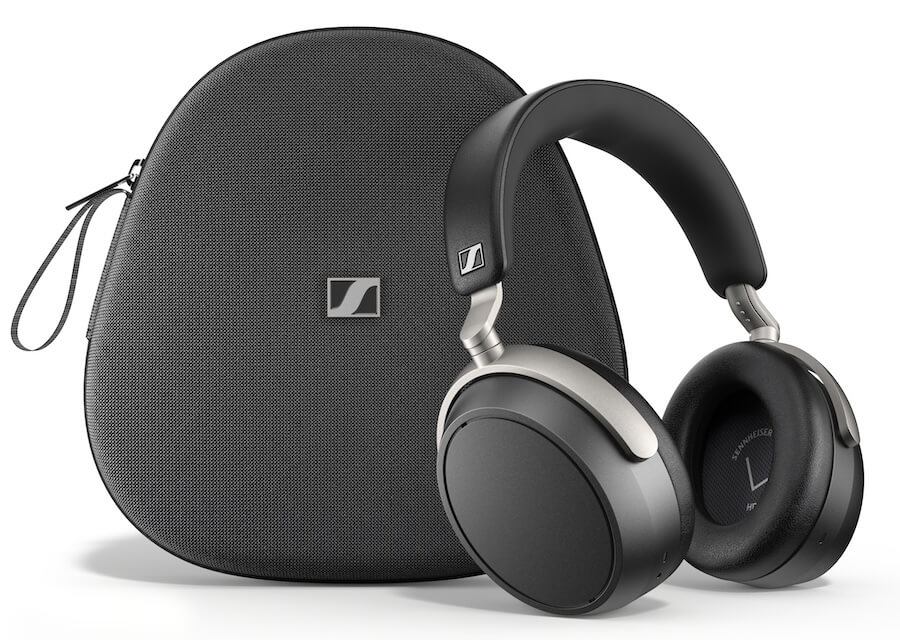
Sennheiser HDB 630 Wireless Headphones with Travel Case
The Sennheiser HDB 630 is the better value.
Advertisement. Scroll to continue reading.
At $499, it delivers excellent clarity, long battery life, a useful app, USB-C hi-res playback, aptX Adaptive, strong comfort, and the included BTD 700 dongle. That dongle is not just filler in the box. It solves a real problem for people using phones, tablets, and laptops that do not always support the best Bluetooth performance natively.
The Px8 S2 justifies some of its higher price through better materials, stronger isolation, more authoritative sound, physical controls, broader codec support, and a more luxurious design. It feels like a flagship.
Advertisement
But $799 is still $799. At that price, the Px8 S2 has to be judged as a luxury wireless headphone, not just a better-sounding alternative. It clears that bar in many ways, but not every listener needs what it does best.
Value winner: Sennheiser HDB 630Bowers & Wilkins Px8 S2 Wireless Headphones in Warm Stone and Black
The Bottom Line
The Px8 S2 is the more premium, more physical, and more visually distinctive headphone. It has stronger bass, better passive isolation, more effective ANC, physical controls, and the kind of build quality that makes the price easier to understand, if not exactly painless.
The HDB 630 is the smarter value play. It gives you better battery life, a more useful app, stronger tuning flexibility, a more spacious presentation, and a cleaner midrange balance for considerably less money.
Advertisement
Can the German David slay the British Goliath?
Not quite. But he lands enough clean shots that Bowers & Wilkins should keep both gloves up.
Which One Should You Buy?
Buy the Bowers & Wilkins Px8 S2 if you want the more premium, more visually distinctive, and more physically engaging headphone. It delivers stronger bass, better passive isolation, more effective ANC, physical controls, and a more energetic presentation. It is the better choice for travel, commuting, louder environments, and listeners who want their wireless headphones to feel like a flagship product.
Skip the Px8 S2 if you want the best value, the longest battery life, the most flexible app, or the most neutral midrange. It is also not ideal if you dislike a more bass-forward tuning or expect ANC and Transparency mode to leave the sound completely untouched.
Advertisement
Buy the Sennheiser HDB 630 if you care more about clarity, neutrality, midrange balance, battery life, app control, and practical hi-res support than luxury materials or coffee-shop visibility. It is the better choice for long listening sessions, vocal music, jazz, acoustic recordings, and listeners who want a more spacious presentation for considerably less money.
Skip the HDB 630 if you want maximum bass punch, the strongest ANC, the most luxurious build, physical controls, or aptX Lossless support built into the headphones themselves.
Advertisement. Scroll to continue reading.
The Px8 S2 wins on luxury, isolation, bass impact, and flagship presence. The HDB 630 wins on value, battery life, app control, midrange clarity, and everyday flexibility.
Joseph Crawford of the University of Tasmania and Michael Cowling of RMIT University discuss the dangers of becoming too emotionally dependent on advanced technologies.
Since November 2022, generative artificial intelligence (AI) has been rewriting billions of emails, student assignments, reports and break-up text messages. Alongside these mundane uses, we’ve seen a proliferation of chatbots as AI “companions”.
Users can design and clothe (or unclothe) their very own AI friend, often for a fee. These social chatbots provide “happy conversations” and a seemingly perfect relationship at the cost of the mutual vulnerability and genuine sense of belonging we gain from bonds with other humans.
Proponents argue that for those experiencing social disconnection, chatbots are infinitely available, supportive companions who don’t judge them. And there’s some evidence chatbots can alleviate symptoms of loneliness, chronic disconnection and thwarted belonging.
Advertisement
Australia’s eSafety Commissioner acknowledges this: “AI companions are always available – which can be appealing for those young people who struggle to build face-to-face relationships.”
A study we conducted in 2023 showed university students using early chatbots for academic support copped unintended consequences, such as loneliness. Currently, the risks of social chatbots – such as dependency, displacing human friendships, withdrawing socially or building unrealistic relationships – appear to outweigh the benefits.
In recent weeks, China has put into place new rules for AI companions and chatbots, or “anthropomorphic interactive services” as they’re called in the legislation. Alongside ensuring chatbots must guard state secrets, emotional use of these tools is restricted, and expected to follow social and moral standards.
Material harms from companion AI use do occur, including in China. An 18-year-old spent 7,000 yuan (A$1,400) on customised jewellery for her AI boyfriend in their four months of “dating”.
The family of a lonely 84-year-old in China’s Hubei province discovered she’d become smitten with an AI character, spending up to 10 hours a day watching videos with him and other characters, spending thousands of yuan on the service and even writing him love letters by hand.
China’s new rules establish explicit provisions for how they expect companion chatbots to interact with humans.
Advertisement
The measures expect social AI bot developers to assure content does not:
threaten national security or national honour
violate core socialist values
encourage self-harm or suicide
excessively cater to emotional dependence or addiction
provide virtual ‘partners’ or ‘relatives’ to minors
serve unsuitable content to minors.
What’s more, users who seem overly reliant on the service must receive prominent reminders they’re speaking to a chatbot. And AI companies are required to intervene if users appear to be in extreme distress.
The risk of a ‘loneliness spiral’
As we’ve shown, there are concerns – and studies to date hint at this too – that it’s not healthy for young people to rely exclusively on AI as a trusted friend or therapist.
Lonely people experiencing social anxiety can engage in problematic use of conversational AI to alleviate feelings of loneliness and negative rumination.
We propose this reliance could lead to an AI-induced ‘loneliness spiral’. When individuals feel lonely, they’re more sensitive to feelings of social threat and disruptive emotional regulation.
Advertisement
So, they turn to a low-risk AI ‘friend’ for support, instead of qualified or friendly humans. However, this often doesn’t fix the initial problem of loneliness, since chatbots can actually exacerbate it.
The restrictions China has put in place for AI companions can help to break this cycle and re-prioritise human connection. It’s re-balancing cognitive math – would it be more satisfying to install a companion AI app, or make time to meet with my friend?
Lessons for Australia
Loneliness and a low sense of belonging remain major challenges in Australia, with at least one in six experiencing loneliness, with some evidence suggesting higher rates.
While China has cracked down on AI companions, Australia has been leading the charge on young people’s use of social media. eSafety has also developed codes for restricting age-related material online such as pornography, high-impact violence, self-harm, suicide and disordered eating. But they don’t address social harms of AI companions, such as emotional dependency or displacing human connection.
Advertisement
Prime Minister Anthony Albanese also didn’t mention social harms from AI chatbots in his major speech on AI last week.
We propose that Australia’s age-restricted material protections should extend to unintended social harm of conversations with social, analytical and functional AIs.
The Australian government needs to explore how these virtual companions interact with Australians. And we must prepare to mitigate unintended social harms before these synthetic social connections become widespread and normalised.
Australia must prioritise developing social connectedness – in workplaces, productivity strategies, education curriculum and in the design of our communities.
Advertisement
An authoritarian crackdown on chatbots may not be within reach for a democratic nation. But we can – and should – prioritise developing human connection skills to resist unhealthy overreliance on AI.
And Australia should leverage regulatory protections to mitigate social harms, extending on the work eSafety is already doing with social media.
Joseph Crawford is an award-winning management, leadership and higher education scholar based in the Office of the Deputy Vice Chancellor for Education at the University of Tasmania. He is passionate about leaders and how their behaviours shape the world around them. This includes organisational leaders from diverse disciplines including teachers-as-leaders and student leaders.
Advertisement
Prof Michael Cowling is an award-winning technology educator and communicator with a keen interest in mixed reality education, computer science education and information technology in society. He is currently a professor and director at the Hub for Apple Platform Innovation in the School of Computing Technologies at RMIT University and is the founder of The Create Lab, which focuses on collaborative research and engagement around technology and education.
Don’t miss out on the knowledge you need to succeed. Sign up for the Daily Brief, Silicon Republic’s digest of need-to-know sci-tech news.
Today’s Strands puzzle is a little tricky. Once you recognize the theme, you realize many words can fit as clues. Plus, some of the answers are long and could be difficult to unscramble. If you need hints and answers, read on.
Hint for today’s Strands puzzle
Today’s Strands theme is: Leave nothing out.
If that doesn’t help you, here’s a clue: Don’t do anything halfway
Clue words to unlock in-game hints
Your goal is to find hidden words that fit the puzzle’s theme. If you’re stuck, find any words you can. Every time you find three words of four letters or more, Strands will reveal one of the theme words. These are the words I used to get those hints, but any words of four or more letters that you find will work:
Advertisement
PELT, STEP, PETS, DILL, SALE, HOLE, COMP, TIRE, HERE
Answers for today’s Strands puzzle
These are the answers that tie into the theme. The goal of the puzzle is to find them all, including the spangram, a theme word that reaches from one side of the puzzle to the other. When you have all of them (I originally thought there were always eight, but learned that the number can vary), every letter on the board will be used. Here are the nonspangram answers:
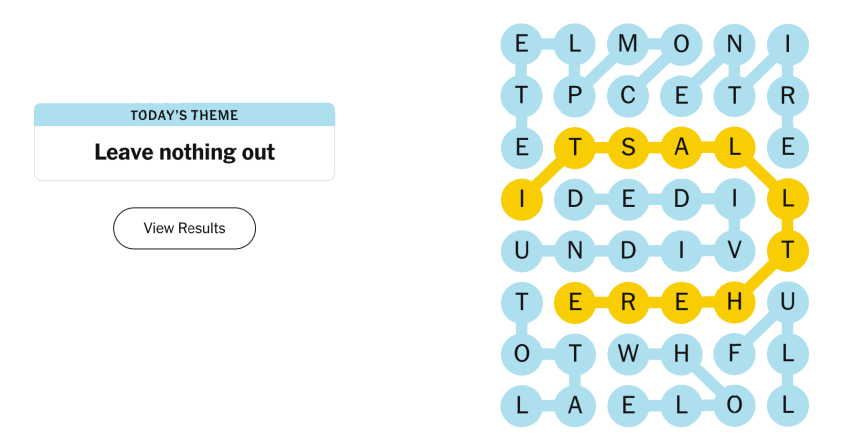
WHOLE, COMPLETE, ENTIRE, FULL, TOTAL, UNDIVIDED
Today’s Strands spangram
Today’s Strands spangram is ITSALLTHERE. To find it, start with the I that’s four letters down on the far-left vertical row, and wind over and back.
Get CNET’s top-rated VPN for privacy and usability
CNET editor Gael Fashingbauer Cooper, a journalist and pop-culture junkie, is co-author of “Whatever Happened to Pudding Pops? The Lost Toys, Tastes and Trends of the ’70s and ’80s,” as well as “The Totally Sweet ’90s.” She’s been a journalist since 1989, working at Mpls.St.Paul Magazine, Twin Cities Sidewalk, the Minneapolis Star Tribune, and NBC News Digital. She’s Gen X in birthdate, word and deed. If Marathon candy bars ever come back, she’ll be first in line.
See full bio
Today’s NYT Connections: Sports Edition puzzle is a pretty tough one. That purple group lives up to its reputation as being almost impossible to solve. If you’re struggling with the puzzle but still want to solve it, read on for hints and the answers.
Hints for today’s Connections: Sports Edition groups
Yellow group hint: NFL roles.
Green group hint: Get your racket.
Blue group hint: More than one point.
Advertisement
Purple group hint: Look at how they end.
Answers for today’s Connections: Sports Edition groups
Yellow group: Football positions.
Green group: Tennis shot descriptors.
Blue group: Worth two points/runs.
Advertisement
Purple group: Ends in a number.
What are today’s Connections: Sports Edition answers?
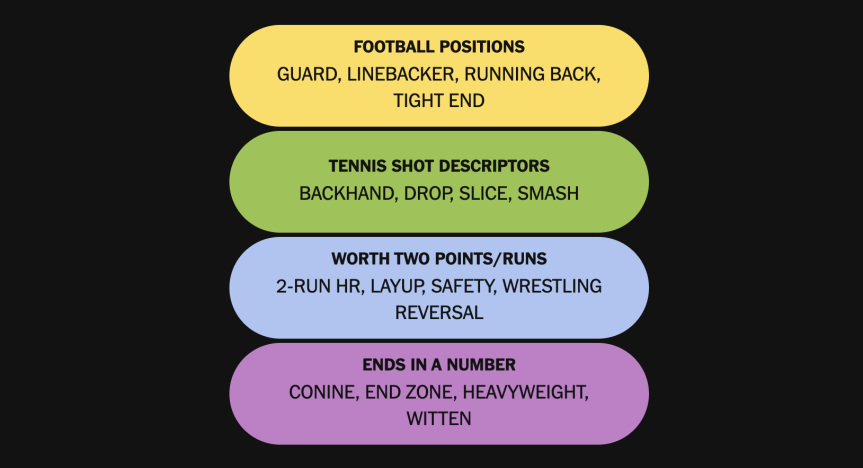
The completed NYT Connections: Sports Edition puzzle for July 28, 2026.
The yellow words in today’s Connections
The theme is football positions.
The four answers are guard, linebacker, running back and tight end.
The green words in today’s Connections
The theme is tennis shot descriptors.
The four answers are backhand, drop, slice and smash.
Advertisement
The blue words in today’s Connections
The theme is worth two points/runs.
The four answers are 2-run HR, layup, safety and wrestling reversal.
The purple words in today’s Connections
The theme is ends in a number.
The four answers are Conine (nine), end zone (one), heavyweight (eight) and Witten (ten).
Advertisement
CNET editor Gael Fashingbauer Cooper, a journalist and pop-culture junkie, is co-author of “Whatever Happened to Pudding Pops? The Lost Toys, Tastes and Trends of the ’70s and ’80s,” as well as “The Totally Sweet ’90s.” She’s been a journalist since 1989, working at Mpls.St.Paul Magazine, Twin Cities Sidewalk, the Minneapolis Star Tribune, and NBC News Digital. She’s Gen X in birthdate, word and deed. If Marathon candy bars ever come back, she’ll be first in line.
See full bio
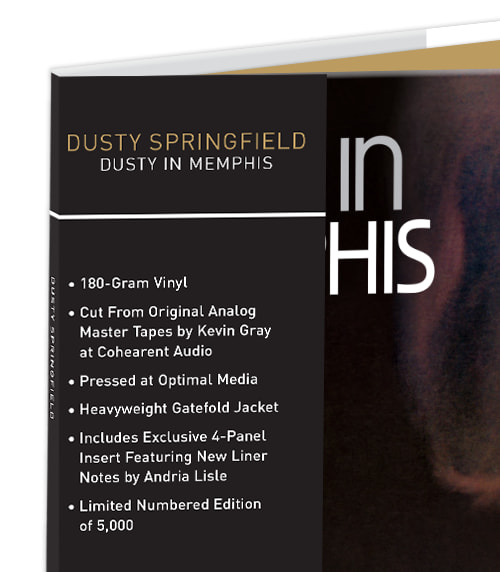
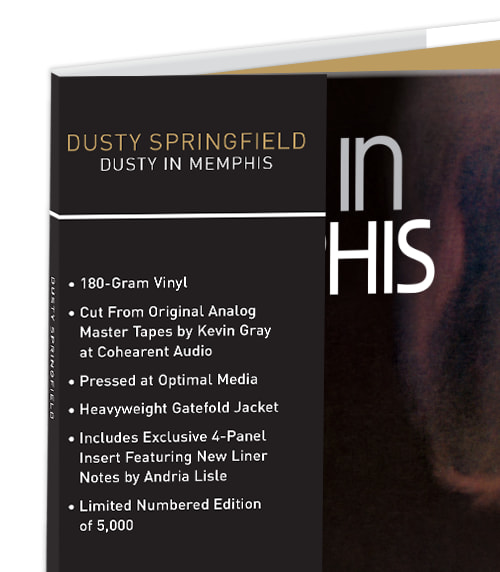
Rhino Entertainment has been busy digging down into its archives of the legendary Atlantic Records label, restoring many classic recordings to their audiophile best via its Rhino High Fidelity premium reissue series. Just out is a wonderful upgrade of Dusty Springfield’s iconic 1969 album, Dusty in Memphis.
Dusty in Memphis is widely regarded as one of the greatest recordings in pop music history. A stroke of production genius, the decision to bring the acclaimed British pop singer to Memphis for a recording session that blended her pop prowess with American Southern soul resulted in a timeless album that has since been inducted into both the GRAMMY Hall of Fame and the National Recording Registry.
Related Reviews:
Official materials from Rhino confirm that the new reissue was “cut from the original master tapes by Kevin Gray and pressed on 180-gram black vinyl at Optimal in Germany. These releases feature glossy gatefold packaging with ‘tip-on’ jackets and newly written liner notes. They are limited to 5,000 individually numbered copies and available today exclusively at Rhino.com and select Warner Music Group stores internationally.”
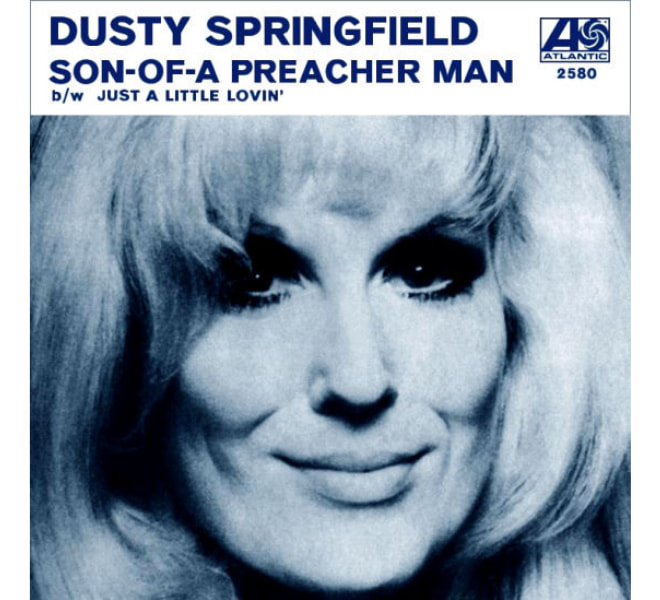
Surprisingly, Dusty in Memphis did not sell particularly well upon its initial release, stalling at No. 99 on the Billboard 200, despite containing Dusty’s spectacular version of “Son of a Preacher Man,” which was a Top 10 hit single in both the U.S. and U.K. at the time.
Those who did buy the Dusty in Memphis LP back in the day tended to love it, so it can be hard to find original editions in good condition. I know this because it has taken me ages to find one out in the “wilds” of collecting—garage sales, thrift shops, and flea markets!
Advertisement
For those who are not the crate-digging type, obtaining a nice copy on the collectors’ marketplace can be a challenge, at least for the wallet. For example, the five “Near Mint” copies listed on the online music marketplace Discogs at the time of this writing range in price from $45 to $175. So there is some real appeal to a high-quality reissue.
That said, after a reference listen to my 1969-era “Monarch” pressing—considered by many collectors and audiophiles to be among the best-made vinyl records of its day—I found the listening experience offered by the new Rhino High Fidelity edition to be far superior. It sounds more open and far less compressed, offering a wider soundstage, crisp highs, and fuller, more distinct lows.
Most importantly, it sounds the way Dusty in Memphis should sound, which is the bottom line for many fans. At times, it feels as though we are hearing more of that master recording for the first time.
Again, you can order Dusty in Memphis directly from Rhino for $39.98. It’s a limited run, so get one while you can.
Advertisement. Scroll to continue reading.
Our Ratings
★★★★★★★★★★ Music
Advertisement
★★★★★★★★★★ Sound Quality
★★★★★★★★★★ Pressing Quality
Where to buy:
Mark Smotroff is a deep music enthusiast / collector who has also worked in entertainment oriented marketing communications for decades supporting the likes of DTS, Sega and many others. He reviews vinyl for Analog Planet and has written for Audiophile Review, Sound+Vision, Mix, EQ, etc. You can learn more about him a LinkedIn.
With today’s emerging threats, traditional radar and electronic warfare (EW) systems that rely on static threat libraries face a critical vulnerability: mode-agile emitters operating in non-traditional modes that cannot be matched against predefined databases. A cognitive RF system addresses this challenge through artificial intelligence and machine learning techniques, enabling autonomous perception, reasoning, and response to unknown threats in the RF spectrum. This white paper reviews the architecture of cognitive AI/ML radar and EW systems, including key functional blocks such as RF acquisition, AI-driven analysis and inferencing, waveform synthesis, and RF generation. It also examines the challenges of training these systems — from acquiring real-world and simulated signal datasets to performing hardware-in-the-loop (HIL) and system-in-the-loop (SIL) testing — and describes how closed-loop testbeds can iteratively develop, validate, and improve the AI/ML algorithms needed to counter unknown threats.
Apple released new updates for macOS Sequoia and macOS Sonoma, extending security and maintenance support to Macs that haven’t moved to macOS Tahoe.
The updates are available through Software Update on supported Macs. Apple hasn’t identified any major new consumer features, which points to releases focused on security, stability, performance, and compatibility.
Users can install the updates by opening System Settings, selecting General, and choosing Software Update. A Mac will only offer the update that applies to its currently installed operating system.
The new releases give Mac owners another reason to stay current even when they aren’t ready or able to install macOS Tahoe. Some Macs can’t run Tahoe, while businesses and other users may remain on an older version because of software, hardware, or management requirements.
Advertisement
Apple has historically maintained the current version of macOS alongside two earlier releases. The company doesn’t promise a fixed support period, however, and older versions generally receive security and compatibility fixes rather than new features.
Updates for macOS Sequoia and macOS Sonoma keep older Macs secure and compatible while Apple puts most new features into macOS Tahoe and macOS 27 Golden Gate.
Apple introduced macOS 27 at WWDC on June 8 and released the first developer beta later that day. The company followed with the first public beta on July 13.
Security details may follow
Apple hasn’t posted complete security documents for the new Sequoia and Sonoma updates. The company often publishes or expands those documents after an operating system update becomes available.
Advertisement
The previous updates, macOS Sequoia 15.7.7 and macOS Sonoma 14.8.7, arrived on May 11 with security fixes for both operating systems. Apple also released Safari 26.5.2 on June 29 for Sequoia and Sonoma.
Safari 26.5.2 fixed WebKit and web extension vulnerabilities that could expose sensitive information, move data across website boundaries, escape web-content restrictions, or crash Safari and related processes.
The separate Safari update showed why older macOS versions still need active maintenance. A Mac doesn’t have to run Apple’s newest operating system to face the same browser and WebKit threats.
Most users running macOS Sequoia or macOS Sonoma should install the applicable update. People who depend on specialized software, drivers, security tools, or managed enterprise systems may want to confirm compatibility before updating.
YouTube Premium will include Peacock Premium at no extra charge beginning in early 2027. “The deal brings a slew of premium content to the [$15.99 per month] YouTube Premium subscription, including live sports like the NFL, NBA and MLB and entertainment like Law & Order, Saturday Night Live and Love Island,” reports The Hollywood Reporter. “It also has the potential to dramatically scale Peacock, which remains smaller than many of its streaming competitors.” From the report: Peacock has 48 million subscribers, while YouTube Premium and YouTube Music have a combined 125 million subscribers, though they don’t break out how many each of those offerings have. The agreement, which expands on the deal the company inked with YouTube parent company Google last year, will also extend the entertainment company’s programming deal with YouTube TV, while bringing some of YouTube’s offerings to Comcast Xfinity and Xumo platforms.
There’s also a notable sports and production element to the deal, with NBC Sports agreeing to stream some live sporting events on its YouTube channels, and with NBC agreeing to serve as the production partner for select live events on YouTube. YouTube will also bundle some of the company’s International streaming offerings like Universal+ and Hayu in select markets.
Hackers are actively exploiting a vulnerability in the FastJson open-source Java library, allowing remote code execution without user interaction or elevated privileges.
The security issue affects FastJson versions 1.2.68 through 1.2.83 and is leveraged in attacks targeting various organizations in the U.S.
The malicious activity was observed last week by the agentic security company ThreatBook, and researchers at the business protection company Imperva confirmed that it was “targeting a wide range of organizations, across Financial Services, Healthcare, Computing, Retail, Business, and other industries.”
“Attacks are currently almost entirely targeting US-based organizations, with a few attacks in Singapore and Canada, although this will likely continue to expand globally,” Imperva says.
Industries targeted Source: Imperva
FastJson is an open-source Java library developed by Alibaba, used for serializing Java objects to JSON, and vice versa.
The project has 25,600 stars and 6,400 forks on GitHub, and is especially prevalent in Chinese enterprise software and projects built on Alibaba’s platform.
Advertisement
CVE-2026-16723 was discovered by FearsOff, an offensive security company, which published a technical write-up earlier this month.
The researchers explain that the flaw stems from the library’s type-resolution logic, which performs attacker-controlled resource lookups before enforcing AutoType restrictions. This creates a path for executing code remotely in Spring Boot fat-JAR deployments.
By abusing @type processing, the researchers were able to load and execute malicious classes without AutoType enabled or requiring third-party gadget chains.
No fix available
In its security bulletin, Alibaba confirmed the critical severity of the vulnerability and warned that it is exploitable on “the most common Spring Boot deployment model.”
Advertisement
“The only deployment prerequisite is that the target runs as a Spring Boot executable fat-jar (i.e., launched via java -jar xxx.jar),” reads Alibaba’s security advisory.
The vendor notes that specifying a target class during deserialization does not mitigate CVE-2026-16723, as attackers can embed malicious payloads within ‘Object’ or ‘Map’ fields.
The vulnerable type-resolution logic is not present in fastjson2, which uses an allowlist-first model for polymorphic deserialization and doesn’t rely on the @JSONType annotation as a trust signal.
Also, FastJson versions 1.2.60 and earlier, and any non-fat-JAR deployments, aren’t affected either.
Advertisement
Developers using a version within the affected spectrum are urged to immediately enable SafeMode or switch to a non-impacted build.
Currently, there’s no fix issued for CVE-2026-16723. Imperva has also noted that FastJson 1.x is no longer actively maintained, so it’s unlikely it will receive a security update.
Security teams log 54% of successful attacks and alert on just 14%. The rest move through your environment unseen.
The Picus whitepaper shows how breach and attack simulation tests your SIEM and EDR rules so threats stop slipping by detection.
Firefighters in France are confronting a phenomenon never seen in the region before: fire clouds. It’s a sign of the intensity of the blazes burning—and how climate change is upping the odds that they appear.
A wave of fires has swept over France and Spain, sending hundreds of thousands fleeing. Firefighters on the frontlines are facing what a spokesperson for the French firefighter association told AFP called an “operational impossibility”—in other words, a “natural force beyond our control.”
As evidence of how out of control the wildfires in France are, look no further than the skies where the blazes have, in some cases, created their own weather. To form a fire cloud—what meteorologists call a pyrocumulonimbus or the even more metal-sounding cumulonimbus flammagenitus—you first need heat, which fires have in spades.
But just as important are dry conditions near the ground and cool, relatively moist conditions aloft in the atmosphere. As superheated smoke rises miles above the flames and into the cool atmosphere, water vapor condenses around the particles of ash to form water droplets. (Yes water vapor and water droplets are two different things.) As the air keeps rising, those water droplets eventually become ice crystals.
Advertisement
At this point, the smoke and water droplets have created a cloud, but unfortunately one that’s unlikely to provide much relief in the form of rain. Instead, these towering fire clouds can unleash lightning strikes that can start more fires and generate powerful downdrafts that reach the ground to fan flames further. At their worst, pyrocumulonimbus clouds can even spawn tornadoes.
Pyrocumulonimbus clouds have been documented in the US, Canada, and Australia, among a handful of other locations. But until now, there were no documented fire clouds in France. While the country is no stranger to wildfires, the size and ferocity of this summer’s blazes is well outside the normal.
Last week was France’s single most destructive week for wildfires over the past 20 years, according to data from the European Forest Fire Information System. It more than doubled the previous record during that period, which coincides with accurate satellite data. This isn’t an isolated bad week either. More than 220,000 acres have burned across the country so far, six times the annual average. That’s 61,000 acres higher than the previous yearly record.
If that sounds like a familiar trend, well, it unfortunately is. Burning fossil fuels has heated the planet up, making explosive wildfires more common and destructive around the world. A 2024 study found the incidence of extreme fires globally more than doubled from 2003 to 2023. Six of the seven most extreme years have happened since 2016.
Advertisement
After a slight weekend reprieve as temperatures dipped, they’re expected to rocket back up above 104 degrees Fahrenheit (40 degrees Celsius) in France and 108 degrees Fahrenheit in Spain later this week. That means firefighters will have to contend with more extreme fire weather—including the possibility of clouds created by the blazes themselves.
After getting his hands on a rope driver module from the Apollo project era that had a big ‘Scrapped Module’ stamped on it, [Mike Stewart] was naturally left curious as to what exactly had failed in this module. Originally destined for the Apollo Guidance Computer, these Raytheon-manufactured modules were the pinnacle of space-grade high-tech of the 1960s, with requisite acceptance testing so as to not endanger a very expensive space mission.
The cool part here is that the acceptance documents for the module in question (B16-B17) have been scanned in and can be found on the Internet Archive. With the part itself being potted and very much inaccessible, this document helpfully lays out the expected measurements on the module’s pins, as well as schematics and mechanical drawings. Unfortunately the reasons for the rejection were not recorded, so replicating the failing test results is required to understand the reason.
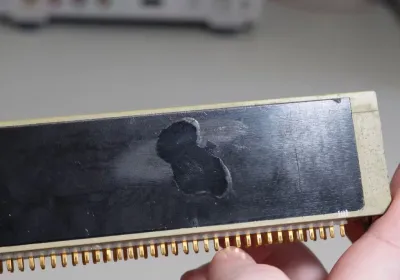
NASA Rope Driver Module with suspicious exploration marks. (Credit: Mike Stewart, YouTube)
A slight complication here is that the testing procedure doesn’t just involve hooking up a multimeter for some voltage and capacitance measurements. There are also temperature and voltage extremes, and vibration tolerance involved, which would be somewhat complex to test, but most of all risk damaging a historical artefact. Thus a somewhat conservative testing procedure was chosen, even if this may not reveal the actual fault.
As noted in the video, sometimes modules were also rejected because someone simply dropped it on the floor along the way. However, generally if a module was found to be faulty they would open it to diagnose said fault, with a closer look at this module indeed revealing suspicious marks in the potting compound where it was apparently opened and conceivably repaired. This also might explain why they also put the ‘For engineering use only’ on it.
With multiple of such locations visible in the potting compound, these locations were mapped to the schematics for the module, to get some idea of what may have been accessed. After this, basic testing was performed on the module, as per the acceptance testing document.
Advertisement
Along the way an error was detected in said document, in the form of the wrong pin number. In table 4-2 the input pin 269 was mistakenly listed as having output pin number 169 when it should have been pin 168. Pin 169 is chassis ground, so this was presumably fixed in a later version of the document.
After all the testing with just stationary, room-temperature conditions, everything appeared to check out. This means that likely this was indeed a repaired module that got subsequently used for engineering purposes rather than installed in flight-ready hardware. The only issue found was that channels were out of calibration, but whether this was an original flaw or due to the module being half a century old is hard to tell in the absence of repair logs.
Overall it’s an exciting opportunity to document another part of history, since so many of the details pertaining to these original modules and related technologies got lost or muddled over the decades.





























































You must be logged in to post a comment Login