

Tech
Chinese supercomputer using local processors heads TOP500 list



HPC
Use of Arm cores and Linux mean Beijing hasn’t broken away from the world
The TOP500 list of Earth’s mightiest supercomputers has a new leader: the 2.198 Exaflop/s LineShine machine housed at the National Supercomputer Center (NSC) in Shenzhen, which took the top spot without using any kit from Nvidia, Intel, or AMD.
Which is not to say that LineShine is an entirely Chinese creation. As explained in a pre-press paper, the machine’s LX2 processors are a local effort but use Armv9 designs – so chalk up a win for Blighty, the home of Arm. The machine also runs KylinOS – a Linux distribution that features contributions from around the world.
The paper reveals that LineShine comprises 20,480 computing nodes, and that each LX2 processor “integrates two compute dies (304 cores total) and eight on-package HBM stacks (32 GB, 4 TB/s aggregate bandwidth).”
“Each compute die contains 152 cores and 128 GB of off-package DDR memory organized into four NUMA domains,” the paper adds. “A dedicated SDMA engine handles data movement between DDR and HBM. The LX2 supports FP64/FP32/FP16/INT8 via SME and SVE units, delivering up to 60.3/120.6 TFLOPS in FP64/FP32. Nodes are interconnected via the LingQi high-speed network with a dual-plane multi-rail fat-tree topology, offering 1.6 Tb/s bandwidth per node.”
That network is also a Chinese creation, from the minds at Hangzhou LingQi Technology Co.
LineShine became the first system on the TOP500 to exceed two exaflops of sustained double-precision performance using CPUs only and the curators of the list think it could do better in future tests, because this time around it reached about 80 percent of its 2.736 Exaflop/s theoretical peak in tests conducted in preparation for this iteration of the TOP500 list.
News that LineShine topped the supercomputing charts comes as China’s government increasingly steers local organizations towards buying made-in-China tech. Beijing wants to decrease dependency on foreign products, because China has gone all-in on AI and other technologies to boost economic growth and enhance the capabilities of its military.
China’s Communist Party understands that reliance on imports can stymie those ambitions, with the USA’s ban on GPU sales to the Middle Kingdom offering ample evidence of the need to control tech supply chains. And now Beijing can point to its policies producing the most powerful single computer on the planet.
It’s conceivable that China could do even better in the future, as its GPU industry is nascent and currently producing products whose performance trails Nvidia and AMD by four or five years.
Those two paragons of US computing power, along with Intel, dominate this version of the TOP500 list – as has been the case for years. China is therefore on the march, but is a long way from global dominance.
Our sibling site The Next Platform has extensive analysis of the TOP500 list here. ®


The Google-owned platform has thousands of similar lawsuits pending.

Following a similar lawsuit earlier this year, Google has settled with a minor known as “R.K.C.” who claimed that social media platforms harmed them, Reuters reported. Terms of the settlement were confidential, the lawyers said yesterday. The same plaintiff also sued Meta, Snap and TikTok, with those trials set to proceed next month. YouTube has thousands of similar lawsuits pending, so this second case represents a test run for the many to follow.
“Our focus remains on building age-appropriate products and parental controls that deliver on that promise,” a Google spokesperson told Reuters in a statement, adding that the case was amicably resolved.
The first trial was brought by a 20-year-old woman known as “K.G.M.,” who also claimed harm due to the addictive nature of social media. That person won their trial and received $6 million in damages, with $3 million coming from Meta and YouTube taking on the other $3 million. YouTube vowed to launch an appeal for that case, saying it “responsibly built a streaming platform, not a social media site.”
More than 3,300 lawsuits involving social media addiction are pending in California state courts, and another 2,600 were brought by people, school districts, municipalities and states in California federal court. That’s just one state (albeit the biggest one), but it’s easy to see the size of the problem for YouTube and other platforms if each plaintiff receives a multi-million-dollar award. Social media platforms have recently settled (or are facing) lawsuits in Kentucky, New York City and numerous other US jurisdictions.
Meta and other platforms have disputed the idea that their platforms are addictive. However, a lawyer in the first case involving K.G.M. said the companies’ own communications refute those claims. “This is the first time in history a jury has heard testimony by executives and seen internal documents that we believe prove these companies chose profits over children,” Joseph VanZandt said back in March.
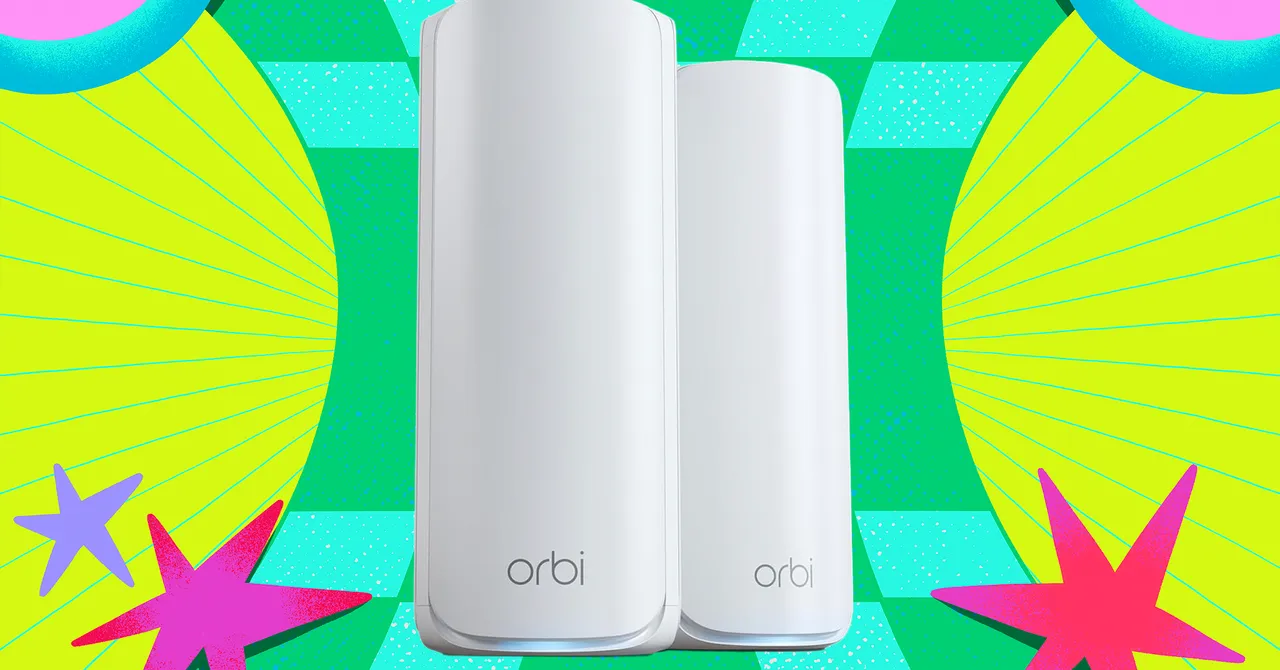
The Eero Pro 6E mesh system is an older Wi-Fi 6E mesh, but it’s every bit as easy to use and stable as the rest of Amazon’s Eero lineup. Eero makes some of my favorite mesh systems, ideal for busy families seeking a set-and-forget mesh. The Pro 6E is a tri-band system with a 6-GHz band for fast Wi-Fi at close range. But you need an Eero Plus subscription at $10 per month or $100 per year to unlock some features, including parental controls, advanced security, and ad blocking.
The most effective way to get Wi-Fi in your backyard is to snag an outdoor router like this one. Anyone with a TP-Link Deco system can add this to their existing mesh network and extend Wi-Fi into the their outdoor space. It’s waterproof and dustproof, with an IP65 rating, and can cover up to 2,800 square feet.
Best Prime Day Router Deals
This Wi-Fi 7 router offers 2.4-GHz, 5-GHz, and 6-GHz bands in a basic affordable package. There are six adjustable antennas, and TP-Link has been very generous with the ports (one 10 Gbps, four 2.5 Gbps, and a USB 3.0), though it’s a little annoying that the USB is on the side. This model also offers excellent close-range speeds on the 6-GHz band, though it was a little disappointing on both the 5-GHz and 2.4-GHz bands.

The latest Apple Invites update brings some long-requested features, like co-hosting an event. There are also some other great quality-of-life changes to the party planning app.
Back in February 2025, the Apple Invites app made its way to the App Store. With it, iOS users can create party or event invitations, manage RSVPs, share links, and more.
On Tuesday, Apple released version 1.9 of its event invitation app, which includes a new co-hosting capability. This lets two or more Apple Invites users plan and organize an event within the app.
Previously, with version 1.2, Apple Invites gained support for link sharing, letting event hosts send web links to all attendees. Apple is always improving the app even if it isn’t its most popular.
With the new-and-improved Apple Invites, hosts can now also choose to make guest lists visible to all attendees. Bug fixes and quality-of-life improvements are also included with the 1.9 update of the Apple Invites app.
Additionally, the app has received new event backgrounds. Its release notes say these new backgrounds will “help set the mood for your next coffee catch-up, boba run, ice cream social, and more.”
Even so, none of the requirements for Apple Invites have changed. Hosts will still need an iCloud+ subscription to organize events and send invitations via the application. Guests, meanwhile, don’t even need an iPhone or iPad to RSVP to an event.
Apple Invites can come in handy if you already have an iCloud+ subscription and you want to put together a party. The app itself is quite easy to use once you get the hang of it.


The class action claims the defendants, which include BP, Circle K, Marathon Petroleum, 7-Eleven, Walmart, and Albertsons, violated California’s main antitrust law, the Cartwright Act, writes Reuters.
Read Entire Article
Source link
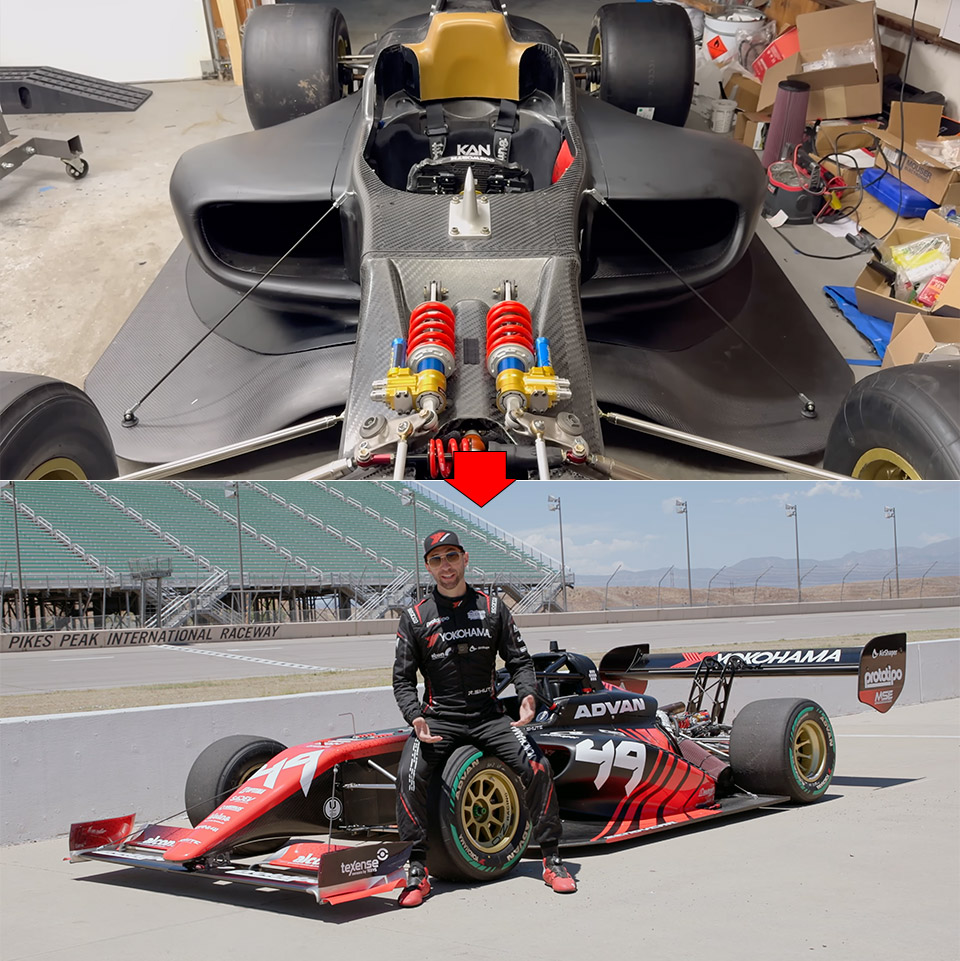
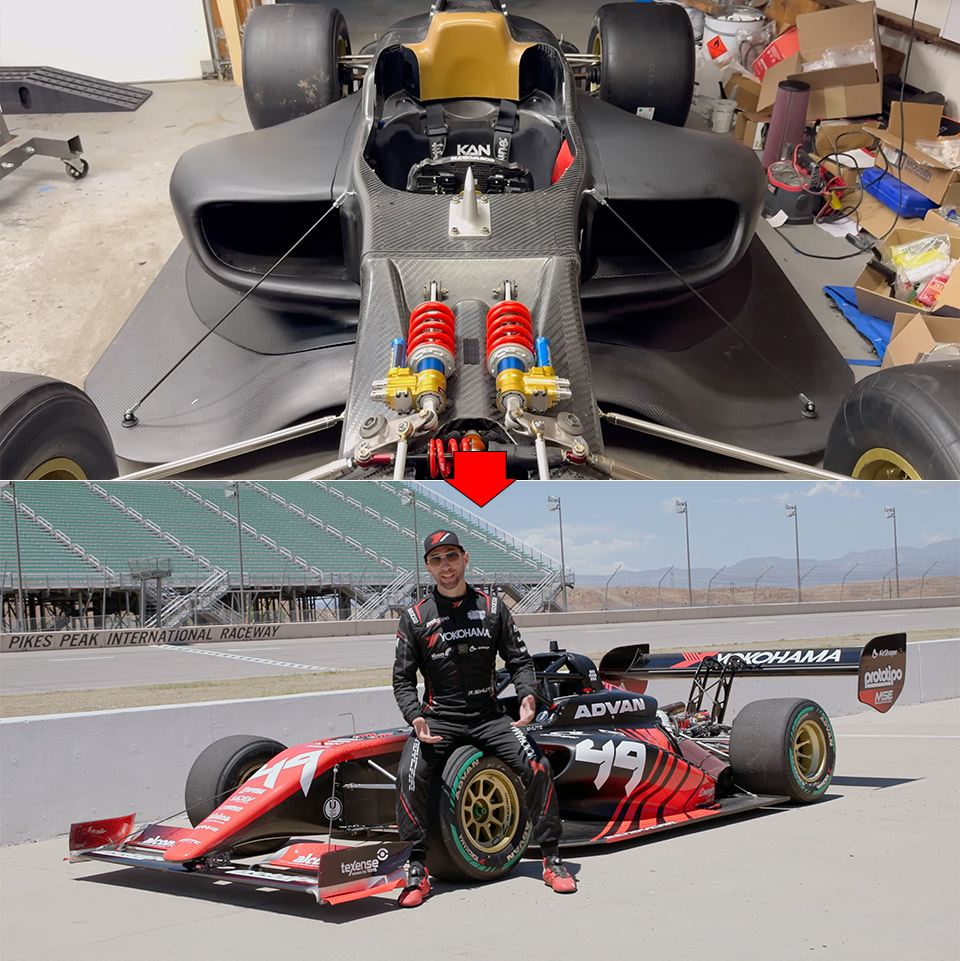
Robin Shute already owns four Pikes Peak International Hill Climb wins. His latest machine, the SendyCar, started life as a ground-up project meant to push even harder. A central tub from a Formula 4 car forms the safety cell. A motorcycle-derived V8 with turbos sits behind the driver and should deliver around 850 horsepower while the whole car stays near 1,300 pounds. The layout mixes exposed front wheels with more enclosed rear sections, a deliberate choice for the unique demands of the mountain course.
Professional shops had offered the crew a rough estimate of roughly $200,000 for a standard composite body…and, honestly, they didn’t have quite that much time to devote to it. So, when two large-format Bambu printers arrived, the solution was already in place: break the entire upper body into 34 individual pieces. They chose high-temperature nylon because it contains carbon fiber, making it heat resistant, which is exactly what we needed near the turbo piping and exhaust, without sacrificing toughness, as it can withstand the rare rock strike. What he really needed was a design that could be broken down into manageable bits and fit into a 12 inch build area. That is why the side pods, engine cover sections, and nose were separated into tiny enough pieces to print without the need for large support systems.
Sale

Bambu Lab A1 mini 3D Printer + LED Lamp Kit, Set Up in 20 Mins, High Speed & Precision, Full-Auto…
- A1 mini + LED Lamp Kit for Creative Light Projects: Bring your ideas to life with the included LED Lamp Kit. Simply print compatible lamp models and…
- The Perfect 3D Printer for Beginners: A1 mini 3D Printer is designed to make 3D printing easy from day one with automatic calibration, simple setup…
- Experience the Bambu Lab Ecosystem: Access MakerWorld’s huge library of ready-to-print models, manage prints through the Bambu Handy app, and enjoy…
The printers were put through their paces, with two machines working nonstop for two weeks. Print time per panel was roughly 12 hours, and they used 10 full rolls of filament, totaling nearly 2 miles of material. The prints were going well, with one or two outliers. The trouble was that the tall, slender portions warped as they cooled, a classic problem. To address this, they went to a true engineering build plate, slapped on some glue for a good first layer grip, and inserted some tiny blocks at the base of those vulnerable sections. The success rate was relatively high, with most parts completed on the first or second try. They had plenty of spares on standby in case anything went wrong.
Once the plastic had cooled, they could try to put the pieces onto the real chassis, which isn’t as simple as slapping them together like a giant 3D jigsaw puzzle. First, they had to align all of the dowel pins correctly. Once they were satisfied with the fit, the team used structural adhesive to secure them all together. Now, nylon is infamous for being difficult to glue, so they had to make sure we sanded the parts down perfectly and used the proper adhesive. That wasn’t the only problem; printing always causes some shrinkage, which created a few headaches, as some of the pins needed some tweaking to get them to sit straight, and one of the portions was left out entirely, necessitating a hasty reprint on the spot. Then there were some holes that required a little glue to cover.
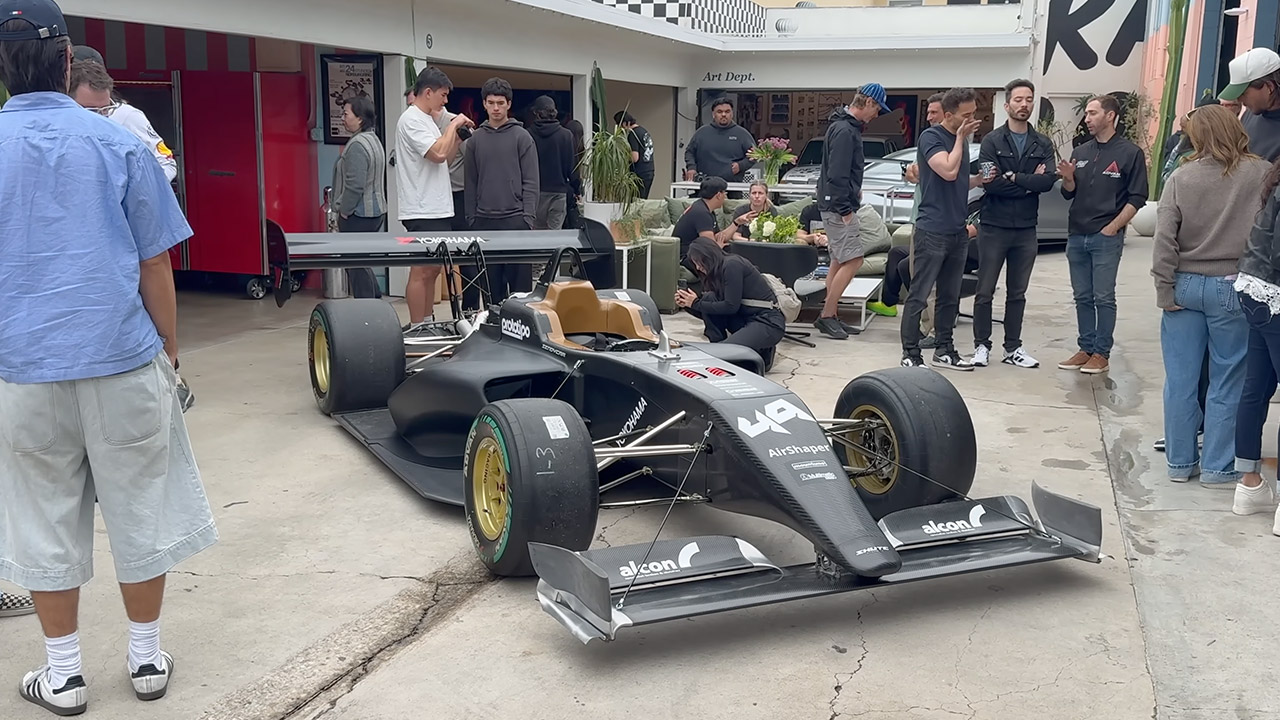

The printed plastic would never leave the garage on its own, that was for sure. So the group went ahead and improved the design with some good old-fashioned carbon fiber wrapping. Before immersing the item in epoxy, they applied a layer of dry fabric to both the inside and the outside. There is no need for pricey vacuforming or tooling; all you need is some elbow grease and common sense.A layer of peel-ply fabric helped to remove the extra resin, leaving them with a lovely usable surface; but, the end result was a reinforced 3D print rather than a properly moulded composite. After applying fairing compound and sanding, she looked fairly decent. The team was under pressure to finish her before the first public presentation, so they applied a final vinyl wrap to add color and graphics.
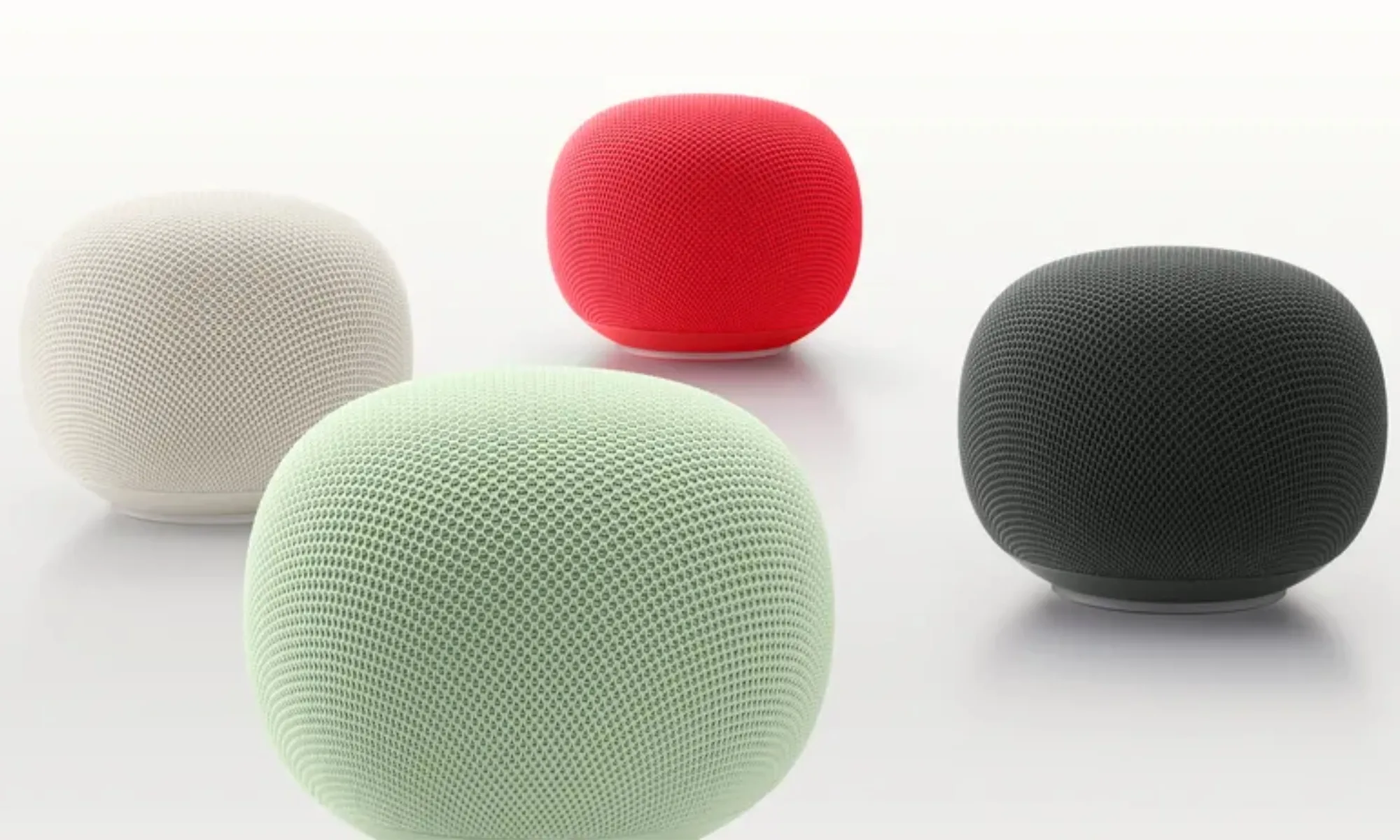
The Google Home Speaker hasn’t even started shipping yet, but one lucky buyer managed to grab one early and share their first impressions. While most of the news is positive, there’s one detail that won’t sit well with anyone who cares about repairability.
For the unaware, Google announced the speaker back in October 2025, and pre-orders went live last week. Priced at $99, it’s the company’s first new speaker in six years, so people have plenty of questions.
A Reddit user spotted one sitting on the shelves at Walmart and bought it before the official release.
What’s the big catch?
The power cable is permanently attached to the speaker, and it’s pretty short at just under 5 feet. This is a big departure from Google’s older speakers, which let you remove and swap the cable. The buyer called this the biggest downside, and I have to agree. A fixed cable is a nightmare if you ever need to replace it down the line.
To be fair, Google didn’t hide this. As reported by 9to5Google, the Google Store lists a 30W USB-C adapter in the box and even mentions the “captive cable” in the specs. It just slipped under the radar for most of us.
Is the speaker any good?
The Reddit user said the sound quality is good, with decent volume and handling of mid and low frequencies well for a speaker of this size. They even admitted they were judging it fresh off an expensive sound system, so it had a tough act to follow, yet it still came out swinging.

The interface sounds neat, too. It uses hidden lights on the top mesh to display volume controls, and you tap the speaker to control it, much like other Home speakers. Setup was a breeze and took under 10 minutes on a hotspot with an existing Home account.
For $99, this speaker is shaping up to be a solid little package, captive cable aside, and is a welcome HomePod mini alternative for non-Apple users.
If you’ve ever submitted a support ticket to LastPass, that exchange may now be in the hands of hackers. According to TechCrunch, the password manager has confirmed that customer names, contact details, and support case records were exposed in a recent breach at one of its third-party vendors.
What the hackers got, and what they didn’t
LastPass said its own systems were not compromised and that users’ password vaults remain secure. The exposed data was instead accessed through Klue, a market research company LastPass works with.
While no passwords were stolen, the hackers used their access to Klue’s network to pull customer records, including phone numbers, email addresses, physical addresses, and contents of support tickets.
In a blog post about the incident, the company stressed that the breach did not affect encrypted password vaults, master passwords, or any credentials stored within LastPass itself. Even so, the exposed information could still prove useful to attackers, who could leverage it for phishing or social engineering campaigns.
A years-old credential opened the door
The LastPass exposure stems from a wider security breach at Klue, which revealed that attackers gained access using a credential linked to a pilot project dating back to 2022. TechCrunch reports that the credential remained active and provided a way into the company’s systems.
Klue said the attackers were able to access customer data connected to its services, affecting multiple organizations that relied on the platform. Along with LastPass, Gong, Jamf, HackerOne, Insurity, OneTrust, Recorded Future, Snyk, Huntress, Sprout Social, and Tanium were affected.
For LastPass, this marks the second time its users have had data caught up in a breach. A 2022 breach exposed encrypted password vaults that were later linked to cryptocurrency theft. This latest exposure did not involve vault data or passwords, but it highlights how a security lapse at a third-party vendor can still affect customers who never interacted with the vendor directly.

OFFBEAT
A time when Windows 7 was Microsoft’s latest and greatest
BORK!BORK!BORK! A blast from the past greets customers at a coastal McDonald’s, or is it just that the kiosk is seeking a return to the happier and simpler times of 2009?
An eagle-eyed Register reader spotted a very unhappy terminal at a branch of the McDonald’s fast-food chain in Worthing, England. Where a customer might normally smear a finger over suggestions for ways to sate their desire for grease, the display instead reveals the kiosk’s clearly PC origins: a BIOS utility.

It’s not clear what has befallen the kiosk, though something has happened to the hardware that has sent it to the utility screen, which is normally accessible by holding down a key or combination of keys during the boot process. Although the BIOS is dated 2016, the system date is currently set to 2009.
Worthing is a town on the south coast of England, occasionally unfairly and unkindly referred to as “God’s waiting room” due to the large retiree population it once had. While the town has long since shed that sobriquet (although it still lacks the hip and trendy traits of neighboring Brighton), it seems that there is one place that would very much like to turn back the clock.
McDonald’s.
Cast your mind back to 2009. Bitcoin was launched, an Airbus A320 ditched onto the Hudson River with no fatalities, and US President Barack Obama was sworn in.
Best not to think about how much a Bitcoin acquired then might be worth now.
2009 was also the year Microsoft released Windows 7, the successor to Windows Vista and the precursor to the widely derided Windows 8. Microsoft might not have realized it at the time, but this was arguably peak Windows. Sure, Windows 95 was arguably more of a cultural “moment,” and XP was an undeniable milestone, but 7 reached heights Microsoft has not matched since.
2009 was also a few years before McDonald’s began rolling out touchscreen kiosks to replace the experience of peering over the shoulder of the person behind the counter to see which foodstuffs were ready to go.
Today, the person behind the counter is far less visible, obscured by a line of delivery riders collecting app orders. The BIOS utility screen, however, looks back to an earlier time.
Or, possibly, Worthing is simply 17 years behind the rest of the world. ®
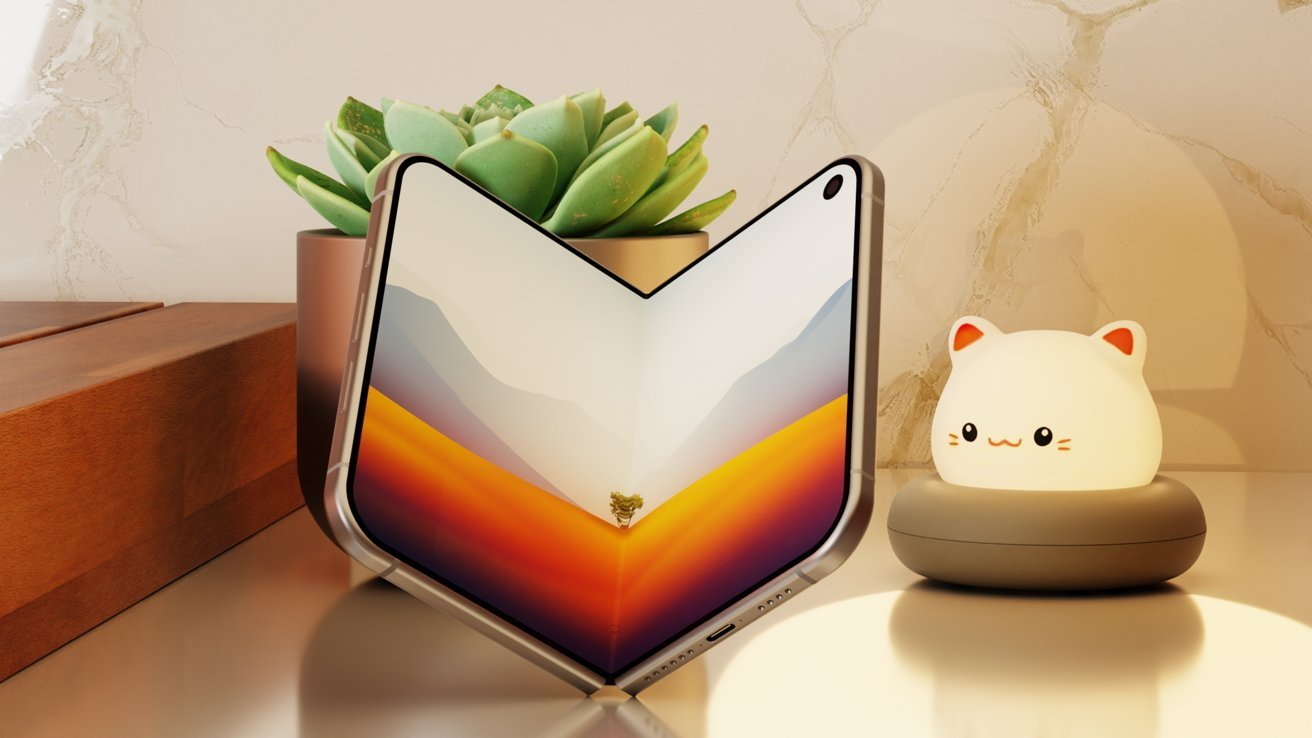
Displays for the iPhone Fold and touchscreen MacBook Pro will come from Samsung, while LG will make screens for the Apple Watch Series 12, says a repeat rumor.
Apple’s first foldable iPhone is slated to debut in 2026. While it will mark Apple’s entry into new smartphone territory, its displays will seemingly be produced by a tried-and-true Apple supply chain partner.
On Tuesday, mere days after the claim of Samsung OLED panels on the iPhone Fold was repeated, yet another report said the same thing. As 9to5mac points out, ET News says OLED screens for the iPhone Fold, iPad mini, and touchscreen MacBook Pro will be provided exclusively by Samsung Display.
Supposedly, Samsung Display is set to produce 10 million OLED panels for the iPhone Fold and 2 million for a future iPad mini. The publication claims the production of iPhone 18 Pro, iPhone 18 Pro Max, and iPad mini displays has already begun, with the production of iPhone Fold display hardware expected to follow.
As for the long-rumored OLED MacBook Pro, Tuesday’s report says that panel production will begin in July 2026, once Samsung Display’s 8.6th-generation OLED line becomes operational.
Repeat rumors dating back to 2024
As far back as April 2025, it was reported that the iPhone Fold would feature a Samsung-made OLED panel. In September 2025, the president of Samsung Display said that the company would provide foldable OLED displays to a North American client, presumably Apple.
As with the iPhone Fold, rumors of Samsung-made OLED panels for the MacBook Pro go back to at least September 2025. Claims of Samsung making an OLED iPad mini display for 2026 go back even further, to May 2024.
In that regard, Tuesday’s display-related report is arguably nothing more than a “me too” rumor, with no significant new information.
Even when discussing LG Display’s role in the Apple supply chain, the report only backs up earlier rumors. On June 2, 2026, it was said that LG Display would produce screens for the Apple Watch Series 12. Tuesday’s rumor reiterates that claim, adding that 34 million panels will be made for the device.
Chinese supplier BOE, meanwhile, won’t produce any displays for the iPhone Fold, OLED MacBook Pro, iPhone 18 Pro, or iPhone 18 Pro Max. Again, this is something that was already said in May 2026.
Overall, the display-focused report published on Tuesday doesn’t reveal much of anything. It reiterates claims others have already made and states the obvious.
It’s an odd-seeming move for a company selling an AI writing assistant.
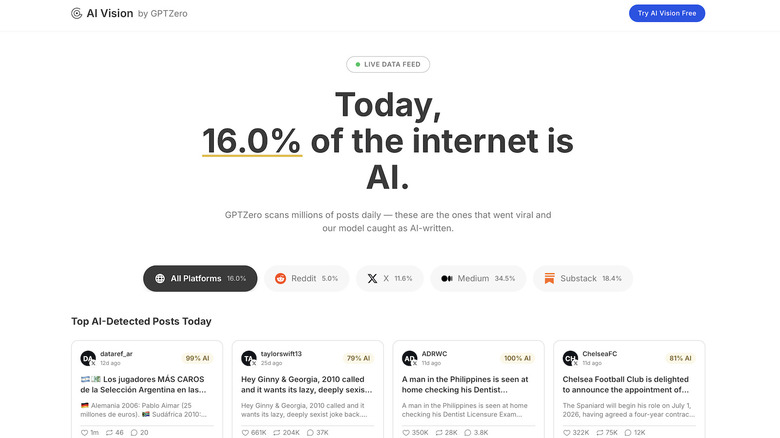
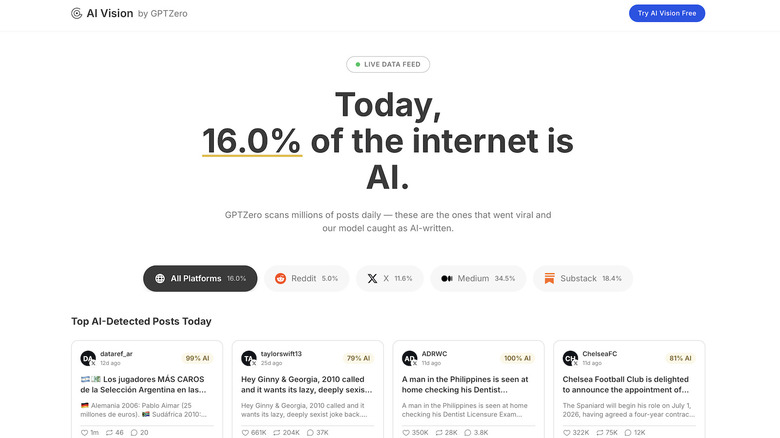
Superhuman announced that it has acquired GPTZero. This AI identification business offers services such as hallucination and plagiarism detection as well as a nifty little tool that displays how much of the internet is artificial intelligence. Superhuman said it plans to integrate GPTZero into its Superhuman Go AI assistant to improve the reach of its existing efforts around AI and authenticity. Teachers and students will still be the priority audience for Superhuman following the acquisition. For its part, GPTZero emphasized that Superhuman would also help put its tools in places where people were already reading and writing. Financial terms of the deal weren’t disclosed.
On the surface, this seems like an odd pairing. The press release announcing the acquisition focuses on concerns about the public being able to identify AI-generated content, but Superhuman is quite literally encouraging people to use AI to generate content. The company’s most popular product is the AI writing assistant Grammarly, which does have its own tools for AI detection. However the push to put AI resources everywhere in Grammarly has also landed Superhuman in some hot water. Notably, the company tried to give its users AI generated feedback that aped the voice and style of other writers; said other writers were none too pleased.

England v Ghana LIVE: VAR ‘on holiday’ as ‘lucky’ England react to World Cup setback

YouTube Settles Early Test Case Over Social Media Harm To Children

Asmr unboxing million dollars money cash dinero millionaire #wealth #motivation #asmr #money


-

 Fashion5 days ago
Weekend Open Thread: Miami – Corporette.com
-

 Entertainment4 days ago
Renter of Home in Anne Heche Crash Denies Settlement With Son
-

 Tech2 days ago
Microsoft accidentally kills epic Outlook email threads
-
 Sports16 hours ago
Two goals and an assist by sheer aura: Cristiano Ronaldo just entered the World Cup chat
-

 Business4 days ago
Soccer-U.S. defends Iran World Cup travel restrictions, says discussions ongoing
-
Crypto World7 hours ago
Bitcoin (BTC) Dips Below $62K, Ethereum (ETH) Plunges 6% Daily: Market Watch
-

 Politics6 days ago
BBC Reporter Discusses Cross Party Criticism Of Trumps Iran Deal
-

 Crypto World4 hours ago
Securitize Wraps Roubini's SEC-Registered ETF as Dubai VARA Digital Security
-
Business10 hours ago
Entergy settles forward sale agreements, raises $672 million in cash proceeds
-
 Business4 days ago
Wall Street Week Ahead: Investors see Micron earnings as pulse check of AI rally momentum
-

 Politics4 days ago
Andy Burnham and the meaning of Makerfield
-

 Tech6 days ago
AWS enters the context layer race with a graph that learns from agents, not manual curation
-
 Crypto World4 days ago
Can Charles Hoskinson Really Rescue Cardano?
-

 Crypto World4 days ago
HIVE shares jump as $220M AI deal speeds Bitcoin mining pivot
-

 NewsBeat5 days ago
Keir Starmer Allies Question His Chances For No 10
-

 Crypto World4 days ago
Jake Chervinsky accuses CME of protecting derivatives monopoly
-

 Tech2 days ago
Nearly 7,000 fake Amazon domains registered ahead of Prime Day 2026, researchers warn
-
 Tech3 days ago
Signal’s Meredith Whittaker says AI chatbots ‘are not your friends’ and calls Copilot agents a backdoor
-
 Business5 days ago
Brexit cost 6% of UK economy, Bank of England company data suggests
-

 Sports5 days ago
FIFA World Cup 2026: Canada beat 9-men Qatar 6-0 to register first ever win | FIFA World Cup 2026
You must be logged in to post a comment Login