

A violent anti-migrant propaganda movie titled Citizen Vigilante was a smash hit on Apple and Amazon over the weekend, and the online right is celebrating. The film, directed by a man frequently described as the world’s worst director and starring disgraced actor Armie Hammer, blew up after Elon Musk began promoting it on X. It currently has a 94 percent audience rating on Rotten Tomatoes, and it has officially acquired distribution.
Tech
Citizen Vigilante, and Elon Musk’s obsession with it, explained


“Citizen Vigilante has now SURPASSED the ‘Michael’ movie,” posted online provocateur Libs of TikTok joyfully on Friday. (It’s not clear what metric she is using when comparing the two.) Conservative media personality Patrick Bet-David described the film as tapping into “the rage millions of people feel when their own government won’t protect them or their kids.” Turning Point USA contributor Jack Posobiec mused darkly that while “Sinners is a movie about killing white people and has the all-time record for Oscar nominations of any film in history,” the righteous Citizen Vigilante “was banned.” (Citizen Vigilante was denied a rating in Germany, effectively barring it from wide release there.)
Conservatives are excited about Citizen Vigilante because they see it as a corrective to mainstream liberal pop culture. They think its success shows that people are hungry for the story they’re telling about the world. But it’s not clear if Citizen Vigilante’s success proves that there has always been a large and dormant audience hungry for racist propaganda, or if it’s mostly proof of how effectively Elon Musk has used the platform he bought to mainstream xenophobic hatred.
Citizen Vigilante centers on Hammer’s character Sanders, an American landlord living in an unnamed European nation. Over the course of the film, Sanders acts out bloody vengeance on the migrants who have overrun the country and now rob, rape, and stab the natives with impunity. And not that a tragic backstory or lost love would make his rage okay, but the movie doesn’t even bother with that; Sanders’s rampage is simply motivated by the belief that he is facing an “unfriendly takeover by the Islamist extremists and the blindsided woke left.” In the world of Citizen Vigilante, violence is the honest white man’s only option.
Is any of this stuff true? No. Studies demonstrate no link between immigration and crime rates in either the US or Europe. But there’s one place it’s totally exploding, and that is the mind of Elon Musk. The South African-born trillionaire has been on a crusade against “woke” politics for years, and lately has been pivoting harder into racist “great replacement theory” fear-mongering. On his X account, Musk regularly reposts false claims that migrants of color plan to kill white people, and that “white solidarity” is the only rational response.
Now, Musk is directing people to Citizen Vigilante. Over the weekend, he posted the full film to X, where it was available for 48 hours. Since then, he’s been boosting memes and positive reactions to the film all over his X account. “This is what people want to see,” Musk wrote on Sunday.
“The audience wants real films again — bold and with impact and about reality,” crowed director Uwe Boll in an interview with Newsweek. “The times of SUPERGIRL and all that c*** are over.”
The bizarre Supergirl namecheck feels like it comes out of nowhere, but Boll is invoking a longstanding sense of right-wing resentment toward mainstream pop culture, which conservatives hold to be too left-wing for comfort. The online right has been treating Supergirl as a symbol of Hollywood’s illegitimate “wokeness” in action, with the same outrage that powered the review-bombing of Captain Marvel in 2019 and a vicious hate campaign on the all-female Ghostbusters in 2016. The belief here is that the right is both deprived of and owed movies where tall white dudes kick ass, beautiful women serve as eye candy, and the American flag waves in the background.
That the movie stars Armie Hammer, a man accused of sexual violence, only adds to the meta revenge fantasy it embodies. Meanwhile, the de facto German banning becomes a titillating suggestion that this movie speaks a truth so powerful that the establishment is trying to keep it from the waiting public.
For the same reason, conservatives love rallying around independent films that are too far right for Hollywood studios to distribute. We saw a similar narrative in 2023, when the “protect the children” film Sound of Freedom, which flirted with Q-Anon conspiracy, outearned an Indiana Jones movie on opening weekend. Musk even offered Sound of Freedom what now looks like a rehearsal for his Citizen Vigilante opening strategy, suggesting they put it on X to stream for free.
When a movie like Sound of Freedom or Citizen Vigilante is successful, it feeds into another, deeper conservative theory of the world: that not only are conservatives owed those films, but in fact, everyone secretly wants them, and they’re lying to themselves when they say otherwise. That’s the context within which Musk declared Citizen Vigilante “what people want to see,” and it’s why conservatives are so excited by its financial success.
But it’s not actually clear that the success of Citizen Vigilante after Musk’s PR blitz proves anything except that when the man who owns X posts there, his ideas spread far. After all, why else did Musk pay $44 billion to acquire what was then Twitter in 2022, if not to put his thumb on the scale of cultural conversation? He wanted to be cool and found he didn’t have the skills for it. So he bought Twitter, a platform he thought was cool, and remade it into X, a place he could socially dominate.
Now, Musk still isn’t cool, and X isn’t either. But it retains a large and influential enough user base that Musk’s opinion carries a weight it would not otherwise have. A recent study shows that X’s algorithm drives users measurably to the right. After Musk posted in support of anti-migrant riots in Northern Ireland, researchers at the Center for Countering Digital Hate concluded that his continued reposting of anti-migrant narratives was “instrumental” to an “explosion in calls for violence” surrounding the Belfast riots.
If Citizen Vigilante found an unexpected audience, it’s there because Musk built it, post by post.

Continue Reading
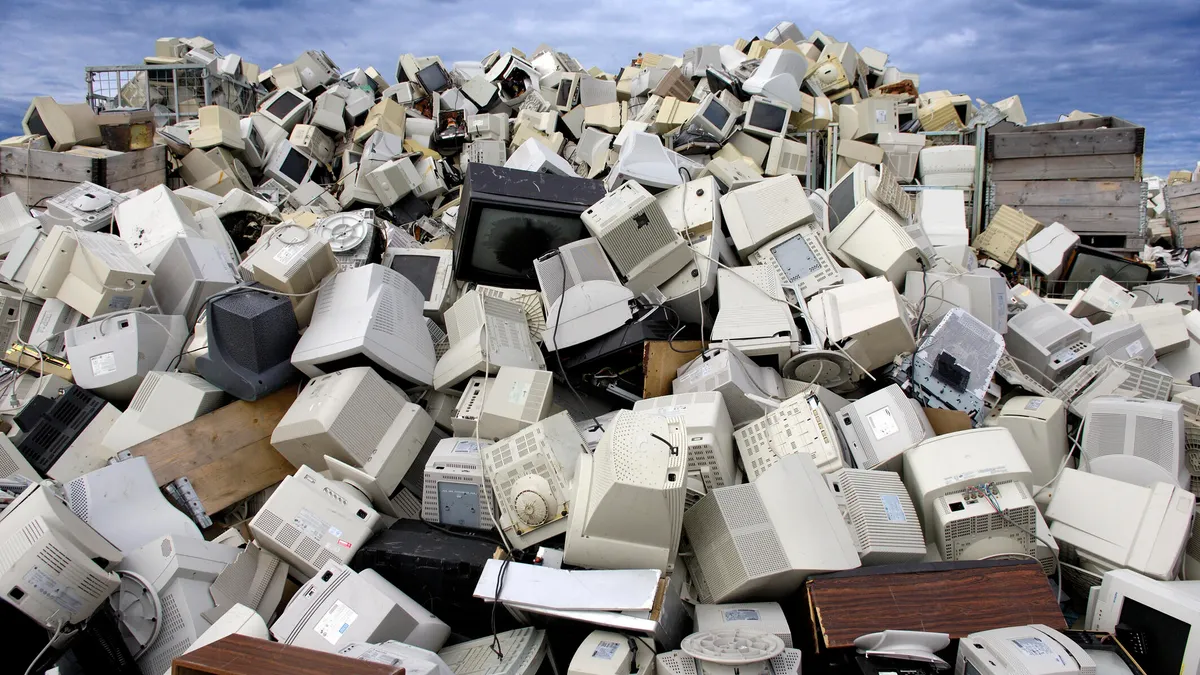
Most people don’t throw away old electronics –they relocate them. The laptop goes from the desk to the closet, the closet to a storage bin, the bin to the garage, where it joins a growing collection of devices that stopped being useful years ago. It’s a very human response to a decision that feels more complicated than it should be. Where does it go? Does it cost money? What about the data on it? In reality, the answers are simpler than most people expect, and properly getting rid of old tech can usually be done for free in a single afternoon.
Major retailers such as Best Buy and Staples have become drop-off hubs for digital junk. You can walk into a store with a dead PC or a clunky old scanner and hand it over for free, regardless of where you bought it. Some of these places will even give you a discount on new gear or a trade-in credit just for helping them reclaim the heavy metals and plastics that don’t belong in a landfill. It’s the easiest way to recover your storage space without feeling like a jerk for tossing electronics in the trash.
The only real “work” on your end is making sure you aren’t handing over your entire life history along with the hardware. Before you dump a device, you need to do a legitimate data wipe — not just drag files to the trash can. A 10-minute factory reset or a dedicated drive-scrubbing tool ensures your old tax returns and saved passwords don’t become someone else’s property. Stop acting like you’re going to “fix” that laptop from 2015 and let a professional recycler break it down for parts instead.
What to do before you recycle your old computer
Wherever you take or mail in your items to be recycled, you’ll want to protect your data by removing it as best you can. One way to do this is to perform a factory reset on your computer. Our guide walks you through the process.
Where to recycle your old printers and computers
Some retail stores will accept computers and printers for recycling, but it’s not always a free service. Policies vary by company.
Apple
You can recycle your old Apple computers, monitors and peripherals, such as printers, for free at an Apple store, but there’s a costly catch. According to the Apple Free Recycling program, you must purchase a qualifying Apple computer or monitor to receive this service. Need another option? A third-party company called Gazelle buys old MacBooks to recycle them. After accepting Gazelle’s offer, you print a prepaid label or request a prepaid box and ship the machine to them.
Read more: Phone and Laptop Repair Goes Mainstream With Push From iFixit
Best Buy
Best Buy generally accepts up to three household items per household per day to be recycled for free, including desktop computers and printers, as well as other items ranging from e-readers to vacuum cleaners. While three is the limit for most items, there’s a higher limit for laptops — Best Buy will take five of those per household per day. Note that rules for dropping off monitors vary by state, and it’s not always free to do so. Best Buy also offers a mail-in recycling service for select items, but that’s also not free. A small box that holds up to 6 pounds costs $23, while a large box (up to 15 pounds) costs $30. One CNET editor recently lugged in an old, nonworking tube TV-VCR combo for e-cycling, and was happy to pay $30 to be rid of it.
Office Depot
Office Depot and OfficeMax merged in 2013. The retailers offer a tech trade-in program both in-store and online, where you may be able to get a store gift card in exchange for your old computers and printers. If the device has no trade-in value, the company will recycle it for free. Office Depot also sells e-waste recycling boxes that you can fill with electronics to be recycled and then drop off at the stores, but they aren’t free. The small boxes cost $8.39 and hold up to 20 pounds, the medium ones cost $18.29 and hold up to 40 pounds, and the large boxes cost $28 and hold up to 60 pounds.
Staples
You can bring your old desktop computers, laptops, printers and more to the Staples checkout counter to be recycled for free, even if they weren’t purchased there. According to a Staples rep, the retailer also has a free at-home battery recycling box, which has led customers to recycle thousands of batteries per week, up from an earlier average of 50 per week. Here’s a list of everything that can be recycled at Staples.
Watch this: Give Your Old Phone a Second Life: The Right Way to Recycle and Reuse It
Where to find electronics recycling centers
If you don’t live near a major retailer or would rather take your computers and printers to a recycling center, you can locate places near you by using search tools provided by Earth911 and the Consumer Technology Association.
Earth911
Use the recycling center search function on Earth911 to find recycling centers near your ZIP code that accept laptops, desktops and printers. Note that the results may also turn up places that accept mobile phones and not computers or printers, so you may have to do a little filtering.
Greener Gadgets
Consult the Consumer Technology Association’s Greener Gadgets Recycle Locator to find local recycling centers in your area that will take old items. The search function also allows you to filter the results to separately hunt for places that take computers versus printers.


Anthropic has confirmed that the Department of Commerce has lifted export controls on Claude’s two most powerful models, Fable 5 and Mythos 5.
In a post on X, Anthropic confirmed that it will begin restoring access to Fable 5 on Wednesday. On the other hand, Mythos will remain exclusive to select companies.
“We’ve received notice that the Department of Commerce has lifted export controls on Claude Fable 5 and Mythos 5,” Anthropic said in a statement. “We’ll begin restoring access tomorrow, and will share an update soon.”

“We’re grateful to our users for their patience, and to everyone who worked with us on redeploying the models.”
At the moment, it’s unclear if Fable 5 will roll out to everyone, including those outside the United States. More recently, references to KYC were spotted on Anthropic’s website, raising concerns that models like Fable could be restricted to those in the United States, at least initially.
This is a developing story…

Security teams log 54% of successful attacks and alert on just 14%. The rest move through your environment unseen.
The Picus whitepaper shows how breach and attack simulation tests your SIEM and EDR rules so threats stop slipping by detection.
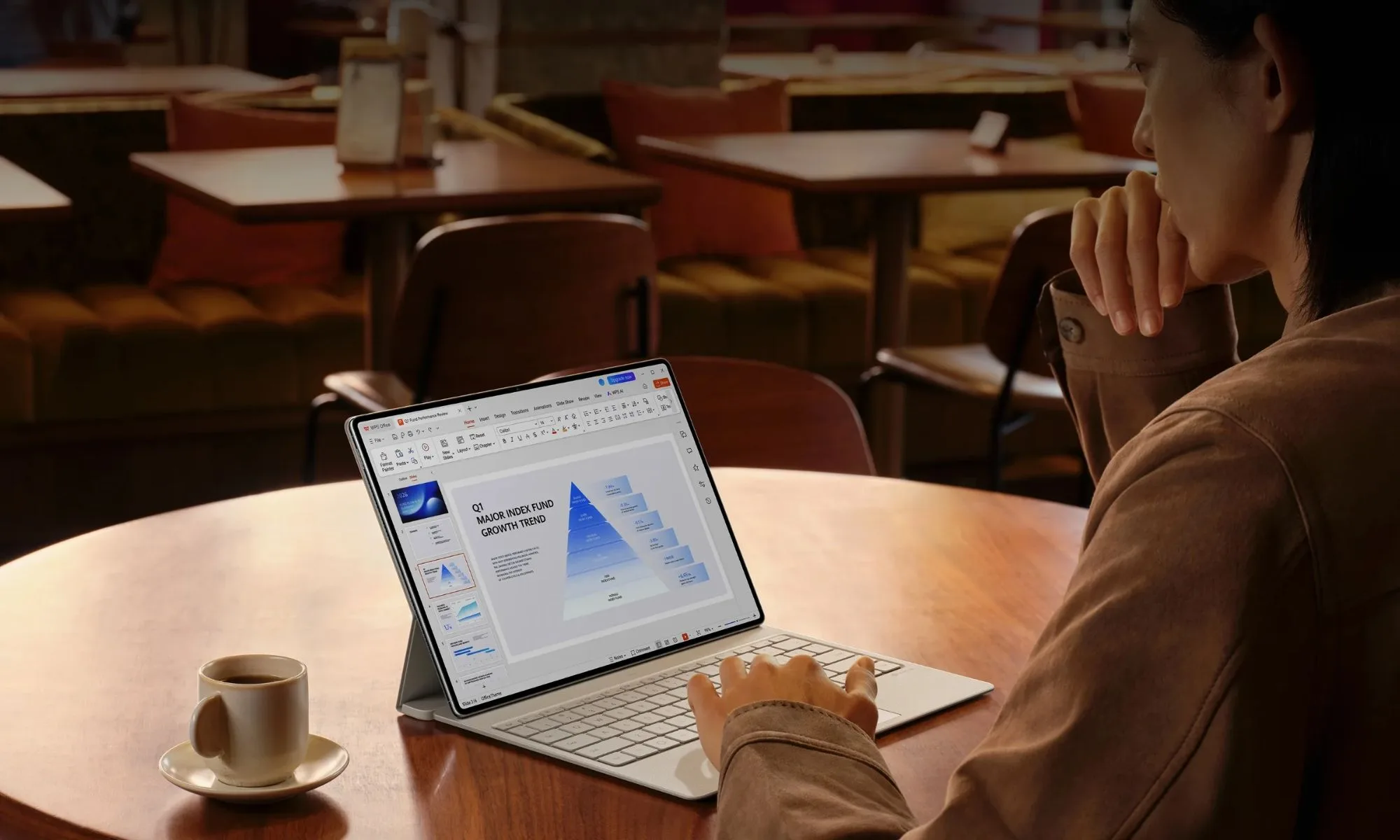
Huawei has officially started selling the MatePad Pro Max in Germany, marking the European retail debut of its flagship tablet nearly two months after its global unveiling. Positioned as a premium productivity device, the MatePad Pro Max combines an ultra-thin design, a high-end OLED display, desktop-style software features, and bundled accessories aimed at professionals and creators.
The tablet starts at €1,099 for the Space Gray model, while the PaperMatte Edition with the Glide Keyboard costs €1,299. Huawei is also sweetening the deal with free accessories and an extended warranty for early buyers.
Huawei scores high on thinness and lightness
Huawei says the MatePad Pro Max is the world’s thinnest and lightest tablet in its class. Measuring just 4.7mm at its thinnest point and weighing 499 grams for the standard model, the tablet is designed to be highly portable without compromising durability.
Despite its slim profile, Huawei claims the device is 60 percent more resistant to bending than its predecessor and is the first tablet to receive TÜV Rheinland Ultra-thin Bending Resistance Certification.
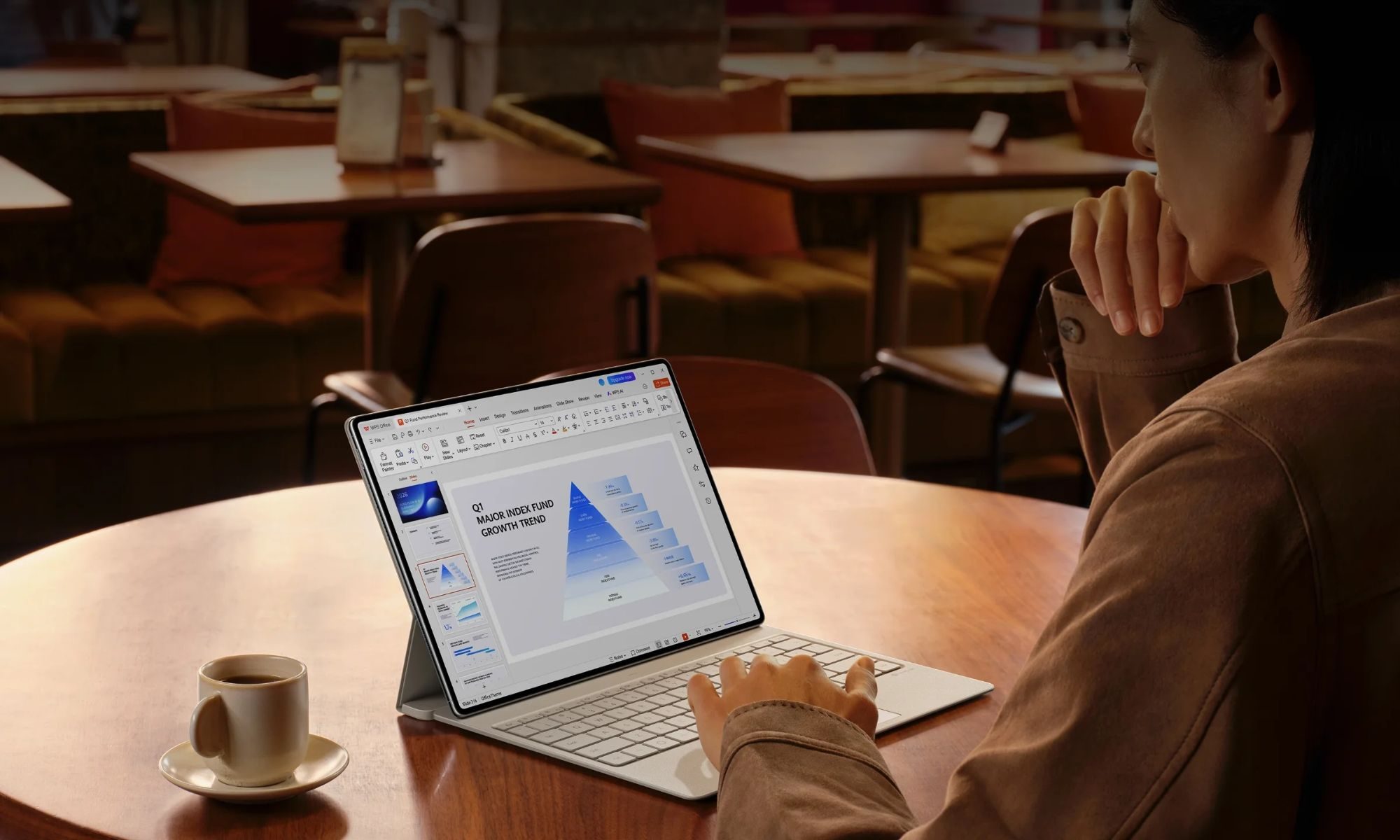
The front is dominated by a 13.2-inch Flexible OLED PaperMatte display with a resolution of 3000×2000, a 144Hz refresh rate, and peak brightness of 1,600 nits. Huawei’s nano-level etching technology helps reduce reflections and glare, making the display more comfortable to use outdoors or under bright lighting. The slim 3.55mm bezels also contribute to an impressive 94 percent screen-to-body ratio.
Under the hood, the MatePad Pro Max runs HarmonyOS 4.3, offering features such as Live Multitask, which lets users work with up to 3 apps simultaneously. Huawei has also bundled a PC-like version of WPS Office complete with AI-powered tools for editing documents, spreadsheets, and presentations, positioning the tablet as a genuine laptop alternative.
Connectivity options include Wi-Fi 7, Bluetooth 6.0, NearLink, and USB-C 3.1, while a 10,400mAh battery supports 66W fast charging and 40W wired reverse charging for powering compatible accessories.
The optional Glide Keyboard adds six rows of keys, 1.8mm key travel, and a built-in charging slot for the M-Pencil Pro, further strengthening the tablet’s productivity credentials.
Buyers will get a lot of freebies
For buyers, Huawei is adding significant launch incentives. Customers purchasing the MatePad Pro Max through the Huawei Online Store or the company’s Berlin flagship store before July 31 will receive a 12-month extended warranty, a free pair of FreeBuds Pro 4, the M-Pencil Pro, and a €100 discount voucher.
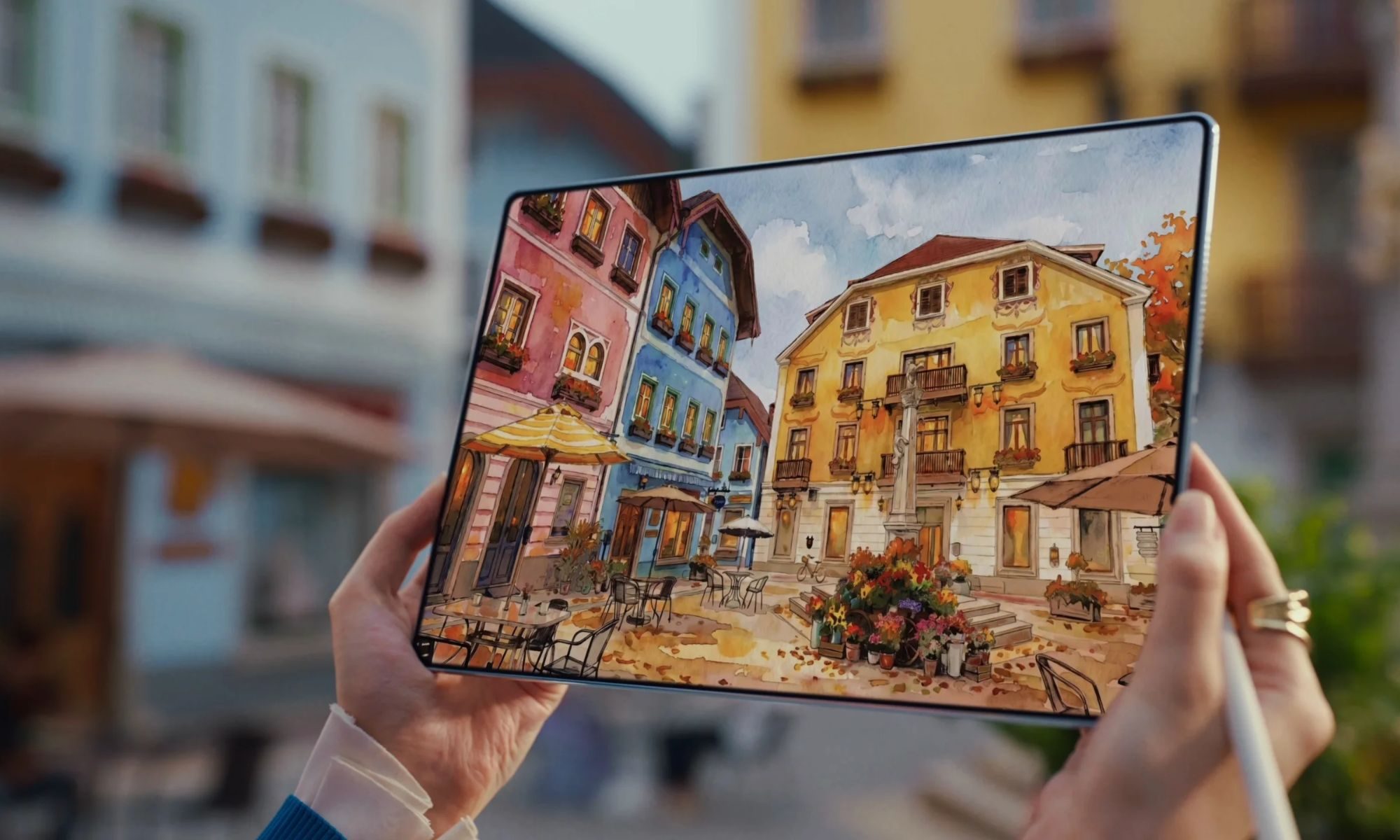
With Apple and Samsung continuing to dominate the premium tablet market, Huawei is clearly betting that a combination of premium hardware, productivity-focused software, and generous launch offers will help the MatePad Pro Max stand out. While its lack of Google services may remain a consideration for some users, the tablet offers an attractive package for those already invested in Huawei’s ecosystem or looking for a capable alternative to traditional laptops.

Rocket Lab will acquire all outstanding shares of Iridium common stock in a cash and stock transaction that will represent an enterprise value for Iridium of approximately $8bn.
Aerospace manufacturer Rocket Lab has announced plans to acquire satellite services platform Iridium Communications.
Under the ‘definitive agreement’, Rocket Lab will acquire all outstanding shares of Iridium common stock for $54 per share in a cash and stock transaction, representing an enterprise value for Iridium of approximately $8bn.
Initially established by Motorola in the 1980s, Iridium developed one of the world’s first global low-Earth orbit satellite communications networks and in the 1990s, after a financial decline, reestablished itself as a provider of communications services to government, aviation, maritime and industrial consumers.
The acquisition will merge Rocket Lab’s launch capabilities and satellite manufacturing with Iridium’s global satellite communications network, spectrum, and more than 500-strong partner ecosystem, combining their reach in the US space ecosystem and creating a potential rival to Elon Musk’s SpaceX.
SpaceX recently raised a record-breaking $75bn in its IPO debut, effectively ‘setting the scene’ for AI rivals Anthropic and OpenAI as they also prepare to make their organisations public.
Commenting on the acquisition, Peter Beck, the founder and CEO of Rocket Lab, said, “This is a defining moment for the space industry and the start of a new era of strategic, accelerated growth for Rocket Lab and Iridium.
“By marrying Iridium’s deep heritage, trusted infrastructure and highly sought-after spectrum with Rocket Lab’s extensive and proven launch and manufacturing capabilities, we have the capability to unlock entirely new markets.
“We will go far beyond maintaining a legacy – we are going to build upon it to pioneer next-generation space applications and deliver sought-after capabilities to existing and new customers.”
Iridium’s CEO Matt Desch added, “As the worlds of space and terrestrial communications continue to converge, more critical services will depend on space-based capabilities. Success will come from those who can bring new innovations to space quickly and sustain them over time as efficiently as possible.
“We’re excited about being able to accelerate the next generation of IoT, aviation, maritime, PNT (position, navigation, timing) and national security capabilities, and pursue new innovative applications as part of Rocket Lab.”
Don’t miss out on the knowledge you need to succeed. Sign up for the Daily Brief, Silicon Republic’s digest of need-to-know sci-tech news.
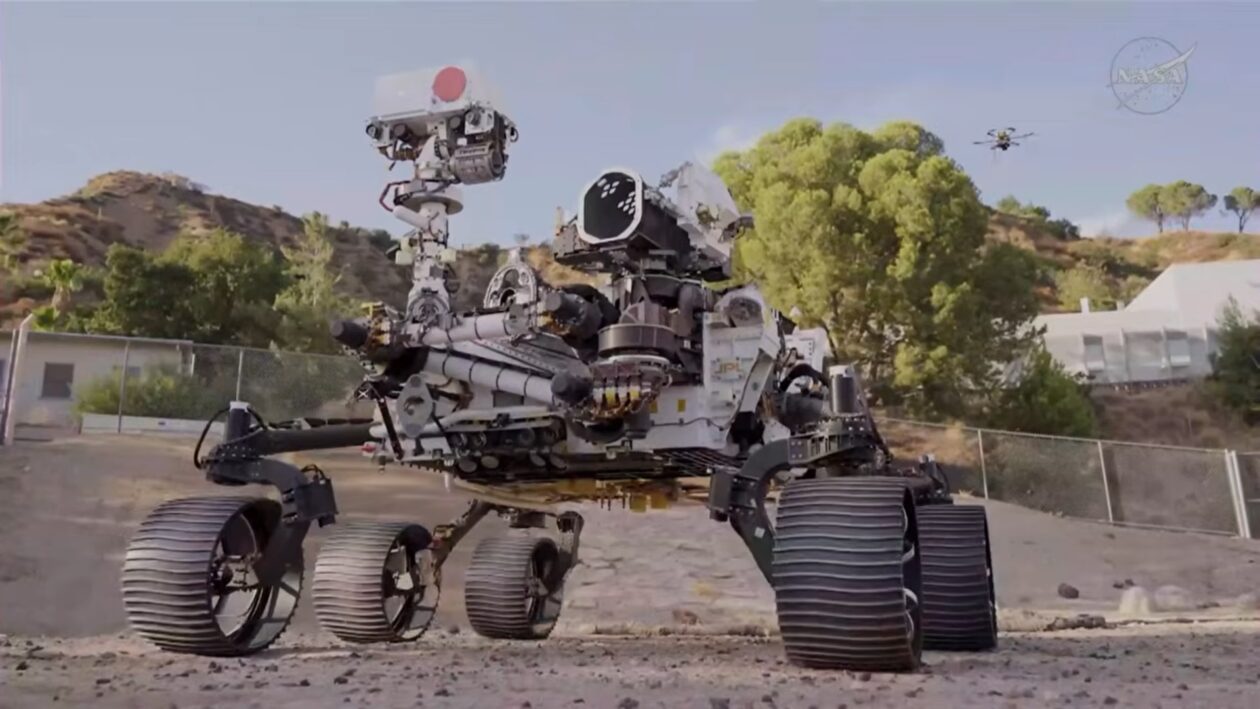

NASA is considering repurposing an engineering development version of the nuclear-powered Mars rovers for a different destination: the moon’s south polar region.
The plan calls for turning the test rover, which is currently sitting at NASA’s Jet Propulsion Laboratory, into a lunar explorer named PROMISE (“Polar Rover for Observation, Mapping and In-Situ Exploration”).
During an update on the space agency’s long-range plan to build a moon base, NASA Administrator Jared Isaacman stressed that the PROMISE mission was still being defined, but added that “there’s very little that would hold us back from making use of that hardware.”
NASA is already planning to send a rover called VIPER (“Volatiles Investigating Polar Exploration Rover”) to the moon by the end of next year. But Carlos García-Galán, NASA’s program manager for the Moon Base effort, said PROMISE would bring some capabilities that VIPER lacks. For example, PROMISE’s plutonium power source makes that rover more suited for exploring permanently shadowed lunar craters that are thought to contain valuable water ice.
“VIPER uses solar power, so we’re constrained to the terrain that we put it on, how much illumination that’s going to get, the time of year, where it can go,” García-Galán explained. “It could certainly not potentially go into some of these permanently shadowed regions and stay deep in there — and then, based on the lunar nights, it will have a lifespan that’s limited.”
In contrast, the nuclear-powered Curiosity rover is still going strong 14 years after landing on Mars, and the Perseverance rover is still persevering after five years of operation.
Today’s Moon Base update provided a status report on several aspects of NASA’s plans to build a permanent base on the moon in the 2030s. Among the highlights:
- A robotic lunar lander that’s being built by Jeff Bezos’ Blue Origin space venture “looks like it’s almost done,” García-Galán said. The Blue Moon Mark 1 lander, dubbed Endurance, had been due for launch this year on Blue Origin’s New Glenn rocket, though a recent New Glenn explosion raised questions about the timeline. Isaacman said launching New Glenn was still “Plan A” for the Blue Moon mission. If the launch slips past mid-2027, NASA will look at other options, García-Galán said.
- Two other missions for the first phase of the Moon Base program are also progressing. Astrobotic’s Griffin 1 lunar lander appears on track for launch this year, while Intuitive Machines’ Nova-C lander “is looking pretty good,” García-Galán said.
- NASA announced that it would fund four more robotic lunar lander missions during Phase 1 of the Moon Base program, which runs through 2029. Astrobotic has been awarded $297.9 million for two deliveries. NASA will give $144.2 million to Firefly Aerospace and $148.3 million to Intuitive Machines for one delivery each. Each lander will carry cameras to document the effects of rocket blasts on lunar soil, deposit reflective location markers and monitor the lunar radiation environment. Other payloads could be added to each mission.
- Isaacman pressed García-Galán to promise that one of the robotic landers would carry a soccer ball to the moon if the U.S. wins the World Cup. “We will absolutely find a space,” García-Galán replied. Isaacman said that would serve as “a little bit of motivation” for the U.S. team. “We’re going to one-up Alan Shepard and the golf game on the lunar surface,” the administrator told García-Galán. “We’re going to get the soccer ball there. I don’t know which lander it’ll wind up going on. I’ll leave that to you guys to handle the payloading.”

Google has shut down the Tenor API, breaking GIF pickers in services that still relied on it and forcing platforms such as X to migrate elsewhere. 9to5Google notes that the library itself remains available at Tenor.com and “integrations within Google products are also still active, including Gboard, Google Messages, and more.” From the report: The Tenor API has been rejecting new API sign-ups in January of this year, but existing integrations remained in place. This week, though, they’re shutting down, and any integrations that remain in place will stop working on July 1. The support page adds details that “any API or Ads Distribution Agreements” with Tenor will be terminated on June 30, while “current integrations” will be “fully decommissioned” as of June 30.
One of the most notable examples here is Twitter/X, which has relied on Tenor for its GIF picker for years. Twitter/X Head of Product Nikita Bier confirmed that the platform has migrated elsewhere, which is why the “recently used” section was purged, and why you might notice fewer GIF options when posting. Other platforms affected include Discord, WhatsApp, and Bluesky.

Amazon says it is ending sideloading on new Fire Sticks because “apps that facilitate piracy, and other apps, can carry malware,” adding that there is “a good amount of evidence” that sideloaded apps may contain unwanted code or behavior. However, the company did not provide specific examples of Fire Stick users being harmed. Ars Technica reports: Amazon has released two Fire Stick models that use its proprietary, Linux-based operating system, Vega OS. Previous Fire Sticks ran Fire OS, which is an Android fork based on the Android Open Source Project. One of the biggest differences between Vega OS and Fire OS is that the former doesn’t support sideloading. […] In a recent interview, Or Goren, editor-in-chief of Cord Busters, a UK-based streaming news outlet, noted the negative reaction to Vega being a closed OS. [Aidan Marcuss, VP of Fire TV, advertising, and Appstore] responded, per the publication, by saying that Vega OS was Amazon’s opportunity to “innovate and deliver more capabilities, even on the least expensive devices.”
He also said that making a platform around security and privacy was “sort of utmost in my mind.” The statement is somewhat ironic, considering Vega OS blocks custom launchers and other third-party apps that helped users avoid Amazon tracking and ads. Goren asked whether Amazon had evidence that sideloaded devices caused users harm. “Apps that facilitate piracy, and other apps, can carry malware,” Marcuss responded. Marcuss also said that there is “a good amount of evidence that apps can carry unwanted code and behavior on them when they’re sideloaded.”
Marcuss didn’t provide specific examples of Fire Stick users being hurt by sideloaded apps. There are some potential examples, though. In 2025, Amazon claimed to blacklist (which blocked the apps from being sideloaded to Fire Sticks) four video streaming apps for malicious behavior. At the time, AFTVnews reported that two of the apps served as residential proxy providers and were considered riskware, and that the other two had APK files that were flagged by virus-scanning tools. Safari and Chrome also flagged one of the apps’ official websites, the publication reported. And in 2018, a botnet that infected Android devices with cryptocurrency-mining malware appeared on some Fire Sticks, per discussion on XDA Forums. That said, Amazon also has a history of disabling apps that let users circumnavigate its home screen that Fire devices, including Fire Sticks and Fire TVs, have increasingly used for ads. Worth noting: developers can continue sideloading apps onto Vega OS devices if they register them with Amazon.
Baby boomers, born between 1946 to 1964, grew up in relative prosperity thanks to the post-war economic boom that the U.S. experienced after it defeated Germany and Japan. Car companies expanded production as a response to increased consumer demand, with many of them releasing affordable models that allowed more families to buy a car or two.
Because of this, many baby boomers got their first car while they were in high school. This could be either a hand-me-down vehicle they received after their family upgraded to a newer model or a used vehicle their parents specifically bought for them. There were also some who took on part-time jobs so they could save up for the car they wanted, while a lucky few were given a brand-new set of wheels of their choosing by their rich parents.
This generation is now 62 to 80 years old in 2026, and their high school years are already 50 years behind them. However, these are also some of the most formative years for anyone, meaning they’re likely to remember and reminisce about the first car they drove during this period. So, these are a few models that will take boomers back to their high school days — they either drove one of these cars or at least know someone who does. And whenever they see one of these on the road, they will remember what it was like during their teenage years.
AMC Gremlin
The AMC Gremlin is a small hatchback produced from 1970 to 1978, meaning older boomers didn’t have the chance to own one during high school. Nevertheless, those born from 1954 onwards would have had the chance to receive it at 16. Its status as an economy car meant that it was quite a popular model, although it had a rather unique, quirky look.
It’s unfortunate that the Gremlin is often lumped among the worst-looking cars from the 1970s, although it might not have been a bad car after all. But whatever the case, many high schoolers (or their parents) probably chose this as their first car specifically because of its affordability. After all, the two seats and hatchback of the Gremlin should be more than enough to ferry a high schooler and their school bag (and the occasional girlfriend) between home and school.
High schoolers who loved working on cars would also appreciate the Gremlin. While it was primarily marketed as a compact economy car, its large engine bay meant that it could accommodate more powerful engines. AMC even released a 6.6-liter V8 engine for the diminutive hatchback, so those who dreamed of a faster car but didn’t have the extra cash for a proper muscle car could get this instead. Although the Gremlin did not have the iconic status of the Mustang and is even often the butt of jokes because of its rather quirky outline, it would likely bring a lot of memories when a boomer sees one on the road.
Chevrolet Impala
The Impala is a full-sized sedan produced by Chevrolet from 1957, and it quickly became one of the iconic cars of multiple generations. Given that it was Chevrolet’s flagship model, it’s unlikely that a lowly teenager with limited resources would be able to afford one from their savings or a part-time job. High schoolers who drove an Impala around that time would either have borrowed their parents’ car or be using it after the family upgraded to a station wagon for more flexibility.
Aside from being a family car, the Impala also had a sporty variant in the Impala SS, which was arguably Chevrolet’s first muscle car. This would’ve caught the attention of high schoolers who had a taste for speed and adventure. But whether they drove their family’s old Impala to school all the time, snuck it out occasionally after their parents left home, or were dropped off at school in one before they got their license, this full-sized sedan would have left a mark in their young minds.
Just as the baby boomer generation has reached 62 years of age and older, the cars of their youth have also now hit classic status. This is probably the reason why some of the oldest generations of the Impala are worth so much today — boomers who have hit retirement age and are cashing in their pensions could now afford to buy these classics to relive their younger years.
Dodge Dart
The Dart was one of the most successful Dodge models ever sold in the U.S., so it’s likely that a baby boomer’s family would own one. While it began life as a full-size sedan in 1960, it had become a slimmer, more practical compact sedan by 1967 and continued to be produced until 1976. This combination of popularity and practicality made the Dart as one of the obvious choices for young high schoolers getting their first car.
Aside from being a great daily driver, the Dodge Dart GTS was the ride of the protagonist in the detective show “Mannix,” making it a star in its own right and increasing it desirability among young people. The company also created the Dodge Dart Swinger, which paired the smaller body of the Dart with a 340-cu.-in. V8 that hit 275 horsepower and 340 lb.-ft. of torque. This powertrain allowed the vehicle to go from naught to sixty in around 6.3 seconds and could be had with either a four-speed manual or three-speed automatic.
This vehicle will certainly bring back memories of the baby boomer generation’s carefree high school days, and we can see this in the going rate of these vehicles in the used market. Although these cars are at least 50 years old now, they still go for a pretty penny, with prices hovering around $35,000. If you want the ultra-rare 1968 Dodge Dart with a Hemi engine, which only had 80 units, be prepared to shell out at least $125,000 to $165,000.
Ford Mustang
Of course, if we’re talking about some of the most memorable cars from 1962 to 1980 (the years when baby boomers turned 16), we must include the iconic Ford Mustang. This pony car arrived in 1964, with the first generation being produced until 1973, while the controversial Mustang II was built from ’73 until ’79. Even though the Mustang is still being produced today, the models made in the ’60s and ’70s would likely be the ones that would catch the attention of baby boomers.
Although the Mustang looked good and offered some level of performance, the most important feature of the Mustang for high schoolers back then was that it was affordable. A base ’65 Mustang only cost $2,500, which is about $27,000 in today’s money. This makes it even cheaper than the base EcoBoost Fastback Mustang you can get today, which starts at $32,995. If their parents were rather generous or they secured a summer job that pays relatively well, baby boomers could potentially buy a Mustang of their own.
The fifth-generation Mustang, which arrived in 2005, introduced throwback styling to the beloved pony car, and the latest Mustangs still use design cues that originated in that era. While the retro look of these newer models would remind us of the ’60s, only the original first-generation Mustang could bring back the feelings and memories our parents and grandparents had in high school.
Volkswagen Beetle
While the Volkswagen Beetle might not be an American car, it still left a lasting impression on American culture, particularly among young people in the 1960s and 1970s. This little vehicle became a symbol for counterculture, especially as the baby boomers are coming into age and are “rebelling” against the conservative culture that their parents had. Aside from that, it was also cheap to buy, affordable to maintain, and sipped gasoline.
Even though the Beetle is a tiny car by American standards, it still sold well among young people. After all, most high schoolers typically only need a car to go from their house to school and back, carrying their school bags with them — they don’t need the extra cargo space that pickup trucks offer, or the large legroom found in full-sized sedans. The passenger seat beside the driver should be good enough to carry their girlfriend with them when they go on a date, while they could pack in the rest of their friends in the tight back seats for a quick drive to the neighborhood diner.
The Volkswagen Beetle is still a worthy buy today, allowing anyone — from baby boomers to even the younger generations — to experience what it was like to own and drive a cheap and affordable little car that’s easy to maintain. Those who are inclined towards resto-modding could even convert a gas-powered model into an EV.
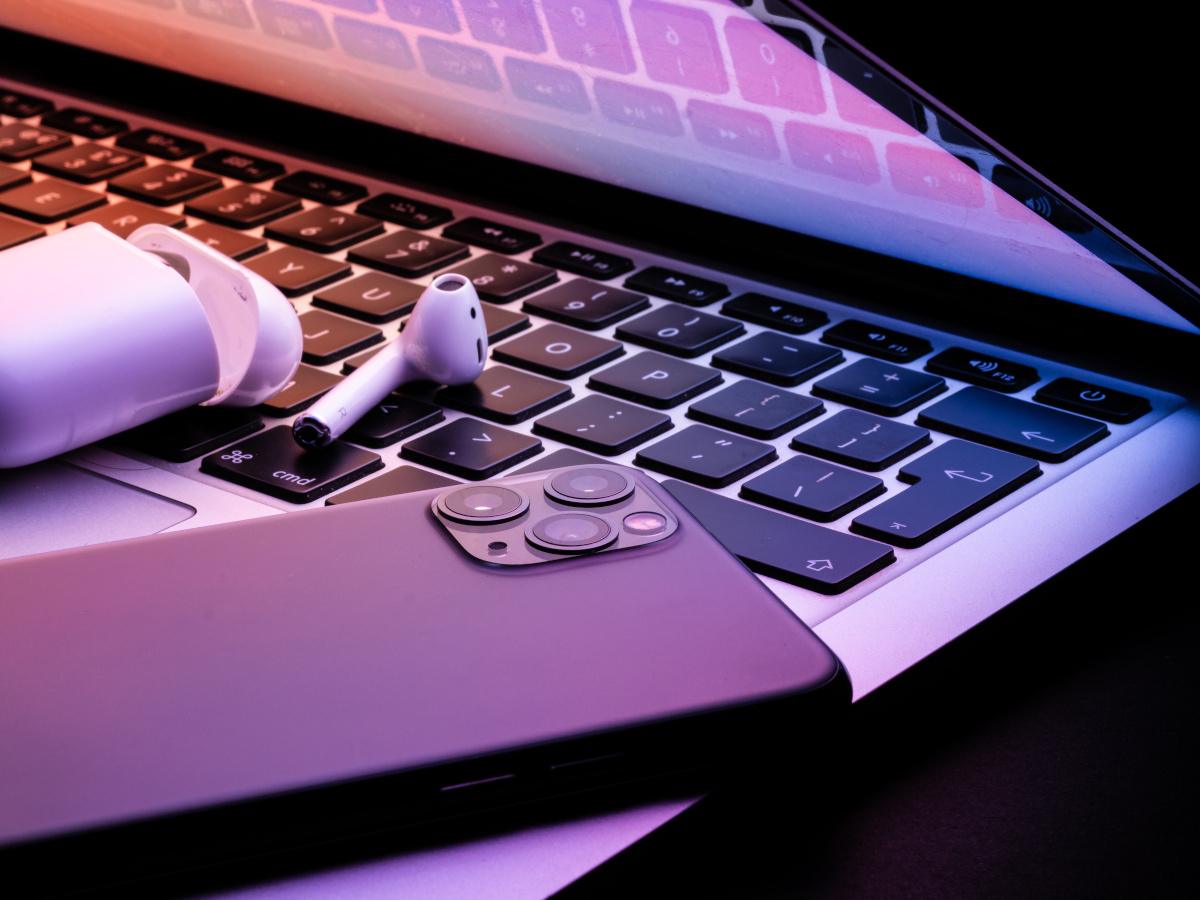

Indian supplier Tata Electronics confirmed the breach on 22 June.
A ransomware group has posted stolen images of Apple’s upcoming iPhone 18 Pro models, alongside sensitive lists of components and suppliers, Reuters has reported.
The data was taken from the tech giant’s Indian supplier Tata Electronics, which confirmed the breach on 22 June.
The leak comes as Apple is reportedly gearing up to release its iPhone 18 Pro and Pro Max this September. SiliconRepublic.com has reached out to Apple for comments.
Documents reviewed by Reuters showed files that map iPhone 18 Pro’s components across companies that supply them, including details of chips on its main circuit board, battery parts and camera components.
The company does not disclose detailed supplier information in its public databases, a source told the publication, adding that Apple considers the leaked information to be sensitive.
The leak also includes confidential images of the upcoming iPhone 18 Pro – reportedly a conventional grey handset with a three-rear-camera set-up and the Apple logo.
The breach threatens the security of the tightly-held chain of suppliers Apple has in place, across more than 60 countries and using millions of workers, to manufacture its products.
It comes after the company raised iPad and MacBook prices last week due to soaring memory and storage chip costs. Analysts expect iPhone prices, especially the Pro models, to also be affected by the chip shortage.
Meanwhile, the 2020-founded Tata Electronics – a Tata Group venture – has taken the mantle as a key player in India’s efforts to improve its devices and chip manufacturing capacity.
The company manufactures electronics, assembles, tests and provides semiconductor foundry capabilities. It has deals with global companies, including the Dutch semiconductor company ASML, Qualcomm, Intel, Tesla and Merck, as manufacturers attempt to diversify supply chains outside of China.
Reuters previously reported that a cyber group called World Leaks posted more than 200,000 files pertaining to Tata customers Apple and Tesla on the dark web.
The files reportedly contained design papers of older iPhones, documents from Taiwan Semiconductor Manufacturing Company and Qualcomm – both of whom supply Apple with components – as well as some data from Tesla.
Don’t miss out on the knowledge you need to succeed. Sign up for the Daily Brief, Silicon Republic’s digest of need-to-know sci-tech news.
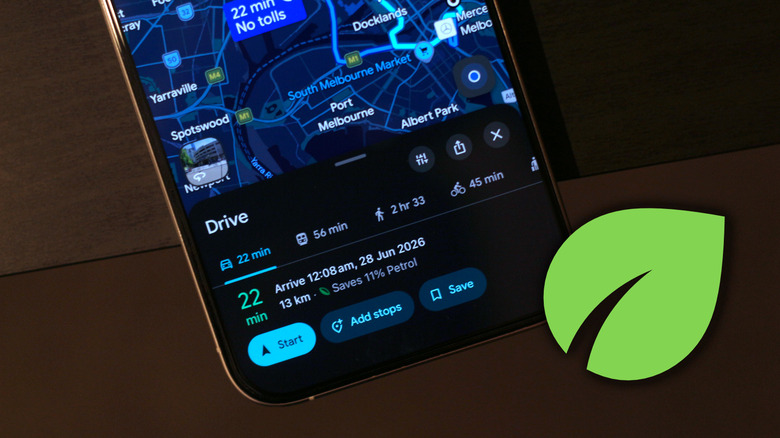
We find the most joy using our smartphones as social media machines, but our phones also handle mundane activities like communication and navigation. If you’re on Android, you most likely default to Google Maps to plan your commutes and explore new places. While Apple Maps’ many useful features make it a compelling alternative, Google Maps enjoys a huge user base, likely because it has had a head start of more than a decade in mapping out even the most rural corners of the world.
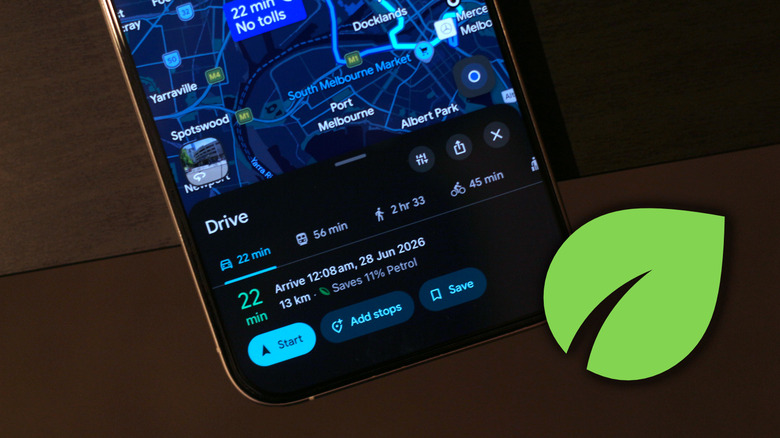
For those of us who aren’t passionate navigators, Google Maps offers a clean user interface with easy-to-understand controls. That said, there are several quality-of-life Google Maps features that are easy to miss. These are often hidden within menus or denoted by icons you might not have given much thought about. The green leaf symbol is one such example that shows up when you start picking a route to a destination. It essentially indicates that the route is the most eco-friendly option.
You can view more info about the eco-friendly route if you expand the navigation details from below. Google Maps will display how much gas you’ll be saving by picking this route and, if applicable, how much longer your trip will take compared to the fastest route. Google claims it determines which route is the most eco-friendly by taking into consideration factors such as real-time traffic and road conditions.
Customizing Google Maps just for you
Relying on eco-friendly routes is an effective way to save fuel in your car. You can customize your Google Maps experience to let it automatically select eco-friendly routes whenever available. To do this, open Google Maps, tap on your profile picture, head to Settings > Navigation, and turn the “Prefer fuel-efficient routes” toggle on. From now on, assuming your destination has more than one route, Google Maps will automatically put you on the one that saves the most gas.
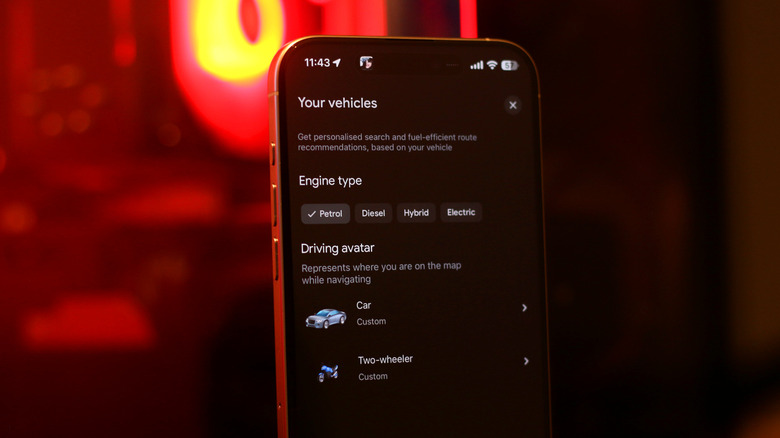
Now is also a good time to enter more details about the vehicle you’re driving, since, by default, Google Maps calculates routes assuming you have a gas or petrol-powered car. Navigate to Settings > Your Vehicles and select an engine type. Options include petrol, diesel, hybrid, and electric. This is important because Google Maps estimates eco-friendly routes based on your vehicle’s engine type. You can also select a different avatar for your car and motorcycle. This replaces the default blue navigation arrow that shows where you are on the map.

Sports1 minute ago
How to watch Team USA vs Bosnia and Herzegovina in round of 32 at World Cup

Tech3 minutes ago
Here’s How to Recycle Your Old Laptop, PC and Printer

NewsBeat5 minutes ago
Millions set to leave work early to cheer England on against DR Congo in first World Cup knockout match while sinking 3.5m GALLONS of beer





-

 Fashion4 days ago
Weekend Open Thread: Staud – Corporette.com
-

 Politics5 days ago
The House | Manchesterism won’t survive the painful trade-offs unless it gets citizens on board
-

 Crypto World24 hours ago
Strategy authorizes up to $1.25B in Bitcoin sales under new capital plan
-

 Politics5 days ago
Potential 2028er World Cup attendee leaderboard
-

 Business5 days ago
Asia stock markets slide as tech shares slump
-

 News Videos2 days ago
MAJOR BITCOIN & MARKET UPDATE!!!! (MUST WATCH ASAP!!!)
-

 Tech5 days ago
A Look At A Gaggle Of Transputer Boards
-

 Crypto World7 days ago
Securitize Wraps Roubini's SEC-Registered ETF as Dubai VARA Digital Security
-
Crypto World7 days ago
Bitcoin (BTC) Dips Below $62K, Ethereum (ETH) Plunges 6% Daily: Market Watch
-
 Crypto World5 days ago
Dell (DELL) Shares Tumble Over 5% Following Analyst Downgrade to Hold
-

 Crypto World3 days ago
Coinbase, Circle Deepen Crypto Stock Losses Despite Resilient S&P 500
-

 Crypto World4 days ago
Kraken's xStocks Opens Bending Spoons IPO Registration to EEA Retail
-

 Business23 hours ago
Australia treasurer says alleged access of prime minister’s bank data ’incredibly concerning’
-

 Sports4 days ago
FIH Pro League: India defeat Pakistan 7-1, register biggest win of campaign | Other Sports News
-

 Crypto World5 days ago
Bitcoin Sparks $600M Hourly Liquidations With $65,000 Set To Become Resistance
-

 Tech3 days ago
Bluekit phishing kit adopts browser-in-the-middle for login theft
-

 Tech4 days ago
Russian hackers now target Signal backup recovery keys
-
 Crypto World5 days ago
Hyperliquid Named on Singapore MAS Investor Alert Register
-

 Crypto World6 days ago
Ripple and SBI launch RLUSD in Japan after JFSA approval
-

 Crypto World4 days ago
RTX holders must register wallets before token distribution begins
You must be logged in to post a comment Login