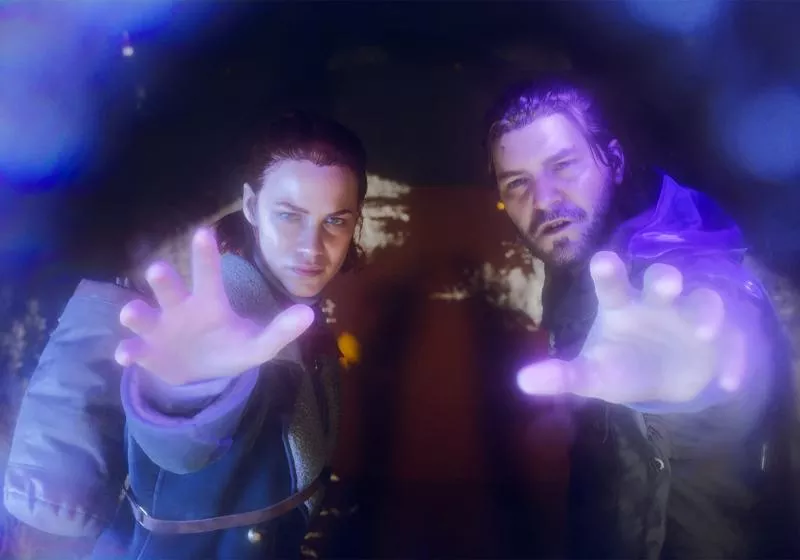
Control Resonant takes Remedy’s supernatural series into a semi-open-world Manhattan, with Dylan Faden replacing Jesse as protagonist. Reviewers like the reality-bending environments, art direction, story, and exploration, while reactions to the redesigned combat are more mixed.
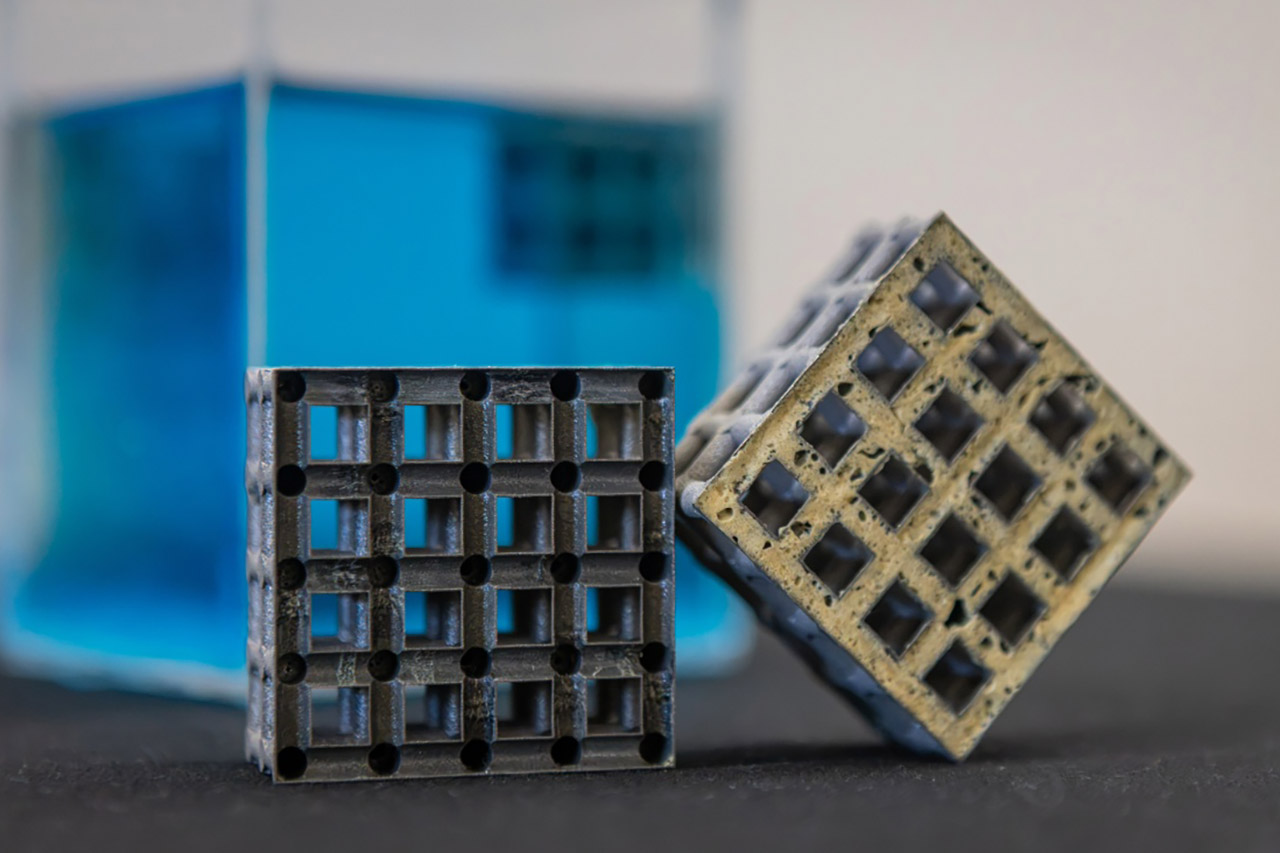
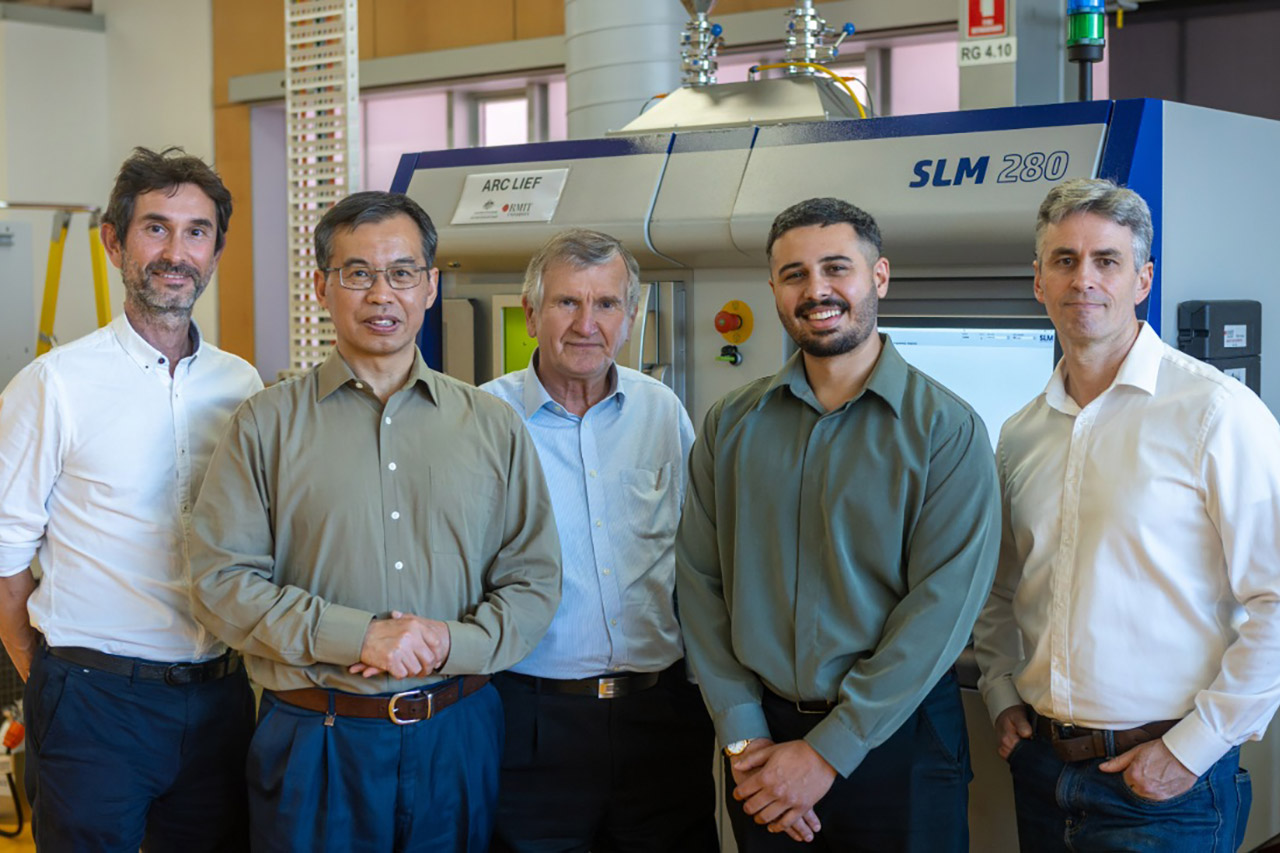
Photo credit: Sara Tan | RMIT Researchers at RMIT University’s Centre for Additive Manufacturing have printed a titanium lattice that floats while remaining open so water can pass straight through. Lead researcher Dr Jordan Noronha and project leader Distinguished Professor Ma Qian worked with Professors Andrey Molotnikov, Milan Brandt and Martin Leary, along with partners at France’s Conservatoire National des Arts et Métiers. Their hybrid starts with Ti-6Al-4V, an alloy that normally sits around 4.43 grams per cubic centimeter, more than four times the density of freshwater.
Laser powder bed fusion resulted in simple cubic lattices of 4 by 4 by 4 stacks of 10 mm cells, all neatly stacked. Instead of thick solid beams, we used hollow struts with walls that were only 0.2 mm thick and interiors that measured 2.5 to 4 mm across. We next filled those hollows with expandable polyurethane foam, allowing it to swell, lock onto the rough inner walls, and form a combination of tiny closed cells ranging in size from 10 to 200 microns. This resulted in a small 5.9 to 7.3 percent increase in bulk density while still trapping a lot of gas inside the metal.
IF DESIGN GOLD AWARD WINNER – Our NESTOUT Outdoor Series won the prestigious IF Design Gold Award, given to the products that exemplifies innovation…
FAST CHARGING USB-C PD – All NESTOUT batteries come equipped with fast-charging USB-C ports with USB Power Delivery to quickly charge electronic…
SMART POWER DELIVERY – The battery automatically detects the energy requirements of plugged-in devices and will allocate more energy to power-hungry…
Metallic lattices have a bit of a problem in that they can achieve bulk densities lower than water while still sinking because liquid fills all of the gaps. Researchers at RMIT developed a new concept called skeleton density, which counts only the titanium walls and sealed-foam filled insides while ignoring all of the empty space on the outside. If the skeleton density in freshwater remains below around 0.997 grams per cubic centimeter, the entire thing will float, even if water only seeps in through the exterior gaps.
They kept them in freshwater aquariums for over two months to test how long they could stay afloat. After only two weeks, seawater from Melbourne’s Port Phillip Bay lost 0.15 percent of its mass and less than 1 percent of its strength. Compression tests revealed that lattices with foam within had almost the same yield strength, ultimate compressive strength, and stiffness as hollow strut equivalents without foam. Interestingly, in terms of specific strength, they outperformed both high-density polyethylene and 316L stainless steel. At the same overall density, our hybrid design was around 70% stronger than steel or HDPE, placing it close second.
Even after tiny cracks, fissures, and the removal of an entire layer of lattice, these hybrids remained buoyant. They only sank toward the end, at the last densification step, when the pressure was high enough to compress the volume and raise the skeleton density above water. They tested an 85 x 100 mm printed buoy in a turbulent seawater tank, allowing it to swing up to 45 degrees without the need for a sealed outer shell.
Jobs such as maritime buoys, floating sensors, piers, and offshore platforms are likely to profit from hardware that can withstand wave impacts and resist corrosion better than typical plastics or steel of comparable weight. Distinguished Professor Ma Qian mentioned that the same titanium structure may be used for other fillers to absorb energy, manage heat, or minimize vibration. The Australian Research Council and the RMIT School of Engineering provided funding for this work. They’re now looking to create larger sections and test them in real-world sea conditions for a few years. [Source]
The Financial Times reported that the company is seeking ‘a valuation of up to $35bn’.
UK AI infrastructure developer Nscale has filed for a US initial public offering (IPO) through a statement of registration to the country’s Securities and Exchange Commission (SEC).
The number of shares to be offered and their price range have not yet been determined, according to the company, which has applied to list its ordinary shares on the New York Stock Exchange under the ticker symbol ‘NSCL’.
The Financial Times, however, reported on Friday (18 September) that Nscale is seeking “a valuation of up to $35bn” in the IPO, citing people familiar with the matter.
Advertisement
Goldman Sachs, JP Morgan and Morgan Stanley will act as lead bookrunners for the proposed offering.
RBC Capital Markets, Deutsche Bank Securities and TD Securities, among others, will act as other bookrunners, while Citizens Capital Markets, Loop Capital Markets and Roth Capital Partners, among others, will act as the offering’s co-managers, Nscale said.
According to its SEC filing, the London-based AI start-up had a net loss of $1.02bn on revenue of $140.6m for the six months ending on 30 June; for the same period in 2025, it had a net loss of $368.9m on revenue of $10.4m.
“As of 31 August 2026, our infrastructure portfolio included approximately 25,000 active GPUs and 461,000 active and contracted GPUs, five active and 12 contracted data centre sites (including seven wholly-owned sites, nine colocation sites and one leased site) and approximately 1.37GW of active and contracted capacity (representing 1GW at owned sites, 200MW at leased sites and 165MW at colocation sites)”, Nscale’s filing read.
Advertisement
It added that the company’s footprint “is concentrated in renewable-rich, low-cost power regions such as Norway, Portugal, Iceland and select locations in the United States and APAC”.
The company raised $2bn in Series C funding at a valuation of $14.6bn in March of this year. At the time, it said the money would be used to accelerate its global development of vertically integrated AI infrastructure – including GPU compute, networking, data services and orchestration software – across Europe, North America and Asia.
Nscale has AI infrastructure deployment deals with Microsoft and Nvidia; its founder, CEO and chair – 32-year-old Josh Payne – received total compensation in 2025 of $23.2m, according to last week’s SEC filing notice.
Don’t miss out on the knowledge you need to succeed. Sign up for the Daily Brief, Silicon Republic’s digest of need-to-know sci-tech news.
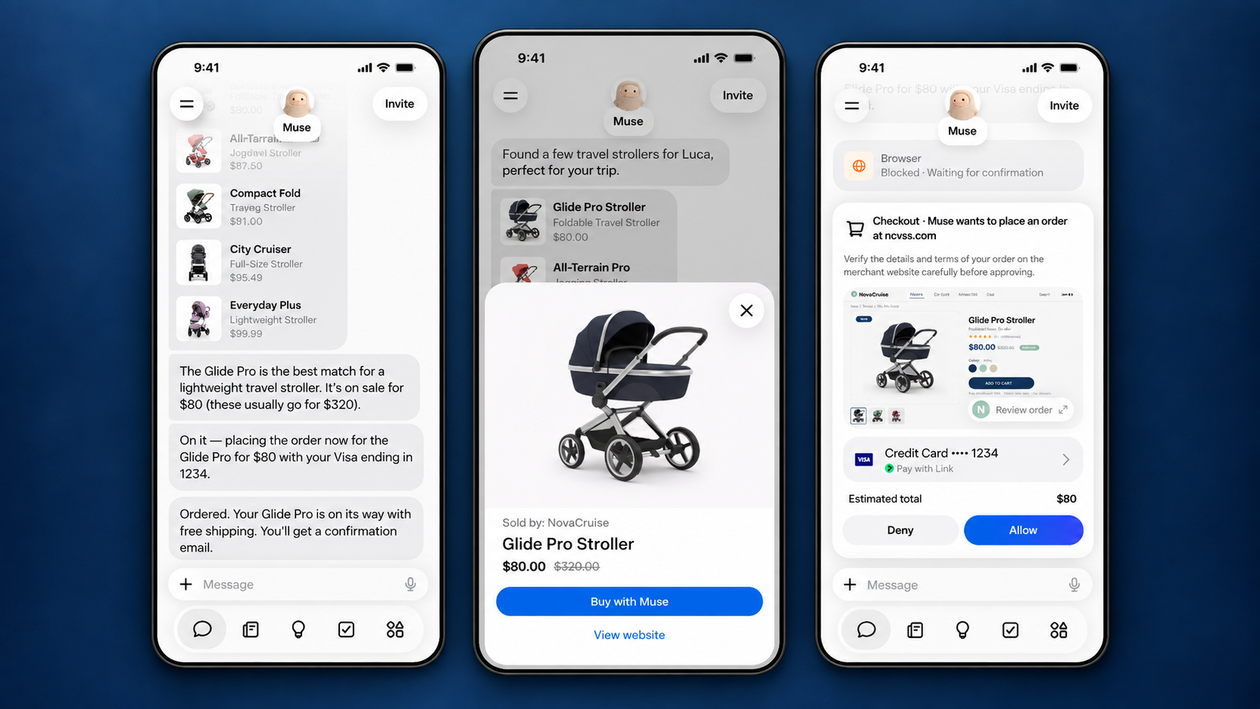
Meta’s promotional images show Muse comparing strollers and asking for approval before placing an order. (Meta Images)
Amazon says it has cut off Meta’s new Muse personal AI agent from shopping on Amazon.com on behalf of customers, after attempting unsuccessfully to get the Facebook parent company to voluntarily exclude the e-commerce site from the experience.
The problem, Amazon says, is that it never agreed to any of it. Meta didn’t tell Amazon that Muse would access its store, the agent doesn’t identify itself when it browses, and it appears to capture and store customer credentials, which the company says could create privacy and security risks.
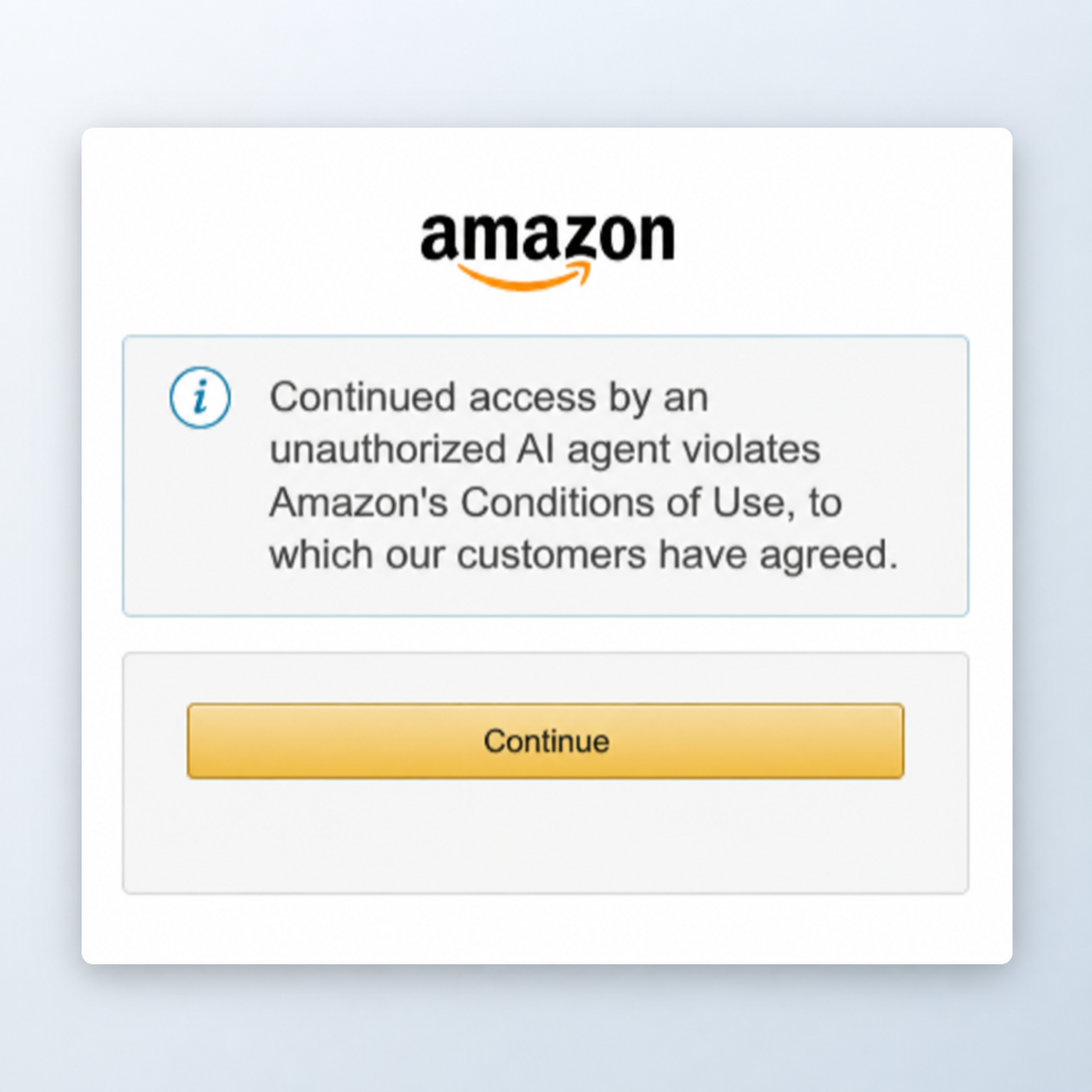
As of Sunday night, people trying to use Muse to shop on Amazon were seeing the popup, “Continued access by an unauthorized AI agent violates Amazon’s Conditions of Use, to which our customers have agreed.”
“We think it’s fairly straightforward that third-party applications that offer to make purchases on behalf of customers from other businesses should operate openly and respect service provider decisions about whether or not to participate,” an Amazon spokesperson said in a statement.
The message Amazon is showing people who use Meta’s Muse agent to shop on its site. (Amazon Image)
Meta did not immediately respond to a request for comment Sunday night.
The company said previously that Muse “has no visibility into people’s passwords or payment methods,” and that credentials a user shares “go into secure storage, so Muse can use them without seeing them, including passwords a person types into the browser themselves.”
Advertisement
Business partners: The standoff between the tech giants is especially notable because the two companies work together: Amazon products have been purchasable inside Facebook and Instagram since 2023, and Meta signed a multibillion-dollar deal in April to run agentic AI workloads on Amazon’s cloud.
It’s part of a larger debate over who controls the online shopping experience and the customer relationship when AI agents buy items on behalf of consumers.
On Sunday night, Amazon said it is in direct conversation with Meta about the issue. Asked whether it would consider taking legal action, the company declined to comment.
Advertisement
The business stakes are high for Amazon. In addition to operating its flagship e-commerce site, Amazon generated more than $68 billion in ad revenue last year — a business that depends on people browsing its pages and seeing sponsored products.
Security implications: Muse can reach account pages and order history if a customer prompts it to do so, Amazon says. Because the agent doesn’t identify itself, the company says, that amounts to an undisclosed third party moving through customer accounts, processing transactions and handling sensitive data without Amazon’s knowledge or consent.
Amazon said agents that operate openly help keep the customer experience safe and reliable, and that other services buying on a customer’s behalf typically do so with the merchant’s agreement. It cited food delivery apps and the restaurants they take orders for, and online travel agencies and the airlines they book tickets with.
“Agentic third-party applications such as Muse have the same obligations, and we’ve requested that Meta remove Amazon from the experience,” Amazon’s spokesperson said in the statement.
The court denied Amazon’s petition for rehearing on Sept. 10. However, the ruling left one avenue open for Amazon: claims built on contracts and terms of service. The message Muse users are now seeing doesn’t accuse anyone of hacking but cites Amazon’s Conditions of Use.
How Muse works: Meta launched Muse on Sept. 8 as a personal agent that carries out multi-step tasks rather than answering one-off questions, connecting to services including email, calendar, payments, dining and shopping.
It’s free, with paid subscription tiers, and available on iOS, Android, muse.ai and WhatsApp.
Advertisement
Meta says the agent runs on a secure virtual machine, with its own browser, and checks with the user before sensitive actions like sending an email or making a purchase. A separate monitoring agent called Sentinel has to approve anything Muse sends to the internet.
The Muse launch materials describe the mechanism now at the center of the dispute: If a service has a public API, Muse can connect to it using credentials the user provides. If it has no API at all, Meta says, the agent “can use the service through a browser the way you would.”
Muse has caught on fast. A week after launch, it became the No. 1 free app in Apple’s U.S. App Store, ahead of ChatGPT. Early users have described it switching an auto insurance policy, hunting down discount codes at checkout, and loading an online grocery cart.
Amazon launched Alexa for Shopping in May, an AI agent that researches products and makes recommendations. Its own agentic shopping feature, Buy for Me, finds items on external brands’ sites, but the company points out that Buy for Me identifies itself and lets brands opt out.
Samsung has spent years making QLED one of the most recognizable names in the TV aisle. But if a new report is accurate, the company could be preparing for a future where that familiar label becomes a much smaller part of its lineup and eventually disappears altogether.
According to a report from Electronic Times, Samsung has dramatically reduced production of its quantum dot-based LCD TVs. The company produced around 10 million QLED TVs in 2025, but that figure is expected to fall to just 2 million to 3 million units this year — a drop of as much as 80%. That doesn’t mean your QLED TV is obsolete, of course. Instead, this appears to be a much bigger rethink of what Samsung wants its TV lineup to look like over the next few years.
QLED is getting squeezed from both ends
Part of the problem is that QLED isn’t the differentiator it once was. Chinese manufacturers such as TCL and Hisense have made quantum dot TVs available at increasingly aggressive prices, making it harder for Samsung to compete at the cheaper end of the market.
Nicholas Derio Palacios / Pexels
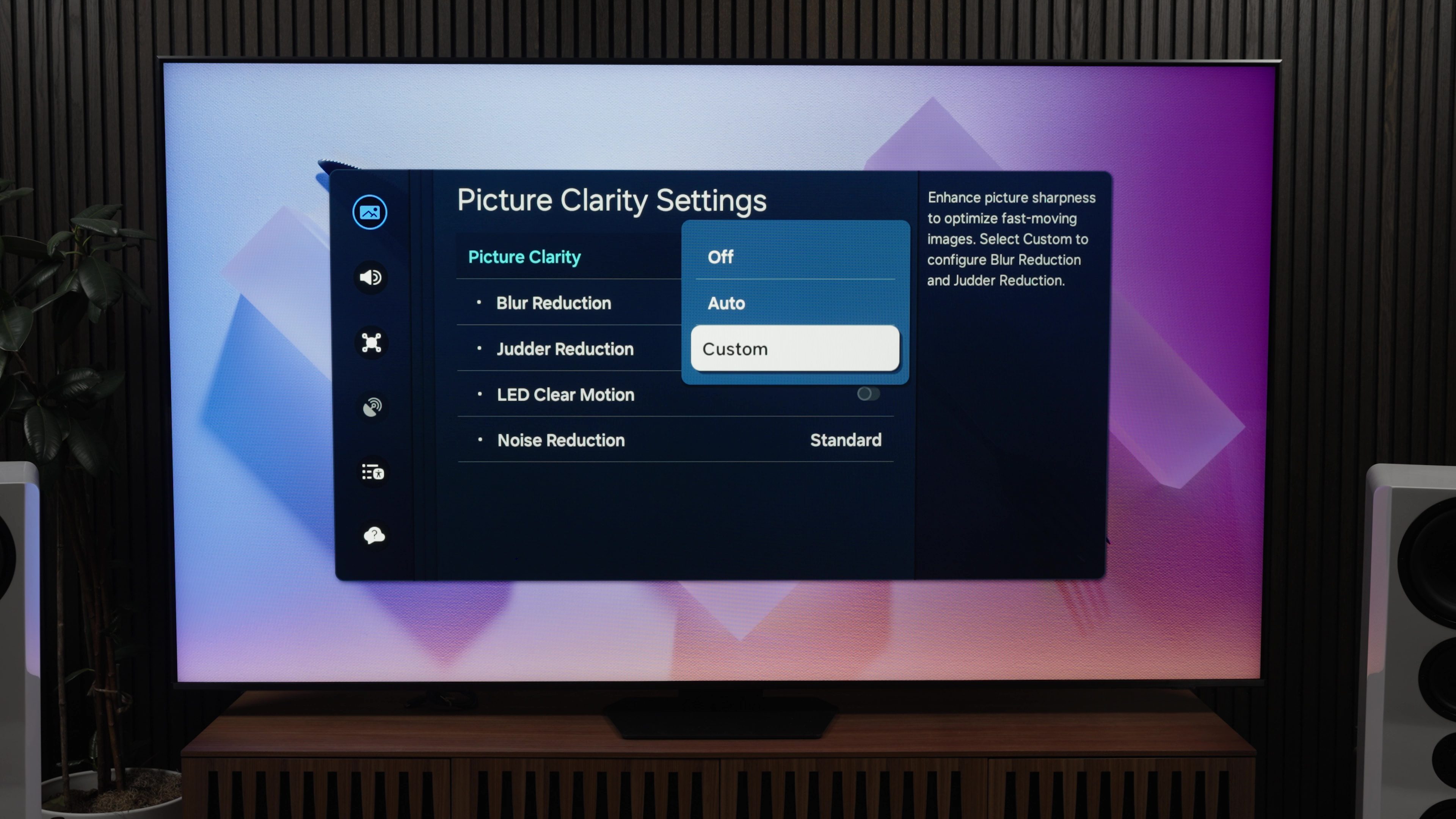
Samsung’s answer appears to be Mini LED. The company introduced a dedicated Mini LED range in 2026, including more affordable models below its premium offerings. In India, for example, Samsung’s Mini LED lineup currently starts at Rs. 42,990, while the company still sells Neo QLED models higher up the range. The important distinction is that Samsung’s new entry-level Mini LED models don’t rely on the same quantum dot layer that has defined its QLED branding. And the changes may not stop with Samsung’s cheaper TVs.
Samsung already has its QLED replacement waiting
Samsung is reportedly planning to shrink its Neo QLED lineup further in 2027 and could gradually phase it out as early as 2028. Neo QLED combines quantum dots with Mini LED backlighting, so its disappearance would be a much bigger departure from Samsung’s current TV strategy. The company has already given us a pretty good idea of what could replace it. Samsung has been investing heavily in Micro RGB, which uses microscopic red, green, and blue LEDs for its backlight instead of relying on a conventional LED backlight and quantum dot layer. Its 2026 Micro RGB range now stretches from 55 inches to 115 inches, and Samsung also showed off a massive 130-inch model at CES.
Advertisement
Chris Hagan / Digital Trends
OLED isn’t going anywhere either. Samsung’s own 2026 strategy explicitly places Micro RGB and OLED at the premium end, with Mini LED serving as the more accessible option. If the reported roadmap holds, Samsung’s TV shelves could look very different within a couple of years: Mini LED at the affordable end, OLED and Micro RGB at the top, and QLED, once one of Samsung’s biggest TV selling points, squeezed out in between.
Elon Musk recently claimed that his tunneling startup The Boring Company is working on “a simple precursor Hyperloop” between Austin and San Antonio that will reduce the journey between the two cities to less than 30 minutes.
The Boring Company account shared Musk’s statement and said it “would be excited and honored to build this massive infrastructure project.”
Many of The Boring Company’s announced projects — including tunnel systems in Chicago, Los Angeles, and between New York City and Washington, D.C. — have not materialized. However, it does operate a transportation system combining tunnels and surface routes in Las Vegas, and it recently raised a $3 billion round led by the United Arab Emirates.
Musk’s comments about a potential Austin-San Antonio Hyperloop were actually in reply to an AI-generated video depicting a generic science fiction future with human colonies on other worlds. Musk re-posted the video and declared, “This is the future we shall bring into being”.
Advertisement
Musk’s critics have argued that his vision of the future is apparently inspired by pulp science fiction and comic books; historian Jill Lepore recently told me that he seems to favor sci-fi that “completely defeats and defies all of his political beliefs.”
In a nutshell: Two senators are urging the Federal Trade Commission to examine how Amazon’s and Walmart’s shopping chatbots handle questions about products labeled “Made in the USA.” Sens. Tammy Baldwin and Rick Scott said Amazon’s Alexa and Walmart’s Sparky may fail to clearly indicate whether products are made domestically. In a letter to the FTC, the senators said the systems could “obscure and suppress” information about US-made goods and products falsely advertised as American-made.
The request follows a July report from Columbia University’s Center for Law and the Economy. The report said the two AI systems did not consistently surface information about domestic-origin claims, even though they could provide information on goods made in other countries.
The concern is not simply whether product data exists on a retailer’s website. It is whether a chatbot can find and present that information when a shopper asks for it. As retailers put more AI tools between consumers and product listings, the quality of the chatbot’s response can shape what shoppers see and buy.
The report’s authors tested Alexa and Sparky using prompts about US-made products. Alexa initially said it could not access that information. But when the wording of the request changed, the assistant returned products labeled as made in the US.
Advertisement
Sparky initially said it could not determine whether “Made in USA” claims were accurate. After more detailed prompts, it ranked products in a shopping cart based on the apparent reliability of their labels. The chatbot described its first response as “overly cautious.”
Baldwin said the results could put domestic manufacturers at a disadvantage. “If Americans want to buy products made in America, Amazon and Walmart should be helping them, not giving away their business to foreign knockoffs,” she said in a statement.
Amazon rejected the suggestion that it deliberately withholds country-of-origin information. The company said it provides manufacturing-location details when manufacturers or third-party sellers supply that information. It also said country-of-origin information is shown on product-detail pages when available.
Amazon said it is working to improve Alexa for Shopping’s ability to provide that data. Walmart declined to comment.
Advertisement
The FTC has previously warned both companies about origin claims made by third-party sellers. Last year, the agency wrote to Amazon and Walmart stating that some sellers on their marketplaces appeared to be falsely marketing goods as made in the US. The agency said those claims could violate federal standards and the companies’ own terms of service.
Baldwin and Scott said the newer report suggests the issue may not be limited to inaccurate product listings. They said chatbot behavior could make the problem harder for consumers to detect if the systems do not clearly identify products with credible domestic-origin claims.
“We all share the goal of strengthening American manufacturing and small businesses through initiatives such as Made in USA labeling, all while ensuring consumers receive accurate information about where the products they buy are made,” the senators wrote.
The request comes as the FTC continues to enforce its Made in USA Labeling Rule. The rule, which took effect in 2021, allows the agency to seek civil penalties against companies that falsely label products as made in the US.
Advertisement
The FTC brought 11 enforcement actions after the rule took effect under the Biden administration, including a case that resulted in a multimillion-dollar judgment against home-goods retailer Williams-Sonoma. The agency has continued taking action over national-origin claims during the Trump administration and has issued warning letters to other businesses.
President Trump also signed an executive order in March calling for truthful advertising and suggesting that the FTC require e-commerce platforms to develop procedures for verifying country-of-origin claims from third-party sellers.
Erie Meyer, a senior fellow at the Center for Law and the Economy and a co-author of the July report, said the bipartisan support for an FTC investigation was notable. “Seeing Sen. Baldwin and Sen. Scott sign the same letter gives me hope that supporting American businesses is still a bipartisan issue,” Meyer told The Wall Street Journal.
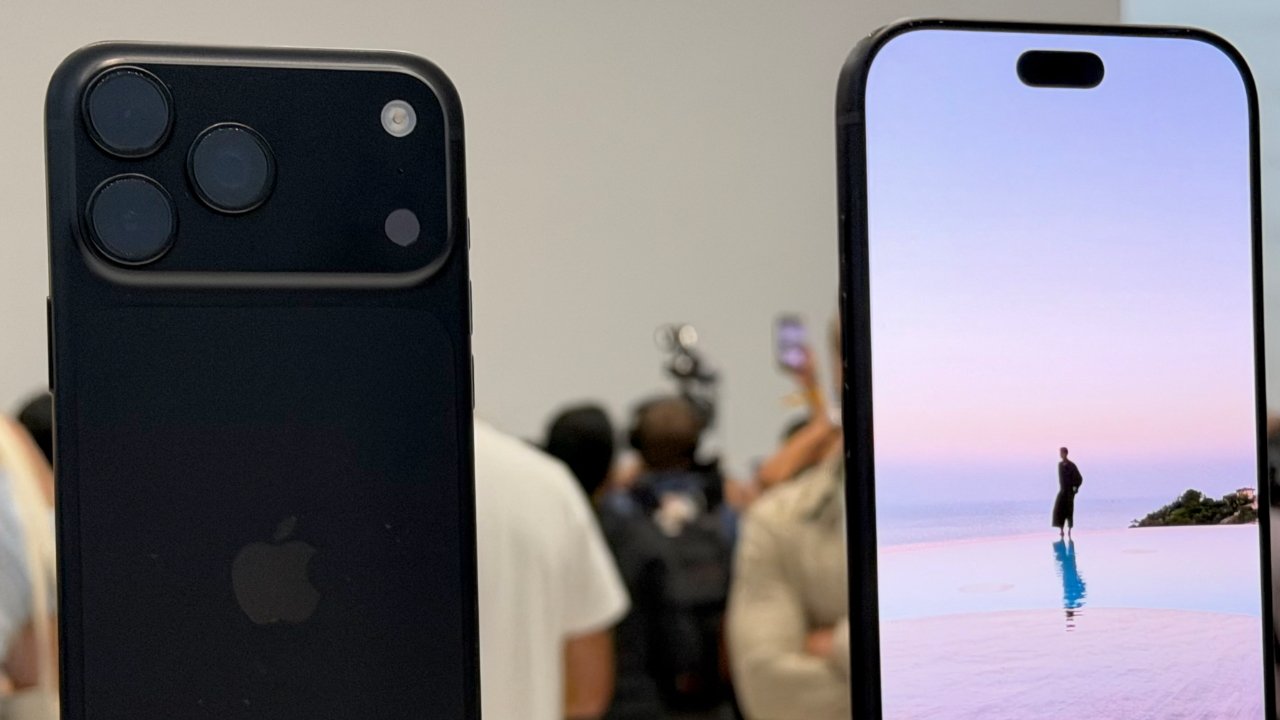
Investment firm Evercore believes that upgrade demand for the iPhone 18 Pro range and new Apple Watch Series 12 is higher than predicted, prompting a target rise of $15.
Back in May 2026, Evercore raised its price by $35 to $365, arguing that investors were ignoring Apple’s long term prospects. Now it’s raised the price again, but this time because of what appear to be short term issues.
Specifically, the company reports that its survey of consumers suggests that the new iPhone range will prompt more upgrades than expected. The improvement is slight, but clear, and also focused on the iPhone 18 Pro and iPhone 18 Pro Max.
In a note to investors seen by AppleInsider, Evercore says, for instance, that 32% of its survey plan to buy the iPhone 18 Pro Max. That’s up from 29% who intended to buy the iPhone 17 Pro Max.
Advertisement
The company maintains that while there are impressive new features in the latest models, most upgraders are driven by their current iPhone aging. Some 67% of respondents said this, compared to 48% in 2025.
For Apple’s earnings, Evercore further notes that buyers are continuing to prefer higher storage capacity models. This tends to benefit Apple which charges heavily for those configurations.
It’s a similar story for the new Apple Watch Series 12 and Apple Watch Ultra 4. The analysts report that 38% of respondents intend to buy, compared to 34% in 2025, with an unspecified majority favoring the Apple Watch Series 12.
Evercore’s reasoning does run counter to many recent analysts who have focused on what appeared to be a comparatively slow start to iPhone 18 Pro pre-orders online. But this year’s launch is significantly different with fewer models plus a new foldable, so much of the analysis appears to be guesswork.
Advertisement
iPhone Duo outlook
One area that Evercore does not yet expect to do well for Apple is the new foldable iPhone Duo. At present, its survey suggests 14% of respondents expected to buy it.
That is, though, an improvement on the 9% who in 2025 said they would be buying an iPhone Air.
Plus Evercore cautions that iPhone Duo demand could improve once it has actually launched and buyers can test it out. Plus its analysts also note that its survey was confined to the US and although they don’t mention this, foldables have traditionally done significantly better in China.
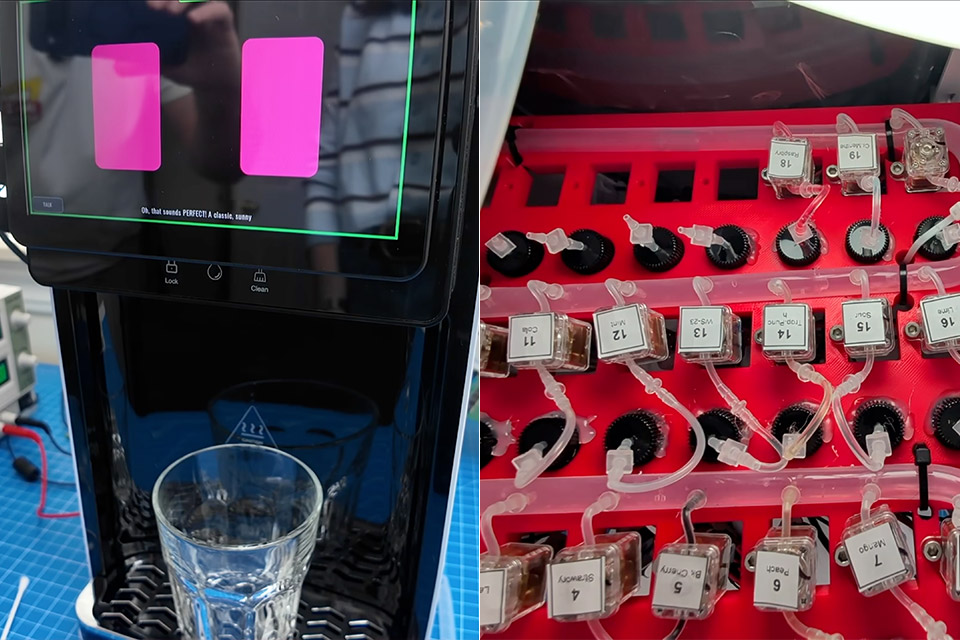
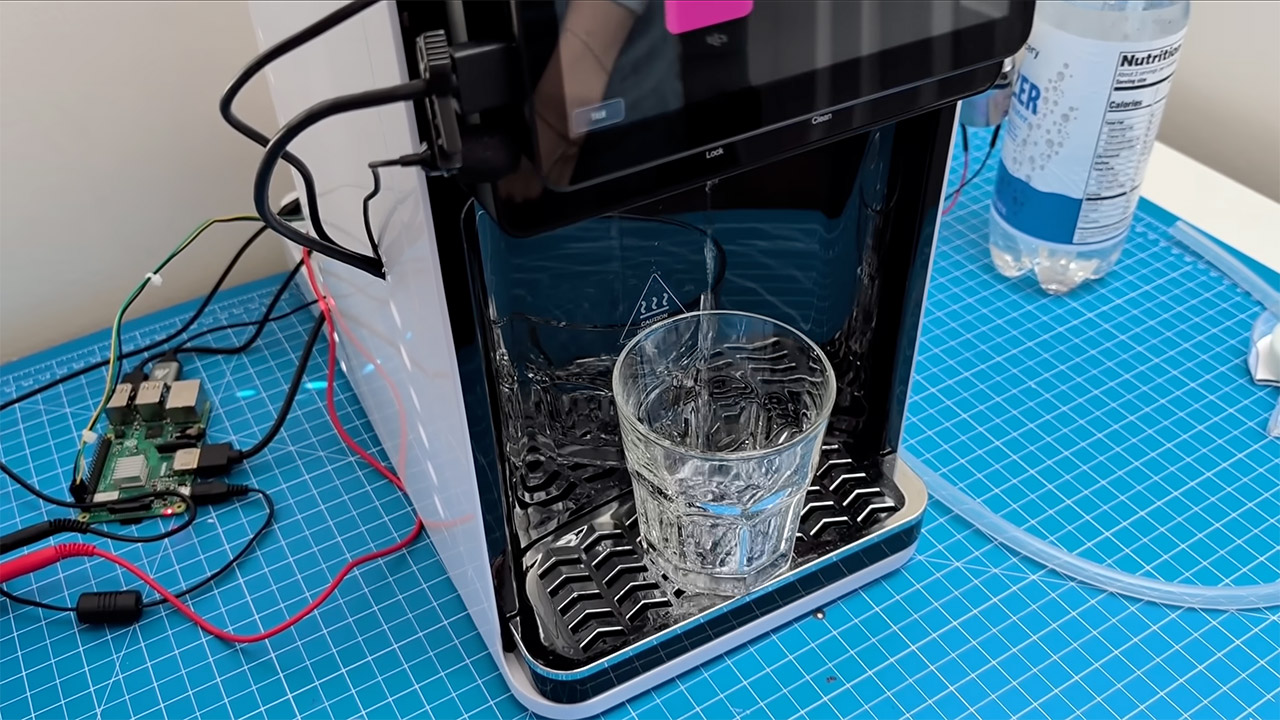
Luke Creatives spent more than eight months on a soda machine that listens to a spoken request and mixes a drink from a bank of concentrated flavors. Ordinary fountain buttons give you one listed option. This cabinet aims at anything you can say out loud, from strawberry lemonade to a summer night, and it draws on roughly half a million possible mixes to do it.
Ordinary soda fountains lock you to a short printed list. Luke wanted a machine that could connect an idea to a taste, the way a midsummer night or a thunderstorm might feel if you had to drink it. He treated flavors like primary colors, believing that with enough base selections, you could achieve practically any desired result. Claude assisted him in selecting twenty concentrations that would provide them with the most variety, including one that is said to taste like freezing cold. Although two of them (lavender and capsaicin) refused to dissolve in water, they were replaced with cardamom and crème de menthe. That left them with about 18 bottles that actually worked and hundreds of thousands of possible combinations.
FRESH FIZZ ON DEMAND: The SodaStream TERRA turns plain tap water into fresh sparkling water in seconds, right on your countertop. One slow press gives…
A SECURE SNAP AND SEAL: The Quick Connect CO2 cylinder clicks in with one push, and the bottle snaps into place before you fizz. The seal is built to…
THE QUICK CONNECT CO2 SYSTEM: Each 60L Quick Connect cylinder makes up to 60 liters (16 gallons) of sparkling water. When it runs low, return, refill…
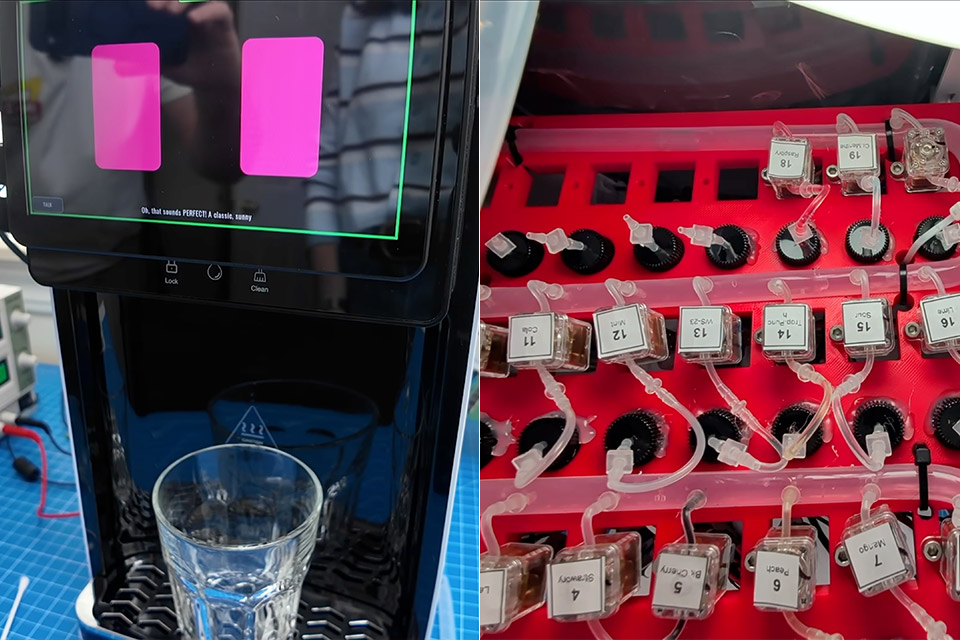
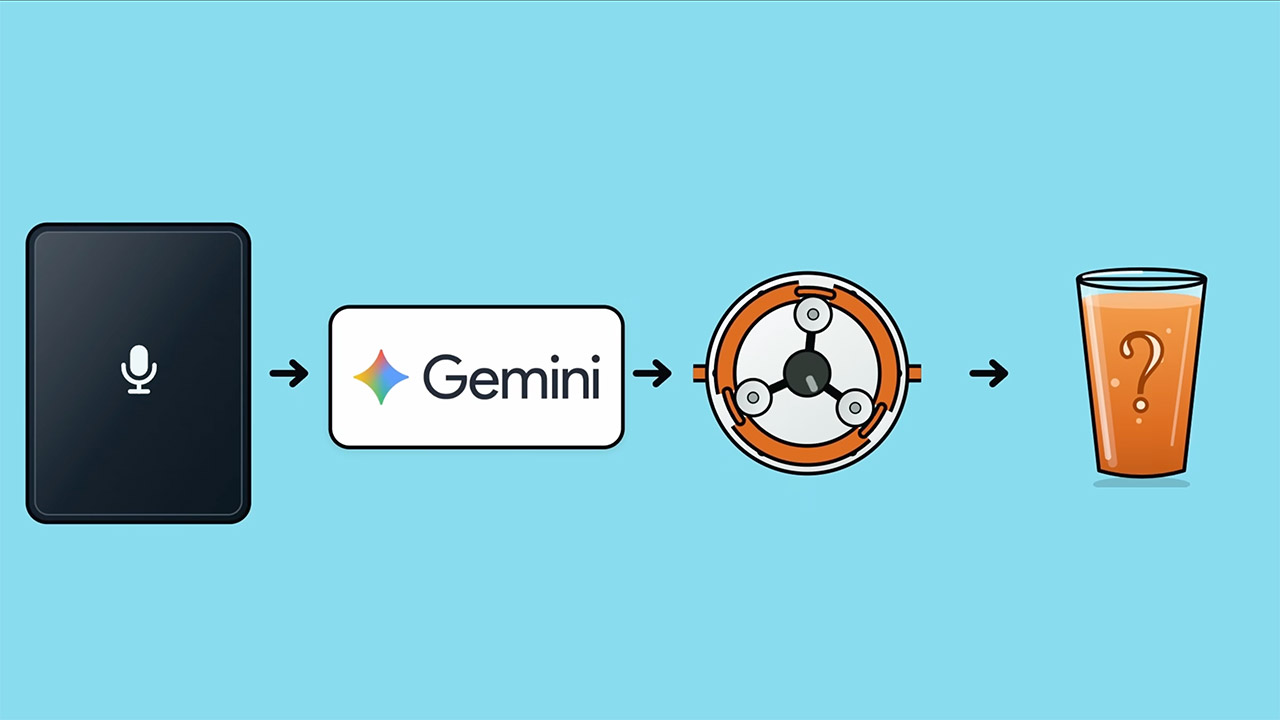
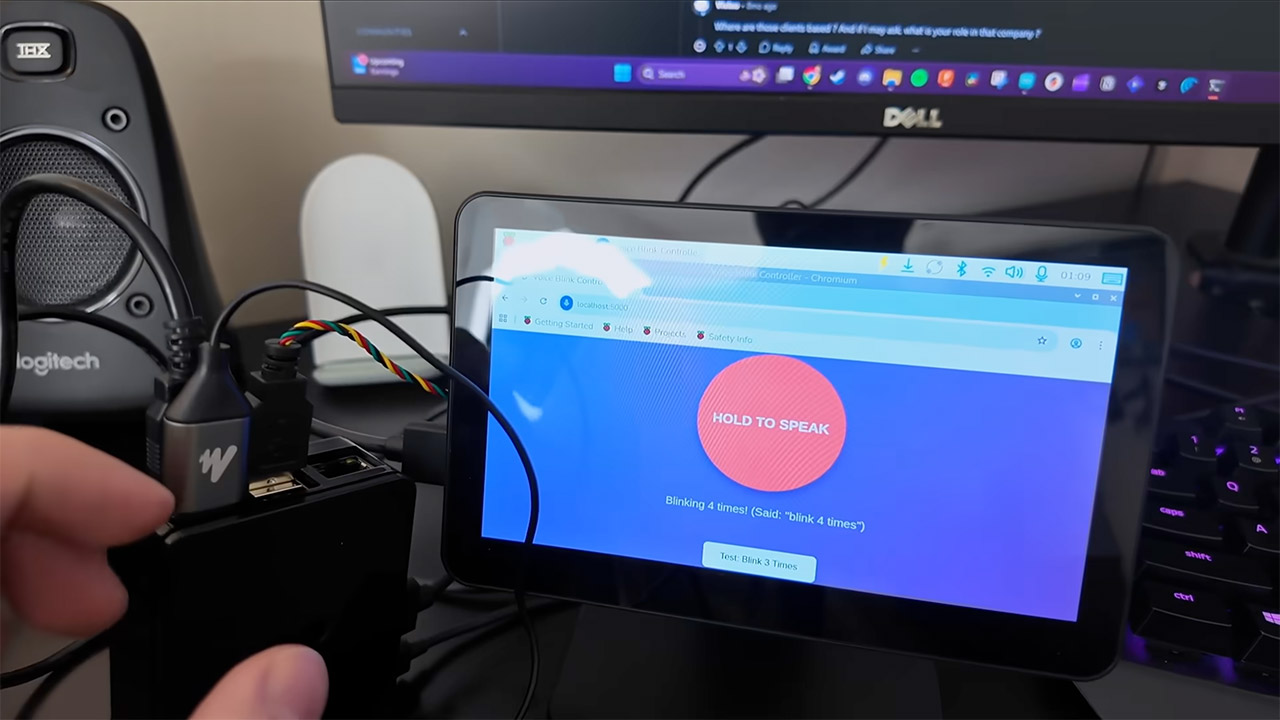
Voice control is based on a Raspberry Pi and includes a touch screen and microphone, making it an all-in-one device. Hold down a button and chat, and Google Gemini will hear what you say and write down a recipe with measured doses to use before sending the information to the pumps. A large peristaltic pump circulates pre-carbonated water through a silicone tube, ensuring that the liquid never contacts the motor parts. There are twenty smaller pumps that perform the same thing with the flavor vials, first flushing the flavors through the system and then introducing water to mix them up in the cup. There is no carbonator inside the box; instead, the team uses bottled sparkling water to save money and simplify plumbing.
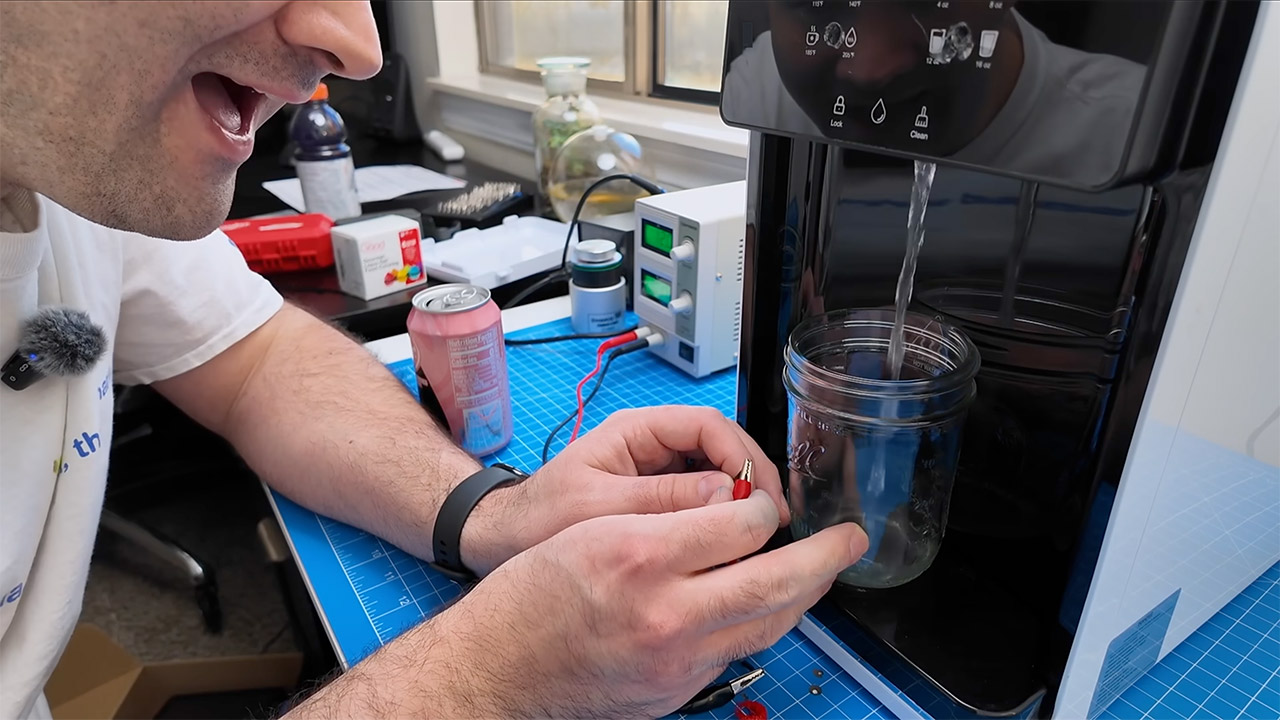
Before the finished cabinet could be built, Luke had to develop a smaller version of the system consisting of a single Pi, screen, microphone, and pump to test the concept. If that didn’t work, he assumed the entire thing was doomed. Scaling it up nearly ruined the entire project, as the first circuit board with two copper layers became a nightmare when they tried to add twenty-one pumps and a Pi. Josh at VentureVici solved the problem by building a six-layer board using GPIO expander chips and I2C, allowing the computer to communicate with each pump via a single wire. JLCPCB constructed the boards, however they still managed to fry a handful of Raspberry PIs due to power issues, and one of the finished boards was also destroyed. Half of the tiny pumps arrived with incorrect settings and had to be manually switched around, while early tube rips caused leaks over the electronics.
They discovered the ideal enclosure for the machine on eBay: an old reverse osmosis filter housing. A flavor train of glass vials and pumps was fixed inside the cramped space, held together with hot glue and whatever else they could think of. Claude offered some very valuable dilution tables to keep each flavor at a manageable strength so that one flavor did not overshadow the others. Before they began testing with drinks, they conducted a few test runs with simply water to identify leakage.
When they finally had a drink that didn’t leak all over the place, they began to experiment with other flavor combinations. The family who assisted recognized a few popular refreshments, including strawberry lemonade, rocky road fudge ice cream, and blue moon ice cream. Then some unexpected ones came about, such as a summer night with vanilla and hibiscus, a thunderstorm with ginger and fire, and grief with a salty and muted flavor. Pine tree tasted similar to a heavy version of Sprite, but with a foresty touch. After the pour, Gemini Live even spoke back to them in a natural voice.
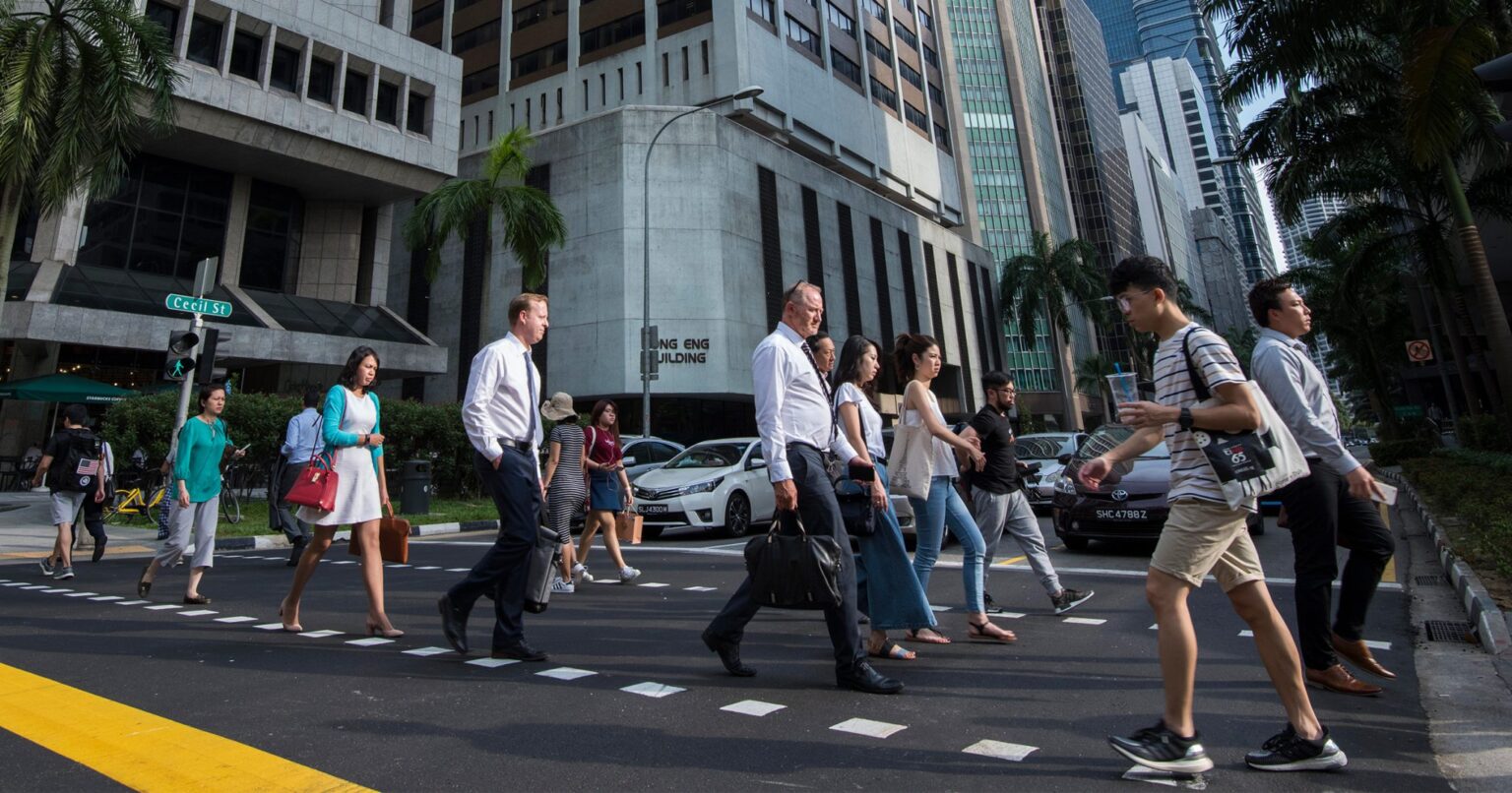
Job vacancies in Singapore kept falling in the second quarter of 2026, even as retrenchments climbed to their highest level since the pandemic.
About two in every 1,000 employees were retrenched in the second quarter, with the number of laid-off workers rising to 4,620, the highest since the fourth quarter of 2020, when the COVID-19 pandemic was under way.
This is up from 3,830 retrenchments, or about 1.6 retrenched workers for every 1,000 employees, in the first quarter.
The Ministry of Manpower (MOM), in its labour report released on Sep 21, said the labour market is showing signs of softening. The rise in retrenchments was driven by restructuring among businesses in outward-oriented sectors such as manufacturing, information and communications, and financial services.
Advertisement
He added that the layoffs are not broad-based and are mostly concentrated in outward-oriented sectors.
A slower path back to work
Retrenched workers were also taking longer to find jobs: 54.9% found new employment within six months in the second quarter, down from 60.7% in the first. Even so, close to 70% found work within a year.
Acting Minister for Manpower Jasmin Lau said some workers were finding that the transition to their next role was taking slightly longer, which she called “a concern for some Singaporeans.”
Speaking on the sidelines of a visit to technology company Acronis, she said job opportunities remained, but moving between jobs could be challenging. She added that the Government will help workers learn, adapt and prepare for new roles through career conversion programmes.
Advertisement
“Instead of learning a new skill and then hoping to find a job that uses it, workers train for actual roles that companies need,” she said.
Acronis, has supported more than 50 of its employees since 2024 through career conversion programmes, helping them build new skills in cybersecurity, software development and artificial intelligence.
Lau said: “This is the shift I hope we can all make together, learning new skills not just to protect what we have, but to open up more possibilities for what comes next.”
Fewer non-entry-level PMET openings
At the same time, job vacancies fell to 68,600 in Jun from 73,300 in Mar, the MOM report said.
Advertisement
The drop mainly reflected fewer openings for professionals, managers, executives and technicians (PMETs) in sectors such as financial services and information and communications.
Entry-level PMET vacancies, however, remained “broadly stable and sizeable”, making up 45.3% of all job openings in June.
Despite the overall decline, there were still more vacancies than unemployed people, at 1.48 vacancies per unemployed person as at Jun.
In general, Singapore’s labour market expanded in the second quarter, MOM said.
Advertisement
Total employment rose by 11,400, the 19th consecutive quarter of growth and up from the 9,400 jobs added in the first quarter.
A “positive but cautious” outlook
Resident employment growth, however, slowed from the previous quarter.
The growth came mainly from domestic-oriented sectors such as transportation and storage, public administration and education, and health and social services, although some outward-oriented sectors, including professional services, financial services, and information and communications, also expanded.
On the other hand, non-resident employment growth was driven by work permit holders in construction and manufacturing.
Advertisement
Unemployment rates remained “low and stable” in Jun, at 1.9% overall and 2.9% for residents, though the resident long-term unemployment rate edged up to 1% from 0.9% in Mar.
MOM said the labour market remained resilient overall, but conditions became less favourable for some resident workers as employment growth moderated, retrenchments increased and six-month re-entry outcomes weakened.
Looking ahead, MOM described the labour market outlook as “positive but cautious”, based on its business expectation polls in July.
Hiring expectations improved across more sectors, with 48.7% of companies intending to hire in the next three months, up from 43.9% in June.
Advertisement
The share of companies intending to raise wages, however, fell to 27.9% in July from 29.3% in June.
“Despite the improvement, both hiring and wage expectations remained below their Feb levels,” MOM added.
Read other articles we’ve written on Singaporean businesses here.
Featured Image Credit: Shadow_of_light/ depositphotos
We spend hours testing every product or service we review, so you can be sure you’re buying the best. Find out more about how we test.
Traditionally set in North America, the Silent Hill series has been known to stray beyond the continent on occasion, most notably with the recent Silent Hill f, which takes place in sixties Japan.
Review info
Platform reviewed: PS5 Available on: PS5, PC Release date: September 24, 2026
Advertisement
With Townfall, we’re headed to nineties Scotland, but that’s not the only change: we also get a new perspective — in more ways than one.
Not only is the game in first-person, rather than third-person, but it’s developed by a series newcomer, Screen Burn Interactive, formerly known as No Code. This small Scottish outfit doesn’t exactly have a long resume, but it’s already proved itself with its two previous outings. 2017’s Stories Untold was an interesting, modern take on the text adventure, while 2019’s Observation, another first-person horror, won the Bafta for Best British Game in 2020.
Latest Videos FromTechRadar
Advertisement
Now the team brings its Caledonian spirit to bear on Konami’s flagship horror franchise, but does the new locale and camera angle represent another step in the right direction for a series keen on extending its recent purple patch?
Everybody’s aff to the rapture
(Image credit: Konami)
We open in typical horror story fashion: a man crawls out of the water onto a dock, not knowing where he is or where he came from.
Best bit
Advertisement
(Image credit: Konami)
Sneaking around the streets of St. Amelia. Its layout is ripe for creating your own paths to avoid enemies, and escaping their clutches by running down back alleys and hiding in cupboards is always a thrill. Plus, you get to explore a town that’s been lovingly and realistically rendered, with homes, shops, and features that offer a glimpse back to a simpler time.
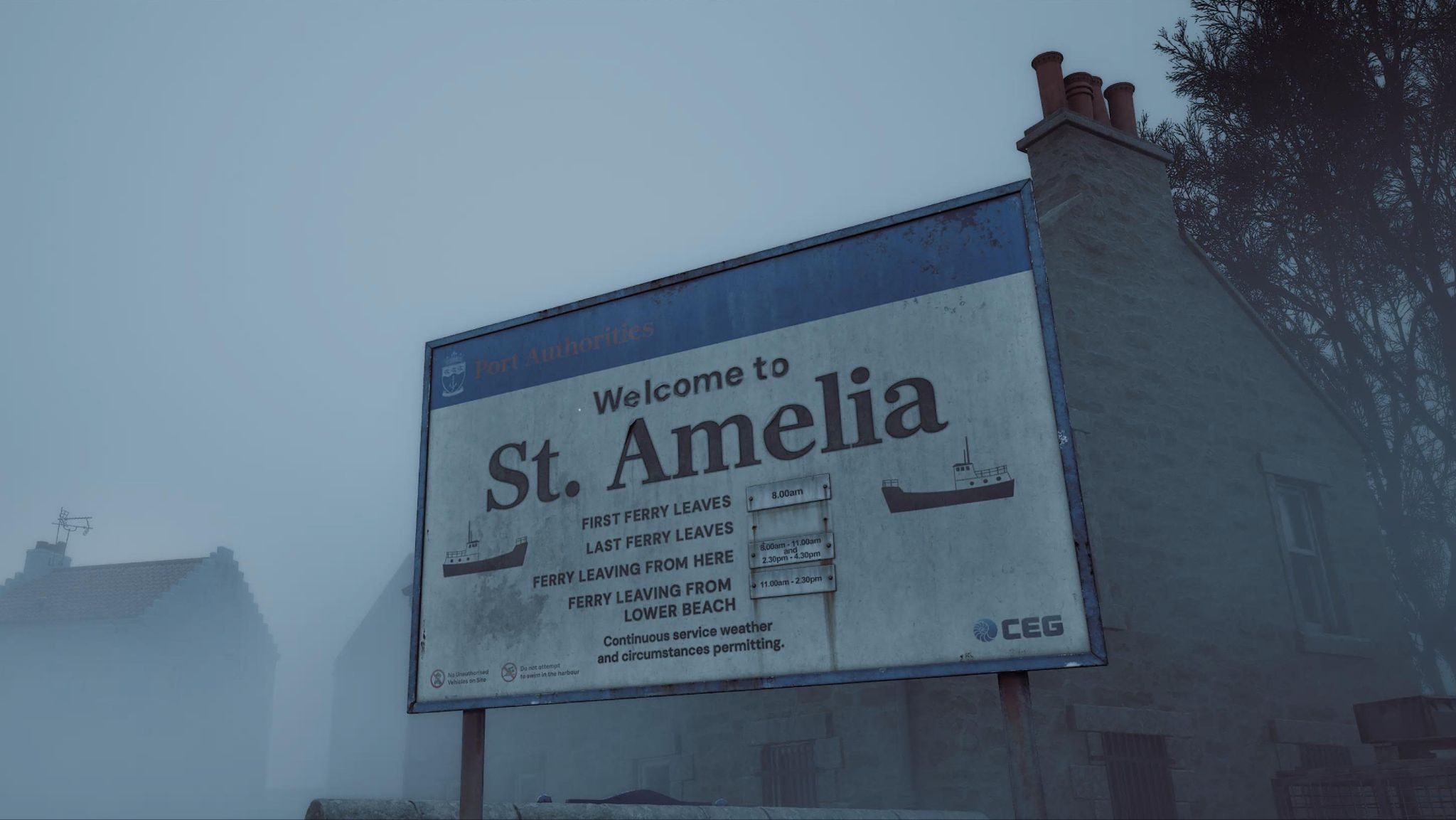
This man is Simon Ordell, wearing an outfit almost identical to Travis Grady’s from 2007’s Silent Hill: Origins, and denoting his everyman-ness. As you make your way up from the harbour, a cutscene plays, and a tarp blows away from a sign, revealing the town’s name: St. Amelia
And so the game proper begins, as you make your way through the seemingly abandoned town to find out what’s going on. Along the way, you’ll take control of two additional characters besides Simon — Zoe and Richard — and the plot unfolds gradually to reveal the trio’s connection to one another.
Sign up for breaking news, reviews, opinion, top tech deals, and more.
Advertisement
(Image credit: Konami)
The first thing that struck me as I paced through the streets was the fantastic art direction. As expected from a Scottish team, Screen Burn has nailed the feel of a small Scottish town.
St. Amelia is lovingly crafted and perfectly captures its mid-nineties period, containing plenty of features recognizable to those this side of the pond, from period-correct storefronts and pebble-dashed houses to public telephone booths and post boxes.
Virtually every frame looks cinematic (there’s even a letterbox mode enabled by default). The perennial fog is, of course, present and correct here, and looks better and moodier than ever. Hues of white, red, and blue are prominent throughout as well, and look eerily beautiful as they shine through the mist and are backlit by streetlamps. This is a game made for screenshotting, although unfortunately it doesn’t have a native photo mode.
I played through the game in Performance mode, as is often my preference, and I couldn’t discern any visual downgrade from Quality mode. Naturally, though, Performance mode offered a much better frame rate, and I only encountered one section where things got a little choppy, but this was brief and far from ruinous.
Advertisement
(Image credit: Konami)
Complementing the visuals is the score, another feature that’s always stood out in Silent Hill titles. Here, though, regular series composer and sound designer Akira Yamaoka is, for once, not involved. Instead, the honors go to Pilotpriest, who’s done a fantastic job of replicating the off-kilter sounds and melancholic melodies fans have come to know and love, while adding a modern twist.
Pieces are more sparse and muted than before, often with heavy doses of reverb. They match the tone of the gameplay brilliantly, and compositions open up during cutscenes when some emotional weight needs carrying.
Unfortunately, the characters’ facial animations are less capable at this. They’re often stilted, which can work when they seem detached and dejected, but they fail to sell terror or emotional breakdowns when required.
This is doubly a shame since it lets down the largely great performances of the voice actors, of which Kezia Burrows’ Zoe is worthy of highlighting. She has a greater range of traits and emotions to convey than the other two, and she does so with aplomb.
Advertisement
Another disappointing aspect of the game’s design is the monsters — this for a series renowned for its strikingly original creations. Virtually every one is some kind of faceless alabaster humanoid with no details of note, and some are mere rehashes of past favorites, such as the fleshy straight-jacketed figure, although this time it has a plank driven through its head.
Less attention has been paid to their symbolism, too: there are suggestions that they reflect aspects of the inner turmoil of the main characters, à la most Silent Hill monsters, but there’s little about their design that shows this in an interesting way.
Monster hunting
(Image credit: Konami)
Looks aside, though, the monsters are more dangerous than ever. There are a handful of basic pawns, such as those that wander around slowly, and the aforementioned straight-jacketed plank heads that move much faster and more erratically and are equally troublesome.
Advertisement
If either catches you, you’ll have a basic button-mashing QTE to avoid them if you have enough health, but if not, it’ll be instant death. In certain sections, a larger monster appears with blobs on its back, which is unkillable as far as I could tell. There’s no chance to QTE your way out of its grip if it catches you, either.
Sneaking around enemies, therefore, can be a tense and terrifying experience, accompanied by a huge sense of relief when you succeed. Often, the environmental design expertly facilitates this stealth gameplay. The outside sections in particular are laden with cut-throughs and hiding places, and more impressive is the fact that this design is so firmly planted in the real world.
You’ll be sneaking around abandoned cars and peeking out over low walls, scooting down narrow back alleys and distracting enemies with bottles or radios. There’s a surprising degree of player freedom that makes these sections more satisfying to play through than your typical survival horror fare.
(Image credit: Konami)
What also helps is the excellent player movement. All three move in the same way, which is to say they’re responsive and agile, as well as being reasonably fast when sprinting, although this is no arena shooter — but then again, I wouldn’t want it any other way in a horror game. There’s also an option to use motion controls for aiming, with fast and precise movements, and it is my preferred method.
Advertisement
There’s a peek mechanic, too, which again is very useful. It may be lifted straight from classic first-person horror games, most notably Alien: Isolation, but it gives you a great deal of freedom to not just strafe laterally, but also to peer up over barriers or down over ledges, whether standing or crouched.
To detect threats more easily, Simon picks up a handheld TV (or CRTV) early on that can tune into enemy locations. They’re rendered in silhouette against a red background, serving as the game’s ‘detective mode’. This gives you a real advantage, but its screen is just obscure enough to avoid you using it the whole time.
You also lose focus on your surroundings while equipped, again preventing you from relying on it wholesale. Keeping track of multiple enemies can be hard as well, since you have to toggle between them one at a time, and those long passed or on a different level remain in the CRTV’s memory.
(Image credit: Konami)
Zoe, on the other hand, is saddled with a pager, a far less effective item since it doesn’t directly reveal enemy movements. Instead, bars around the sides fill up to show their approximate direction and proximity. Both gadgets, though, are effective at grounding Townfall in the real world. At certain points, the CRTV can be tuned to show recorded messages that help develop the story or provide hints. The pager, meanwhile, receives mission- and story-related communication.
Advertisement
This grounding is something the game as a whole does well. From the environments and puzzles, right down to the save system, which has always been a quirky thing in Silent Hill games. Usually, it’s something obscure and surreal, such as interacting with a well or a red square on a wall, but here you use landlines (no mobile phones in St. Amelia 1996) and dial 100 — the in-game number for the coastguard.
The map screen is as helpful and skeuomorphic as ever. Scrawls in red marker pen appear to show rooms you’ve entered, locked doors, and story clues. You can also zoom and pan around it with ease.
When the sneaking goes wrong, you aren’t completely defenceless. You don’t exactly have a military arsenal at your disposal, but some humble series staples are here, including wooden planks and metal pipes. They degrade this time, though, so they won’t last long. Firepower comes later, but ammo is scarce, making the game’s intentions for a stealthy play style clear.
(Image credit: Konami)
All this isn’t to say the weapons are useless. On the contrary, they’re very effective, and just the right amount of difficult to use. Melee combat is a basic affair, with one button for attack and one for block, but a lot of enemies can be disposed of quite quickly. The revolver and shotgun are even more effective, as you would imagine, but reload times are slow. All weapons feel impactful and satisfying to use, too, and the controls aren’t awkward.
Advertisement
Healing items are more generously distributed. There’s gauze for minor wounds and first aid kits for major ones. You can also combine alcohol with the former for a larger heal, while empty IV bags can be combined with IV fluids to automatically revive you if you die.
Aside from combat and sneaking, you’ll of course be solving puzzles. These are more ingenious than past efforts, and expertly combine that aforementioned verisimilitude with the series’ penchant for the weird.
One of my favorites had me reading out patient charts as Zoe to an aggressively condescending doctor, chastising her and me if I gave the wrong information. I then needed to find medicines dotted around the medical center, beginning yet another monster-avoidance section, which was as tense and as exciting as those in the streets of St. Amelia.
There are plenty of documents and computer emails to read and collect, providing clues to puzzles. There’s also a handy mechanic where you can hold a button to bring up the relevant clue while interacting with a puzzle, although, bizarrely, this is limited to only a few occasions.
Advertisement
Nothing personal
(Image credit: Konami)
While I certainly had a good time with Townfall, certain sections drag on a little too long. But on the whole, the game does well to vary the environments and puzzles (the enemies less so) throughout to keep you hooked.
I didn’t find normal difficulty too troubling: the puzzles are pitched just right, and those I spent a long time figuring out weren’t frustrating or unfair; in fact, they’re proved more satisfying to solve than the series’ typical offerings.
Sneaking and combat, on the other hand, are more challenging. Enemies can come upon you quickly, and since there can be long stretches before you reach a save point, you can find yourself trudging back through the same section if you perish. But mostly, their presence adds real stakes and rewards you with a sense of achievement once you make it past them.
Advertisement
(Image credit: Future)
It took me just over 20 hours to complete a single playthrough, and that was at a gentle pace. There’s little beyond the main objectives at hand to seek out, aside from some mysterious coded postcards that’ll have fans scrabbling to decipher, as well as hidden phone numbers to find. There are also unlockable outfits and weapons, and five different endings to get.
Townfall isn’t particularly scary. There’s the occasional jump scare, but it doesn’t rely on them for cheap thrills. The game is a slow burn, with plenty of quiet, contemplative moments as you explore your surroundings. As with many Silent Hill games, the horror is more psychological.
But herein lies a problem. While the story is commendable for sustaining the mystery for as long as possible, there’s a lack of character exploration, contrary to many other stories in the franchise.
The characters’ dialogue is mostly cryptic, so you never get much of a grasp on their thoughts and feelings until the end — and even then, there are still plenty of questions left unanswered, as they should be. But the three of them are by turns confused and forlorn throughout.
Advertisement
This mixture works to conjure that strange, uncanny tone the series is known for, but it also means the trio fails to elicit the same level of emotional investment garnered by past protagonists, such as Harry and Heather Mason, James Sunderland, and Mary.
(Image credit: Konami)
Social commentary seems to be Townfall’s primary concern: the main theme is one of corporate negligence and its devastating impact on a community, which is certainly relevant in today’s world. And it’s true that once the three collide and everything comes to a head, it starts to resonate emotionally. But this is a long time coming, and Zoe ultimately feels underserved by the story’s conclusion, a shame given the aforementioned excellence of her actor’s performance.
It’s entirely possible, though, that other endings will give her a larger role than the one I reached, although I have no idea how these are achieved yet.
Ultimately, I found Townfall less impactful than Silent Hill 2 or Shattered Memories. It won’t haunt me for as long as those entries, but it’s an intriguing journey nonetheless, with mysteries that remain after completion to keep fans busy with their theories.
Advertisement
No doubt some will also see Townfall as departing too far from the Silent Hill formula, a debate that’s already begun. But to my mind, the new setting and perspective fit the mold perfectly, so despite a few reservations, it still marks another triumphant reimagining of the series.
Should you play Silent Hill: Townfall?
Play it if…
Advertisement
Don’t play it if…
Accessibility features
Compared to other modern releases, Townfall’s accessibility features are a little lacking. There are no content filters for blood and gore, and visual assists for color and contrast, and the like, are also missing. You can toggle subtitles and closed captions separately, though, and you can adjust the opacity of their backgrounds.
There are three difficulty modes to choose from: Story, which reduces the threat posed by enemies; Normal, which is how the developers intend the game to be played; and Nightmare, which increases enemy power and makes your flashlight detectable by them.
Puzzle difficulty is handled separately, although there are only two modes for this, with the only difference being red highlights of salient text clues.
Advertisement
How I reviewed Silent Hill: Townfall
(Image credit: Konami)
I played Townfall for just over 20 hours, completing the game once through on normal difficulty. I also toggled the puzzle difficulty between Normal and Hinted modes at various points.
I played the game on a standard PS5, largely in Performance mode, although I also tested Quality mode for a time, too. I used a Lenovo Legion R27qe monitor and the Skullcandy Crusher PLYR 720 headset for audio.
I’m a long-time fan of the Silent Hill series and have played many games in the series, including the recent Silent Hill f and the 2024 remake of Silent Hill 2. The original Silent Hill 2 and Silent Hill: Shattered Memories rank among the best horror games of all time, in my mind.























































You must be logged in to post a comment Login