
Tech
Crypto wallets received a record $158 billion in illicit funds last year



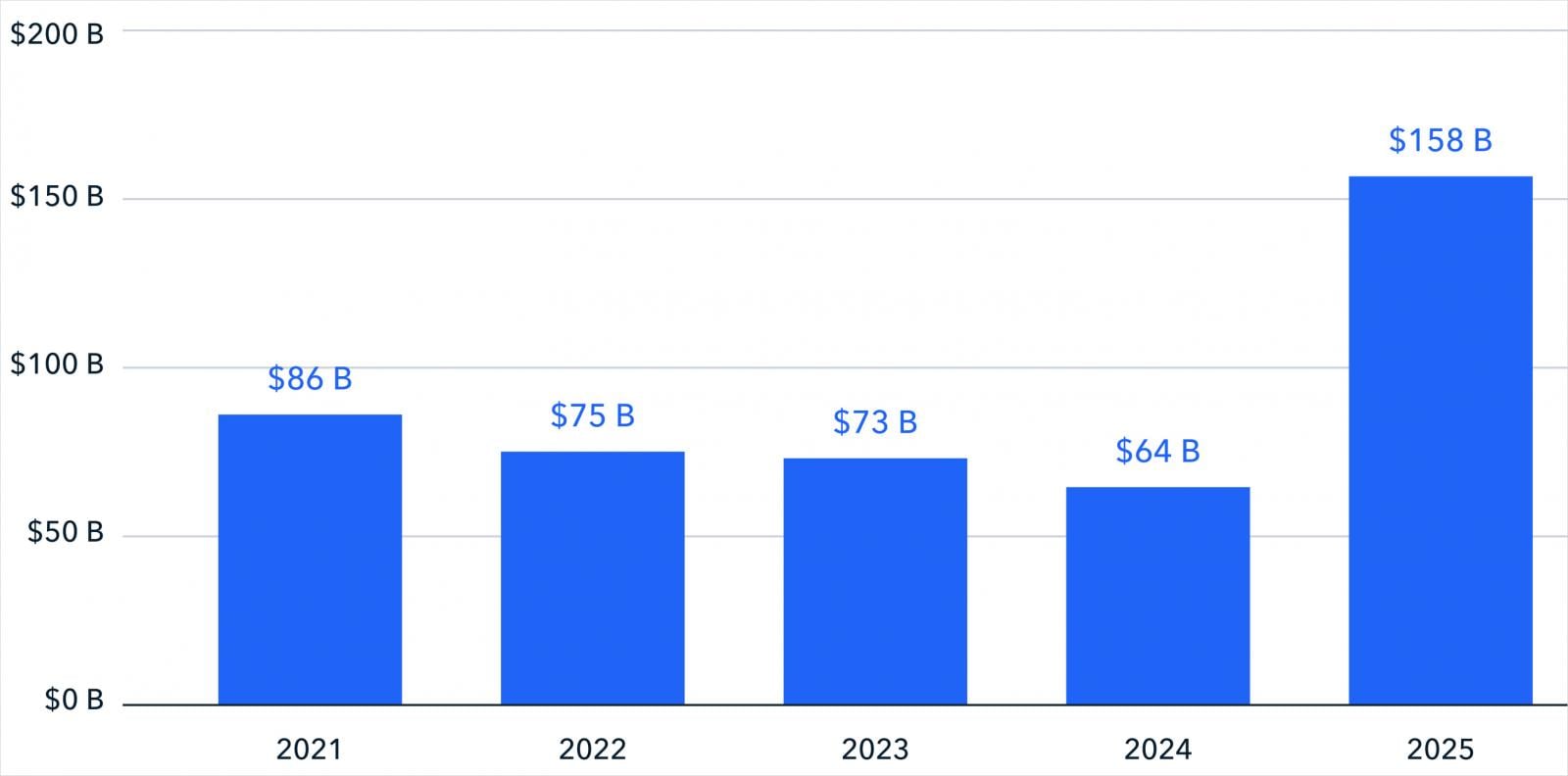
Illegal cryptocurrency flows reached a record $158 billion in 2025, reversing a three-year trend of declining amounts from $86B in 2021 to $64B in 2024.
This sharp 145% increase is being reported by blockchain intelligence experts at TRM Labs, who noted that it comes despite the illicit activity share of the total on-chain volume actually falling slightly from 1.3% in 2024 to 1.2% in 2025.
Source: TRM Labs
According to TRM Labs, the spike in volumes can be attributed to:

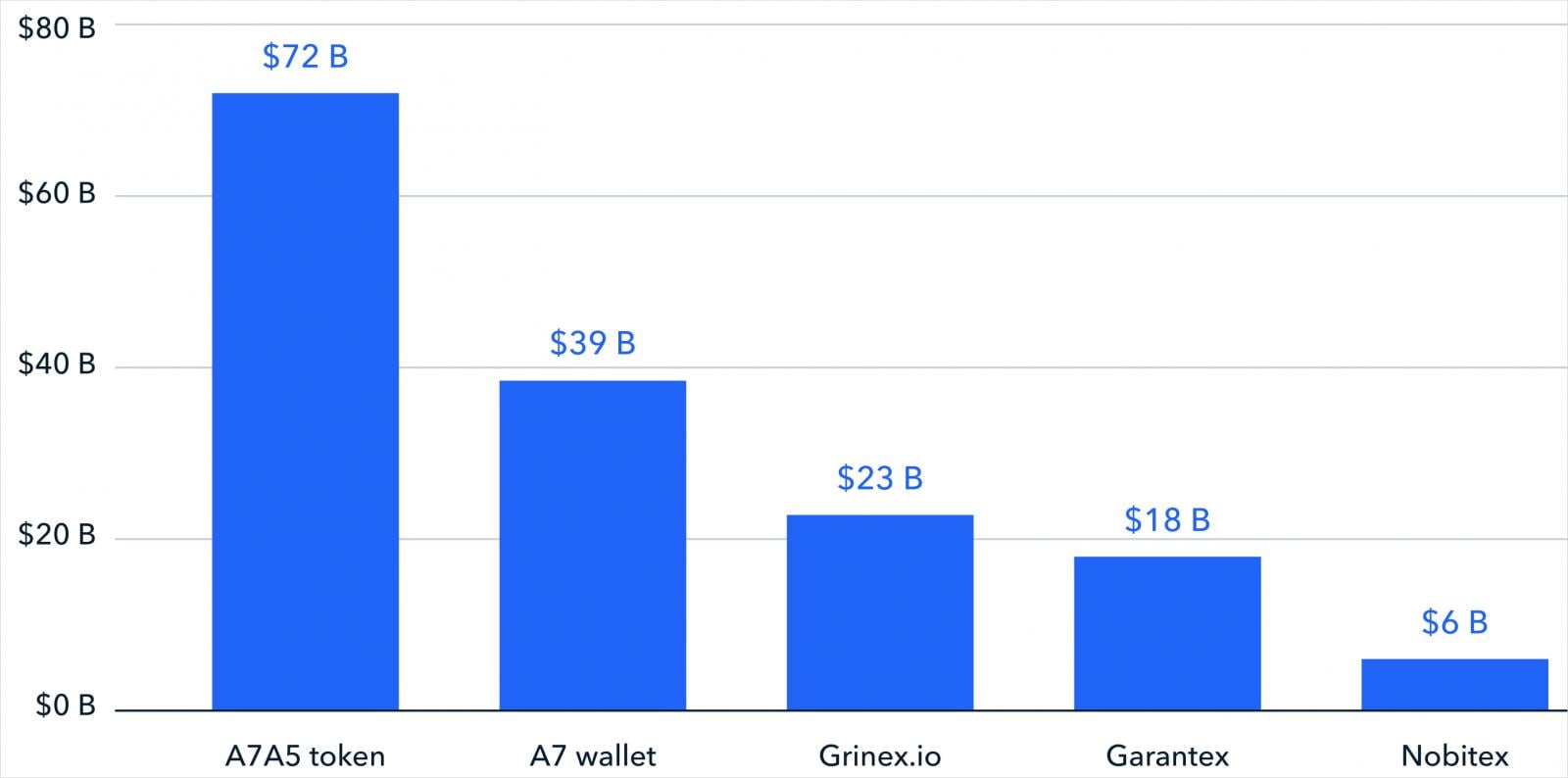
- A surge in sanctions-linked crypto activity, overwhelmingly driven by Russia-associated networks such as A7 and the A7A5 stablecoin, following new sanctions designations and improved attribution of already-sanctioned actors.
- Expanded use of cryptocurrency by nation-states and state-aligned actors, with Russia, Iran, and Venezuela using crypto as core financial infrastructure, alongside large-scale settlement activity through China-linked escrow and underground banking networks.
- Improved attribution and faster intelligence sharing, including TRM’s own tools, which surfaced previously unattributed illicit flows and accelerated the identification of sanctions-related activity, major hacks, and blocklisted entities.
Source: TRM Labs
Hacks, scams, and ransomware
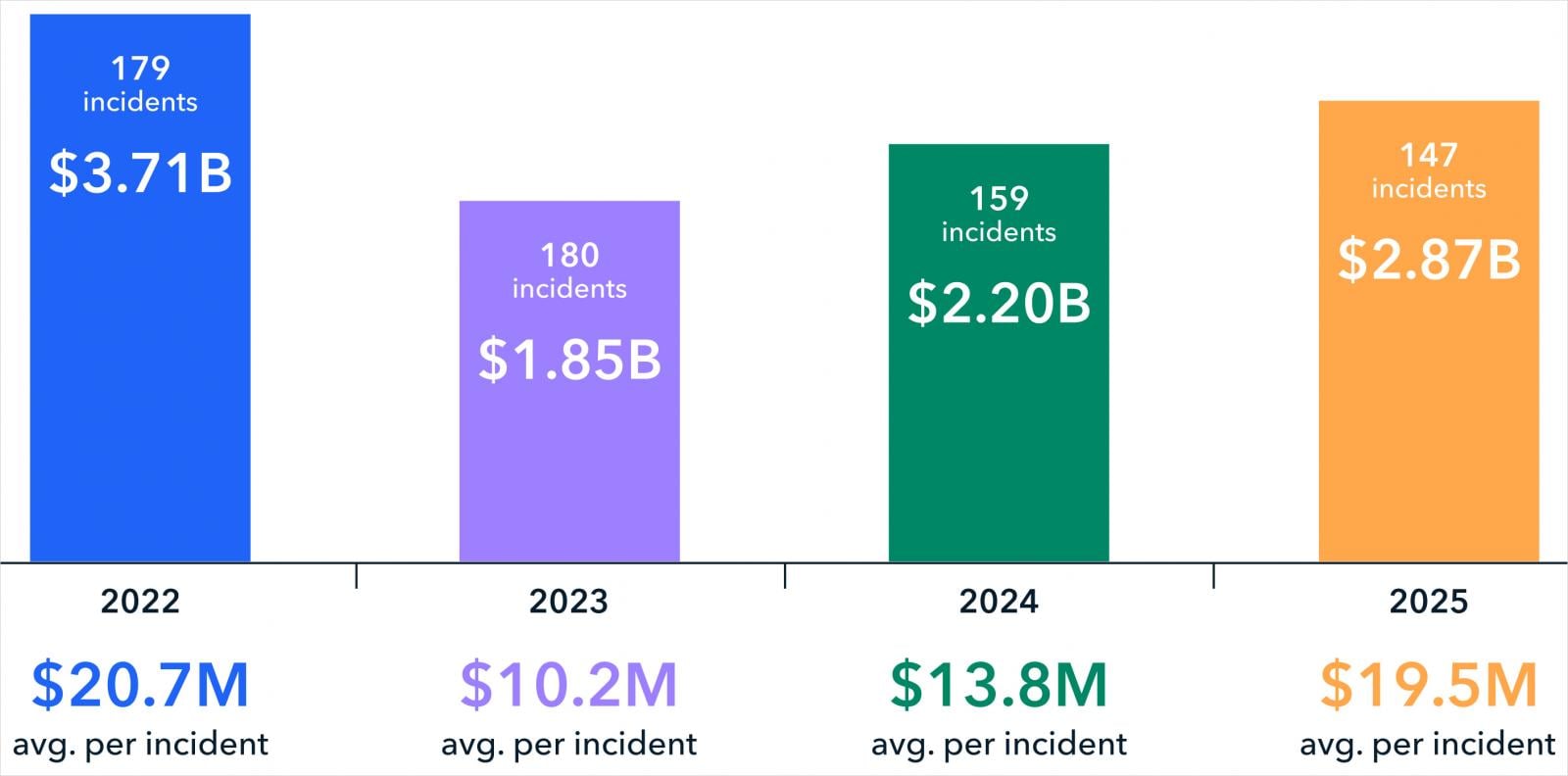
TRM Labs has recorded a total of $2.87 billion in losses from 150 hacking incidents in 2025, with the top 10 accounting for 81% of all stolen value.
The most prolific was the February 2025 Bybit breach, attributed to North Korean hackers, which resulted in approximately $1.46 billion in losses.
Source: TRM Labs
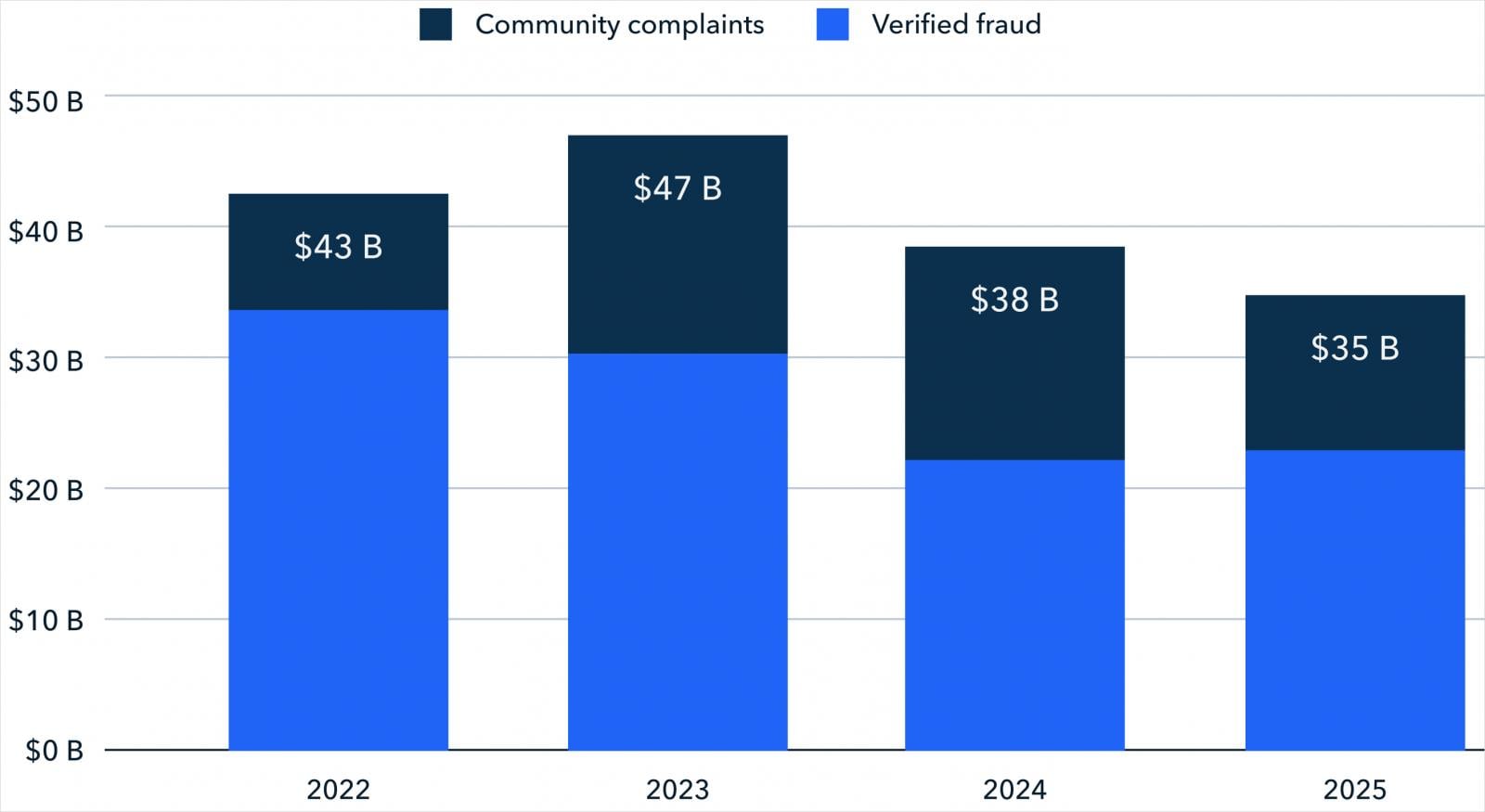
Scam activity remained very high in 2025, with approximately $35 billion in cryptocurrency sent to fraud schemes throughout the year.
The sector was dominated by investment scams, which accounted for 62% of total inflows, including romance baiting, Ponzi schemes, and fake task scams.
TRM Labs observed a rise in the organization, professionalism, quality, and outreach of these scams, believed to be a result of using AI tools.
Source: TRM Labs
Finally, ransomware-linked cryptocurrency inflows remained elevated over the past year, although they did not reach the levels seen in previous years.
Although 2025 was a record year for victims listed on extortion portals, it appears that more and more victims are now resisting paying ransom to cybercriminals.
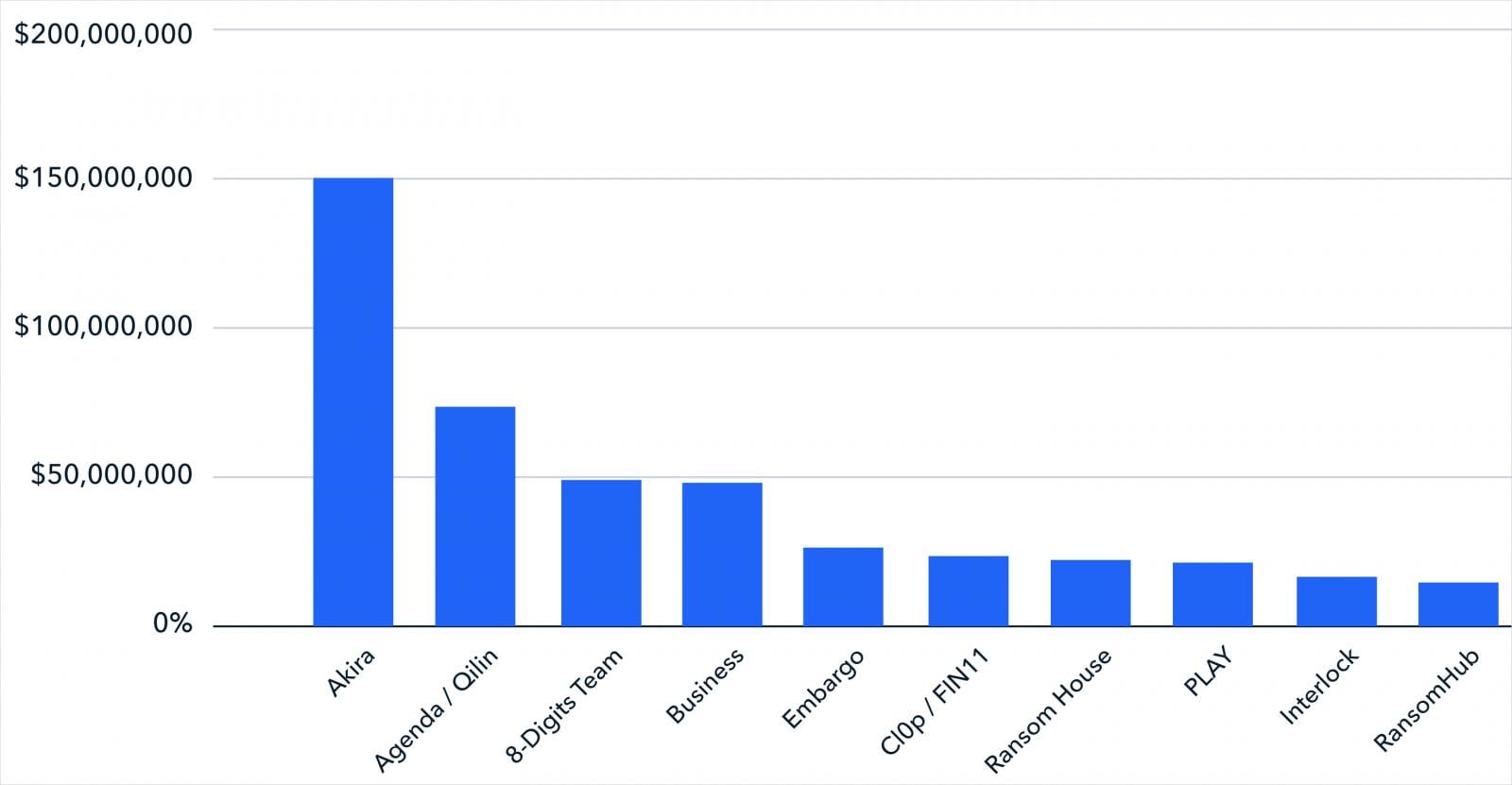
Source: TRM Labs
TRM Labs also observed unprecedented ecosystem fragmentation, with 161 active strains and 93 variants added in 2025 alone.
Ransom laundering operations continued to evolve last year, with mixer usage falling by 37%, while bridge usage and cross-chain routing increased by 66%.

It’s budget season! Over 300 CISOs and security leaders have shared how they’re planning, spending, and prioritizing for the year ahead. This report compiles their insights, allowing readers to benchmark strategies, identify emerging trends, and compare their priorities as they head into 2026.
Learn how top leaders are turning investment into measurable impact.


BrianFagioli writes: The developers behind Linux Mint say the project is rethinking its release strategy and moving toward a longer development cycle, with the next version now expected around Christmas 2026. In a monthly update, project lead Clement Lefebvre said the team reached a “crossroads” and needs more flexibility to fix bugs, improve the desktop, and adapt to rapid changes across the Linux ecosystem. The upcoming development build, temporarily called Mint 23 “Alfa,” is currently based on Ubuntu 26.04 LTS and includes Linux kernel 7.0, an unstable build of Cinnamon 6.7, and early Wayland related work.
Mint is also replacing the long used Ubiquity installer with “live-installer,” the same tool used by Linux Mint Debian Edition, allowing the project to unify installation infrastructure across its Ubuntu based and Debian based variants. While the team frames the changes as an opportunity to improve quality and reduce maintenance overhead, the shift has raised questions about the project’s long term direction and whether Linux Mint may eventually lean more heavily on its Debian roots rather than its traditional Ubuntu base.


Voting closes today for the 2026 GeekWire Awards, so it’s your final chance to help us select the top innovators and entrepreneurs in Pacific Northwest tech.

Cast your ballot here or in the embedded form at the bottom.
Now in its 18th year, the GeekWire Awards is the premier event recognizing the top leaders, companies and breakthroughs in Pacific Northwest tech, bringing together hundreds of people to celebrate innovation and the entrepreneurial spirit. It takes place May 7 at the Showbox SoDo in Seattle.
With 50 finalists across 10 categories, we’ve previewed every potential winner — from Startup of the Year to Next Tech Titan — in stories over the past several weeks. Catch up here:
- From AI safety to robotic ultrasounds, meet the Startup of the Year finalists
- Young Entrepreneur of the Year finalists tackling AI, robotics, and more
- The machines of the future, from self-driving earthmovers to space robots
- AI Innovation of the Year finalists transform HR, retail, biotech and more
- CEO of the Year finalists innovating across fintech, climate, real estate and more
- From the farm to space, Next Tech Titan finalists growing to meet big challenges
- Sustainable Innovation finalists tackle energy, fashion and farming
- 5 Workplace of the Year finalists lean on key values to build solid company culture
- Breakthrough tech for healthcare and data centers highlight Innovation of the Year
- Billion-dollar deals, rare IPO, pharma pact, and mega-round vie for Deal of the Year
Astound Business Solutions is the presenting sponsor of the 2026 GeekWire Awards. Thanks also to gold sponsors Amazon Sustainability, Baird, BECU, JLL, First Tech and Wilson Sonsini, and silver sponsors Prime Team Partners.
The event will feature a VIP reception, sit-down dinner and fun entertainment mixed in. Tickets go fast. A limited number of half-table and full-table sponsorships are available. Contact events@geekwire.com to reserve a spot for your team today.
(function(t,e,s,n){var o,a,c;t.SMCX=t.SMCX||[],e.getElementById(n)||(o=e.getElementsByTagName(s),a=o[o.length-1],c=e.createElement(s),c.type=”text/javascript”,c.async=!0,c.id=n,c.src=”https://widget.surveymonkey.com/collect/website/js/tRaiETqnLgj758hTBazgd5M58tggxeII7bOlSeQcq8A_2FgMSV6oauwlPEL4WBj_2Fnb.js”,a.parentNode.insertBefore(c,a))})(window,document,”script”,”smcx-sdk”); Create your own user feedback survey

Anthropic on Thursday released a new AI model, and no, it’s not Claude Mythos Preview. Claude Opus 4.7 is now generally available, meant to help developers and vibe coders with their hardest coding tasks.
Opus 4.7, like a well-trained dog, is supposedly better at following instructions. Anthropic wrote in its blog post that Opus 4.7 takes instructions “literally,” where previous models skipped or loosely interpreted prompts. It has improvements to its file-based memory system, so it should be able to recall information from previous sessions and documents. And it can handle larger image files and analyze data from charts more easily.
Anthropic also said the model is more “tasteful and creative” when creating interfaces, documents and slide decks. There are no details on exactly what Anthropic considers bad versus good taste.
Anthropic made waves earlier this month when it revealed it had created Claude Mythos Preview, its next-generation model, but the model was so good at finding security gaps that the company would be sharing it with tech and internet infrastructure companies — like Cisco, CrowdStrike and Amazon Web Services — so they could address the issues Mythos found.
The idea is that if tech companies can improve their systems with the help of AI, they will be more resilient to cyberattacks by bad actors who can use publicly available AI models like everyone else.
While Opus 4.7 isn’t the same as Mythos, Anthropic is testing some of its new cybersecurity protections in Opus 4.7. These safeguards, which “automatically detect and block requests that indicate prohibited or high-risk cybersecurity uses,” are the watered-down version of what will be in “Mythos-class” models, the company’s blog post said. But they’re still important as cybersecurity becomes increasingly saturated with AI, both for defense and for attack.


Enterprise AI is entering a new phase — one where the central question is no longer what can be built, but how to make the most of our AI investment.
At VentureBeat’s latest AI Impact Tour session, Brian Gracely, director of portfolio strategy at Red Hat, described the operational reality inside large organizations: AI sprawl, rising inference costs, and limited visibility into what those investments are actually returning.
It’s the “Day 2” moment — when pilots give way to production, and cost, governance, and sustainability become harder than building the system in the first place.
“We’ve seen customers who say, ‘I have 50,000 licenses of Copilot. I don’t really know what people are getting out of that. But I do know that I’m paying for the most expensive computing in the world, because it’s GPUs,’” Gracely said. “‘How am I going to get that under control?’”
Why enterprise AI costs are now a board-level problem
For much of the past two years, cost was not the primary concern for organizations evaluating generative AI. The experimental phase gave teams cover to spend freely, and the promise of productivity gains justified aggressive investment, but that dynamic is shifting as enterprises enter their second and third budget cycles with AI. The focus has moved from “can we build something?” to “are we getting what we paid for?”
Enterprises that made large, early bets on managed AI services are conducting hard reviews of whether those investments are delivering measurable value. The issue isn’t just that GPU computing is expensive. It is that many organizations lack the instrumentation to connect spending to outcomes, making it nearly impossible to justify renewals or scale responsibly.
The strategic shift from token consumer to token producer
The dominant AI procurement model of the past few years has been straightforward: pay a vendor per token, per seat, or per API call, and let someone else manage the infrastructure. That model made sense as a starting point but is increasingly being questioned by organizations with enough experience to compare alternatives.
Enterprises that have been through one AI cycle are starting to rethink that model.
“Instead of being purely a token consumer, how can I start being a token generator?” Gracely said. “Are there use cases and workloads that make sense for me to own more? It may mean operating GPUs. It may mean renting GPUs. And then asking, ‘Does that workload need the greatest state-of-the-art model? Are there more capable open models or smaller models that fit?’”
The decision is not binary. The right answer depends on the workload, the organization, and the risk tolerance involved, but the math is getting more complicated as the number of capable open models, from DeepSeek to models now available through cloud marketplaces, grows. Now enterprises actually have real alternatives to the handful of providers that dominated the landscape two years ago.
Falling AI costs and rising usage create a paradox for enterprise budgets
Some enterprise leaders argue that locking into infrastructure investments now could mean significantly overpaying in the long run, pointing to the statement from Anthropic CEO Dario Amodei that AI inference costs are declining roughly 60% per year.
The emergence of open-source models such as DeepSeek and others has meaningfully expanded the strategic options available to enterprises that are willing to invest in the underlying infrastructure in the last three years.
But while costs per token are falling, usage is accelerating at a pace that more than offsets efficiency gains. It’s a version of Jevons Paradox, the economic principle that improvements in resource efficiency tend to increase total consumption rather than reduce it, as lower cost enables broader adoption.
For enterprise budget planners, this means declining unit costs do not translate into declining total bills. An organization that triples its AI usage while costs fall by half still ends up spending more than it did before. The consideration becomes which workloads genuinely require the most capable and most expensive models, and which can be handled just fine by smaller, cheaper alternatives.
The business case for investing in AI infrastructure flexibility
The prescription isn’t to slow down AI investment, but to build with flexibility being top of mind. The organizations that will win aren’t necessarily the ones that move fastest or spend the most; they’re the ones building infrastructure and operating models capable of absorbing the next unexpected development.
“The more you can build some abstractions and give yourself some flexibility, the more you can experiment without running up costs, but also without jeopardizing your business. Those are as important as asking whether you’re doing everything best practice right now,” Gracely explained.
But despite how entrenched AI discussions have become in enterprise planning cycles, the practical experience most organizations have is still measured in years, not decades.
“It feels like we’ve been doing this forever. We’ve been doing this for three years,” Gracely added. “It’s early and it’s moving really fast. You don’t know what’s coming next. But the characteristics of what’s coming next — you should have some sense of what that looks like.”
For enterprise leaders still calibrating their AI investment strategies, that may be the most actionable takeaway: the goal is not to optimize for today’s cost structure, but to build the organizational and technical flexibility to adapt when, not if, it changes again.
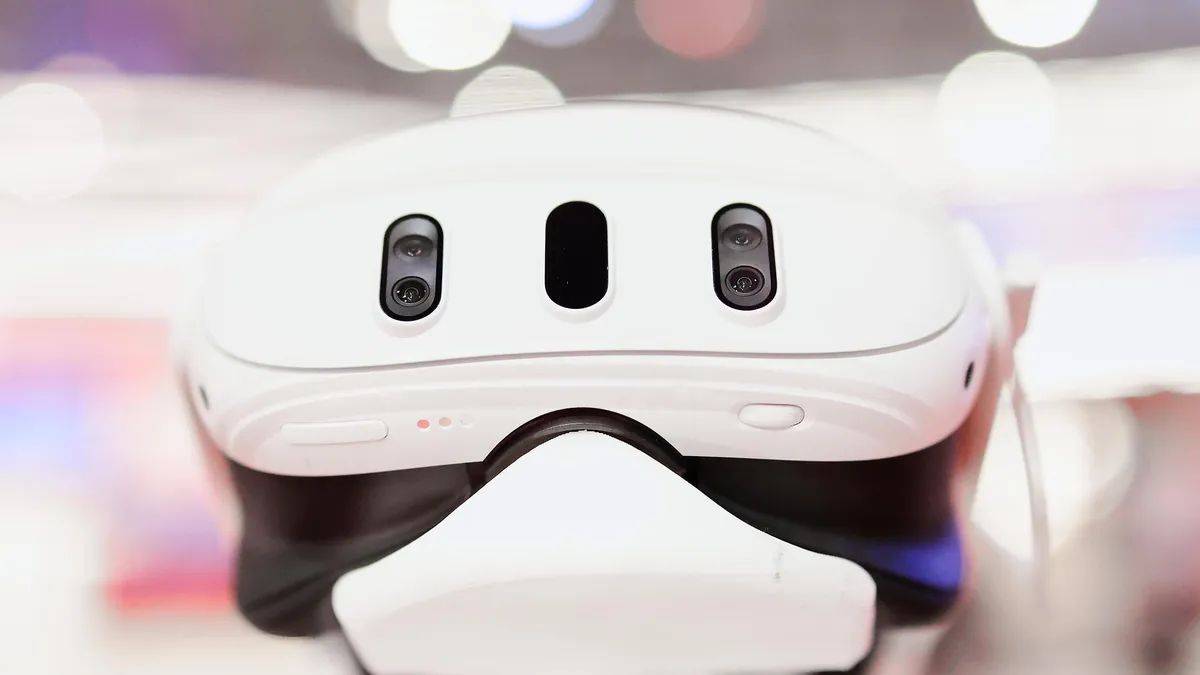
Meta’s latest virtual reality headset, the Meta Quest 3 (512 GB), will cost $100 more starting Sunday. You can blame the ongoing RAM shortage.
Meta released the pricing update on Wednesday in a blog post calling out price increases for the Meta Quest 3 and 3S models. “The cost of building high-performance VR hardware has risen significantly,” Meta said in the post explaining the increase.
High demand from AI data centers is straining memory chip supplies, causing supply constraints and price increases in consumer tech. Many experts aren’t expecting the RAM shortage to end until 2028.
Counterpoint Research released findings in February showing that RAM costs increased by 80% to 90% in the first quarter of this year. Tech companies continue to hike prices, with Microsoft being the latest to increase the cost of the Microsoft Surface and Samsung doing the same for some Galaxy devices.
Watch this: Meta Quest 3S Review: The Best of the Quest 2 and 3
Here’s the original pricing as of Thursday, along with what you can expect to pay starting April 19.
Price changes for Meta Quest 3 models
Meta Quest model and storage
Original price
New price
Meta Quest 3S (128 GB)
$300
$350
Meta Quest 3S (256 GB)
$400
$450
Meta Quest 3 (512 GB)
$500
$600
Expect price bumps for refurbished Meta Quest headsets. Prices for Quest accessories will remain the same for now, though we’re unsure whether this applies to games in the Meta store, or whether there’ll be a change in the future.
Meta did not immediately respond to a request for comment.
Watch this: Meta Quest 3S Review: The Best of the Quest 2 and 3
The Meta Quest 3 and 3S are Meta’s latest virtual reality headsets. The Quest 3S is the budget-friendly version, while the Quest 3 is the “pro” model. CNET’s Scott Stein rated both models high for their mixed reality, with better color cameras and improvements from the Quest 2.

One of the biggest problems with self-driving systems is that they can see the road perfectly well and still make shaky short-term decisions in messy city traffic. The advanced systems struggle to keep up with complex and fluctuating road situations. But a new study argues that these cars don’t need better vision, but a better memory.
In the peer-reviewed paper KEPT (Knowledge-Enhanced Prediction of Trajectories from Consecutive Driving Frames with Vision-Language Models), researchers from Tongji University and collaborators developed a system that helps autonomous vehicles “remember” past driving scenes before choosing what to do next.

How does this new self-driving tech work?
The method, called KEPT, uses front-view camera video, compares it with a large library of earlier real-world driving clips, and then predicts a safer short-term trajectory based on both the current scene and retrieved examples from the past. The core idea is pretty intuitive. Instead of asking an AI model to react to every situation as if it has never seen anything like it before, KEPT lets it recall similar moments from previous drives.
Those examples are then fed into a vision-language model as part of a structured reasoning process. This matters since researchers say large vision-language models can otherwise hallucinate, ignore physical constraints, or suggest motion that looks plausible on paper but is not great for an actual car. So KEPT basically acts like guardrails to keep the model grounded in what similar traffic situations looked like in the real world.

Is it better than conventional autonomous systems?
The researchers tested KEPT on the widely used nuScenes benchmark and said it outperformed both conventional end-to-end planning systems and newer vision-language-based planners on open-loop metrics. It even managed to reduce prediction error and lowered potential collision indicators, while keeping retrieval fast enough to remain practical for real-time driving.
This may make it seem like an obvious choice for next-gen self-driving cars but it’s not road-ready yet. Still, the broader idea is compelling. If autonomous cars can combine real-time perception with a meaningful memory of how similar situations unfolded before, they may end up making decisions that feel less brittle and more human-like.
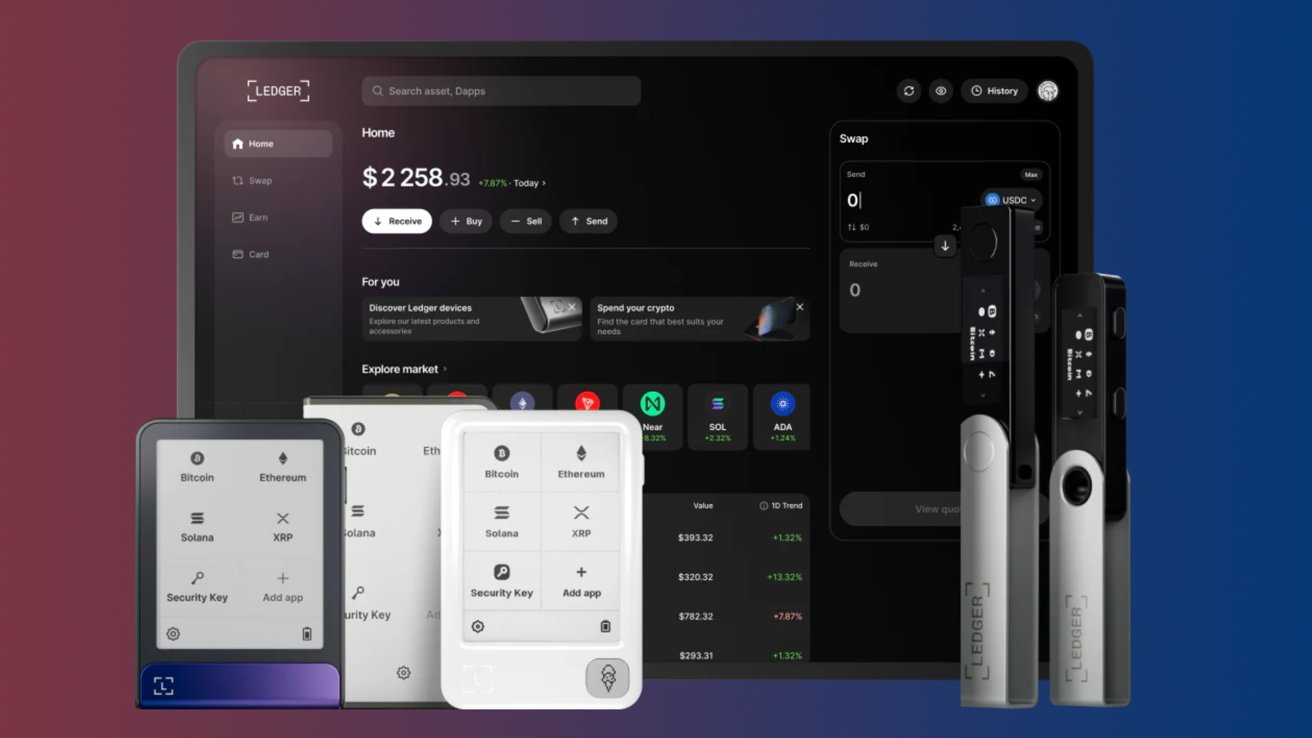
Multiple cryptocurrency users have lost approximately $9.5 million after a fake Ledger Live app on the macOS App Store drained their funds.
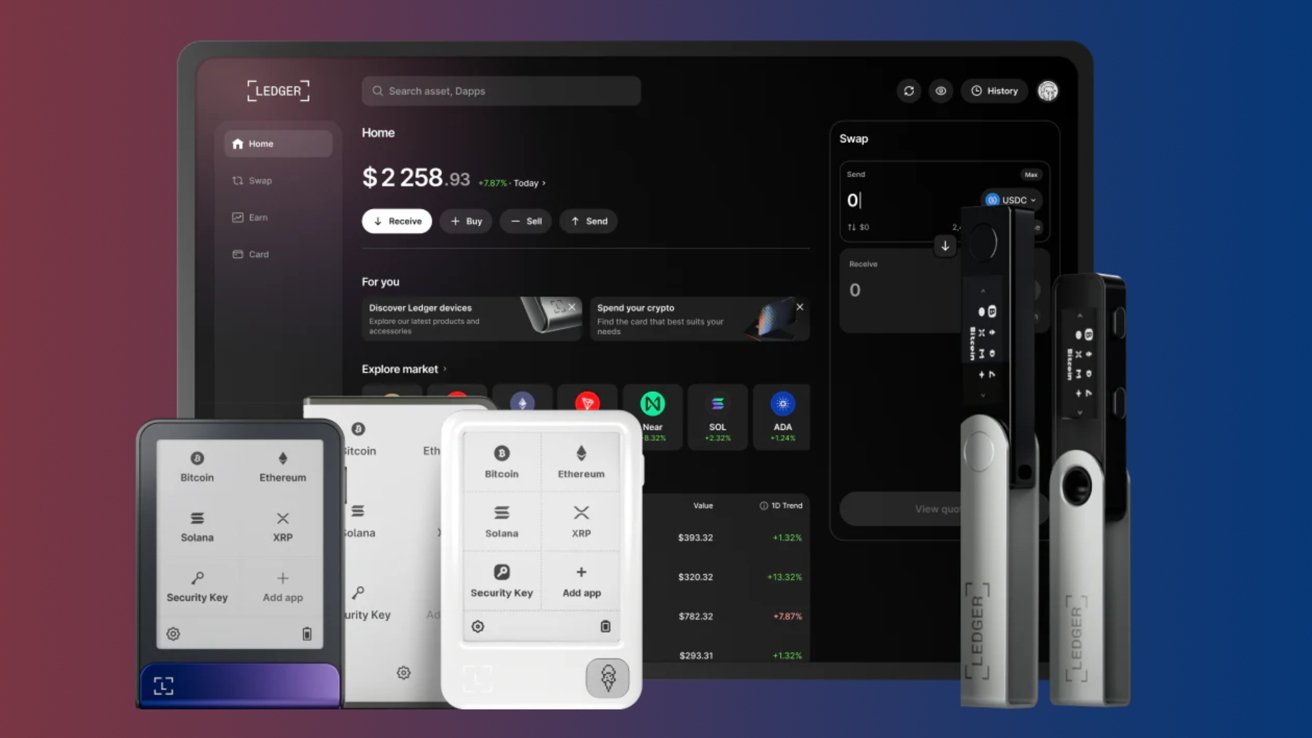
A fake version of the Ledger Live macOS app has stolen $9.5M in cryptocurrency.
The world of cryptocurrency has always carried significant risks, and even iPhone and iPad users aren’t immune to its dangers. Now and then, malicious actors find ways to steal money, be it via outright hacking or through a cams designed to drain cryptowallets.
In April 2026, Mac users were hit with the latter after downloading a fake version of the Ledger Live app from the macOS App Store. The fake app was submitted by the publisher “Leva Heal,” which has nothing to do with Ledger SAS, the owner and developer of the real Ledger Live app.
Continue Reading on AppleInsider | Discuss on our Forums
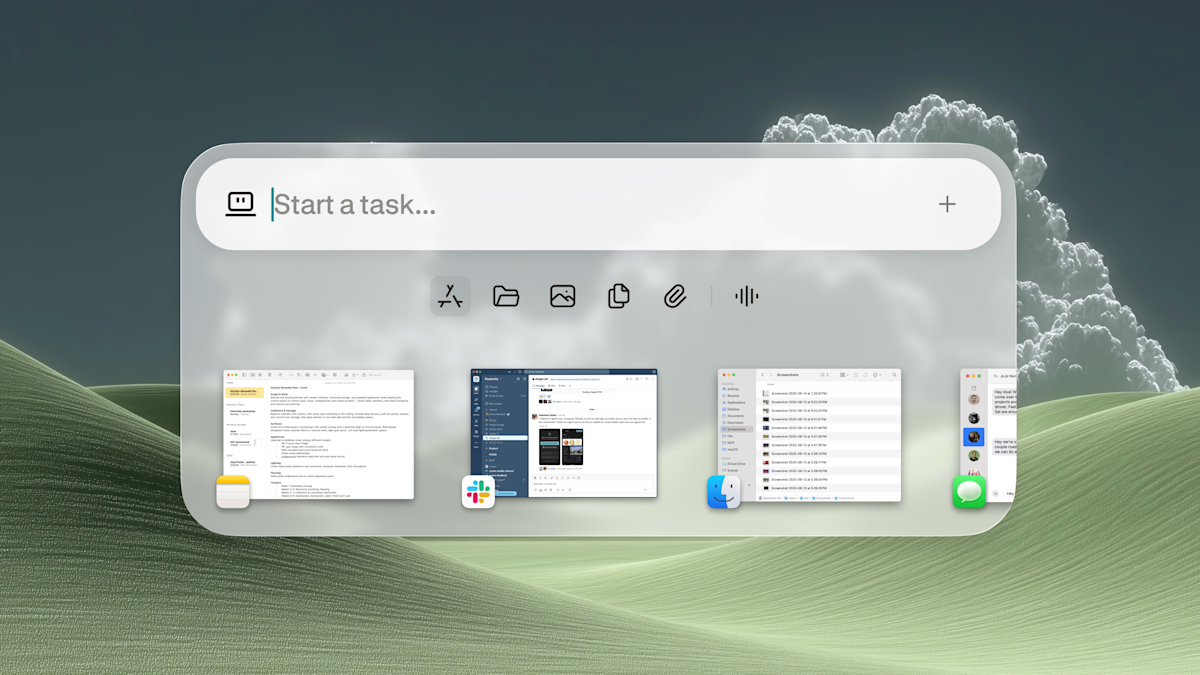
Perplexity has just released Personal Computer. The software, which is available starting today for Mac, builds on the multi-model orchestration capabilities the company debuted with Perplexity Computer at the end of February. Like Claude Cowork (and, as of today, OpenAI Codex too), it’s a suite of computer use agents that can work with your files, apps, connectors and the web to complete complex and “even continuous workflows.”
Perplexity suggests a few different use cases for Personal Computer, starting with the obvious. “You can ask Personal Computer to read your to-do list,” the company states. “In fact, you can ask it to DO your to-do list.” It explains you can open the Notes app on your Mac, ask Personal Computer for help and the system will reason how to best assist you. In the process of tackling that task, it can work across all your files, as well as apps like Apple Messages. When needed, it will also employ multiple agents to complete a request. Like Anthropic did with Claude Cowork, Perplexity says you can also use its software to organize messy folders so files feature sensible names and there’s an easy-to-understand structure to everything.
You can prompt Personal Computer with your voice, and you can even initiate and manage tasks from your phone. Perplexity says the app creates files in a secure sandbox, and any actions it takes are auditable and reversible. “A system that acts on your behalf needs to be useful and legible. It should feel like a team you manage, not a rogue employee with keys to your most important data,” the company said.
Personal Computer for Mac is available starting today, beginning with Max subscribers. Perplexity said it would bring the app to its other users soon, prioritizing those who joined the waitlist for the experience.

If you’ve purchased a product from Apple over the past year, it probably contains a higher amount of recycled material than ever before. In case you weren’t aware, you can also recycle all of the company’s fiber-based packaging now that it has eliminated all plastic use.
Apple continues to chart a course toward carbon neutrality by 2030, hitting new climate milestones across emissions, recycling and water use, according to its 2025 Environmental Progress Report.
A record 30% of the products the company shipped last year contain recycled content. Apple also uses 100% recycled cobalt in its batteries and 100% recycled rare-earth elements in its magnets.
The newly introduced MacBook Neo, in particular, is a point of pride for the company. It boasts the highest recycled content and the lowest carbon footprint of any Apple laptop — in addition to being the most repairable MacBook in ages.
“These milestones in our work to protect the planet show that ambitious goals can also be powerful engines of innovation,” said Apple CEO Tim Cook in a statement. “And as always, we’ll keep pushing to build on this progress even more.”
As the climate crisis continues to take a toll on the planet, sparking more unpredictable extreme weather events, it’s important that the world’s wealthiest companies do their part to minimize, and ideally eliminate, their environmental impact. Using more recycled materials reduces mining of Earth’s natural resources, protecting ecosystems and the local communities that rely on them. But ultimately, the most impactful change any company can make is to eliminate the emissions that are causing our planet to rapidly warm.
Apple’s 2025 report showed that over the past year, the company has reduced its greenhouse gas emissions by 60% compared to its 2015 baseline. Apple is working toward achieving carbon neutrality across all of its operations, including transitioning its entire value chain to clean electricity, by 2030.
This is an ambitious target, for which Apple should be commended. Many companies choose to attach their climate and sustainability goals to timeframes pointing to the future — 2050 is a popular target — that don’t align with the urgency of the climate crisis and the tipping points fast approaching. By committing to the 2030 goals, Apple has to be bullish about making changes to the way it does business now, rather than kicking them into the long grass.
The company is already carbon neutral in its corporate operations, but it now needs to make progress in transforming its value chain. For the elements of its emissions that are hard to eliminate completely — such as business travel that relies on flying — the company has committed to carbon offsets. To do this, it purchases carbon credits that support two projects — one in Guatemala and another in China.
Overall, the company is making serious progress toward its lofty goals. In an ideal world, we would see Apple and other tech giants commit to proving it’s possible to go beyond carbon neutrality and net zero to become carbon negative. This is the best way to protect our planet for future generations.
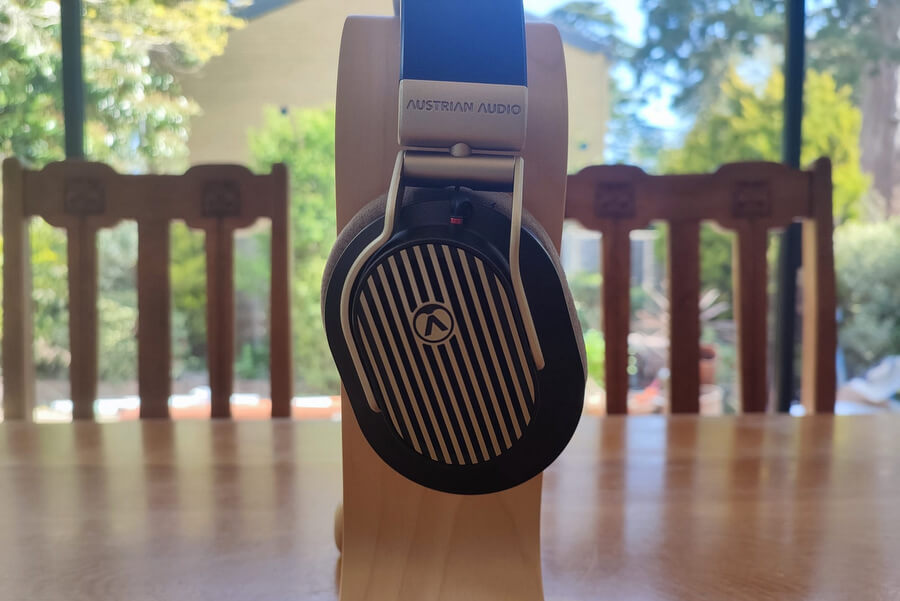
Austrian Audio didn’t appear out of nowhere. The company was formed in 2017 after AKG shut down its Vienna operations, and a significant portion of its engineering and design team decided not to follow the corporate roadmap. Instead, they stayed put and built something new, bringing with them experience tied to models like the K612, K702, and K812.
Since then, Austrian Audio has covered both ends of the market. The Hi-X series established its presence with studio focused, budget friendly designs, while The Composer proved the company could compete at the high-end if you’re willing to spend $2,699.
What’s been missing is the middle. That gap is now filled by The Arranger, a $1,299 open-back headphone that lands right in one of the most competitive segments in personal audio. It’s also where expectations get less forgiving. Up against established options like the HiFiMAN Arya Unveiled and Sendy Audio Egret, this isn’t about proving competence, it’s about proving relevance.
And that raises the real question: did Austrian Audio tune The Arranger for the studio, or for the Head-Fi crowd with very different expectations?
Custom Designed Drivers
Within each earcup of The Arranger sits a newly developed 44mm driver designed entirely in house. Austrian Audio has put real effort into the motor and diaphragm design, using a proprietary ring magnet system and a DLC coated diaphragm to improve rigidity and control.
On paper, the numbers are ambitious. Bass extension is rated down to 5Hz, which Austrian Audio claims is class leading. Distortion is kept below 0.1% at 1kHz, and driver excursion appears well managed for a driver of this size.
The electrical side looks just as approachable. With a 25 Ohm impedance and 94dB/mW sensitivity rating, The Arranger should be relatively easy to drive from a wide range of sources. Whether that holds up in real world use is something we will get into in the drivability section.
Design & Comfort
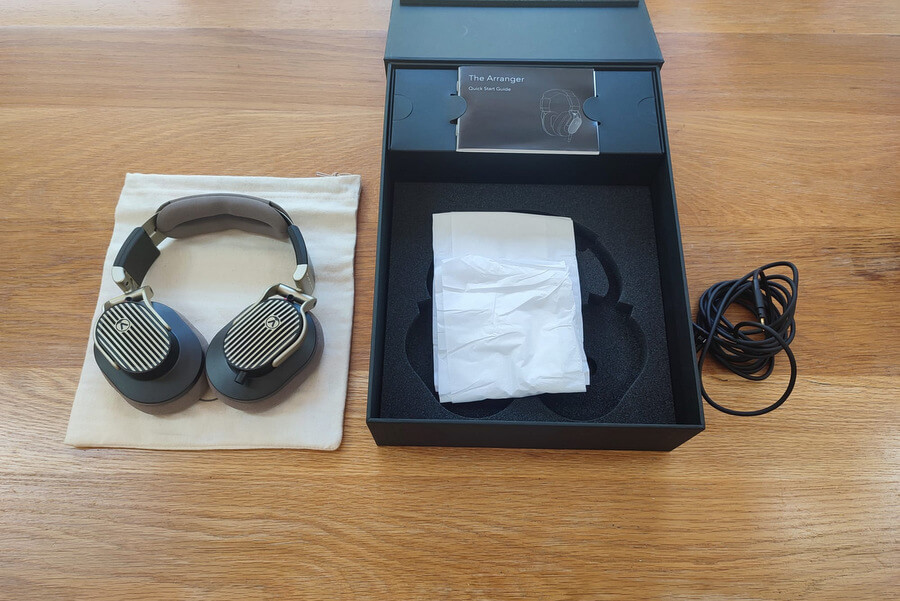
When it comes to design, The Arranger makes no attempt to hide what it is. This is a studio first headphone. It is not sculpted to impress and it is not chasing luxury cues. What you get instead is a build that feels like it was designed to survive actual use. Drops, knocks, and long days at a desk should not faze it. The foldable chassis also gives it an advantage over many open-back competitors when it comes to portability.
The aesthetic is functional. There is a lot of polymer in the construction, and the single sided cable terminates in a quarter inch plug, which tells you exactly where this is meant to live. The cable itself is a rubberized, high durability design that feels like it was built to be abused, rolled over by chairs, and kept working without complaint.
That said, it is not without character. The beige and gold finish gives it a distinctive look, and there is something appealing about how unapologetically utilitarian it is. If you do not like how it looks, it is largely irrelevant once it is on your head.
Comfort is a strong point. At 320 grams without the cable, The Arranger is relatively lightweight for its class, and that pays off over longer sessions. Six hour listening stretches are entirely manageable. The suede leatherette pads and headband padding are on the firmer side out of the box, but they do not create pressure hotspots.
Long term usability has also been considered. The earpads and headband padding are user replaceable, which is not always a given in this category and should help extend the lifespan of the headphone.
The semi open acoustic design sits somewhere between fully open and closed-back. There is some attenuation of external noise, but passive isolation is limited and leakage is still present. Whether this is an issue for you or not will depend on your listening environment and personal preferences.

Listening
Austrian Audio positions The Arranger as a reference grade headphone for studio use. However, the tuning is not really what I or many others, for that matter, would consider to be neutral.
The overall presentation leans warm, prioritizing ease of listening over absolute clarity and detail. It is a smoother, more forgiving sound rather than a strictly analytical one. Depending on your preferences and what you listen to, that will either work in its favor or feel like a compromise.
For testing, The Arranger was paired with a range of DACs and amplifiers. That included smaller dongle options like the Campfire Audio Relay, as well as higher end desktop setups such as the Ferrum Audio WANDLA and Ferrum Audio OOR with the Ferrum Audio HYPSOS. Source material ranged from high resolution FLAC files to Spotify streams, mostly over USB.
The idea was simple. See how consistent The Arranger is across different setups, and whether it behaves more like a studio tool or something tuned for longer listening sessions.
Bass
The lower frequencies on The Arranger are clearly elevated, especially through the midbass region. This adds a welcome sense of weight and impact, giving music more drive and physicality. For harder hitting genres, it works well. Drum and bass tracks like “The Moment” by Nu:Tone and Lea Lea come across with strong dynamics and a presentation that leans toward that nightclub energy.
There is a downside. The midbass lift can introduce a bit of muddiness on certain tracks, masking finer details and slightly softening both male and female vocals. It is not overwhelming, but it is noticeable depending on the recording.
Whether that trade off is worth it for the added sense of impact will depend on your preferences.
Midrange
The Arranger has a V-shaped sound signature, which means the midrange takes a step back compared to more neutrally tuned headphones. It is not completely recessed, but it is not the focus either. As a result, vocals and instruments do not come across with the same presence or naturalness that you would expect from a true reference tuning.
Female vocals in particular sit a bit further back in the mix than expected, likely due to a dip in the upper midrange. This gives them a slightly muted quality at times. Even headphones like the HiFiMAN Arya Unveiled, which also show some recession in the 1 to 2kHz region, do not exhibit the same degree of restraint with female vocals.
Treble
Those who prefer a smoother, more effortless treble presentation will likely enjoy the upper frequencies on The Arranger. There are no noticeable peaks or troughs throughout, and combined with the bass elevation, the treble was pared back in a pleasant way that allowed for extended listening session with no fatigue.
Despite this, you still get plenty of clarity and sparkle up top that can cut through the slightly bass-heavy nature of The Arranger and make things a little more exciting. For example, listening to “La lune” by L’Imperatrice, you are able to make out the faint triangle hits through the bass guitar, both of which feature heavily in the track.
Soundstaging & Imaging
The Arranger has quite a small soundstage, reminiscent of closed-back headphones despite having a semi-open design. However, the imaging precision within said stage is pinpoint accurate, making for a coherent, intimate yet multi-layered soundstage that is way more aurally pleasing than a wide soundstage with poor imaging accuracy. I enjoyed TOOL’s “Chocolate Chip Trip” through The Arranger, as I was able to follow the complex track without any of the layers getting jumbled into one.
An opposite example would be the AKG K702, which to my ears has a very wide but diffuse and confused spatial presentation with a murky centre image.

Drivability
With its relatively high sensitivity and low impedance, The Arranger is very easy to drive. In practice, it does not scale dramatically with more power or higher end source gear. Moving from the FiiO JM21 to the LAiV Crescendo VERSE resulted in only a small change in overall sound quality, and adding the Aune S17 Pro brought a slight improvement in bass texture rather than a wholesale upgrade.
That is not a criticism. If anything, it works in The Arranger’s favor. You do not need to invest heavily in a dedicated DAC or amplifier to get close to its full performance, which makes it a more practical option than many of its competitors.
The Bottom Line
The Arranger gets a lot right, but not always in the way Austrian Audio suggests. It delivers a smooth, engaging, and fatigue free presentation that makes long listening sessions easy. The elevated midbass and strong sense of dynamics give music real drive, especially with electronic, rock, and other harder hitting genres. Add in the lightweight build, solid durability, and very good comfort, and it is a headphone you can live with day to day without much effort.
The tradeoffs are just as clear. This is not a neutral or strictly reference tuned headphone. The V-shaped balance, midbass lift, and slightly recessed upper mids mean it does not excel at critical listening or vocal accuracy. Detail is there, but it is not pushed forward, and the overall presentation favors enjoyment over analysis.
So who is it for? Not the engineer looking for a microscope. Not the listener chasing absolute tonal accuracy. The Arranger is for someone who wants a well built, easy to drive headphone that sounds lively, forgiving, and musical across a wide range of gear.
Pros:
- Smooth, fatigue free tuning that works well for long listening sessions
- Strong dynamics with impactful midbass that suits electronic, rock, and other energetic genres
- Easy to drive with low impedance and good sensitivity; no need for expensive amplification
- Consistent performance across a wide range of sources with minimal scaling dependency
- Lightweight at 320g with very good long term comfort
- Durable, studio ready construction with a practical, foldable design
- User replaceable earpads and headband padding extend product lifespan
- Semi open design offers some awareness of surroundings without being fully exposed
Cons:
- Aesthetic is functional and may not appeal to those expecting a more premium look
- Not a neutral or true reference tuning despite studio positioning
- Elevated midbass can introduce slight muddiness and mask fine detail
- Recessed upper mids push vocals, especially female vocals, further back in the mix
- Midrange lacks presence and natural timbre compared to more balanced competitors
- Detail retrieval is good but not emphasized, limiting critical listening use
- Semi open design still leaks sound and offers limited isolation
Where to buy:
Related Reading:

MI vs PBKS: Quinton de Kock Surpasses MS Dhoni And Rohit Sharma, Becomes 1st Foreign IPL Star to Achieve Major Feat
Is Linux Mint In Trouble?

The Apprentice star Karishma Vijay on winning the show

Why Israel is blocking foreign journalists from entering

Bitcoin: We’re Entering The Most Dangerous Phase

Alan Cumming Brands Baftas Ceremony A ‘Triggering S**tshow’

Build a Financial Wall Around Your Family #discipline #shorts #motivation #personaldevelopment

There’s money in this claw machine #arcade #clawmachine #bestarcadegames #money #shorts #arcadegames

Get up to 50% OFF on ANY Car (Legally!) #car #business #finance
-

 Politics6 days ago
US brings back mandatory military draft registration
-
 Sports6 days ago
Man United discover Nico Schlotterbeck transfer fee as defender reaches Dortmund agreement
-

 Fashion6 days ago
Weekend Open Thread: Veronica Beard
-

 Politics7 days ago
Malcolm In The Middle OG Turned Down ‘Buckets Of Money’ To Appear In Reboot
-

 Politics4 days ago
World Cup exit makes Italy enter crisis mode
-

 Business6 days ago
Tesla Model Y Tops China Auto Sales in March 2026 With 39,827 Registrations, Beating Cheaper EVs and Gas Cars
-

 Crypto World3 days ago
The SEC Conditionalises DeFi Platforms to Be Avoided for Broker Registration
-

 Crypto World3 days ago
SEC Signals Exemption for Crypto Interfaces From Broker Registration
-

 News Videos2 days ago
Secure crypto trading starts with an FIU-registered
-
 NewsBeat4 days ago
Pep Guardiola and Gary Neville agree over Arsenal title problem that benefits Man City
-

 Business5 days ago
Ireland Fuel Protests Enter Day 5 as Blockades Spark Shortages and Government Prepares Support Package
-

 Business6 days ago
OpenAI Halts Stargate UK Data Centre Project Over Energy Costs and Copyright Row
-

 Politics7 days ago
LBC Presenter Mocks Trump Over Iran War Failures
-

 Crypto World6 days ago
Federal judge blocks Arizona from bringing criminal charges against Kalshi
-

 NewsBeat3 days ago
Trump and Pope Leo: Behind their disagreement over Iran war
-

 Crypto World3 days ago
SEC Proposes Certain Crypto Interfaces Don’t Need to Register as Brokers
-
 NewsBeat5 days ago
JD Vance announces ‘no agreement’ with Iran over nuclear weapons fear
-

 Tech7 days ago
A version of Windows 10 released a decade ago is now eligible for additional security patches
-

 Business6 days ago
IMF retains floor for precautionary balances at SDR 20 billion
-

 Business6 days ago
Former Liverpool CEO eviscerates FIFA for World Cup ticket pricing
You must be logged in to post a comment Login