Tech
Drawbacks Of Using All-Season Tires


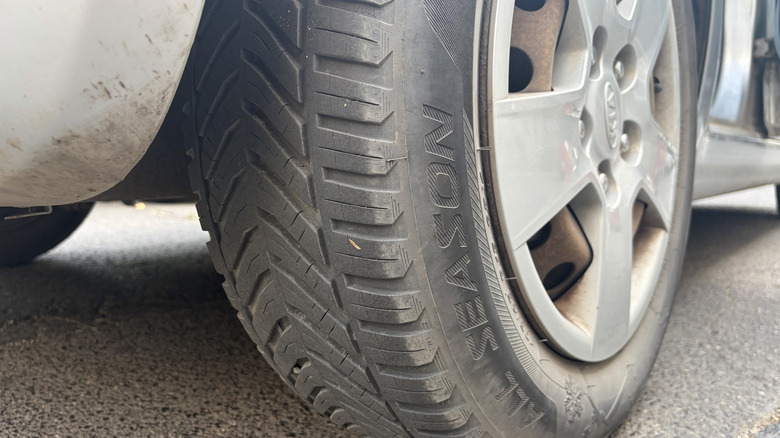
Name brand all-season tires from manufacturers like Goodyear can be a wise investment, depending on your situation. The name “all-season” alone suggests they’re a good fit for year-round driving, and that’s generally true. However, that versatility also means these tires don’t specialize in any one area.
All-season tires don’t offer the same level of grip and handling as summer tires. Their winter performance can also fall short when it comes to traction. This is especially true in more severe conditions such as deep snow, freezing rain and black ice. Some all-season tires are better suited to snow and cold weather than others, and certain models emphasize performance for the other three seasons instead. Drivers expecting snowy conditions and extremely cold weather shouldn’t just assume that any all-season tire will deliver the same level of traction as a dedicated winter tire.
Using a set of all-season tires year-round can also mean replacing them sooner than you expect. A typical set of all-season tires used continuously over time could potentially wear out around the three-year mark, which means buying another set after only two winters. This is why using separate tires during the winter makes sense, as they can reduce the amount of wear placed on the all-season set. This could potentially help both sets last much longer.
The benefits of all-season tires
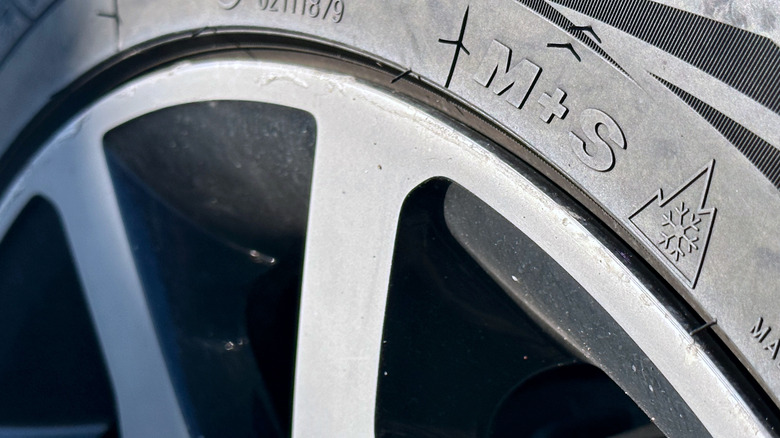
All-season tires can be a perfectly good choice if you live somewhere with relatively moderate weather throughout the year. For example, all-season tires can provide good performance for everyday driving in areas that don’t regularly experience harsh winters. All-season tires are also typically less expensive and have good treadware ratings, which can make them a smarter financial choice over time.
All-season tires can also have benefits when it comes to overall comfort for everyday driving. Although their design varies based on the model and manufacturer, all-season tires can provide dependable handling without sacrificing a smooth and quiet ride. While comfort isn’t the primary factor when choosing a tire, it could still be enough of a reason for some drivers to buy an all-season over a more specialized option.
If you want to improve your fuel economy, all-season tires may be a good choice, depending on the model. Consumer Reports found a big difference in rolling resistance among all-season tires it tested, with some models combining lower rolling resistance with good traction. This is important, as tires with lower rolling resistance require less energy to move on the road, which can help cut down fuel consumption. When trying to weigh the pros and cons of all-season tires, it’s a good idea to consult your vehicle owner’s manual, or contact a tire professional for more information before you buy.
You must be logged in to post a comment Login