
Connect with us
DAPA Banner

Tech

Galaxy S25 battery drain linked to Samsung One UI update

Published

on

Samsung’s latest software update might be doing more harm than good for some Galaxy users.

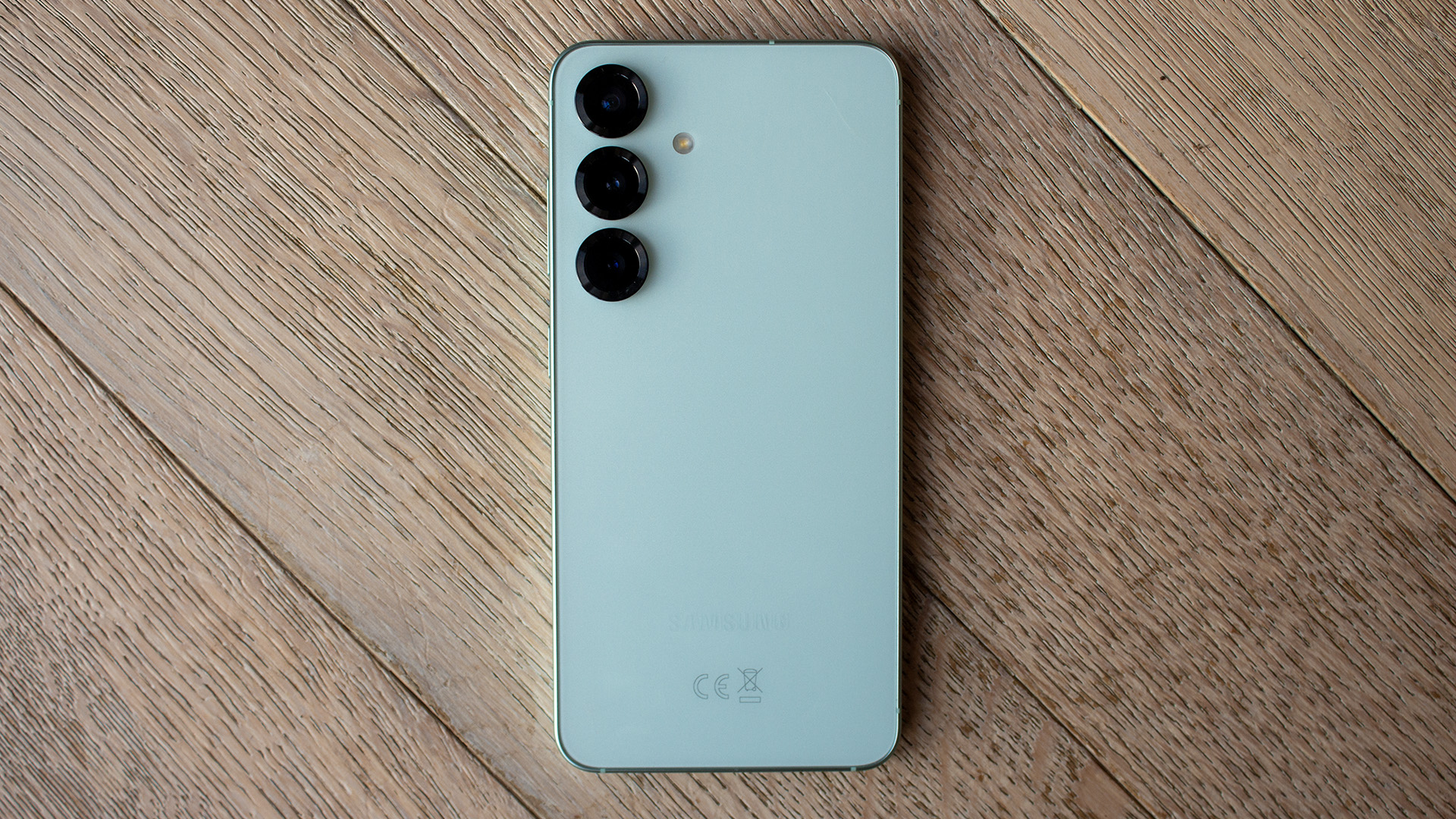
Following the April 2026 security update, owners of the Galaxy S25 and Galaxy S24 are reporting serious battery drain and overheating issues. Complaints are quickly piling up across forums and Reddit.

The issue appears to have started shortly after the update began rolling out earlier this month. Since then, users say battery life has dropped off a cliff. In some cases, it has dropped dramatically. One Galaxy S25 owner claims their phone is dying in just a couple of hours, while another Galaxy S24 user says their device now lasts under three hours and takes significantly longer to recharge.

It’s not just isolated cases either. Threads across Samsung’s community forums, and echoed on Reddit, paint a consistent picture. Users have described their battery performance as “trash” over the past few weeks. One says they’re now regularly hitting 20% by the time they get home, something that “never used to happen.” Others have simply said: “So it’s not just me.”

Advertisement

Digging into battery stats, some users believe they’ve found the culprit: Knox Matrix. The built-in security system detects threats and protects connected devices. However, it appears to be running constantly in the background and putting heavy strain on the CPU. Screenshots shared online show it consuming an unusually high amount of power compared to other system processes.

Advertisement

That could explain both the battery drain and the overheating reports. Knox Matrix is deeply integrated into Samsung’s ecosystem, so users cannot simply remove or disable it like a regular app. This makes this a trickier issue to work around.

So far, Samsung hasn’t officially acknowledged the problem. However, moderators on the company’s forums are advising affected users to visit service centres so technicians can investigate further. It’s also worth noting that the issue does not appear to affect every device, suggesting this could be a bug affecting certain configurations rather than a universal issue.

Advertisement

For now, if your Galaxy S25 or S24 has suddenly started burning through battery after the latest update, you’re definitely not alone. Also, it might not be something you can fix on your own just yet.

Source link

Advertisement
Continue Reading
Click to comment

You must be logged in to post a comment Login

Leave a Reply

Tech

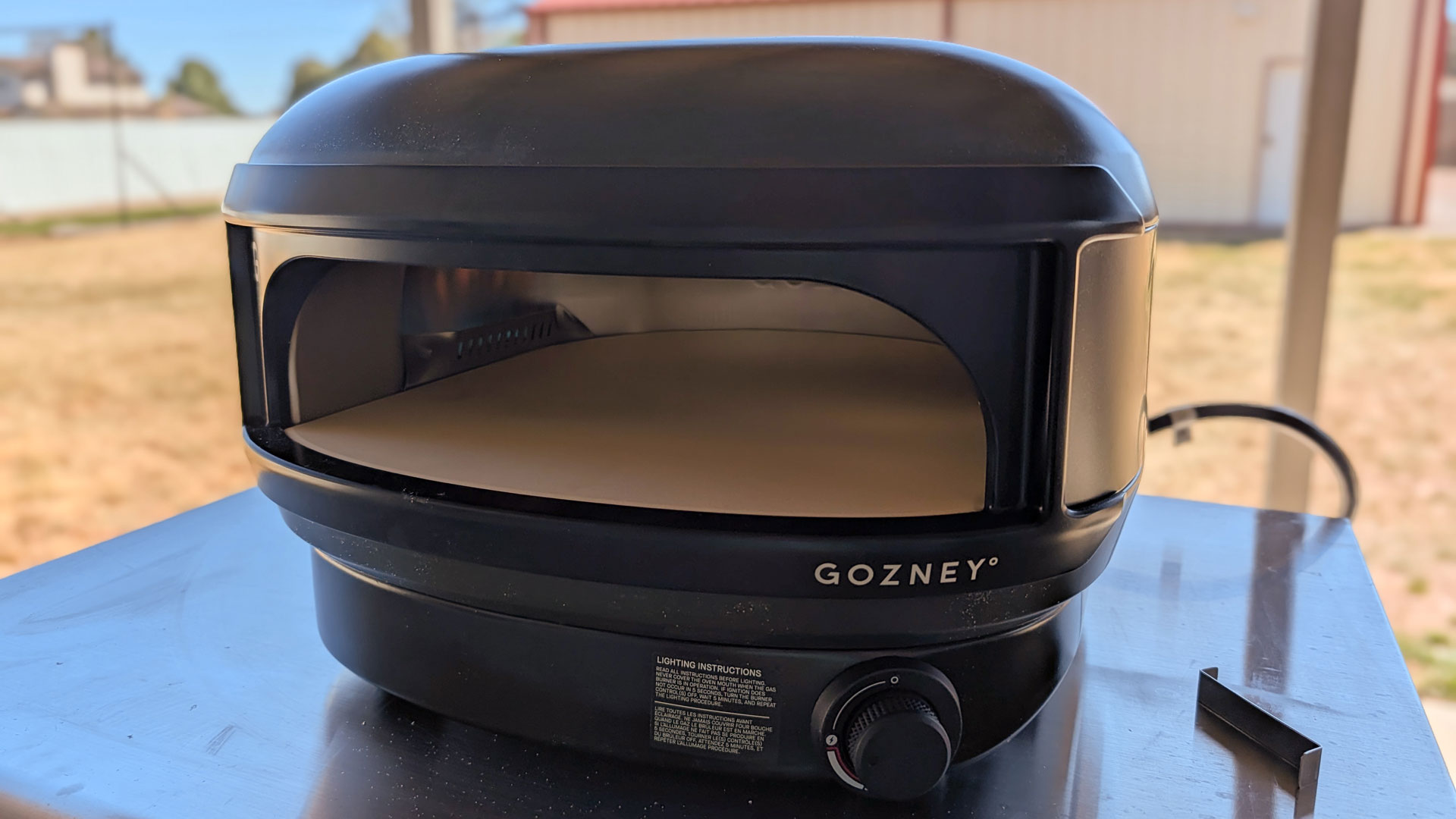
I’ve made thousands of pizzas for slice-loving customers, and the Gozney Arc Lite is a near-perfect pizza oven for beginners

Published

on

Hear me out: There’s no better feeling than successfully pulling out a perfectly baked pizza from an 800-plus-degree oven at home.

After spending anywhere from a few hours to several days preparing for family pizza night, carefully making the dough, selecting the toppings, and taking everyone’s orders, you can’t help but feel a strong sense of accomplishment when everything goes right.

Source link

Continue Reading

Tech

Y Combinator alum Skio sells for $105M cash, only raised $8M, founder says

Published

on

Skio, a 2020 Y Combinator alum that was founded by self-described college dropout Kennan Frost, has been acquired by competitor Recharge, the companies announced on Thursday.

Both Skio and Recharge make products that handle subscription payments for brands.

While the official press release did not disclose the terms of the deal, Frost (who had previously left the company), posted on X, LinkedIn, and Instagram that his startup walked with $105 million cash and had only raised $8 million from investors. That’s a healthy return by any measure.

His posts about the deal were reposted by Skio investors Y Combinator and Nicolas Wittenborn, founder of VC firm Adjacent.

Advertisement

Frost had not been running the company for about two years, according to a LinkedIn post by Skio’s current CEO, Aidan Thibodeaux, who began as the startup’s first COO. When he took over, he described a grind that involved no spend on marketing, ads, or a sales team. Instead, they focused spending exclusively on building the product. He and the founding CTO, Andrew Chen, made every sales call themselves, he wrote.

Frost’s story is even more stirring. In his Instagram post, he wrote that he solo-founded the startup after having a panic attack that caused him to leave his job as an engineer at Pinterest. COVID shut the world down two weeks later.

Frost got into YC and says in another post that he “completely failed during the batch,” until he pivoted to this subscription idea. In three years, he got the company to $10 million in ARR and, he says, profitable. Then another “team came together and turned this early traction into a real company,” he credits.

Techcrunch event

Advertisement

San Francisco, CA
|
October 13-15, 2026

His YC advisor, Gustaf Alströmer, confirmed the terms of the sale on X. Alströmer described how the founder struggled during his time at the accelerator but never gave up.

Advertisement

Frost says at the time of the sale the company was at $32 million ARR and had processed $4 billion in payments. He is now working on another startup he founded, Icon, which offers a product called AdMaker for generating ads and tracking ad campaigns.

Frost, Recharge, and Wittenborn could not be immediately reached for comment.

When you purchase through links in our articles, we may earn a small commission. This doesn’t affect our editorial independence.

Advertisement

Source link

Continue Reading

Tech

Everyone Thought This Was A Sailor Myth

Published

on


If you haven’t seen the 1972 movie The Poseidon Adventure (it’s a classic, starring Gene Hackman, Shelley Winters, and Leslie Nielsen, among others!), perhaps you’ve seen the 2006 remake simply dubbed Poseidon, with Richard Dreyfuss and Kurt Russell. These movies tell the story of a cruise ship named after the Greek god of the sea, Poseidon, that is struck by a massive rogue wave and capsizes, turning completely upside down. Like most disaster movies, the premise is a bit unbelievable, but rogue waves exist, and scientists are finally gaining an understanding of how and why they form.

The legend of rogue waves has existed for centuries. Sailors would report monstrous waves that seemingly appeared out of nowhere. Despite the persistent stories, rogue waves weren’t scientifically measured until 1995, when an 80-foot wave in the North Sea hit the Draupner oil platform, wreaking havoc but ultimately becoming the first rogue wave ever measured in the open ocean. Myth became reality, but scientists still didn’t understand how these waves formed.

Satellite data was first used to study rogue waves in 2001 using the European Space Agency’s ERS-2 satellite. Since then, there have been several studies internationally using satellites to better understand rogue waves and in late 2024, the Surface Water and Ocean Topography (SWOT) satellite captured waves measuring 65 feet to 115 feet. The data not only confirmed the existence of such massive waves but found that they can occur hundreds or even thousands of miles away from powerful storms. This data, along with other studies, has given scientists a better understanding of rogue waves than ever before.

Advertisement

Additional studies and the chances of a rogue wave

Satellite data proved the existence of rogue waves, but we actually know much more. After the rogue wave hit the Draupner oil platform, Francesco Fedele, an associate professor at Georgia Tech’s School of Civil and Environmental Engineering, led an international team on an 18-year study of wave records in the North Sea. The team analyzed 27,500 wave records, and each record contained 30 minutes of wave activity, including how high the waves were, the frequency of waves, and their direction.

This research found that large waves typically occur in one of two ways: waves traveling at different speeds and different directions align and combine to form a much taller wave. This is called linear focusing. There’s also a second, natural process that stretches the shape of the wave to make it steep and tall but flattening the trough (the lowest point of the wave) which increases its height by up to 20%. Ultimately, Fedele hopes this research will help scientists predict when a rogue wave will happen.

Advertisement

The data has proven this old sailor’s myth, but you shouldn’t be worried about a rogue wave hitting your cruise ship — though it happens from time to time. In 1995, Cunard’s Queen Elizabeth 2 encountered an estimated 92-foot wave, but was able to steer into it, and no one was injured. Data has found they are much more common than previously thought, though the National Oceanic and Atmospheric Administration still calls them “uncommon.” Still, the likelihood that one would hit your cruise ship is low, and modern sailors know there are some parts of the ocean they should simply avoid.


Advertisement

Source link

Continue Reading

Tech

ChatGPT Images 2.0 is a hit in India, but not a big winner elsewhere, yet

Published

on

India has emerged as the largest user base for ChatGPT Images 2.0 since its launch last week, OpenAI said on Thursday. However, third-party data reviewed by TechCrunch points to a more measured global response, with limited overall growth alongside sharp spikes in select emerging markets.

ChatGPT Images 2.0, OpenAI’s latest image-generation upgrade, is designed to handle more complex prompts and produce detailed visuals, including accurate text across multiple languages. Early patterns from the company suggest users — especially in India, its largest market — are using it to create personal visuals such as avatars, stylized portraits, and fantasy-themed images.

Data shared by Sensor Tower and Similarweb with TechCrunch suggests the rollout has led to a more mixed global response. ChatGPT’s app downloads rose 11% week-over-week following the launch, per Sensor Tower, but overall engagement gains were modest, with daily active users and sessions up only around 1%. Similarweb data also shows a limited increase in ChatGPT’s global web traffic, rising about 1.6% week-over-week during the same period.

However, Sensor Tower data indicates some emerging markets — including Pakistan, Vietnam, and Indonesia — saw sharper spikes in ChatGPT’s app downloads, with increases of up to 79% week-over-week during the rollout period.

Advertisement

India, meanwhile, remained a major source of activity during the rollout. Sensor Tower estimates show ChatGPT was downloaded about 5 million times in India during the launch week, compared with roughly 2 million in the U.S., though growth remained modest on a week-over-week basis. Similarweb data also points to a limited uptick in engagement, with daily active users in India rising about 3.4% week-over-week during the same period.

In India, the early trends suggest ChatGPT Images 2.0 is largely being used as a form of self-expression. Rather than purely functional outputs, users are creating studio-style portraits from everyday photos, social media-ready images, and imaginative visuals that place themselves at the center, OpenAI said.

The early patterns also highlight how AI image tools are being adopted differently across markets. While India’s large user base is driving overall scale, sharper spikes in countries like Pakistan and Indonesia point to stronger new-user demand in emerging markets following the launch.

Techcrunch event

Advertisement

San Francisco, CA
|
October 13-15, 2026

OpenAI’s Images 2.0 launch comes amid intensifying competition in AI image generation. Google’s earlier image-focused model, the original Nano Banana, also saw strong early traction in India, indicating how the nation has become an important market for image generation.

Advertisement

With the new ChatGPT Images release, OpenAI is pushing further with improvements such as better rendering of non-Latin text, including Hindi and Bengali, and new “thinking” capabilities that allow it to refine outputs and generate multiple variations from a single prompt.

Beyond stylized portraits and avatars, OpenAI said early Images 2.0 users in India are experimenting with a wider range of formats — from fantasy newspaper covers to tarot-style visuals and fashion moodboards. Users are also using the AI tool to restore older photos and create cinematic portrait collages, the company said, suggesting early patterns of more personal use.

When you purchase through links in our articles, we may earn a small commission. This doesn’t affect our editorial independence.

Source link

Advertisement
Continue Reading

Tech

The Mac lineup is doing so well that Apple can’t keep up

Published

on

Apple CEO Tim Cook is thrilled at how well the new Mac lineup is doing, but that isn’t good news for anyone looking to score a Mac mini.

Apple’s had a great quarter as far as Mac is concerned. And not just with returning Apple fans, but new to Mac users, too.

On Thursday, ahead of the April quarterly earnings call, Cook told CNBC:

“We could not be happier with the enthusiasm that we’ve seen do the most advanced Mac lineup in our history… we saw huge excitement for MacBook Neo, which opens up the Mac experience to a whole new range of customers.”

Advertisement

The MacBook Neo, introduced in early March, is Apple’s most budget-friendly MacBook offering, coming in at $599. While critics have balked at the use of the A18 Pro chip, as it’s a “mobile chip,” Apple’s right, there is a market for it.

In fact, Cook even said that Mac had its best launch week ever for first-time Mac customers. The high demand for Apple’s “Little Laptop that Could” greatly contributed to it.

However, that demand is a double-edged sword. While no company wants to see a sales slump, it doesn’t necessarily mean that “more is more,” when it comes to moving products, either.

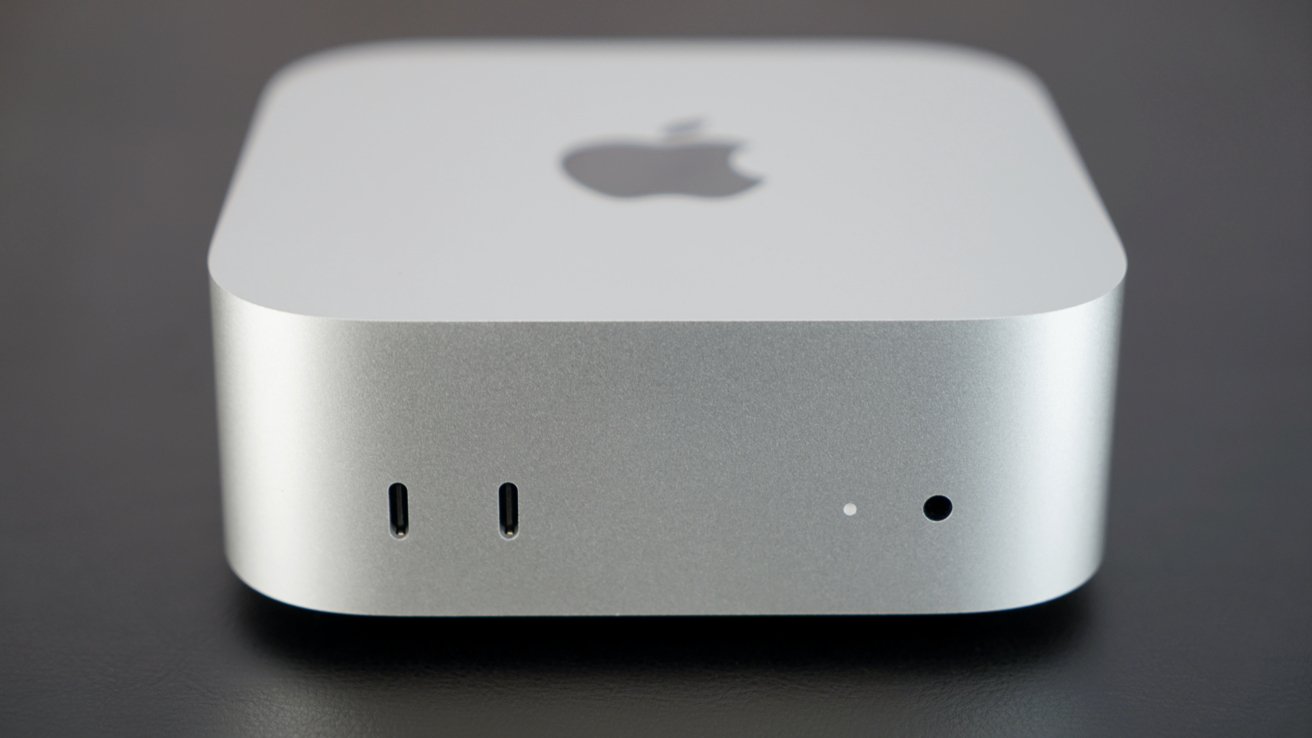
Demand for certain products, specifically the M4 Mac mini, is at an all-time high. So high, in fact, that you can’t get one.

Advertisement

“Huge demand,” Cook said of the Mac mini. “So big a demand that we can’t fulfill it all. We had supply constraints during the quarter. We still have supply constraints, and we’ll likely have them for several months.”

This is largely because Apple’s pint-sized desktop has become a fan favorite for running local AI models and tools. And it’s not just Apple that’s seeing shortages, either: third-party sellers can’t keep them in stock, leaving marked-up models on eBay as the only option in most cases.

In addition to Mac mini shortages, some models of the Mac Studio are also completely out. While it’s still possible to get “lower end” models if you’re willing to wait up to twelve weeks, higher end models are also listed as “unavailable.”

Advertisement

Source link

Continue Reading

Tech

Apple’s memory price insulation holds, but price rises still loom

Published

on

Apple’s ability to prevent memory prices from increasing the cost of iPhones and other products won’t last forever. Tim Cook has warned that it’s only going to get harder to do so.

The consumer tech industry is struggling to deal with the cost of memory, with supplies choked by the extreme demand of AI infrastructure build-outs. While Apple has managed to stop the cost impacting the price of its products so far, even it has its limits.

Asked on the analyst conference call following its Q2 financial results release, incumbent CEO Tim Cook has revealed that pricing has affected the company’s bottom line.

The December quarter had a minimal impact due to memory pricing, Cook said, warning at the time that it would be more of a concern in the March quarter. Apple did see a bigger impact in that March quarter, but Apple managed to offset the cost by carry-in inventory.

Advertisement

With the issue not going to die down anytime soon, Cook added an extra warning that there will be a significant memory cost effect in the June quarter. However, even that will benefit from carry-in inventory offsetting the cost.

Beyond the June quarter will be a problem, with Cook warning of a further increase in impact. It’s unknown what will happen at that time, but there’s only so much inventory available to insulate the company from dealing with them.

Cook concluded that Apple is continuing to evaluate the situation, and it has a range of options available to it.

Advertisement

Source link

Continue Reading

Tech

The Apple Watch SE 3 might be cheaper, but the Apple Watch 11 at its lowest price is the better buy right now

Published

on

When Apple released its latest smartwatches late last year, I was convinced that the Apple Watch SE 3 was the better buy for most users because it offered excellent value. I still stand by that, but hear me out: when the Series 11 is heavily discounted, I would recommend it over the SE 3, even if the latter was also on sale.

Like right now. The Apple Watch SE 3 is down to AU$347 for the smaller 40mm case on Amazon, which is a 13% discount, while the Apple Watch 11 currently has a starting price of AU$497 on Amazon, making it a 27% price drop.

Apple Watch 11 at launch was that I couldn’t get hypertension notifications on my wrist, but the TGA approved this feature in December 2025 and a subsequent January 2026 watchOS update rolled out the feature for Aussies to use.

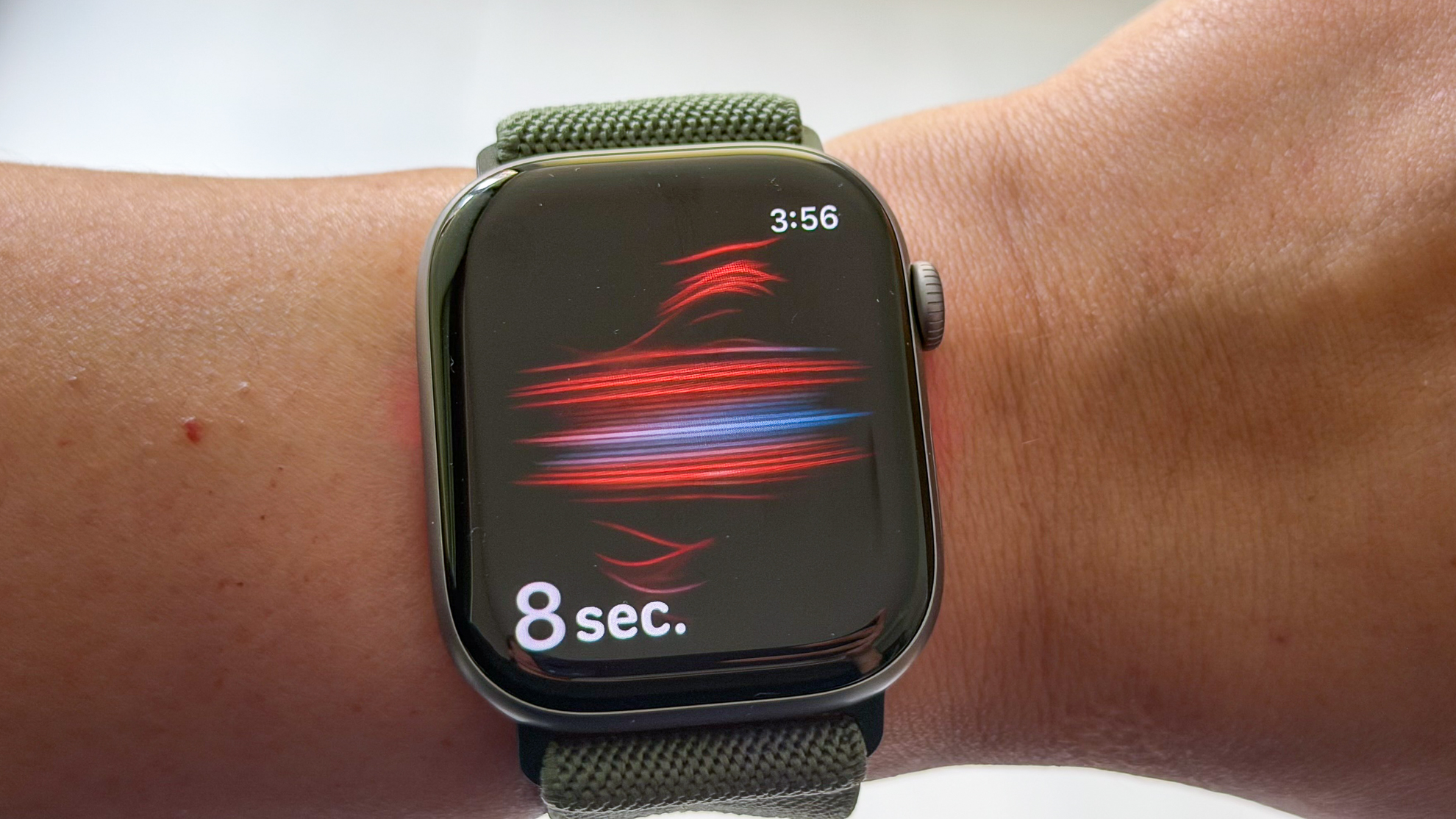
The other health features you’ll get with the Series 11 that the SE 3 misses out on are blood oxygen monitoring, sleep apnoea detection and irregular heart rhythm notifications (aka the ECG feature).

Another minor addition the Series 11 gets you is 5G connectivity if you opt for the LTE version (which is also discounted by up to 21% off). This really shouldn’t be that big a deal though as smartwatches don’t need super-fast connectivity and, in any case, 5G support on smartwatches is something telcos still don’t offer in Australia, but Apple is working towards that.

The Apple Watch 11 taking blood oxygen readings

My Apple Watch 11 taking a blood oxygen reading (Image credit: Sharmishta Sarkar / TechRadar)

Alongside all that, it offers everything you need to encourage you to exercise more, tracking a wide variety of activities that, I admit, even the SE 3 will do, but the battery life on the Series 11 exceeds the SE 3’s by 25%, which you can stretch even further by using the Low Power mode.

Advertisement

Our Apple Watch Series 11 review gave it a very respectable four stars out of five, calling it “a mainline Apple Watch that can go the distance.” While it offers “no major performance gains year over year,” it provides a “bigger battery” and a “more durable display that’s still vibrant and rich.” This bigger display now makes it a lot easier to use the Messages app on the Apple Watch. I personally wear the 46mm version and handwriting a message on the screen is so much easier now.

Moreover, watchOS 26 gives it a fresh feel that truly highlights its health features, especially the new Sleep Score functionality. All this makes it the best smartwatch for iPhone and quite unbeatable at this price.

If you don’t have any heart health issues, then the SE 3 will suit you just fine, but if you need a reliable health monitor, I think the Apple Watch 11 is the much better option.

Source link

Continue Reading

Tech

Ctrl-Alt-Speech: Age Against The Machine

Published

on

from the ctrl-alt-speech dept

Ctrl-Alt-Speech is a weekly podcast about the latest news in online speech, from Mike Masnick and Everything in Moderation‘s Ben Whitelaw.

Subscribe now on Apple Podcasts, Overcast, Spotify, Pocket Casts, YouTube, or your podcast app of choice — or go straight to the RSS feed.

In this week’s roundup of the latest news in online speech, content moderation and internet regulation, Mike is joined by Jess Miers, law professor at University of Akron School of Law. Together, they discuss:

Advertisement

Support the podcast by joining our Patreon, with special founder membership available until May 28th.

Filed Under: age verification, ai, artificial intelligence, chatbots, content moderation, education, manitoba, social media, trust and safety, turkey

Companies: openai, youtube

Source link

Advertisement
Continue Reading

Tech

Apple forward-looking statements show up to 17% growth for Q3 2026

Published

on

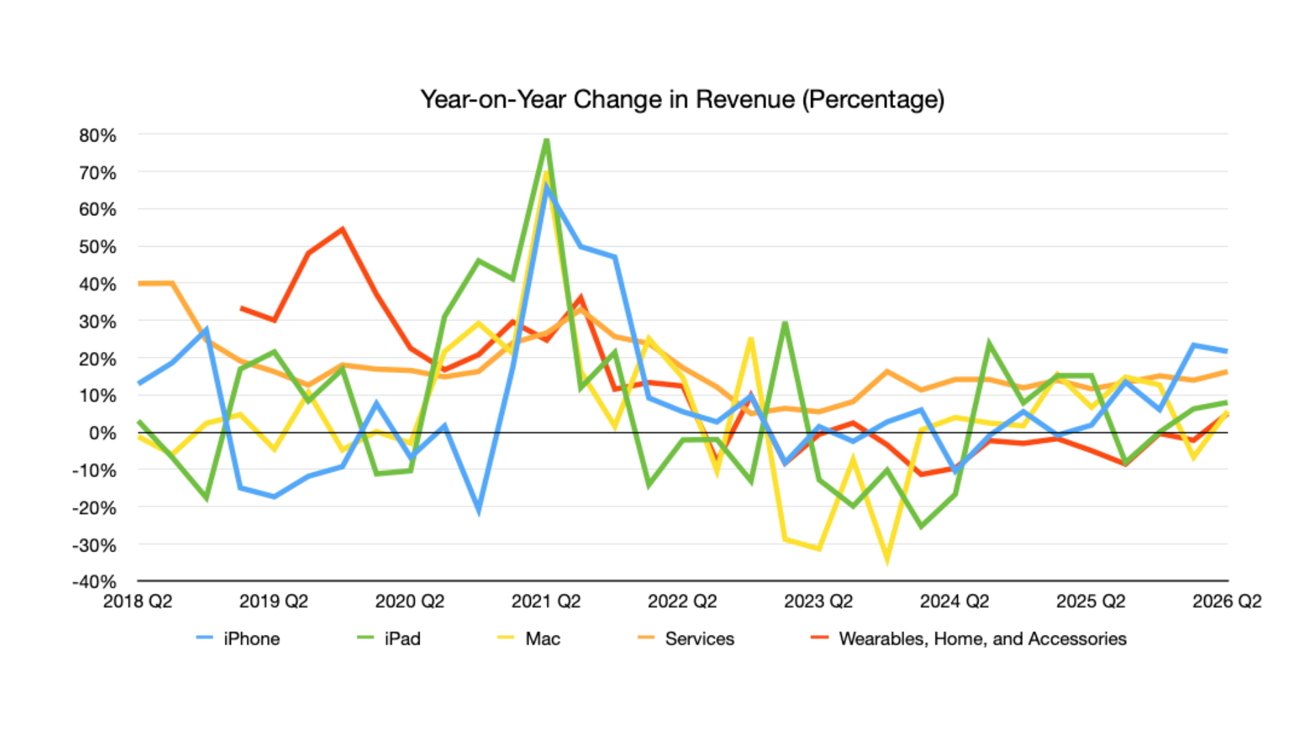
There are no signs of Apple slowing down in Q3 2026, as it is likely to see even more year-over-year growth in spite of a tough comparison for iPad.

Apple just had a record-breaking March quarter that brought in $111.2 billion in revenue. It seems that momentum won’t be slowing going into Q3.

Apple Chief Financial Officer Kevan Parekh shared forward-looking statements for Q3 2026 that estimate up to 14% to 17% growth year-over-year. That would mean growth from 2025’s $94 billion up to $110 billion for 2026.

In addition to that growth, Apple expects a gross margin of 47.5% to 48.5%. Operational expenditure is between $18.8 billion and $19.1 billion.

Advertisement

Clearly, Apple is going to ride the successes of its current iPhone and Mac lineup all the way into the fall. The iPhone 17e, MacBook Neo, and other recent products have been selling very well with supply being the only constraint to demand.

Growth in China has also been a big lift for Apple due to continued demand for the iPhone 17 lineup. Apple CEO Tim Cook attributed this to having devices that resonate with people, not necessarily better government relations.

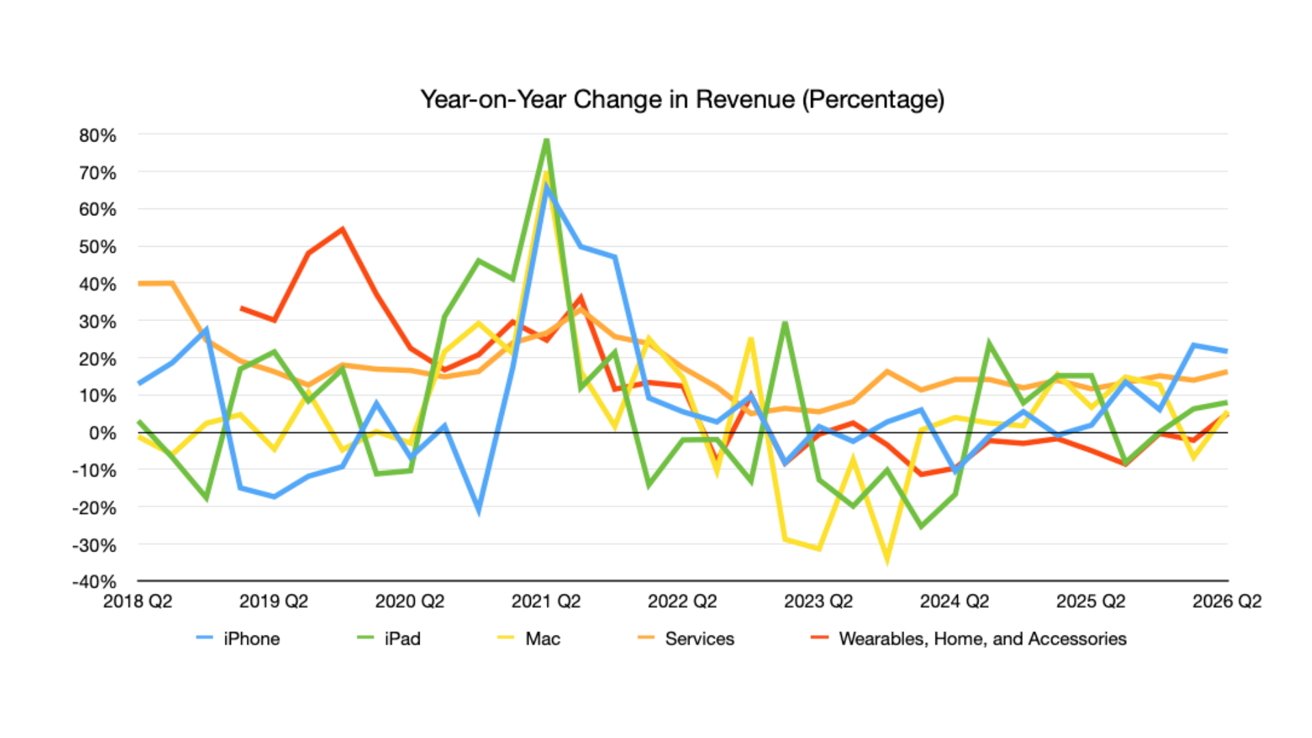
Line chart showing year-on-year revenue percentage changes from 2018 Q2-2026 Q2 for iPhone, iPad, Mac, Services, and Wearables, with sharp spikes around 2021 and fluctuating trends afterward

Apple’s YoY growth continues

There’s a chance that Q3 won’t have any new hardware, and that includes the long-expected iPad with A19. Parekh specifically called out that the iPad would have a tough compare in Q3 due to the year-ago release of the iPad with A16.

Advertisement

That’s the closest we’ll get to Apple saying that there won’t be any new iPads without an explicit confirmation.

Services are expected to see similar year-over-year growth. That could be aided in some fashion by the new App Store contract system for annual subscriptions.

The results for Q3 will be revealed at the end of July, which will likely be Cook’s last earnings call. He’s ending on a nice round number of 90 total earnings calls in his career at Apple.

Advertisement

Source link

Continue Reading

Tech

This S’porean hand-sculpts ‘bootleg’ toys costing up to S$255

Published

on

After two decades in tech, he now makes tiny collectible figures of pop culture characters

After spending two decades climbing the corporate ladder, including a stint at a FAANG company, 40-year-old Singaporean GT has found himself on a very different path.

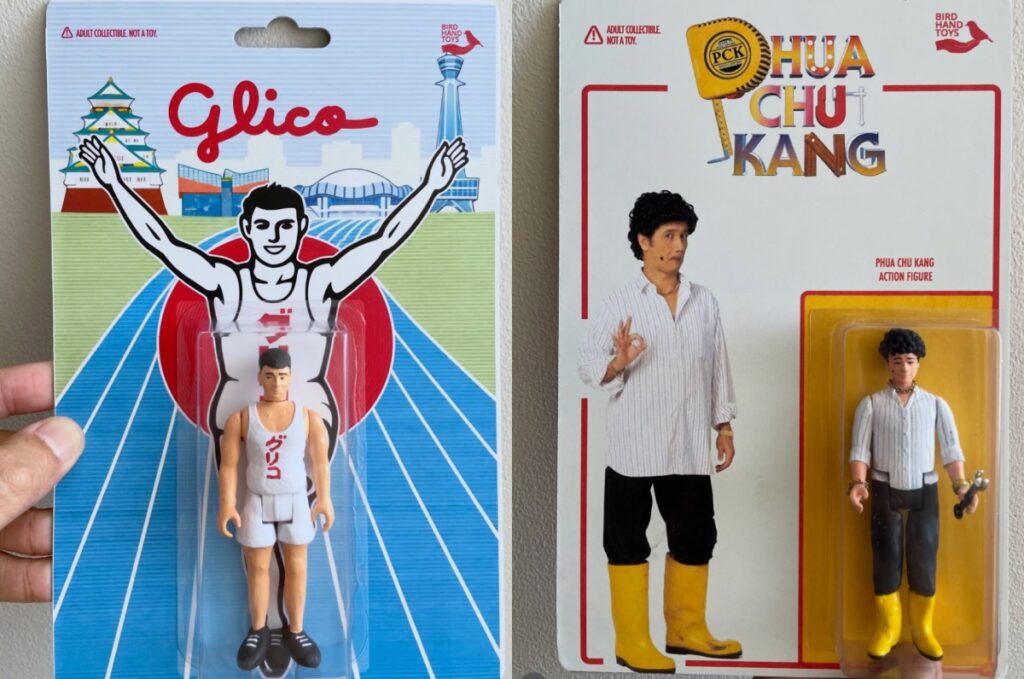
The former tech worker has turned a hobby into a small business, making tiny, handmade action figures inspired by pop culture characters, from the Glico man to even local TV icon Phua Chu Kang.

Today, GT runs Bird Hand Toys from his home in Australia, where he sculpts and assembles 3.75-inch “bootleg” figurines based on movies, TV shows, and nostalgic cultural references.

A hobby that found him

Bird Hand Toys’ Glico man and Phua Chu Kang handmade action figures./ Image Credit: Bird Hand Toys

GT’s path into toy-making was anything but deliberate.

Born and raised in Singapore and educated in Australia, he spent 15 to 17 years moving through corporate roles before eventually landing at a major global tech firm. By then, he and his wife had already built an ideal Singaporean life: stable jobs, a home, a dog, and a strong network of family and friends.

Advertisement

But GT also held Australian permanent residency, a document he had kept for years. Eventually, the chance to relocate and build a life in Australia became too compelling to ignore.

So in 2021, at the height of the COVID-19 pandemic, GT and his wife left their jobs, sold the car, and packed up for the move. The airports were ghostly quiet, with fewer than 10 people on their flight. Not exactly a glamorous beginning, but still, it was the start of a new chapter in their lives.

Bird Hand Toys chippy jackpot dick tracyBird Hand Toys chippy jackpot dick tracy
Some of the early figures GT sculpted include Dick Tracy and Chippy Jackpot./ Image Credit: Bird Hand Toys

Once settled in Australia, GT returned to corporate work and began looking for a creative outlet to unwind from the pressures of office life.

One day, while scrolling through Instagram, he came across a community of toy makers creating miniature action figures. Intrigued, he decided to try making some himself sometime in 2022.

GT was able to teach himself through trial and error and picked up the hobby very quickly.

Advertisement

“There’s very little information out there, so a lot of the early process involved a lot of problem solving to figure out every step of the process, from the size of the card backing, types of glue and paper to use, plastic blister packaging supplier and how to make a bootleg toy.”

In those early days, GT’s work drew heavily from the films, TV shows, and pop culture he grew up with in the 20th century. The first few figures he made were enough to suggest he might actually be onto something.

The project took a more concrete turn when he won an eBay bid for more than 100 vintage Star Wars figures for US$180 (S$230), which he used as base models for his creations.

The making of a bootleg action figurine

Bird Hand Toys sits within a niche creative space in what GT calls the “bootleg toy space”—unofficial action figures of movie and TV characters that never got to the commercial production stage.

Advertisement

One of the earliest pieces he made was a miniature version of American artist Jackson Pollock, complete with a tiny paintbrush, paint splatters, a checked scarf and a cigarette. It took about a month to complete the action figure.

Bird Hand Toys Jackson pollockBird Hand Toys Jackson pollock
Jackson Pollock, GT’s first creation. / Image Credit: Bird Hand Toys

In the early days, GT’s process was relatively simple: he would source an existing action figure and then sculpt over it to transform it into an entirely new character.

However, he quickly realised this approach came with limitations.

Firstly, there’s a limited number of existing action figures he can get a hold of. Secondly, this approach was not economical as each base figure would cost anywhere from S$30 to S$50. As such, it became difficult to scale or fulfil bulk orders.

In one instance, a chef in the US commissioned 15 of a specific figure. GT recalled having to search across multiple stores in New South Wales just to secure enough base figures to complete the order.

Advertisement
All of GT’s figurines are 3.75 inches tall./ Image Credit: Bird Hand Toys

While he still occasionally uses his original method, GT has moved into designing and 3D printing his base figures.

He said this change removed many of the earlier constraints and significantly lowered costs, allowing him to produce multiple figures more efficiently. It also gave him greater creative freedom, enabling more detailed sculpting and refinement around each base model, which in turn improved the overall quality of his work.

For each action figure, completion could take any time from a day to two weeks, depending on its complexity.

While the materials to create them may appear simple—basic tools such as a base figure, a Dremel, sculpting putty and paint—the process is far from mechanical.

GT treats each piece as a design exercise, requiring not just handcraft but an eye for composition. Each design has to reflect the character’s cultural context while still working as a cohesive visual piece that can sit on a wall or shelf.

Advertisement

All of his figurines are 3.75 inches tall. While it might seem like a random choice, the size was popularised by vintage Star Wars action figures, and for GT, it also came down to practical reasons.

“I guess they are this size because of the eBay lot, which started me in this scale, and everything else, like the blister packaging and card backing, has been configured for this scale, so I’ve kept to it,” said GT.

“Also, I find this size to be the most appealing as it has that nostalgic G.I. Joe and Star Wars feel to it.”

Gaining traction & recognition

Each one of GT’s figurines starts from S$70, though the most expensive piece he has ever sold has gone for US$200 (S$255). A Singaporean buyer also recently dropped nearly S$700 on his figurines.

Advertisement
GT’s Singaporean and Asian-inspired creations./ Image Credit: Bird Hand Toys

At the start, GT focused on international characters. It was only this year that he launched a Singapore/Asia-focused page because he thought it would be “interesting to reimagine classic 90s Singapore TV characters and moments into action figures.”

Through this process, he found that a lot of the old logos and pictures of Singaporean pop culture figures were low resolution since they were from “way back.”

“I felt it would be meaningful to give them the love they deserve to have a fresh, sharpened logo and images so they don’t fade with time,” he said.

“Also, people do find these very nostalgic, and the format of it as a semi-art piece that they can own is something that really works.”

According to the 40-year-old, the first month of the Asia page has taken off very quickly.

Advertisement

He shared that he has been receiving a lot of positive feedback and encouragement for what he is doing, including from singer-songwriter Inch Chua, whom he made a figurine of.

GT’s custom piece for DJ Tim Oh./ Image Credit: Bird Hand Toys

Apart from Chua, his celebrity-inspired figures have also found their way to British DJ Fatboy Slim and Singapore actor Gurmit Singh. GT has also taken on commissioned work, including a custom piece for DJ Tim Oh, complete with miniature accessories based on his interests.

Part of this traction has also come from retail exposure. Since Mar, his designs have been stocked at Singapore fashion store The Corner Shop (杂货店), a collaboration that went viral online.

Beyond retail, most of GT’s sales still come online. Through direct commissions and orders, his handmade figurines have made their way to homes across the US, Japan, and Thailand.

Focusing on Bird Hand Toys full time

All this while, Bird Hand Toys had remained a side hustle for GT. But after being “recently laid off” from the FAANG company he worked at in Australia, he decided to make it his full-time focus.

Advertisement

“This is the first time I’ve had the opportunity to fully pursue a more creative path, and it is an opportunity to use my time towards a craft I’m passionate about,” he explained.

The challenge, of course, as it has been from the start, is running the business as a one-man show, from responding to customer messages on Instagram to creating new content and fulfilling commission orders.

Looking ahead, GT wants to continue honing his craft and get even better at it. He does have one goal that’s equal parts humble and quietly ambitious.

It would be nice to be on holiday and find my stuff on a shelf in a store now and then.

  • Learn more about Bird Hand Toys here.
  • Read other articles we’ve written on Singaporean businesses here.

Featured Image Credit: Bird Hand Toys

Advertisement

Source link

Continue Reading

Trending

Copyright © 2025