Tech
Giga Texas Sees First Tesla Cybercab Roll Off the Line

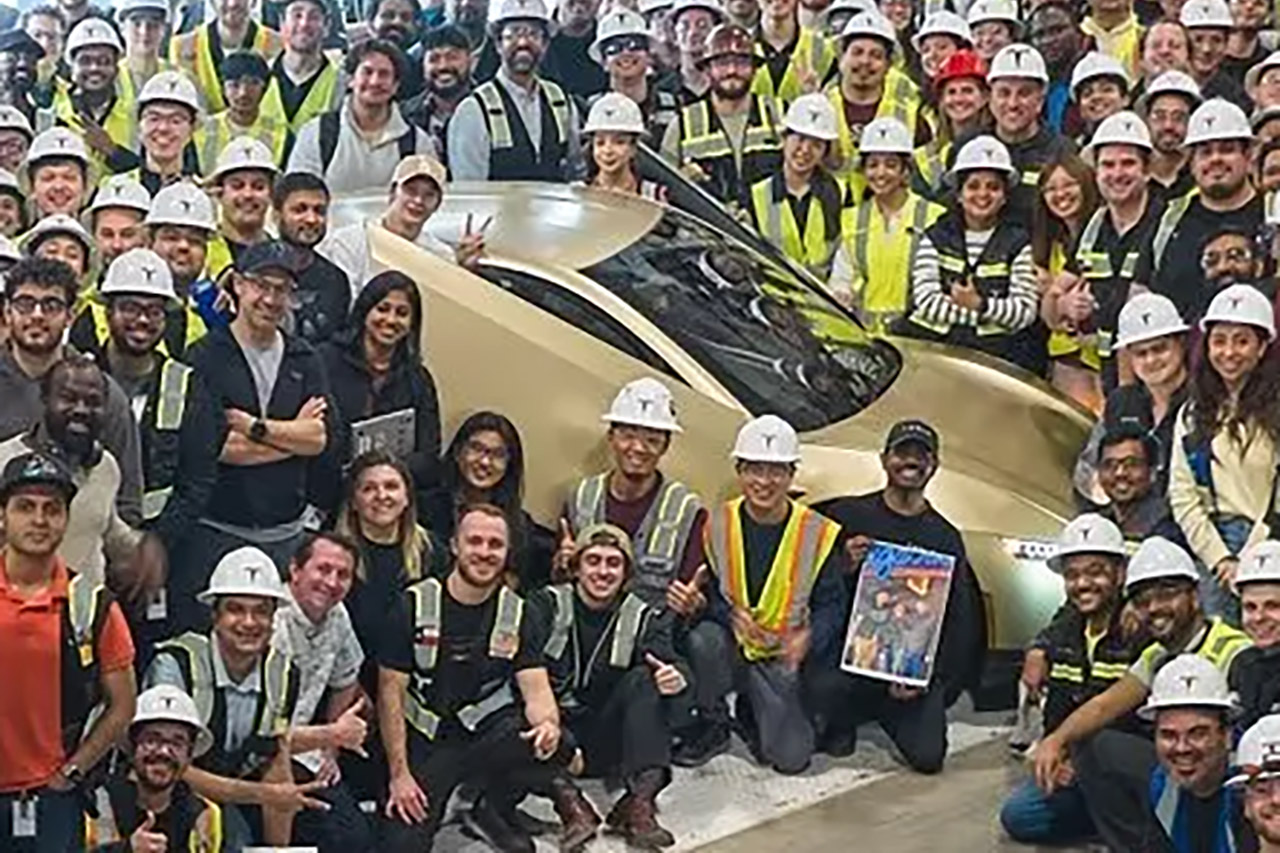
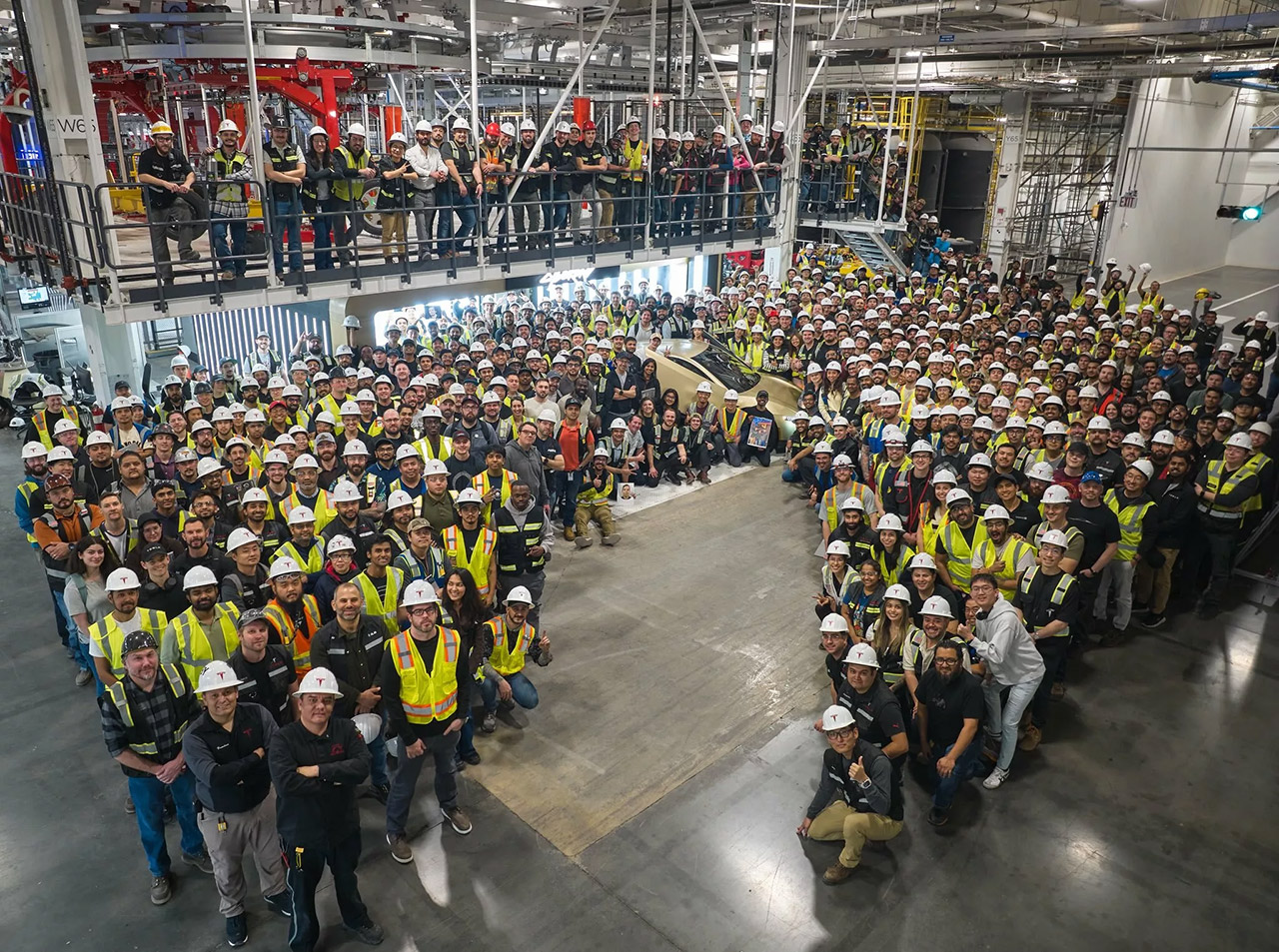
Tesla has made considerable progress toward fully autonomous vehicles, and its staff at Gigafactory Texas are clearly excited. Just the other day, they gathered around the first Cybercab to roll off the assembly line, a streamlined two-seater with no visible steering wheel or pedals, and Tesla even shared the moment on social media, complete with a congratulatory message from Elon Musk himself on the team’s excellent work.


The fact that this vehicle arrived weeks ahead of schedule is undoubtedly impressive, and while full production isn’t expected until April, this early prototype is a major thumbs up for the entire production line. Musk has advised us not to anticipate too much too soon in the early days, but this feat demonstrates how far we’ve come in moving this hardware from the planning board to the actual world.


JCC 1/24 Diecast Taxi Alloy Model Car,Pull Back Toy, with Light and Sound, 4 Opening Parts…
- 【PULL-BACK MOTOR & NO BATTERIES NEEDED】 Simply pull the car back and watch it zoom across the floor! This classic pull-back friction mechanism…
- 【INTERACTIVE SOUND & LIGHT EFFECTS】 Press the designated buttons or wheels to trigger realistic engine revving sounds and exciting flashing LED…
- 【MULTIPLE OPENABLE PARTS & DETAILS】 Features fully functional doors, hood, and trunk that can be opened and closed. This highly interactive…
From the ground up, the engineers intended the Cybercab to function flawlessly as an autonomous vehicle. Its compact cabin with scissor doors that allow passengers to enter inside and enjoy a smooth, driverless trip. Cameras and Tesla’s cutting-edge Full Self-Driving (FSD) software handle the navigation, eliminating the need for all of the controls we normally take for granted, such as a steering wheel and pedals.

Tesla is now manufacturing the Cybercab using a unique, Unboxed approach that divides the entire thing into separate sections that are all built at the same time and then joined together at the end. The numerous small components and heavy castings of the past have been replaced by simpler, lighter single-piece castings that accelerate the process while saving space. Of course, if the problems are worked out, that change in approach will allow the Giga Texas plant to scale up to produce millions of devices every year, which is just around the corner given the expected growth over the next several years.
Of course, there are still a number of regulatory barriers to overcome before the Cybercab can be used on public roads, especially because present federal safety requirements are focused toward having a human driver behind the wheel. That means the federal government will have to make an exemption for an automobile manufactured without all of the regular restrictions, and that will be true at the state level as well. Even while Tesla is running a limited number of driverless Model Y vehicles in Austin and San Francisco, those vehicles have fallback alternatives that the Cybercab lacks.
Then there’s the subject of price, and there are some big shocks in store. Elon Musk recently revealed that a consumer version of the Cybercab might be available for $30,000 or less by 2027, at the latest. That would make it very affordable for both individuals and fleet operators, and the economics of personal transportation would begin to move toward shared, on-demand use.
[Source]
