Picture this: you have an irregular opening you need to fabricate a piece to fill. Maybe it’s the stonework of a fireplace; maybe it’s the curved bulkhead of a ship. How do you get that shape? The most “Hackaday” answer would be to 3D scan the area, create a CAD model based on the point cloud, and route the shape with CNC. Of course, none of those were options for the entirety of human history. So how do you do it if you don’t have such high-tech toys? With a stick, as [Essential Craftsman] takes great pains to show us in the video below.
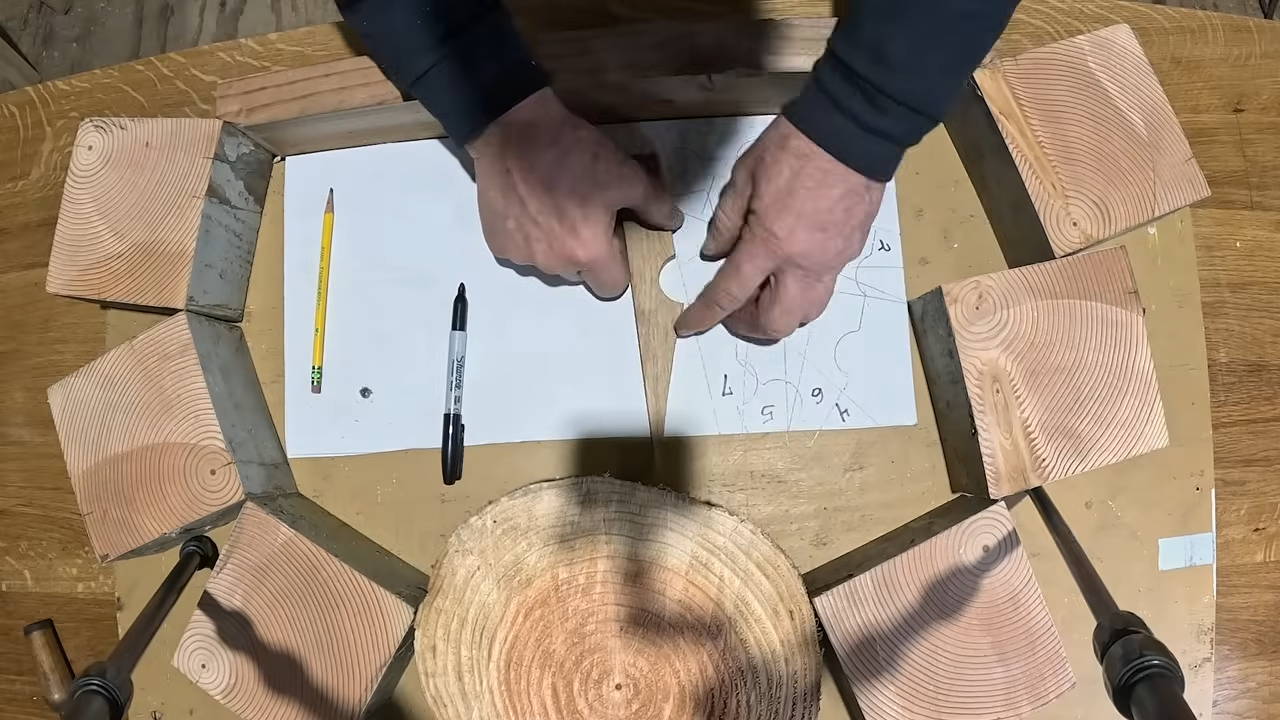
It’s not just any stick, of course. Call it a “tick stick”, a “speil stick”, or a “joggle stick” — whatever you call it, it’s just an irregularly shaped piece of wood. The irregular shape is key to the whole process. How you use it is simple: get some kind of storyboard — cardboard, MDF, whatever — that fits inside your irregular void. Thanks to the magic of the stick, it need not fit flush to the edges of the hole. You put the tick stick on the storyboard, press the pointy end against a reference point on the side of the hole, and trace the stick. The irregular shape means you’re going to be able to get that reference point back exactly later. Number the outline you just made, and rinse and repeat until you’ve got a single-plane “point cloud” made of tick stick outlines.
Your storyboard is probably going to look mighty confusing, but that’s what the numbers are for. Bring your storyboard and your tick stick onto the workbench and whatever you want to cut out– plywood, cardboard, 1/4″ steel armor plate, you name it–and simply repeat the process. Put the tick stick inside outline #1 and mark where the pointy end lands on the material. Then do it again for the other outlines, reproducing the points you measured on the original piece. After that, it’s just a game of ‘connect the dots’ and cutting with whatever methodology works for your substrate. A sharp knife will work for cardboard, but you’ll probably want something more substantial for steel plate.
It’s not often you’re going to need the tick stick– the [Craftsman] reports only needing it a few times over the course of a decades-long career, but when you need it, there’s not much else that will do the job. Well, unless you have a 3D scanner handy, that is.
A Washinton DC appeals court has declined to pause the US administration’s Anthropic ban, but recommended that the case be expedited.
Anthropic won its first round in court on 26 March, when a district judge granted a temporary injunction against the US administration’s decision to designate the Claude creator a ‘supply chain risk’, something normally reserved for foreign actors.
However, last night the Pentagon succeeded in a related but distinct case, as a Washington DC appeals court declined to pause the effective ‘ban’ on government use of Anthropic products. The court did, though, recognise the likely damage caused to Anthropic, and recommended the case be expedited.
The court substantially sided with the US administration in its order, saying: “In our view, the equitable balance here cuts in favour of the government. On one side is a relatively contained risk of financial harm to a single private company. On the other side is judicial management of how, and through whom, the Department of War [sic] secures vital AI technology during an active military conflict. For that reason, we deny Anthropic’s motion for a stay pending review on the merits.”
Advertisement
However, the court also recognised the potential harms that were being done to Anthropic and recommended the case be expedited: “Nonetheless, because Anthropic raises substantial challenges to the determination and will likely suffer some irreparable harm during the pendency of this litigation, we agree with Anthropic that substantial expedition is warranted.”
That latter request to expedite the process had been made by Anthropic’s legal team as an alternative to any stay, should that be unsuccessful, and the AI company welcomed that element of the order.
“We’re grateful the court recognised these issues need to be resolved quickly and remain confident the courts will ultimately agree that these supply chain designations were unlawful,” an Anthropic spokesperson told SiliconRepublic.com.
“While this case was necessary to protect Anthropic, our customers and our partners, our focus remains on working productively with the government to ensure all Americans benefit from safe, reliable AI.”
Advertisement
The judgement also found that “Anthropic’s petition raises novel and difficult questions, including what counts as a supply-chain risk under section 4713 and what qualifies as an urgent national-security interest justifying the use of truncated statutory procedures”, and that will be the fundamental question as the case proceeds.
US district judge Rita F Lin had found in the first court case, when granting a temporary injunction against the ban last month, that: “These broad measures do not appear to be directed at the government’s stated national security interests. If the concern is the integrity of the operational chain of command, the Department of War [sic] could just stop using Claude. Instead, these measures appear designed to punish Anthropic.”
It’s a view held by many. Anthropic drew the ire of the US administration after a standoff with the Pentagon, where Anthropic refused to change its safeguards related to using its AI for fully autonomous weapons, or for mass surveillance of US citizens. The relatively ethical stance in the face of huge pressure from the US administration has earned the company many defenders, and indeed a slew of new customers.
Project Glasswing
Anthropic again flexed its ethics and safety chops this week as it declined to release its powerful new Claude Mythos model to the public, as many fear the consequences of it falling into the hands of bad actors.
Advertisement
Instead, its Project Glasswing will bring together leading businesses, including Amazon Web Services, Apple, Broadcom, Cisco, CrowdStrike, Google, JP Morgan Chase, the Linux Foundation, Microsoft, Nvidia and Palo Alto Networks, allowing them to access the Mythos preview (released on 7 April) to boost their cyber defences.
According to Anthropic, its unreleased Claude Mythos has already found thousands of high-severity vulnerabilities, including some in every major operating system and web browser.
Anthropic’s Mythos preview is significantly capable at generating exploits. In its research, the company noted that Mythos developed working exploits 181 times out of the several hundred attempts, while Opus 4.6 had a near 0pc success rate.
“AI models have reached a level of coding capability where they can surpass all but the most skilled humans at finding and exploiting software vulnerabilities,” said Anthropic, which has promised to share learnings from Project Glasswing to benefit the wider industry.
Advertisement
Don’t miss out on the knowledge you need to succeed. Sign up for the Daily Brief, Silicon Republic’s digest of need-to-know sci-tech news.
I will say that I think this product could be neat in a few scenarios. If you like to dye your own extensions, or you continually change the color of a streak and don’t need to buy oodles of full-size dye containers, or you’re a parent with kids that are always dip-dying their bleached ends, then it might make sense. And the resulting product does smell good. I also like the included container that lets you store leftover dye. If you’re specifically seeking washed-out, pastel tones, I still think you should just … get some hair dye and dilute it with conditioner.
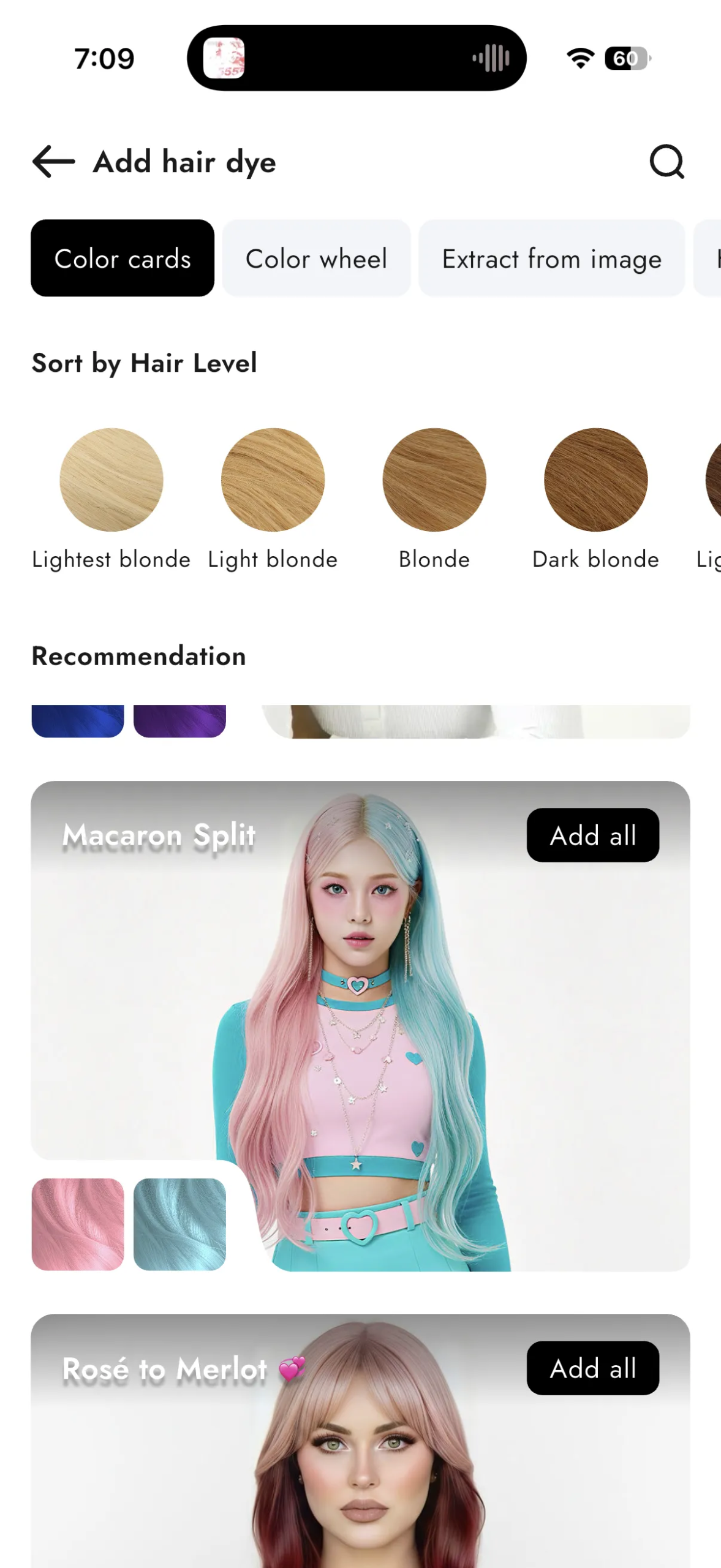
ScreenshotZuvi app via Louryn Strampe
In the end, based on my assessment, the product fails to do its job. And even if this improves—even if eventually, you can get a black pigment to help darken the shades, or Zuvi moves from using primary colors to using cyan, magenta, and yellow, or the company starts making the process of bleaching your hair at home easier, or the use of generative AI stops and Zuvi starts actually standing behind its own results … at the end of the day, you’re still left with a proprietary machine that uses proprietary cartridges, all of which will become paperweights if the company folds.
I’ve combed through every single result I can find of other reviews on the Internet. I’m not a licensed cosmetologist, but I have been coloring my own hair for around 20 years, and I have yet to see a result that’s more impressive than one the user could have achieved for less money from their local beauty supply. Semipermanent fashion dyes are available in hundreds and hundreds of shades, all of which can be mixed together. It may take some trial and error to dial in your perfect pink or blue or red, but it can be done without a machine. Your local beauty supply store likely has an associate who’s been dyeing their own hair for decades and would be happy to point you in the right direction. And respectfully, if you can’t figure out color theory or add conditioner little by little to dilute your own dye, perhaps you should go to a professional and save yourself the trouble of doing it incorrectly. The Zuvi ColorBox adds more guesswork instead of taking it away.
While I do like the initial low price, color corrections from a professional are very expensive, and the refill cartridges from Zuvi (around $22 each) could easily cost the same amount as the supplies would for dyeing your hair with products from the local beauty supply, especially if your hair is long, thick, and/or curly. And I like the idea of reducing leftover dye waste, but again, you don’t need to buy a gadget for that.
“Yeah folks, it’s gonna be harder in the future to ensure OpenClaw still works with Anthropic models,” OpenClaw creator Peter Steinberger posted on X early Friday morning, along with a photo of a message from Anthropic saying his account had been suspended over “suspicious” activity.
The ban didn’t last long. A few hours later, after the post went viral, Steinberger said his account had been reinstated. Among hundreds of comments — many of them in conspiracy theory land, given that Steinberger is now employed by Anthropic rival OpenAI — was one by an Anthropic engineer. The engineer told the famed developer that Anthropic has never banned anyone for using OpenClaw and offered to help.
It’s not clear if that was the key that restored the account. (We’ve asked Anthropic about it.) But the whole message string was enlightening on many levels.
OpenClaw users now have to pay for that usage separately, based on consumption, through Claude’s API. In essence, Anthropic, which offers its own agent, Cowork, is now charging a “claw tax.” Steinberger said he was following this new rule and using his API but was banned anyway.
Anthropic said it instituted the pricing change because subscriptions weren’t built to handle the “usage patterns” of claws. Claws can be more compute-intensive than prompts or simple scripts because they may run continuous reasoning loops, automatically repeat or retry tasks, and tie into a lot of other third-party tools.
Steinberger, however, wasn’t buying that excuse. After Anthropic changed the pricing, he posted, “Funny how timings match up, first they copy some popular features into their closed harness, then they lock out open source.” Though he didn’t specify, he may have been referring to features added to Claude’s Cowork agent, such as Claude Dispatch, which lets users remotely control agents and assign tasks. Dispatch rolled out a couple of weeks before Anthropic changed its OpenClaw pricing policy.
Steinberger’s frustration with Anthropic was again on display Friday.
Advertisement
One person implied that some of this is on him for taking a job at OpenAI instead of Anthropic, posting, “You had the choice, but you went to the wrong one.” To which Steinberger replied: “One welcomed me, one sent legal threats.”
Ouch.
When multiple people asked him why he’s using Claude instead of his employer’s models at all, he explained that he only uses it for testing, to ensure updates to OpenClaw won’t break things for Claude users.
He explained: “You need to separate two things. My work at the OpenClaw Foundation where we wanna make OpenClaw work great for *any* model provider, and my job at OpenAI to help them with future product strategy.”
Advertisement
Multiple people also pointed out that the need to test Claude is because that model remains a popular choice for OpenClaw users over ChatGPT. He also heard that when Anthropic changed its pricing, to which he replied: “Working on that.” (So, that’s a clue about what his job at OpenAI entails.)
Steinberger did not respond to a request for comment.
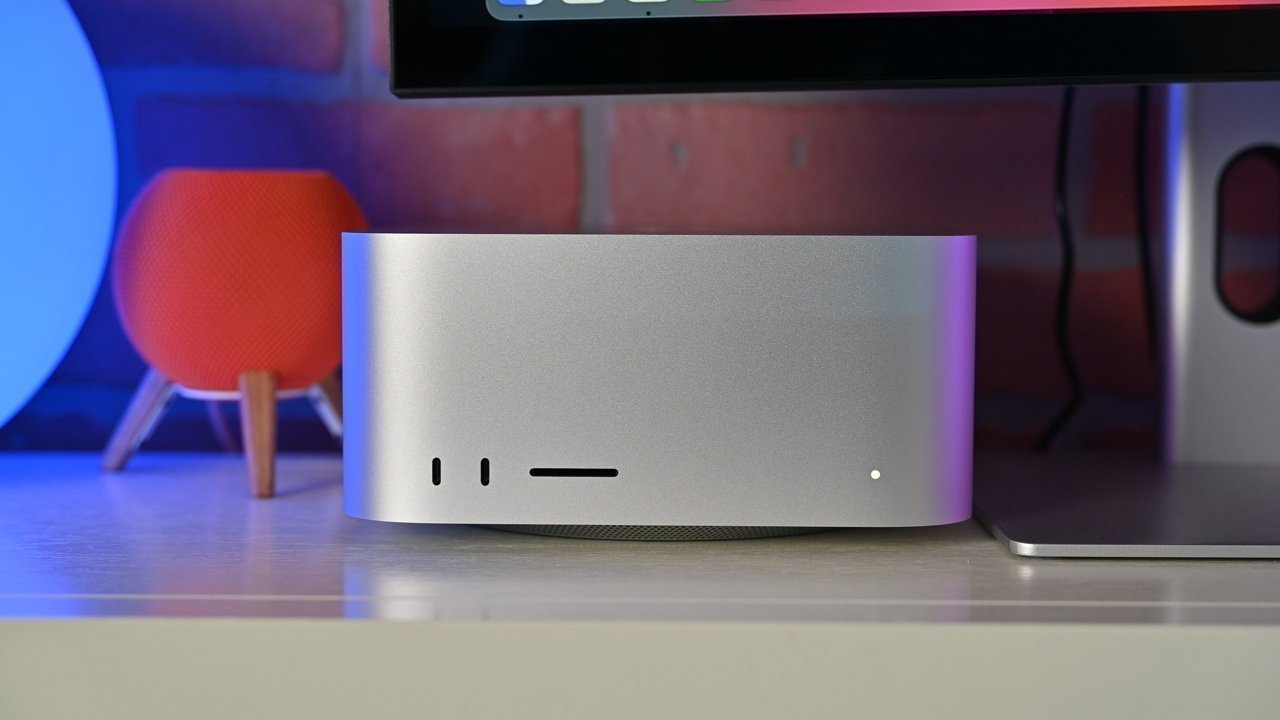
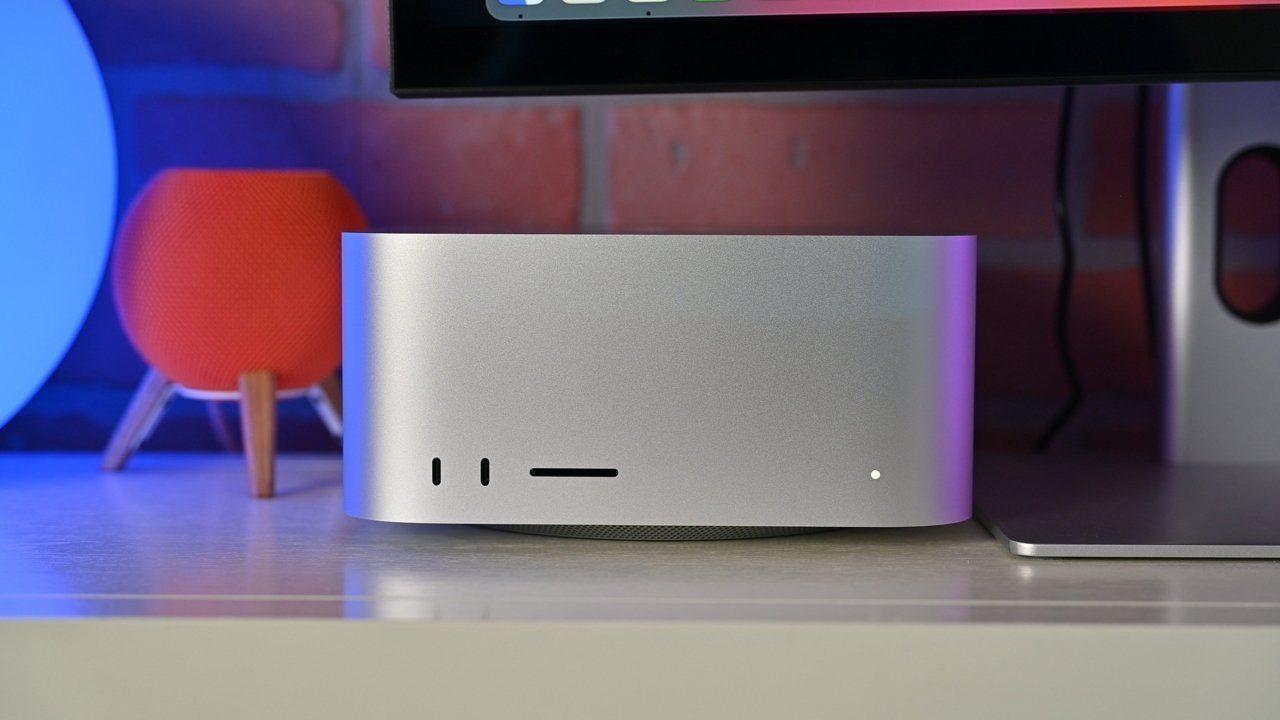
Some configurations of Mac mini and Mac Studio aren’t available in Apple’s online store. It’s an indicator that a desktop Mac refresh is on the way.
Mac Studio
So far, Apple’s updates to bring its products up to the M5 chip generation has involved portable products, like the MacBook Pro. While the world waits for desktop Macs to get the same treatment, it seems that Apple is preparing for its own product launches. Customers attempting to buy some models of Mac mini and Mac Studio from the online Apple Store in the United States are seeing some configurations marked as “Currently Unavailable.” Spotted by 9to5Mac, some listings are showing extremely long lead times or are outright unavailable. Continue Reading on AppleInsider | Discuss on our Forums
In 2024 the Verge’s consumer tech reporter paid $173 for a WD Black SN850X 2TB SSD. But “now that same SSD costs $649…”
“Like with RAM, demand from the AI industry is swallowing up supply from a limited number of manufacturers, leading to a drastic reduction in the inventory that’s available to consumers” — and skyrocketing prices:
The price on my WD Black drive nearly quadrupled since November 2025, and consumer SSDs across the board are seeing similar increases, much like with RAM. The 4TB version of the popular Samsung 990 Pro SSD previously cost $320, but will now run you nearly $1,000. External SanDisk SSDs saw a 200 percent price hike at the Apple Store in March….
According to price trends from PC Part Picker, NVMe SSD prices began ticking upward in December 2025, with prices on 256GB to 4TB SSDs now double or triple what they were just a few months ago, and continuing to climb.
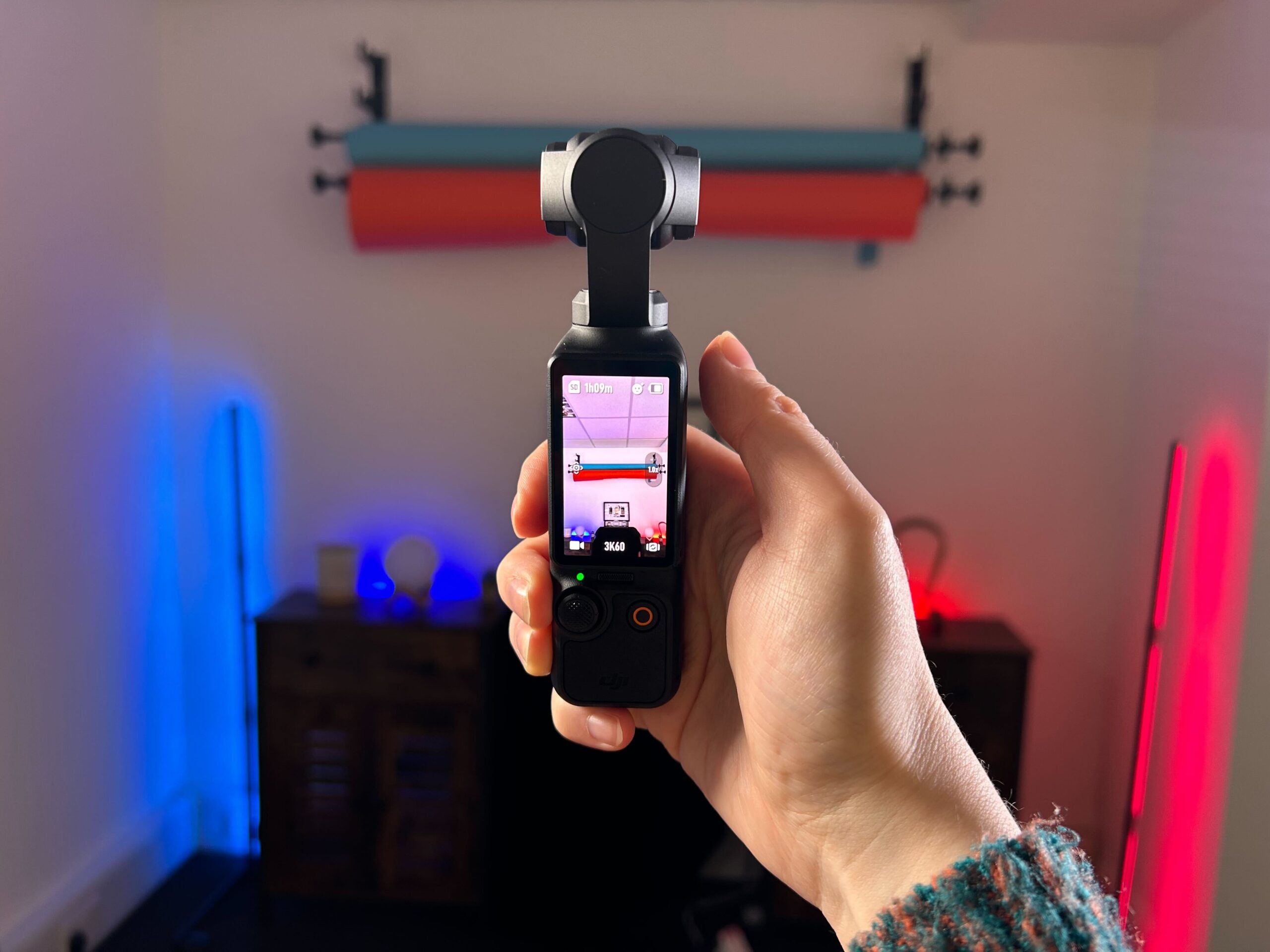
The Osmo Pocket 4 has been a long time coming. Early references to the device date back to mid-2025.
There were multiple sightings of test units surfacing in the months that followed. It’s expected to replace the popular Osmo Pocket 3. That camera helped cement DJI’s position in the compact vlogging camera space.
Advertisement
While DJI hasn’t shared full specifications yet, early details point to a meaningful upgrade rather than a minor refresh.
Advertisement
The Osmo Pocket 4 is expected to feature improved camera hardware. In addition, it should have better subject tracking and built-in storage, which could make it a more self-contained option for creators on the go.
Advertisement
There have also been rumours of a more advanced “Pro” variant, though DJI has yet to acknowledge its existence. For now, the company is keeping the focus firmly on the standard Osmo Pocket 4 ahead of its official reveal.
If the leaks hold up, pricing is expected to land at around $499 in the US, putting it in line with its predecessor. That would position it as a competitive option for vloggers. It will appeal to those looking for a compact, stabilised camera without stepping up to larger mirrorless setups.
Reaction online has been quick, and in some cases, already looking ahead. Some users welcomed the long-awaited announcement but noted that attention may soon shift to a rumoured Pro version. Others pointed to teaser imagery that might hint at a dual-lens design, fuelling speculation that DJI could expand the Pocket range further.
There’s also a knock-on effect for the current model. Several users mentioned snapping up discounted Pocket 3 bundles, while others are now tempted to buy one outright or hold off in anticipation of price drops once the new model lands.
Advertisement
Advertisement
With just days to go before the announcement, the Osmo Pocket 4 looks set to build on DJI’s existing formula. However, there are enough upgrades to keep it relevant in an increasingly crowded creator market.
Muse Spark is part of a ‘ground-up overhaul’ of Meta’s AI efforts, the company said.
Nearly a year after being established, Meta Superintelligence Labs (MSL) has finally debuted its first product, a multimodal model “purpose-built” for Meta’s products.
Muse Spark is the first in the family of Muse models and represents a “ground-up overhaul” of the company’s AI efforts, Meta said in a statement. The launch comes after the company poured multiple billions into its supposed efforts towards ‘superintelligence’, a hypothetical AI system with abilities beyond human intelligence.
Muse Spark is the “first step toward a personal superintelligence”, Meta said. The model can be accessed via Meta.ai and the Meta AI app.
Advertisement
According to the company, Muse Spark achieves strong performance on visual STEM questions, entity recognition and localisation. It performs on par with existing models from AI rivals such as OpenAI’s GPT-5.4, Anthropic’s Opus 4.6 and Google’s Gemini 3.1 Pro.
Muse is also marketed as a way to “learn about and improve” user health, Meta added, and is expected to be rolled out to WhatsApp, Facebook, Instagram and the company’s AI glasses in the coming weeks.
The company said it collaborated with more than 1,000 physicians to curate training data that enables “factual and comprehensive” responses. For comparison, OpenAI said it worked with 260 physicians to develop its ChatGPT Health offering.
Moreover, Meta found that Muse Spark demonstrated a “strong refusal behaviour” across high-risk areas such as biological and chemical weapons. The model also does not demonstrate requisite autonomous capability or hazardous tendencies to realise threat scenarios around cybersecurity, Meta added.
Concerned that Meta was lagging behind the likes of OpenAI and Anthropic, CEO Mark Zuckerberg set up MSL last June after acquiring Scale AI for $14.3bn and hiring its CEO Alexandr Wang to lead the team.
“This is only the start. As we expand these features, expect richer, more visual results, with Reels, photos and posts woven directly into your answers,” Meta said.
MSL has continued to make big-name hires to add to the efforts, including Moltbook founders Matt Schlicht and Ben Parr, co-founder of Safe Superintelligence Daniel Gross and Apple’s former AI lead Ruoming Pang. The company cut 600 jobs at MSL in October.
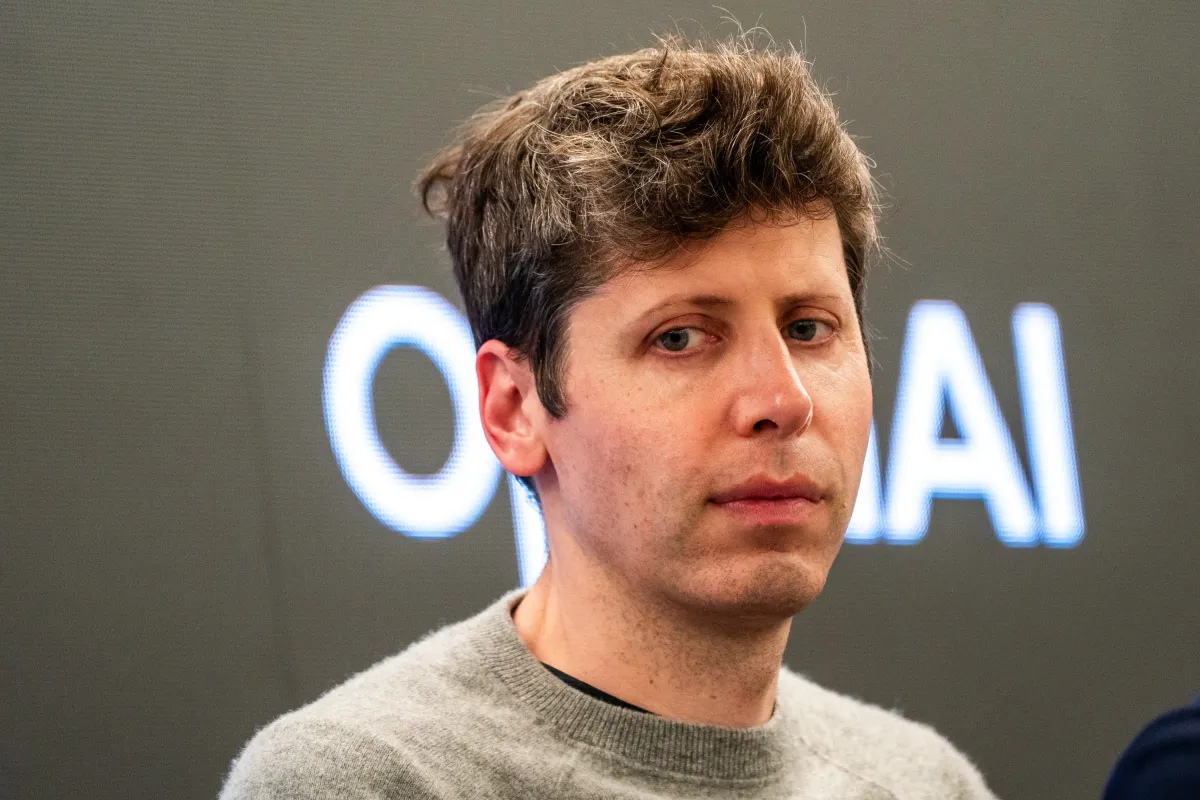
Early Friday morning, someone allegedly threw a Molotov cocktail at Altman’s home. No one was hurt in the incident, and a suspect was later arrested at OpenAI headquarters, where he was threatening to burn down the building, according to the San Francisco Police Department.
While the police have not identified the suspect publicly, Altman noted that the incident came a few days after “an incendiary article” was published about him. He said someone had suggested that the article’s publication “at a time of great anxiety about AI” could make things “more dangerous” for him.
“I brushed it aside,” Altman said. “Now I am awake in the middle of the night and pissed, and thinking that I have underestimated the power of words and narratives.”
Advertisement
The article in question was a lengthy investigative piece written by Ronan Farrow (who won a Pulitzer for reporting that revealed many of the sexual abuse allegations around Harvey Weinstein) and Andrew Marantz (who’s written extensively about technology and politics).
Farrow and Marantz said that during interviews with more than 100 people who have knowledge of Altman’s business conduct, most described Altman as someone with “a relentless will to power that, even among industrialists who put their names on spaceships, sets him apart.”
Echoing other journalists who have profiled Altman, Farrow and Marantz suggested that many sources raised questions about his trustworthiness, with one anonymous board member saying he combines “a strong desire to please people, to be liked in any given interaction” with “a sociopathic lack of concern for the consequences that may come from deceiving someone.”
Techcrunch event
Advertisement
San Francisco, CA | October 13-15, 2026
In his response, Altman said that looking back, he can identify “a lot of things I’m proud of and a bunch of mistakes.”
Advertisement
Among the mistakes, he said, is a tendency towards “being conflict-averse,” which he said has “caused great pain for me and OpenAI.”
“I am not proud of handling myself badly in a conflict with our previous board that led to a huge mess for the company,” Altman said, presumably referring to his removal and rapid reinstatement as OpenAI CEO back in 2023. “I have made many other mistakes throughout the insane trajectory of OpenAI; I am a flawed person in the center of an exceptionally complex situation, trying to get a little better each year, always working for the mission.”
He added, “I am sorry to people I’ve hurt and wish I had learned more faster.”
Altman also acknowledged that there seems to be “so much Shakespearean drama between the companies in our field,” which he attributed to a “‘ring of power’ dynamic” that “makes people do crazy things.”
Advertisement
Of course, the correct way to deal with the ring of power is to destroy it, so Altman added, “I don’t mean that [artificial general intelligence] is the ring itself, but instead the totalizing philosophy of ‘being the one to control AGI.’” His proposed solution is “to orient towards sharing the technology with people broadly, and for no one to have the ring.”
Altman concluded by saying that he welcomes “good-faith criticism and debate,” while reiterating his belief that “technological progress can make the future unbelievably good, for your family and mine.”
“While we have that debate, we should de-escalate the rhetoric and tactics and try to have fewer explosions in fewer homes, figuratively and literally,” he said.
Critics say social media is engineered to be as addictive as tobacco or gambling, writes the Washington Post — while adding that “the science has been moving in parallel with the court’s recognition.”
A growing body of research links heavy social media use not only to declines in mental health but to measurable cognitive effects — on attention, memory and focus — that in some studies resemble accelerated aging. Science also suggests we have more control than we realize when it comes to reversing this damage, and the solution is surprisingly simple: Take a break… “Digital detoxes” can sound like a fad. But in one of the largest studies to date, published in PNAS Nexus and involving more than 467 participants with an average age of 32, even a short time away produced striking results — effectively erasing a decade of age-related cognitive decline.
For 14 days, participants used a commercially available app, Freedom, to block internet access on their phones. They were still allowed calls and text messages, essentially turning a smartphone into a dumb phone. Their time online decreased from 314 minutes to 161 minutes, and by the end of the period the participants had improvements in sustained attention, mental health as well as self-reported well-being. The improvement in sustained attention was about the same magnitude as 10 years of age-related decline, the researchers noted, and the effect of the intervention on depression symptoms was larger than antidepressants and similar to that of cognitive behavioral therapy.
But two things were even more mind-blowing… Even those people who cheated and broke the rules after a few days seemed to have positive effects from the break; and in follow-up reports after the two weeks, many people reported the positive effects lingered. “So you don’t have to necessarily restrict yourself forever. Even taking a partial digital detox, even for a few days, seems to work,” Kushlev said. The article also notes a November study at Harvard published in JAMA Network Open where nearly 400 people ‘found that even a short break can make a measurable difference: After just one week of reduced smartphone use, participants reported drops in anxiety (16.1 percent), depression (24.8 percent) and insomnia (14.5 percent)…”
Advertisement
“Other experiments point in the same direction — whether decreasing social media use by an hour a day for one week or stepping away from just Facebook and Instagram.”
Marketing is one thing, but reality is quite another. Like many of us, I won’t forget the claimed “durable” microtwill of FineWoven, the shaky initial launch of Apple Maps, or the infamous butterfly keyboard that was supposedly four times more stable. Remember the promise of AirPower? Of course you don’t.
It’s worth celebrating when the real-world experience does actually live up to the hype, then. And that’s the case with Apple’s Ceramic Shield 2, the tech giant’s latest and unquestionably greatest iPhone glass.
At the iPhone 17 series launch last year, Apple claimed its strongest glass to date offers three times better scratch resistance and reduced glare. Thankfully, after several months of testing it, I’m confident that this lofty claim rings true.
Advertisement
Article continues below
I’ve been using the iPhone 17 series — primarily the iPhone 17 Pro — and the Apple Watch Series 11 since November, and I’m honestly yet to see the kind of scratches I’d been all too used to getting with the previous models of both devices (and I’ve tested every iPhone since the iPhone 12).
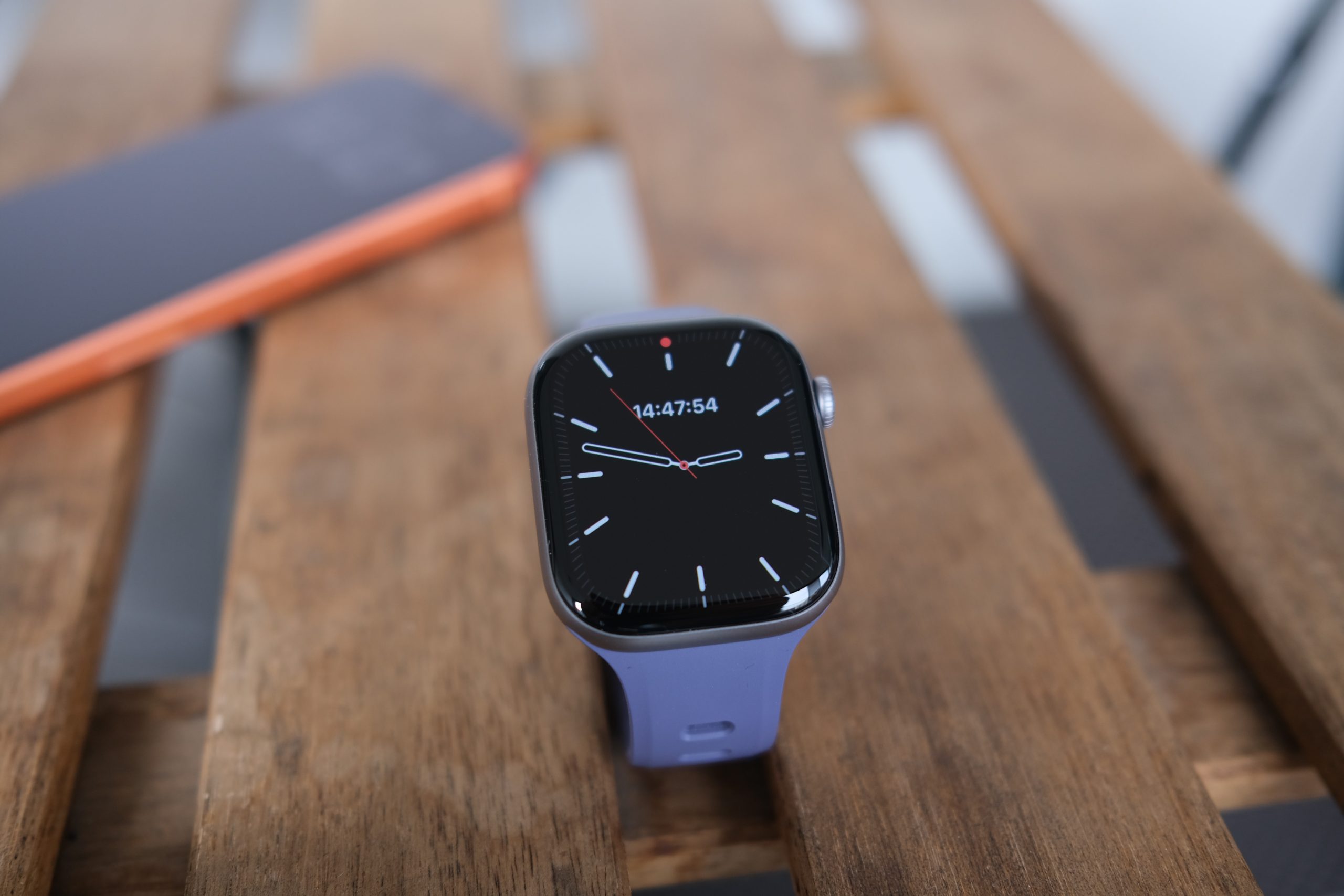
I started noticing the difference on the watch first, which may not boast Ceramic Shield 2 but has a similarly upgraded ‘Ion-X’ display for twice the scratch resistance when compared to the Series 10. Apple says it’s the “toughest glass in the industry.”
Advertisement
The Apple Watch Series 11 (Image credit: Future / Simon Cocks)
In the past, I’d just had to get used to the fact that the previous watch generations would pick up the kind of hairline micro-scratches that you probably wouldn’t see most of the time, but that would be glaringly obvious in bright sunlight or under harsh direct lights. This time, there’s none of that, and it’s not like I’ve got any better at not bumping my wrist into furniture or doorways!
It’s been years since I’ve had a smashed screen on any iPhone, but I did spot marks after only a few weeks with my iPhone 16 Pro. It earned itself a very noticeable scratch in its first fortnight of use. Over the months, it only gained more micro-abrasions all over the screen, and I ended up relying on a screen protector to keep it from getting any worse. Honestly, the story’s been the same with the 15 Pro and 14 Pro, and my handset before that was a 13 mini, which ended up looking like “frosted glass” by the time I was done with it.
Sign up for breaking news, reviews, opinion, top tech deals, and more.
However, with the launch of the iPhone 17 came Ceramic Shield 2, and it’s beginning to look like that was an even more substantial change than Apple made it out to be.
Advertisement
More than just marketing
(Image credit: Future / Simon Cocks)
This glass — developed by Apple and the tough glass experts at Corning — has a denser nanocrystal structure and improved oleophobic coating versus previous generations of iPhone glass. In testing, JerryRigEverything tortured the iPhone 17 and found that it only ended up with light marks at Level 7 on the Mohs hardness scale. Usually, scratches show up at about Level 5 or 6.
My experience is that I just don’t have to be as concerned about my phone anymore. You’d be able to carry the iPhone 17 in your pockets, even with your keys, and you won’t need to worry too much about it starting to look far older than it is. For most people, that probably also means you don’t really need a screen protector.
Speaking of which, tests by Astropad found that using a regular glass screen protector may actually end up cancelling out the anti-reflective effect of your new iPhone 17. That’s definitely worth thinking about before spending the extra cash on a cover. If you do get one, it had better be one with anti-reflective properties.
Obviously, think carefully before leaving off a protector or doing the *unthinkable* and going fully case-free. Apple’s new glass is great, but it’s not indestructible. A devastating face-down drop will most likely still break your iPhone, and sand or quartz will still scratch it, even if metal might not harm it as easily. Planning on ever bringing your phone to the beach? At risk of dropping it onto gravel? Or sending it toppling into a bowl of diamonds? Don’t skip the screen protector.
(Image credit: Lance Ulanoff / Future)
That said, for everyone else living an unadventurous life, you probably don’t need to baby your iPhone anymore.
I know your first instinct is to slap on a glass protector, but it may now be overkill with the latest generation and just an extra expense you needn’t bother with. Sure, some scratches may show up eventually, but I’m not seeing anything like what I’d previously been used to, after months of use.
Advertisement
Overall, I’ve found that the much more “scratch-resistant” Ceramic Shield 2 has ended up feeling like a huge upgrade. What that means in real terms is that you’re not going to notice all that much damage from everyday use, and that most of us don’t need a screen protector on these handsets.
And the great news is that, as of last month, Apple doesn’t sell a smartphone without Ceramic Shield 2 any longer. Even the affordable new iPhone 17e has great durability with the latest glass, so you can grab any iPhone from the current lineup and feel just that little bit safer. Credit where it’s due: Apple really delivered on this one.




















































You must be logged in to post a comment Login