
Security teams log 54% of successful attacks and alert on just 14%. The rest move through your environment unseen.
The Picus whitepaper shows how breach and attack simulation tests your SIEM and EDR rules so threats stop slipping by detection.



Microsoft announced yet another price increase for the Xbox Series X and S consoles, starting Aug. 1. This is the third time Microsoft has hiked the price of its Xbox consoles since May 2025, another example of gaming hardware increasing in price due to the ongoing global memory shortage.
Xbox console prices are jumping $100 for the 512GB model and $150 for the 1TB models. Microsoft says it will discontinue the 2TB version of the Xbox Series X. Here’s the new breakdown of prices:
Microsoft’s blog post said the company spent several months working with suppliers, hoping to avoid another price increase. “Unfortunately, console storage and memory prices have increased by more than 2.5x, and we expect another doubling by the fall of 2027.” It noted that the the components crisis — which was also behind the latest price hike for Apple products — is hitting consoles particularly hard.
That same blog post introduced buy now, pay later and zero-interest financing options, which the company framed as “programs to make XBOX consoles more accessible.”
Microsoft initially raised the price of the Xbox Series X|S back in May 2025, shortly after President Trump instituted new tariffs on products manufactured in other countries. The company raised the prices again last October, likely due to the beginning of the current memory shortage.
Both Nintendo and Sony also re-evaluated the pricing of their respective consoles due to the tariffs and the cost of memory. The PS5 saw its price jump twice: The first came last August, followed by another in March. Nintendo will increase the price of the Switch 2 in September, and it already hiked up the price of the original Switch last August.
New products aren’t immune, either. On Monday, Valve revealed the price of its PC gaming console, the Steam Machine, which starts at $1049. The price tag shocked many gamers, as the company had telegraphed that its new hardware should be similarly priced as other home consoles when it was first revealed last November. Instead, it’s $150 more expensive than the PS5 Pro. Valve also hiked the price of its Steam Deck portable console last month.
For more, check out our best budget laptops and whether iPhones might be next on the price hike list.


Health-ISAC, a cybersecurity information-sharing organization for the health sector, is warning healthcare and medical technology organizations of an observed increase in successful attacks by ShinyHunters.
ShinyHunters is an extortion gang that primarily conducts supply chain and identity attacks to breach cloud SaaS and storage platforms in data theft attacks,
Over the past two years, the threat actors have become notorious for conducting numerous supply chain attacks on third-party integration partners. These breaches give them access to OAuth tokens that are used to integrate with SaaS providers like Salesforce and Snowflake.

The threat actors are known for identity attacks, where they target employees through social engineering, including vishing and phishing, to compromise corporate single-sign-on accounts. Once they gain access to an account, they log in to an organization’s Okta, Microsoft Entra, or Google SSO dashboard, which acts as a centralized hub listing all SaaS applications the user has permission to access.
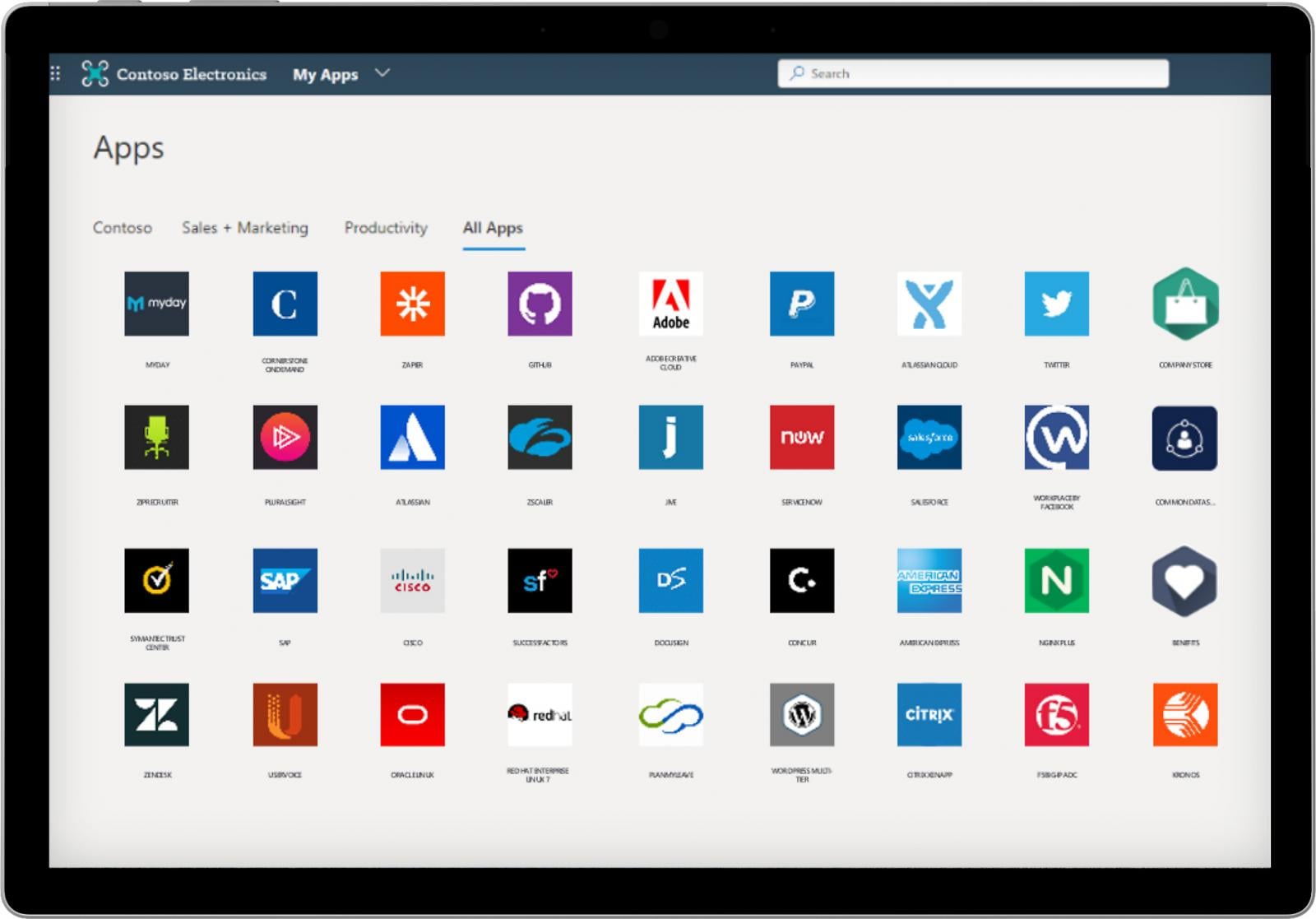
These applications include Salesforce, a primary target of ShinyHunters, Microsoft 365, SharePoint, DocuSign, Slack, Atlassian, Dropbox, Google Drive, and many other internal and third-party platforms.
For threat actors focused on data theft and extortion, the SSO dashboard becomes a springboard to a company’s cloud data, allowing them to access multiple services from a single compromised account.
According to a July 24 advisory, ShinyHunters attacks follow a chain that begins with voice phishing (vishing) to manipulate employees or helpdesk personnel into resetting passwords, changing multifactor authentication methods, or enrolling new devices.
BleepingComputer previously reported that ShinyHunters is using custom phishing kits built for voice-based social engineering (vishing) attacks.
These phishing kits are designed for live interaction with targeted employees via voice calls, allowing attackers to change content and display authentication dialogs in real time as a call progresses.
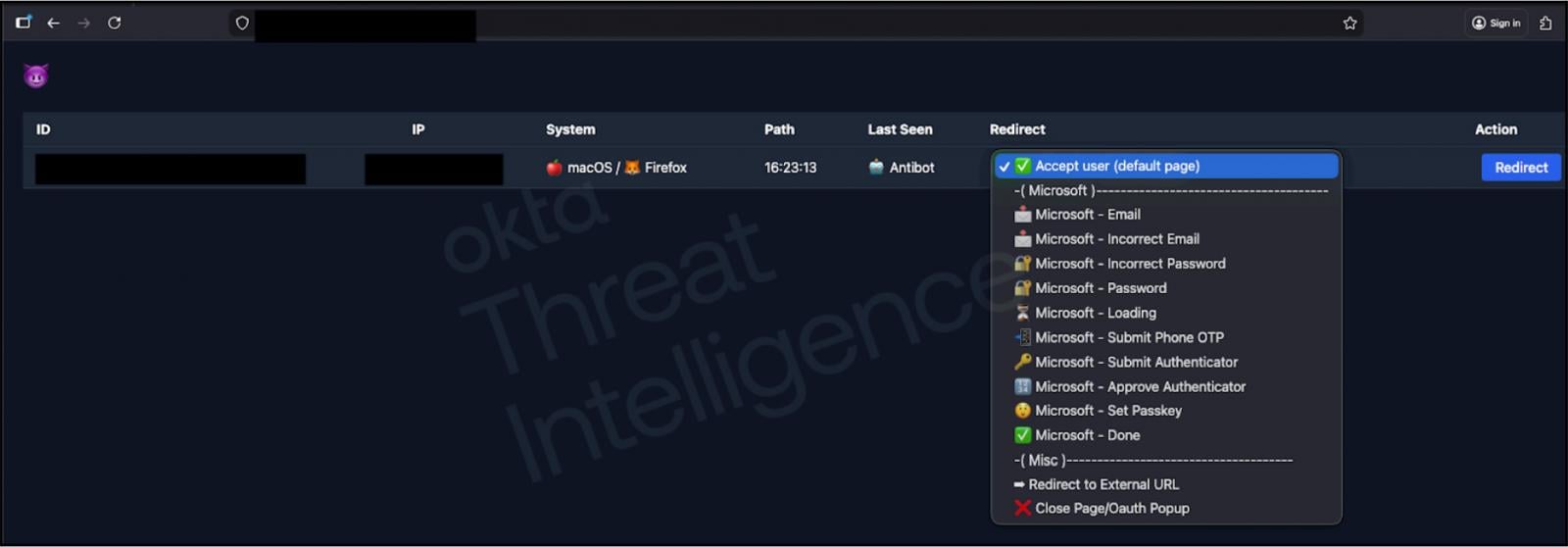
Once an account is breached, the attackers use it to access connected SaaS platforms, where they rapidly steal data that can be used for extortion.
“SSO is the control plane, and ShinyHunters’ leverage is created through data theft at cloud scale,” Health-ISAC warned.
The advisory does not identify affected healthcare organizations, disclose how many incidents have been observed, or provide a timeframe for the reported increase.
However, BleepingComputer is aware of recent ShinyHunters attacks at healthcare and medtech companies, including Medtronic, DentaQuest, iRhythm, and OneMedical.
Health-ISAC said that in recent incident reporting, ShinyHunters claimed it successfully vished multiple employees, compromised a Microsoft Entra SSO account, and stole data from Microsoft 365, SharePoint, and other enterprise platforms.
However, the organization cautioned that not every data theft claim has been verified, and defenders should instead focus on the attack pattern of using compromised SSO identities to access and exfiltrate data from connected cloud services.
Health-ISAC says the most important defensive step is breaking the attack chain between the initial vishing call and the takeover of an SSO account.
Organizations are advised to require out-of-band identity verification for password resets, MFA resets, and device re-enrollment requests.
This can include calling users back using a previously verified phone number and requiring manager approval for privileged accounts.
The advisory also recommends helpdesk personnel follow a “no same-call” policy that prevents resets during the same inbound call. Instead, reset requests should require a support ticket and a verified callback before any changes are made.
Additional verification should be required when changes are requested for executives, IT administrators, security personnel, finance employees, and other high-risk users.
Healthcare organizations should also deploy phishing-resistant MFA, such as FIDO2 or WebAuthn security keys, for administrators, helpdesk personnel, executives, and other high-risk groups.
SMS and voice-based authentication should be disabled or tightly restricted. At the same time, registering new MFA factors should require additional controls, such as a managed device or a conditional access policy.
Health-ISAC also recommends treating SSO systems as “Tier 0,” which represent the most critical assets in an organization.
This includes requiring MFA and compliant devices when accessing sensitive cloud services, blocking legacy authentication, detecting sessions with improbable geographic changes, and limiting administrative portals to managed devices.
Health-ISAC recommends centralizing identity and SaaS audit logs and monitoring for signs of account takeover and large-scale data access, including new MFA registrations, newly enrolled devices, suspicious OAuth grants, unusual API activity, and bulk file downloads.
Organizations should also restrict API tokens and third-party integrations, require approval for access to sensitive data, and ensure incident response teams can quickly revoke active sessions, reset credentials, and turn off malicious OAuth applications.
Over the next 30 to 60 days, healthcare organizations are urged to prioritize phishing-resistant MFA for high-risk users, strengthen helpdesk reset procedures, enforce conditional access policies, and test their ability to contain compromised cloud accounts.

Security teams log 54% of successful attacks and alert on just 14%. The rest move through your environment unseen.
The Picus whitepaper shows how breach and attack simulation tests your SIEM and EDR rules so threats stop slipping by detection.
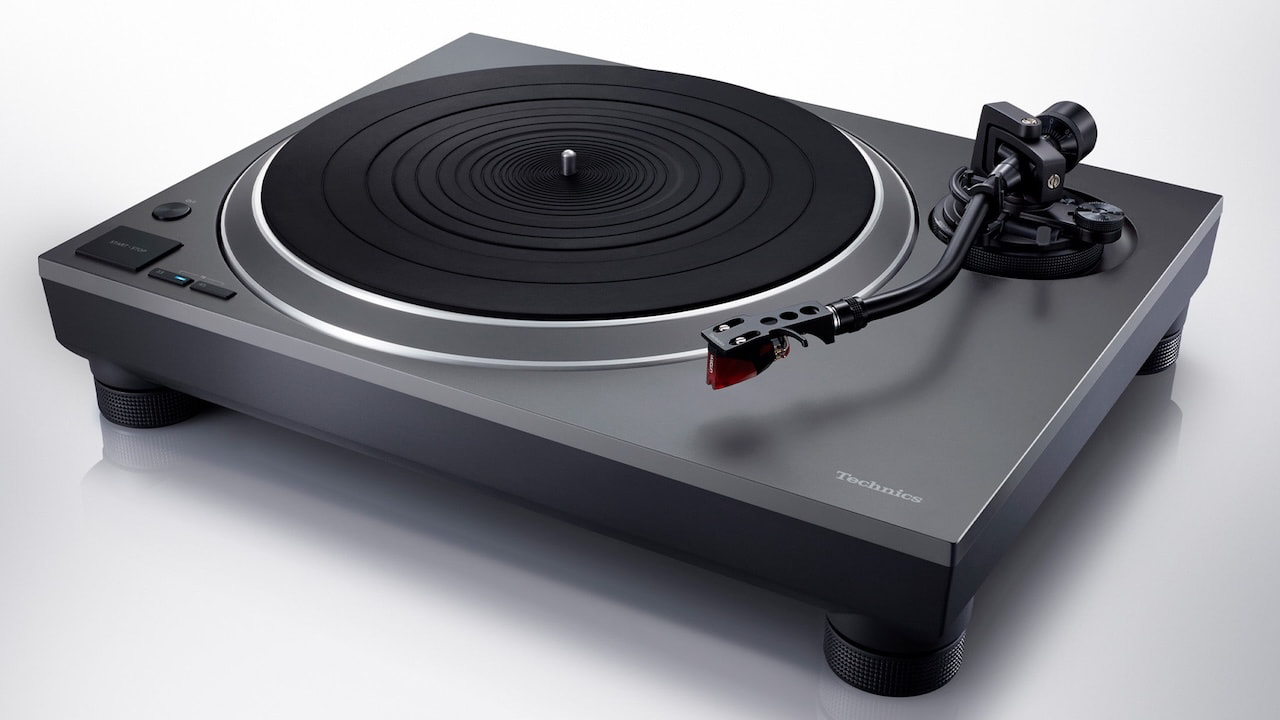
Panasonic has announced that Panasonic AVC Networks Kuala Lumpur Malaysia will cease operations by the end of March 2027, affecting approximately 400 employees. The factory currently produces televisions, Panasonic Blu-ray Disc players and unspecified Technics branded Hi-Fi components.
This does not mean that Panasonic is abandoning Blu-ray players or that Technics is exiting the Hi-Fi market. Production is being moved elsewhere. But the closure removes another major consumer audio and video factory from Panasonic’s manufacturing network, and that matters for a company whose premium audio reputation still depends heavily on engineering consistency, build quality and control over production.
Panasonic says television production will end at the Malaysian facility, while Blu-ray Disc player production will transfer to China Hualu Panasonic AVC Networks Co., Ltd. in China by the end of September 2026.
Production of Technics branded Hi-Fi audio products will end at the Shah Alam factory by the end of February 2027 and move to another Panasonic Group operation. Panasonic has not disclosed the destination or identified which Technics products are currently manufactured at the facility.
That missing information is important. Technics currently sells turntables, integrated amplifiers, network players, wireless loudspeakers, headphones and true wireless earphones across multiple price categories. Consumers should not assume that every Technics component is affected, or that production is being outsourced to an unrelated manufacturer.
The official statement says Technics manufacturing will remain within the Panasonic Group.
Panasonic has already reduced its direct involvement in television manufacturing. Earlier in 2026, the company entered a partnership with Skyworth for production of Panasonic branded televisions sold in the United States. The Malaysian closure shows that the restructuring extends beyond one regional TV agreement and reaches deeper into Panasonic’s global AVC manufacturing footprint.
Technics is the more sensitive part of the announcement.
Panasonic has spent the past decade rebuilding Technics as a premium audio brand, with direct drive turntables such as the SL-1200G, SL-1200GR2 and new SL-1500CS supported by proprietary motor control, digital amplification and extensive in-house engineering. Moving production does not automatically reduce quality, but relocating manufacturing can affect component sourcing, production capacity, delivery schedules, costs and country of origin labeling.
It can also require new tooling, worker training and quality control procedures. Panasonic has not announced any product delays, shortages, price changes or model cancellations connected to the move, so predicting those outcomes would be premature.
For now, Technics continues as normal.
The company has introduced multiple new products in 2026, including the SL-1500CS turntable and limited edition SL-1200 models. Nothing in Panasonic’s announcement suggests that product development, sales, warranty coverage or customer support will end.
The unanswered question is whether Panasonic will move production to another existing Technics facility, consolidate it with a different Panasonic audio operation or create a more centralized manufacturing structure.
Until Panasonic identifies the destination and affected product lines, anything more specific would be speculation wearing a factory badge.
Panasonic says Malaysia will remain one of its key regional hubs, with approximately 12,000 employees working across manufacturing, research and development, procurement and corporate operations. The company says it is working with government agencies and the Electrical Industry Workers’ Union to provide job placement and career transition support for the approximately 400 affected employees.
That does not make the closure less significant for the people losing their jobs. “Manufacturing footprint optimization” tends to sound considerably better when one is not standing inside the footprint being optimized.
Panasonic is not shutting down Technics, but it is closing a factory that produces Technics HiFi components and moving that work to an undisclosed Panasonic Group operation.
The transfer could ultimately improve production efficiency without changing product quality. It could also create temporary supply, cost or capacity issues during the transition. Panasonic has not provided enough information to know which outcome is more likely.
What is clear is that Panasonic continues to consolidate its consumer AV manufacturing while protecting the brands and product categories it still believes have value.
Technics remains alive and active. We just do not yet know where some of it will be built next.
For more information: panasonic.com


Shein wanted its Hong Kong listing to be about growth. Instead, the filing meant to sell that story revealed a US regulator is investigating the company, and Shein will not say why.
The disclosure sits in the draft prospectus for Shein’s planned IPO, Reuters reported. Its US business, the filing said, is under investigation by the Federal Trade Commission. An FTC spokesperson confirmed a consumer-protection inquiry. This appears to be the probe’s first public disclosure.
Shein did not say what the FTC is looking at. It said only that it is cooperating, and that it cannot predict the outcome or the timing. The warning it gave investors was blunter. Any resolution, it wrote, could force “significant monetary payments” with “a material adverse effect on our financial condition.”
The FTC polices unfair and deceptive business practices. It has taken on other marketplaces and platforms, from Amazon to Coupang, over how they treat their customers. It has also pressed firms over how their products lock people in. Its cases have covered hidden fees, misleading prices, awkward cancellations and the mishandling of data. None of that reveals what the FTC alleges here. It does map the territory the agency works in.
One corner of that territory is hard to ignore. The FTC has spent years going after “dark patterns,” CNBC noted. These are the design tricks that nudge people into spending or handing over data. In a 2022 report, the agency named the countdown timer as a classic example.
Shein’s app runs on exactly these mechanics. It uses countdown timers, gamified discounts and limited-time flash sales. Each is designed to turn browsing into buying before the shopper stops to think.
The FTC has not said its probe concerns any of this. But it is an uncomfortable overlap for a company about to ask public investors for money.
The disclosure lands at the end of a long, bruising road to market. Shein tried to list in New York, then London, and only reached Hong Kong after Beijing’s regulator cleared it this month. Its target valuation of $40bn to $50bn is a fraction of the roughly $100bn it commanded in 2022. Some investors have reportedly pushed for closer to $30bn.
The business underneath has weakened too. Shein swung to a $99m loss in the first quarter, from a $395m profit a year earlier. The reversal followed the US scrapping the “de minimis” exemption that let cheap parcels enter duty-free.
US revenue fell about 14% to $2bn. The EU has since added its own charge on low-value parcels, Forbes reported. A consumer-protection probe from its largest market is the last thing Shein needed as it finally tries to sell the story.

Good news everyone – it seems that the reason AI hasn’t yet resulted in less work and more leisure time, as promised by multiple “evangelists” and AI “experts” is that we just love working too darn much.
That’s according to OpenAI CEO and America’s next top (AI) model whisperer Sam Altman, who has declared that people are just really big fans of grinding away and competing with others.
Speaking on the Relentless podcast, Altman told host Ti Morse that in fact, he doesn’t expect a change in society or working practices for quite some time, despite widespread promises that AI would boost our productivity and efficiency across the board.
Latest Videos FromTechRadar
“Technology, for a long time, has been promising people that they’re going to work less and they’re going to have all this leisure,” Altman said.
“But somehow we never get the promise of the four-hour workweek at mass scale in society,” he added. “And I don’t expect AI to change that.”
It’s a remarkably candid admission from the leader of a company which is explicitly setting out to solve some of the world’s biggest problems – whether personal or work-related – with AI.
In fact, Altman pointed out that we do have more free time and luxuries today than at any point in history – but this has led to increased expectations from many people.
“We always want more,” Altman added, “we think of new things to do, to create for each other, to want for ourselves. It’s like a relative game. People are very focused on how they’re doing relative to other people.”
“I think we’re all going to be much busier than we thought we were supposed to be in a post-superintelligence world. We’re still going to complain about it, but secretly we’re going to be happy,” Altman concluded.
I’m not so sure about that – but I’m happy to be proved wrong.
I’m not so sure about that – but I’m happy to be proved wrong.
That’s because Altman has been pretty vocal on the future of AI in the workplace for some time, with his viewpoints often changing depending on the situation.
For starters, he recently revealed OpenAI’s future strategy would be not to automate everything but to allow people to make better decisions as AI improves their lives, particularly as it expects an AGI world to be here by 2028.
“Entirely automating everything is not the future we want”, Altman declared, as he described how OpenAI is now looking to opens a “third phase” and aims to build technology “to benefit everyone”.
In May 2026, Altman also criticized companies blaming job cuts on AI – but did admit the technology has some accountability in displacing human workers.
“I would expect that the real impact of AI on jobs, in the next few years, to begin to be palpable,” Altman explained, adding that “Of course we’ll find new kinds of jobs.”
Days later, Altman said he would be “delighted to be wrong” about the effect of AI on human roles, hitting out at claims the increasing global usage of AI technology worldwide will lead to a “jobs apocalypse”.
“I thought there would have been more impact on entry-level white-collar jobs being eliminated by now than has actually happened,” Altman said, who also admitted that while he believed OpenAI has been “roughly right” on the technological predictions it made when it launched ChatGPT in 2022, they were “pretty wrong” on the social and economic implications.
At the time of writing, 252 companies have announced job cuts in 2026 so far, leading to 124,255 employees losing their roles (via Layoffs.fyi) – people who, I suppose, do now have a lot more free time than they expected.


Follow TechRadar on Google News and add us as a preferred source to get our expert news, reviews, and opinion in your feeds.


This article is crossposted from IEEE Spectrum’s careers newsletter. Sign up now to get insider tips, expert advice, and practical strategies, written in partnership with tech career development company Parsity and delivered to your inbox for free!
Scroll through LinkedIn right now and you may find the same advice repeated by well-meaning people: “In a market this rough, just be grateful anyone will hire you. Take the offer.”
I could not disagree more.
Negotiating your offer is not ungrateful, and it isn’t greedy. Done well, it’s good for you and good for the company hiring you. I misunderstood this early in my career, and it cost me.
When I got my first job in tech, I didn’t know negotiation was even on the table. The recruiter asked what salary I wanted, and I gave a number below the bottom of their range. They came back with the lowest number in their band—still more than I had asked for—and I was thrilled. I had no idea I’d left money on a table I couldn’t see.
Then I started teaching at a Bay Area coding bootcamp in the evenings. A coworker mentioned what he made and it was nearly double my salary for roughly the same work. My jaw dropped.
During that time, I began interviewing and got an offer. I handed in my resignation and my manager countered with an offer for nearly 30K more. That money had been there the whole time. At that moment, I realized my salary was a business decision, not a measure of my worth.
Years later, I became an engineering manager and saw the salary discussion from a different angle: A position would open. Many interviews later, we’d find someone we wanted, and HR would hand me a salary range to make an offer. I was encouraged to make an initial offer near the bottom to leave room for, you guessed it, negotiations.
Most applicants didn’t negotiate.
The first offer is rarely the ceiling. It’s usually the floor. Companies extend a reasonable number and quietly hope you say yes.
Negotiating isn’t only about a bigger paycheck. (But who doesn’t want that?)
Let’s say you’re on the job market, maybe recently laid off, and a low offer comes in. You take it out of relief. Then you start, you like the team, and you quietly resent the number. Now you’re stuck with it, and you’ll probably leave that role inside a year or whenever the market improves.
Nobody wins there. You’re back on the market starting over, and the company loses someone good and pays more to replace you, when a fair number up front would have cost far less.
Paying you fairly is cheaper than starting over.
People overcomplicate this. Once I have an offer, I say some version of this:
“Thank you so much for the offer, and I’m genuinely excited to join the team. I’m hoping we can come in around [10 to 20 percent higher than the original number]. Is there any wiggle room here?”
Then I stop talking and let them respond.
Why 10 to 20 percent and not double? The number you ask for is itself a signal. Ask for something wildly out of range and you’ve told them you never learned what the role pays, or that your expectations are miles from reality. That’s what makes a company walk away. A calibrated request reads as someone who knows their worth and did their homework.
You’ve probably heard a horror story about someone who asked for more and had the offer yanked. Any company that would pull an offer over a reasonable question about pay is telling you exactly how they’ll treat you once you’re inside.
If the salary can’t move, it isn’t the only lever. I’ve negotiated more remote days, a later start to drop my kids off, and a sign-on bonus when the base was locked. Most people negotiate none of these perks.
Negotiating can feel like something you can only do from a position of power. But if you’re in the final stages of an offer, you already have it. They want to hire you. They’ve spent weeks finding you. Now they’re hoping you say yes.
That’s true even if you were recently laid off. Even if it’s your first job. Even if the number already looks higher than you expected.
The game is being played whether or not you join in. Sit it out, and you’re not just leaving money on the table. You may be quietly shortening your own stay at a job you could have been happy in. So ask.
—Brian
If you’ve been on the job market for a software engineering role recently, you’ve probably encountered—or used—AI tools in the hiring process. From application filters to live interview assistants, both applicants and employers are trying to use generative AI to their advantage. Can real, human skills still shine through in this new reality?
Sarah Downs, a Ph.D. student in electrical engineering at Texas A&M University, has long been interested in robotics and dreamed of working with NASA. This year, she achieved that dream, collaborating with NASA and the U.S. Air Force on an algorithm that enables satellites to insert an antenna into the correct spot.
Women make up only about 28 percent of the global STEM workforce, in part because of limited access to educational resources for preuniversity students—especially in areas like rural India. An IEEE initiative, the Women in Science, Engineering (WiSE) project launched to help expand opportunities and hands-on learning for young women.
From Your Site Articles
Related Articles Around the Web

Amazon reports quarterly earnings Thursday afternoon, facing the same test as every other big tech company right now: whether it’s generating enough business to justify its massive AI spending.
Wall Street expects revenue of about $196.4 billion, up 17% from a year ago, and earnings of $1.82 per share. That’s essentially the midpoint of Amazon’s own forecast for the second quarter.
Part of that growth is due to the calendar. Prime Day ran June 23-26 this year, during the second quarter in the U.S. and most large markets. Last year it ran July 8-11, in the third quarter. That gives Amazon’s retail numbers a boost this time that the year-ago quarter didn’t have.
Another factor is the cloud. AWS grew revenue 28% last quarter, its fastest rate in nearly four years, and analysts expect the acceleration to continue with revenue of roughly $40.5 billion for the second quarter, up 31%, according to Zacks Consensus Estimates.
The company plans a record $200 billion in capital expenditures this year, nearly all of it for data centers, servers and chips to support increased capacity for training and running AI models.
Amazon is making those investments based in part on demand from big AI companies including OpenAI and Anthropic, which have signed commitments to AWS worth $138 billion and more than $100 billion, respectively, for the coming years.
“We’re not investing approximately $200 billion in capex in 2026 on a hunch,” CEO Andy Jassy wrote in his April shareholder letter.
In the meantime, the spending is absorbing nearly all of the cash from Amazon’s operations. Free cash flow fell to $1.2 billion over the past 12 months, from $25.9 billion a year earlier.
Investors seem to be losing patience with that tradeoff overall. Google parent Alphabet beat expectations last week and its stock fell anyway, after raising its own capital spending forecast to as much as $205 billion for the year. Microsoft reports earnings Wednesday afternoon.
@media (max-width: 600px) {
aside.callout { float:none !important; max-width:100% !important; margin-left:0 !important; margin-right:0 !important; }
aside.callout .callout-img { display:none !important; }
}
One difference for Amazon is its custom chip business — Graviton, Trainium and Nitro — which passed a $20 billion annual revenue run rate last quarter. Jeff Bezos said this week that it’s becoming a fourth pillar of the company, alongside Marketplace, Prime and AWS.
The company is overhauling its approach to AI model development. Business Insider reported this week that Amazon is winding down most of its in-house Nova models and concentrating engineers on a new frontier model effort, with a new flagship model expected at re:Invent this fall.
Amazon cut jobs in its AGI organization last week and confirmed that it’s closing its San Francisco AI site, while saying its frontier model research would continue.
At the same time, AWS is spending to help other companies deploy AI, committing $1 billion at the end of June to embed its own engineers with enterprise customers building agentic systems, following similar moves by OpenAI and Anthropic.
Check back with GeekWire for coverage on Thursday afternoon.

Gemini users on MacOS are getting new voice capabilities, Google announced Wednesday. The app was released earlier this year and the tech giant has consistently added new features since its launch. The latest release will give you new ways to interact with Gemini using just your voice and a new screen awareness mode.
The Gemini app for MacOS is fairly feature-rich considering it’s only a couple of months old, and Google is continuing the feature push with the latest release. Pro and Ultra models have access to Gemini Spark, which can clean up your folders or reorganize things autonomously. You can also use them to create images or videos with just a couple of clicks.
One of the two new features in this release is intelligent dictation, which will transcribe words into polished text wherever your mouse cursor is and automatically remove your “ums” and “ahs.” The feature isn’t unlike what we saw with Android 17’s Rambler feature, which will automatically clean up text on the fly as you speak. Text dictation isn’t anything new at this point, but now there’s a Gemini AI-powered option that may make it more useful than ever.
The other new feature rolling out is a new Screen Awareness mode. This opt-in feature will allow Gemini to get a better understanding of what you’re working on by “seeing” what’s on your screen and active windows on your computer, so it can execute tasks on your behalf. Google gives the example of highlighting text inside a document and telling Gemini, “Turn these notes into an executive summary.” Gemini will then replace the highlighted text with the requested output.
The new voice capabilities are rolling out globally to all users of the Gemini app in English, with more languages to become available later this year.


Nearly two decades apart, Peter Watkins’s The War Game and Mick Jackson’s Threads stripped away the comforting fiction that anyone could meaningfully prepare for nuclear war, depicting the physical, social, and moral collapse that would follow a thermonuclear attack on Britain. Both landmark productions have now received definitive 4K UHD releases from Severin Films, preserving their unflinching warnings with extensive restorations, archival supplements, and elaborate limited edition packaging.
By the mid-’60s, writer-director Peter Watkins had pioneered the faux documentary as a cinematic art form, and he successfully pitched the BBC on bringing that style to a telefilm that took a hard look at potential nuclear conflict. The War Game combines frank, fact-based narration with scripted scenes of everyday Brits displaying their lack of knowledge about the dangers of modern weaponry before becoming caught up in the preparation, devastation, and aftermath of it all.

Reportedly drawing from official government positions and the scientific knowledge of the era, the events shown are raw and disturbing, particularly the later scenes of injury and death. The results on screen were so shocking, in fact, that the BBC chose never to air the program, although the specifics of who called for the ban remain a matter of debate and are discussed at length in a featurette included in this set. Even so, prints of The War Game leaked and made their way across the pond, ultimately leading to an Oscar win for Best Documentary Feature.
Long a difficult movie to find, it has taken on almost mythic status for its uniquely effective use of a simulated documentary approach and is sought after by Cold War historians. Severin Films has changed the game with its magnificent boxed set, scanning the original 16mm, 4:3 black-and-white film in 4K and undoubtedly presenting it in its best quality ever. Even as the camerawork impresses with long, complex takes, we marvel at the razor-sharp image, which lays bare the individual fibers and subtle patterns in a citizen’s coat.
The high dynamic range also brings an extra bit of sparkle to an immaculate police car on a sunny day, while the gruesome radiation-burn makeup might force some viewers to turn away. That is not to say the image is flawless, as many instances of vertical scratches and all manner of dirt and splotches have been—deliberately?—left in place.
The mono audio is delivered across the two front channels, with clean and clear dialogue throughout. Even higher-pitched sounds, such as crying and screaming, reproduce reasonably well despite the track’s age, and the shockwaves are sufficiently convincing.
On the 4K disc, the movie includes an audio commentary by a pair of experts. The HD Blu-ray also features an introduction by filmmaker and admirer Alex Cox, several mostly new interviews with experts and crew members, and rarities such as scouting footage for a proposed remake. Severin has also unearthed two shorts from early in Watkins’s career.
Inside the sturdy slipcase are an authorized reprint of Watkins’s The War Game book—the script accompanied by numerous photographs, in its first U.S. publication since 1967—collectible postcards, and a replica of a UK evacuation pass.
★★★★★★★★★★ Movie
★★★★★★★★★★ Picture
★★★★★★★★★★ Sound
★★★★★★★★★★ Extras
Years later, in 1982, a BBC executive revisited The War Game and realized that television audiences had still never seen a realistic depiction of nuclear war. He commissioned director Mick Jackson to create a new project. As part of his research, Jackson eventually screened 1983’s The Day After, one of the most watched television movies in history, but deemed it too Hollywood, meaning too soft and optimistic. Working with writer Barry Hines, he dramatized the bleakest of fictional futures, in which civilization has all but disintegrated, families are shattered, and many survivors envy the dead.

The title refers to the connections that tie a society together, foretelling the ruin that comes when they weaken and break. And break they do, as the immediate effects of the bombs are followed by disease, violence, starvation, and slow, painful death. Yes, there is quite a bit of mundane melodrama leading up to the attack in the first half, which I suppose is the point. We get to know these relatable characters and their familiar wants, needs, and foibles before witnessing their dark descent. As such, it is a very different experience from The War Game and all the more nightmare inducing for it.
Threads also has 16mm, 4:3 origins, this time in color, and those hues can be quite strong, as when we see children frolicking in a playground. Despite Dolby Vision and a frequently triple-digit video bitrate, the image here is a mixed bag. The shifts to and from mushy stock footage can be jarring, while the grain can be almost unforgivably harsh, obscuring much of the action. At the very least, close-ups of newspapers pop.
This is not a fault of the audio mastering, but the heavy regional accents made much of the dialogue challenging to understand, so I needed to engage the subtitles from time to time. The overall sound design for this 1984 TV movie is quite plain, which is not surprising, so it is perfectly adequate, although the intermittent blast of a jet engine struck me as artificial.
The movie carries two commentaries, the first with Jackson and the second with star Karen Meagher, who also sits for an on-camera conversation on Disc Two. The production designer and director of photography are interviewed as well, in addition to a half-hour appreciation. The third and final disc serves up a new two-hour documentary about the movie and its legacy, plus a bonus interview with author Julie McDowall. Not to be outdone, this limited edition has its own rigid slipcase, postcard, and reproduction of the complete vintage public safety booklet, Protect & Survive.
The War Game and Threads remain two of the most uncompromising visions of the world’s nuclear fate, capturing the height of Cold War paranoia with unvarnished realism. Both are now preserved for a new generation in these two standout 4K sets.
★★★★★★★★★★ Movie
★★★★★★★★★★ Picture
★★★★★★★★★★ Sound
★★★★★★★★★★ Extras

In September 2024, a handful of patients showed up at the emergency room in the coastal city of Fano, Italy, with mysterious symptoms: a rash on their hands and feet, fever, nausea, and diarrhea. Doctors sent for various tests until one came back with a positive result for dengue, a viral infection spread by mosquitoes, usually in tropical regions of the world. They tested the other patients, and, sure enough, they had dengue too. The strange thing? None of the patients had recently traveled to a country where they might expect to pick up a dengue infection. The only thing they had in common was visiting a particular neighbourhood in Fano.
As climate change increases temperatures across Europe, invasive mosquitoes are spreading and introducing disease agents that Europeans would usually think about only when traveling to other continents. The Fano outbreak wasn’t the first time dengue had been detected as spreading locally in mainland Europe, but it was significantly larger than previous incidents, with 199 cases detected between mid-August and mid-October of 2024. Over the past few years, European countries have reported outbreaks of other mosquito-borne viruses such as chikungunya, a painful disease that causes joint swelling, and West Nile virus. In a heating world, so-called tropical diseases are no longer restricted to tropical regions—and researchers expect the trend to continue.
The main current culprit is the mosquito Aedes albopictus, commonly known as the Asian tiger mosquito (or just the tiger mosquito, given it’s now found across all continents). Unlike many mosquito species, it bites in the daytime as well as at night. The tiger mosquito already has established populations across Europe, particularly in the south, and we can expect it to move north, says Riccardo Moretti, a senior researcher at the Italian National Agency for New Technologies, Energy and Sustainable Economic Development (ENEA), who has been working on tiger mosquitos for more than 20 years.
The tiger mosquito thrives between 20 and 30 degrees Celsius (68 to 86 Fahrenheit), but it can still live at around 10 Celsius (50 Fahrenheit). “This means that at the moment there are already conditions that could allow for the spread of the Asian tiger mosquito, even in England,” Moretti says. At the moment, these conditions are limited to the warmest part of the year in northern European countries. But farther south, such as in Greece, the mosquito season is elongating. Moretti says researchers have found adults buzzing around until December and reappearing already in March; they overwinter as eggs. “There is a concrete risk that in the next few years, we could have a population capable of surviving throughout the year,” Moretti says.
At the moment, cases of mosquito-borne diseases in Europe tend to occur toward the end of summer. This is when tiger mosquitoes are most prevalent, and it’s also when more people return from travel. Someone unwittingly brings back an infection that isn’t found in Europe—dengue, say—and gets bitten by a tiger mosquito. The mosquito goes on to bite other people, and the disease spreads locally. But as the weather cools, the mosquitoes get less active and cases subside. If the mosquito season lasts longer, however, more infections can occur. Ultimately, says Moretti, there’s a risk that tropical diseases like dengue could become endemic in parts of Europe, meaning the disease is always there. “It is completely different dealing with occasional cases of virus transmission, and instead dealing with a permanent status of possibility of transmission,” he says.
A difference of a couple of degrees can make a big difference. Earlier this year, a study found that the conditions required for tiger mosquitoes to transmit chikungunya were cooler than previously thought. The mosquitoes can spread the virus at just 14 degrees Celsius (57 degrees Fahrenheit) rather than 16 (61 degrees Fahrenheit), meaning outbreaks could occur in most European countries and for longer periods. “That difference of two degrees matters a lot when we are talking about global warming,” says Sandeep Tegar, an epidemiological modeler at the UK Centre for Ecology and Hydrology, who led the study.
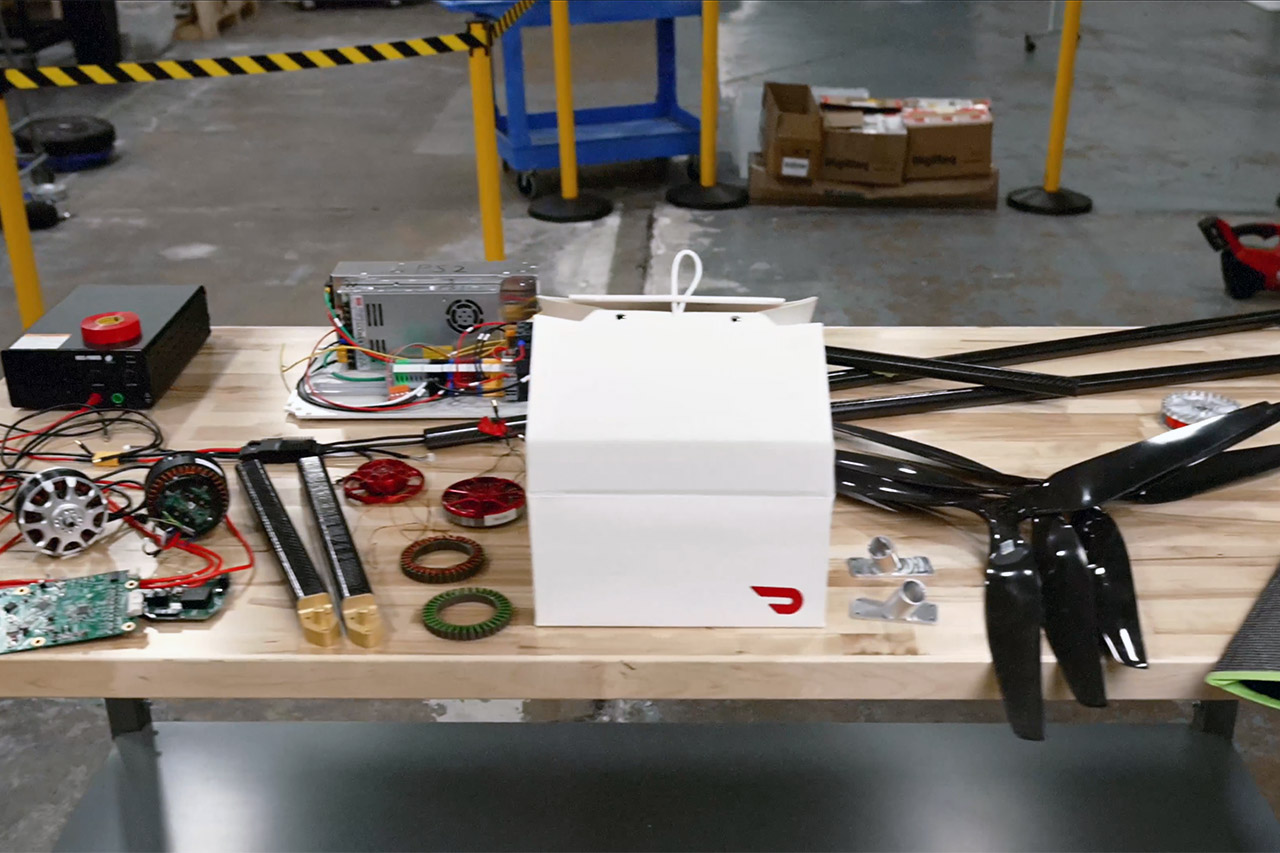
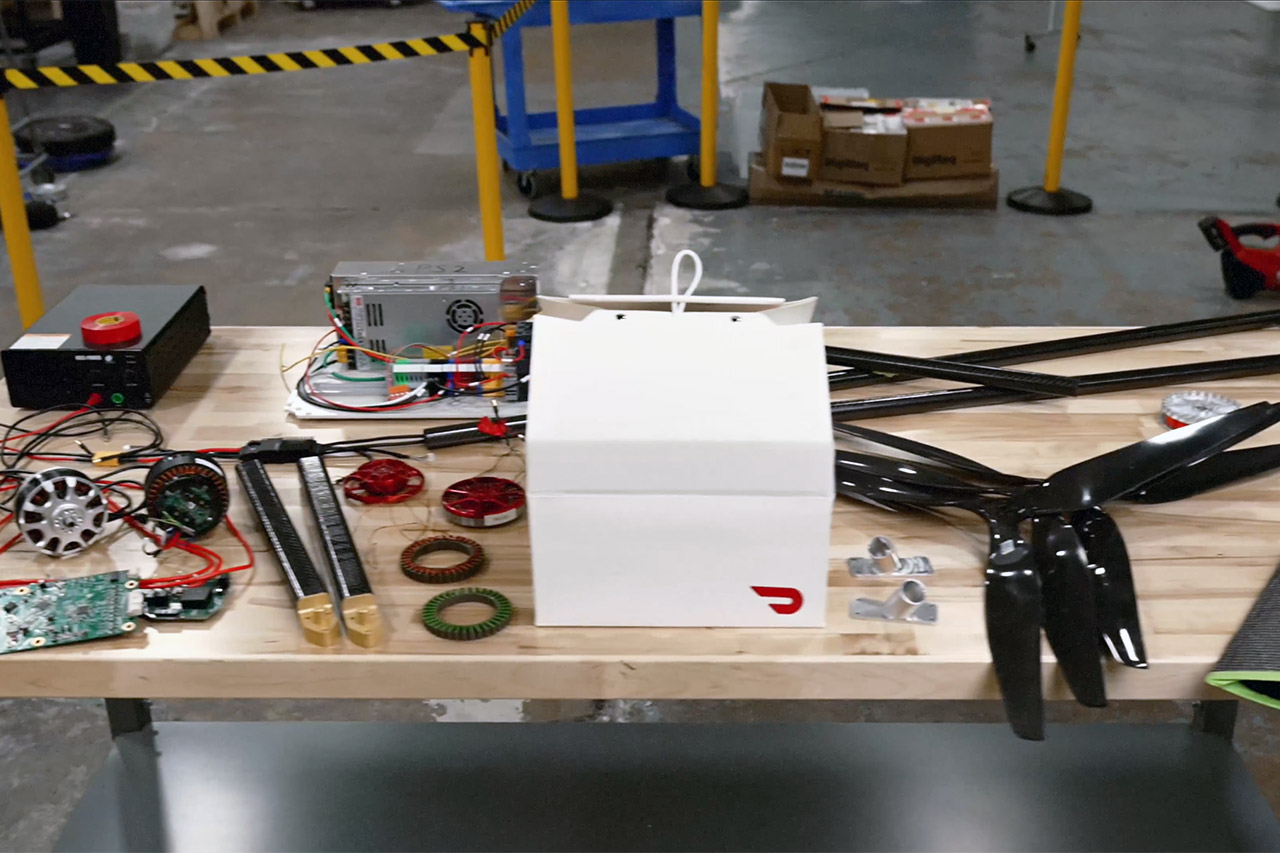
DoorDash spent years watching other companies fly its food. On July 29 the company announced it will now fly the orders itself. DoorDash Air is the new in-house program that received Federal Aviation Administration Part 135 air carrier certification, the same approval that lets a company legally operate commercial drone deliveries across the United States. DoorDash becomes only the eighth operator to clear that bar. The certification followed a five-stage review that checked aircraft airworthiness, maintenance systems, and safety procedures.
The aircraft and supporting technologies were developed within DoorDash labs, the same robotics team that created Dot, the company’s sidewalk delivery robot. According to DoorDash, the drone was designed specifically to address holes in ordinary local trade. Most of its components were manufactured in the United States. Over 20% of DoorDash orders in 2025 traveled distances ranging from 3-5 miles, with middle-distance trips taking 25% longer to complete since, let’s be honest, finding a Dasher to take care of them was far more time-consuming. By channeling such orders to drones, human drivers can stay near to all of the restaurants and shops where there is still a lot of business to conduct.
Sale

In their partner pilot projects, drones were able to deliver orders in an average of 25 minutes. Some restaurants that participated in those tests saw their DoorDash order volume increase by roughly 30%, which remained consistent for about 9 weeks after the pilots began. DoorDash isn’t simply throwing a flying machine into the equation. They are developing an entire operating system centered on the aircraft, with real-time inventory checks, standardised handoff points at drive-thrus, rooftops, or rear doors, and so on. That basic layer is what allows any merchant on the platform to use the service without the need to deploy any additional equipment.
They already have a software system in place called the Autonomous Delivery Platform, which determines, for each order, whether a human Dasher, a Dot robot, a partner drone, or a DoorDash Air plane is the best option depending on distance, speed, cost, and circumstances. DoorDash Air seamlessly integrates into that same decision engine.

Their collaborations with Wing and Flytrex remain in place, as those two companies continue to handle deliveries in locations where their aircraft are currently flying, such as sections of Dallas-Fort Worth, Virginia, metro Atlanta, and the earlier trials in Australia. DoorDash does not want to limit the amount of operators in their network; they want more. Commercial flights with their own aircraft are expected to begin in limited numbers this fall, as they will remain inside the line of sight of a remote pilot. Longer, fully autonomous routes are on the horizon, but they will need Beyond Visual Line of Sight permits, which some operators have already obtained.




Weekend Open Thread: Brooks Brothers

Commonwealth Games boxing: Jadumani Singh seals dominant 5-0 win over Pakistan’s Sumama Rehman to enter quarter-finals | Commonwealth Games News


Intel is reversing course and bringing hyper-threading back to its server chips


Ethics, other provisions in crypto Clarity Act to be further discussed


Luke Littler dismantles Gerwyn Price to retain title in Blackpool


Ripple bought a bank in pieces. The $4 billion audit

A New Post-Apocalyptic Gundam Anime Series Blasts Into SDCC


BITCOIN JUST ENTERED THIS CRITICAL ZONE…


2026 3M Open leaderboard: Scottie Scheffler finds putter in Round 1, sits three back


The Part of the Electric Transition Nobody Wants to Discuss


16 Dresses for the High Summer Event


The Peugeot Family: How 200 Years of an “Old Money” Dynasty Died in A Boardroom


Major shareholder moves on Canyon


XRP Ledger adds $2.6B as RWA inflows rank second


Spain sweeps the board at 2026 World Cup with individual awards


Uniswap (UNI) pushes deeper into tokenized RWAs with permissioned trading pools

‘Stargate’ Creator’s New Sci-Fi Series Returns for Season 3 Tomorrow
SEC Agrees to Overhaul Recordkeeping After Settling Coinbase Lawsuit Over Gensler’s Lost Texts


Anthropic launches Claude Opus 5, a cheaper AI model for coding, agents and enterprise workflows


Sara Gilson Killed By Husband After Viral “Pedophile” TikTok Video


You must be logged in to post a comment Login