Tech
How Silent Running (1972) Quietly Revolutionized Science Fiction Cinema, Star Wars Included

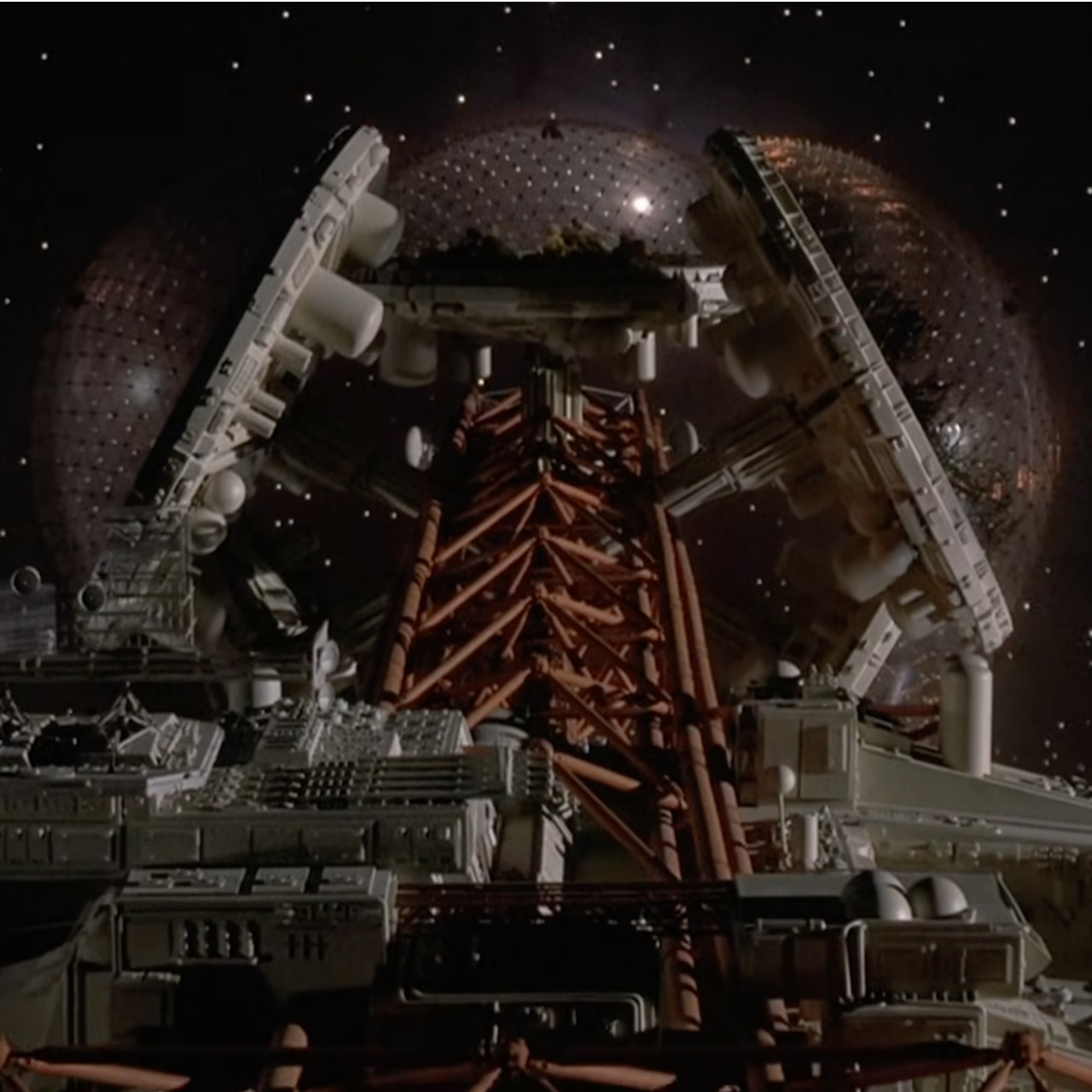
Douglas Trumbull’s 1972 sci-fi film appeared just as space tales were becoming increasingly cold and remote. Silent Running changed that by firmly rooting its futuristic vision in the kind of realistic, beat-up features found in everyday life. On board the Valley Forge, a gigantic converted cargo based on a real, retired aircraft carrier, the sets appeared to be in constant use. The pipes, consoles, and congested halls appeared practical rather than sleek. This method lured the viewer into a world that seemed plausible, one in which technology serviced human needs rather than the other way around.


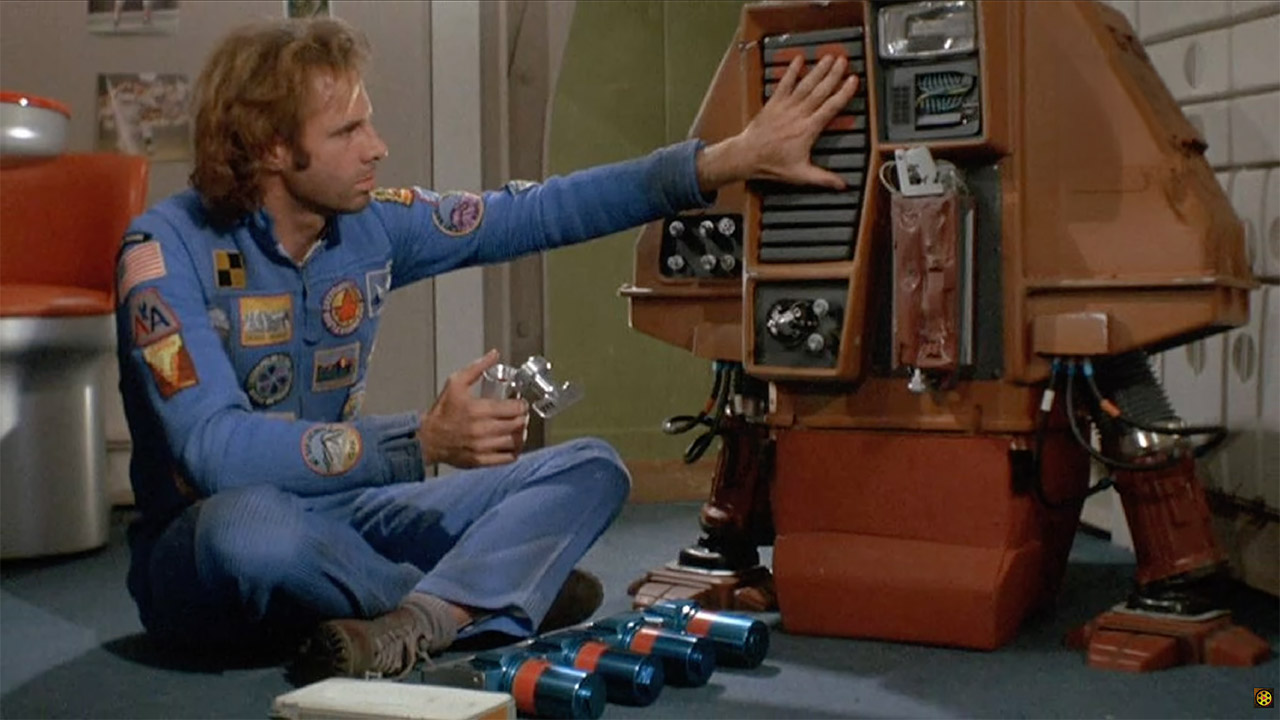
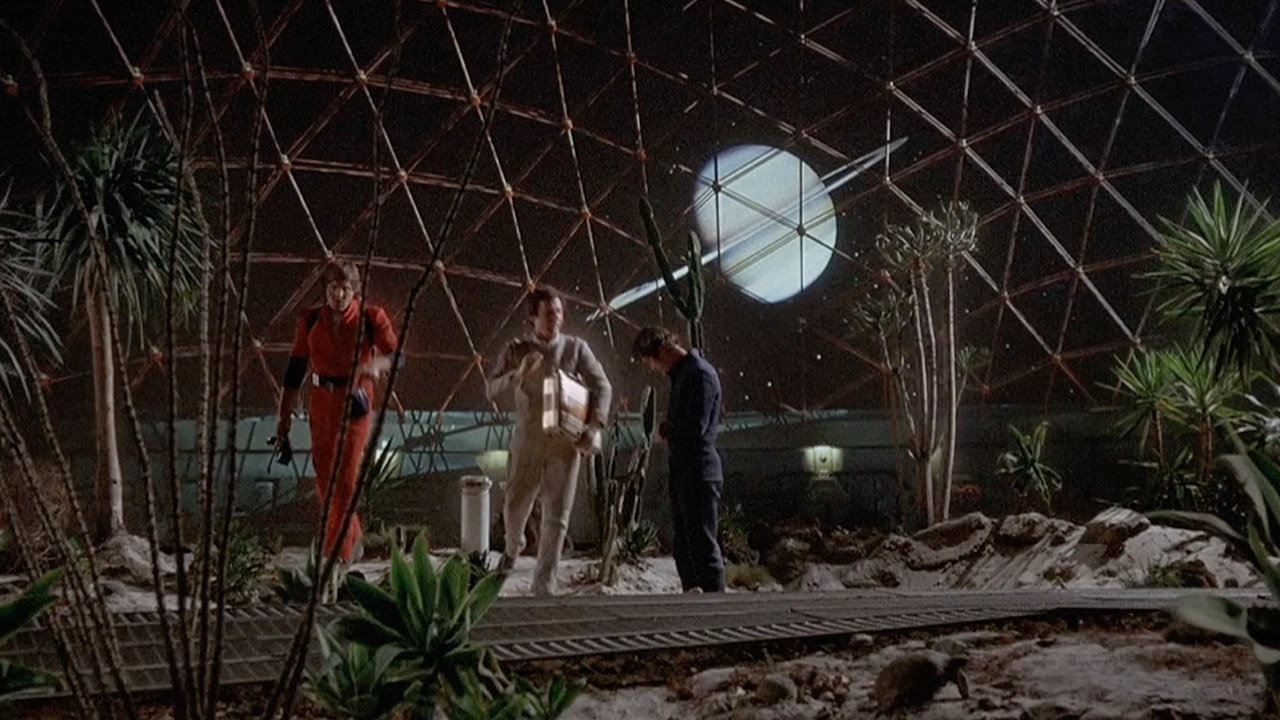
Trumbull, who had recently completed the psychadelic effects work on 2001: A Space Odyssey, simply wanted to warm things up. He directed his debut picture with a strong emphasis on connecting with the characters on an emotional level. Bruce Dern plays Freeman Lowell, a botanist tasked with caring for the last of Earth’s trees, which happen to be floating in geodesic domes in space. When orders are issued to burn them down, Lowell takes great measures to do the right thing and save the flora. He has some unexpected assistance in the form of three small maintenance drones, Huey, Dewey, and Louie, who become his crew. Actors with amputations wore custom suits, so the machines all looked awkward and endearingly jerky in their movements, giving them a feeling of personality without the use of words.
Those little drones created an effect, and George Lucas even drew influence from them while designing R2-D2. The idea of a little, expressive robot that communicates through beeps and body language rather than words originated with the Silent Running helpers. Lucas even secured Trumbull’s permission to create a comparable figure. R2-D2 exudes the same quiet commitment, transforming a tool into a friend.
Not only did the robots have an impact, but the film’s visual language was also highly significant. Trumbull’s team created these extremely accurate miniatures with genuine texture and hundreds of model kit parts mixed together for surface detail, then shot them using a variety of unique approaches. John Dykstra, a young effects artist on Silent Running, went on to manage the special effects team for Star Wars. He introduced motion control photography and a dynamic camera approach, making spaceships feel alive during dogfights. Many of the personnel from Trumbull’s workshop ended up joining ILM, bringing some of the practical model work and devotion to realism with them.

Star Wars captured that lived-in feel on board, with spaceships displaying signs of wear, filth, and maintenance. The interiors felt industrial and utilitarian, similar to the Valley Forge’s carrier-inspired designs. The Death Star’s huge, metallic halls provide the same feeling of scale and function. This trend away from clean, polished futures and toward ones that were torn and worn became the genre’s new standard.
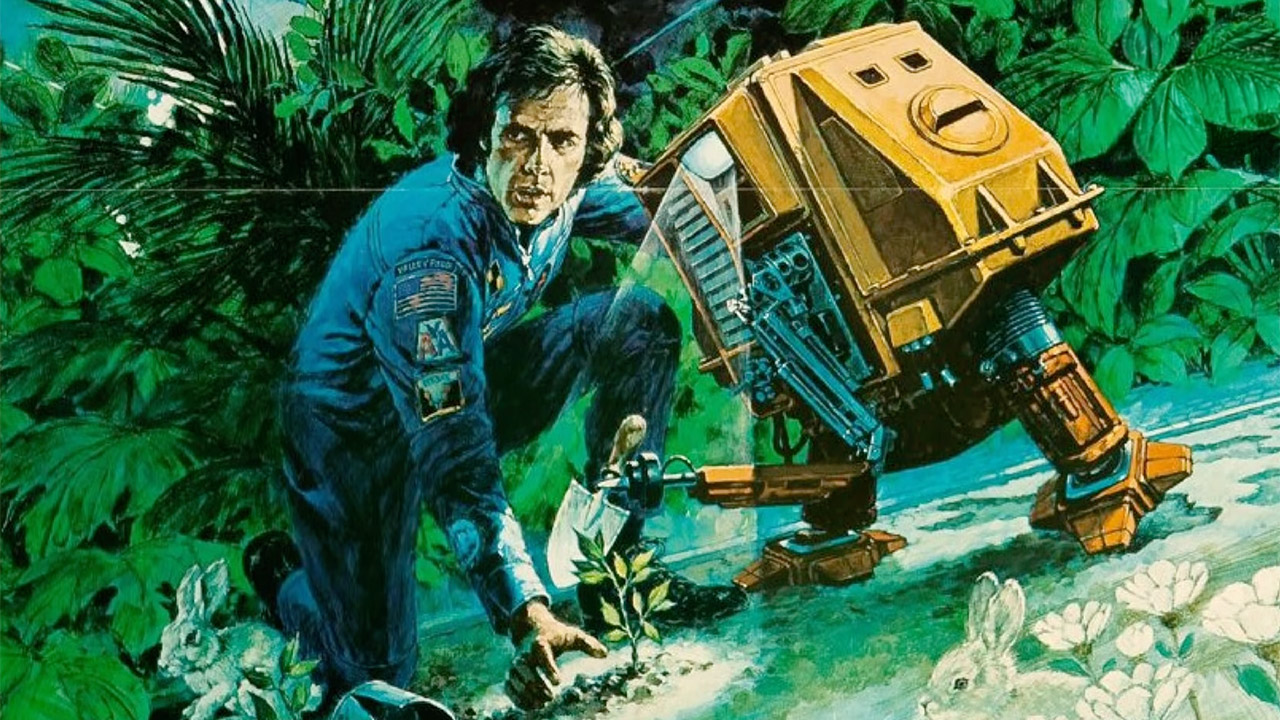
Many other films followed suit, such as Alien, which adopted the gritty, no-nonsense appearance of a working-class spaceship with crew members whining about wages and conditions. Blade Runner expanded the detailed, evocative surroundings. WALL-E paid respect by depicting a lonely robot maintaining a fragile plant in a destroyed planet. Even Interstellar and Avatar continue the environmental concern that Silent Running raised, highlighting our duty to nature in the face of technological advancement.
[Source]