On a Tuesday in the middle of Mobile World Congress 2026, three industry experts gathered for a panel to chat about smart glasses and extended reality tech. But a fourth member of the panel, who was based in Dubai, never made it to the conference. Two days before, the US and Israel launched airborne attacks on Iran, and flights had been grounded throughout the Middle East.
Even thousands of miles away in Barcelona, on the western edge of the Mediterranean Sea, MWC was affected by the conflict. While events and meetings at the world’s largest mobile tech conference proceeded as planned, albeit under the anxious awareness of larger geopolitical events, there were notable absences.
Some booths stood empty, and some meetings scheduled between absent attendees weren’t held. Exhibitors walked the halls and saw a diminished presence from Middle Eastern companies.
Advertisement
While the conflict was just beginning as MWC took place, it had already affected attendees and changed the experience. While distant from the fighting in the Middle East, the war’s impact was just as seriously felt in the middle of a conference about bringing humans together.
Xpanceo’s booth in Hall 6 at MWC 2026. The prototypes that were supposed to be flown in from Dubai didn’t arrive.
David Lumb/CNET
The financial, emotional and mental cost of war on a tech conference
The fourth panelist on Tuesday’s panel was supposed to be Roman Axelrod, cofounder of Xpanceo, who would have likely discussed the smart contact lenses the company intended to show off in prototype form at MWC. But neither Axelrod nor the samples ever left Dubai, where the company is based. Conference attendees who walked by Xpanceo’s booth were greeted by employees who had flown in from elsewhere and apologized that they had only hastily made video demonstrations of the technology samples that were supposed to be on display.
Advertisement
I had already planned to chat with Valentyn S. Volkov, co-founder and CTO of Xpanceo, who likewise didn’t make it to MWC. While the company was intentionally headquartered in Dubai as a reliable and predictable jurisdiction for business (as well as centrally located, with many business destinations within a 7-hour flight), the country falls within the airspace of the current conflict. As a result, businesses are losing money, especially funds spent on opportunities at MWC.
“We already kind of lost, I would say, a significant amount of resources — physical, mental, scientific resources — simply because we could not get everyone to Barcelona. We could not get our prototypes to Barcelona as planned,” Volkov told me.
Fortunately, Volkov was in good spirits when I chatted with him over Zoom via a laptop in Xpanceo’s booth. He was safe, noting that local authorities in Dubai were providing “logistic safeness.”
Our chat quickly turned to the smart contact lenses that the company is working on, with plans to roll out functioning prototypes by the end of the year. As Volkov described their potential capabilities, they sounded like the next evolution of smart glasses, like the Google Specs that I saw at Google I/O last year, offering heads-up display information relayed from a nearby phone, and even potentially health data like glucose level readings taken from the lens’ contact with the eye’s tears.
Advertisement
“Those beauties were supposed to be shown for the very first time [at MWC], and we put lots of effort and resources into that. It’s completely bad luck,” Volkov said.
Thanks to modern network technology, Volkov and I were still able to have this virtual conversation — and fortunately, the war had not affected him or the infrastructure where he was. But anyone can tell you the value of having an in-person exchange over one on small screens. What was lost through the wires because Volkov wasn’t there to demonstrate features and concepts of Xpanceo’s products through body language and demonstration?
It’s not hard to imagine scaling that up to all the business conversations and networking opportunities lost to those whose flights were canceled and lives locked down due to the conflict in the Middle East. Some of those meetings could likely be shifted to digital chats like mine, but MWC is a show about making new connections in person, seeing new devices and getting updated on the latest tech trends across the mobile and telecom industries.
But I met some attendees who were suffering the opposite fate, having flown out early from countries now in restricted airspace. They made it to MWC, but it’s too early to tell when they can fly home.
Advertisement
Some attendees and exhibitors still used the GSMA Doha Pavilion, the social meeting space for Middle Eastern tech companies, to work and meet.
David Lumb/CNET
Stranded at MWC, return unknown
I sat down with Said Saidi, an exhibitor at the show, and chatted in between his calls home. I couldn’t imagine the strain he was under with family back in Dubai and no clear idea of when he’d be able to rejoin them.
A resident of the United Arab Emirates for 19 years, Saidi was comforted to be able to chat with his family on the phone every few hours, who he said were safe. Aside from noise made by the defense system and drones coming from Iran, his reports from home said everyone is living peacefully and has no shortage of supplies, and they have so far had no major stress.
Advertisement
Saidi explained that this was counter to misinformation being spread on social media that says people have been stuck in the UAE without accommodation. As he said, and reports have echoed, the government and hotels have provided stranded travelers with free stays.
Saidi caught an early flight out to Barcelona the previous Friday, but most other exhibitors from the Middle East usually fly out on Sunday, he said. By then, commercial flights from the area were largely grounded following the initial strikes by the US and Israel on Saturday morning. He said the impact of this region-wide air travel blackout was stark. After walking around the show floor twice, even all the way out to the startup area at the far end of the convention center, the presence of attendees from the Middle East is “near zero,” Saidi said.
While he made it to MWC, many of the meetings Saidi was supposed to have with peers from other Middle Eastern companies had to be canceled or held online. It’s a loss all around.
“Usually, the main purpose of the exhibition is to show that we are present, we are there, and also to meet new leads and new business,” Saidi said. While executives may normally move in their own circles, at MWC, they can be met on the show floor by anyone. “The exhibition is always a good chance to meet people and do that first handshake and build on it,” Saidi said.
Advertisement
In MWC 2026’s startup section, seven companies had planned to attend MWC 2026 from the Palestinian Information Technology Association of Companies, but only two had representatives find flights to arrive at the show.
David Lumb/CNET
Waiting for the limbo to lift, but the impact remains
In three days of running around the MWC show floor, I tried to gauge the scope of these absences. None was more obvious than in the startup area, 4YFN, which was filled with company representatives from every corner of the Earth — except a strand representing the Palestinian Information Technology Association of Companies. Just two booths were manned out of what was supposed to be seven, with the rest of the startup representatives unable to fly to the show.
The representatives who were there politely declined to comment for this story and weren’t sure when they’d be able to fly back.
Advertisement
Saidi said the same. While he asserted that his company was taking care of him, and that he felt totally relaxed as long as his family was safe back in Dubai, he had no inkling of when he’d be able to return home.
“I have zero expectations,” Saidi said. “At this point in time, we cannot predict anything.”
From within Dubai, during our conversation, Xpanceo’s Volkov had a more optimistic outlook, with significant hope that the situation would stabilize within a week. But if it is a prolonged issue, he said his company would be prepared for that, too. And work is continuing remotely in the meantime.
The war is likely to have an impact on the mobile industry beyond MWC. Analysts have adjusted their previously dim projection on 2026’s expected phone sales to an even bleaker outlook, expecting a 13% drop over the year. Mostly, they blame the RAM shortage, which is plaguing the tech industry as AI data centers gobble up memory.
Advertisement
But when I chatted with International Data Corporation’s Jeronimo Francisco, he noted that the regional chaos of the war with Iran contributed to that drop, at least in terms of disrupting supply chains, increasing the cost of oil and forcing companies to find workarounds for wartime bottlenecks.
“If there was no memory crisis, instead of the market dropping 13% it would drop 5 in the worst-case scenario, something like that,” Francisco said.
It was a poignant moment for the mobile industry. Even as the AI industry-caused RAM shortage is poised to increase phone prices in 2026, MWC was awash in company slogans embracing AI agents and other applications of generative AI. Satellite companies heralded the era of increasing connectivity beyond the range of traditional cell networks. Going to the show is an opportunity to catch wind of exciting trends awaiting phone owners in the months to come.
But even when MWC feels like being in a bubble of wonky news and enthusiastic predictions, sometimes the bubble is popped by global events that significantly disrupt lives. At CNET, we have covered a lot of the coolest discoveries we made at the biggest phone show of the year — but even immersed in the deepest phone dives, it’s important to remember the human impact of conflicts that reach thousands of miles to a convention center in a Catalonian beach town.
A video clip purportedly showing a place in England has sparked a lot of interest among Elden Ring fans. The streamer THROX posted some footage on TikTok after spotting some construction that looked suspiciously like certain locations from the game, and it’s no surprise; take a look at the stone walls forming a structure that bears a striking resemblance to the Churches of Marika found throughout the game world, and you can almost imagine the Dark Souls style architecture coming to life.
There’s also a statue of Marika in the middle, which appears identical to the one in the game. Then there are the props scattered around, such as wooden carriages and barrels that appear to have been ripped straight from the game. The entire area appears to be an open field, the type of environment that fans will immediately associate with the game’s starting regions. It’s understandable that production crews choose England to film this stuff, given the melancholy atmosphere created by the natural surroundings is unrivalled.
Alex Garland is in charge of bringing this project to life, and he is collaborating with A24 and Bandai Namco. He’s signed Ben Whishaw and Cailee Spaeny, though their roles are currently unknown. Hidetaka Miyazaki, the game’s developer, was involved in the writing and approved it before filming began. This picture was announced in May of last year, which seems like a long time ago, and it’s evident that they’re now getting serious.
With sightings like this one, it appears like filming is well underway. More and more people are seeing the leaked footage and speculating on what these sets might wind up hosting, which is getting everyone a lot more enthusiastic and, let’s be honest, bringing the movie adaptation one step closer to reality. [Source]
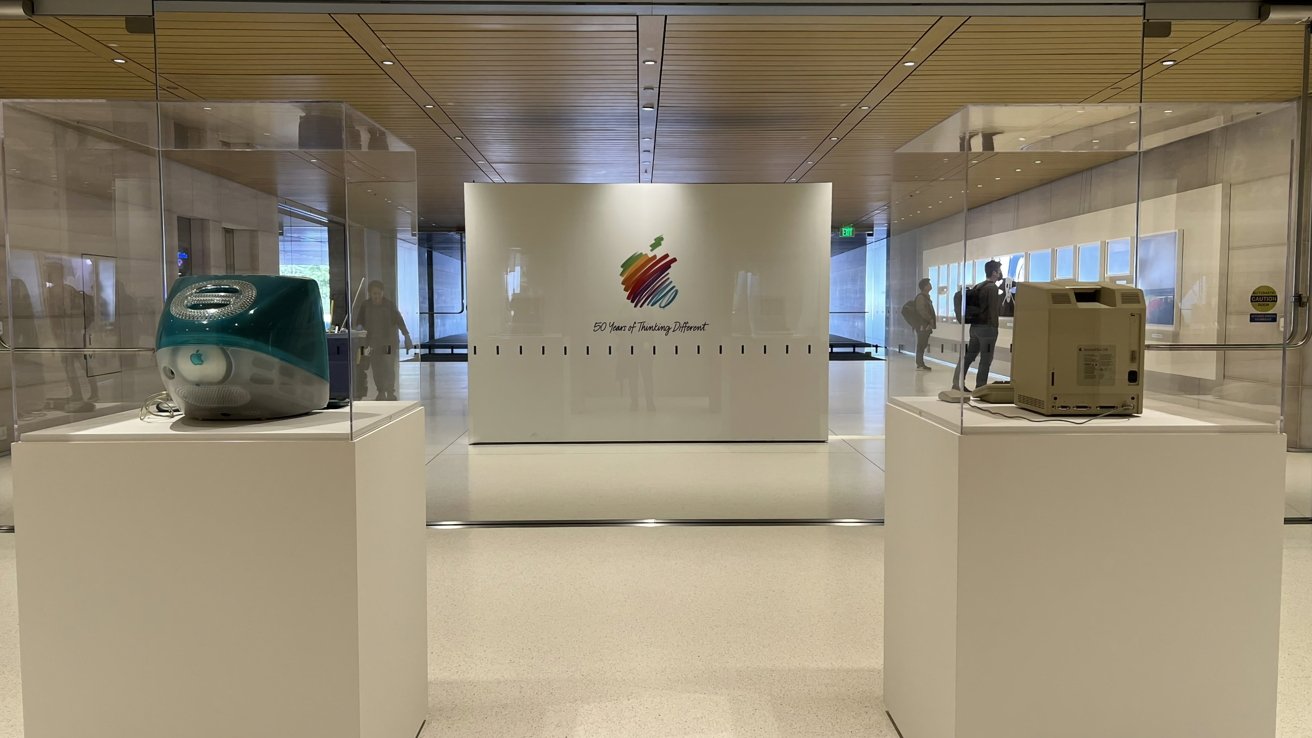
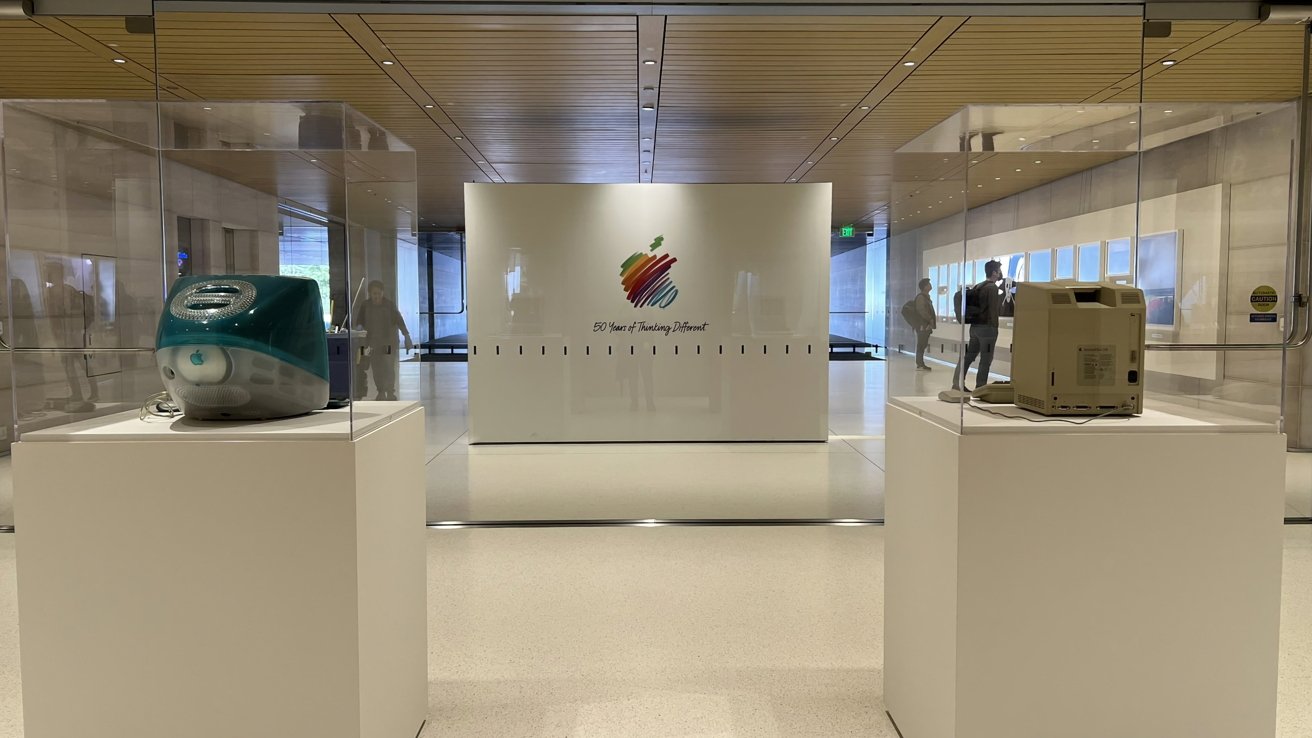
As part of the 50th anniversary celebrations, Apple employees can check out a private exhibition of products and key moments from the company’s history, all in Apple Park.
The exhibition in Apple Park – Image Credit: @AlSultan_Meriam/X
After weeks of public celebration in the run-up to the 50th anniversary, the festivities are now all internal for Apple now. In the latest event, it has been revealed that employees are now being able to look back at the products and hardware that helped build the company. Images shared by Meriam Al Sultan on X show a large room containing images and products in display cases. Described as a 50th anniversary exhibition, the shots are apparently in “Section 2” of Apple Park, but there are other exhibits on show in other HQ areas. Continue Reading on AppleInsider | Discuss on our Forums
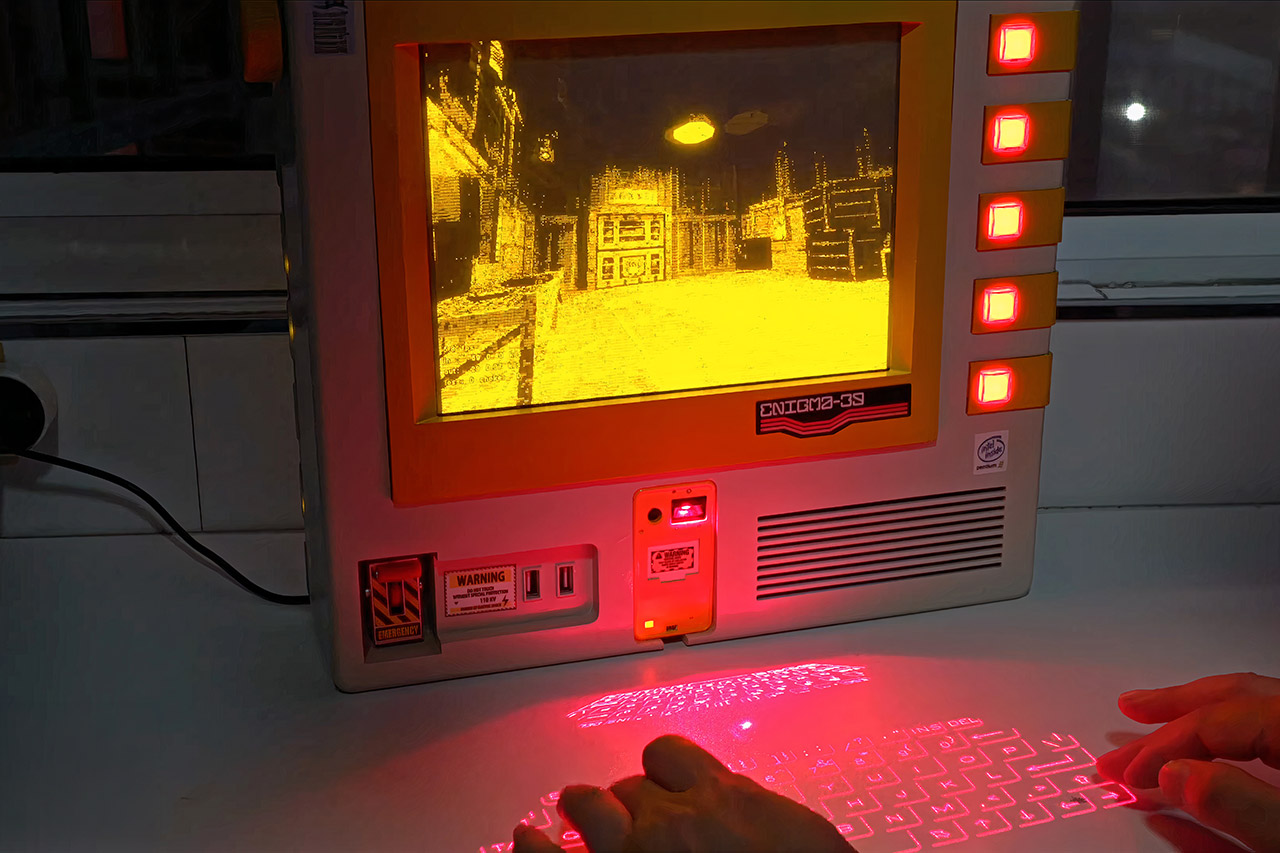
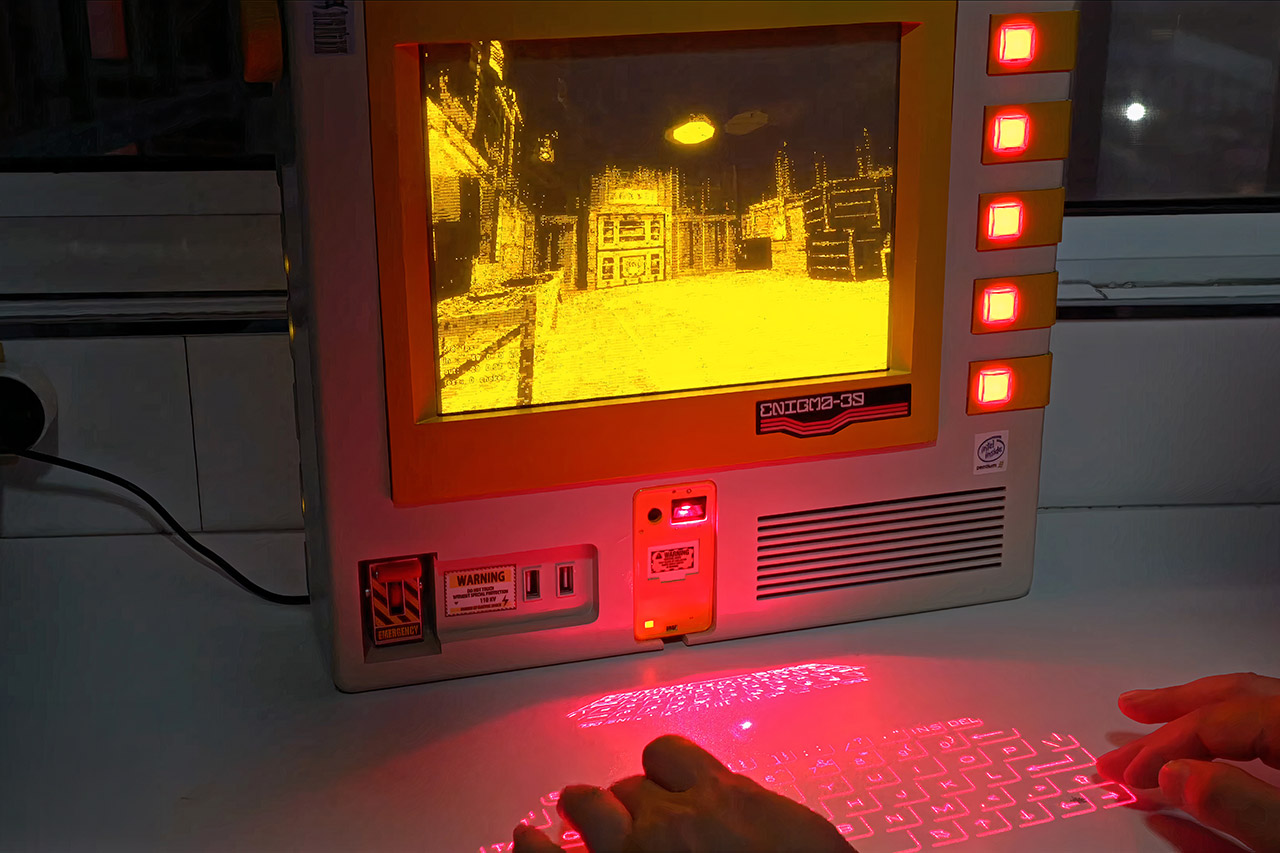
LCLDIY set out to create a portable computer / laptop that embodied the gritty feel of a civilization being rebuilt after disaster strikes. That’s exactly what he’s accomplished with this monster, a massive, heavy beast of a device that appears to have been assembled from spare pieces gathered from the local hardware shop.
The exterior of this thing is a dead giveaway, a big 3D print job created from digital files by LCLDIY using a Nokia port of Blender. The walls are thick, and the edges are all sharp angles, as if someone simply duct-taped a lot of things together for an emergency fix, you know? The screen tilts, which is convenient, but the whole design seems robust while remaining portable enough to fit in a backpack.
High-Speed Precision: Experience unparalleled speed and precision with the Bambu Lab A1 3D Printer. With an impressive acceleration of 10,000 mm/s…
Multi-Color Printing with AMS lite: Unlock your creativity with vibrant and multi-colored 3D prints. The Bambu Lab A1 3D printers make multi-color…
Full-Auto Calibration: Say goodbye to manual calibration hassles. The A1 3D printer takes care of all the calibration processes automatically…
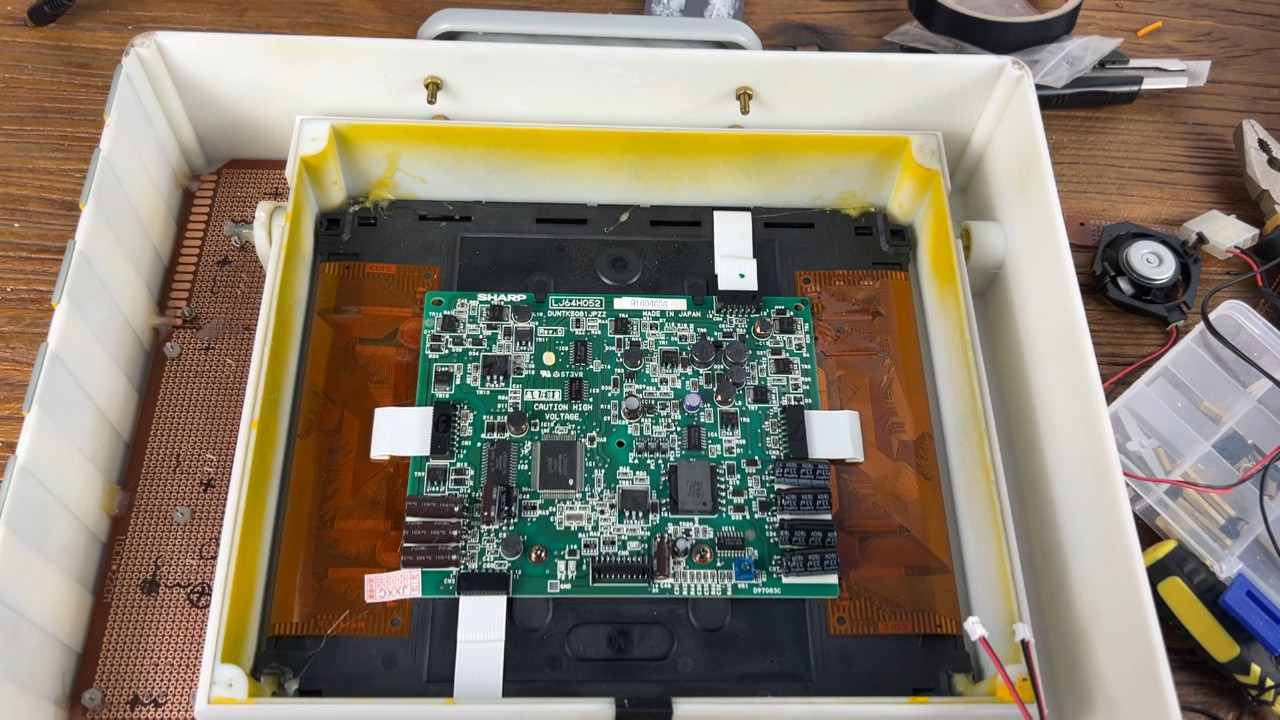
Inside, there’s a 10-inch electroluminescent display that lights up on its own and casts a nice glow throughout. The display is very stunning: a faint halo surrounding the active area adds depth, and the entire thing exudes an old-school vibe that’s ideal for the theme. These panels aren’t cheap; they either come from aerospace surplus stock or a specialized supplier, and LCLDIY chose the fancy-schmancy LJ64H052 or EL640.480 series after some testing because they’re expensive, but the light output is excellent for low-light environments, and it just feels right at home with the overall theme.
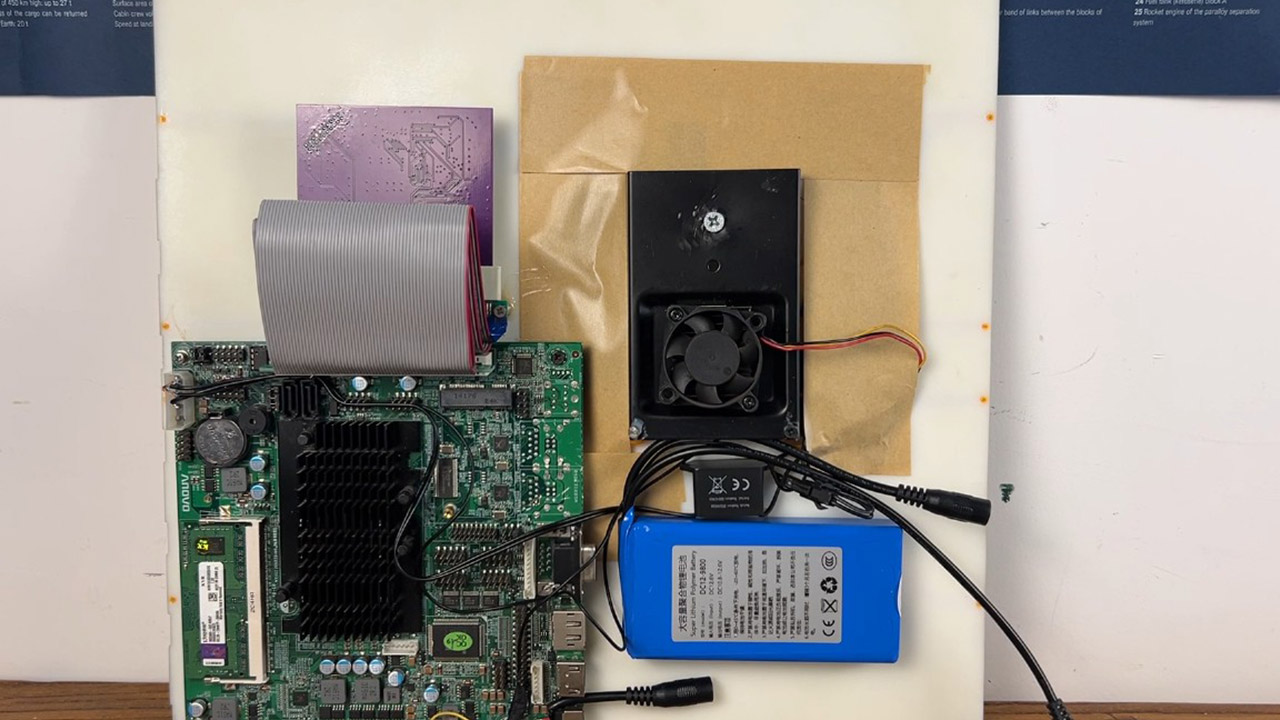
Driving that display is a different story, since regular GPUs aren’t well-suited to this particular technology, so LCLDIY had to think outside the box and create a unique open-source graphics card based on the obsolete CHIPS 65548/5 processor. You know what? It works flawlessly, and the design files are available online for anybody to use as a blueprint for customizing the display for future projects.
The rest of the system is rather simple, which is good given the overall ‘survivalist’ vibe. An old cash register motherboard does the heavy lifting, as it’s not exactly rocket science here, and keeping things basic keeps the power demand low and the internal architecture clean. Let’s be honest: the whole point of this device is to be robust, thus the system is meant to run quietly and cool, with no fans that might break the instant you take it out of the house.
Keyboard input is a laser projection device that pops out from the side, similar to having a little projector keyboard that displays a full layout onto whatever flat surface you require, and it even has mouse mode for cursor control. The best thing is that when you close the lid, all your valuables are safe and sound while you’re on the move. [Source]
Some weekends are for comfort, others are for chaos. This one? A bit of both. Whether it’s revisiting a gaming icon that defined an era, diving into a massively upgraded open-world epic, or trying out this generation’s cult classic title set to leave Game Pass soon, this lineup has range.
1. Tomb Raider I-III Remastered
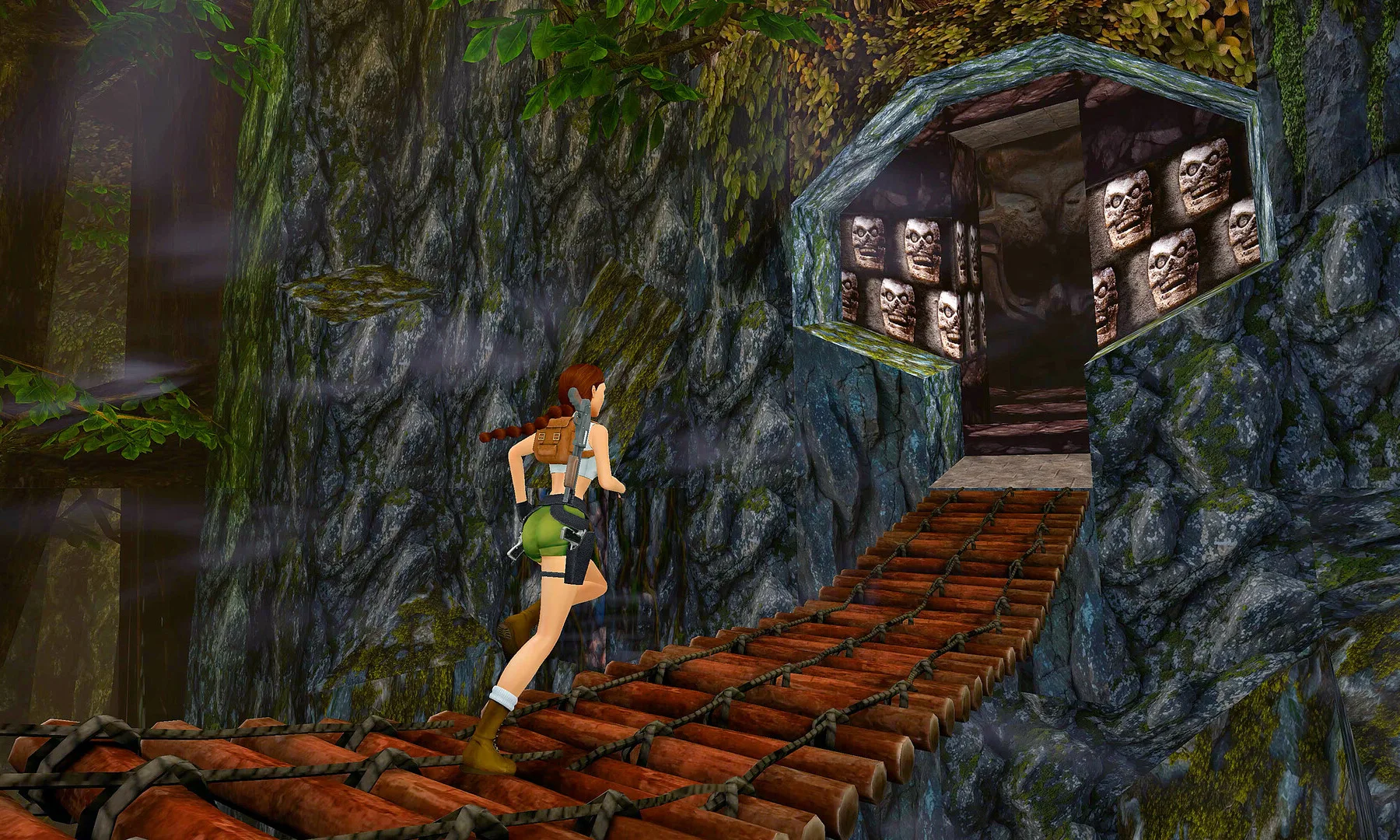
There’s something oddly magical about going back to where it all began, and Tomb Raider I-III Remastered absolutely leans into that feeling. This collection bundles the original adventures of Lara Croft with a fresh coat of paint, letting players toggle between classic visuals and modern remastered graphics on the fly. At its core, though, this is still the same methodical, puzzle-heavy platforming experience that defined the late ’90s with its deliberate jumps, environmental traps, and that constant sense of isolation.
Aspyr / Crystal Dynamics
What makes this worth playing today isn’t just nostalgia, but how distinct it feels compared to modern action-adventure games. There’s no hand-holding here. Levels are sprawling, secrets are genuinely hidden, and figuring things out feels earned. That slower, more thoughtful pacing can be surprisingly refreshing if most recent games have felt a bit too guided or cinematic.
Add to that, the remaster does a great job of smoothing out rough edges without stripping away the original charm. More importantly, the controls, while still rooted in the classic grid-based movement, feel far more approachable than they used to. Right now, this one’s a no-brainer if you’re subscribed to PlayStation Plus, where it’s been newly added. Otherwise, it typically sits around $29.99 in the US.
Advertisement
2. Crimson Desert
Crimson Desert has been in the news, and on top of Steam charts, for what feels like forever, but recent updates have quietly transformed it into something far more compelling than its earlier previews suggested. Built by Pearl Abyss, the game blends large-scale open-world exploration with cinematic storytelling, placing players in a war-torn continent filled with political intrigue, brutal combat, and dynamic encounters.
Pearl Abyss
The core gameplay revolves around fluid melee combat, large battle sequences, and emergent world events. But what’s really started to click post-launch is how reactive the world feels. Recent patches have significantly improved movement and abilities, making traversal a lot more engaging, without wasting a lot of the player’s time. Performance has also seen noticeable gains. Earlier complaints around stuttering and inconsistent frame pacing have largely been addressed with optimization updates, especially on mid-to-high-end PCs.
At around $59.99 in the US, it’s positioned as a premium experience, and while it may not be perfect, it finally feels complete. This weekend is a great time to jump in, especially if the initial skepticism kept it off the radar before.
3. Grand Theft Auto V
Few games need an introduction quite like Grand Theft Auto V, but this weekend, it comes with a bit of urgency attached. The game is set to leave Xbox Game Pass later this month, which means this might be the perfect (and possibly last) excuse to jump back into Los Santos without spending a dime. Whether it’s revisiting the story or just causing absolute chaos in free roam, GTA V remains as easy to pick up and play as ever.
Advertisement
Rockstar Games
At its core, the game follows three protagonists (Michael, Franklin, and Trevor), whose lives intertwine through a series of heists, betrayals, and high-stakes missions. But let’s be honest, most players aren’t coming back just for the story. The real magic of GTA V lies in its sandbox. It’s one of those rare games where simply existing in the world is entertaining enough. Even today, Los Santos feels alive in a way few open-world games manage.
And if the single-player doesn’t hook, there’s always GTA Online, which continues to evolve with new content, modes, and absurdly over-the-top activities. With a usual price hovering around $29.99 in the US, depending on the edition, getting access through Game Pass right now is a steal, especially with the clock ticking.
Instead of raising prices again, Netflix may have to lower its subscription costs in Italy. A court in Rome recently ruled that Netflix owed its Italian users a refund for price hikes between 2017 and January 2024 and a reduction to previous subscription costs. On top of the refunds, Netflix Italia would have to inform its affected subscribers of their right to a refund.
The lawsuit was originally filed by Movimento Consumatori, a consumer rights organization based in Rome. The group’s president, Alessandro Mostaccio, said in a press release that more than 25,000 Netflix users have complained to Movimento Consumatori that they’re not satisfied with the price increases over the years. According to the lawyers representing the consumers, Premium subscribers are entitled to a refund of roughly 500 euros, while Standard tier customers should get back about 250 euros.
Mostaccio also said that if Netflix doesn’t immediately reduce prices and refund its customers, the consumer rights organization would pursue a class action lawsuit to recover funds. A Netflix spokesperson told Reuters that it would appeal the Italian court’s ruling, adding that the company takes “consumer rights very seriously and believe our terms have always complied with Italian laws and practice.” On the other side of the world, Netflix again raised prices for its US customers, this time across all of its subscription tiers.
Microsoft wants to offer the ‘most complete AI and app agent factory’.
Microsoft has released three new AI foundational models, created in-house, in a move that places the company in direct competition with enterprise AI rivals, despite its deep ties with OpenAI.
The new foundational models target three of the most commercially viable modalities: transcription, voice and images. The models are already powering Microsoft’s products, including Copilot, Bing and Azure Speech, the company said, and will be available in a preview via the Microsoft Foundry and MAI Playground.
With this, Microsoft is furthering its goals of delivering “the most complete AI and app agent factory”, it said.
Advertisement
‘MAI-Transcribe-1’ is a first-generation speech recognition model expected to deliver “enterprise-grade accuracy” across 25 languages at around 50pc lower GPU costs than its alternatives. The model scores lower than 4pc average ‘word error rate’ on accuracy benchmarks, while GPT-Transcribe is at 4.2pc and Gemini 3.1 Flash is at 4.9pc.
‘MAI-Voice-1’ is a speech generation model that, according to Microsoft, can produce 60 seconds of expressive audio in under one second on a single GPU.
Together, the two models are meant to deliver an audio AI stack capable of assisting in call-centre workflows and other voice-driven services, such as providing live captioning, automatic subtitling and converting interactions into structured data for research.
Microsoft’s second-generation image model, ‘MAI-Image-2’, is expected to offer artists a way to “explore” different visual directions. The model is created in “close collaboration” with artists, the company said, and is meant to help enterprises create branding and communication material.
Microsoft, valued at $2.7trn, already offers several AI-embedded apps and platform services. Its Copilot Studio lets users build agents, while the Foundry services offer a place to train and scale models.
In short:Anthropic has blocked Claude Pro and Max subscribers from using their flat-rate plans with third-party AI agent frameworks, starting with OpenClaw. The move, which took effect on 4 April 2026, shifts the cost of running autonomous agents onto users through a pay-as-you-go billing tier. The creator of OpenClaw, who joined OpenAI in February, called the decision a betrayal of open-source developers. Thousands of users now face cost increases of up to 50 times their previous monthly outlay.
Anthropic has ended a quiet subsidy that made its Claude models the engine of choice for the open-source AI agent community. Starting on 4 April 2026, users of Claude’s Pro and Max subscription tiers can no longer pipe their plan’s usage limits through third-party frameworks such as OpenClaw. If they want to keep using those tools with Claude, they must pay separately under a new “extra usage” billing system. Anthropic says it will extend the restriction to all third-party harnesses in the coming weeks.
The announcement landed as a jolt for thousands of developers who had structured their personal AI setups around the assumption that a flat monthly subscription was enough. For many of them, it no longer is.
The economics that broke the model
The logic behind the change is straightforward even if the timing was not. Claude’s subscription plans were designed around conversational use: a human opens a chat window, types a query, and reads a response. Agentic frameworks operate on a fundamentally different model. A single OpenClaw instance running autonomously for a full day, browsing the web, managing calendars, responding to messages, executing code, can consume the equivalent of $1,000 to $5,000 in API costs, depending on the task load. Under a $200-per-month Max subscription, that is an unsustainable transfer of compute costs from the user to Anthropic.
Advertisement
“Anthropic’s subscriptions weren’t built for the usage patterns of these third-party tools,” said Boris Cherny, Head of Claude Code at Anthropic. “Capacity is a resource we manage thoughtfully and we are prioritising our customers using our products and API.”
The scale of the problem was significant. More than 135,000 OpenClaw instances were estimated to be running at the time of the announcement, and industry analysts had noted a price gap of more than five times between what heavy agentic users paid under flat subscriptions and what equivalent usage would cost at API rates. Anthropic’s subscription business was, in effect, quietly cross-subsidising a class of usage it had not priced for.
What OpenClaw is, and why this matters
OpenClaw is an open-source AI agent framework created by Austrian developer Peter Steinberger. Originally released in November 2025 under the name Clawdbot, it was a side project: Steinberger wanted to see what would happen if you gave a large language model persistent memory, tool access, and the ability to communicate through messaging apps such as WhatsApp and Telegram. The answer, it turned out, was that an enormous number of people wanted exactly that.
The project was renamed twice in three days in late January 2026: first to Moltbot, after Anthropic raised trademark concerns about the phonetic similarity to “Claude,” and then to OpenClaw three days later. By 2 March 2026, the repository had accumulated 247,000 GitHub stars and 47,700 forks. It had become what many observers were calling the fastest-growing GitHub project in history, reaching 100,000 stars in under 48 hours at its peak. The framework supports more than 50 integrations and works across Claude, GPT-4o, Gemini, and DeepSeek.Tencent built an enterprise platform directly on top of it, demonstrating that OpenClaw’s influence had already extended well beyond individual hobbyists.
A convenient timing problem
The restriction becomes more pointed given what happened in February. On 14 February 2026, Steinberger announced he was leaving his own project to join OpenAI. Sam Altman posted publicly that Steinberger would “drive the next generation of personal agents” at the company, and that OpenClaw would be moved to an open-source foundation with OpenAI’s continued support. Steinberger wrote in a blog post that “teaming up with OpenAI is the fastest way to bring this to everyone.”
Advertisement
Anthropic’s restrictions were announced and enforced within weeks of that move, a timeline that has not escaped notice. Steinberger and fellow investor Dave Morin attempted to negotiate a softer landing, approaching Anthropic directly, but by their account only managed to delay enforcement by a single week.
“First they copy some popular features into their closed harness, then they lock out open source,” Steinberger wrote in response to the ban.
Whether the timing reflects competitive calculation or coincidence, the effect is the same. The most popular open-source agent framework, now loosely affiliated with OpenAI, has been effectively priced off Claude’s subscription tier.
The cost shock for users
For developers accustomed to unlimited agentic runs under a flat plan, the new billing structure is a significant disruption. Under pay-as-you-go extra usage, per-interaction costs are estimated at $0.50 to $2.00 per task, which makes heavy agentic use expensive in ways that a fixed monthly plan obscured. Some users report facing cost increases of 10 to 50 times their previous outlay. Hobbyist developers and solo practitioners, the cohort that built OpenClaw’s early adoption, are most exposed.
Advertisement
Anthropic has offered two concessions to smooth the transition. Subscribers receive a one-time credit equal to their monthly plan cost, redeemable until 17 April. Users who pre-purchase extra usage bundles can receive discounts of up to 30%.
Users who want to continue running OpenClaw with Claude can do so either through those extra usage bundles or by supplying a separate Claude API key, which bypasses subscription limits but charges at full API rates: $3 per million input tokens and $15 per million output tokens for Claude Sonnet 4.6, and $15 and $75 respectively for Claude Opus 4.6.
Anthropic’s closing ecosystem
The decision fits a broader pattern.Anthropic committed $100 million to its Claude Partner Network in March 2026, formalising a web of enterprise consulting and integration relationships built around its own products. Separately,the company has launched a marketplace for Claude-powered software, allowing enterprise customers to purchase third-party applications without Anthropic taking a commission, but through channels Anthropic controls. The pattern is consistent: Anthropic wants the revenue, the data, and the governance that comes with owning the customer relationship, and it is making it incrementally less attractive to route that relationship through tools it did not build.
Claude Code, Anthropic’s own developer environment, is included in Pro and Max subscription plans and is not subject to the new restrictions. The message to developers is implicit but legible: build inside Anthropic’s ecosystem, or pay API rates to build outside it.
Advertisement
Anthropic’s $3 billion raise in early 2026was accompanied by language about building “artificial super-intelligence for science” and expanding its research infrastructure. What it also reflects is the commercial pressure of running one of the most computationally intensive products in the world at scale. Compute costs do not flatten because users prefer flat subscription pricing. Foran AI industry that spent 2025 racing to acquire users, 2026 is increasingly about working out who actually pays for them, and how much.
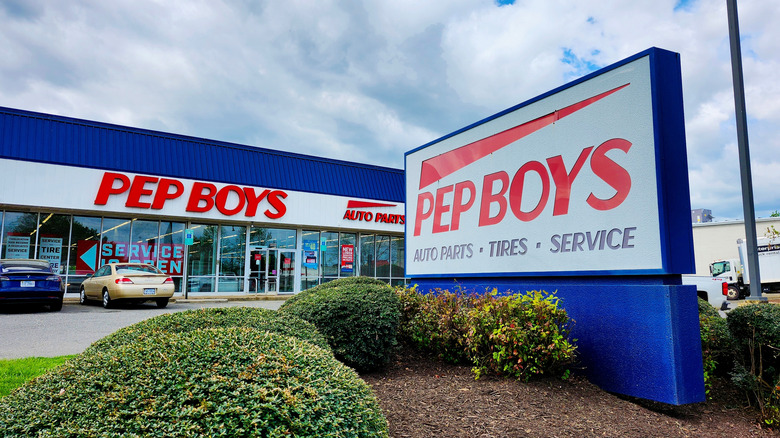
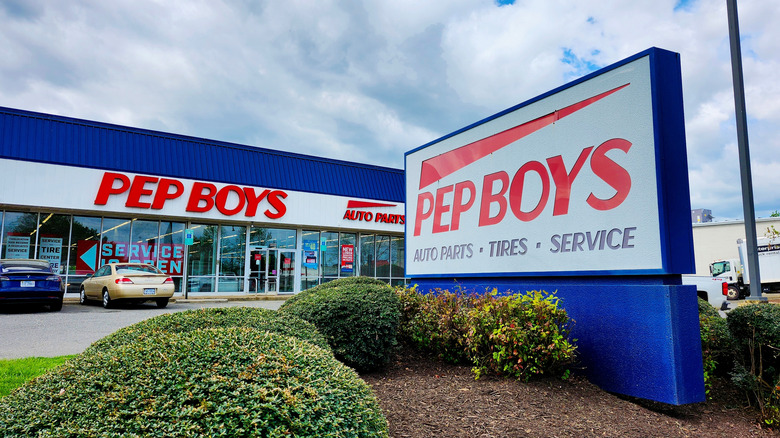
Sometimes you can go into a bit of a panic when your car isn’t working and find yourself rushing to the nearest mechanic with an opening. However, it can sometimes pay off to take a deep breath, take out your phone, and use Google. That’s what one TikToker realized after his brake switch broke and he got a quote from Pep Boys for $280 — $80 for the part, $200 for labor.
“About $300 to get my car functional again? I thought, ‘I guess that’s pretty worth it,” TikTok user @joseroselloaesthetics said. “But you know what? Let me shop around a little bit.” And after a short Google search at home, he found out that the broken part was available on Amazon for just under $11. At this point, he figured he should see what it would take to fix himself. He found a seven-minute YouTube video with step-by-step instructions, which showed that the broken part was located underneath the dashboard and didn’t even need a tool to swap out.
I went to Pep Boys for a repair and was quoted $280 — $80 for the part and $200 for labor. After doing my own research, I found the same part online for $10.88. The fix required no tools and took less than 10 minutes. This is why it’s important to always double check mechanic quotes, look up parts online, and understand basic DIY car repairs. You can save hundreds of dollars by doing simple fixes yourself. Not all mechanics are bad, but being informed can protect you from overpaying. . #pepboys#carrepair#mechanic#diycarrepair#savemoney
The repair went from $280 to $11. All he could say was “Wow.”
Advertisement
Is Pep Boys scamming customers?
Koldo Studio/Getty Images
Pep Boys was not setting out to scam @joseroselloaesthetics, nor are most mechanics — although some locations are rated better than others. In general, auto parts will be cheaper online or at an auto parts retailer than from a repair shop for a number of reasons beyond the mechanic hoping to make an easy profit.
First, mechanics order parts at wholesale prices, meaning buying parts in bulk. They will then charge you a marked-up rate of 25% to 50% above what they paid to make some money back. Second, mechanics often charge extra to cover the costs of running their business, including paying for garage liability insurance and certified repair technicians. Shops also take time training employees.
There are plenty of simple repairs you can learn to do yourself, but if you find yourself needing a mechanic for a trickier repair, you can always buy the part ahead of time and bring it to the shop. The price you pay will depend on where you buy the part and where you live, as well as whether you get original equipment manufacturers (OEM) car parts or aftermarket parts.
Prove said the roles would be across product, software engineering, research and development, and data science, supporting global product development and growth.
Digital identity verification platform Prove is to create 50 Irish jobs with a $5m investment in its Ireland-based operations.
The company said it sees Ireland as a central hub for the company’s product development, culture and international growth, having set up in the country in 2022 and increased Dublin headcount by 50pc in the past six months.
Prove said the new “high-value” roles would be across product, software engineering, research and development, and data science – with “many” to be available this year – and would support global product development and growth.
Advertisement
It credited its existing Irish operations with playing “a critical role in the rapid acceleration of innovation” over the past year across several product and feature launches.
“The growth of our Ireland team has been an important chapter in Prove’s journey,” said Laura Brittingham, its senior vice-president of people.
“The talent we’ve found there brings deep technical expertise and a collaborative, innovative and dependable spirit that has led to an outsized impact at Prove. There is no version of Prove’s future that doesn’t include Ireland at its centre.”
Prove’s identity verification and authentication tools aim to “streamline onboarding, prevent fraud and deliver seamless customer experiences across channels”, according to the company, by “verifying real people, businesses and agents in real time without friction or guesswork”.
Advertisement
Its customers are in areas such as banking, fintech, crypto, gaming, commerce, insurance and healthcare, and include Visa, Starbucks, Uber and DocuSign.
Prove’s expansion in Ireland is supported by the Irish Government through IDA Ireland.
Its CEO Michael Lohan said: “Prove’s decision to expand its R&D and innovation footprint here highlights Ireland’s strength as a global hub for advanced digital identity, data, and technology development.
“This expansion underscores Ireland’s ability to support companies as they scale internationally, innovate at pace and serve global markets.”
Advertisement
Prove was founded in 2008 as Payfone and rebranded in 2020. It employs more than 400 people globally – across hubs in the US, UK, Ireland and Brazil – and claims to verify 30bn transactions annually and own more than 200 patents in areas around identity and authentication.
Minister for Enterprise, Tourism and Employment Peter Burke, TD said: “This significant investment and the creation of 50 new high-value roles reflect great confidence in Ireland’s talented workforce and in our strong environment for RD&I.
“Ireland is well-positioned to support companies like Prove at the forefront of digital transformation.”
Ari Motors’ engineers have been working on the Ari 458 Pro, a compact electric camper that is redefining people’s perceptions about short vacations. At only 12.5 feet long and 4.9 feet wide, this vehicle fits into a conventional parking place and can even fit into narrow roadways where larger motorhomes cannot. You can park it almost anywhere and yet have enough room to make a spontaneous stop at a lake or a forest clear-cut, without having to worry about hookups and whatnot.
It’s based on a delivery truck platform, but an insulated box added to the back transforms the entire structure into useful living space. Inside, you have around 6 feet of headroom and approximately 30 square feet of area. Ari ships the item very much bare, so you may customize it however you like. They do the wiring for you, so you’ll have electricity outlets, solar panels on your roof, and water hookups ready to go. Simply add your own bed, table, kitchenette, and other necessities, or choose for an ultra minimalist factory conversion in Saxony.
CAMPER VAN BUILDING SET – Kids can enjoy vacations every day with this LEGO City Holiday Adventure Camper Van building set
TOY FIGURES & CAMPER PLAYSET – This vehicle set includes everything kids need to build a camper van with a detailed living space, plus a campfire…
FUN FEATURES – The camper van opens up for full access to an interior living space with a kitchen, toilet, 2 bunk beds, a crib and a removable…
The power comes from a single 15-kilowatt electric motor that produces around 20 horsepower. The top speed is a rather relaxed 43 mph, which is ideal for backroad cruising rather than highway driving. You may select between a 15kWh battery, which will carry you 75 to 112 miles, and a larger 23.5kWh pack, which can get you up to 143 miles. And the greatest thing is that electricity expenses are really inexpensive – approximately 4 Euro per 100 kilometers.
The front side features a modest interior with two seats, power windows, central locking, a digital display, a reversing camera, and Bluetooth. There’s even one cup holder thrown in for good measure. If you want to add air conditioning or a trailer to tow some light gear, that’s an option; don’t worry, it’s all L7e compatible, so it’s small and light while being safe for regular usage.
The Ari 458 Pro costs little over 30,000 euros including tax in Germany, making it much more accessible to anyone who want to get into camping. They even have a base delivery model that is slightly less expensive, but the camper setup includes all of the necessary accessories straight out of the box. Production takes place in Borna, just outside of Leipzig, with orders beginning in May. If you enjoy basic travel, you’ll appreciate how this thing is all about freedom rather than squandering your wallet on frivolous luxuries. [Source]































































You must be logged in to post a comment Login