Tech
Infidex 176 V Camera Delivers Panoramic Film in a 3D Printable Package

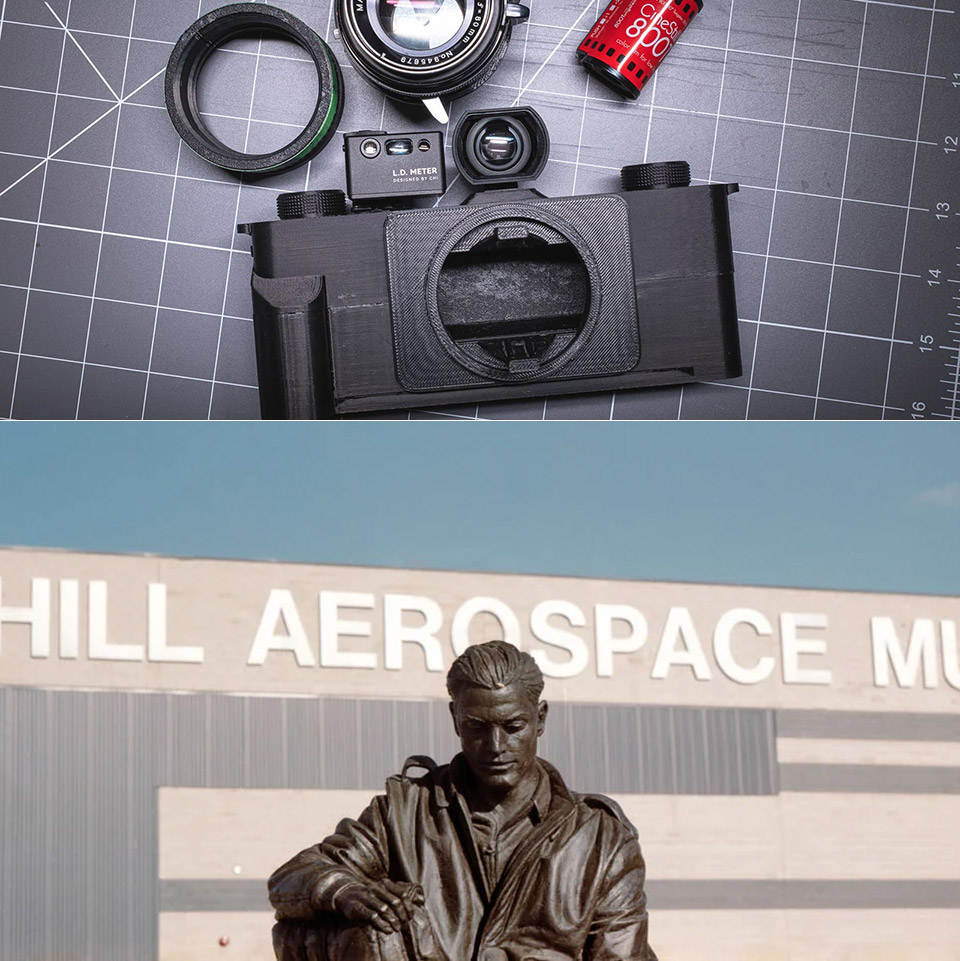
Photo credit: Jace LeRoy
Denis Aminev, a Russian photographer, has spent years attempting to recreate the look of those magical film days that digital photography couldn’t quite replicate. It all started with movies shot on film, and how the stretched aspect ratio immediately draws your attention to them. Standard lenses and anamorphic adapters fell short, so he turned to something more direct: building his own camera from scratch.


Aminev began experimenting with pinhole cameras in early 2024, hoping to capture even just a respectable image. Not only was he able to capture that shot, but he also demonstrated how amazing the outcome could be with the correct instruments. Emboldened by his accomplishment, he set out to create a completely functional prototype camera by sifting through old cameras and replacing the parts with printed ones. It took him a few months to get the initial version operating, but once he did, things took off from there. By August 2024, he had versions 4 and 5 of the camera, which had all of the details locked in.


Bambu Lab A1 3D Printer, Support Multi-Color 3D Printing, High Speed & Precision, Full-Auto Calibration…
- High-Speed Precision: Experience unparalleled speed and precision with the Bambu Lab A1 3D Printer. With an impressive acceleration of 10,000 mm/s…
- Multi-Color Printing with AMS lite: Unlock your creativity with vibrant and multi-colored 3D prints. The Bambu Lab A1 3D printers make multi-color…
- Full-Auto Calibration: Say goodbye to manual calibration hassles. The A1 3D printer takes care of all the calibration processes automatically…
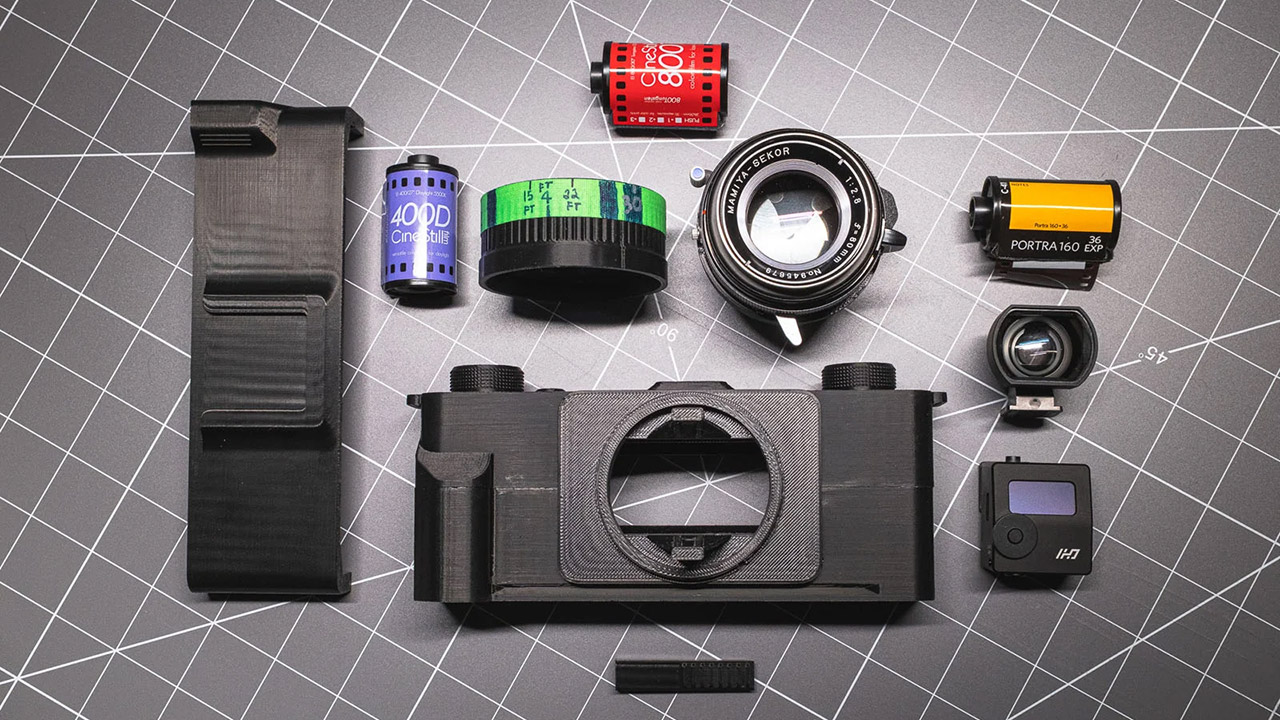
All of these modifications lead him to build the Infidex 176 V, a name that accurately describes the camera’s infinite focus and double exposure capacity. It’s also quite neat because it’s all designed to be manufactured using a standard FDM printer and some PLA or similar material, so no fancy equipment is required. After you’ve printed all of the components, all you have to do is glue them together, add a few clamps, and some hardware such as brass inserts, wire springs, and hinges, and you’re ready to go.

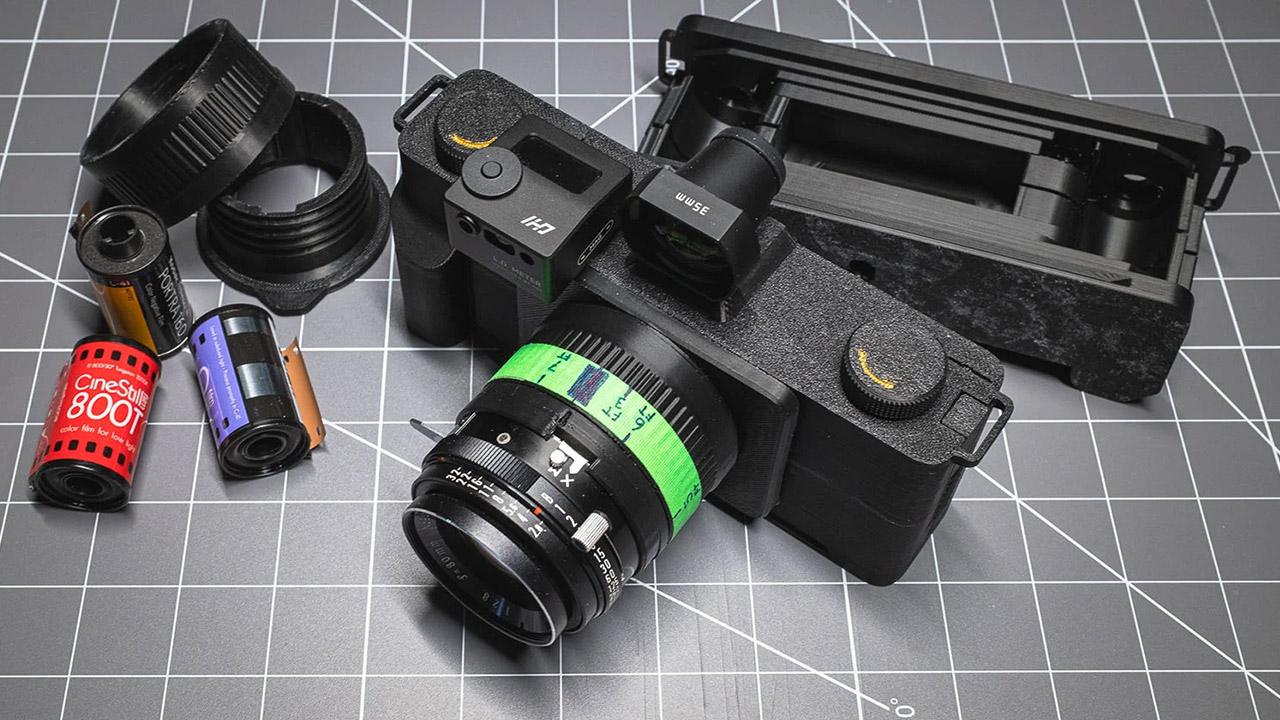
Loading the film is simple because 35mm film is still available at most camera stores. Each roll contains 36 exposures, or approximately 19 of those super-wide panoramic shots (72 by 24mm). That’s a really extreme aspect ratio, around 1:2.7 or even 3:1. The lenses are quite easy to replace, and most people simply use an 80mm f/2.8 from a Mamiya C330, but he has used various lenses in prior iterations, such as Lomo Lubitel components. To focus, simply crank the lens, which has a typical helicoid mount that allows you to focus from infinity or up close.
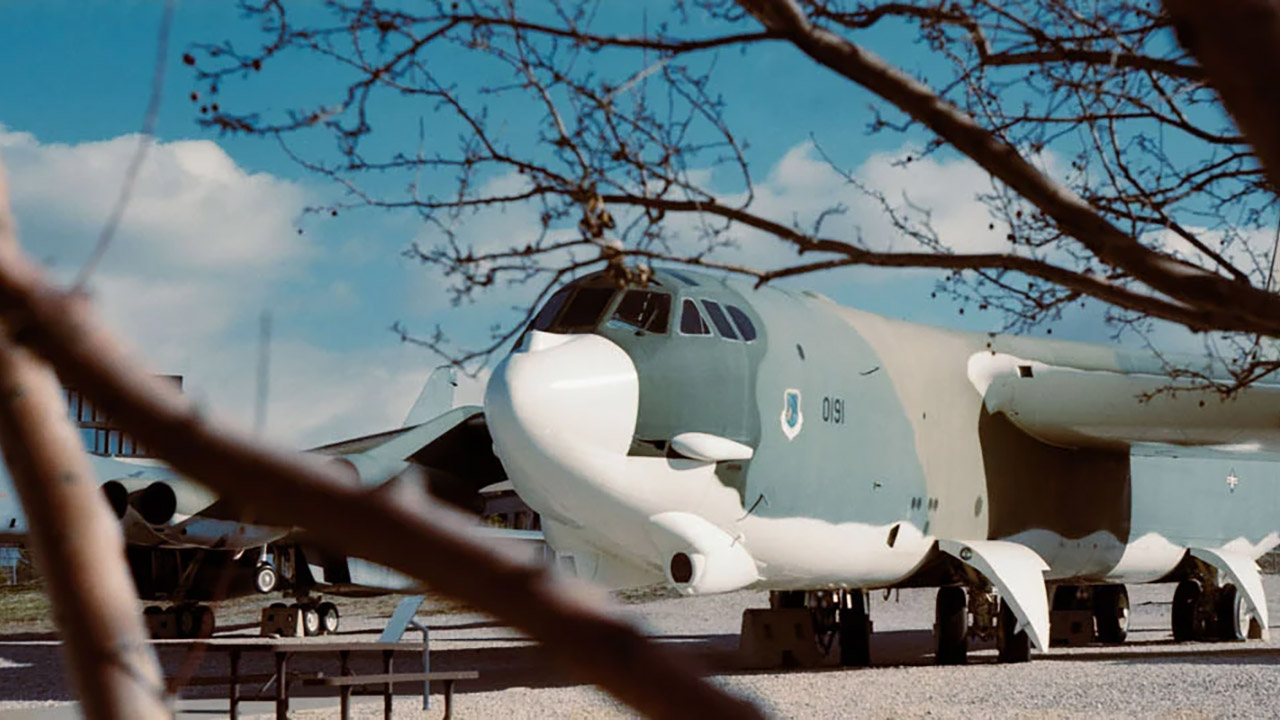
As you might expect, following the instructions is simple: double-check the dimensions to ensure they’re correct, then sand or file each piece to smooth out any bumps from the supports, and that’s it. Aminev has also come up with some clever light trap solutions to prevent stray light from interfering with the illusion. Even with bad film, the visuals appear amazingly sharp.
Jace LeRoy, a photographer who knew Aminev online, was among the first to discover the project. Jace was one of the guys who actually built one of the cameras, and when he saw the results of the test film, he thought, “Yeah right,” but when the visuals showed as clear as a bell, he was pleasantly surprised. He tested it with a range of films, including some rather simple ones like Kodak Gold 200, Portra 160, CineStill 800T, and Kentmere 400, and the results were consistent each time. He emphasized that some lenses may produce vignetting, but the overall image quality is well worth the trade-off.
[Source]
You must be logged in to post a comment Login