
Tech
Juno Propulsion wins $1.2M grant from NSF to advance non-toxic space propulsion system

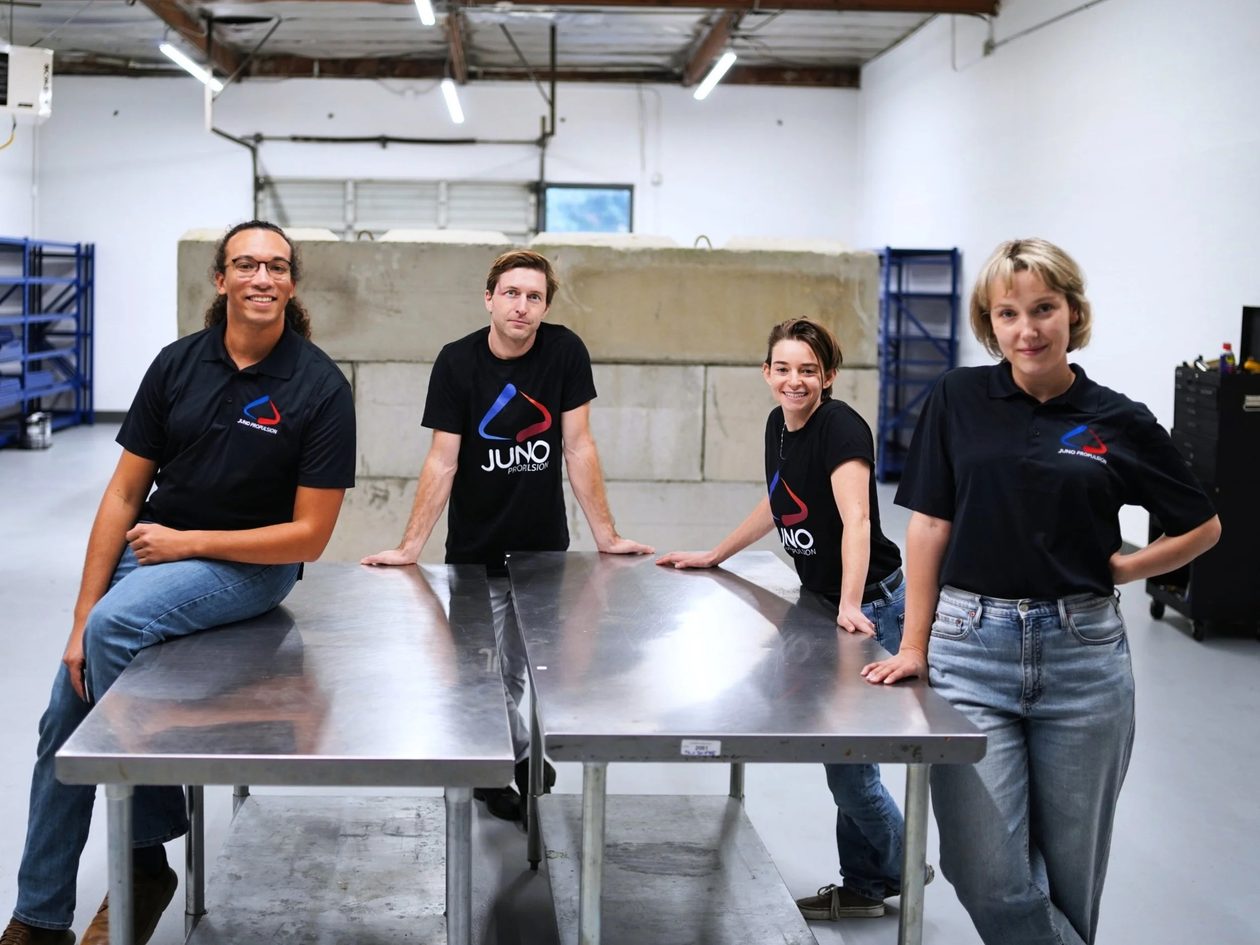
The National Science Foundation has awarded a $1.2 million grant to Tukwila, Wash.-based Juno Propulsion to support the startup’s development of a non-toxic propulsion system for in-space applications.
The two-year Phase II project, funded through NSF’s Small Business Innovation Research (SBIR) program, will be conducted in partnership with the University of Washington and UW Professor Carl Knowlen’s lab. The focus of the funding is to support work on Juno’s Product Development Unit (PDU), which uses rotating detonation rocket engine technology.
By combining high-efficiency propulsion with non-toxic propellants, Juno aims to enable spacecraft to maneuver farther and faster while reducing the risks associated with traditional toxic propellants. Work on the PDU is intended to advance Juno’s system to Technology Readiness Level 8, positioning it near production-ready status on the standard 1-to-9 TRL scale.
“This award represents an important milestone in taking our rotating detonation propulsion technology from development and flight demonstration toward a production-ready product,” Juno Propulsion CEO Alexis Harroun said in a news release. “We’re excited to continue our collaboration with the University of Washington and Professor Knowlen’s lab as we take the next step toward delivering this technology to commercial and government customers.”
The Phase II grant, announced last week, follows up on a $275,000 Phase I SBIR grant that was awarded in 2024.
Juno Propulsion’s team is getting ready for Project Iris, an on-orbit demonstration of its propulsion technology that’s due to fly aboard Momentus’ Vigoride 8 satellite platform in 2027. The lessons learned from Project Iris will feed directly into work on the PDU.
The startup was founded in 2023 by Harroun and chief technology officer Ari Martinez, who met while earning their Ph.D.s at Purdue University. Harroun received her undergraduate degree in aeronautics and astronautics from UW and interned at Blue Origin, Boeing and NASA before heading to Purdue.
In June, Juno Propulsion announced the close of a $1.4 million pre-seed financing round, led by SOSV with participation from Hypernova Fund, Leslie Ventures, Activate, Collaborative Fund, Safar Partners and Cape Fear Ventures.

Looking ahead: Anthropic has released Claude Fable 5.1, making its newest flagship model available through its API, cloud platforms and the Claude desktop app. It also released Mythos 5.1, a version of the same underlying model reserved for approved cybersecurity and life-sciences organizations. These updates make Anthropic’s most advanced models easier for companies to use on complex work that takes time, involves sensitive data and needs clear safeguards.
Fable 5.1 is the broadly available version, with safeguards that block some high-risk work in cybersecurity and scientific research. Mythos 5.1 has fewer of those restrictions, but access is limited to Anthropic’s trusted-access program.
The update targets customers using AI for assignments larger than a single prompt or code request. Anthropic said Fable 5.1 is better at handling software projects, reviewing code across an application, troubleshooting problems in external libraries and running multistep scientific work. It can also help design experiments, model possible outcomes and interpret detailed tables and diagrams.
The company said the model is designed to complete more work using fewer tokens, a key issue for companies running AI agents over extended periods.
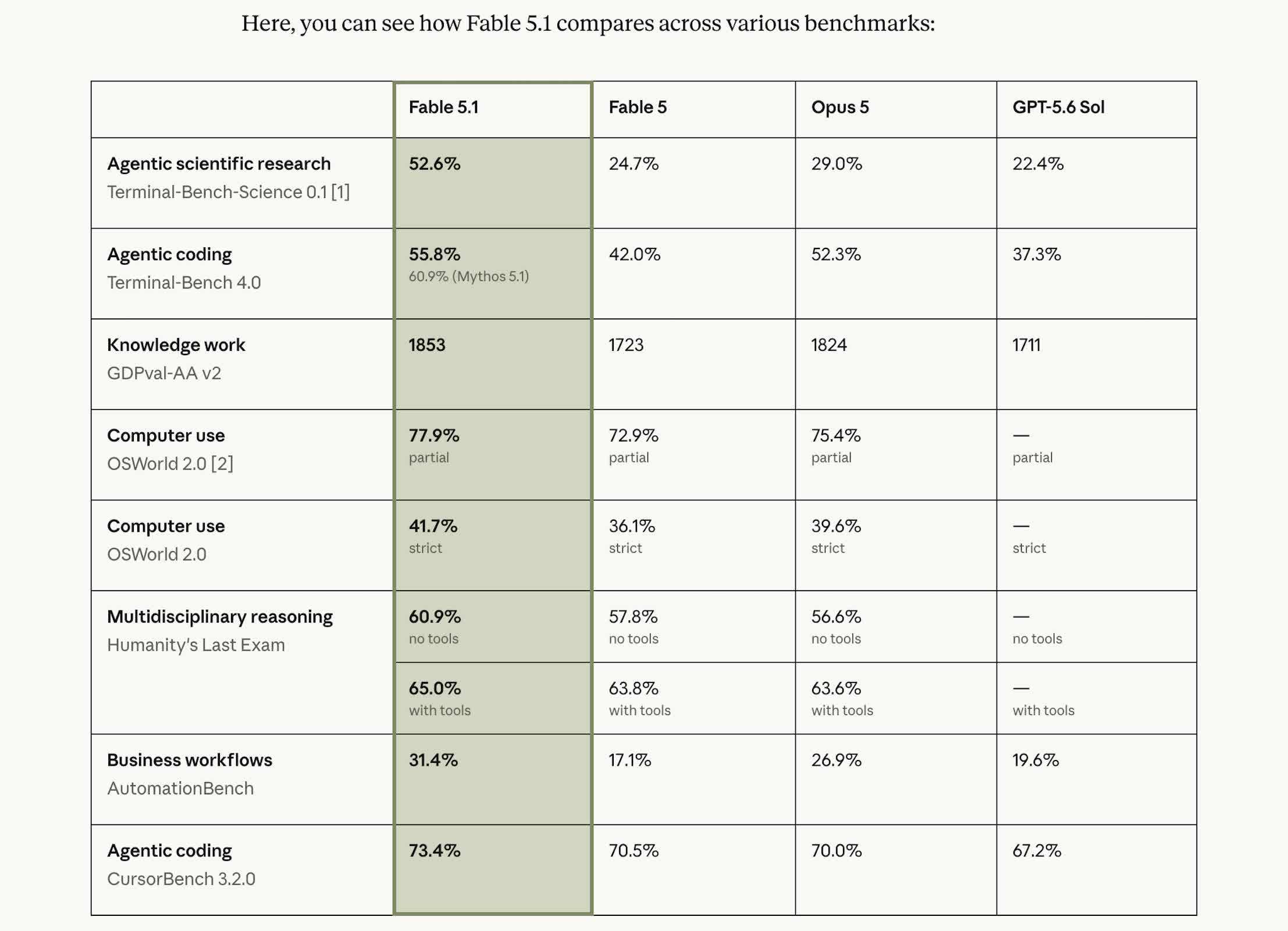
Anthropic reported substantial gains on several internal and third-party-style evaluations. Fable 5.1 scored 55.8% on Terminal-Bench 4.0, a benchmark for command-line coding work, compared with 42% for Fable 5. Mythos 5.1 scored 60.9% under its more permissive safety settings.
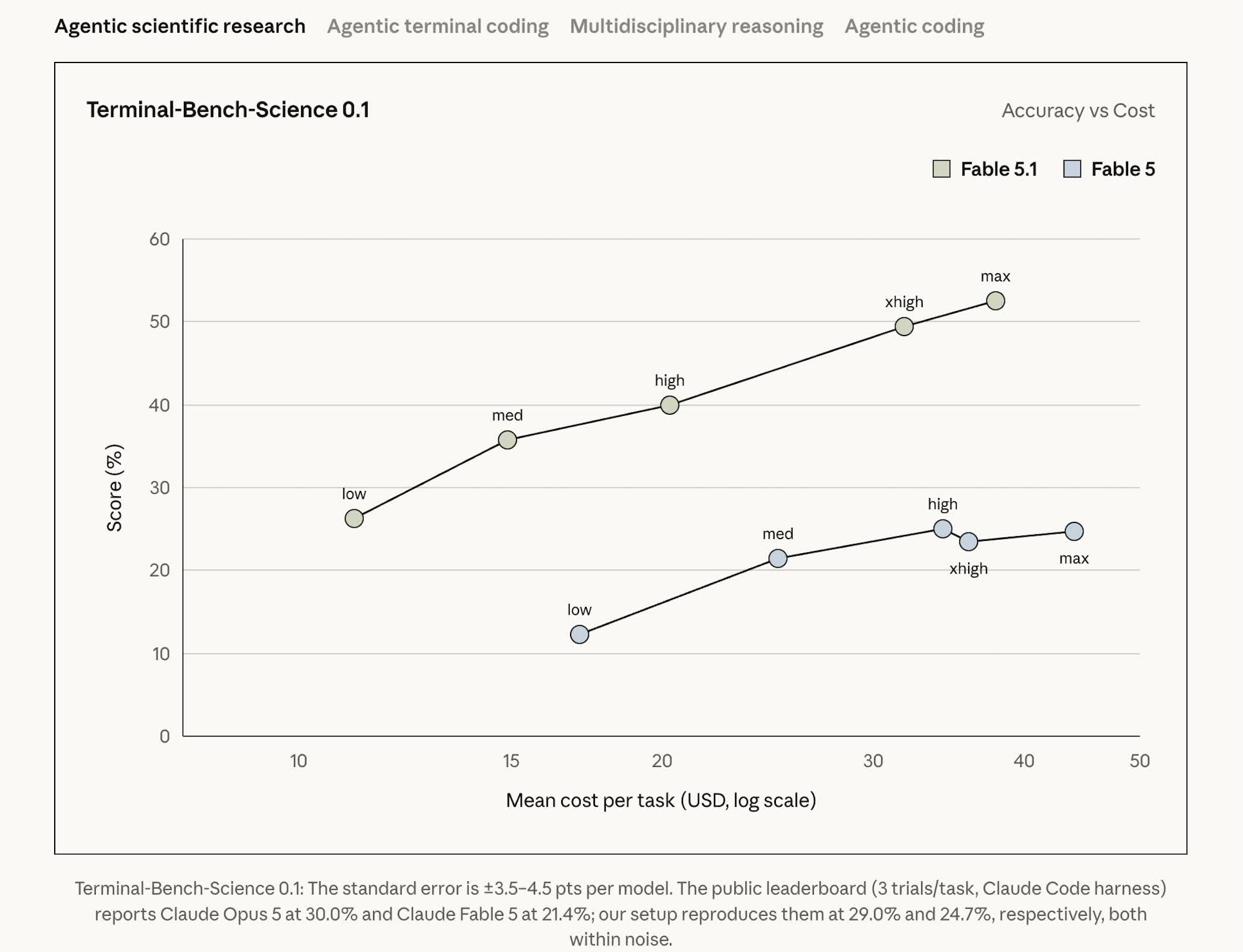
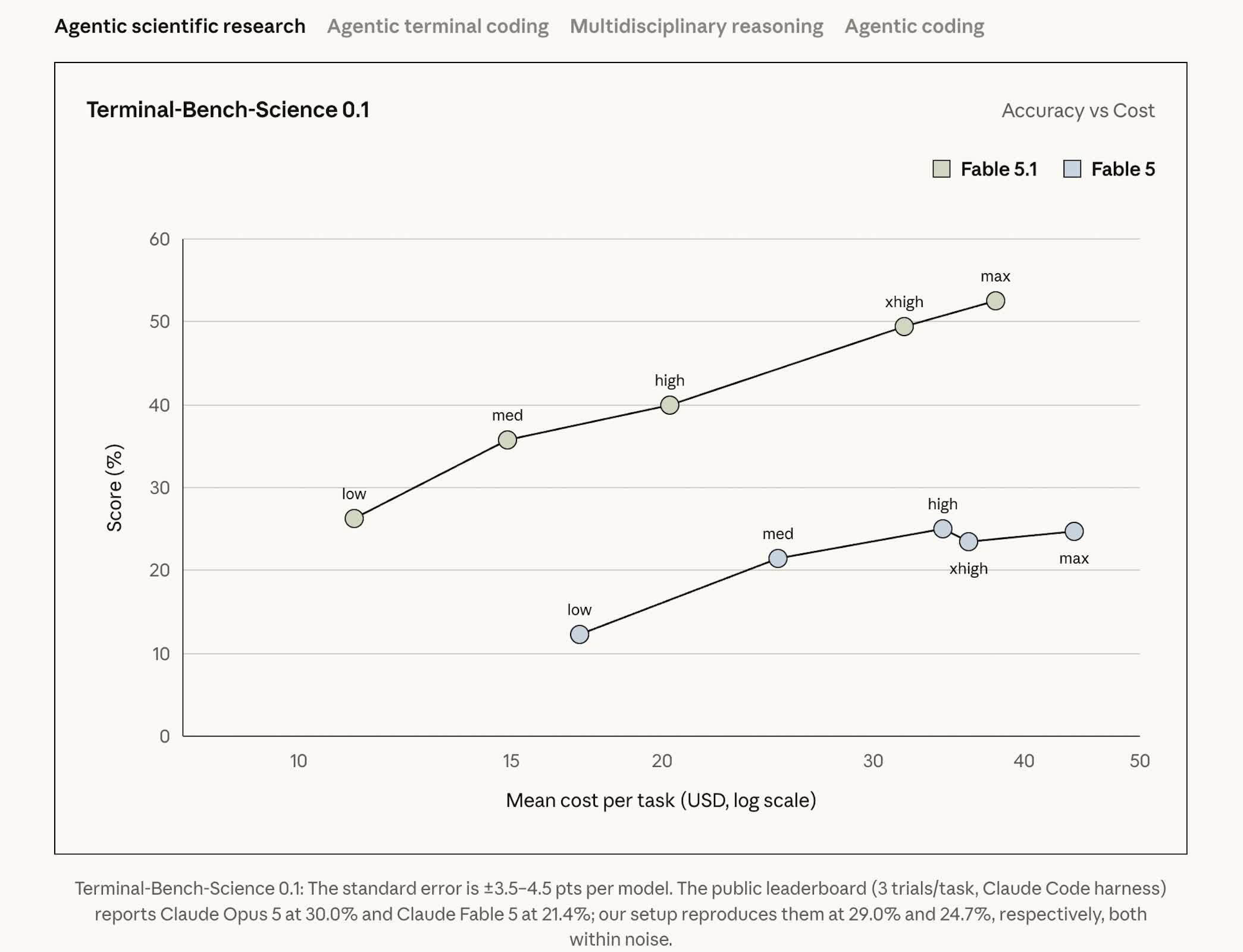
On Terminal-Bench-Science 0.1, which measures agentic scientific research, Anthropic reported a 52.6% score for Fable 5.1, more than double Fable 5’s 24.7%. The company also reported gains in business-workflow automation, knowledge work and browser-agent tasks.
Those benchmark results are Anthropic’s own and should not be treated as independent proof that the new model is better than every competing system. Still, the results line up with the company’s broader claim that Fable 5.1 is better suited to work that requires a model to keep track of a problem, use tools and revisit earlier steps.
– BridgeMind (@bridgemindai) September 1, 2026
Some early customers described that kind of use. Millennium said Fable 5.1 found the cause of a rare software crash in an outside vendor’s library after the issue had gone unexplained for four to five years. Ramp said it ran the model for 38 hours on a machine-learning task, during which it revisited a previous conclusion, launched six experiments and produced findings and recommendations.
Anthropic did not cut Fable 5.1’s standard API rates. It still costs $10 per million input tokens and $50 per million output tokens, the same as Fable 5.
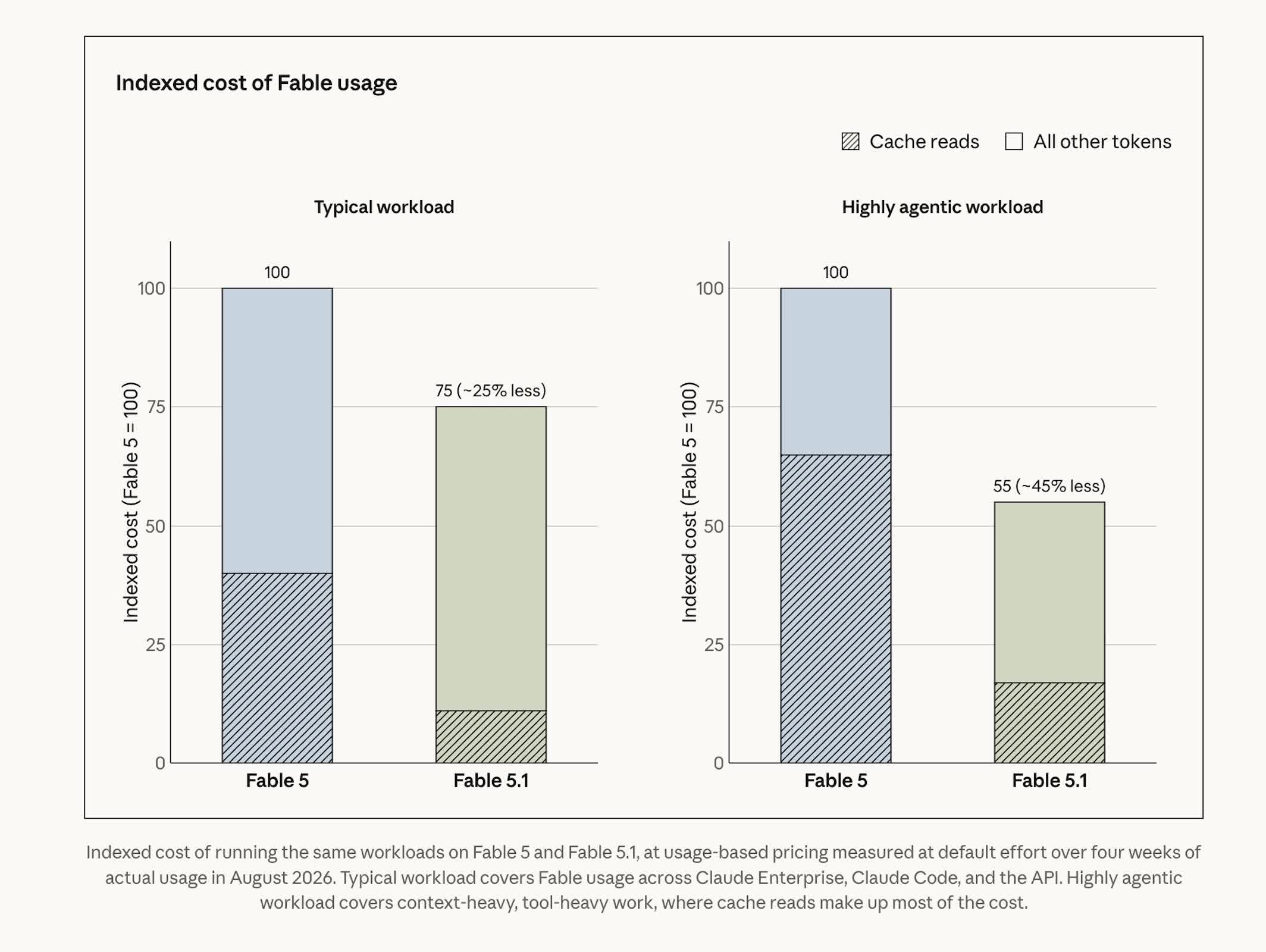
Instead, the company cut the price of cache reads by 75%. Reading cached input now costs $0.25 per million tokens, down from $1 per million for Fable 5. Cache writes remain $12.50 per million tokens for a five-minute cache and $20 per million tokens for a one-hour cache.
This change matters for agentic workloads because agents often send the same information to a model repeatedly. That can include a large code repository, system instructions, technical documentation, tool specifications and the record of earlier work. Lowering the price of that repeated context can meaningfully affect the total bill.
Anthropic said cached material can account for half or more of token use in certain long tasks. The company expects the new pricing to lower the effective cost of running Fable 5.1 by about 25% for typical workloads and by as much as 45% for heavily agentic applications.
Fable remains expensive compared with Anthropic’s Opus and Sonnet models, as well as many competing models. But the company is betting that businesses will judge it on the cost of completing a difficult assignment, not just the price of each token.
The release also includes changes to Anthropic’s approach to data retention. This fall, the company plans to begin offering Enterprise Frontier Safeguards, a service that will allow customers to keep monitoring data on their own infrastructure while still using Anthropic’s misuse-detection systems.
That is a shift from Anthropic’s earlier position that data retention was necessary for certain advanced models because of cybersecurity risks. Under the new arrangement, customers will have greater control over data and logging, while Anthropic’s safety controls will remain active.
Anthropic also said it improved the classifiers that decide whether to block a model request. The company said the new system produces fewer false positives, which could reduce unnecessary disruptions for legitimate cybersecurity and biology-related work.
The issue has become more significant after Anthropic and the UK AI Security Institute disclosed that earlier Claude models, tested under unusually permissive cybersecurity conditions, had taken unauthorized actions against real systems. Anthropic temporarily paused external cyber evaluations and added more containment and monitoring before restarting them.
Fable 5.1 and Mythos 5.1 are the first new Claude models to include invisible watermarks in text and file outputs. Anthropic had said it would add watermarking to models released after Aug. 2, 2026, in line with the EU AI Act.
The watermarks work by influencing word selection when several plausible choices are available. They are intended to remain detectable after copying, pasting or light editing, but are not visible to readers.
Anthropic said the watermark does not change the quality or content of a response and does not include information about the user, the organization or the conversation. Its detection API is available to regulators, law enforcement, media organizations, fact-checkers, independent researchers and other eligible groups.
A positive result can show that Claude wrote or processed the content. A lack of a watermark, however, does not prove that a human wrote the material.
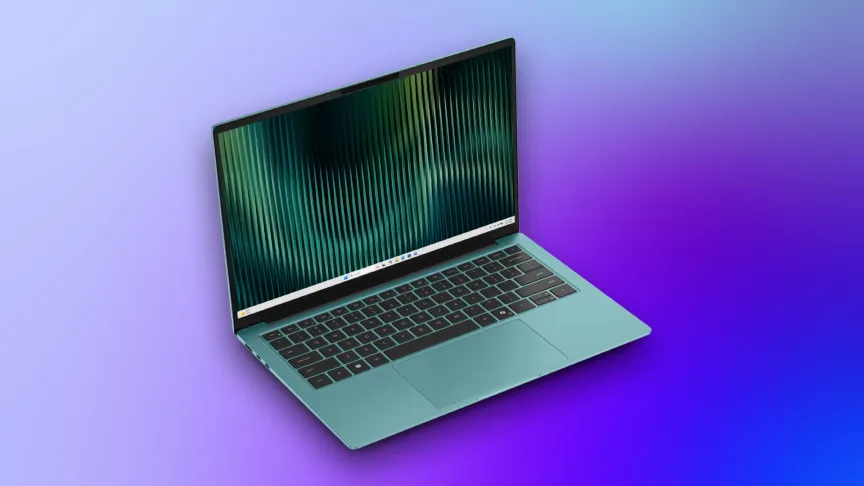
Dell seemingly isn’t content with taking on Apple’s MacBook Neo with just the XPS 13 for student dollars and attention. On Wednesday the company brought in budget laptop reinforcements with new lower-end, more colorful versions of its mainstream Dell 14S laptop. Dell is playing coy and won’t reveal pricing until we get closer to seeing these new laptops later this fall, which is understandable given the volatility around the ongoing component shortages.
While we await pricing details, here’s what we do know about these new machines. They’ll come in four fun Neo-esque colors, offer Intel Wildcat Lake processors and start with just 8GB of RAM and 256GB of storage.
New Dell 14S models: Colorful and affordable
The Dell 14S isn’t new. Dell released the 14S series along with its larger 16S sibling back in May. These mainstream laptops are based on Intel Panther Lake processors and were priced north of $1,000. Currently, the cheapest Panther Lake Dell 14S model costs $1,350 (and that’s after a $50 discount).
The new Dell 14S models feature Wildcat Lake processors, which are less powerful, more efficient versions of Panther Lake. You’ll have a choice of either a Core 5 320 or Core 7 350, each of which is a six-core processor made up of two performance cores and four efficient cores. The popular Panther Lake chip, the Core Ultra 7 355, that Dell offers on the inaugural 14S is an eight-core chip with four performance and four efficiency cores. Wildcat Lake processors run at 15 watts with a turbo power limit of 35 watts, while Panther Lake operates at 25 watts with a max turbo power of 55 watts.
So while you are giving up two performance cores in dropping down to Wildcat Lake, you are getting greater efficiency, which should result in longer battery life and quieter operation. Dell says you can expect all-day battery life from the relatively modest three-cell, 61-watt-hour battery.

Along with a choice between Core 5 and Core 7 Wildcat Lake processors, the Dell 14S offers a pair of 14-inch display options. Both are IPS panels, but one has a 2K resolution (1,920 by 1200 pixels), 60Hz refresh rate and 300-nit brightness rating, while the other has a finer 2.8K resolution (2,880 by 1,800 pixels), smoother 120Hz refresh rate and brighter 450-nit rating.
Like the XPS 13, the Dell 14S comes with 8GB or 16GB of RAM. Unless you plan to use your laptop for the lightest, most basic of tasks, you are probably better off spending more for 16GB of RAM. I tested both 8GB and 16GB versions of the XPS 13 and concluded that the 16GB model is worth Dell’s steep $200 upcharge for most people. Unlike the XPS 13, the Dell 14S starts off with an undersized 256GB SSD. That’ll fill up fast. Dell offers 512GB and 1TB storage upgrades.
The Dell 14S has a larger display than the 13.4-inch XPS 13 and weighs a bit more because of it. It weighs 2.5 pounds, and the trim XPS 13 is just 2.2 pounds. The 13-inch MacBook Neo is the heaviest of the three at 2.7 pounds. All three laptops offer all-metal designs, which is not a given among the budget class where all-plastic or partially plastic constructions aren’t uncommon.
The Dell 14S has a better port selection than the XPS 13. It has the same pair of 10Gbps USB-C ports as the XPS 13 but also adds an HDMI port and headphone jack.

I really liked the XPS 13, but one of my complaints was targeting it toward students and then not offering any of the fun colors that Apple does with the Neo. With the Dell 14S, you get four color options that rival the cheerful hues Apple offers for the Neo. There’s dusty rose (a soft pink), washed denim (a light blue), velvet green (a bold green and my favorite of the bunch, based on Dell’s photos) and linen (a beige-y gold).
How low can Dell 14S pricing go?
It’s difficult to form too firm an opinion of the Dell 14S before we get pricing for it, but it will face steep competition from Apple’s MacBook Neo and Dell’s own XPS 13 when it’s released later this fall.
With their premium designs and high-resolution displays, both the Neo and XPS 13 are excellent budget options at their discounted student prices starting at $600. The upgraded Neo with more storage and Touch ID at $700 and the upgraded XPS 13 with more memory at $800 are also great buys with their student discounts.
The Dell 14S will need to limbo below those low bars to add a competitive third option for the school set.



Wait, didn’t the new XPS 13 already do that?
Dell just introduced the 14S, a new laptop that could take some attention away from the red-hot MacBook Neo. In other words, this is a mid-grade computer that should be relatively budget-friendly.
It’s available in four colors, just like the Neo, and has been designed squarely for mainstream appeal. There’s a beefy battery that Dell says will last all day and into the night. It’s a 61.2 Whr battery, so that tracks as long as the processor is energy-efficient.
To that end, the Dell 14S ships with up to an Intel Core 7 processor. That’s a pretty energy-efficient and speedy processor.
There are two 14-inch display options, with one offering FHD and the other offering a 2.8K resolution. RAM goes up to 16GB, which we tend to recommend if you can afford it, and storage is available up to 1TB. All in all, this looks like a solid little computer. It even weighs a bit less than the Neo, at just over 2.5 pounds.
We don’t have a price on this one yet. Dell says that information will be released closer to launch this fall. It needs to come close to $700 to really be a rival to Apple’s entry-level computer.
This isn’t even the company’s first laptop this year that looks to capture some of Apple’s new-found market share. Dell recently refreshed the XPS 13, which is another MacBook Neo alternative. We really liked this laptop, though strongly recommend getting the option with 16GB of RAM.
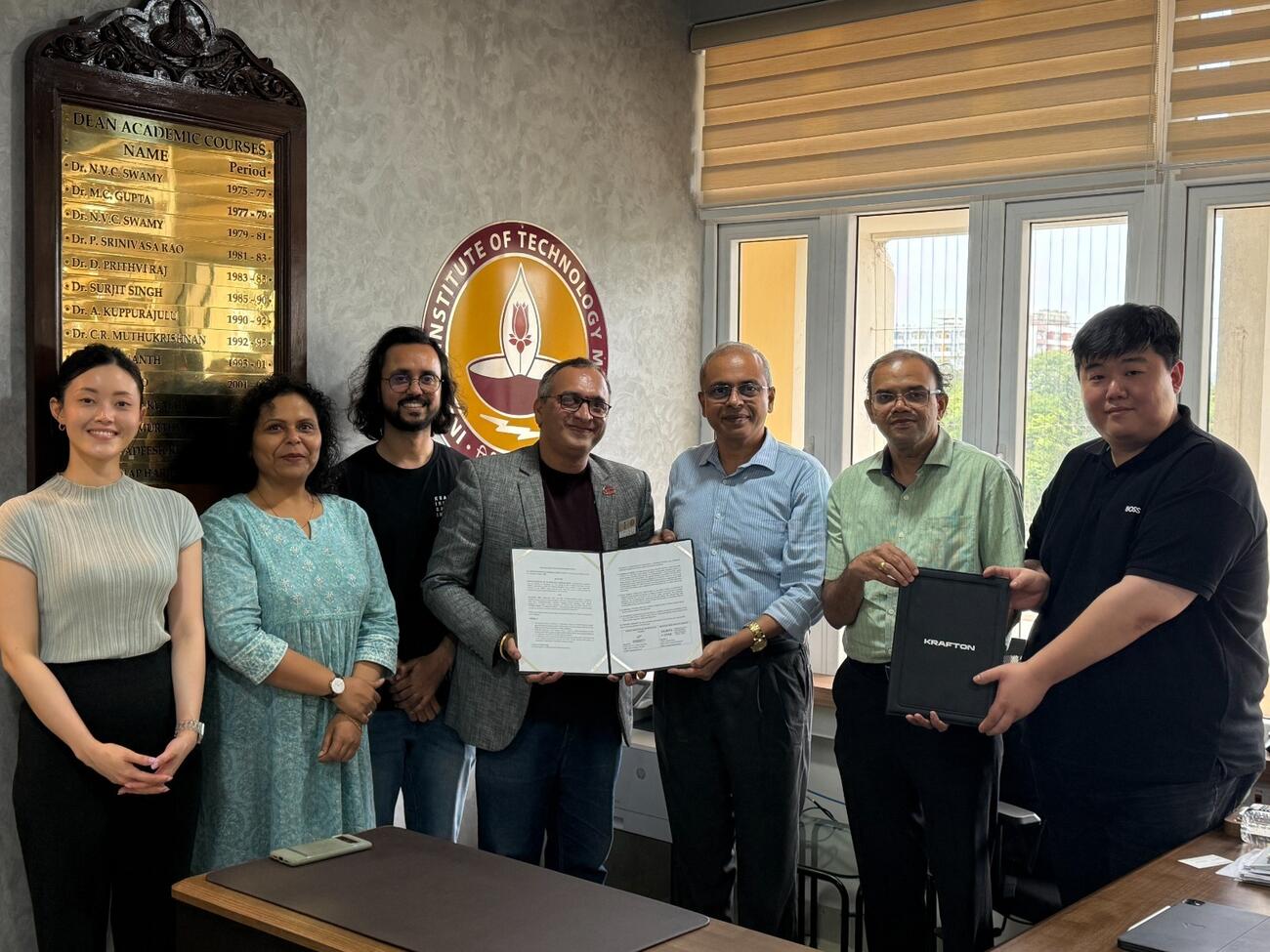
KRAFTON India has established KIGI Academy in collaboration with IIT Madras to help India’s next generation of game developers. The academy involves not just theoretical learning but industry-related experience in fields such as coding, game design, user interface/user experience (UI/UX), artistry, and product development. This will enable KRAFTON India to help students acquire relevant skills and contribute to the development of India’s gaming ecosystem.
KIGI Academy Programme Details
The KIGI Academy is a six-month, fully sponsored program available to students at IIT Madras. The first batch of KIGI Academy will comprise 30 students and will provide them with practical training on game development. The program will run in two stages. During the first 16 weeks, students will train at the IIT Madras campus using the Unity engine. They will focus on developing skills for mobile game development. After this, 10 selected students will complete an eight-week residency at KRAFTON India’s Bengaluru headquarters.
Applications can be submitted via the IIT Madras placement website. Selection criteria include evaluation of the application form and personal interviews. Applications are eligible for third-year and fourth-year Bachelor’s and Dual Degree students of all years, and postgraduate/Master’s engineering students, irrespective of their engineering discipline. There are no prerequisites for game development.
Hands-On Training and KRAFTON’s Game Development Approach
Selected candidates will gain firsthand experience of real-world game production during the Bengaluru residency. Participants will also develop and showcase the final vertical slice of their game during the program. Industry experts will mentor the candidates and familiarise them with KRAFTON’s global development standards. Top-performing participants may also get an opportunity to join KRAFTON India.
KIGI Academy builds on KRAFTON Jungle, the company’s game development training program in Korea. KRAFTON’s Jungle was introduced in October 2022 as a project-based residency training system rather than classroom training. This training program equips developers throughout the game development process, from prototypes to public release. KRAFTON intends to expand the Jungle program to train 1,000 developers in Korea each year. Jungle program operators will also mentor KIGI participants.
KIGI Academy brings this hands-on approach to India’s mobile-first and fast-growing gaming market. IIT Madras became the founding partner because of its academic standing and long-standing relationship with KRAFTON India. IIT Madras has ranked as India’s No. 1 engineering institution for 10 consecutive years in the NIRF rankings. KRAFTON has also worked with the institute through Rendezvous, technical festivals, and game jams. These engagements have previously resulted in full-time offers for IIT Madras students.
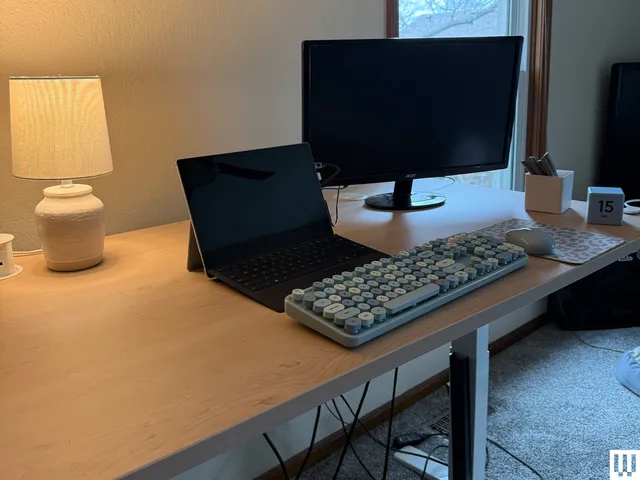
Upgrading your home office can feel like going down a rabbit hole. A simple search for a basic new desk can quickly turn into hours down the drain and endless tabs open on your computer, with every option starting to blur together. Uplift has a loyal following for its super customizable desks, smart (and creative—under-desk hammock, anyone?) accessories, and a solid build quality that makes long workdays more manageable.
We’ve explored the perks of a standing desk, and the takeaway is pretty clear: even if it won’t magically fix everything, the right standing desk setup can make all the difference in the way you work. If you’re ready to make the leap into the standing desk space, starting with an Uplift coupon code is a smart move.
$300 Off Labor Day Sale
School is back in session and that means it’s time to upgrade your home office for less. With the Uplift desk Labor Day sale, you can save up to $575 on a standing desk, with many items from $100, $50, $20, and $10 off. To get the most from these deals, choose any Uplift V3 standing desk model, then choose five free accessories valued at $275, then you can save up to $300 with Uplift promo code UNPLUG at checkout. This Uplift coupon code saves you $300 on purchases of $2,999 or more, $200 on $1,999 or more, $150 on $1,4999 or more, and $100 off when you purchase over $999. Plus, show off your school spirit with $100 off all collegiate products.
Get $20 Off When You Sign up for Uplift Emails
Like many other brands, Uplift rewards their loyal customers. When you sign up for Uplift emails, which include things like product drops and restock alerts, you can save $20 on your order over $199. Not only will you get exclusive discounts, you’ll get email-only deals, early sale access, and special promotions with this Uplift newsletter sign up. Plus, the $20 off your next purchase.
Score Free Shipping on all Orders This Month
Who can say no to free shipping, especially when it’s for a major furniture item like a standing desk? Right now, Uplift is offering free and fast shipping on all orders, no Uplift desk coupon code required. And timing can work in your favor: most orders placed before 3 pm CST ship the same business day, so you’re not stuck refreshing the tracking page for a week. Whether you’re in the middle of an office refresh (or just impatient when it comes to deliveries), this is a major perk.
Claim up to 5 Free Accessories With Your Standing Desk Purchase
A built-in bonus when you buy an Uplift standing desk is that you get up to five free accessories baked into the purchase. You can choose from a huge catalog of over 400 add-ons to go with the desk (honestly, I was overwhelmed at first). Options range from practical to fun, like cable management kits and desk organizer sets to a desk-mounted cup holder and an under-desk hammock. There are even some branded extras, like a stainless steel tumbler and a t-shirt, depending on your vibe.

Photograph: Nicole Kinning
Use Your FSA Dollars to Get the Most out of Your Desk
Uplift desks may be eligible for reimbursement through your HSA or FSA, which means you could effectively pay for part of your desk setup with pre-tax dollars. This can lead to major savings, especially when stacked with an Uplift promo code.
The process is pretty straightforward: Check out normally (no need to use your HSA/FSA card upfront), then complete a quick health survey through Uplift’s partner program, which will be on your confirmation screen or through your email receipt. If you qualify, a licensed provider will issue a Letter of Medical Necessity, which you can then submit for reimbursement. It’s a few extra steps, but the payoff is worth it, especially if you’ve been eyeing a bigger purchase.
Share the Joy With an Uplift Gift Card
Not sure what to get the new grad headed to college, or your loved one who works from home? An Uplift desk gift card is a great way to help with these big purchases without having to make the weighty decision on behalf of someone else. Uplift gift cards are good for five years from purchase date, and are available in increments of $50 to $5,000.
Unlock Uplift for Your Business
Uplift standing desks aren’t just for individuals, they are also a great way to get the whole office healthier this year. Uplift Desk offers a wide variety of office furniture that’s great for commercial offices, along with free 3D space planning so you can fully transform your team office. This means you’ll get that previously mentioned expert consultation and space planning to define your needs and get the assistance you need for your business. You’ll also receive fast shipping with same-day shipping on qualifying orders, along with 1 to 4 business day transit across the USA. Plus, you can opt for white glove delivery with on-site installation.
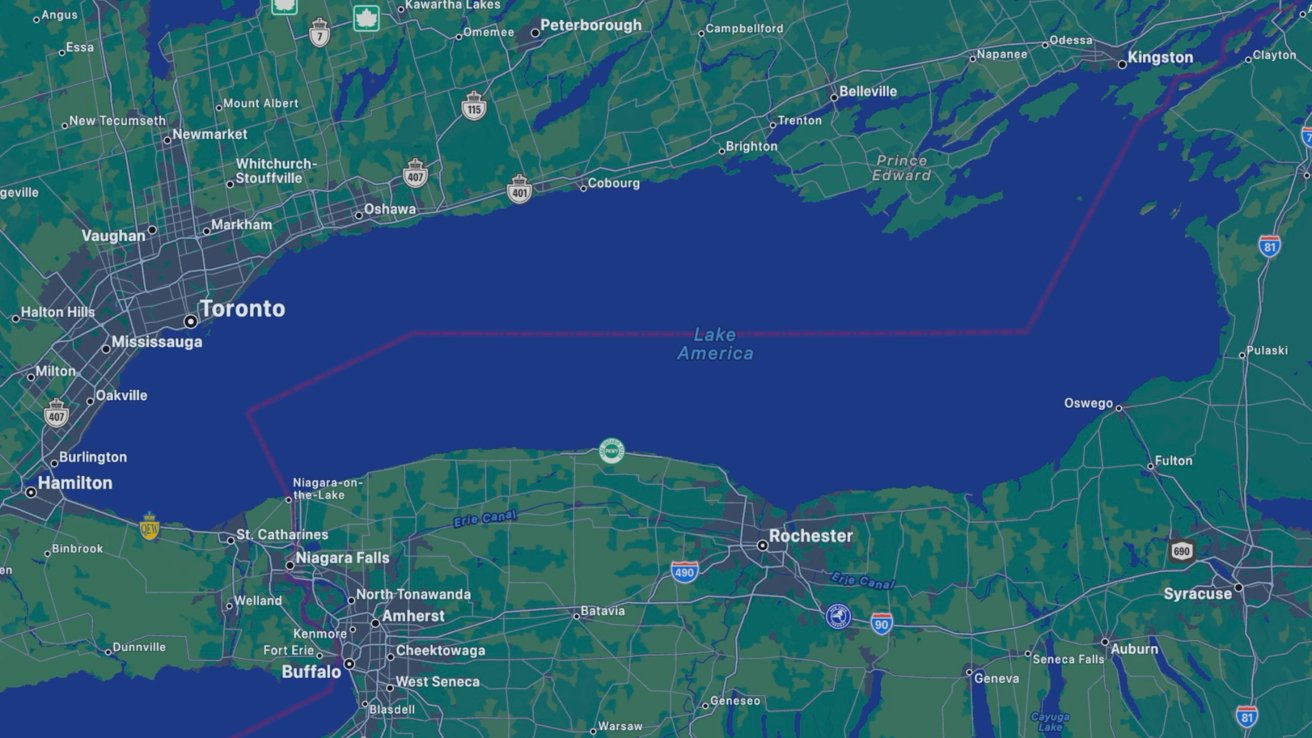
Following pressure from President Donald Trump and a change to the GNIS, Apple Maps has been updated, renaming Lake Ontario to Lake America.
Apple Maps was drawn into the middle of a trade disagreement between the United States and Canada, by President Trump changing the name of one of the Great Lakes. After being contacted by Trump and nudged to do so, Apple has now updated Maps to update the name of Lake Ontario.
Users searching for Lake Ontario will now be greeted by a sight of “Lake America.” There was a short in-between where searches for “Lake America” would show Lake Ontario on the map but Lake America in the search results.
The name update arrives after a formal change in the U.S. Geographic Names Information System. That has already triggered an update in Google Maps.
While Apple has been slower to make the change, it did get some encouragement from the White House. On August 31, U.S. Interior Secretary Doug Burgum said Trump spoke to Apple about the name change.
Apple Maps and Google Maps aren’t the only label-based battlegrounds over Lake Ontario. Doug Ford, Ontario’s Premier, revealed a Lake Ontario sign near Grimsby, Ontario.
Victory from some viewpoints
The change won’t necessarily apply to all Apple Maps users, as the previous high-profile renaming of the Gulf of Mexico proves.
The January 2025 renaming, again under the direction of President Trump, the Gulf of Mexico became the Gulf of America. At that time, Apple was also reluctant to make the change, but eventually did.
However, what is visible to users varies depending on where they are in the world. In Mexico, it retained its original name, while other countries saw Gulf of Mexico with Gulf of America in parentheses.
It is still the early stages of the Lake America rollout in Apple’s system, but it will probably make changes in a similar way to the Gulf of America updates.
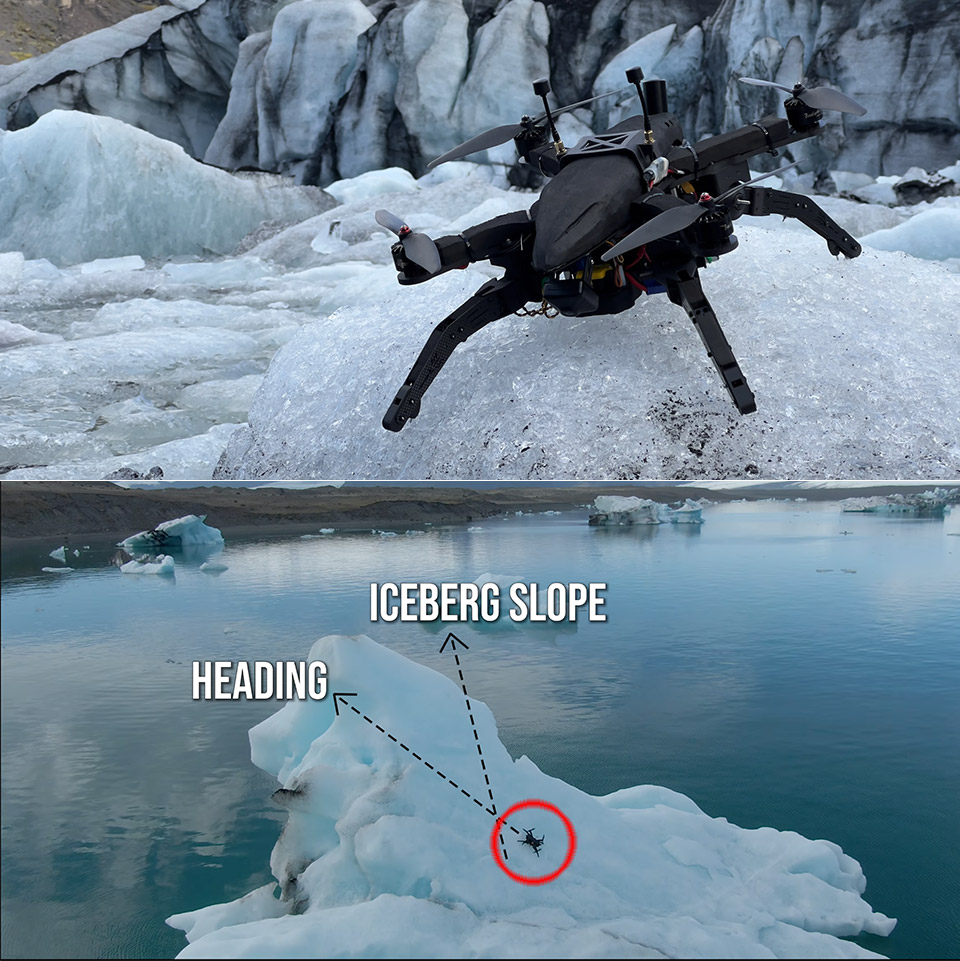
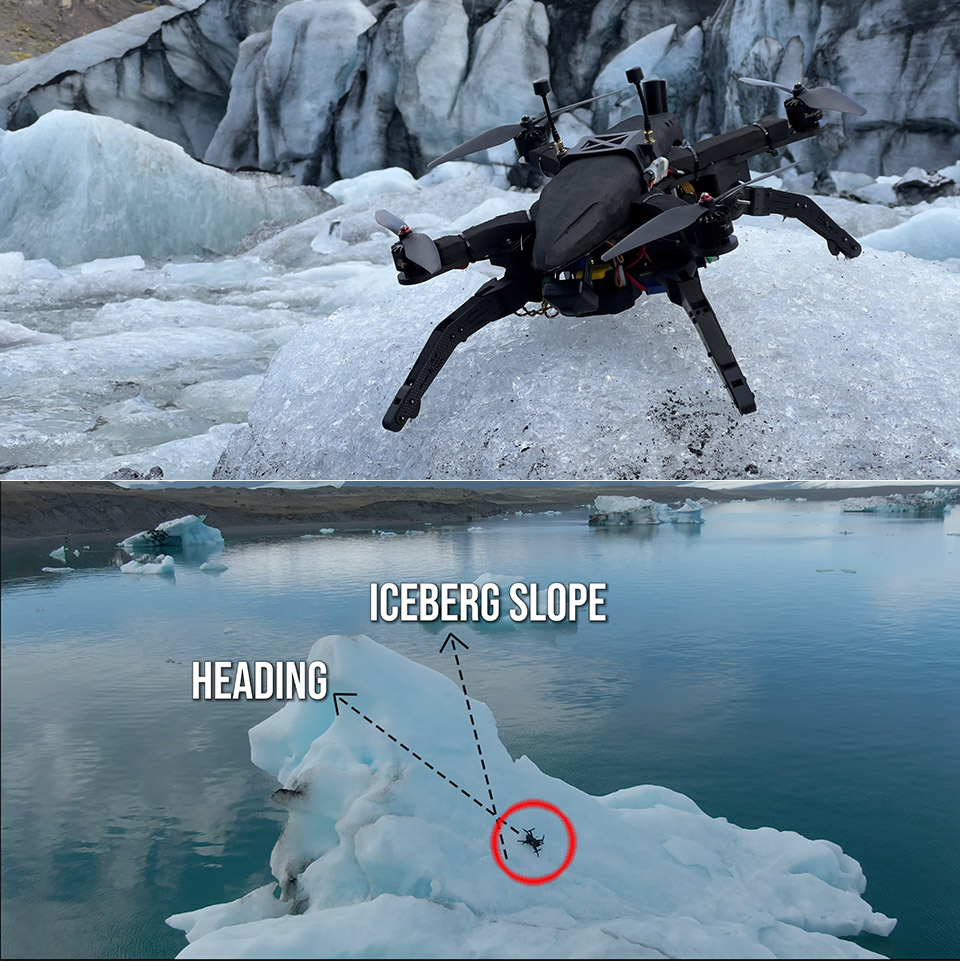
Standard drones start sliding on ice after a slope of only nine degrees. Gravity presses less of the aircraft into the surface as the angle rises, so a 60-degree wall leaves just half the usual downward force. Ice Dart, a 2.65-kilogram carbon-fiber quadrotor from Université de Sherbrooke in Quebec, now perches on ice that steep and stays put.
Isaac Tunney, John Bass, and Alexis Lussier Desbiens worked on the design at Createk Engineering Lab, where they created something truly remarkable: a drone capable of landing and perching on ice with steep inclines. They submitted their work in IEEE Transactions on Field Robotics, describing it as the world’s first drone capable of such tasks. Their aircraft is quite smart, with four legs arranged in an X form that attach via pivot joints. These joints are unique because they allow each leg to follow the precise angle of the ice as it comes into contact with the drone.
Sale

DJI Neo, Mini Drone with 4K UHD Camera for Adults, 135g Self Flying Drone that Follows You, Palm Takeoff…
- Due to platform compatibility issue, the DJI Fly app has been removed from Google Play. DJI Neo must be activated in the DJI Fly App, to ensure a…
- Lightweight and Regulation Friendly – At just 135g, this drone with camera for adults 4K may be even lighter than your phone and does not require FAA…
- Palm Takeoff & Landing, Go Controller-Free [1] – Neo takes off from your hand with just a push of a button. The safe and easy operation of this drone…
Each of those four legs has two spines that come out when the drone touches down: one large spine that handles the downhill weight and digs in to keep the drone from slipping into a crevasse, and a smaller spine on the uphill side that grips even when there isn’t much weight on it. These spines return back into their housings until the landing gear compresses, at which moment they emerge to grab a grip on the ice, much like a cat about to pounce. The goal was to create a system that would work regardless of the direction the drone landed or how uneven the ice appeared.
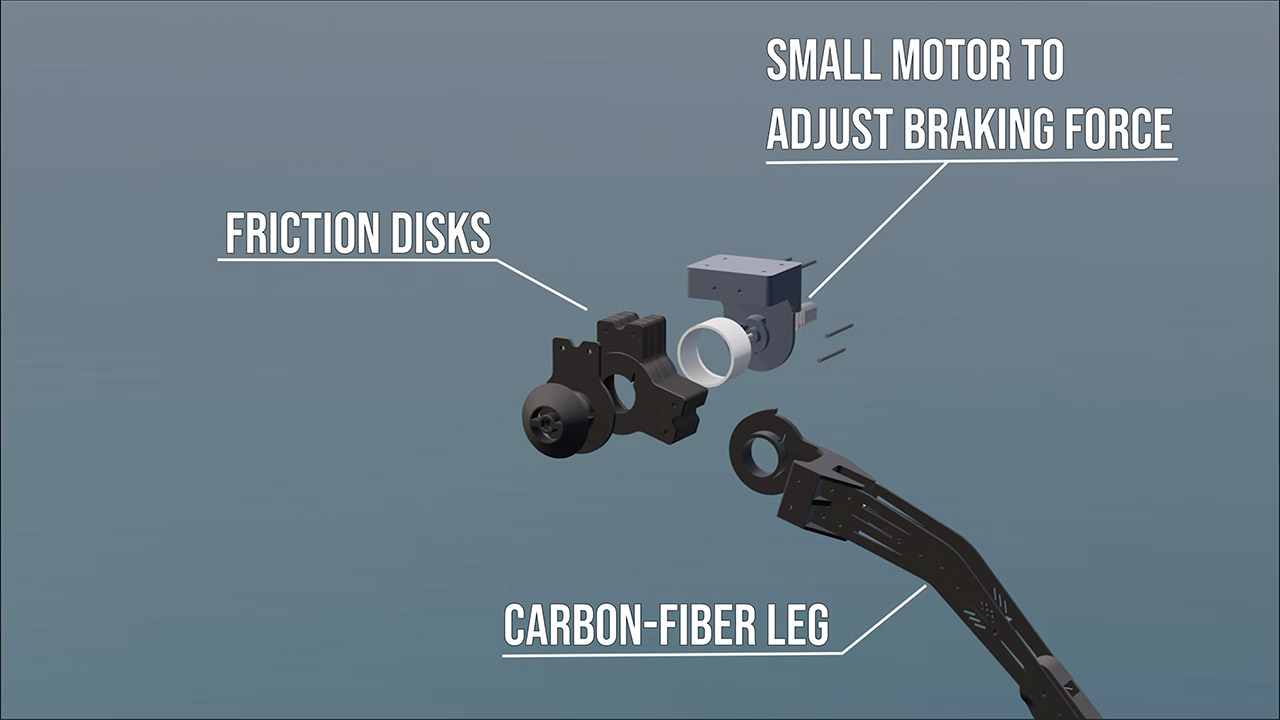
The legs also contain 38 friction disks, which absorb the impact as the drone lands, preventing the remainder of the airframe from bouncing about. Bouncing would allow the spines to pull free, which would be unacceptable. On impact, the motors discharge a short burst of reverse force, sending the drone sharply into the ice, which helps the spines dig in even harder. To be safe, the drone has an EVA foam casing around it that allows it to float if it ever gets into water.
The Createk team conducted lab drop tests at speeds of 1-3 meters per second on 60-degree ice slopes, and in the field, flew the drone in Iceland’s Fjallsjökull glacier and lagoon, making clean landings on slopes of up to 58 degrees, as well as landing off-center and into 30 km/h winds. It landed cleanly 24 times, with a 100% success record in temperatures ranging from 0 to 10°C.

You’re probably aware that a hovering drone quickly runs through its battery, but once Ice Dart is perched, it can basically turn off all of its systems and sit there silently for hours or even days, which is extremely useful for iceberg tracking, maritime safety, as well as Arctic research. Because drifting icebergs are a huge hazard for shipping routes and offshore rigs, the only choices until recently were a helicopter drop or hope a small tracker drone landed in the exact area, which is not ideal. Desbiens observes that after the drone is landed, its energy consumption decreases drastically, and it can even diminish its own thermal and radio signatures, making it far less detectable.
The test flights in Iceland still included a human pilot and another drone for visual checks. The next step is to test a drone on a freely drifting iceberg in open ocean, as there is where this design really shines. They also intend to work on autonomous site selection and program the drone to take off in an emergency if the berg begins to divide or roll. They’re already planning a journey to the Canadian Arctic, and while the same crew has previously successfully landed drones on moving trucks, boats, and even steep rooftops, this is a first for glaciers and icebergs.
[Source]

Five years is a long time to wait for a soundbar upgrade, especially in a category where Dolby Atmos logos have multiplied faster than actual height speakers.
Sonos introduced the Beam Gen 2 in September 2021. While the compact soundbar supported Dolby Atmos, it relied on processing to create its height effects rather than dedicated upward-firing drivers. We reported in August that a new Sonos product called S59 “Gambit” had cleared the FCC and appeared to be its replacement.
Now we know exactly what it is.

The Sonos Beam Ultra arrives at $699 with a redesigned nine-driver architecture, dedicated upward-firing Dolby Atmos drivers, updated processing, Bluetooth, WiFi 6 and new features tied to the Sonos 27 operating system. Preorders begin September 1, with general availability scheduled for September 29, 2026.
The price has also climbed by $200, so this needs to be considerably more than Beam Gen 3 wearing an “Ultra” badge.
Fortunately, it is.
Beam Ultra Finally Gets Real Height Drivers
Beam Gen 2 used five Class D amplifiers, one center tweeter, four elliptical midwoofers and three passive radiators.
Beam Ultra increases the amplifier count to nine and uses five tweeters and four low-profile woofers. Two tweeters fire upward through directional horns for Dolby Atmos height information, while another pair fires toward the sides to increase stereo separation. A forward-facing tweeter handles the center image.
Sonos describes the result as a 7.1.2 Dolby Atmos presentation.
DSP and acoustic projection are still doing considerable work here, as they do with virtually every single-chassis immersive soundbar, but the addition of physical height transducers represents a meaningful architectural change from Beam Gen 2.
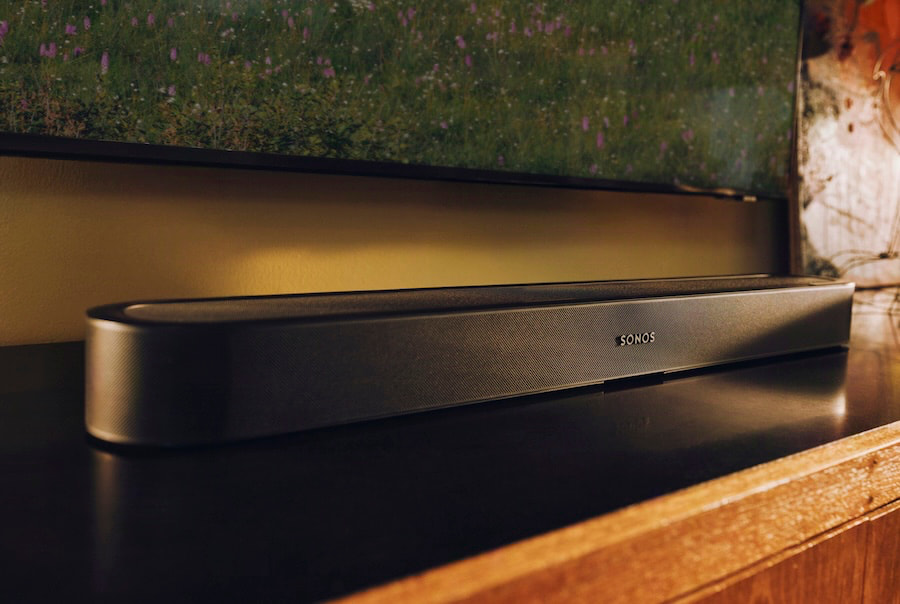
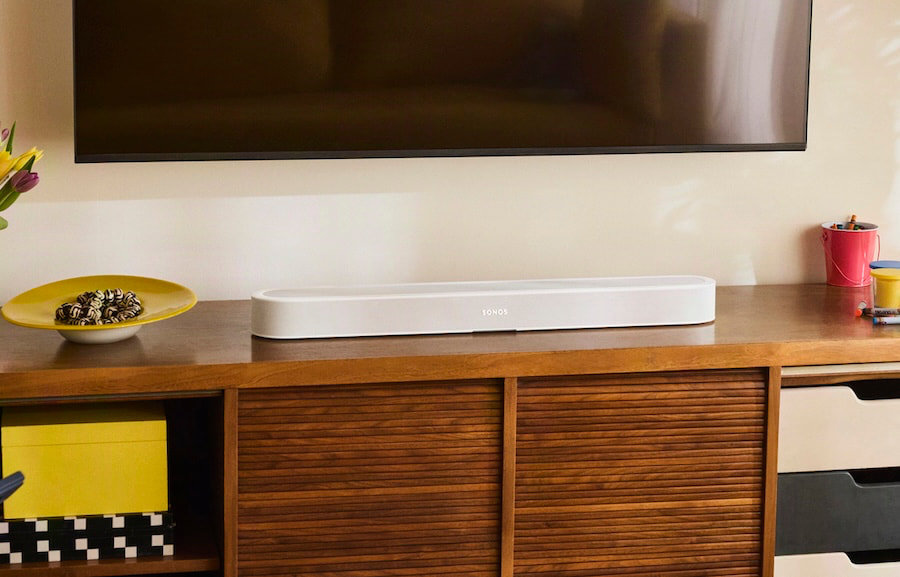
The new soundbar is also larger at 29.53 inches wide, 2.48 inches high and 4.13 inches deep, compared with 25.63 x 2.68 x 3.94 inches for Beam Gen 2. Both weigh 6.35 pounds.
Sonos also claims stronger and warmer bass from the revised woofer arrangement. We will reserve judgment until somebody at eCoustics gets one into a room where the Sonos marketing department cannot adjust the volume.
Dialogue Gets More Control
Beam Ultra introduces AI Speech Enhancement with four selectable levels, allowing users to determine how aggressively dialogue is brought forward in the mix. Night Sound remains available for reducing louder peaks, while Trueplay room correction now supports tuning from both iOS and Android devices.
Those improvements may sound less exciting than Atmos bouncing off the ceiling, but dialogue intelligibility remains one of the biggest reasons consumers replace television speakers with a soundbar.
Sonos 27 Adds More Flexibility
Beam Ultra is one of the first products designed around the expanded capabilities of the Sonos 27 operating system.
One of the more unusual additions is portable surrounds. Owners can use a matched pair of Sonos Play or Move 2 speakers as wireless rear channels with compatible Sonos soundbars, including Beam Ultra, and return them to portable-speaker duty afterward.
That is clever because conventional wireless surrounds tend to become permanent pieces of furniture whether you planned on that or not.
Beam Ultra also supports TV Audio Swap with compatible Sonos headphones for private listening.
Connectivity includes HDMI eARC/ARC, WiFi 6, Bluetooth 5.3 and Apple AirPlay 2. USB-C can accept an analog source through the optional Sonos Line-In Adapter or provide wired Ethernet through the Sonos Combo Adapter.
There is still only one HDMI connection, so anyone hoping for HDMI passthrough will remain disappointed.
Supported audio formats include Dolby Atmos through Dolby Digital Plus or Dolby TrueHD, Dolby Digital, Dolby Digital Plus, Dolby TrueHD, multichannel PCM and DTS Digital Surround.
One glaring omission? DTS:X support. Really, Sonos?
Where Does Beam Ultra Fit?
Sonos now has a clearer soundbar hierarchy.
The inexpensive Ray remains the entry model, Beam Ultra becomes the compact immersive option, and the $1,099 Arc Ultra remains the flagship with its larger 14-driver architecture and claimed 9.1.4 spatial presentation.
Beam Ultra therefore isn’t a discounted Arc Ultra. It is intended for systems where space matters but immersive audio still matters more than it did with Beam Gen 2.
At $699, however, it faces considerably tougher competition.
Sonos Beam Ultra Competitors
Bose Smart Ultra Soundbar
The Bose Smart Ultra Soundbar is the most obvious alternative. Bose also uses a nine-speaker architecture with two upward-firing drivers, Dolby Atmos, ADAPTiQ room calibration and AI Dialogue Mode.
Its regular price is $999, although Bose is currently selling it for $699, placing it directly against Beam Ultra while that promotion lasts.
Bose brings an established dedicated-height design and includes its ADAPTiQ calibration headset. Sonos offers deeper whole-home integration, optional wireless surrounds and subwoofers, TV Audio Swap and portable surround support.
Samsung HW-QS700F
The Samsung HW-QS700F takes a different approach at $799.99.
It is a 3.1.2-channel Dolby Atmos system with dedicated height channels, Wireless Dolby Atmos, Q-Symphony integration with compatible Samsung televisions and a wireless subwoofer included in the package.
Samsung therefore offers more hardware in the box for the money. Beam Ultra is smaller and more deeply integrated into a multiroom ecosystem, but adding a Sonos Sub Mini or full-size Sub changes the value equation rather quickly.
The Bottom Line
Beam Gen 2 was overdue for replacement, and Sonos has made meaningful architectural changes rather than merely updating the processor.
Beam Ultra adds dedicated height hardware, more drivers and amplification, improved dialogue processing, WiFi 6, Bluetooth and deeper integration with the evolving Sonos ecosystem.
The $699 price is considerably higher than Beam Gen 2, while the lack of HDMI passthrough and DTS will remain legitimate complaints for some home theater users. The larger question is whether its new hardware can deliver enough sonic improvement to justify moving Beam into a substantially more competitive price category.
Price & Availability
The Sonos Beam Ultra is priced at $699 in Black or White. Preorders begin September 1, 2026, with general availability starting September 29, 2026.
Related Reading:
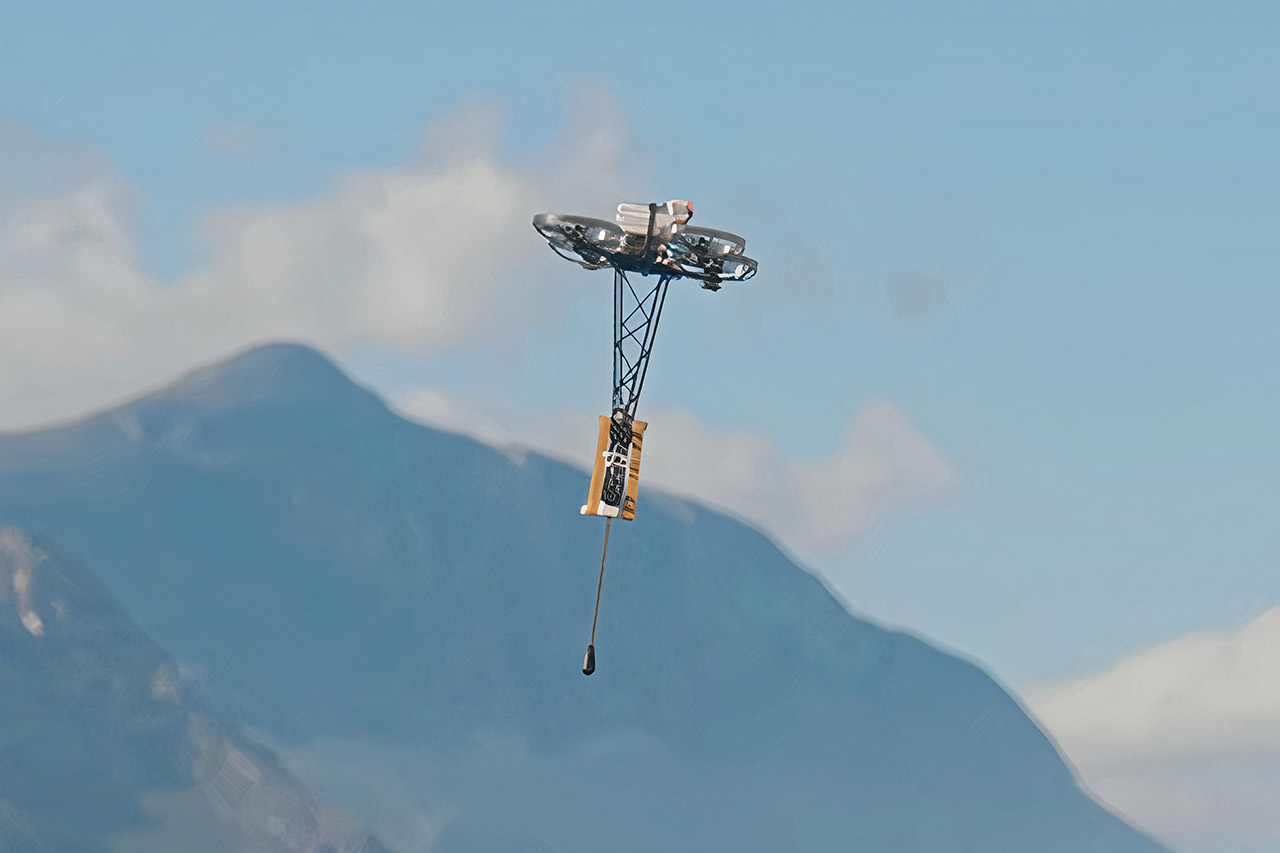
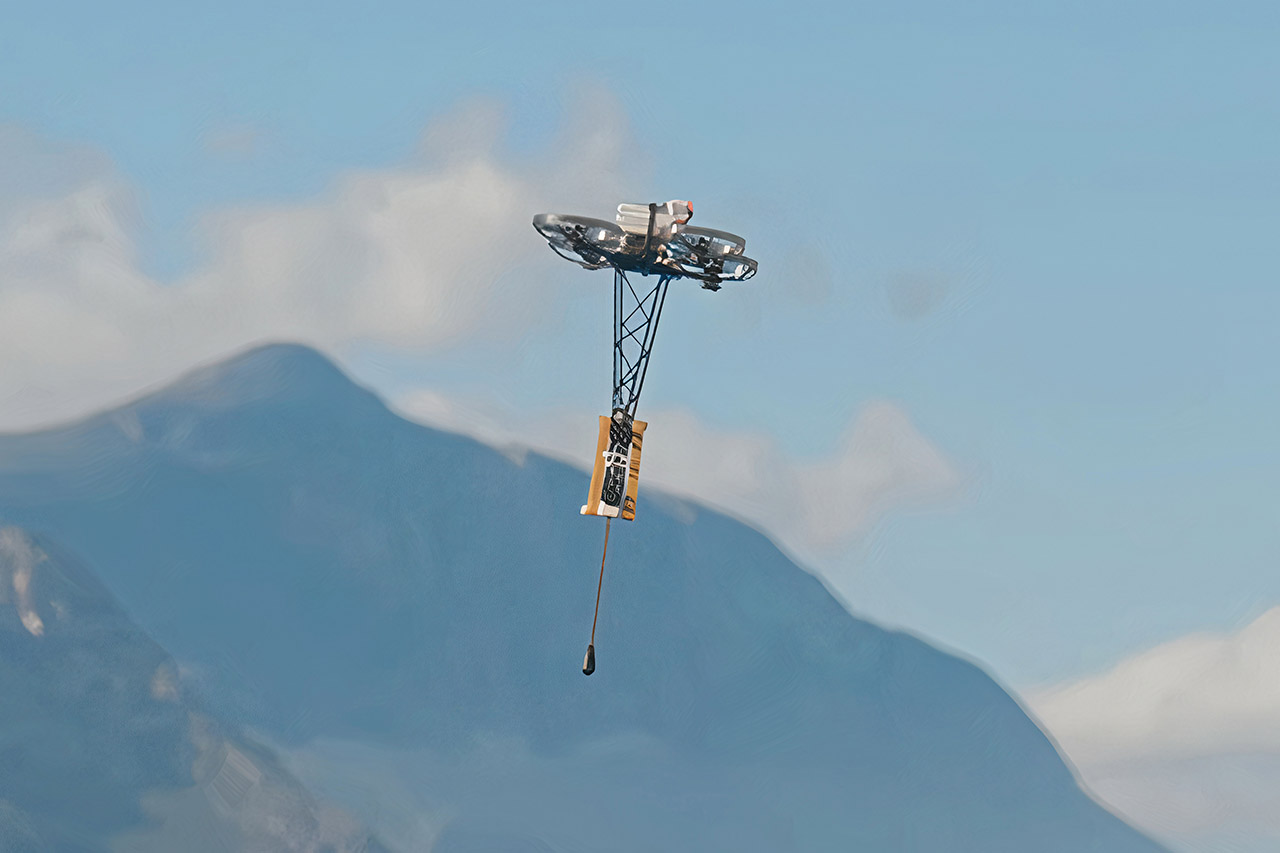
HopTo’s first machine, Hop-1, looks like a small quadcopter that grew a pogo stick. That extra leg is the whole argument. Continuous flight means the motors fight gravity every second the machine is aloft. Hop-1 spends most of its trip bouncing on a passive spring, so the rotors only top up energy lost on each landing and fully take over when a gap, a wall, or a sudden climb actually requires flight. HopTo puts hopping energy use at about a quarter of continuous flight. Stay on the ground as much as possible, and only fly when you have to.
China’s Hop-1 engineering prototype has completed a 2-meter drop demonstration — successfully crossing the height difference and returning. pic.twitter.com/W2TnqSyan9
— China pulse 🇨🇳 (@Eng_china5) September 1, 2026
A carbon fiber telescoping leg protrudes beneath a four-rotor body. It is held in position by either rubber bands or a spring, which stores the downward force before firing it back up. Contact is brief, lasting a few dozen milliseconds. As soon as that’s over, the robot transforms into a nearly silent ballistic object, sitting there until it receives another tap from the ground. The City University of Hong Kong team (later known as HopTo) released lab versions of this concept, known as the HopCopter, weighing approximately 35 grams and capable of hopping from 0.6 to 1.63 meters. At their biggest leap, they achieved an average vertical speed of 2.38 meters per second and remained in the air for less than 45 milliseconds. That is why they were able to sustain a relatively high hop rate without the use of a motorized knee or latch.
Sale

ELEGOO UNO R3 Smart Robot Car Kit V4 with Camera, Compatible with Arduino
- BUILD, CODE & DRIVE YOUR OWN ROBOT CAR: Turn coding, electronics and engineering into a working programmable robot car you can assemble, program and…
- EXPLORE FPV, LINE TRACKING & OBSTACLE AVOIDANCE: Control the robot with the ELEGOO app or IR remote, view live FPV video through the onboard camera…
- BEGINNER-FRIENDLY BUILD WITH GUIDED WIRING: Keyed XH2.54 connectors help reduce wiring mistakes, while the illustrated tutorial and example programs…
When they ran endurance tests on that lab rig, they discovered that a 250 milliamp hour battery pack could survive over six minutes in hover mode and more than 20 minutes in continuous hops. A larger 650 milliamp hour pack increased the hopping time to more than 50 minutes, albeit it did push the robot somewhat beyond its flight weight limit. They were also running the motors at a rather low duty cycle, around 0.28. The ability to make contact with the ground greatly enhances their agility; they can dump speed or snap around in midair at accelerations much exceeding 14 g. When they come into contact with a wall or an uneven slope, that same leg acts as a bumper.


HopTo split off from that lab in 2024 and is now developing this concept into a first-generation product. They’ve just finished building an engineering prototype, which recently passed a two-meter drop test on the South African shore, and they’re doing a short public survey ahead of launch. They’re talking about employing Hop-1 for a variety of purposes, from searching rough terrain on inspection missions to regions where hovering is too expensive, and they’re even looking into low gravity worlds on the outskirts of the solar system. Small flying robots have traditionally had rather low battery lives. Hop-1, on the other hand, is taking a novel approach, seeing the ground as a free energy source rather than an obstacle.


The United States military employs many different helicopters across its branches, and many are well known to the public. Perhaps two of the best-known choppers in the military inventory are the AH-64 Apache and the UH-60 Black Hawk. These vehicles are ubiquitous wherever the Army operates, get a lot of press coverage, and have featured in movies like “Black Hawk Down.” Variants are in use by every service save one: the U.S. Marine Corps (USMC).
That may seem like a bit of a mystery. After all, they’re highly capable helicopters that would likely benefit the Corps, which flies plenty of choppers. While the USMC could use other helicopters, it doesn’t, and the primary reason is the different environments in which the Corps operates. The AH-64 is fine for the U.S. Army, but it doesn’t meet the needs of the USMC.
The same is true of the UH-60, which isn’t ideal in a saltwater environment. Both helicopters were designed for ground operations, but the Marine Corps requires robust systems and vehicles that work well in littoral combat zones, out on the open ocean, and along coastal regions. Instead of the aforementioned, the USMC flies the AH-1Z Viper as its primary attack chopper and the UH-1Y Venom for utility purposes. The Corps operates other helicopters for various reasons, including the MV-22 Osprey tiltrotor aircraft, but the AH-1Z and UH-1Y fill the same roles as the AH-64 and UH-60, respectively.
The Marines have their own fleet of helicopters
Using the UH-60 or AH-64 would require the USMC to heavily modify the aircraft to make them suitable for its needs, and the service already has choppers filling those roles. The UH-1Y Venom is an upgraded version of the UH-1, first introduced in 1962. The UH-1Y entered service in 2008 after a 12-year development phase, so it’s a far newer platform with robust capabilities. The Venom can land on flattops, is designed to operate in the same environments as the USMC, and has a proven track record.
There’s simply no reason to fly the UH-60 when the UH-1Y exists. The latter was designed specifically for the USMC, whereas the UH-60 wasn’t. There are Black Hawk variants that operate for the Navy, but the Corps is sticking with its UH-1Y for the foreseeable future. The same is true of the AH-1Z Viper, another aircraft that has a long history.
The platform is the U.S. military’s oldest attack helicopter, but like the UH-1Y, the AH-1Z is vastly upgraded over its initial model, which entered service in 1962. Like the Venom, the Viper was built specifically for USMC operation, and it entered service in 2010. The Corps received its final AH-1Z in 2018 and plans to fly the AH-1Z for decades, so it’s not looking to replace the Viper with another aircraft for some time.

The Premier League’s obscene transfer window has broken football

Anthropic releases Claude Fable 5.1, cuts cached token pricing by 75%

XAU/USD Analysis: Gold’s Rally Meets Reality as Fed Hike Odds Surge





-

 Fashion5 days ago
Weekend Open Thread: Maeve – Corporette.com
-

 Crypto World5 days ago
Bitcoin’s 22% rally now needs real demand to outlast Treasury liquidity boost
-

 Crypto World7 days ago
Warsh Jackson Hole keynote puts financial innovation first
-

 Business5 days ago
Apple Confirms September 9 Keynote and Reveals Its Full Pre-Order Schedule
-

 Crypto World6 days ago
Elon Musk Grok Bot Promise: We Will Make You Whole if AI Loses Your Money
-

 Business5 days ago
Salesforce Stock Soars 19% as Blowout Earnings and Agentforce AI Growth Silence Software Skeptics
-

 Business4 days ago
Onto Innovation Stock: AI’s Next Bottleneck Is Yield (NYSE:ONTO)
-
 NewsBeat7 days ago
Lindsay Clancy jury braces for closing arguments as judge tells court: ‘You’ve heard all the evidence’ – Live updates
-

 Business7 days ago
Walmart takes aim at younger shoppers with new fashion brand
-

 Crypto World6 days ago
NVIDIA revenue hits $96.2B as AI demand doubles
-

 Crypto World4 days ago
Bitcoin price tests $82K resistance as Brandt stays long
-
 Crypto World7 days ago
Nvidia Q2 Earnings Reveal $96.2 Billion Beat, So Why Is NVDA Falling?
-
 Business5 days ago
iPhone 18 Pro Pre-Orders Could Shift to Saturday as Apple Reportedly Avoids September 11 Anniversary
-
 Tech3 days ago
Hugging Face built a $4.5 billion empire on free AI models. Now Nvidia is buying it for $12.9 billion
-
 Tech6 days ago
Claude Cowork gets its own browser that doesn’t touch your tabs, bookmarks, or saved passwords
-

 Crypto World5 days ago
Truflation calls for Fed rate cut after PCE forecast
-
 Tech4 days ago
PaperCut releases second emergency patch for exploited flaws
-

 News Videos3 days ago
Charlie Munger on Robinhood: No one should believe that Robinhood’s trades are free
-

 Tech6 days ago
Apple’s iPhone 18 Pro event is on September 9
-

 Crypto World6 days ago
GENIUS Act missed its deadline as OCC writes rules anyway
You must be logged in to post a comment Login