


Connect with us
DAPA Banner

Tech

Kilo CLI 1.0 brings open source vibe coding to your terminal with support for 500+ models

Published

on

Remote-first AI coding startup Kilo doesn’t think software developers should have to pledge their undying allegiance to any one development environment — and certainly not any one model or harness.

This week, the startup — backed by GitLab co-founder Sid Sijbrandijunveiled Kilo CLI 1.0, a complete rebuild of its command-line tool that offers support for more than 500 different underlying AI models from proprietary leaders and open source rivals like Alibaba’s Qwen.

It comes just weeks after Kilo launched a Slackbot allowing developers to ship code directly from Salesforce’s popular messaging service (Slack, which VentureBeat also uses) powered by the Chinese AI startup MiniMax.

The release marks a strategic pivot away from the IDE-centric “sidebar” model popularized by industry giants like Cursor and GitHub Copilot, or dedicated apps like the new OpenAI Codex, and even terminal-based rivals like Codex CLI and Claude Code, aiming instead to embed AI capabilities into every fragment of the professional software workflow.

Advertisement

By launching a model-agnostic CLI on the heels of its Slack bot, Kilo is making a calculated bet: the future of AI development isn’t about a single interface, but about tools that travel with the engineer between IDEs, terminals, remote servers, and team chat threads.

In a recent interview with VentureBeat, Kilo CEO and co-founder Scott Breitenother explained the necessity of this fluidity: “This experience just feels a little bit too fragmented right now… as an engineer, sometimes I’m going to use the CLI, sometimes I’m going to be in VS Code, and sometimes I’m going to be kicking off an agent from Slack, and folks shouldn’t have to be jumping around.”

He noted that Kilo CLI 1.0 is specifically “built for this world… for the developer who moves between their local IDE, a remote server via SSH, and a terminal session at 2 a.m. to fix a production bug.”

Technology: Rebuilding for ‘Kilo Speed’

Kilo CLI 1.0 is a fundamental architectural shift. While 2025 was the year senior engineers began to take AI vibe coding seriously, Kilo believes 2026 will be defined by the adoption of agents that can manage end-to-end tasks independently.

Advertisement

The new CLI is built on an MIT-licensed, open-source foundation, specifically designed to function in terminal sessions where developers often find themselves during critical production incidents or deep infrastructure work.

For Breitenother, building in the open is non-negotiable: “When you build in the open, you build better products. You get this great flywheel of contributors… your community is not just passive users. They’re actually part of your team that’s helping you develop your product… Honestly, some people might say open source is a weakness, but I think it’s our superpower.”

The core of this “agentic” experience is Kilo’s ability to move beyond simple autocompletion. The CLI supports multiple operational modes:

  • Code Mode: For high-speed generation and multi-file refactors.

  • Architect Mode: For high-level planning and technical strategy.

  • Debug Mode: For systematic problem diagnosis and resolution.

Solving multi-session memory

To solve the persistent issue of “AI amnesia”—where an agent loses context between sessions—Kilo utilizes a “Memory Bank” feature.

Advertisement

This system maintains state by storing context in structured Markdown files within the repository, ensuring that an agent operating in the CLI has the same understanding of the codebase as the one working in a VS Code sidebar or a Slack thread.

The synergy between the new CLI and “Kilo for Slack” is central to the company’s “Agentic Anywhere” strategy. Launched in January, the Slack integration allows teams to fix bugs and push pull requests directly from a conversation.

Unlike competing integrations from Cursor or Claude Code —which Kilo claims are limited by single-repo configurations or a lack of persistent thread state — Kilo’s bot can ingest context from across multiple repositories simultaneously.

“Engineering teams don’t make decisions in IDE sidebars. They make them in Slack,” Breitenother emphasized.

Advertisement

Extensibility and the ‘superpower’ of open source

A critical component of Kilo’s technical depth is its support for the Model Context Protocol (MCP). This open standard allows Kilo to communicate with external servers, extending its capabilities beyond local file manipulation.

Through MCP, Kilo agents can integrate with custom tools and resources, such as internal documentation servers or third-party monitoring tools, effectively turning the agent into a specialized member of the engineering team.

This extensibility is part of Kilo’s broader commitment to model agnosticism. While MiniMax is the default for Slack, the CLI and extension support a massive array of over 500 models, including Anthropic, OpenAI, and Google Gemini.

Pricing: The economy of ‘AI output per dollar’

Kilo is also attempting to disrupt the economics of AI development with “Kilo Pass,” a subscription service designed for transparency.

Advertisement

The company charges exact provider API rates with zero commission—$1 of Kilo credits is equivalent to $1 of provider costs.

Breitenother is critical of the “black box” subscription models used by others in the space: “We’re selling infrastructure here… you hit some sort of arbitrary, unclear line, and then you start to get throttled. That’s not how the world’s going to work.”

The Kilo Pass tiers offer “momentum rewards,” providing bonus credits for active subscribers:

  • Starter ($19/mo): Up to $26.60 in credits.

  • Pro ($49/mo): Up to $68.60 in credits.

  • Expert ($199/mo): Up to $278.60 in credits.

To incentivize early adoption, Kilo is currently offering a “Double Welcome Bonus” until February 6th, giving users 50% free credits for their first two months.

Advertisement

For power users like Sylvain, this flexibility is a major draw: “Kilo Pass is exactly what I’ve been waiting for. I can use my credits when I need them and save them when I don’t—it finally fits how I actually use AI.”

Community, security, and competition

The arrival of Kilo CLI 1.0 places it in direct conversation with terminal-native heavyweights: Anthropic’s Claude Code and Block’s Goose.

Outside of the terminal, in the more full featured IDE space, OpenAI recently launched a new Codex desktop app for macOS.

Claude Code offers a highly polished experience, but it comes with vendor lock-in and high costs—up to $200 per month for tiers that still include token-based usage caps and rate limits. Independent analysis suggests these limits are often exhausted within minutes of intensive work on large codebases.

Advertisement

OpenAI’s new Codex app similarly favors a platform-locked approach, functioning as a “command center for agents” that allows developers to supervise AI systems running independently for up to 30 minutes.

While Codex introduces powerful features like “Skills” to connect to tools like Figma and Linear, it is fundamentally designed to defend OpenAI’s ecosystem in a highly contested market.

Conversely, Kilo CLI 1.0 utilizes the MIT-licensed OpenCode foundation to deliver a production-ready Terminal User Interface (TUI) that allows engineers to swap between 500+ models.

This portability allows teams to select the best cost-to-performance ratio—perhaps using a lightweight model for documentation but swapping to a frontier model for complex debugging.

Advertisement

Regarding security, Kilo ensures that models are hosted on U.S.-compliant infrastructure like AWS Bedrock, allowing proprietary code to remain within trusted perimeters while leveraging the most efficient intelligence available.

Goose provides an open-source alternative that runs entirely on a user’s local machine for free, but seems more localized and experimental.

Kilo positions itself as the middle path: a production-hardened tool that maintains open-source transparency while providing the infrastructure to scale across an enterprise.

This contrasts with the broader market’s dual-use concerns; while OpenAI builds sandboxes to secure autonomous agents, Kilo’s open-core nature allows for a “superpower” level of community auditing and contribution.

Advertisement

The future: A ‘mech suit’ for the mind

With $8 million in seed funding and a “Right of First Refusal” agreement with GitLab lasting until August 2026, Kilo is positioning itself as the backbone of the next-generation developer stack.

Breitenother views these tools as “exoskeletons” or “mech suits” for the mind, rather than replacements for human engineers.

“We’ve actually moved our engineers to be product owners,” Breitenother reveals. “The time they freed up from writing code, they’re actually doing much more thinking. They’re setting the strategy for the product.”

By unbundling the engineering stack—separating the agentic interface from the model and the model from the IDE—Kilo provides a roadmap for a future where developers think architecturally while machines build the structure.

Advertisement

“It’s the closest thing to magic that I think we can encounter in our life,” Breitenother concludes. For those seeking “Kilo Speed,” the IDE sidebar is just the beginning.

Source link

Continue Reading
Click to comment

You must be logged in to post a comment Login

Leave a Reply

Tech

VC Ron Conway says he has a ‘rare form of cancer’

Published

on

Longtime venture capitalist Ron Conway said Friday that he was “recently diagnosed with a rare form of cancer.”

In a post on X, Conway wrote that he “will be stepping back from some of my usual activities,” but he will “continue to support” founders backed by his firm SV Angel: “With a more focused and balanced schedule, I can prioritize treatments while helping SV Angel founders at inflection points like we always do!”

Conway also said SV Angel will be “unchanged,” as his son Topher Conway “has made all of our investment decisions for the better part of the last decade.” And he noted that another son, Ronny Conway, joined as a managing partner in 2024.

“They bring experience from nearly every major technology cycle in Silicon Valley and are now focused on partnering with founders building the future of AI,” Conway said.

Advertisement

He added that he’s not revealing “the specific type of cancer” in his diagnosis, because he doesn’t want “speculation” about the prognosis, but he said he remains “optimistic.”

“I am fortunate to have the best/amazing team of UCSF doctors in San Francisco, and as you know, I never back down from a fight,” Conway said.

Source link

Advertisement
Continue Reading

Tech

InnoCN GA27S1Q 27-inch QD-OLED monitor review

Published

on

Why you can trust TechRadar


We spend hours testing every product or service we review, so you can be sure you’re buying the best. Find out more about how we test.

InnoCN GA27S1Q: 30-second review

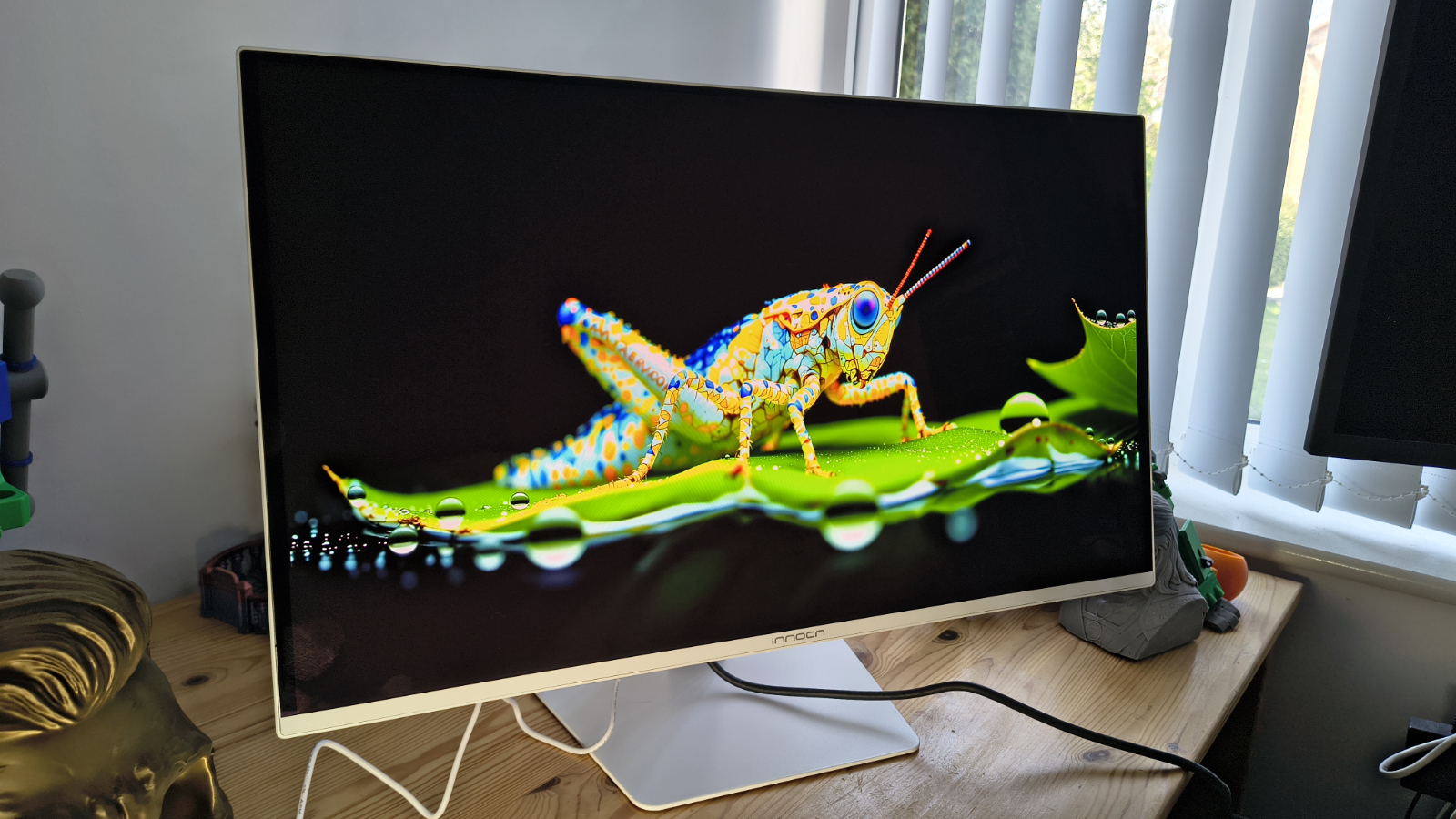
On paper, the GA27S1Q is a remarkably well-specified monitor at a price that seriously undercuts the established names. Whether InnoCN can deliver on those specifications in the real world is what I set out to establish in this review, and spoiler alert, it largely hits its marks.

This design was originally pitched as a gaming platform, but it’s impossible for businesses to ignore a 27-inch QD-OLED panel running at 280Hz with an ergonomically adjustable chassis and a $400 price tag.

Advertisement

Source link

Advertisement
Continue Reading

Tech

Today’s NYT Mini Crossword Answers for April 19

Published

on

Looking for the most recent Mini Crossword answer? Click here for today’s Mini Crossword hints, as well as our daily answers and hints for The New York Times Wordle, Strands, Connections and Connections: Sports Edition puzzles.


Need some help with today’s Mini Crossword? Read on for all the answers. And if you could use some hints and guidance for daily solving, check out our Mini Crossword tips.

If you’re looking for today’s Wordle, Connections, Connections: Sports Edition and Strands answers, you can visit CNET’s NYT puzzle hints page.

Advertisement

Read more: Tips and Tricks for Solving The New York Times Mini Crossword

Let’s get to those Mini Crossword clues and answers.

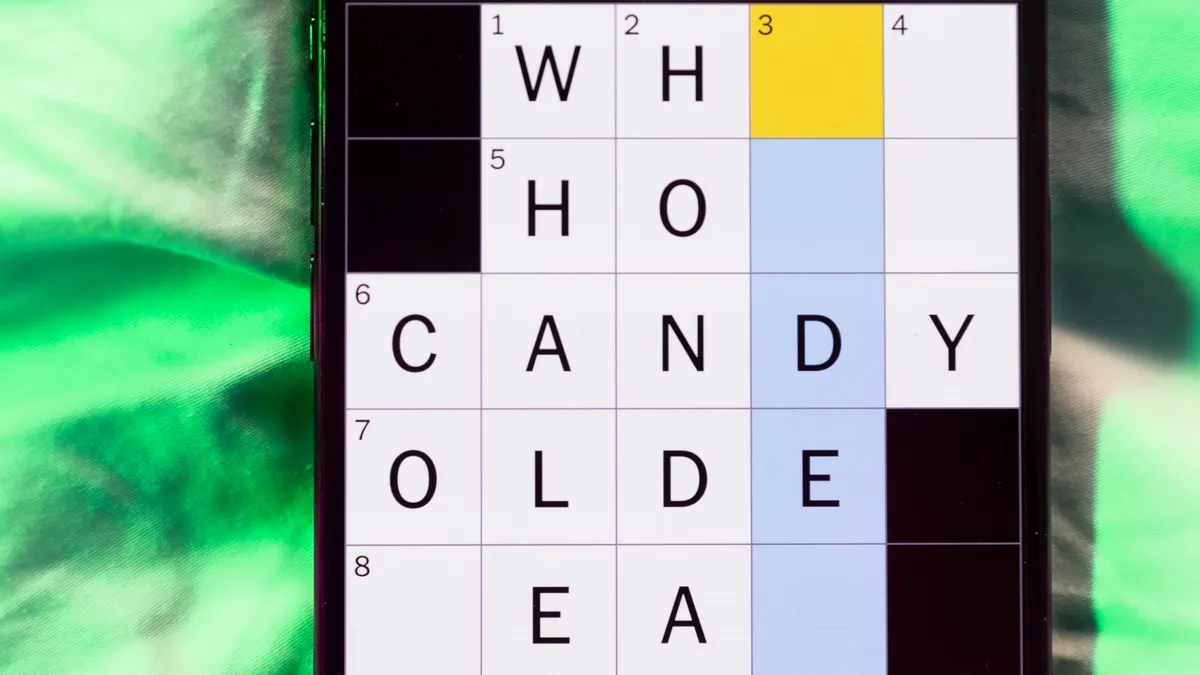
completed-nyt-mini-crossword-puzzle-for-april-19-2026.png

The completed NYT Mini Crossword puzzle for April 19, 2026.

Advertisement

NYT/Screenshot by CNET

Mini across clues and answers

1A clue: The Notorious ___ (longtime Supreme Court nickname)
Answer: RBG

4A clue: Islamic equivalent of kosher
Answer: HALAL

6A clue: Repent for one’s wrongs
Answer: ATONE

Advertisement

7A clue: Warrior with throwing stars called shuriken
Answer: NINJA

8A clue: Camera brand that really had a moment?
Answer: KODAK

Mini down clues and answers

1D clue: 3:2 or 5:4
Answer: RATIO

2D clue: Like some light hair and light ales
Answer: BLOND

Advertisement

3D clue: Weed
Answer: GANJA

4D clue: Nickname for Henry
Answer: HANK

5D clue: News story from an undisclosed source
Answer: LEAK

Advertisement

Source link

Continue Reading

Tech

Tesla brings its robotaxi service to Dallas and Houston

Published

on

Tesla is expanding its robotaxi service to Dallas and Houston, according to a social media post from the company.

The post says simply that “Robotaxi is now rolling out in Dallas & Houston 🤠” and includes a 14-second video showing Tesla vehicles driving without human monitors or drivers in the front seat.

The company now offers robotaxi service in three cities, all of them in Texas, after launching in Austin last year and starting to offer rides without safety drivers in January 2026. In a February filing, Tesla said that its Austin robotaxis have been involved in 14 crashes since launch.

It also offers a more limited ride service with human drivers in the San Francisco Bay Area.

Advertisement

Tesla may not be running many vehicles in either of these new markets yet, with crowdsourced data on the Robotaxi Tracker website only registering a single vehicle in each city (compared to 46 active vehicles logged in Austin).

Source link

Continue Reading

Tech

Using Capacitance For Extremely Sensitive Proximity Sensing

Published

on

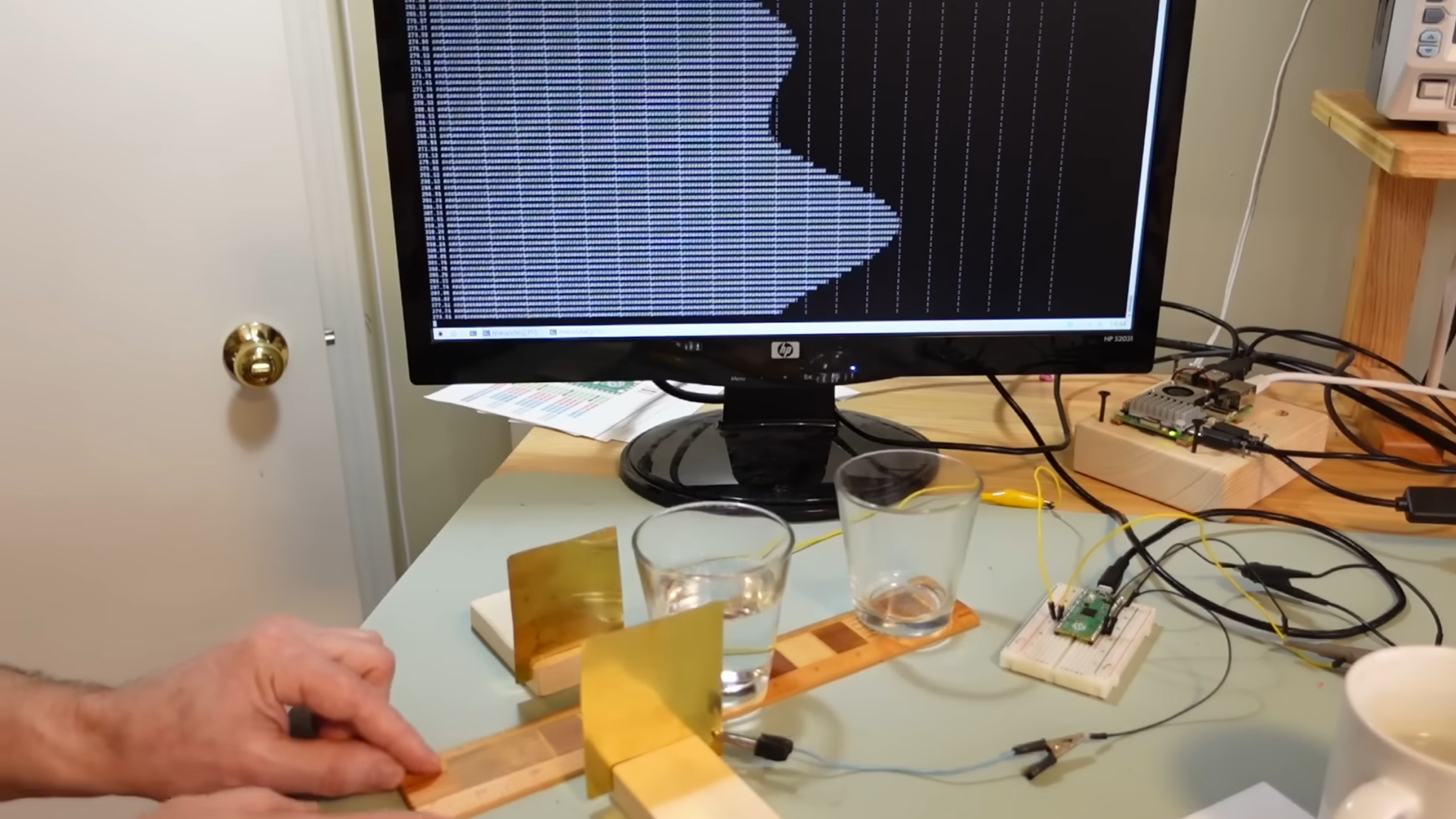
Capacitive displacement sensors span a wide range of resolution, from the touchscreen sensors which can only detect displacement as a binary state, all the way to the sensors in semiconductor fabs which measure down to nanometers. The sensor [Matthias Wandel] built with a Raspberry Pi Pico lands somewhere in the middle, providing both sensitive measurements and an absolute scale.

The idea is that the amount of overlap between two metal plates should be detectable by measuring the capacitance between them. Reaching any kind of usable resolution would require a very precise measure of capacitance, around the picofarad range. [Matthias] realized that the Pico’s GPIO pins have an inherent capacitance, and can have a pull-down resistor set, essentially creating an RC circuit. [Matthias] would set a pin to a high-level output, then switch it to an input. The amount of time the pin takes to switch from high to low indicates the RC constant, which includes the capacitance attached to the pin.

When attached to a metal plate, the Pico was sensitive enough to detect the plate’s capacitive coupling to [Matthias]’s hand through a thick wooden floor. To measure capacitance between two metal plates, the Pico measured how well a voltage signal applied to one plate was coupled to the other plate. This was sensitive enough to measure the slight change in the dielectric constant when [Matthias] waved a piece of ABS pipe between the two capacitor plates. Making actual position measurements was tricky, since capacitance changed with both X- and Z-axis shifts in the plates.

Advertisement

Digital calipers use similar capacitive sensors to make their measurements, as [Matthias] knows from his experiments in hacking them. If you’re interested in more details, check out this teardown of some cheap digital calipers.

Thanks to [H Hack] for the tip!

Advertisement

Source link

Continue Reading

Tech

What Is It & How Much Does It Cost?

Published

on


Safe driving skills can mean the difference between a mundane morning commute and a potentially serious accident. It’s especially true for motorcyclists, as riding a motorcycle is one of the most dangerous forms of transportation on the road. Taking a motorcycle safety course is a good idea, and many U.S. states, including California, offer such a program. The California Motorcyclist Safety Program (CMSP) is available at a cost of up to $425 for riders 21 and over, and up to $395 for those riders 20 and under.

Built around the R.I.D.E. philosophy (Responsible, Informed, Disciplined, and Equipped), the program’s fee covers student training, including classroom instruction and riding practice on a closed course. Training takes place at one of 87 different locations in the state, and an approved helmet is supplied beforehand. The program even provides motorcycles for training, though students can ride their own, as long as they meet predetermined requirements. Students are encouraged to wear motorcycle gear that makes riding safer, including pants, boots, a jacket, and gloves. Eye protection is also advised.

Expert instructors guide students through real-world situations, helping them to develop their skills along the way. Riders get comprehensive instruction based on the latest safety research. Students may receive insurance breaks once the course is completed, which could help offset the cost. Additionally, riders can get a DMV skills test waiver, saving time in the long run.

Advertisement

What you need to know about the CMSP

There are some things riders should know before enrolling in the California Motorcyclist Safety Program (CMSP). First, the minimum age is 15 ½, and students need a valid driver’s license, learner’s permit, or DMV ID card. Though self-balancing bikes do exist, you’re required to maintain your balance while sitting on a bike. Of the two courses offered, the 1-Day Premier Course is the shortest and is completed in around eight hours.

The Motorcyclist Training Course (MTC) runs for about 15 hours over a three-day period. Unlike the Premier Course, the MTC is actually mandatory for all riders under the age of 21. This means that even if you do have some experience and want to go straight to the DMV for your motorcycle license, you won’t be able to get it. That’s because the MTC is California’s primary safety and training program, and all eligible riders must successfully complete it to move forward.

Advertisement

But while the CMSP has trained over 1,500,000 motorcyclists since 1987, some online reports seem to contradict the effectiveness of such programs. According to research from the National Highway Traffic Safety Administration, rider education programs yield mixed results. Skill improvement and rider behavior often don’t translate into real-world scenarios, and don’t necessarily reduce the number of motorcycle-related crashes over time. This means that even though the CMSP seeks to prepare students for the road, it’s the experience and knowledge accumulated afterward that makes all the difference.


Advertisement

Source link

Continue Reading

Tech

TCL Unveils Lower Priced SQD Mini-LED TVs and Debuts New RGB Mini-LED TV for 2026

Published

on

TCL has announced pricing and availability for its QM8L and QM7L series TVs, bringing its SQD Mini-LED display technology, first introduced in the flagship X11L SQD Mini-LED TV at CES 2026, to more accessible price points and a wider range of screen sizes.

The company also announced its first RGB Mini-LED TV, the RM9L series, plus a new 50-inch screen size option for its entry-level QM6K Mini-LED TV series, which carries over from 2025.

SQD stands for Super Quantum Dots, which is a new, enhanced version that provides extended color gamut coverage (up to 100% BT.2020, according to TCL) compared to standard Quantum Dots. Along with the new color tech, the QM8L series features the same WHVA 2.0 Ultra Panel and TSR AI Pro processor found in the X11L, while the QM7L features an HVA 2.0 Pro Panel and TSR AI processor.

TCL QM8L SQD Mini-LED

TCl qm8l-900
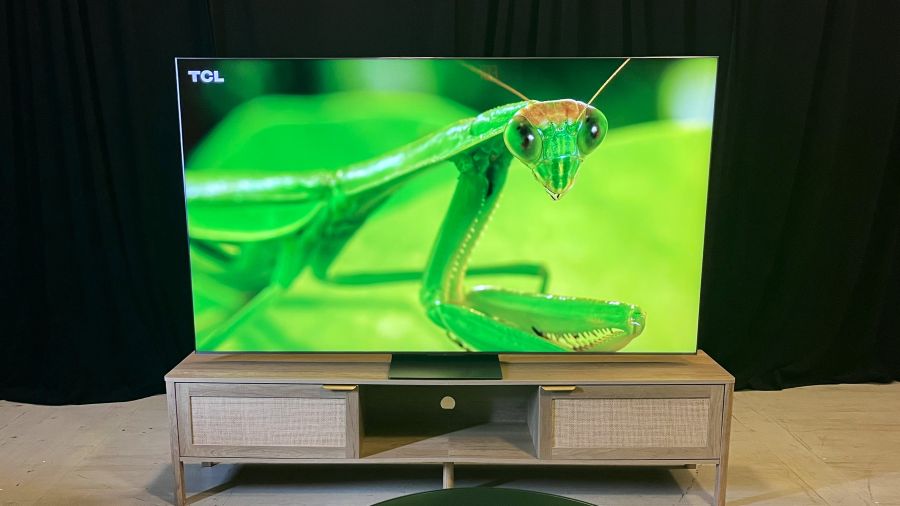
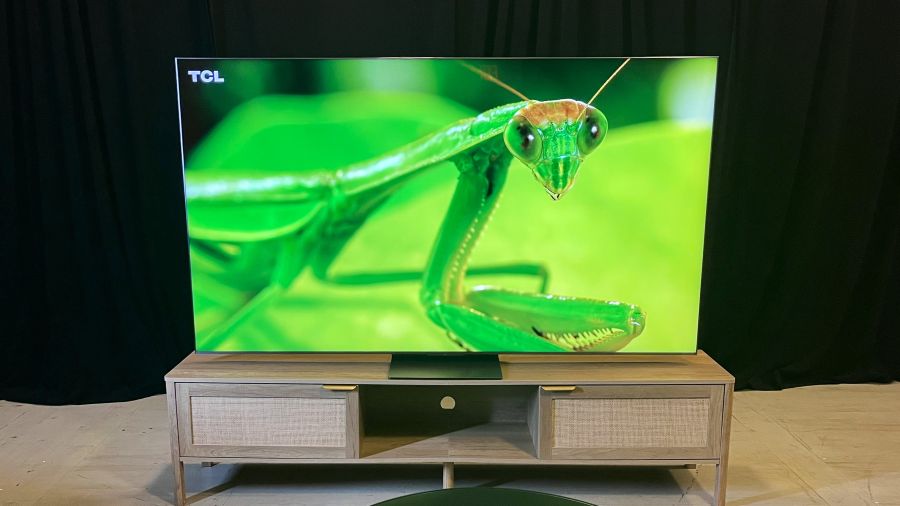
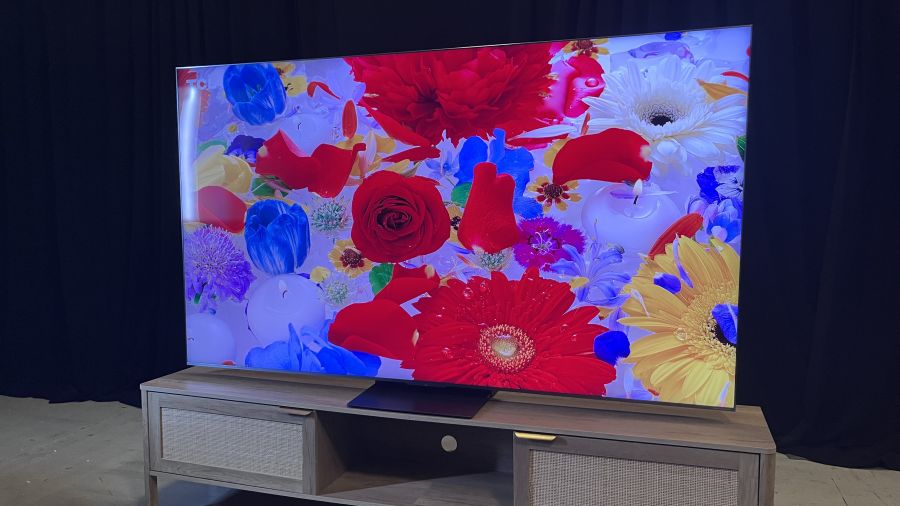
A TCL QM8L series TV at a recent preview event in NYC

TCL’s QM8L series TVs are available now in screen sizes from 65 to 98 inches, with pricing ranging from $2,499.99 to $5,999.99. Those figures are in line with last year’s QM8K series Mini-LED models, which relied on standard quantum dot technology.

TCL Deep Color System

The TCL Deep Color System used in the QM8L Series consists of Super Quantum Dots and the company’s CSOT UltraColor Filter, which uses 5 Nanometer particles as compared to the 60 Nanometer particles used in regular mini-LED TVs and is claimed to provide accurate pixel-level color, When combined with an Advanced Color Purity Algorithm, the result is consistent color saturation along with the elimination of color crosstalk for purer colors and more accurate whites.

Advertisement

WHVA 2.0 Ultra Panel with Enhanced Halo Control System

TCL’s WHVA 2.0 Ultra Panel in QM8L series TVs provides a wide color viewing angle with increased static contrast over last year’s QM8K series. It also continues the ZeroBorder design that minimizes the visual effect of edge bezels and has a contrast-enhancing anti-reflective layer to reduce screen glare when viewing in bright rooms.

For the QM8L series, TCL has upped the precision of the mini-LED panel’s backlight controller from 23 bits to 26 bits, and added shadow detail optimization. The new TVs feature up to 4,000 backlight local dimming zones (on the 98-inch model), have a specified brightness of up to 4,000 nits, and use TCL’s Enhanced Halo Control System to minimize backlight blooming effects.

TCl qm8l-2
The QM8L series features a high-contrast, anti-reflection screen that, unlike matte screens, is still subject to some glare

TSR AI Pro Processor

The TSR AI Pro Processor in QM8L series TVs features Super Resolution 2.0 for detail enhancement. It also provides AI-enhanced color, contrast, clarity, motion, and upscaling, all of which can be turned on or off on a selective basis.

Google Gemini Interactive AI, with Hands-Free Voice Control

The Google smart TV platform provided in the QM8L series isn’t the basic one found in countless smart TVs, but one that’s enhanced with the Gemini Interactive AI assistant. This feature extends the TV’s content search capabilities by letting you also engage in conversations – hands-free, using the TV’s built-in far-field mic – and it can also be used to find out information about a wide range of subjects. Gemini can further provide news briefs with related video clips and can generate screensaver art from text or voice prompts

Advertisement

Format Support

The QM8L series supports the Dolby Vision (IQ), HDR10+, HDR10, and HLG high dynamic range formats, and Dolby Vision 2 Max support will be added to that list in a future software update. Picture presets include a Filmmaker Mode and IMAX Enhanced mode.

Audio by Bang & Olufsen

TCL QM8L TVs are stacked with audio features, starting with the built Audio by Bang & Olufsen speaker array. This provides support for Dolby Atmos and DTS:X soundtracks, and there are also dual bass modules on the TV’s back panel. An optional subwoofer can be connected wirelessly, and the QM8L series also supports Dolby Atmos FlexConnect for use with the company’s Z100 wireless speaker and Z100-SW subwoofer in up to 4.1.4-channel configurations.

Advertisement. Scroll to continue reading.

Gaming and Connections

The QM8L series has a native 144Hz refresh rate and also supports 1080p/288Hz input for PC gaming and FreeSync Premium Pro. High refresh rates are supported across all four of the TV’s HDMI 2.1 inputs, and there are also Ethernet and USB ports, an optical digital audio output, and an RF input for the TV’s ATSC 3.0 tuner.

Advertisement

TCL QM7L SQD Mini-LED

tcl qm7l
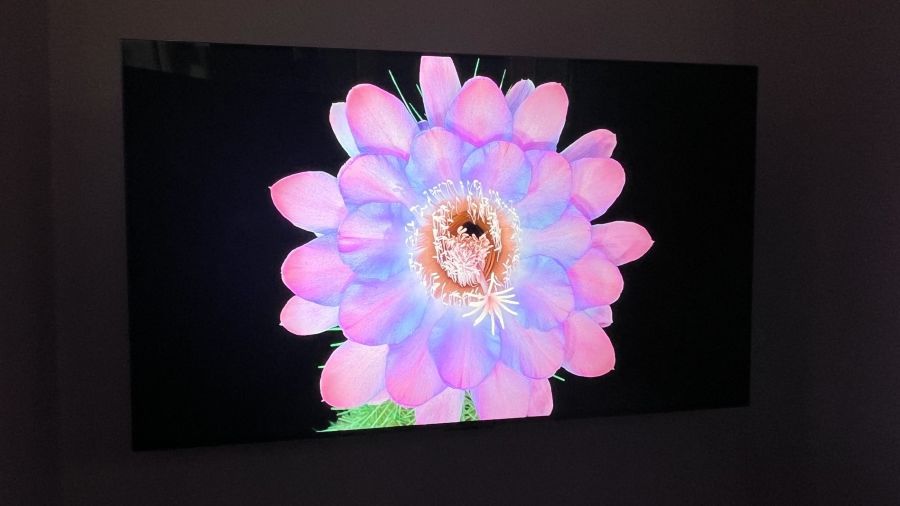
The TCL QM7L’s Enhanced Halo Control System is effective at eliminating backlight blooming

TCL QM7L series TVs are available for pre-order in screen sizes ranging from 55 inches to 98 inches, priced from $1,199.99 to $3,999.99. Like the QM8L series models, these feature TCL’s Enhanced Halo Control System and Deep Color System with Super Quantum Dots and CSOT UltraColor Filter but use a more basic HVA 2.0 Pro Panel.

The QM7L series features TCL’s new 26-bit backlight controller but the local dimming zone count is more modest, topping out at 2,100 zones on the 98-inch model. Brightness is specified at up to 3,000 peak nits. The TSR AI Processor used in the QM7L series supports the standard Dolby Vision and HDR10+ formats, but can’t be updated in the future for Dolby Vision 2.

Other key QM7L features include an Audio by Bang & Olufsen speaker array and Gemini for Google TV. For gaming, the QM7L supports 144Hz input on two of its four HDMI ports, and advanced audio capabilities include optional wireless subwoofer support and Dolby Atmos FlexConnect (3.1.3-channel configuration).

TCL RM9L RGB Mini-LED

tcl rgb
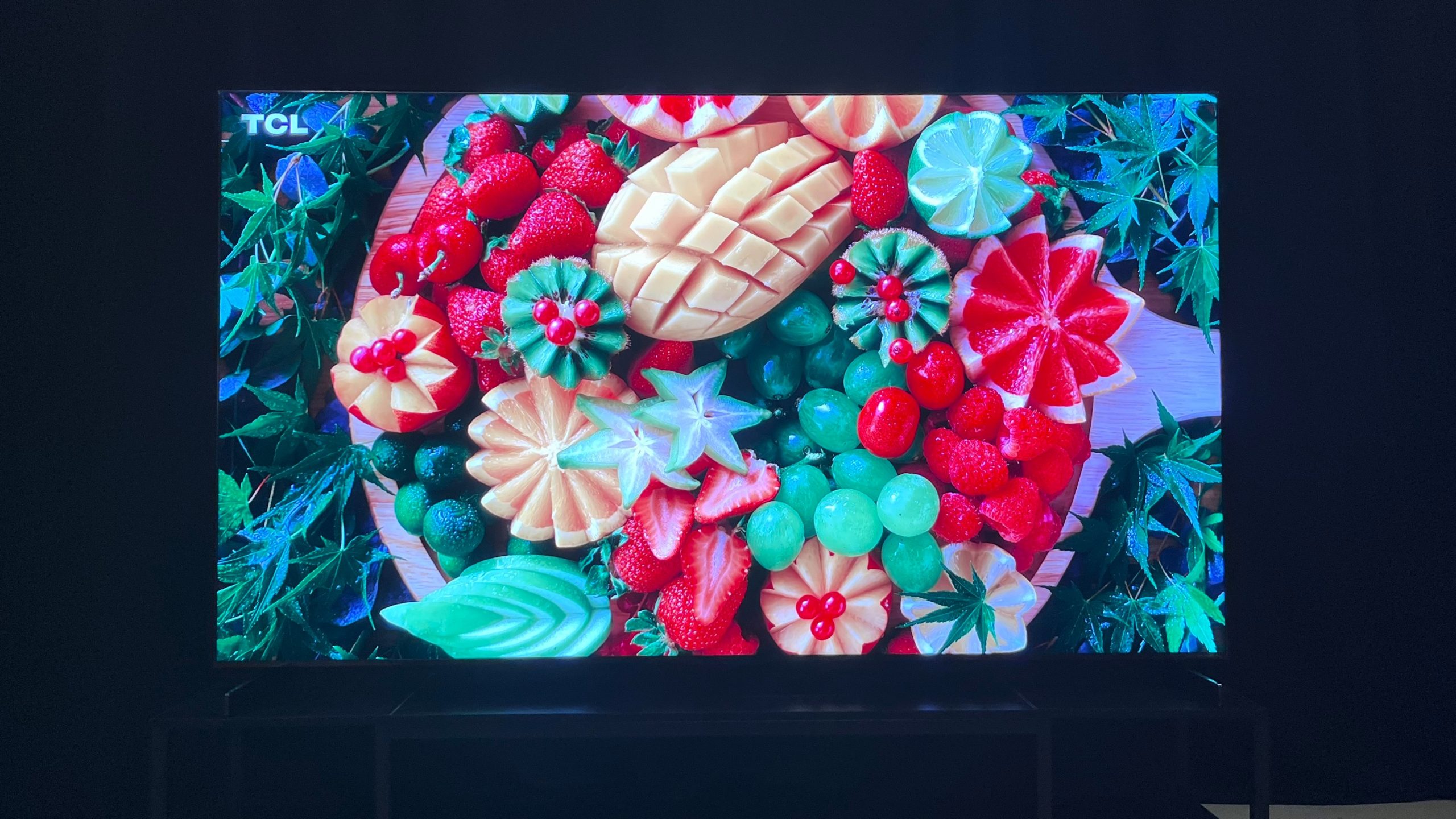
TCL’s RM9L RGB-Mini LED TV is capable of full BT.2020 color gamut reproduction, but the company still considers SQD-Mini-LED to be its flagship TV technology

TCL RM9L series TVs are also available for pre-order now in screen sizes ranging from 75 inches to 98 inches, priced from $7,999.99 to $29,999.99. The company calls the new series “the most advanced RGB-Mini LED TV to date,” with its individual red, green, and blue LED modules capable of full BT.2020 color gamut reproduction.

Similar to the company’s SQD-Mini-LED TVs, the RM9L series uses TCL’s CSOT UltraColor Filter “for more consistent color saturation.” It further features TCL’s Enhanced Halo Control Systems, high-contrast CSOT WHVA 2.0 Ultra panel, and TSR AI Pro processor.

A 30-bit controller provides precise backlight control over up to 3,800 local dimming zones, and the RM9L series TVs are specified for up to 6,000 nits peak brightness. The Dolby Vision IQ, HDR10+, and HLG high dynamic range formats are supported, and the RM9L series will get  Dolby Vision 2 Max support in a future software update.

Advertisement

Gaming support is similar to the QM8L series TVs, with four 4K/144Hz-capable HDMI 2.1 ports. Audio features are also the same, with an Audio by Bang & Olufsen speaker array, optional wireless subwoofer support, and Dolby Atmos FlexConnect (4.1.4-channel).

The Bottom Line

TCL is positioning its SQD-Mini-LED TV lineup as its top TVs for 2026, and asserts that Super Quantum Dots delivers superior performance to the RGB LED tech that manufacturers such as Samsung, Sony, LG, Hisense, and even TCL itself are promoting. Outside of our hands-on review of the Samsung R95H Micro RGB TV, eCoustics hasn’t had an opportunity to fully assess the benefits of RGB LED, but our full TCL QM8L series TV review confirms that SQD-Mini-LED provides stiff competition for that new tech.

The TCL X11L series (full review in the works) is currently the company’s flagship SQD Mini-LED TV, and with its specified 10,000 nits peak brightness and up to 20,000 local dimming zones, it’s about as formidable as mini-LED TVs get. But at prices ranging from $6,999.99 (75-inch) to $9,999.99 (98-inch), the X11L series is also as expensive as TVs get.

With many of the same features found in the company’s flagship, the TCL QM8L series is an impressive value. It might not have as many dimming zones, and it’s also not as bright, but as we found in our review, it gives both the X11L series and the forthcoming slew of RGB LED models a good run for the money.

Advertisement

The QM7L series also has impressive specs, and also looks to be a great value. Aside from lower peak brightness and fewer dimming zones, its main disadvantages compared to the step-up QM8L appear to be lesser gaming features and no Dolby Vision 2 Max support.

Advertisement. Scroll to continue reading.

TCL is bullish on the performance of its new RM9L series RGB Mini-LED TVs as compared to the competition, but SQD Mini-LED is clearly the favorite son here. That’s because TCL sees limitations in RGB LED technology that can result in color crosstalk plus a higher level of backlight blooming artifacts than you’ll get on SQD Mini-LED. The company obviously wanted to cover all of the bases with its 2026 TV lineup, however, and that’s why both backlight technologies are represented.

Price & Availability

QM8L series SQD-Mini-LED

Advertisement

QM7L series SQD-Mini-LED

  • 55-inch: $1,199.99
  • 65-inch: $1,499.99
  • 75-inch: $1,999.99
  • 85-inch: $2,499.99
  • 98-inch: $3,999.99

RM9L series RGB-Mini-LED

  • 85-inch: $7,999.99
  • 98-inch: $9,999.99
  • 115-inch: $29,999.99

Source link

Continue Reading

Tech

How One Line Of TF2 Code Ruined This Simple Feature

Published

on

Ever encountered a minor annoying bug in a video game? How about one dating back to 2018? Usually, you have no hope of fixing it, but this time is different. [Joey Cheerio] shows the first-time programmer approach to (with great difficulty) fixing a bouncy ball prop turning invisible when shot in Team Fortress 2.

It starts with a band-aid solution that hides the problem: just turn off jiggle physics! While that works, it also affects many other models in the game, and doesn’t tackle the root cause. Time to investigate. Because this ball often goes overlooked, [Joey Cheerio] didn’t even realize that it was supposed to have jiggle physics, accidentally removing it. Turns out, after scouring the internet for old footage, it’s supposed to jiggle after all.

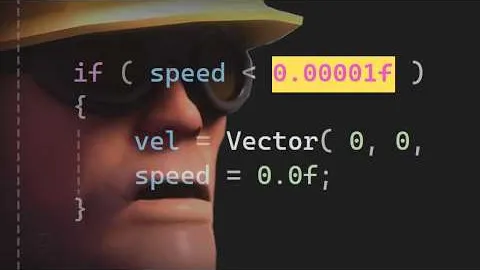
Back to square one, [Joey Cheerio] infers that the jiggle bone accidentally removed was related to the problem, eventually figuring out that the specific type of jiggle bone used (is_boing) caused the issue. Time to dig in the code. Tracking down the problem is no small feat for someone who’s never programmed before, even with the help of LLMs, but eventually, at 4 in the morning, a breakthrough! The ball no longer turned invisible but retained the intended jiggle.

Advertisement

At the limits of his knowledge on the subject, [Joey Cheerio] posts his partial progress so far to GitHub, where [ficool2] tracks down the real problem and turns this second band-aid into a proper fix. [Joey Cheerio] finishes up by explaining the math of what exactly went wrong.

Advertisement

Source link

Continue Reading

Tech

Asus TUF Gaming A14 (2026) Review: GPU-Less Gaming Laptop

Published

on

In the past, I’ve stayed away from Asus TUF laptops, as it was the bottom-tier in terms of design. That meant chunky chassis, poor displays, and thick bezels. The models from 2025 looked more modern, but the prices weren’t competitive with some of my favorite cheap gaming laptops like the Lenovo LOQ 15 and Acer Nitro V 16.

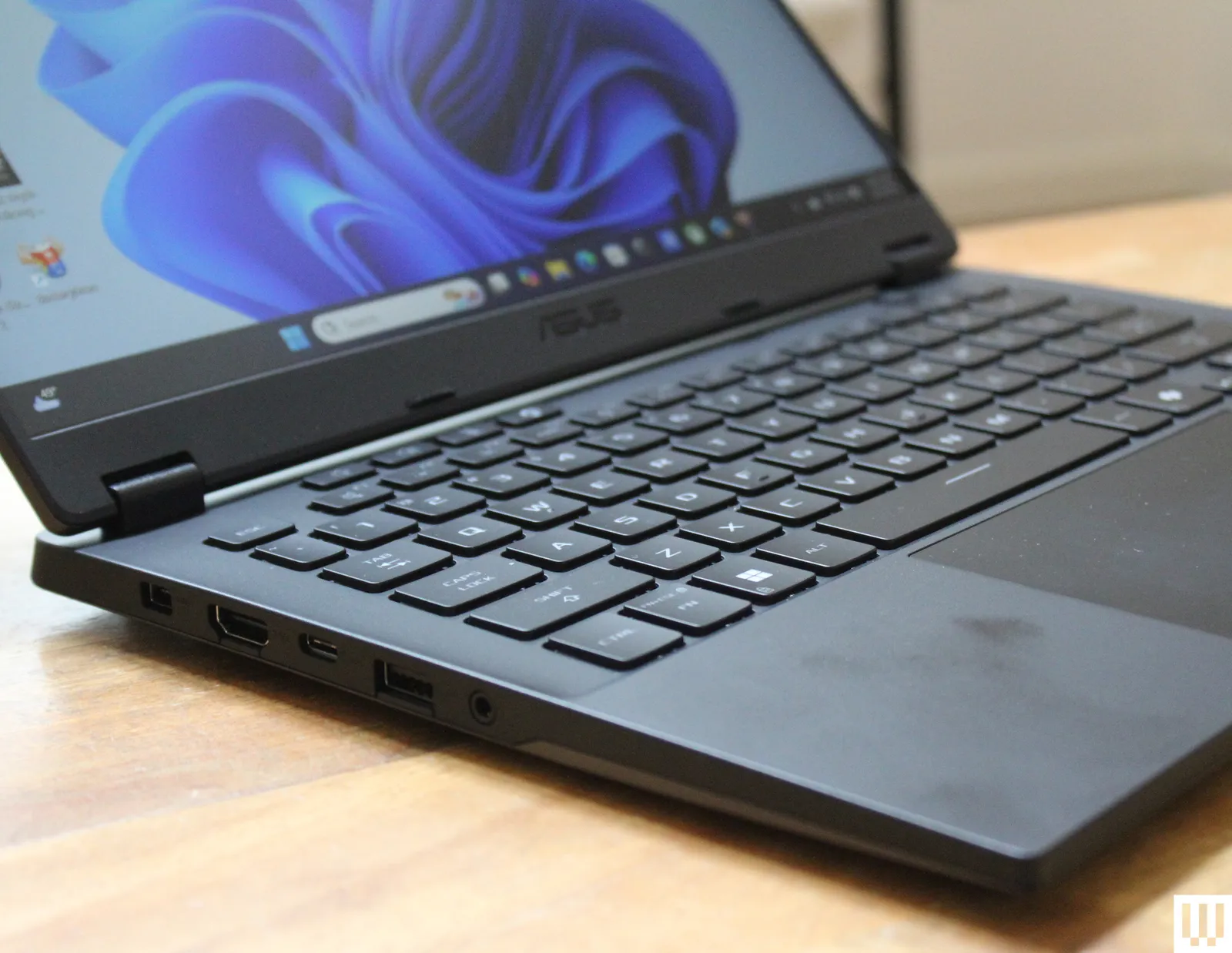
But again, the TUF A14 is something new, and the design is impressive. It’s right around the same thickness and weight as the 14-inch MacBook Pro, and the bezels around the sides of the screen are really trim. The bottom bezel is thick, primarily because the A14 uses a 16:9 aspect ratio screen. I won’t belabor that point, but it means less screen and more bezel in the same footprint. Overall, it’s very subtle. The gaming aesthetic is heavily downplayed, with only a few elements left, such as the typeface on the keycaps and the shape of the vents below the hinge. There’s not even per-key backlighting on the keyboard.

Image may contain Computer Electronics Laptop and Pc

Photograph: Luke Larsen

Image may contain Computer Electronics Laptop Pc Mobile Phone and Phone

Photograph: Luke Larsen

Advertisement

You’d never know this was a gaming laptop based on the usability of the keyboard and touchpad; on gaming laptops versus work ones, these can often be afterthoughts. Here, they’re both excellent. The touchpad, in particular, is oversized and surprisingly precise. Although the laptop is made of plastic, it handled the pressure I was putting on it around the lid, keyboard, and palm rests without too much give.

The TUF A14 has a helpful assortment of ports. On the left side, you get a USB-A 3.2 port, USB-C port, HDMI 2.1, headphone jack, and proprietary power jack. You get an additional USB-A and USB-C (USB4) port on the right side, alongside a micro SD card slot. I really like the decision to put the USB4 port on the right side, as it means you can both charge the laptop or connect to an external display from the right side too. Only being able to charge from one side is one of my pet peeves, so good job, TUF A14.

More Than Gaming

Image may contain Computer Electronics Laptop and Pc

Photograph: Luke Larsen

Once I saw the resolution of the display, I knew the TUF A14 was no longer a real “budget” device. It’s 2560 x 1600, a big step up from the typical cheap gaming laptop. It also has a 165 Hz refresh rate, which is useful for when playing in 1200p—and let’s be honest, that’s the go-to the vast majority of the time. The higher resolution, though, plays into why the A14 is a solid hybrid device that can work as well for gaming as it does for school or work.

Source link

Advertisement
Continue Reading

Tech

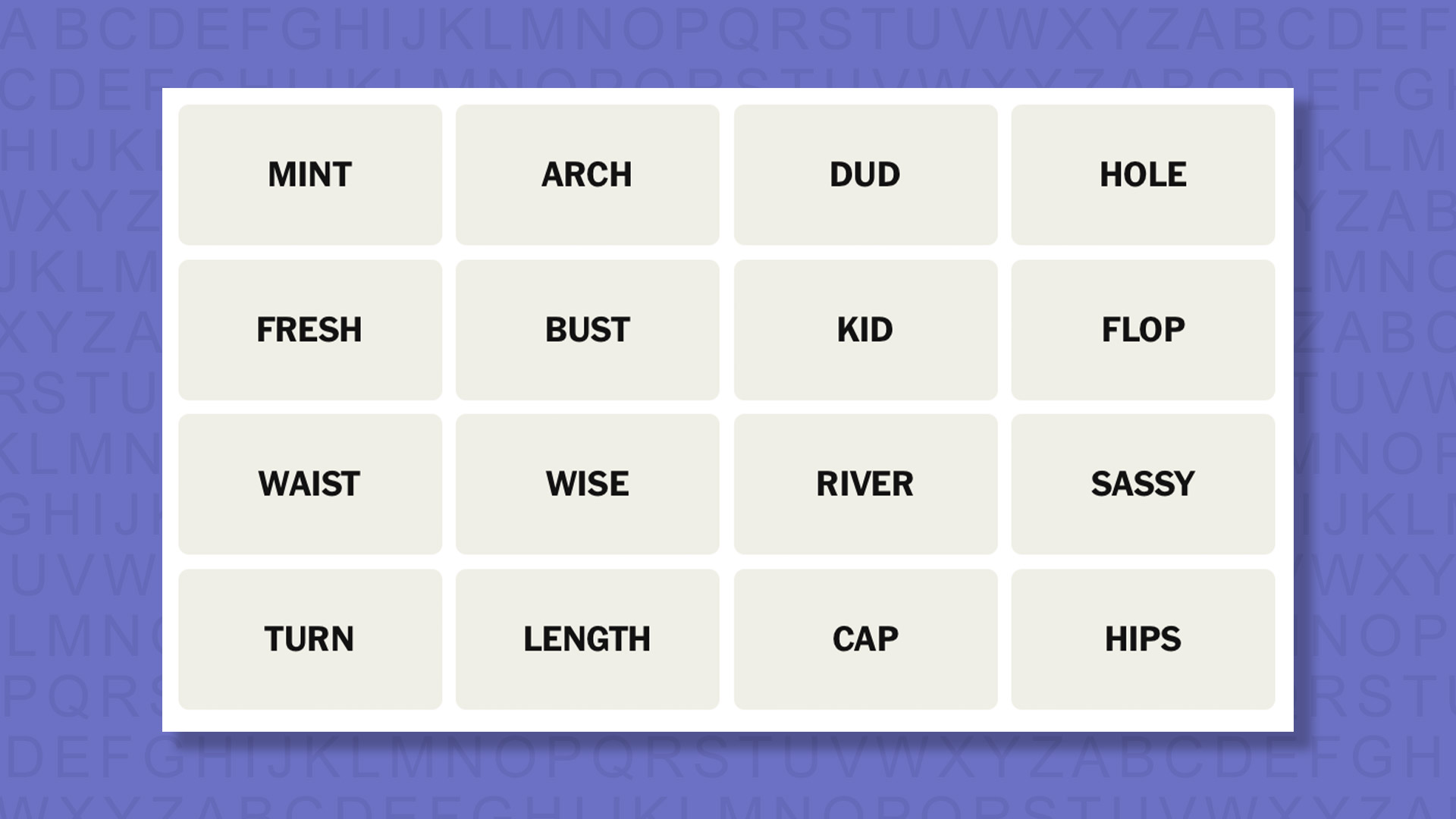
NYT Connections hints and answers for Sunday, April 19 (game #1043)

Published

on

Looking for a different day?

A new NYT Connections puzzle appears at midnight each day for your time zone – which means that some people are always playing ‘today’s game’ while others are playing ‘yesterday’s’. If you’re looking for Saturday’s puzzle instead then click here: NYT Connections hints and answers for Saturday, April 18 (game #1042).

Good morning! Let’s play Connections, the NYT’s clever word game that challenges you to group answers in various categories. It can be tough, so read on if you need Connections hints.

Advertisement

Source link

Advertisement
Continue Reading

Trending

Copyright © 2025