As models get smarter and more capable, the “harnesses” around them must also evolve.
This “harness engineering” is an extension of context engineering, says LangChain co-founder and CEO Harrison Chase in a new VentureBeat Beyond the Pilot podcast episode. Whereas traditional AI harnesses have tended to constrain models from running in loops and calling tools, harnesses specifically built for AI agents allow them to interact more independently and effectively perform long-running tasks.
Chase also weighed in on OpenAI’s acquisition of OpenClaw, arguing that its viral success came down to a willingness to “let it rip” in ways that no major lab would — and questioning whether the acquisition actually gets OpenAI closer to a safe enterprise version of the product.
“The trend in harnesses is to actually give the large language model (LLM) itself more control over context engineering, letting it decide what it sees and what it doesn’t see,” Chase says. “Now, this idea of a long-running, more autonomous assistant is viable.”
Advertisement
Tracking progress and maintaining coherence
While the concept of allowing LLMs to run in a loop and call tools seems relatively simple, it’s difficult to pull off reliably, Chase noted. For a while, models were “below the threshold of usefulness” and simply couldn’t run in a loop, so devs used graphs and wrote chains to get around that. Chase pointed to AutoGPT — once the fastest-growing GitHub project ever — as a cautionary example: same architecture as today’s top agents, but the models weren’t good enough yet to run reliably in a loop, so it faded fast.
But as LLMs keep improving, teams can construct environments where models can run in loops and plan over longer horizons, and they can continually improve these harnesses. Previously, “you couldn’t really make improvements to the harness because you couldn’t actually run the model in a harness,” Chase said.
Built on LangChain and LangGraph, it has planning capabilities, a virtual filesystem, context and token management, code execution, and skills and memory functions. Further, it can delegate tasks to subagents; these are specialized with different tools and configurations and can work in parallel. Context is also isolated, meaning subagent work doesn’t clutter the main agent’s context, and large subtask context is compressed into a single result for token efficiency.
All of these agents have access to file systems, Chase explained, and can essentially create to-do lists that they can execute on and track over time.
“When it goes on to the next step, and it goes on to step two or step three or step four out of a 200 step process, it has a way to track its progress and keep that coherence,” Chase said. “It comes down to letting the LLM write its thoughts down as it goes along, essentially.”
He emphasized that harnesses should be designed so that models can maintain coherence over longer tasks, and be “amenable” to models deciding when to compact context at points it determines is “advantageous.”
Advertisement
Also, giving agents access to code interpreters and BASH tools increases flexibility. And, providing agents with skills as opposed to just tools loaded up front allows them to load information when they need it. “So rather than hard code everything into one big system prompt,” Chase explained, “you could have a smaller system prompt, ‘This is the core foundation, but if I need to do X, let me read the skill for X. If I need to do Y, let me read the skill for Y.’”
Essentially, context engineering is a “really fancy” way of saying: What is the LLM seeing? Because that’s different from what developers see, he noted. When human devs can analyze agent traces, they can put themselves in the AI’s “mindset” and answer questions like: What is the system prompt? How is it created? Is it static or is it populated? What tools does the agent have? When it makes a tool call, and gets a response back, how is that presented?
“When agents mess up, they mess up because they don’t have the right context; when they succeed, they succeed because they have the right context,” Chase said. “I think of context engineering as bringing the right information in the right format to the LLM at the right time.”
Listen to the podcast to hear more about:
Advertisement
How LangChain built its stack: LangGraph as the core pillar, LangChain at the center, Deep Agents on top.
Why code sandboxes will be the next big thing.
How a different type of UX will evolve as agents run at longer intervals (or continuously).
Why traces and observability are core to building an agent that actually works.
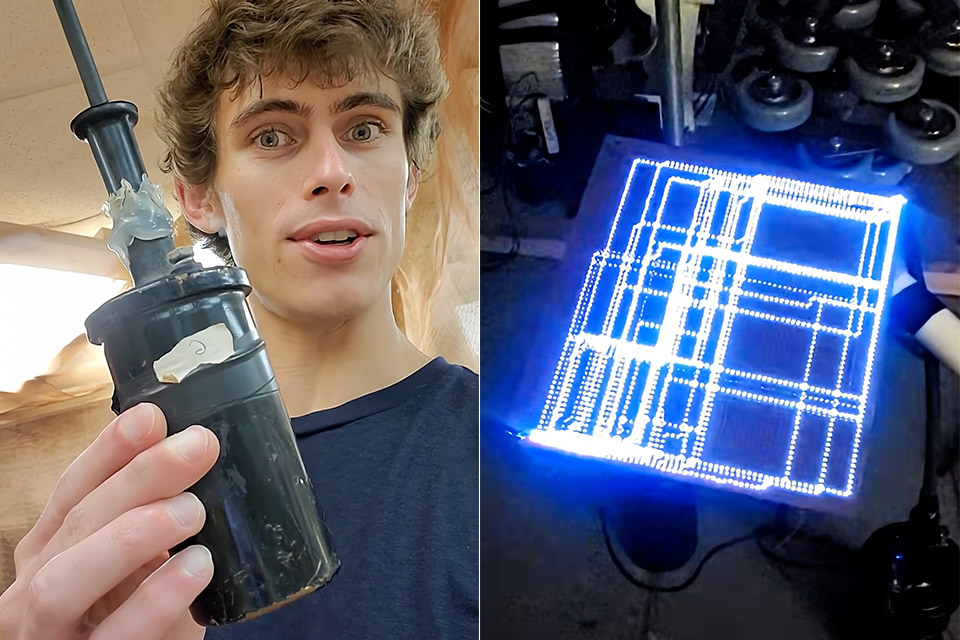
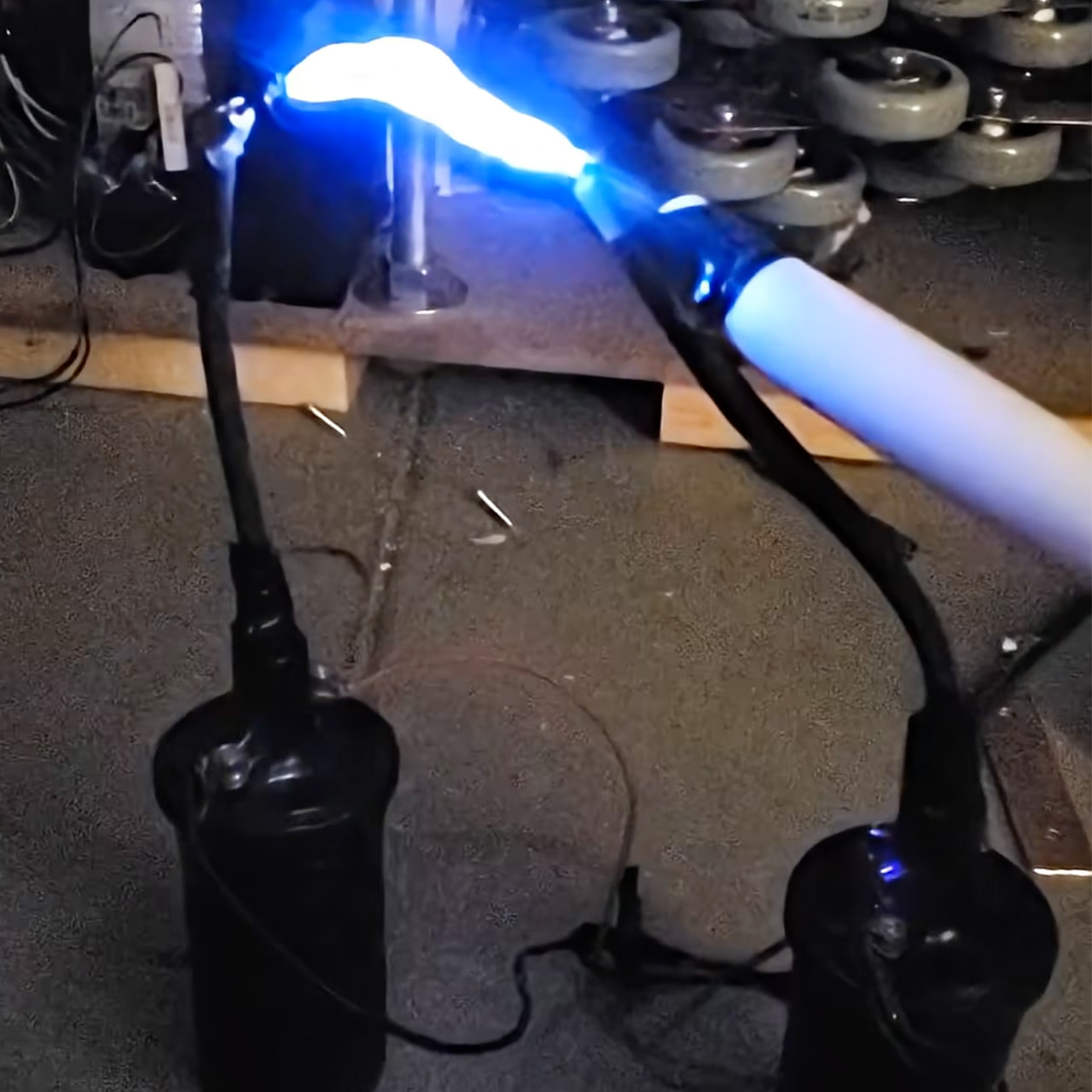
Styropyro has established a name for himself by pushing seemingly ordinary technology to its limits, and in this experiment, he demonstrates some of the fundamental physics at work in its most obvious form. He simply takes car ignition coils, the typical transformers that ignite a spark in your engine, and directs their output to a large blank circuit board.
Those car ignition coils can take a low battery voltage and provide a nice huge kick of tens of thousands of volts, exactly enough to bridge the gap that ignites your fuel in an engine. Styropyro has modified his coils to produce even more voltage than they normally would, and he has connected the high-voltage connections to a perfboard, which is a board with many holes and copper pads in a grid.
GET HANDS ON with Playz V8 engine model kit that works for adults and kids alike. Engage young minds into STEM with a working replica of a classic…
REALISTIC MODEL THAT WORKS: Deliver the action of a classic car engine with powerful pistons and interactive cables! Watch the motor fans turn on with…
FUEL THE FUN: Our complete toy V8 engine assembly kit provides hours of fun as you tinker with cranks, pulleys, belts, and exhaust valves, bringing…
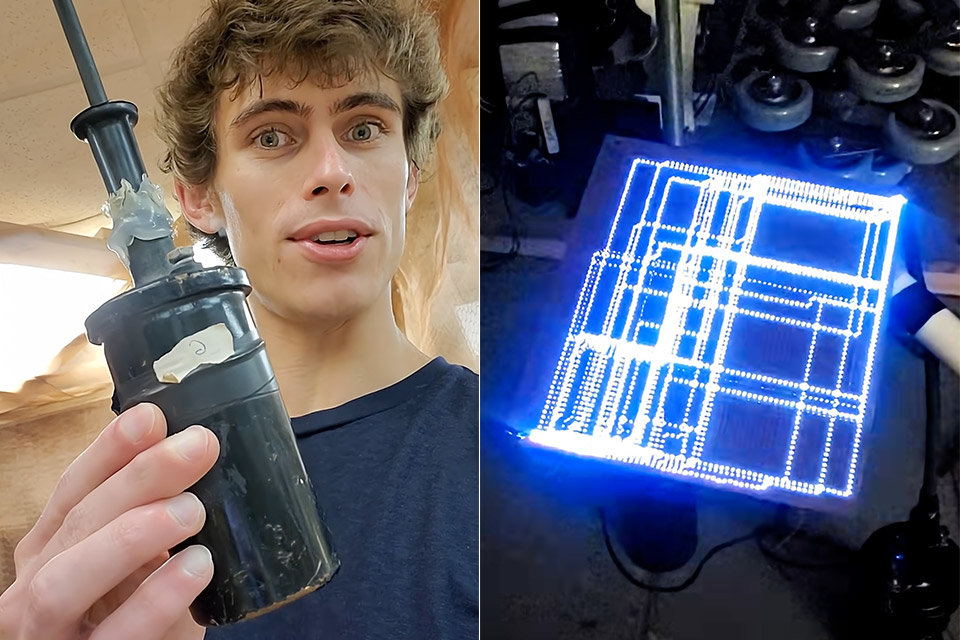
The problem is that electricity prefers the shortest path to ground. If you’re out in the open, just take the shortest straight line and you’ll get a nice clean spark, but with a board like this in the mix, things change. The small copper rings and holes in a grid alter the game completely. Because each ring provides a lower-resistance path for the electricity to follow along the grid lines, which is much easier than jumping across empty space in a straight line. So the arc of electricity begins to spread out, making right-angle turns and following the grid lines as it travels.
Advertisement
Threads of blazing light snaking across the surface form complicated, maze-like patterns. The reason these strange patterns appear is that the electricity is compelled to follow the longer path, which allows it to reach ground with the least amount of air to leap. It lingers like that for quite some time, hypnotizing you with its flashing, branching arcs against the static board.
Styropyro keeps things simple, with no special components on the board and no sophisticated drivers other than what pushes the coils themselves. It’s just a fast clip that highlights the moment when everything comes together rather than fussing with it for hours. The light from the arcs acts like a half-dozen tiny spotlights, illuminating every twist and turn of the paths they traverse, throwing crisp shadows and bringing the entire scene to life.
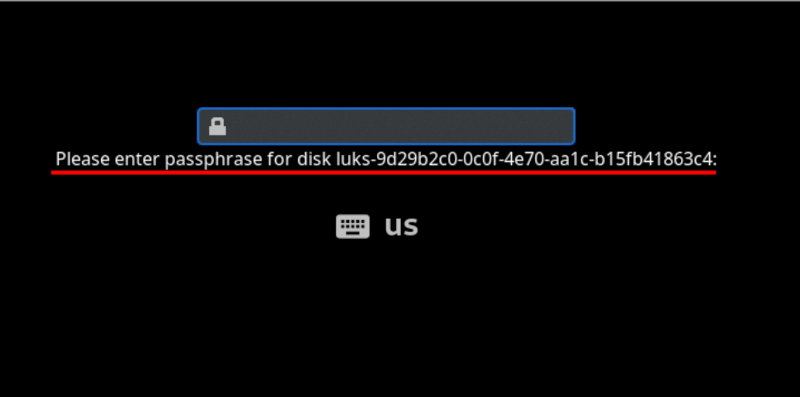
Can you remotely unlock an encrypted hard disk? [Jyn] needed to unlock their home server after it rebooted even if they weren’t home. Normally, they used Tailscale to remote in, but you can’t use tailscale to connect to the machine before the hard drive decrypts, right? Well, you can, sort of, and [Jyn] explains how.
The entertaining post points out something you probably knew, but never thought much about. When your Linux box boots, it starts a very tiny compressed Linux in RAM. On [Jyn’s] machine using Arch, this is the initramfs.
That’s not news, but because it is an actual limited Linux system (including systemd), you can add tools to it. In this case, adding dropbear (an ssh server) and Tailscale to the limited boot-time Linux.
Advertisement
Doing this in the most straightforward way presents several issues related to security. However, using a few configuration items, you can limit it to showing the unlock screen and nothing else.
The only limitation is that the setup, as written, will only work with an Ethernet interface. WiFi should be possible, but getting the wireless network up in this environment would likely be challenging.
Coruna is also notable for its use by three distinct hacking groups. Google first detected its use in February of last year in an operation conducted by a “customer of a surveillance vendor.” The vulnerability exploited, tracked as CVE-2025-23222, had been patched 13 months earlier. In July 2025, a “suspected Russian espionage group” exploited CVE-2023-43000 in attacks planted on websites that were frequented by Ukrainian targets. Last December, when it was used by a “financially motivated threat actor from China,” Google was able to retrieve the complete exploit kit.
“How this proliferation occurred is unclear, but suggests an active market for ‘second hand’ zero-day exploits,” Google wrote. “Beyond these identified exploits, multiple threat actors have now acquired advanced exploitation techniques that can be re-used and modified with newly identified vulnerabilities.”
Google researchers went on to write:
We retrieved all the obfuscated exploits, including ending payloads. Upon further analysis, we noticed an instance where the actor deployed the debug version of the exploit kit, leaving in the clear all of the exploits, including their internal code names. That’s when we learned that the exploit kit was likely named Coruna internally. In total, we collected a few hundred samples covering a total of five full iOS exploit chains. The exploit kit is able to target various iPhone models running iOS version 13.0 (released in September 2019) up to version 17.2.1 (released in December 2023).
The 23 exploits, along with the code names and other information, are:
Advertisement
Type
Codename
Targeted versions (inclusive)
Fixed versions
CVE
WebContent R/W
buffout
13 → 15.1.1
15.2
CVE-2021-30952
WebContent R/W
jacurutu
15.2 → 15.5
15.6
CVE-2022-48503
WebContent R/W
bluebird
15.6 → 16.1.2
16.2
No CVE
WebContent R/W
terrorbird
16.2 → 16.5.1
16.6
CVE-2023-43000
WebContent R/W
cassowary
16.6 → 17.2.1
16.7.5, 17.3
CVE-2024-23222
WebContent PAC bypass
breezy
13 → 14.x
?
No CVE
WebContent PAC bypass
breezy15
15 → 16.2
?
No CVE
WebContent PAC bypass
seedbell
16.3 → 16.5.1
?
No CVE
WebContent PAC bypass
seedbell_16_6
16.6 → 16.7.12
?
No CVE
WebContent PAC bypass
seedbell_17
17 → 17.2.1
?
No CVE
WebContent sandbox escape
IronLoader
16.0 → 16.3.116.4.0 (<= A12)
15.7.8, 16.5
CVE-2023-32409
WebContent sandbox escape
NeuronLoader
16.4.0 → 16.6.1 (A13-A16)
17.0
No CVE
PE
Neutron
13.X
14.2
CVE-2020-27932
PE (infoleak)
Dynamo
13.X
14.2
CVE-2020-27950
PE
Pendulum
14 → 14.4.x
14.7
No CVE
PE
Photon
14.5 → 15.7.6
15.7.7, 16.5.1
CVE-2023-32434
PE
Parallax
16.4 → 16.7
17.0
CVE-2023-41974
PE
Gruber
15.2 → 17.2.1
16.7.6, 17.3
No CVE
PPL Bypass
Quark
13.X
14.5
No CVE
PPL Bypass
Gallium
14.x
15.7.8, 16.6
CVE-2023-38606
PPL Bypass
Carbone
15.0 → 16.7.6
17.0
No CVE
PPL Bypass
Sparrow
17.0 → 17.3
16.7.6, 17.4
CVE-2024-23225
PPL Bypass
Rocket
17.1 → 17.4
16.7.8, 17.5
CVE-2024-23296
CISA is adding only three of the CVEs to its catalog. They are:
CVE-2021-30952 Apple Multiple Products Integer Overflow or Wraparound Vulnerability
CVE-2023-41974 Apple iOS and iPadOS Use-After-Free Vulnerability
CVE-2023-43000 Apple Multiple products Use-After-Free Vulnerability
CISA is directing agencies to “apply mitigations per vendor instructions, follow applicable… guidance for cloud services, or discontinue use of the product if mitigations are unavailable.” The agency went on to warn: “These types of vulnerabilities are frequent attack vectors for malicious cyber actors and pose significant risks to the federal enterprise.”
Modern-day receivers are miracles of digital audio and video processing, but compared to their more analog brethren, they can come with a host of new and fascinating faults. The Onkyo TX-SA806 and SR806 receivers were released back in 2008, with [Tony359] recently getting the latter variant in for repair. Described as having weird digital distortion on the audio outputs, this particular issue got fixed by recapping the PCB with all the digital processing in the first video on this receiver, but this left the second issue unaddressed of a persistent hum, which is the topic of the second video on this repair.
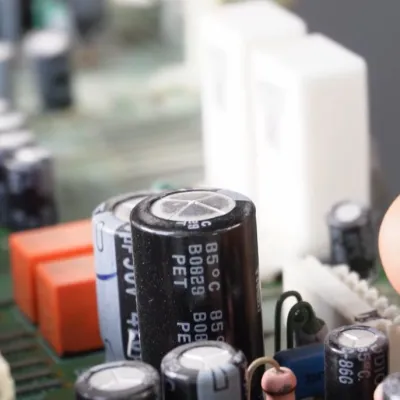
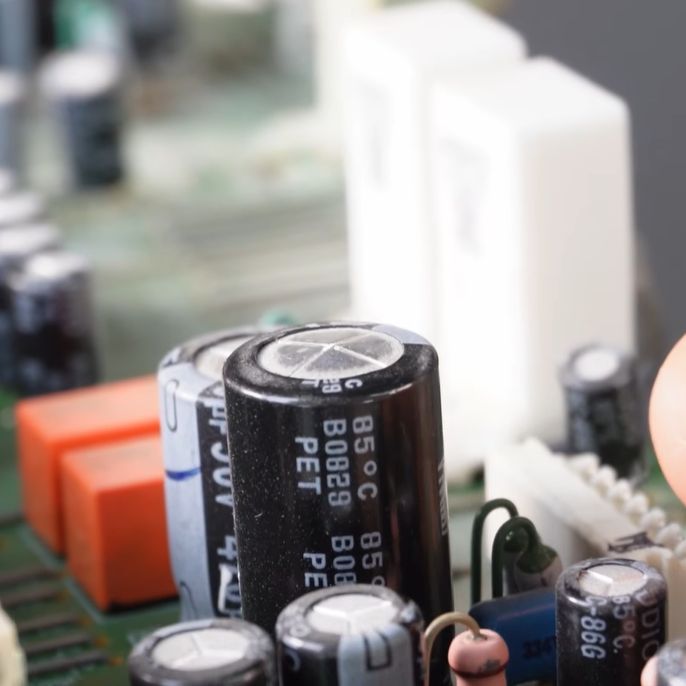
Capacitor C5662 in the Onkyo TX-SR608 receiver with a slight bulge.
With the easy fix of recapping of the digital board already tried, next was a deep-dive into the receiver’s schematics to figure out where this low-frequency hum was coming from. With it sounding very much like mains frequency hum bleeding through, this was the starting point. Presumably somewhere on the power rails the normal filtering had broken down, so all rails had to be identified and checked for this interference.
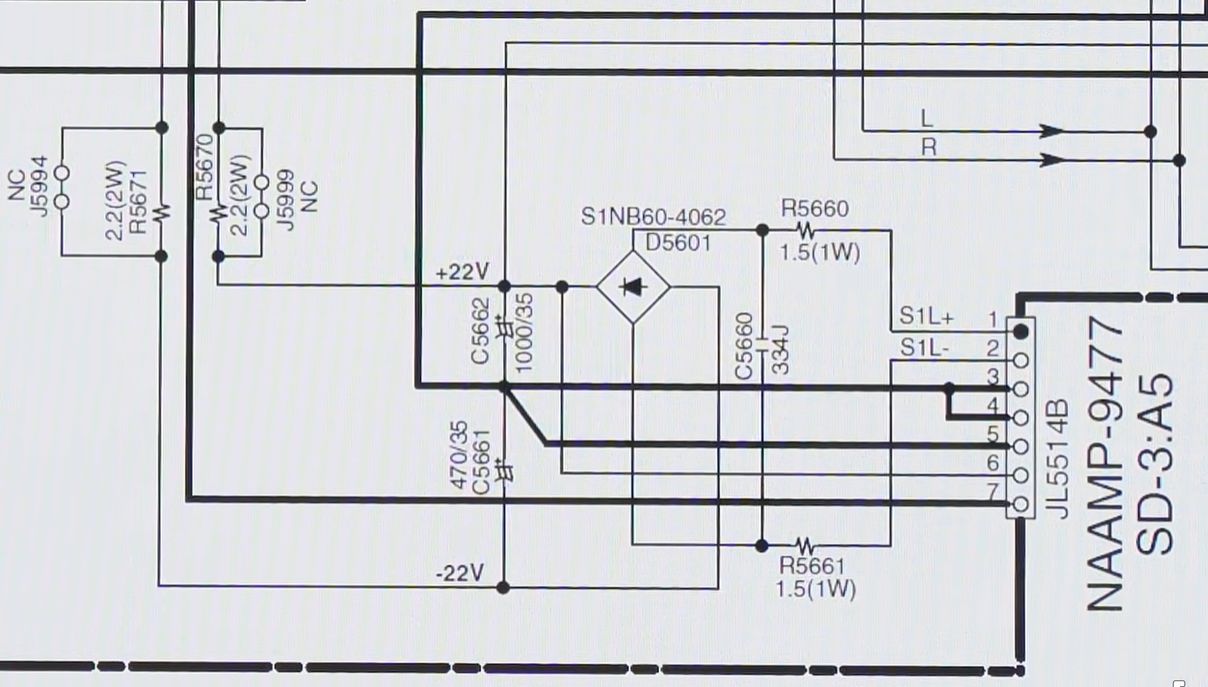
With ripple on the 10V and 12V rails as well as the others seemingly in order, it wasn’t clear where the 100 Hz hum was coming from, but people on the BadCaps forum offered some help. After some back and forth it was deduced that the problem was the +15 VA rail, with heavy ripple on it due to a dead capacitor on the +22 V rail that comes straight from a transformer.
For some reason Onkyo’s engineer and/or bean counters had decided that installing an 85°C electrolytic capacitor on the opposite PCB side of a bridge rectifier was a genius idea, which turned out to be not quite the case. With the capacitor eventually giving up on life, the mains hum was allowed to freely pass onto the analog voltage rail and from there into the outputs.
22 V rail of the Onkyo TX-SR608 receiver.
Of course, getting to the target C5662 capacitor was anything but easy, as these modern receivers are tightly packed sandwiches of PCBs, requiring basically a full disassembly. Upon getting to C5662 it was clear that the capacitor was bad, being visibly bulged. Despite being a quality Japanese Nichicon capacitor, such an abusive environment was simply too much. With more similarly poorly spec’ed capacitors at risk of the same fate, these were all replaced with 105°C rated electrolytics.
Perhaps unsurprisingly this fixed the mains hum on the outputs, returning this receiver back to full functionality. In some ways it’s good to know that even with these modern receivers the most typical fault is still due to electrolytic capacitors.
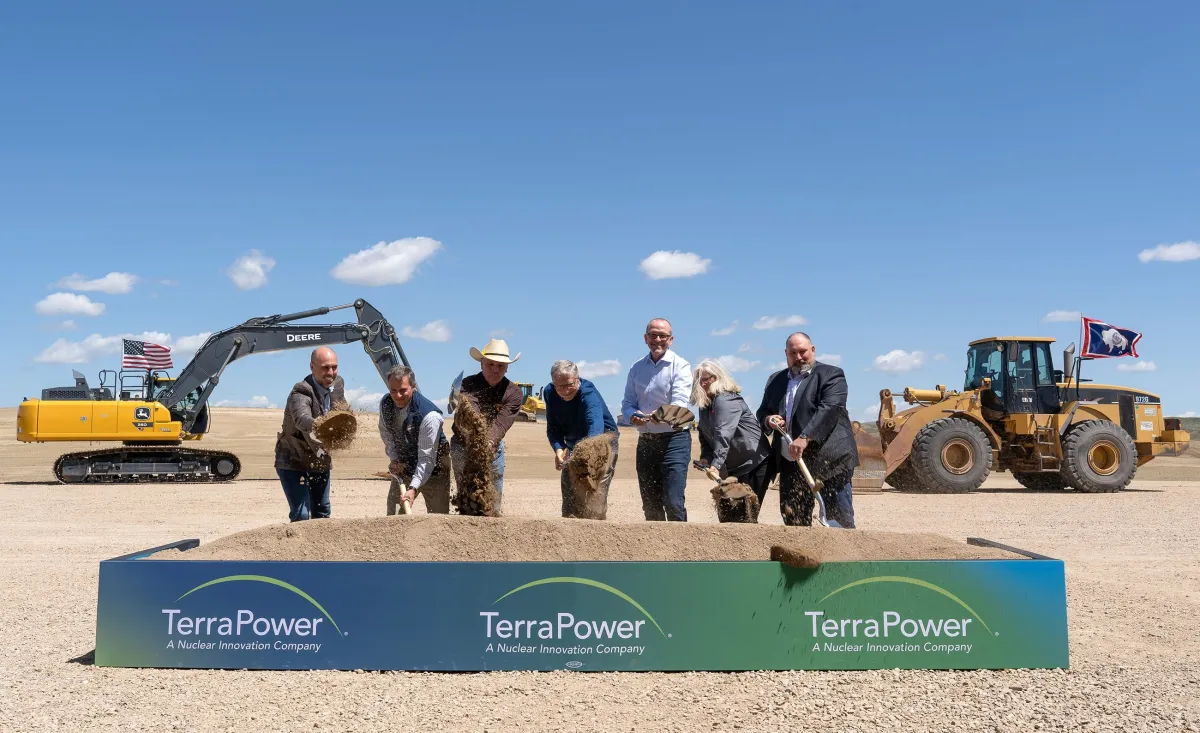
The Nuclear Regulatory Commission (NRC) gave TerraPower the go-ahead this week to build a new nuclear reactor in the shadow of an aging coal power plant in Wyoming.
TerraPower’s permit is the first to be issued by the NRC in nearly a decade. The startup — founded by Bill Gates in 2015 and backed by Nvidia — has been designing its Natrium reactor with GE Vernova Hitachi. The final power plant will generate 345 megawatts, which is about two-thirds smaller than modern full-size reactors, but multiple times larger than many small modular reactor designs favored by other startups.
Natrium differs from other reactors not just in scale, but also in the details of its design. Where most nuclear reactors built in the last 50 years have been cooled by water, Natrium is cooled by molten sodium, which TerraPower says should be safer. This is the first time a commercial reactor that is not cooled by regular water has been approved by the NRC in more than 40 years.
The reactor will operate with an excess of molten sodium, which will be stored in large, insulated tanks. This allows atoms to keep splitting when demand is low, with the hot sodium saving that energy, which can be used to fill in any lulls in wind and solar output. Since nuclear power plants operate best near full capacity, storing excess energy as heat should help lower generating costs.
Advertisement
The NRC’s approval is notable because TerraPower followed the long-established permitting process, giving it permission to build on private property. The Department of Energy recently loosened its safety rules, but those regulations only apply to land owned by the agency.
TerraPower is one of nearly half a dozen nuclear startups backed by tech companies or their founders. As electricity demand from data centers grows, the Trump administration has come under pressure to boost generating capacity, including by building new nuclear reactors.
Investors have taken note of the two trends, and in recent months, they’ve showered nuclear startups with well over $1 billion in capital. TerraPower alone has raised a total of $1.7 billion, including a $650 million round that closed in June, according to PitchBook.
Techcrunch event
Advertisement
San Francisco, CA | October 13-15, 2026
Despite the momentum, nuclear power still faces an uphill battle. To date, nuclear has been one of the most expensive forms of new generating capacity. Part of that is due to cost overruns at massive power plants, but it also reflects the tremendous strides that solar, wind, and batteries have made in bringing costs down over the years.
Advertisement
Nuclear startups are hoping to leverage mass manufacturing to rein in capital expenditures, but the theory has yet to be proven. And while manufacturing can help cut costs, it often takes at least a decade for the savings to materialize.
The Occupational Safety and Health Administration has opened an investigation into the death of a worker at a Rivian warehouse in Illinois this week, the federal agency told TechCrunch on Friday. The agency said the probe could take up to six months.
The man, identified by local authorities as 61-year-old Kevin Lancaster, reportedly died from “blunt traumatic compressional injuries” after getting pinned between a tractor trailer and a loading dock at the facility, which is located just a few miles from Rivian’s factory.
Lancaster was reportedly trapped in that spot for around 20 minutes on Thursday before firefighters were able to get to him, according to one local news report. Emergency crews responded to a call at 1:40 p.m. local time, and Lancaster was pronounced dead at a local medical center at 2:33 p.m. local time. The Normal Police Department and the McLean County Coroner are still investigating Lancaster’s death, according to the report.
“Safety at our facilities is our top priority. Unfortunately yesterday afternoon, a contractor passed away after an incident at our warehouse,” Rivian said in a statement to TechCrunch. “Our sympathy and thoughts are with their family and friends. We are working with the Normal Police Department on its investigation.”
Advertisement
The safety of Rivian’s factory in Normal, Illinois, became a source of scrutiny in 2024 after a Bloomberg News report detailed 16 “serious” violations levied on the company across that year and the one prior.
Automotive factories are notoriously dangerous, though, and Rivian has received just one violation at the Illinois manufacturing plant since that report was published. OSHA even told Bloomberg at the time that Rivian “has improved their safety and health team and are very cooperative with the OSHA process.”
Rivian assembles its flagship R1 pickup truck, R1 SUV, and commercial electric van, known as the EDV, at its 4.3-million-square-foot factory in Normal. The company is expanding the space by another 1.1 million square feet to make room for its next EV, the R2. Once complete, the factory will have capacity to assemble 215,000 vehicles.
Techcrunch event
Advertisement
San Francisco, CA | October 13-15, 2026
This story has been updated with a comment from Rivian.
Watch Mansfield vs Arsenal live streams as the League One club look to add to their list of 2025/26 FA Cup upsets by eliminating the Premier League leaders and reaching the quarterfinals for the first time since 1969.
After scraping past Harrogate and Accrington Stanley, it seemed unlikely that Mansfield would embark on a memorable FA Cup run, but after a thrilling 4-3 third-round win over second-tier Sheffield United, the Stags knocked out top-flight Burnley in the fourth. A home tie against top-flight table toppers the Gunners is the reward for Stags boss Nigel Clough, who reached the 1991 final as a player for Nottingham Forest under legendary father Brian’s unique management.
For Arsenal, it really should be a walk in the park. Mansfield are 16th in League One, winless in nine league games and only five points off the relegation zone. The Gunners, meanwhile, beat Brighton 1-0 midweek to take them seven points clear of second-placed Manchester City at the Premier League summit.
Advertisement
In the hunt for four major trophies this term, Arsenal should be able to rest players and still win comfortably, but manager Mikel Arteta will remind his players that if sixth-tier Macclesfield can beat holders Crystal Palace, then anything could happen without the right attitude.
Here’s where to watch Mansfield vs Arsenal FA Cup 5th Round live streams online from anywhere.
Mansfield vs Arsenal team news
TBC
Advertisement
How to watch Mansfield vs Arsenal using a VPN
A VPN is handy piece of software that can make your device appear as if it’s back in your home country, so you can unlock your usual service. The best VPN right now? We recommend NordVPN – it does everything and comes with a 74% discount.
How to watch Mansfield vs Arsenal live streams in the US
ESPN Select will broadcast Mansfield vs Arsenal in the US.
Advertisement
A standalone subscription costs $12.99 a month or $129.99 a year, but you can also get their ESPN Unlimited package that includes everything ESPN has to offer. Or you can watch through the Disney Plus/Hulu/ESPN bundle, which costs from $19.99.
What time is Mansfield vs Arsenal FA Cup 5th Round Tie?
Mansfield vs Arsenal is on Saturday, March 7, 2026.
Advertisement
Kick off from the One Call Stadium – formerly known as Field Mill – is 12.15pm GMT (local time). That’s 7.15am ET / 4.15am PT / 11.15pm AEDT.
Can I watch Mansfield vs Arsenal on my mobile?
Of course, most broadcasters have streaming services that you can access through mobile apps or via your phone’s browser. For example, the BBC iPlayer app in the UK.
You can also stay up-to-date with all key moments from the EPL on the official social media channels on X/Twitter (@EmiratesFACup), Instagram (@emiratesfacup), TikTok (@emiratesfacup) and YouTube (@TheFACup).
We test and review VPN services in the context of legal recreational uses. For example: 1. Accessing a service from another country (subject to the terms and conditions of that service). 2. Protecting your online security and strengthening your online privacy when abroad. We do not support or condone the illegal or malicious use of VPN services. Consuming pirated content that is paid-for is neither endorsed nor approved by Future Publishing.
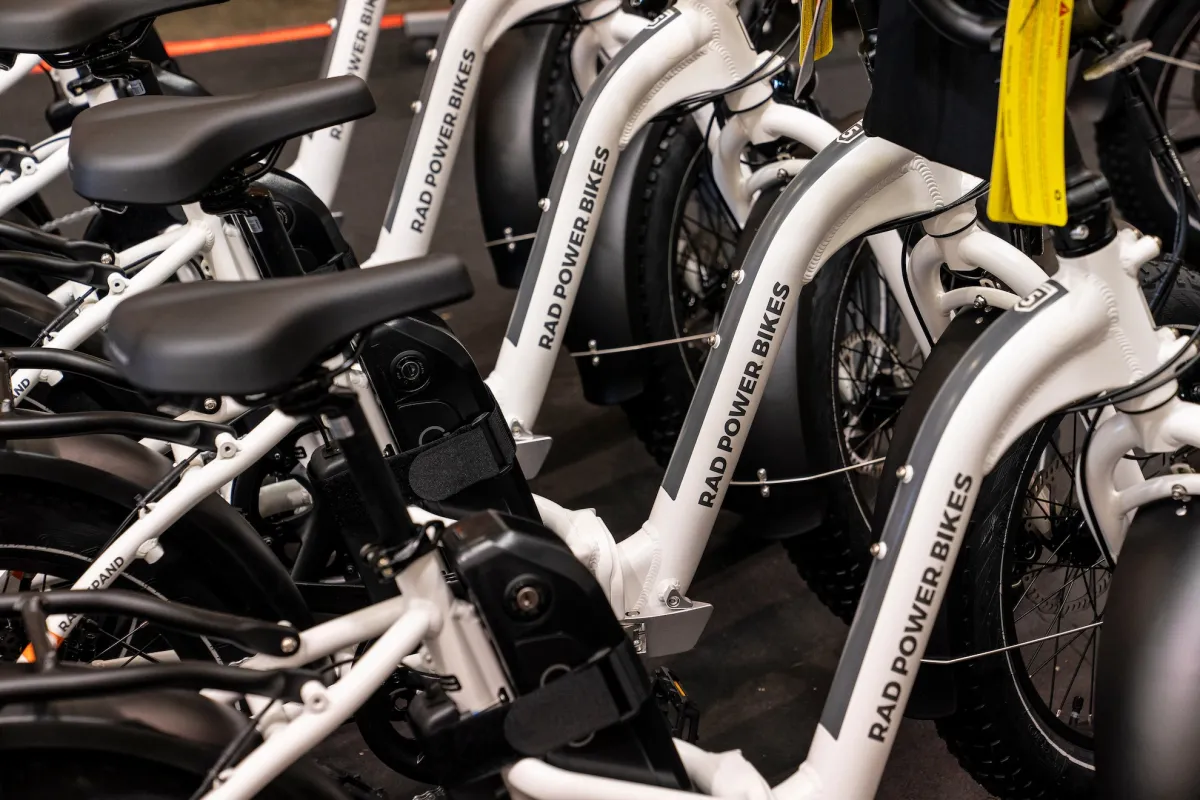
Life Electric Vehicles Holdings, also known as Life EV, officially owns the intellectual property, inventory, and certain operating assets of Rad Power Bikes. Life EV acquired Rad Power for $13.2 million.
Rad Power Bikes, a buzzy electric bike company that raised nearly $330 million in venture capital, filed for Chapter 11 bankruptcy protection in December. The company had struggled for months prior to its bankruptcy filing, and had warned employees it might have to shut down without new capital.
Life EV intends to keep the company intact and said it will continue retail operations under the Rad Power Bikes brand in the United States. It also plans to expand the retail footprint in select key markets. Life EV also pledged to support existing customers who might be wondering what would become of their bike warranties or even gift cards.
The Florida-based Life EV has built its business by acquiring, developing, and scaling electric bicycle and micro-mobility brands. While Rad Power is perhaps its highest-profile purchase, the company also holds an equity interest in LEV Manufacturing, Inc., which acquired the Serial 1 premium electric bicycle brand originally developed and spun off from Harley-Davidson.
Advertisement
In a statement, Life EV said the acquisition fits into its broader strategy of expansion across North America.
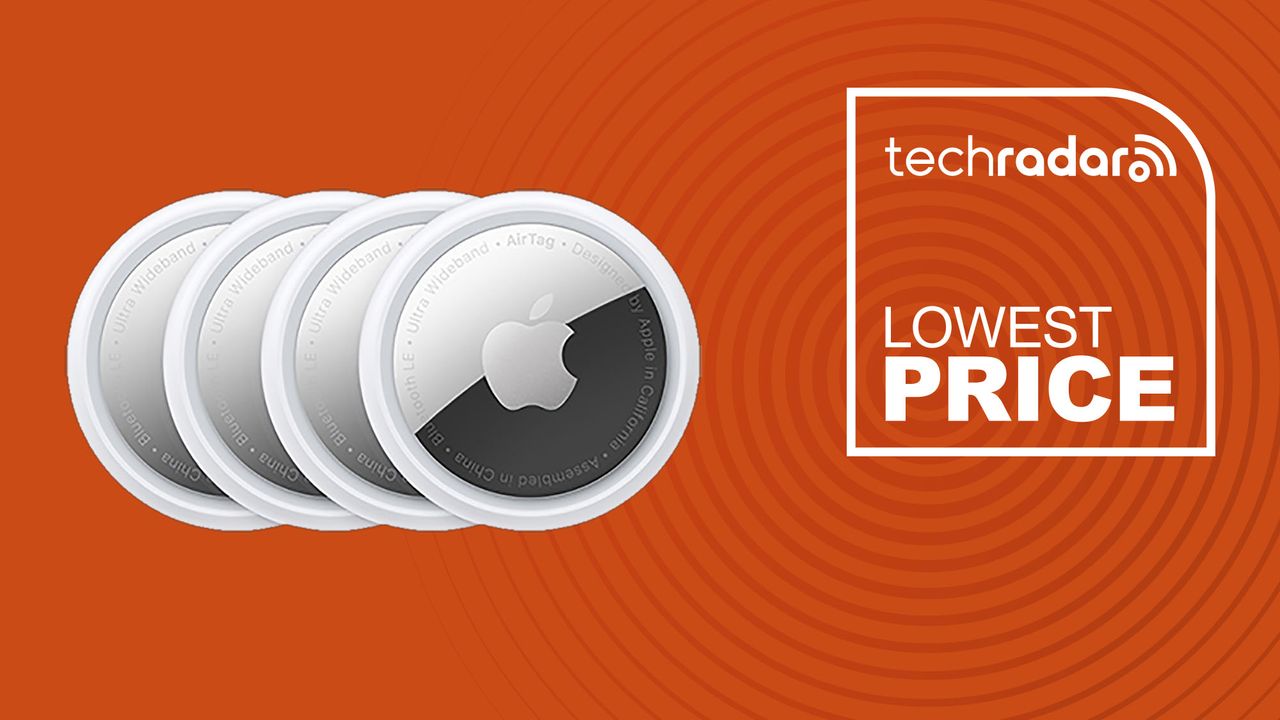
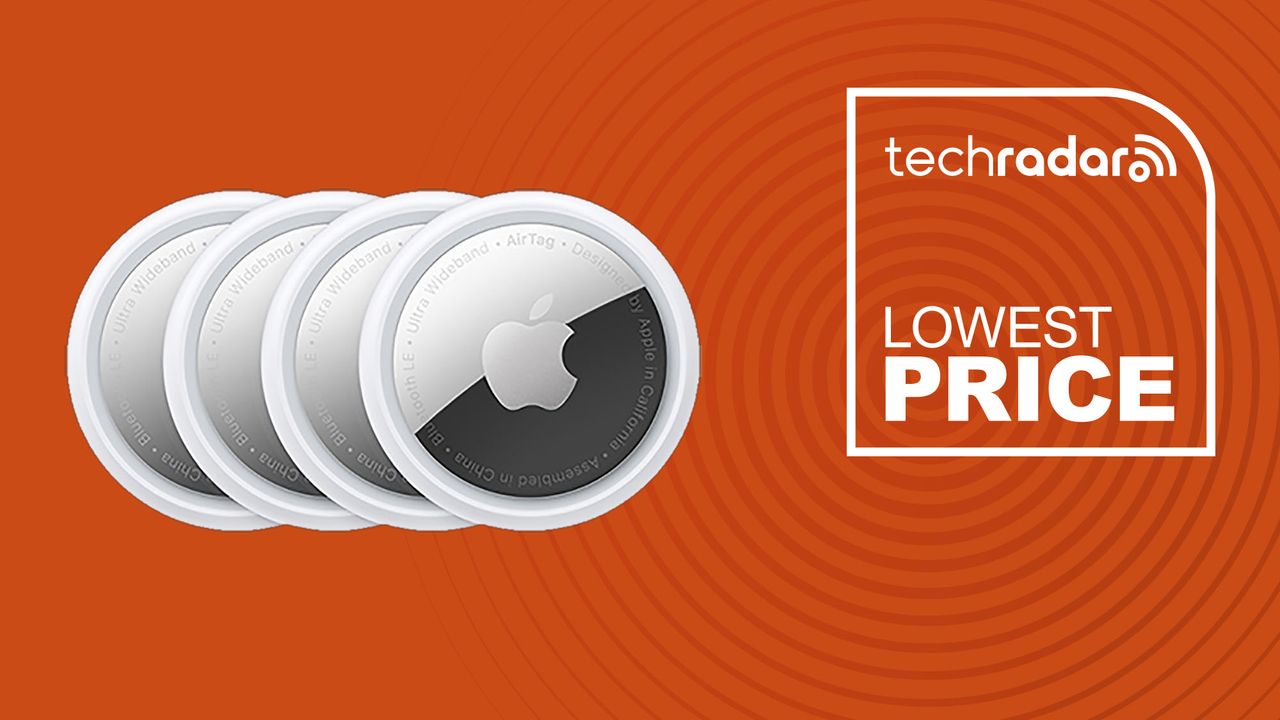
My family and I are forever misplacing our possessions. This came to a head last year, and we invested in a set of Bluetooth trackers. It’s been an absolute game-changer. If you also need help and own an Apple device, then you can grab an Apple AirTag Four Pack at John Lewis for £59 (was £99).
This is a record-low price, which makes the trackers significantly more affordable than usual. With a four-pack of their biggest competitors, Tile Mate, costing £69, there’s nothing better or cheaper right now for Apple users.
A four-pack of tags is sufficient to cover your keys, wallet, bag, and a pet. Or, you could spread them around the family so no one loses their prized possessions for long. That’s enough of a reason to get them now in this limited-time deal.
Advertisement
Today’s best Apple AirTag deal
If you’re looking for an in-depth look at these tracking devices, have a read of our Apple AirTag review. We rated the compact trackers an impressive four stars out of five and praised their accuracy and user-friendly feature set. I’m especially a fan of the warmer/colder feature that helps you find lost items.
From a design perspective, the AirTags are compact, lightweight, and IP67 water and dust-resistant. That means you can use them without fear of damage. If you want to attach them to your possessions, then you’ll need to purchase additional cases, which does increase the overall cost.
As you’d expect, these trackers only work with Apple devices. Connecting them to your account is as simple as activating the AirTag on the Find My app. It’ll then appear next to your other Apple products, such as your phone, tablet, earbuds, and more.
The bipartisan Kids Online Safety Act, designed to protect minors from age-inappropriate online content, will head to the House floor for a vote. But critics say that the bill could also be used to curb civil rights.
The Kids Online Safety Act was first introduced to the Senate in 2022 under President Joe Biden. It would require online platforms to offer settings that control how minors use the sites and also limit the collection of their personal data.
However, opponents of the bill say that the definition of “harmful content” could extend to legitimate sites, including those concerning mental health and transgender rights. The American Civil Liberties Union warns that the legislation could affect the First Amendment’s protections of free speech.
Advertisement
“The overbroad language in KOSA and similar legislation risks censoring everything from jokes and hyperbole to useful information about sex ed and suicide prevention,” said the ACLU’s Jenna Leventoff, senior policy counsel.
The bill also directs federal agencies to study the feasibility of “creating a device- or operating system–level age verification system,” but it doesn’t require platforms to implement such a system.
The House Energy and Commerce Committee met on Thursday and advanced the legislation to the full House for consideration. However, lawmakers still need to set a specific calendar date for that floor vote.
The proposed legislation follows a global trend toward restricting the kinds of online material children have access to. Last year, the UK introduced its Online Safety Act, which requires platforms that host adult content or other age-inappropriate material to implement robust age-verification checks to prevent minors from accessing it.