


Connect with us

Tech

Lock It Up: Android 17’s Latest QPR2 Beta Introduces a Built-In App Lock

Published

on

Usually, you don’t want people poking around on your device. There are ways to stop this, including biometrics and passcodes, but Android users don’t have many privacy options once someone — whether it’s a kid, friend or thief — gets hold of their phone and gets past the lock screen.

Android 17 is potentially changing that with the introduction of a native app lock. The feature, spotted by 9to5Google, was introduced with the Android 17 QPR2 beta 3 build released late last week.

The feature, currently in testing, functions as an app lock should. You set it to lock an app, like a social media or messaging platform or photos archive. Then, anyone who wants to get into that app needs your passcode or biometrics (like face ID or a fingerprint) to access it. The app lock also disables notifications for that app and prevents any widget or shortcut from popping up on your home screen.

These functions prevent unauthorized users from snooping, making purchases, changing settings or accessing your personal data. 

Advertisement

Android’s app lock is managed in the settings under Security & Privacy, where you can enable or disable the feature for multiple apps at once. You can also enable it for one app at a time by long-pressing the specific app icon on your home screen, or locating it in the app drawer (menu).  

Google notes that “AI agents and services you’ve allowed” can still access data from the app, so if you want the app to be completely shut down, you’ll need to manually remove those permissions

Currently, the app lock feature is available only on Pixel devices running QPR2 beta 3. Google is launching the full version of QPR2 in December, when the feature will likely be expanded to more devices — such as Samsung — assuming that it makes it to full release. Google is known for testing features and then removing them entirely or saving them for future launches. That doesn’t seem likely in this case, but it’s still possible. 

Improving the security of your phone

The new built-in app lock feature would put Android on even footing with iOS, which introduced its app lock feature in iOS 18 back in 2024. It was possible to lock apps prior to this, but they required odd workarounds, such as creating an automation that triggered a screen lock when an app was opened.

Advertisement

Android 17 QPR2’s implementation is similar to iOS 18, where you lock an app by long-pressing its icon on your home screen, giving you the option to “require face ID” to unlock the app.  

Android users have been able to use privacy-based app locks for years through third-party apps or through features implemented by individual OEMs like OnePlus. These are strong enough to keep a casual friend from prying while they borrow your phone, but lack any true security features.

Android 17’s app lock should help shore up some of those security concerns and standardize the feature across Android devices — a welcome improvement for anyone seeking to deter unwanted attention.

Source link

Advertisement
Continue Reading
Click to comment

You must be logged in to post a comment Login

Leave a Reply

Tech

Fostering trust in the age of misinformation, disinformation, and malinformation

Published

on

The reality for many organizations is that their employees are already being deceived. So, probably are their customers, their investors, and their board.

For years, the warnings have focused on the impact of deepfakes, such as fake CEOs on video calls, cloned voices authorizing payments, and fraudulent emails.

Source link

Advertisement
Continue Reading

Tech

This May Look Like Plastic Rods and a Hand Lever, But It’s Acutally a Digi-Comp 1 Mechanical Computer from 1963

Published

on

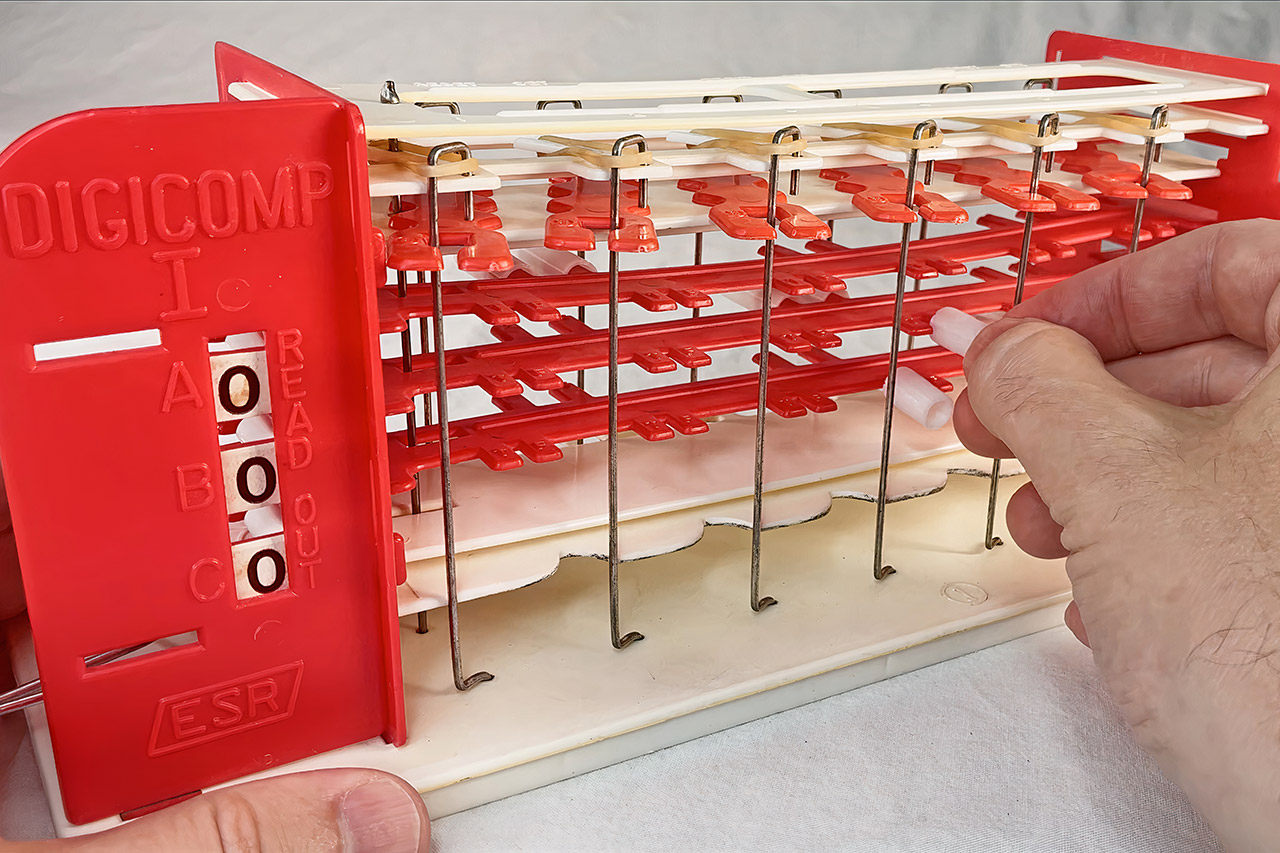
Digi-Comp 1 Mechanical Computer 1963
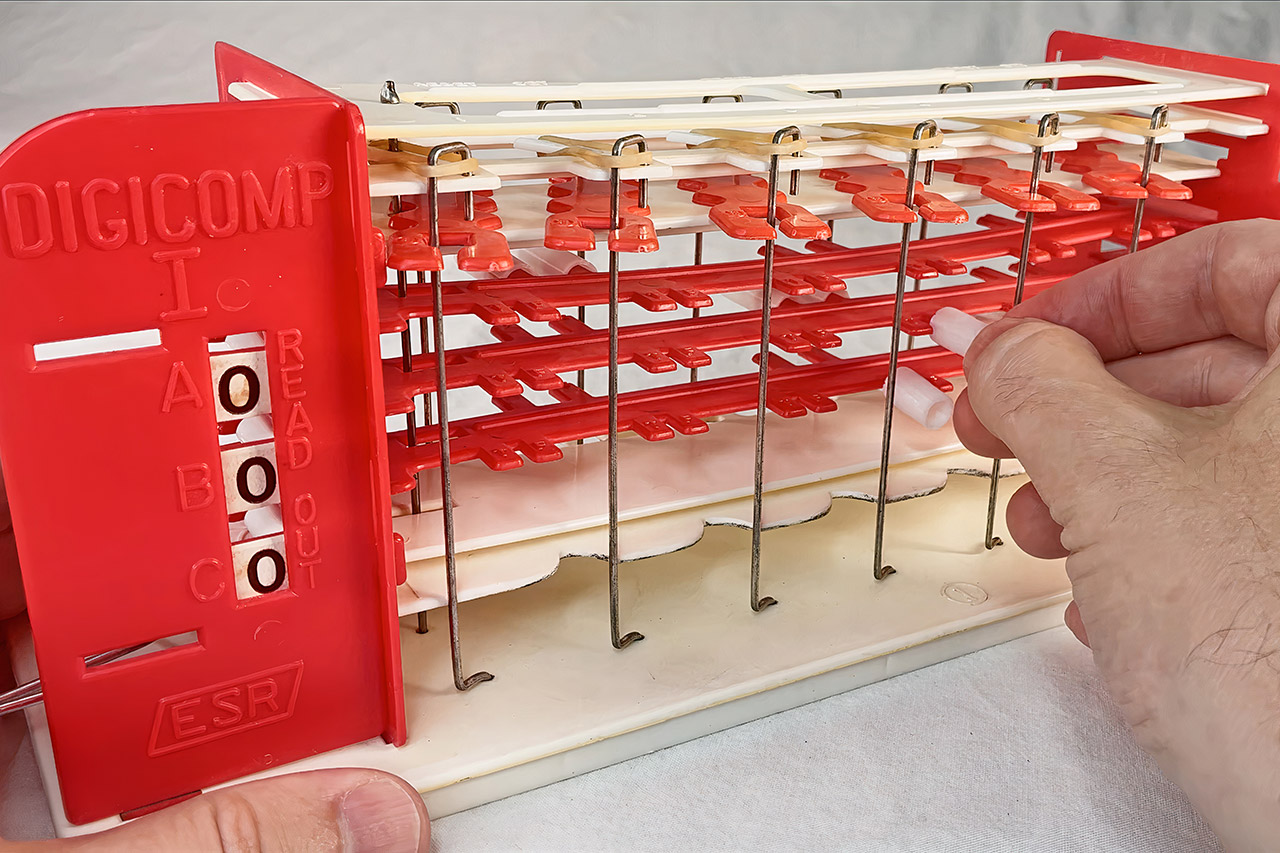
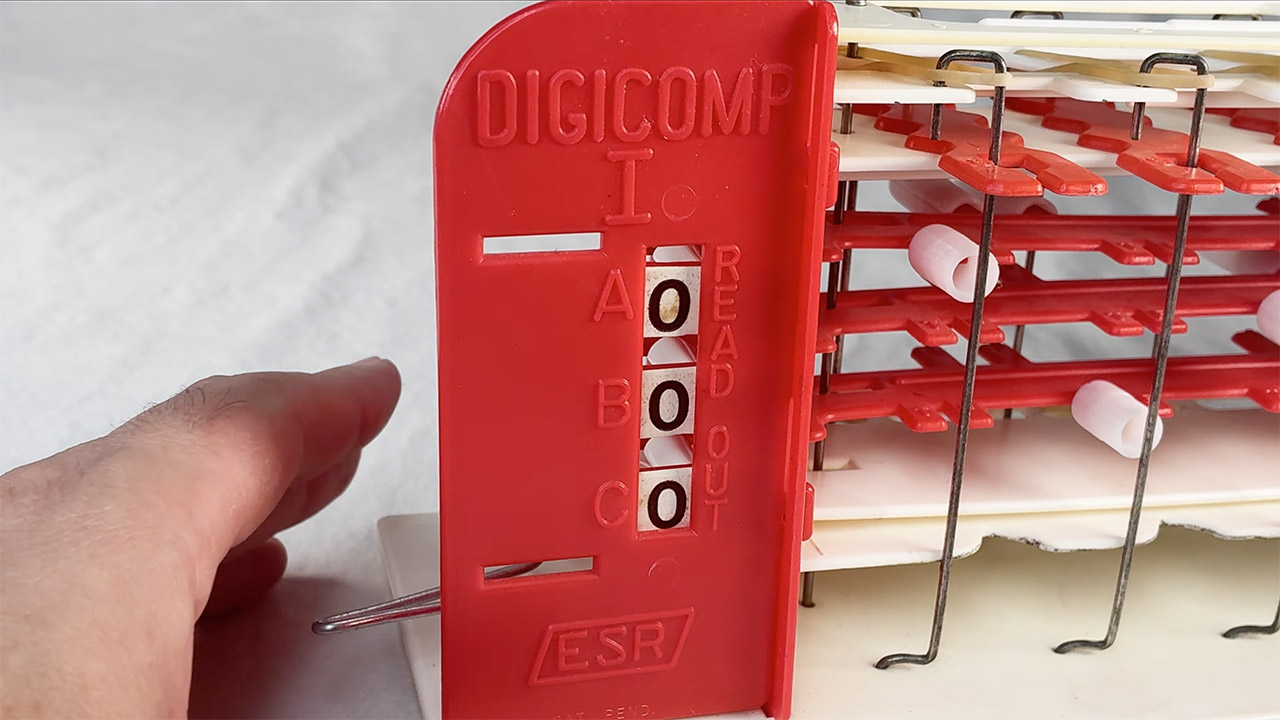
In 1963 a kit of red and white polystyrene plates, stiff metal rods, rubber bands, and short plastic tubes sold for $4.99 ($54.45 today) and assembled into a working digital computer. Three small windows on the front face displayed binary digits as either 0 or 1. A white lever marked “Clock” stuck out from the right side. Pushing that lever fully inward and then drawing it back out advanced every calculation by one step. No batteries or power cord were required. All motion came from the user’s hand and the tension stored in the rubber bands.


E.S.R. Inc., a small company founded by three engineers who originally intended to produce electronic computing equipment, release the kit as a side project to create quick cash. Instead of being a one-hit wonder, the Digi-Comp 1 sold out faster than anyone could keep up. Over 100,000 units were sold, with some estimating it could have been as many as 250,000. For a period, the number of Digi-Comp 1s was actually greater than the number of true electronic computers in use. At least in the middle of the 1960s. Eventually, the business chose to move its focus to more… traditional toys, and Digi-Comp 1 would remain in production for a little longer. It remained in production until the early 1970s.


GEEKOM Air12 Mini PC, Intel 7505(Beats N5095), 8GB Dual-Slot RAM, 256GB SSD
  • [Ultra-Compact Mini PC: 25% Faster Single-Core] Measuring just 4.6 x 4.4 x 1.35 inches, this space-saving small pc fits seamlessly into any office…
  • [Dual-Channel RAM & NVMe SSD Expandability] Pre-equipped with 8GB DDR4 RAM and a fast 256GB NVMe SSD to supercharge your daily productivity. Unlike…
  • [48EU Intel UHD Graphics: Double the EUs of N5095/N95] Features Intel UHD Graphics with 48 Execution Units (EUs)—double the graphics cores of…

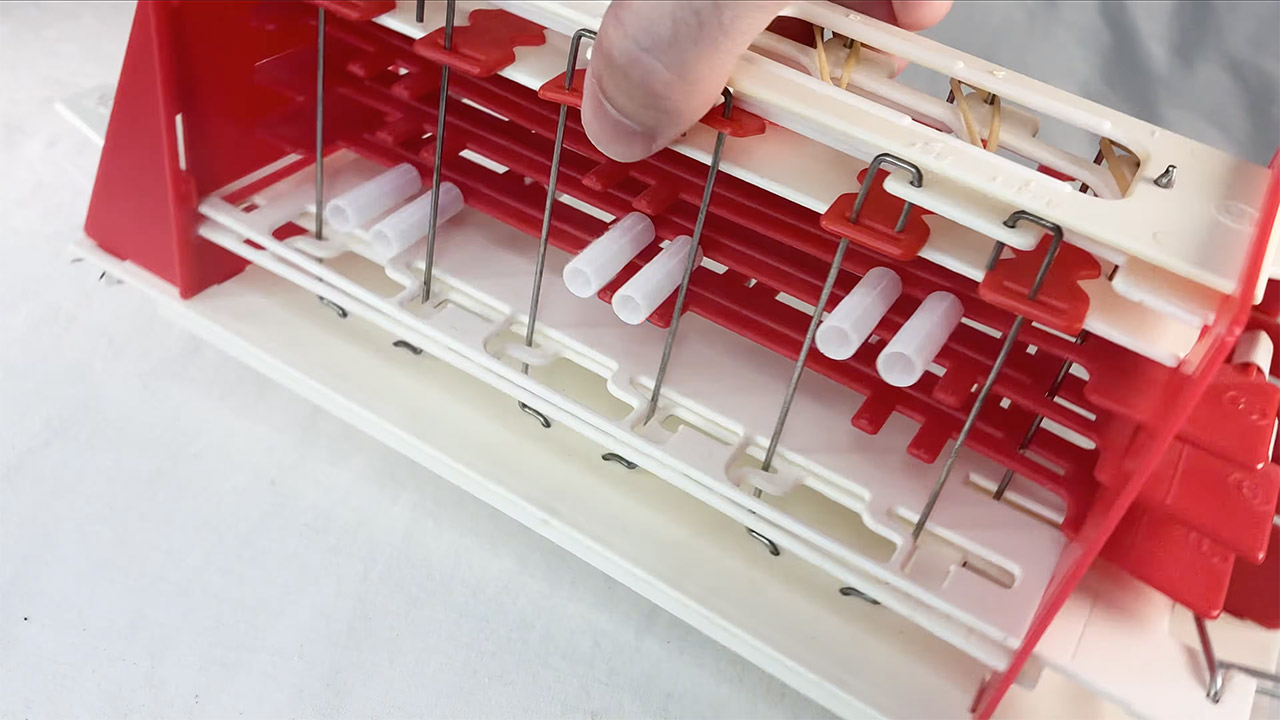
You assemble the device by slapping the base plate down and joining the upright supports in one seamless action, with no tools required. Then you add three horizontal bars that can move in any way because they can lock into either of two spots that you’d intuitively associate with binary 0 or binary 1, and those three bars may represent any number between 000 and 111, or, in more common terms, 0 to 7. Six thin rods now run along the front of the machine, with another six going along the back. Along the front, there are little tubes that you put onto tabs, and on the back, there are tubes that you fit onto the appropriate tabs. The arrangement of the back tubes dictates which rods can move and which cannot during a single clock cycle.

Digi-Comp 1 Mechanical Computer 1963
Now, the front rods serve as logic sensors, and depending on the condition of those three sliding bars, they will either drop or remain held up. The back rods are your actuators. So, if a rear rod swings free, it can push the bar from 0 to 1 or 1 to 0, as long as the right tube is in place. The rear rods with odd numbers reset to zero, while those with even numbers reset to one. Rubber bands keep the rods taut, allowing them to snap back into position as soon as an obstructing tube is relocated or a passage opens.

Digi-Comp 1 Mechanical Computer 1963
When you draw the lever all the way in and secure the logic rods, you complete a full clock cycle. Any rod that is not blocked by a front tube then connects to the corresponding rod on the back. Then, on the way back out, those free rear rods spring into action, shifting the sliding bars to whatever position is required by where you’ve placed the tubes. By the time the bars have set, the overall pattern of what is blocked and what is not has changed, making it ready for the next cycle. That’s all there is to it, because the machine’s current state totally controls its next state. In other words, it is a three-bit finite-state machine.

Digi-Comp 1 Mechanical Computer 1963
Users rummaged through the large instruction booklet to find tube arrangements that really worked. One fairly conventional configuration transformed the machine into a binary counter that counted up from 000 in a smooth, step-by-step manner, 000 to 001, then 010, 011, and so on all the way up to 111 until eventually counting down to 000 again. Other layouts became more fascinating, as you could combine two numbers, subtract one from another, move bits left or right, or just flip the entire value on its head. You could also use it for simple multiplication and comparisons. The kit featured a clever little plastic bit that allowed you to create “or” situations and solve some interesting challenges. People were able to encode games like Nim so that the machine would enforce the rules and vary the outcome depending on the starting position.

Digi-Comp 1 Mechanical Computer 1963
The results appeared immediately in the three front windows when the bars were clicked into place. The documentation that came with the tube layouts included not only the charts for how to set up the tubes, but also the fundamentals of binary counting and Boolean logic, all explained in a way that a 12-year-old could grasp. Many people who received a Digi-Comp 1 as a present later claimed that it was the first gadget to make abstract rules feel real and concrete. The tangible “click” of the bars moving and the rods shifting in front of you was extremely effective in demonstrating cause and consequence in a manner that a simple diagram cannot.

Advertisement

Source link

Continue Reading

Tech

New Lucid Gravity GT-S Hits 60 MPH in 3.1 Seconds, Seats 7

Published

on

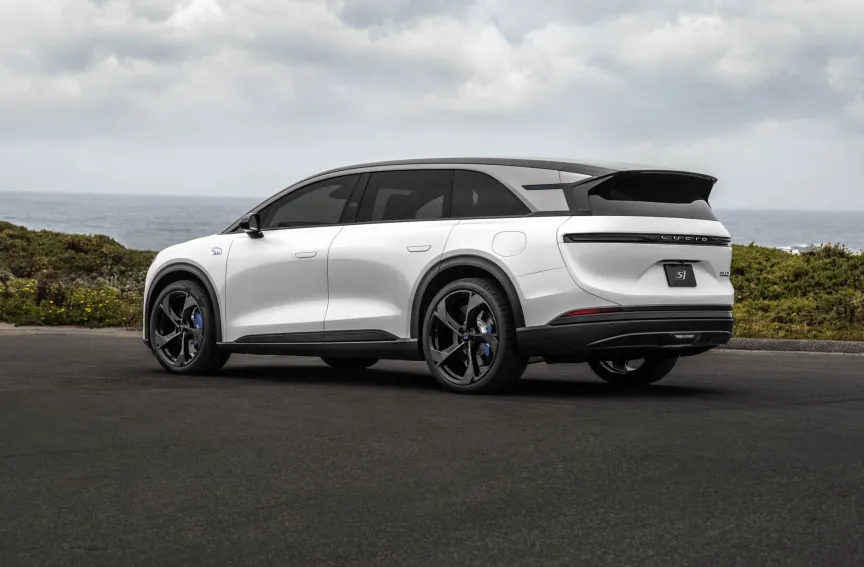
American luxury EV builder Lucid Motors announced and unveiled the Lucid Gravity GT-S this weekend during Monterey Car Week in California. The new performance variant of the brand’s three-row electric SUV inherits the upgraded three-motor powertrain from the 1,070-horsepower Lucid Air Sapphire, seats up to seven and features a 3.1-second 0-60 sprint.

Lucid calls the new GT-S trim level “America’s most powerful three-row SUV,” backing up the claim with that stated 1,070 hp from the EV’s three-motor (one front, two rear) setup. That sort of oomph is enough to propel the SUV to 60 mph in just 3.1 seconds — a tick behind its sibling, the lighter Air Sapphire sedan’s 1.89-second blitz, but still an impressive feat for a luxury SUV with three rows for passengers and a large cargo capacity.

Lucid Gravity GT-S, rear view, parked near the waterfront
Lucid’s top-of-the-line Gravity shaves about a half-second off the Grand Touring model’s 0-60 time.

Amazingly, while the Gravity GT-S may be the most powerful vehicle in its class, it’s not the quickest. Rivian’s range-topping R1S Quad-Motor keeps pace with 1,025 hp and an estimated 2.6 seconds to 60 mph, though Edmunds’ instrumented testing clocked it closer to 3 seconds flat. Tesla’s Model X Plaid packs 1,020 hp and a Tesla-claimed 2.5-second run — the Falcon-doored three-row EV was recently discontinued, but new and low-mileage examples are still relatively easy to find. Drivers with a half-second more patience can also consider the Cadillac Vistiq, which gets the job done in its 3.7-second Velocity Max mode with only 615 ponies. The level of speed on offer for luxury EV buyers these days is, frankly, absurd.

In addition to straight-line acceleration, Lucid has also boosted the GT-S handling. The spec comes standard with the automaker’s Dynamic Handling Package, which includes an adaptive air suspension that automatically lowers the SUV for efficiency at speed and hunkers down during dynamic driving. Independent rear-wheel steering is also standard, boosting low-speed agility and high-speed stability.

Lucid estimates the focus shift to performance will cost the GT-S trim a bit of efficiency. Range is projected to drop to around 373 miles, versus the 450 miles of the Gravity Grand Touring trim level, though that estimate has not yet been confirmed by the EPA.

Advertisement
Lucid Gravity interior detail showcasing black leather and blue contrast stitching
Like the Sapphire, the GT-S distinguishes itself with blue trim inside and out.Lucid Motors

Sapphire styling, inside and out

Along with the performance chops, the Gravity GT-S gets a Sapphire-inspired makeover inside and out. Exterior touches include blue accents and blue brake calipers, plus GT-S badging complete with a blue S that looks identical to the Sapphire’s branding.

Inside, the GT-S is upholstered in Lucid’s Mojave PurLuxe interior — a synthetic, animal-free leather alternative — finished with blue stitching and piping. Buyers who prefer real leather can opt for the Tahoe leather interior, which adds $1,300 to the bottom line. Either way, the blue theme carries through to the steering wheel and armrest stitching, plus blue seatbelts, a blue steering wheel badge, and blue embossing on the Lucid Bear headrest logos.

Close up of GT-S sport wheel with blue Lucid Bear logo and brake caliper.

This level of performance and luxury doesn’t come cheap. The Lucid Gravity GT-S will be available exclusively in the US, priced starting at an eye-watering $125,900, excluding tax, options and the $1,850 destination fees.

Source link

Continue Reading

Tech

Top-Tier Ecovacs Cleaning Robots Reach Low Prices for Target’s Floor Care Days

Published

on

Target’s Floor Care promotion is in its second week, and ECOVACS is going deep, with discounts of up to 60% on some of the most capable Deebot robot vacuums on the market, plus its Winbot window cleaner lineup and the GOAT robotic lawn mower on sale alongside them.

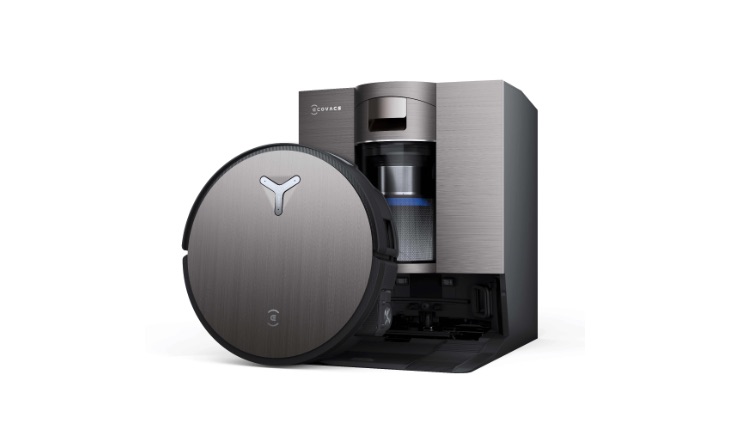
Headlining the deals is the Ecovacs Deebot X11 OmniCyclone, a high-end powerhouse packed with top-of-the-line features like nearly 20,000Pa of suction courtesy of BLAST engineering and the self-washing Ozmo Roller 2.0 mop. The Ozmo is a different beast than most mops because it utilizes a horizontally mounted scrubbing sponge instead of the rotating or vibrating pads normally found on robot mops. Make no mistake, the X11 OmniCyclone is a luxury-class robot vacuum — but at an impressive of around 50% discount, it makes premium autonomous cleaning available to more households than ever.

Of course, that’s far from the only great Ecovacs deal you can snag right now at Target. The Deebot X9S Pro Omni offers a similarly high-end finish and feature set to the X11, and it boasts additional suction power to pick up especially big messes and free stubborn particles from high-pile carpet. The X9S Pro Omni also sports the Ozmo Roller mop and luxury finish, and it’s $300 off for a final sale price of $699.99.

The remaining Deebot robot vacuum-mop combos on sale during the Target Floor Care promotion feature even bigger percentage cuts without sacrificing much performance. The Deebot T80 Omni essentially bridges the gap between midrange and high-end, featuring anti-tangle technology, high suction, and an Ozmo Roller comparable to the flagships, plus a whopping $600 off for a grand total of $399.99. For the duration of the sale, Ecovacs’ Deebot T50 Omni punches well above its temporary entry-level price of $298.99, and the inclusion of the Omni base station makes it arguably the most well-rounded choice in this price range. For just $16 more at $314.99, you can opt for the Deebot T50 Omni Care bundle, which includes spare rollers, mops, filters, edge brushes, and an extra bag—getting necessary component purchases out of the way early at a discount.

Advertisement

Ecovacs Winbot Window Cleaners Are Also on Sale

Even though Target is billing this explicitly as a Floor Care promotion, Ecovacs is offering price reductions on advanced, time-saving devices that aren’t meant for floors. The Ecovacs Winbot W2S Omni window cleaner robot can do more than save time and effort — it cleans out-of-reach windows that would otherwise require hiring a costly professional service. As an industry standard in automated window cleaning, it features impressive edge-to-edge coverage, convenient control scheduling, and multifaceted safety features — all for 25% off at $449.99.

If you don’t need the added support of the portable Omni base station, the standard Ecovacs Winbot W2S checks in at $299.99 (25% off) for the sale week, offering the same high-performing triple-nozzle array and Win-SLAM 4.0 navigation as its costlier sibling. Finally, the Ecovacs Winbot Mini gets a 29% reduction down to $170, making it especially useful for homes with just a few out-of-reach windows where investing in a longer-range model would be overkill.

It’s not every day that one of the world’s most effective, user-friendly automated cleaning lineups sees discounts this significant. You can easily snag a flagship-level Ecovacs robot vacuum and mop combo at midrange prices, or opt for a near-flagship model for what you’d normally pay for a run-of-the-mill competitor. These discounts also make it a great time to join the Winbot family — if you haven’t considered an automated window cleaner before, these reduced prices make them hard to pass up.

Source link

Advertisement
Continue Reading

Tech

Beyond general-purpose AI: why sovereignty matters in critical services

Published

on

Artificial intelligence is entering a new phase, one defined not by experimentation, but by operational deployment in environments where the stakes are high and the margin for error is narrow.

Nowhere is this shift more visible than in critical services such as healthcare, where organizations are beginning to rely on AI not just for efficiency gains, but for decisions that directly affect lives, outcomes and public trust.

Source link

Advertisement
Continue Reading

Tech

What Are Your Retro Game Consoles Worth?

Published

on

It’s possible you have something valuable boxed up in the garage.

Condition, scarcity and even a model number can turn old hardware into something surprisingly valuable.

That old console buried in your closet could be worth more than you expect. Or it could still be worth roughly what you assumed when you shoved it behind a box of cables 15 years ago.

Age alone is a pretty bad pricing guide. The exact model, whether it still works, its cosmetic condition and what survived alongside it can all affect the value. Special editions and desirable hardware revisions can push prices much higher, while prototypes operate in the sort of market where normal rules politely leave the room.

Advertisement

Condition can swing the price by hundreds

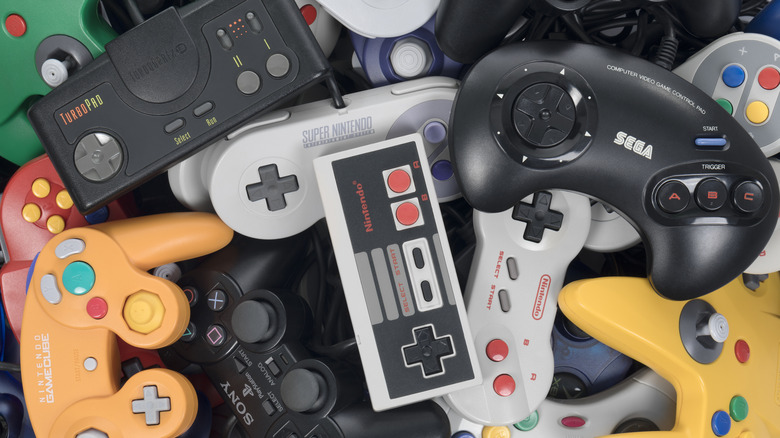
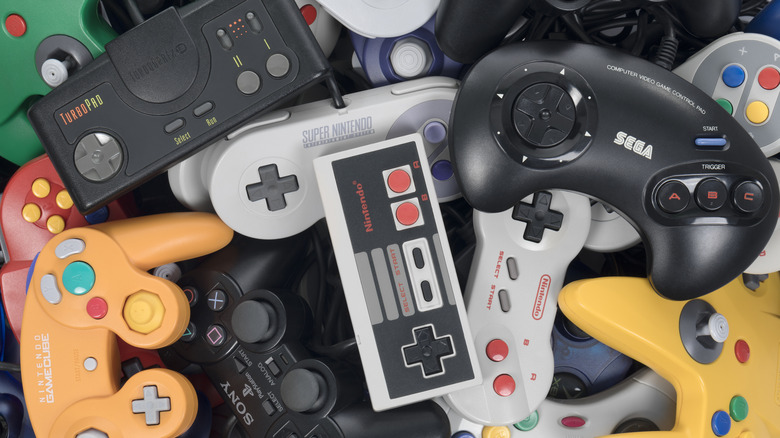
Old doesn’t automatically mean valuable, and pricing for a standard Nintendo Entertainment System makes that painfully clear. PriceCharting currently estimates an NES at about $82 loose, around $295 complete and roughly $1,209 new, using completed sales rather than the wildly optimistic asking prices that anyone who has spent five minutes on eBay has probably encountered.

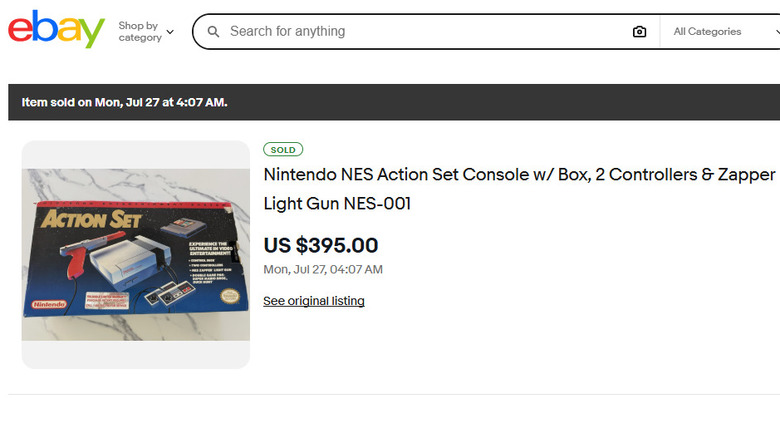
One boxed NES Action Set with two controllers and a Zapper, for example, sold for $395 on eBay. So original controllers, power supplies, cables, manuals, packaging and especially original boxes deserve a second look before anything gets tossed. And while the presence of original accessories and packaging matters a lot, functionality matters even more. 

A clean console that reliably boots is much easier to value than an untested machine whose seller swears it worked the last time they used it. PriceCharting does not guarantee that your particular console will actually fetch at its listed market estimate. So recent completed sales of comparable hardware are the better reality check.

Advertisement

Rarity helps, but the exact version can matter more

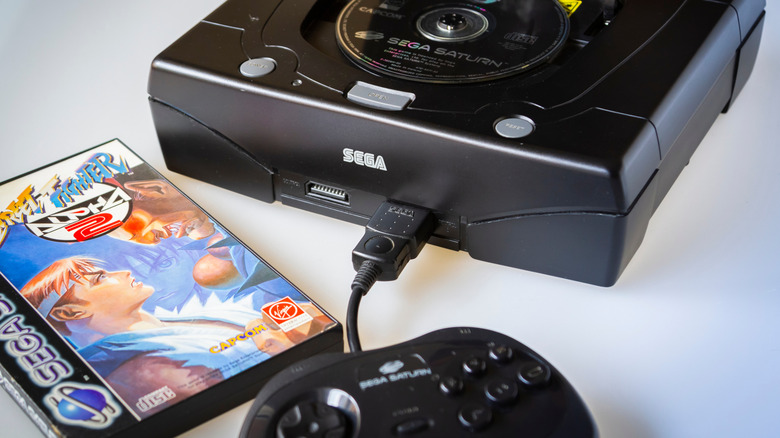
Scarcity can raise prices when collectors still want the hardware, which helps explain why a North American Sega Saturn is currently estimated at about $185 loose and $270 complete, compared with roughly $56 and $99 for an original PlayStation.

There were simply far fewer Saturns around, but that doesn’t mean every failed console eventually becomes a retirement plan. Two machines carrying essentially the same console name can have very different values because of their color, region, internals, ports or model number. A Japanese Hello Kitty Dreamcast, for example, is currently estimated at roughly $232 loose and $644 complete.

Early PlayStation 3 hardware provides another good example. The 60GB CECHA-01 model is currently estimated at around $374 loose and $650 complete, partly because its hardware can play PlayStation 2 games in a way later revisions cannot. So check the sticker on the back before listing anything.

Advertisement

Prototypes are a different market

Then there is hardware that was never supposed to reach ordinary store shelves. 

Development systems, pre-production machines and prototypes can command enormous prices because surviving examples may number in the single digits, and in extreme cases there may be only one known unit, turning what looks like an unusually ugly old console into a piece of gaming history.

Advertisement

The famous Nintendo PlayStation is the obvious example (and, sadly, probably not sitting underneath your spare HDMI cables). The surviving prototype came from Nintendo and Sony’s abandoned CD-ROM-based collaboration, and it received a $300,000 winning bid at auction in 2020. With the buyer’s premium, the Nintendo PlayStation cost $360,000.

Source link

Advertisement
Continue Reading

Tech

Why Are Some Makita Tools Black?

Published

on


We may receive a commission on purchases made from links.

Branding plays a huge role in a tool brand’s identity, as does the color of its products. For example, Milwaukee and DeWalt are so associated with their respective color schemes — red and yellow — that their products are identifiable at a glance, even by novice tool users. Makita’s teal color scheme, while perhaps not as iconic, is still closely associated with the brand, so much so that having black Makita tools may come across as a bit strange.

Advertisement

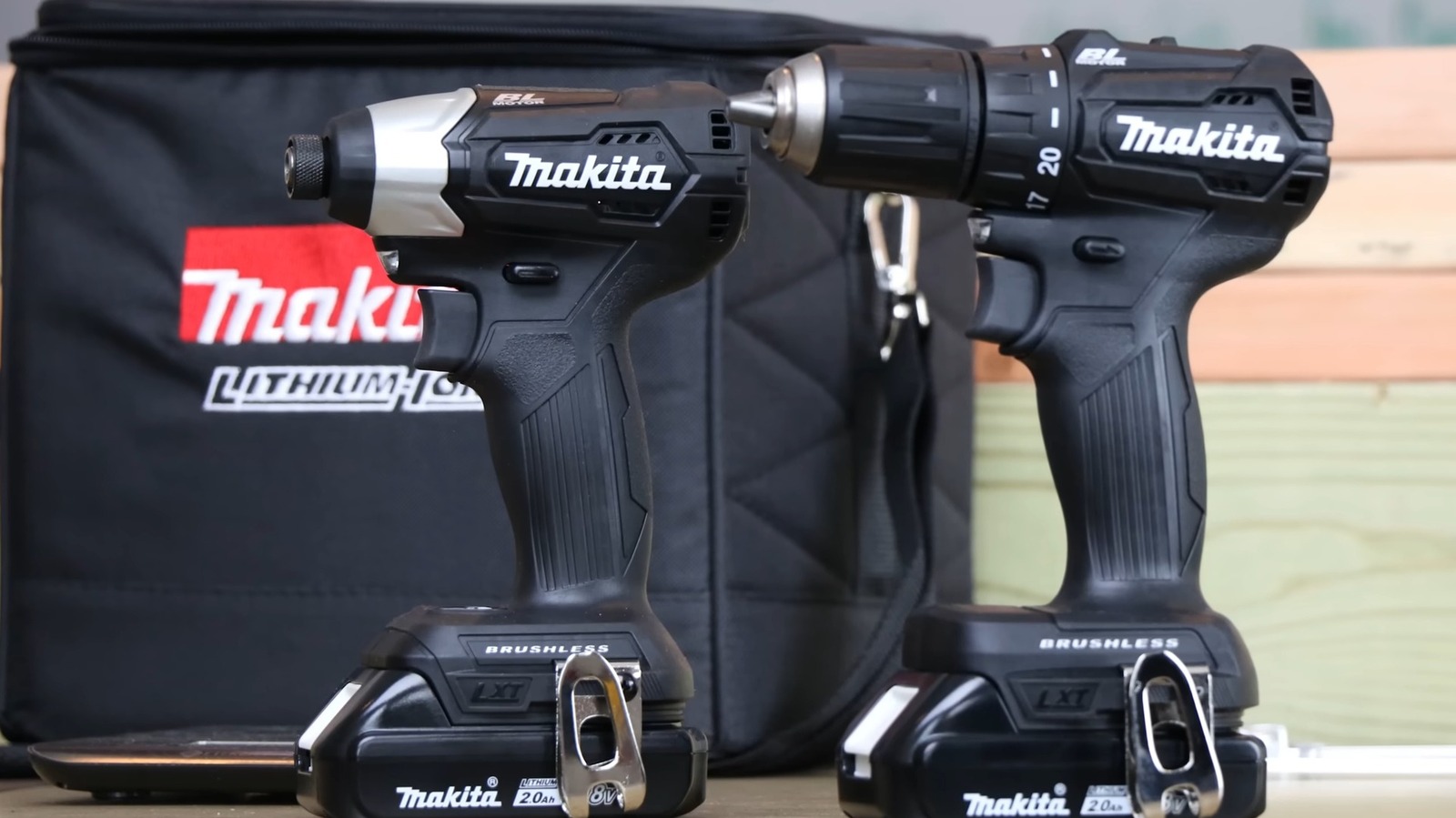
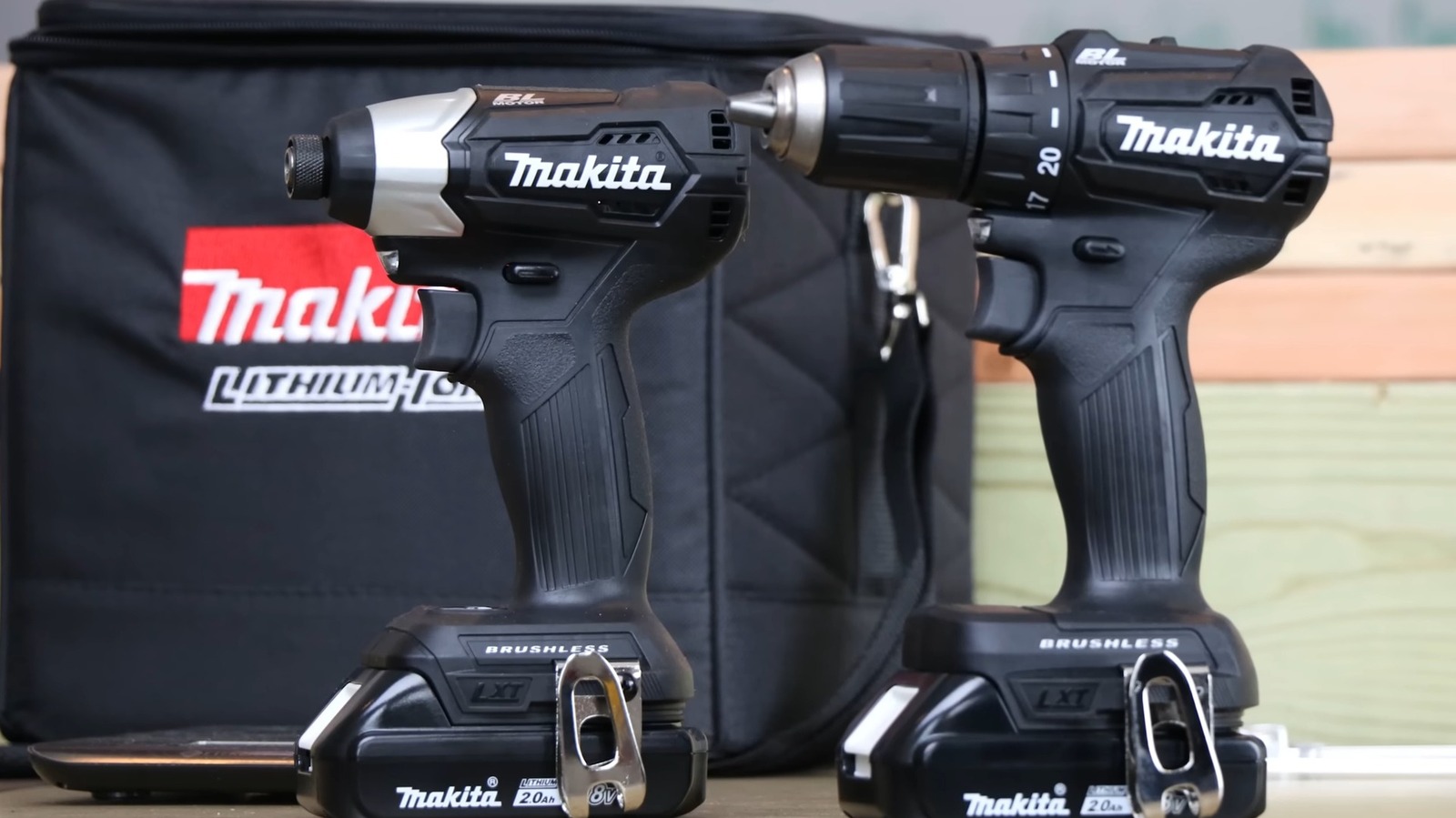
These black tools are part of Makita’s 18-volt LXT subcompact power tool line, which consists of smaller and lighter tools than its standard teal products. The black subcompact line has a pretty limited selection of tools, although it includes basics like drills and circular saws. Unfortunately, that means you may have trouble building out a collection of black Makita tools if you need something not available in the subcompact line. Black isn’t the only non-standard color you’ll find on Makita tools, though; the company also sells red tools that are regional or limited-edition offerings.

So, the Makita logo on an all-black shell generally means you’re looking at a smaller and lighter tool. With that said, what are you losing by going with a subcompact LXT product?

Advertisement

How black subcompact Makita tools compare to teal ones

Aside from their black color scheme, Makita’s subcompact line of power tools differs from its standard line in several key areas. For instance, the Makita 18V LXT subcompact 1/2-inch driver-drill can reach a maximum of 1,700 rpm and deliver 350 inch-pounds of torque, while the slightly larger compact version tops out at 2,000 rpm and 530 inch-pounds of torque. The full-size LXT driver-drill is capable of 1,800 rpm and 970 inch-pounds of torque. With that said, they’re much heavier than the 3.1-pound subcompact model at 3.9 and 4.65 pounds, respectively, with batteries attached.

Moving on from one of Makita’s top-selling drills, another example of the performance gap is the Makita 18V LXT subcompact band saw. The subcompact model is advertised as having a 2-inch cutting capacity, 630 feet per minute no-load speed, and a weight of 7.3 pounds with a battery. Meanwhile, the compact band saw has a 2-⅝-inch cutting capacity, a 630 feet per minute no-load speed, and a slightly heavier 7.9-pound weight.

If you’re buying from authorized Makita retailers in the United States, this is the sort of gap to expect with Makita’s black tools compared to the teal ones. However, you can find some black Makita tools that don’t compromise on performance, although you’ll have to do a bit of digging.

Advertisement

Some full-size Makita items are also available in black

Going through typical tool shopping channels like Home Depot, Ace Hardware, or even Amazon will lead you to black Makita subcompact tools and teal compact or full-size ones. However, there are some black full-size Makita tools floating around the internet. One example is the Makita 40V XGT brushless drill, model DF002GZB, an all-black, full-size, 40V unit. It’s only available in Japan, so if you want it, sources like eBay are your best bet.

Advertisement

Also popping up on online auction sites now and again is the Makita 40V XGT brushless impact driver, model TD005GZBwhich similarly has an all-black shell. This is also a Japan exclusive. Fortunately, you can at least purchase Makita’s 40V black-and-gray batteries, like the 40V XGT 4.0 Ah high power battery, in the U.S. So if you want a battery to match your imported all-black 40V tools, you can do so relatively easily.

Power tool performance is generally more important than the color and aesthetic, but if you prefer a certain look, why not go for it? If you’re after a colorway other than the typical Makita teal, the brand’s black subcompact line — and its olive green Outdoor Adventure products – have you covered.

Advertisement


Source link

Continue Reading

Tech

Supreme Court Rejects Verizon Bid For $47 Million Refund of FCC Fine

Published

on

An anonymous reader quotes a report from Ars Technica: The Supreme Court today rejected Verizon’s attempt to get a $47 million refund from the Federal Communications Commission. In a list of orders (PDF) issued by the court, Verizon’s petition was denied without explanation. The denial apparently ends any possibility of Verizon asking a lower court to review the fine and order the FCC to issue a refund. However, AT&T and T-Mobile are continuing to challenge similar fines on grounds that selling device-location data did not violate US telecom law.

AT&T, T-Mobile, and Verizon were fined a total of $196 million in 2024 for selling mobile users’ real-time location data without their customers’ consent. The carriers sold device-location information to data aggregators, who resold it to other firms. The carriers paid the fines and sought to have them overturned in courts, claiming their Seventh Amendment right to a jury trial was violated. Challenges by AT&T and Verizon were combined into a single case, and the Supreme Court ruled against the carriers in June of this year.

The court ruled that the FCC penalty process does not violate the Seventh Amendment because the carriers could have obtained jury trials if they refused to pay the fines and waited for the government to try to collect. The ruling (PDF) against the carriers was 8-1, with Justice Clarence Thomas dissenting.

Read more of this story at Slashdot.

Advertisement

Source link

Continue Reading

Tech

Meta’s facial recognition smart glasses idea just resurfaced in a patent

Published

on

Meta has spent much of this year trying to calm concerns about facial recognition coming to its smart glasses. But the company doesn’t look ready to give up on the idea, and a newly public patent application shows just how seriously Meta has continued exploring the technology.

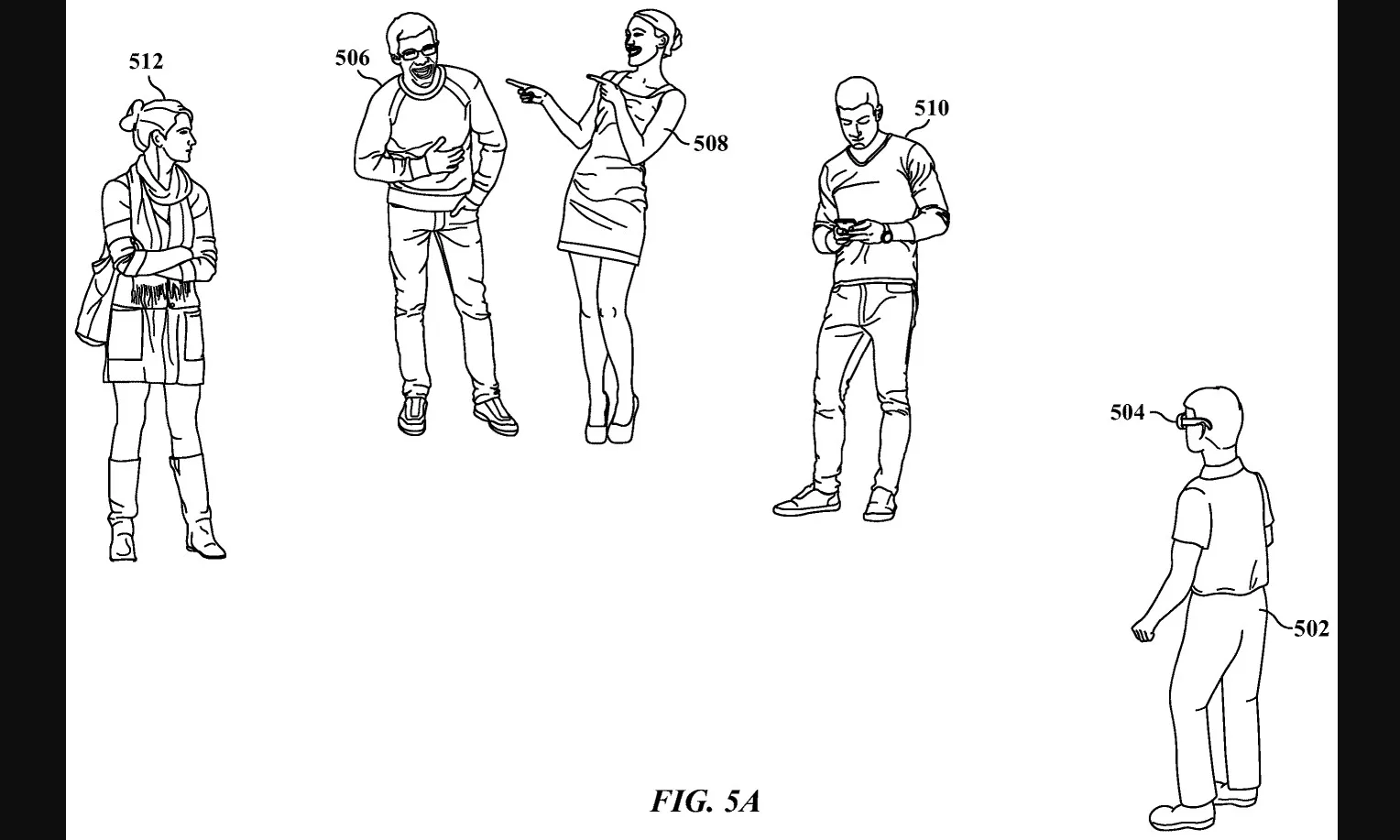
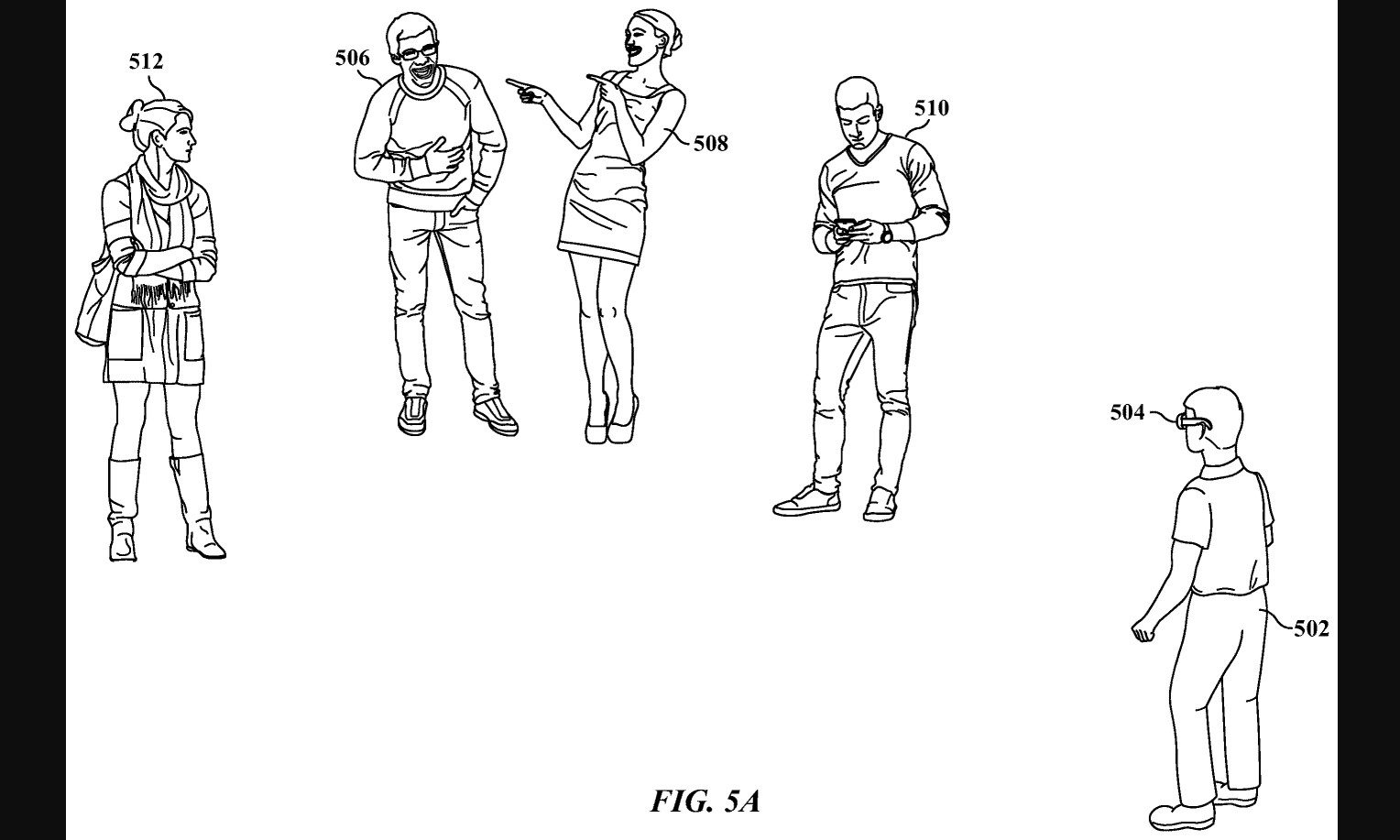
First reported by Patentlyze, the application was filed by Meta in February and describes using AI-powered facial recognition alongside smart glasses to identify people and use information associated with them when creating media.

A patent filing does not guarantee any of these features will reach consumers. But it arrives after months of reports showing that Meta has repeatedly explored facial recognition for its wearable devices.

This is starting to look like more than an experiment

Back in February, reports revealed an internal feature called “Name Tag” that could allow Meta’s smart glasses to identify people in real time.

Things got considerably stranger in June. Researchers found dormant face-recognition components inside the Meta AI app, including systems capable of detecting faces and converting them into biometric data. Meta later removed the code and maintained that no facial-recognition feature had launched.

Advertisement

Around the same time, we also learned that Meta had licensed facial-recognition technology from Rank One Computing, a company whose customers include U.S. military and law enforcement agencies. The software was also found sitting dormant inside the Meta AI app.

At this point, there is no doubt that Meta has explored facial recognition for its glasses. What remains unclear is whether any of that work will eventually make its way into a product people can buy.

The privacy problem hasn’t changed

The patent has already drawn criticism. In a statement cited by CNET, the Center for Democracy and Technology warned that the technology could be abused in ways that put vulnerable people, including stalking and domestic violence victims, at risk.

It is the same concern that has followed Name Tag from the beginning. Smart glasses are very different from facial recognition tucked away inside a photo library. They are cameras worn on someone’s face while they move through public spaces.

Meta’s glasses already look remarkably similar to ordinary eyewear. Add facial recognition, and someone standing nearby may have no way of knowing whether they are simply being looked at or quietly identified.

Advertisement

Source link

Continue Reading

Tech

Leaked video shows Apple’s camera-equipped AirPods identifying a book by sight

Published

on

First look: Apple is known to be developing AirPods with built-in cameras that apparently would let Siri and Visual Intelligence see what users see. The cameras wouldn’t just offer traditional photo or video capture, they’d also support AI-powered recognition and recall.

The macOS Tahoe 26.7 release candidate includes code and a brief video referencing an unreleased product called B790. The short demonstration video, found by MacRumors, shows a user holding up a book so the AirPods camera can read its title. The camera appears to recognize the text, and the voiceover describes the feature as a way to save information from the real world.

“With Visual Intelligence, your world becomes savable. See something you like? Just ask me to save it for later,” the voiceover says.

The references suggest the cameras are built to work with Visual Intelligence rather than function as standard photo or video cameras. Siri could use the visual input to answer questions about nearby objects and save information a user wants to recall later.

Advertisement

The AirPods could give Siri visual context without requiring users to pull out an iPhone, expanding on Apple’s existing Visual Intelligence features, which currently depend largely on the iPhone’s camera and screen.

Apple’s software also includes a warning for situations in which the AirPods’ cameras are blocked. The alert tells users to keep the AirPods uncovered so the cameras can provide the most accurate information about their surroundings, suggesting Apple expects the cameras to need an unobstructed view of the wearer’s environment.

The B790 codename has surfaced before: Mark Gurman previously reported that Apple was developing the product and said it could arrive as soon as September.

If Apple introduces the device then, it could appear at the company’s upcoming iPhone launch event, where we expect to see the iPhone 18 Pro, iPhone 18 Pro Max, and a foldable iPhone Ultra.

Advertisement

The macOS Tahoe 26.7 release candidate contains several references to B790, along with mentions of other unreleased Apple hardware. Apple has not announced the camera-equipped AirPods or confirmed a launch date.

However, Apple has not publicly detailed the hardware design, image-processing approach or privacy controls for the device. Those questions matter for a camera system designed to be worn in public and used outward for everyday tasks.

Source link

Advertisement
Continue Reading

Trending

Copyright © 2025