The Majority Bowfell Halo is a decent 5.1 surround system at a spectacularly low price but don’t expect true Dolby Atmos thrills from this system
Inexpensive
Decent sound for a 5.1 system
No DTS support
Unconvincing Atmos sound
Bass integration could be better
Key Features
Introduction
Majority Audio has built its brand on affordable, value-focused sound systems and portable devices, and Bowfell Halo could represent something of a watershed.
You’d be well within reason to doubt if it could match sound systems triple the cost, but Majority enjoys confounding expectations. Is the Bowfell Halo the home cinema bargain of 2026?
Advertisement
Design
Compact
Front-firing sub port
Wired satellite speakers
Considering the price, it’s no surprise that the Bowfell Halo is rather nondescript when it comes to design. The main soundbar is compact – similar in size and shape to LG’s Éclair soundbar from a few years back. It’s a neat and tidy looking system.
Image Credit (Trusted Reviews)
The subwoofer is not too big either – slim and standing upright, this is a system conceived to take up as little space as possible. The surround speakers are small and circular in shape, connecting to one another via a cable (the main surround powers the other, meaning only one power cable is needed). This is a system for a small room.
Image Credit (Trusted Reviews)
Advertisement
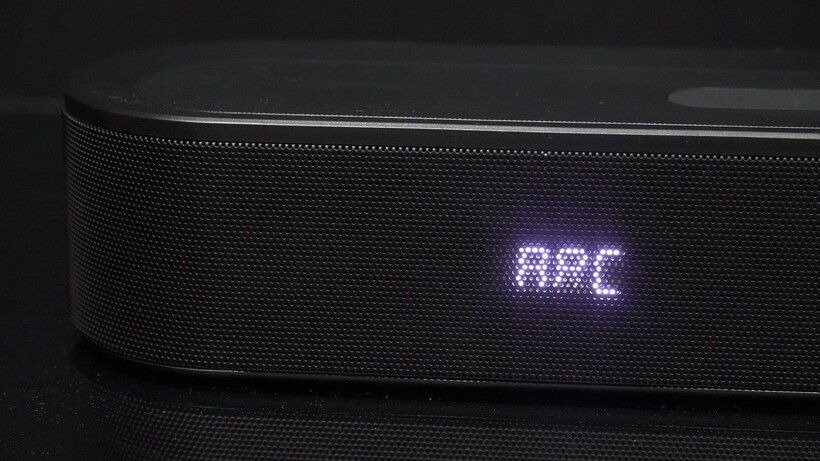
You’ve got controls on the main soundbar for volume, source selection, and power (there’s a remote with those functions and more), plus the main bar has a display that’s bright though not large enough to read all the letters at once. The subwoofer has forward-facing port so ideally it can be placed wherever (though closer to the main bar for best bass integration).
Advertisement
The main bar, subwoofer and satellites all connect to each other via Bluetooth. It’s slightly tricky (at least I found) to get the speakers to link up. The instructions aren’t the clearest, nor are they on the page the manual insists they are.
Image Credit (Trusted Reviews)
Features
Bluetooth 5.3
Four EQ modes
No DTS support
The Bowfell Halo is short on features. There’s no Wi-Fi but there is Bluetooth 5.3 (with SBC support). There is HDMI eARC despite the Majority website mentioning HDMI ARC instead.
The latter calls into question whether this is a ‘proper’ Dolby Atmos sound system. The logo is on the soundbar, so it must be, but there are no upfiring speakers (as far as I can tell), and confusingly the Bowfell Halo refers to itself as a 5.1 system, a channel count that lacks the immersive height channels.
Advertisement
Image Credit (Trusted Reviews)
The connections can be found in a recessed area in the main bar with an aux input, USB and optical output as the other connections.
There’s no info on the speaker set-up but there’s 300W of power running through the Halo’s speakers. Otherwise we’re left short on information.
Advertisement
There are four EQ modes but Majority doesn’t make it easy to figure out what’s what. I’ve sussed out that EQ1 is Music (surely Movie first?), EQ2 is Movie, EQ3 is News and EQ4 is Sports. And there’s not a massive difference between the sound of either of them.
Image Credit (Trusted Reviews)
Sound Quality
Spacious
Bass could be stronger
Good dialogue clarity
Advertisement
Ransacking my film collection and running through various titles, it’s clear to hear what the Bowfell Halo is and is not.
Firstly, it’s not really a Dolby Atmos system. I can’t hear any sound in the height channels above the TV or pushed out from the speakers.
Secondly, it likes Dolby Audio but not much else. Watching Tenet in DTS, no sound came through the speaker.
Advertisement
Image Credit (Trusted Reviews)
There were a few gremlins to note as well. For a short time it wouldn’t play any audio from a Panasonic UB820 4K player but a Sony PS5 was fine. I couldn’t track down whether the problem lay with the Majority system or the Sony A80L.
Now onto the sound, and from the off the Bowfell Halo can sound unbalanced with bass. Watching Industry on iPlayer, male voices were especially bassy with some noticeable distortion. I had placed the subwoofer behind the soundbar but a move to its side seemed to solve the boomy sense of balance with voices.
Advertisement
That said, there was still some boominess to the low frequencies but clarity of dialogue did improve even if with Mission: Impossible – The Final Reckoning and Predator: Badlands, there was some mild distortion.
The Bowfell Halo is solid in terms of overall clarity and detail. It sounds natural with dialogue, and activity in the rears is decent, filling the information behind the viewer, though the surrounds are more active (or just louder) in tying the front and rears together. It handles sounds panning across the soundstage relatively well, and handover from the front and rears (and vice versa) is present too.
Advertisement
Image Credit (Trusted Reviews)
I tested in a bigger room and despite the 300W of power, the Majority never felt it truly filled the space. The bubble of immersive sound wasn’t present, especially without any sense of height to the sound. This is a sound system where I found it sounds better with native 5.1 content than it does with Dolby Atmos.
A watch of F1: The Movie and the Majority offers a punchy, clean bass performance but it’s not the biggest. Tonally it sounds crisp and while all the speakers seem engaged for a spacious soundstage, I wouldn’t describe it as the most exciting performance.
With Dune (4K Blu-ray), the bass lacks depth and extension. The Movie preset is EQ2 in case anyone feels there’s some bass missing but activating that and the bass was still lacking.
Advertisement
There’s not much dynamism or intensity the Majority produces – in fact it sounds as if it needs more power and energy to hit the notes that a film like Dune demands.
Advertisement
Image Credit (Trusted Reviews)
I decided to rev the bass settings up in the scene where the Atreides family leaves Caladan but the result is a flat, indescribable vibration that constantly hums throughout the sequence. For all the 300W of power at its disposal, it’s not confident in using it.
With music over a Bluetooth connection, the Bowfell Halo sounds warm (the opposite of its TV tuning) and it’s ok to listen but not the clearest or most defined with vocals or instruments with the Music EQ turned on.
In fact, the Movie EQ makes music sound a little bigger, louder and defined than the Music EQ does, but bass is still a little light. It’s an ok performance, but like with its TV performance it can often sound on the mild side.
Advertisement
Should you buy it?
There’s no shame in looking for an inexpensive product, and the Majority delivers decent 5.1 sound for a quite spectacularly low price
Advertisement
You’re after Dolby Atmos
Advertisement
I simply just don’t believe this is a Dolby Atmos sound system and if you’re buying it for that experience, you’ll be disappointed.
Final Thoughts
I imagine there’ll be plenty of punters who see the price and think they’re getting a bargain with the Majority Bowfell Halo. £169 for a surround sound system is a bargain.
But I don’t believe the Bowfell Halo to be a true Dolby Atmos system. It’s not the most exciting, the bass isn’t the best balanced and there’s a lack of height for it to be truly immersive. It’s a 5.1 system impersonating an Atmos system.
Think of it more as an inexpensive 5.1 system and it’s perfectly ok but I wouldn’t recommend this if you’re seeking an affordable Dolby Atmos system.
Advertisement
How We Test
The Majority Bowfell Halo was tested over two weeks with movies, TV series, and music (over a Bluetooth connection)
Tested for two weeks
Tested with real world use
FAQs
Does the Majority Bowfell Halo support DTS?
There’s no DTS support for this model. Try to play any DTS tracks and no sound will play through the speaker.
Microsoft Word is getting an AI legal agent, which sounds helpful until you remember how badly this has gone before. The new Legal Agent can review contracts, suggest edits, compare versions, and flag risky clauses inside Word. On paper, these features sound quite useful and convenient, however, cases of generative AI tools hallucinating and inventing entire cases, citations and quotes from thin air have dragged some real people in real court trouble before.
What can Microsoft’s Legal Agent do?
Microsoft says Legal Agent is available through Copilot in Word for users in its Frontier program in the U.S. It currently works on Word for Windows desktop. There is no separate app or installation required, though some users may need to restart Word before the agent appears.
Legal Agent is meant for contract and document review. Microsoft says it can check a contract clause by clause against a legal playbook, review a full agreement, compare different versions, flag risks and obligations, and suggest edits with tracked changes. It is also keeps the original formatting, tables, lists, and negotiation history intact.
Advertisement
The company is also trying to avoid the obvious nightmare scenario for its users and itself. The feature has built-in safeguards like providing citations linked to source language, so reviewers can check suggestions before using them, along with clear disclaimers that it does not provide legal advice, may produce inaccurate content, and still requires review by a qualified legal professional before anything is relied on.
Microsoft
Why should lawyers still be nervous?
There is already precedent for AI going rogue in legal settings as two New York lawyers were sanctioned in 2023 and ordered to pay a $5,000 fine after submitting a court filing that included fake cases generated by ChatGPT. Michael Cohen, Donald Trump’s former lawyer, also admitted that he unknowingly gave his attorney fake case citations generated by Google Bard. While Cohen was not sanctioned, the judge still called the episode embarrassing and stressed the need for skepticism when using AI in legal work.
The bigger problem is that hallucinations remain unresolved. AI chatbots can still produce answers that sound confident while being partly or completely wrong. In legal work, that is especially dangerous, because a made-up citation or invented case can end up in a filing and create serious consequences.
Microsoft has put many safeguards on Legal Agent to prevent these issues, however, the lesson is already written in court records. AI can speed up legal work, but the responsibility of fact checking still falls on the lawyer.
The ACSI has a trio of heavy-hitters on top for 2026: Home Depot, Lowe’s, and Menards. Each company earned a score of 81 out of 100. Both Home Depot and Lowe’s scored higher than the year before, while Menards was slightly lower. The ACSI 2026 rankings place these companies ahead of other well-known home improvement retailers, including Tractor Supply – which has been in business since 1938 – and Ace Hardware, which took a notable hit in this year’s index after being the highest-ranked last year.
The ACSI uses customer interviews to inform its rankings rather than relying on a single rating. Those interviews are fed into a model that measures customer satisfaction through a specific set of drivers. Those drivers include customer expectations, perceived quality, and perceived value. The results are then connected with customer complaints and customer loyalty to determine the final satisfaction score. This makes it possible for companies within the same industry to be compared using the same measurement system.
Advertisement
Understanding the differences in customer satisfaction scores
PJ McDonnell/Shutterstock
The American Customer Satisfaction Index for 2025 looked much different for home improvement retailers than it did just one year later. Menards ranked higher and was actually tied for the top spot with Ace Hardware. Home Depot was in second place, and Lowe’s, where some people hate to shop, came in dead last. Tractor Supply Company, which ranked in 2026, was not part of the ACSI in 2025.
The ACSI doesn’t reveal exactly what caused customers to rate their personal experiences differently from one year to the next. However, scores are definitely impacted by even the slightest change in customer responses. This means that small differences can lead to big shifts, especially when those changes show up consistently across multiple survey responses rather than in just one area. This was reflected in the rankings from 2025 to 2026. Additionally, the ACSI represents one set of survey results that perhaps do not accurately tell the whole story across the board.
Advertisement
For example, the J.D. Power 2025 U.S. Home Improvement Retailer Satisfaction Study ranked Lowe’s highest in customer satisfaction. Ace Hardware came in a close second, while Home Depot and Menards followed behind. In this case, J.D. Power measured satisfaction across eight areas, including store experience, product availability, digital tools, and value for price paid, among others. Responses from more than 2,000 customers who had recently made home improvement purchases were used to determine the results.
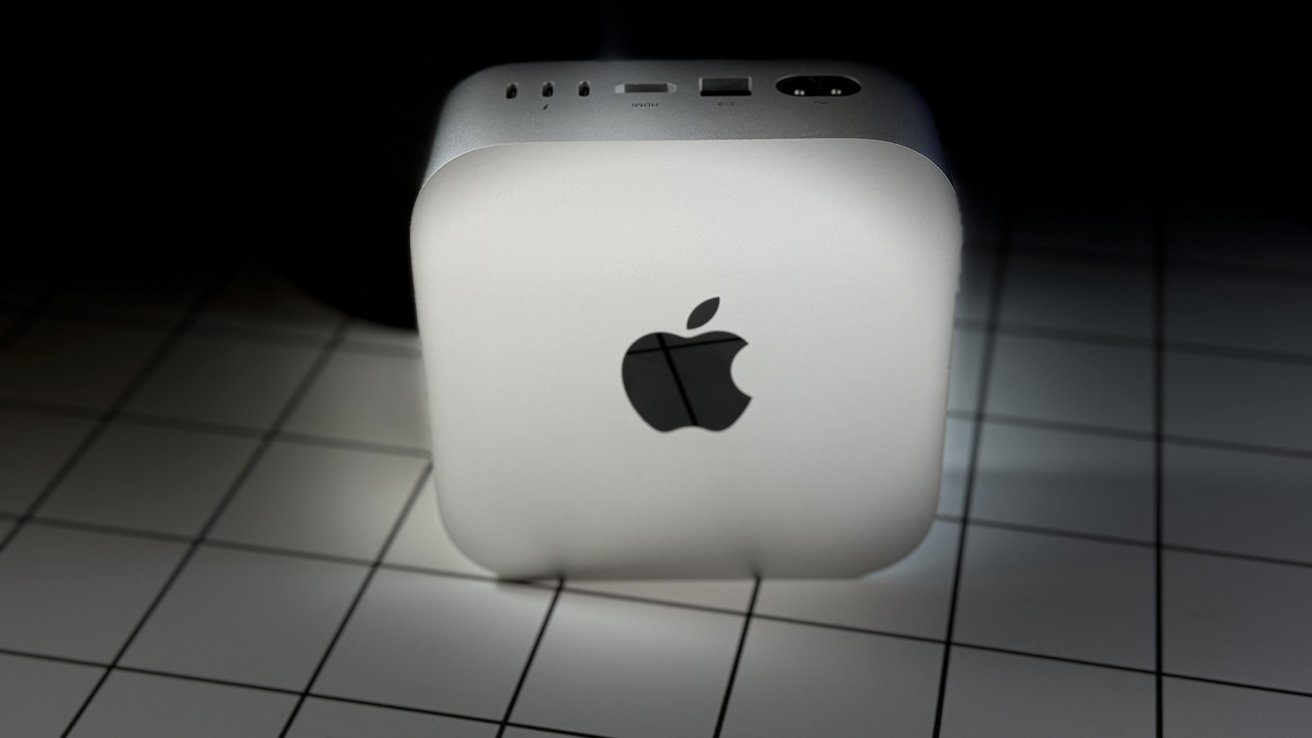
Apple has quietly pushed the Mac mini entry price higher, as the once-standard $599 base model is no longer available on its U.S. online store.
As of May 1, the $599 Mac mini configuration isn’t available to order through Apple’s primary online store. The 256GB model doesn’t appear as a selectable option there.
Higher-priced configurations now define the main lineup, with listed pricing starting at $799, though availability across configurations continues to fluctuate.
The 256GB configuration is also absent from Apple’s education and military storefronts, with no way to order or backorder it.
Advertisement
Refurbished listings still include lower-priced Mac mini configurations when inventory is available, but those units are limited and inconsistent.
When the M4 Mac mini launched on October 29, 2024, Apple positioned it as the company’s most affordable Mac, with a $599 starting price, 16GB of memory, and 256GB of storage.
Other configurations also show extended shipping delays or limited availability, indicating the constraint affects more than a single model.
The base model was out of stock for roughly two weeks before disappearing from the online store. This change aligns with supply constraints affecting the Mac mini lineup.
Advertisement
Going to be months before supply equals demand
During Apple’s fiscal second-quarter earnings call on April 30, 2026, CEO Tim Cook said demand for Mac mini and Mac Studio has outpaced supply and will take months to stabilize. Rising interest in running AI workloads locally has increased demand for compact Macs and added pressure to already constrained supply.
For buyers, the Mac mini no longer offers a reliable $599 entry point into macOS, with that role now shifting to the MacBook Neo. Mac mini configurations now start closer to $799 in most purchasing scenarios.
From Apple’s side, the move reflects a combination of supply constraints and product positioning. Removing the lowest-cost configuration pushes buyers toward higher-priced models and supports higher average selling prices.
Whether the change, as spotted by MacRumors, is temporary or a longer-term adjustment remains unclear. Earlier reporting points to a Mac mini update later in 2026, but exact timing is uncertain and current availability issues may still affect Apple’s supply chain.
The launch of the Epic Games Store follows the full implementation of the Mobile Software Competition Act, which was passed by lawmakers in Japan in December 2025. The new law is similar to the Digital Markets Act, requiring support for alternative app distribution and payment systems across digital platforms. Read Entire Article Source link
Runners frequently struggle to strike the perfect balance when it comes to listening to music or podcasts on long runs: they want to be able to zone out from the world while also remaining aware for approaching cars or chatter from fellow trail-goers without having to rip out their headphones at every little sound. The Shokz OpenRun Pro 2 bone conduction headphones, priced at $139.95 (was $180), solve that exact problem with a design that sits snugly against your cheekbones while leaving both ears open for full awareness.
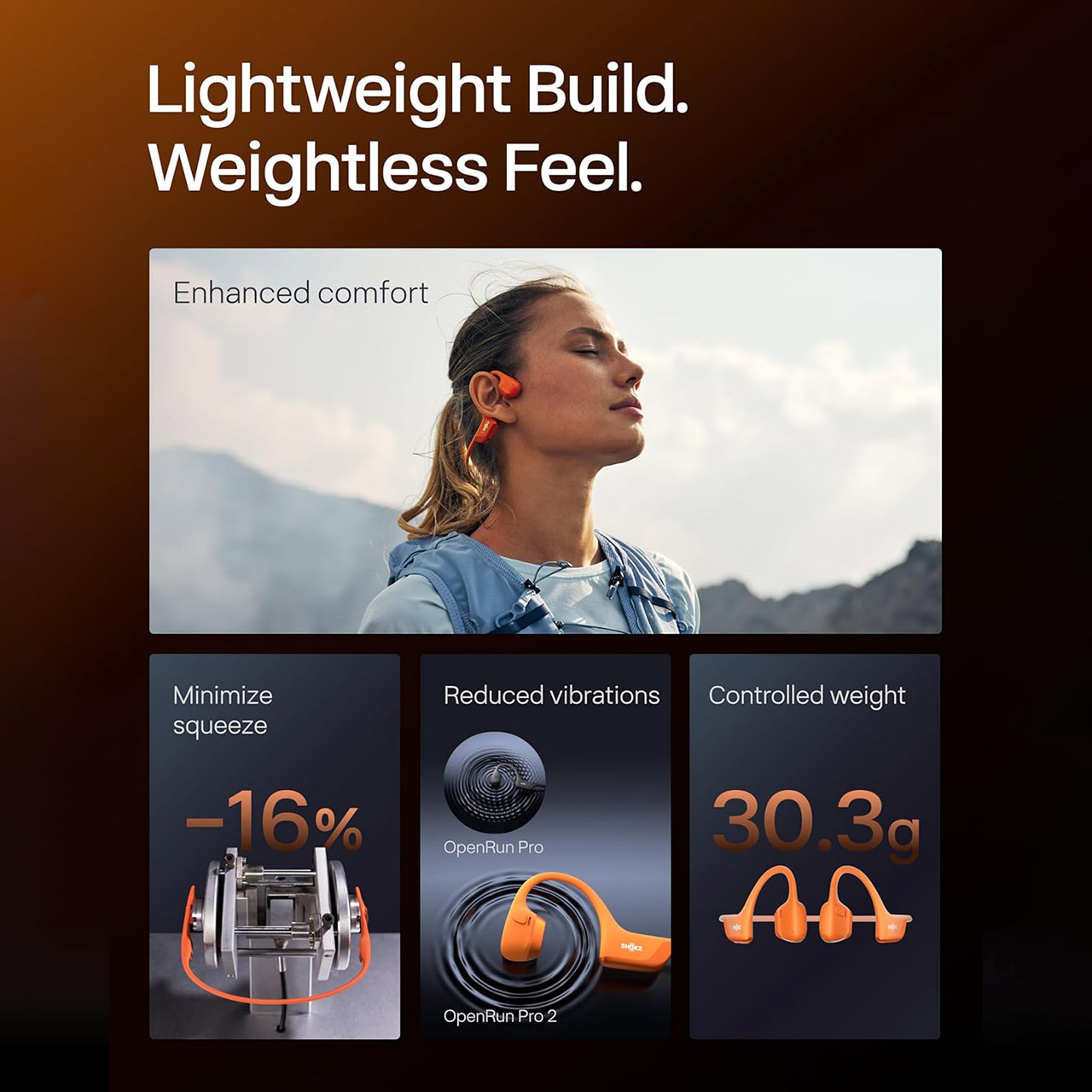
A lightweight frame weighing only 30g clips on and stays put across uneven terrain or gym circuits thanks to a clever combination of a nickel-titanium wire and soft ear hooks that follow the natural contours of your head for comfort. Reviewers swear they can wear these for hours without experiencing the normal pressure areas and shifting that requires frequent fussing with the fit.
Unparalleled Audio and Premium sound – Dual drivers combine the clear highs of Bone Conduction Tech with the deep bass of Air Conduction Tech for…
Open-Ear Awareness – SHOKZ’s signature open-ear design helps you power through your workouts while keeping you safely aware of your surroundings…
Secure Stable, Lightweight Fit – The weight-optimized design of this unibody frame integrates a Ni-Ti alloy memory wire and ergonomic ear hooks. The…
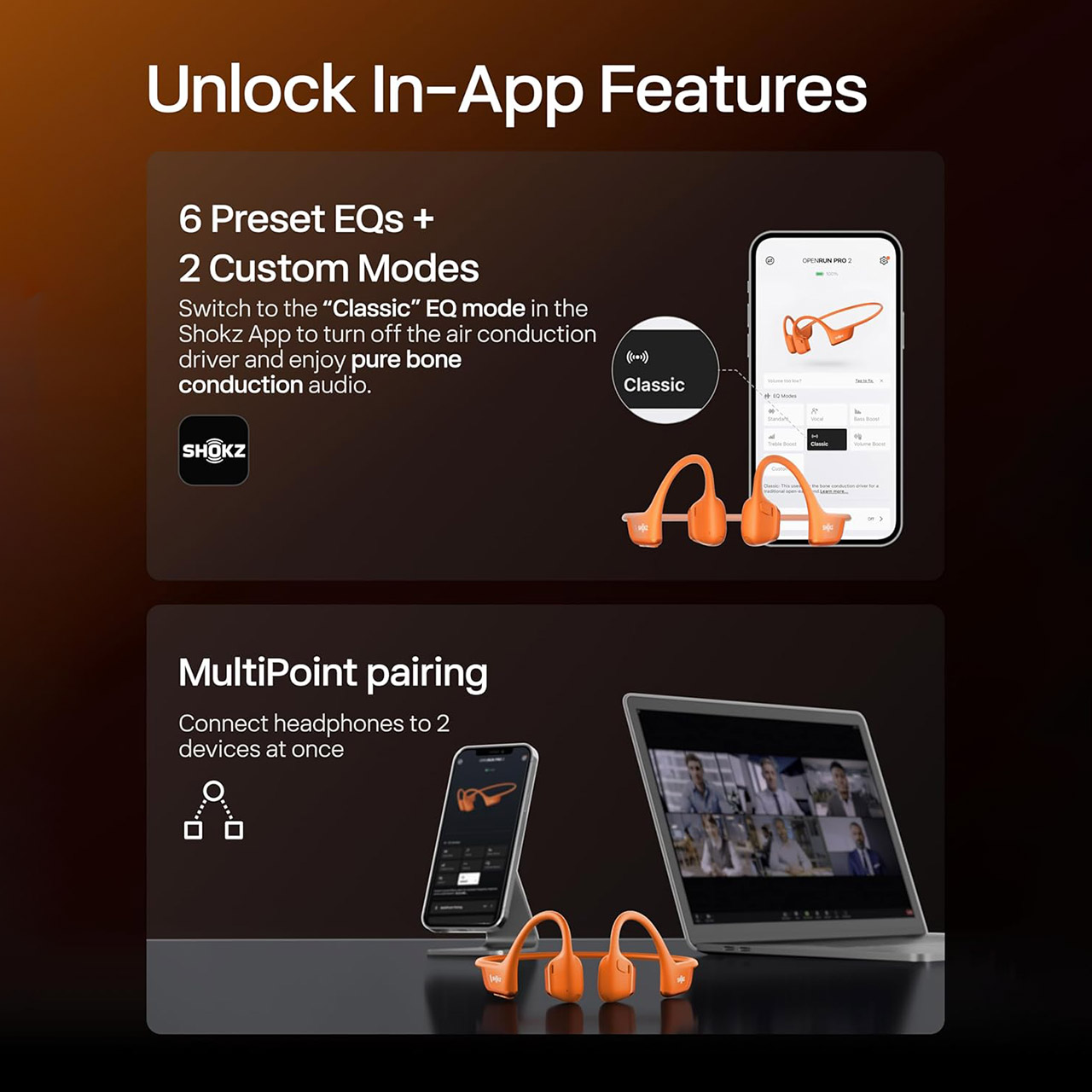
The sound quality is quite impressive, with bone conduction handling the clear mids and highs and a small air conduction speaker providing a nice boost of low-end weight that previous models could only dream of. As a result, music and audiobooks sound full and balanced even at moderate volumes. It’s also incredibly simple to change up your sound with a simple app that provides rapid access to preset modes for noisy streets or a pure open-ear listening experience.
You get a good 12 hours of fun on a single charge, which is equivalent to a full day of action without having to stop halfway through to recharge. If you do need to recharge, plugging them in for five minutes via USB-C will give you an extra 2.5 hours of music, and phone calls sound crystal clear even on windy days or on crowded sidewalks. The dual microphones are angled such that they cut through all of the background wind noise, allowing the person on the other end to hear what you’re saying clearly rather than simply the sound of traffic or your breathing.
In terms of durability, these headphones have an IP55 rating, which means they can survive light rain and even perspiration without missing a beat. There’s also a reflective strip along the frame to keep you visible in low light, but you won’t have to bother with other equipment. If you already own an earlier Shokz model, you’ll feel the difference right away, as the switch to standard USB-C charging is a modest but welcome change, and the added low-end weight and reduced vibration make them more comfortable for extended listening.
By law, autonomous vehicles aren’t allowed to carry unaccompanied minors in California. Waymo, Alphabet’s self-driving-car company, doesn’t allow kids under 18 to ride alone anywhere outside of metro Phoenix, Arizona. But that hasn’t stopped some time-strapped parents from using their own accounts to transport their kids to school, extracurricular activities, and even social outings. Some have reported that the lack of drivers makes them feel safer.
Waymo is working to crack down on the practice, the company confirmed Friday, after reports of new mid-ride age-verification checks began to float around on social media. The company has “policies in place” to help it identify violations of its terms of service, Waymo spokesperson Chris Bonelli wrote in a statement to WIRED. “We are continuing to refine our system and processes for accuracy over time.” Violating its terms of service can lead to temporary or permanent suspension of an account, Waymo says.
The company uses cameras inside its cars to check that riders aren’t violating its rules. Its privacy policy notes that the company records video inside the vehicle during trips. Waymo says its support workers “may review video under certain circumstances” and, “in more urgent circumstances,” access live video during a trip. The company says it does not use facial recognition or “other biometric identification technologies” to identify individuals.
The news comes a month after several California labor groups, including the California Gig Workers Union, filed a formal complaint with a state regulatory agency, accusing Waymo of violating the terms of its permit to operate in the state by knowingly transporting unaccompanied minors. The matter was assigned to a judge this week. The state is evaluating new rules that could allow solo riders under 18 in driverless cars, perhaps patterned after a program that permits ride-hail companies with human drivers to transport minors in California.
Advertisement
So far, several fresh-faced adults have been caught in the crossfire. On Tuesday, San Francisco machine learning engineer Nicholas Fleischhauer was about five minutes into his Waymo ride when the car connected him to support. A voice came over the line asking Fleischhauer to verify his age. He told the worker the truth: He’s 35. “I had messy and wet hair and a backpack on me,” he says, by way of explaining why he might have been flagged by Waymo’s system. Plus, “people have told me that I look young for my age.” Fleischhauer says he takes Waymo weekly, but this marked the first time he had been asked about his age.
Since last summer, Waymo has allowed parents in the Phoenix area to set up teen accounts for riders ages 14 to 17. The accounts allow the teen riders’ adults to track their real-time locations during their trips. Waymo says a specially trained team of support agents deals with any issues its teen riders might have. Waymo says that “hundreds” of Phoenix families use the service each week.
In Waymo’s other markets across the US, adults are allowed to ride with guests under 18, though children under 8 must be in a secured car or booster seat.
Ethan S. Klein is 23, but his 26th LA Waymo ride on Thursday—plus the music he was listening to—was interrupted by an in-car call from a support agent who asked him, for the first time, to verify his birth date. Klein is an adult, but his first impulse was almost teen-like. “I was a little startled,” he says. “I thought I was in trouble!”
Mechanism, the company behind a “gaming pillow” for the Steam Deck and a growing list of grips for handheld consoles and PCs, already has its first Steam Controller accessory ready. Valve’s new controller will be available to purchase on May 4, and that same day Mechanism will start selling the Basegrip for Steam Controller, an accessory that will let you attach the controller to a smartphone and plenty of other mounts the company already sells.
The Basegrip for Steam Controller is contoured to fit snuggly over the back of the controller while leaving room for its magnetic charging puck to still attach. And because most of Mechanism’s accessories are designed to work together, with the Basegrip attached, you could connect the Steam Controller to a large number of the company’s existing mounts, including a phone mount that lets you magnetically attach a smartphone to the top of the controller. With a phone and controller together, you theoretically have a little handheld console for playing games.
Advertisement
Or, well, you could, some day. Valve has been fairly clear that the Steam Controller is only designed to work with Steam and the Steam Link app, which is why Mechanism notes that “the controller doesn’t work across all of iOS or Android yet.” You could use your smartphone, Steam Controller and the Steam Link app to stream your PC games, but you might struggle to play more than that. Future software updates could improve support, but it does make using the Steam Controller with a smartphone right now a bit less useful. That shouldn’t detract from the other accessories Mechanism offers, though, particularly its planned Steam Controller Dock, which proudly displays the controller when you’re not using it, and incorporates its charging puck to keep it powered, too.
Mechanism says the Basegrip for Steam Controller will be available on May 4 for $9 or at a discounted priced when bundled with other accessories. The Steam Controller Dock doesn’t have a final price yet, but Mechanism says it will ship in June and you can join a waitlist to buy it now.
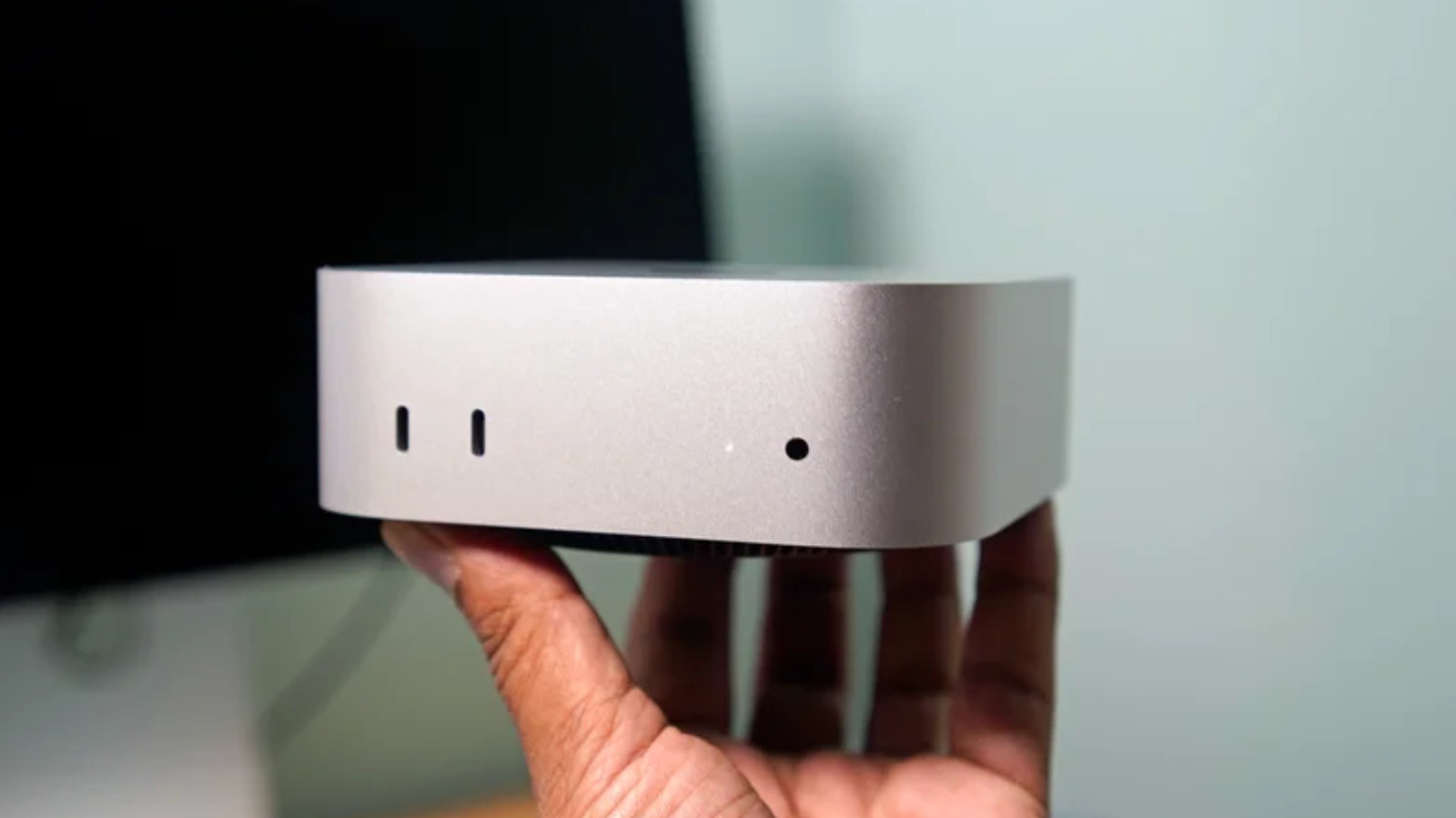
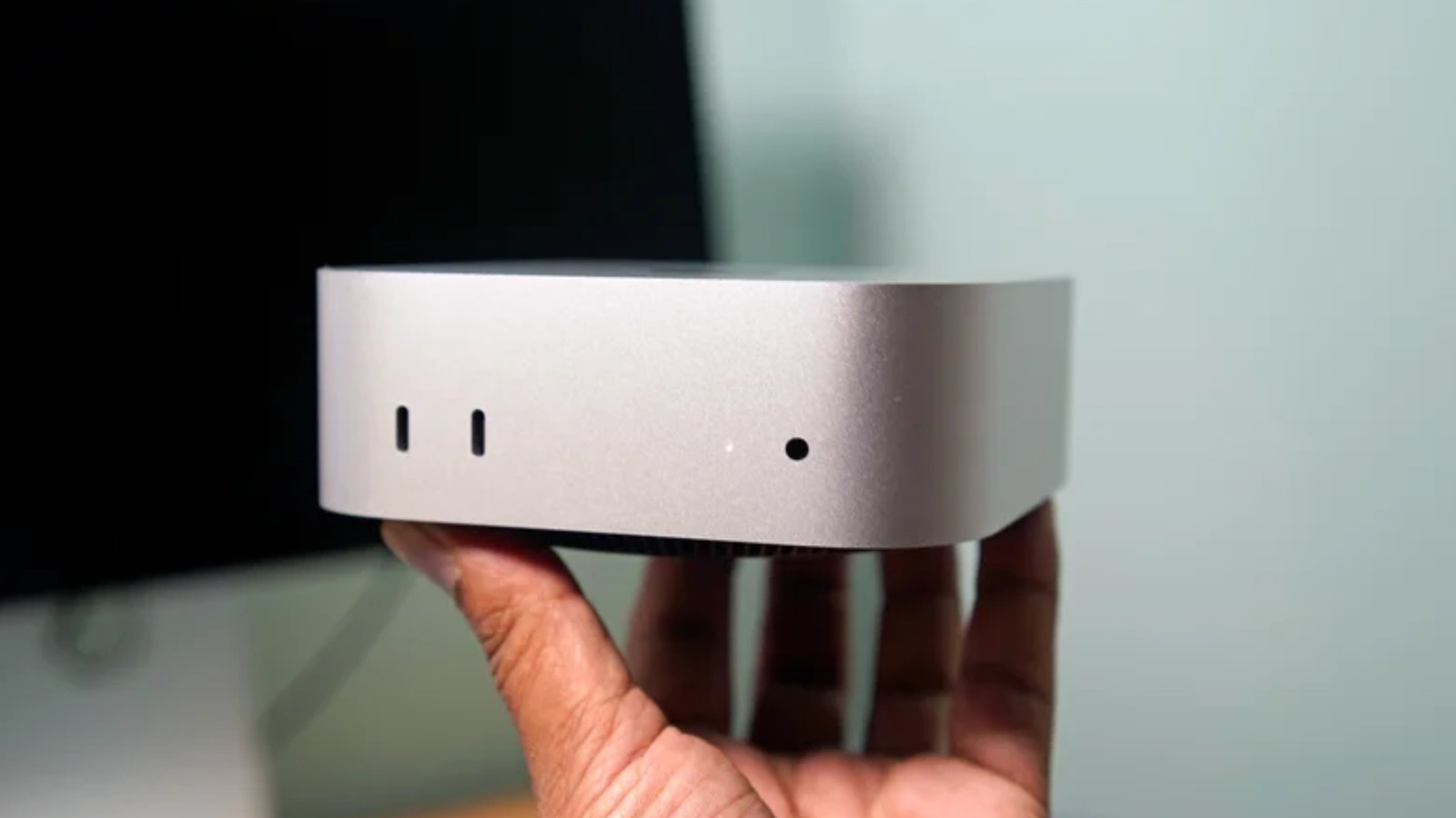
The AI industry’s demand for memory, storage and powerful chips has finally come for the Mac mini. Apple has stopped selling its cheapest $599 model of the Mac mini, based on changes to the company’s store page spotted by MacRumors. Only configurations that come with at least 512GB of storage and up are available, which means the Mac mini now effectively starts at $799. The tiny desktop’s popular use as a home for local AI agents likely played a part in the change.
Engadget has contacted Apple for confirmation that it’s discontinuing the entry-level Mac mini. We’ll update this article if we hear back.
Advertisement
When Apple started selling the redesigned Mac mini for $599 in 2024, it was one of the best deals the company had offered in years. With options for multiple tiers of Apple’s M4 chip, at least 16GB of RAM, at least 256GB of storage and enough ports to get things done, the Mac mini was remarkably capable. That also made it popular among the AI crowd, first for its ability to run local large language models, and later as a dedicated computer for AI agents like OpenClaw. A combination of demand from AI tinkerers and growing constraints around sourcing things like memory and storage may have motivated Apple to remove its cheapest model, at least for now.
CEO Tim Cook suggested as much during Apple’s most recent earnings call. “We think, looking forward, that the Mac mini and Mac Studio may take several months to reach supply demand balance,” Cook said. “Both of these are amazing platforms for AI and agentic tools and the customer recognition of that is happening faster than what we had predicted, and so we saw higher than expected demand.”
Apple has been better than most at weathering “RAMaggedon,” or at least hiding its effects across its product lines. When the company updated the MacBook Air with its M5 chip, it also bumped the storage to 512GB and the starting price to $1099, possibly in light of the changing cost of RAM and storage. In that case, the blow was softened by the availability of the MacBook Neo, which offered a lot of the power of Apple’s Macs for a much more affordable $600. There’s currently no equivalent for the Mac mini, though, and it’s not clear when, if ever, Apple will start selling something similar for that same cheap starting price.
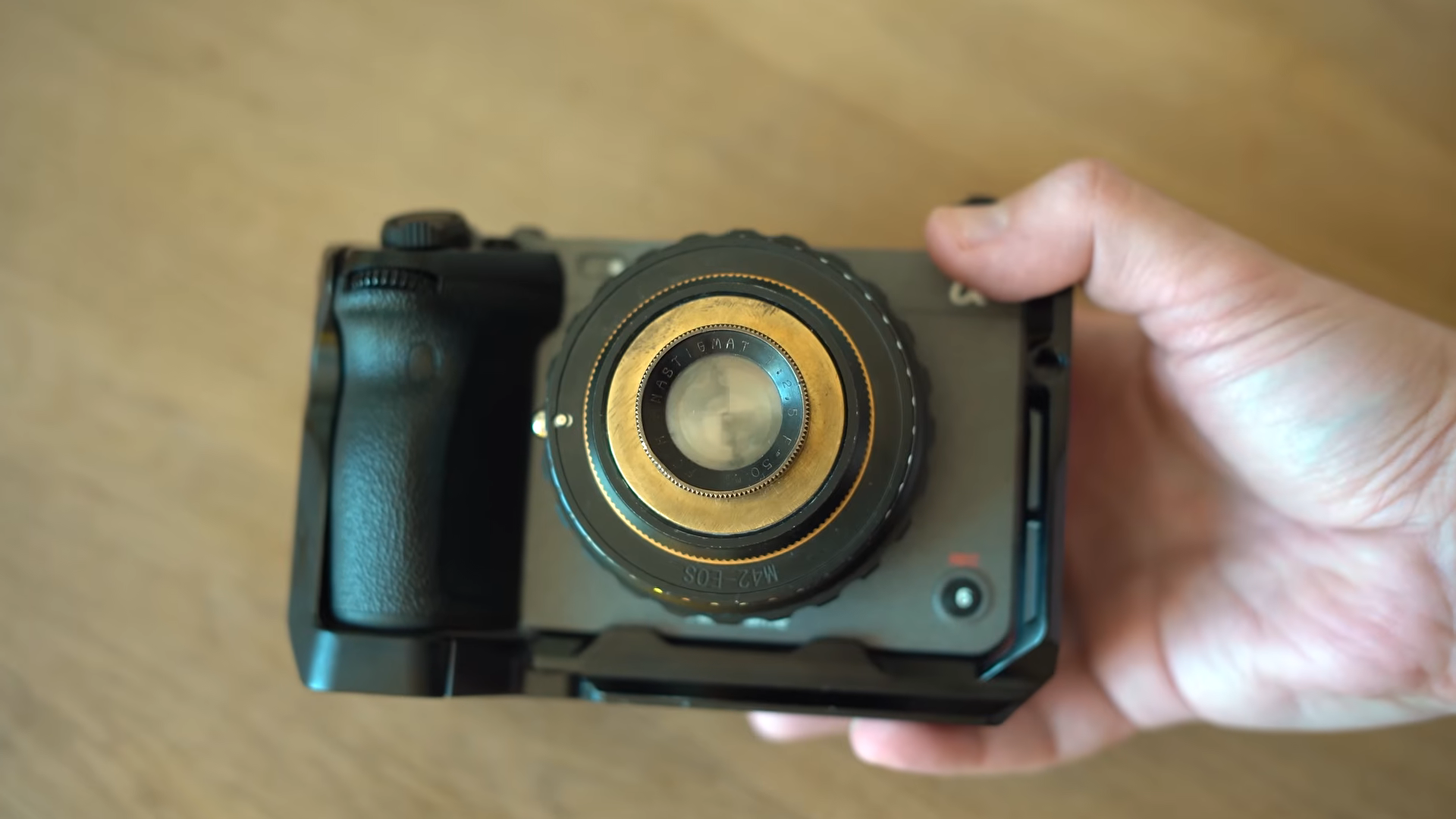
You can get all kinds of fancy lenses for modern cameras, with all sorts of mechanical and electronic wizardly to make them shoot better images. But what if you paired a vintage lens with a modern camera? It would take some work, as [Mathieu] found out, but you’d also get some interesting results.
The optic in question is a 100-year old lens—a Foth 50 mm f2.5 to be precise, originally used with a folding film camera. It was sourced from a market for just 3 euros. Notably, the lens was not designed for modern cameras, and so lacks an aperture and focusing mechanism. [Mathieu] thus had to fabricate something to fit the lens to a Sony FX3. A first attempt used an aperture adapter from Amazon and an elcoid adapter, but there were vignetting problems due to the lens placement in this case. Ultimately, [Mathieu] went with a special macro adapter that allowed him to control focus and tuck in an ND filter behind the lens, which made up for the lack of an aperture.
The vintage glass isn’t the sharpest lens out there, but that’s kind of what’s fantastic about it. The center of the frame is certainly focused, but it fades out softly towards the edges of the image, giving a cinematic, dreamlike effect. The bokeh in the background are particularly charming, too. As far as 3 euro lenses go, this one was a hit.
“On the Mac Mini and Mac Studio, both of these are amazing platforms for AI and agentic tools,” Cook said. “And customer adoption of that is happening faster than we expected.” Read Entire Article Source link






























































You must be logged in to post a comment Login