This story was sponsored and fact checked by Marantz
Marantz is redefining what reference level home theater looks and sounds like for today’s listener. The focus is no longer on excess hardware or visual dominance, but on delivering uncompromising performance, meticulous tuning, and premium build quality within a refined, contemporary industrial design that complements modern living spaces. It is theater-grade sound, executed with intention and restraint.
That philosophy comes into full view with the introduction of the AV30 and AMP30, completing Marantz’s new A/V separate series alongside the AV10 and AMP10 and the AV20 and AMP20. The result is a deliberately tiered lineup of preamp/processors and multi-channel amplifiers offering mix-and-match configurations, including support for immersive layouts up to 9.4.6 Dolby Atmos.
Whether building a reference system from the ground up or integrating selectively with the Cinema Series AVRs to add power where it matters most, Marantz has designed an ecosystem that scales performance with consistent visual elegance.
Advertisement
Execution matters at this level, and Marantz’s latest A/V separates reflect that standard. All components are engineered and manufactured at the Marantz Shirakawa Audio Works facility in Japan, and each product is certified by a Marantz Sound Master, currently Yoshinori Ogata, to ensure tuning accuracy, consistency, and performance integrity.
The result is a modern reference platform that prioritizes sound quality, visual refinement, and long term relevance, delivering premium home theater without the traditional equipment rack mentality and signaling clearly where Marantz believes high-end A/V performance belongs today.
From Foundational Engineering to Modern Reference Home Theater
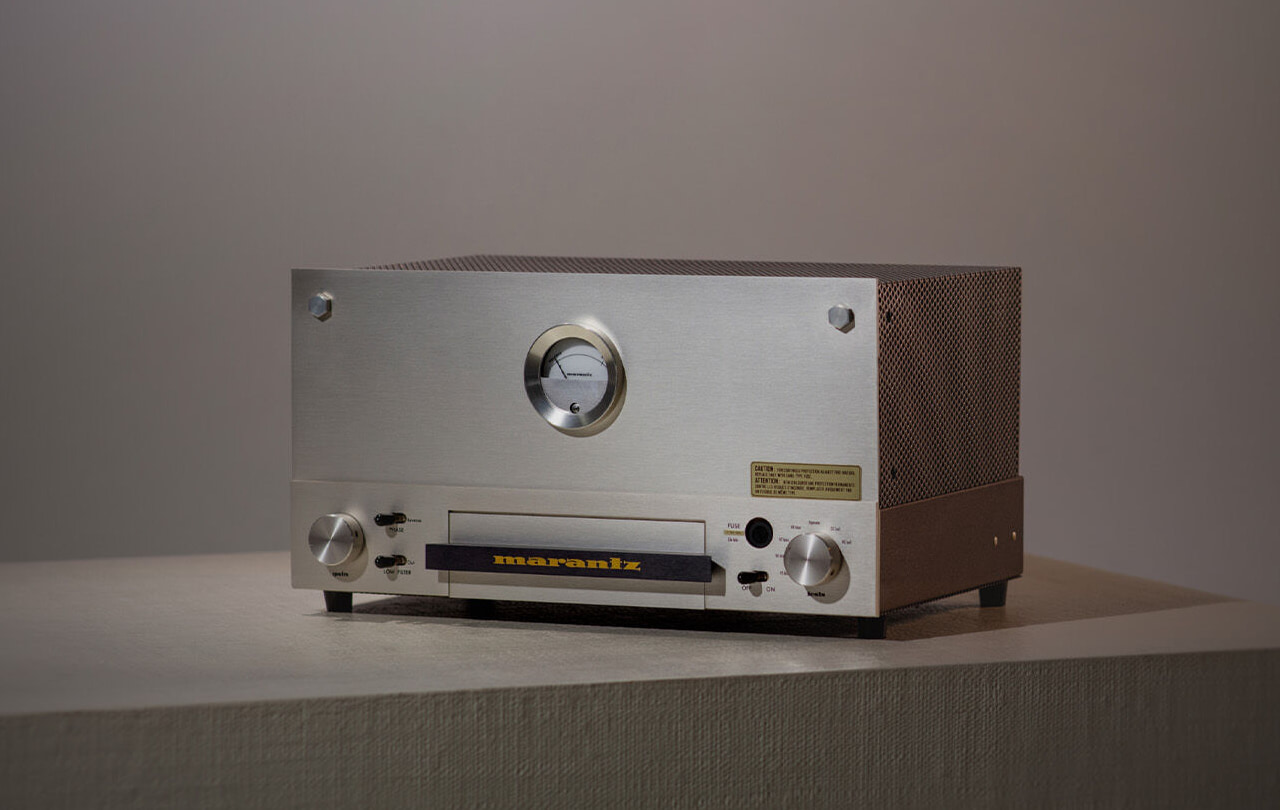
The current Marantz A/V separates continue the ethos, engineering discipline, and design principles established by founder Saul Marantz beginning in 1953. Most notably, the Marantz Model 9 from 1960 introduced the porthole and architectural symmetry that remain defining elements of the 2026 lineup. From the outset, Marantz established a clear technical philosophy centered on precise power control, stability under load, and system designs that balance performance with usability.
Marantz Model 9 Stereo Amplifier (1960)
Inspired by the proportion and resonance of musical instruments, Marantz components use symmetry not as a stylistic gesture but as a visual expression of control and order, reinforcing the central role of sound rather than competing with it. The iconic porthole carries that same philosophy forward. Originally a functional window for an analog VU meter, it has evolved into a modern aperture into the heart of the component, maintaining a sense of connection between listener and system whether the technology inside is analog or digital.
The warmth long associated with Marantz sound is equally present in its physical form. Materials, finishes, and color choices are selected to feel inviting rather than clinical, while controls are designed to respond with precision and confidence in hand. Anchoring it all is the Marantz mark, placed deliberately at the pinnacle of each product as a quiet statement of lineage and intent.
Advertisement
As formats evolved and system complexity increased, Marantz expanded its engineering and tuning operations, reinforcing a culture of precision and consistency. Rather than treating home theater as a departure from high-fidelity design, Marantz applied its amplification expertise directly to multichannel systems, focusing on clarity, spatial coherence, and controlled dynamics across increasingly demanding channel counts.
Marantz AV30 (2026 model)
A key technical milestone followed with the development of Hyper Dynamic Amplifier Module technology. Created as a discrete alternative to conventional integrated circuits, HDAM established Marantz’s approach to faster signal response, wider bandwidth, and more precise dynamic control—an architecture that continues to define the brand’s amplification.
Advertisement. Scroll to continue reading.
That lineage is carried forward in Marantz’s latest A/V separates, which translates decades of amplification and tuning expertise into reference-level home theater as it is experienced today.
A Tiered Reference System Designed for Modern Home Theater
Marantz’s current A/V separates are designed as a deliberately tiered system rather than a single statement product. The lineup comprises three preamp processors, the AV10, AV20, and AV30, and three multichannel power amplifiers, the AMP10, AMP20, and AMP30, allowing system builders to scale performance while maintaining a consistent design and tuning philosophy.
Advertisement
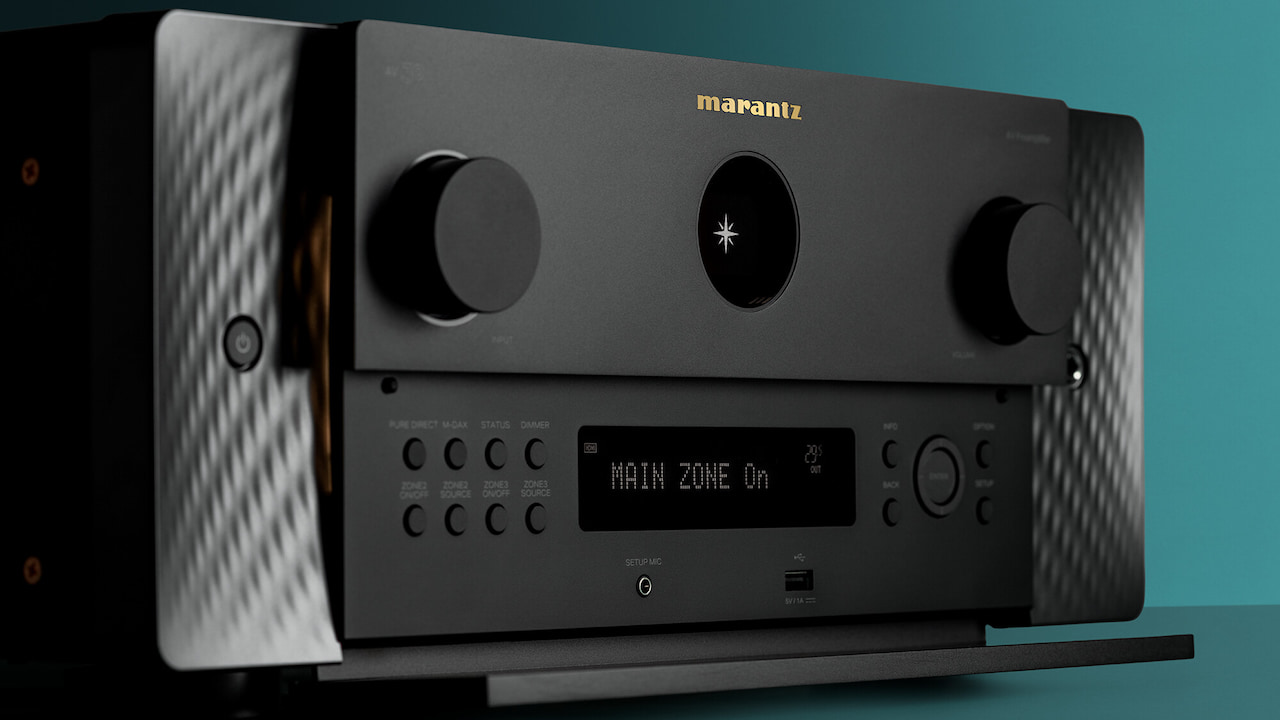
Marantz AV10
The newest additions, the AV30 and AMP30, serve as the most accessible entry point in the lineup, complemented by the AV20 and AMP20 and the flagship AV10 and AMP10. Together, they form three clearly defined performance tiers that allow systems to scale without sacrificing a unified design language or tuning philosophy.
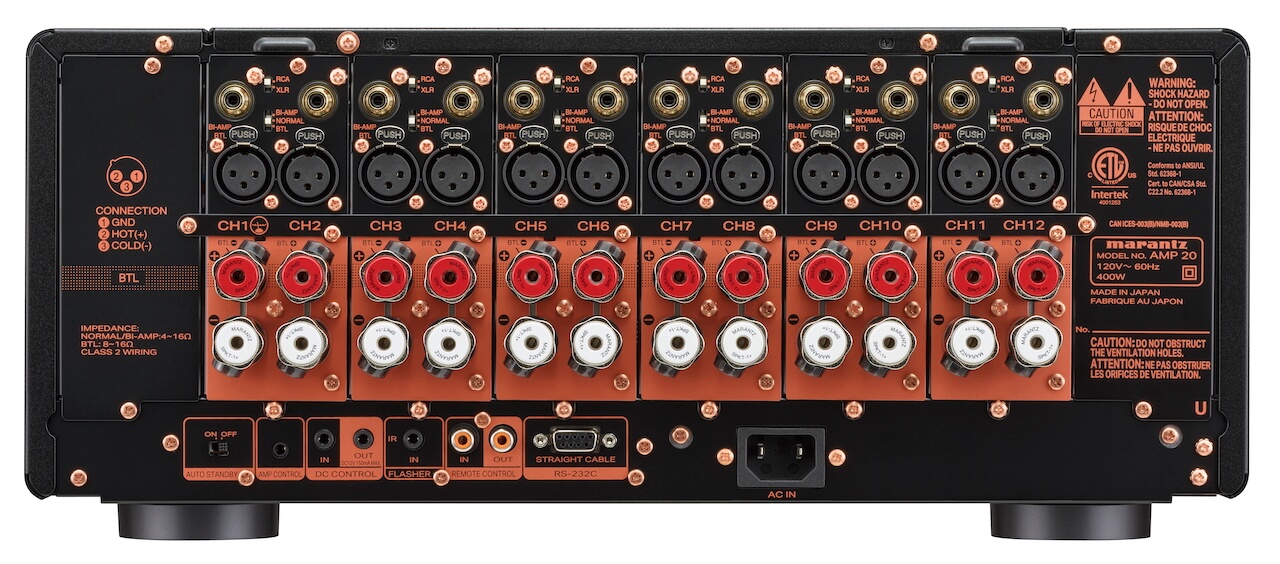
Signal integrity, tonal balance, and amplification control are consistent across the Marantz separates range. The differences come down to channel capacity. The AV30 supports up to 7.4.4 Dolby Atmos processing, the AV20 adds 2 additional height or surround channels, and the flagship AV10 expands that by another 2 channels. The amplifier lineup follows the same logic: the AMP30 provides 6 channels, the AMP20 offers 12, and the AMP10 tops the range with 16. All amplifier channels are rated at 200 watts into 8 ohms and support bi-amping or bridging, which doubles output to 400 watts per channel.
Marantz AMP20 (rear)
With support for immersive configurations from 11 to 15 channels, Marantz A V separates are well suited to high-performance living spaces and dedicated theaters where integration, efficiency, and visual restraint matter as much as output. Their focus is consistency, maintaining clarity, stability, and coherence as channel counts and speaker demands increase. All three AMP models also provide a flexible upgrade path for Marantz Cinema Series AVR owners who need additional power or channel expansion.
The result is a separates platform defined by flexibility rather than hierarchy. Whether beginning with the AV30 and AMP30 or building toward a flagship configuration, each tier reflects the same approach to amplification, tuning, and industrial design.
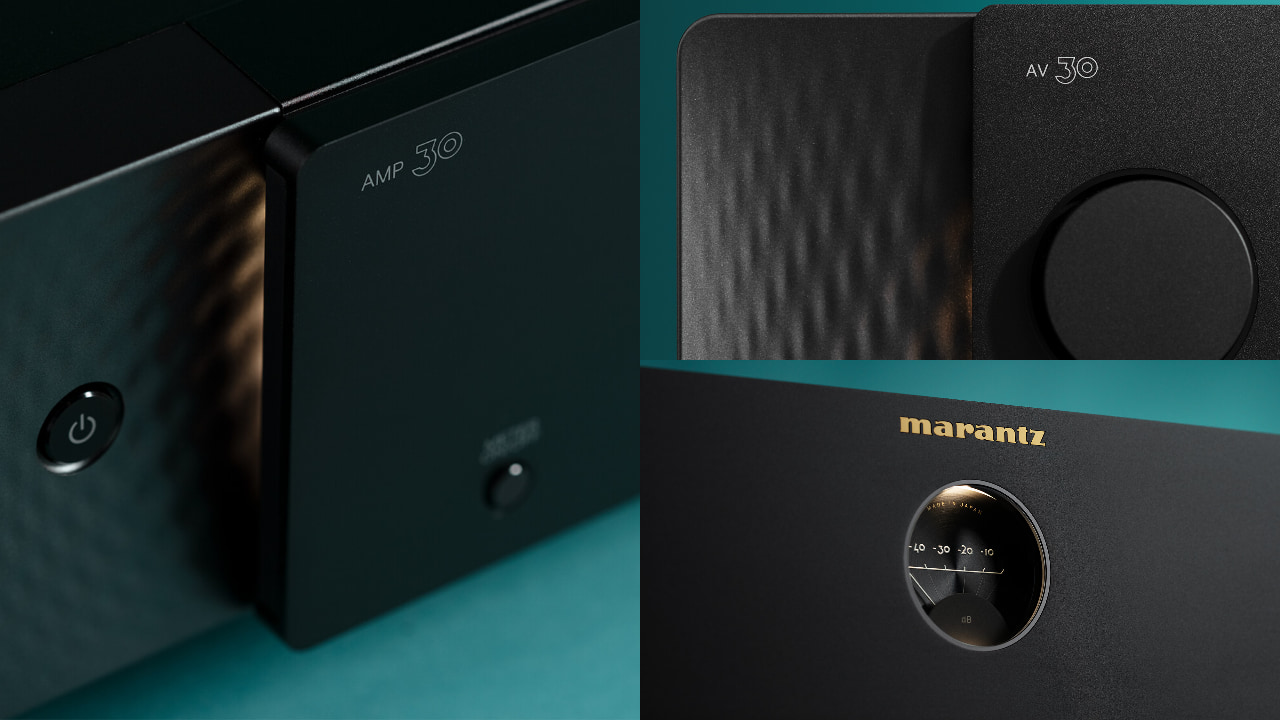
Marantz AMP30
AV30 and AMP30: A Modern Entry Point to Marantz Reference Home Theater
Marantz reinforces its tiered separates strategy with the AV30 and AMP30 by addressing a buyer who wants a high-performance home theater that is equally capable with film, music, and modern displays. Positioned as the most accessible entry point in the Marantz separates lineup, the pairing is designed to deliver the core elements that matter at this level: format flexibility, system integration, and the ability to adapt as the system and room evolve.
The AV30 serves as the system’s control center, supporting the surround formats that define today’s premium home theater, including Dolby Atmos, DTS X, Auro 3D, and IMAX Enhanced. Four independent subwoofer outputs allow precise low-frequency integration and compatibility with advanced room optimization such as Dirac Live ART. On the video side, support for HDR10, HDR10+, Dolby Vision, HLG, and Dynamic HDR pass-through ensures full compatibility with modern displays and high-quality sources.
Beyond home theater, the AV30 is designed to integrate easily into everyday listening. It supports a wide range of streaming services, including Amazon Music, TIDAL, Deezer, Napster, and SoundCloud, Qobuz Connect, and is Roon Ready for library-based playback. HEOS enables multiroom integration, while Bluetooth, Apple AirPlay 2, and Wi-Fi provide straightforward access across devices and use cases.
Advertisement
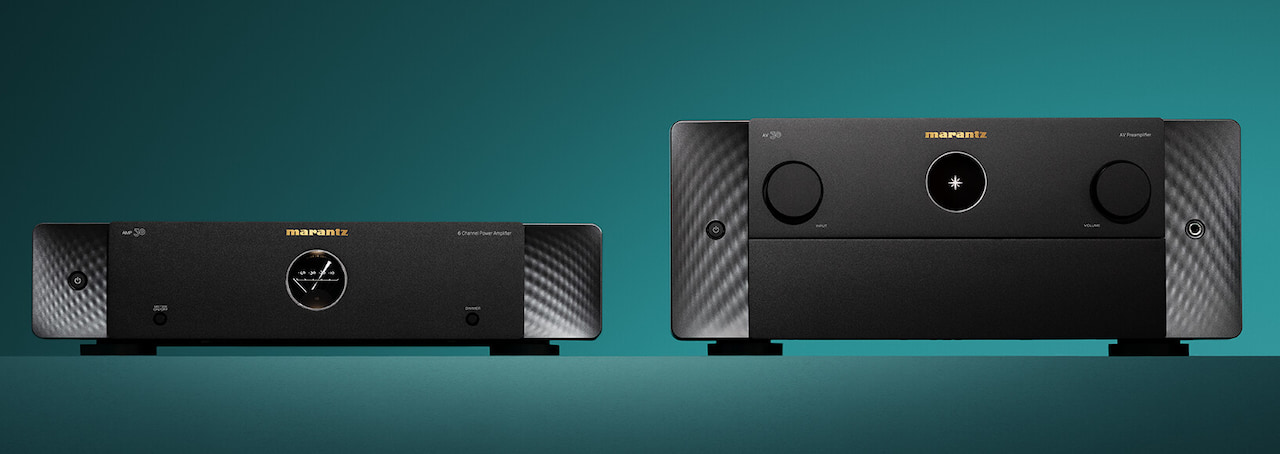
Marantz AMP30 (left) and AV30 (right)
Paired with the AV30, the AMP 30 delivers controlled, scalable amplification for modern multichannel systems. Its six-channel Class D design provides up to 200 watts per channel, reinforced by Marantz’s HDAM-SA2 circuitry for stability and tonal consistency. Systems can grow by adding additional AMP30 units or pairing with higher-channel-count amplifiers such as the AMP20, while support for bi-amp and bridge-tied load configurations and both XLR and RCA inputs keeps integration straightforward.
Taken together, the AV30 and AMP30 form a cohesive foundation for buyers considering an $8,000 separates investment. As a system, they deliver modern surround processing, refined low-frequency control, scalable amplification, and seamless integration with both home theater and whole-home audio environments.
More importantly, they reflect Marantz’s long-standing priorities; clarity, control, and thoughtful system design applied to the realities of contemporary home theater, where performance must coexist with flexibility and long-term relevance.
Advertisement. Scroll to continue reading.
Tip: In the coming weeks our Editor-at-Large, Chris Boylan will be releasing his hands-on review of the AV30, AMP30 and AMP20.
Zoë Schiffer: Wait, is the Pentagon Pizza thing a joke about the pizza predicting the war?
Advertisement
Makena Kelly: Yeah.
Zoë Schiffer: Oh, my God.
Makena Kelly: Because they had these Pentagon pizza trackers up. When I returned the second night, yes, I came back the second night. Everything was working for the most part. There were still some screens that were turned off, but I never saw any actual Bloomberg terminals. There were some monitory Bloomberg type terminal things that it looked like Polymarket had developed themselves, but the real $50,000 Bloomberg terminal was nowhere to be found. And yeah, the second night, again, it was mostly people looking to gawk at the event, except I did find a couple of people who placed some bets on platforms like Polymarket and Kalshi. One was named William, and he said he was a member of the military, wouldn’t give me his full name. And he last year got involved in this for the first time by putting in, I think, all of his tax return into Oklahoma City sports betting.
Makena Kelly, archival audio:So, you used Kalshi?
Advertisement
William, archival audio:Yes.
Makena Kelly, archival audio:When did you first start using the service?
William, archival audio:Probably when I got my tax return back.
Makena Kelly, archival audio:OK.
Advertisement
William, archival audio:So, I filed my taxes pretty early and I was like, “Oh, sweet. I got my tax return. What am I going to do with it?” So, I was like, “I’m going to just put it on Kalshi.”
Makena Kelly: He said that he goes up and down 100 dollars, but he hasn’t made any major winnings. Some of the stuff that we’ve heard. Some people making crazy insider bets making millions and millions of dollars. This is just a guy who was interested in this and just plays it for fun, it sounds like.
Brian Barrett: Kate, what do you see when you see a pop-up like this and Polymarket trying to—is it an attempt to legitimize itself to just a marketing stunt? And how does it tie into what you’re seeing with these companies anyway, that there’s the explosive growth that they’ve got trying to reach out to so many people and getting so many people hooked on what they’re offering?
Kate Knibbs: I mean, this particular event definitely seems like a very bald effort to woo DC-based journalists, if nothing else. One thing that Makena said sort of encapsulates what’s going on right now, the thing about the guys in the Palantir hoodies. So, I think it was the same week that this bar opened. Polymarket announced a partnership with Palantir and Palantir is helping them protect the integrity of their sports market. So, Palantir is going to be basically attempting to help Polymarket catch insider traders and market manipulators in all the sports games, which is kind of wild. I actually asked Polymarket last week whether they had any other deals with Palantir when I was trying to get them to say anything about whether they were investigating the Iran bets that have been raising a lot of eyebrows. And they said that Palantir was only helping them with sports, which I thought was freaking weird. And it speaks to how they’re rapidly expanding, but doing so in this really messy ad hoc way that doesn’t really make a lot of sense. Because I was like, “If you’re going to get Palantir involved, why wouldn’t you have them do this geopolitical stuff instead of March Madness?” Yeah, wild, wild times.
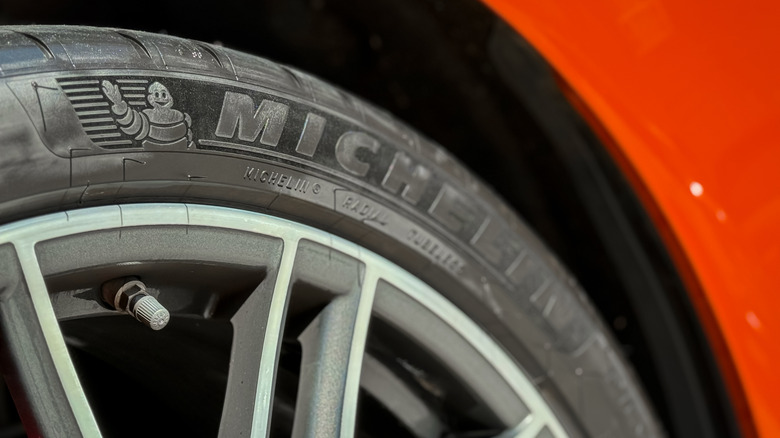
There are a number of high-quality tire brands on the market, but it’s hard to find one more consistently rated for its quality than Michelin. It came out on top in SlashGear’s own ranking of every major tire brand, and Consumer Reports (CR) places it at the top of its list as well. Across Michelin’s entire selection of tires, you see high marks for just about everything you could put a tire through, from braking on dry ground to handling on ice. It’s very rare to see CR rate something about one of these tires as below average.
With Consumer Reports, there are two sides to what data it provides. There are its in-house experts testing these tires, but then there’s also the opinions of actual drivers that CR surveys. These are folks who drive with these Michelin tires day-to-day, and they can sometimes come to a different conclusion than the experts as to which tires are best. Out of the eight Michelin tires rated by CR, the one with the highest owner satisfaction score is the Michelin LTX A/T2. These are all-terrain tires designed for trucks. What makes this high satisfaction score so interesting is that these tires actually have the lowest overall score from CR experts. They found its wet braking and noise generation to be below average, while dry and ice braking, ride comfort, and handling to be no more than average. Regardless of these tests, CR owners gave the Michelin LTX A/T2 tires a near-perfect satisfaction score, so perhaps CR’s tests don’t fully capture the real world experience with these tires.
Advertisement
The experts’ top Michelin tire
DiPres/Shutterstock
Although the Consumer Reports experts do not hold the same high opinion of the Michelin LTX A/T2 tires as the owners surveyed, they’re not too far apart when it comes to owners’ second-highest satisfaction rating. That would be the Michelin Pilot 4s tires. These tires are categorized as ultra high performance summer tires and are made for sports cars that you’d obviously want to drive quite fast. Out of all the tires tested, these are the ones with the highest overall score from the CR experts, and it’s actually a significant first place finish among Michelin tires. Being number one for the experts and number two for the owners shows a level of consensus you just don’t get with the LTX A/T2 model.
The thing about Consumer Reports’ findings on the owner satisfaction of Michelin tires is that they are universally high. The previously mentioned ones are ranked one and two, but the remaining six Michelin tires tested all tie for third place, demonstrating a remarkable level of consistency across the brand’s offerings. For a broader perspective, every single Michelin tire tested has the highest CR owner satisfaction rating for whatever category it is in compared to every other brand. There is one exception with the Michelin X-Ice Snow tires, but it still ranks second among all winter/snow tires. For owners surveyed by CR, there is not a single Michelin tire they’re not incredibly pleased with. If you don’t have a truck suitable for the Michelin LTX A/T2 tires, owners don’t think you’re settling for less with a different Michelin tire better suited to your vehicle.
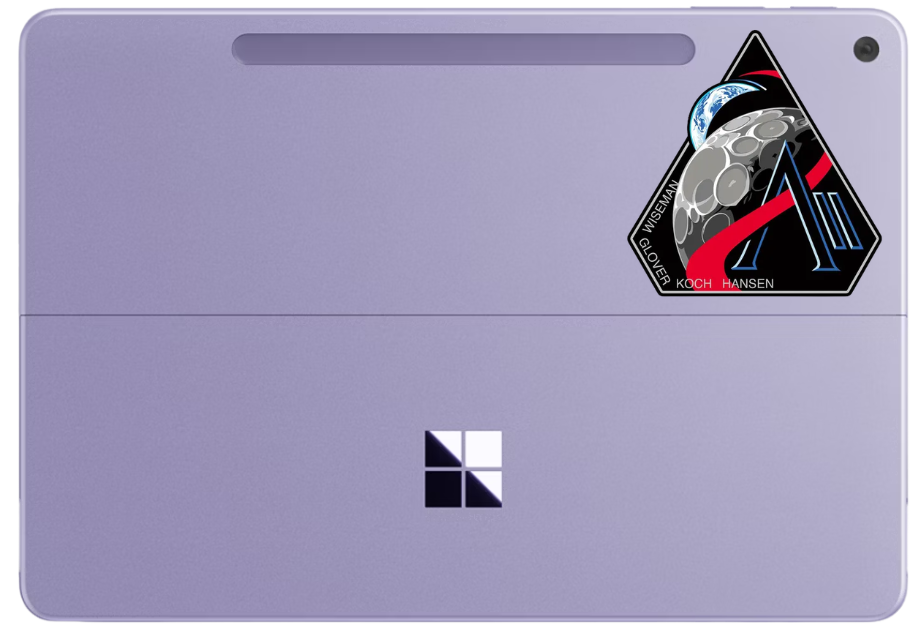
Artemis 2 astronauts are using Microsoft Surface Pro computers on board the Orion spacecraft. (GeekWire Illustration)
Bound for the Moon, astronauts aboard NASA’s Artemis 2 Orion spacecraft experienced a challenge familiar to many of us back here on terra firma: Microsoft Outlook.
Commander Reid Wiseman radioed Mission Control on the crew’s first day in space to report that he had two instances of Outlook running on his computer — a Microsoft Surface Pro — and neither seemed to be working.
Like any good IT support team, Houston said it would jump in remotely and take a look. About an hour later, ground controllers reported they had resolved the issue and gotten Outlook open, though it would display as offline, which they said was expected.
The moment, captured on NASA’s livestream, quickly went viral. A Bluesky user clipped the exchange, writing, “I’m so sorry we’ve sent these souls to the moon and they’re using outlook?”
Outlook is part of the commercial off-the-shelf software NASA provides astronauts for scheduling, personal communications and other routine tasks. The spacecraft’s primary flight systems run on separate, radiation-hardened hardware.
Advertisement
The Outlook glitch wasn’t the crew’s only mundane challenge. Shortly after launch, the toilet fan jammed, though ground teams managed to fix that, too.
We contacted Microsoft for comment and a rep said they’d let us know if the company had anything to say. At least we know the message went through.
TikTok points to capacity constraints and slow infrastructure development as the deciding factors in shelving its planned second data centre, but leaves door open to future opportunities.
The need for greater capacity, and the infrastructure development environment – these were the two key factors behind TikTok shelving a planned second data centre in Dublin, a company spokesperson told SiliconRepublic.com today (2 April) while confirming the reported decision.
Instead, the ByteDance-owned company will focus its European data storage expansion in some of its other locations – in particular, sites in Norway and one in Finland.
TikTok said that when looking at its various sites across Europe, it considered where could best meet its growing capacity demands as regards infrastructure and the speed of development, and that the Nordic countries were a better fit for those considerations.
Advertisement
The company said Ireland remained one of its biggest and most important strategic sites in Europe and, should future opportunities arise that did meet its capacity needs in particular, it would remain open to exploring them.
The spokesperson emphasised that the existing data centre operation in Ireland, which came online in 2023, remains fully operational as an important part of its Project Clover, and that TikTok is still very much committed to Ireland.
Project Clover is the Chinese-owned platform’s initiative designed to update its data security practices across Europe, so as not to fall foul of strict European data privacy regulations.
TikTok had originally planned to lease data centre space at Echelon’s campus in Clondalkin, Dublin, as part of a three-site strategy. However, as Irish newspaper the Business Post was first to report earlier this week, plans for the second Irish data centre have been shelved.
Don’t miss out on the knowledge you need to succeed. Sign up for the Daily Brief, Silicon Republic’s digest of need-to-know sci-tech news.
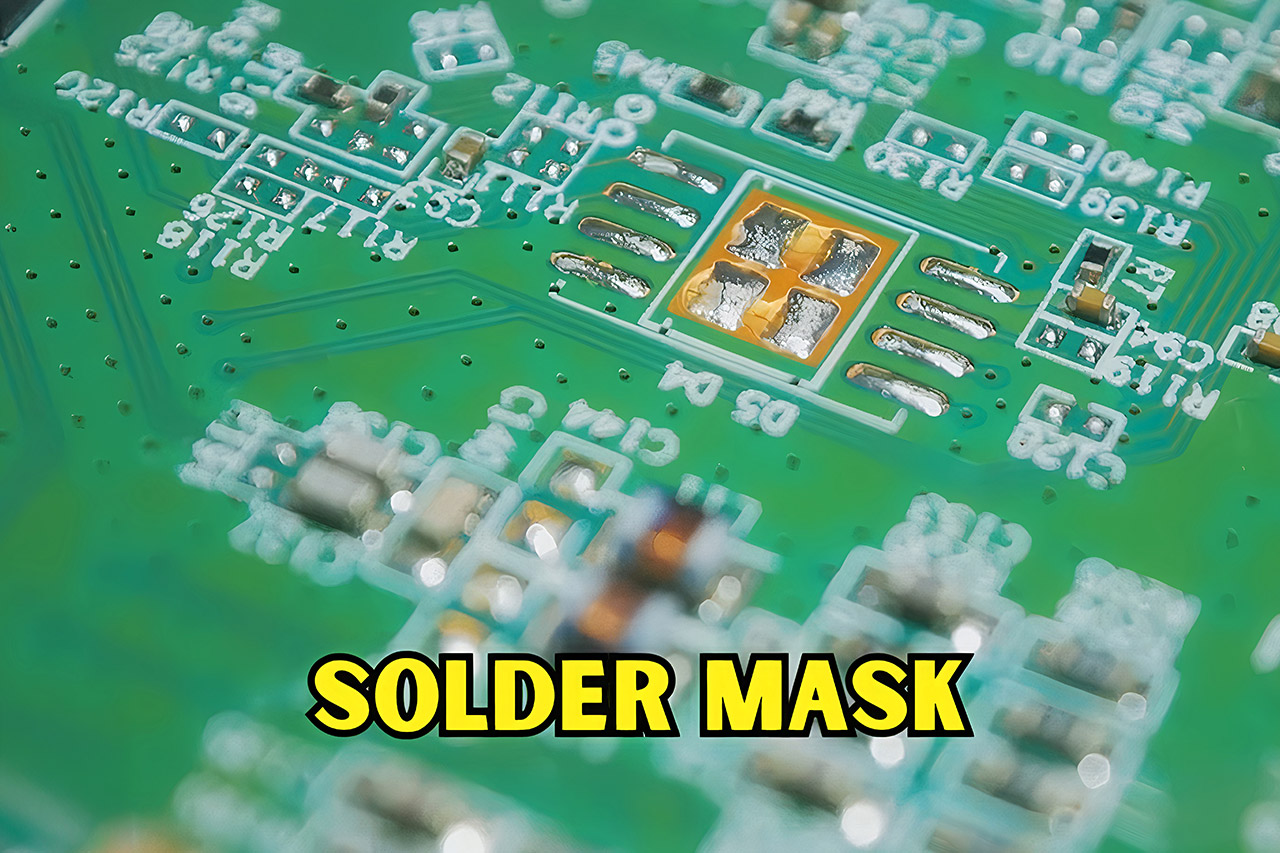
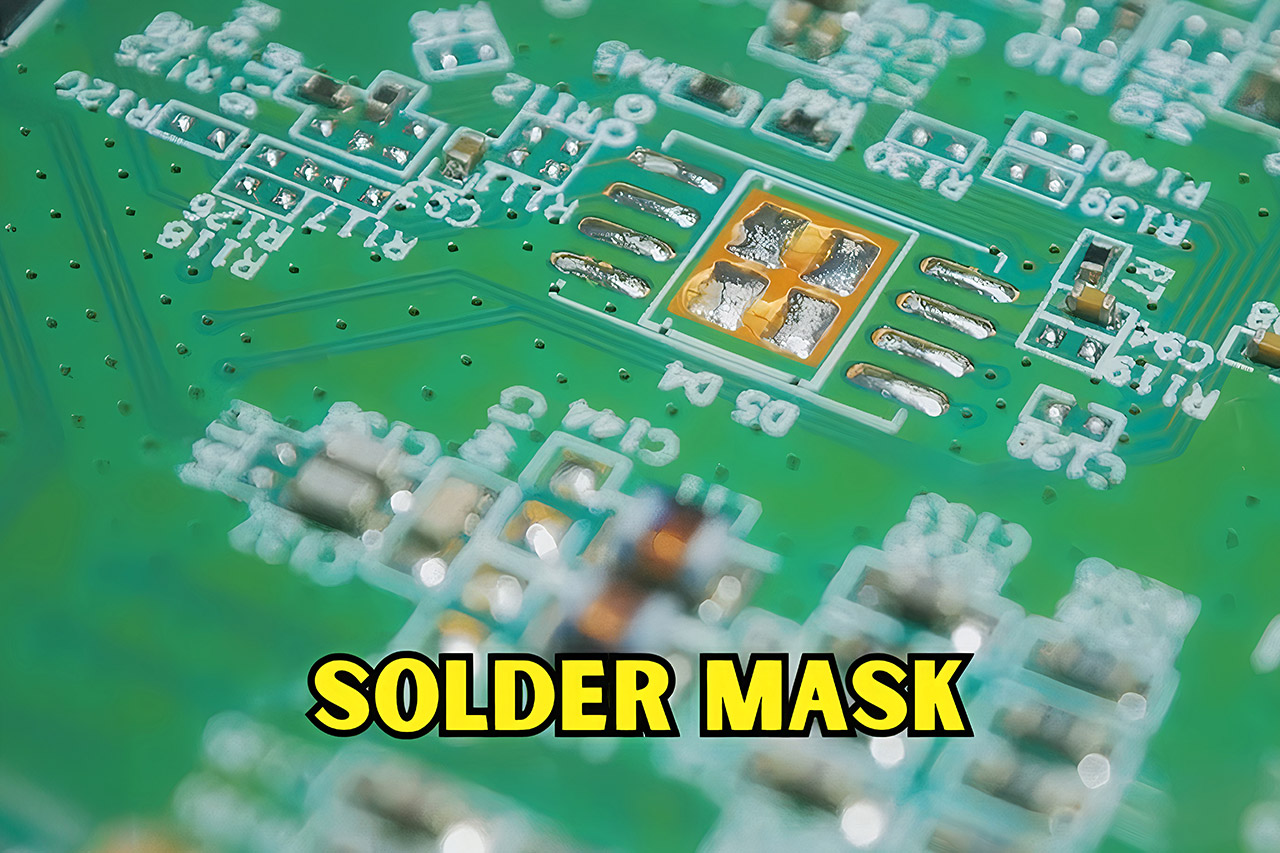
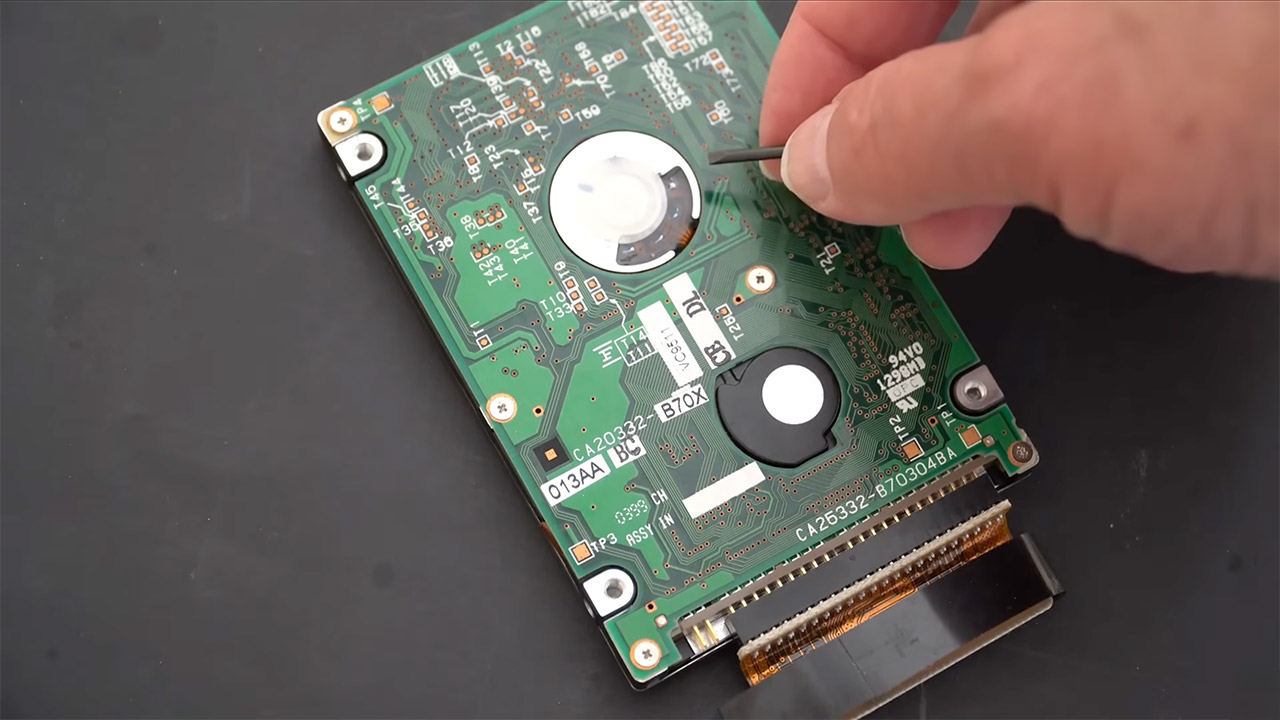
Circuit boards are found in almost every electronic device that consumers use today. When you open your phone, computer, or a basic remote control, green is the first thing you notice. That famous green hue, however, does not come from the board material itself; it is due to a special coating known as solder mask, which covers the copper traces and gives them a green tint.
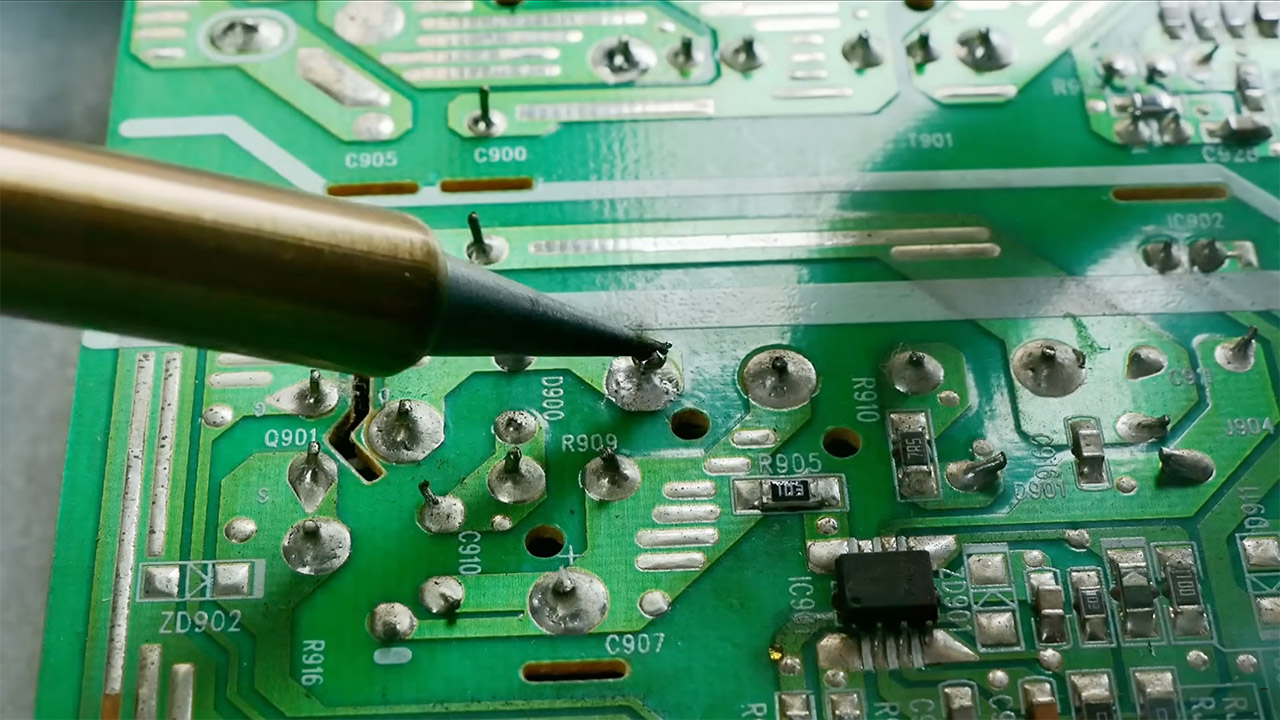
The solder mask is an essential tool for any board. After etching the copper paths onto the fiberglass basis, they apply a thin layer of polymer. The mask serves two important functions: it protects the copper from oxidation and moisture, which could cause harm, and it prevents solder from bridging between close connections while you’re assembling the item, which can result in short circuits. Without the mask, fragile circuitry could easily be damaged by regular handling or exposure to the environment.
【AMD Ryzen 4300U Processor】KAMRUI Pinova P2 Mini PC is equipped with AMD Ryzen 4300U (4-core/4-thread, up to 3.7GHz), Based on the advanced Zen…
【Large Storage Capacity, Easy Expansion】KAMRUI Pinova P2 mini computers is equipped with 16GB DDR4 for faster multitasking and smooth application…
【4K Triple Display】KAMRUI Pinova P2 4300U mini desktop computers is equipped with HDMI2.0 ×1 +DP1.4 ×1+USB3.2 Gen2 Type-C ×1 interfaces for…
Green became the go-to color all those years ago, when reliable solder masks first started rolling off the assembly line. The early ones used a combination of certain resins and hardeners that gave out a green tone, and it just so happened that there was an abundance of the green material available at the suppliers. So that became the industry norm. Over time, the industry has developed its entire process around this uniform green colour.
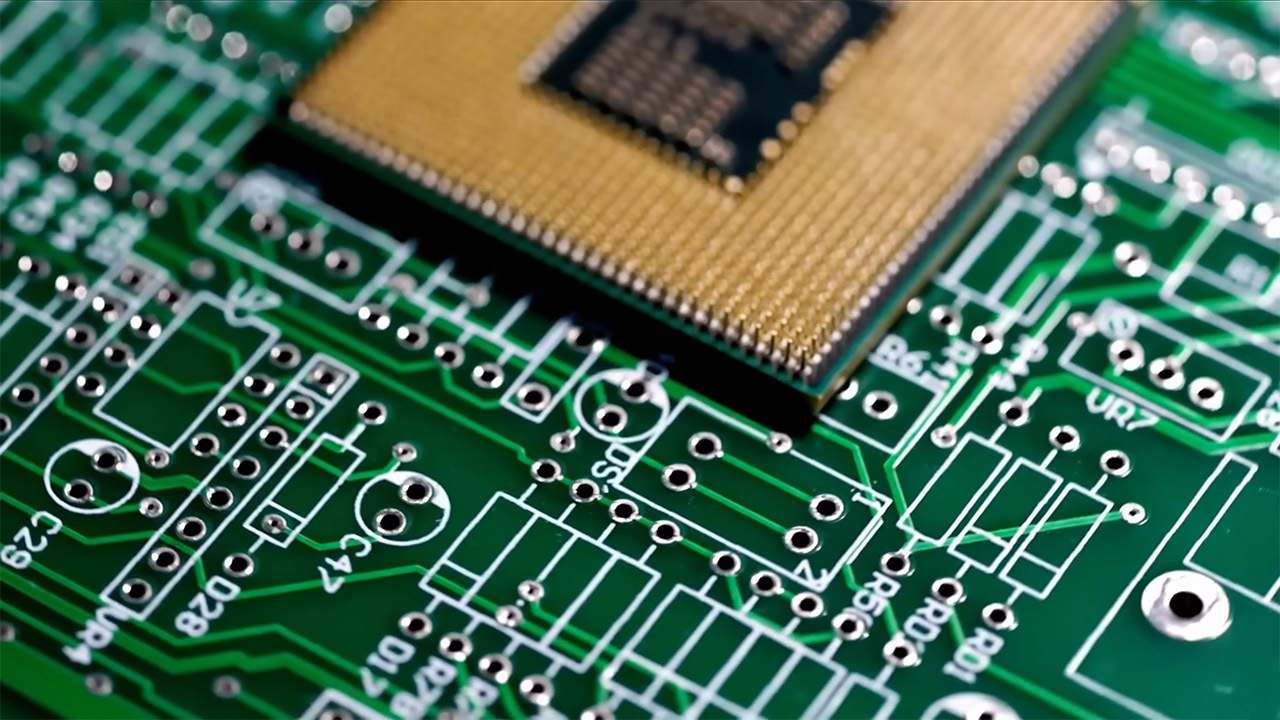
The human eye can tolerate green fairly well, especially when individuals stare at boards for hours on end under strong lighting. Green offers a fantastic contrast against the glossy copper pads and the white letters on top, reducing eye fatigue caused by staring at them for an extended period of time, since other hues have been found to be less durable. Automatic optical inspection equipment also operate better with green boards because their cameras and software have been tuned to work best with that color over time.
The cost of changing colors is also not high enough to make a significant difference. The green mask material requires less pigments in some formulations, making the production process easier because they don’t have to complicate the imaging and development procedures. The tighter design requirements associated with the conventional green color also provide them with more accurate control when exposed to ultraviolet radiation. [Source]
The researchers said that both the RTX 3060 and RTX 6000 cards are vulnerable. Changing BIOS defaults to enable IOMMU closes the vulnerability, they said. Short for input-output memory management unit, IOMMU maps device-visible virtual addresses to physical addresses on the host memory. It can be used to make certain parts of memory off-limits.
“In the context of our attack, an IOMMU can simply restrict the GPU from accessing sensitive memory locations on the host,” Kwong explained. “IOMMU is, however, disabled by default in the BIOS to maximize compatibility and because enabling the IOMMU comes with a performance penalty due to the overhead of the address translations.”
A separate mitigation is to enable Error Correcting Codes (ECC) on the GPU, something Nvidia allows to be done using a command line. Like IOMMU, enabling ECC incurs some performance overhead because it reduces the overall amount of available workable memory. Further, some Rowhammer attacks can overcome ECC mitigations.
GPU users should understand that the only cards known to be vulnerable to Rowhammer are the RTX 3060 and RTX 6000 from the Ampere generation, which were introduced in 2020. It wouldn’t be surprising if newer generations of graphics cards from Nvidia and others are susceptible to the same types of attacks, but because the pace of academic research typically lags far behind the faster speed of product rollouts, there’s no way now to know.
Advertisement
Top-tier cloud platforms typically provide security levels that go well beyond those available by default on hobbyist and consumer machines. Another thing to remember: There are no known instances of Rowhammer attacks ever being actively used in the wild.
The true value of the research is to put GPU makers and users alike on notice that Rowhammer attacks on these platforms have the potential to upend security in serious ways. More information about GDDRHammer and GeForge is available here.
A new leak suggests that the hinge of the iPhone Fold will use “chip-level polymer printing 3D technology” and the iPhone 18 upgrades will be limited to color changes.
The iPhone Fold will allegedly feature a 3D-printed hinge.
With Apple’s first foldable expected to debut in late 2026, we’re now seeing more and more claims about its hardware. Following multiple rumors suggesting Liquid Metal would be used for the hinge of the iPhone Fold, another tipster has provided a new tidbit about the component. To be more specific, a translated post from leaker Fixed Focus Digital on Weibo said that Apple is putting considerable effort into its foldable iPhone. This reportedly “involves chip-level high-molecular 3D printing technology, with further developments in the hinge design still to be revealed.” Rumor Score: 🤔 Possible Continue Reading on AppleInsider | Discuss on our Forums
IBM and Arm are teaming up to let Arm-based software run on IBM Z mainframes. Network World reports: The two companies plan to work on three things: building virtualization tools so Arm software can run on IBM platforms; making sure Arm applications meet the security and data residency rules that regulated industries must follow; and creating common technology layers so enterprises have more software options across both platforms, IBM said in a statement.
IBM has not said whether the virtualization work will happen at the hypervisor level, through its existing PR/SM partitioning technology, or via containers — a question enterprise architects will need answered before they can assess the collaboration’s practical value. IBM described the effort as serving enterprises that run regulated workloads and cannot simply move them to the cloud, the statement said. IBM mainframe customers have largely missed out on the efficiency and price-performance gains Arm has already delivered in the cloud. “Arm says close to half of all compute shipped to top hyperscalers in 2025 runs on Arm chips, with AWS, Google, and Microsoft deploying their own Arm silicon through Graviton, Axion, and Cobalt, respectively,” reports Network World.
That gap is precisely what IBM and Arm’s collaboration intends to address. “This is a mainframe adjacency play,” says Rachita Rao, senior analyst at Everest Group. “The intent is to extend IBM Z and LinuxONE environments by enabling Arm-compatible workloads to run closer to systems of record. While hyperscalers use Arm to lower their own internal power costs and pass savings to cloud-native tenants, IBM is targeting the sovereign and air-gapped market.”
HP EliteBook 6 G2q delivers up to 85 TOPS for local AI tasks
Always-connected 5G experiences require specific hardware and preinstalled eSIM modules
Service works only on compatible commercial PCs running Windows 11
HP has unveiled the EliteBook 6 G2q, an ultraslim AI PC that relies on Snapdragon X2 Elite or X2 Plus processors to deliver up to 85 TOPS of NPU performance for local AI tasks.
This lightweight laptop, up to 15% thinner than its predecessor, claims to offer always-connected experiences through HP Go 5G service.
This service is advertised as offering unlimited 5G data by automatically switching between carriers for optimal coverage.
Article continues below
Advertisement
Connectivity through HP Go 5G
However, reading through the fine print, some major restrictions and throttles undermine the promise of truly unlimited, seamless 5G broadband.
One key limitation is that HP Go 5G requires specific hardware, including an embedded WWAN 5G module and a preinstalled eSIM.
Advertisement
Unfortunately, it only works on compatible commercial PCs running Windows 11 and is activated through zero-touch deployment via HP’s management console.
Another restriction is that access is limited to the United States, which prevents users from relying on the device for continuous connectivity while traveling internationally.
Sign up to the TechRadar Pro newsletter to get all the top news, opinion, features and guidance your business needs to succeed!
For this reason, international users must return to the United States at least once every 90 days to maintain roaming eligibility.
Advertisement
The service itself is structured around tiered plans, with Lite offering domestic unlimited data, Premier adding 1GB for international use monthly, and Premier Plus promising unlimited global access.
All of these plans are prepaid and non-refundable, requiring 3-, 6-, or 12-month commitments purchased directly through HP sales representatives, which reduces flexibility for many users.
A further limitation appears in the data speeds, which throttle progressively after 5GB per month, eventually slowing to 100Kbps after 100GB.
Advertisement
Tethering and hotspot usage are also explicitly prohibited under all plans, restricting users from sharing the connection with additional devices or coworkers.
Taken together, these conditions reveal that the so-called WiFi-killing broadband carries notable constraints that can complicate practical usage.
HP embeds Wolf Pro Security Next Gen Antivirus directly into the EliteBook 6 G2q to protect against modern threats.
The device also includes HP TPM Guard, which defends BitLocker-encrypted data from physical attacks and unauthorized access.
Advertisement
Additional protections come from the Wolf Connect cellular card, improving asset tracking and data management across multiple endpoints.
These security measures extend across HP’s commercial portfolio, offering consistent defense for AI workloads deployed at the edge.
The HP EliteBook 6 G2q will be available starting in July 2026 on HP.com, with pricing announced closer to launch.
An anonymous reader quotes a report from Bloomberg: Amazon will start charging sellers who use its shipping services a 3.5% “fuel and logistics” surcharge later this month, joining the ranks of shipping companies raising prices as the war in Iran pushes oil prices higher. The fees take effect on April 17 for customers of the company’s Fulfillment by Amazon service — which is used by many of the independent sellers who list their products on Amazon’s retail sites — in the US and Canada. Items shipped by Amazon on behalf of merchants who sell on their own sites or at other retailers will carry the surcharge beginning May 2. “Elevated costs in fuel and logistics have increased the cost of operating across the industry,” Ashley Vanicek, an Amazon spokesperson, said on Thursday. “We have absorbed these increases so far, but similar to other major carriers, when costs remain elevated we implement temporary surcharges to partially recover these costs.”
Vanicek notes that the fee will apply to the sum Amazon charges to ship an item, not the product’s sale price.























































You must be logged in to post a comment Login